Home Decor
Enhance the ambiance of your living space with our curated selection of home decor essentials. From stylish wall art and cozy throw blankets to elegant vases and trendy decorative accents, we offer a wide array of options to suit every taste and style preference. Elevate your home's aesthetic appeal and create a welcoming atmosphere with our range of carefully chosen decor pieces that will add personality and charm to any room in your house.
Sort
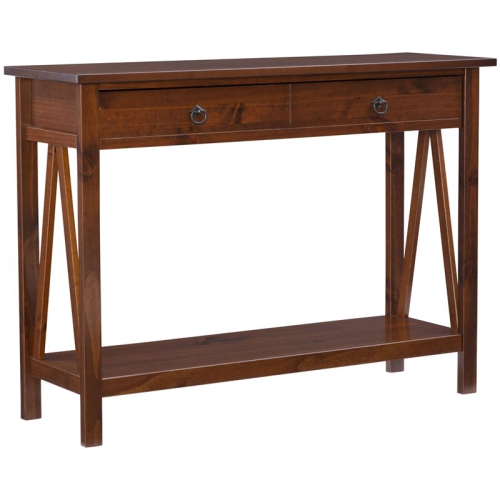
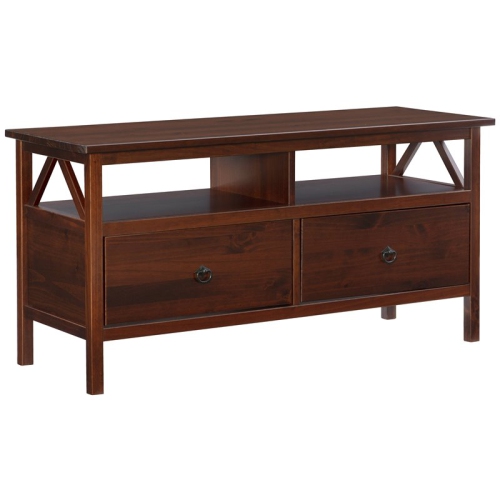
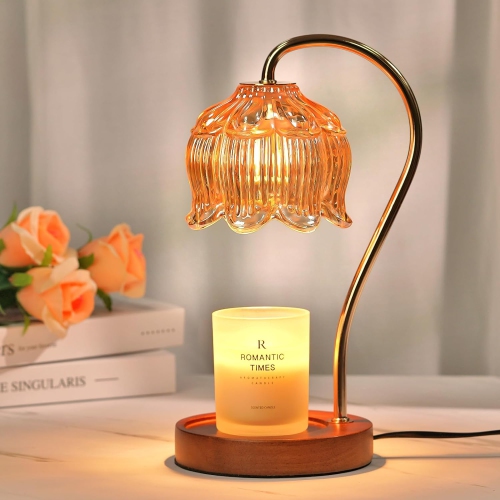
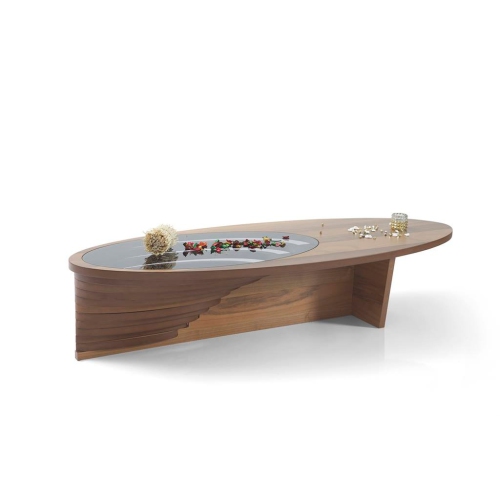



















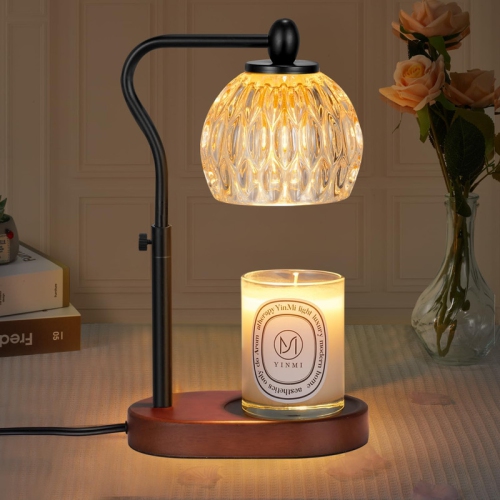
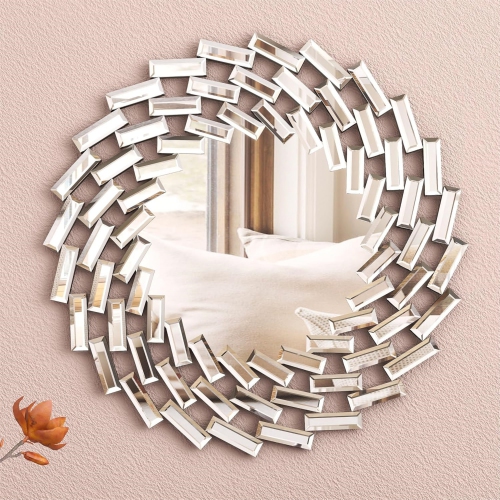




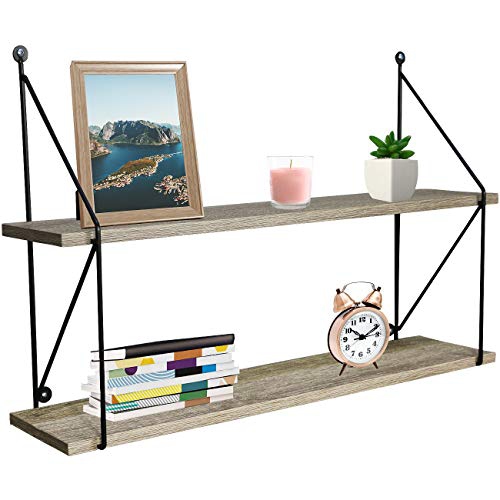
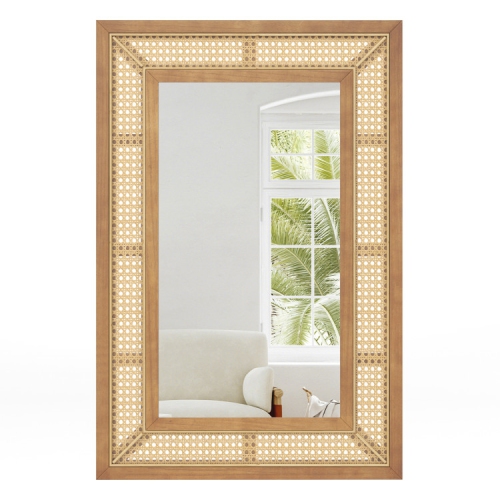
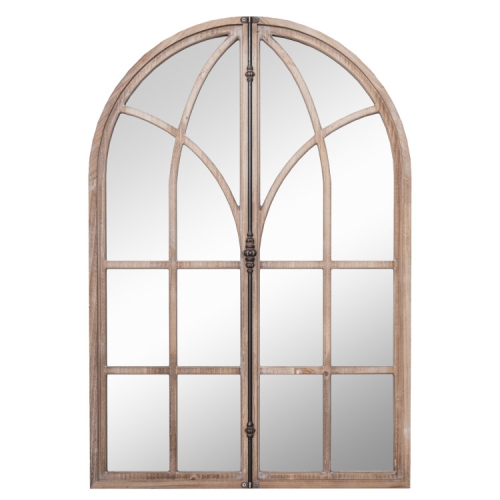
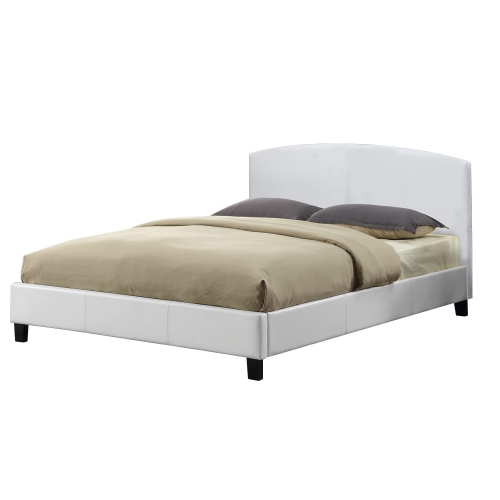
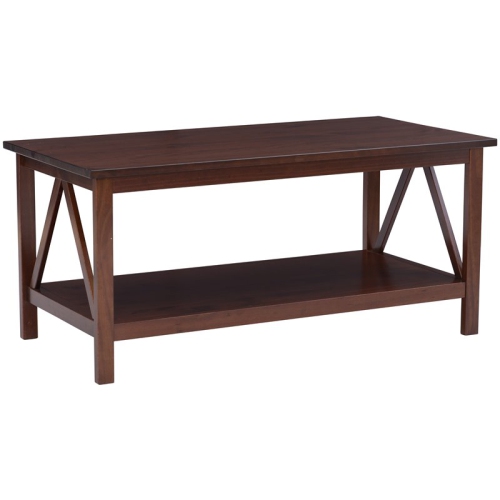

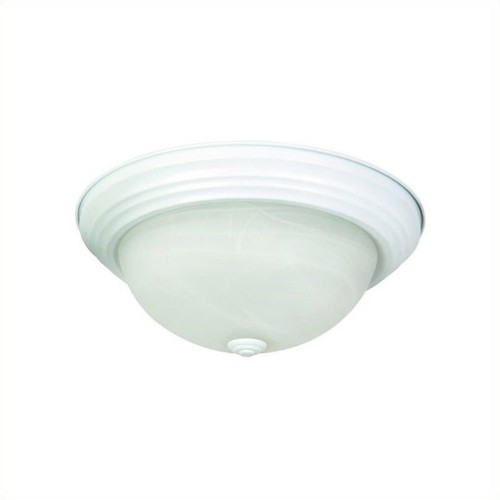







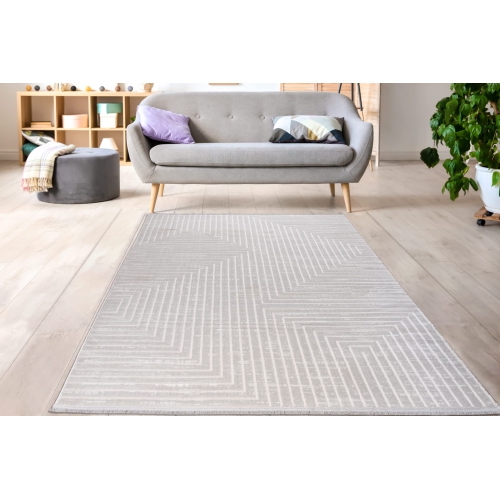
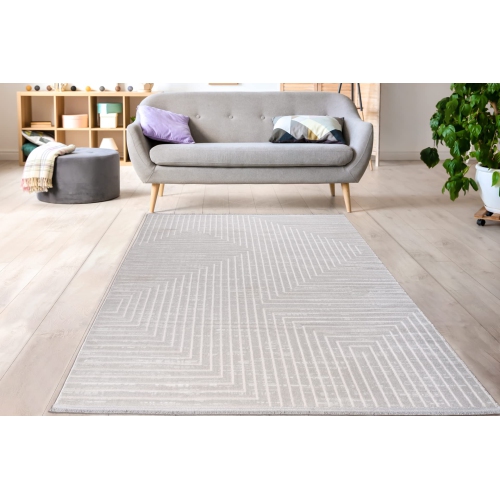



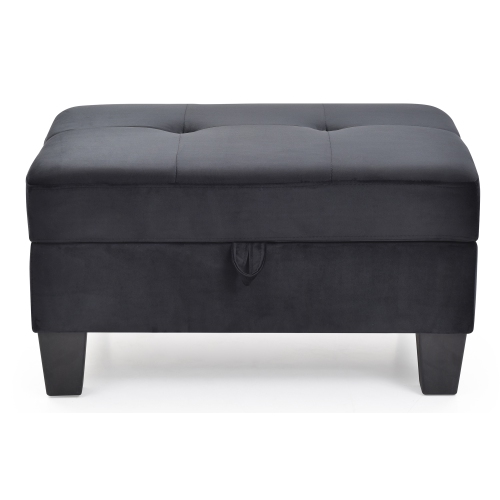


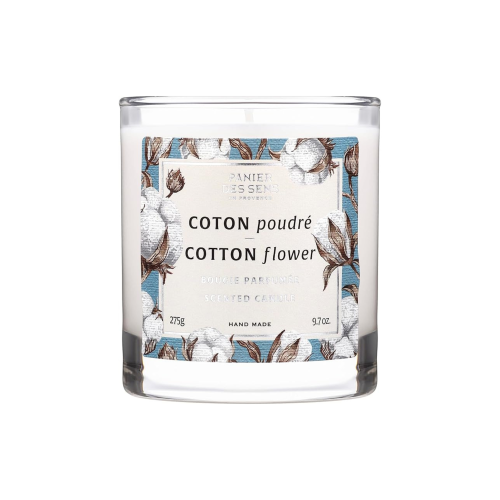


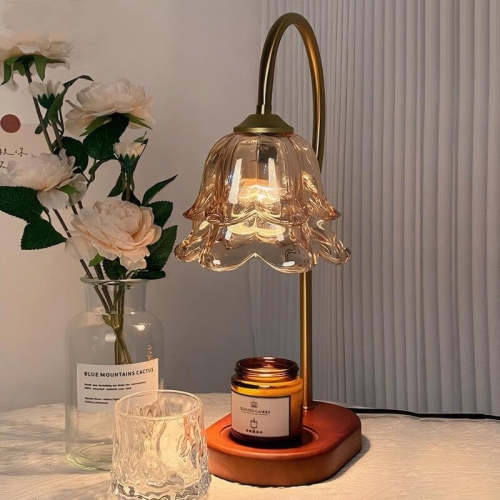
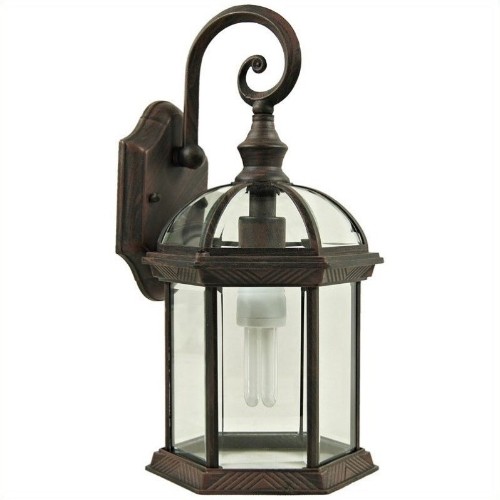

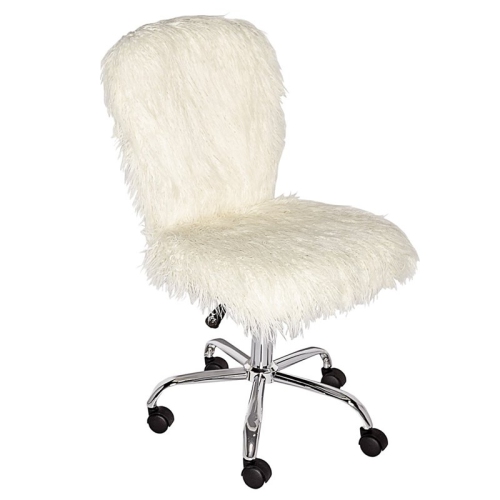
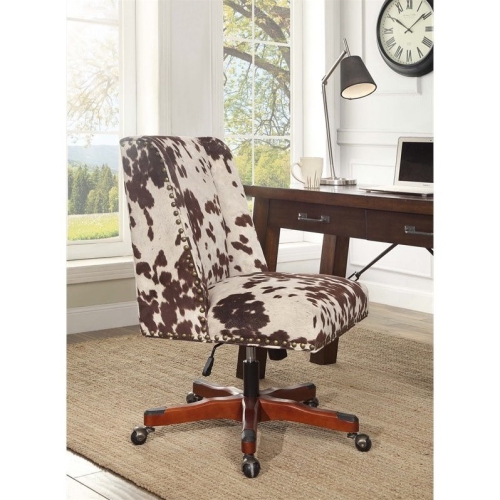










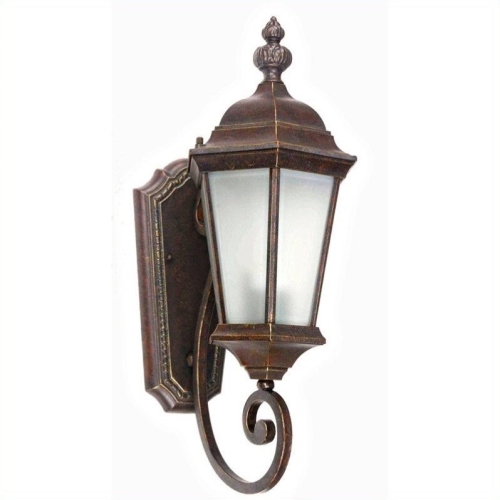
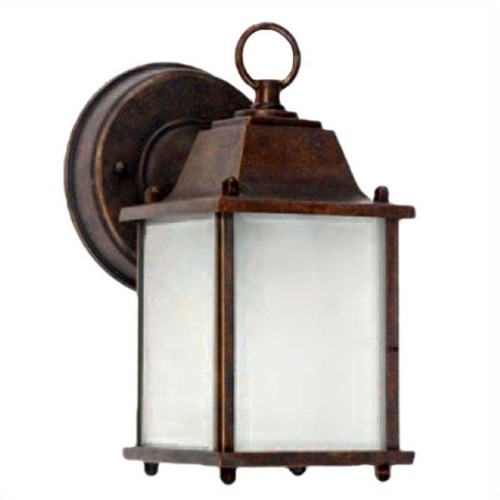


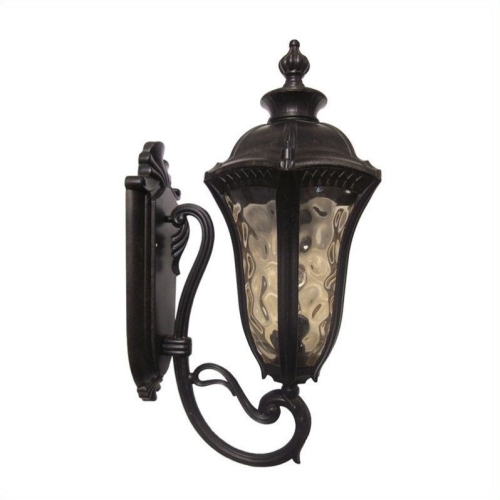
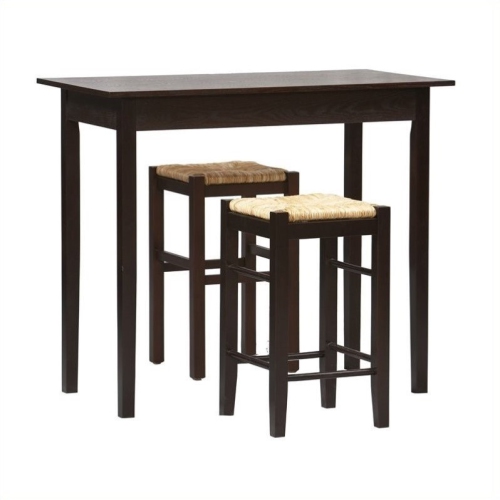


![YELLOW-PRICE [28 Flags & 9 Trees] Christmas Burlap Banner Decoration for Home Christmas Decor](https://multimedia.bbycastatic.ca/multimedia/products/500x500/164/16447/16447697.jpeg)
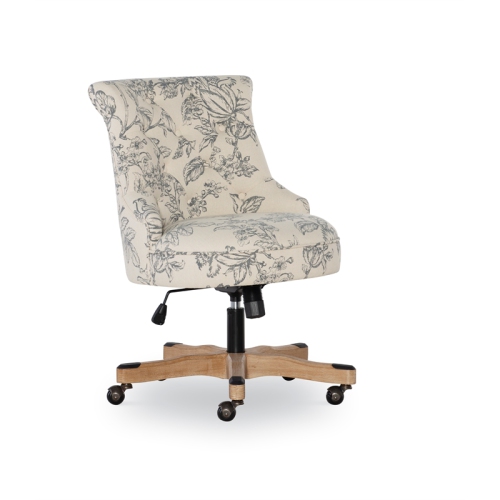
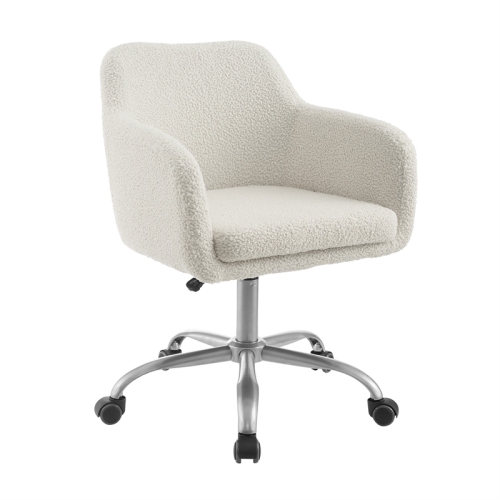
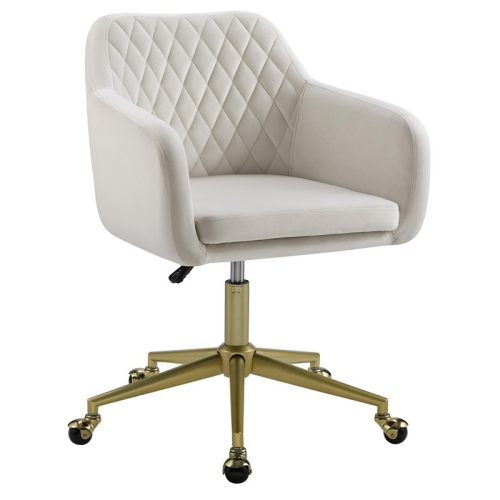
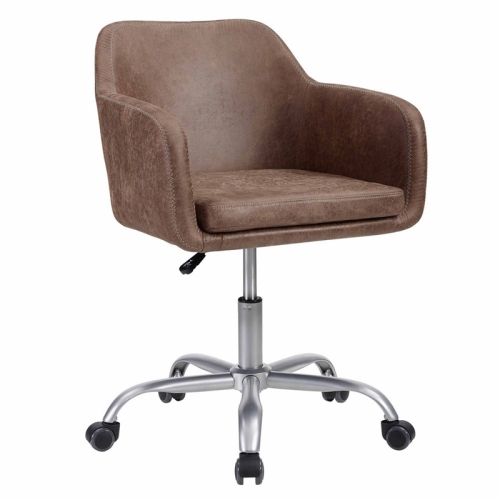
Finishing touches that tie a room together without matching
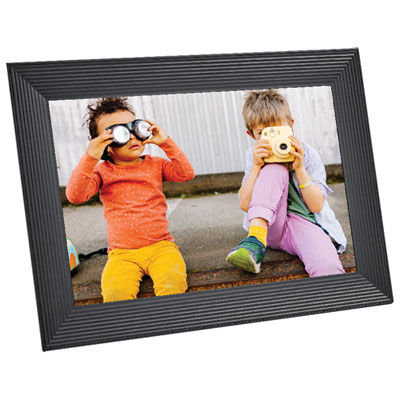
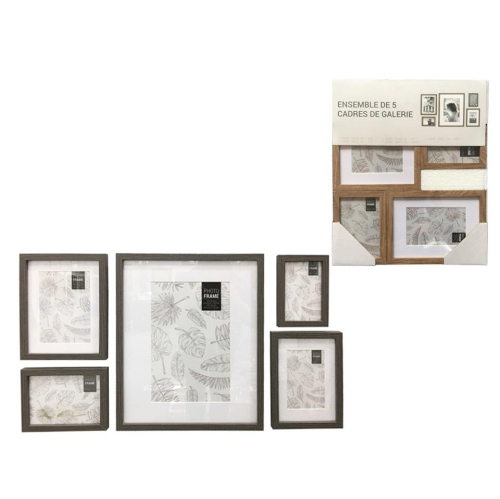
Home accents give a room its personality through colour, texture, shape, and the details that make everyday spaces feel considered. A living room with clean-lined furniture can feel more relaxed with softly woven textiles and rounded forms, while a neutral bedroom can gain definition from dark frames, textured surfaces, or a few carefully placed patterns. The aim is not to fill every wall or surface, but to create a sense of connection between the room’s larger features and its finishing touches. Repeating a wood tone, a metal finish, or a colour in different parts of a space helps bring separate elements together without making everything match. Contrast matters, too: a smooth surface beside a coarse weave, or a curved outline against straight shelving, adds interest without requiring a bold palette. Home accents and Home Furnishing work together most naturally when their proportions and everyday purposes support one another. A spacious seating area can carry larger shapes and stronger visual weight, whereas a narrow entryway benefits from a lighter arrangement that leaves room for bags, shoes, and people passing through. In an open-plan home, repeating a small selection of colours can connect the dining and living areas while allowing each to retain its own character. A reading corner might feel intimate and layered, while the nearby dining area remains simpler and more structured. Personal details also belong in that balance. Family photographs, favourite artwork, and meaningful keepsakes often look more intentional when given space rather than crowded together. For shared homes, a common palette can accommodate different tastes, bringing a graphic pattern and a traditional finish into the same room. Whether the setting is a first apartment, a busy family home, or a smaller space after downsizing, thoughtful finishing touches help rooms reflect the people who spend time in them. They can soften an otherwise formal layout, distinguish a work area from a place to relax, or make an often-overlooked hallway feel like part of the home.
Materials influence both appearance and how comfortably home accents fit into daily life. Solid wood brings grain variation and natural character, with each surface responding differently to light and finish. Wood veneers can offer a similarly expressive appearance over a constructed core, while painted finishes create a more uniform look. Neither appearance alone nor weight tells the whole story about quality; neat edges, secure joins, an even finish, and a stable base are more useful details to assess where applicable. Glass and glazed ceramics have a smooth, reflective quality that pairs well with matte walls and woven fabrics, though fingerprints and marks may be more noticeable on polished surfaces. Metal can feel understated or prominent depending on its colour, sheen, and profile, and protective finishes help determine how it should be cleaned. With textiles, fibre content and construction affect softness, texture, shedding, and care. Cotton may offer a familiar, comfortable feel, linen often has a relaxed texture, and wool can provide a dense, springy surface. Synthetic fibres vary widely, so the care label and stated performance matter more than broad assumptions about a material. In a home with children or pets, washable covers, secure stitching, and surfaces that tolerate regular cleaning can make upkeep more manageable. Loose fringes, delicate finishes, and easily tipped shapes may be better suited to spaces with less activity. Most hard surfaces benefit from gentle dusting with a soft cloth, but cleaning methods should always follow the manufacturer’s directions. Abrasive pads and strong cleaners can dull coatings or damage finishes, even when the underlying material seems sturdy. Textile care deserves the same attention: some fabrics can be machine washed, while others require spot cleaning or professional care. Checking those requirements before choosing an accent helps avoid a mismatch between its appearance and the time available to maintain it. Direct sunlight, repeated contact with moisture, and placement beside a heat source can also affect colour and finish over time, making location part of long-term care rather than an afterthought.
Fit involves more than whether something fits on a shelf or against a wall. The surrounding space determines whether an arrangement feels comfortable, balanced, and practical. Before choosing dimensions, it helps to measure the intended area and account for nearby door swings, walking routes, seating, and storage access. Marking an outline with removable tape can make scale easier to judge, especially on a large blank wall where smaller proportions may look lost once installed. Around seating, leave enough clear surface for ordinary routines rather than treating every tabletop as a display. In an entryway, consider what happens when someone arrives carrying groceries or helping a child through the door; projecting edges and fragile arrangements can quickly become inconvenient. Wall-mounted accents require hardware suited to their weight and the wall construction, along with attention to installation instructions. Renters may also need to check what changes are permitted before attaching anything permanently. Mirrors deserve particular thought because their placement affects what the room reflects, whether that is a pleasing view across a living area or a busy stretch of countertop. Colour can also look different beside existing upholstery, flooring, and wall paint, so checking finishes in the space is useful when samples are provided. A restrained mix of patterns often feels easier to live with when one is more prominent and the others are smaller in scale or quieter in colour. For gifting, home accents can suit a housewarming, a wedding, or another personal milestone, particularly when the recipient’s tastes and space are familiar. Manageable dimensions and straightforward care are helpful considerations, while highly distinctive colours or large formats usually call for a closer understanding of the home. Someone furnishing a first apartment may appreciate versatility, whereas a person with an established style may prefer a finishing touch that complements what is already there. The most successful choices feel at home in both senses: they belong visually in the room and fit naturally into the routines of the people using it.
Materials influence both appearance and how comfortably home accents fit into daily life. Solid wood brings grain variation and natural character, with each surface responding differently to light and finish. Wood veneers can offer a similarly expressive appearance over a constructed core, while painted finishes create a more uniform look. Neither appearance alone nor weight tells the whole story about quality; neat edges, secure joins, an even finish, and a stable base are more useful details to assess where applicable. Glass and glazed ceramics have a smooth, reflective quality that pairs well with matte walls and woven fabrics, though fingerprints and marks may be more noticeable on polished surfaces. Metal can feel understated or prominent depending on its colour, sheen, and profile, and protective finishes help determine how it should be cleaned. With textiles, fibre content and construction affect softness, texture, shedding, and care. Cotton may offer a familiar, comfortable feel, linen often has a relaxed texture, and wool can provide a dense, springy surface. Synthetic fibres vary widely, so the care label and stated performance matter more than broad assumptions about a material. In a home with children or pets, washable covers, secure stitching, and surfaces that tolerate regular cleaning can make upkeep more manageable. Loose fringes, delicate finishes, and easily tipped shapes may be better suited to spaces with less activity. Most hard surfaces benefit from gentle dusting with a soft cloth, but cleaning methods should always follow the manufacturer’s directions. Abrasive pads and strong cleaners can dull coatings or damage finishes, even when the underlying material seems sturdy. Textile care deserves the same attention: some fabrics can be machine washed, while others require spot cleaning or professional care. Checking those requirements before choosing an accent helps avoid a mismatch between its appearance and the time available to maintain it. Direct sunlight, repeated contact with moisture, and placement beside a heat source can also affect colour and finish over time, making location part of long-term care rather than an afterthought.
Fit involves more than whether something fits on a shelf or against a wall. The surrounding space determines whether an arrangement feels comfortable, balanced, and practical. Before choosing dimensions, it helps to measure the intended area and account for nearby door swings, walking routes, seating, and storage access. Marking an outline with removable tape can make scale easier to judge, especially on a large blank wall where smaller proportions may look lost once installed. Around seating, leave enough clear surface for ordinary routines rather than treating every tabletop as a display. In an entryway, consider what happens when someone arrives carrying groceries or helping a child through the door; projecting edges and fragile arrangements can quickly become inconvenient. Wall-mounted accents require hardware suited to their weight and the wall construction, along with attention to installation instructions. Renters may also need to check what changes are permitted before attaching anything permanently. Mirrors deserve particular thought because their placement affects what the room reflects, whether that is a pleasing view across a living area or a busy stretch of countertop. Colour can also look different beside existing upholstery, flooring, and wall paint, so checking finishes in the space is useful when samples are provided. A restrained mix of patterns often feels easier to live with when one is more prominent and the others are smaller in scale or quieter in colour. For gifting, home accents can suit a housewarming, a wedding, or another personal milestone, particularly when the recipient’s tastes and space are familiar. Manageable dimensions and straightforward care are helpful considerations, while highly distinctive colours or large formats usually call for a closer understanding of the home. Someone furnishing a first apartment may appreciate versatility, whereas a person with an established style may prefer a finishing touch that complements what is already there. The most successful choices feel at home in both senses: they belong visually in the room and fit naturally into the routines of the people using it.
Top selling and popular products
-
 Your price for this item is $49.99
 -
 Your price for this item is $44.99
 -
 Your price for this item is $54.99
 -
 Your price for this item is $79
 -
 Your price for this item is $49.99
 -
 Your price for this item is $137.99
 -
 Your price for this item is $135.99
 -
 Your price for this item is $114.99
Discover more categories related to Home Decor


Top Collections:
Pokemon Centers, Kindle Devices, Best Budget Office Chairs, Apple iPhones 16, Best Laptops for Writers, iPhone 15 Apple, Canon G7X Cameras, Refurbished Apple Laptops, Alarm Clock, Motorola Razr Phones
Some products may be subject to Environmental Handling Fees
(EHF) depending on your province.
Learn more about EHFs.