Home Living Dining Sets
Elevate your space with Home Living Dining Sets designed to bring style and comfort to every meal and gathering. Explore a wide selection of dining sets that seamlessly blend with any home décor, creating an inviting atmosphere for family dinners, celebrations, and everyday moments. Whether you're furnishing a cozy breakfast nook or a spacious dining room, Home Living Dining Sets offer versatile options to suit your needs and enhance your home's ambiance. Discover the perfect set to transform your dining area into a welcoming centerpiece for your household.
Sort






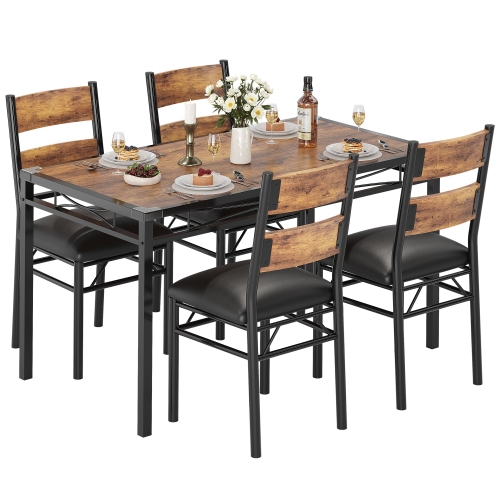

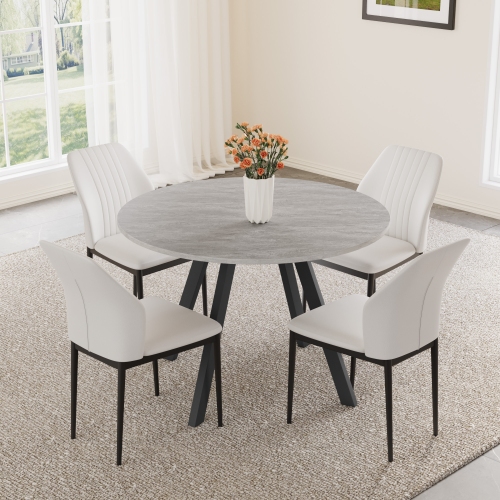


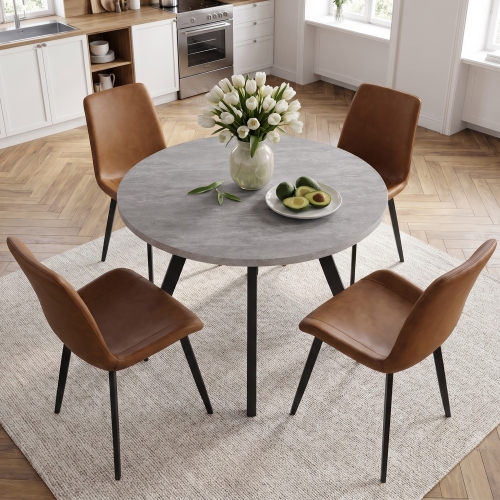


Dining comfort goes beyond the number of chairs
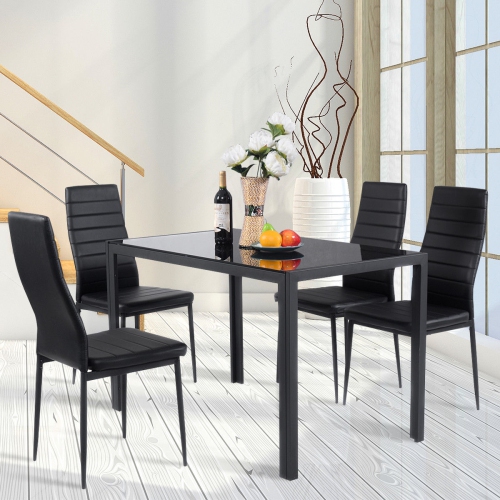
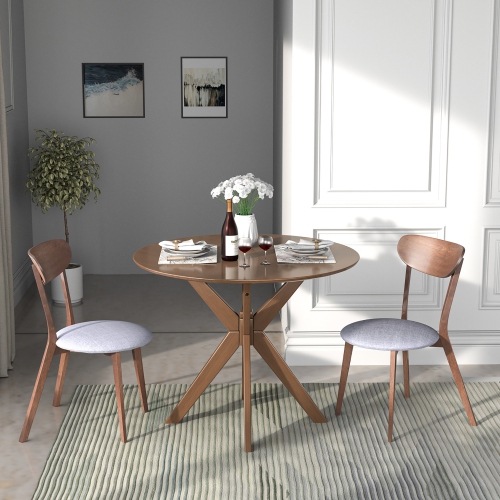
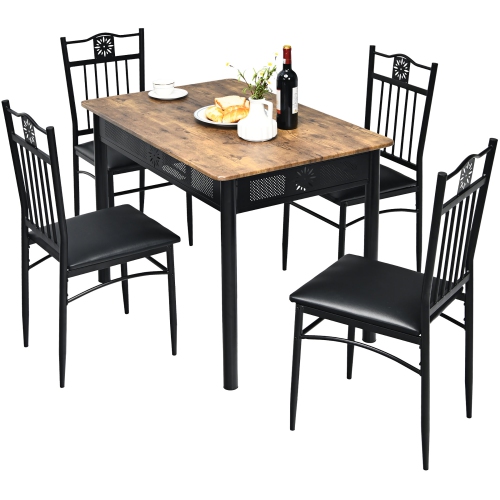
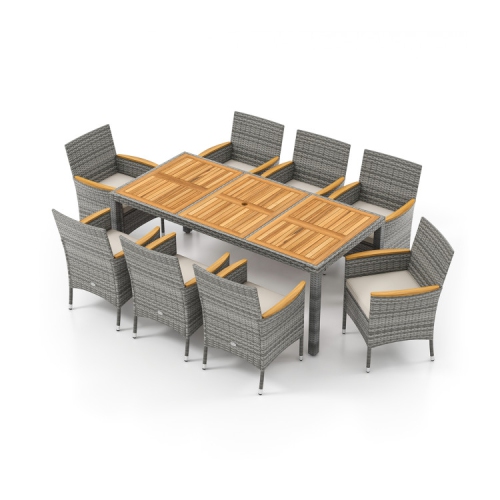
Dining sets give a dining room, kitchen nook, or open-plan living space a place to gather for meals, conversation, and everyday routines. A matching table and chairs create a coordinated look without requiring every furnishing in the room to share the same finish. Dining Table Sets can suit anything from a first apartment to a family dining room, with the right fit depending on seating needs, room dimensions, and how the space is used. Piece counts generally include the table: a 3-piece dining set typically has a table and two chairs, a 5-piece set usually seats four, and a 7-piece set commonly seats six. Sets with benches can have different seating capacities, so the number of pieces alone does not tell the whole story. Round tables make conversation easy and remove sharp corners from tight layouts, while rectangular tables often work well in longer rooms. Square tables can create an intimate setting for smaller households, and oval tables combine an elongated surface with curved ends. An extendable dining table gives occasional guests more room without occupying the same floor area every day, although its fully extended dimensions matter as much as its closed size. Allowing approximately 36 inches between the table edge and a wall or other furniture gives chairs room to pull out; a busy walkway behind seated diners may need more space. Around 24 inches of table edge per person is a useful starting point, with wider chairs or place settings requiring additional room. Table legs and pedestal bases also affect where people can sit comfortably. In a compact condo, a pedestal may make it easier to position chairs, while a rectangular table with corner legs needs enough space between those legs for the intended seating. Benches can help keep a small dining area visually open, but they only tuck fully underneath when their width, height, and any arms fit beneath the tabletop and between its supports.
Materials influence how a dining set looks, feels, and stands up to daily use. Solid wood brings natural grain and variation, with different species and finishes offering different levels of hardness and surface protection. It can develop small marks through ordinary use, and some finishes can be repaired or refinished, depending on the construction. Wood veneer provides a real wood surface over a supporting core, while laminate finishes can provide a consistent appearance with straightforward care. Neither should be treated as interchangeable with solid wood when considering refinishing or prolonged moisture exposure. Painted finishes create a more uniform look, though chair edges and table corners may show wear where they are frequently bumped. Metal frames lend themselves to slim profiles and can provide sturdy support, but joints, protective coatings, and floor contact points still deserve attention. Glass tabletops keep sightlines open, making them appealing in smaller rooms, although fingerprints and crumbs tend to be noticeable. Tempered glass is designed for furniture applications, but edges still need protection from hard impacts. Stone, ceramic, and sintered surfaces bring their own textures and care requirements; resistance to heat, scratches, or stains varies by material and finish rather than being a promise that applies to every surface. Coasters, placemats, and trivets remain sensible habits. For most finishes, prompt spill cleanup and a soft cloth help prevent residue from lingering, while cleaning products should match the manufacturer’s directions. Abrasive pads and harsh chemicals can damage protective coatings even when the underlying material is durable. Visually, lighter wood tones and slender frames can keep a dining corner feeling airy, whereas deeper finishes and substantial bases give a larger room more presence. A table does not need to match kitchen cabinetry exactly: repeating a wood tone, metal finish, or chair colour elsewhere in the room can connect the dining area with nearby living furniture.
Comfort becomes especially noticeable when dinner stretches into conversation or the table doubles as a place for homework, puzzles, and occasional laptop use. Seat shape, back support, cushioning, and the space beneath the table all contribute to how a dining set feels over time. Standard dining chairs often have seat heights around 18 inches and pair with tables around 30 inches high, but actual measurements matter more than those general figures. The underside of the table, including any apron, needs to leave comfortable thigh room. Upholstered seats can soften the look and feel of a dining area, while wood or moulded seats are often easier to wipe after a hurried breakfast. Fabric texture, cleaning requirements, and whether seat covers are removable are worth considering in homes with children or pets. Faux leather can simplify some spill cleanup, but its care needs and resistance to wear depend on the material. Chairs with arms offer a supportive place to settle in, provided the arms clear the tabletop and do not prevent the chairs from sliding close enough. Swivel seating can make getting in and out easier, although it needs room to turn without striking nearby furniture. Benches work well for flexible seating, but someone seated in the middle may need others to move before getting up. For a household that hosts regularly, an extension mechanism that is easy to operate and a practical place to store removable leaves can make the arrangement more useful. Everyday durability also depends on stable construction, secure hardware, and care suited to the materials. Felt pads can help protect hard flooring, and checking fasteners periodically, as directed by the manufacturer, can address loosening from regular movement. Doorways, stairwells, and assembly space deserve attention before a larger dining set becomes part of the room. A well-proportioned set leaves space for people as well as furniture, whether it serves two people sharing breakfast or a larger household gathering around dinner.
Top selling and popular products
-
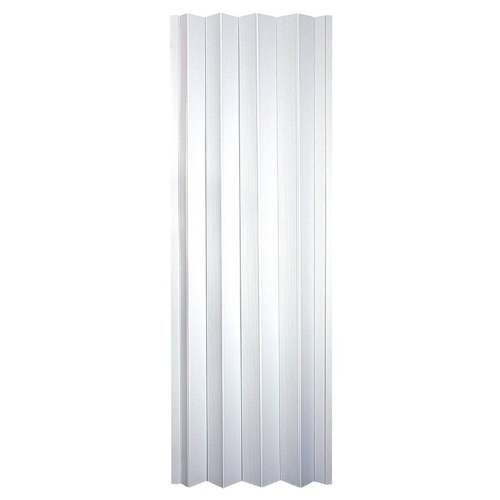 Your price for this item is $218.99
-
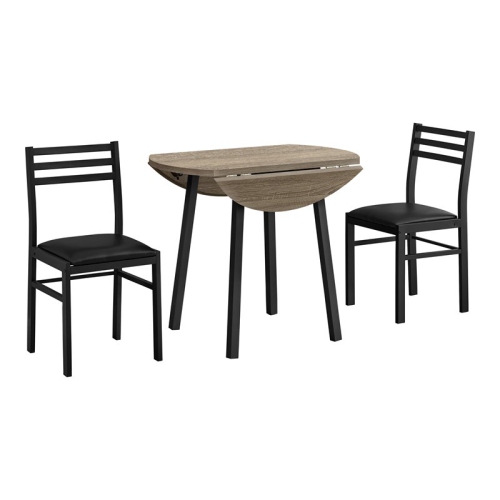 Your price for this item is $219.97
-
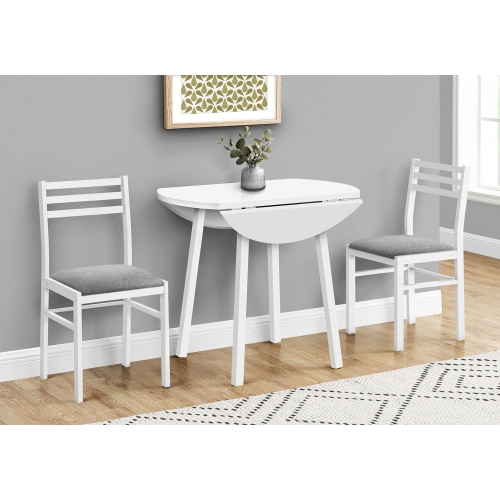 Your price for this item is $219.97
-
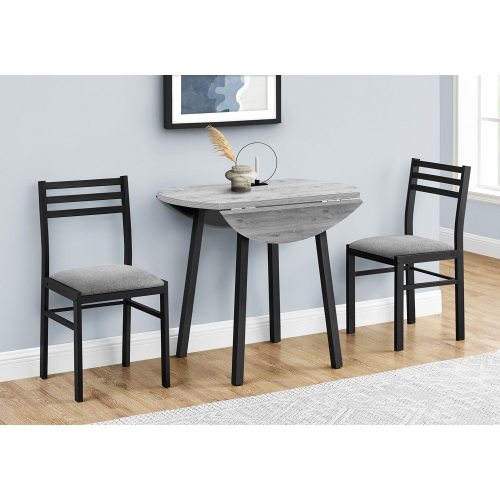 Your price for this item is $219.97
-
 Your price for this item is $176.99
-
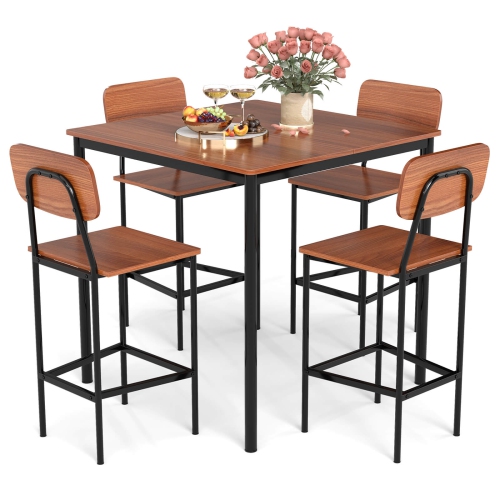 Your price for this item is $265.99
-
 Your price for this item is $325.99
-
 Your price for this item is $243.99
Discover more categories related to Home Living Dining Sets
Top Collections:
Best Black Friday Deals This Year, Best Black Friday Deals On Electronics, Kindle Devices, Pokemon Centers, Best Black Friday Deals On Apple Products, Best Cameras for Sports Photography, Dyson Airwrap, Pokémon 30th Celebration Cards, Apple iPhone 17 Pro, Canon G7X Cameras
Some products may be subject to Environmental Handling Fees
(EHF) depending on your province.
Learn more about EHFs.