Home Meat Slicers
If you're looking to slice your way to culinary perfection in the comfort of your own kitchen, look no further than these home meat slicers. Whether you're a seasoned chef or just starting out on your culinary journey, these versatile appliances are designed to make slicing meats, cheeses, and other ingredients a breeze. With their precision blades and adjustable thickness settings, you'll be able to achieve the perfect slice every time.
Sort
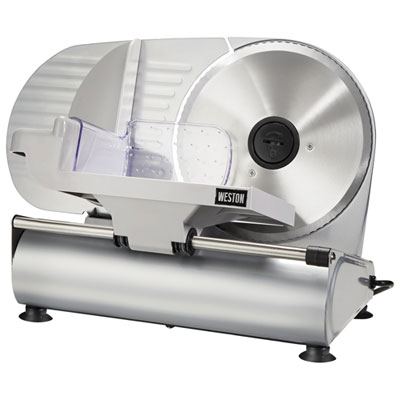
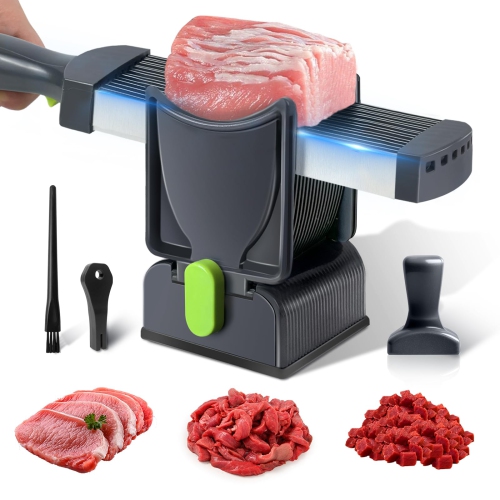
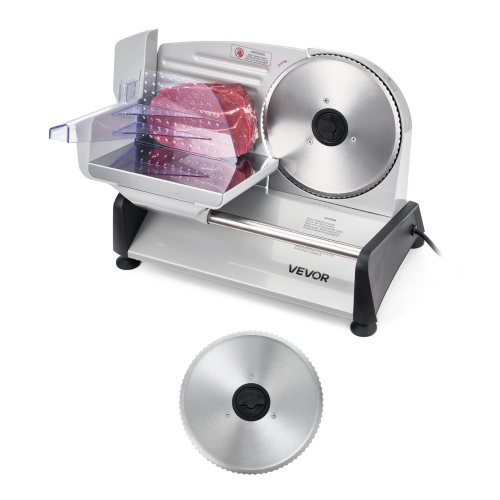
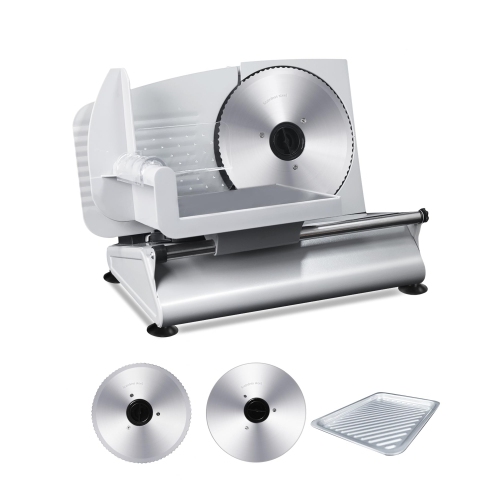


What to consider for smoother, safer slicing at home
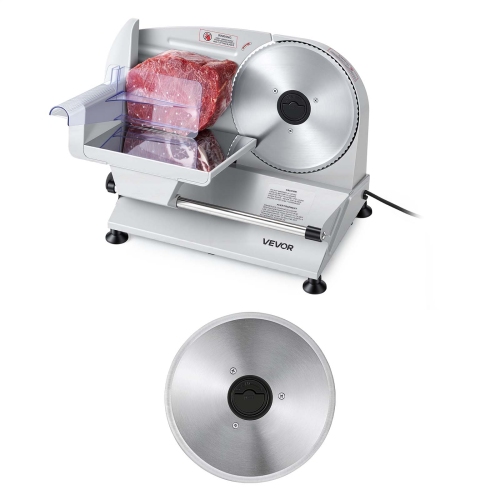
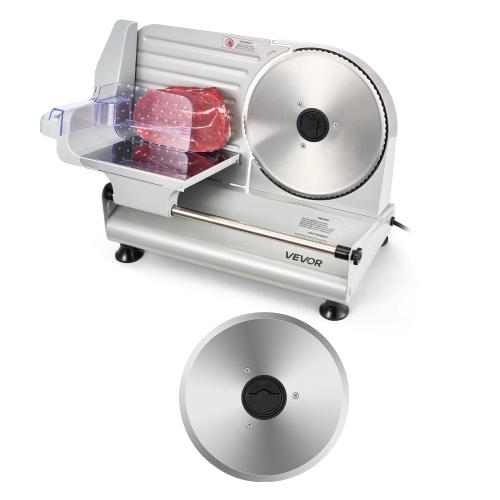
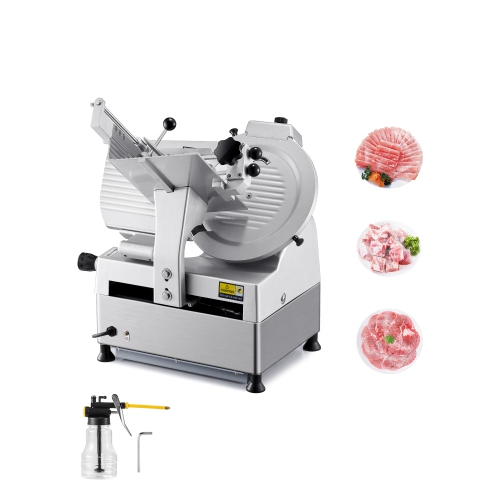
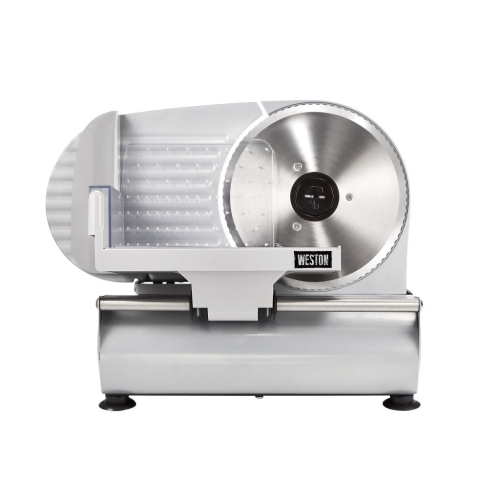
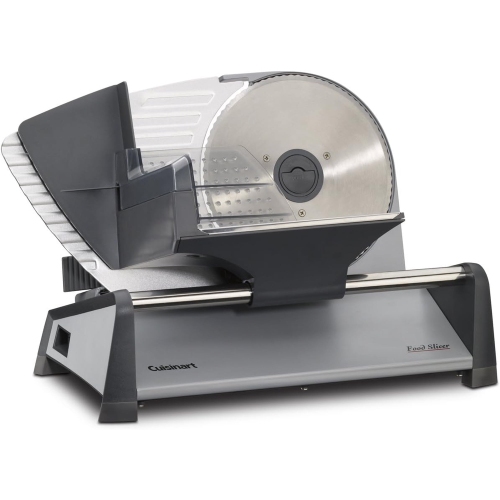
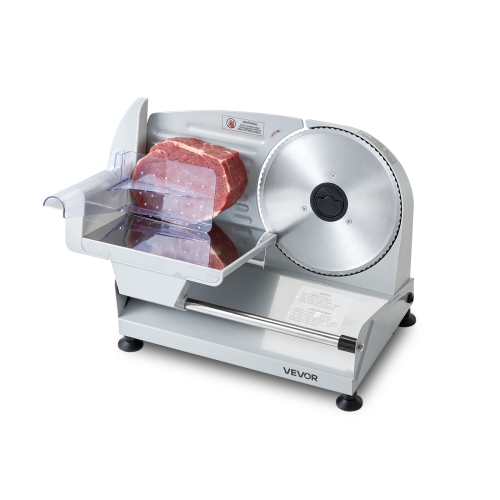
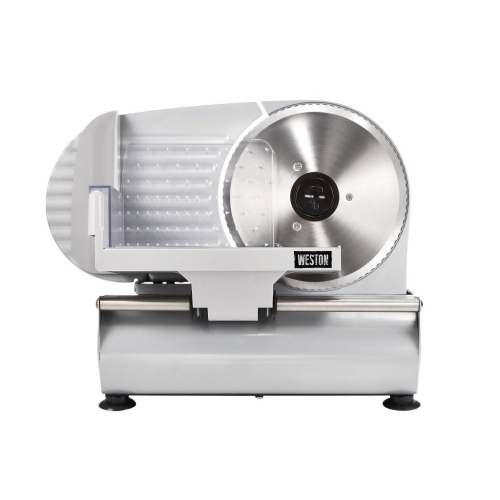
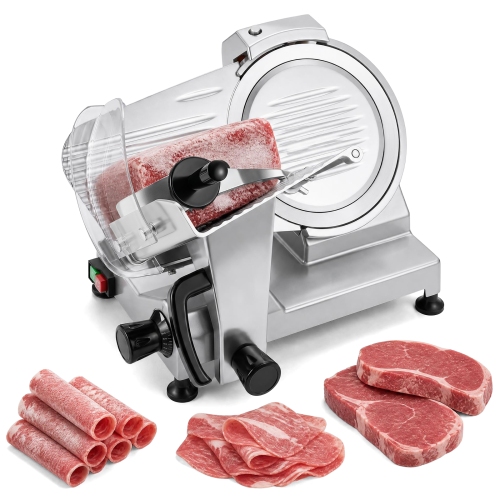
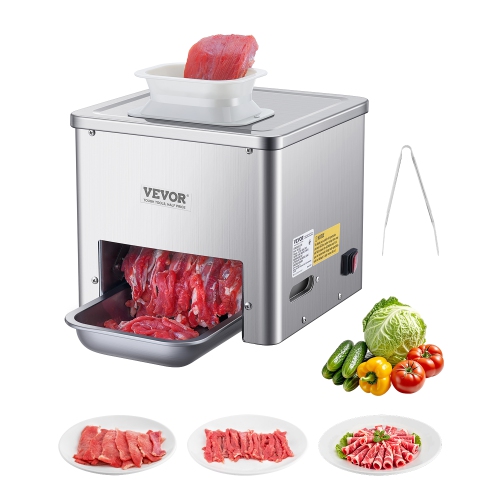
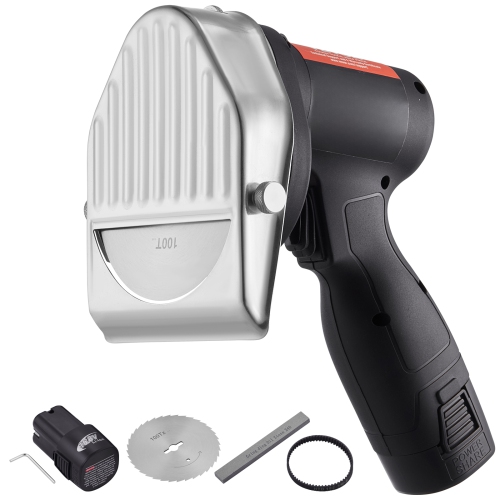
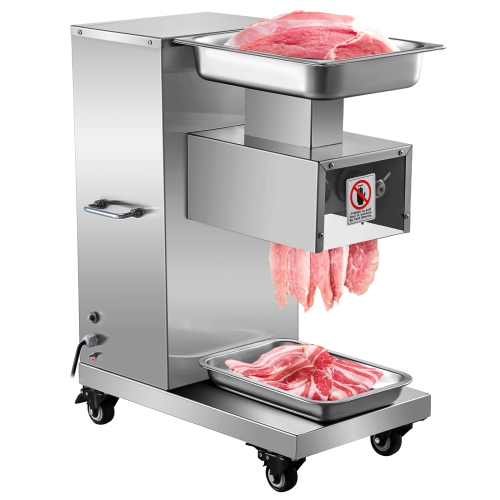
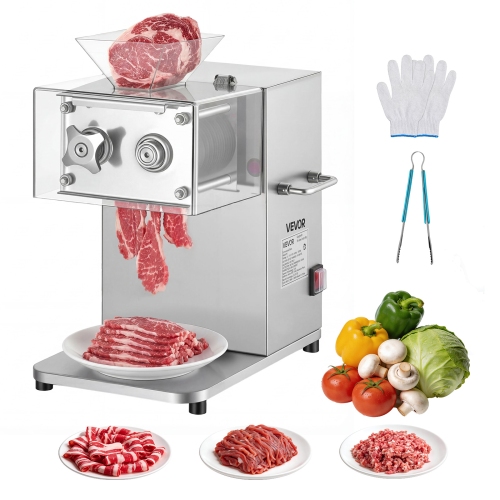
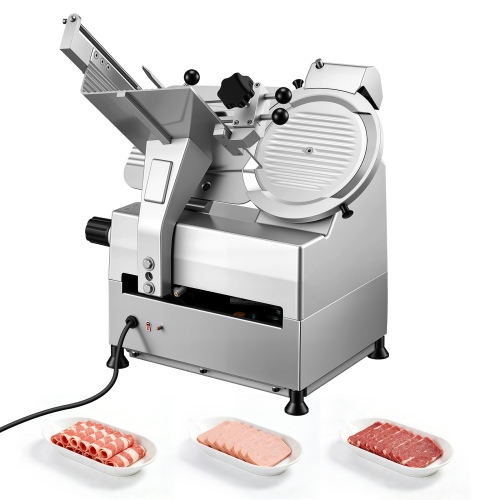
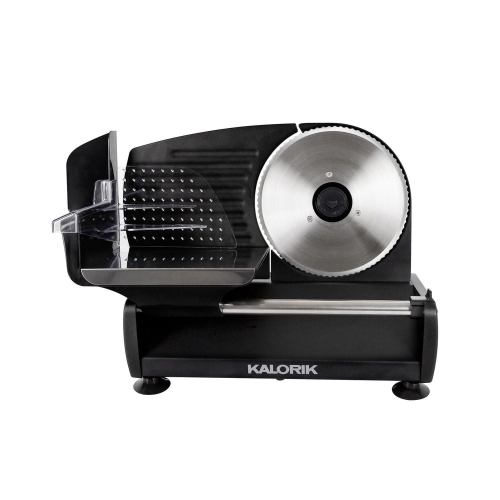
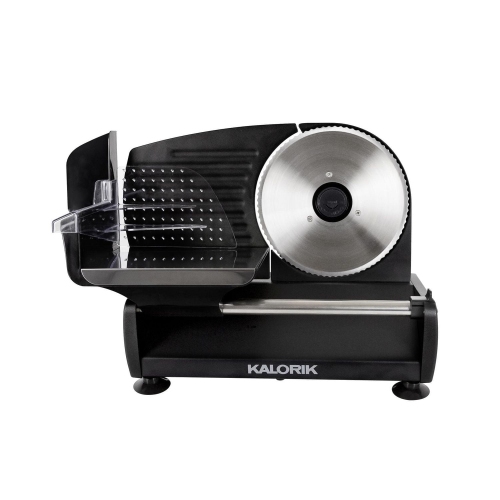
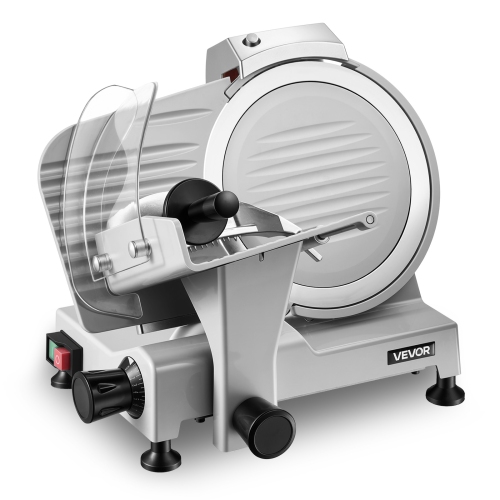
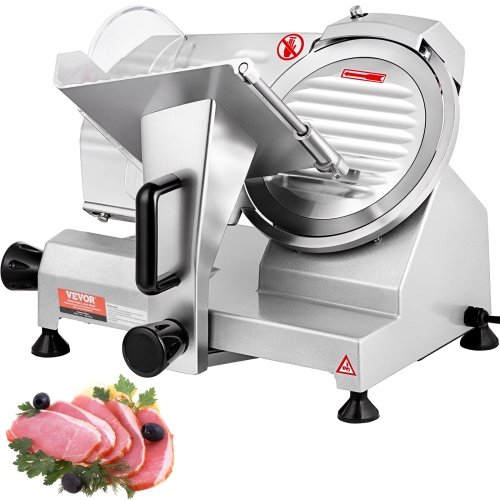
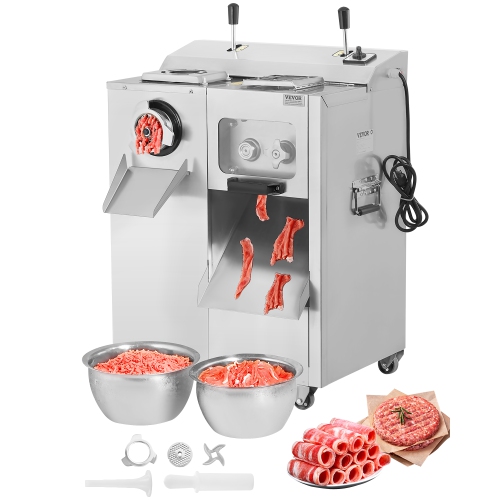
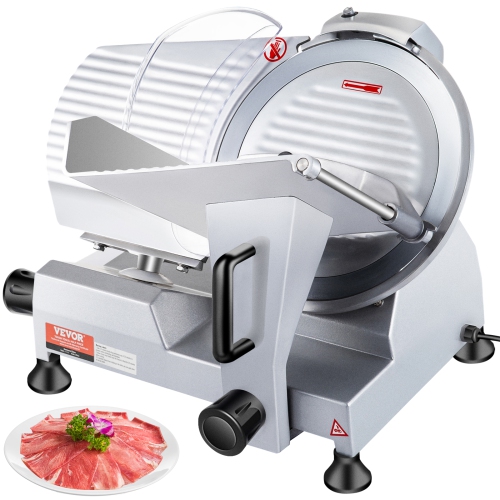
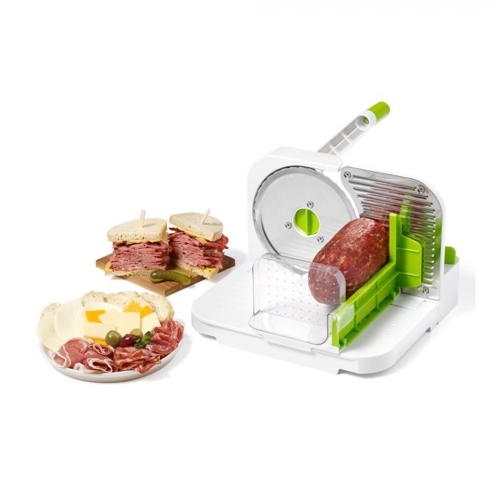
Home meat slicers bring deli-style preparation into the kitchen, making it easier to create even slices of roast beef, ham, turkey, salami, prosciutto, cheese and other foods. They can be useful for households that prepare packed lunches, build charcuterie boards, serve sandwiches for family gatherings or enjoy buying larger cuts and portioning them at home. A slicer can also make it easier to control thickness: thin slices work well for stacked sandwiches and delicate cured meats, while thicker cuts are better suited to hearty dinner portions or serving platters. Depending on the design, a home meat slicer may also handle bread, vegetables and cheese, giving it a place in everyday food preparation beyond meats. When comparing Meat Slicers, consider how often the appliance will be used, how much counter space is available and the types of food most often found on your cutting board. A compact manual model can suit occasional slicing and may be convenient for smaller kitchens, while an electric slicer can save time when preparing several servings at once. Electric models are generally a practical choice for families that regularly make sandwiches, prepare meals in batches or entertain during the cooler months. Manual designs may appeal to someone who wants a straightforward appliance for lighter tasks, occasional deli preparation or slicing smaller quantities without setting up a larger countertop machine. The right fit depends less on choosing the most powerful option and more on matching the slicer’s construction and capacity to the way food is prepared at home.
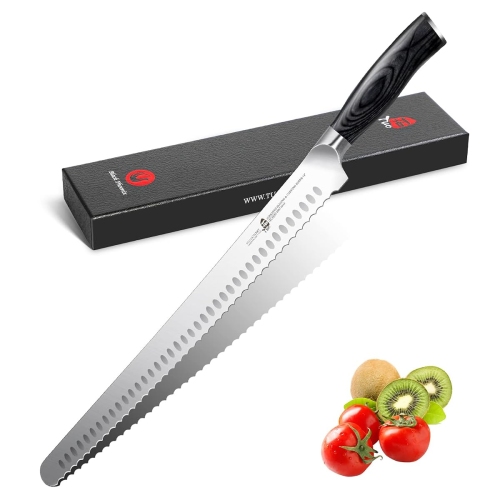
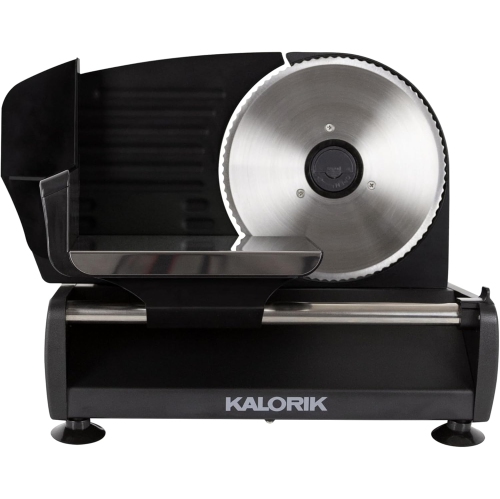
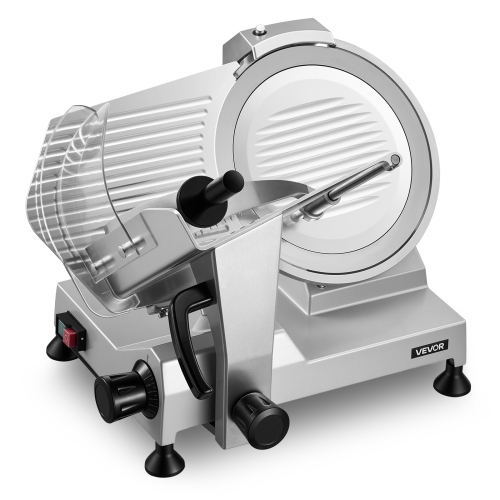
Blade size and design are important details to review before choosing a home meat slicer. Blades in the approximately 7.5-inch to 8.5-inch range are commonly suited to everyday household portions, including smaller roasts, cooked poultry, cheese and bread. A larger blade, such as a 10-inch design, may provide more room for broader cuts and can be helpful when preparing larger quantities or aiming for very thin slices of cured meats. Smooth blades are typically a good choice for cooked meats, deli meats and cheese because they create clean, consistent cuts, while serrated blades can be useful for crusty bread and foods with a firmer exterior. Some slicers include adjustable thickness controls, allowing the user to move from nearly paper-thin slices for charcuterie to thicker portions for sandwiches or serving plates. This adjustment can make a noticeable difference when recreating the look and texture of a deli counter at home. Motor power is another consideration for electric models. Options in the 150-watt to 200-watt range can be suitable for regular household quantities of ham, turkey, roast beef and cheese, although the ideal choice also depends on how long the slicer will run and how dense the food is. A more substantial motor may be preferable for frequent use, larger cuts or repeated preparation, while a lighter model can be easier to store and sufficient for occasional meals. Keep in mind that home slicers are generally intended for properly chilled, cooked or cured foods unless the manufacturer specifically states otherwise. Raw meat and frozen foods can place extra strain on the motor and blade, and some frozen items may be too hard or irregular for safe slicing. Following the instructions for preparation, thickness settings and operating time helps the slicer perform as intended.
Convenient cleaning and stable operation are just as important as cutting performance. Look for features such as a removable blade, removable food carriage and surfaces that are easy to wipe down after each use. Meat, cheese and moisture can collect around the blade and carriage, so prompt cleaning is important for maintaining a hygienic preparation area. Always unplug an electric slicer before cleaning, and handle the blade carefully even when the appliance is switched off. A food pusher or hand guard helps keep fingers away from the cutting edge, while non-slip feet, suction feet or a wide base can help the appliance stay steady as food moves through the carriage. A slicer should be placed on a level, uncluttered counter with enough room to guide the food safely and remove the finished slices. Storage also deserves attention: a larger countertop model may offer more capacity but require dedicated cupboard or pantry space, whereas a compact model can be easier to put away between uses. Home meat slicers can be a thoughtful gift for a home cook who enjoys preparing weekend roasts, a host who serves grazing boards, a family that packs lunches or someone exploring homemade charcuterie. They can also be useful in a kitchen where leftover roast meat is turned into sandwiches, diced for recipes or portioned for several meals. During the cooler months, when hearty roasts, baked bread and shared platters often become part of relaxed meals at home, a slicer can add variety to familiar ingredients and help present food neatly. Whether the goal is thin turkey for lunches, evenly portioned roast beef for dinner or carefully arranged cheese and cured meats for guests, choosing a slicer with the appropriate blade, motor, safety features and cleanup design can make the preparation feel more controlled and enjoyable.
Blade size and design are important details to review before choosing a home meat slicer. Blades in the approximately 7.5-inch to 8.5-inch range are commonly suited to everyday household portions, including smaller roasts, cooked poultry, cheese and bread. A larger blade, such as a 10-inch design, may provide more room for broader cuts and can be helpful when preparing larger quantities or aiming for very thin slices of cured meats. Smooth blades are typically a good choice for cooked meats, deli meats and cheese because they create clean, consistent cuts, while serrated blades can be useful for crusty bread and foods with a firmer exterior. Some slicers include adjustable thickness controls, allowing the user to move from nearly paper-thin slices for charcuterie to thicker portions for sandwiches or serving plates. This adjustment can make a noticeable difference when recreating the look and texture of a deli counter at home. Motor power is another consideration for electric models. Options in the 150-watt to 200-watt range can be suitable for regular household quantities of ham, turkey, roast beef and cheese, although the ideal choice also depends on how long the slicer will run and how dense the food is. A more substantial motor may be preferable for frequent use, larger cuts or repeated preparation, while a lighter model can be easier to store and sufficient for occasional meals. Keep in mind that home slicers are generally intended for properly chilled, cooked or cured foods unless the manufacturer specifically states otherwise. Raw meat and frozen foods can place extra strain on the motor and blade, and some frozen items may be too hard or irregular for safe slicing. Following the instructions for preparation, thickness settings and operating time helps the slicer perform as intended.
Convenient cleaning and stable operation are just as important as cutting performance. Look for features such as a removable blade, removable food carriage and surfaces that are easy to wipe down after each use. Meat, cheese and moisture can collect around the blade and carriage, so prompt cleaning is important for maintaining a hygienic preparation area. Always unplug an electric slicer before cleaning, and handle the blade carefully even when the appliance is switched off. A food pusher or hand guard helps keep fingers away from the cutting edge, while non-slip feet, suction feet or a wide base can help the appliance stay steady as food moves through the carriage. A slicer should be placed on a level, uncluttered counter with enough room to guide the food safely and remove the finished slices. Storage also deserves attention: a larger countertop model may offer more capacity but require dedicated cupboard or pantry space, whereas a compact model can be easier to put away between uses. Home meat slicers can be a thoughtful gift for a home cook who enjoys preparing weekend roasts, a host who serves grazing boards, a family that packs lunches or someone exploring homemade charcuterie. They can also be useful in a kitchen where leftover roast meat is turned into sandwiches, diced for recipes or portioned for several meals. During the cooler months, when hearty roasts, baked bread and shared platters often become part of relaxed meals at home, a slicer can add variety to familiar ingredients and help present food neatly. Whether the goal is thin turkey for lunches, evenly portioned roast beef for dinner or carefully arranged cheese and cured meats for guests, choosing a slicer with the appropriate blade, motor, safety features and cleanup design can make the preparation feel more controlled and enjoyable.
Top selling and popular products
-
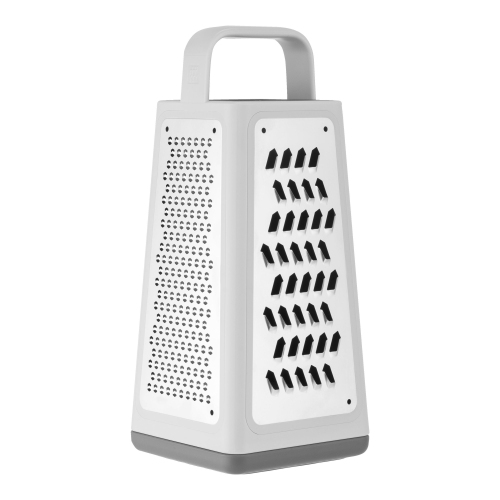 Your price for this item is $49.99
 -
 Your price for this item is $49.99
 -
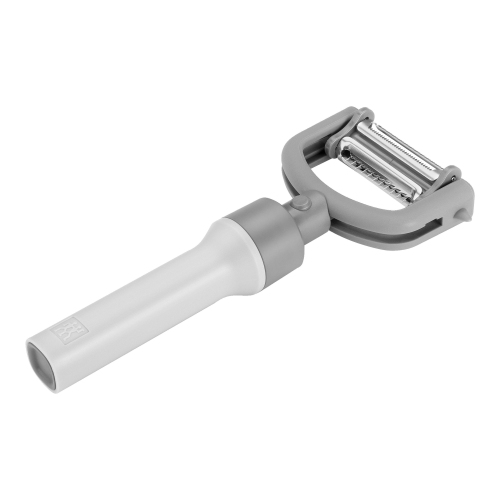 Your price for this item is $24.99
 -
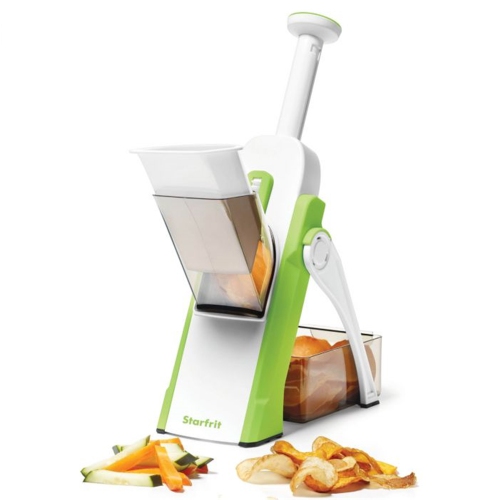 Your price for this item is $44.97
 -
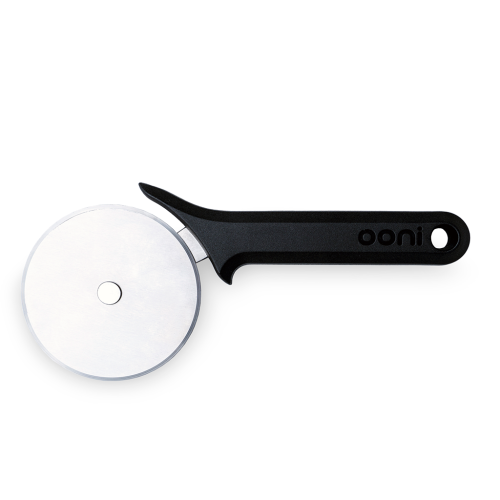 Your price for this item is $18.99
 -
 Your price for this item is $48.97
 -
 Your price for this item is $29.99
 -
 Your price for this item is $9.99
Discover more categories related to Home Meat Slicers
Top Collections:
Pokemon Centers, Best Cameras for Sports Photography, Kindle Devices, Samsung Galaxy Phones, Canon G7X Cameras, Pokémon 30th Celebration Cards, Refurbished Apple Laptops, iPhone 15 Apple, Laptops for Students, Budget Smartphones
Some products may be subject to Environmental Handling Fees
(EHF) depending on your province.
Learn more about EHFs.