Home Office Desk Ideas
Create a productive and stylish workspace with our collection of home office desk ideas. Whether you're setting up a dedicated area for remote work, studying, or pursuing your creative endeavors, finding the perfect desk is essential. From sleek and modern designs to rustic and traditional options, we have curated a diverse range of desk ideas to suit every taste and space. Discover functional features like ample storage, adjustable heights, and built-in cable management to keep your workspace organized and clutter-free. Transform any room into an inspiring and efficient home office with these thoughtfully selected desk ideas.
Sort
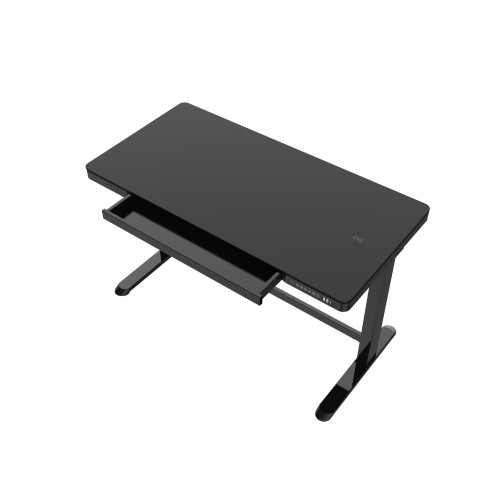
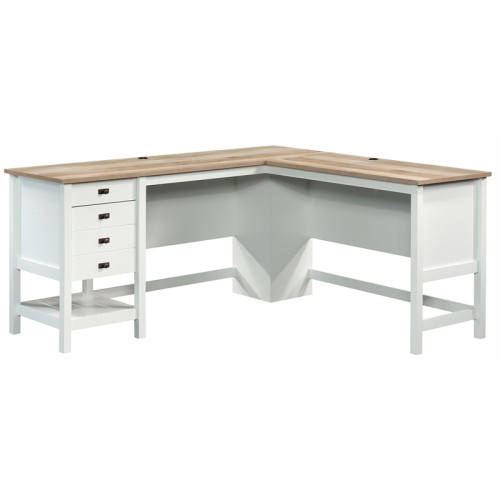
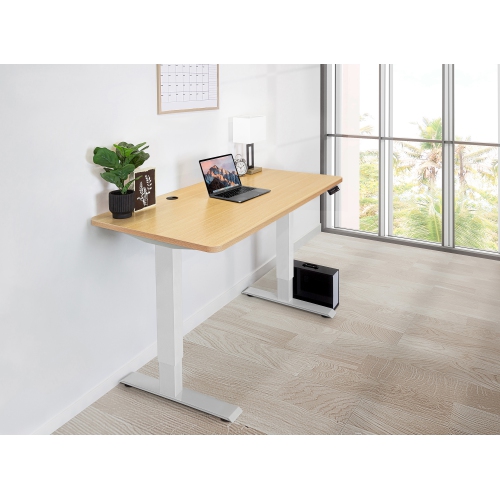
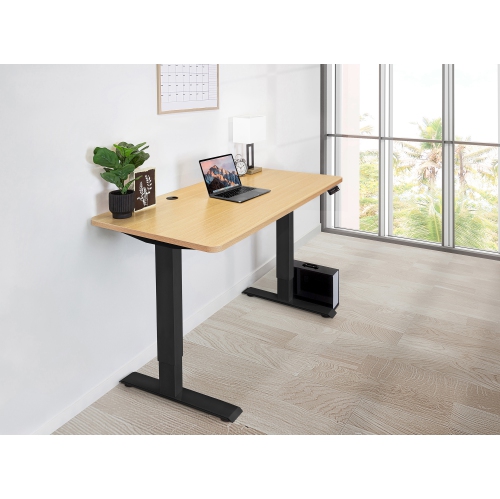

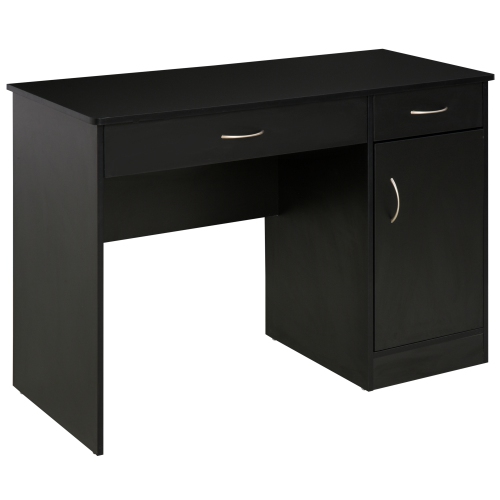
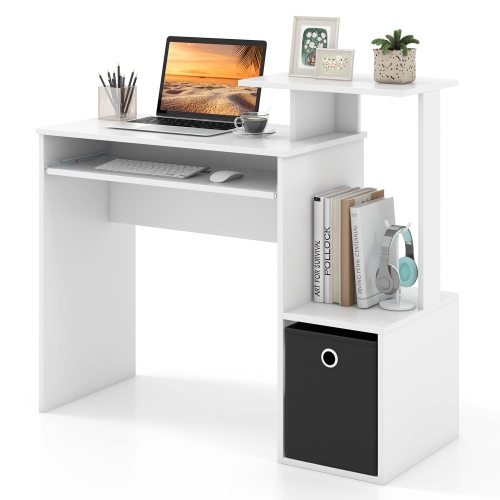

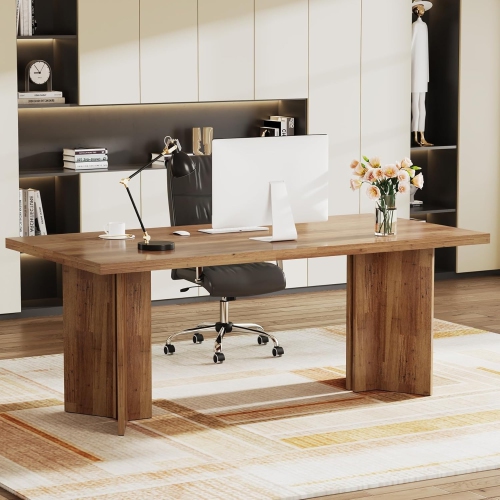
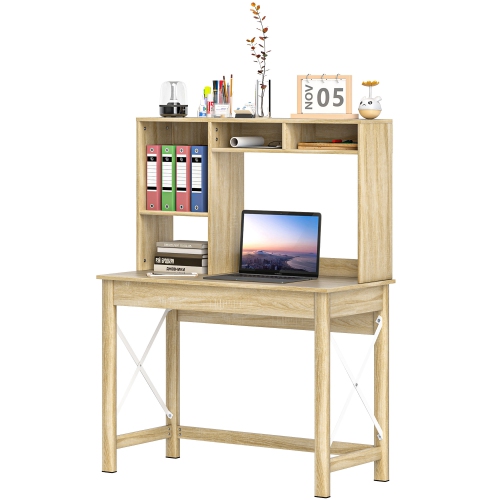
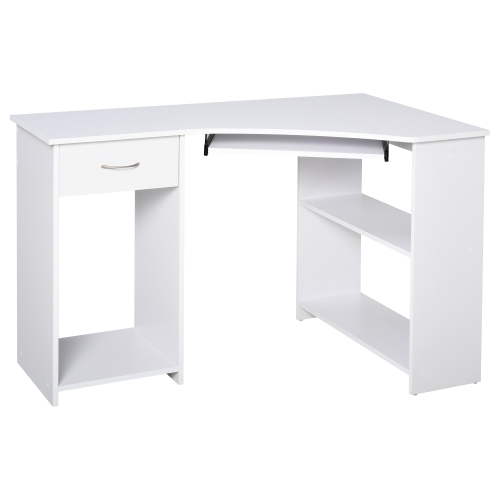
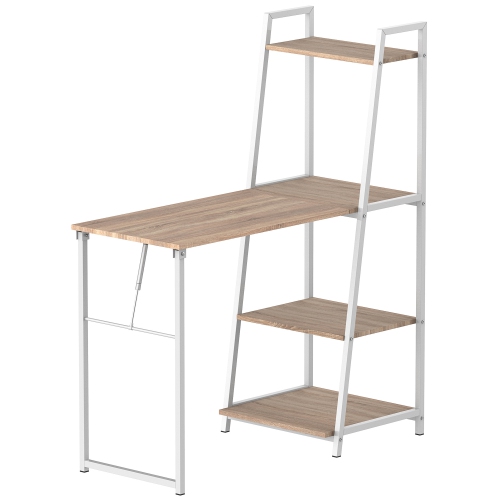
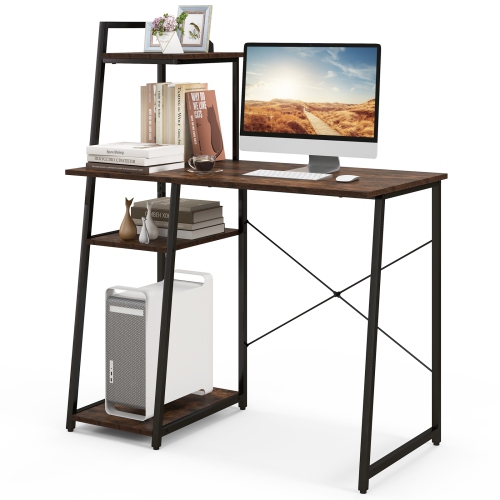
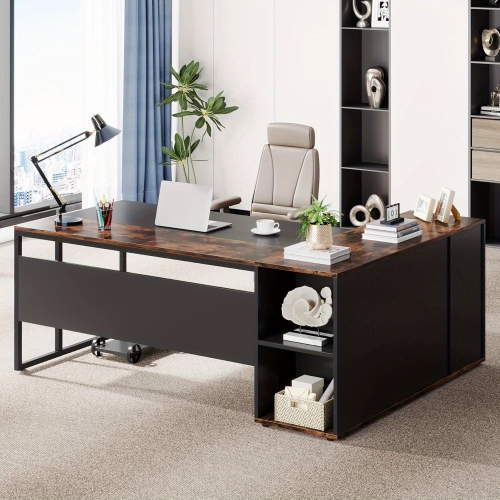
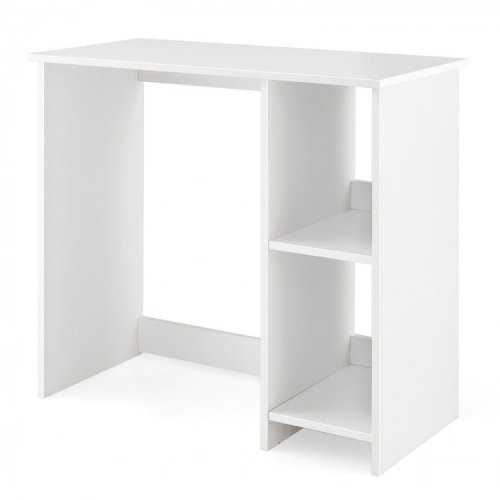
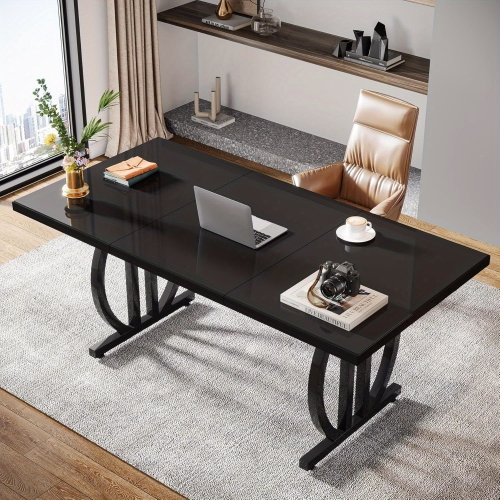
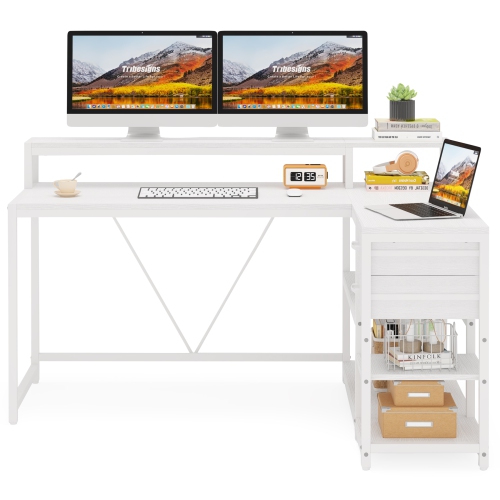
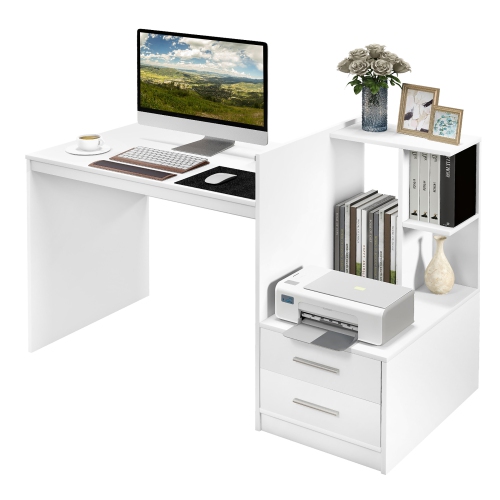
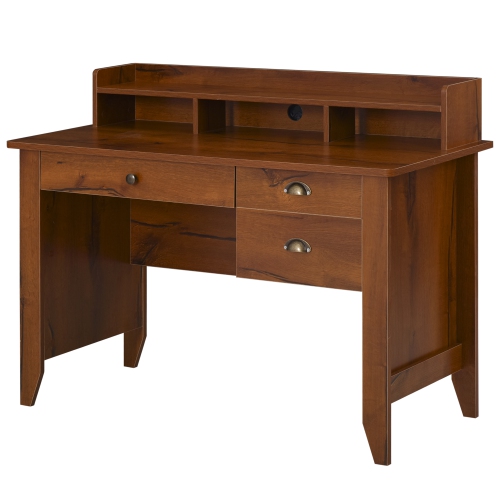
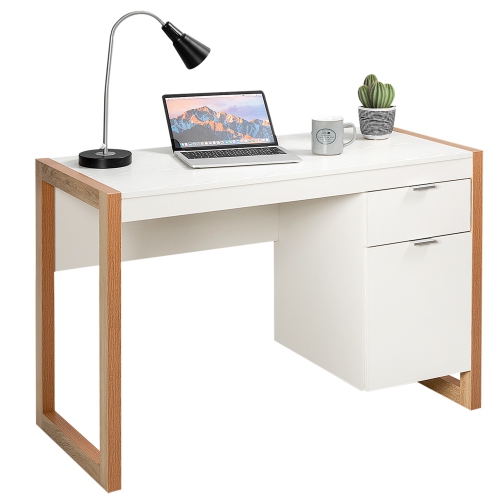
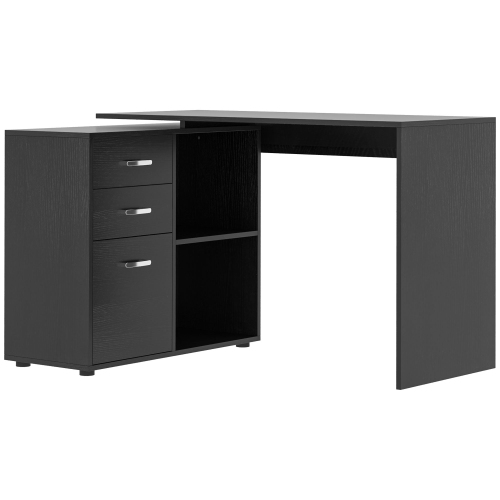
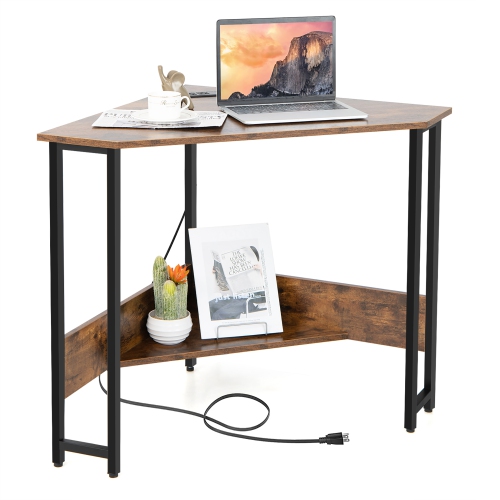
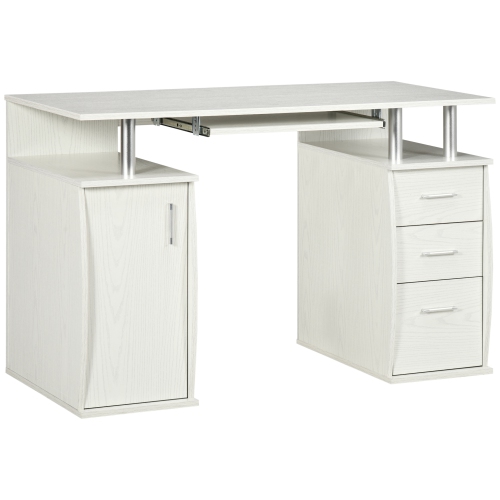

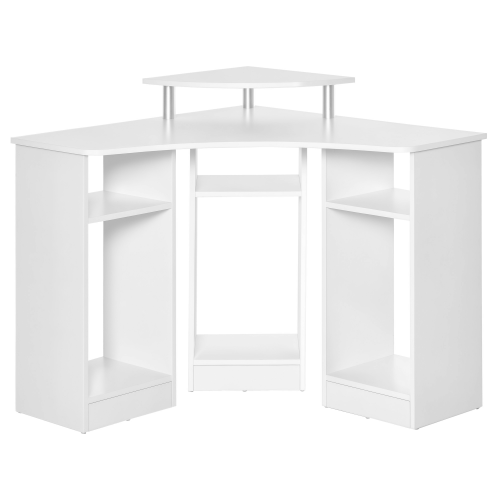
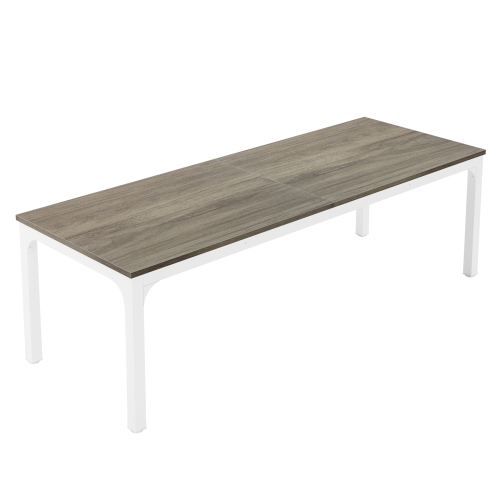
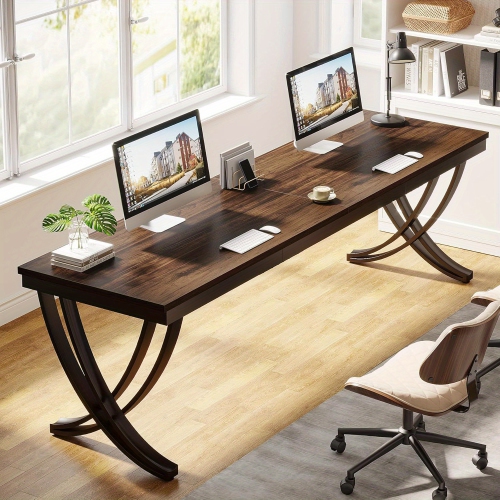
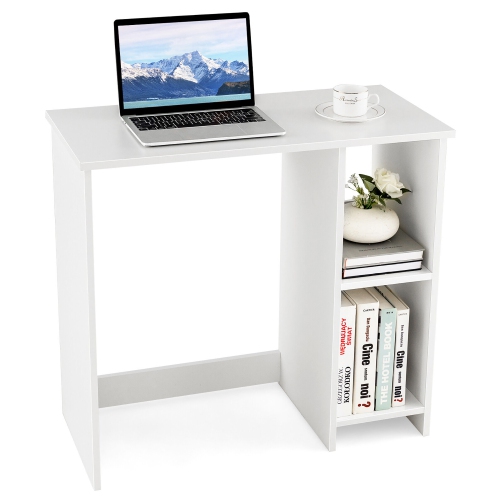
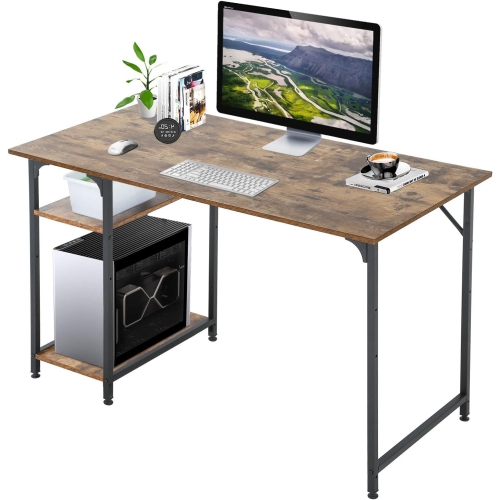
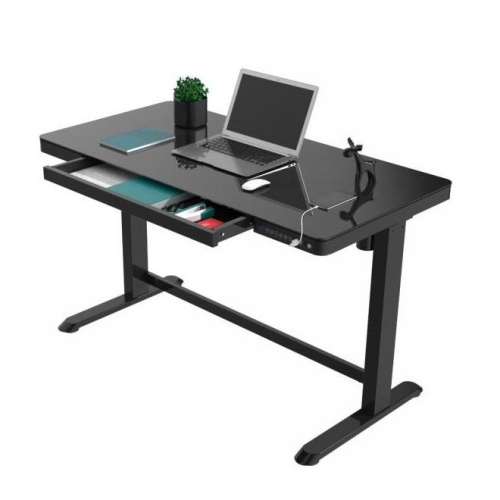
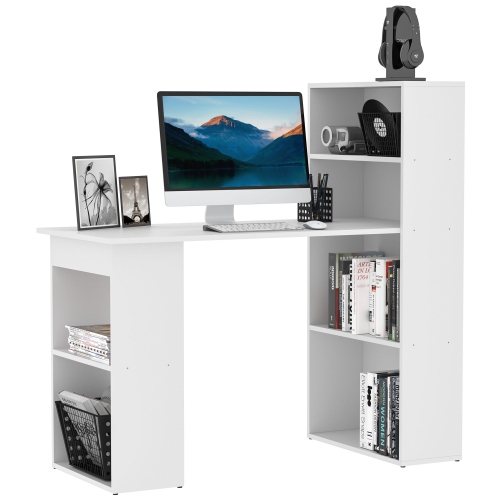
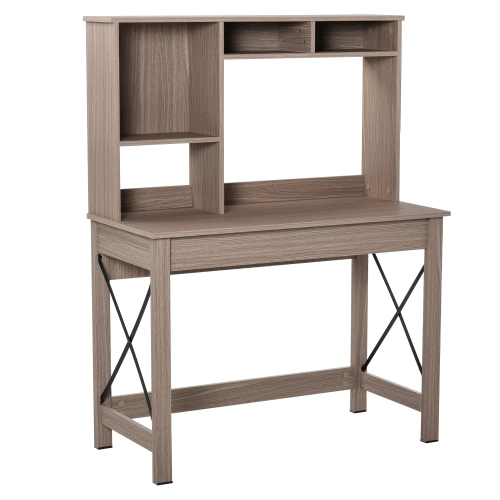
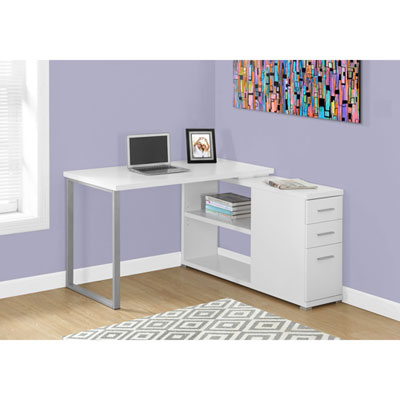
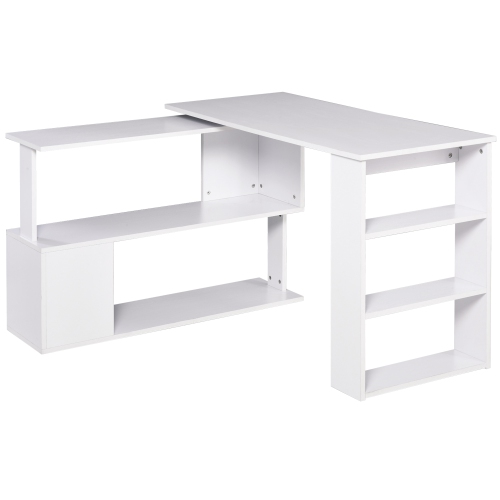
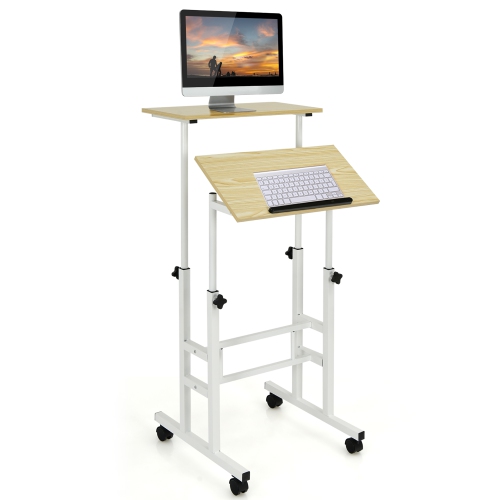
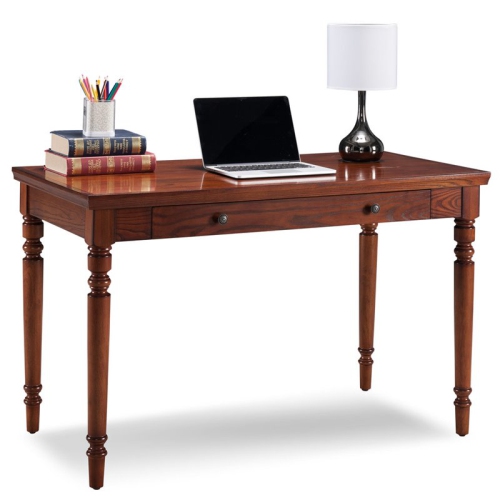
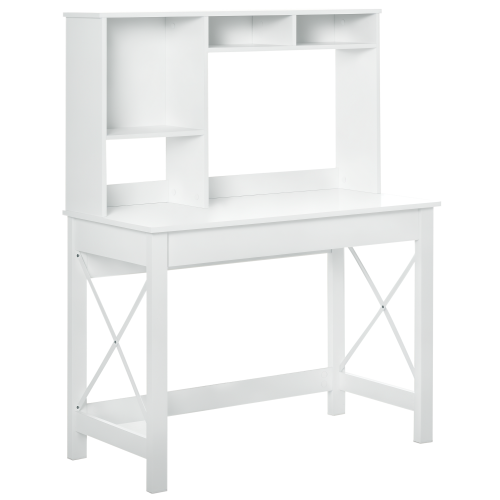
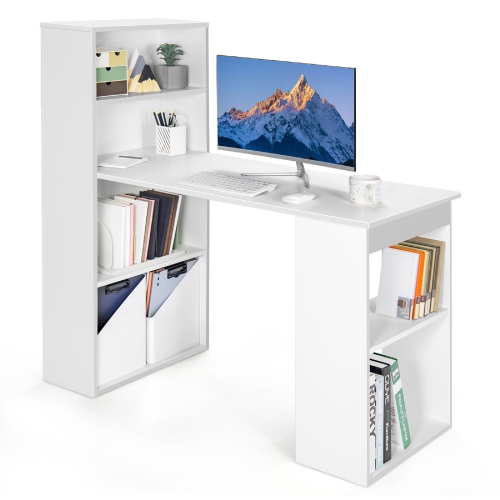
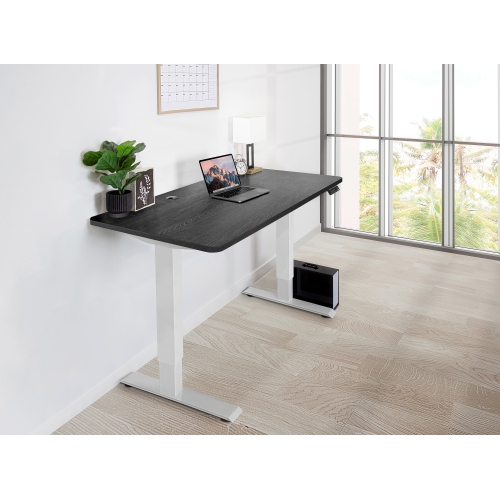

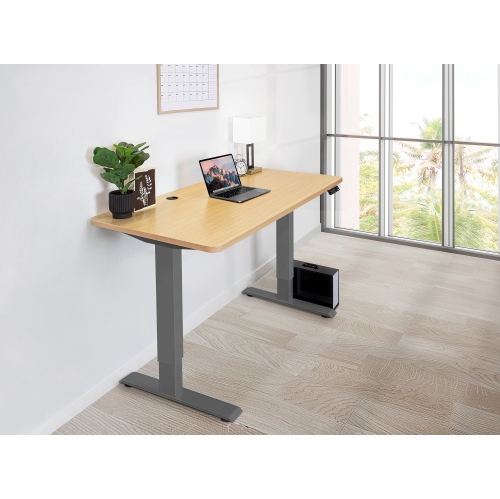
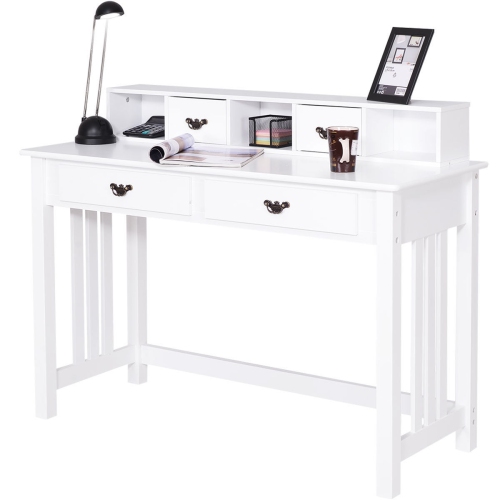
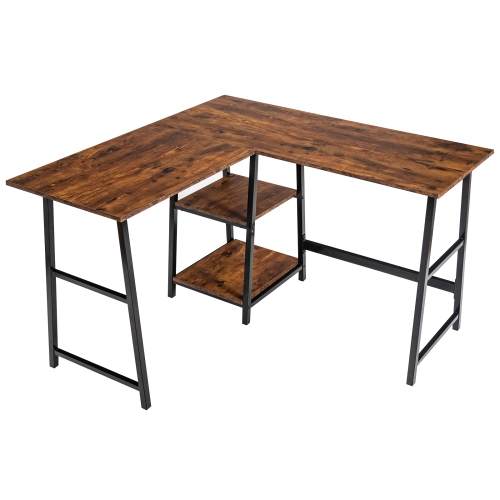
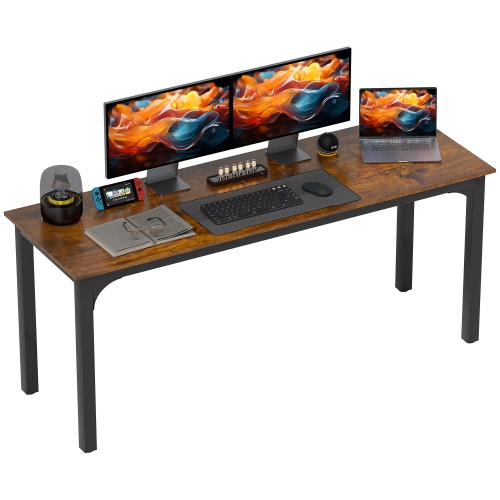
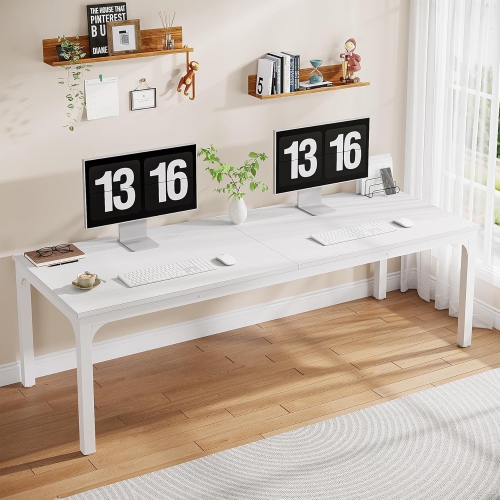
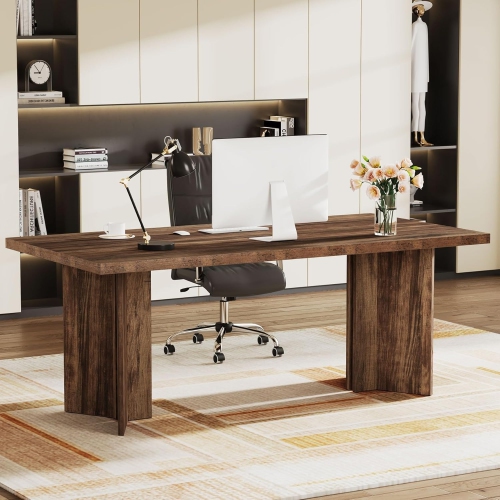
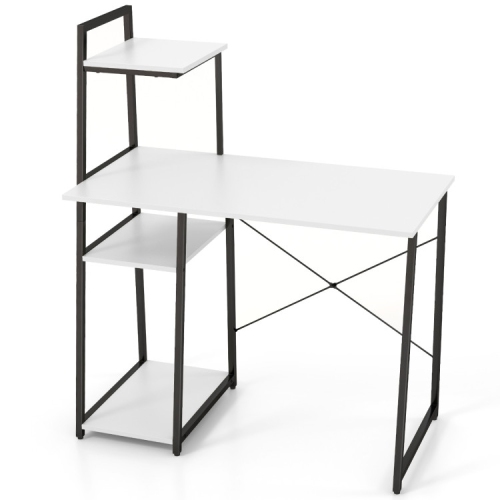
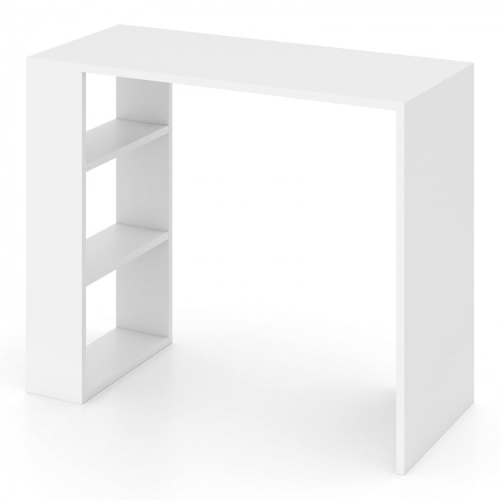
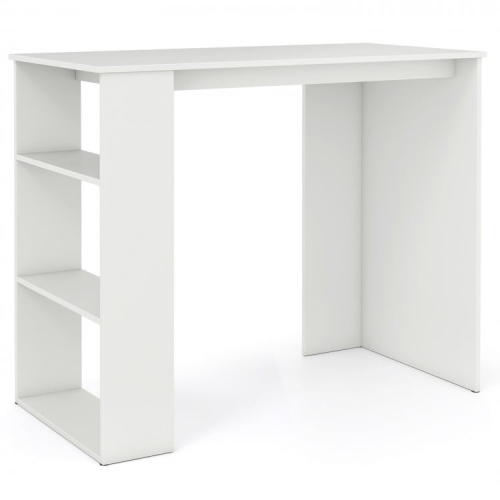
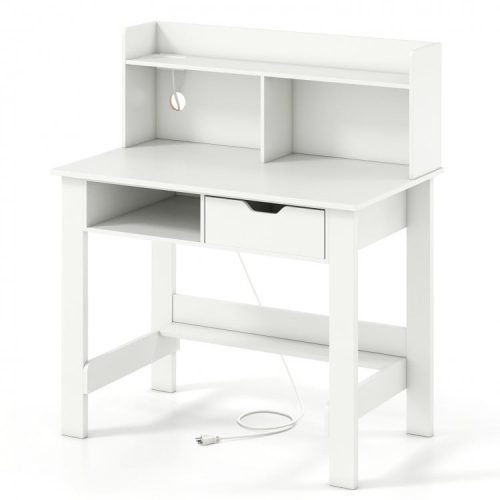
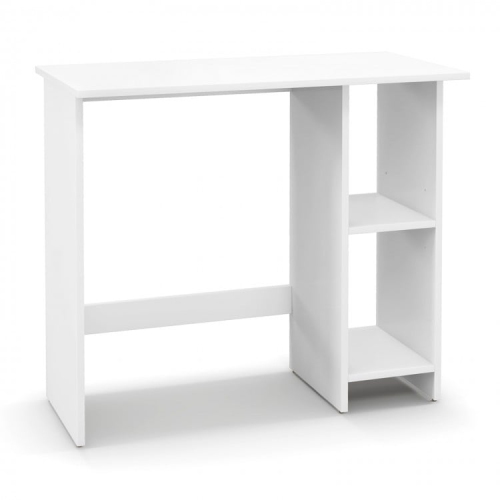
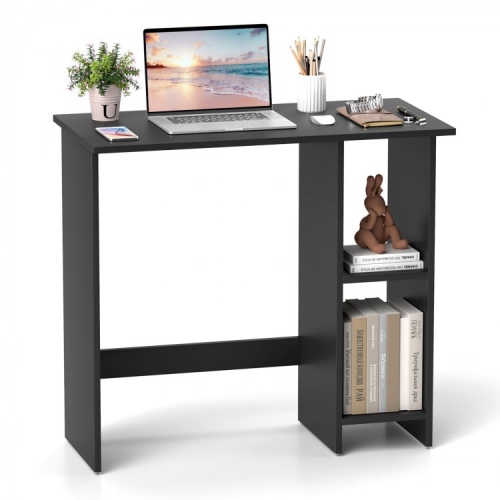
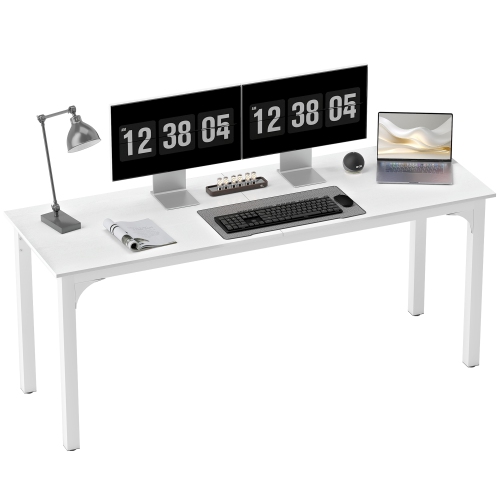
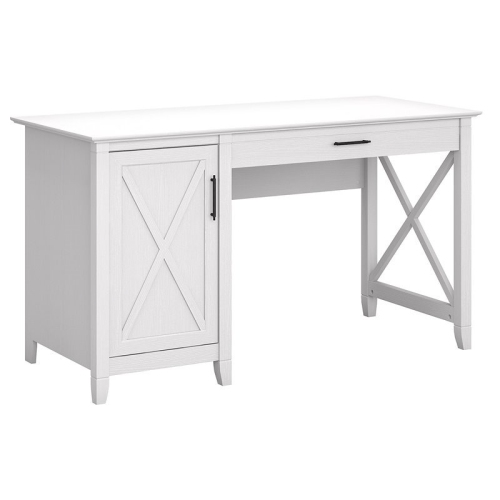
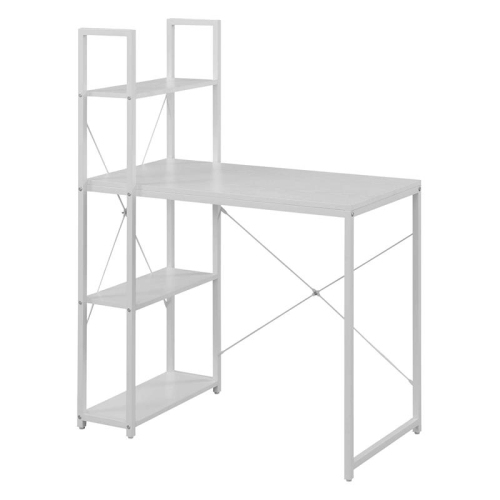
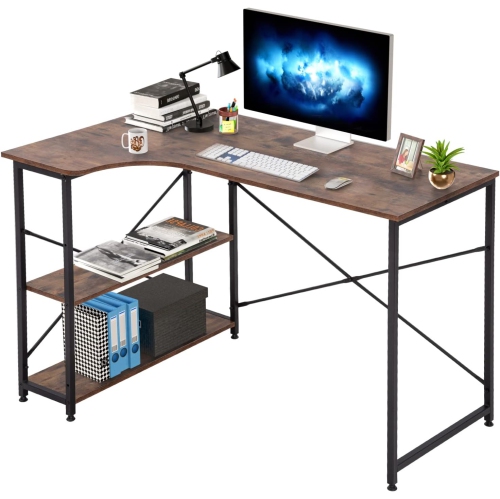
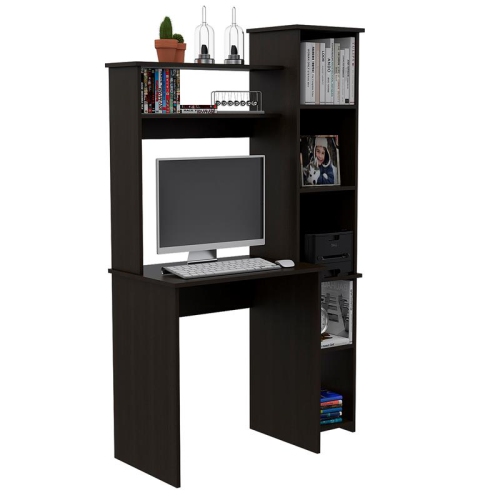
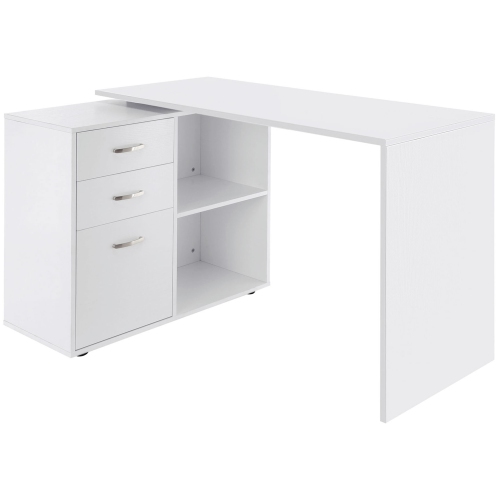
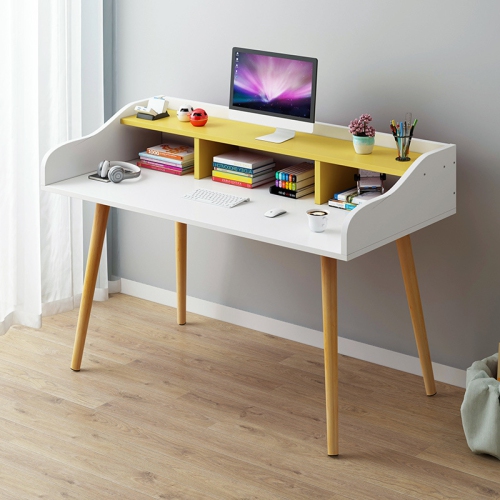
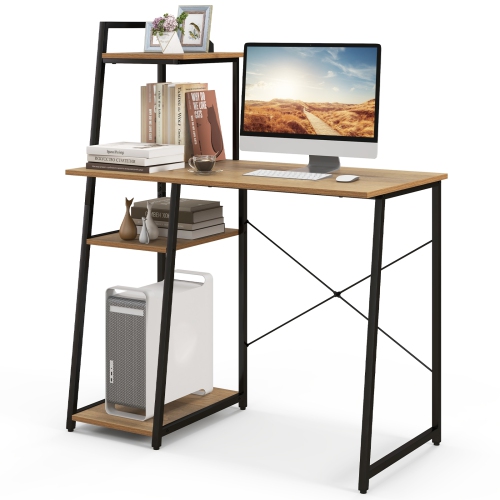
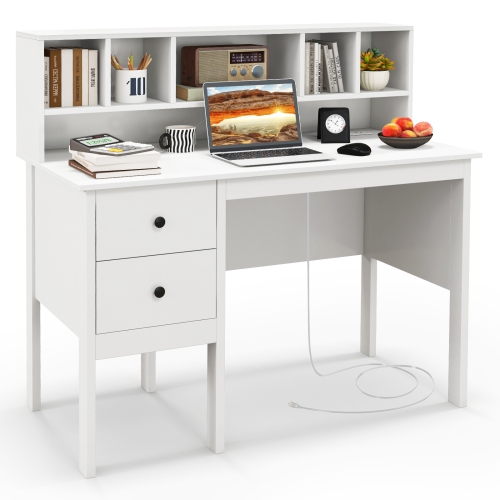
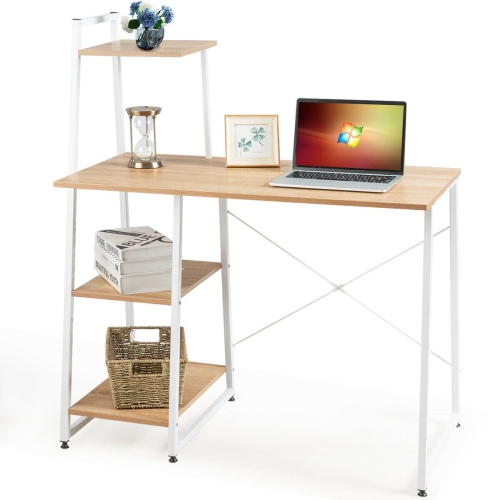
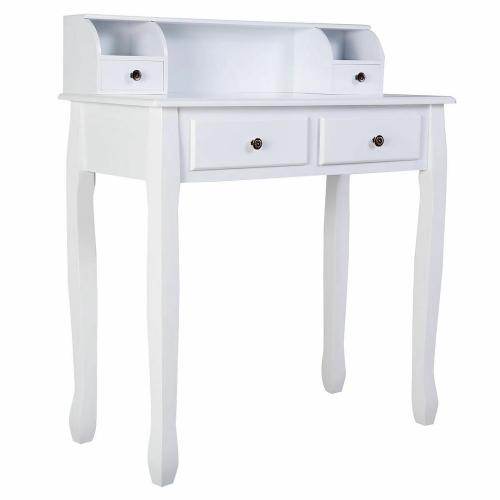
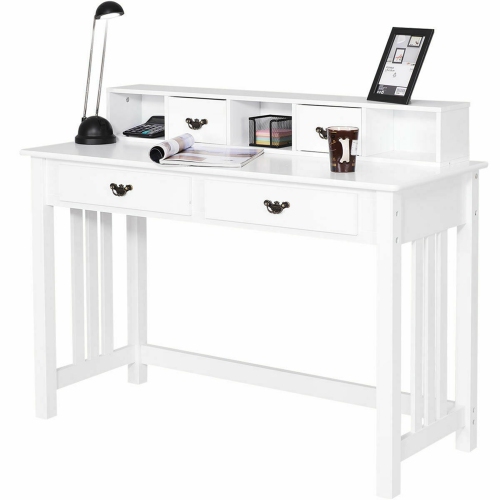


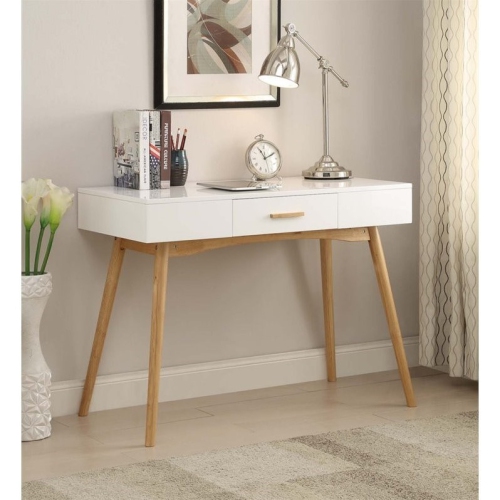
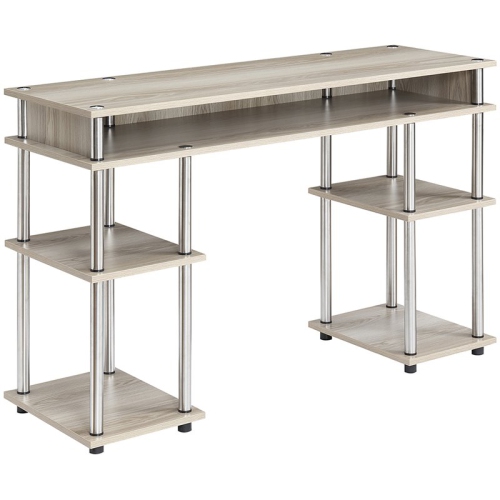
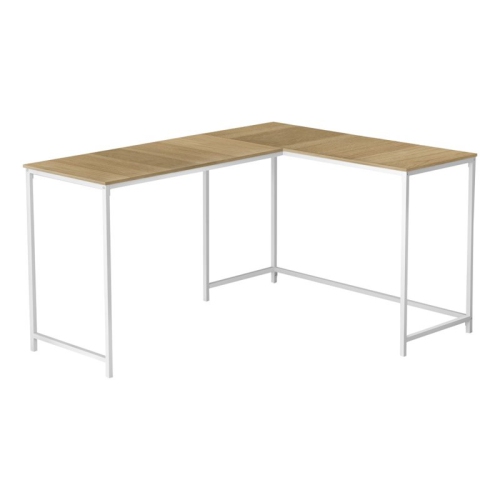
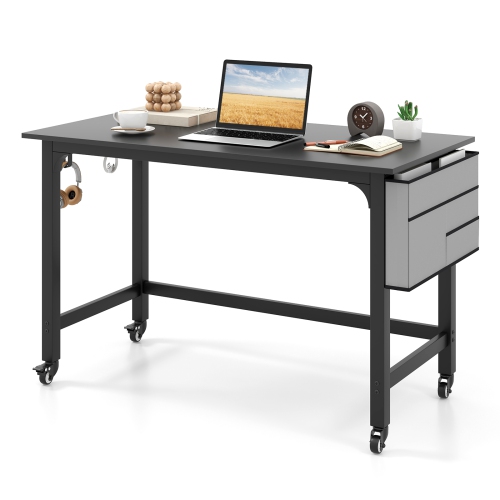
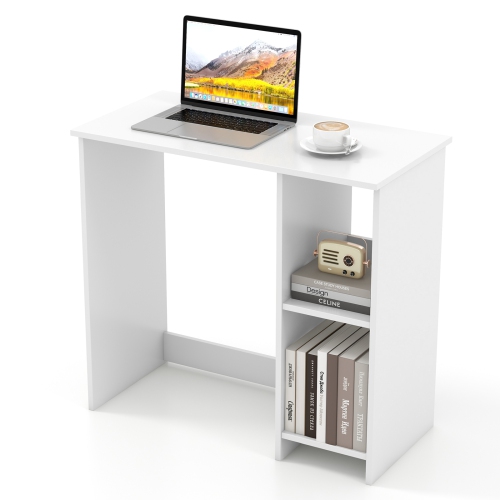
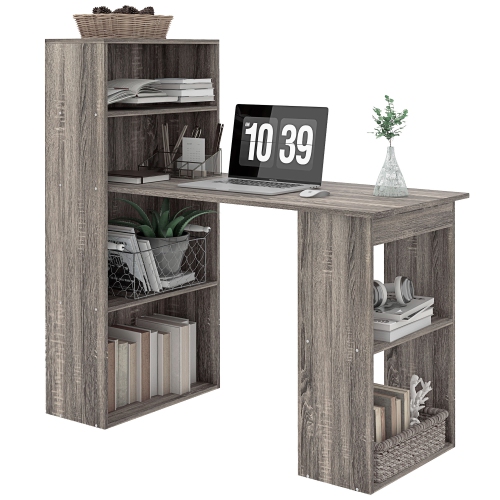
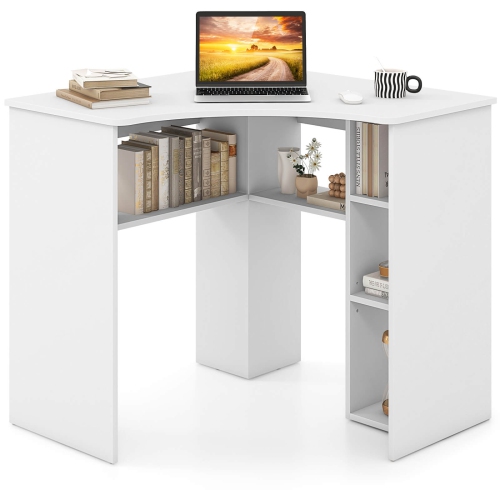
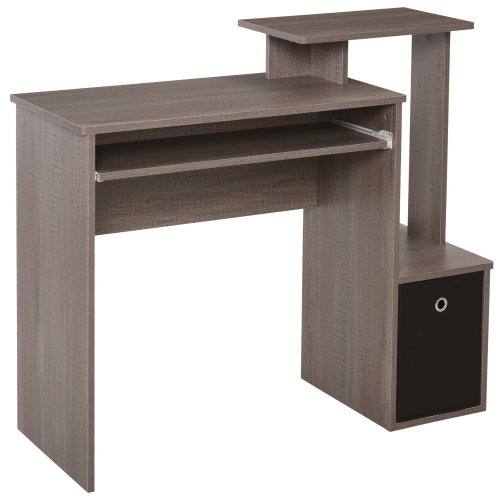

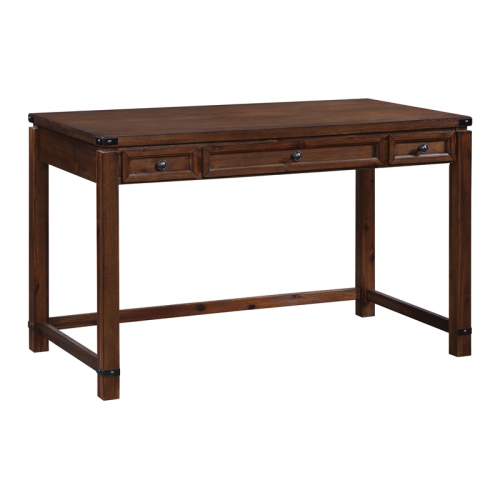
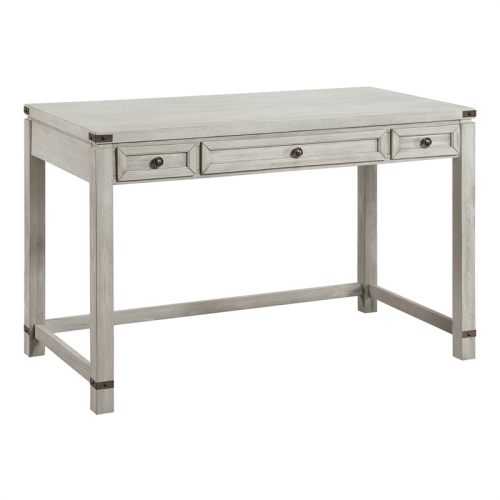
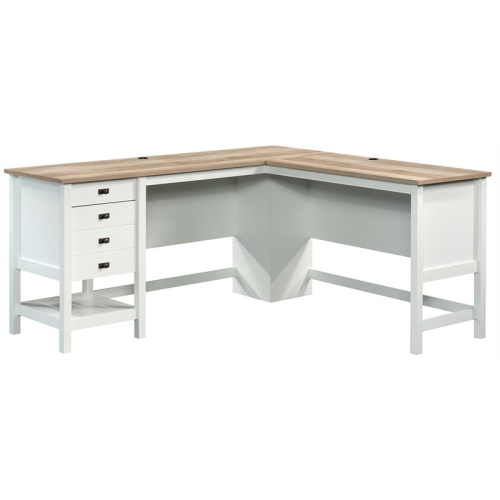
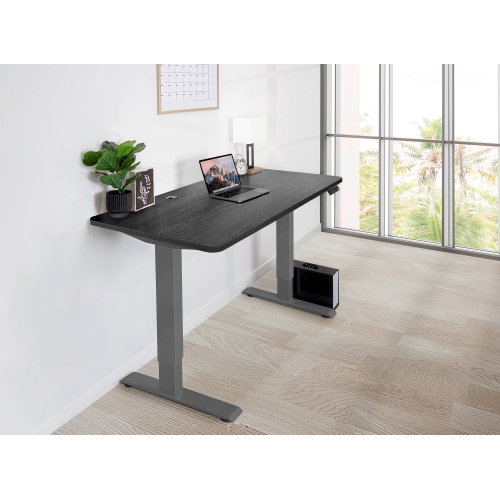
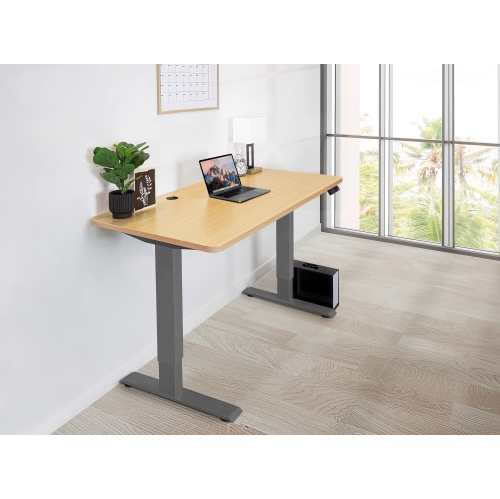
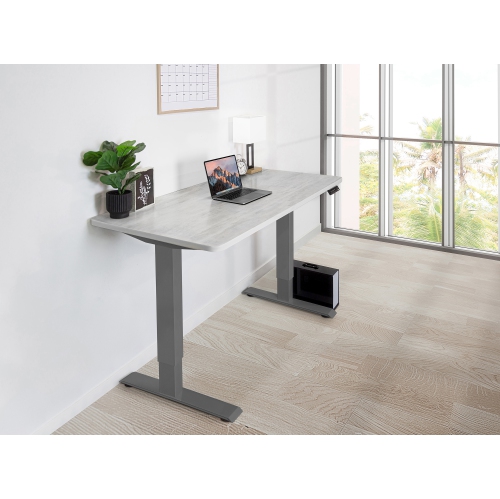
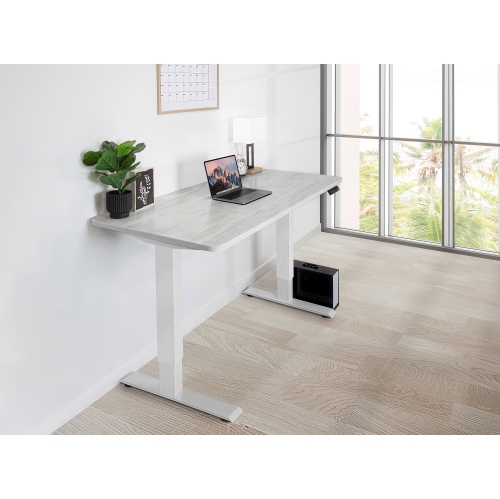
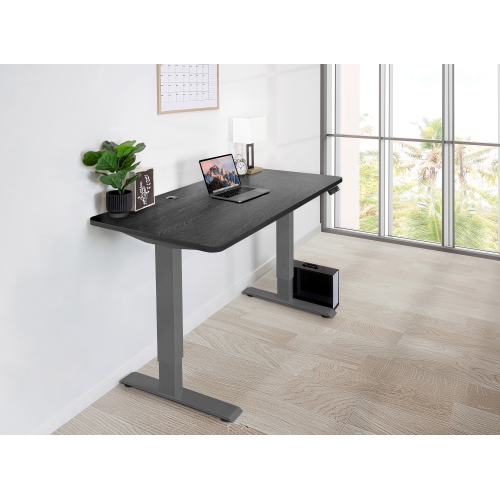
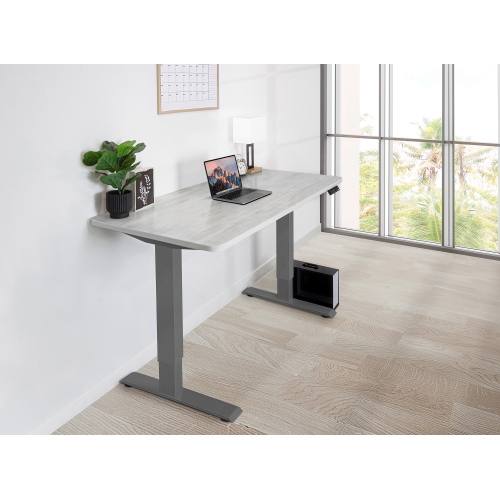
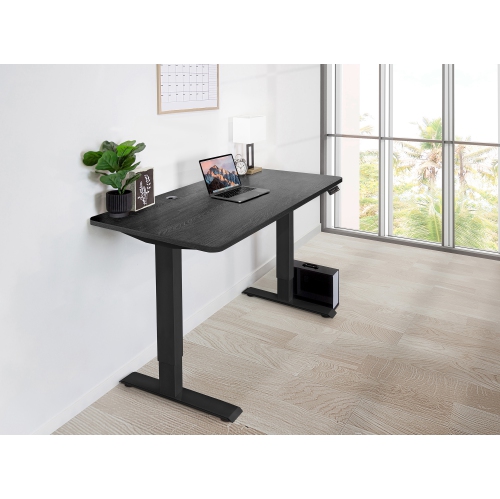
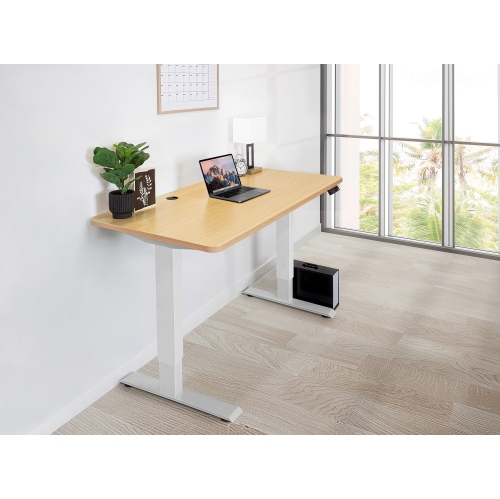
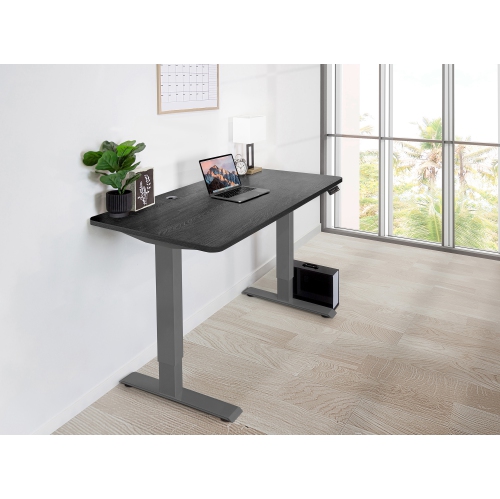



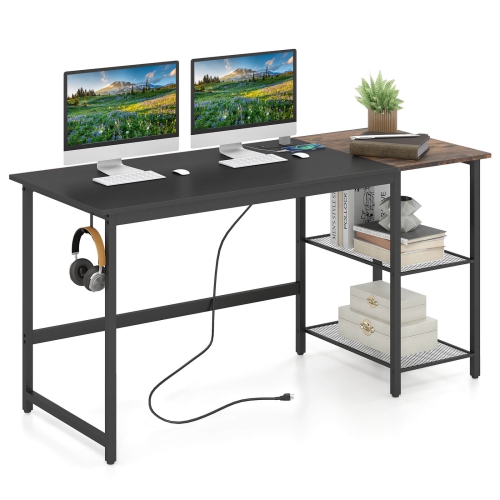

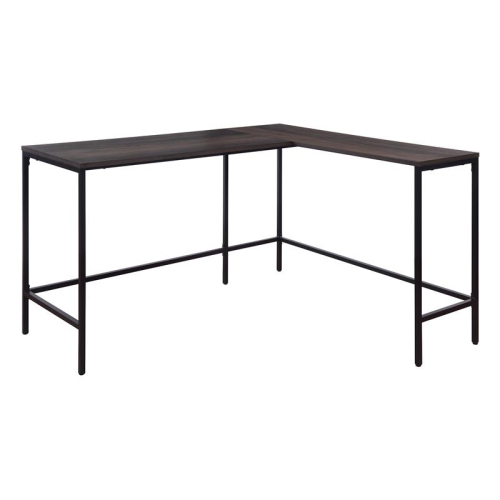
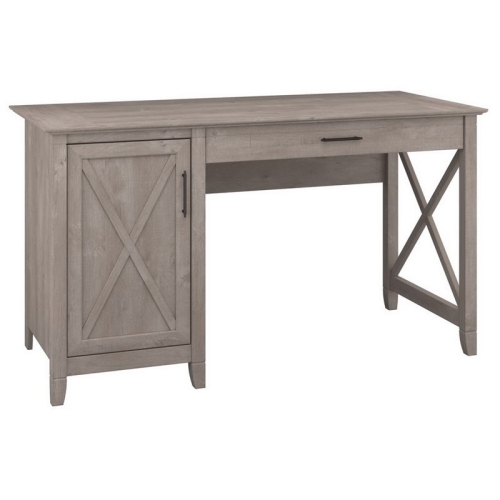
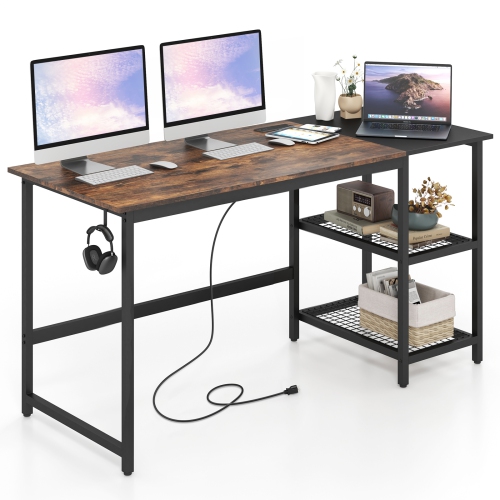
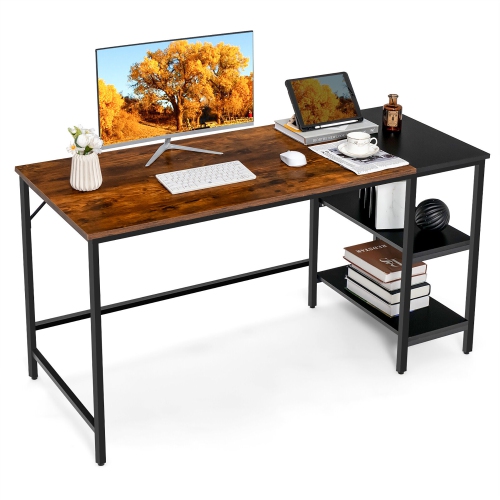
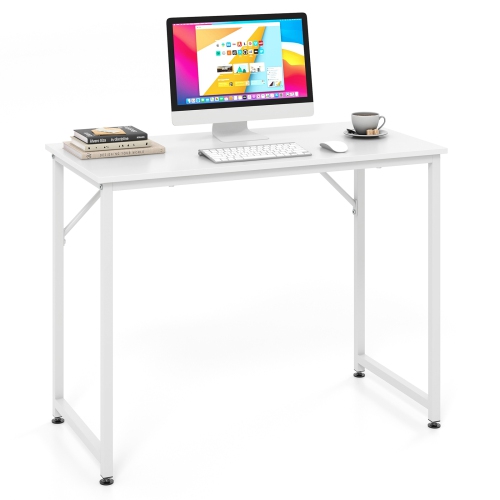
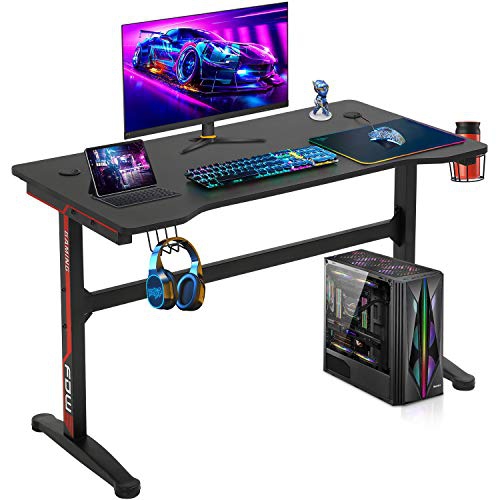
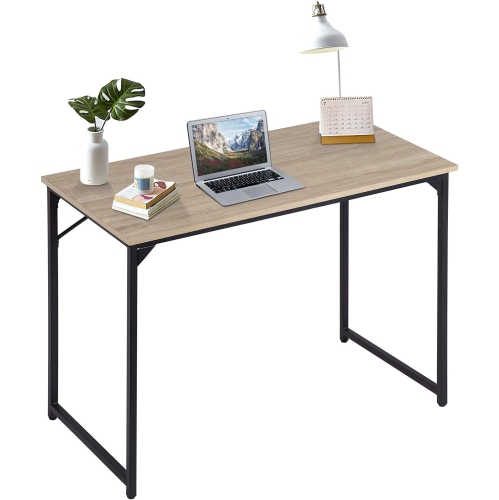

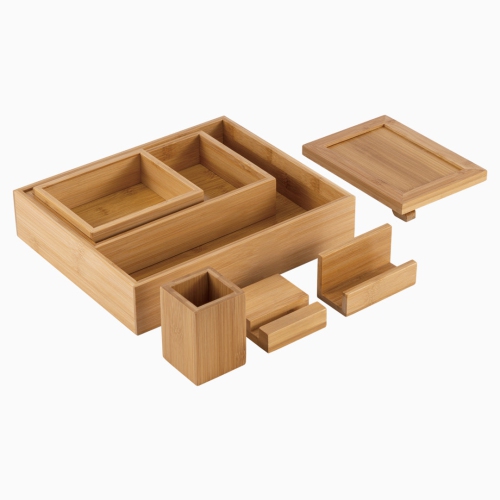
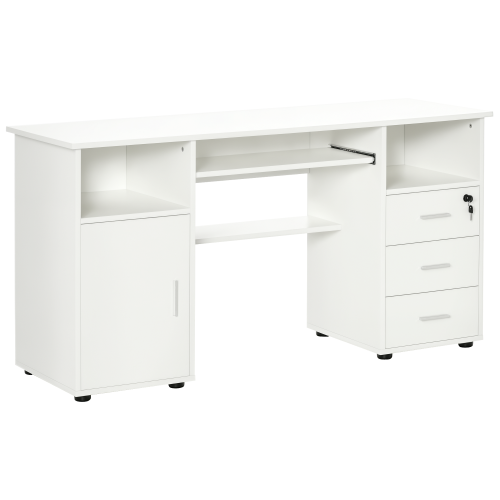
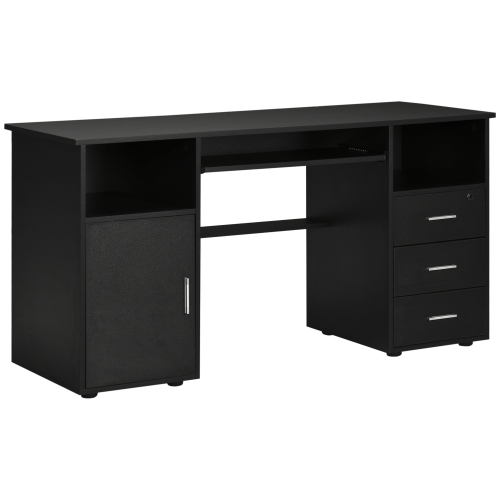
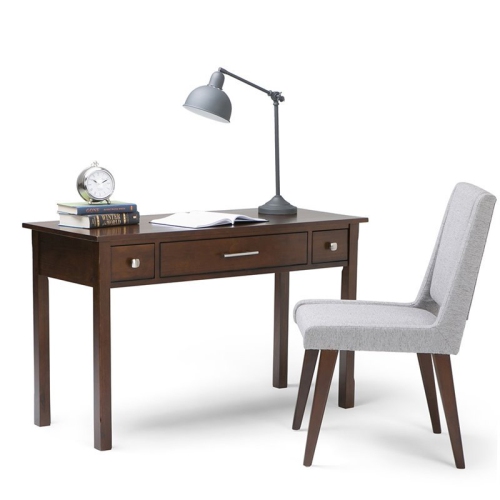

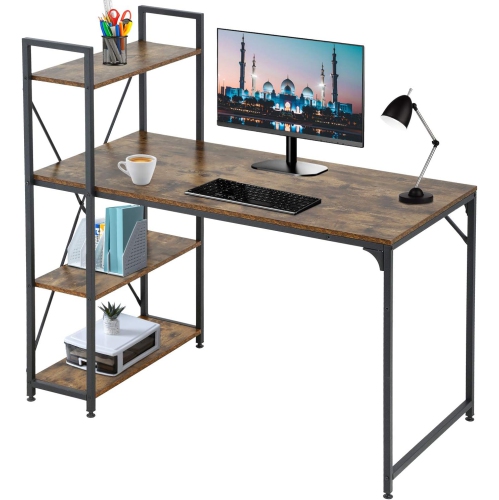
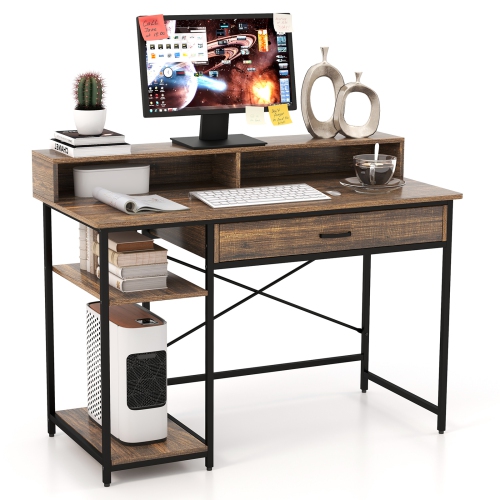
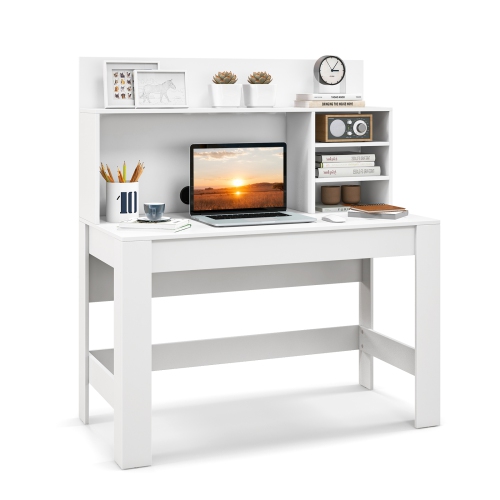
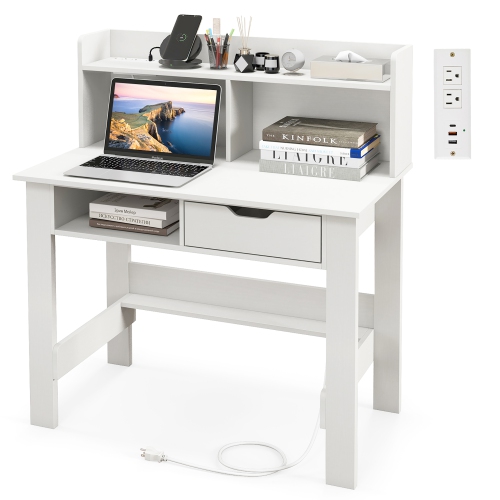
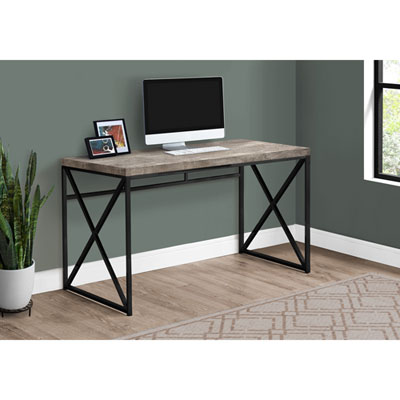
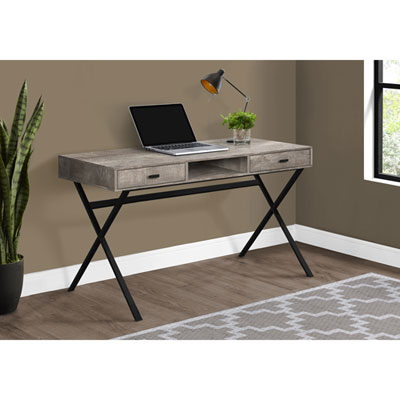
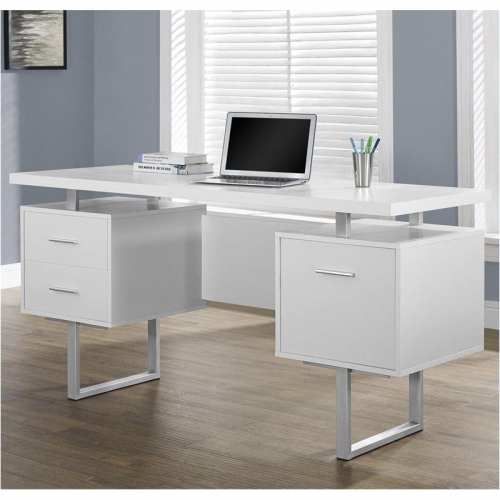
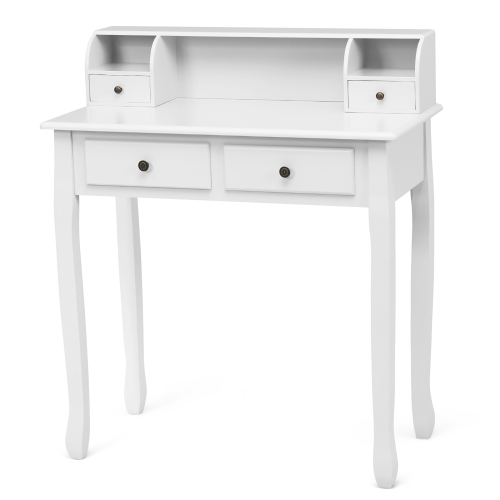
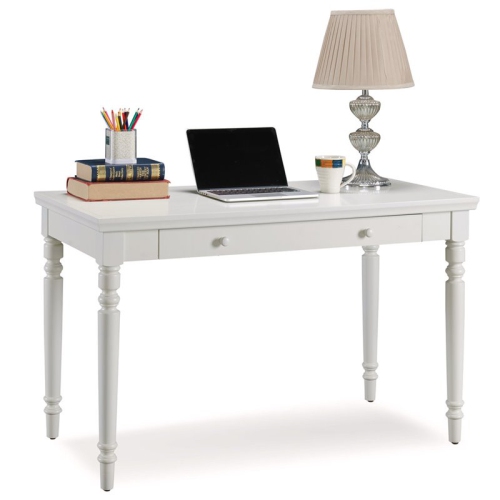
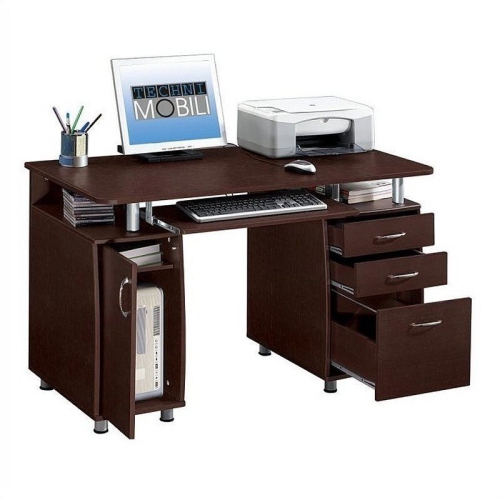
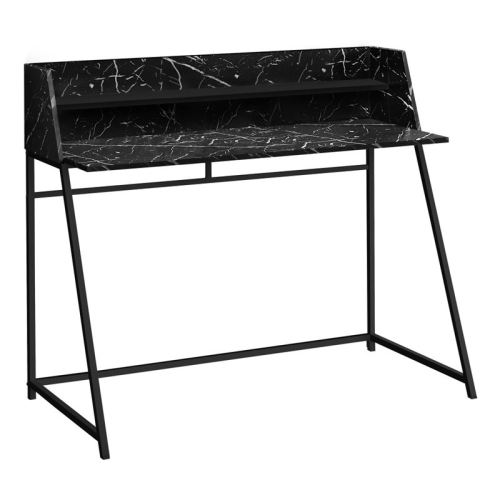
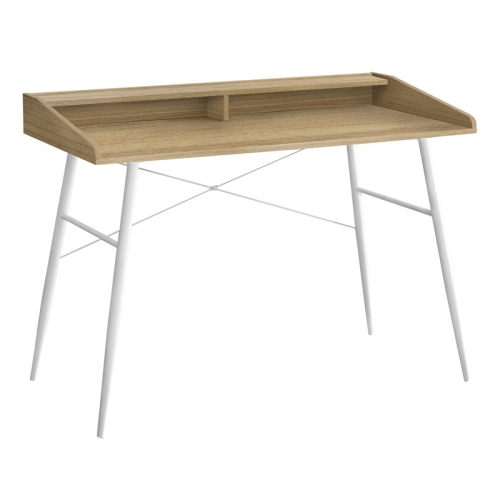
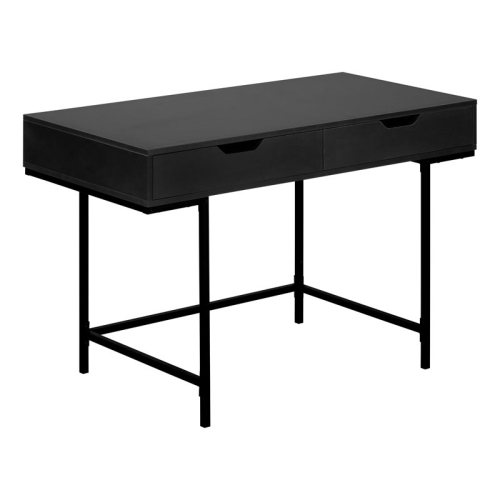
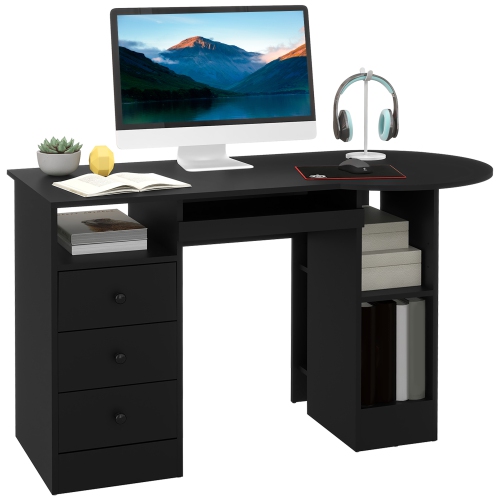
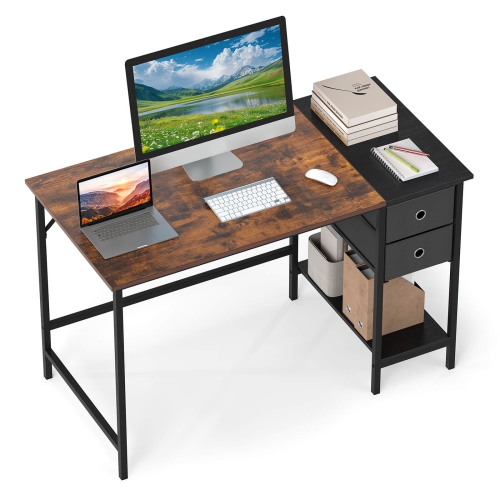
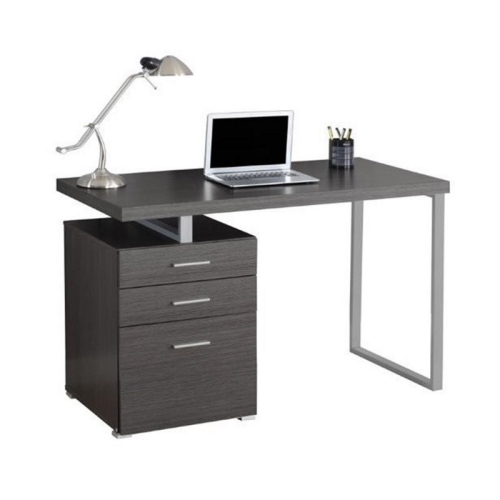
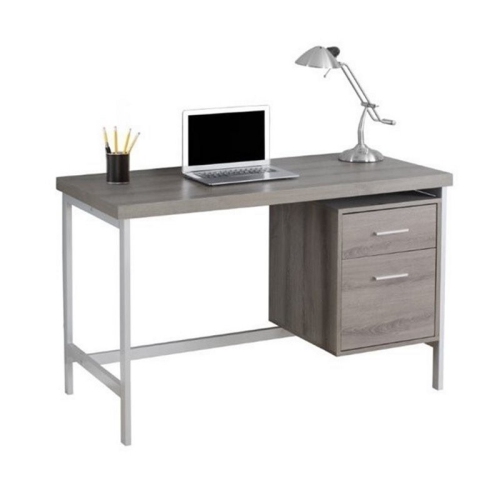
Practical layouts for comfortable work in any room
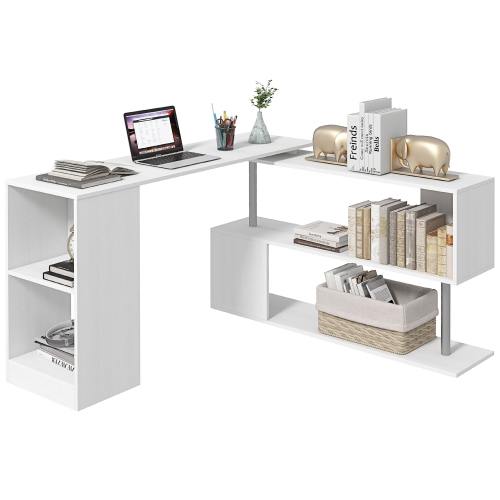
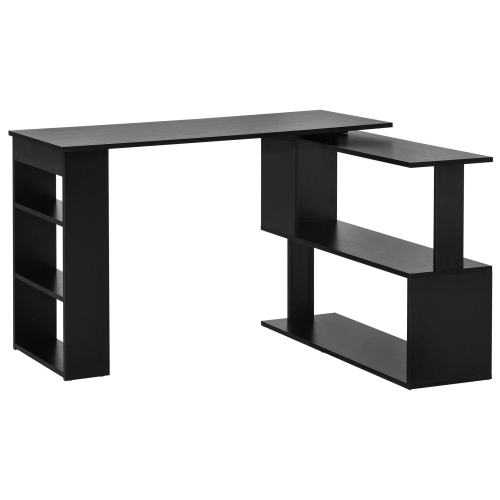
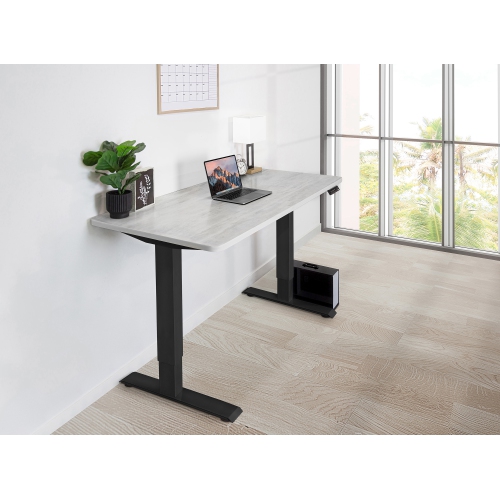
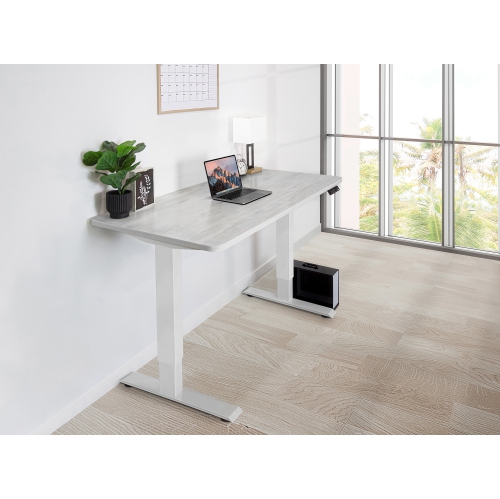
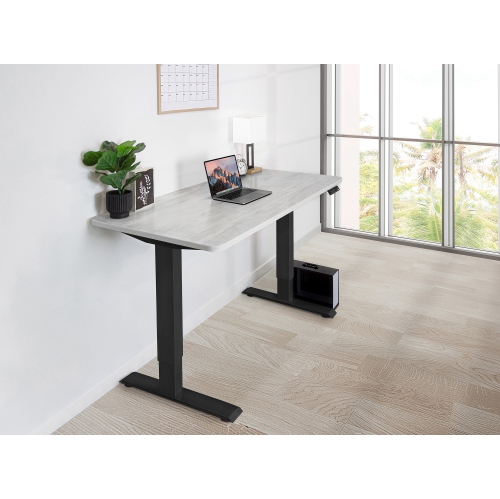
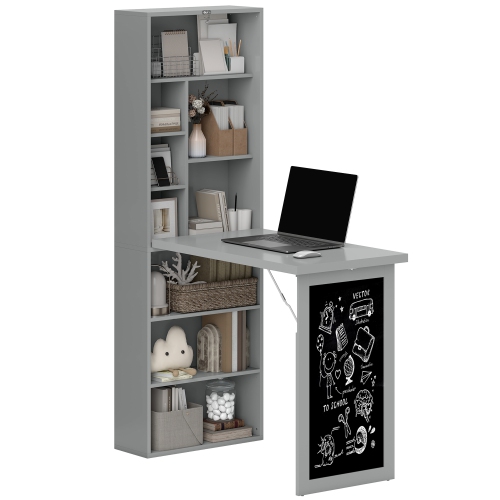
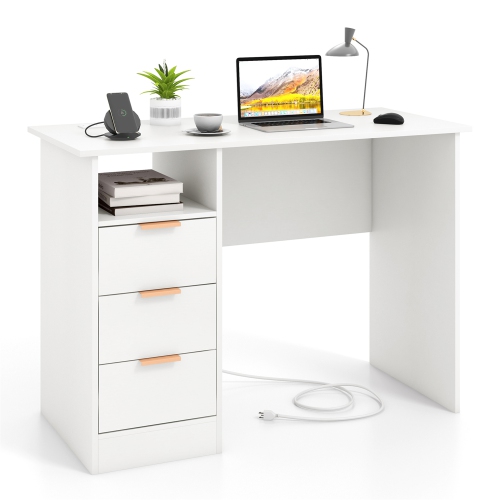
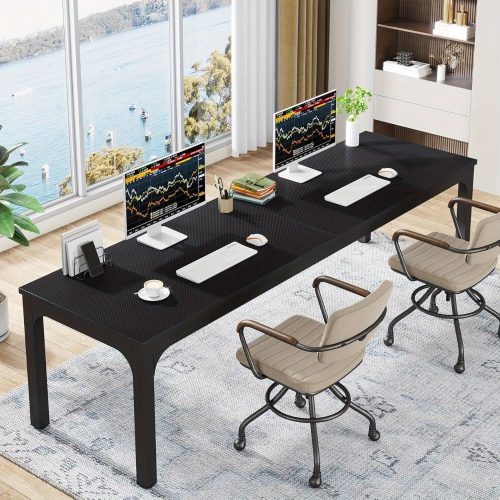
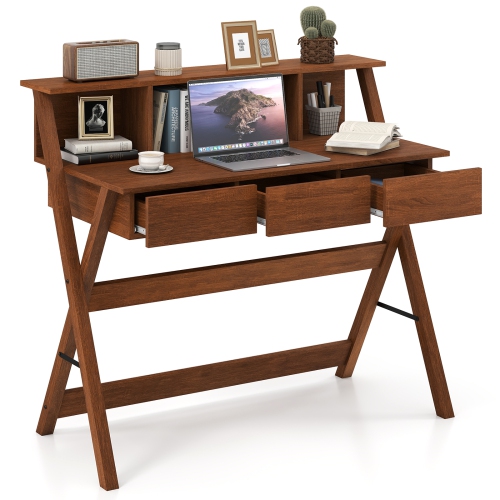
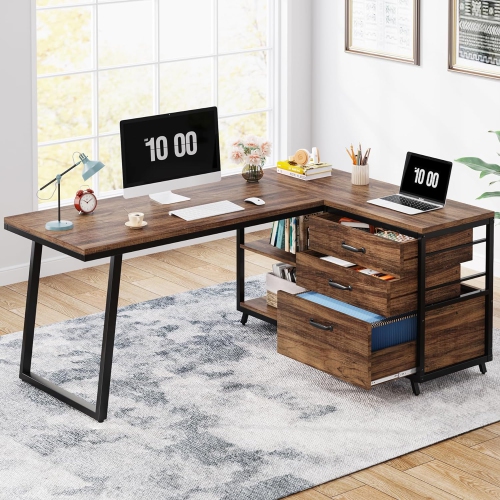
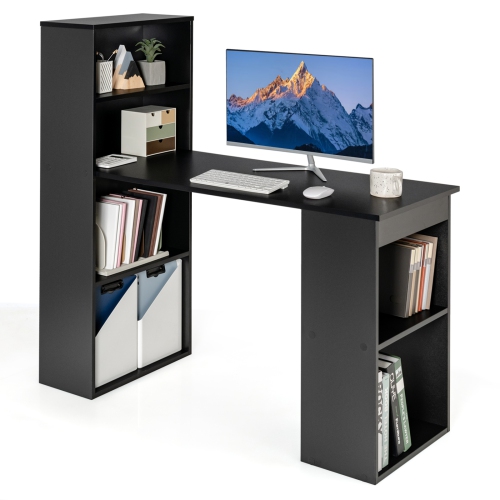
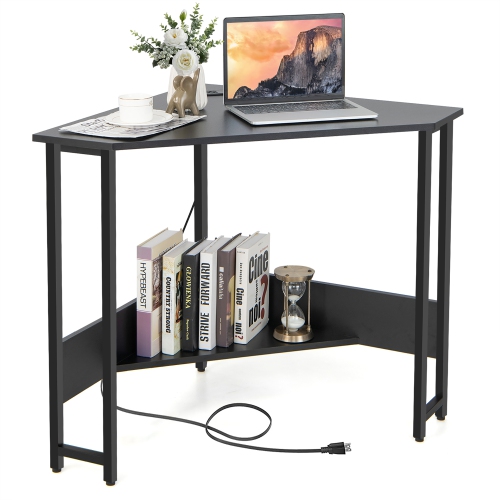
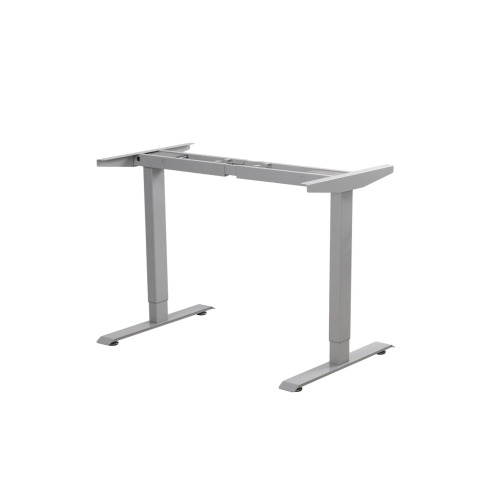
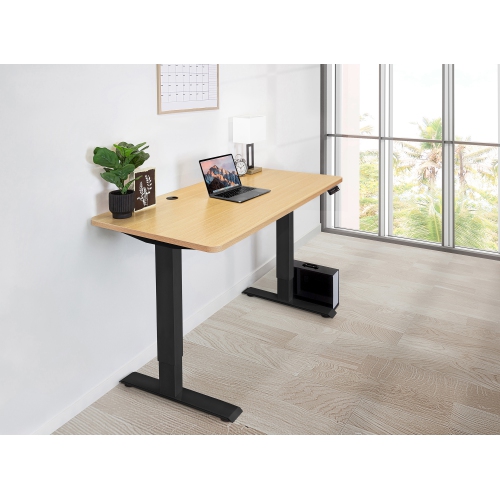
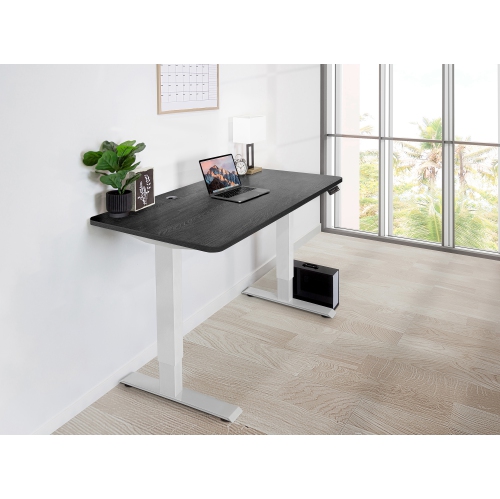
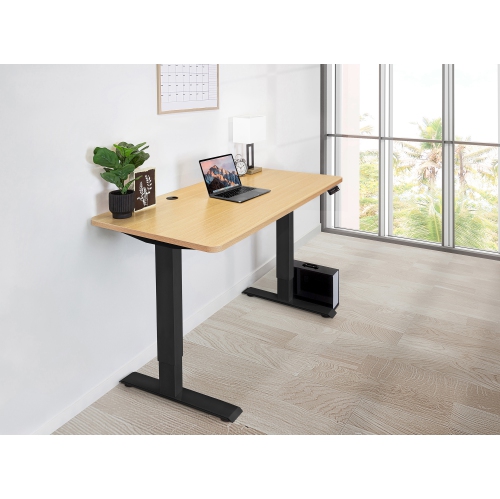
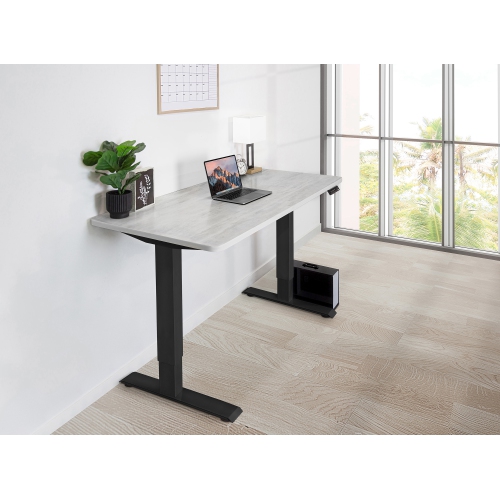
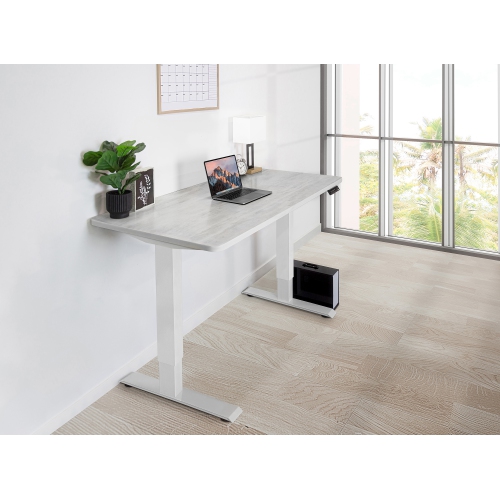
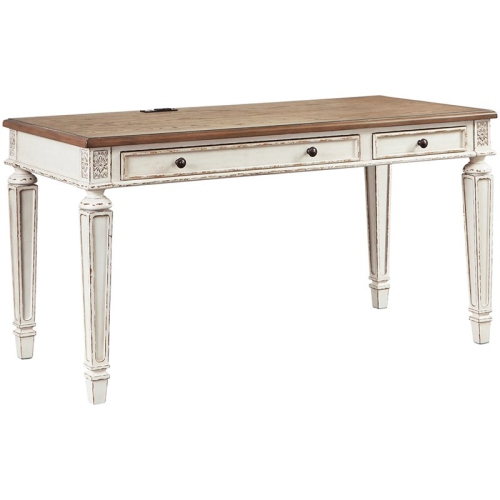
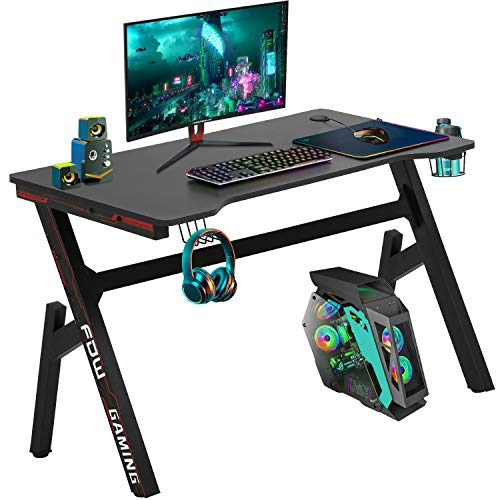
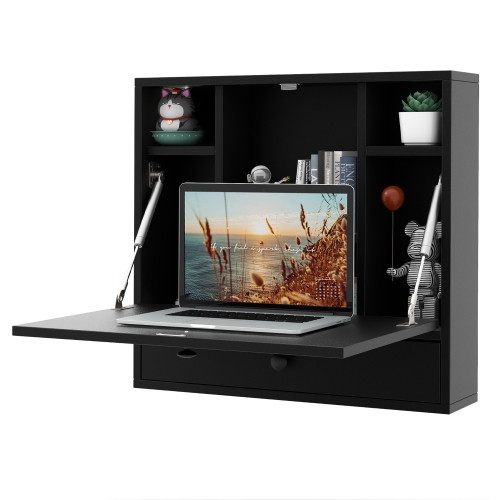
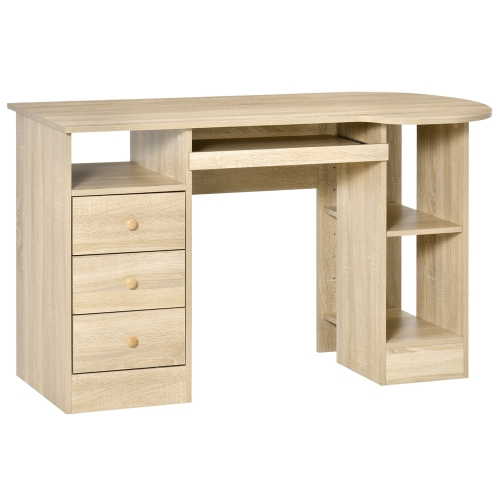
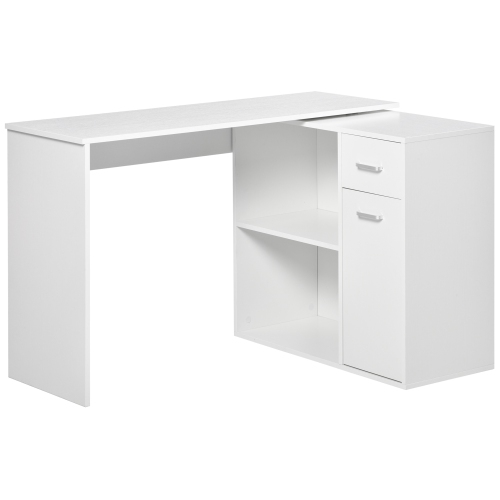
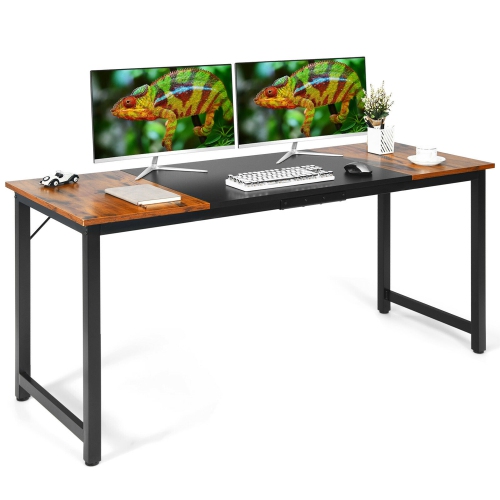
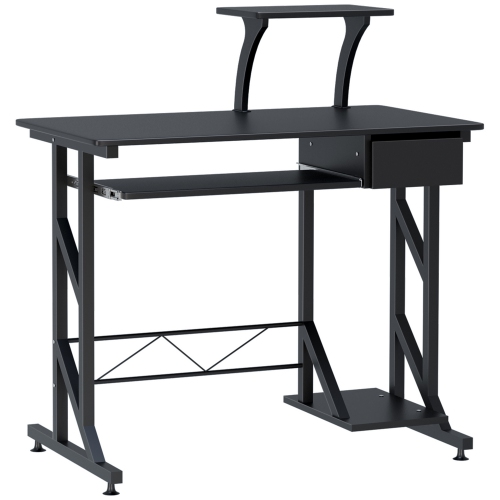
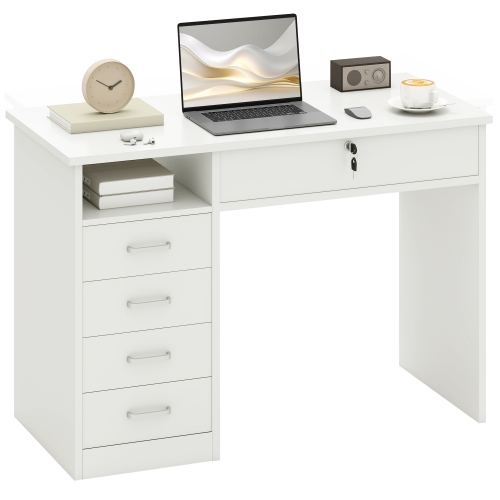
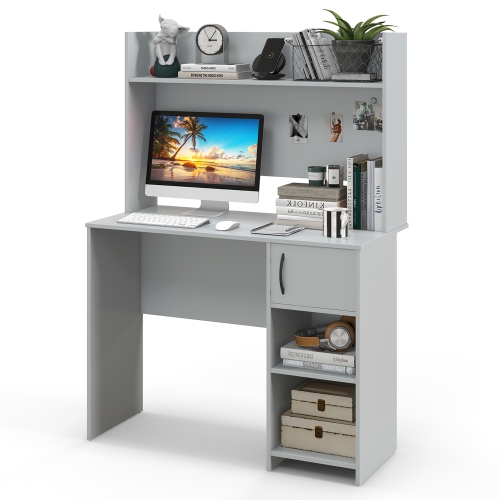
Home office desk ideas can help turn an unused corner, quiet wall, or shared room into a comfortable place to work, study, create, or manage everyday tasks. The right desk does more than provide a surface for a computer; it helps define how the room functions and how easily you can settle into a productive routine. A compact floating desk can make use of a narrow wall without taking up valuable floor space, while a corner desk can fit naturally into an area that might otherwise go unused. Console-style desks are useful behind a sofa or along a hallway, and ladder-style designs can combine a work surface with vertical storage when every inch matters. For a bedroom, apartment, or multipurpose living area, look for proportions that leave enough room to move comfortably and open nearby doors or drawers. In a larger room, a wide desk can accommodate a monitor, notebook, keyboard, and lighting while leaving space for reference materials or creative projects. If two people share the home office, a longer work surface or a double-desk arrangement can create separate zones without making the room feel crowded. Height-adjustable desks offer another flexible option, allowing you to alternate between sitting and standing throughout the day. This can be especially useful for people who spend long hours at a computer, attend virtual meetings, complete coursework, or move between focused work and hands-on hobbies. Those comparing Home Office Desks can start by measuring the available area, including the distance from the desk to the wall, window, chair, and power outlets. A desk that looks generously sized in a showroom or online photograph may feel quite different in a compact room, so note the full width, depth, and height before making a choice. Consider whether the desk will need to support one monitor or several, a desktop computer, a printer, speakers, craft materials, or school supplies. Weight capacity and construction are also worth checking, particularly when the desk will hold heavier equipment or be used daily by more than one person.
The layout around a desk has just as much influence on comfort as the desk itself. Positioning the work area near a window can bring in natural light and make the room feel brighter, although the screen should be placed carefully to reduce glare during sunny periods. Some people prefer a command-position arrangement, with a view of the doorway while sitting at the desk, because it creates a more settled feeling and makes it easier to stay aware of activity in the room. In a shared living space, placing the desk against a wall or inside an alcove can help separate work time from relaxation without requiring a dedicated office. A closet office can be a clever solution for a small home: removing or opening the doors creates a compact workstation, while shelves above the desktop keep supplies close at hand. Built-in-style arrangements can offer a cohesive appearance along a long wall, and modular furniture can be rearranged as needs change. When choosing between open shelving, drawers, and cabinets, think about what should remain visible and what is better tucked away. Open shelves make frequently used notebooks, headphones, and reference materials easy to reach, while drawers can keep chargers, stationery, and personal documents out of sight. Cable management is another practical consideration. Desks with cable openings, rear channels, or room beneath the surface can make it easier to route cords neatly to a wall outlet. Clips, trays, and cable boxes can help prevent wires from tangling around chair legs or collecting dust behind the desk. Lighting should be planned alongside the desk rather than added as an afterthought. A focused task light can illuminate paperwork and reduce the need to work beneath harsh overhead lighting, while a soft background light can make evening work feel more comfortable during the cooler months. Leave enough room for an ergonomic chair, and check that the desk height allows your forearms to rest comfortably when typing. A monitor should sit at a position that does not force you to bend your neck, and frequently used items should be within easy reach so that the surface stays orderly.
Home office desk ideas also suit a wide range of people and occasions. A student may use a compact desk for online classes, reading, and project work, while a remote employee may need a larger surface for a monitor, webcam, paperwork, and a reliable writing area. Freelancers, gamers, artists, and hobbyists may appreciate a desk that can adapt to different equipment or activities throughout the day. A standing or height-adjustable design can be a thoughtful gift for someone beginning a work-from-home routine, moving into a new space, or refreshing a study area before the busy season of assignments and projects. A smaller desk can also be useful for a child or teenager who needs a dedicated place for homework, drawing, or reading, provided the dimensions suit their room and the furniture is positioned securely. For someone furnishing a first apartment, a slim console desk or modular setup can provide a practical starting point without overwhelming the room. During the cooler months, when more work and study may take place indoors, a well-planned desk area can make everyday routines feel calmer and more intentional. Personal touches such as framed photographs, artwork, a comfortable desk mat, or a small organiser can give the space character without sacrificing usable room. Keep the most important tools close by, leave a clear area for writing, and reserve storage for items that tend to gather on the surface. The best choice balances available space, daily habits, equipment, comfort, and the overall feel of the home. With thoughtful measurements and a layout that supports the way each person actually works, even a small corner can become a capable, welcoming home office.
The layout around a desk has just as much influence on comfort as the desk itself. Positioning the work area near a window can bring in natural light and make the room feel brighter, although the screen should be placed carefully to reduce glare during sunny periods. Some people prefer a command-position arrangement, with a view of the doorway while sitting at the desk, because it creates a more settled feeling and makes it easier to stay aware of activity in the room. In a shared living space, placing the desk against a wall or inside an alcove can help separate work time from relaxation without requiring a dedicated office. A closet office can be a clever solution for a small home: removing or opening the doors creates a compact workstation, while shelves above the desktop keep supplies close at hand. Built-in-style arrangements can offer a cohesive appearance along a long wall, and modular furniture can be rearranged as needs change. When choosing between open shelving, drawers, and cabinets, think about what should remain visible and what is better tucked away. Open shelves make frequently used notebooks, headphones, and reference materials easy to reach, while drawers can keep chargers, stationery, and personal documents out of sight. Cable management is another practical consideration. Desks with cable openings, rear channels, or room beneath the surface can make it easier to route cords neatly to a wall outlet. Clips, trays, and cable boxes can help prevent wires from tangling around chair legs or collecting dust behind the desk. Lighting should be planned alongside the desk rather than added as an afterthought. A focused task light can illuminate paperwork and reduce the need to work beneath harsh overhead lighting, while a soft background light can make evening work feel more comfortable during the cooler months. Leave enough room for an ergonomic chair, and check that the desk height allows your forearms to rest comfortably when typing. A monitor should sit at a position that does not force you to bend your neck, and frequently used items should be within easy reach so that the surface stays orderly.
Home office desk ideas also suit a wide range of people and occasions. A student may use a compact desk for online classes, reading, and project work, while a remote employee may need a larger surface for a monitor, webcam, paperwork, and a reliable writing area. Freelancers, gamers, artists, and hobbyists may appreciate a desk that can adapt to different equipment or activities throughout the day. A standing or height-adjustable design can be a thoughtful gift for someone beginning a work-from-home routine, moving into a new space, or refreshing a study area before the busy season of assignments and projects. A smaller desk can also be useful for a child or teenager who needs a dedicated place for homework, drawing, or reading, provided the dimensions suit their room and the furniture is positioned securely. For someone furnishing a first apartment, a slim console desk or modular setup can provide a practical starting point without overwhelming the room. During the cooler months, when more work and study may take place indoors, a well-planned desk area can make everyday routines feel calmer and more intentional. Personal touches such as framed photographs, artwork, a comfortable desk mat, or a small organiser can give the space character without sacrificing usable room. Keep the most important tools close by, leave a clear area for writing, and reserve storage for items that tend to gather on the surface. The best choice balances available space, daily habits, equipment, comfort, and the overall feel of the home. With thoughtful measurements and a layout that supports the way each person actually works, even a small corner can become a capable, welcoming home office.
Top selling and popular products
-
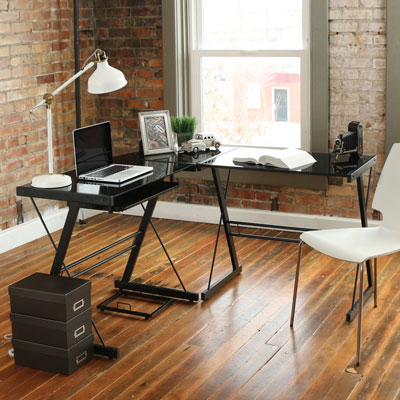 Your price for this item is $304.99
 -
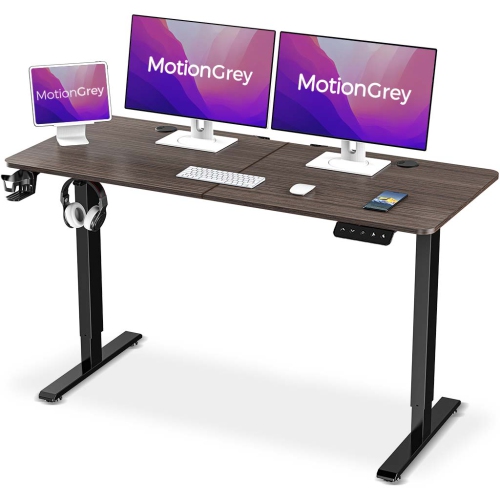 Your price for this item is $109.99
 -
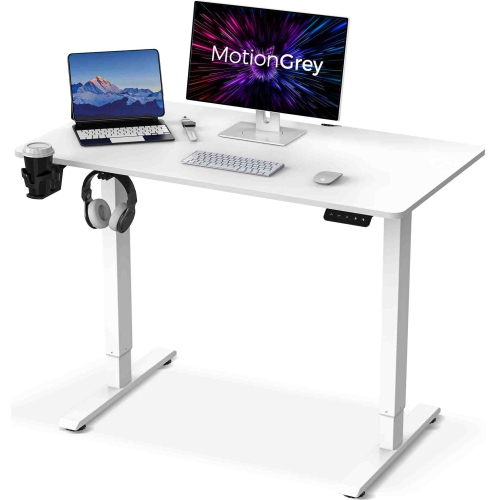 Your price for this item is $79.99
 -
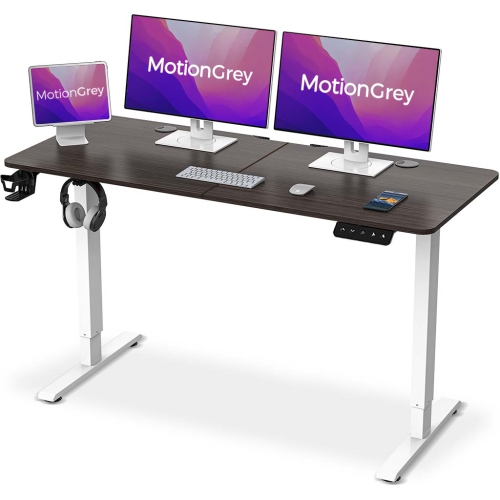 Your price for this item is $79.99
 -
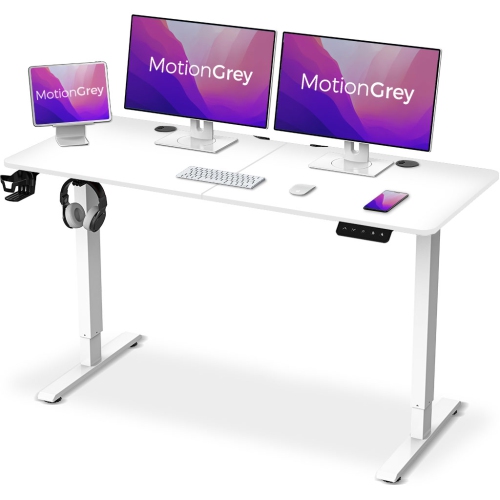 Your price for this item is $84.99
 -
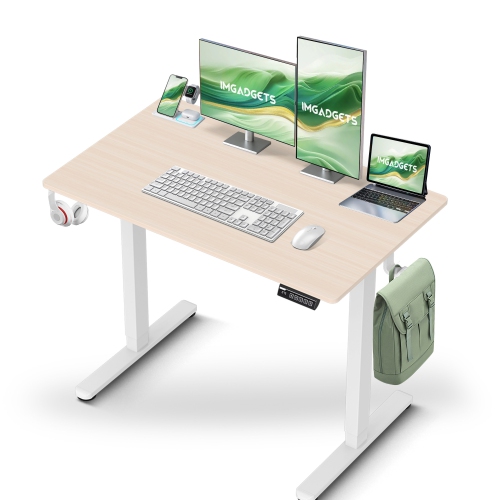 Your price for this item is $63.39
 -
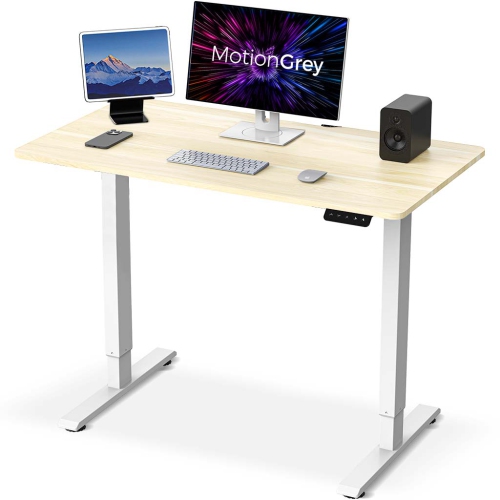 Your price for this item is $79.99
 -
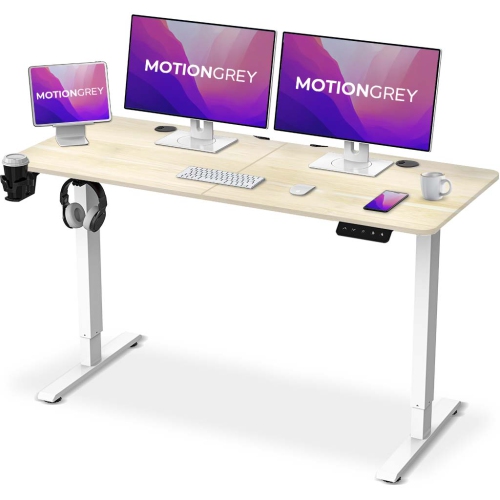 Your price for this item is $109.99
Discover more categories related to Home Office Desk Ideas
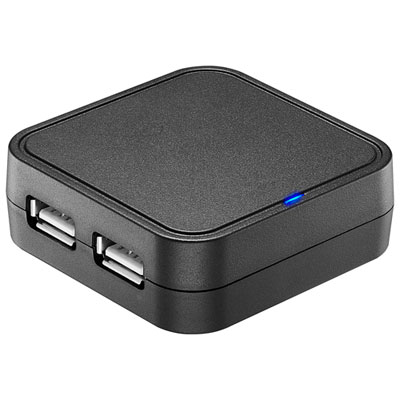
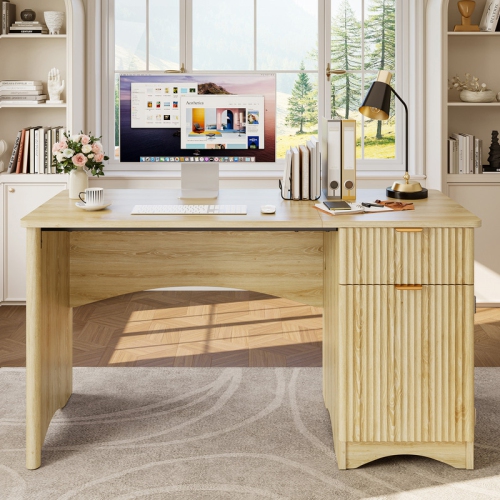
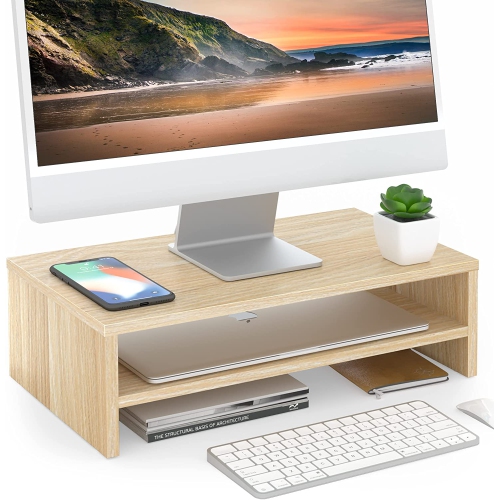
Top Collections:
Best Laptops for Video Editing, Pokemon Centers, Samsung Z Fold, Kindle Devices, Best Cell Phones Under $300, Best Laptops for Writers, Best Budget Office Chairs, Best Cell Phones Under $500, Best Laptop Computers for Students, iPhone 15 Apple
Some products may be subject to Environmental Handling Fees
(EHF) depending on your province.
Learn more about EHFs.