Home Office Furniture
Create a stylish and functional workspace with our selection of home office furniture. From sleek desks to ergonomic chairs, our collection offers everything you need to design a productive and comfortable office environment in the comfort of your own home. Whether you're working remotely, studying for exams, or simply need a designated area for organizing your tasks, our range of furniture pieces caters to various styles and preferences. Elevate your work-from-home setup with quality pieces that blend seamlessly into your existing decor while enhancing your productivity and overall well-being.
Sort
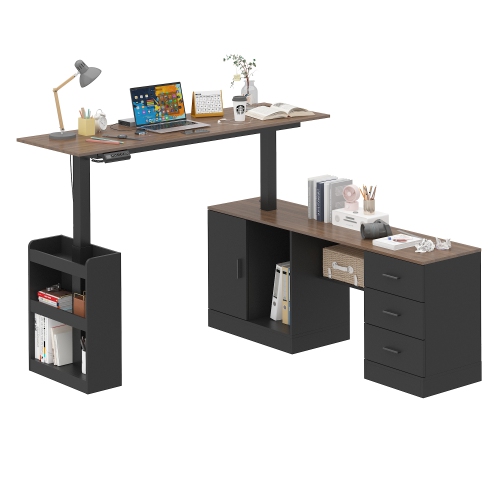
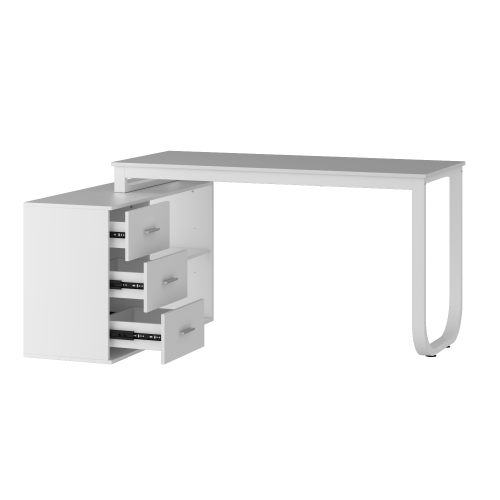

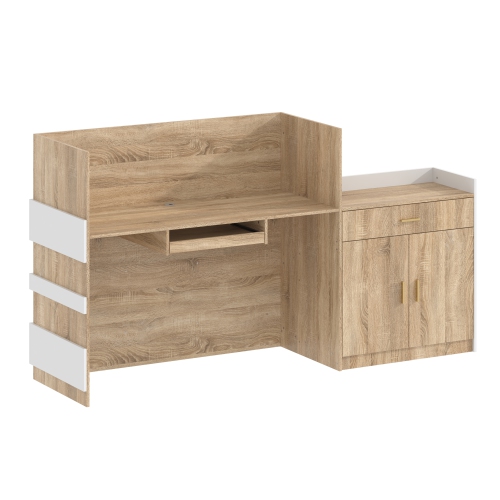
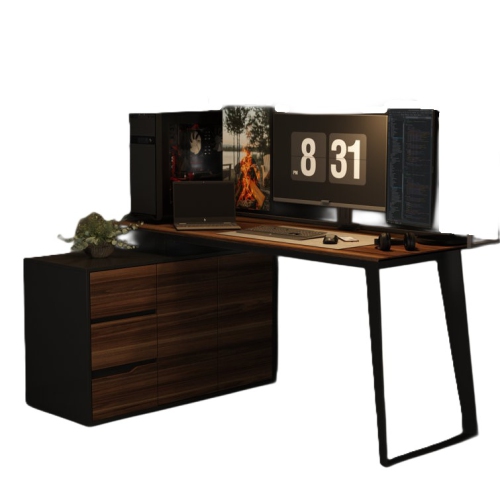
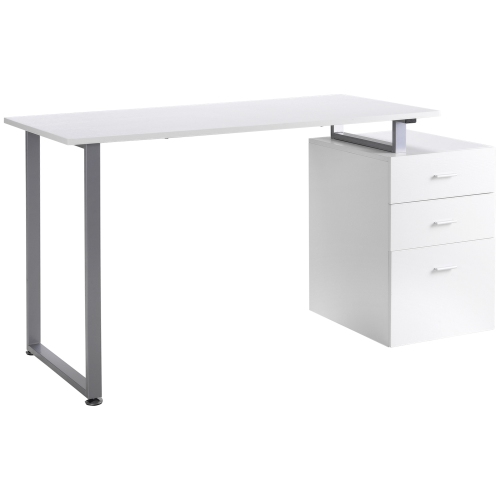

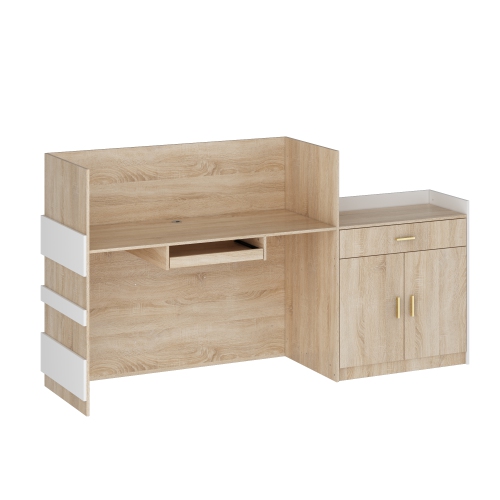

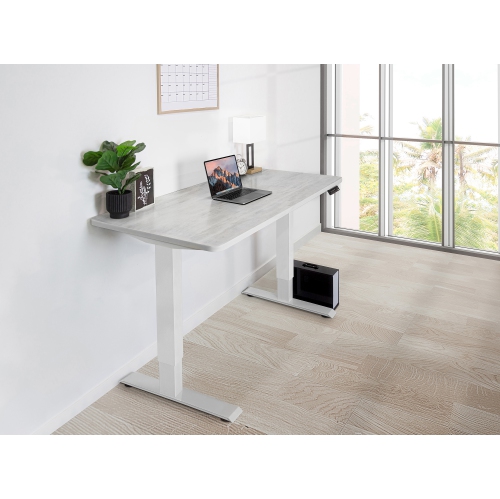

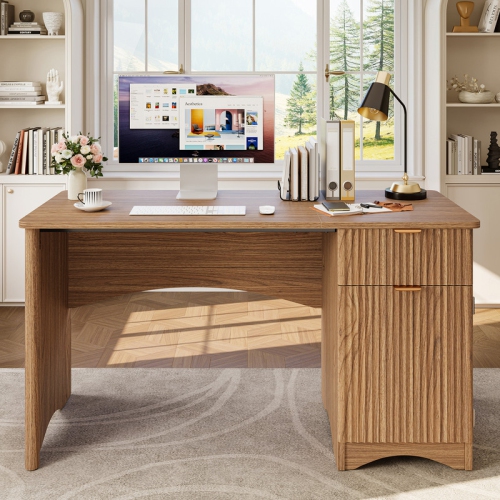






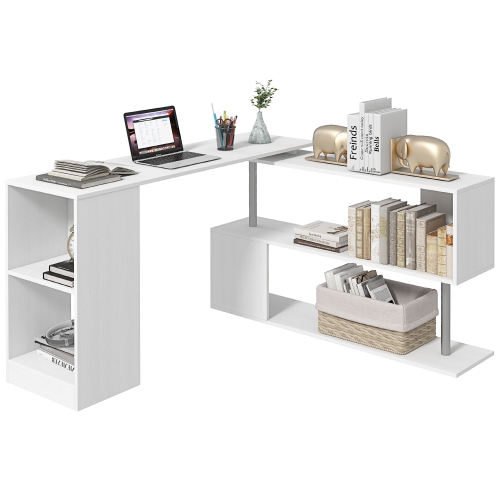
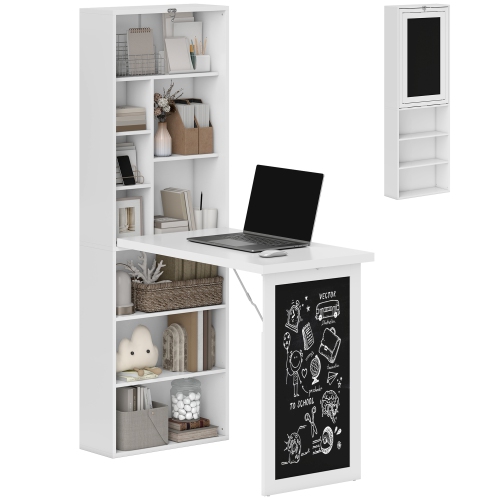
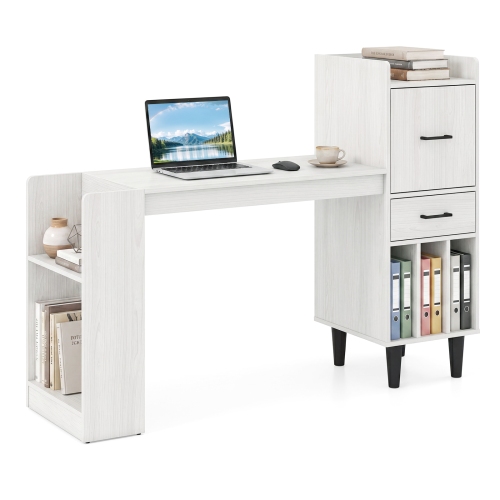
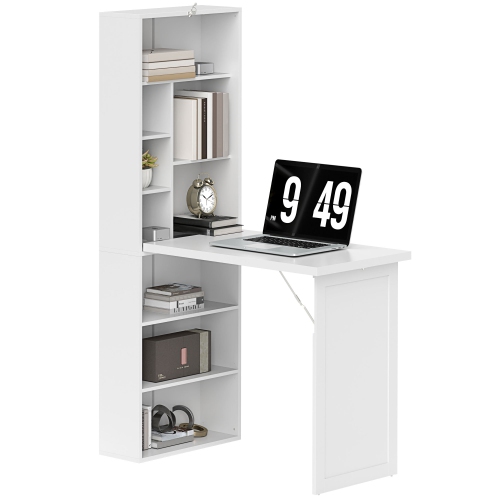

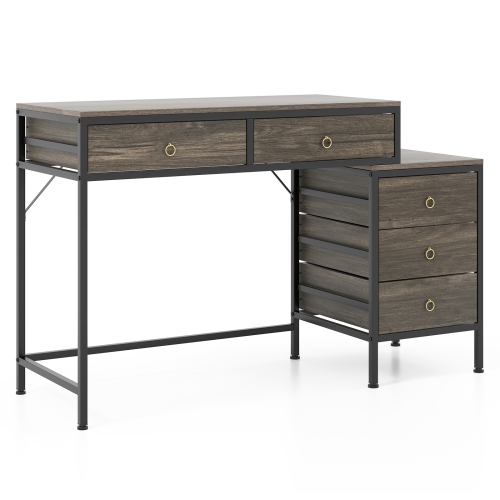
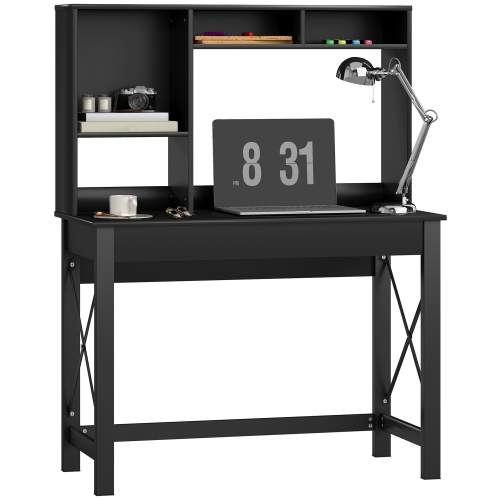
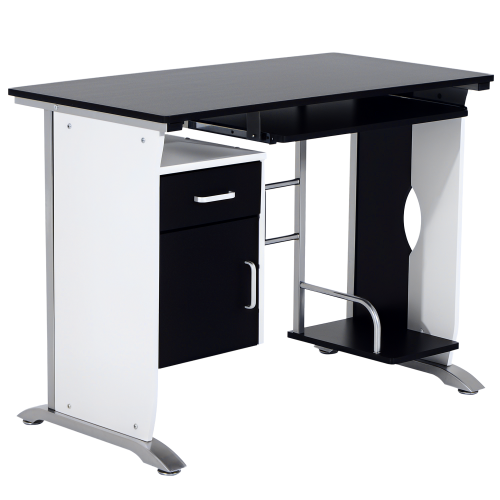
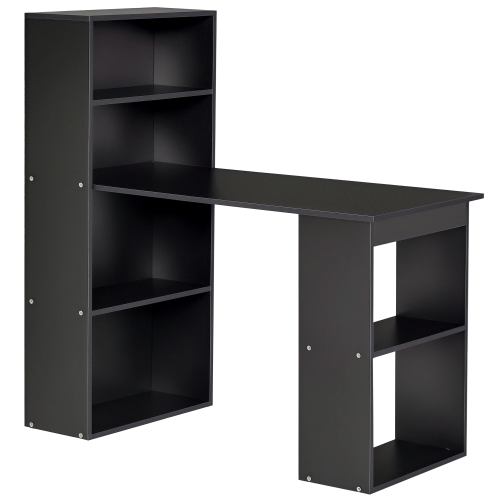
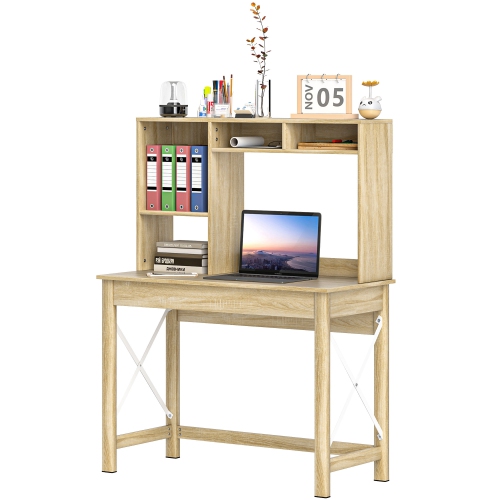
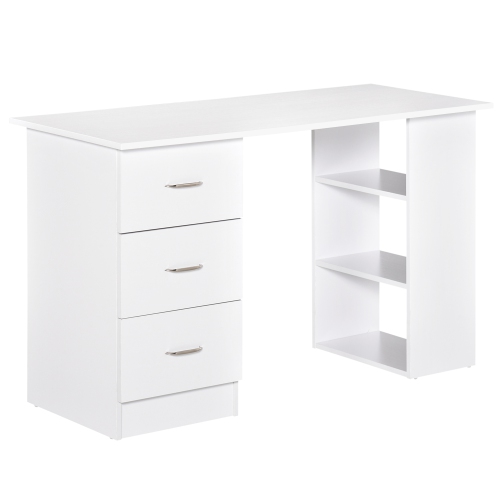

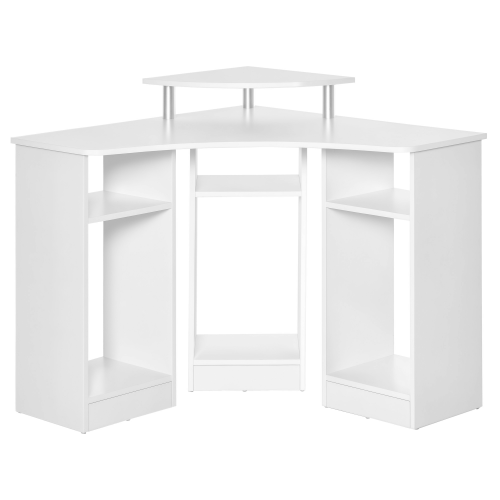
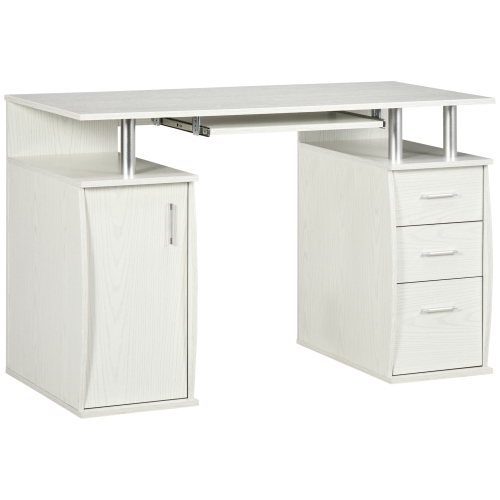
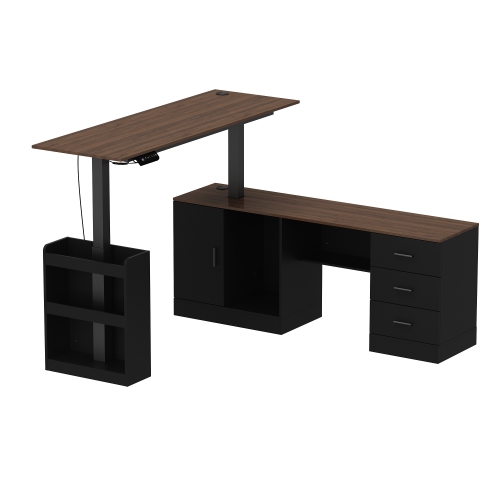
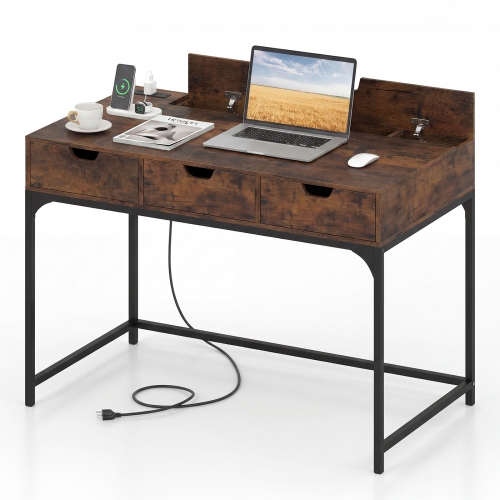
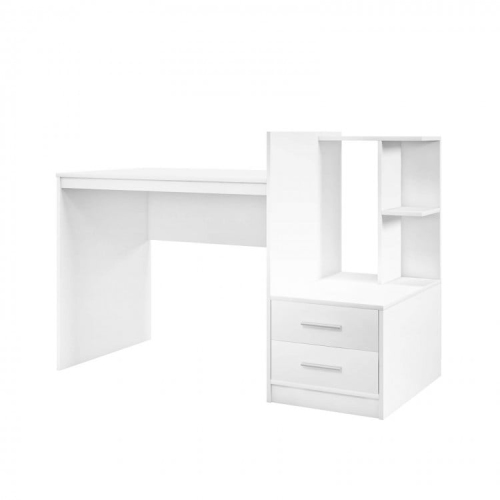
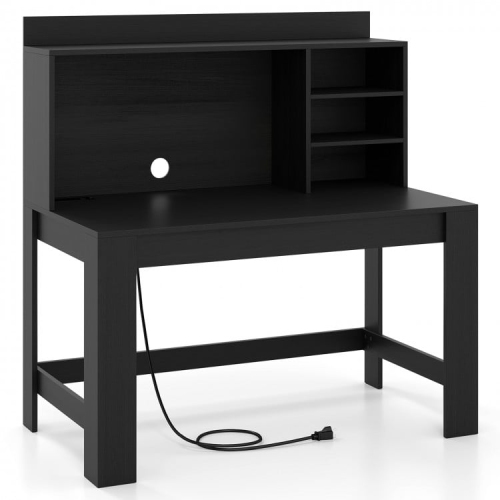
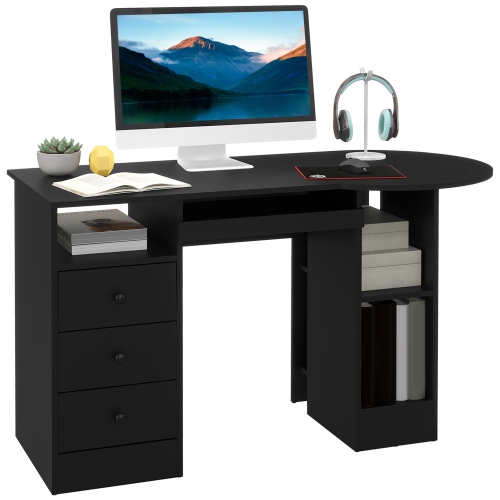
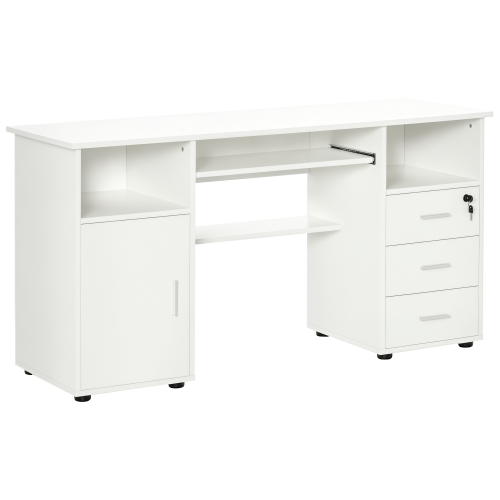
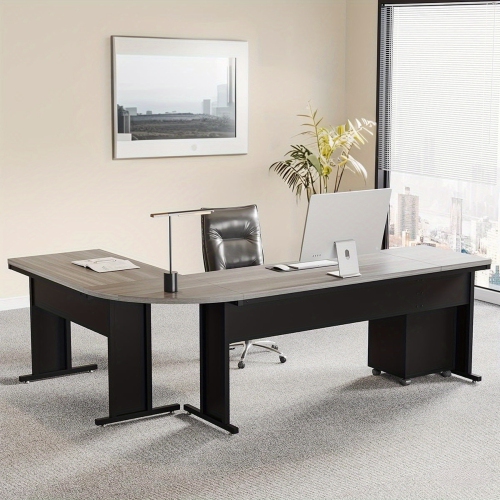

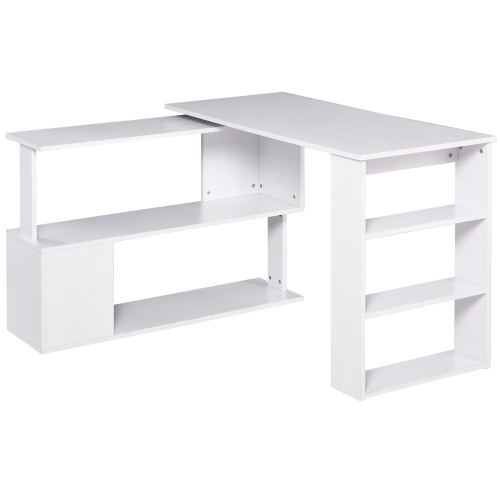


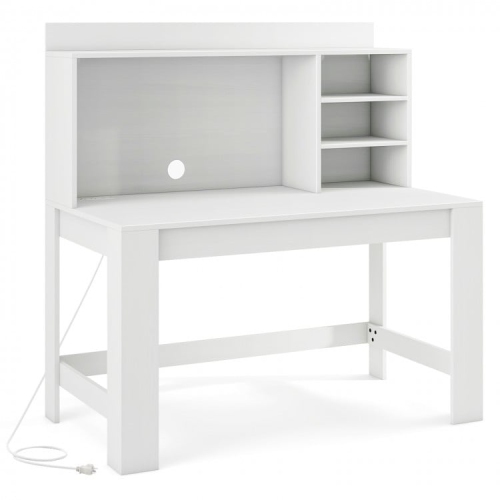
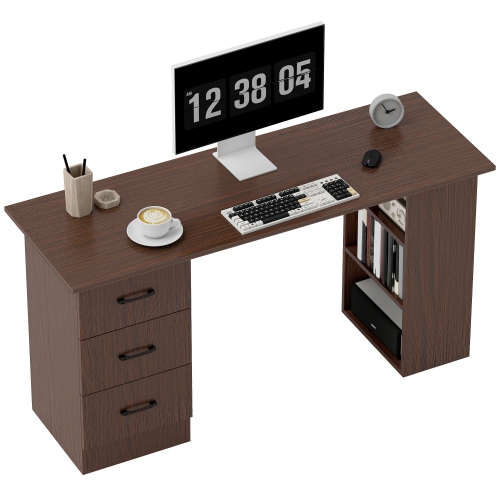
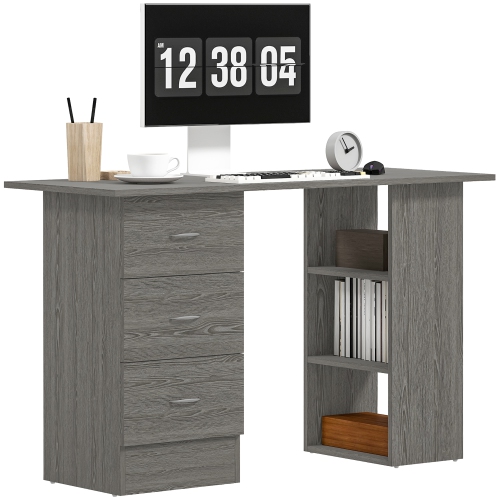

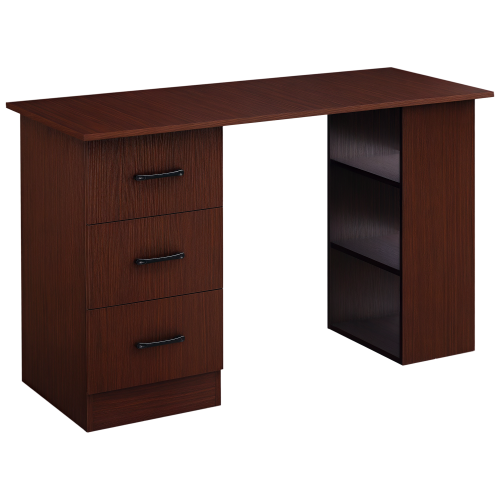
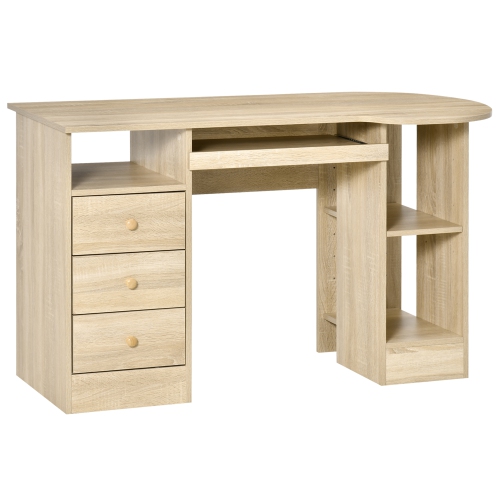
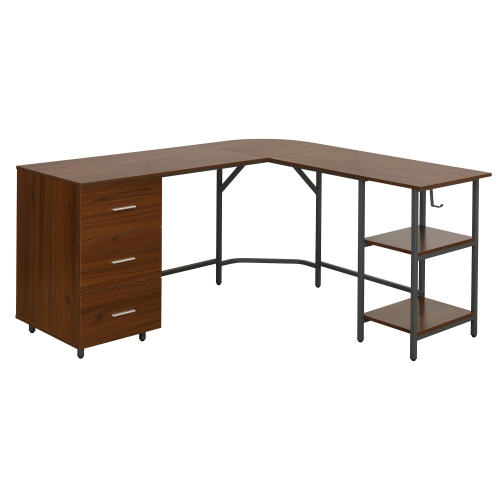
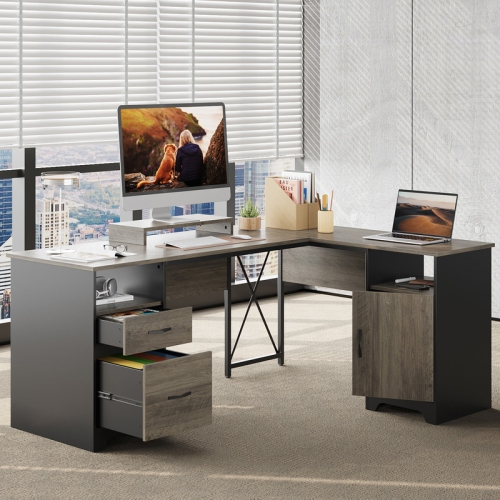
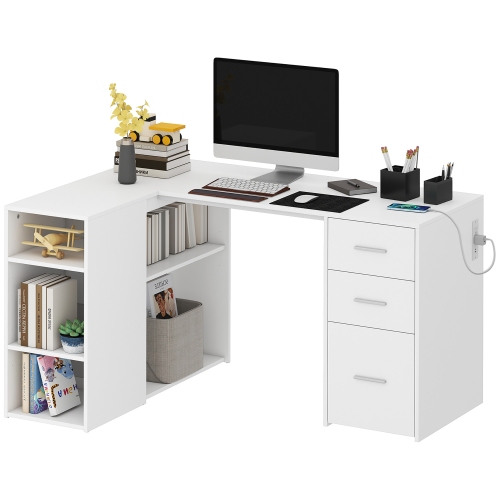
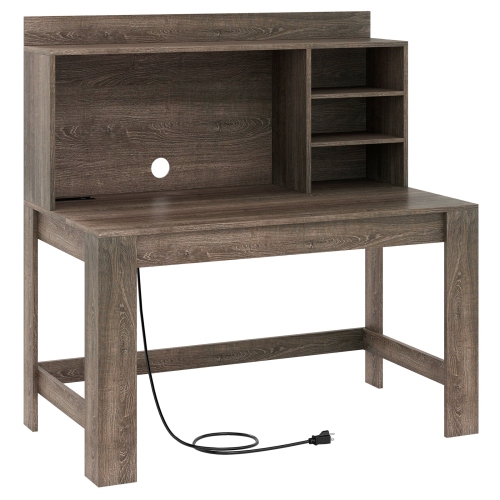
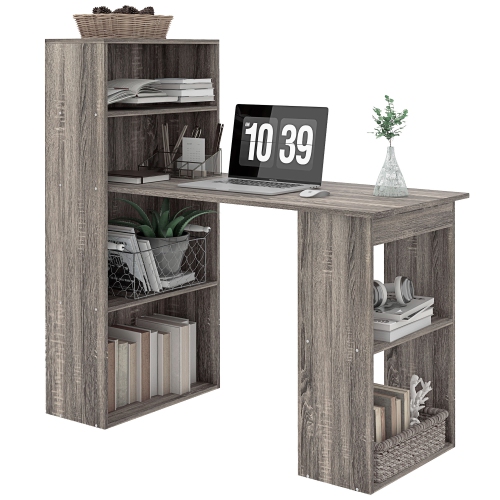

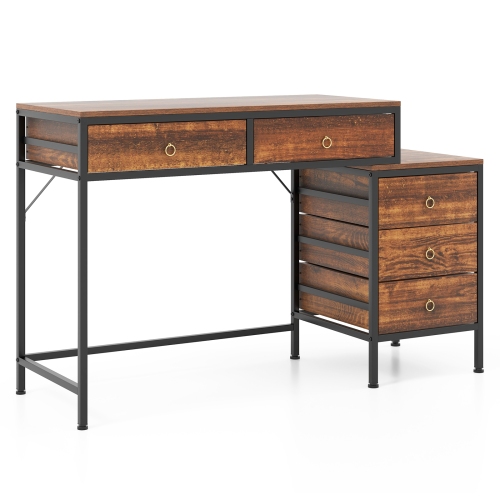


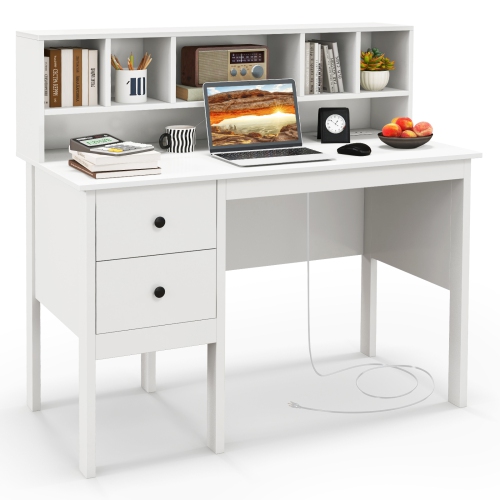


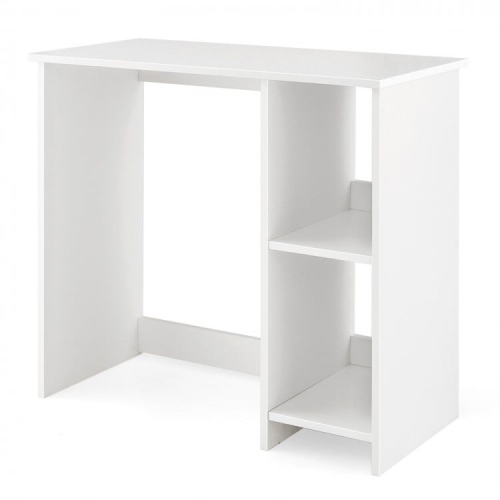
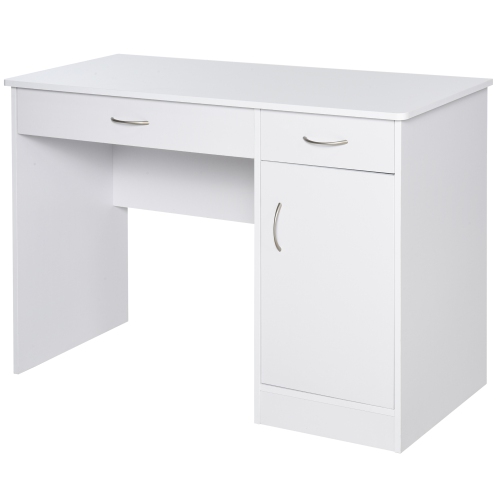
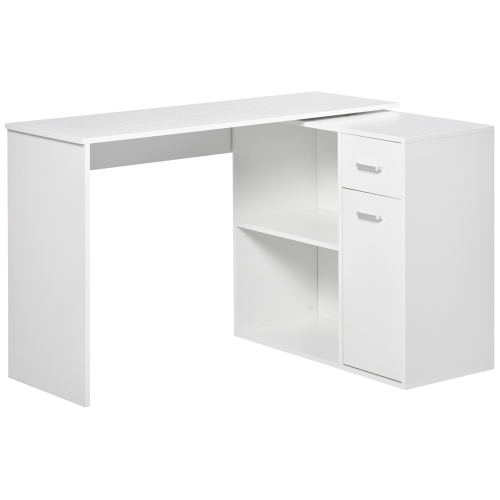
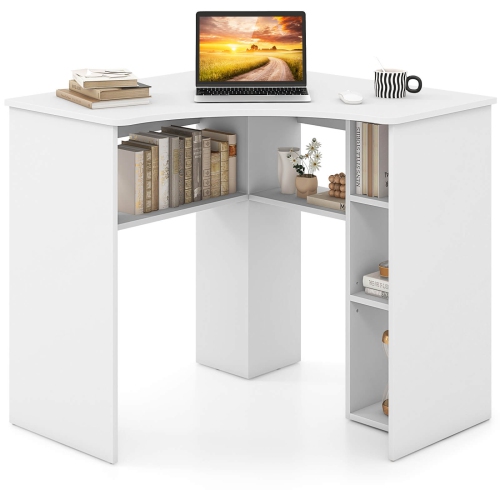

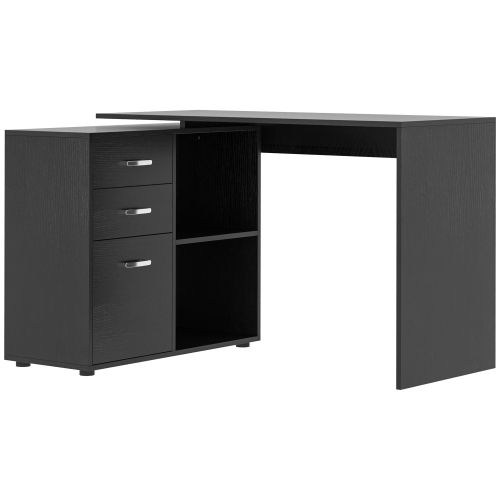
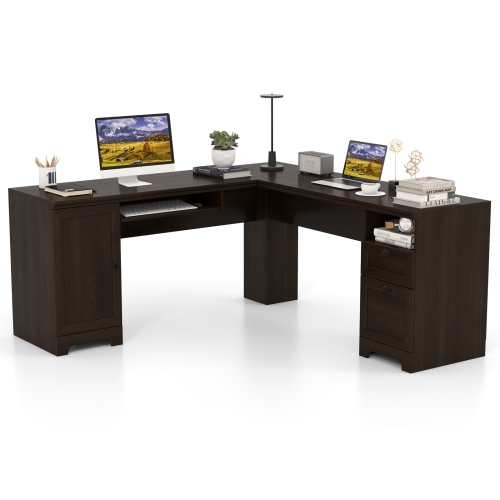
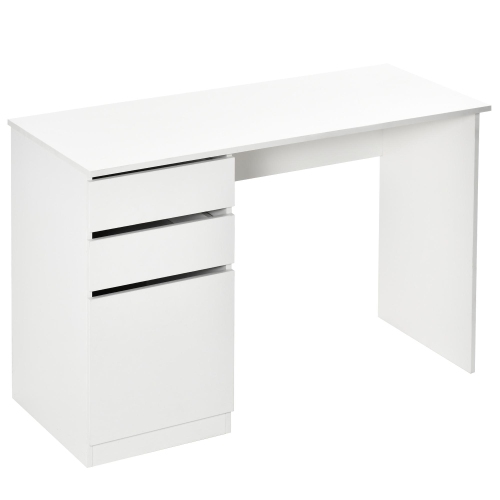
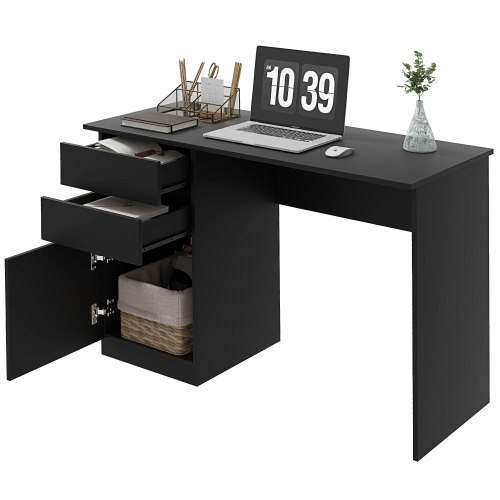
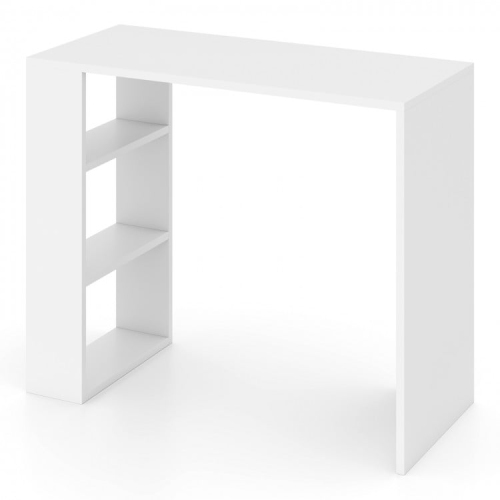

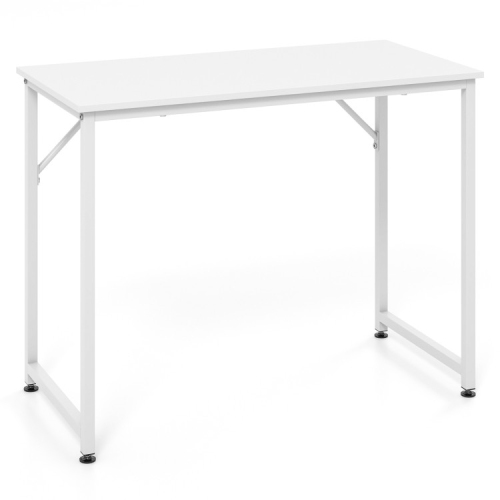
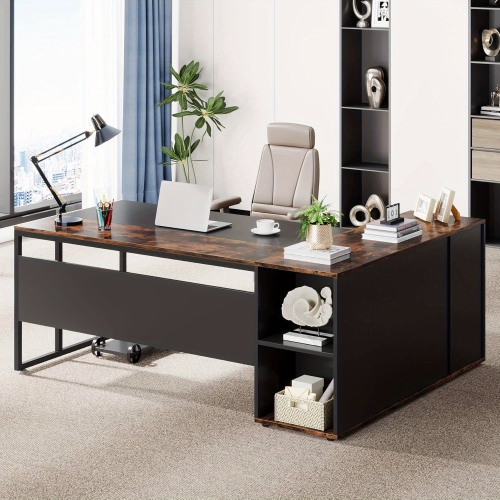
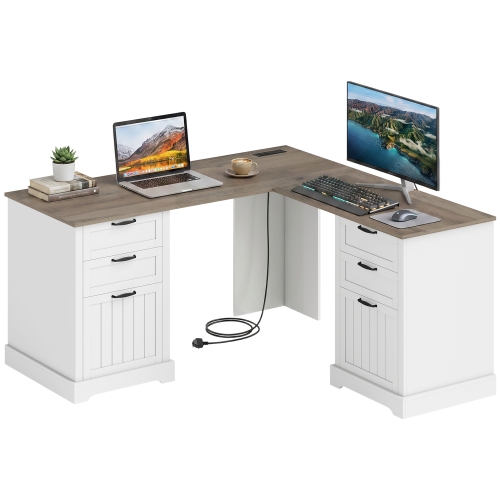




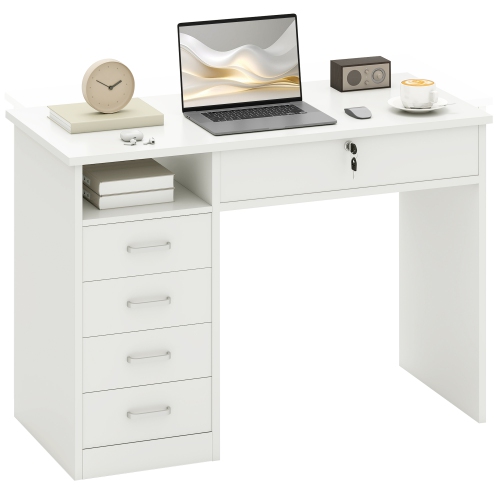
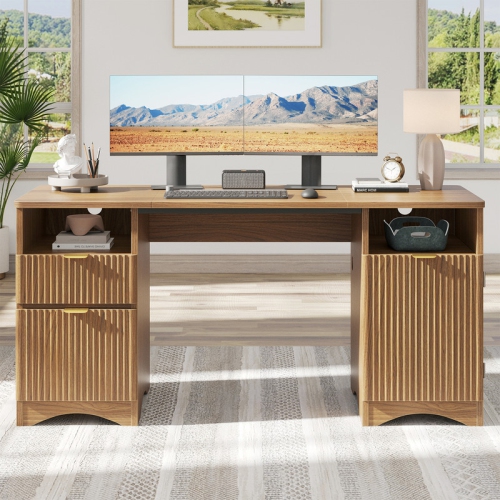
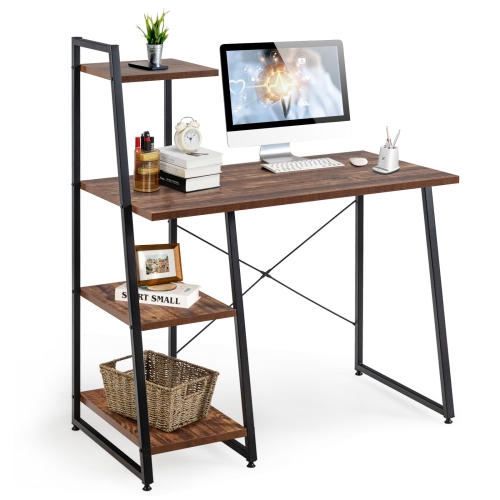
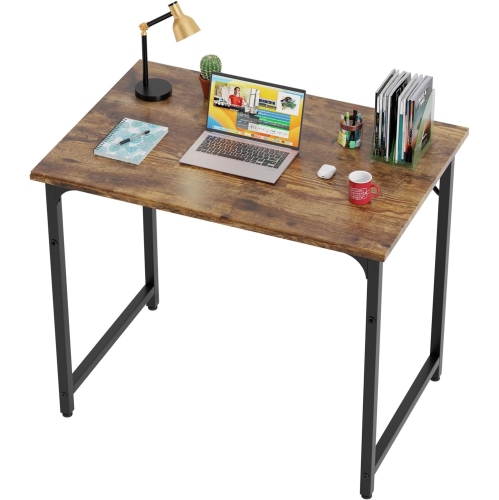

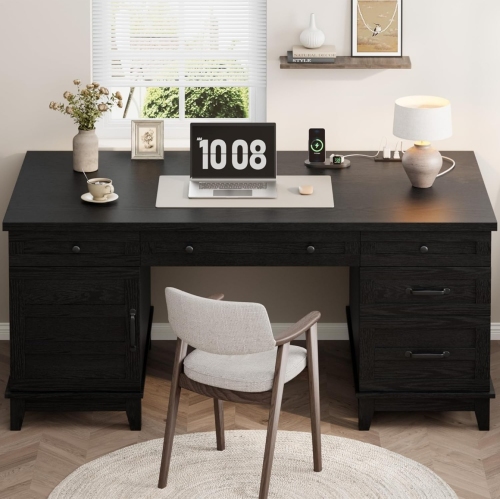
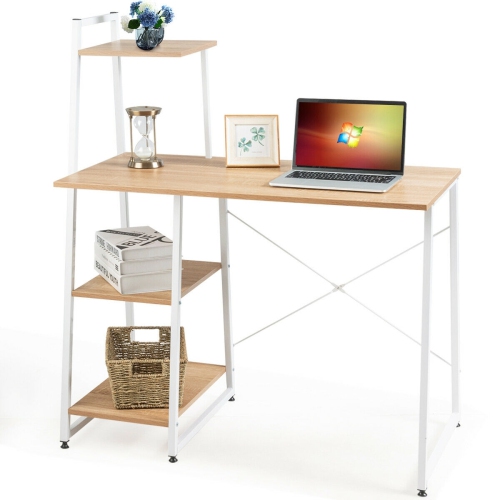
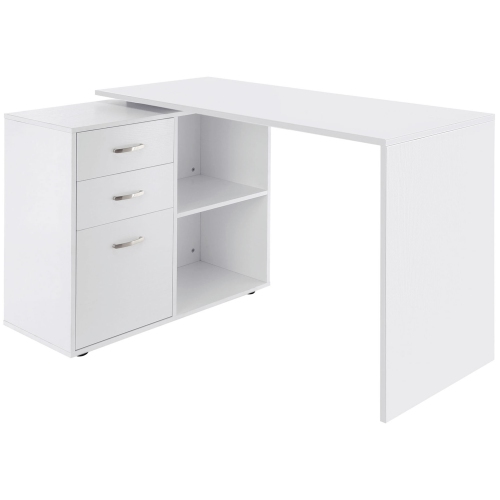

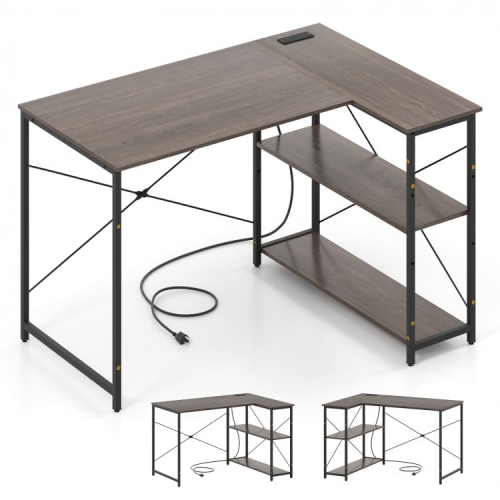
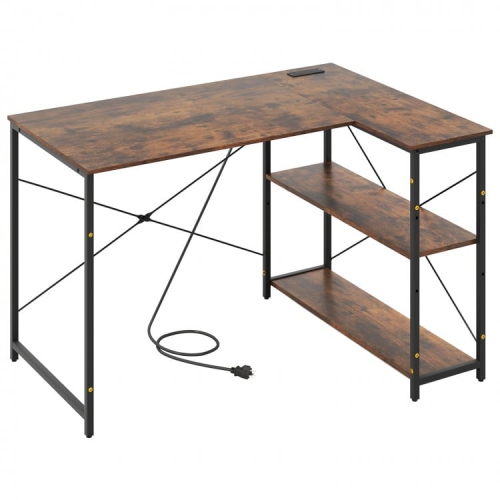

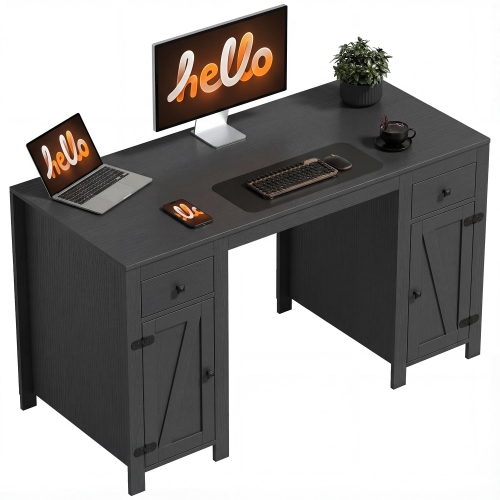
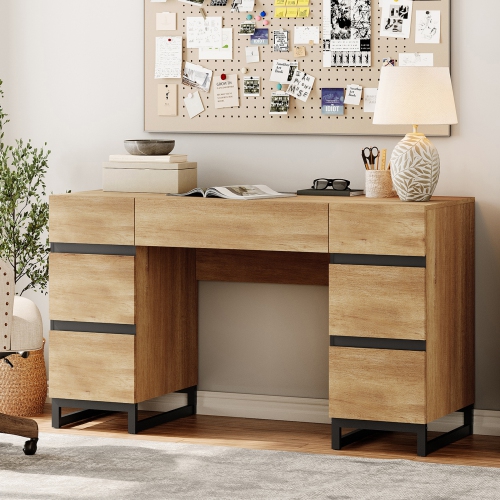
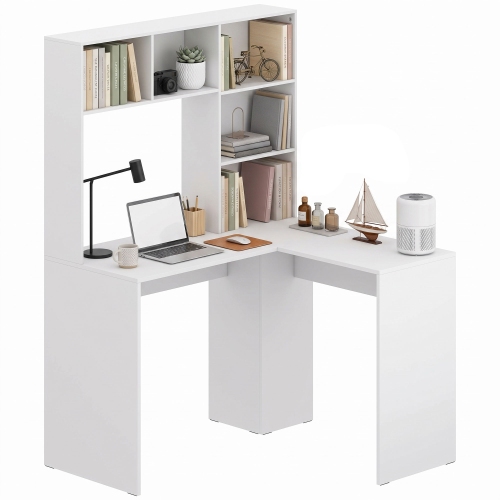
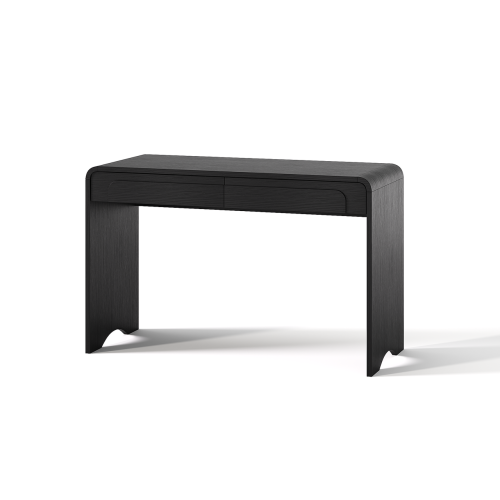
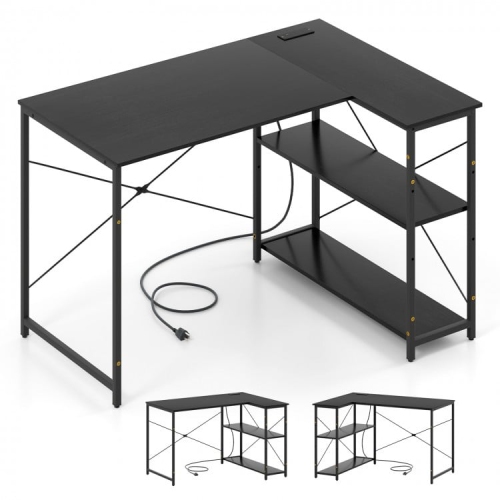

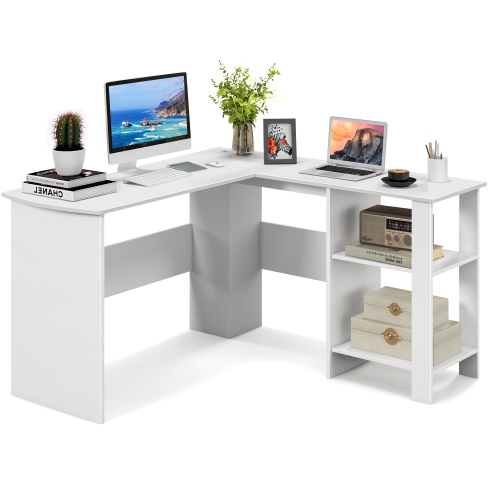

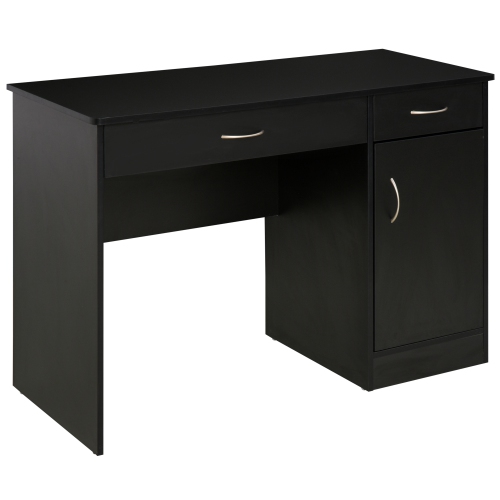

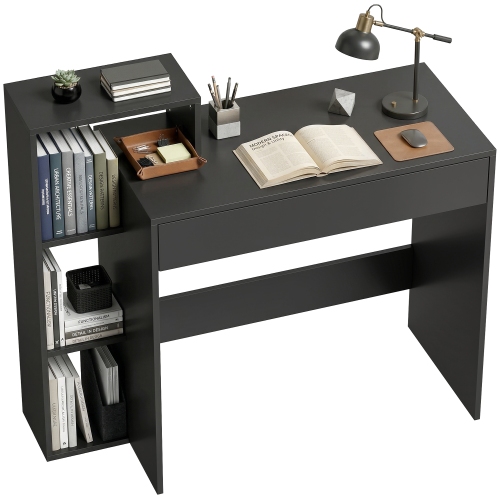
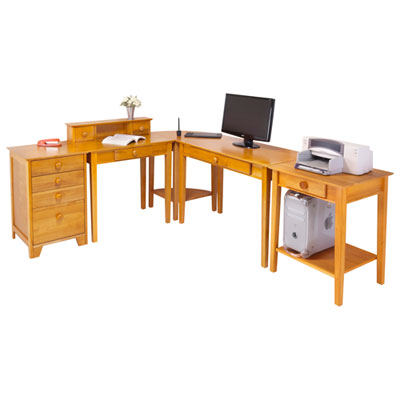
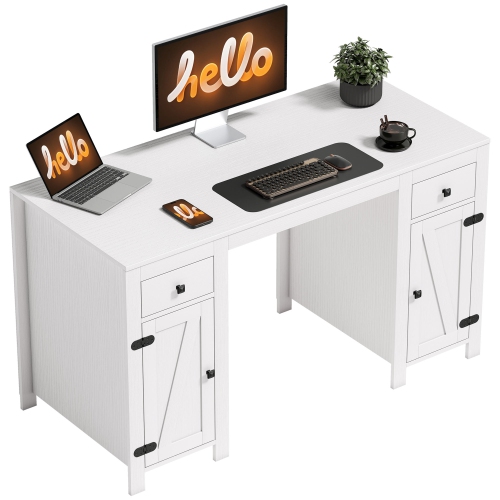
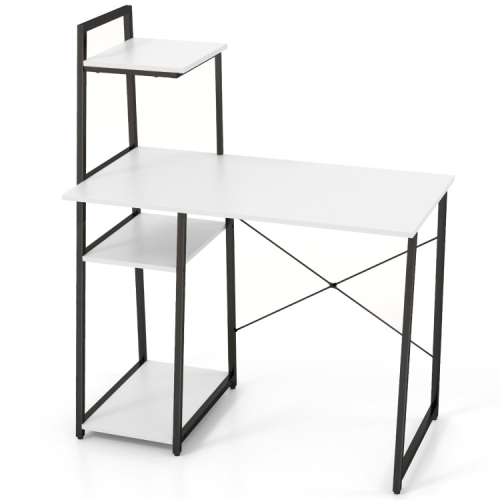












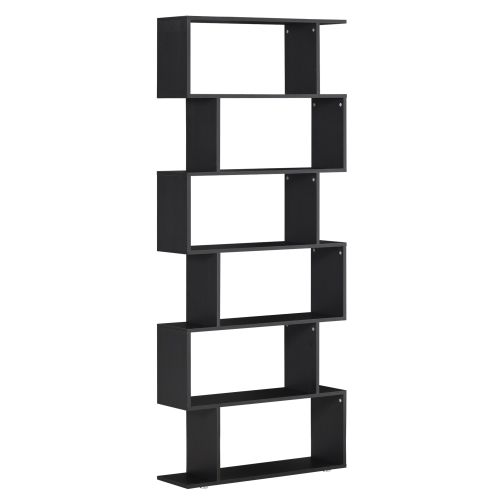
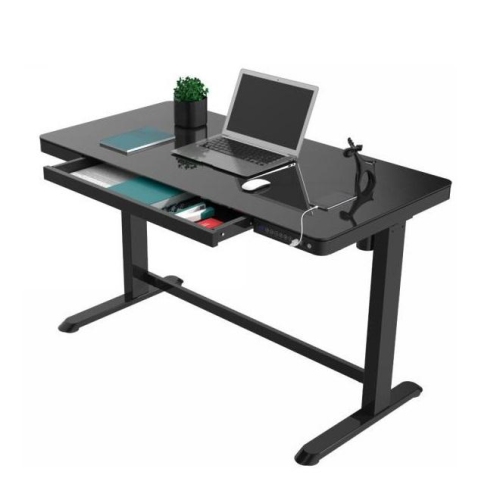
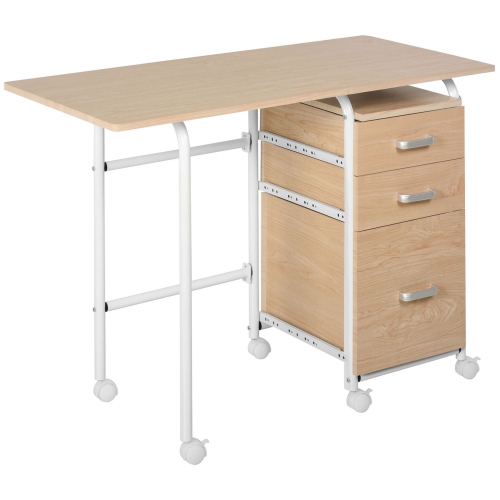
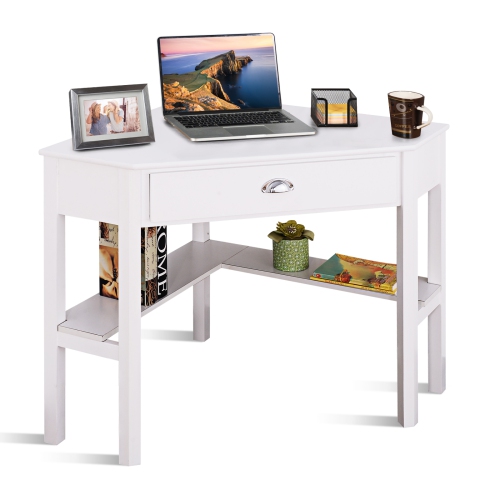

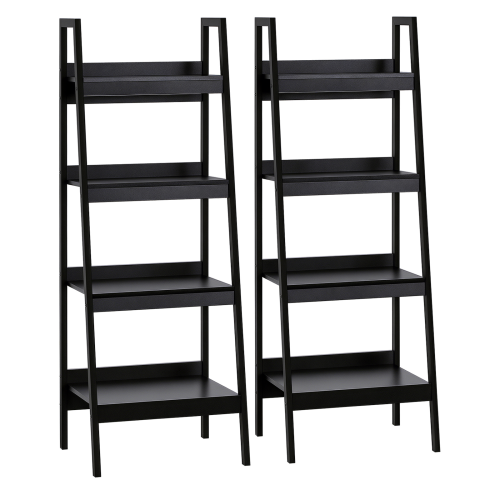
A comfortable workspace starts with more than desk width
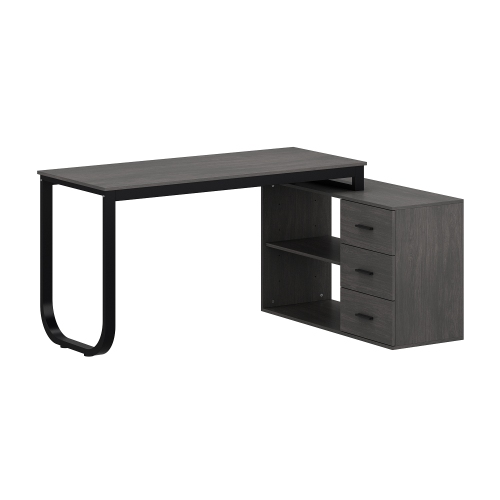
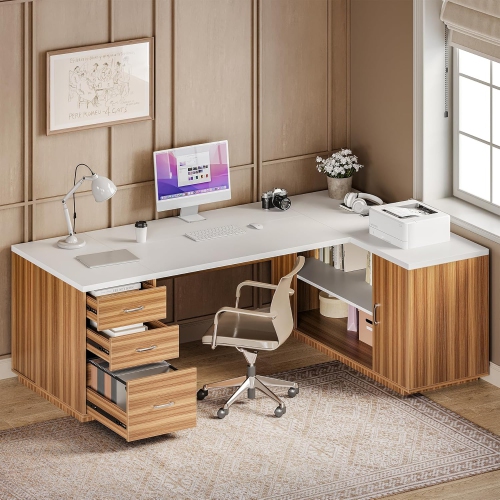
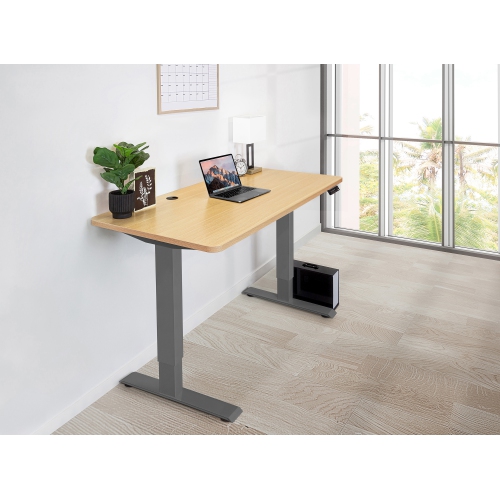
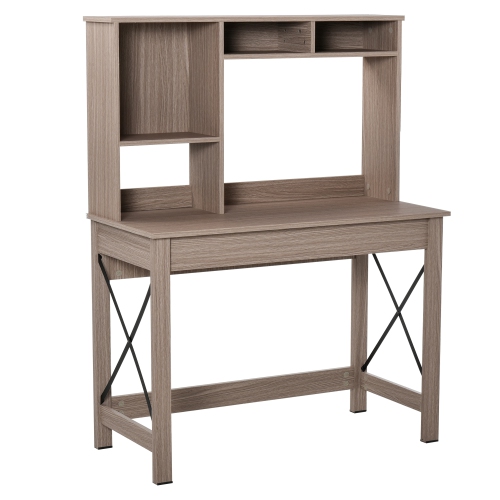
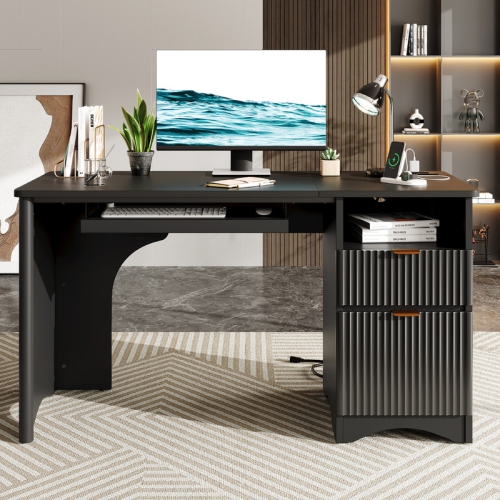
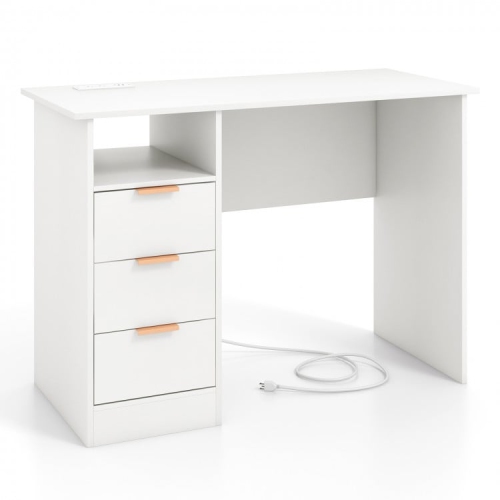
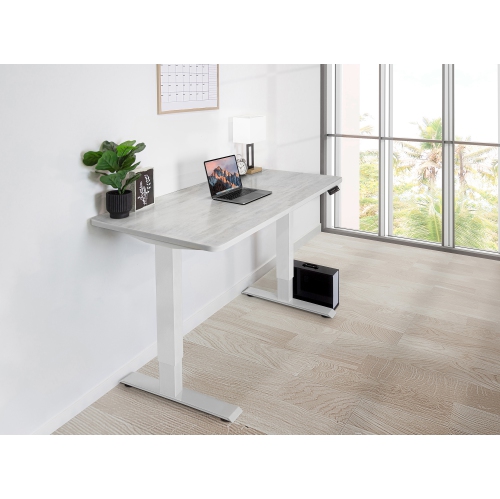
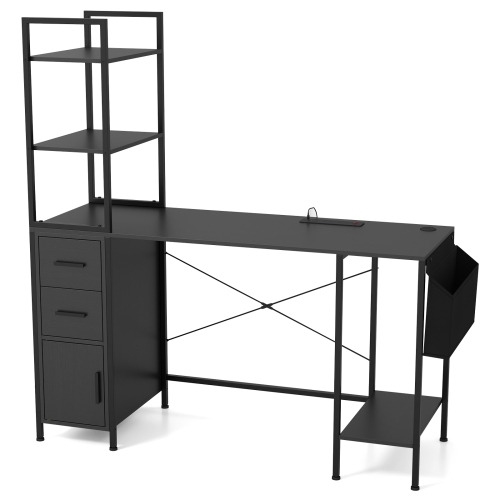
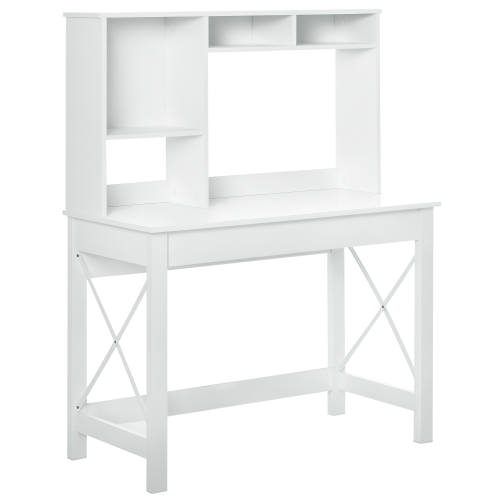
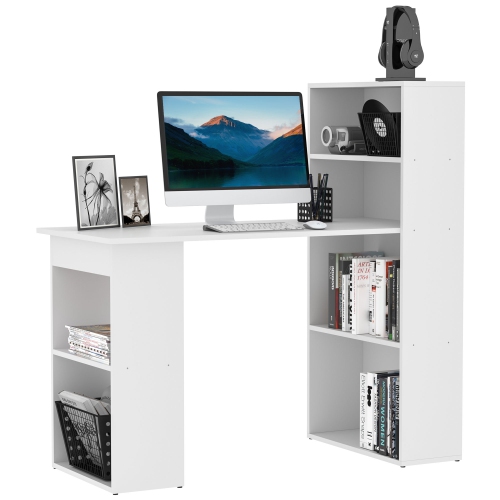
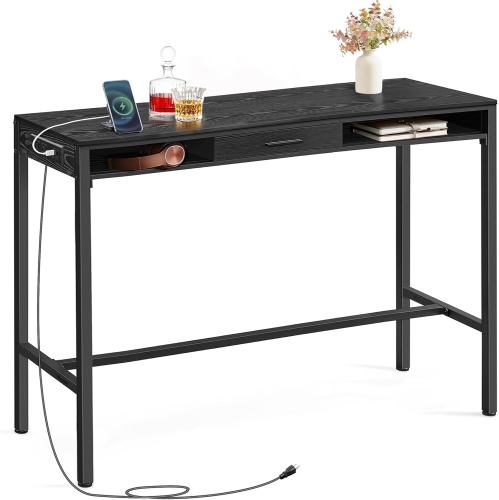
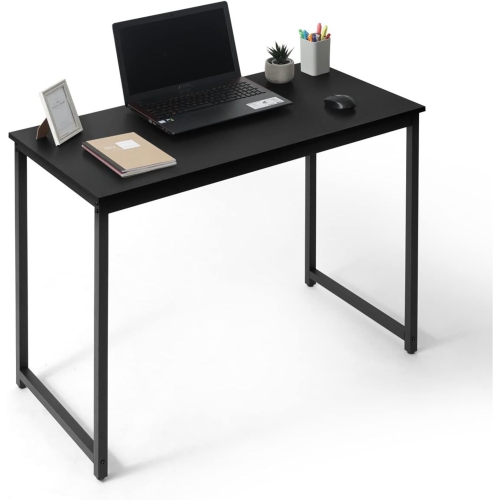
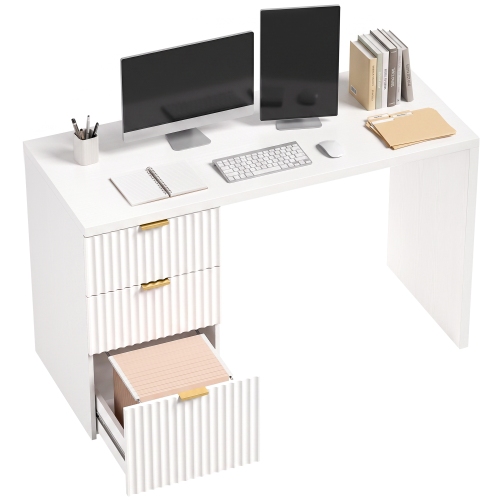
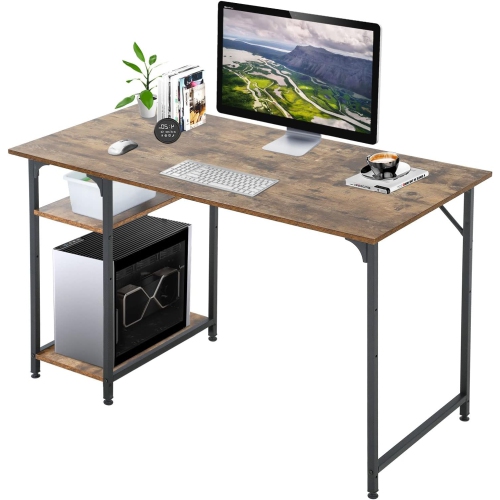
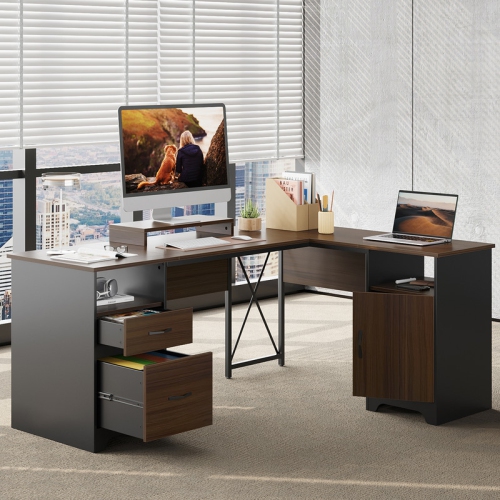
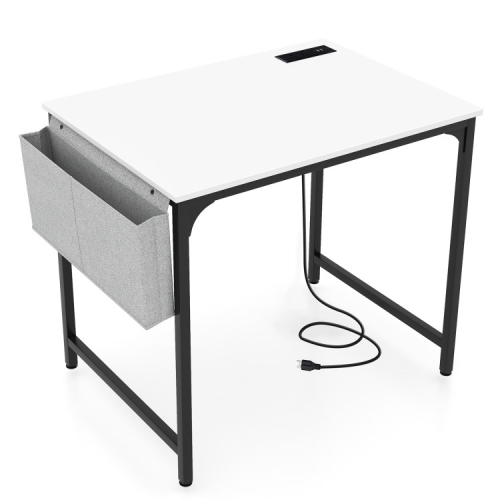
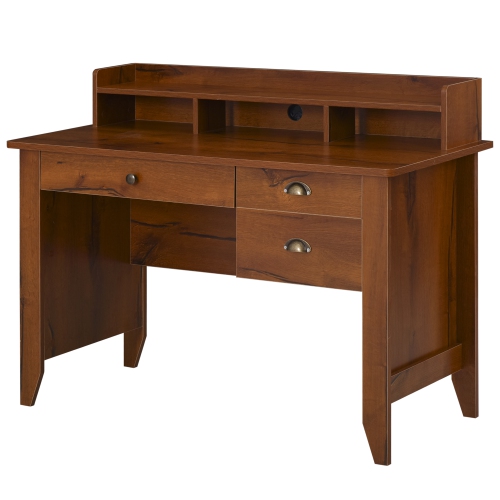
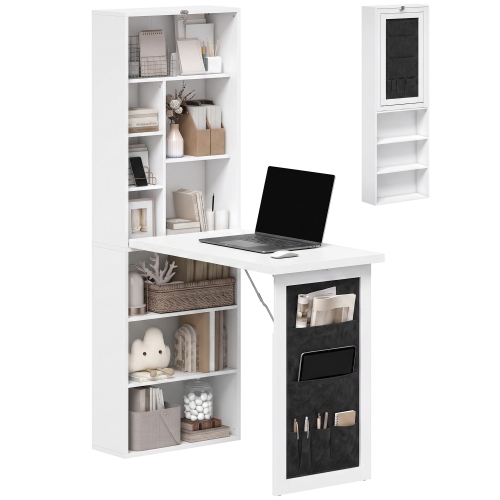
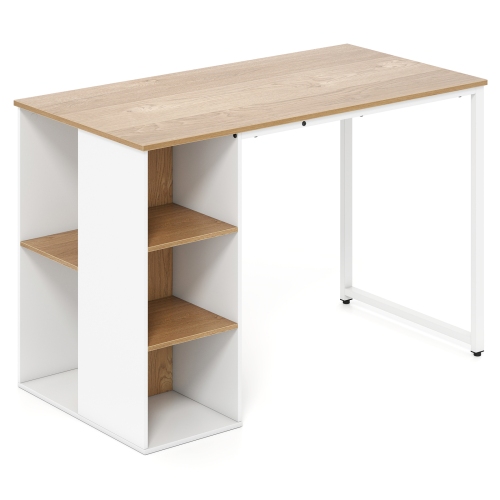
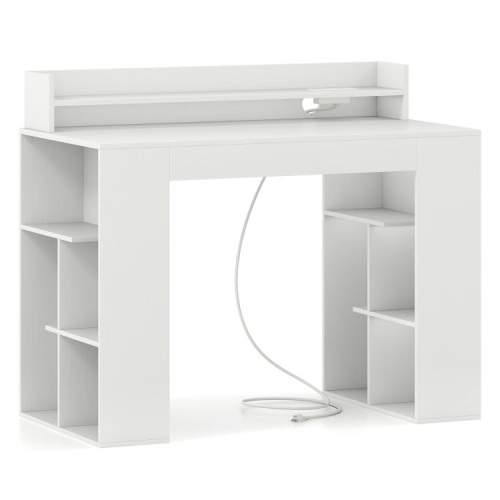
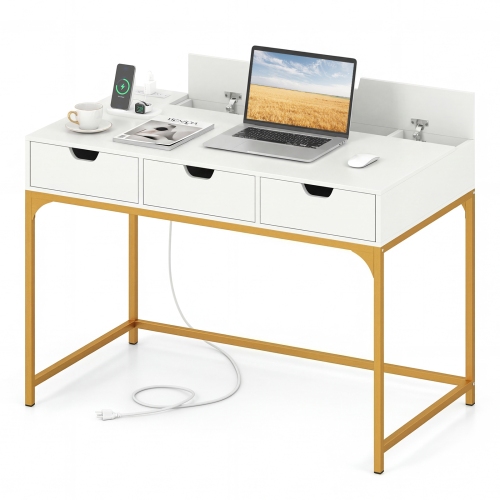
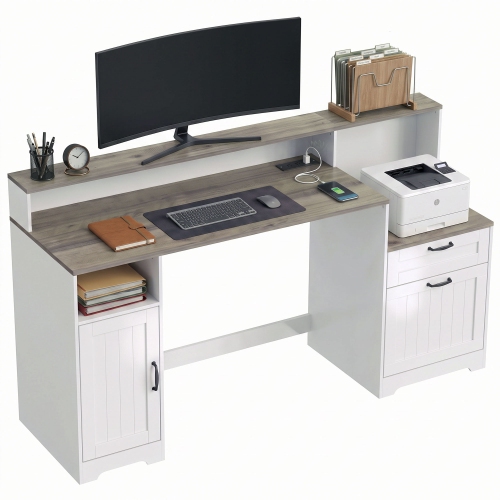
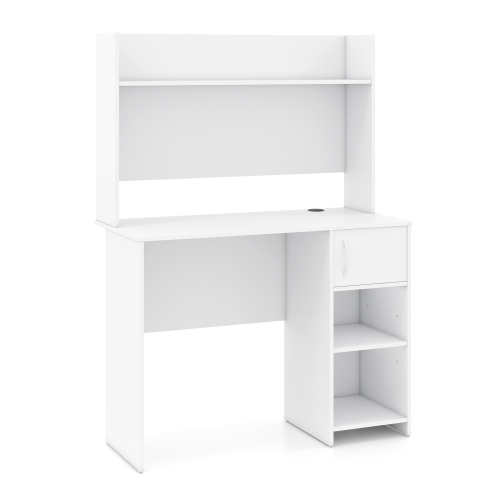
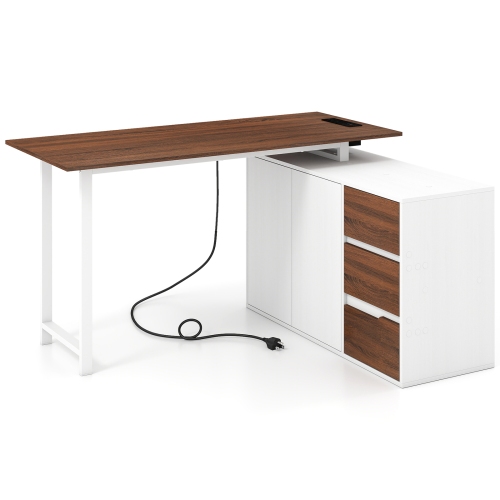
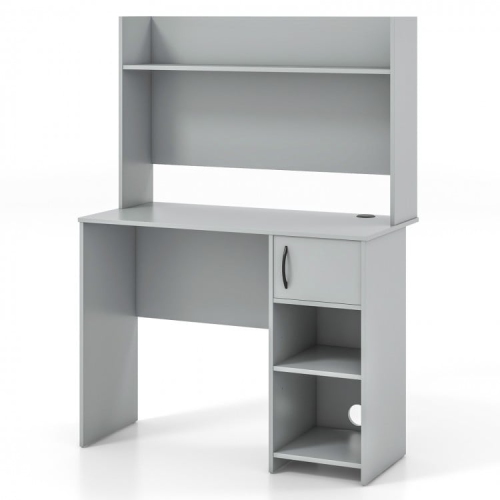
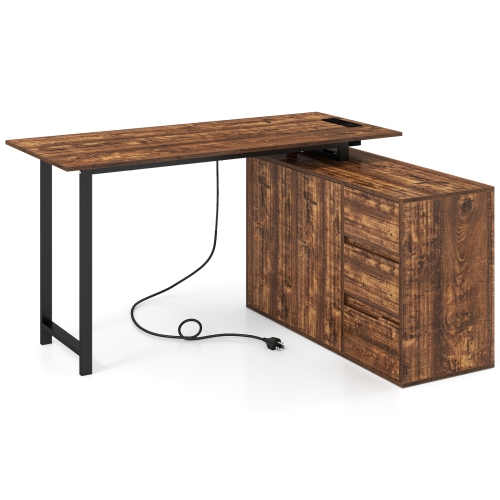
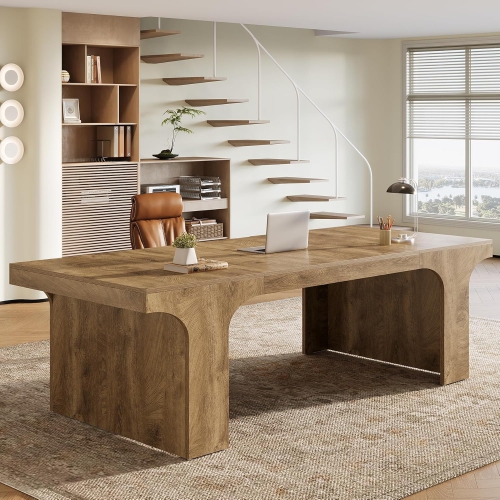
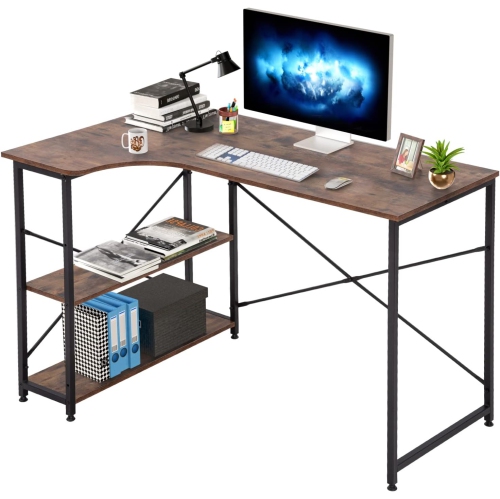
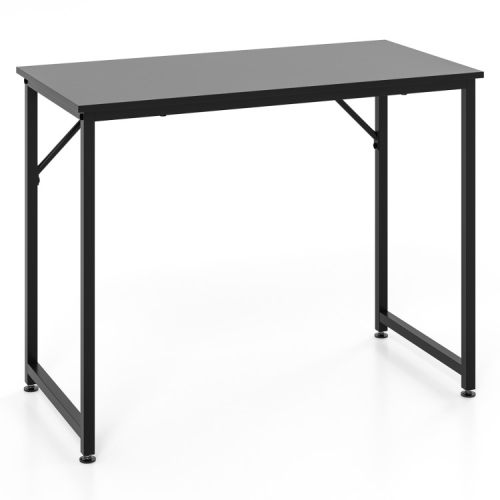
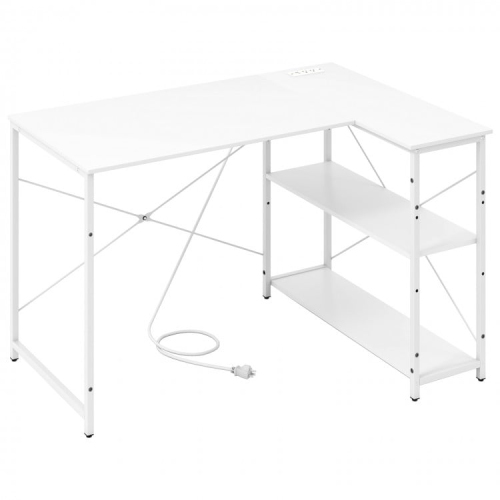
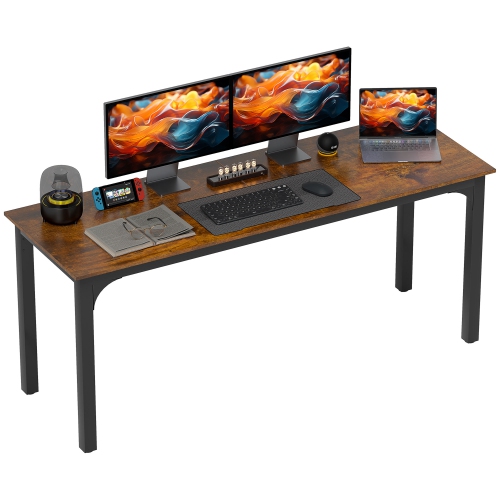
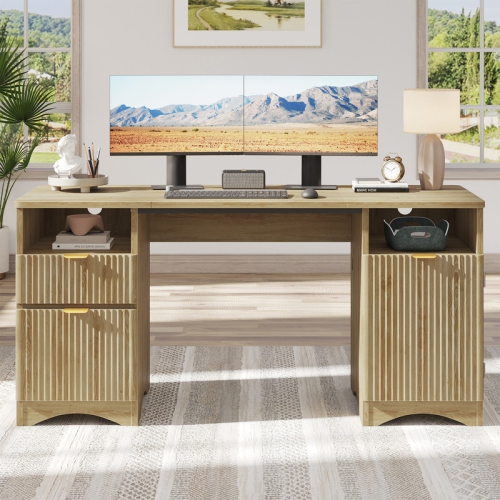
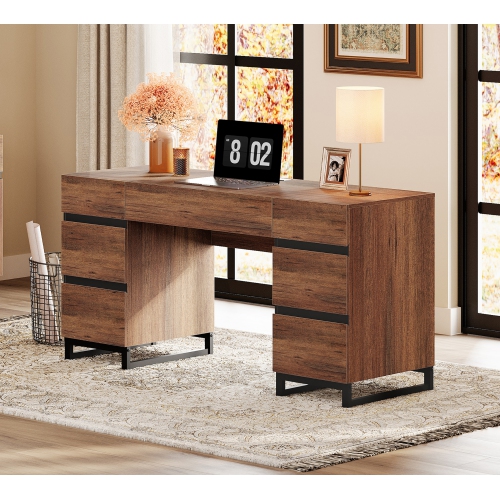
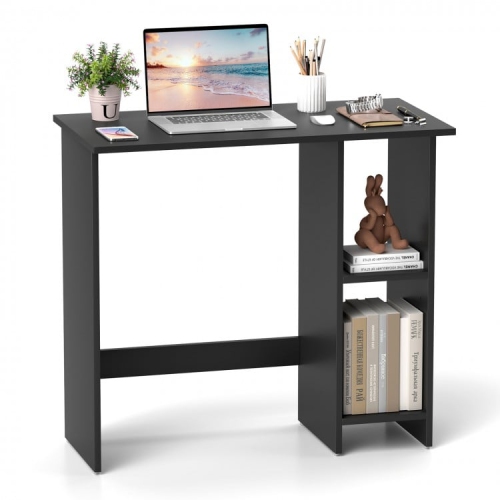
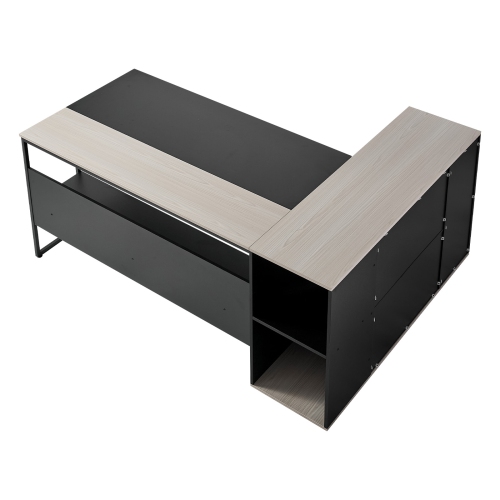
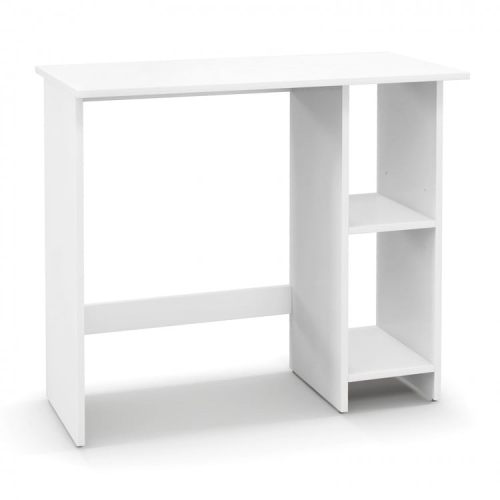
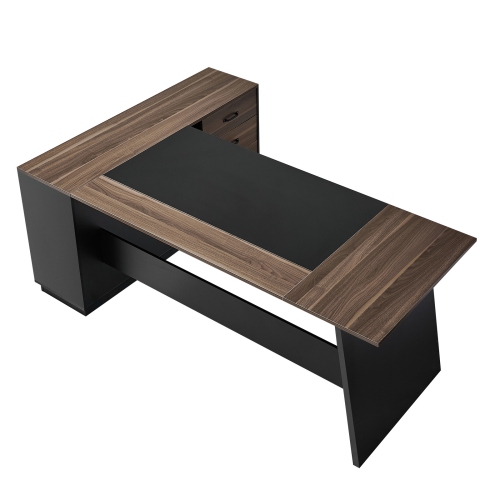
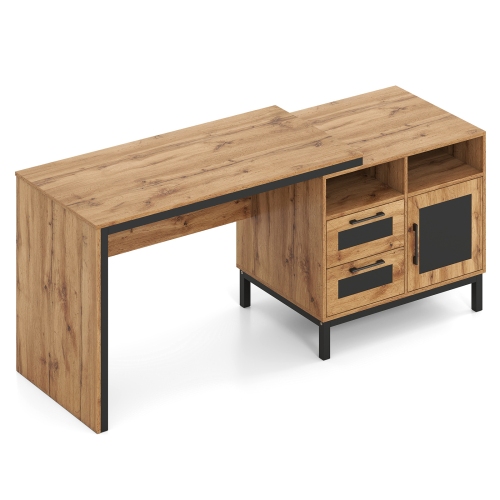
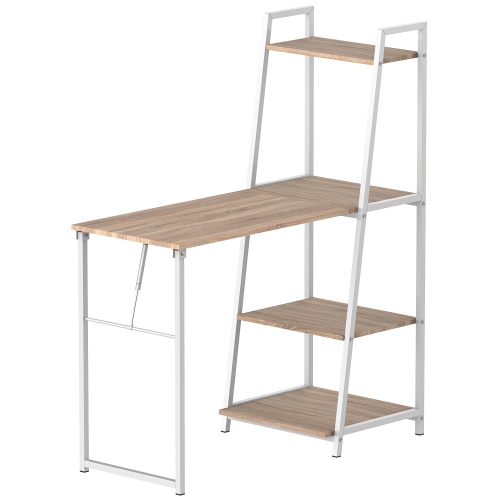
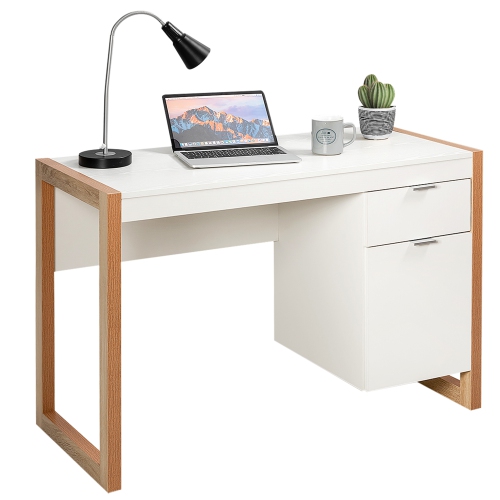
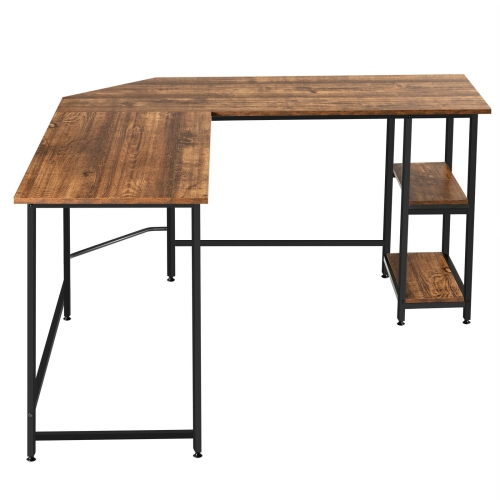
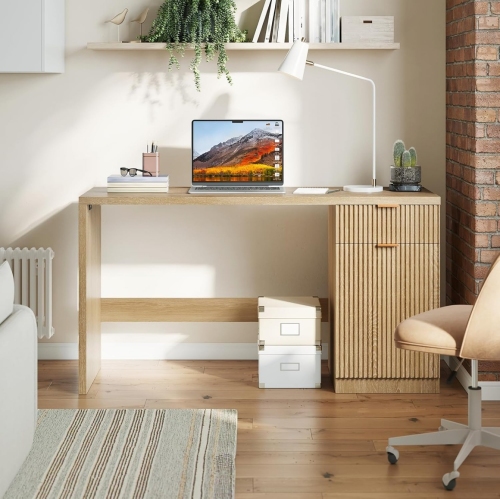
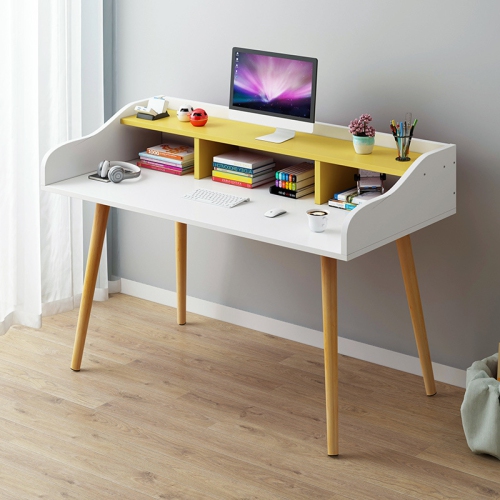
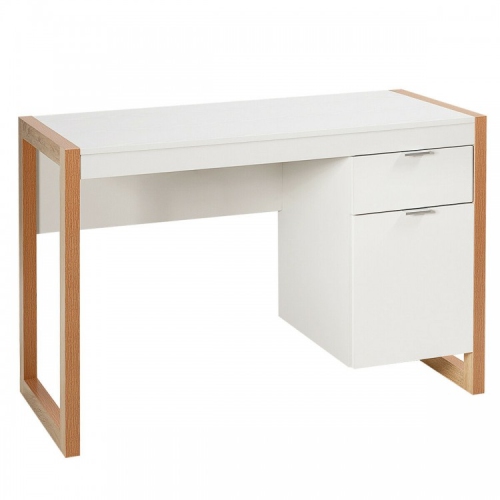
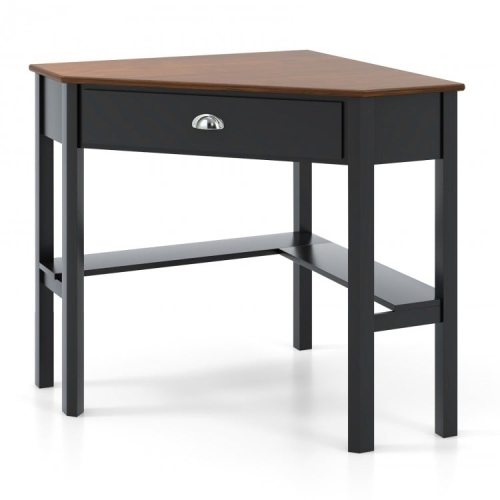
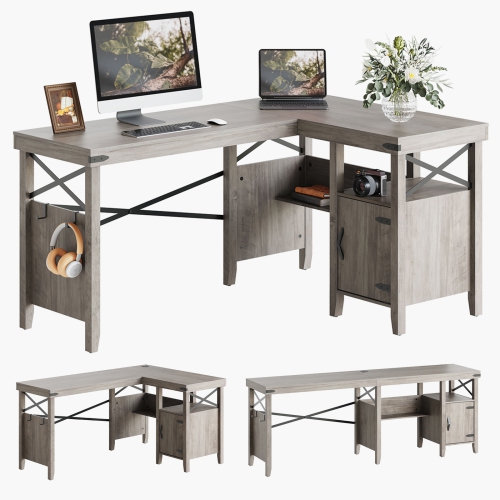
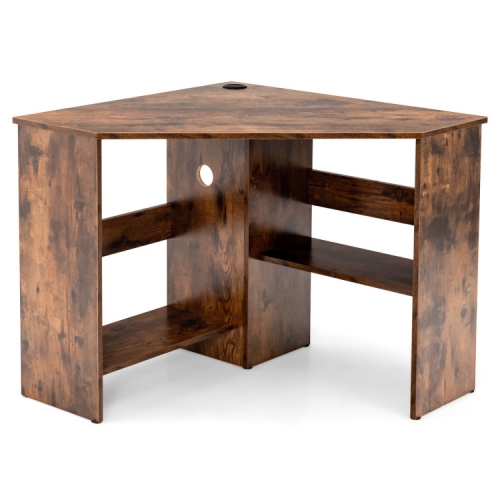
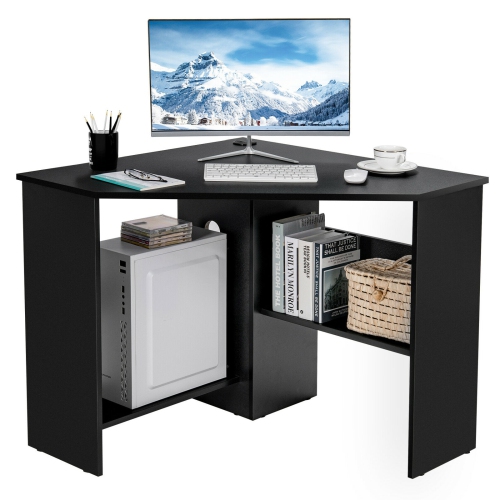
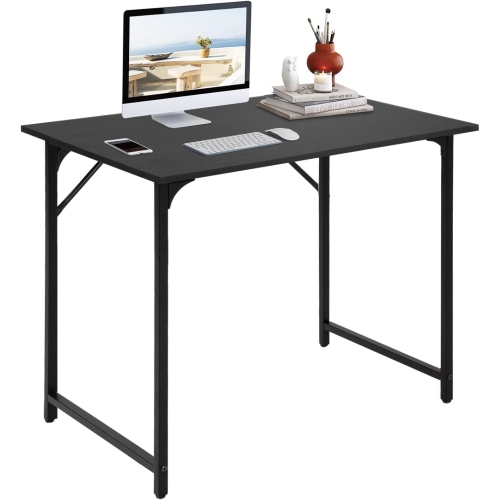
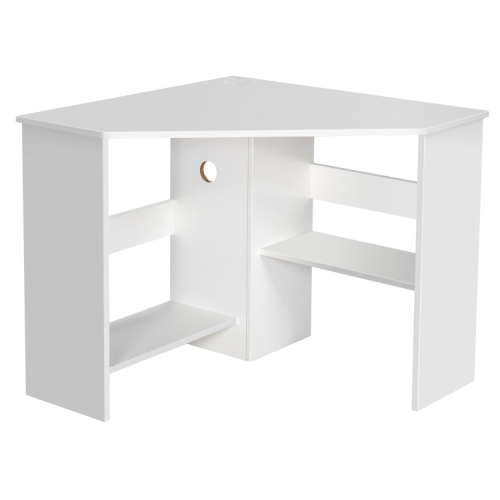
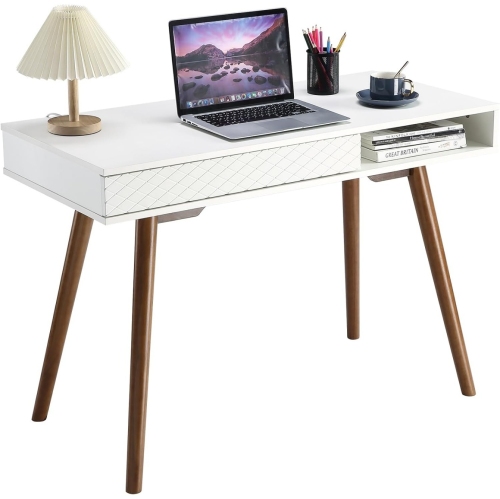
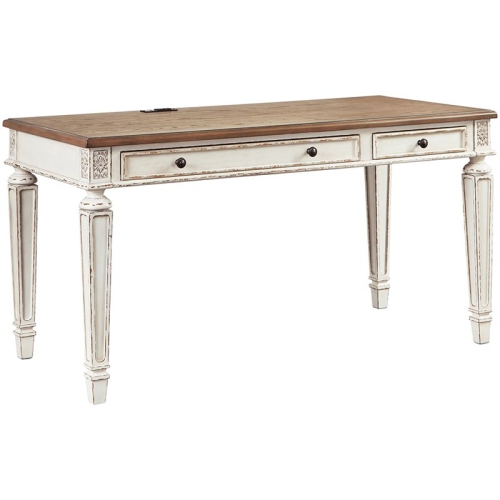
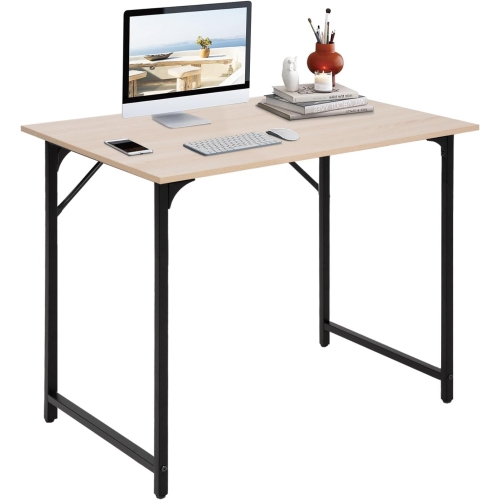
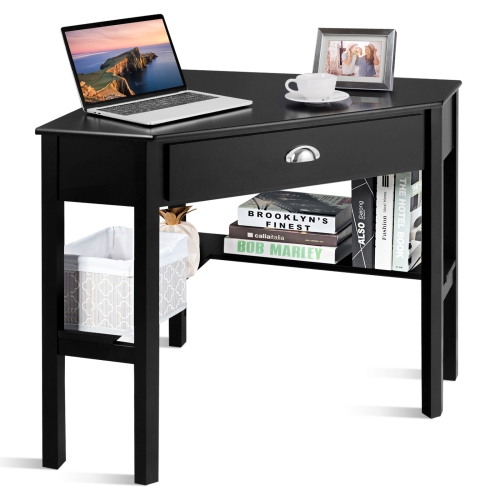
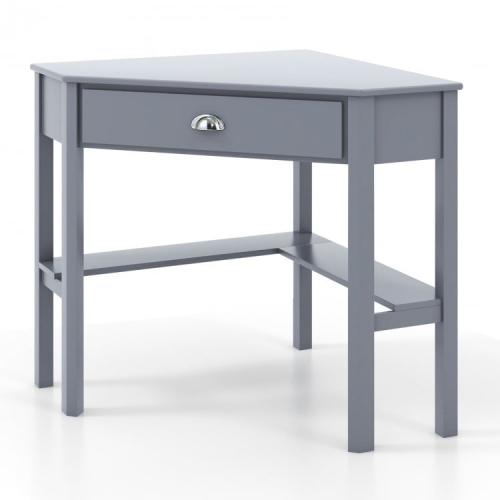
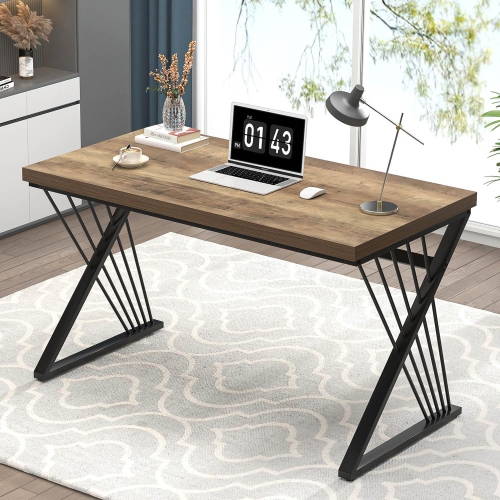
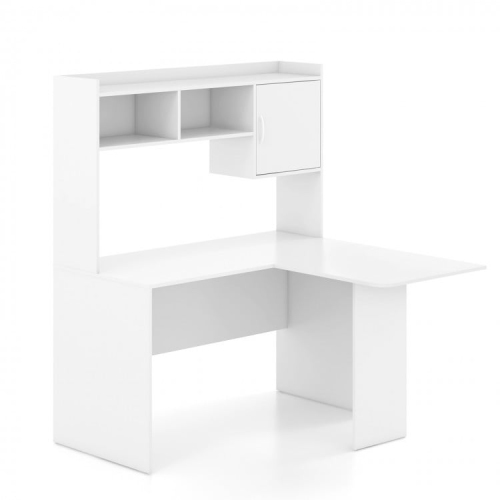
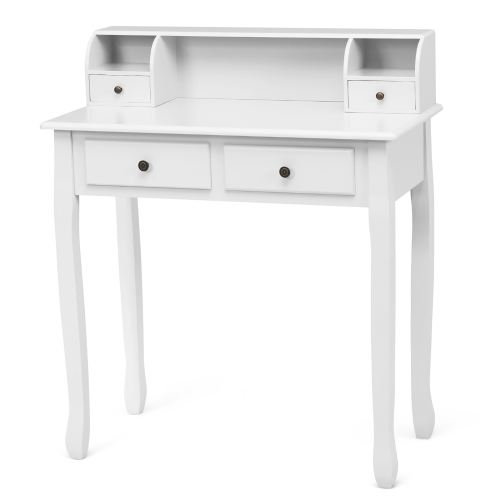
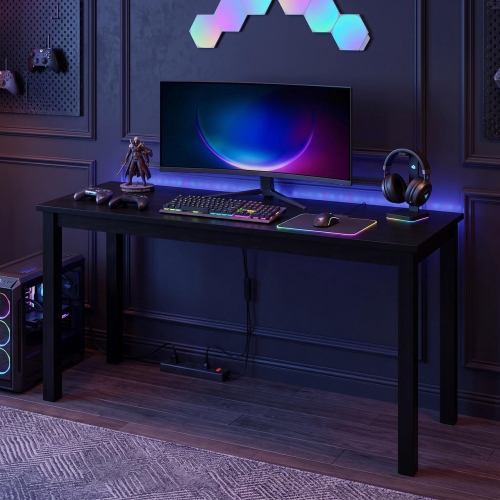
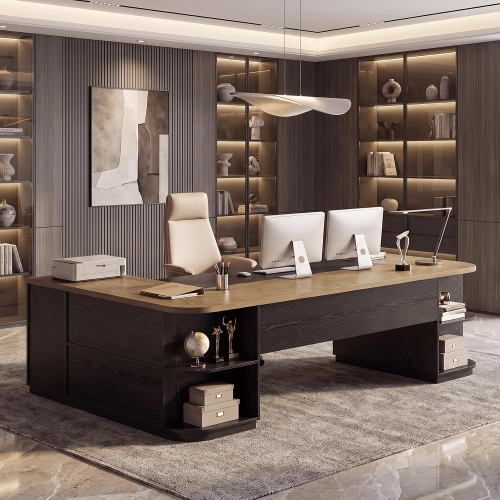
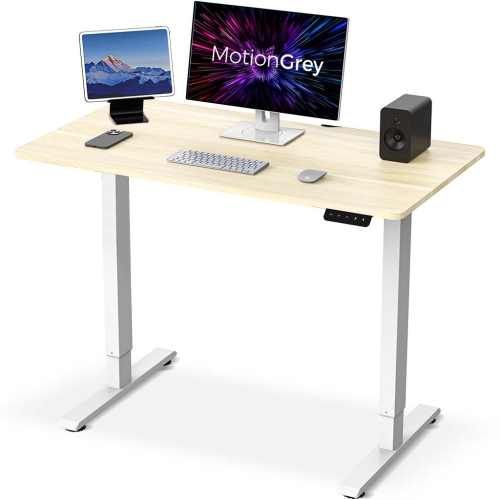
Home office furniture brings together desks, supportive seating, and storage to create a practical place for paid work, studying, household paperwork, and creative projects. The most useful arrangement depends on both the room and the tasks taking place in it: a laptop used for occasional calls needs less surface area than a workstation with two monitors, a keyboard, and documents spread beside them. Straight desks suit many layouts, with widths of approximately 48 to 72 inches offering different amounts of working space. Width alone does not determine fit, though. Desktop depth matters for screen placement, while clear space underneath allows room for knees, feet, and changes in sitting position. Compact writing desks can fit into a bedroom or living room without taking over the space, while deeper computer desks provide more room for equipment and cables. L-shaped and corner desks offer adjoining surfaces that can separate typing from paperwork or leave one side clear for sketching and planning. A reversible layout may allow the longer section to sit on either side, depending on the design. Executive desks generally have a larger footprint and may include drawers or cupboards, making them better suited to a dedicated room than a narrow shared area. Height-adjustable desks allow the work surface to move between seated and standing positions; their height range, lifting capacity, and usable surface dimensions all matter when matching them to a person and their equipment. In a shared office, a broad adjustment range can also make one desk more practical for people of different heights. Room measurements need to account for more than the furniture itself. A chair requires space to pull back, drawers need clearance to open, and doors and walkways should remain unobstructed. Access to wall outlets also affects placement, particularly when the desktop holds several powered devices. For someone working beside a dining area or in a guest room, a smaller desk with thoughtfully placed storage can be more comfortable to live with than a large workstation that crowds everyday movement.
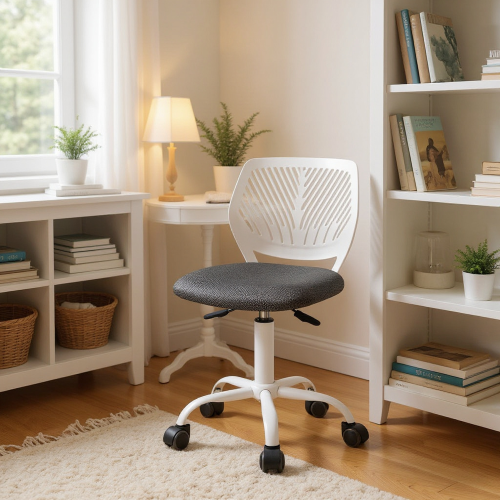
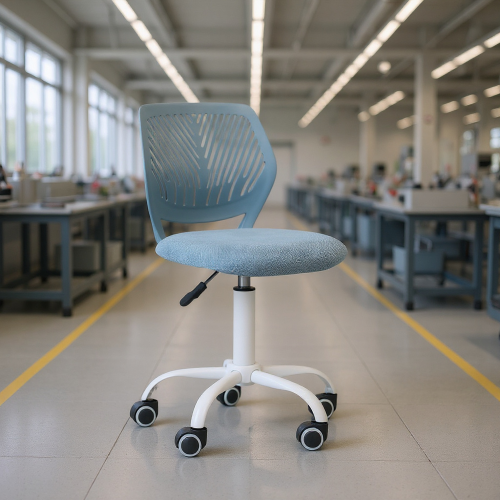
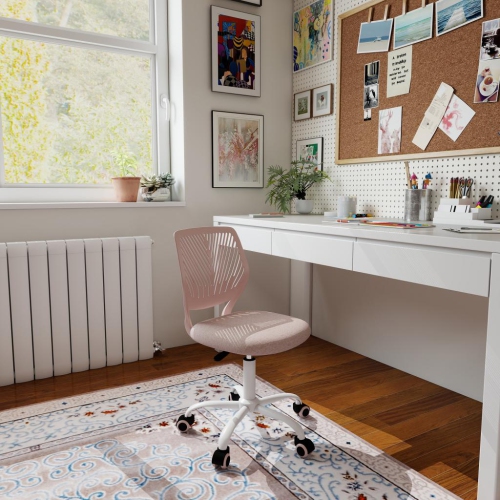
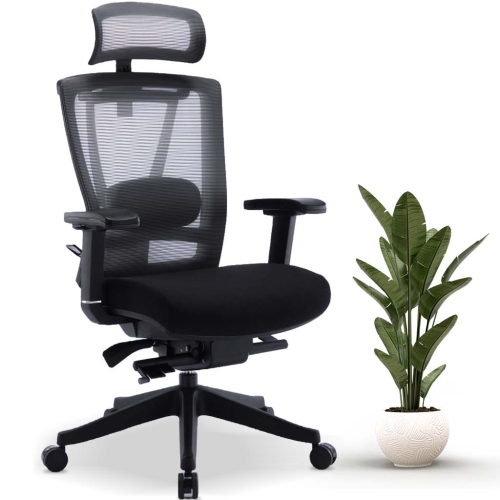
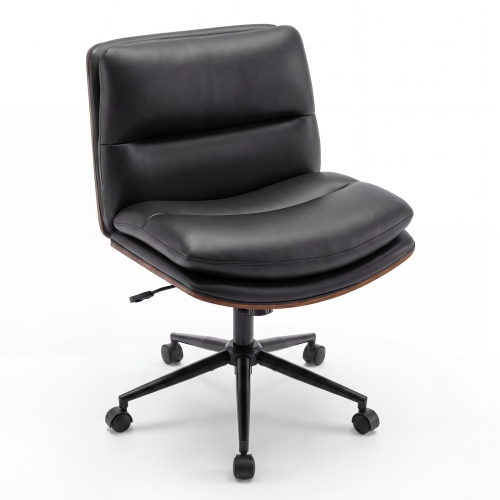
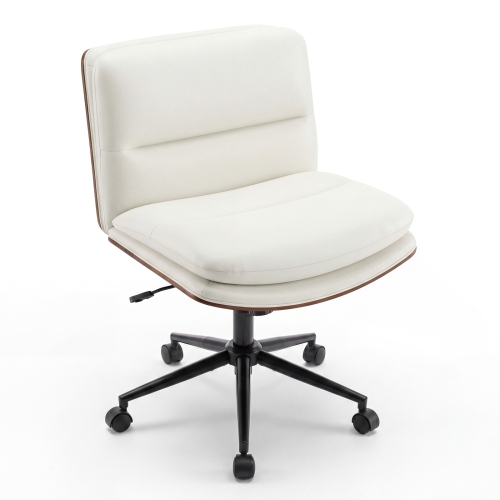
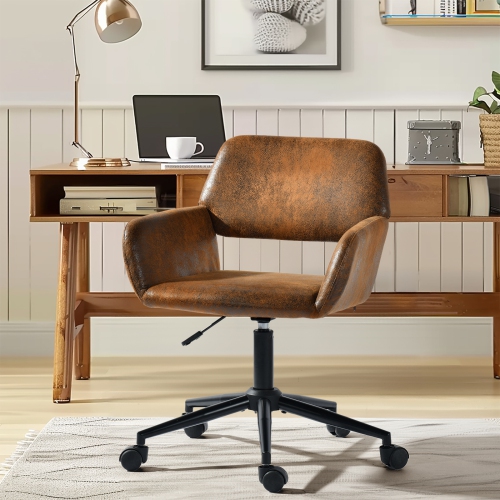
Office chairs have a different role from occasional seating: they need to support the person using the desk through the tasks and movements of a working day. Seat height adjustment helps align the chair with the work surface, while seat depth affects whether the backrest can be used comfortably without the front edge pressing behind the knees. Lumbar support, adjustable armrests, and tilt settings offer further ways to adapt the fit, although the right combination depends on individual proportions and preferences. Feet should rest comfortably on the floor or on a suitable footrest, with enough clearance beneath the desk to avoid a cramped position. Armrests also need to work with the desktop height; arms that strike the underside can prevent the chair from moving close enough for comfortable typing. Mesh upholstery allows airflow and has a lighter visual presence, while padded fabric offers a softer feel and a wide range of colours and textures. Leather and synthetic leather have distinct care requirements, so their cleaning instructions matter as much as their appearance. Chair dimensions and stated weight capacity are important considerations, especially when several people will share the same workspace. Castors should be suitable for the flooring, and a compatible chair mat can help protect the surface and make movement easier. Desk materials influence both appearance and everyday upkeep. Solid wood brings natural grain and variation, while wood veneer provides a real-wood surface over a supporting core. Laminate finishes are often straightforward to wipe clean, and metal frames can provide firm support without visually filling a room. Glass desktops offer an open look but tend to show fingerprints and require careful handling. Durability depends on construction as well as material: secure joints, stable legs, smooth drawer runners, and suitable load limits all contribute to furniture that feels dependable in daily use. Monitor arms add another consideration because their clamps require compatible desktop thickness, edge clearance, and construction. Cleaning with methods appropriate to the finish, wiping spills promptly, and checking fasteners when advised by the manufacturer help keep furniture in good working condition.
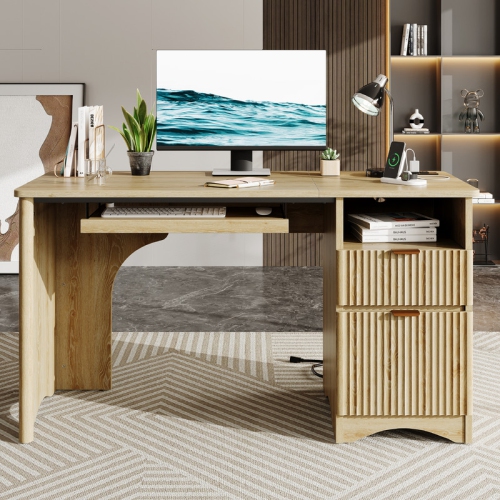
Storage makes a home office easier to use by giving supplies and paperwork a defined place without sacrificing the main work surface. Filing cabinets suit documents that need to stay sorted and accessible, while cupboards conceal bulkier supplies, spare cables, and equipment that would otherwise compete with the keyboard for space. Drawer interiors vary, so compatibility with letter-size or legal-size hanging files is worth checking when paper records are part of the routine. Open shelving keeps frequently used reference books within reach and gives a room a less enclosed appearance; closed storage creates a quieter visual backdrop for video calls and shared living areas. A low cabinet can double as a separate printer station when its surface dimensions and weight capacity are suitable, with clearance left for ventilation, paper trays, and maintenance. Mobile pedestals offer flexibility, but their full height, including castors, needs to fit beneath the desk if that is where they will sit. Coordinating home office organization furniture with the desk and chair can help keep essential materials close while preserving comfortable legroom. Tall shelving and cabinets should be secured as directed, particularly in homes with children or pets, and heavier contents belong in positions allowed by the furniture’s loading instructions. Cable openings, under-desk trays, and accessible storage compartments can reduce clutter, provided cords have enough slack for any moving desktop. Matching every finish is not essential to a cohesive workspace. A wood-look desk, a fabric chair, and a simple metal storage unit can sit comfortably together when their proportions and colours relate to the surrounding room. Remote workers may need a full workstation for daily use, students may prioritize space for books and assignments, and a household planning area may need only a compact surface and organized drawers. Furniture intended as a gift calls for particular attention to the recipient’s measurements, working habits, and existing space, since comfort and fit are personal. The strongest home office arrangements make those everyday needs feel straightforward: there is room to open a notebook, move the chair, retrieve a file, and leave the desktop ready for the next task.
Top selling and popular products
-
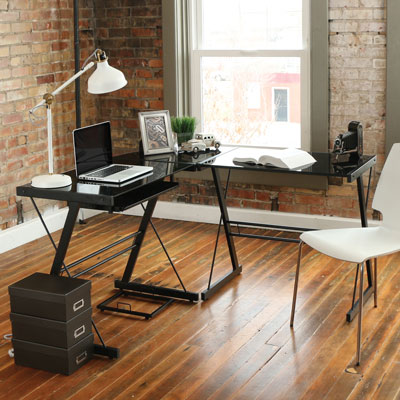 Your price for this item is $304.99
-
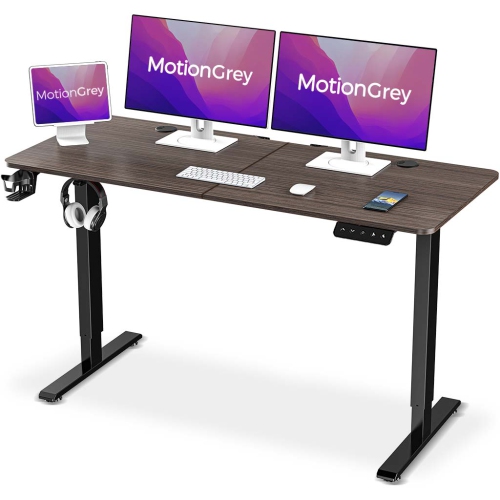 Your price for this item is $142.92
-
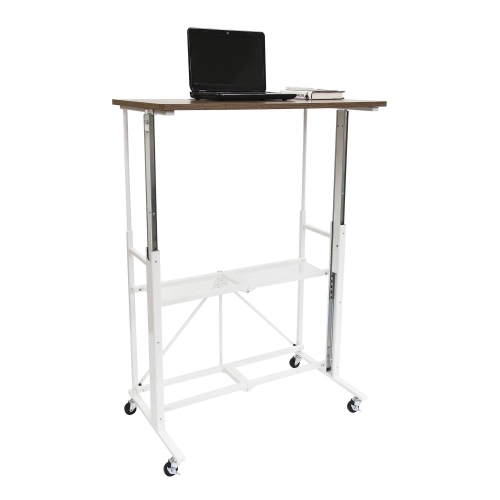 Your price for this item is $248.99
-
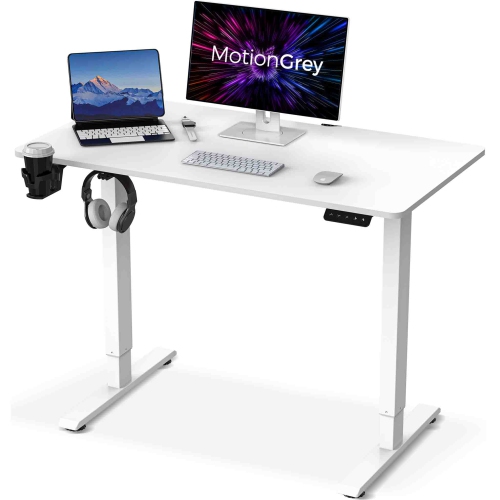 Your price for this item is $133.91
-
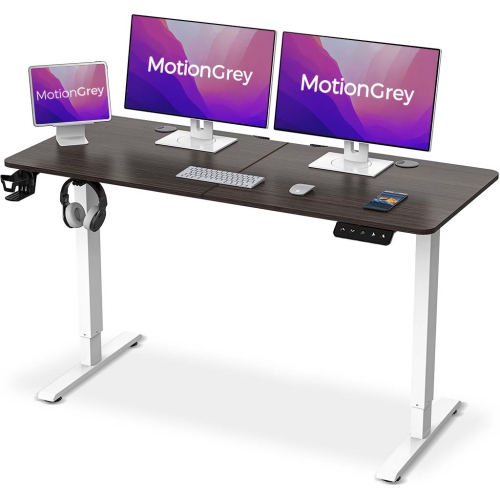 Your price for this item is $158.99
-
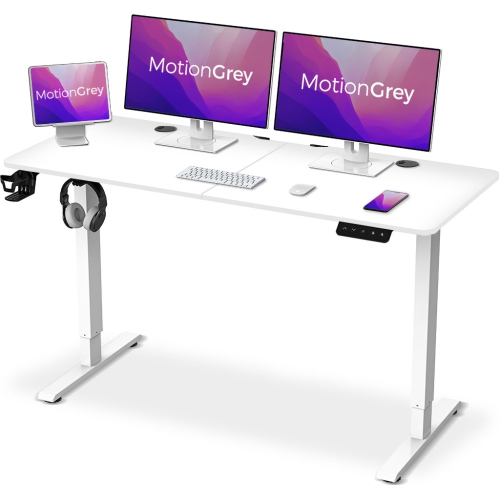 Your price for this item is $142.94
-
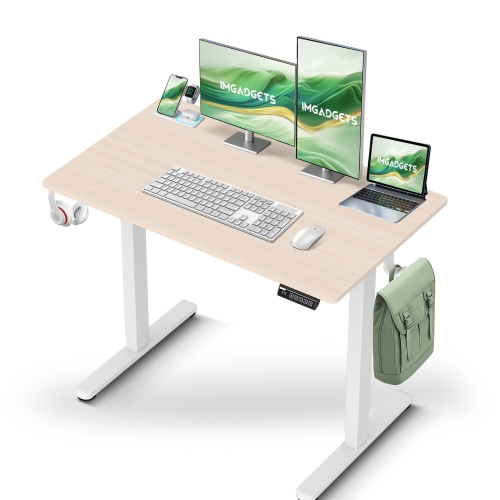 Your price for this item is $119.99
-
 Your price for this item is $133.91
Discover more categories related to Home Office Furniture
Top Collections:
Pokemon Centers, Best Cameras for Sports Photography, Kindle Devices, Samsung Galaxy Phones, Canon G7X Cameras, Pokémon 30th Celebration Cards, Refurbished Apple Laptops, iPhone 15 Apple, Laptops for Students, Budget Smartphones
Some products may be subject to Environmental Handling Fees
(EHF) depending on your province.
Learn more about EHFs.