Home Organization Hacks
Get ready to declutter and transform your living space with our top home organization hacks. From maximizing storage in small spaces to creating stylish and functional solutions for every room, these clever tips will help you create a more organized and efficient home. Whether you're looking to streamline your kitchen, tidy up your closet, or optimize your workspace, these innovative ideas will inspire you to take your organization game to the next level. Say goodbye to clutter and hello to a more organized and stress-free living environment with these practical home organization hacks.
Sort
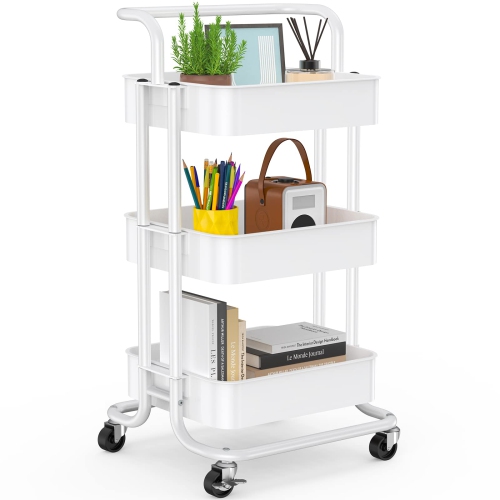

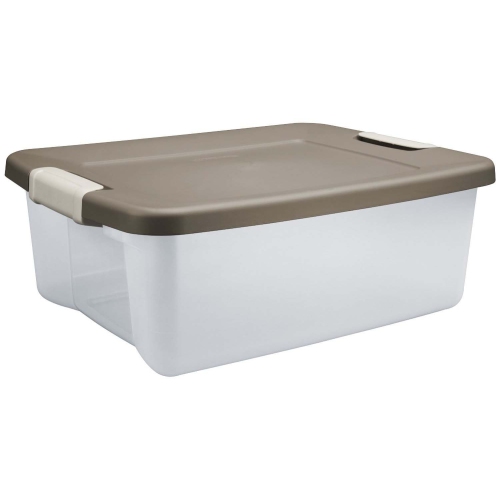
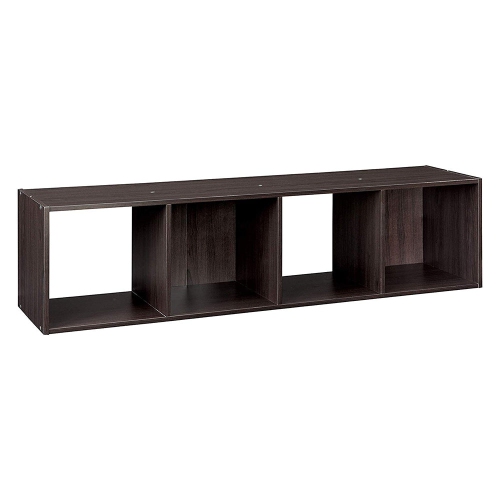
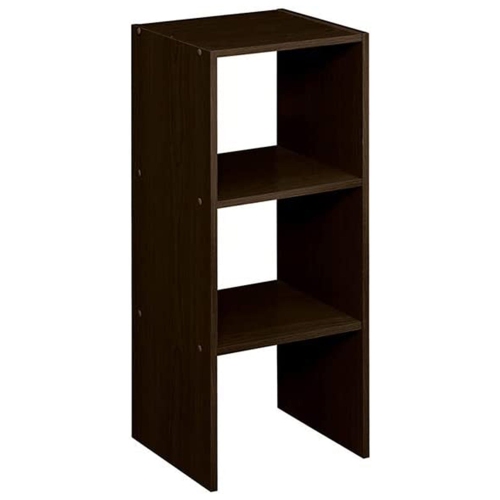
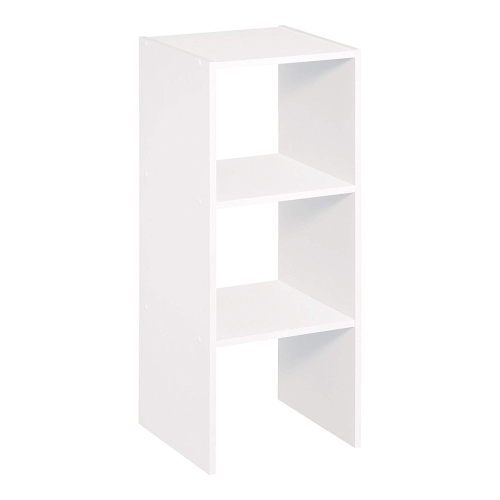
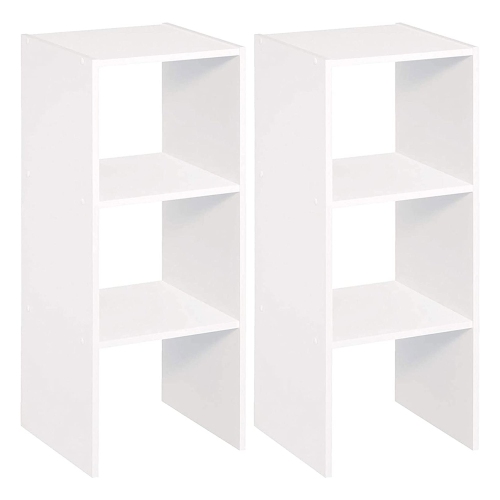
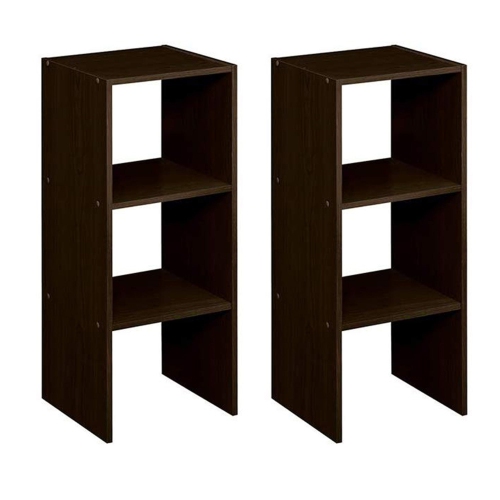
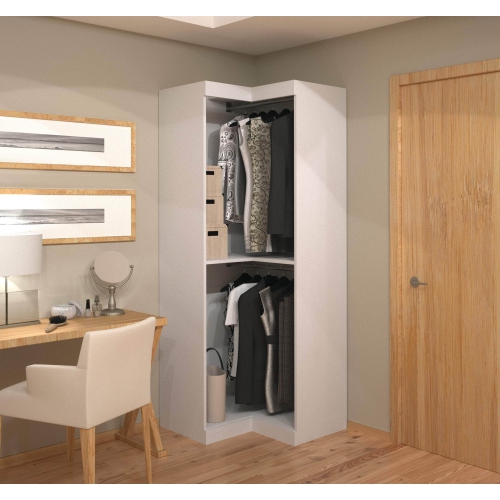
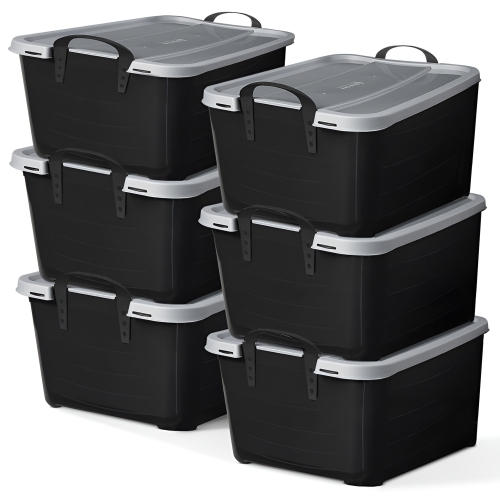
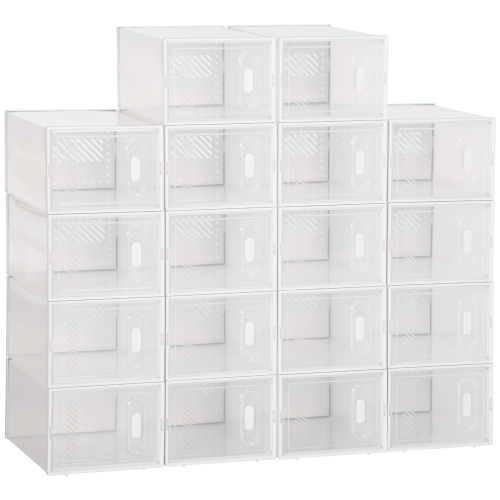
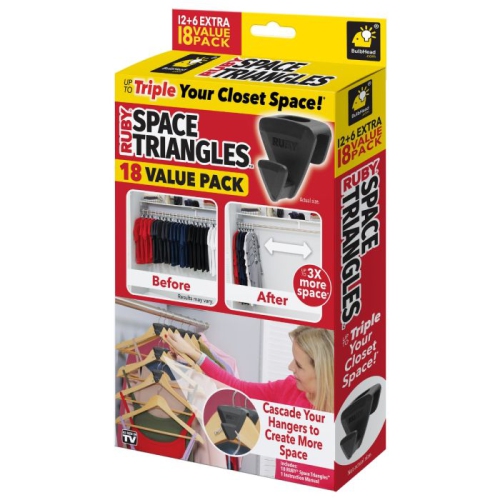
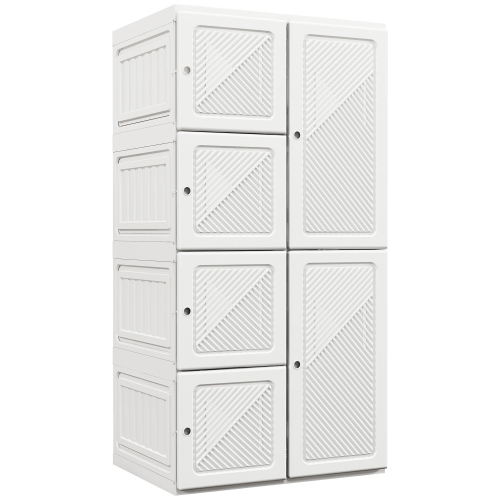
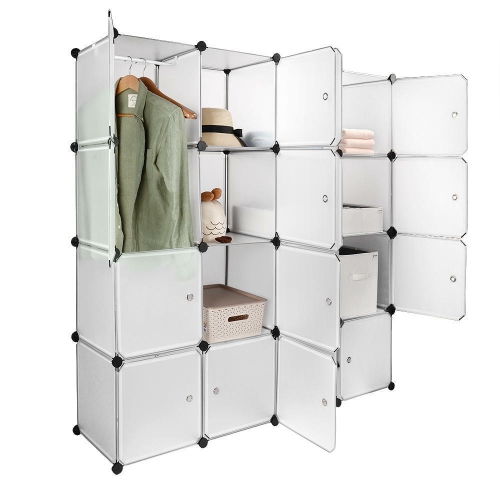
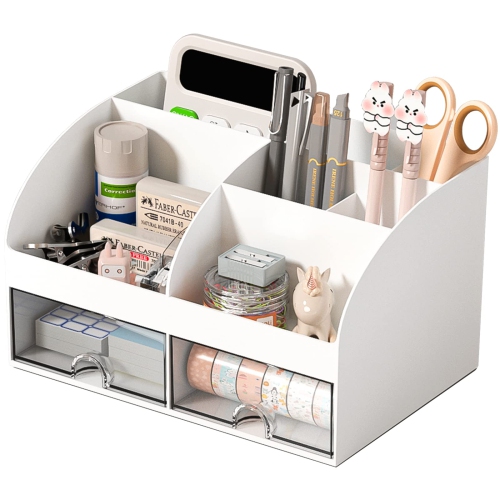
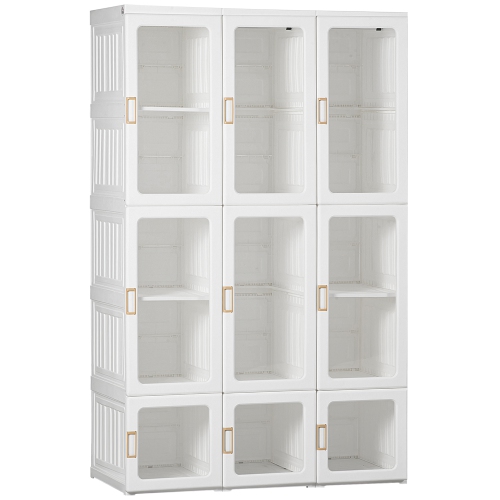
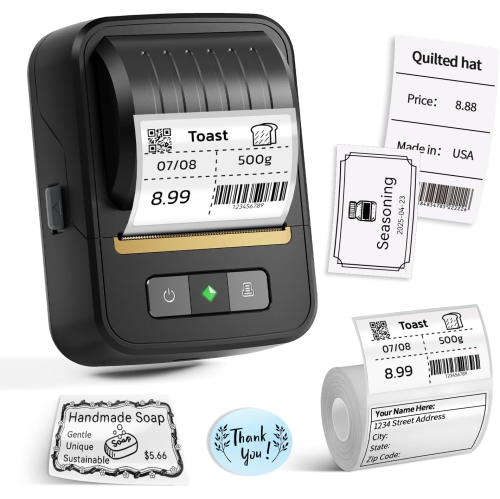
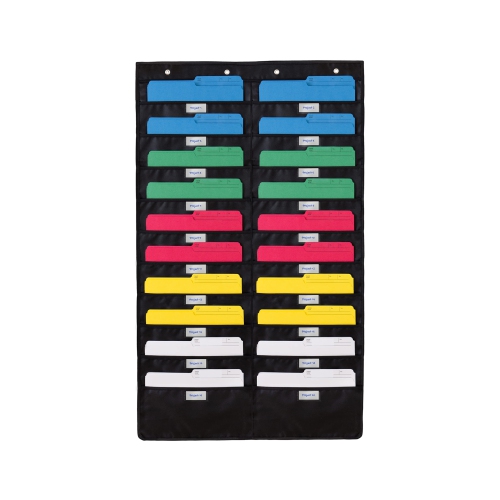
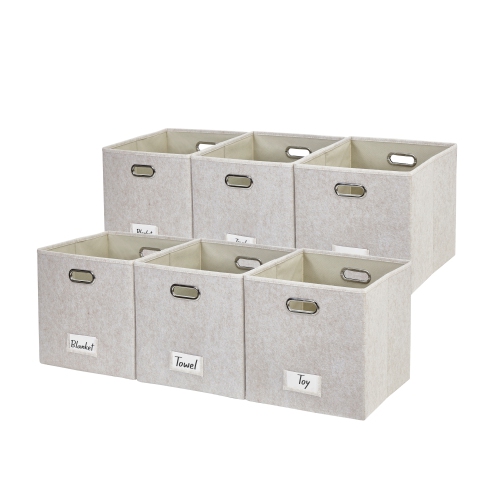
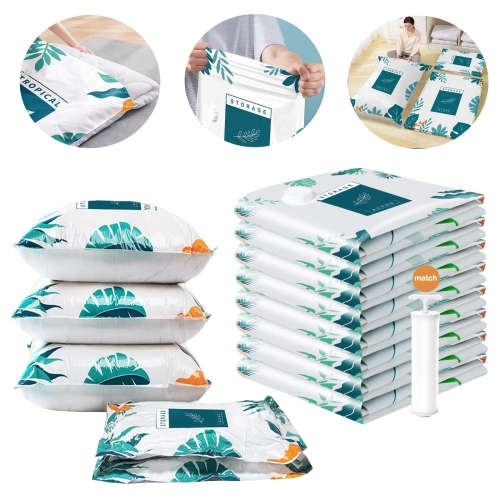
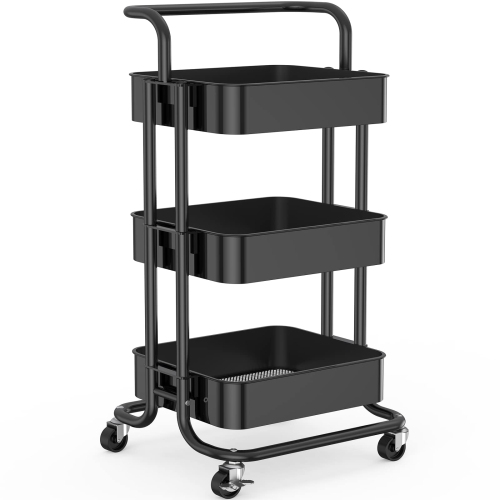
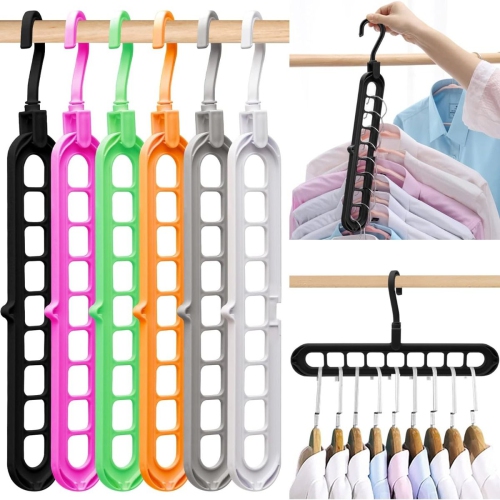
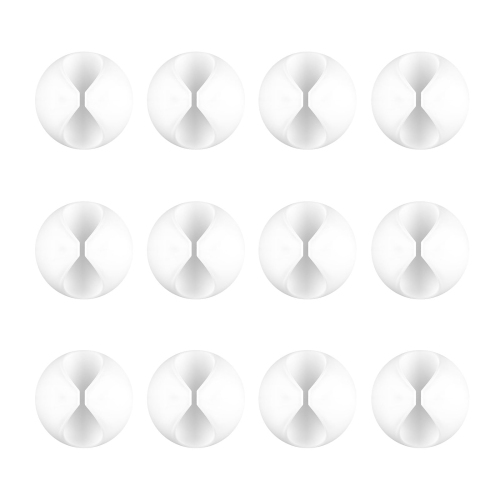
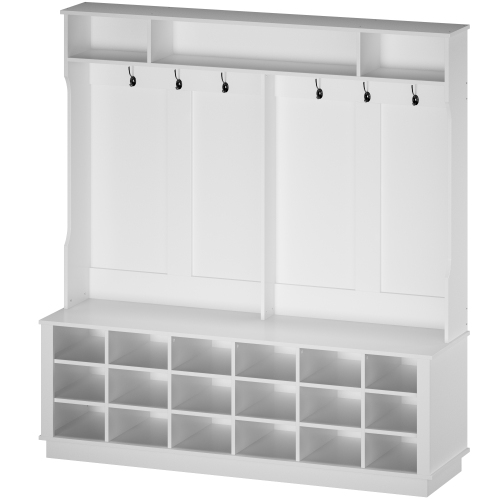
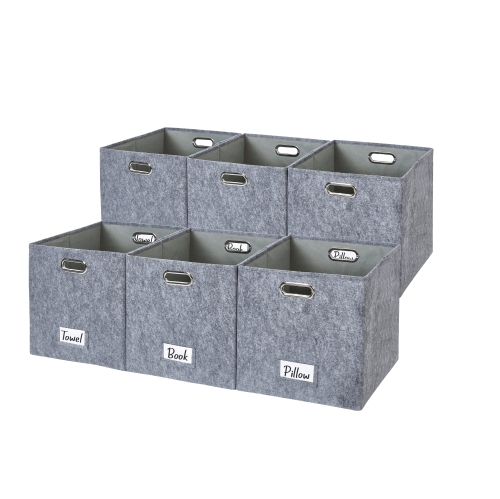
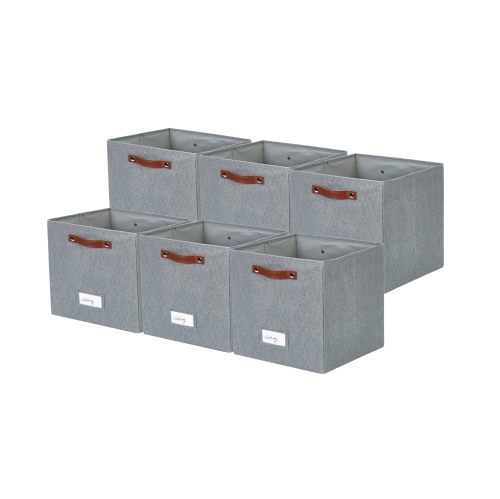
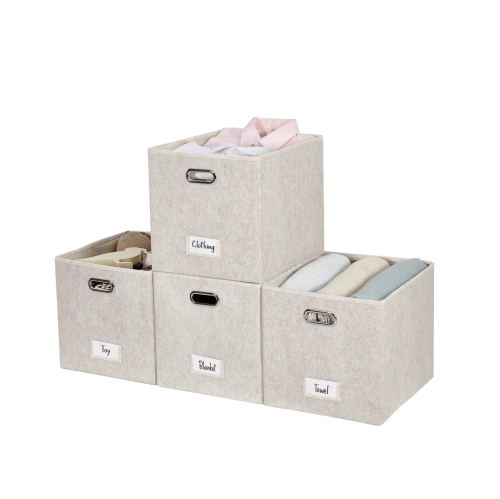
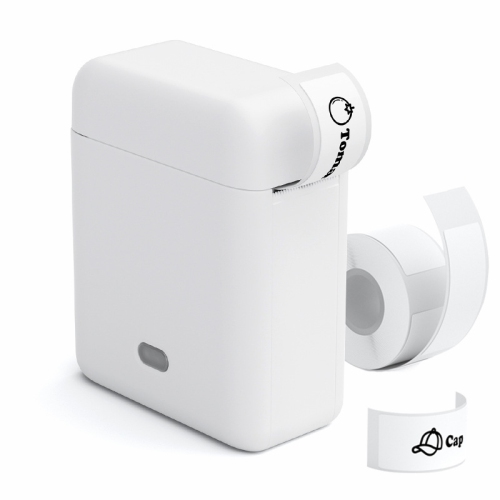
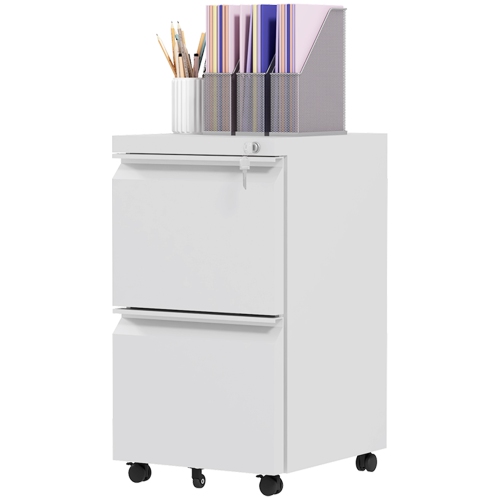
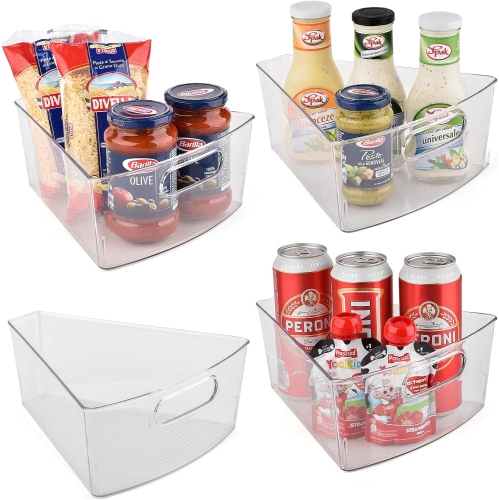
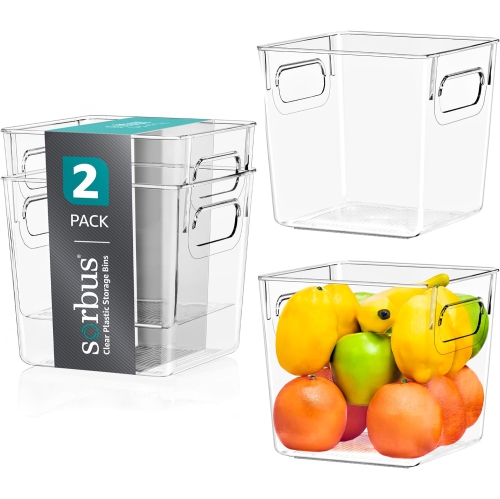
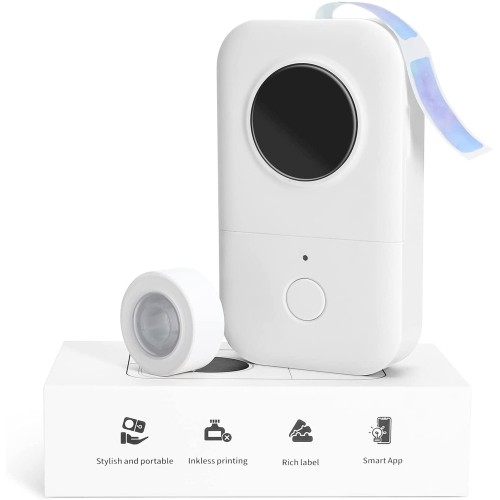
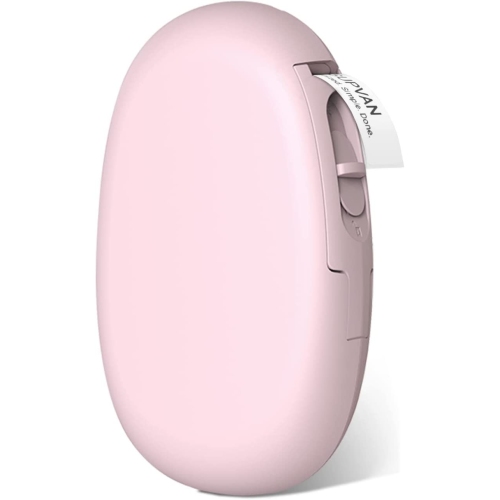
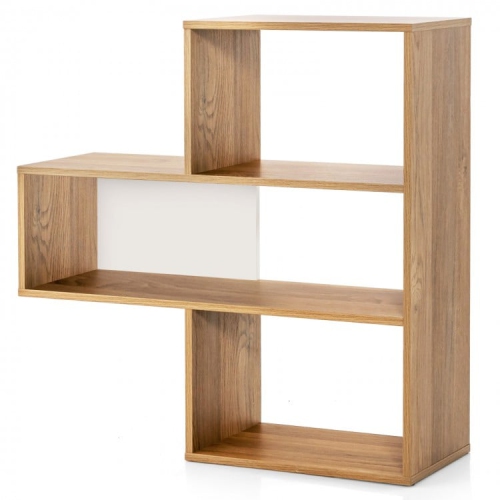

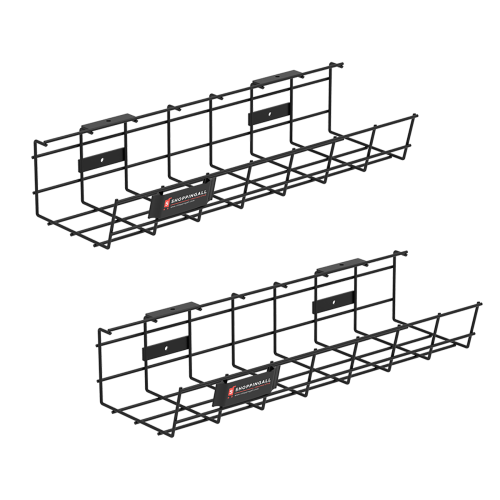
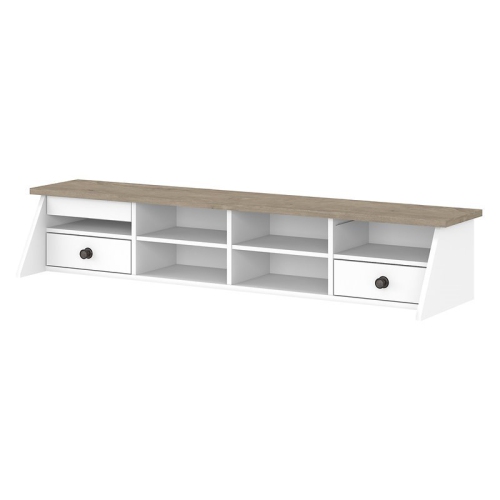
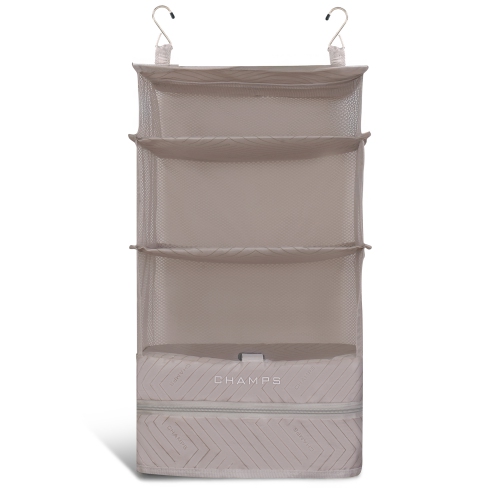
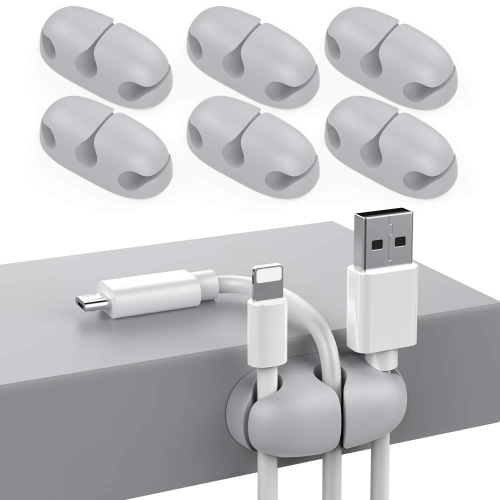
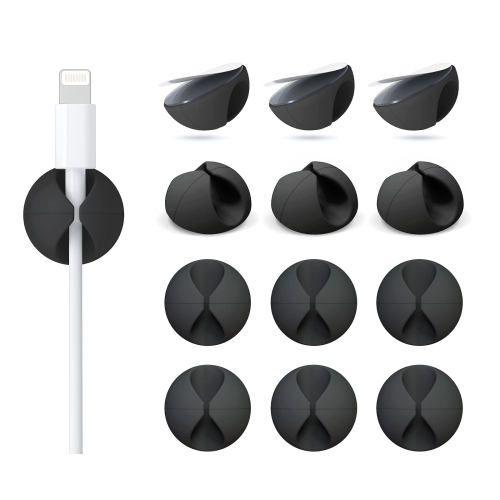


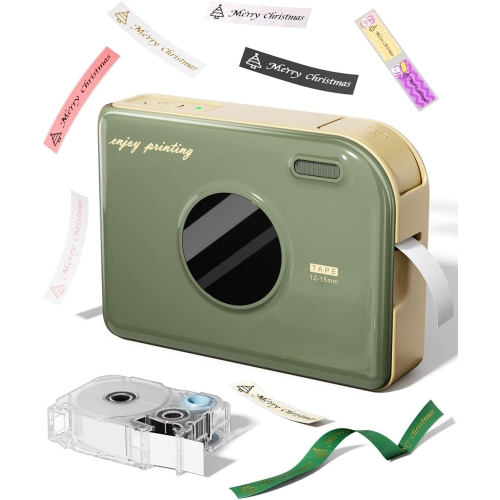
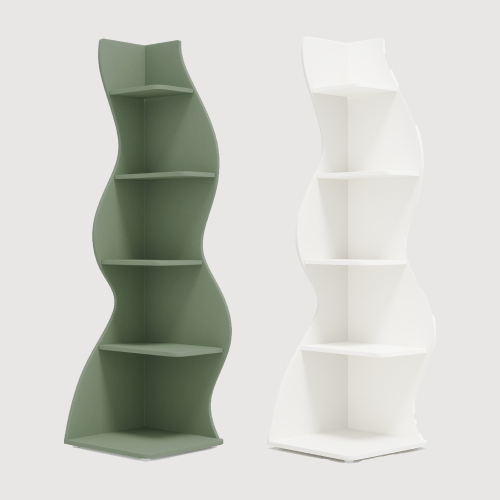





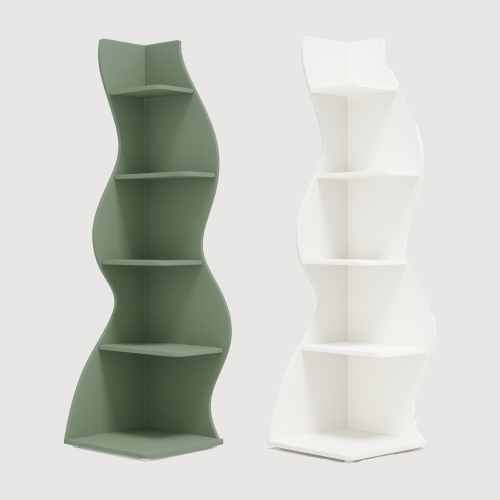
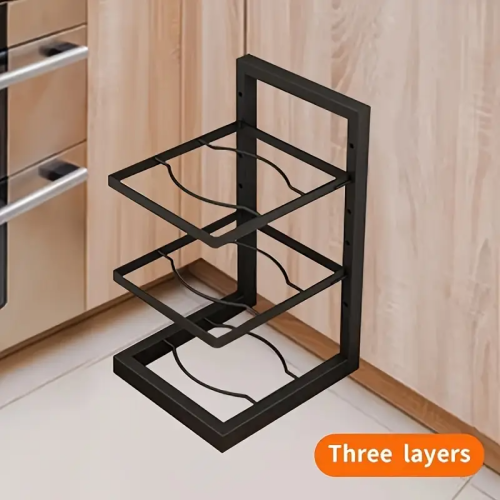

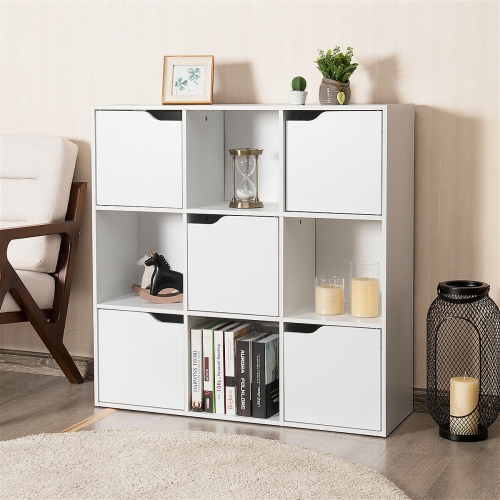
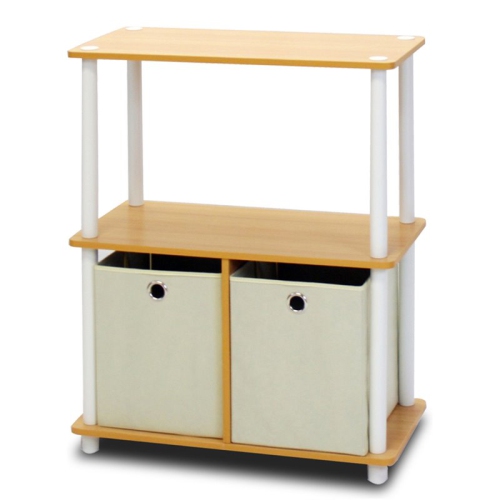
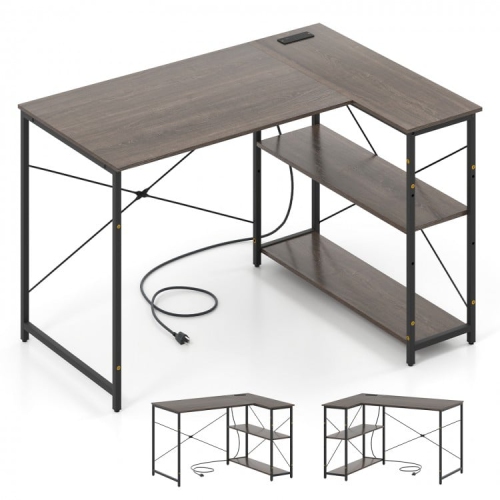
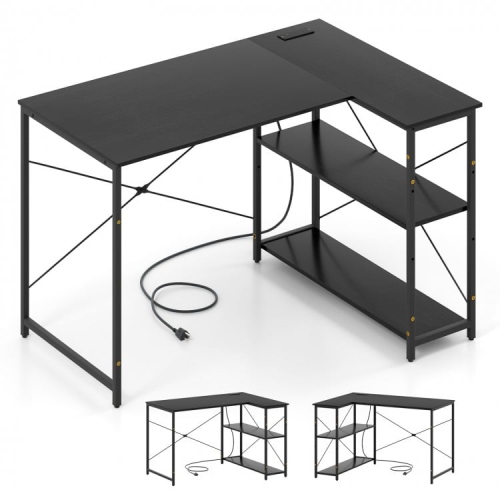
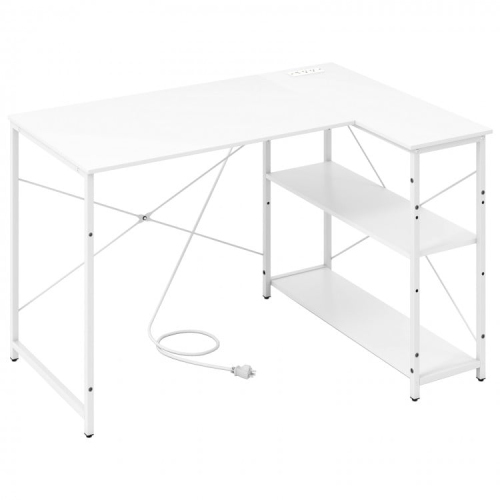
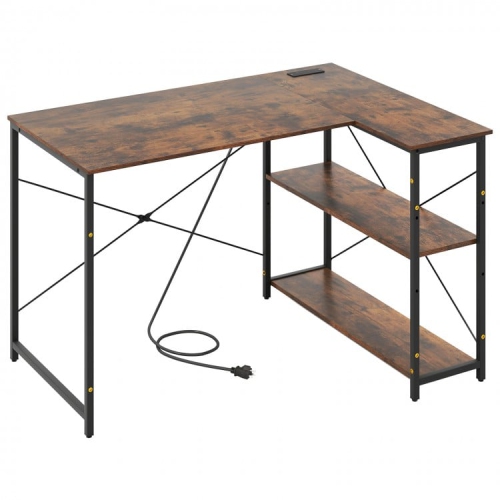
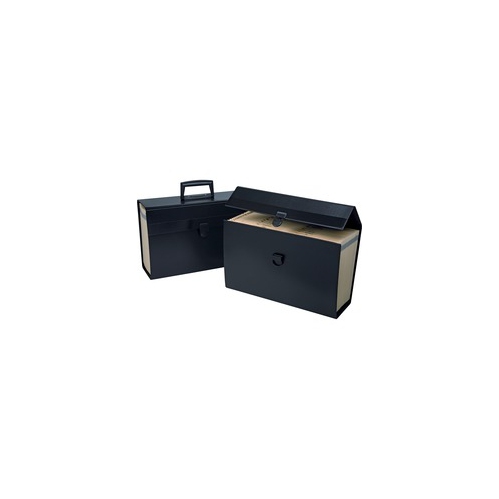
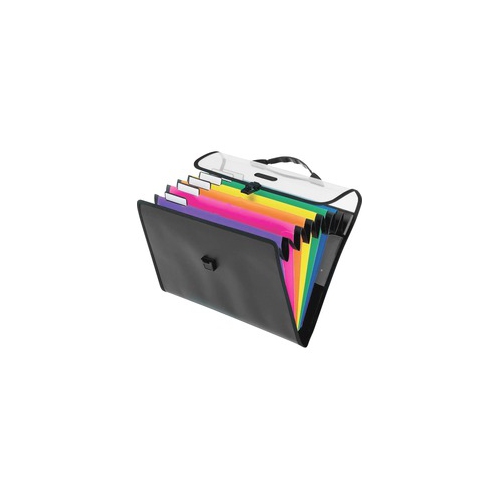
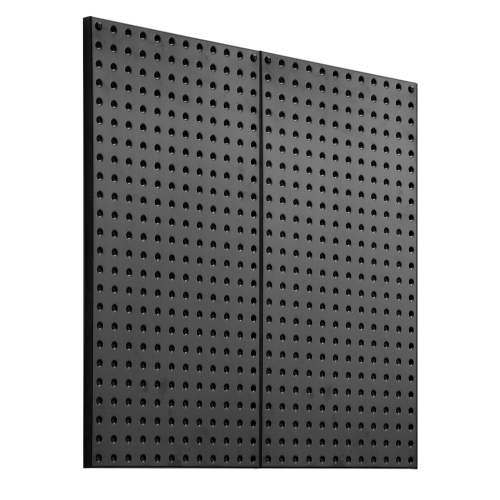
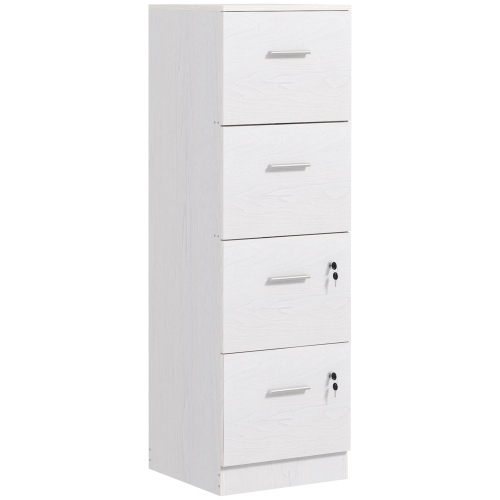
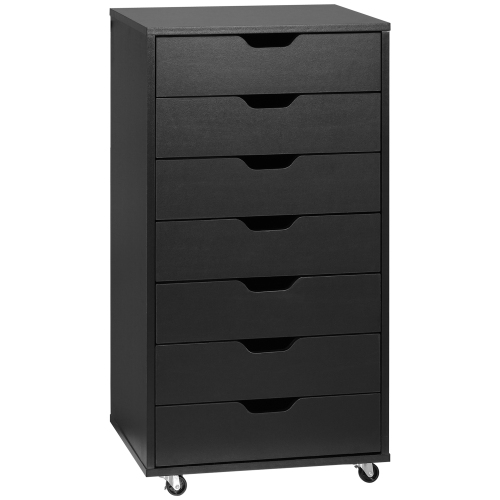
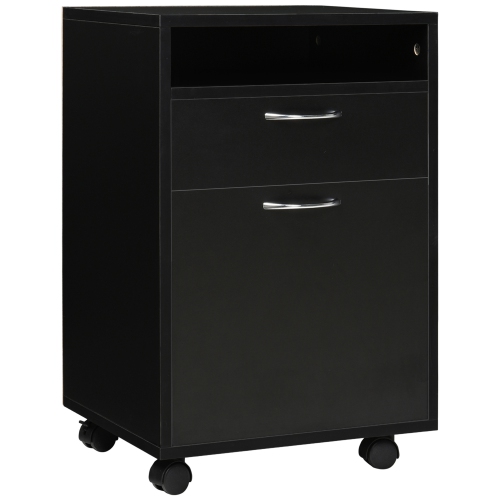
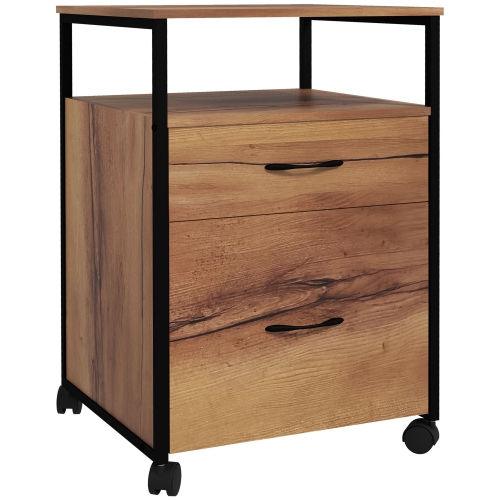
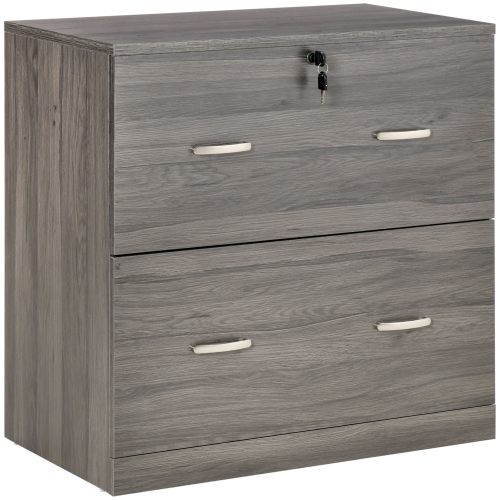
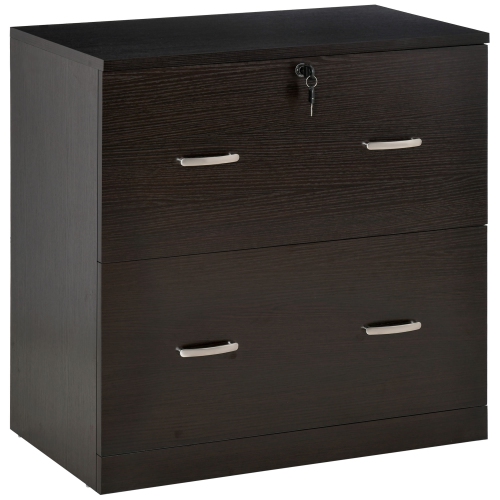
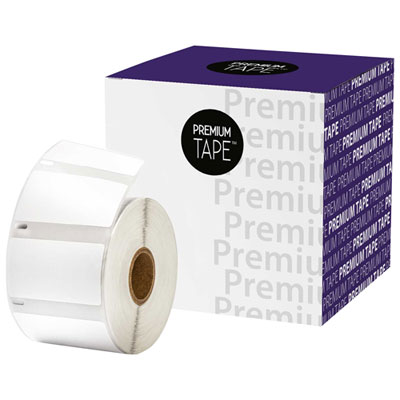
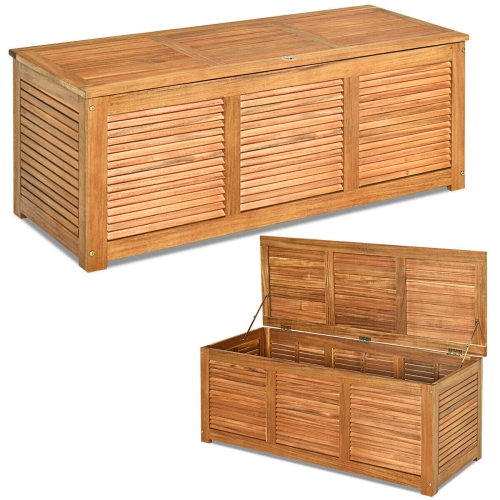
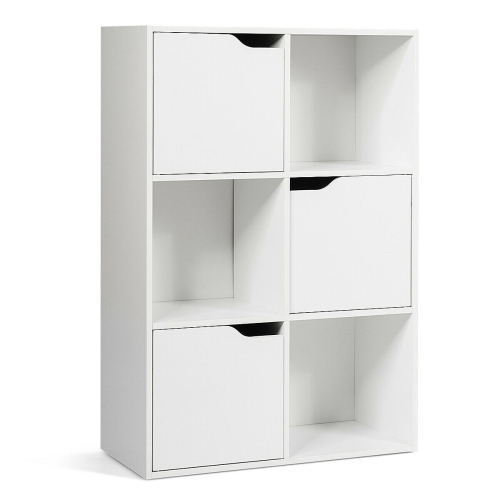
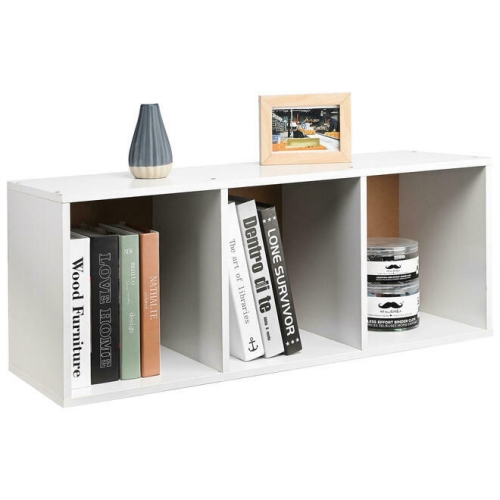
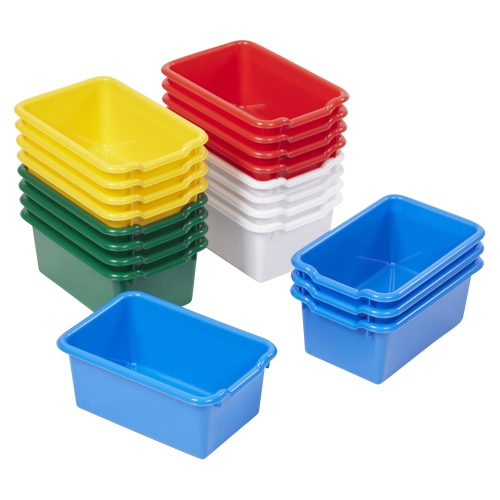
Storage that fits where clutter actually gathers
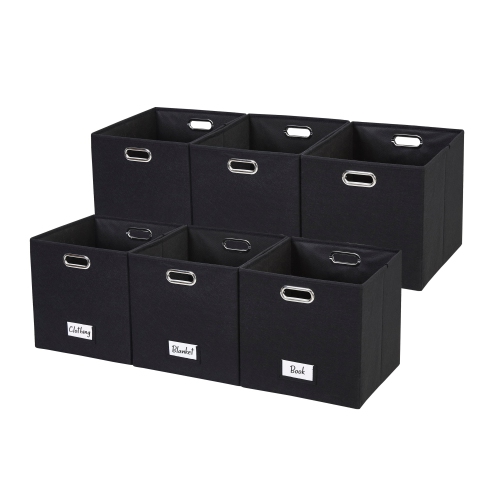
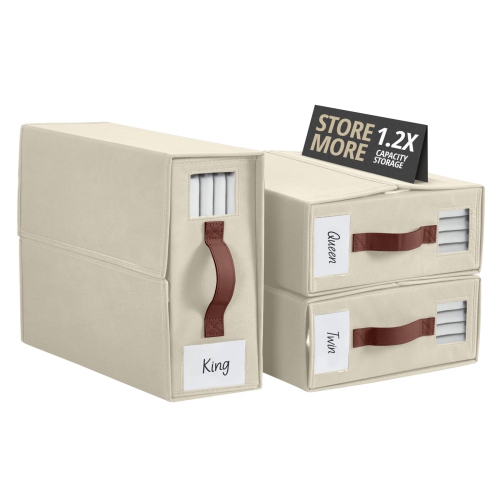
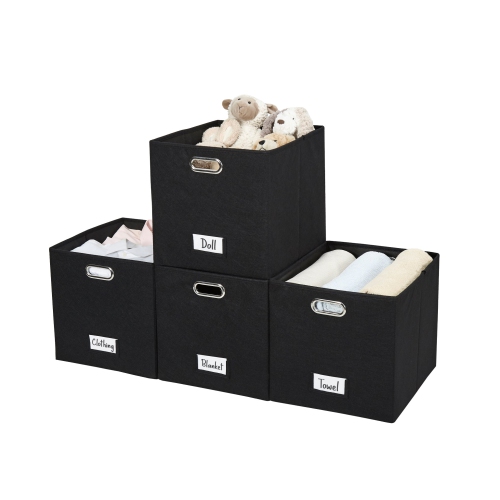
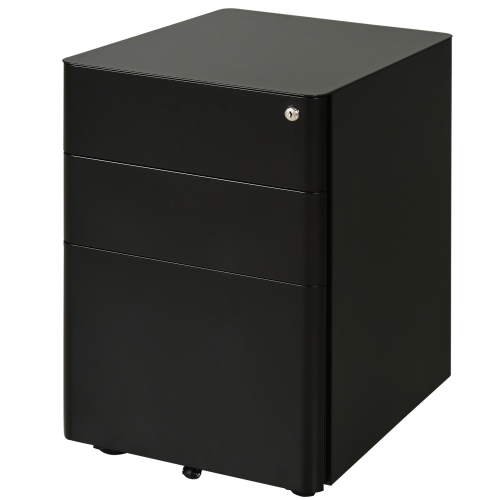
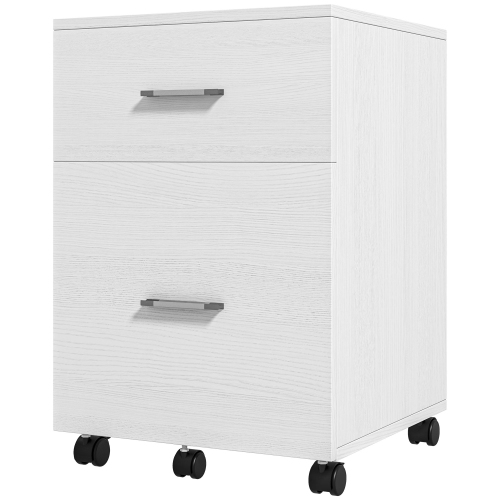
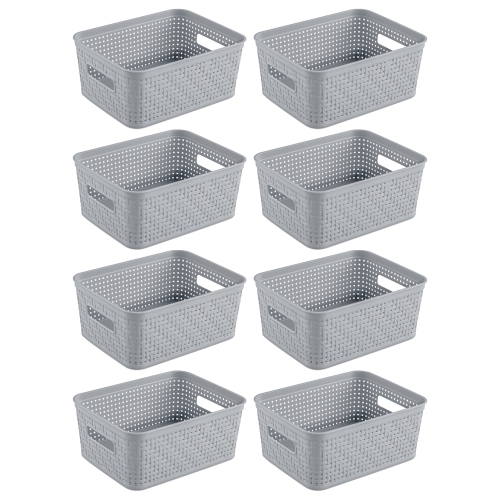
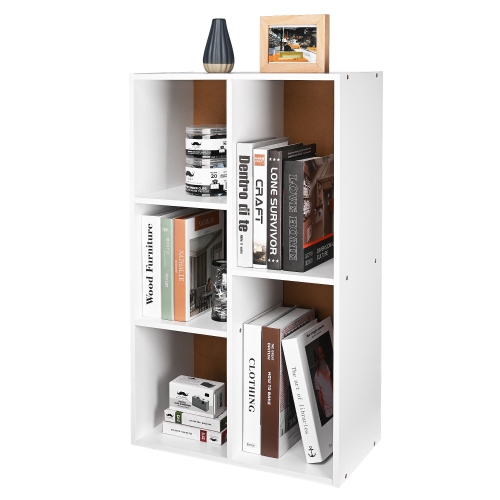
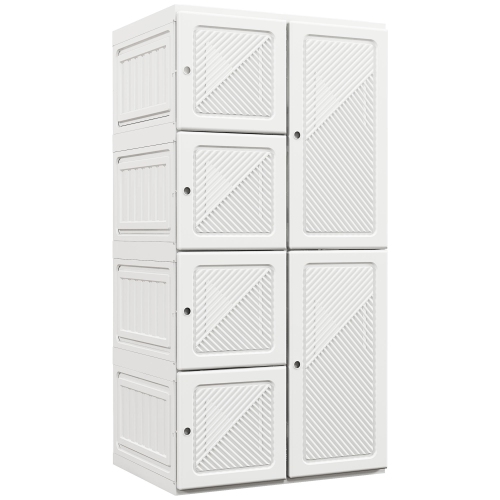
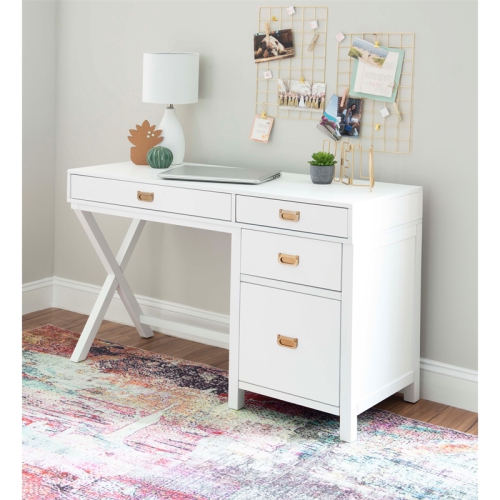
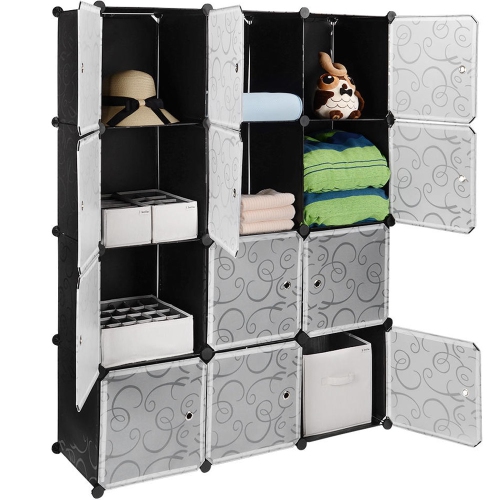
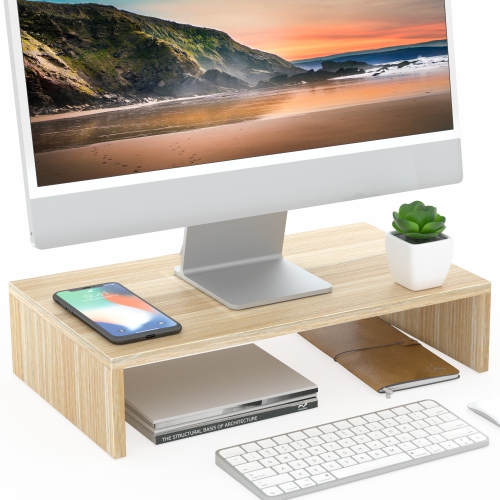
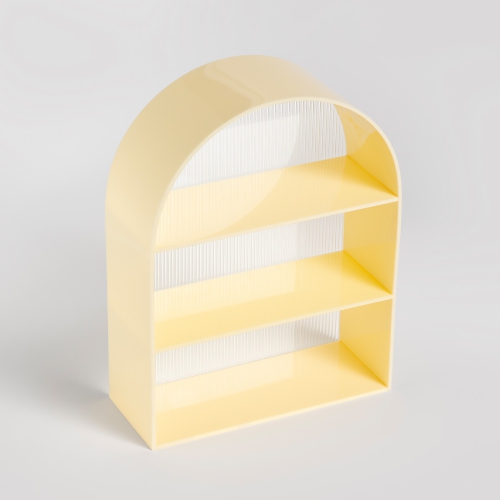
The most useful home organization hacks make everyday belongings easier to find, use, and put away. Storage works best when it fits the places where clutter naturally gathers: keys beside the front door, charging cables near the sofa, or school papers at the end of the kitchen counter. Home organization products give those familiar piles a defined place without requiring a complete room makeover. A small drop zone near an entrance can keep daily essentials together, while divided storage inside a drawer can separate objects that otherwise disappear beneath one another. The aim is not to hide everything; it is to make the contents of a home easier to manage. Open storage suits belongings used throughout the day, while closed storage can contain spare linens, paperwork, and less frequently used accessories. Clear materials make contents visible at a glance, which is useful in shared spaces where several people need to find the same things. Opaque finishes create a more uniform appearance when storage remains in view. For busy households, accessible compartments and simple lids often matter more than a perfectly matched arrangement. Children may find broad, open sections easier to use than small compartments that require careful sorting, while someone working from home may prefer distinct spaces for documents, stationery, and charging accessories. Renters and students often benefit from freestanding or removable storage that can move between rooms, provided its dimensions and installation requirements suit the space. During the cooler months, an entrance may also need room for gloves, hats, and damp footwear without blocking the door or narrowing a walkway. Washable surfaces and a separate place for wet belongings can make that daily transition less messy. For spaces with several competing needs, Ideas for Home Organization offers another starting point for considering how storage can fit into everyday rooms. A useful arrangement follows familiar routines closely enough that returning something to its place feels as easy as leaving it on the nearest surface.
Fit is one of the biggest differences between storage that helps and storage that simply adds another layer of clutter. Exterior measurements determine whether an organizer fits inside a cupboard, but interior measurements determine what it can actually hold. Drawer depth, shelf clearance, door hinges, plumbing, and baseboards can all affect usable space. In a bathroom vanity, for example, a wide storage compartment may look suitable until the drainpipe interrupts its footprint. Adjustable sections can accommodate awkward layouts, while shallow compartments keep small belongings visible rather than buried. A divided tray commonly associated with kitchen storage can also suit grooming accessories or stationery when its compartment sizes and material match the new use. This kind of flexible design is especially useful in compact homes, where a storage piece may serve different purposes over time. Vertical storage makes use of height inside cupboards and along walls, but it still needs to leave everyday belongings within comfortable reach. Heavy contents belong lower down, and wall-mounted storage requires suitable fasteners, an appropriate mounting surface, and adherence to the stated load limit. Over-the-door designs need enough clearance for the door to close normally, without scraping the frame or pressing against nearby furniture. Stackable storage can make a deep shelf more useful, although the lowest section should remain practical to access; frequently used belongings are less convenient when several layers must be moved first. Materials deserve equal attention. Rigid plastic is often lightweight and easy to wipe clean, though suitability for food contact, heat, and dishwasher cleaning depends on the manufacturer's specifications. Metal can provide sturdy support for heavier contents, but damp rooms call for finishes intended to resist corrosion. Wood brings warmth to visible storage and generally benefits from prompt attention to spills. Fabric and woven materials can soften the look of bedroom or living room storage, while removable, washable liners may make care easier where dust or everyday marks are likely. Smooth edges, stable bases, secure handles, and sound joints are useful details to assess alongside appearance.
Different rooms place different demands on home storage, even when the underlying goal is the same. In a kitchen, organization needs to support frequent reaching, opening, and cleaning. Narrow sections can keep upright contents separated, and stepped or rotating layouts can improve visibility at the back of a cupboard when there is sufficient clearance. Storage intended for direct contact with food should be made for that purpose; a convenient shape alone does not establish suitability. In a bathroom, compact compartments help separate everyday grooming essentials, but storage should allow damp contents to dry rather than trapping moisture under a lid. Bedroom and wardrobe storage often needs a gentler touch. Smooth interiors reduce the chance of snagging delicate fabrics, while breathable construction may suit clean, thoroughly dry textiles. Under-bed storage makes use of an overlooked area, provided there is enough clearance to pull it out without dragging or overfilling it. In living rooms, flexible compartments can gather hobby supplies, game accessories, and small electronics while keeping seating areas comfortable. Cables benefit from defined routes and separation, but plugs, power adapters, and electronics still need the ventilation and access specified by their manufacturers. A home office may need storage that keeps active work visible while separating it from household paperwork, especially when the same surface doubles as a dining table. Across these spaces, durability depends on both construction and use: reinforced handles matter when contents are moved regularly, stable dividers help maintain drawer sections, and lids should open without strain when containers are filled as intended. Care instructions are worth keeping, since a fabric insert may be spot-clean only even when its outer frame can be wiped down. Storage can also be a thoughtful housewarming or student gift when the recipient's space and preferences are known, with flexible dimensions and straightforward care making it easier to put to use. The strongest home organization choices leave a little room for daily change. Space for an extra pair of mittens, a new hobby, or a visiting family member helps a room stay functional without demanding constant rearrangement.
Fit is one of the biggest differences between storage that helps and storage that simply adds another layer of clutter. Exterior measurements determine whether an organizer fits inside a cupboard, but interior measurements determine what it can actually hold. Drawer depth, shelf clearance, door hinges, plumbing, and baseboards can all affect usable space. In a bathroom vanity, for example, a wide storage compartment may look suitable until the drainpipe interrupts its footprint. Adjustable sections can accommodate awkward layouts, while shallow compartments keep small belongings visible rather than buried. A divided tray commonly associated with kitchen storage can also suit grooming accessories or stationery when its compartment sizes and material match the new use. This kind of flexible design is especially useful in compact homes, where a storage piece may serve different purposes over time. Vertical storage makes use of height inside cupboards and along walls, but it still needs to leave everyday belongings within comfortable reach. Heavy contents belong lower down, and wall-mounted storage requires suitable fasteners, an appropriate mounting surface, and adherence to the stated load limit. Over-the-door designs need enough clearance for the door to close normally, without scraping the frame or pressing against nearby furniture. Stackable storage can make a deep shelf more useful, although the lowest section should remain practical to access; frequently used belongings are less convenient when several layers must be moved first. Materials deserve equal attention. Rigid plastic is often lightweight and easy to wipe clean, though suitability for food contact, heat, and dishwasher cleaning depends on the manufacturer's specifications. Metal can provide sturdy support for heavier contents, but damp rooms call for finishes intended to resist corrosion. Wood brings warmth to visible storage and generally benefits from prompt attention to spills. Fabric and woven materials can soften the look of bedroom or living room storage, while removable, washable liners may make care easier where dust or everyday marks are likely. Smooth edges, stable bases, secure handles, and sound joints are useful details to assess alongside appearance.
Different rooms place different demands on home storage, even when the underlying goal is the same. In a kitchen, organization needs to support frequent reaching, opening, and cleaning. Narrow sections can keep upright contents separated, and stepped or rotating layouts can improve visibility at the back of a cupboard when there is sufficient clearance. Storage intended for direct contact with food should be made for that purpose; a convenient shape alone does not establish suitability. In a bathroom, compact compartments help separate everyday grooming essentials, but storage should allow damp contents to dry rather than trapping moisture under a lid. Bedroom and wardrobe storage often needs a gentler touch. Smooth interiors reduce the chance of snagging delicate fabrics, while breathable construction may suit clean, thoroughly dry textiles. Under-bed storage makes use of an overlooked area, provided there is enough clearance to pull it out without dragging or overfilling it. In living rooms, flexible compartments can gather hobby supplies, game accessories, and small electronics while keeping seating areas comfortable. Cables benefit from defined routes and separation, but plugs, power adapters, and electronics still need the ventilation and access specified by their manufacturers. A home office may need storage that keeps active work visible while separating it from household paperwork, especially when the same surface doubles as a dining table. Across these spaces, durability depends on both construction and use: reinforced handles matter when contents are moved regularly, stable dividers help maintain drawer sections, and lids should open without strain when containers are filled as intended. Care instructions are worth keeping, since a fabric insert may be spot-clean only even when its outer frame can be wiped down. Storage can also be a thoughtful housewarming or student gift when the recipient's space and preferences are known, with flexible dimensions and straightforward care making it easier to put to use. The strongest home organization choices leave a little room for daily change. Space for an extra pair of mittens, a new hobby, or a visiting family member helps a room stay functional without demanding constant rearrangement.
Top selling and popular products
-
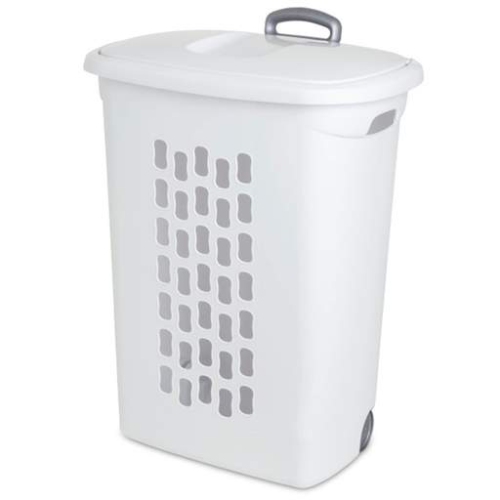 Your price for this item is $1089.99
 -
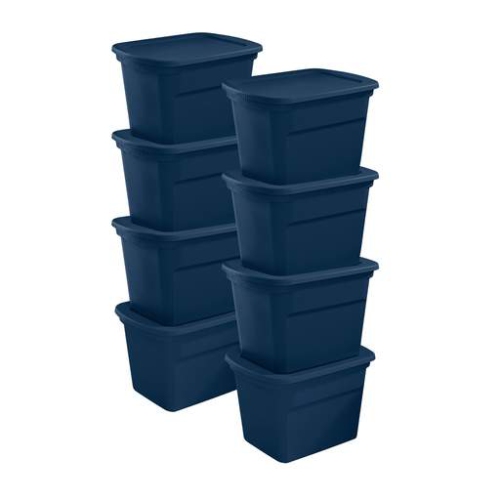 Your price for this item is $246.99
 -
 Your price for this item is $679.99
 -
 Your price for this item is $906.99
 -
 Your price for this item is $452.99
 -
 Your price for this item is $133.99
 -
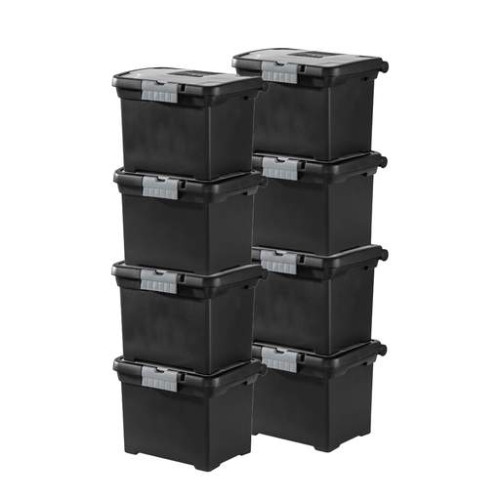 Your price for this item is $264.99
 -
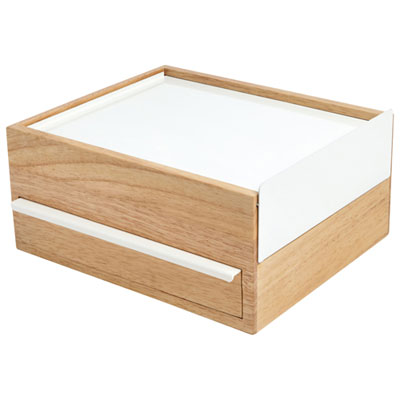 Your price for this item is $64.98
Discover more categories related to Home Organization Hacks
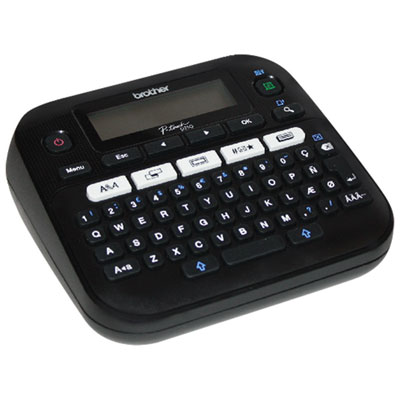
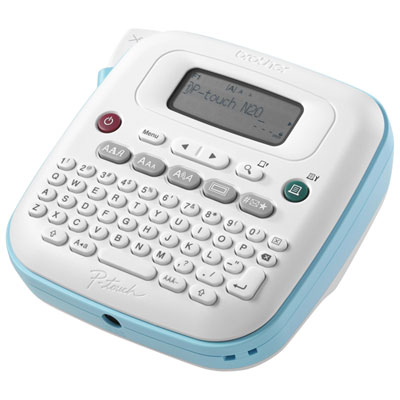
Top Collections:
Pokemon Centers, Kindle Devices, Best Budget Office Chairs, Apple iPhones 16, Best Laptops for Writers, iPhone 15 Apple, Canon G7X Cameras, Refurbished Apple Laptops, Alarm Clock, Motorola Razr Phones
Some products may be subject to Environmental Handling Fees
(EHF) depending on your province.
Learn more about EHFs.