Ideas for Home Organization
Transform your space with creative ideas for home organization that make every room feel more inviting and efficient. Whether you’re looking to streamline your entryway, maximize closet space, or keep your kitchen counters clear, the right solutions can help eliminate clutter and bring order to your daily routine. Explore smart storage options and clever organizational tools designed to fit any style or need, making it easy to enjoy a tidy and harmonious home environment.
Sort
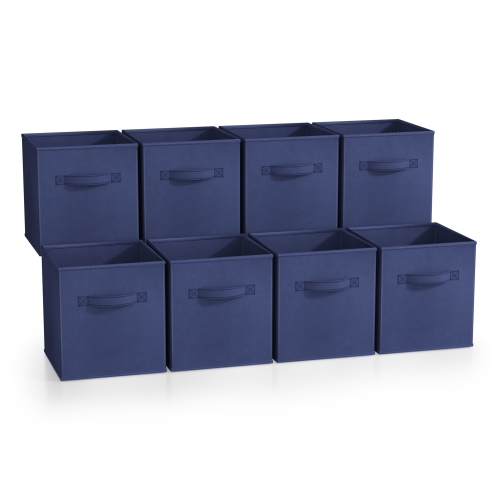
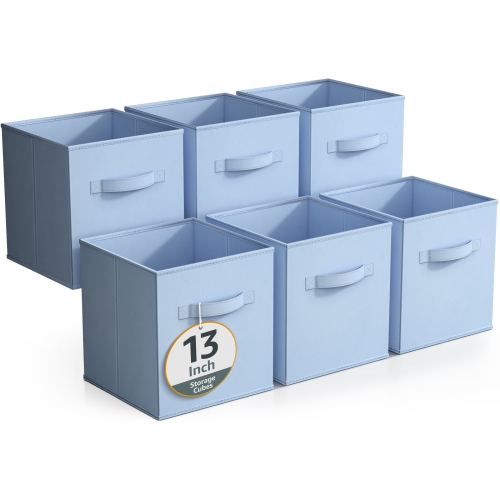
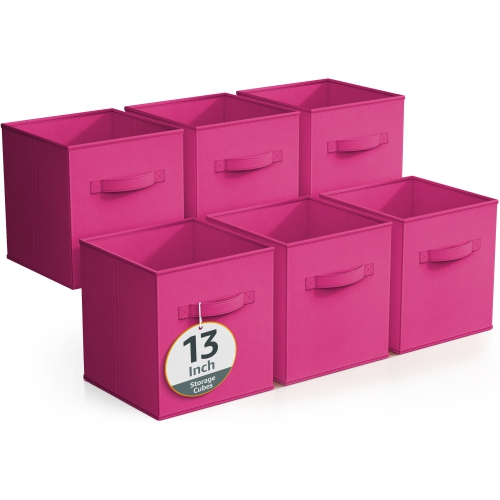
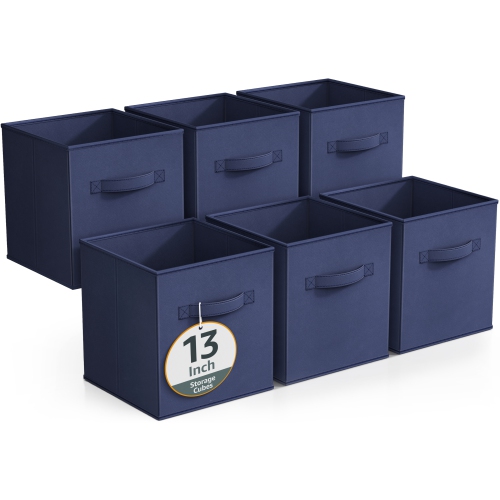
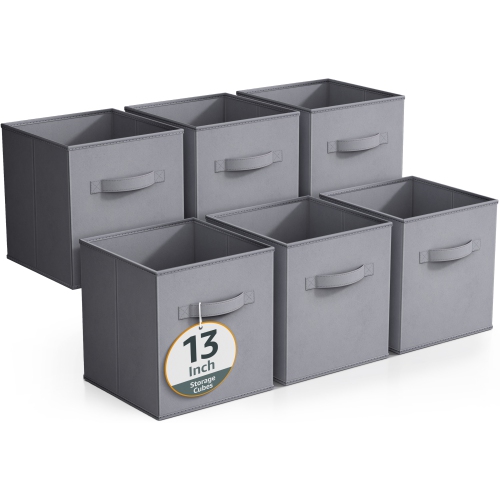
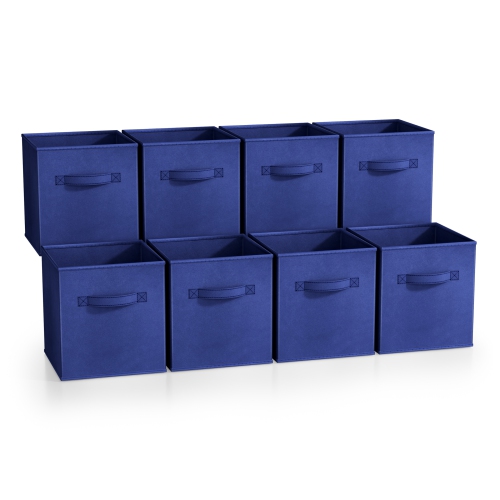
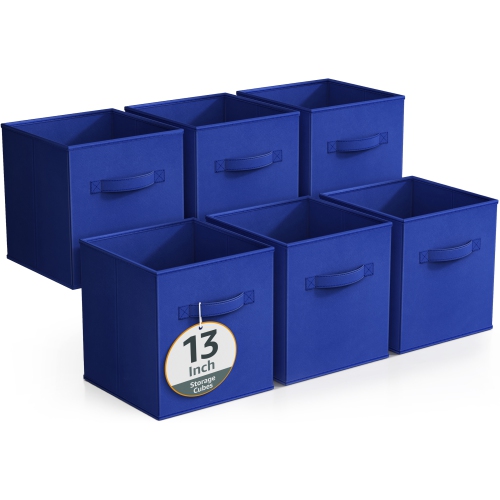
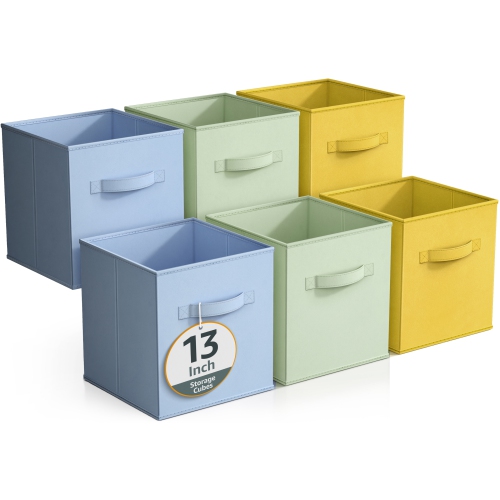
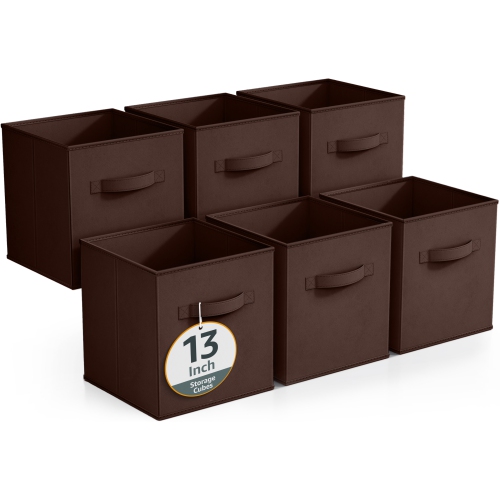
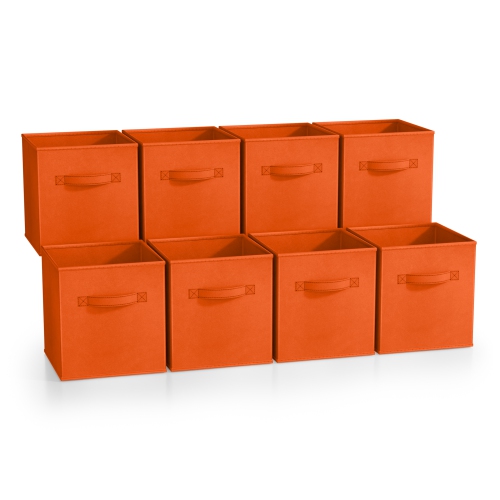
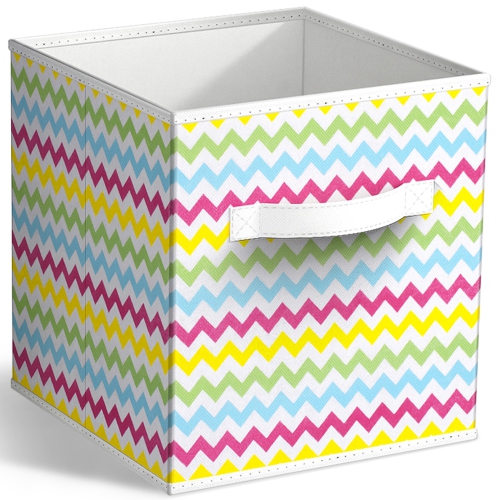
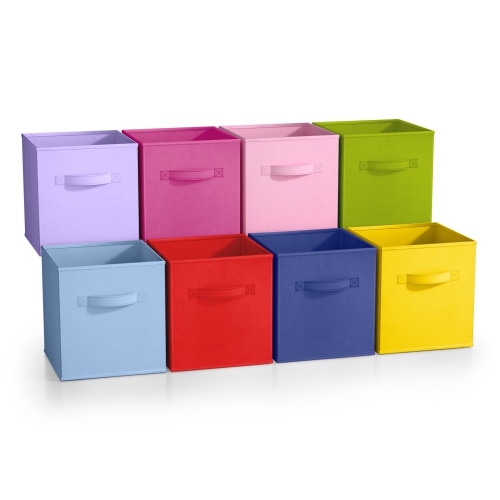
Storage that fits your space and daily routines
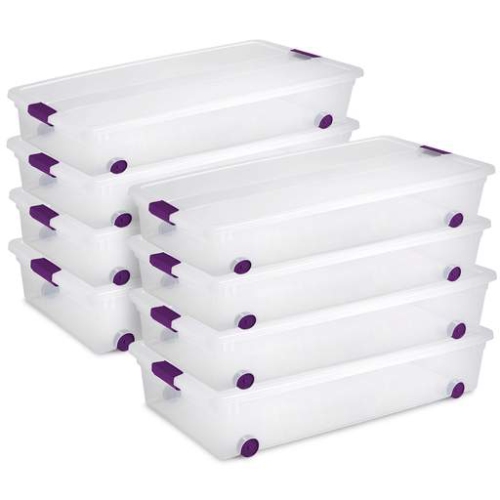
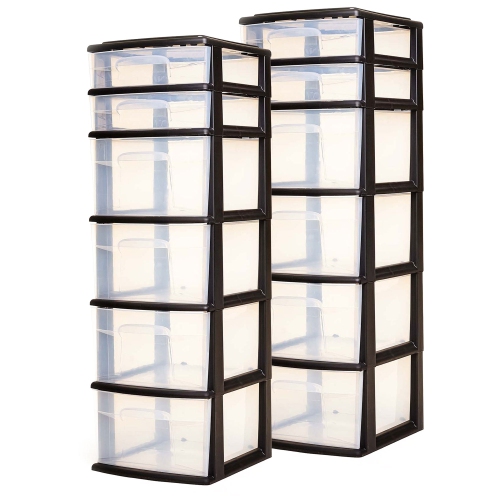
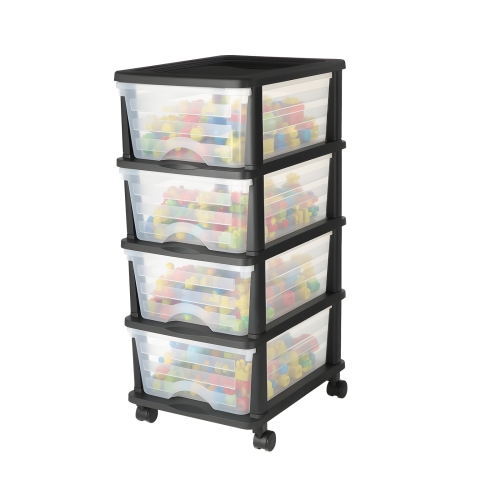
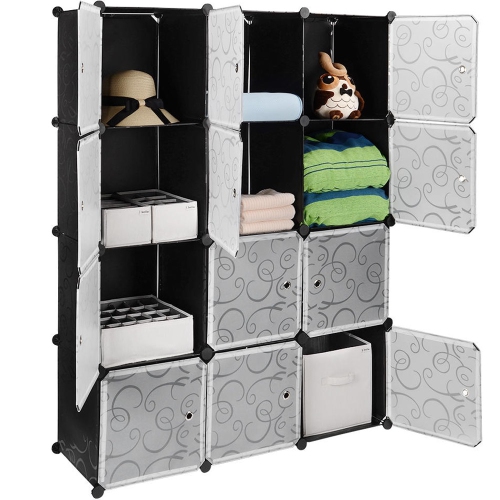
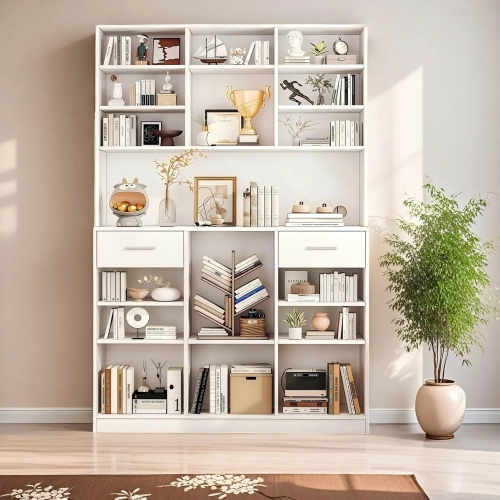
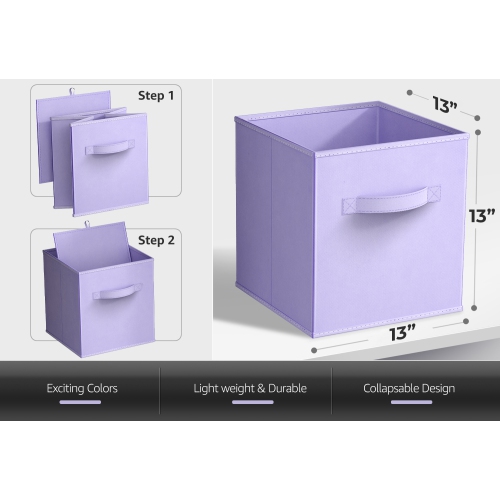
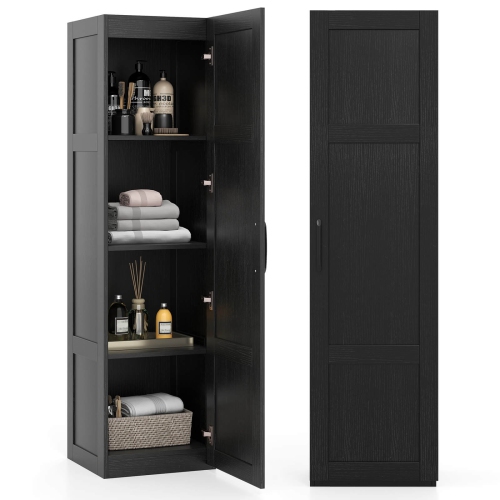
Effective home organization uses storage that fits the space, keeps everyday belongings easy to find, and makes them simple to put away. The most useful ideas for home organization connect the way a room looks with the way it is actually used: a clear landing spot near the door, accessible storage beside a work surface, or a place for shared belongings within everyone’s reach. Storage furniture, shelving, baskets, and drawer organizers can each serve a different purpose, from concealing visual clutter to keeping frequently used essentials in view. In a busy entryway, shallow storage can leave room to open the door while giving bags and footwear a defined home. In a living room, closed cabinets can hold games and charging accessories, while open shelves keep books and frequently reached-for belongings accessible. A mix of open and closed storage often feels more natural than trying to hide everything or display everything. Fit matters as much as capacity. The depth of a unit, the space needed for a drawer to extend, and the clearance around a doorway all affect whether storage improves a room or makes it harder to move through. Tall, narrow storage can make use of wall space without taking over the floor, while low furniture may sit more comfortably beneath a window or beside seating. Internal dimensions are just as important as outside measurements, particularly when storage needs to accommodate folders, folded linens, or bulky household supplies. Adjustable shelves offer flexibility when the contents change, and removable containers make it easier to carry a whole category of belongings to wherever it is needed. For apartments, shared homes, and multipurpose rooms, storage that can move between spaces offers practical versatility. A shelf that holds work materials beside a desk may later suit a bedroom or hallway, provided its dimensions and construction fit the new use. The aim is not simply to fit more into a room, but to make the belongings used most often easier to reach and return.
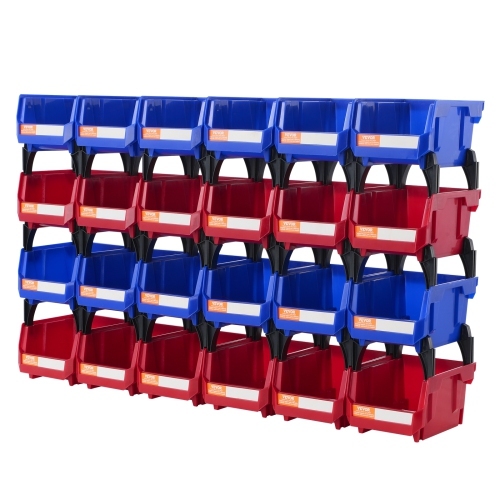
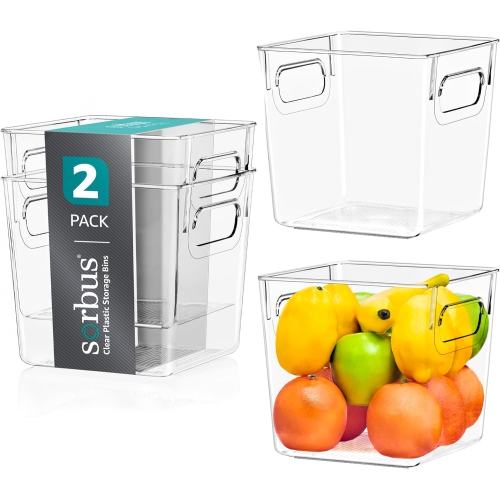
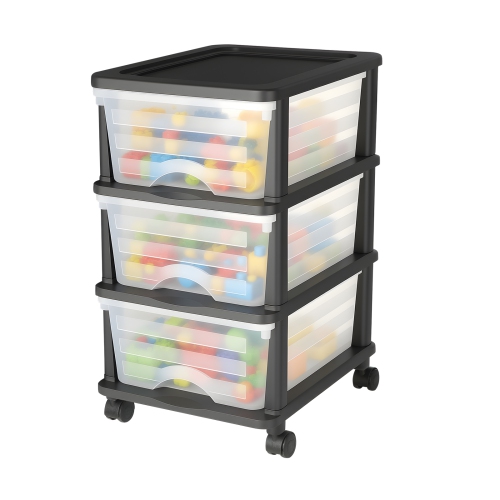
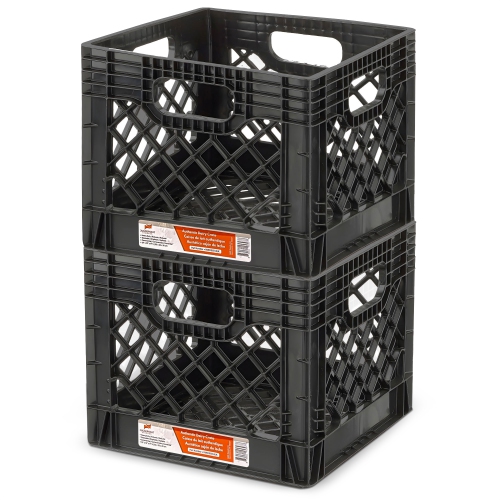
Different rooms place different demands on home organization products, so the intended use helps determine the right combination of size, shape, and access. In kitchens, clear containers can make contents easier to identify, while drawer dividers separate utensils that otherwise collect in a jumble. Containers intended for direct food contact need to be suitable for that purpose, with care requirements that match the household’s routine. Stackable designs can use cupboard height efficiently, although frequently used contents still need to be reachable without dismantling a tower. Pull-out storage can bring belongings at the back of a deep cabinet into view, provided there is enough clearance around hinges and plumbing. Bathroom storage benefits from surfaces suited to occasional splashes and containers that keep small daily essentials from spreading across the counter. Ventilation matters for anything stored damp; enclosed storage is better suited to belongings that are already dry. In bedrooms, drawer inserts can separate smaller clothing categories, while shelf dividers help folded stacks stay distinct. Under-bed storage makes use of an often-overlooked area, but the height of the frame and the room available to pull containers out determine how convenient it will be. Handles and lids become especially useful when storage sits beyond easy reach or holds belongings used less often. Laundry areas work well with clearly separated spaces for clean linens, washing supplies, and clothing waiting to be sorted. In a home office, paper storage sized for the documents being kept can reduce bent corners and crowded drawers, while cable management helps keep the working surface clear. Shared spaces also benefit from simple visual distinctions, such as separate compartments or labels, so everyone can recognize where belongings belong. For children, lightweight containers and accessible storage can make tidying more manageable when the design is appropriate for their age. These practical differences explain why a single storage style rarely suits an entire home: the best fit depends on what is being stored, who uses it, and how often it needs to come out.
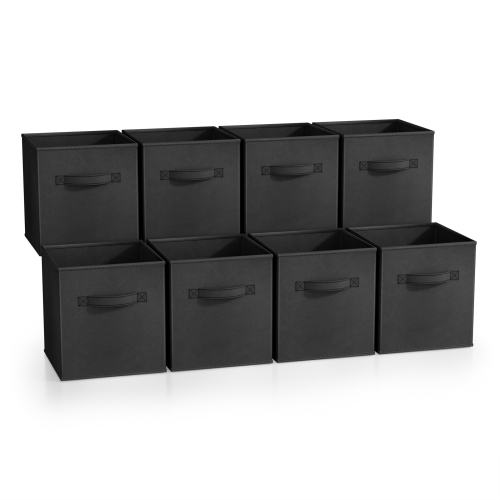
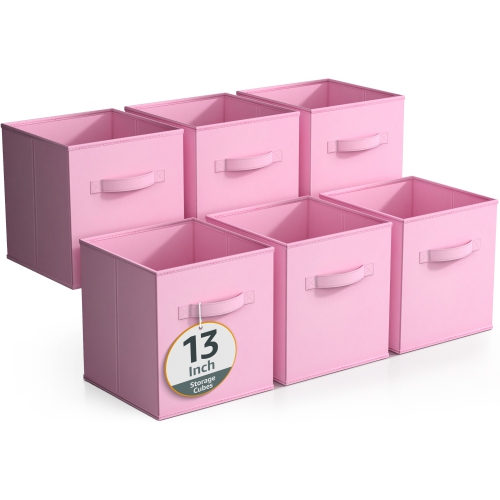
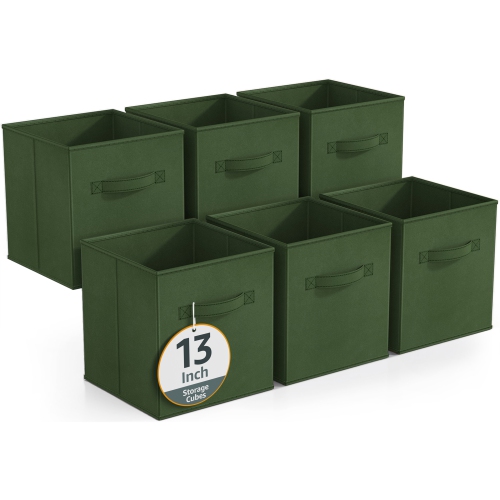
Materials and construction influence both the appearance of storage and how well it stands up to repeated use. Solid wood brings warmth and a distinctive grain, while engineered wood can offer a consistent finish that coordinates with other furniture. Both need care suited to their finish, especially around spills and prolonged contact with moisture. Metal shelving can suit utility spaces and heavier loads when its stated weight limits match the intended use. Plastic containers are often lightweight and easy to wipe clean, although their suitability for heat, food storage, or dishwashing depends on the manufacturer’s directions. Fabric bins soften the look of open shelving and can be convenient for lightweight belongings; removable or washable liners may make routine care easier. Woven materials add texture, but a close weave or smooth lining can be helpful when storing fabrics that might catch on rough edges. Durability also comes down to details that are easy to overlook: secure handles, smoothly operating drawers, firmly attached hardware, and shelves supported for the weight they will carry. Furniture should be assembled and anchored as directed, particularly in homes with children, and heavy contents generally belong lower down rather than overhead. A cohesive appearance does not require every container to match. Repeated colours, compatible dimensions, and a consistent balance of open and concealed storage can make a room feel settled without making it look overly uniform. For spaces where a quieter visual style is the priority, Minimalist Home Organization Ideas offers a related approach centred on keeping useful belongings accessible without crowding the room. Storage can also make a thoughtful housewarming gift when the recipient’s space, preferences, and practical needs are known. Compact, adaptable designs are often easier to accommodate than large furniture chosen without measurements. Ultimately, home organization works best when upkeep feels manageable: surfaces can be cleaned, containers are comfortable to handle, and everyday belongings have a place that makes sense to the people using them.
Top selling and popular products
-
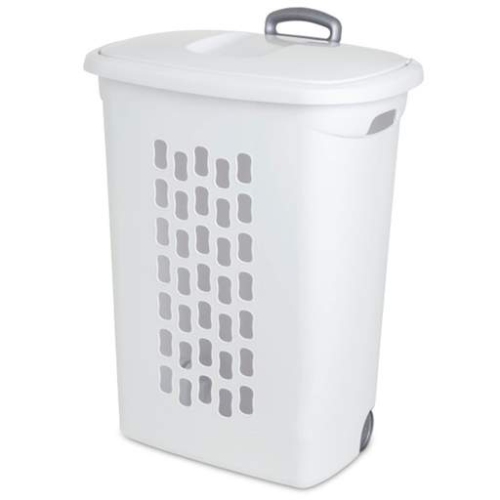 Your price for this item is $698.99
-
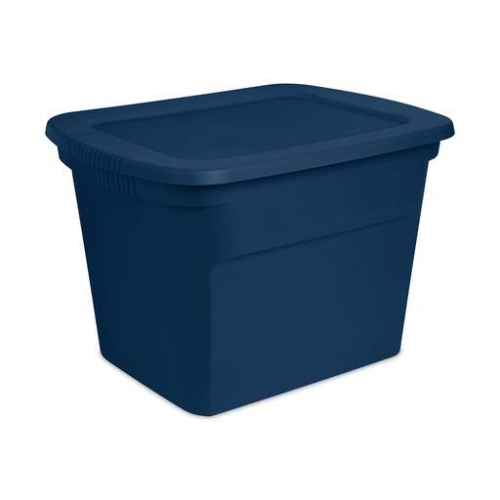 Your price for this item is $1146.99
-
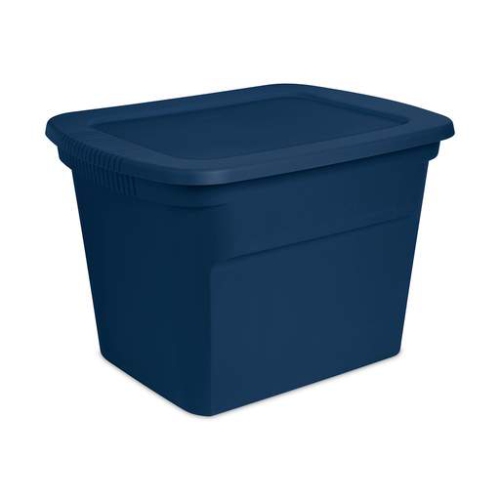 Your price for this item is $859.99
-
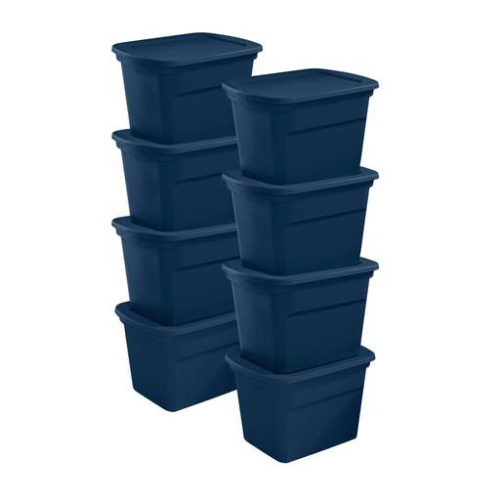 Your price for this item is $296.99
-
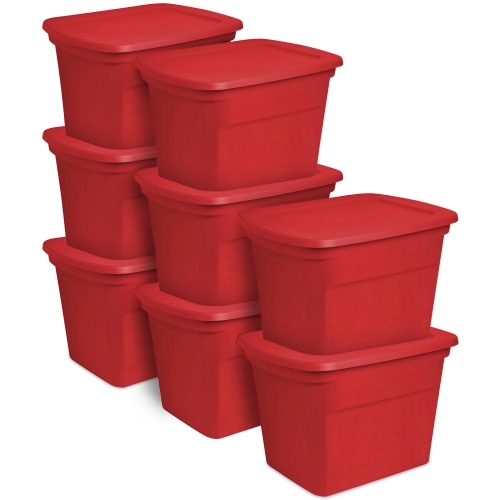 Your price for this item is $244.99
-
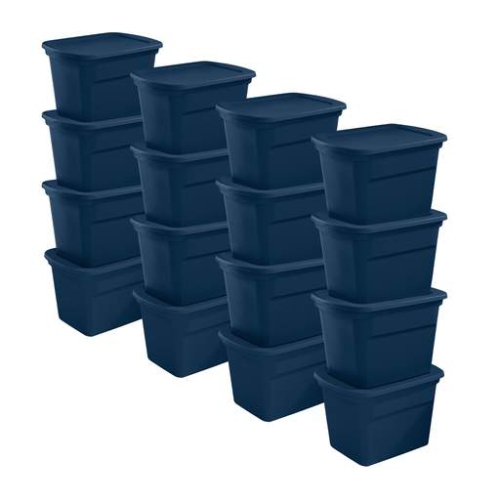 Your price for this item is $573.99
-
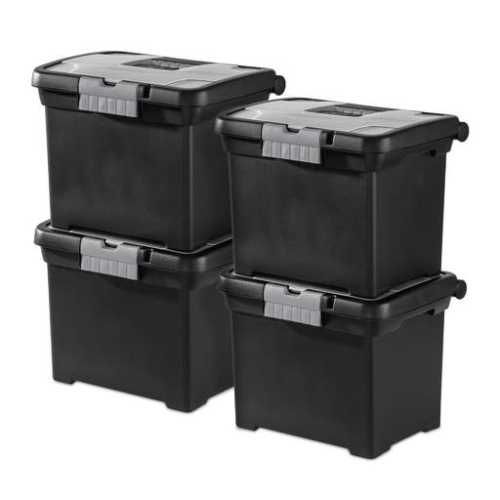 Your price for this item is $178.99
-
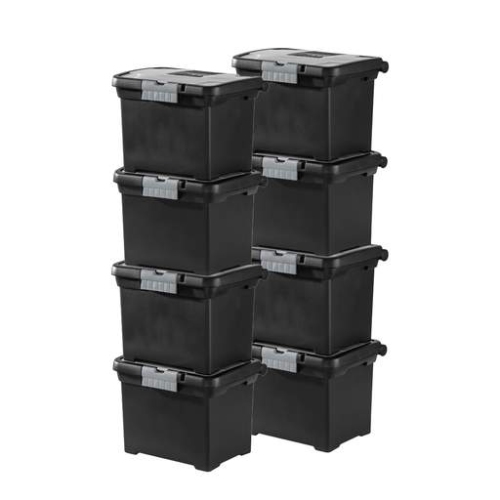 Your price for this item is $348.99
Discover more categories related to Ideas for Home Organization
Top Collections:
Best Black Friday Deals This Year, Best Black Friday Deals On Electronics, Kindle Devices, Pokemon Centers, Best Black Friday Deals On Apple Products, Best Cameras for Sports Photography, Dyson Airwrap, Pokémon 30th Celebration Cards, Apple iPhone 17 Pro, Canon G7X Cameras
Some products may be subject to Environmental Handling Fees
(EHF) depending on your province.
Learn more about EHFs.