Home Storage Units
Looking to declutter your living space and maximize organization? Look no further than our extensive selection of home storage units. Whether you need to store clothing, books, toys, or other household items, our range of storage solutions has got you covered. With a variety of sizes, materials, and colors to choose from, you can find the perfect storage unit to suit your needs.
Sort


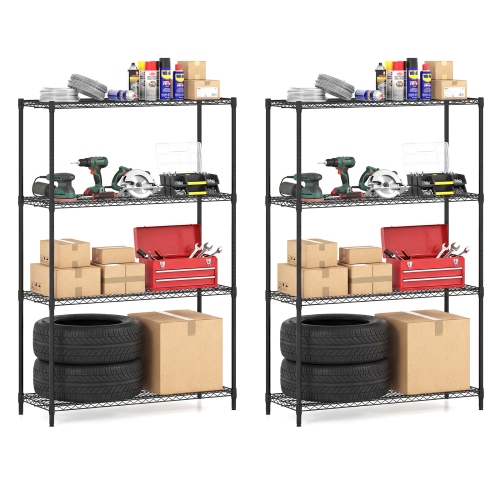


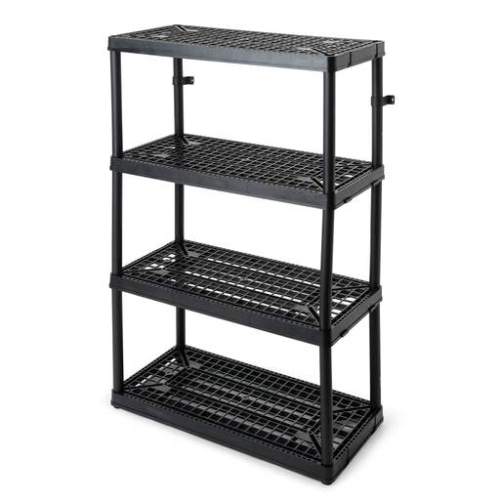


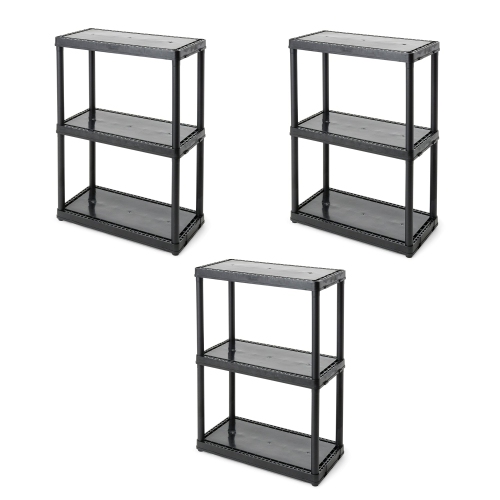


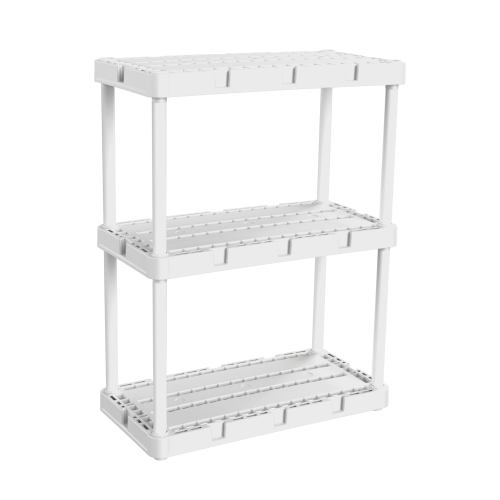
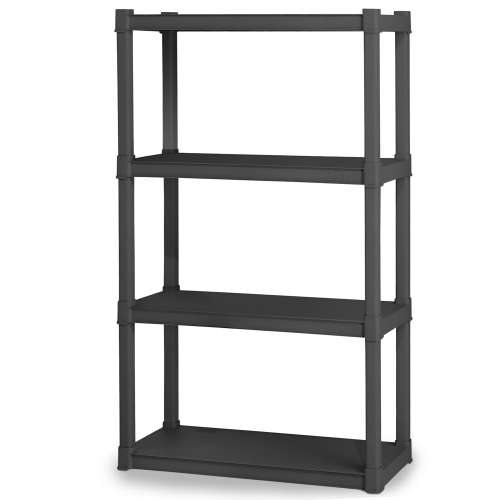
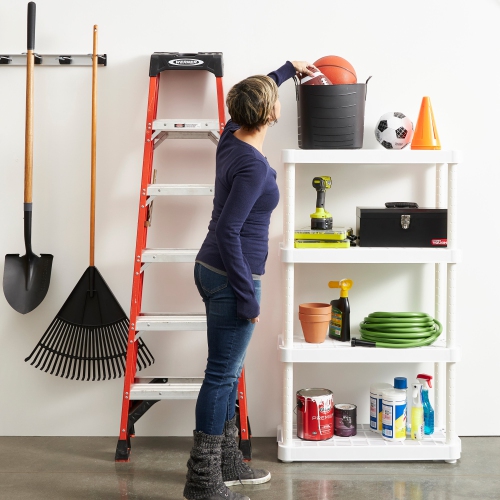


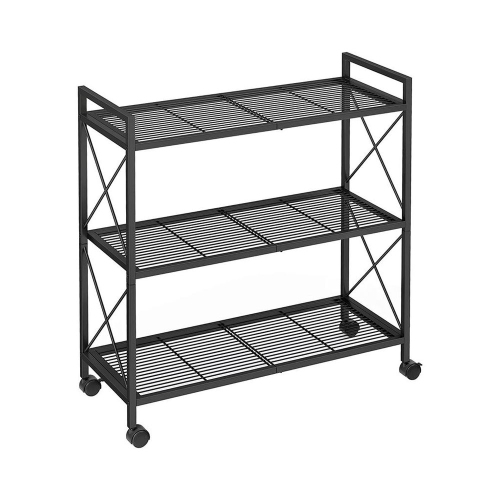

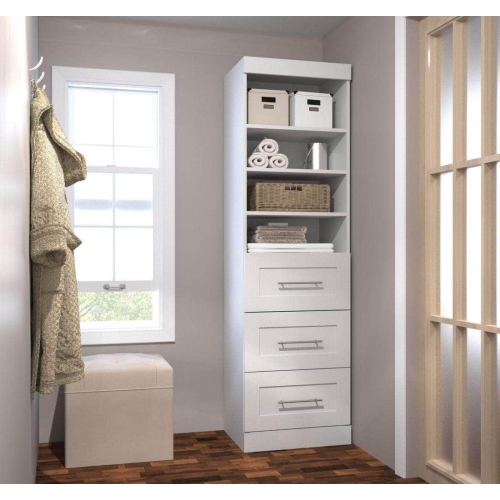





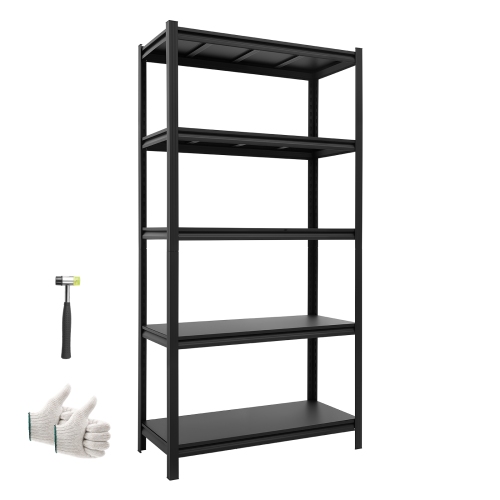
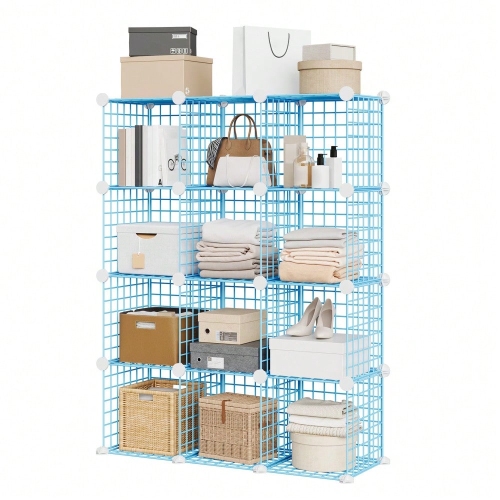
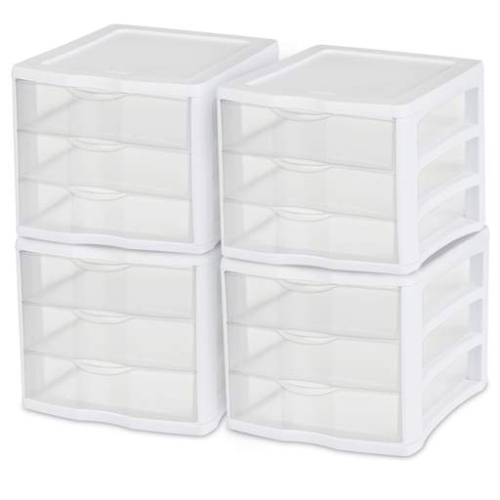
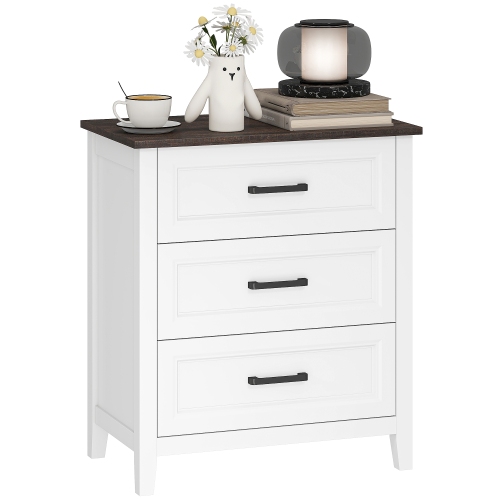







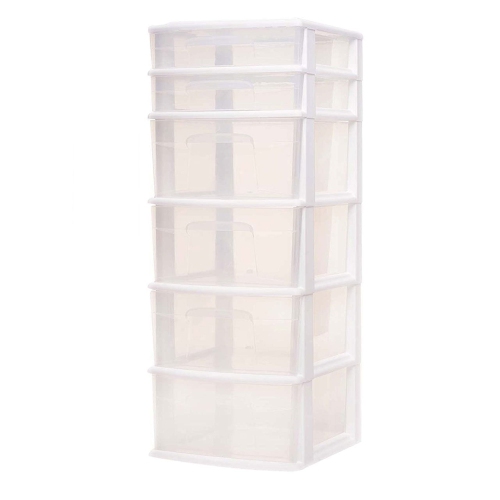
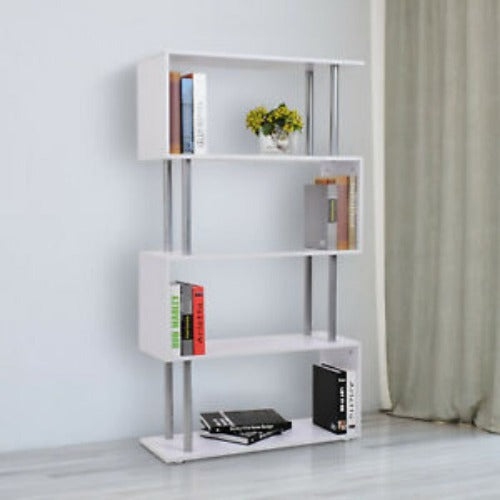
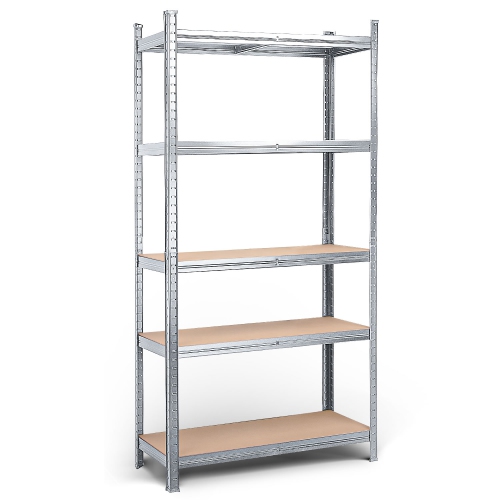
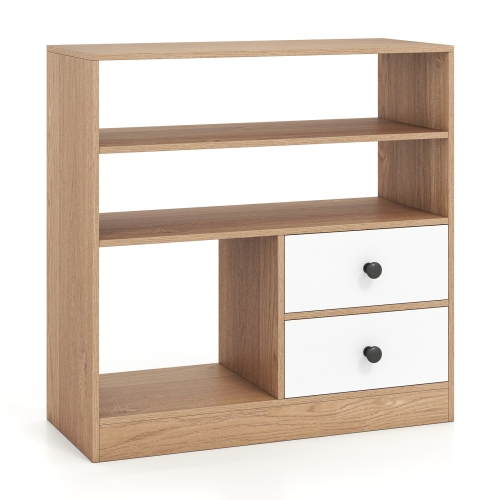
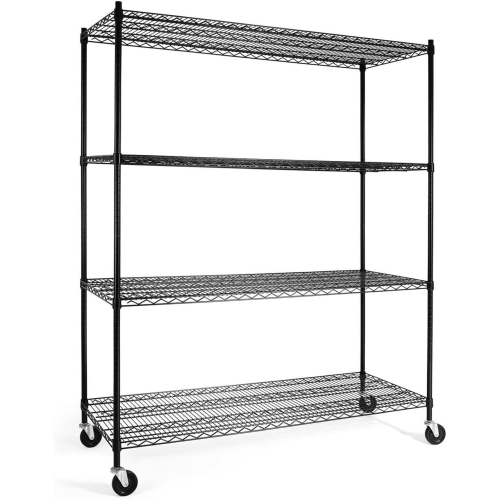
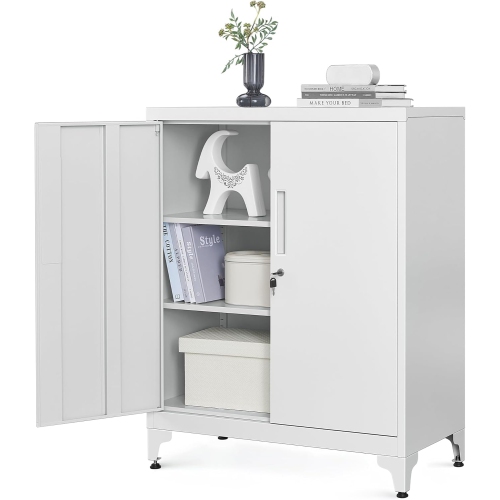
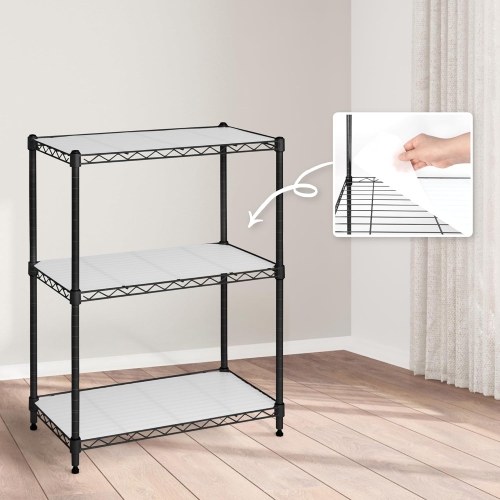
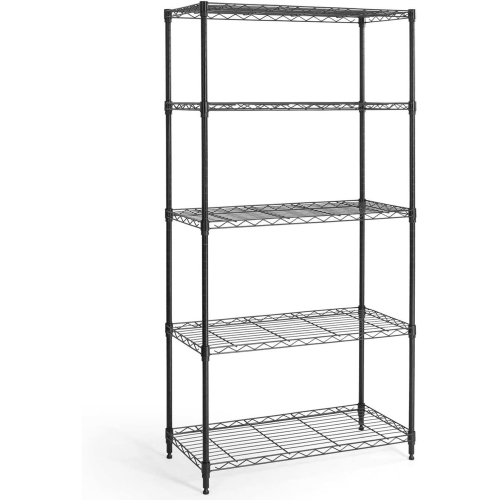
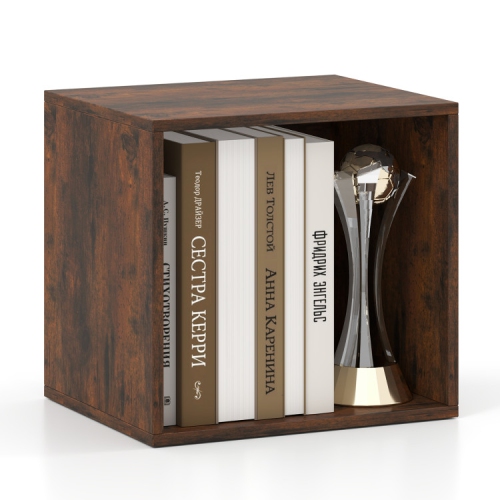
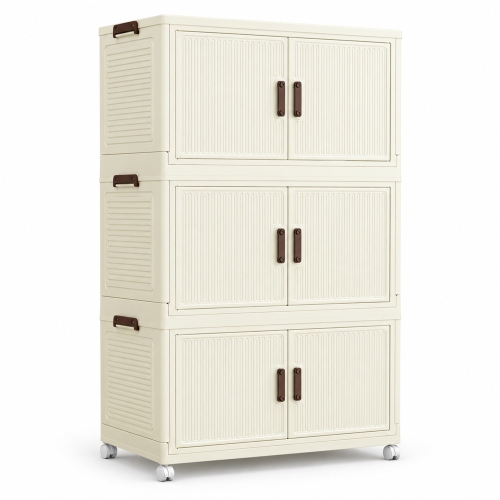
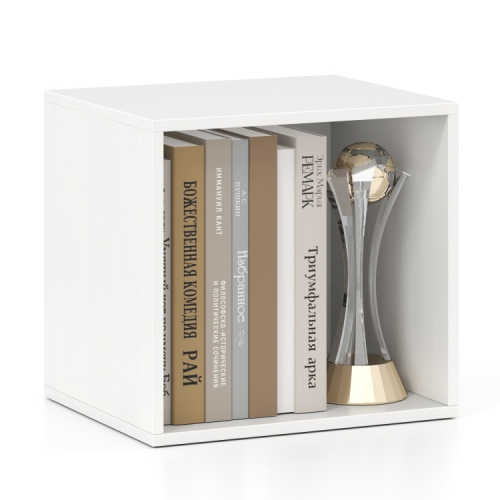

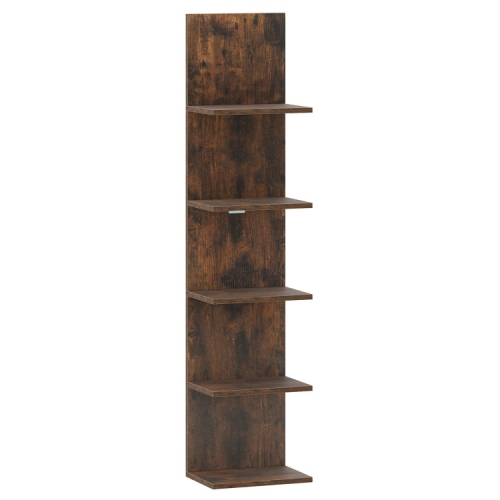
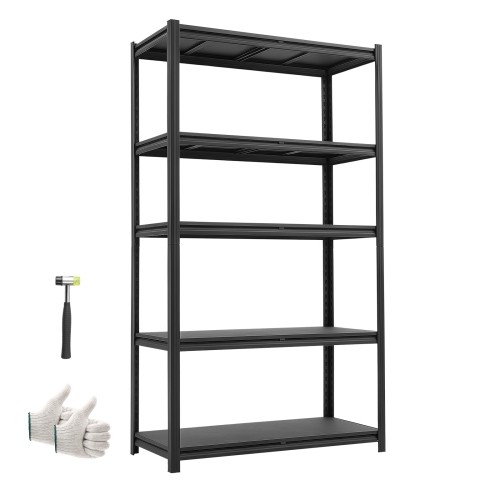
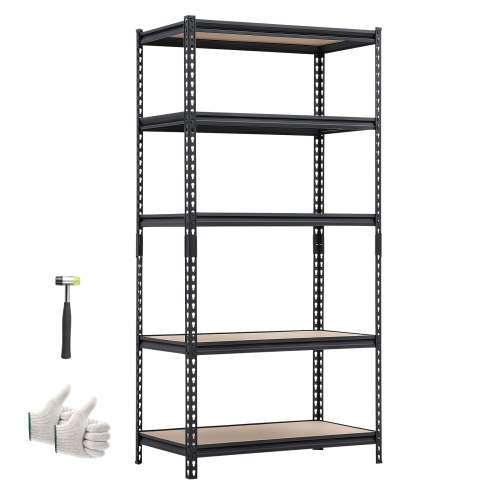
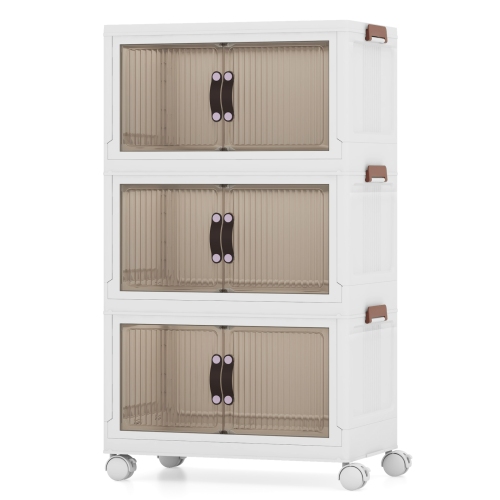

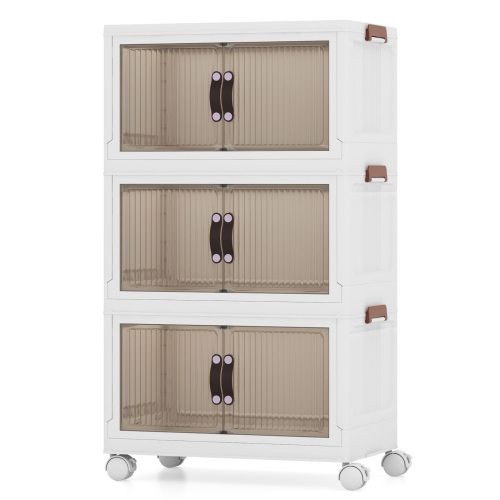




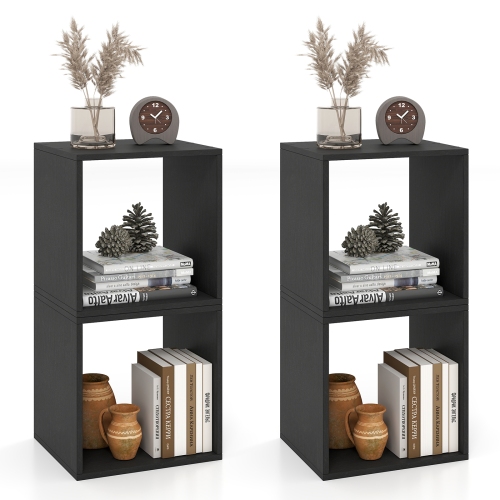


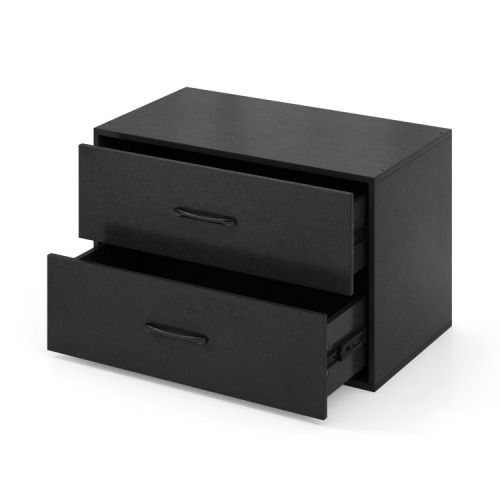
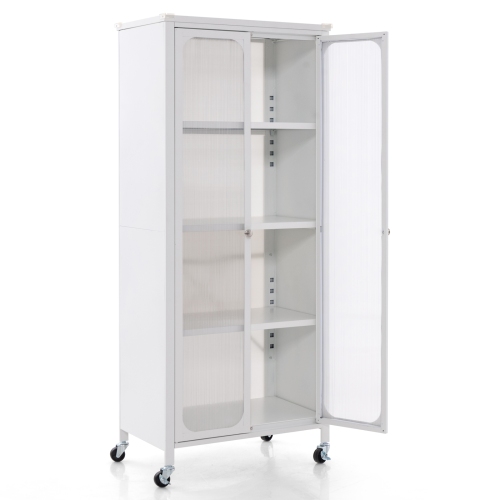
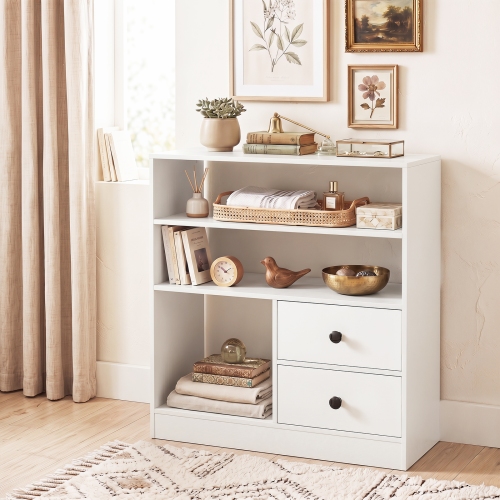



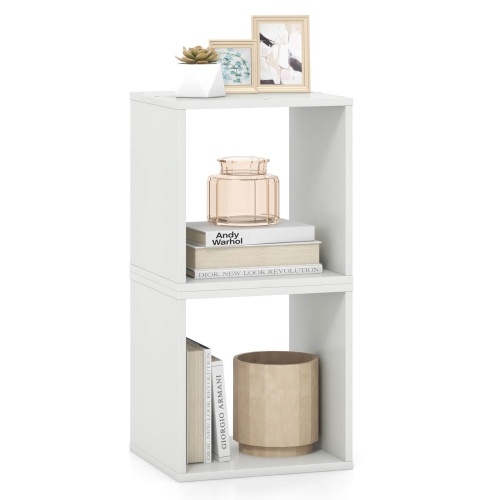

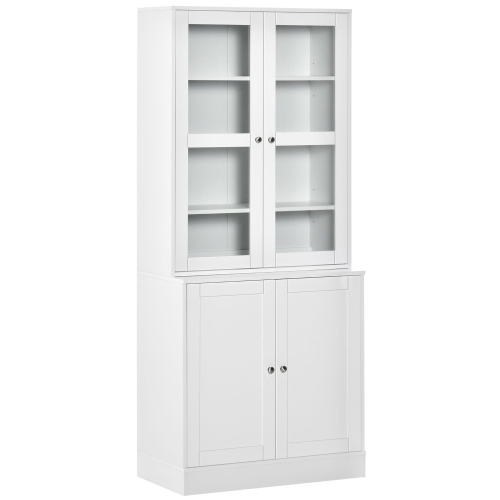

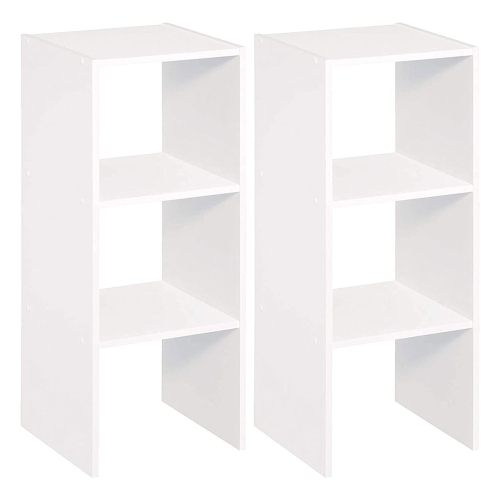
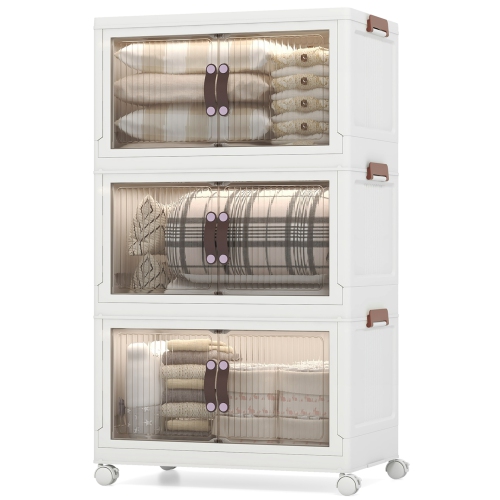
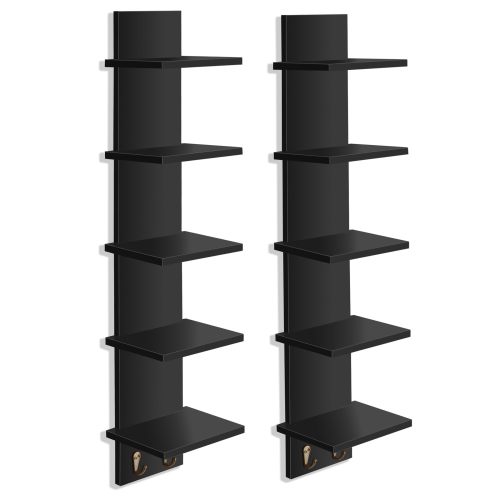


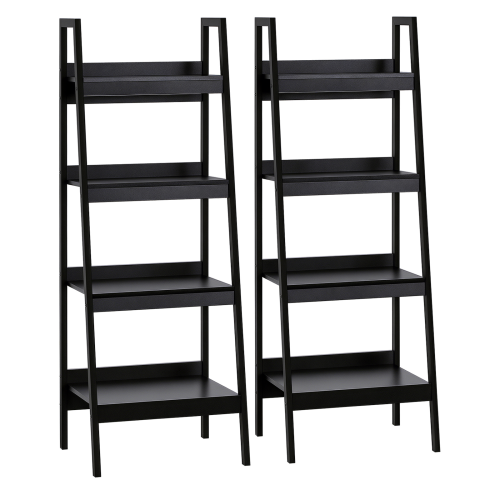
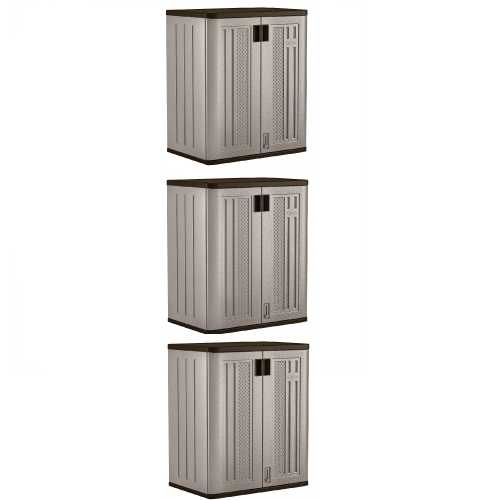

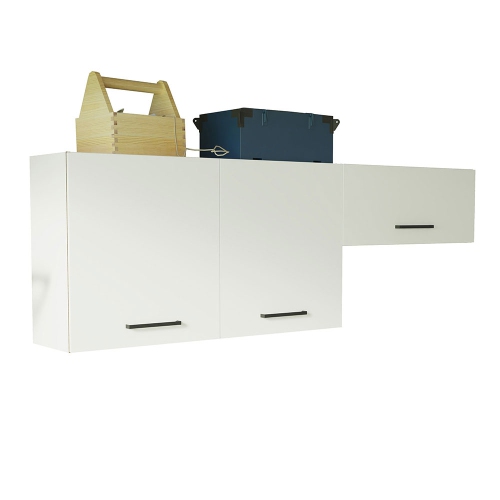

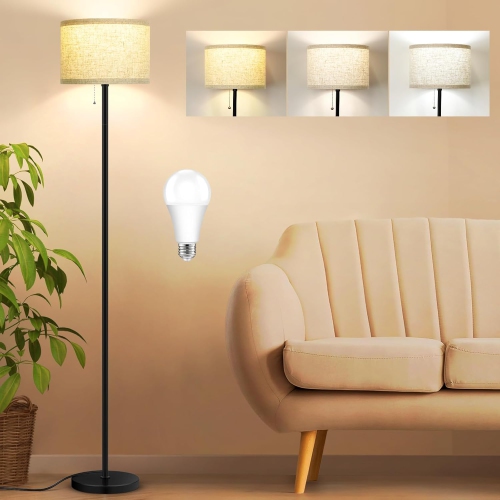
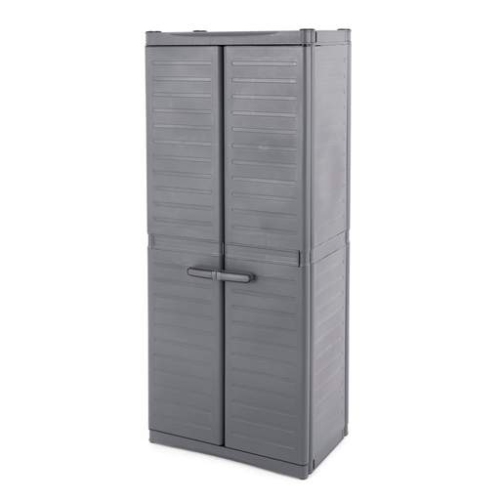

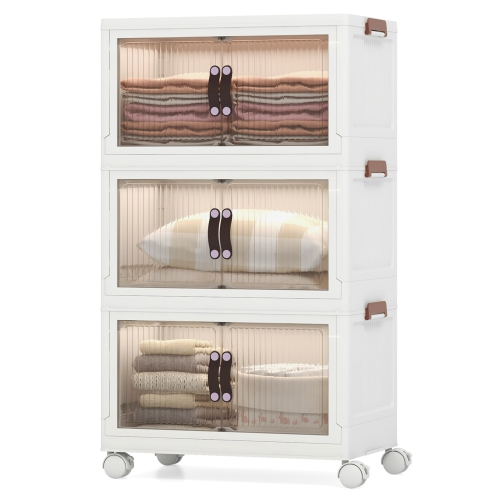
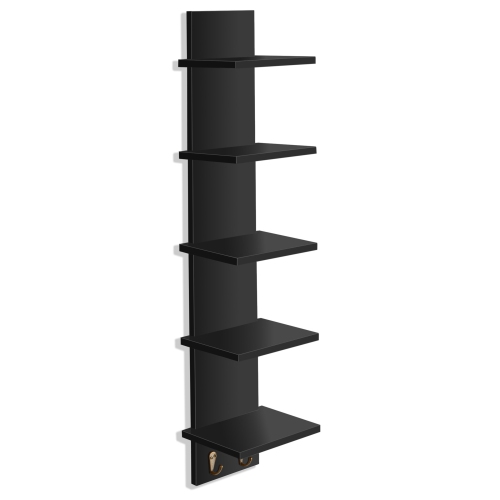
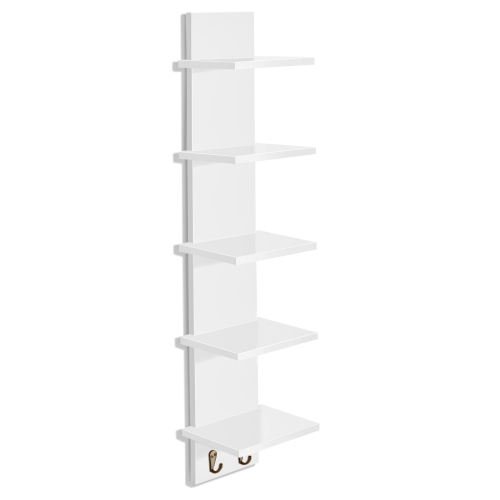
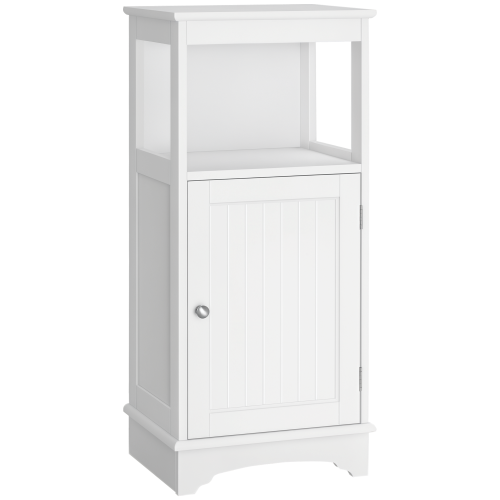
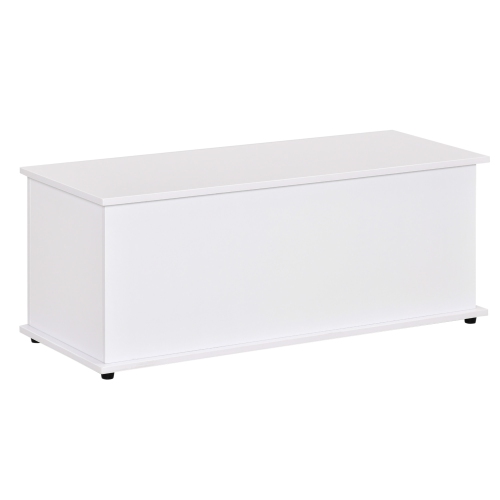
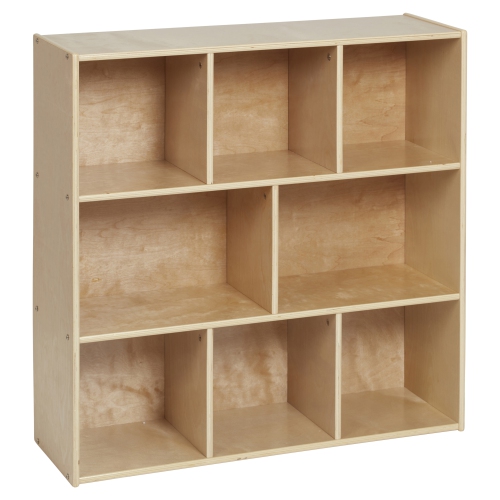
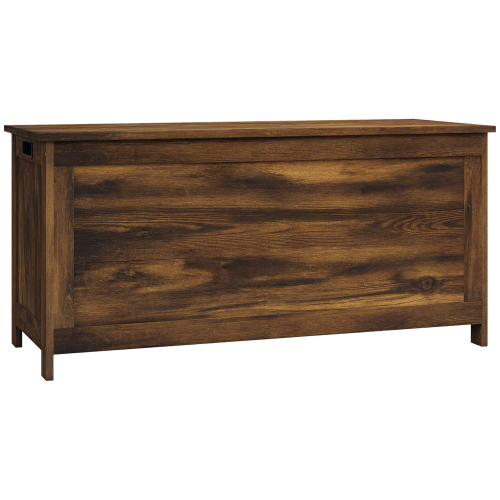
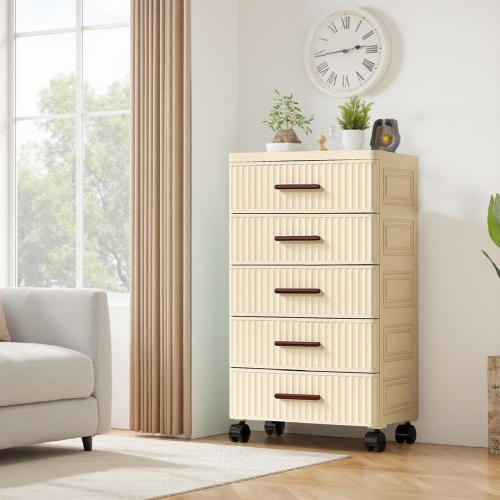
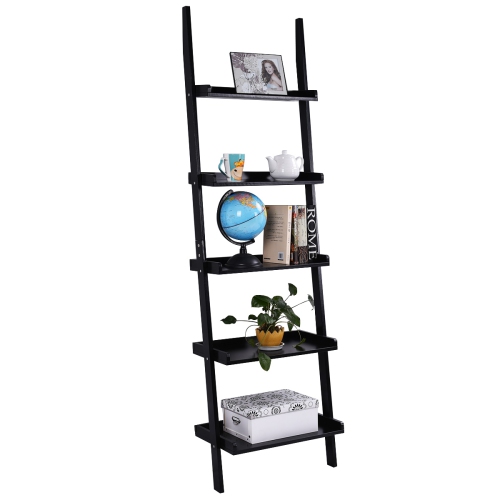
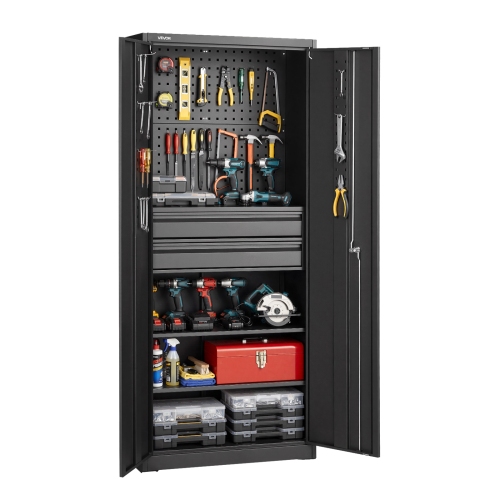
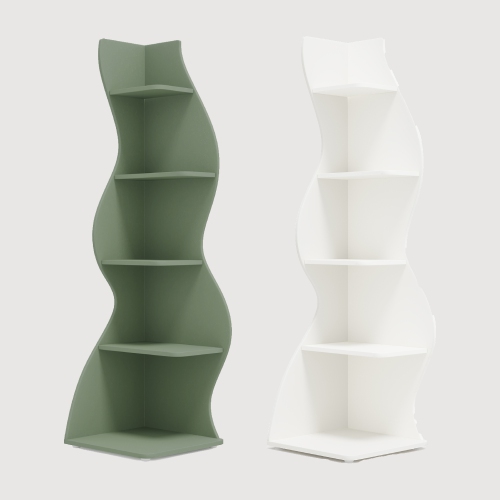
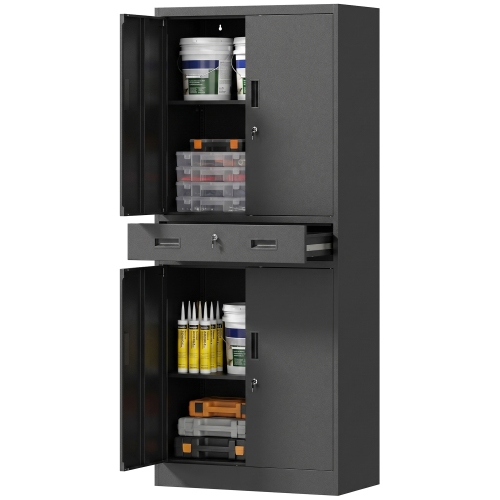

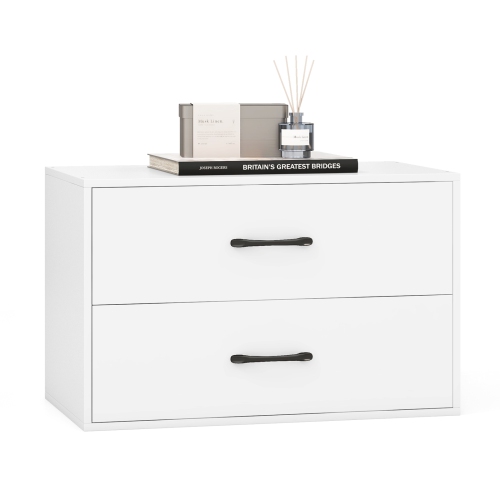
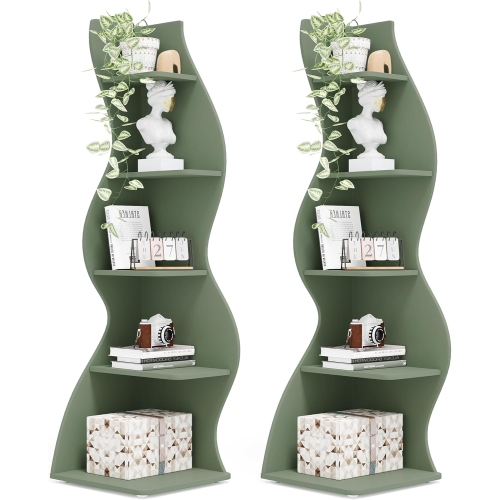
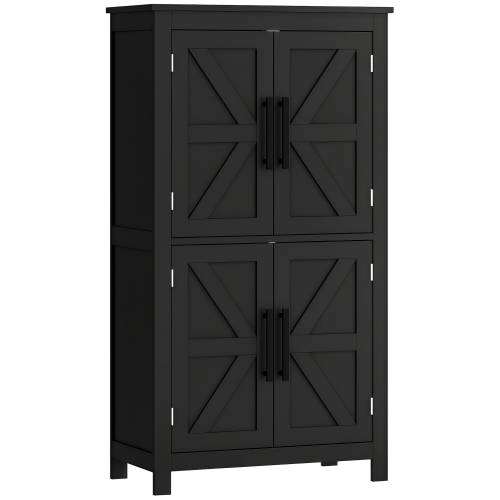

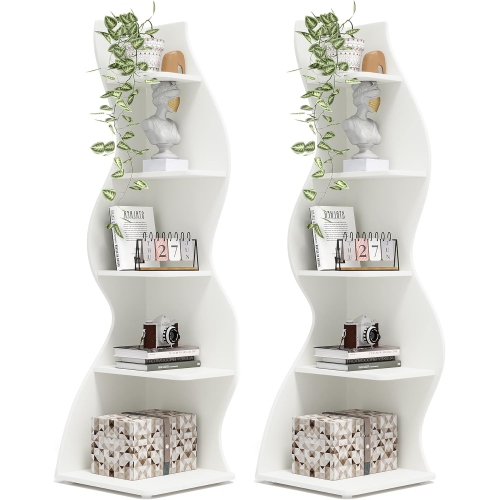

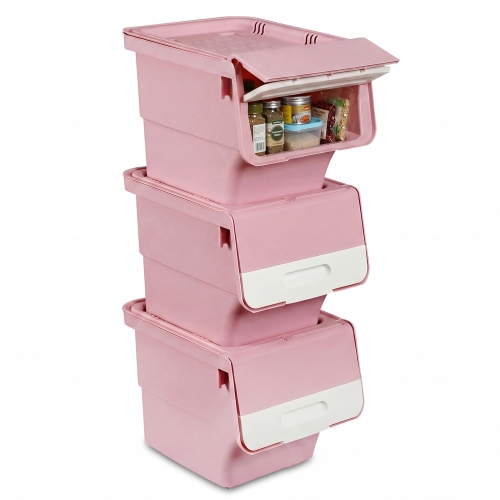

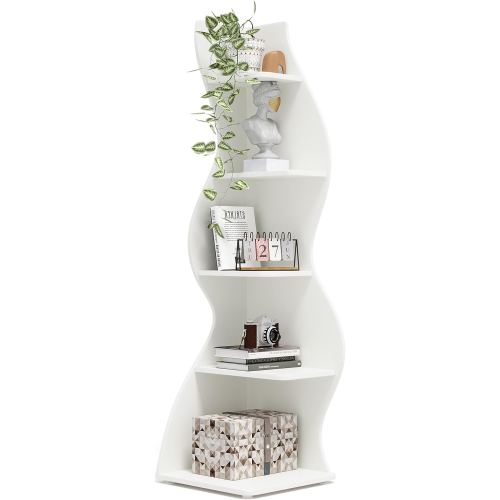





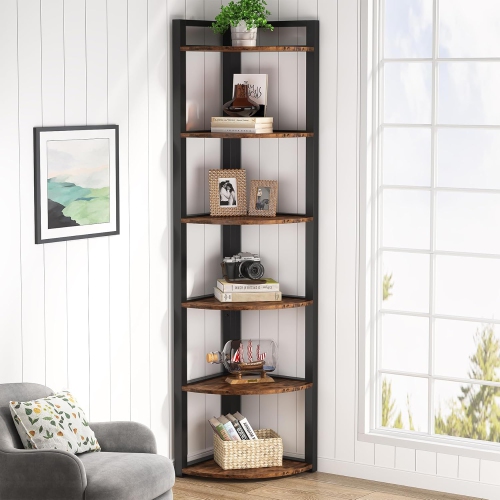
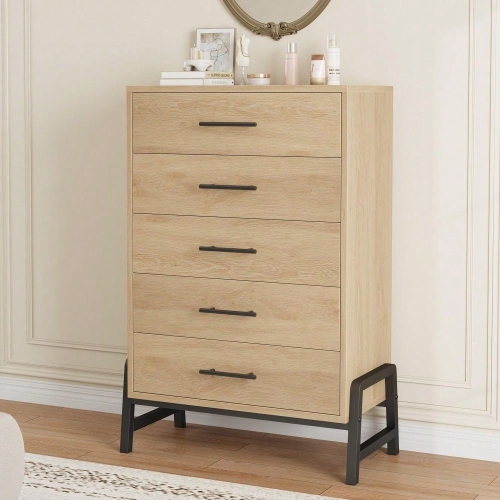
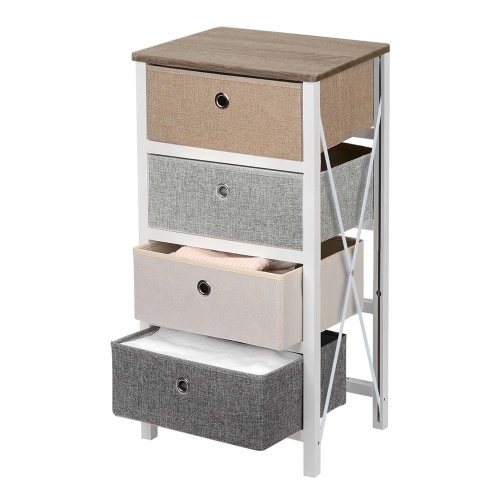
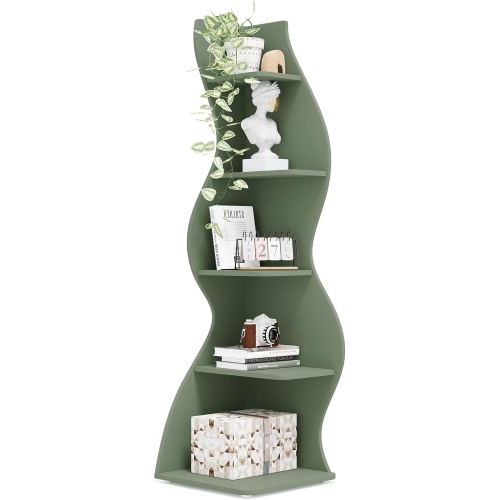
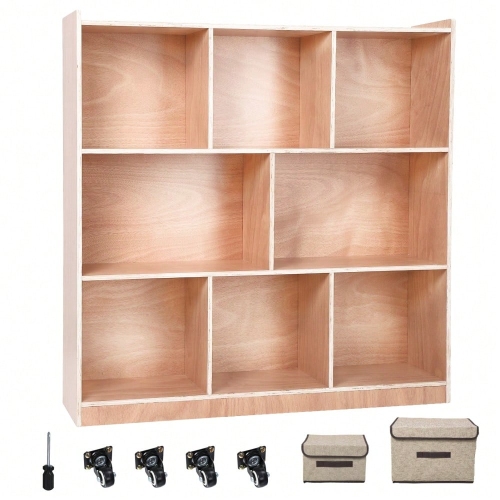
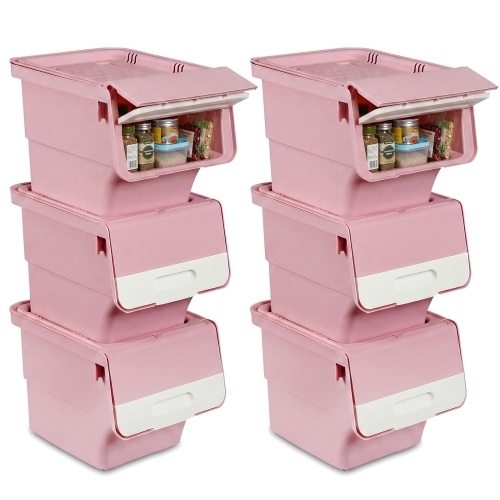
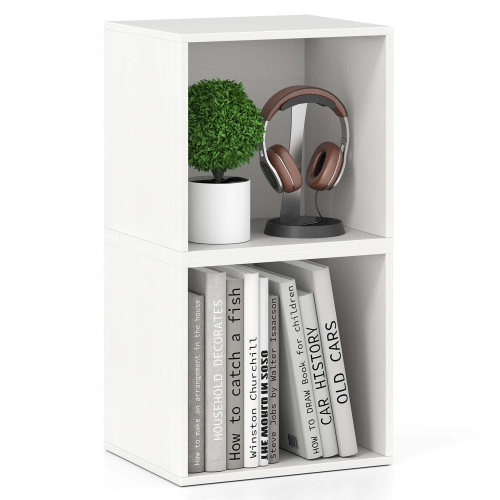


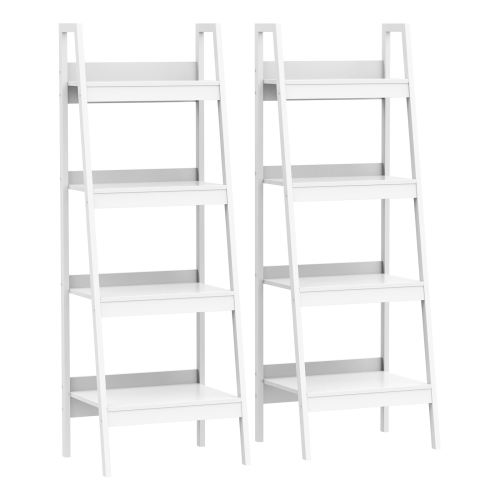
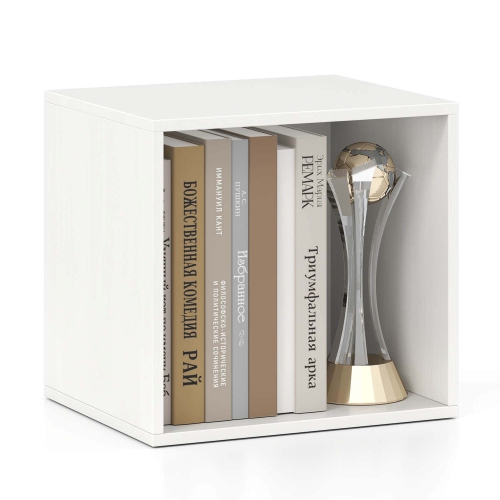
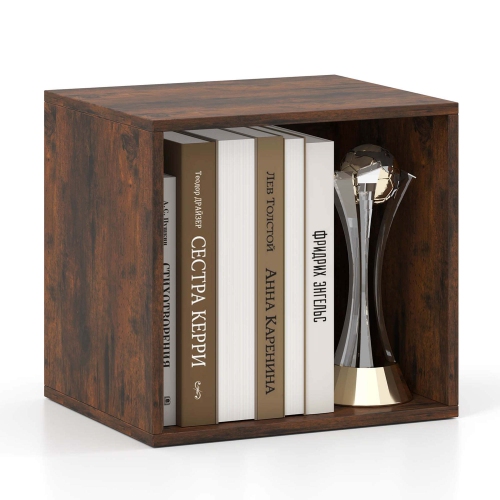
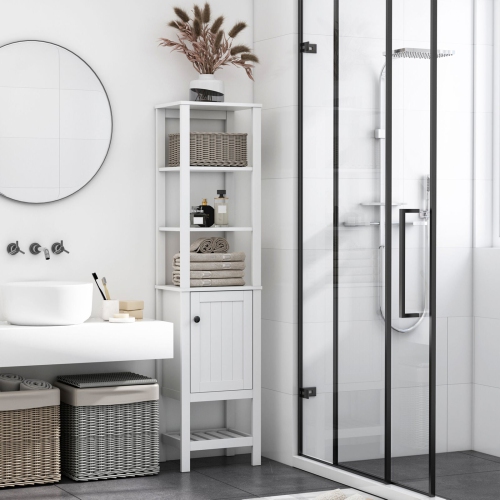
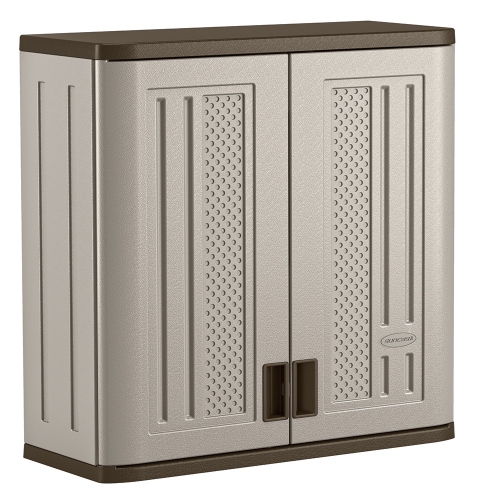

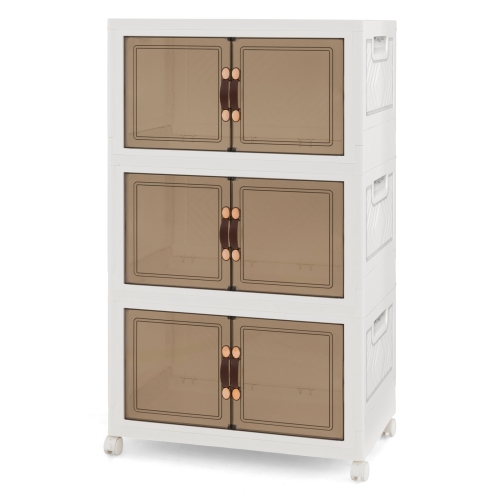
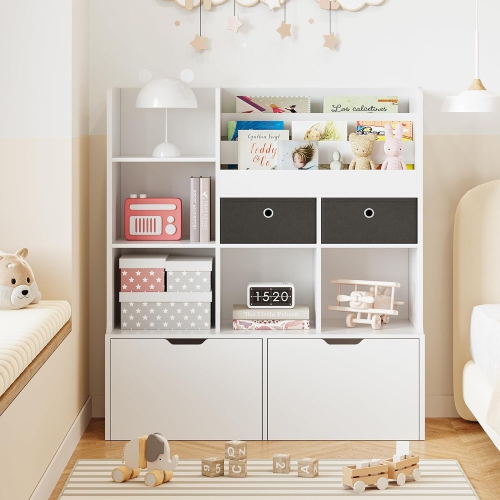
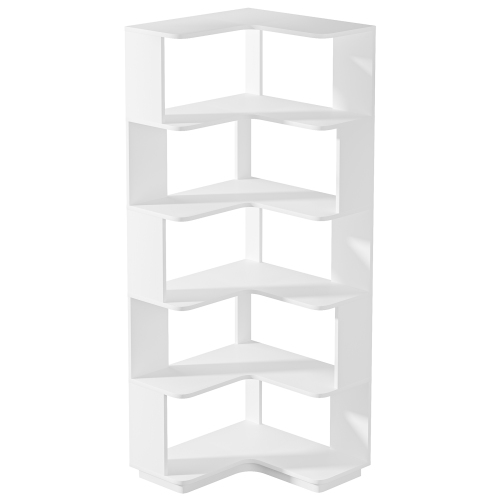
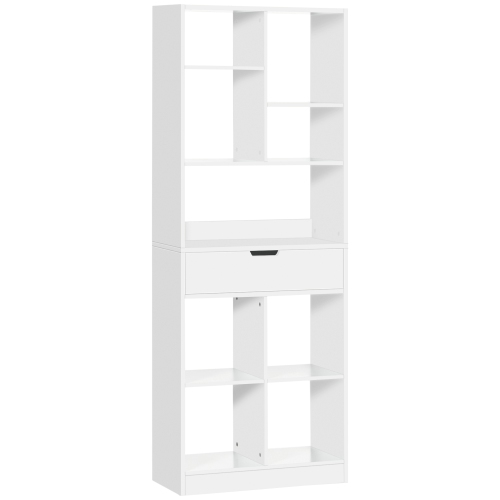


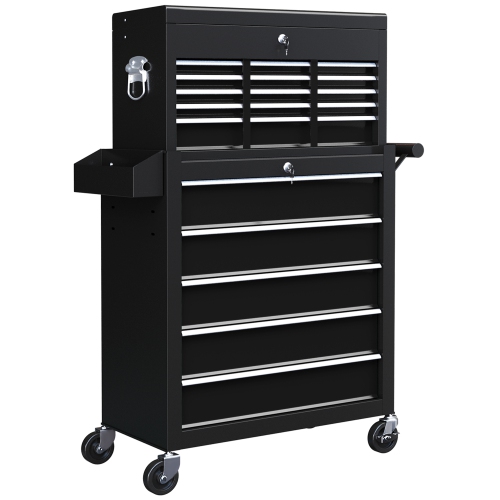
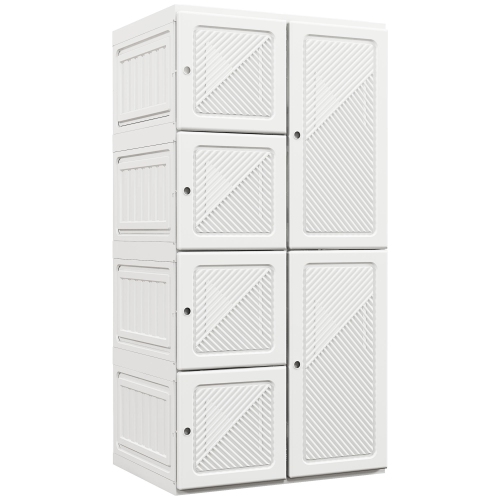
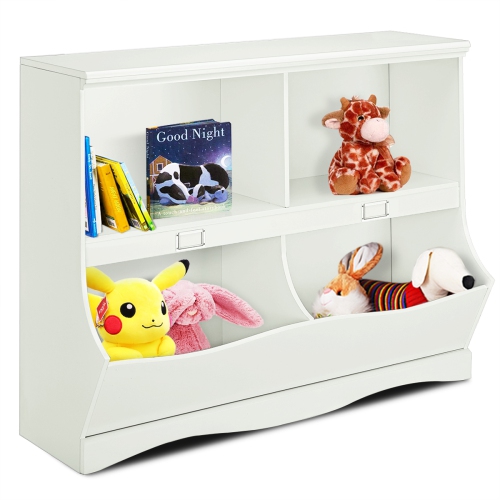
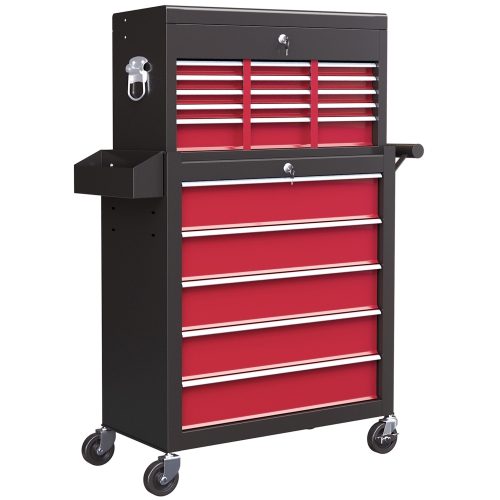
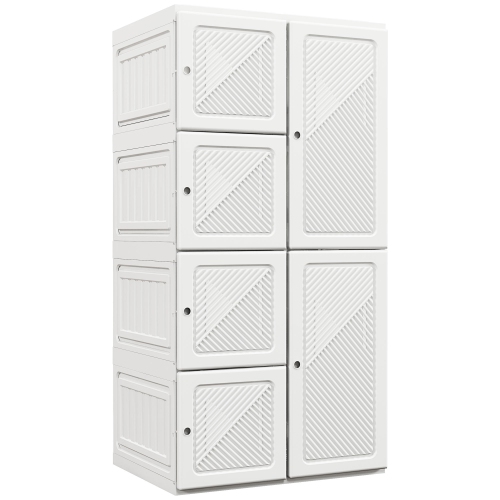
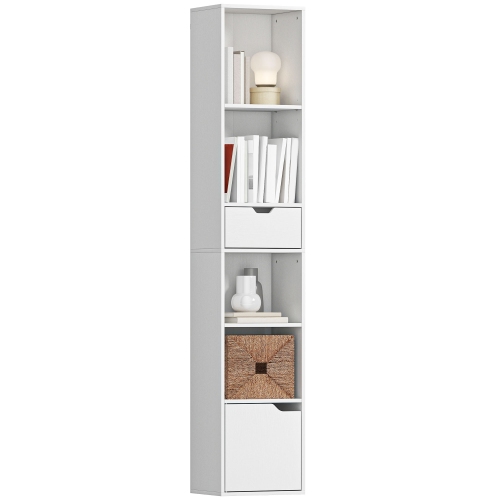
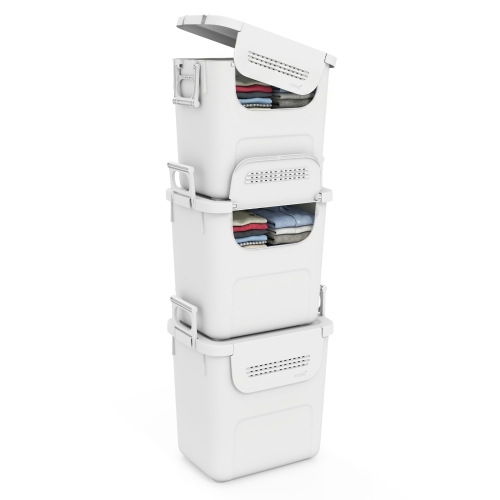
Storage that fits your belongings and daily routines
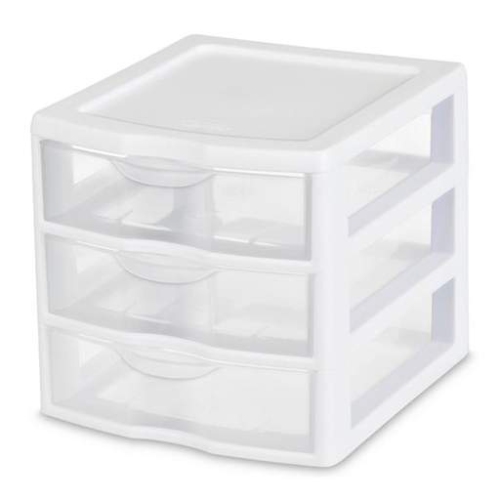
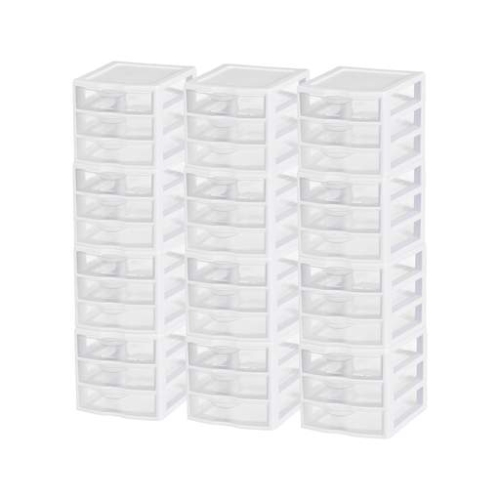
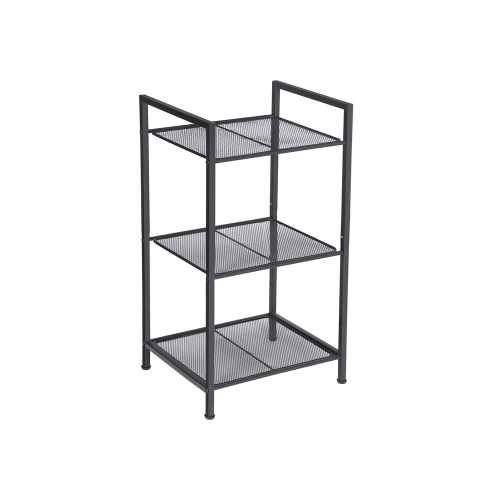
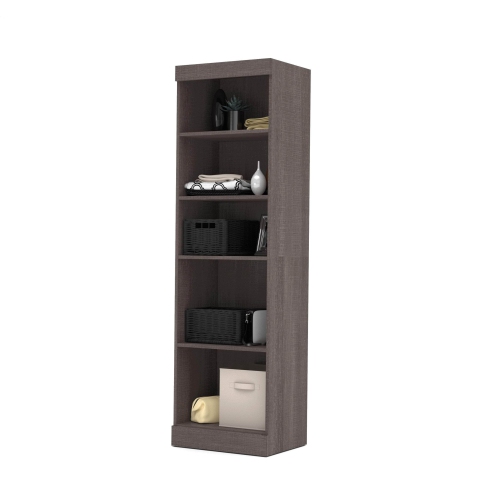
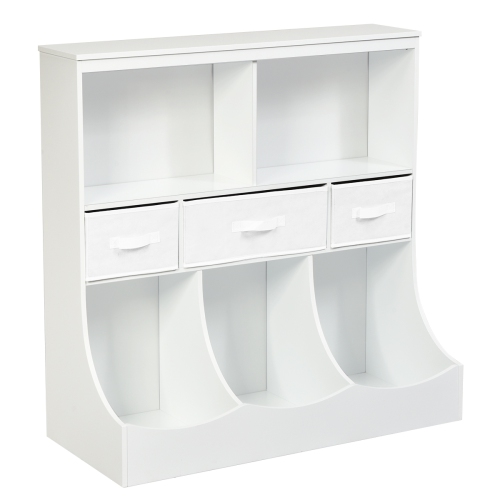
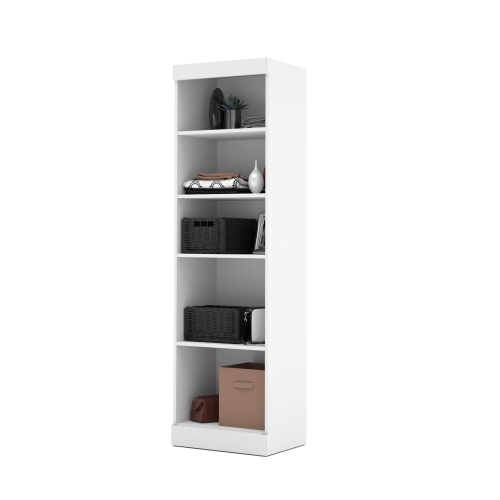
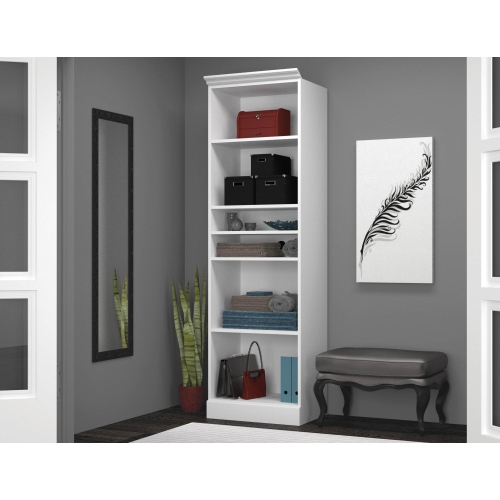
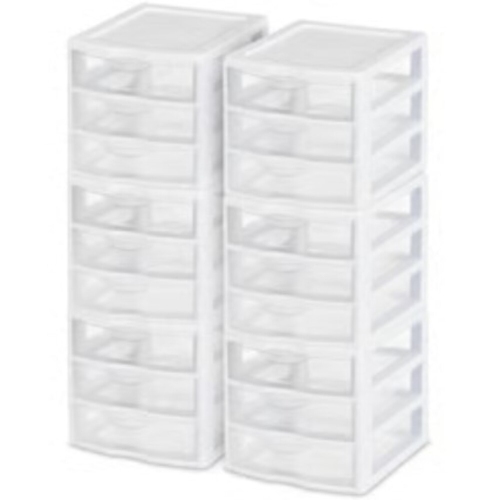
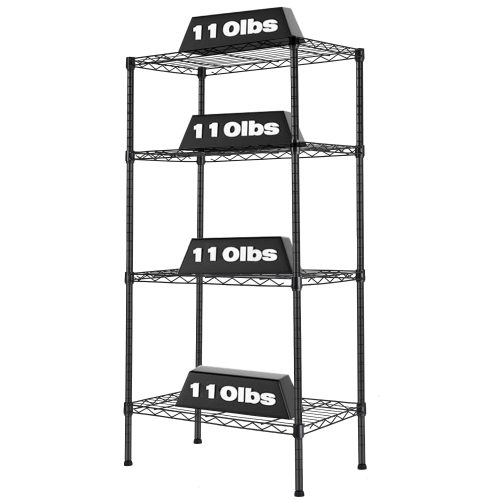
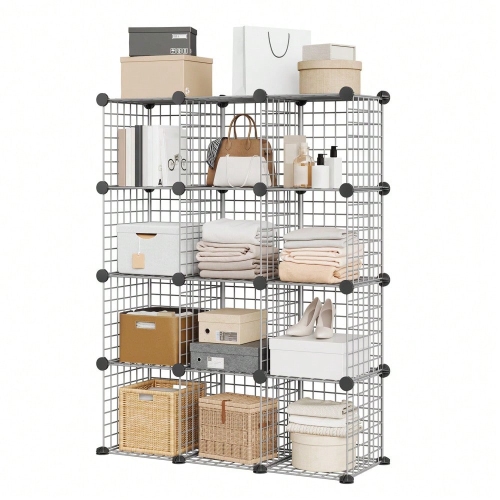
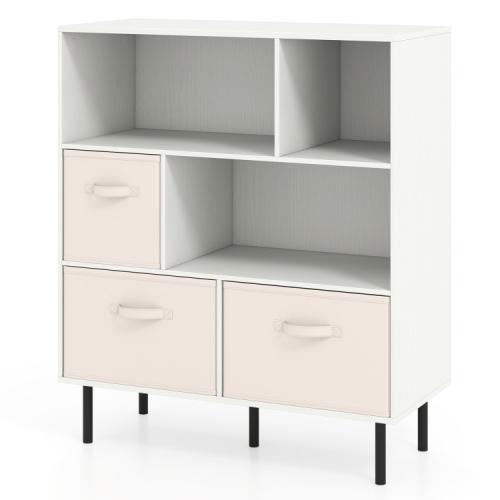
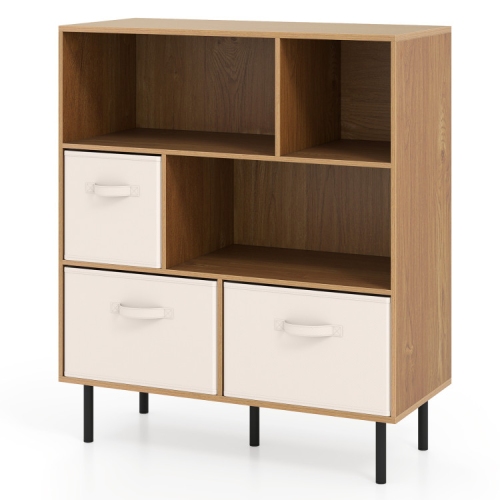
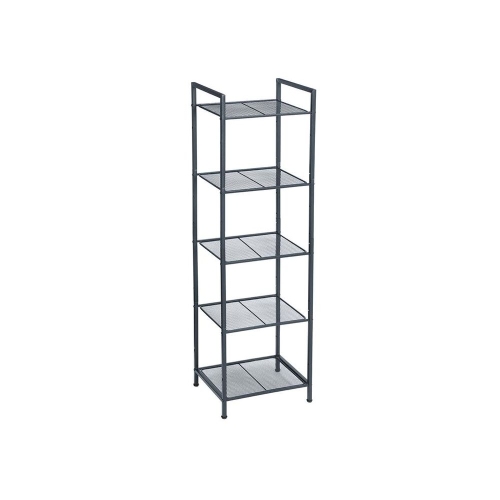
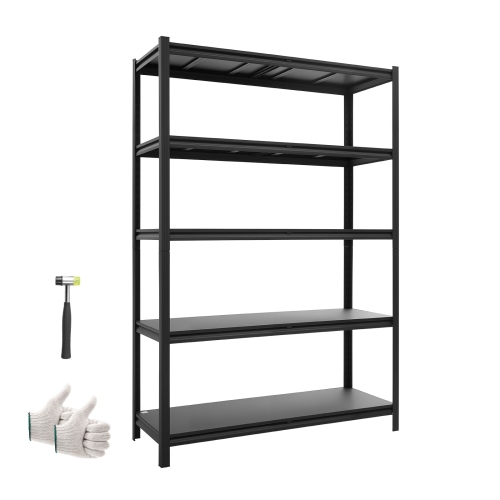
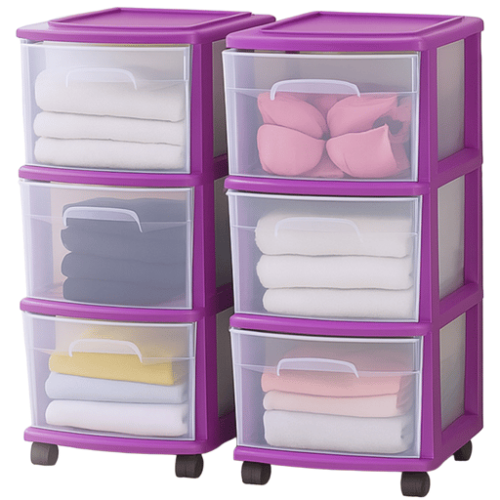
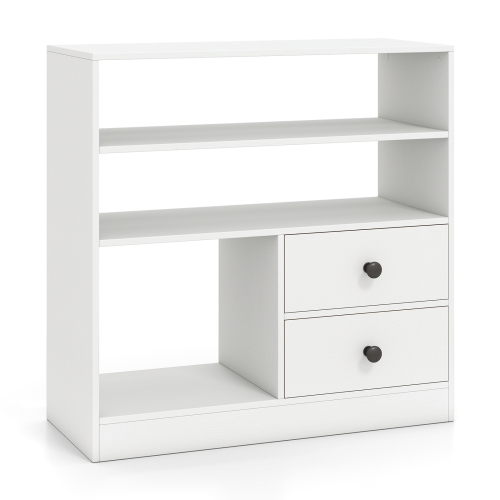
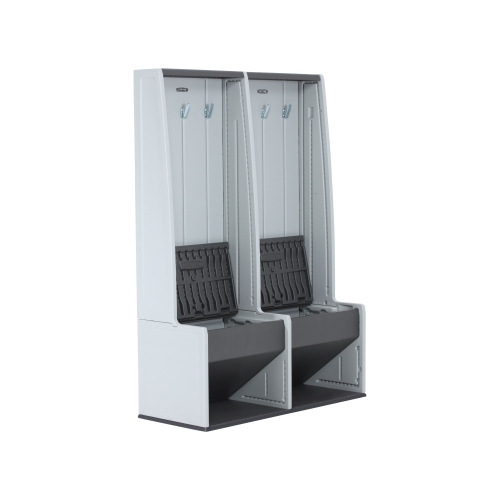
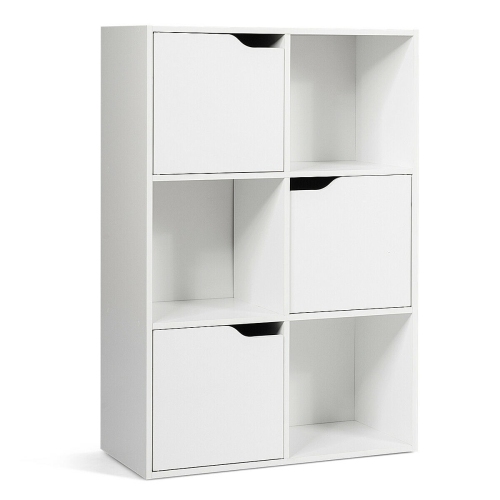
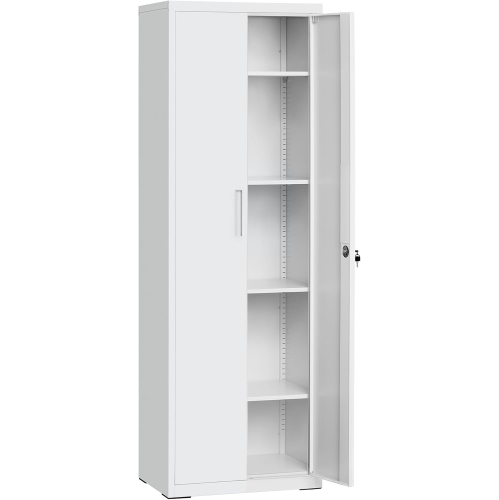
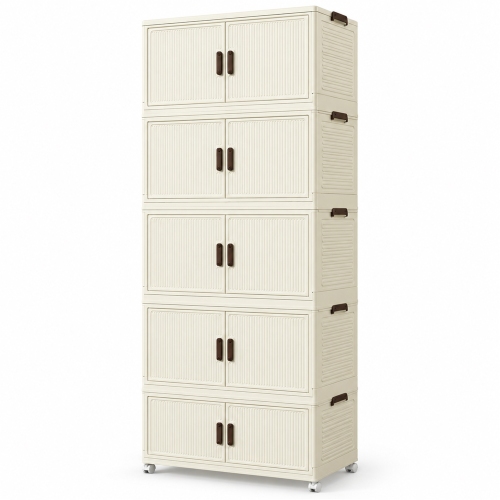
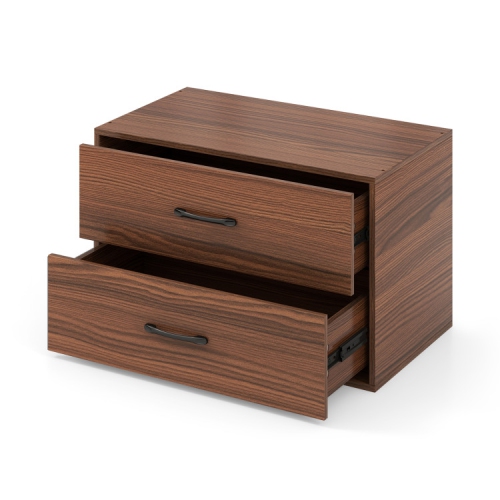
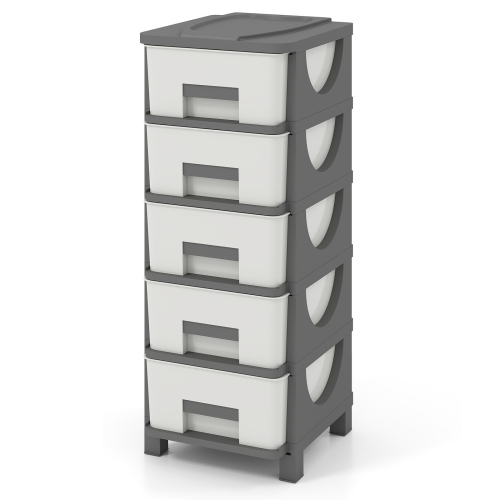
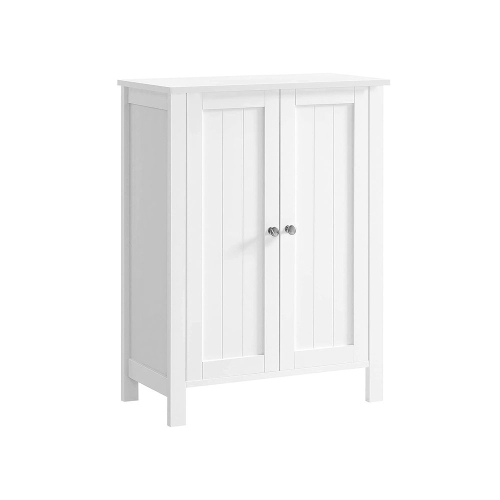
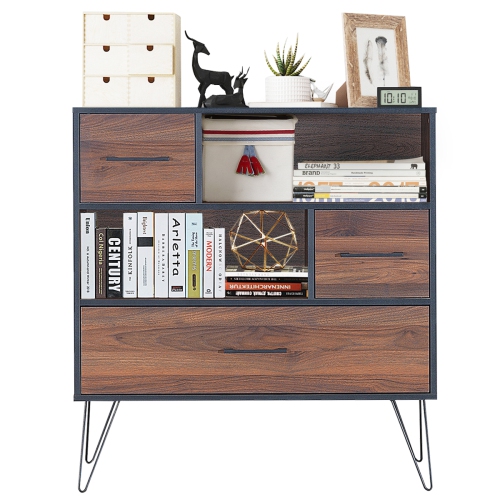
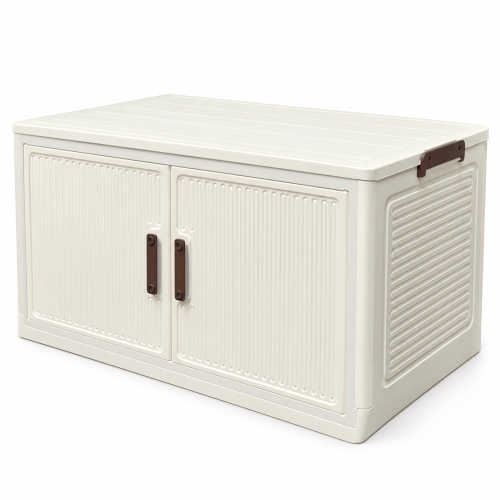
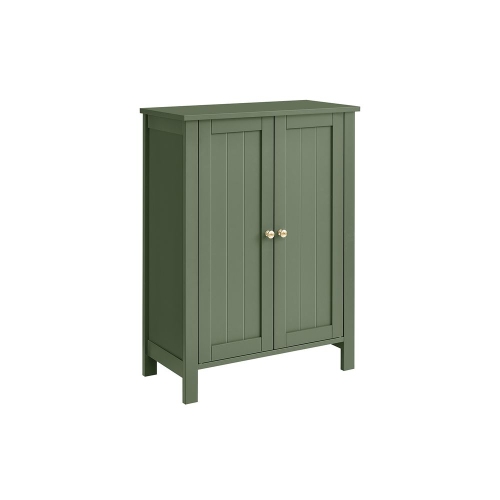
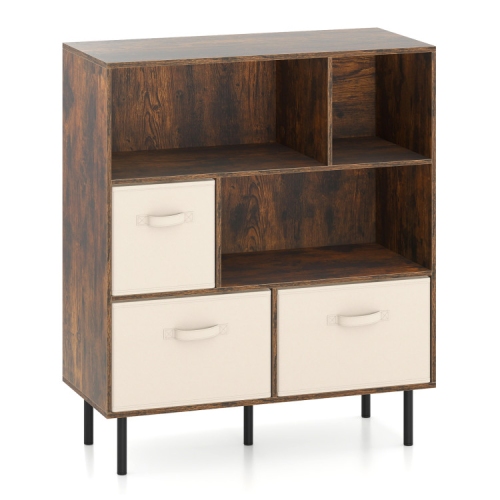
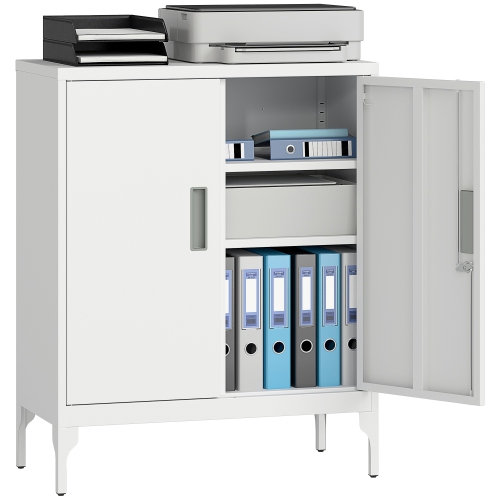
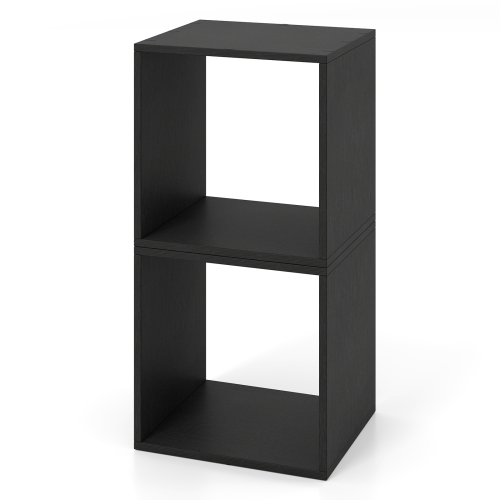
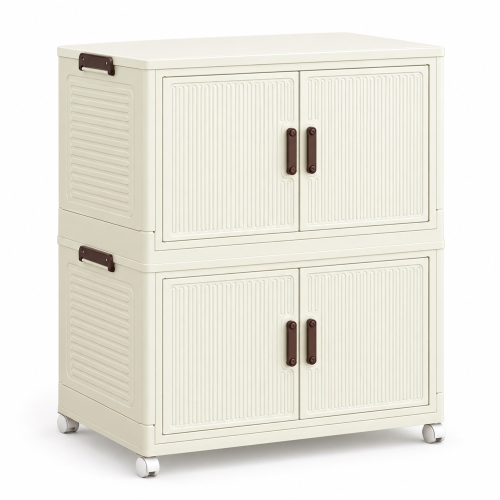
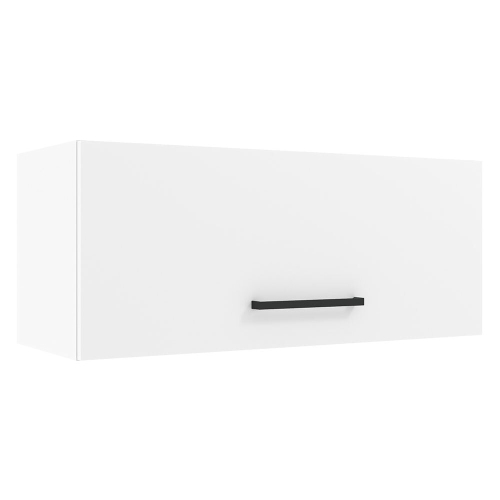
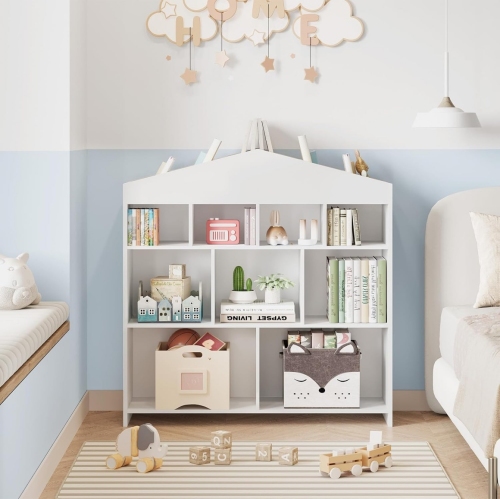
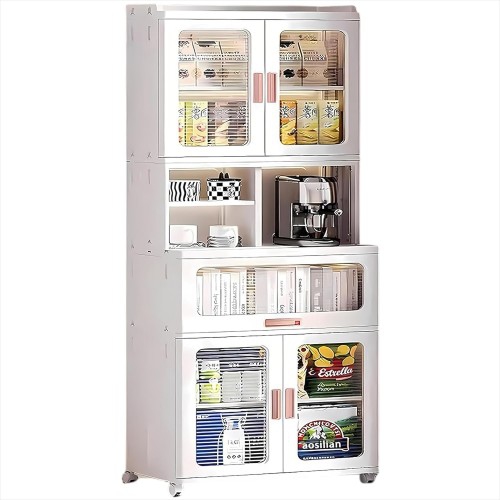
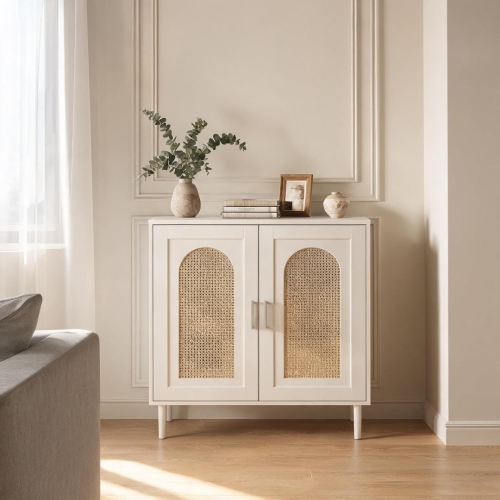
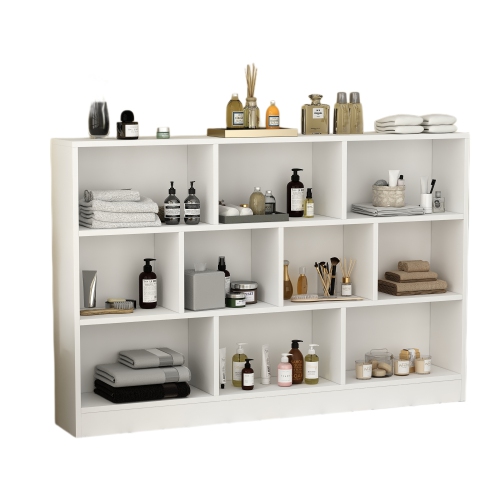
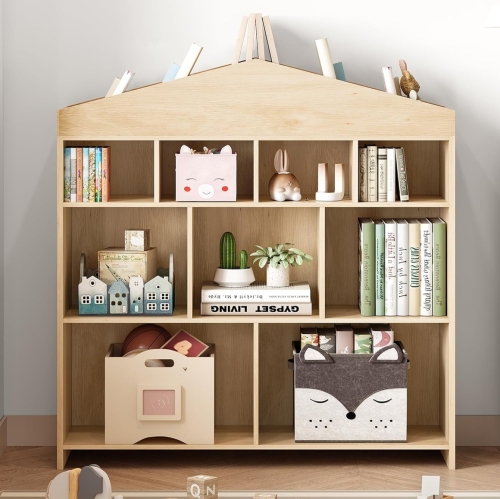
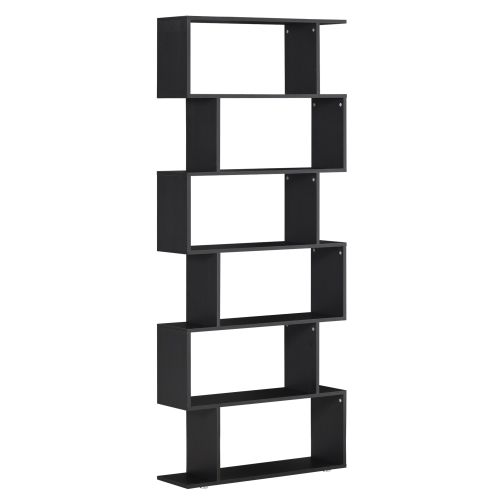
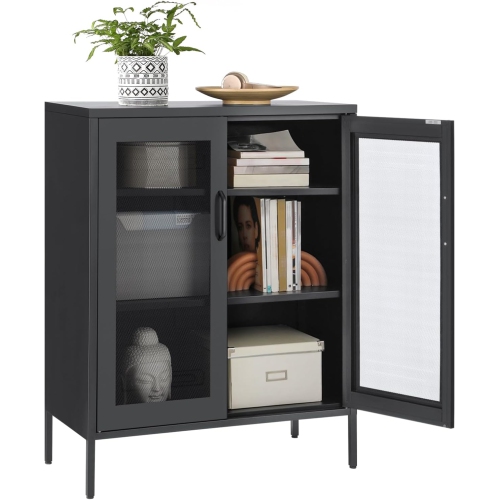
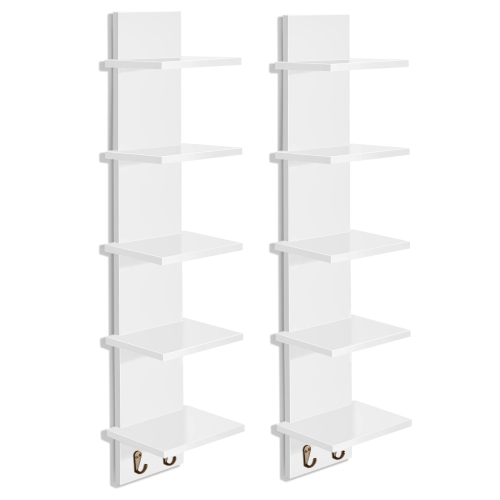
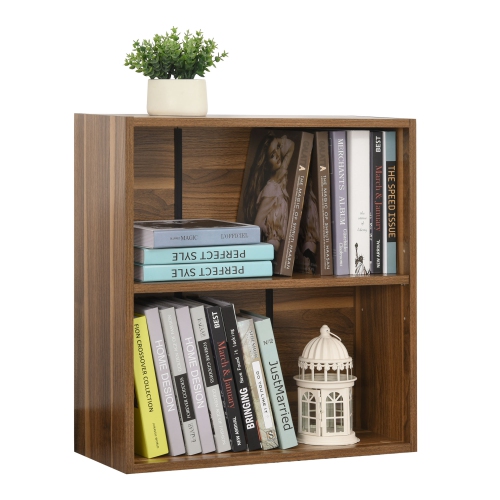
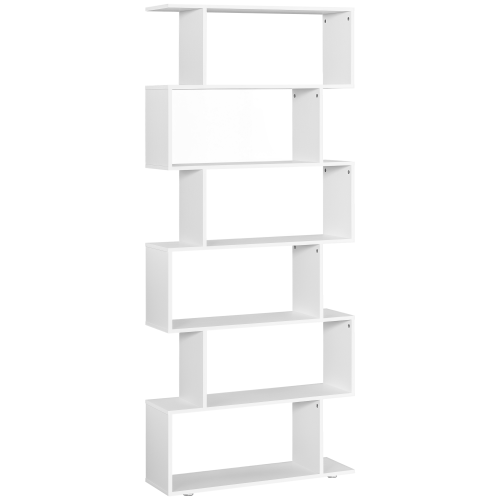
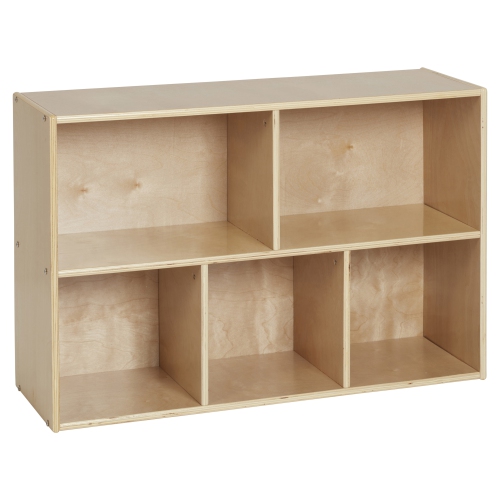
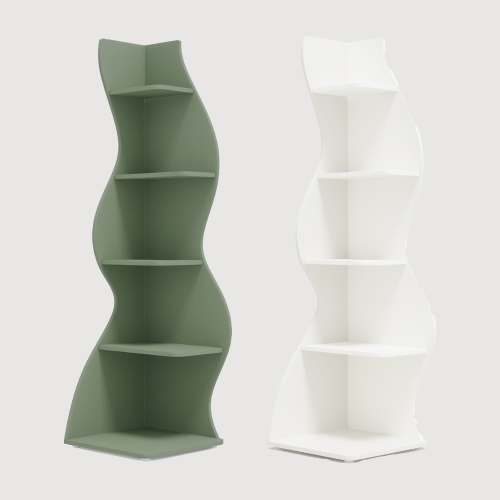
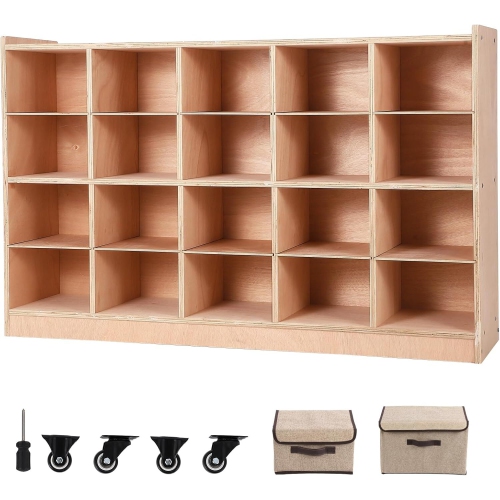
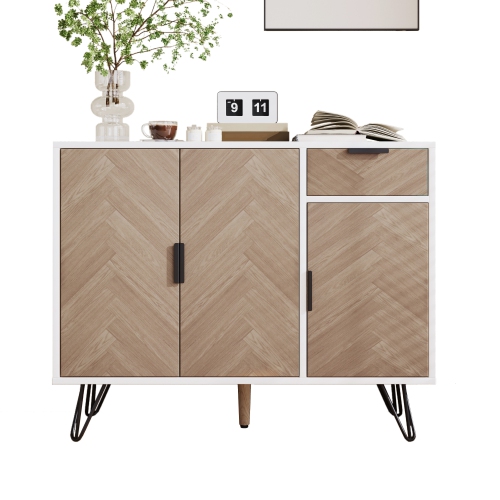
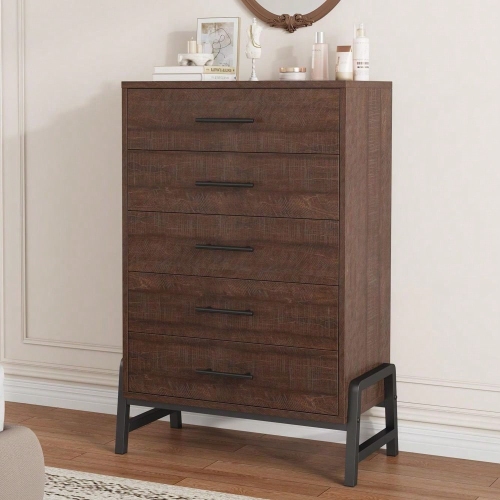
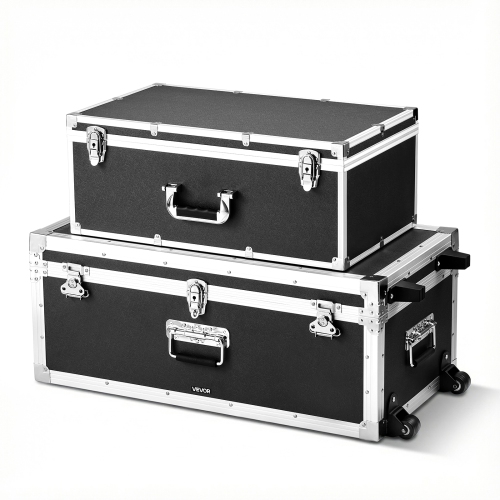
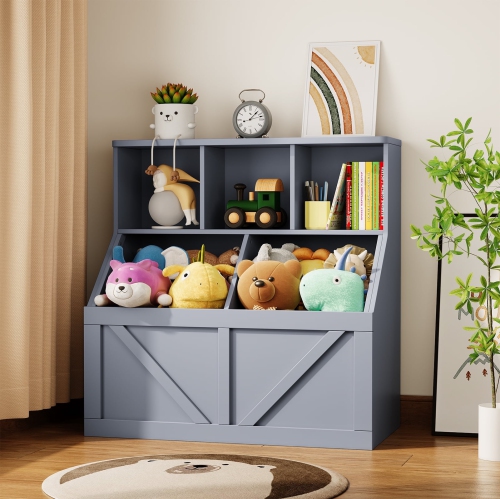
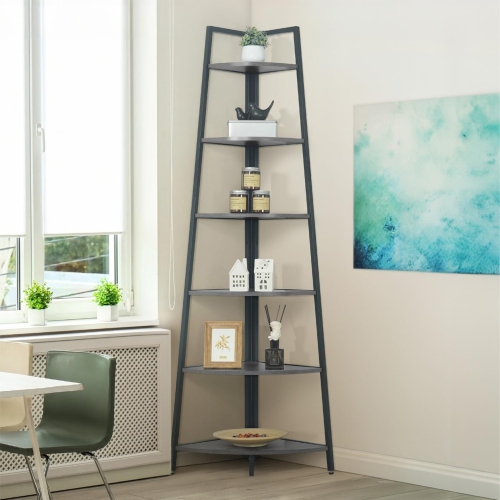
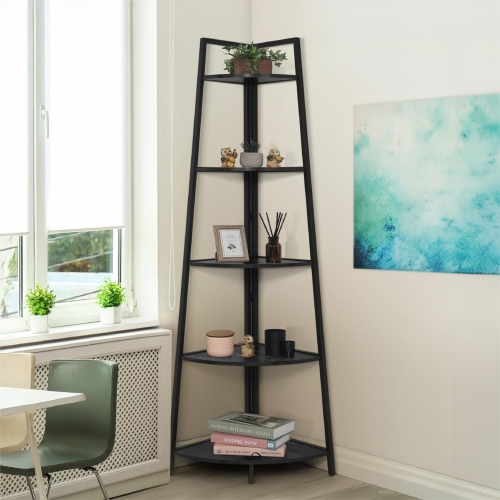
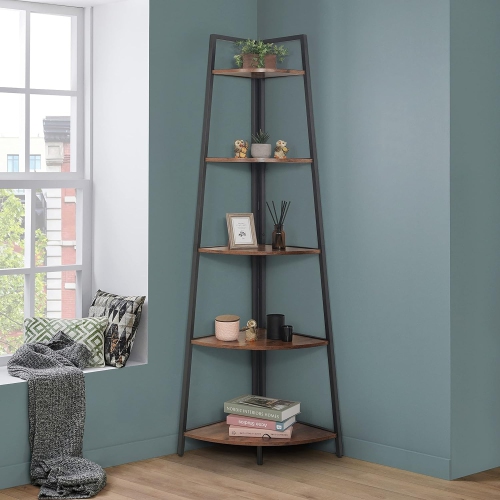
Home storage units bring order to the spaces where everyday belongings tend to gather, from the front entrance to the bedroom closet. They give folded linens, board games, paperwork, and household supplies a place to land without turning every surface into a holding area. The right storage can also make a room feel more settled: a low cabinet beneath a window keeps the sightline open, while a tall shelving unit makes use of wall space in a compact apartment. Open shelves suit belongings that need to be easy to see and reach, such as frequently read books or baskets of craft supplies. Closed cabinets offer a quieter appearance when their contents include mismatched packages, cables, or stacks of documents. Cube storage combines accessible compartments with the option of fitted bins, making it useful in shared rooms where different people need their own space. Drawer units work well for smaller belongings that can get lost on deep shelves, while storage benches provide a place to sit when putting on shoes, provided they are designed and rated for seating. In a living room, a mix of open and closed storage can leave favourite objects visible while keeping practical necessities tucked away. In a bedroom, shallow drawers may be more useful for accessories than one large compartment that needs frequent sorting. Households with children often benefit from low, easy-to-reach compartments for toys and school supplies, with anything sharp, fragile, or unsuitable for children stored securely elsewhere. Students, renters, and people setting up a first home may prefer freestanding pieces that can move between rooms as needs change. During the cooler months, an entrance unit can help contain the daily shuffle of hats, gloves, scarves, and indoor footwear. Storage feels most useful when it supports these ordinary routines, keeping belongings close to where they are used rather than simply moving clutter behind a door.
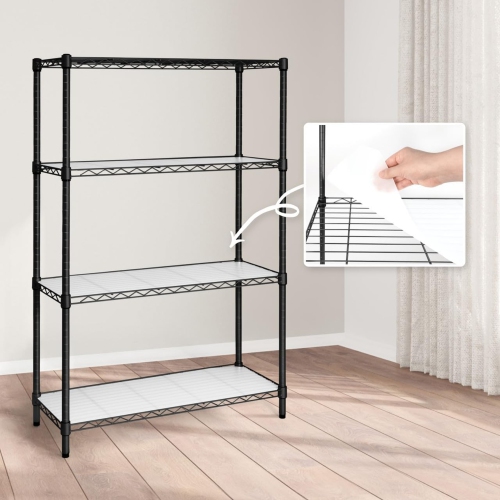
Materials, construction, and dimensions all influence how a home storage unit fits into daily life. Solid wood offers distinctive grain and character, although its finish may need protection from spills, scratches, and changes in humidity. Engineered wood can provide a smooth, consistent appearance in a range of finishes; its long-term performance depends on the quality of the panels, joints, surface coating, and edge sealing. Metal shelving is often suited to utility spaces and heavier household supplies, but load ratings and the strength of individual shelves matter more than appearance alone. Plastic units are generally light and easy to wipe clean, making them practical for certain household tasks, though they should still be used within their stated weight limits. Fabric drawers and woven baskets add texture and keep lightweight belongings together, but they are less suitable for damp contents or objects with sharp edges. Beyond the outer measurements, usable interior space makes a considerable difference. A cabinet may fit neatly beside a desk yet have compartments too shallow for folders, while a shelf that accommodates small baskets may not leave enough height for upright binders. Adjustable shelves offer flexibility when the contents change, especially in multipurpose rooms. Door swing, drawer extension, handles, baseboards, and nearby outlets also affect placement. A narrow hallway needs enough clear space for people to pass comfortably even when the storage is in use. In tighter rooms, sliding doors or open compartments can be practical alternatives to outward-opening doors. Assembly requirements are worth considering, particularly for larger units that may be difficult to reposition once built. For tall furniture, manufacturer-specified wall anchoring is an important part of installation, especially in homes with children or pets. Heavy belongings belong on lower shelves, and stated weight limits apply to both individual shelves and the unit as a whole. A stable frame, secure fittings, well-supported shelves, and smoothly operating drawers contribute to storage that feels dependable through repeated daily use.
Care and intended use help determine whether a storage unit remains useful as household needs shift. Most indoor pieces benefit from regular dusting and prompt attention to spills, with cleaning methods matched to the material and the manufacturer's directions. A soft cloth and an appropriate mild cleaner may be enough for many finished surfaces, while abrasive pads or excess moisture can damage coatings and exposed panel edges. Fabric inserts may have different cleaning requirements from the frame that holds them, and removable liners can make small messes easier to manage when the design allows. In an entrance, wet boots and damp mittens should not sit directly against materials that are vulnerable to moisture; a suitable tray and space for belongings to dry help protect both the furniture and its contents. Bathrooms, laundry areas, and unfinished basements need particular attention to moisture resistance, ventilation, and the conditions specified for the unit. Furniture intended for a dry living space is not automatically suitable beside a shower or on a covered balcony. For patios, yards, and other exposed spaces, Outdoor Storage Units serve a different purpose, with suitability depending on their stated weather resistance and placement requirements. Indoors, storage that can adapt often earns its place over time. A shelving unit used for textbooks might later hold office supplies, and a cabinet that starts in a dining area may eventually keep guest linens close at hand. Modular designs can offer more layout options, although compatible components and secure connections are essential. For shared households, separate compartments make it easier to keep personal belongings distinct without filling a room with individual pieces of furniture. For someone moving into a new home, a storage unit can be a thoughtful practical gift when room dimensions, style preferences, and assembly needs are known in advance. Whether the goal is a clearer kitchen corner, a calmer bedroom, or an entrance with fewer things underfoot, well-chosen storage makes everyday belongings easier to find, put away, and keep in good condition.
Top selling and popular products
-
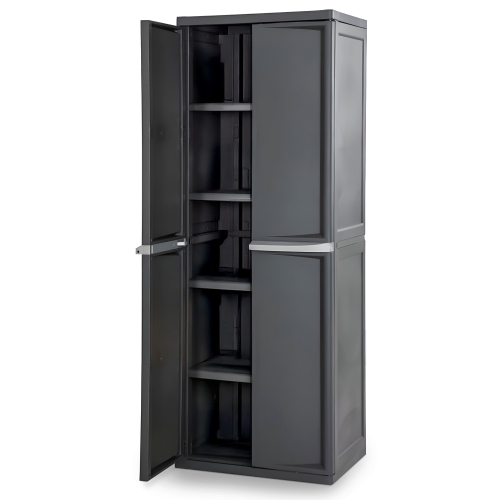 Your price for this item is $412.99
-
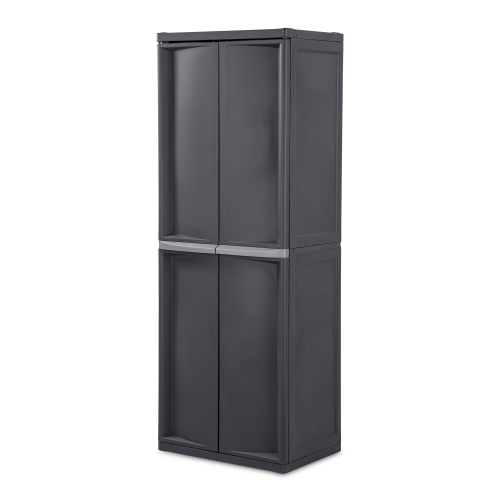 Your price for this item is $1530.99
-
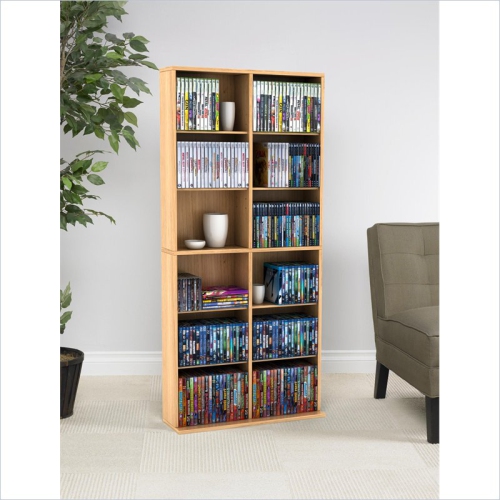 Your price for this item is $234.68
-
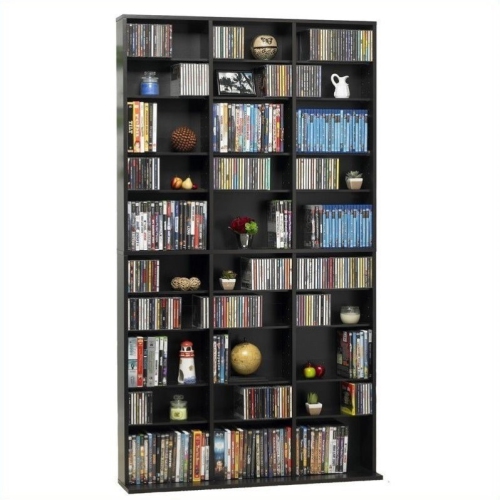 Your price for this item is $365.38
-
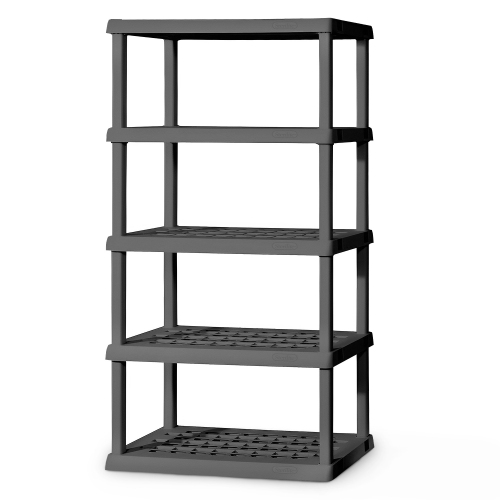 Your price for this item is $320.99
-
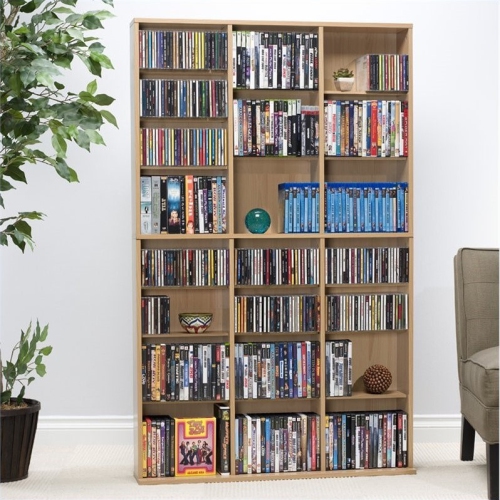 Your price for this item is $295.84
-
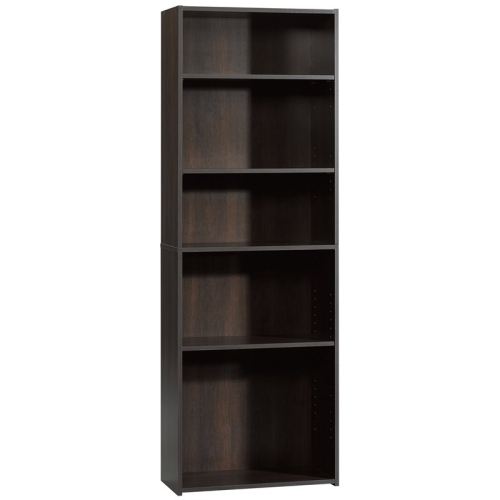 Your price for this item is $227.8
-
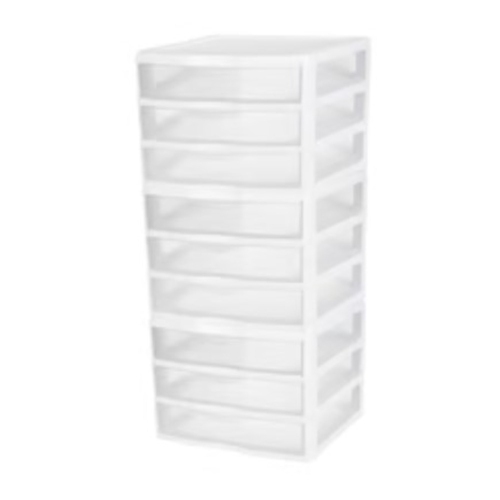 Your price for this item is $127.99
Discover more categories related to Home Storage Units
Top Collections:
Pokemon Centers, Best Cameras for Sports Photography, Kindle Devices, Samsung Galaxy Phones, Canon G7X Cameras, Pokémon 30th Celebration Cards, Refurbished Apple Laptops, iPhone 15 Apple, Laptops for Students, Budget Smartphones
Some products may be subject to Environmental Handling Fees
(EHF) depending on your province.
Learn more about EHFs.