Hot Food Containers
Whether you're a busy professional on the go or a parent looking to pack a delicious homemade meal for your little one, having the right hot food containers is essential. These versatile and convenient containers are designed to keep your food piping hot and ready to enjoy wherever you are. From insulated lunch boxes to thermos jars and more, these hot food containers offer a range of options to suit your needs. With durable construction, leak-proof designs, and easy-to-clean features, these containers will not only keep your food fresh but also make mealtime a breeze.
Sort
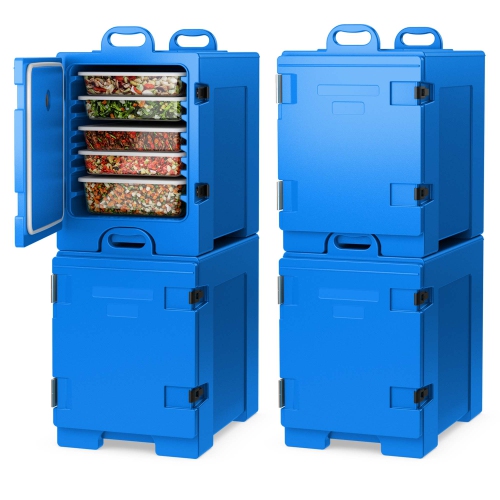
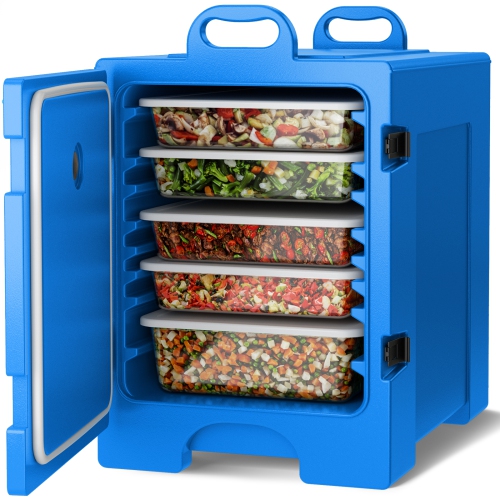
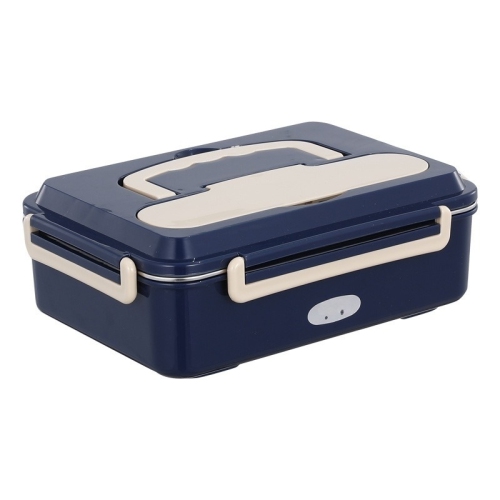

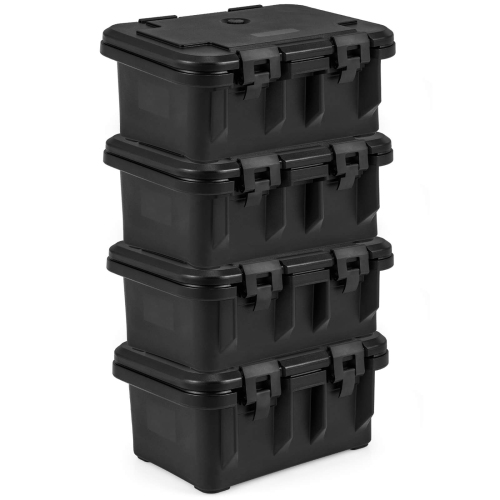
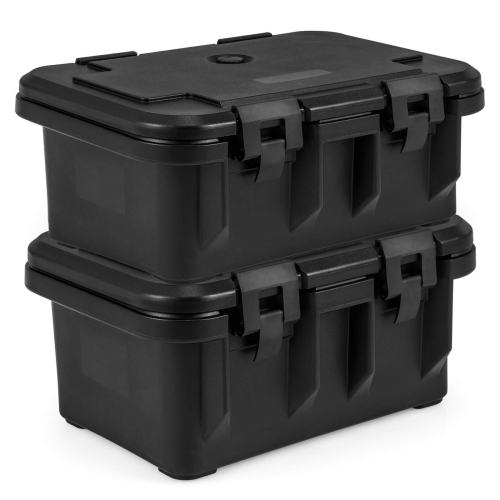
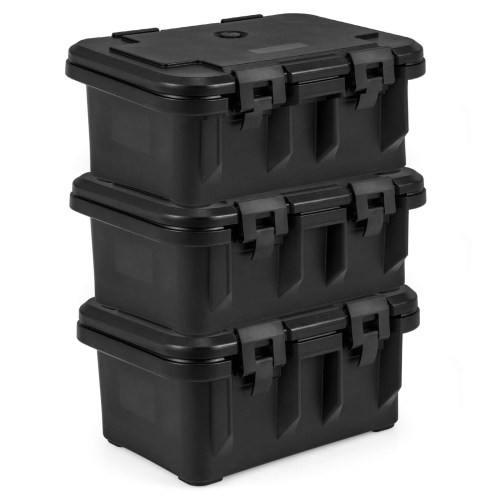
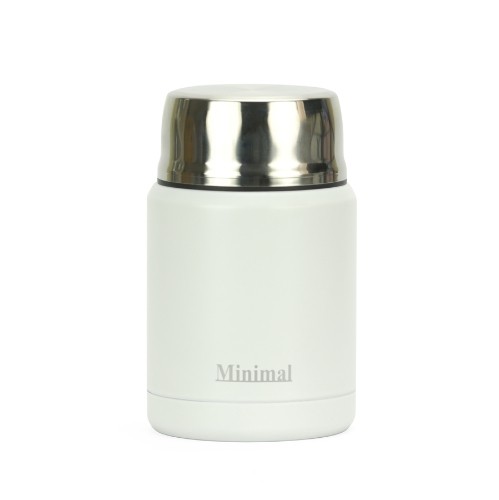
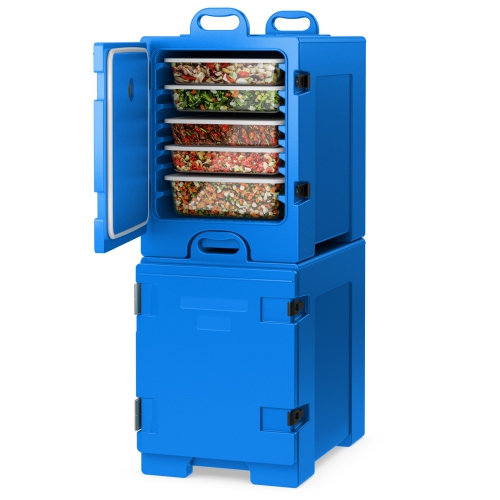
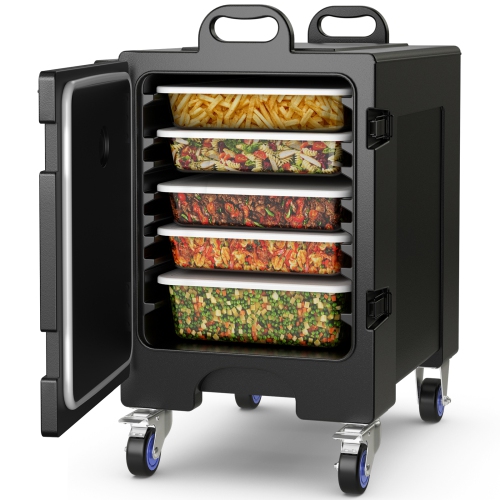
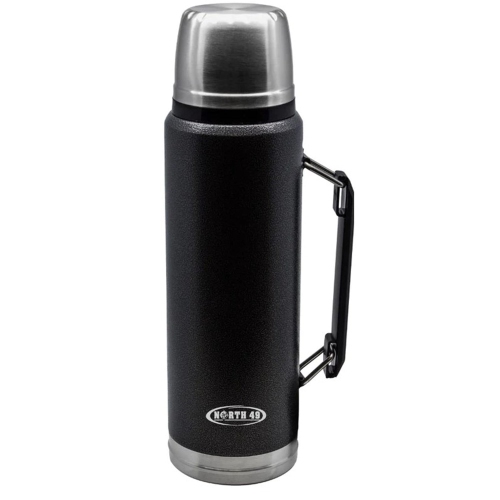
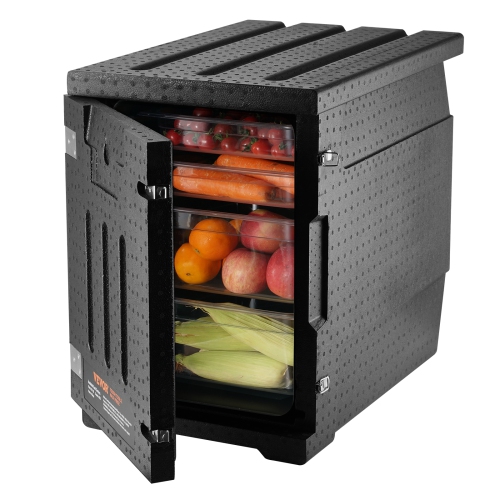
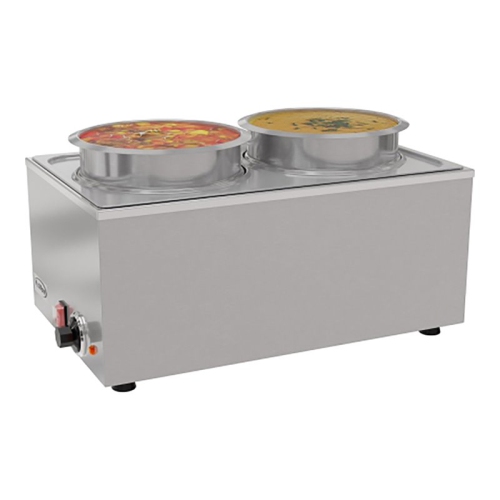
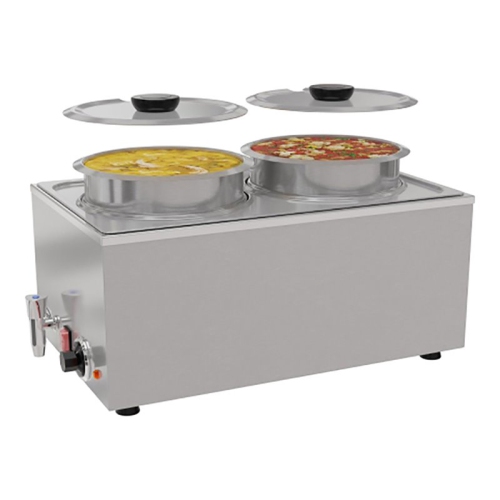

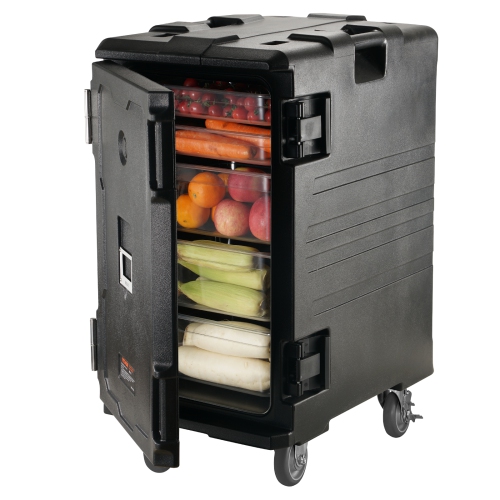
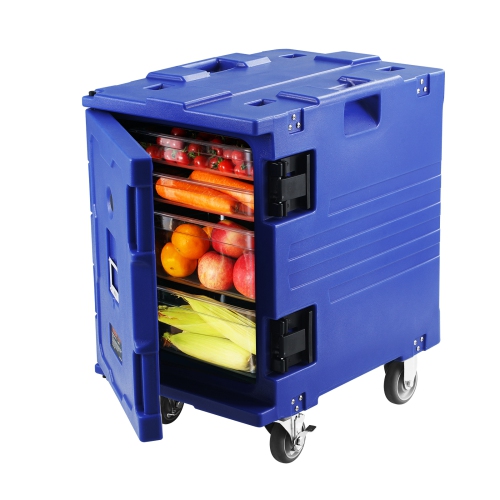
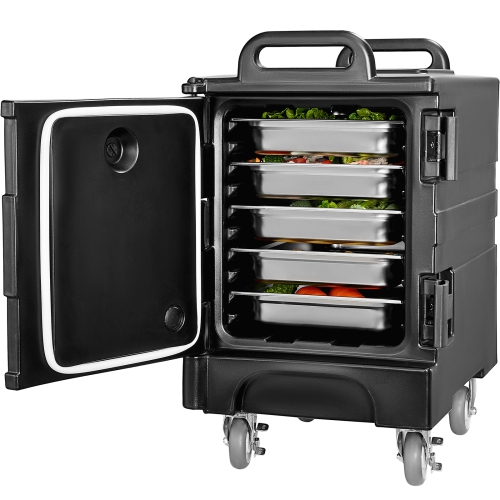
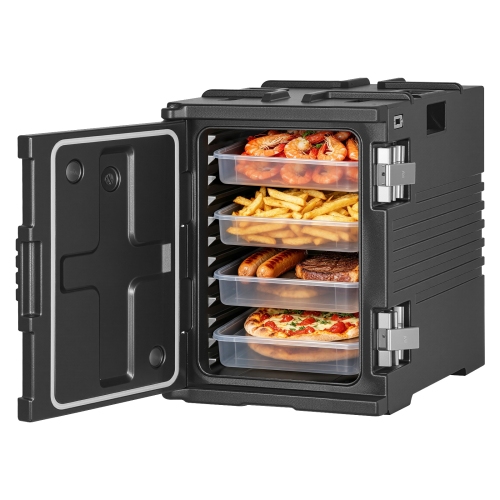
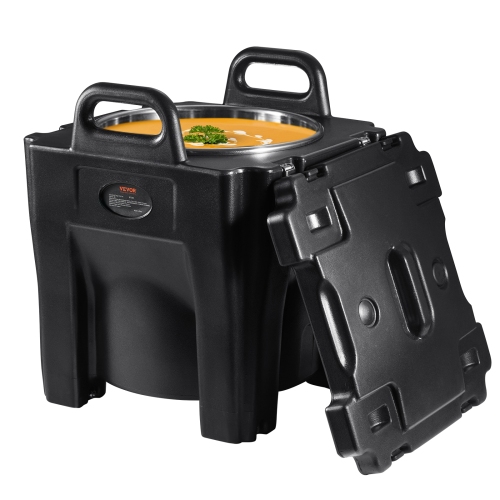
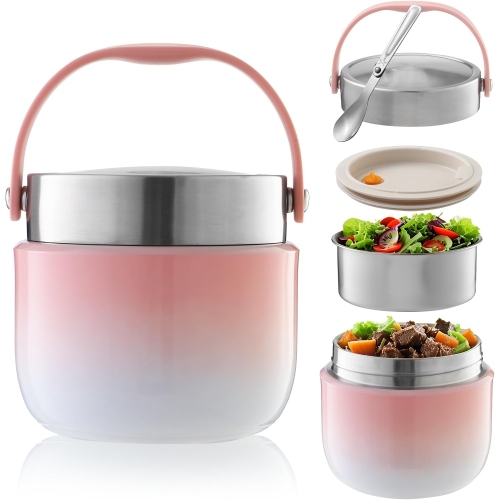
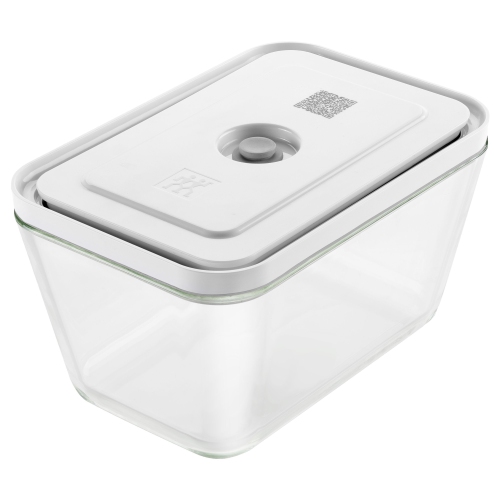
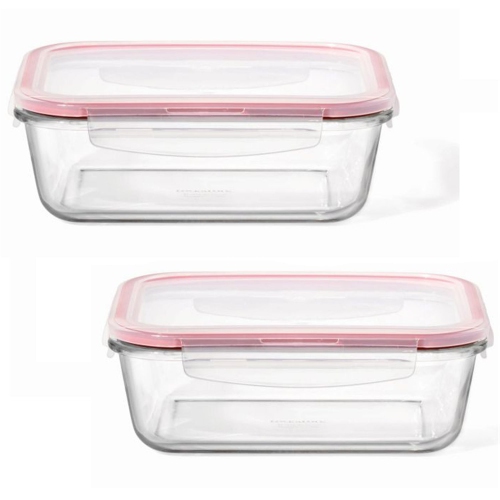
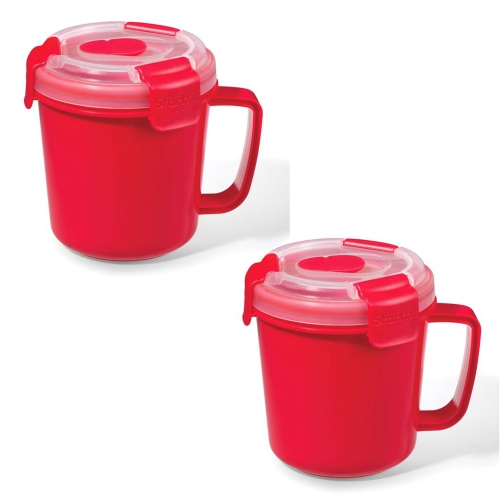
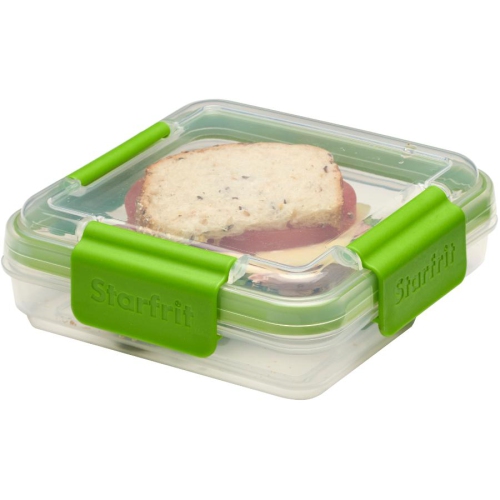
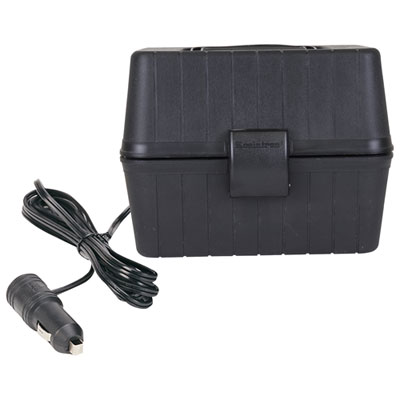
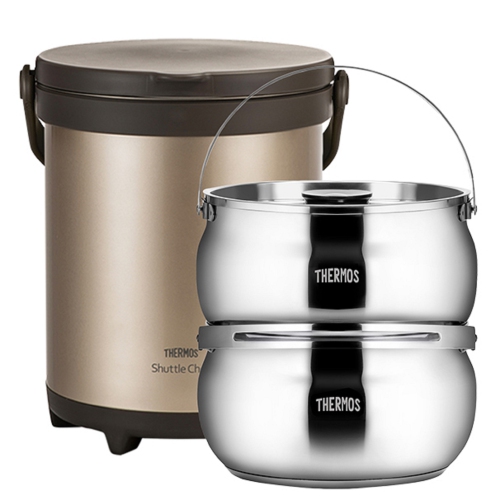
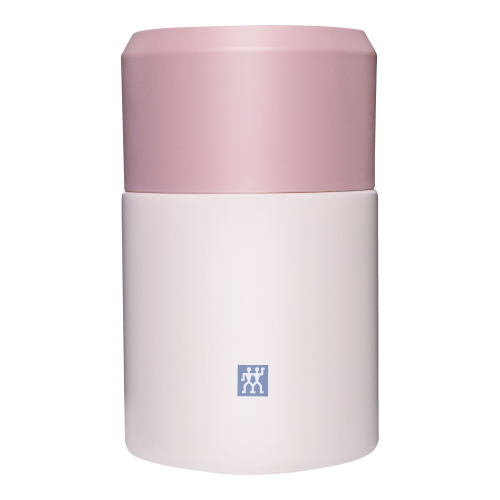
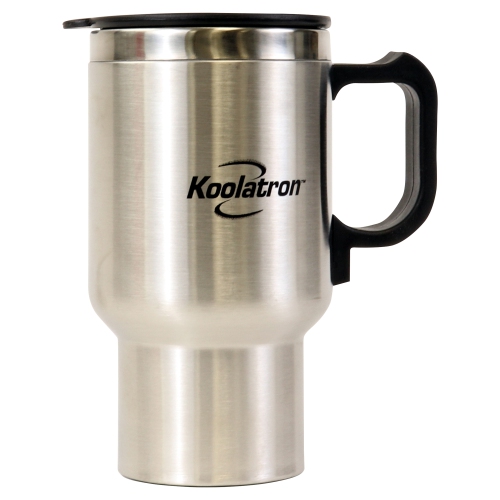
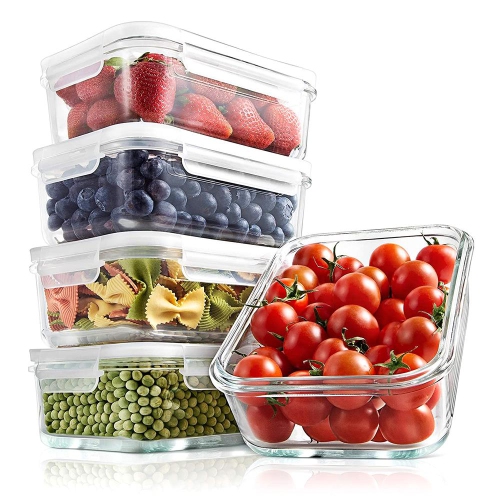
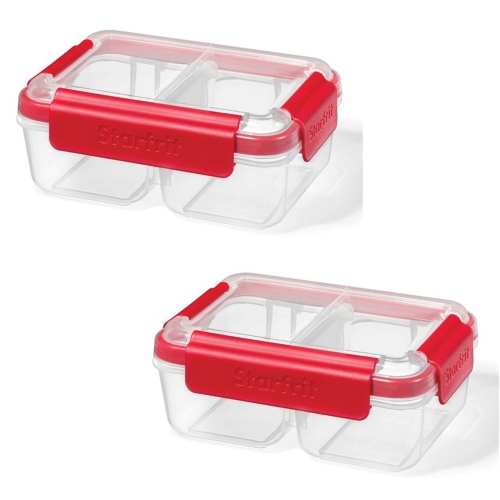
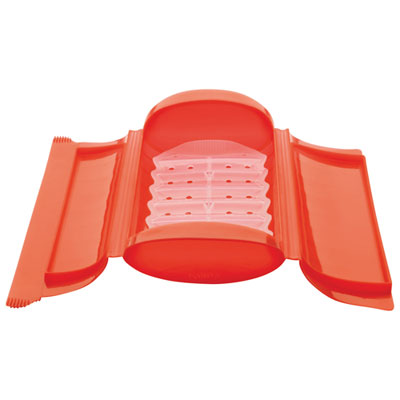
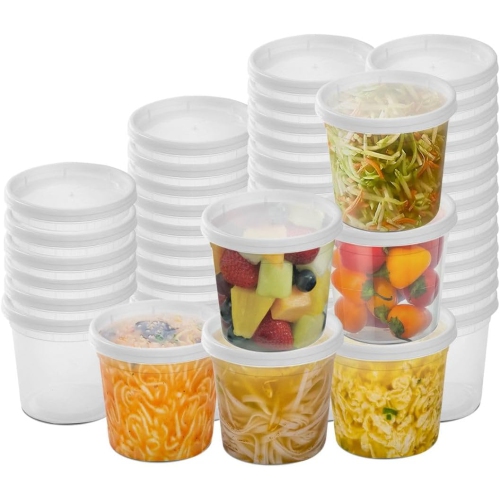
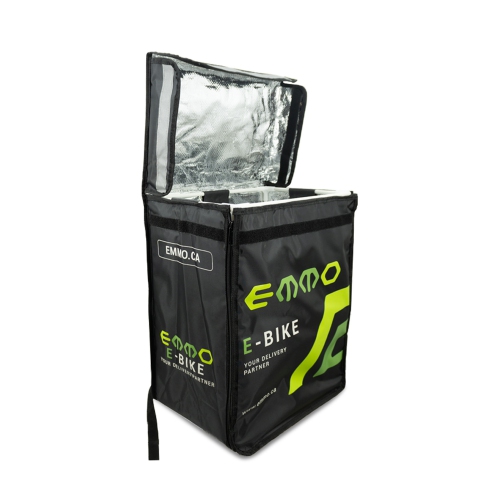
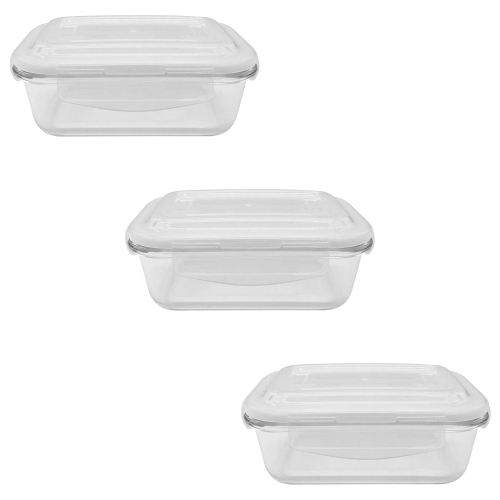
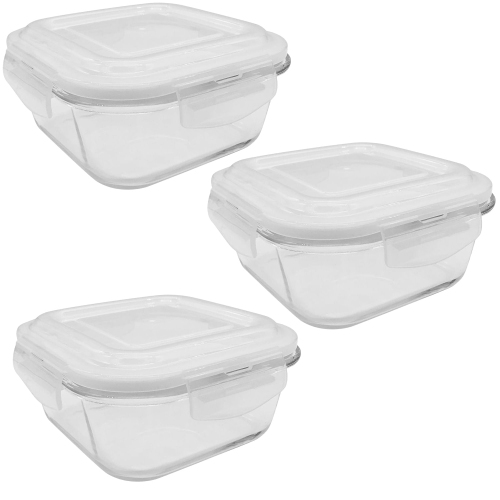
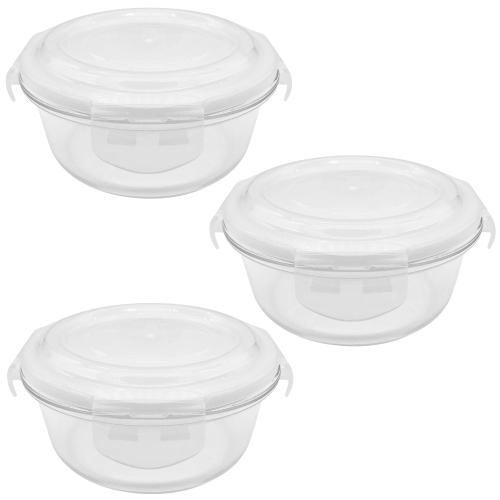
A warm lunch without waiting for a microwave
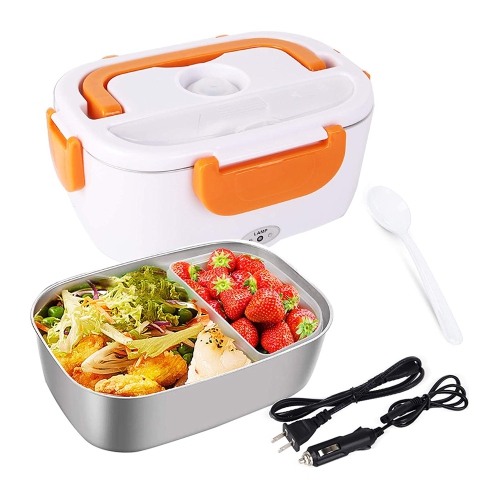
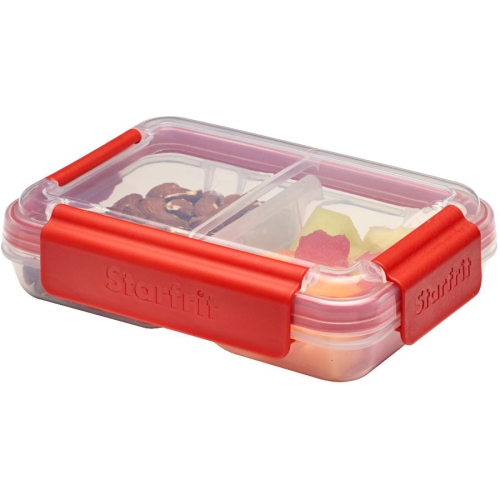
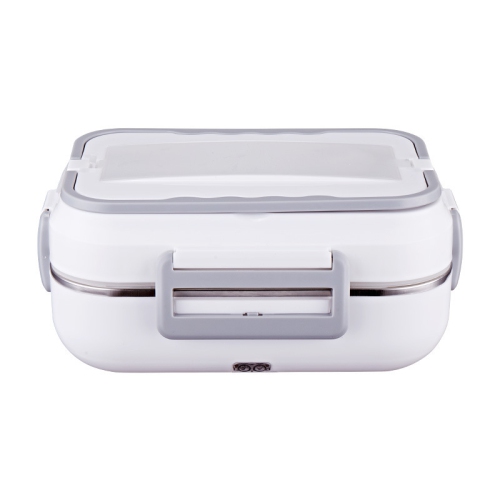
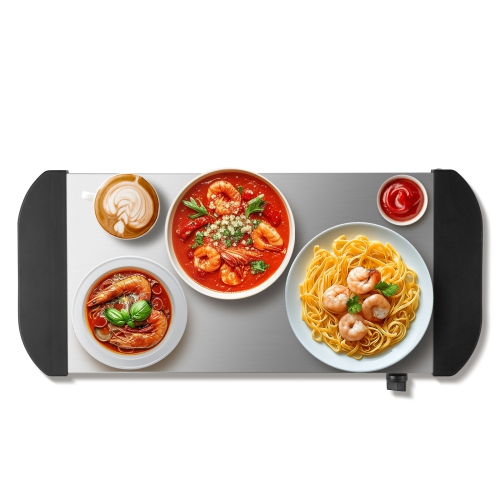
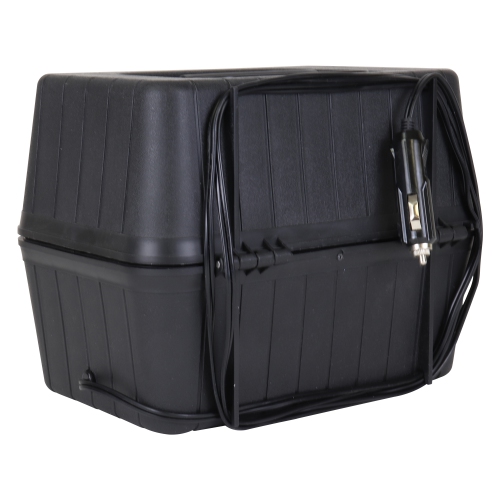
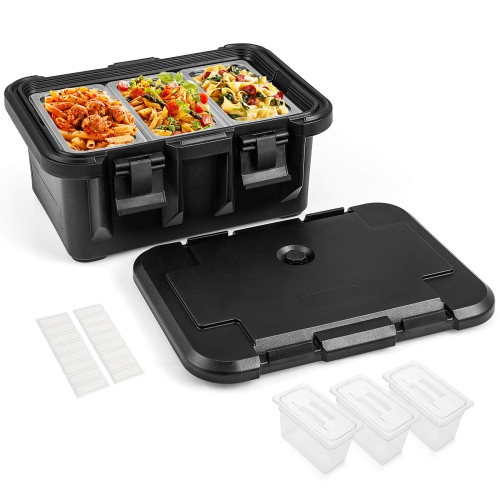
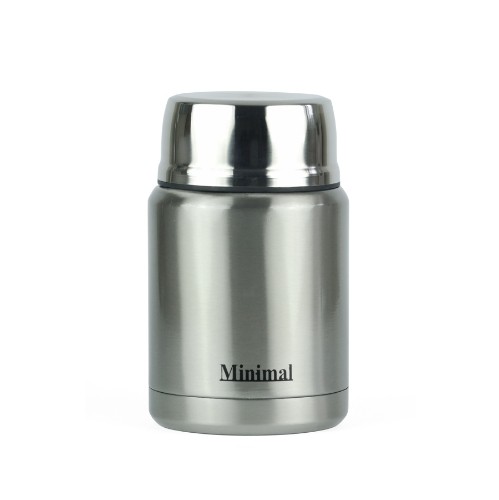
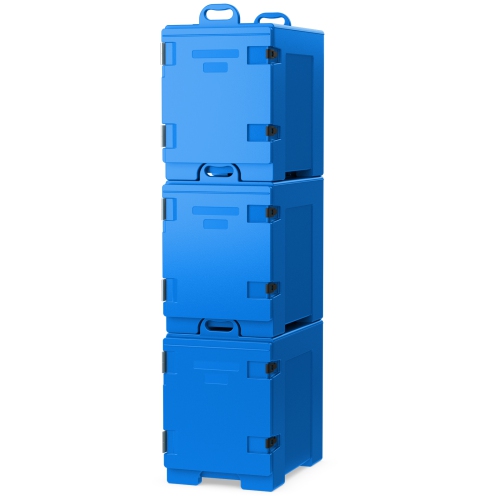
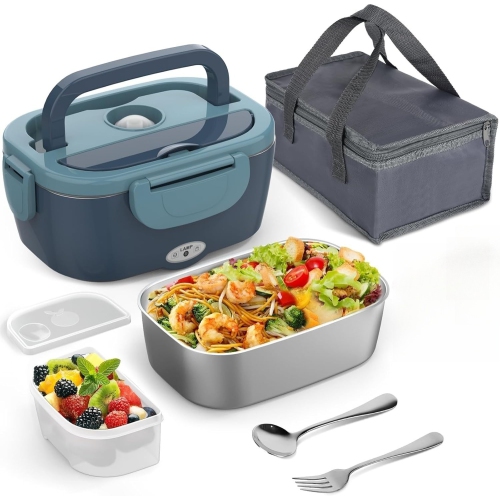
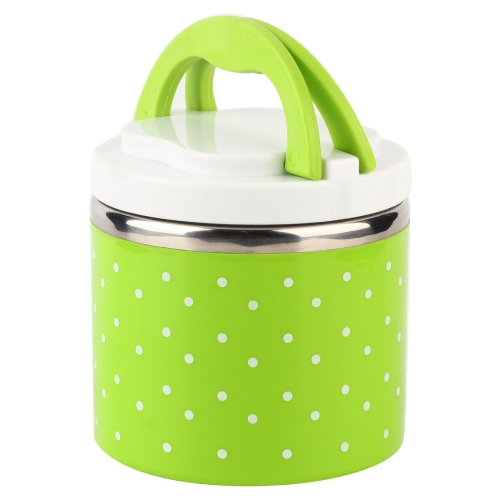
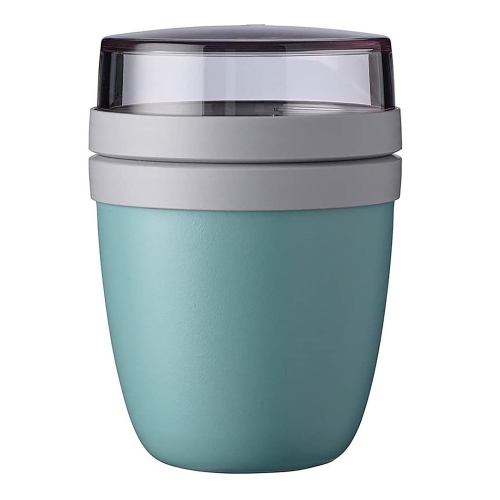
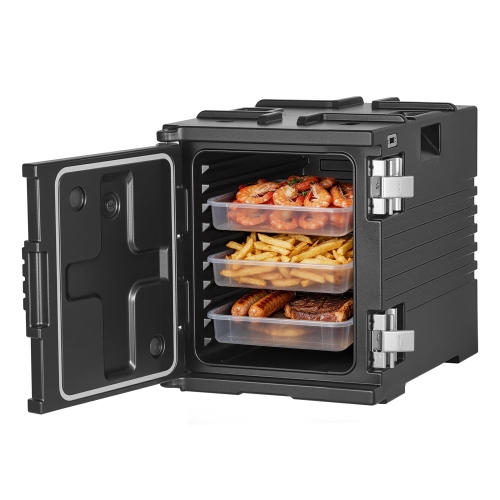
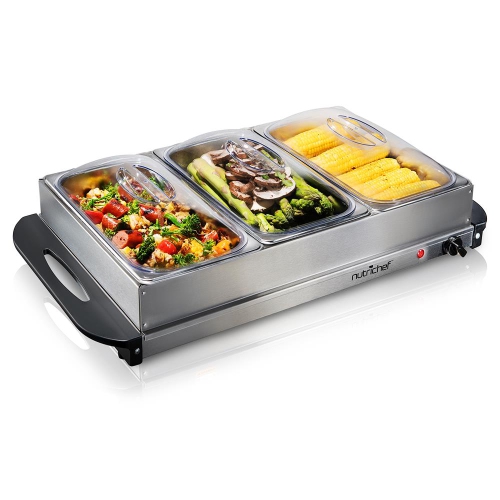
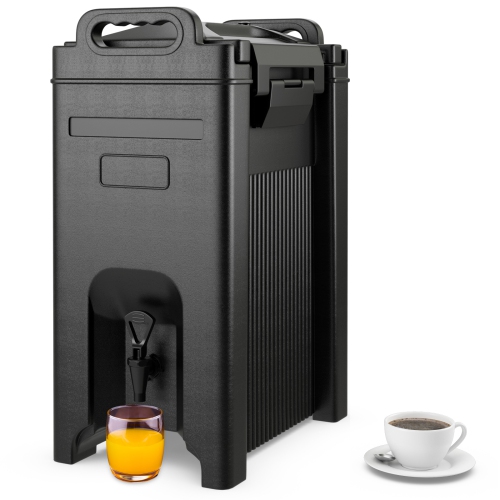
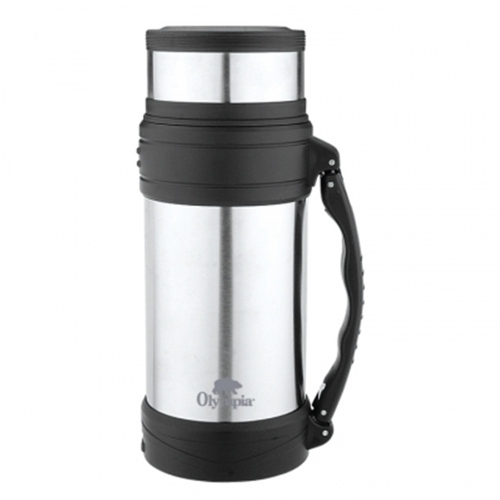
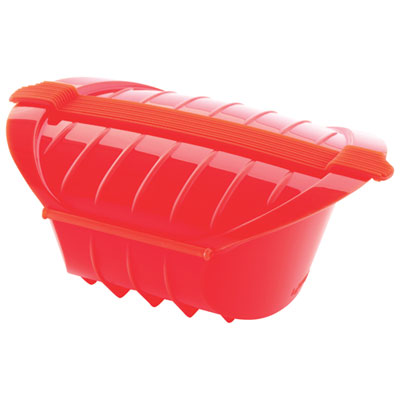
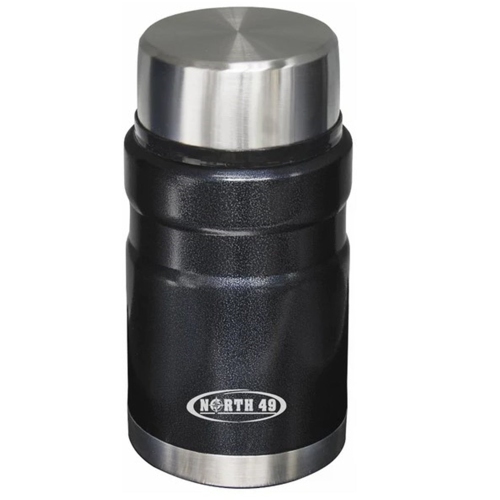
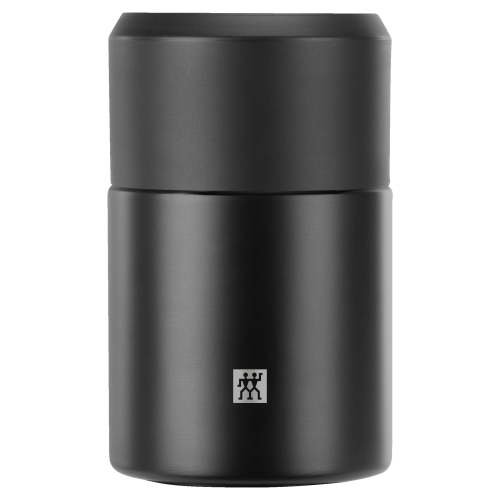
Hot food containers make it easier to carry a prepared meal to school, work, or another stop in a busy day without relying on a microwave. An insulated stainless steel food jar is a practical choice for keeping an already-hot lunch warm for several hours, while an electric lunch container uses a compatible power source to warm food. These formats serve different needs: insulation slows heat loss but does not cook food or reheat a cold meal, whereas a powered container adds heat according to its design and operating instructions. For someone eating lentil soup between appointments, a compact jar with a secure screw-top lid may be a comfortable fit. A larger container with a wide opening can be more convenient for a full serving of pasta, curry, or rice with vegetables. Capacity matters as much as shape. A container around 300 mL may suit a small portion or a side dish, while a size around 500 to 750 mL can accommodate a more substantial lunch, depending on the food and the person's appetite. Matching capacity to the usual portion helps limit empty space, which can affect heat retention. A tall, narrow jar slips into some lunch bags easily, but a shorter, wider design may be easier to eat from with a regular spoon. For a broader look at similar formats, Insulated Meal Containers offer another way to explore containers designed to slow temperature changes during transport. The most useful hot food container is one that fits the meal, the carrying bag, and the time between packing and eating. A stated heat-retention duration is not a guarantee for every lunch: starting food temperature, fill level, lid openings, and the container's construction all influence performance. Keeping the lid closed until mealtime helps preserve the heat packed inside.
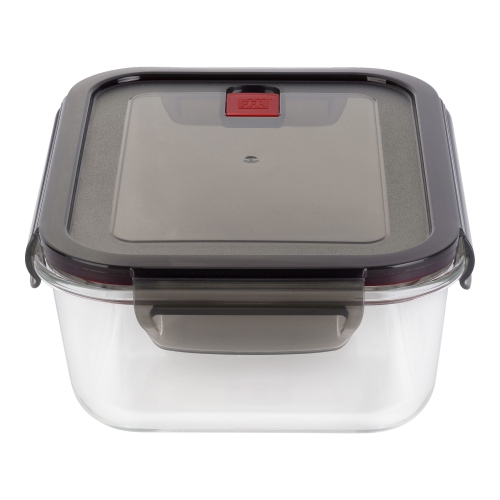
Materials and construction affect how a hot lunch container feels in daily use, from carrying it on a commute to washing it after dinner. Double-wall, vacuum-insulated stainless steel is common in food jars because the space between the walls reduces heat transfer. Stainless steel interiors are durable and generally resist lingering food odours, although sauces and strongly seasoned meals still call for thorough cleaning. Plastic lids and outer components can reduce weight and provide a comfortable grip, but suitability for contact with hot food depends on the manufacturer's specifications. Glass food containers can be useful for meals that will be reheated in a microwave when explicitly labelled for that use, though glass alone does not provide the same heat retention as a vacuum-insulated jar. It is also heavier and requires protection from impacts and sudden temperature changes. A wide mouth makes it easier to spoon in chunky stew, reach the bottom with a utensil, and clean around the interior. Rounded inside corners leave fewer tight spots for rice or sauce to collect. A lid that doubles as a bowl can make serving more comfortable, provided its intended use includes hot food. Seals deserve close attention, especially for broth, gravy, or other liquids. A leakproof claim should apply to the fully assembled container under the stated conditions; a spill-resistant lid is not necessarily designed to withstand being tipped sideways in a backpack. Removable silicone gaskets can simplify cleaning, but they need to be seated correctly before the lid is tightened. For children, manageable weight, an easy-to-grip exterior, and a lid they can operate matter alongside capacity. Adults carrying lunch with a laptop may place more emphasis on secure closure and a stable base. Handles, folding utensils, and separate compartments can add convenience, although each extra part also adds something to clean, dry, and keep track of.
Day-to-day care and packing habits play a large part in getting useful performance from hot food storage containers. Preheating an insulated jar with hot water, following its care instructions, warms the interior before food goes in. After emptying that water, adding thoroughly heated food promptly and securing the lid helps reduce the initial loss of heat. Some manufacturers specify boiling water and a particular preheating time; those directions should take precedence over a general routine. Thick foods such as chilli or porridge can behave differently from broth, and a nearly empty jar will not necessarily perform like a full one in a heat-retention test. For food safety, hot food should remain at 60°C or above until it is eaten. A meal that feels pleasantly warm may already be below that threshold, so an advertised number of hours should not replace safe handling. A clean food thermometer can help check performance when establishing a lunch routine. Electric lunch containers require a different plan: access to a suitable outlet or approved vehicle connection, enough time for heating, and refrigerated storage beforehand when the food requires it. Not every powered container is intended to cook raw ingredients or reheat food from chilled, so its stated function matters. Unless specifically designed and labelled otherwise, stainless steel jars and metal components do not belong in a microwave. Cleaning requirements also vary. Some containers have dishwasher-safe components, while others require handwashing to protect the finish, insulation, or seals; electrical bases should be cleaned only as directed and never immersed unless expressly permitted. Separating removable parts and allowing everything to dry fully helps prevent trapped moisture and odours. Regular checks for cracked lids, damaged gaskets, or dents that affect closure can identify problems before a container goes into a bag. For a student heading to campus, a family member starting a new job, or someone who enjoys taking homemade lunches, a well-matched hot food container can be a thoughtful, practical gift. Familiar portion sizes, preferred meals, and access to reheating facilities provide better clues to a useful choice than capacity alone, helping the container become a dependable part of an everyday meal routine.
Materials and construction affect how a hot lunch container feels in daily use, from carrying it on a commute to washing it after dinner. Double-wall, vacuum-insulated stainless steel is common in food jars because the space between the walls reduces heat transfer. Stainless steel interiors are durable and generally resist lingering food odours, although sauces and strongly seasoned meals still call for thorough cleaning. Plastic lids and outer components can reduce weight and provide a comfortable grip, but suitability for contact with hot food depends on the manufacturer's specifications. Glass food containers can be useful for meals that will be reheated in a microwave when explicitly labelled for that use, though glass alone does not provide the same heat retention as a vacuum-insulated jar. It is also heavier and requires protection from impacts and sudden temperature changes. A wide mouth makes it easier to spoon in chunky stew, reach the bottom with a utensil, and clean around the interior. Rounded inside corners leave fewer tight spots for rice or sauce to collect. A lid that doubles as a bowl can make serving more comfortable, provided its intended use includes hot food. Seals deserve close attention, especially for broth, gravy, or other liquids. A leakproof claim should apply to the fully assembled container under the stated conditions; a spill-resistant lid is not necessarily designed to withstand being tipped sideways in a backpack. Removable silicone gaskets can simplify cleaning, but they need to be seated correctly before the lid is tightened. For children, manageable weight, an easy-to-grip exterior, and a lid they can operate matter alongside capacity. Adults carrying lunch with a laptop may place more emphasis on secure closure and a stable base. Handles, folding utensils, and separate compartments can add convenience, although each extra part also adds something to clean, dry, and keep track of.
Day-to-day care and packing habits play a large part in getting useful performance from hot food storage containers. Preheating an insulated jar with hot water, following its care instructions, warms the interior before food goes in. After emptying that water, adding thoroughly heated food promptly and securing the lid helps reduce the initial loss of heat. Some manufacturers specify boiling water and a particular preheating time; those directions should take precedence over a general routine. Thick foods such as chilli or porridge can behave differently from broth, and a nearly empty jar will not necessarily perform like a full one in a heat-retention test. For food safety, hot food should remain at 60°C or above until it is eaten. A meal that feels pleasantly warm may already be below that threshold, so an advertised number of hours should not replace safe handling. A clean food thermometer can help check performance when establishing a lunch routine. Electric lunch containers require a different plan: access to a suitable outlet or approved vehicle connection, enough time for heating, and refrigerated storage beforehand when the food requires it. Not every powered container is intended to cook raw ingredients or reheat food from chilled, so its stated function matters. Unless specifically designed and labelled otherwise, stainless steel jars and metal components do not belong in a microwave. Cleaning requirements also vary. Some containers have dishwasher-safe components, while others require handwashing to protect the finish, insulation, or seals; electrical bases should be cleaned only as directed and never immersed unless expressly permitted. Separating removable parts and allowing everything to dry fully helps prevent trapped moisture and odours. Regular checks for cracked lids, damaged gaskets, or dents that affect closure can identify problems before a container goes into a bag. For a student heading to campus, a family member starting a new job, or someone who enjoys taking homemade lunches, a well-matched hot food container can be a thoughtful, practical gift. Familiar portion sizes, preferred meals, and access to reheating facilities provide better clues to a useful choice than capacity alone, helping the container become a dependable part of an everyday meal routine.
Top selling and popular products
-
 Your price for this item is $5.99
 -
 Your price for this item is $9.99
 -
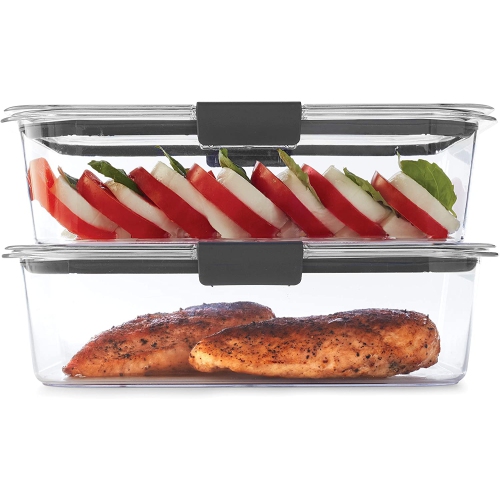 Your price for this item is $108.25
 -
 Your price for this item is $7.99
 -
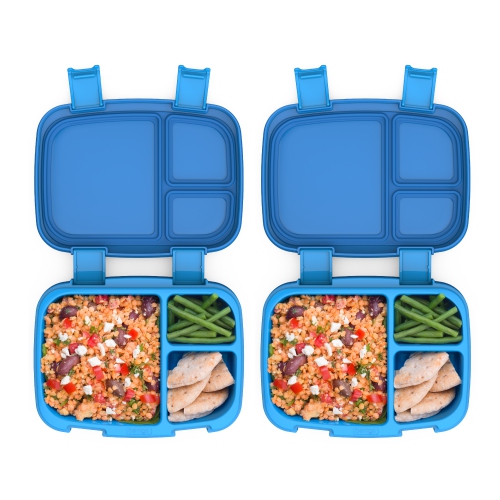 Your price for this item is $44.99
 -
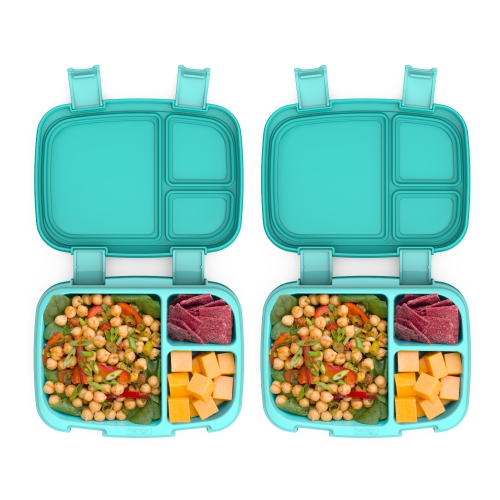 Your price for this item is $44.99
 -
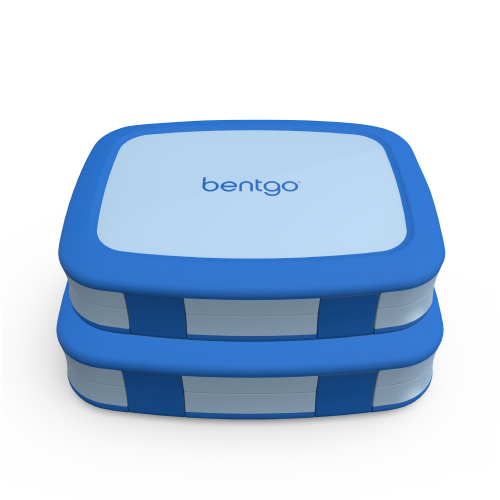 Your price for this item is $59.99
 -
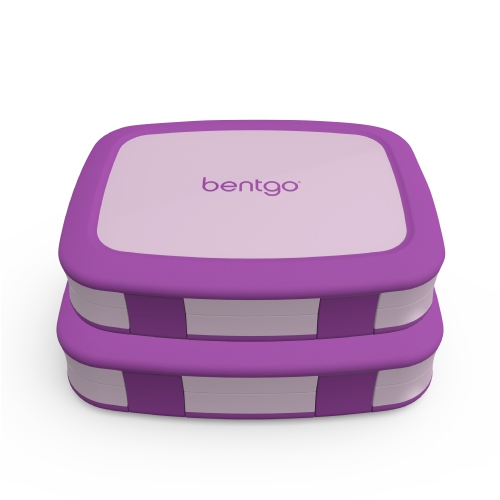 Your price for this item is $59.99
Discover more categories related to Hot Food Containers
Top Collections:
Pokemon Centers, Kindle Devices, Best Budget Office Chairs, Apple iPhones 16, Canon G7X Cameras, iPhone 15 Apple, Alarm Clock, Refurbished Apple Laptops, Flip Phones, Best Laptops for Writers
Some products may be subject to Environmental Handling Fees
(EHF) depending on your province.
Learn more about EHFs.