Hungarian Goose Down Pillows
Hungarian Goose Down Pillows bring an elevated level of comfort and luxury to any bedroom. Crafted for those who appreciate exceptional quality in their bedding, these pillows offer a plush addition to your sleep environment. Whether updating your master suite or refreshing a guest room, Hungarian Goose Down Pillows are designed to complement a variety of sleeping preferences and décor styles. Explore the selection to find the perfect match for restful nights and refreshed mornings.
Sort


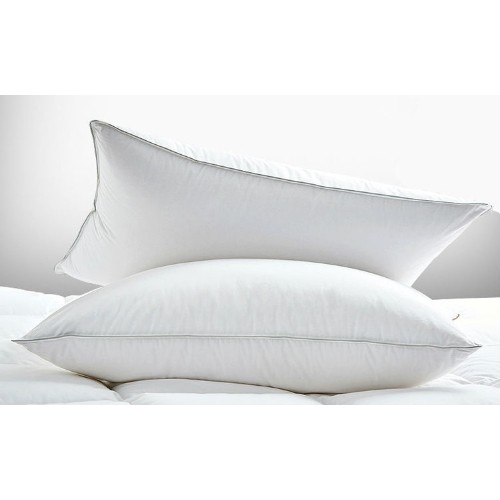
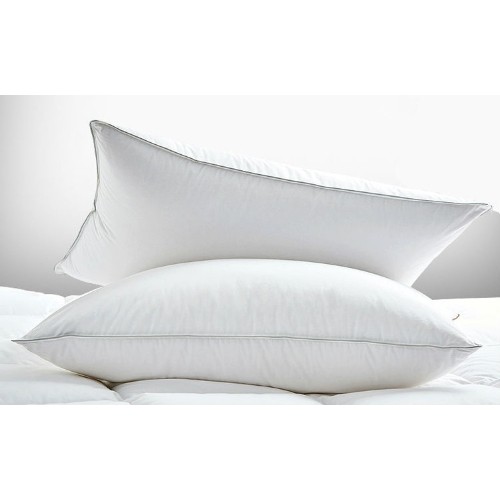
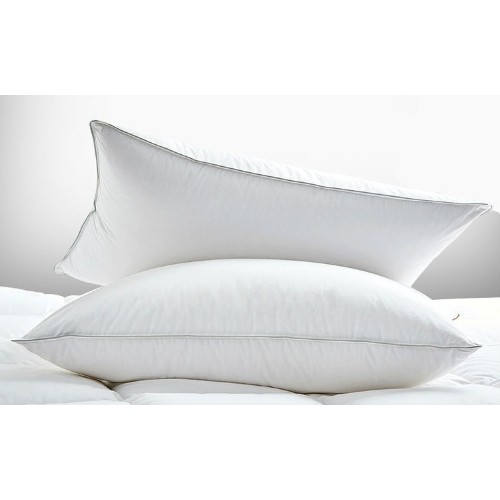
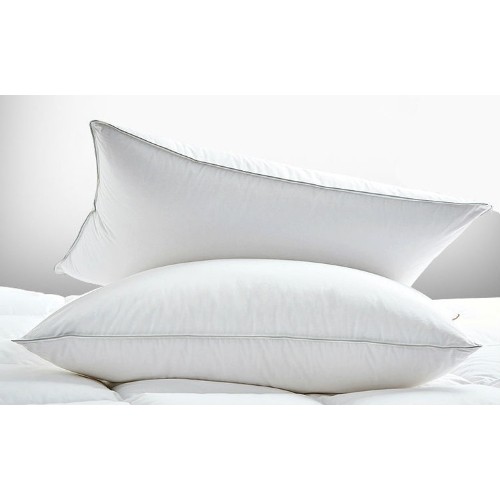
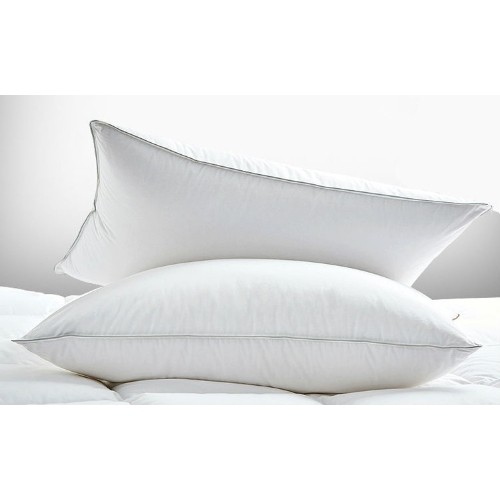
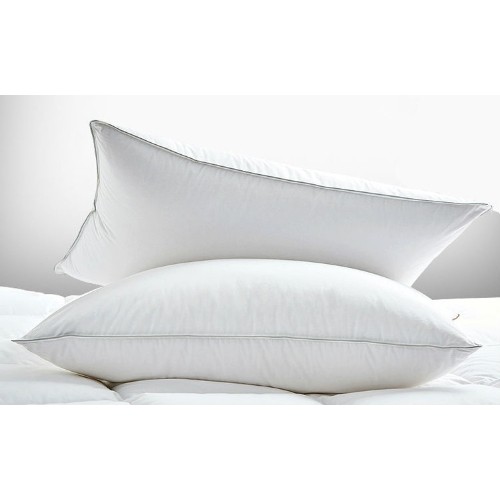




What gives down its airy, mouldable feel
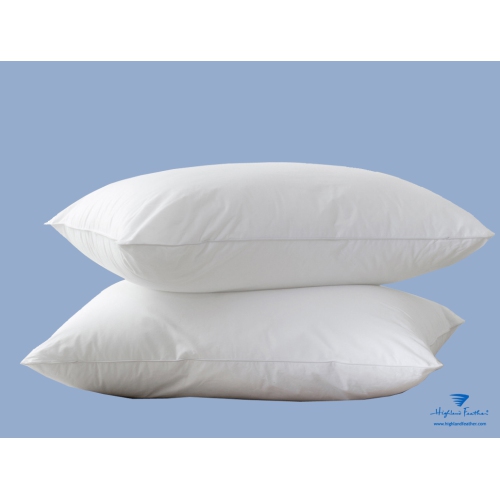
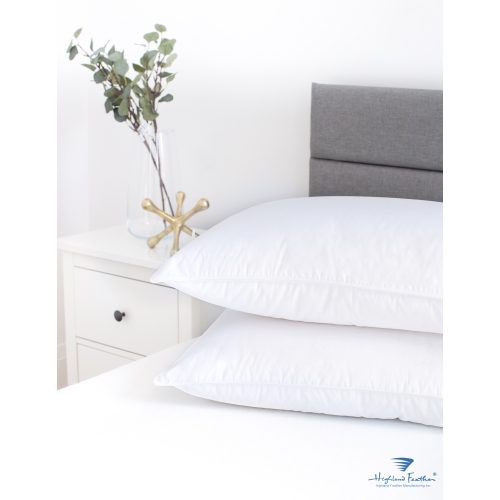
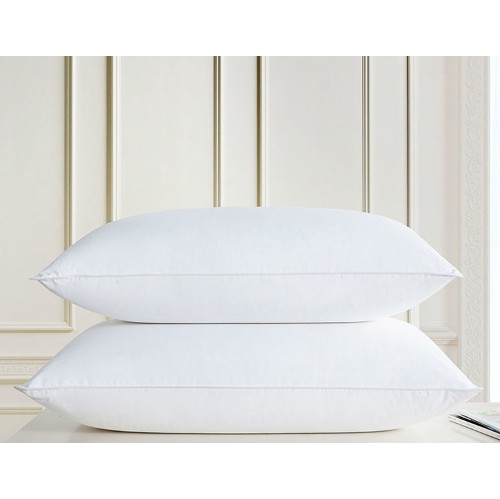
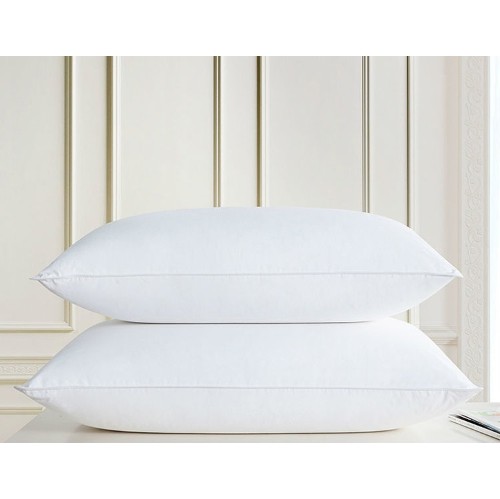
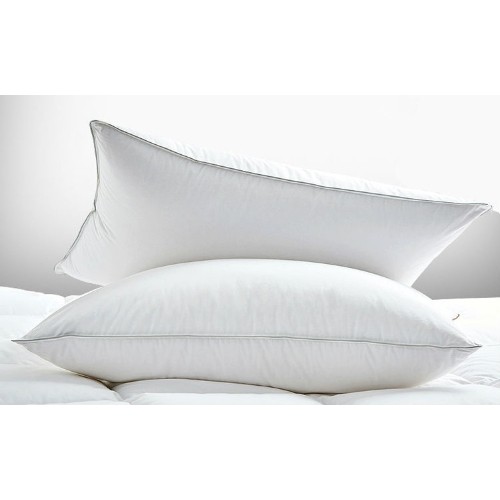
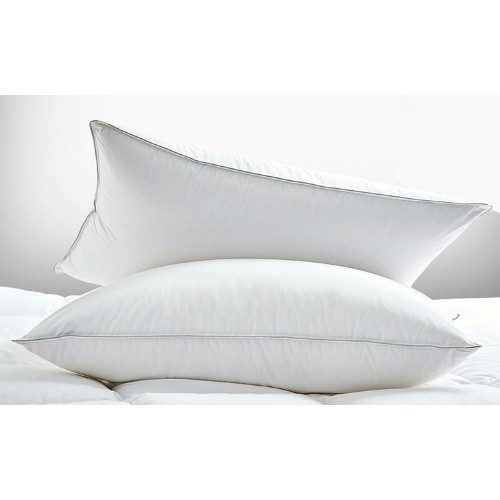
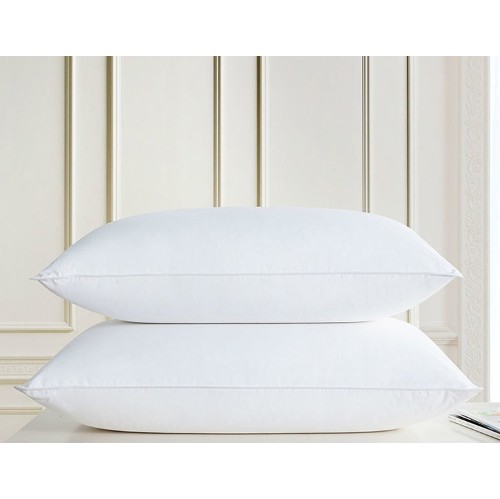
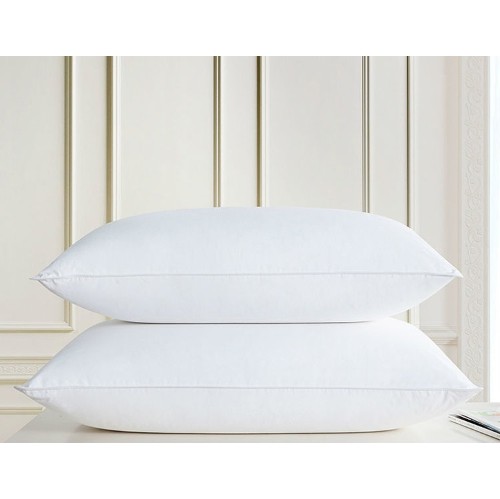
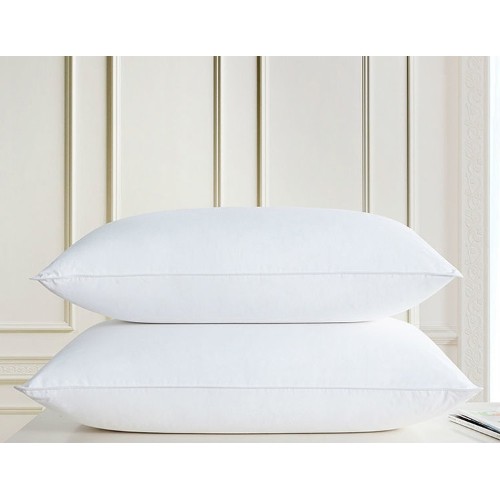
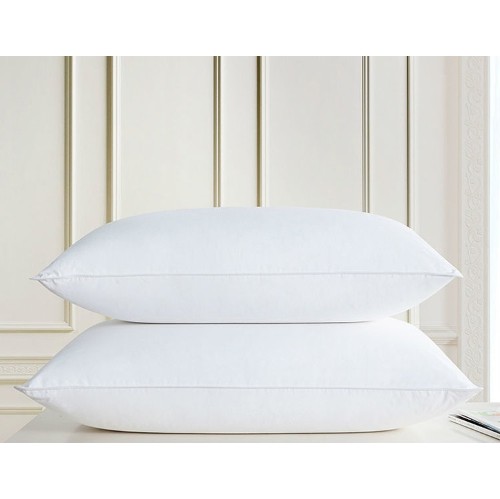
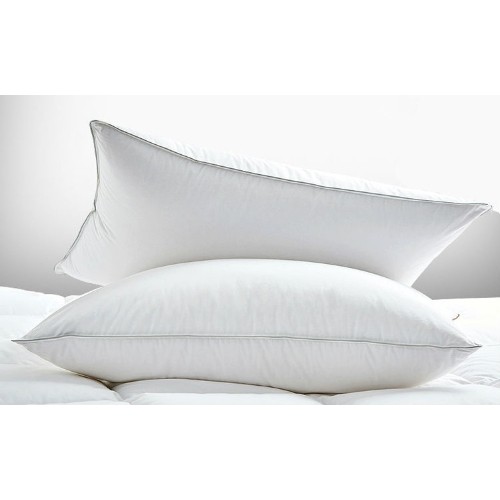
Hungarian goose down pillows bring a light, yielding feel to bedding, with a filling that can be fluffed, shaped, and nestled around the head. Down consists of soft clusters found beneath a goose’s outer feathers; unlike feathers, these clusters have no rigid central quill. Their branching structure traps air, creating the loft that gives a down pillow its airy volume. The Hungarian designation refers to the stated origin of the down, rather than necessarily where the finished pillow was made. Although Hungarian goose down is associated with fine bedding, origin alone does not determine softness, support, or durability. The proportion of down, the quality of the clusters, the amount of filling, and the shell construction all influence how a pillow feels beneath a sleeper’s head. Fill power describes the volume occupied by a given weight of down under specified testing conditions. A higher number generally indicates greater loft for that weight, rather than a firmer pillow. Some Hungarian goose down pillows feature fill power of 800 or more, but that figure is not a universal characteristic of the category. A generously filled pillow with a lower fill power may feel fuller than a lightly filled pillow with a higher rating, so fill power is most useful when considered alongside fill weight and construction. Down percentage matters as well: a down-and-feather blend offers a different sensation from a filling made entirely of down. Feathers add structure and a more noticeable, springy texture, while down supplies the soft, compressible cushion at the surface. For someone who enjoys folding a pillow slightly beneath the cheek or smoothing it into a shallow cradle, that mouldable feel can be particularly appealing. It is a different experience from the fixed contours of moulded foam, with more freedom to reshape the pillow as sleeping positions change.
The right Hungarian goose down pillow depends on sleeping position, body proportions, mattress feel, and how much height remains once the filling compresses. Side sleepers generally need enough support to fill the space between the head and mattress without pushing the head upward. A broader shoulder frame or a firmer mattress can increase that space, making a fuller pillow worth considering. Back sleepers often prefer moderate loft that supports the natural curve of the neck without tipping the chin towards the chest, while stomach sleepers usually need a much flatter profile to limit awkward neck angles. These are starting points rather than fixed rules: a pillow that looks tall on the bed can settle substantially under weight, especially when the filling is mostly down. Chamber construction also changes the feel. A three-chamber pillow typically places a supportive feather or feather-and-down core between softer outer chambers, although the exact arrangement varies. This can provide a more substantial centre while keeping the surface plush; a single-chamber design distributes its filling within one compartment for a more uniformly adjustable feel. The fabric shell should be considered alongside the filling. Closely woven cotton is commonly used for its smooth hand and breathability, and a down-proof weave helps limit clusters and small feathers working through the fabric. Thread count alone does not establish shell quality, so fabric finish, secure seams, and clear composition details are useful considerations. Standard, queen, and king sizes affect the pillow’s footprint and the fit of its case, not just the appearance of the bed. Checking the stated dimensions helps avoid a case that squeezes the filling into an overly firm shape or leaves excess fabric bunched beside the face. In a guest bedroom, a moderately filled pillow paired with an alternative firmness can accommodate different preferences. For a housewarming or wedding gift, down bedding is most thoughtful when the recipient’s preferred pillow height and comfort with animal-derived fillings are already known.
Regular care helps Hungarian goose down pillows retain their shape and keeps the bedding pleasant to use. A gentle daily fluff separates compressed clusters and moves filling back into areas flattened overnight; turning the pillow and occasionally rotating its position can also encourage more even wear. A washable pillow protector beneath the pillowcase provides a practical barrier against perspiration, hair oils, and everyday marks. A breathable, well-fitting protector preserves more of the pillow’s soft drape than a tight or stiff cover, though any added layer may change the feel slightly. Cleaning requirements vary, so the sewn-in care label takes priority over general advice. Some down pillows can be machine washed using an appropriate gentle cycle and a small amount of suitable detergent, while others require professional cleaning. Where washing is permitted, thorough rinsing and complete drying are essential. Damp clusters can clump, develop an unpleasant odour, and lose their loft; the centre must be dry, not merely the outer shell. Low-heat tumble drying with dryer balls may help separate the filling if the care instructions allow it, and periodically pausing to redistribute the down can help wet pockets dry more evenly. Between washes, airing the pillow in a dry, well-ventilated space helps release trapped moisture. Long-term storage is best in a breathable bag without heavy compression, allowing the filling room to expand. With suitable care, well-made down pillows can remain comfortable for years, although their useful life varies with use, construction, and cleaning. Persistent flattening, damaged seams, escaping filling, or an odour that remains after appropriate cleaning are reasons to reassess their condition. People sensitive to down, feathers, or dust mites should pay attention to filling disclosures and protective-cover options; a hypoallergenic claim does not guarantee an absence of reactions. Hungarian goose down pillows can also complement Goose Down Duvets for a bed with a similarly light, lofty feel, while the duvet’s warmth level remains a separate choice. During the cooler months, pairing a comfortable pillow with bedding suited to the room’s temperature creates a welcoming place to settle without relying on heavier layers around the head and neck.
The right Hungarian goose down pillow depends on sleeping position, body proportions, mattress feel, and how much height remains once the filling compresses. Side sleepers generally need enough support to fill the space between the head and mattress without pushing the head upward. A broader shoulder frame or a firmer mattress can increase that space, making a fuller pillow worth considering. Back sleepers often prefer moderate loft that supports the natural curve of the neck without tipping the chin towards the chest, while stomach sleepers usually need a much flatter profile to limit awkward neck angles. These are starting points rather than fixed rules: a pillow that looks tall on the bed can settle substantially under weight, especially when the filling is mostly down. Chamber construction also changes the feel. A three-chamber pillow typically places a supportive feather or feather-and-down core between softer outer chambers, although the exact arrangement varies. This can provide a more substantial centre while keeping the surface plush; a single-chamber design distributes its filling within one compartment for a more uniformly adjustable feel. The fabric shell should be considered alongside the filling. Closely woven cotton is commonly used for its smooth hand and breathability, and a down-proof weave helps limit clusters and small feathers working through the fabric. Thread count alone does not establish shell quality, so fabric finish, secure seams, and clear composition details are useful considerations. Standard, queen, and king sizes affect the pillow’s footprint and the fit of its case, not just the appearance of the bed. Checking the stated dimensions helps avoid a case that squeezes the filling into an overly firm shape or leaves excess fabric bunched beside the face. In a guest bedroom, a moderately filled pillow paired with an alternative firmness can accommodate different preferences. For a housewarming or wedding gift, down bedding is most thoughtful when the recipient’s preferred pillow height and comfort with animal-derived fillings are already known.
Regular care helps Hungarian goose down pillows retain their shape and keeps the bedding pleasant to use. A gentle daily fluff separates compressed clusters and moves filling back into areas flattened overnight; turning the pillow and occasionally rotating its position can also encourage more even wear. A washable pillow protector beneath the pillowcase provides a practical barrier against perspiration, hair oils, and everyday marks. A breathable, well-fitting protector preserves more of the pillow’s soft drape than a tight or stiff cover, though any added layer may change the feel slightly. Cleaning requirements vary, so the sewn-in care label takes priority over general advice. Some down pillows can be machine washed using an appropriate gentle cycle and a small amount of suitable detergent, while others require professional cleaning. Where washing is permitted, thorough rinsing and complete drying are essential. Damp clusters can clump, develop an unpleasant odour, and lose their loft; the centre must be dry, not merely the outer shell. Low-heat tumble drying with dryer balls may help separate the filling if the care instructions allow it, and periodically pausing to redistribute the down can help wet pockets dry more evenly. Between washes, airing the pillow in a dry, well-ventilated space helps release trapped moisture. Long-term storage is best in a breathable bag without heavy compression, allowing the filling room to expand. With suitable care, well-made down pillows can remain comfortable for years, although their useful life varies with use, construction, and cleaning. Persistent flattening, damaged seams, escaping filling, or an odour that remains after appropriate cleaning are reasons to reassess their condition. People sensitive to down, feathers, or dust mites should pay attention to filling disclosures and protective-cover options; a hypoallergenic claim does not guarantee an absence of reactions. Hungarian goose down pillows can also complement Goose Down Duvets for a bed with a similarly light, lofty feel, while the duvet’s warmth level remains a separate choice. During the cooler months, pairing a comfortable pillow with bedding suited to the room’s temperature creates a welcoming place to settle without relying on heavier layers around the head and neck.
Top selling and popular products
-
 Your price for this item is $300
 -
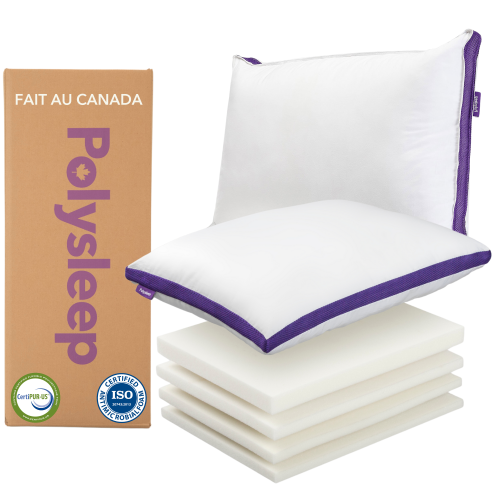 Your price for this item is $350
 -
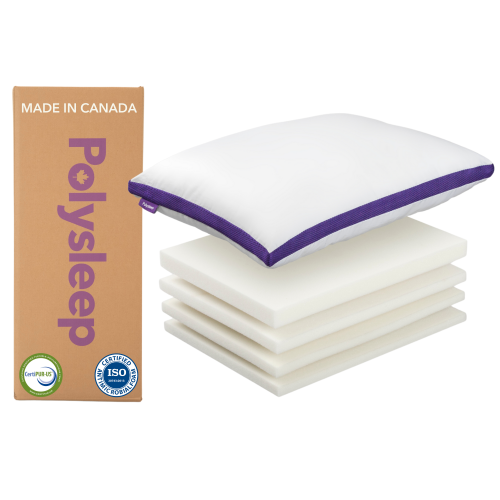 Your price for this item is $175
 -
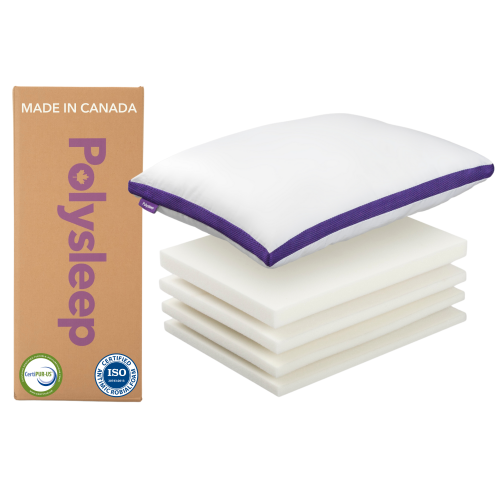 Your price for this item is $150
 -
 Your price for this item is $295
 -
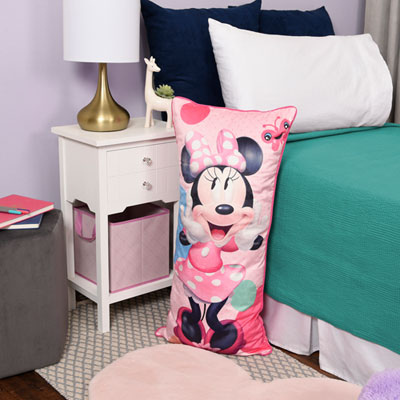 Your price for this item is $24.99
 -
 Your price for this item is $19.99
 -
 Your price for this item is $24.98
Discover more categories related to Hungarian Goose Down Pillows
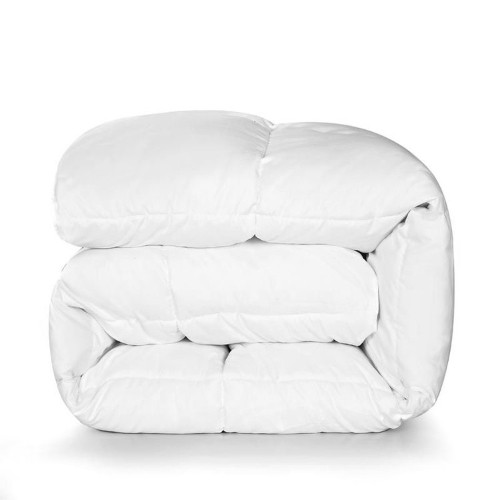
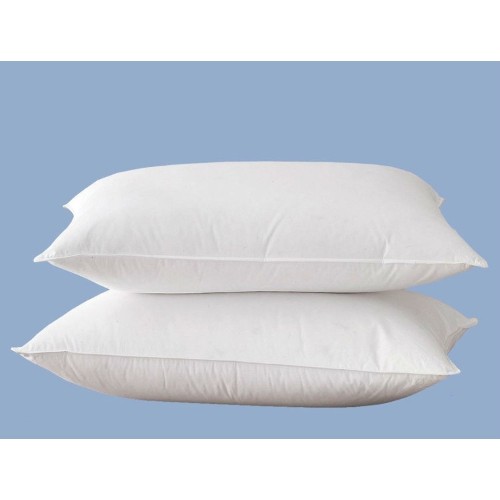

Top Collections:
Pokemon Centers, Kindle Devices, Best Budget Office Chairs, Apple iPhones 16, Canon G7X Cameras, iPhone 15 Apple, Alarm Clock, Refurbished Apple Laptops, Flip Phones, Best Laptops for Writers
Some products may be subject to Environmental Handling Fees
(EHF) depending on your province.
Learn more about EHFs.