Indoor Doormats
Keep your home clean and stylish with our selection of indoor doormats. Designed to trap dirt, mud, and moisture from shoes, these doormats are not only functional but also a great way to add a touch of personality to your entryway. Whether you prefer classic designs or modern patterns, we have indoor doormats to suit every style and budget. Say goodbye to dirty floors and hello to a more inviting home with our range of indoor doormats.
Sort



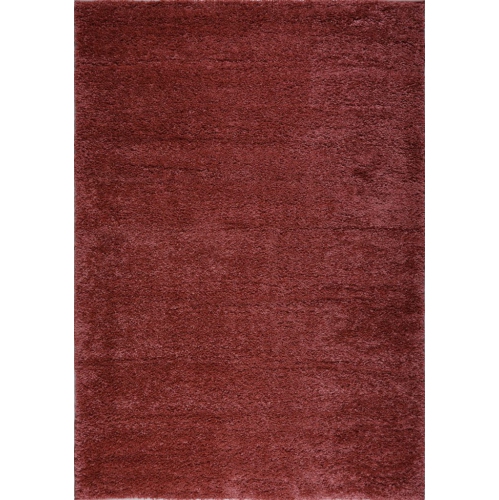
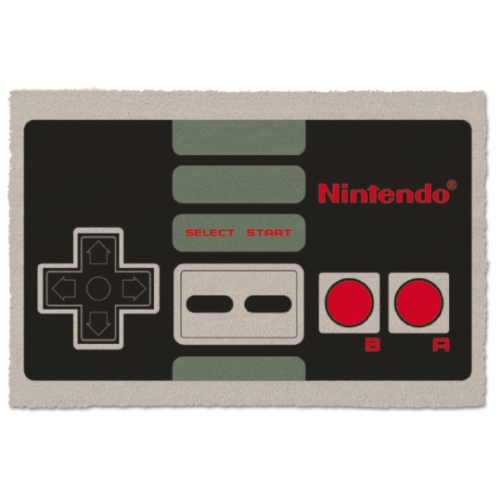
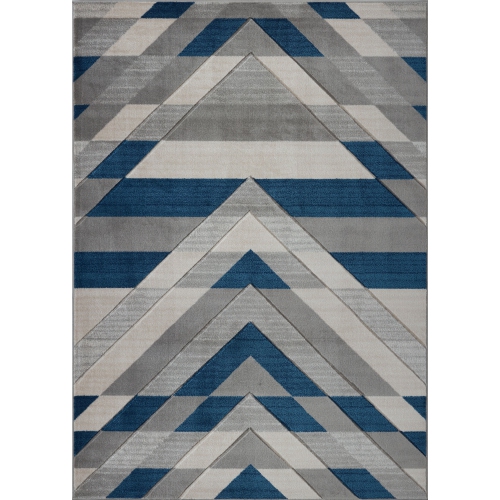
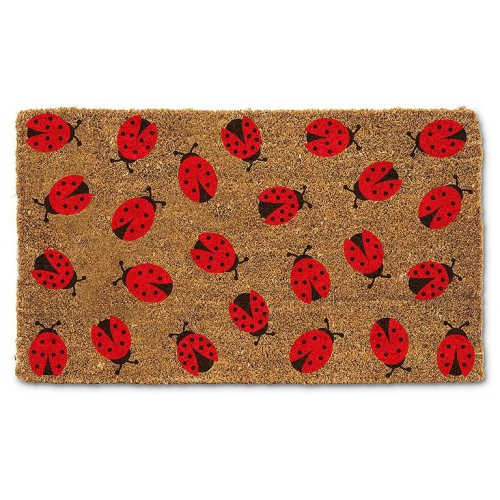

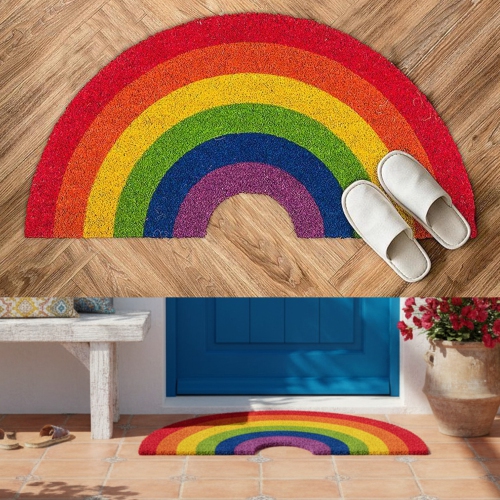
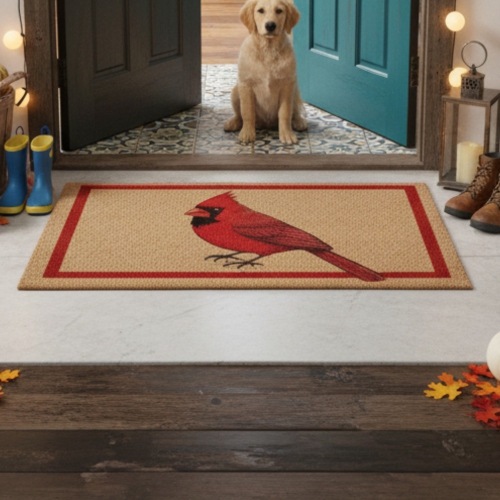
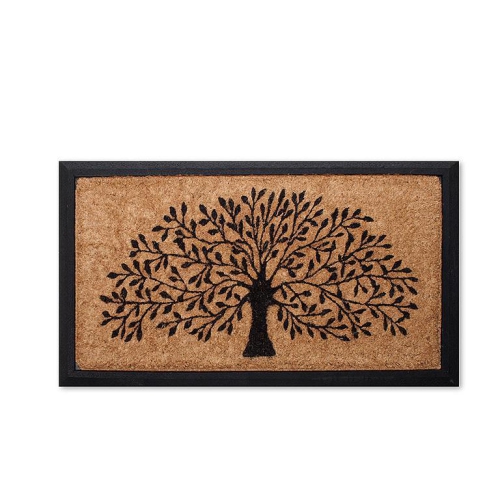


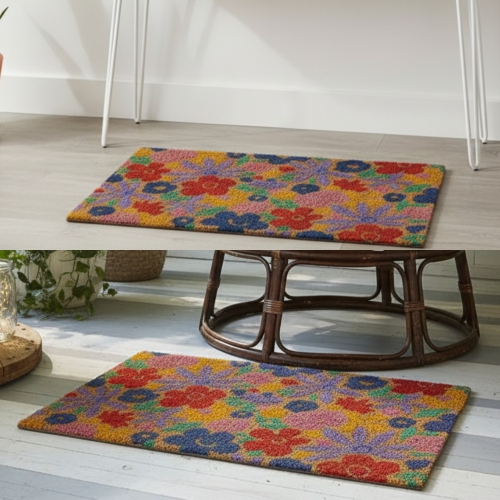
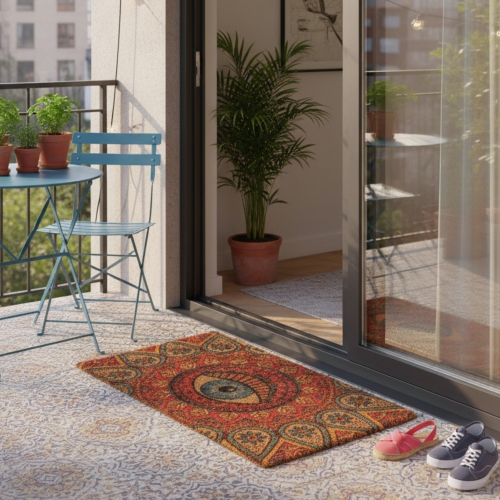
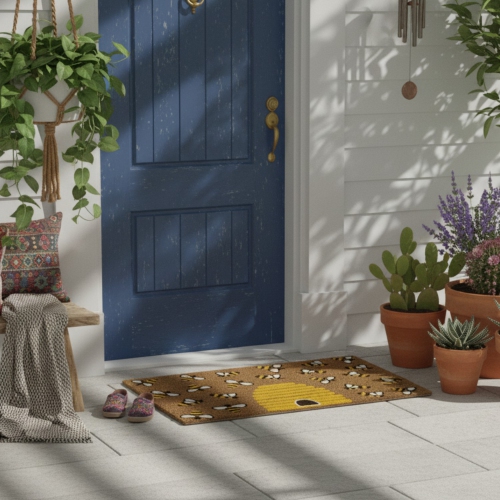
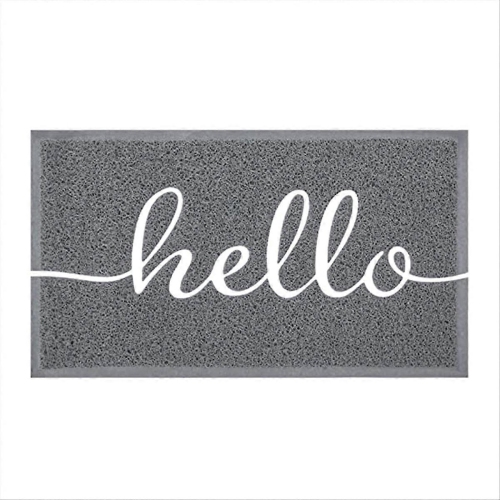
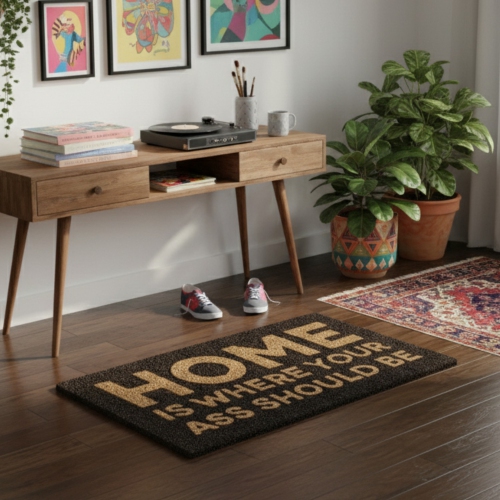

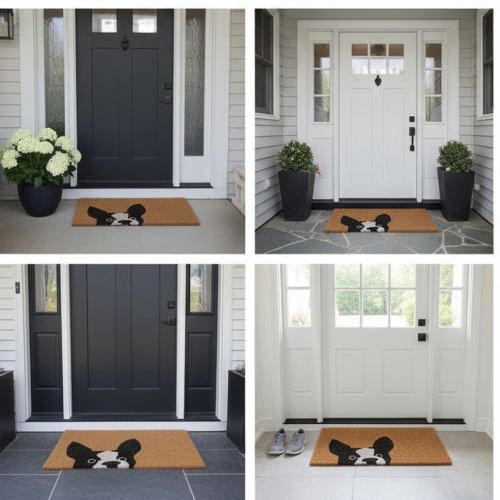
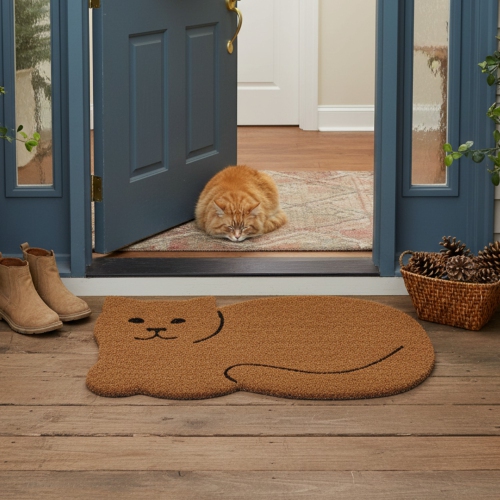
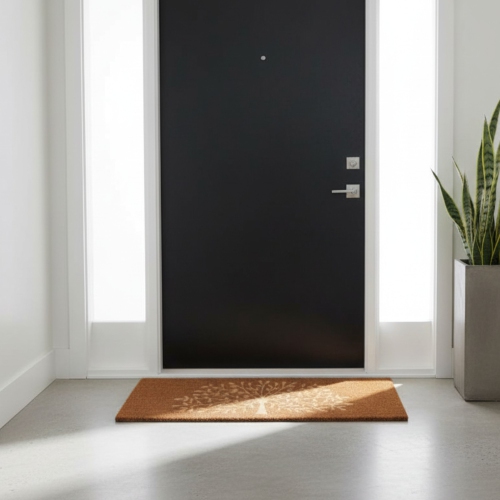
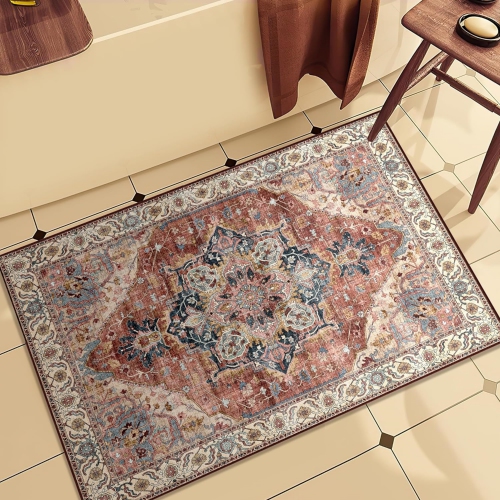
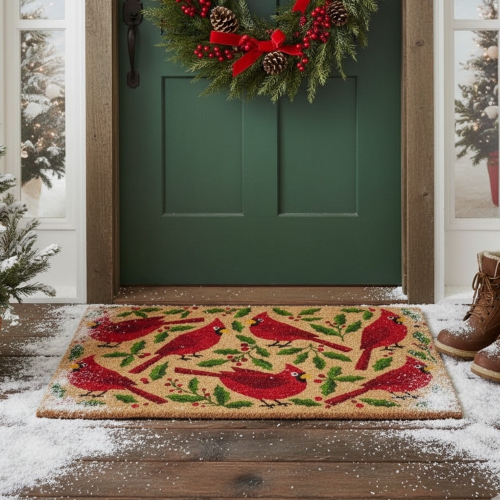
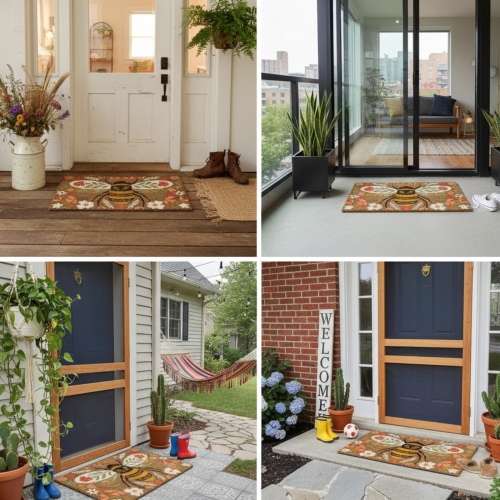



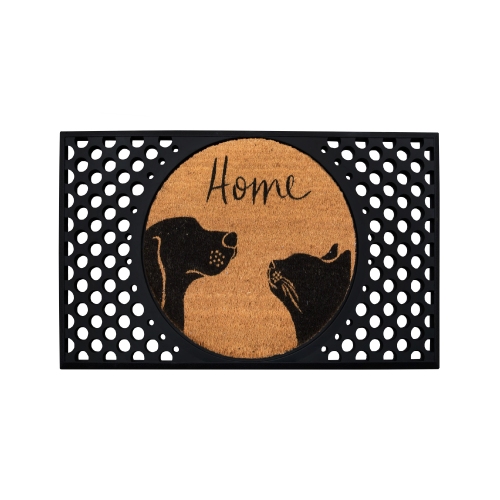
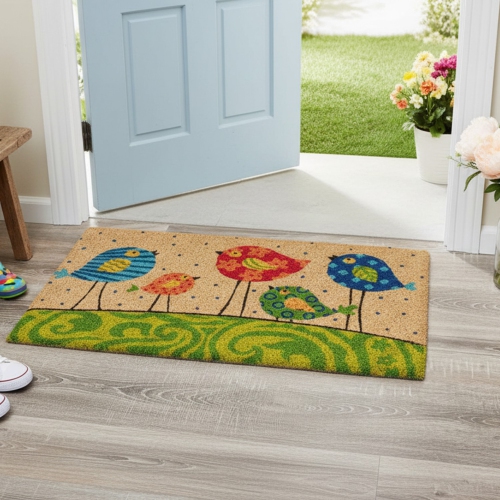
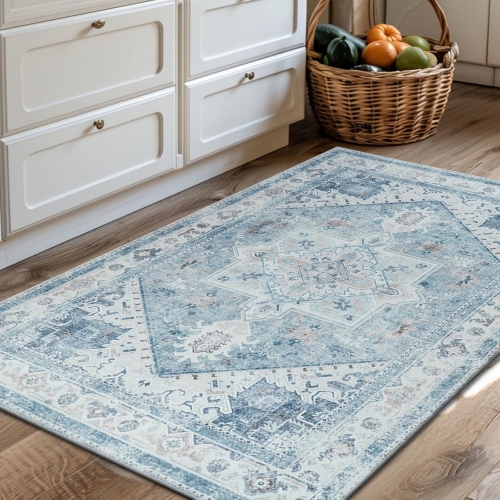
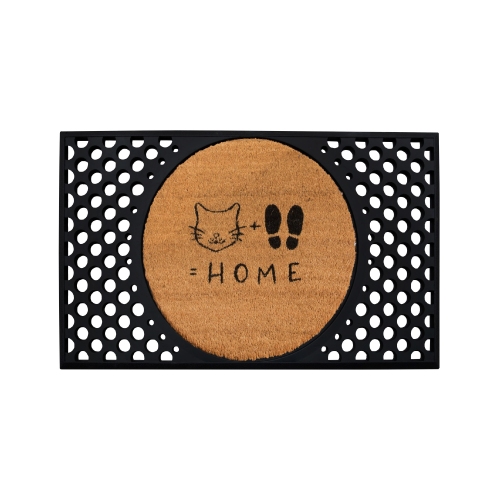
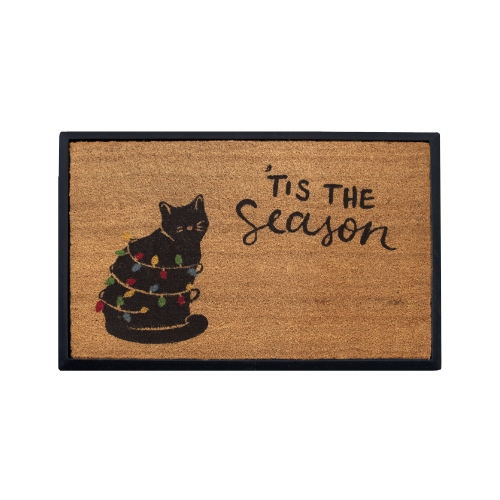
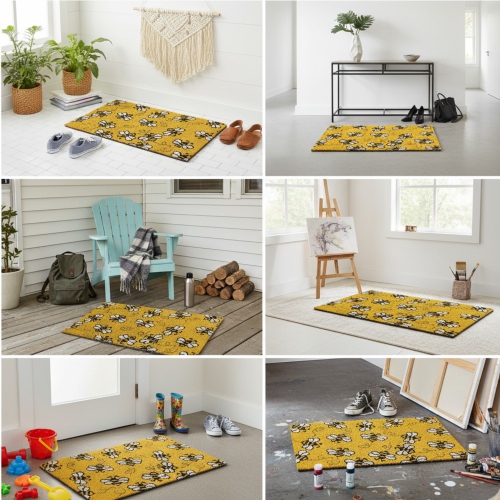
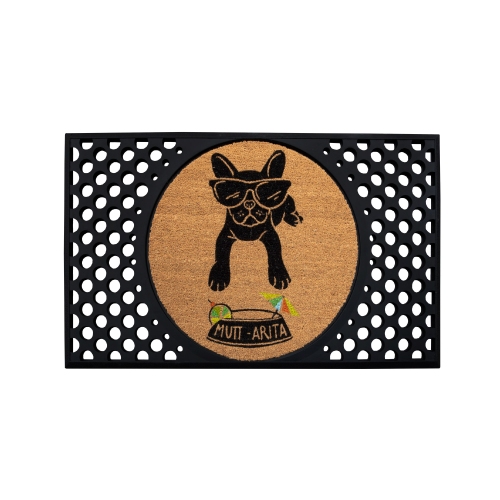
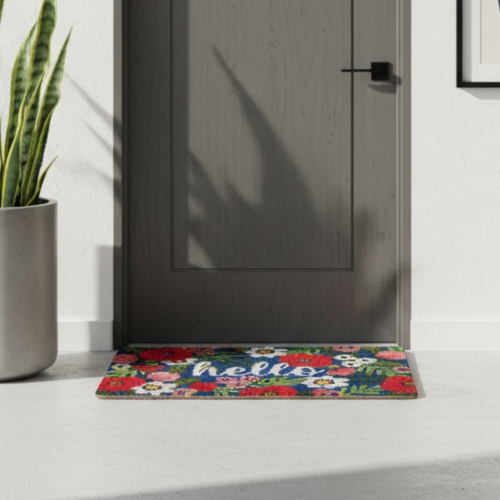
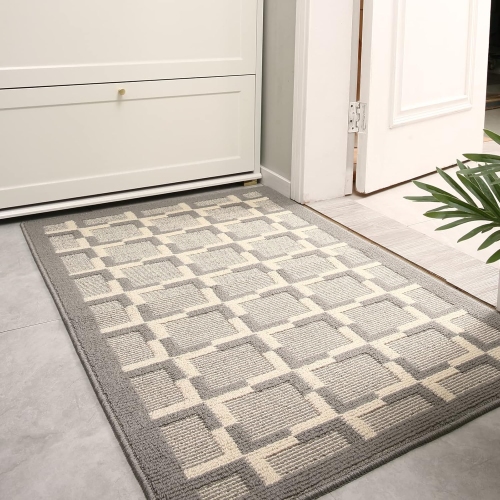
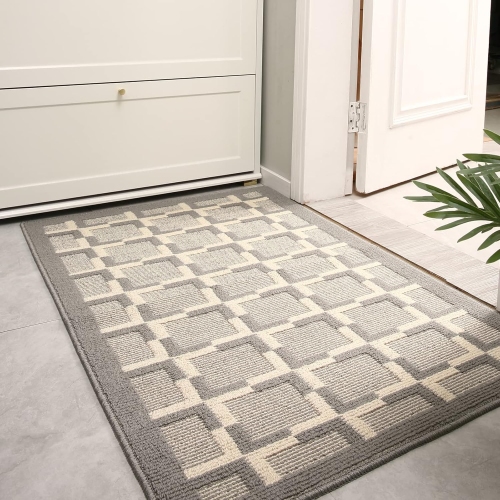
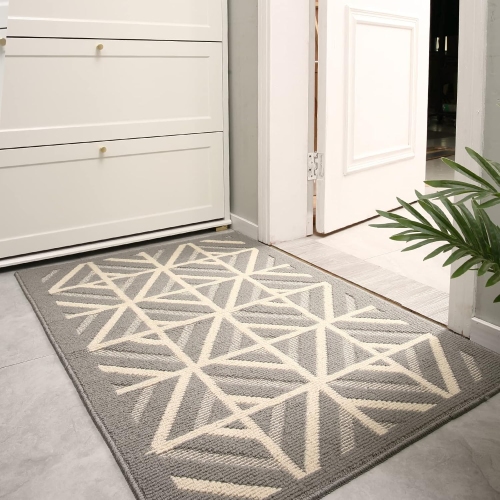
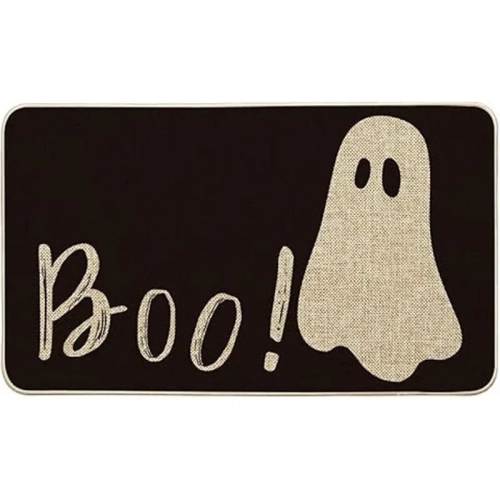





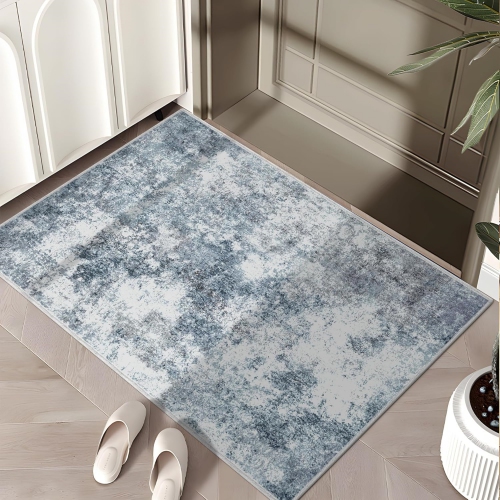
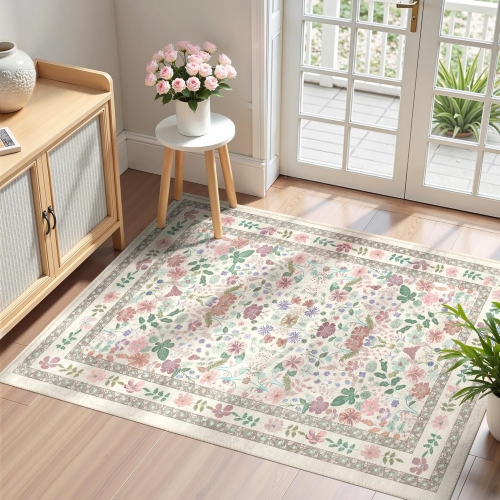
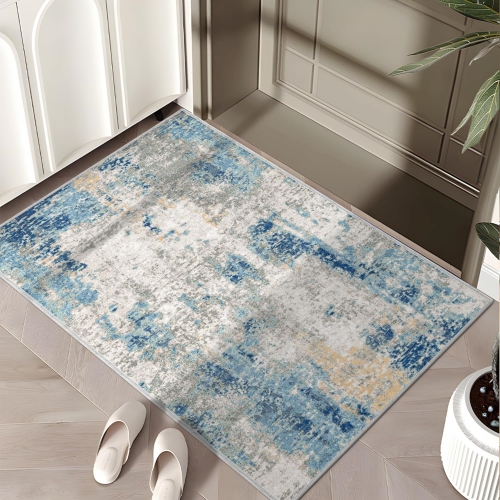
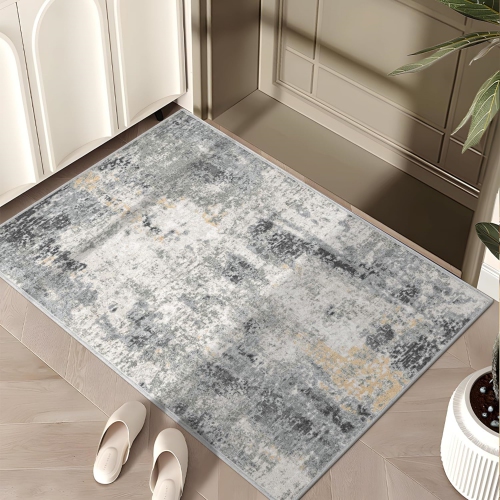
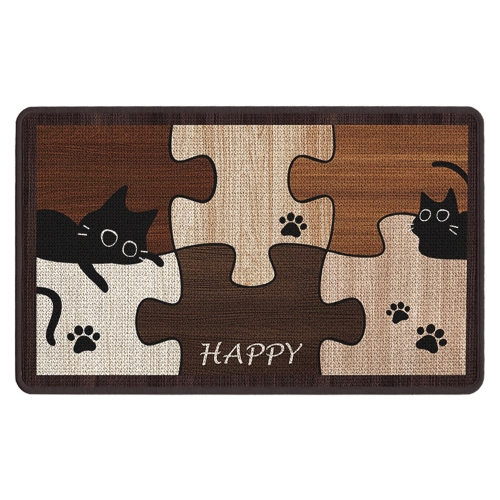
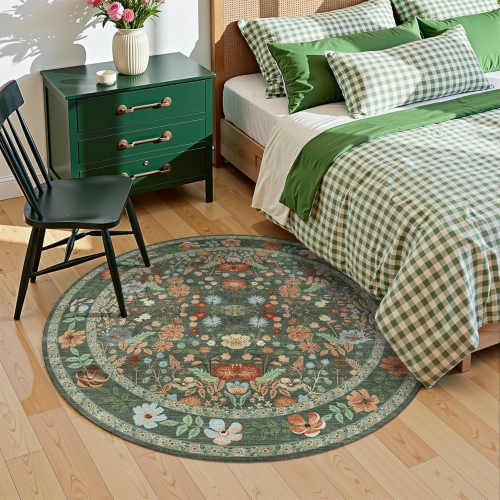
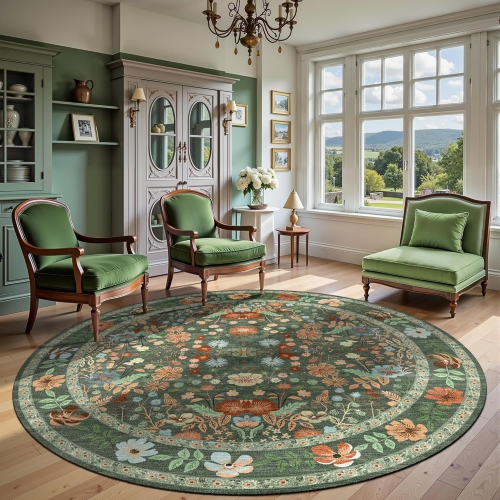
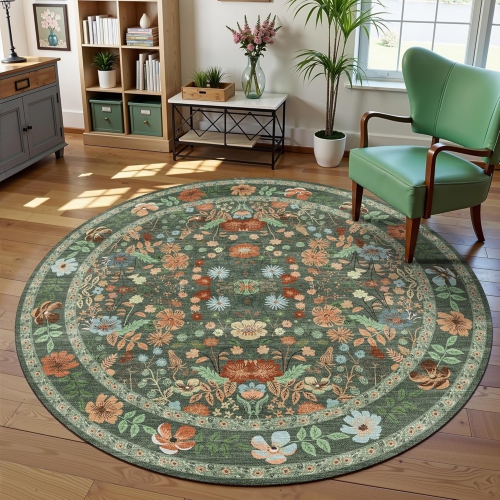
What to know about moisture control, sizing, and care
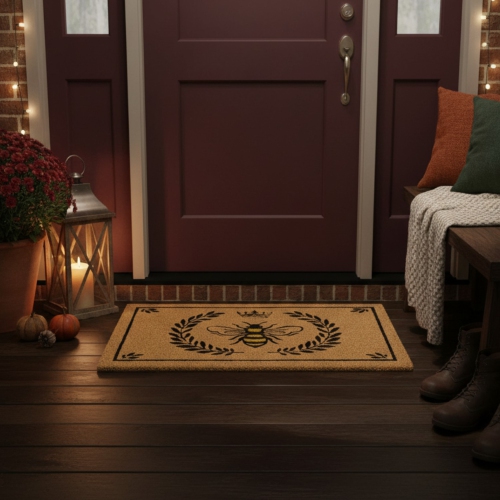
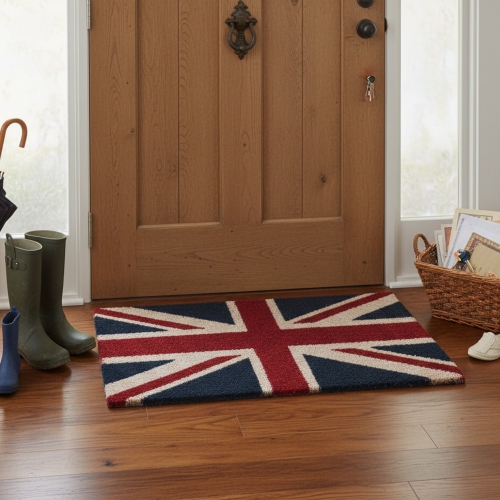
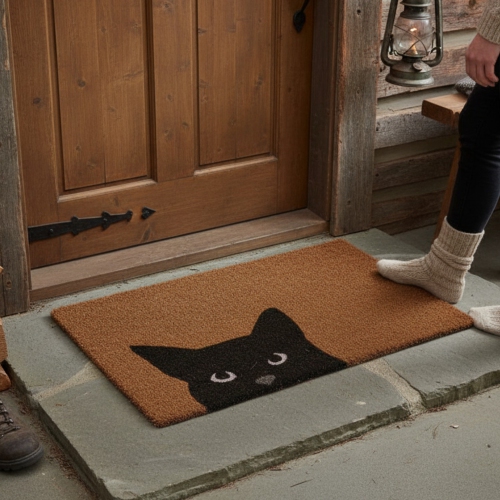
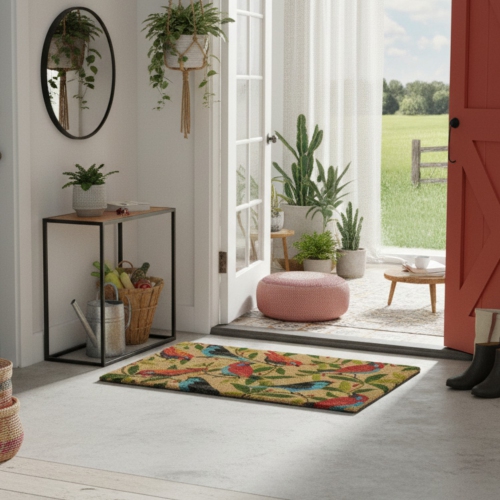
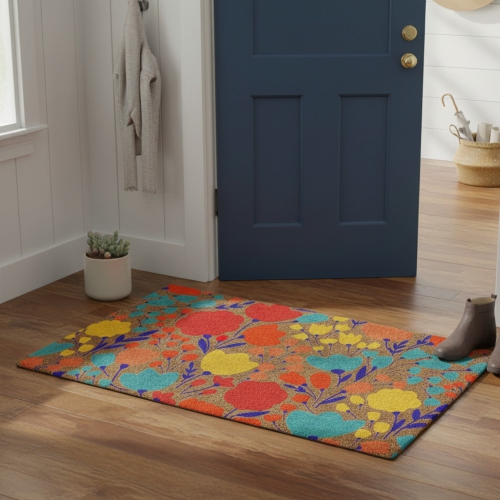
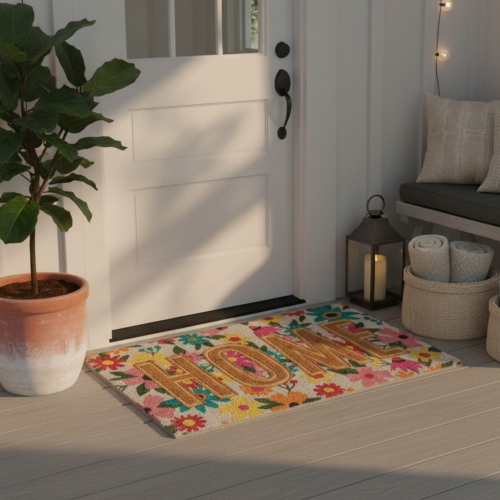
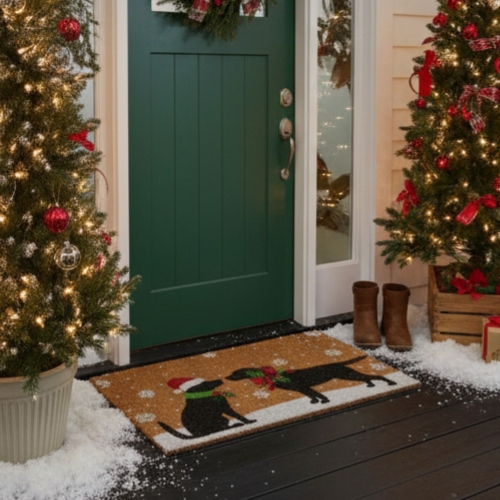
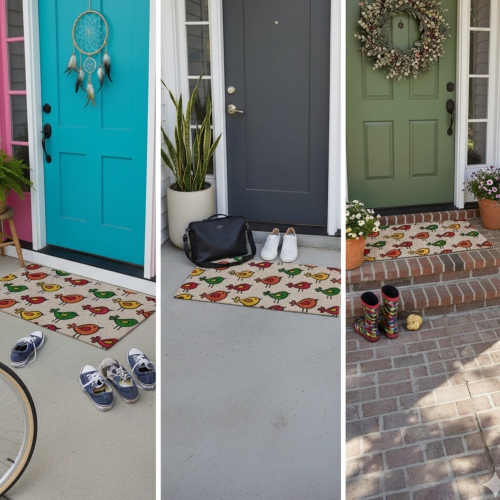
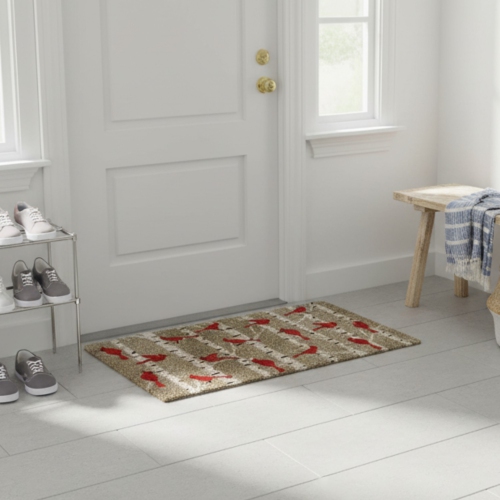
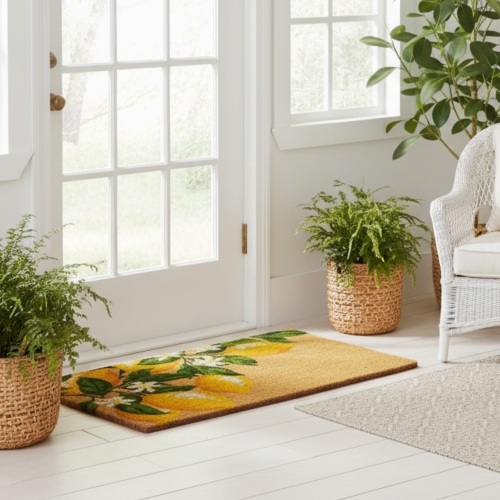
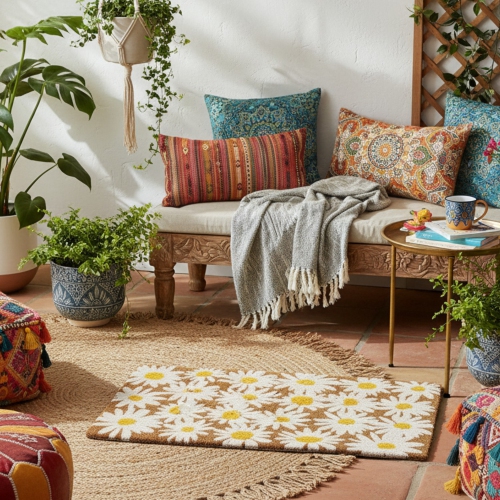
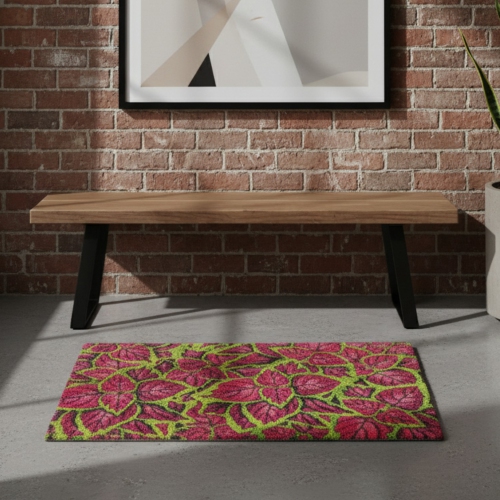
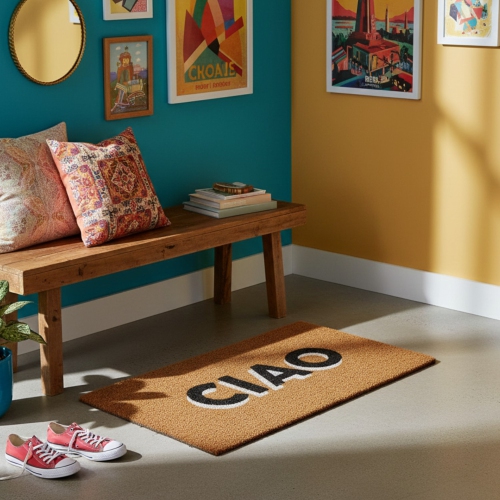
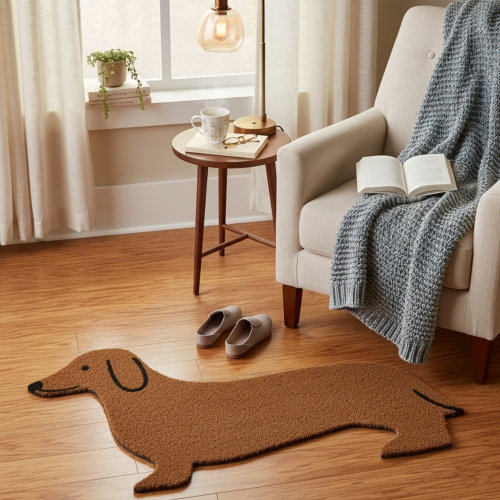
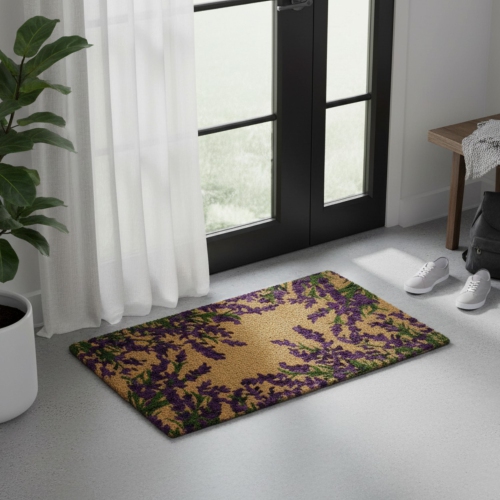
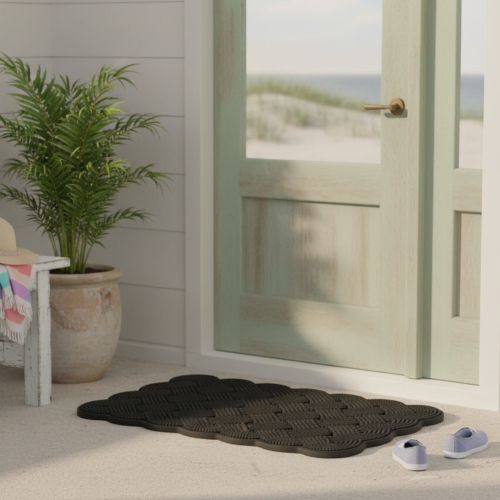
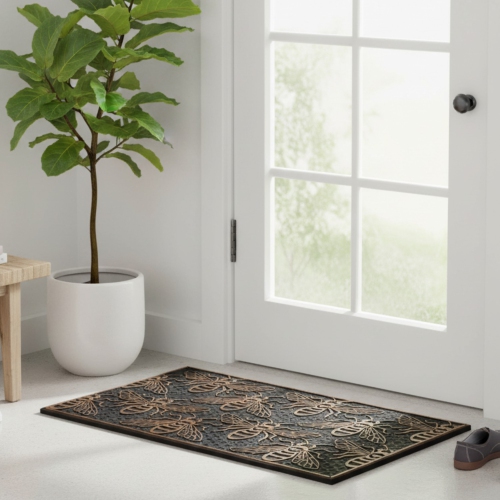
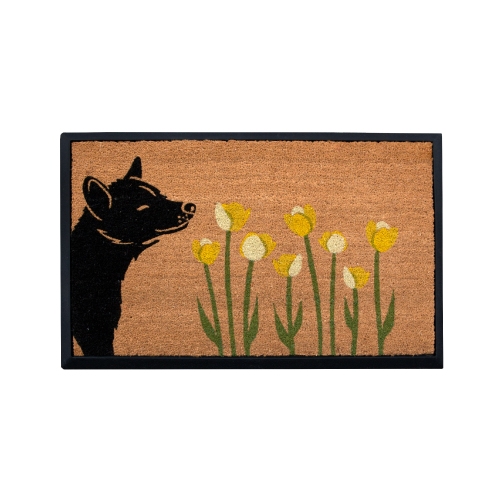
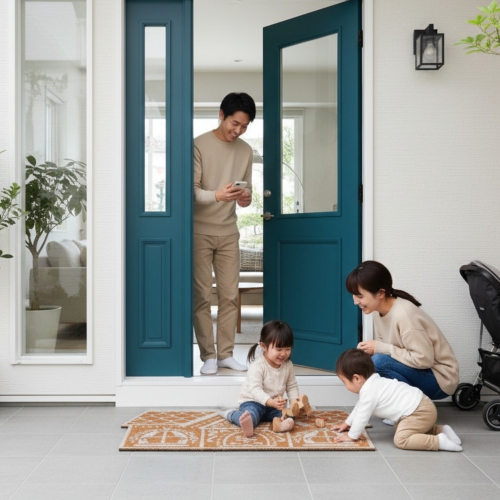
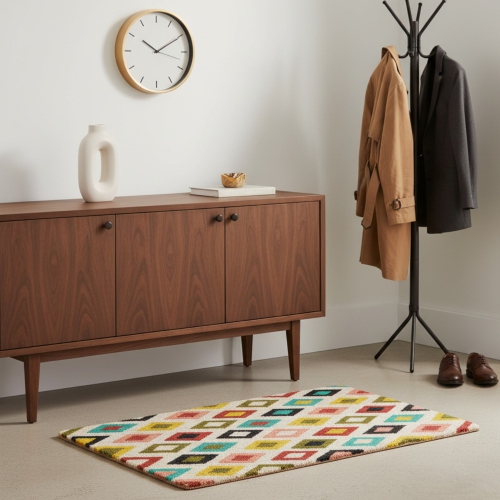
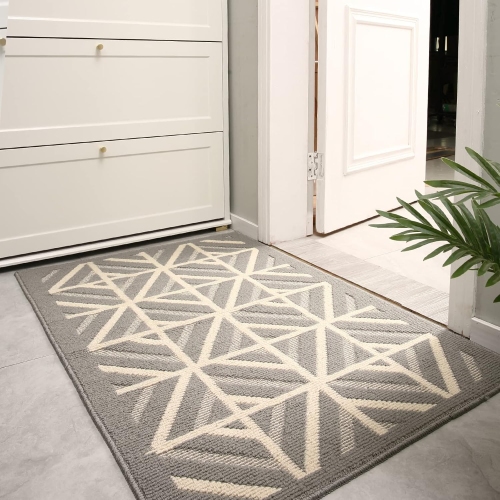
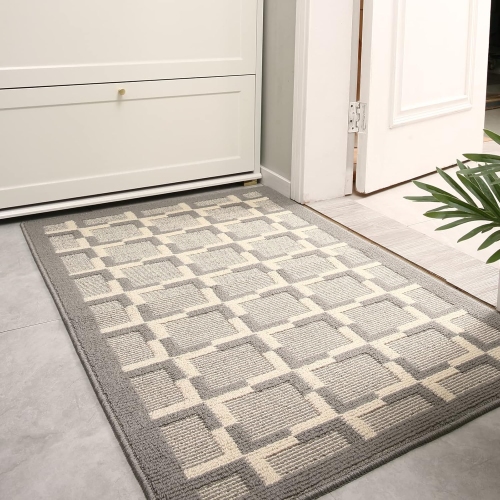
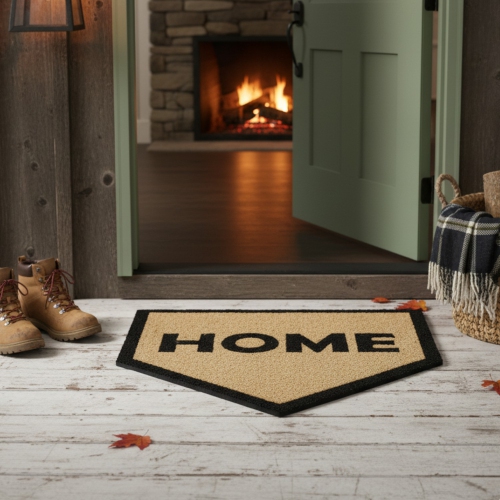
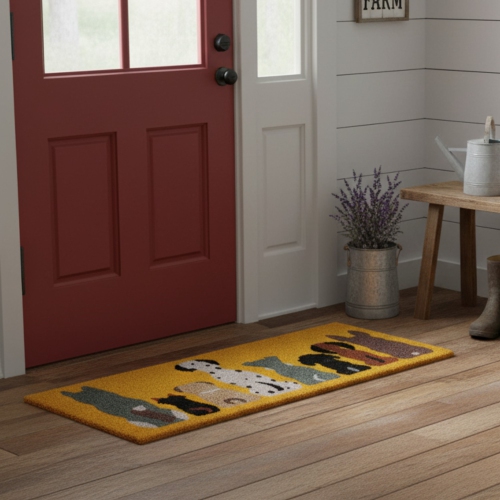
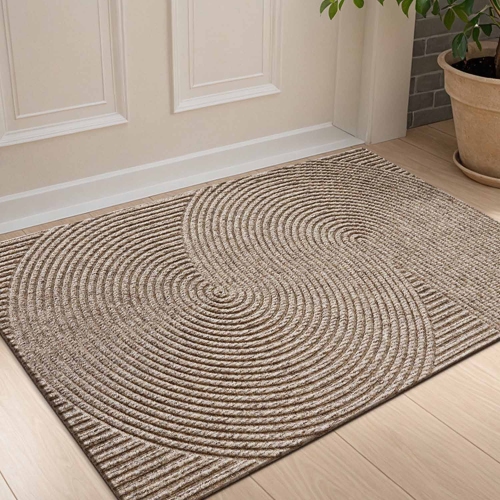
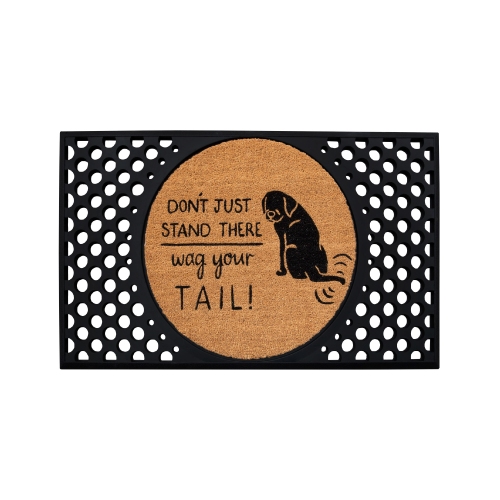
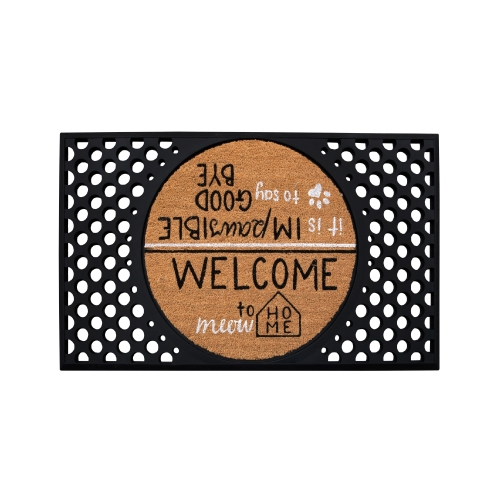
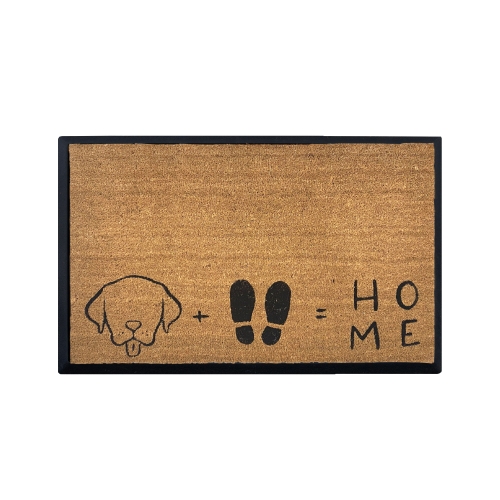
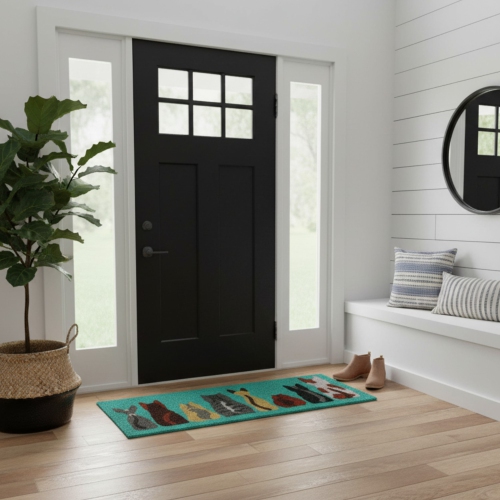
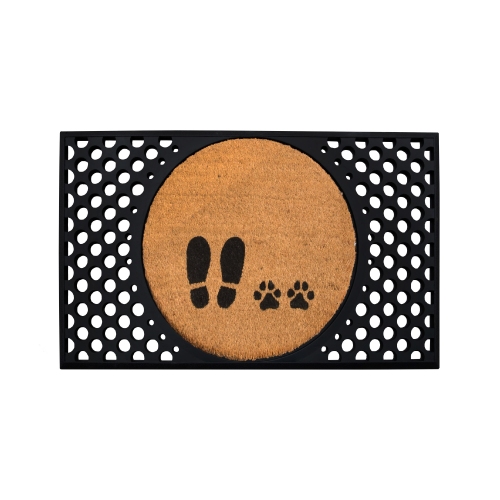
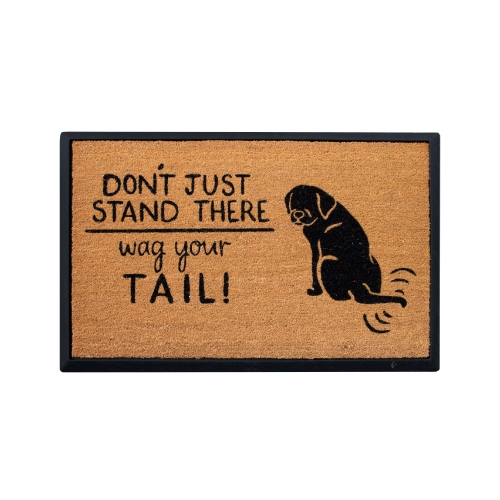
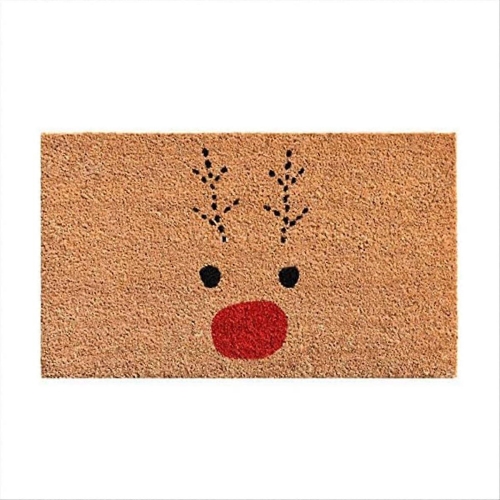
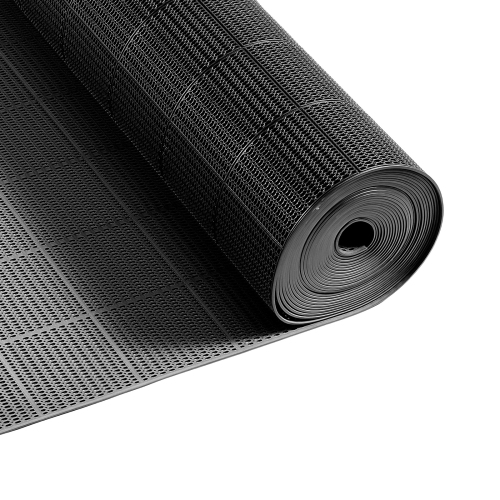
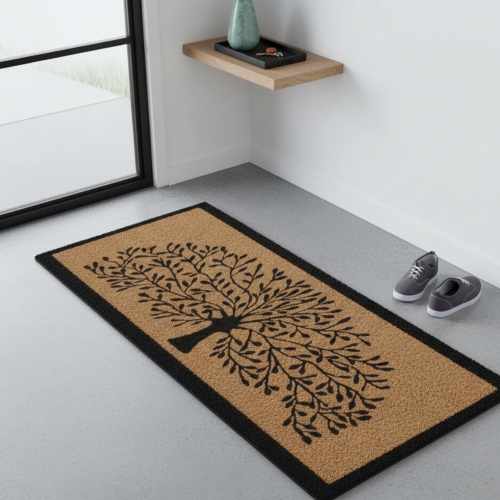
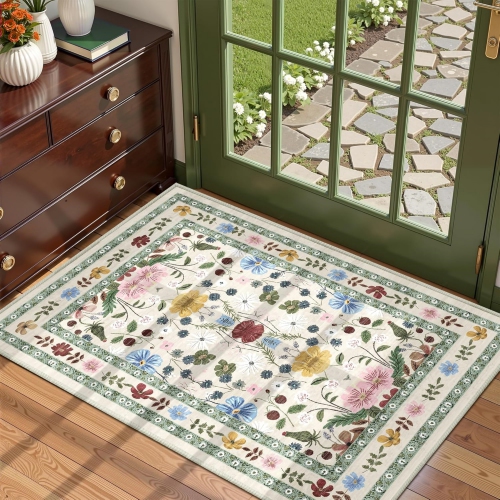
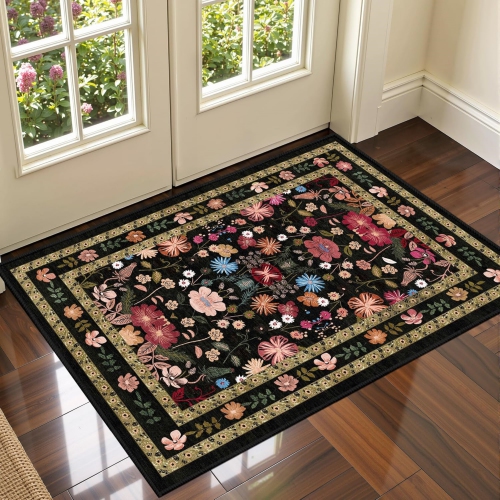
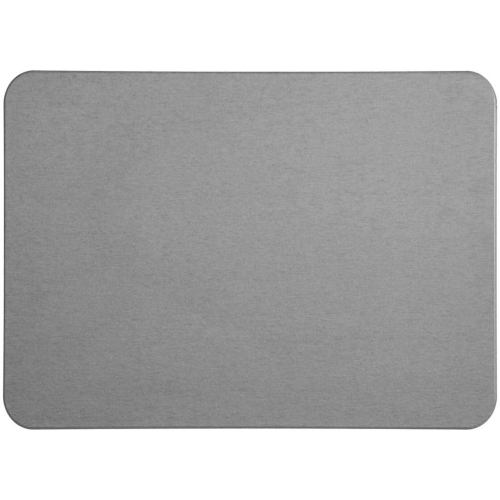
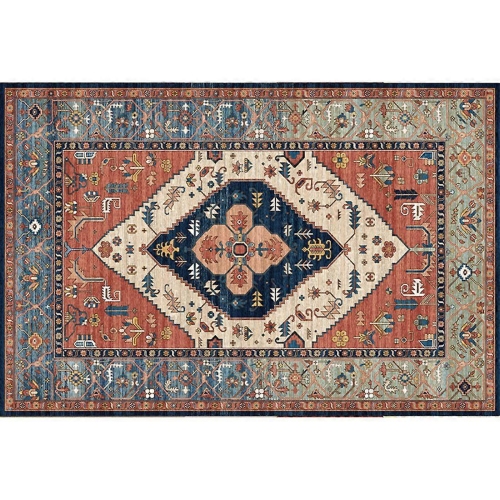
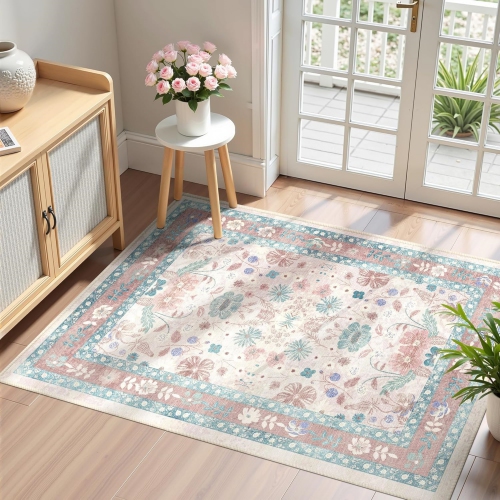
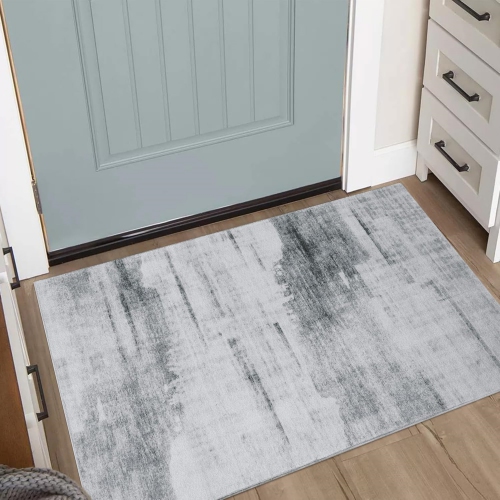
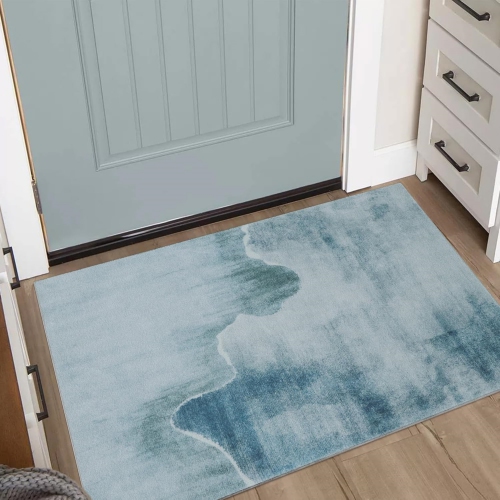
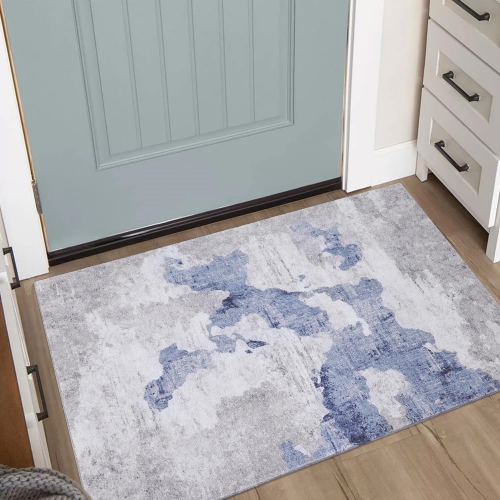
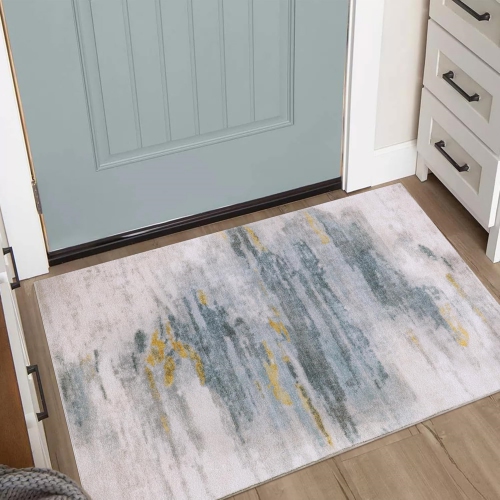
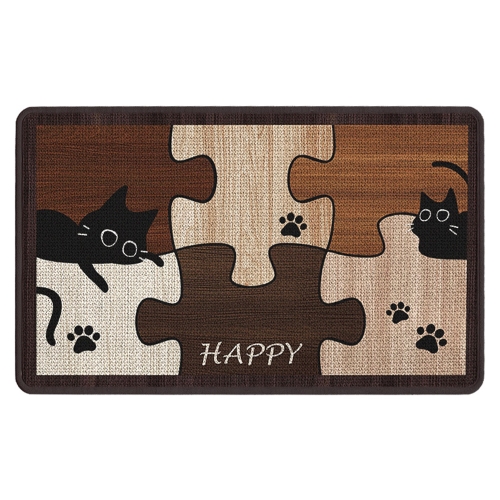
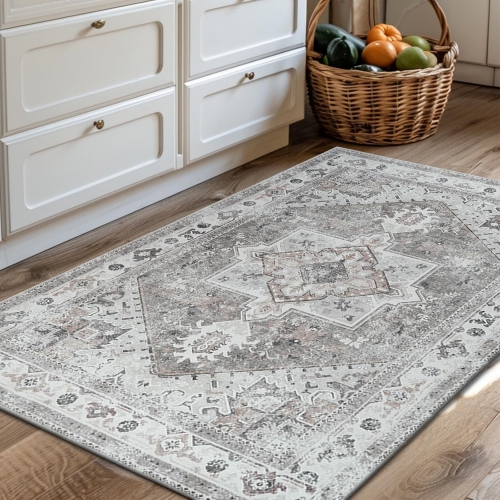
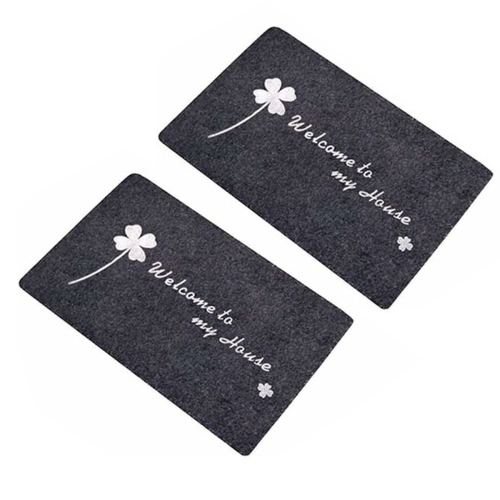
Indoor doormats are a practical way to create a cleaner, more comfortable entrance while adding a finished look to your hallway, foyer, mudroom, laundry room, or apartment entry. Placed just inside an exterior door, an indoor doormat catches the last traces of moisture, mud, grit, and fine dust left on footwear after someone comes in from outdoors. During the warmer part of the year, it can help collect grass clippings, pollen, and dry soil; during the cooler months, it is especially useful for absorbing rainwater and slush before they reach hardwood, laminate, tile, or vinyl flooring. A mat with a textured or looped surface gives shoes a place to wipe, helping reduce the small bits of debris that can otherwise be carried throughout the home. Many households use one at the main entrance and add another at a back door, garage entry, balcony door, or mudroom where family members and guests come and go throughout the day. For a more complete entryway setup, an indoor mat can be paired with Outdoor Welcome Doormats placed outside, allowing the outdoor mat to take on larger debris while the indoor mat handles residual moisture and fine particles. This two-step arrangement is particularly helpful in homes with children, pets, frequent visitors, or flooring that needs extra protection. Indoor doormats can also make thoughtful housewarming gifts because they combine everyday usefulness with an easy way to personalize a new space. Neutral colours suit a wide range of décor, while patterns, borders, and understated seasonal details can make an entrance feel more inviting without requiring a major change to the room.
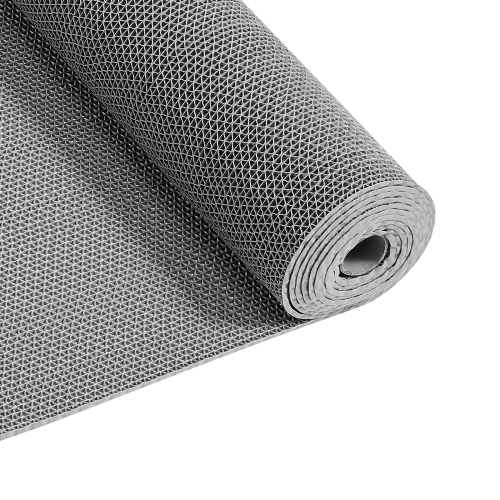
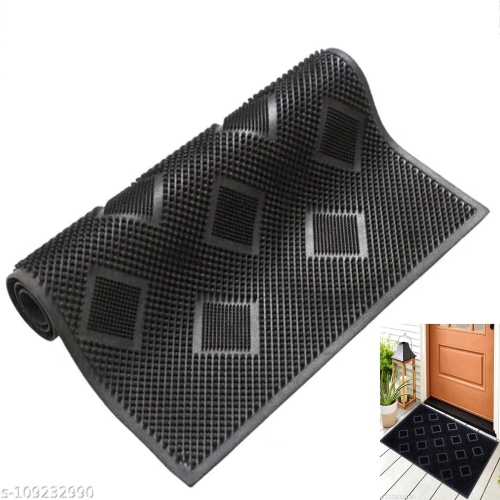
When choosing indoor doormats, start by considering the available floor space and the clearance beneath the door. A low-profile design is often the safest choice for an entry where the door swings inward, since a slim pile helps the door open and close without catching on the fabric. A thickness under approximately 0.4 inch may work well in many standard doorways, although the exact clearance should be checked before purchasing. Measure the width of the threshold and consider whether you want the mat to sit directly in front of the door or extend along a busier walkway. A narrow runner can guide foot traffic through a hallway, while a wider rectangular mat gives several people room to wipe their shoes when arriving together. The backing is equally important. Rubber, thermoplastic rubber, or silicone-style backings can help hold the mat in place on smooth surfaces such as tile, laminate, finished wood, and vinyl, reducing bunching and unexpected movement underfoot. Even with a non-slip backing, the surrounding floor should be clean and dry, and the mat should be positioned flat without folded corners. Surface material affects how the mat performs and feels. Polypropylene and polyester fibres are popular for their ability to capture dry dirt and handle everyday moisture, while textured surfaces can provide additional scraping action for footwear. If the entrance is exposed to heavy traffic, look for a durable construction that maintains its shape and lies flat over time. For homes with pets or young children, a design that hides small marks between cleanings and can be lifted easily for regular care may be more convenient than a delicate decorative style. Colour and pattern also matter practically: darker or busier designs can disguise tracked-in dirt, while lighter tones may brighten a dim foyer and coordinate with pale walls or flooring.
Regular care helps indoor doormats continue to look tidy and perform effectively. Shake the mat outdoors to release loose grit, or vacuum both the surface and the surrounding floor to remove dust before it is ground into the fibres. For a deeper clean, follow the manufacturer’s instructions carefully, as some synthetic mats can be rinsed with water or washed on a gentle cycle while others should only be spot-cleaned. Use a mild cleaning solution when recommended, avoid saturating a mat that is not designed for washing, and allow it to dry completely before placing it back at the doorway. A damp mat left on the floor can hold moisture against the surface beneath it, so good airflow and thorough drying are important. It is also worth lifting the mat occasionally to check for trapped grit, moisture, or uneven wear on the backing. If the mat begins to curl, slide, or remain damp, it may need cleaning, repositioning, or replacement. Entryways often show the rhythm of a household: wet footprints after a walk, sandy shoes returning from the garden, school bags dropped beside the door, or guests pausing to wipe their boots before stepping inside. The right indoor doormat makes these everyday moments easier to manage by giving dirt and moisture a designated place to stop. Whether you are furnishing a first apartment, refreshing a busy family entrance, preparing a guest area, or adding a useful finishing touch to a home, selecting the right size, absorbency, backing, pile height, appearance, and care requirements can help create an entryway that feels welcoming and stays easier to maintain through changing conditions.
When choosing indoor doormats, start by considering the available floor space and the clearance beneath the door. A low-profile design is often the safest choice for an entry where the door swings inward, since a slim pile helps the door open and close without catching on the fabric. A thickness under approximately 0.4 inch may work well in many standard doorways, although the exact clearance should be checked before purchasing. Measure the width of the threshold and consider whether you want the mat to sit directly in front of the door or extend along a busier walkway. A narrow runner can guide foot traffic through a hallway, while a wider rectangular mat gives several people room to wipe their shoes when arriving together. The backing is equally important. Rubber, thermoplastic rubber, or silicone-style backings can help hold the mat in place on smooth surfaces such as tile, laminate, finished wood, and vinyl, reducing bunching and unexpected movement underfoot. Even with a non-slip backing, the surrounding floor should be clean and dry, and the mat should be positioned flat without folded corners. Surface material affects how the mat performs and feels. Polypropylene and polyester fibres are popular for their ability to capture dry dirt and handle everyday moisture, while textured surfaces can provide additional scraping action for footwear. If the entrance is exposed to heavy traffic, look for a durable construction that maintains its shape and lies flat over time. For homes with pets or young children, a design that hides small marks between cleanings and can be lifted easily for regular care may be more convenient than a delicate decorative style. Colour and pattern also matter practically: darker or busier designs can disguise tracked-in dirt, while lighter tones may brighten a dim foyer and coordinate with pale walls or flooring.
Regular care helps indoor doormats continue to look tidy and perform effectively. Shake the mat outdoors to release loose grit, or vacuum both the surface and the surrounding floor to remove dust before it is ground into the fibres. For a deeper clean, follow the manufacturer’s instructions carefully, as some synthetic mats can be rinsed with water or washed on a gentle cycle while others should only be spot-cleaned. Use a mild cleaning solution when recommended, avoid saturating a mat that is not designed for washing, and allow it to dry completely before placing it back at the doorway. A damp mat left on the floor can hold moisture against the surface beneath it, so good airflow and thorough drying are important. It is also worth lifting the mat occasionally to check for trapped grit, moisture, or uneven wear on the backing. If the mat begins to curl, slide, or remain damp, it may need cleaning, repositioning, or replacement. Entryways often show the rhythm of a household: wet footprints after a walk, sandy shoes returning from the garden, school bags dropped beside the door, or guests pausing to wipe their boots before stepping inside. The right indoor doormat makes these everyday moments easier to manage by giving dirt and moisture a designated place to stop. Whether you are furnishing a first apartment, refreshing a busy family entrance, preparing a guest area, or adding a useful finishing touch to a home, selecting the right size, absorbency, backing, pile height, appearance, and care requirements can help create an entryway that feels welcoming and stays easier to maintain through changing conditions.
Top selling and popular products
-
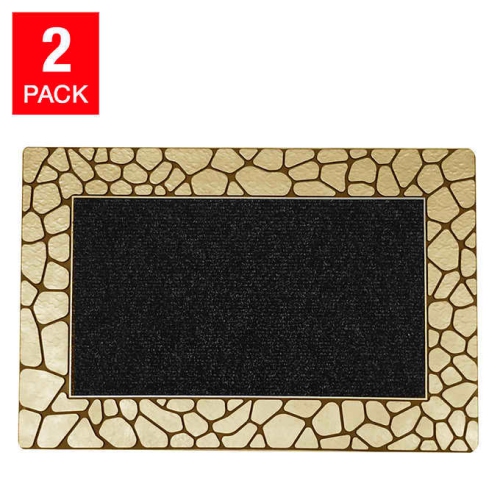 Your price for this item is $69.99
 -
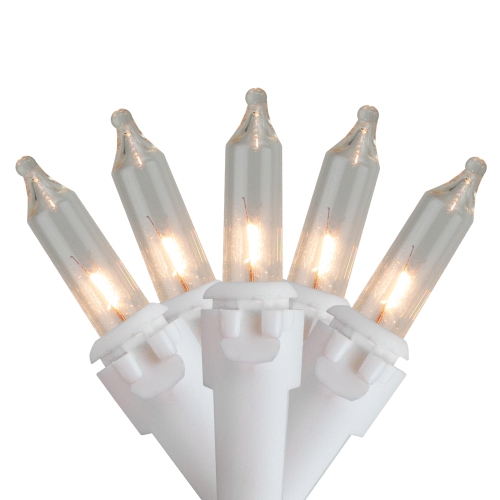 Your price for this item is $5.99
 -
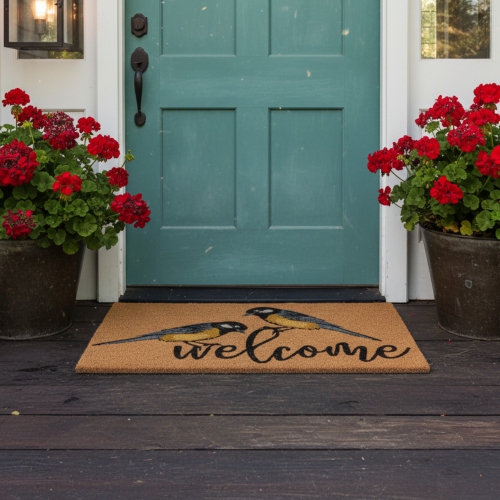 Your price for this item is $44.95
 -
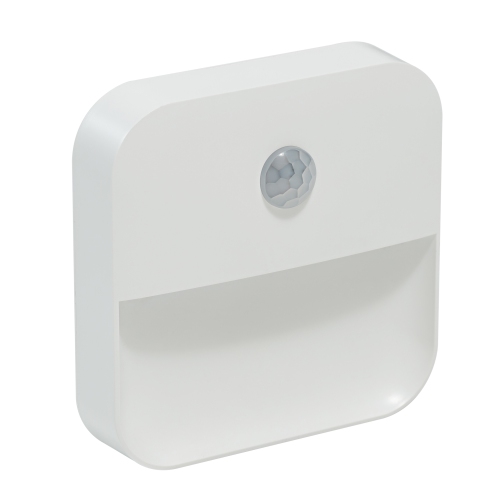 Your price for this item is $24.99
 -
 Your price for this item is $40.96
 -
 Your price for this item is $90.99
 -
 Your price for this item is $42.99
 -
 Your price for this item is $258
Discover more categories related to Indoor Doormats
Top Collections:
Pokemon Centers, Best Cameras for Sports Photography, Kindle Devices, Samsung Galaxy Phones, Canon G7X Cameras, Pokémon 30th Celebration Cards, Refurbished Apple Laptops, iPhone 15 Apple, Laptops for Students, Budget Smartphones
Some products may be subject to Environmental Handling Fees
(EHF) depending on your province.
Learn more about EHFs.