Indoor Hammock
Create a cozy oasis in your home with an indoor hammock, the perfect addition to any relaxation space. Whether you're looking to unwind after a long day or simply want a unique seating option for your living room or bedroom, an indoor hammock provides both comfort and style. With a variety of designs and materials to choose from, you can easily find the perfect hammock to suit your decor and personal taste. Transform any room into a tranquil retreat with an indoor hammock that offers the ultimate in comfort and relaxation.
Sort
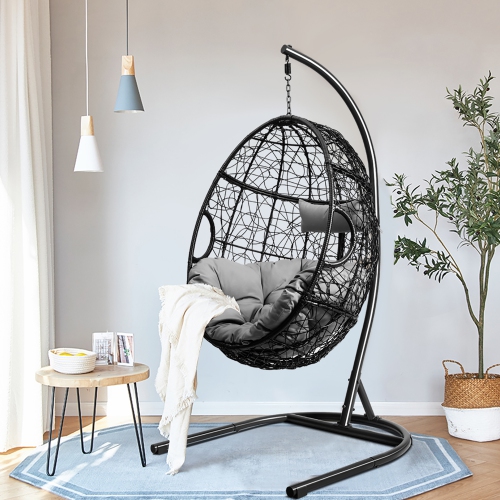
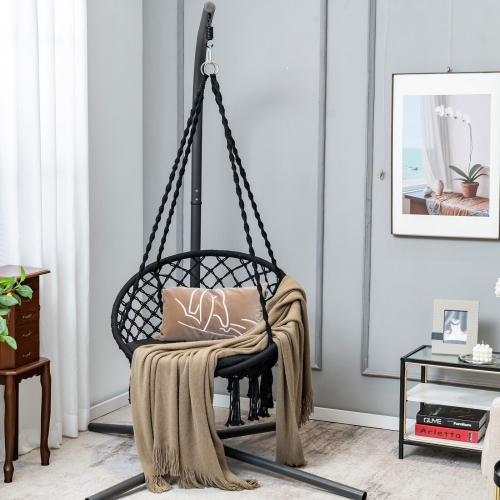
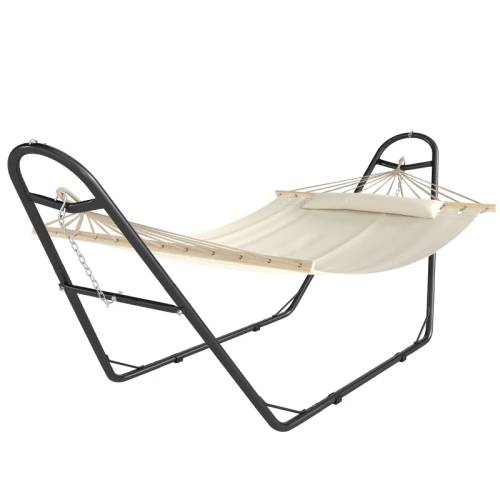
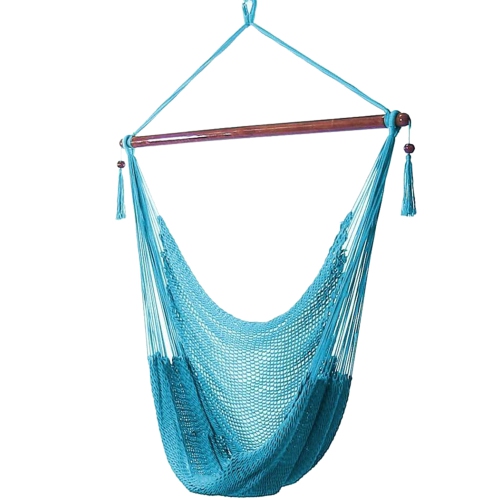


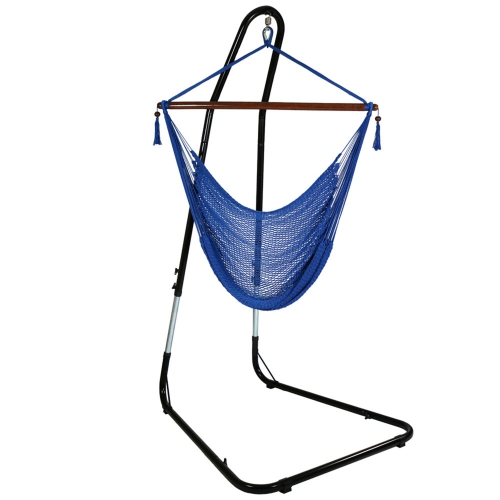
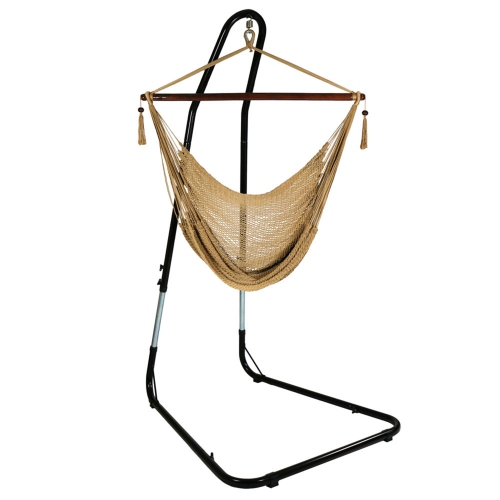
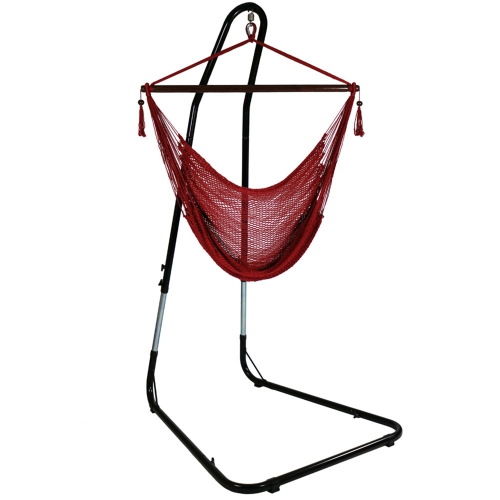
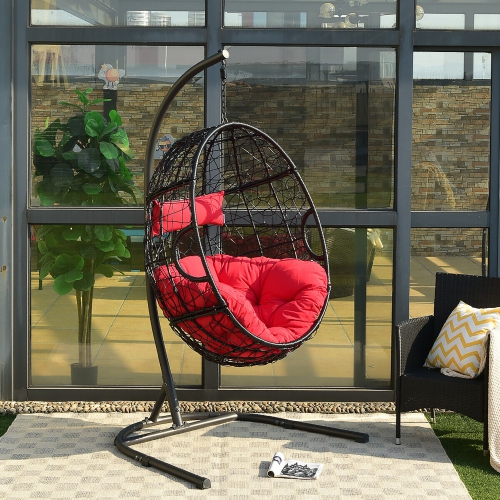
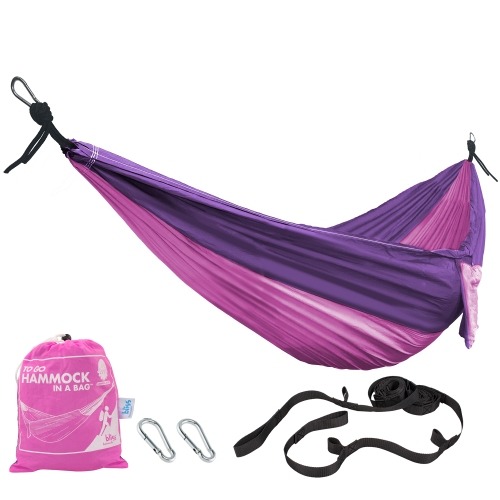
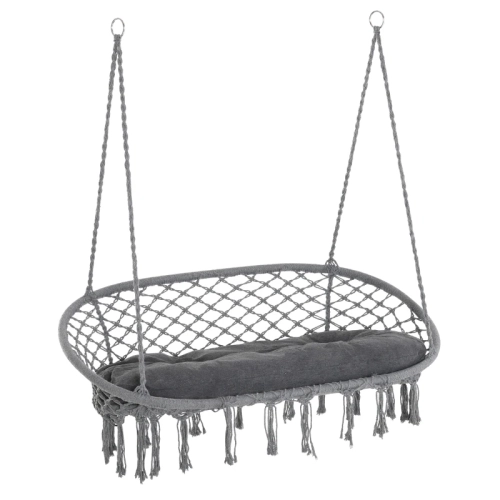
Comfortable indoor retreats for reading, resting and quiet downtime
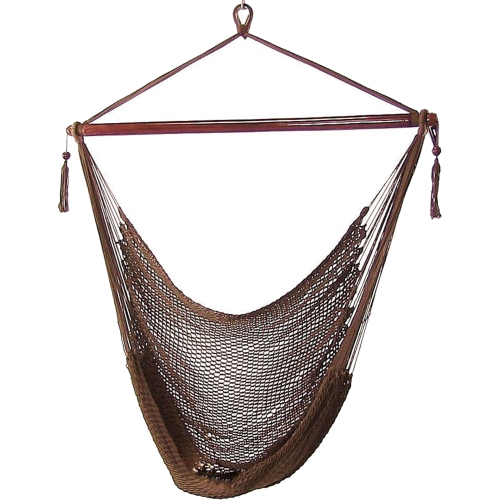
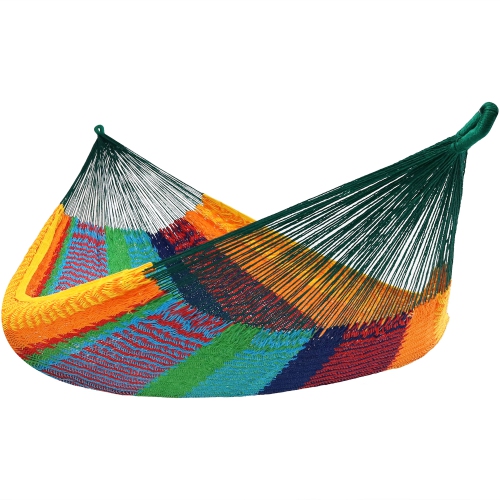
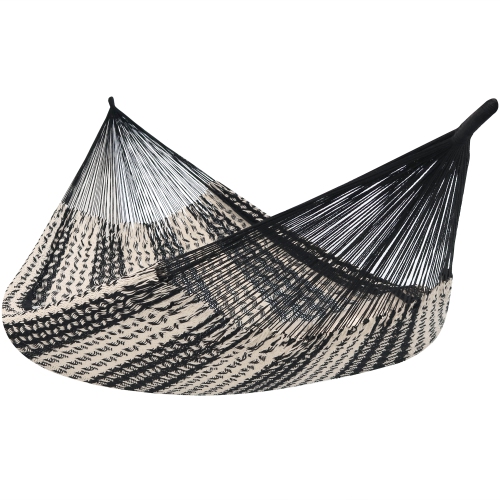
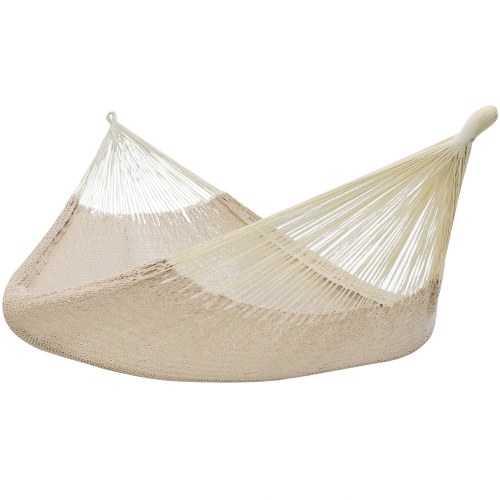
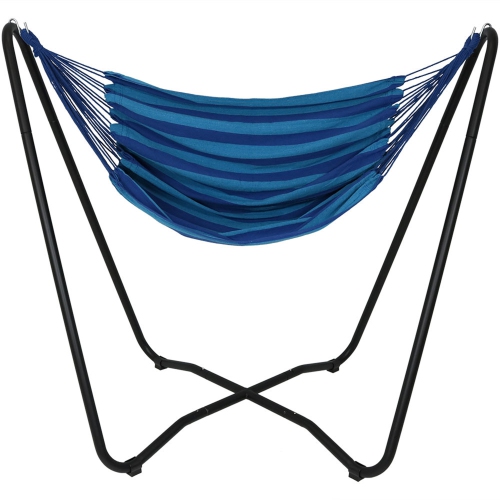
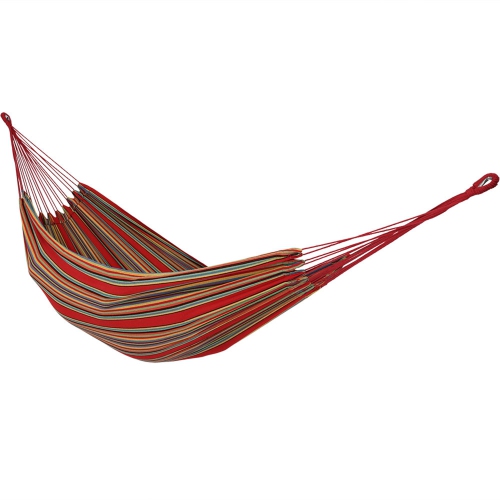
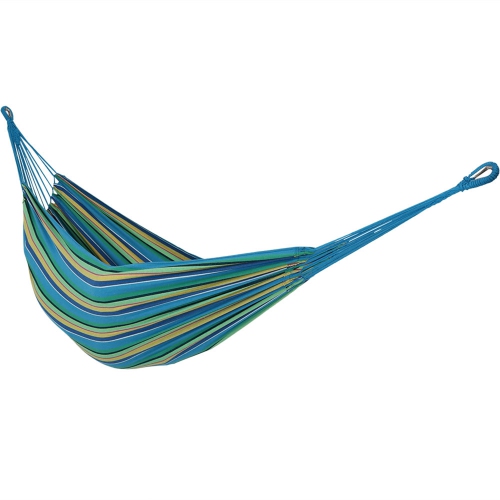
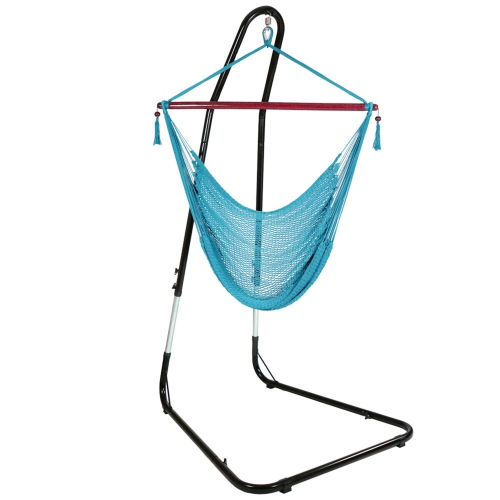
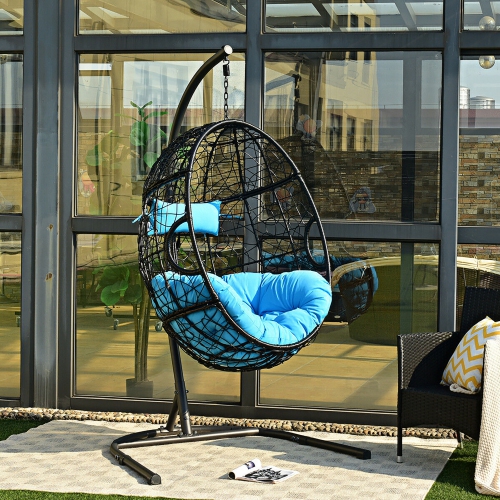
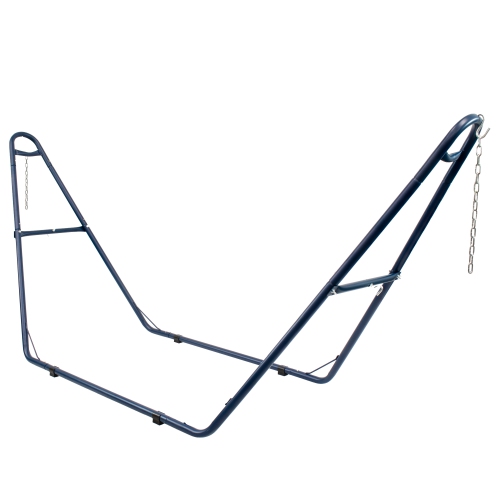
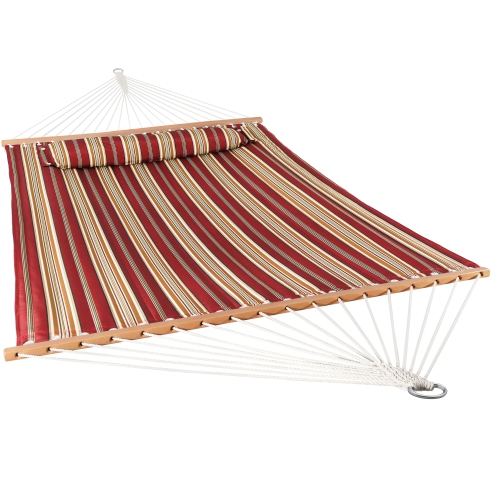
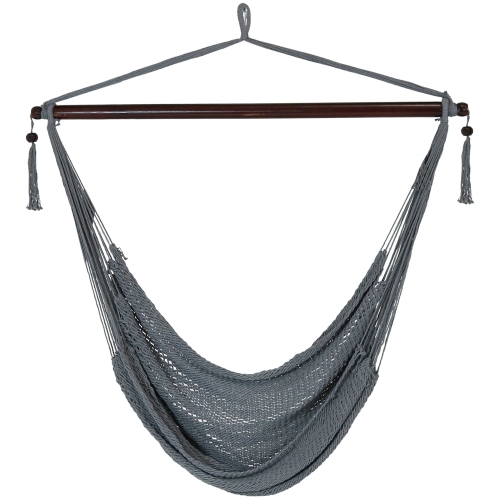
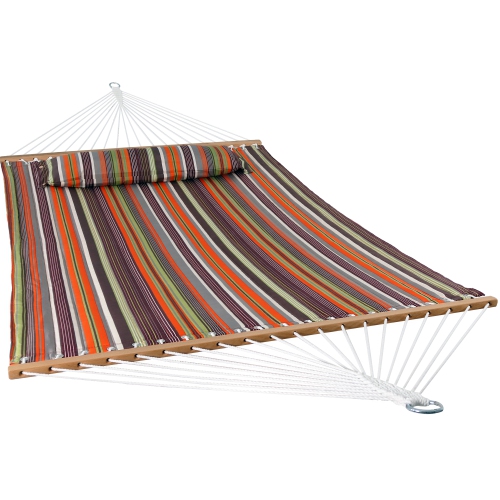
An indoor hammock brings the relaxed feel of an outdoor retreat into a bedroom, living room, sunroom, finished basement or spacious reading nook. Depending on the design, it can provide a full-length place to stretch out, a gently swaying seat for reading and listening to music, or a comfortable corner for quiet screen-free downtime. Traditional hammock beds are a good choice when you want room to recline, while hammock chairs and hanging swing seats offer a smaller footprint for apartments, bedrooms and compact lounge areas. Some styles use woven fabric, cotton rope, macramé details or padded cushions to create a soft, inviting look, while others have a simpler profile that blends easily with modern, rustic or casual décor. A freestanding indoor hammock with a steel or wood stand can be moved without drilling into walls or ceilings, making it useful for renters, multipurpose rooms and households that like to change their layout. Mounted hammocks can create a more permanent relaxation spot, but they require careful planning and suitable hardware. If you are comparing a full-length hammock with a suspended seat, explore Indoor Hanging Chairs for options designed to take up less floor space while still providing a comfortable place to sit and sway. An indoor hammock can also make a thoughtful gift for someone who enjoys reading, crafting, meditation, gaming, listening to podcasts or simply having a cosy place to unwind. For a student moving into a new room, it can turn an unused corner into a personal retreat; for a busy parent, it can offer a comfortable pause between daily responsibilities; and for a host who enjoys making guests feel at home, it can add an appealing conversation piece to a lounge area. During the cooler months, an indoor setup is especially inviting, with a blanket, warm socks and a nearby lamp creating the feeling of a quiet hideaway even when the weather outside is less welcoming.
Before choosing an indoor hammock, start by considering the available space and how you expect to use it. Measure the length, width and height of the intended area, then account for the hammock’s natural curve, movement and the space needed to get in and out safely. A full-length model generally needs more clearance than a hammock chair, and a suspended design may require room to swing slightly without contacting walls, shelving, tables, televisions or other furniture. Check the manufacturer’s recommended hanging distance and installation height rather than relying on appearance alone. Weight capacity is another essential consideration: confirm that the hammock, stand, mounting kit and anchors can support the combined weight of everyone who may use it, along with blankets or other items. A two-person design should not be treated as suitable for two users unless its stated capacity and dimensions support that use. Freestanding stands are convenient because they typically avoid drilling and can be repositioned, but they still need a level, stable surface and enough surrounding clearance. Look for a frame that feels solid when gently tested, with secure connections, protective feet and a finish suitable for indoor floors. Wall- or ceiling-mounted hammocks should be attached only to structural wooden wall studs or ceiling joists using hardware rated for the load. Standard drywall, plaster or decorative panelling alone cannot safely support a hanging hammock, even when the surface appears sturdy. Locate the framing before installation, verify that the selected hardware is compatible with the structure and follow all included instructions. When the mounting point is difficult to access or the structure is uncertain, a qualified installer can help identify a safe solution. Avoid improvising with general-purpose hooks, light-duty fasteners or hardware intended only for hanging décor. The mounting system is as important as the fabric or seat itself, and a well-chosen hammock cannot compensate for an unsuitable anchor.
Comfort and everyday practicality also matter. Consider the fabric feel, seat or bed width, back support, spreader bars, cushion thickness and ease of cleaning. A breathable woven hammock can feel airy and flexible, while a padded chair may provide more structure for reading or relaxing with a laptop. If the hammock will be used often, removable or washable fabric can make routine care easier. Think about whether the design should fold or disassemble for storage, particularly if the room serves more than one purpose. A freestanding frame may be moved aside for cleaning or rearranged as the seasons change, whereas a mounted model can leave the floor open but may become a more permanent fixture. Keep cords, small tables, sharp-edged furniture and breakable objects outside the hammock’s movement area, and inspect fabric, stitching, ropes, carabiners, chains, hooks and stand joints regularly for signs of wear. Use the hammock as intended and follow any age, supervision or capacity recommendations supplied with it. Once installed correctly, an indoor hammock can become part of the rhythm of a home: a quiet spot for a few pages before bed, a comfortable perch during a rainy afternoon, a gentle seat for conversation or a welcoming place to rest after a long day. The best choice balances the available room, installation method, support requirements, comfort preferences and décor, giving you a relaxing space that feels natural rather than crowded.
Before choosing an indoor hammock, start by considering the available space and how you expect to use it. Measure the length, width and height of the intended area, then account for the hammock’s natural curve, movement and the space needed to get in and out safely. A full-length model generally needs more clearance than a hammock chair, and a suspended design may require room to swing slightly without contacting walls, shelving, tables, televisions or other furniture. Check the manufacturer’s recommended hanging distance and installation height rather than relying on appearance alone. Weight capacity is another essential consideration: confirm that the hammock, stand, mounting kit and anchors can support the combined weight of everyone who may use it, along with blankets or other items. A two-person design should not be treated as suitable for two users unless its stated capacity and dimensions support that use. Freestanding stands are convenient because they typically avoid drilling and can be repositioned, but they still need a level, stable surface and enough surrounding clearance. Look for a frame that feels solid when gently tested, with secure connections, protective feet and a finish suitable for indoor floors. Wall- or ceiling-mounted hammocks should be attached only to structural wooden wall studs or ceiling joists using hardware rated for the load. Standard drywall, plaster or decorative panelling alone cannot safely support a hanging hammock, even when the surface appears sturdy. Locate the framing before installation, verify that the selected hardware is compatible with the structure and follow all included instructions. When the mounting point is difficult to access or the structure is uncertain, a qualified installer can help identify a safe solution. Avoid improvising with general-purpose hooks, light-duty fasteners or hardware intended only for hanging décor. The mounting system is as important as the fabric or seat itself, and a well-chosen hammock cannot compensate for an unsuitable anchor.
Comfort and everyday practicality also matter. Consider the fabric feel, seat or bed width, back support, spreader bars, cushion thickness and ease of cleaning. A breathable woven hammock can feel airy and flexible, while a padded chair may provide more structure for reading or relaxing with a laptop. If the hammock will be used often, removable or washable fabric can make routine care easier. Think about whether the design should fold or disassemble for storage, particularly if the room serves more than one purpose. A freestanding frame may be moved aside for cleaning or rearranged as the seasons change, whereas a mounted model can leave the floor open but may become a more permanent fixture. Keep cords, small tables, sharp-edged furniture and breakable objects outside the hammock’s movement area, and inspect fabric, stitching, ropes, carabiners, chains, hooks and stand joints regularly for signs of wear. Use the hammock as intended and follow any age, supervision or capacity recommendations supplied with it. Once installed correctly, an indoor hammock can become part of the rhythm of a home: a quiet spot for a few pages before bed, a comfortable perch during a rainy afternoon, a gentle seat for conversation or a welcoming place to rest after a long day. The best choice balances the available room, installation method, support requirements, comfort preferences and décor, giving you a relaxing space that feels natural rather than crowded.
Top selling and popular products
-
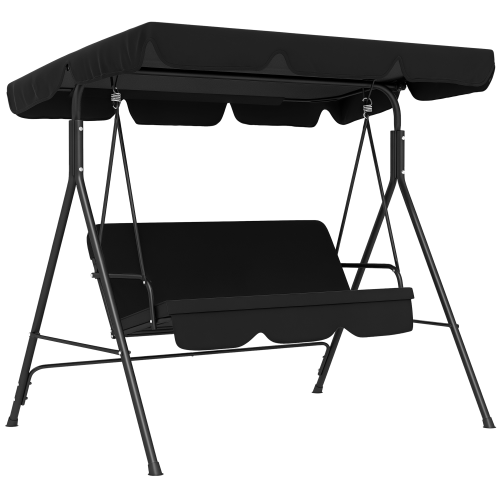 Your price for this item is $133
 -
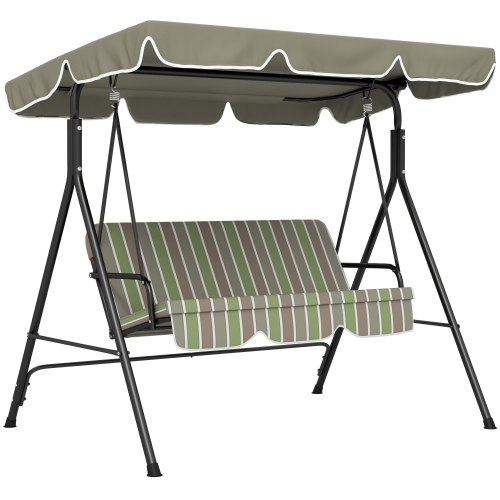 Your price for this item is $154.99
 -
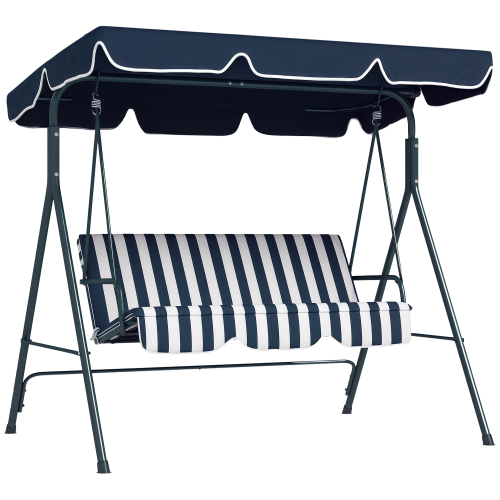 Your price for this item is $149.99
 -
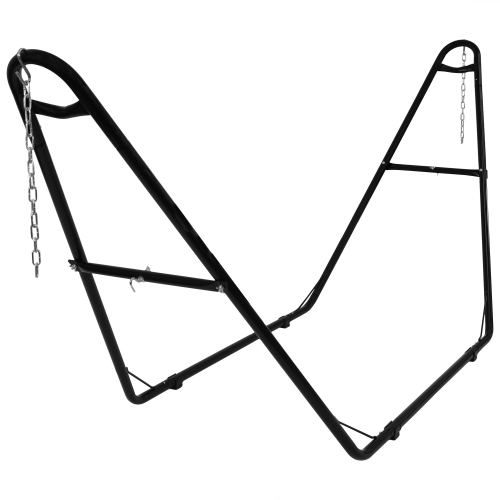 Your price for this item is $182.55
 -
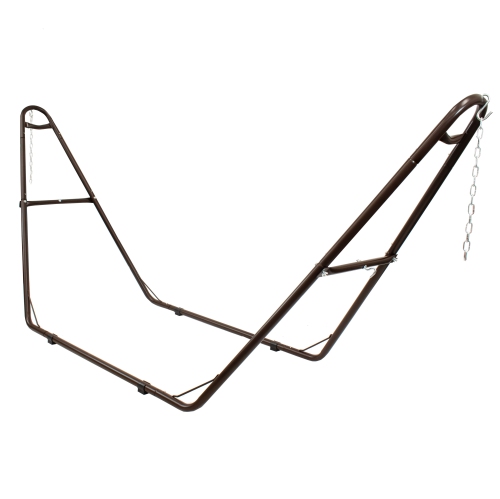 Your price for this item is $182.55
 -
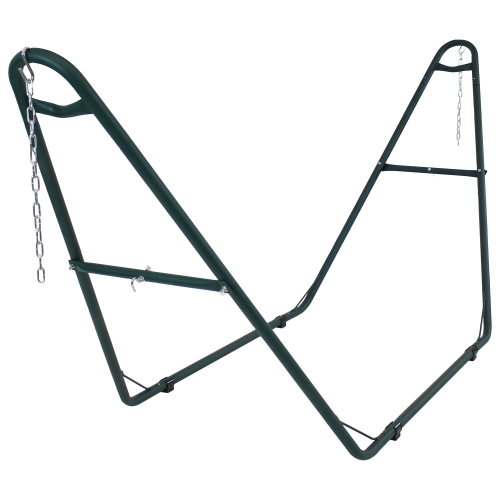 Your price for this item is $182.55
 -
 Your price for this item is $182.55
 -
 Your price for this item is $139.65
Discover more categories related to Indoor Hammock
Top Collections:
Pokemon Centers, Kindle Devices, Best Budget Office Chairs, Apple iPhones 16, Best Laptops for Writers, iPhone 15 Apple, Canon G7X Cameras, Refurbished Apple Laptops, Alarm Clock, Motorola Razr Phones
Some products may be subject to Environmental Handling Fees
(EHF) depending on your province.
Learn more about EHFs.