Indoor Hanging Plants
Enhance your living space with the natural beauty and fresh ambiance of indoor hanging plants. Perfect for adding a touch of greenery to any room, these versatile plants are not only aesthetically pleasing but also have air-purifying benefits. Whether you're looking to create a cozy atmosphere in your living room or brighten up your kitchen with a splash of color, indoor hanging plants are a stylish and low-maintenance way to bring the outdoors inside.
Sort
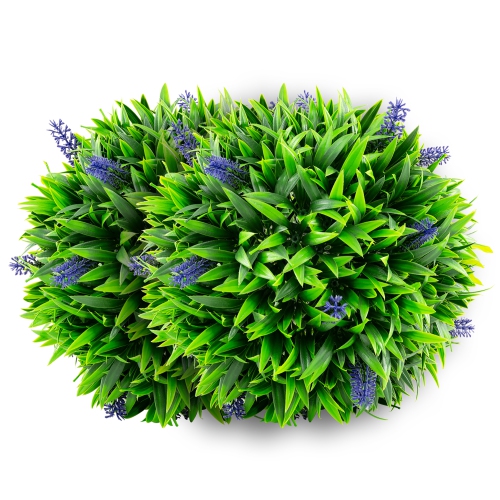

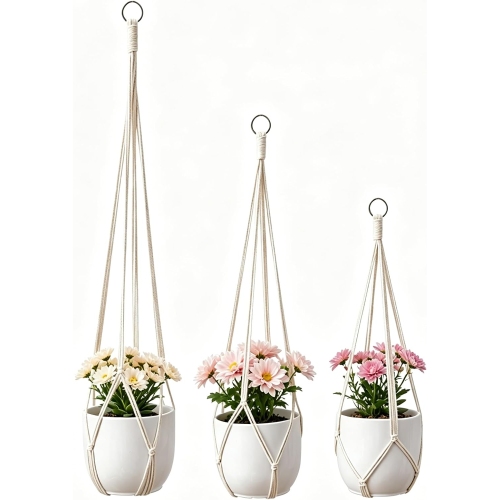
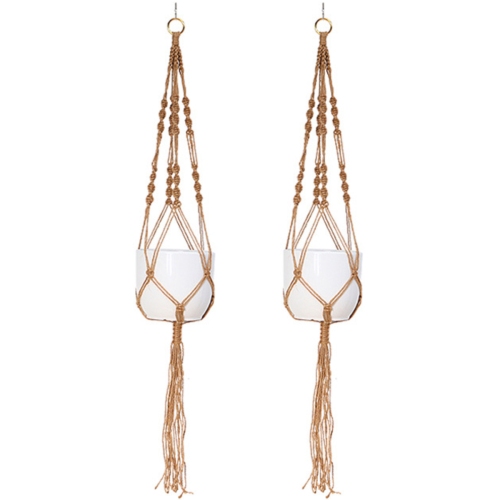
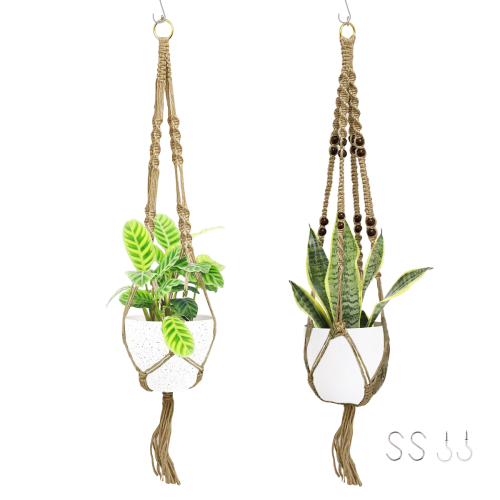
Leafy accents without sacrificing valuable floor space
Indoor hanging plants add greenery above furniture and along windows without taking up floor space. Their trailing stems and arching leaves soften the straight lines of shelving, cabinetry, and window frames, making them a practical decorative choice for apartments, home offices, bedrooms, and living areas. Among live varieties, pothos, spider plants, and heartleaf philodendrons are popular lower-maintenance choices. Pothos has trailing vines and leaves that may be solid green or patterned, while heartleaf philodendrons create a softer outline with their heart-shaped foliage. Both tolerate lower light, although bright, indirect light generally supports fuller growth; lower-light tolerance does not mean they will thrive in a room without daylight or suitable supplemental lighting. Spider plants form a fountain of narrow leaves, with mature plants often producing small plantlets on long stems. Boston ferns have feathery fronds and a rounded shape, but their preference for higher humidity and consistently moist, well-drained growing medium makes them better suited to someone comfortable with regular care. Artificial indoor hanging plants offer a different benefit: a consistent appearance without watering, pruning, or light requirements for growth. They can bring a leafy accent to a dim hallway or a corner where maintaining a live plant would be difficult. The choice between live and artificial greenery often comes down to the room, the accessibility of the hanging position, and how much ongoing attention suits the household. Leaf shape also changes the effect. Small leaves on fine stems create an airy outline, while broad foliage gives a basket more visual weight. A short, full plant can frame a reading nook without obscuring it; a longer cascade can draw attention to a high ceiling or an otherwise bare corner. For a cohesive display, hanging plants can repeat the colours and textures already present in cushions, furniture, or wall art, rather than introducing an entirely separate decorative style.
Container materials, dimensions, and hanging hardware matter as much as the foliage itself. Lightweight plastic pots are easy to move for watering, while glazed ceramic containers provide a smooth finish and a more substantial feel but add considerable weight. Metal baskets can complement simple, modern furnishings, although their finish and suitability for contact with water deserve attention. Woven baskets and cotton or jute hangers add visible texture; when used with live plants, they benefit from a separate watertight inner container that keeps moisture away from fibres and nearby surfaces. A decorative outer pot is not a substitute for drainage in the growing pot. A removable nursery pot inside an outer container can make watering easier, provided excess water is emptied rather than left around the roots. For fit, the useful measurements include the pot diameter, the total drop from the attachment point, and the mature or intended spread of the foliage. A basket that looks compact in isolation can feel much larger once trailing stems extend beside a desk or across a window. Placement should leave clear space around doorways, cupboard doors, seating, and frequently used paths, with enough access to lift the plant down safely. Above a work surface, shorter foliage is less likely to brush a monitor or interfere with everyday tasks. Near a window, the amount and intensity of light reaching the leaves matter more than the room’s overall brightness; a plant tucked behind a curtain may receive much less light than one beside it. The mounting arrangement must support the combined weight of the container, hanger, plant, and thoroughly watered growing medium. Suitable hardware depends on the ceiling or wall construction, and secure attachment to structural framing is often appropriate for heavier arrangements. Adhesive hooks and unverified fixtures are not substitutes for load-rated mounting hardware installed according to its instructions. A secure setup protects both the display and whatever sits beneath it.
Day-to-day care is easiest when the hanging position allows close inspection rather than leaving the plant permanently out of reach. For live indoor hanging plants, watering needs depend on the species, pot size, growing medium, and available light, so a fixed weekly schedule is not always reliable. Checking moisture below the surface gives a better picture than judging by appearance alone. Pothos and heartleaf philodendrons generally benefit from some drying between waterings, whereas Boston ferns prefer more consistent moisture without standing water. Taking a removable pot to the sink allows thorough watering and drainage before it returns to its hanger, reducing the chance of drips on flooring, electronics, or furniture. Occasional trimming helps keep trailing growth clear of walkways and encourages a neater outline, while removing dead leaves keeps the display tidy. Artificial foliage needs a different kind of upkeep: dust can collect along leaf edges and inside dense clusters, particularly in high positions that are easy to overlook. A soft brush or gentle wipe may be suitable, depending on the material and care instructions; fabric leaves, glued components, and decorative finishes may not tolerate soaking. Prolonged direct sunlight can also fade some artificial materials, so durability includes how well the foliage and container suit their intended location. Households with children or pets need to consider plant identification as well as placement. Pothos and philodendrons contain irritating calcium oxalate crystals and should not be chewed or ingested. Spider plants and Boston ferns are generally considered non-toxic to cats and dogs, but correct identification still matters, and keeping foliage out of reach does not guarantee that a climbing pet cannot reach it. As a gift, a hanging plant works best when it suits the recipient’s space and routine: an accessible, lower-maintenance live variety for someone who enjoys tending greenery, or an artificial arrangement for someone who prefers a decorative accent without plant care. The most useful choice balances appearance with manageable upkeep, suitable mounting, and enough room for the foliage to hang naturally.
Top selling and popular products
-
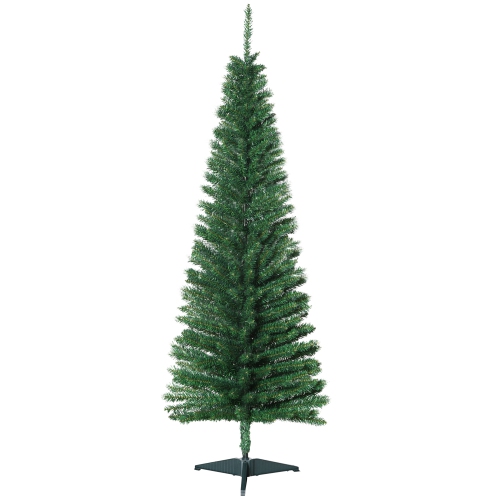 Your price for this item is $49.99
-
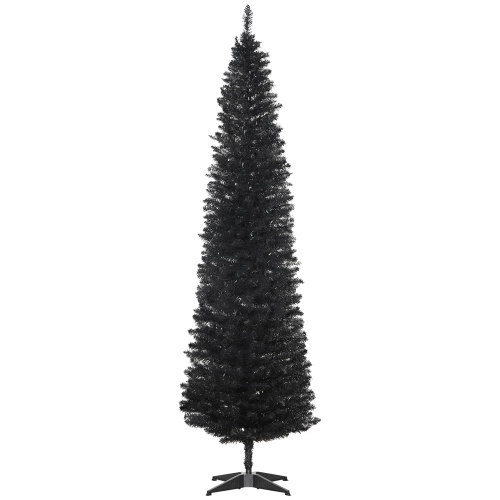 Your price for this item is $69.99
-
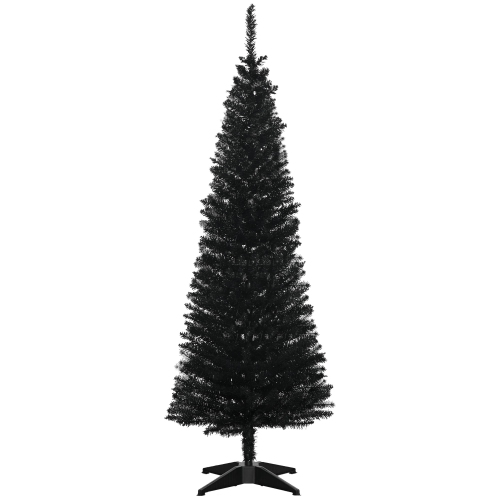 Your price for this item is $51.99
-
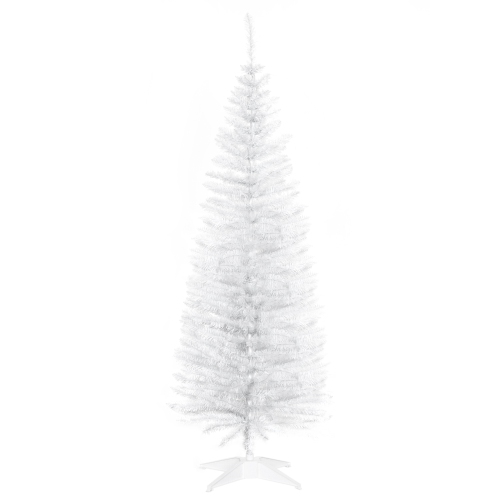 Your price for this item is $49.99
-
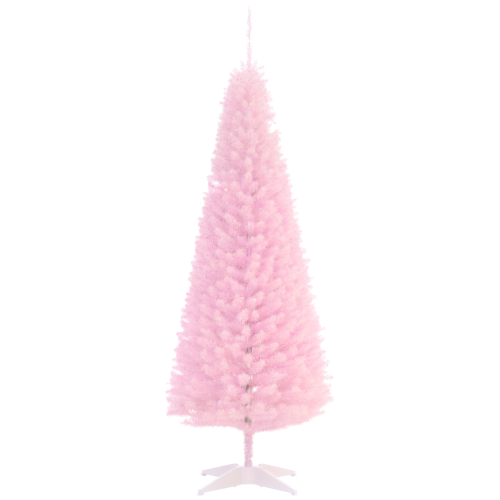 Your price for this item is $48
-
 Your price for this item is $130.99
-
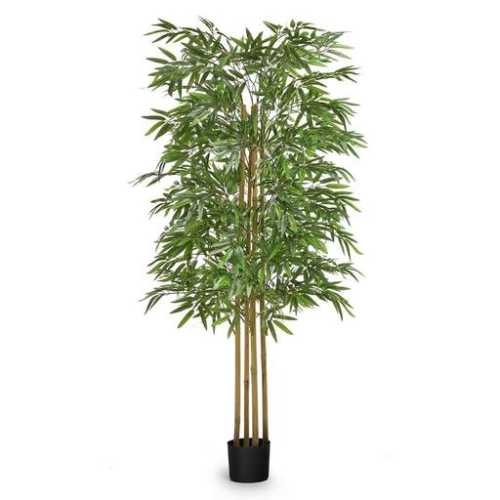 Your price for this item is $167.99
-
 Your price for this item is $112.99
Discover more categories related to Indoor Hanging Plants
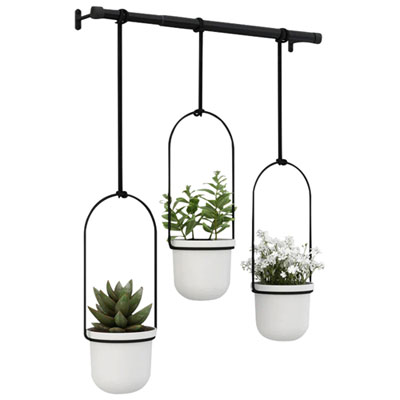
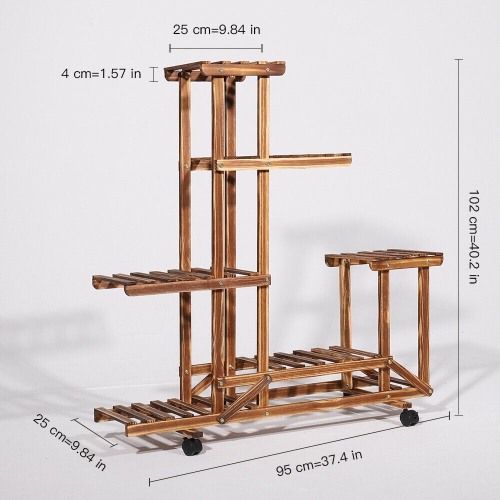
Top Collections:
Best Black Friday Deals This Year, Best Black Friday Deals On Electronics, Kindle Devices, Pokemon Centers, Best Black Friday Deals On Apple Products, Best Cameras for Sports Photography, Dyson Airwrap, Pokémon 30th Celebration Cards, Apple iPhone 17 Pro, Canon G7X Cameras
Some products may be subject to Environmental Handling Fees
(EHF) depending on your province.
Learn more about EHFs.