Indoor Herb Garden
Elevate your culinary creations with an indoor herb garden, bringing the freshness of nature right into your kitchen or living space. Grow and harvest your favorite herbs year-round, adding a burst of flavor to your dishes while enhancing the ambiance of your home. Whether you're a seasoned chef or just starting out in the world of gardening, an indoor herb garden is a convenient and stylish way to cultivate your green thumb and elevate your cooking experience. Explore our selection of indoor herb garden kits and accessories to kickstart your journey to fresher, more flavorful meals right at home.
Sort
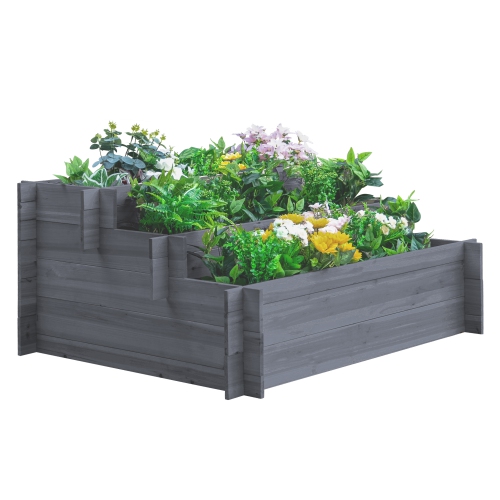
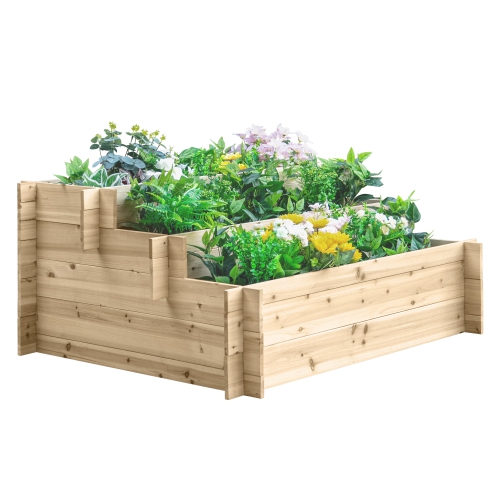
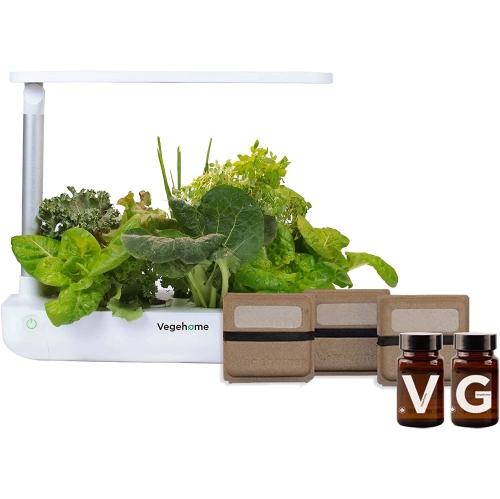
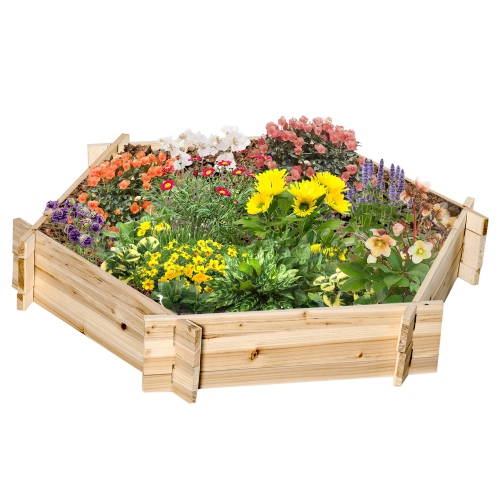
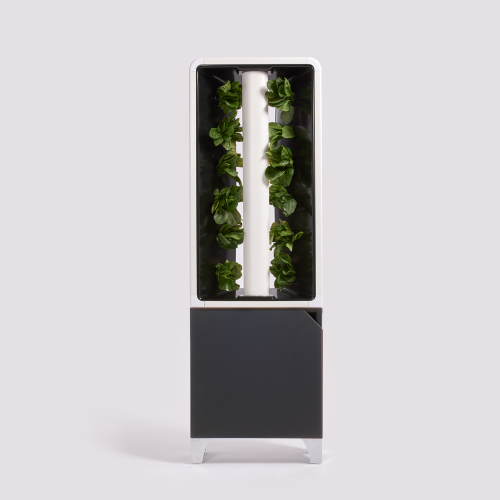

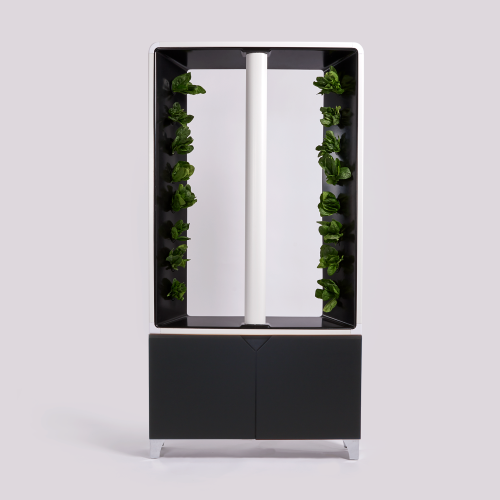
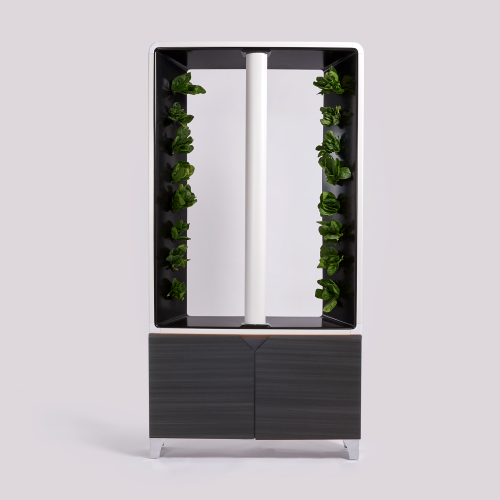
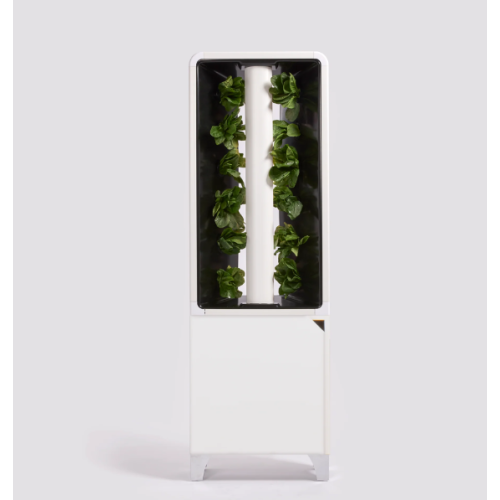
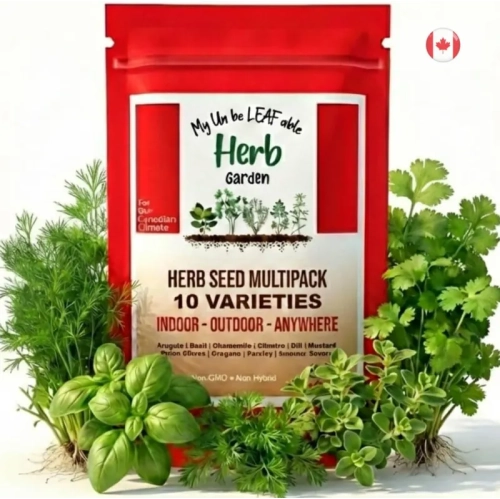
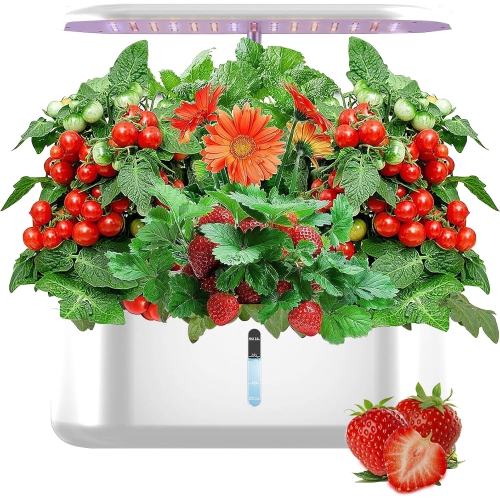
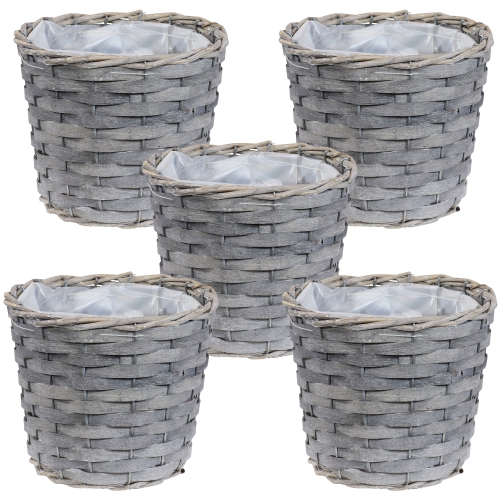
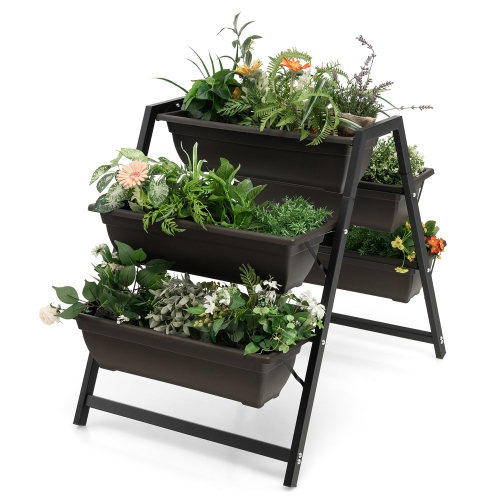
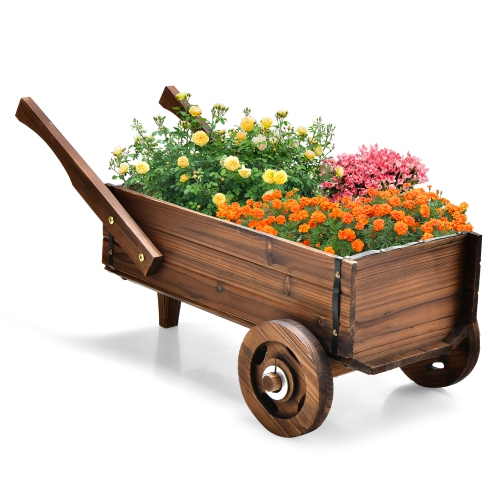
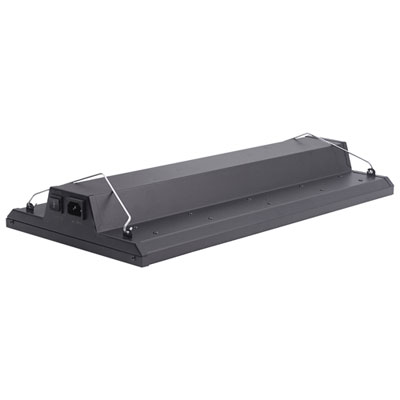
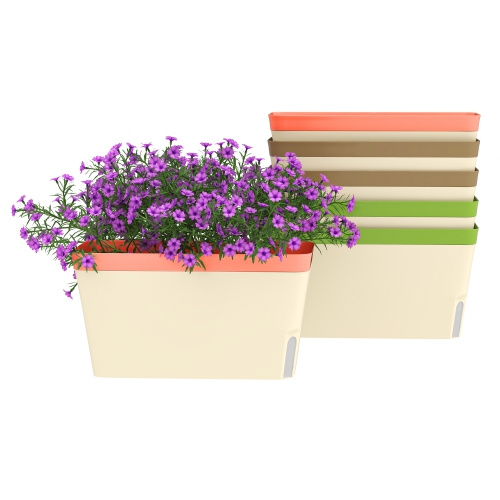
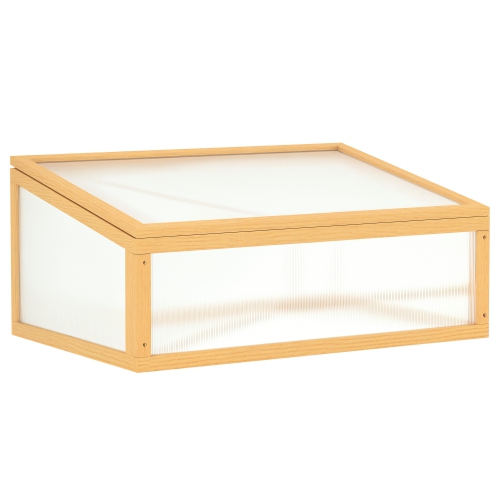
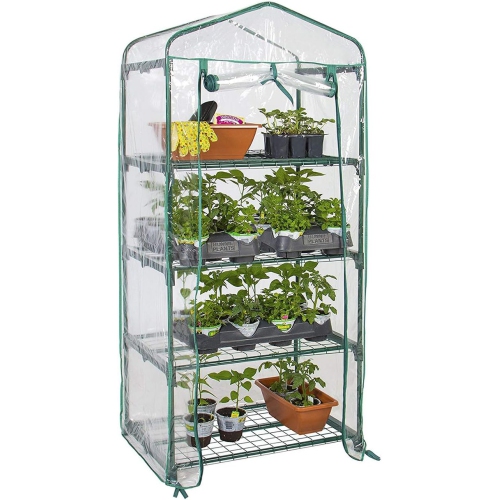
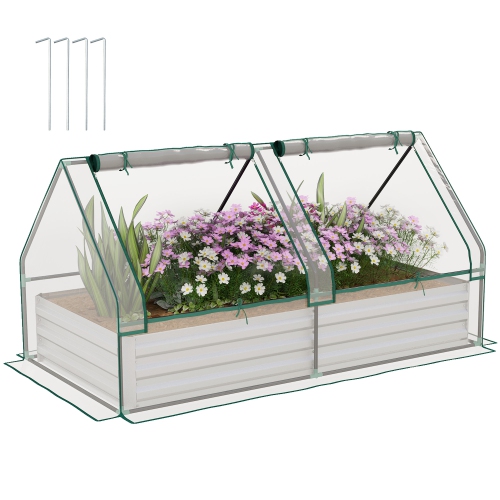
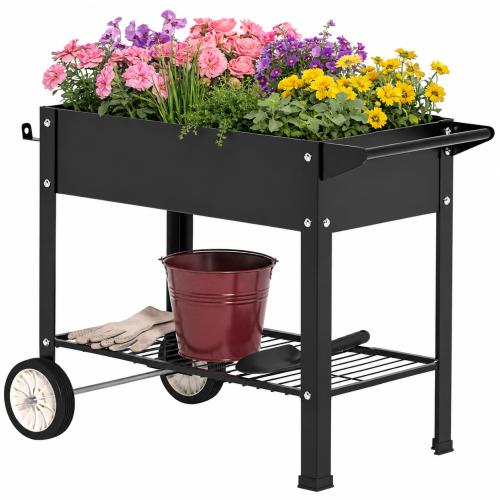
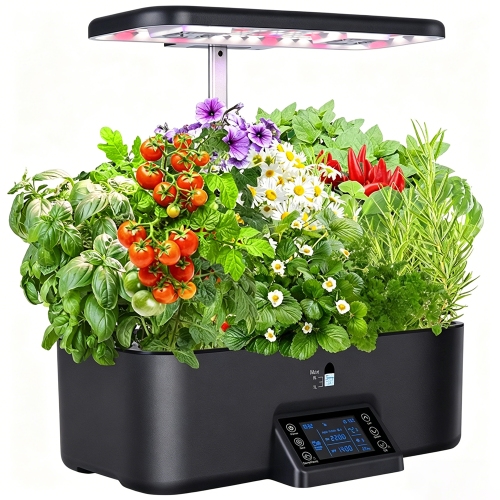
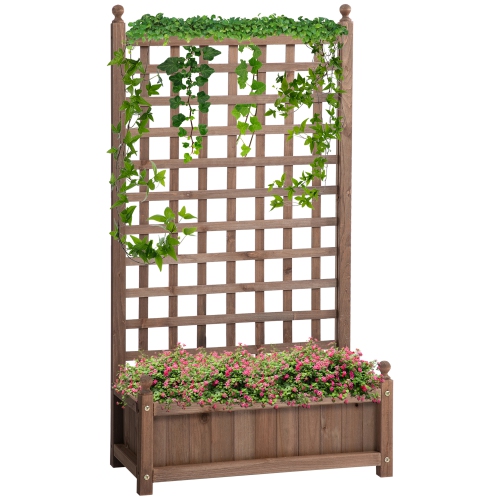
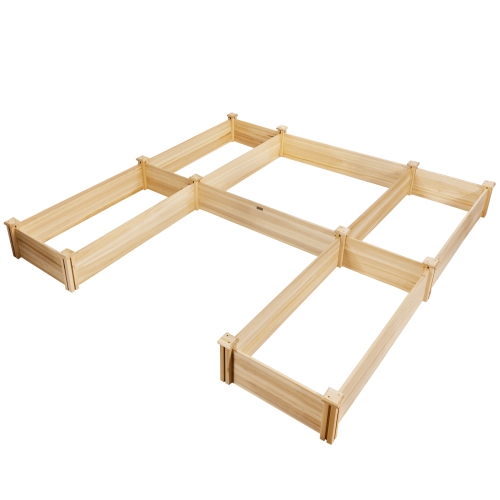
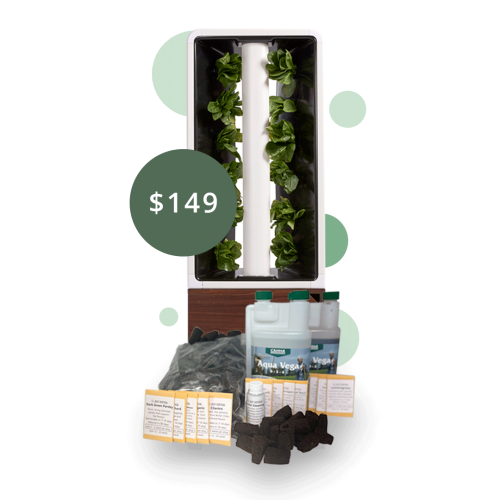
Fresh herbs and practical care tips for every space
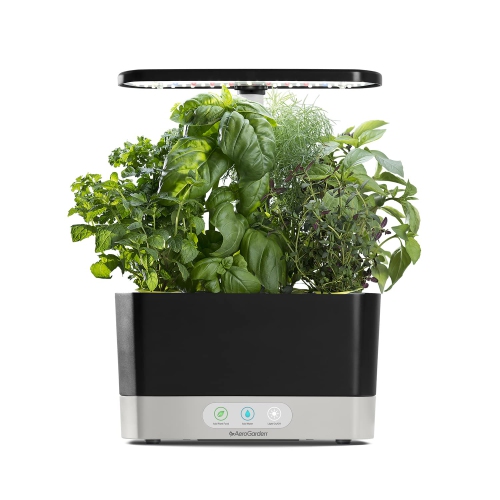
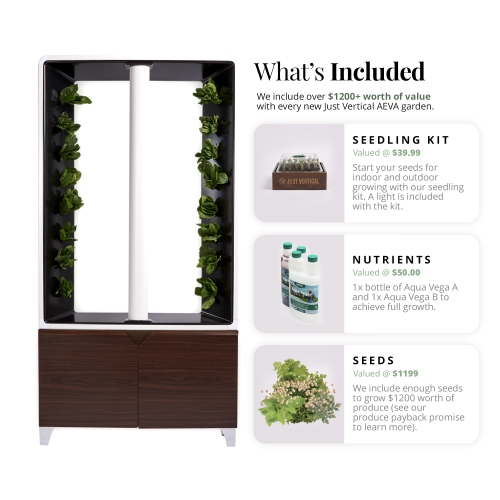
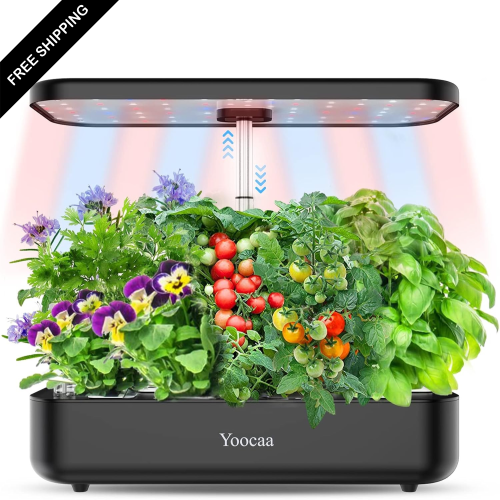
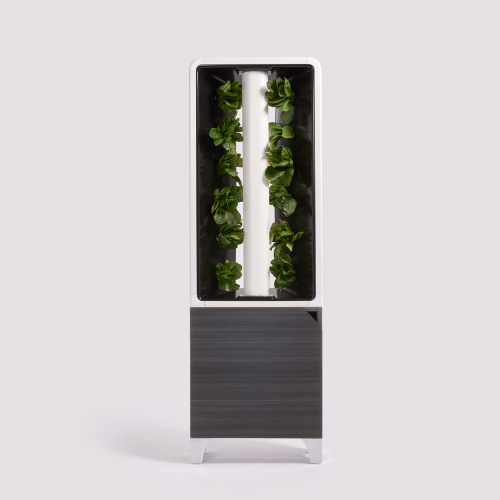
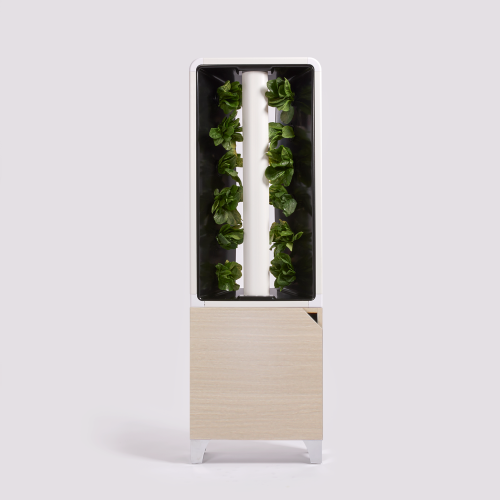
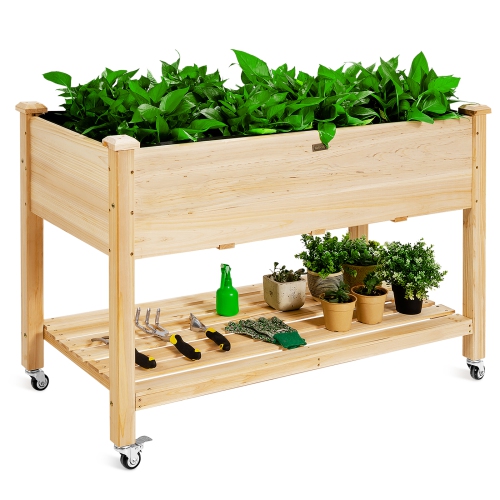
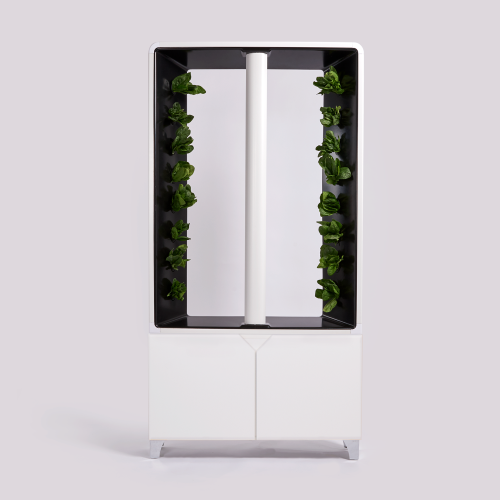
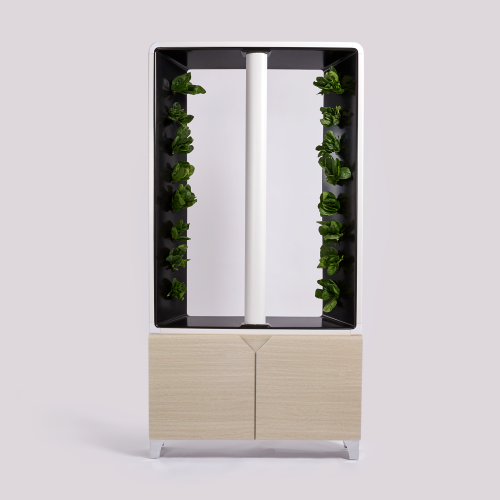
An indoor herb garden brings the pleasure of growing fresh ingredients into kitchens, apartments, offices, and other spaces where outdoor gardening is not practical. It can be as simple as a few containers on a bright windowsill or as hands-off as a compact growing system with integrated lighting, water circulation, and reminders. These products are especially useful during the cooler months, when shorter days and lower outdoor temperatures can make garden-fresh herbs less accessible. Basil, mint, parsley, chives, cilantro, thyme, oregano, and rosemary are popular choices, although each plant has its own preferences for light, moisture, and space. Before choosing an indoor herb garden, consider where it will be placed and how much natural light reaches that area. A sunny south-facing window can provide strong light for many herbs, while a north-facing or shaded window may require supplemental LED lighting. Look for a setup that fits comfortably on the intended counter, shelf, or sill, leaving enough room to access the plants for watering and trimming. Drainage is another important consideration for traditional soil-based containers. Pots with drainage holes help excess water escape and may reduce the risk of soggy soil and root problems; a tray or water-resistant mat can help protect nearby surfaces. Indoor potting mix is generally better suited to container herbs than dense outdoor garden soil, because it is lighter and allows air and water to move around the roots. If convenience is a priority, an automated or hydroponic system can offer a tidy alternative with less soil and a more structured growing routine. Built-in LED grow lights can provide the consistent illumination herbs need, while water reservoirs may reduce the need for frequent watering. A simple container garden may appeal to someone who enjoys tending plants by hand, whereas a smart or self-contained unit can be a helpful choice for busy households, small kitchens, and first-time growers. For additional inspiration when planning a plant-filled space, explore Indoor Garden Ideas.
Care requirements are modest, but consistent habits make a noticeable difference. Most culinary herbs need several hours of bright light each day, and plants grown under an LED light often benefit from a regular schedule of roughly 12 to 14 hours of illumination followed by a period of darkness. Position lights close enough to reach the leaves without scorching them, following the growing system’s instructions for height and timing. In a window, turn containers occasionally so stems do not lean heavily toward the glass. Watering is best guided by the condition of the soil rather than a fixed calendar. Press a finger into the top inch of potting mix; if it feels dry, water thoroughly until a small amount drains from the bottom, then empty any collected water from the tray. Mint often prefers evenly moist soil, while Mediterranean herbs such as thyme, oregano, and rosemary generally appreciate allowing the surface to dry somewhat between waterings. Overwatering can be just as harmful as neglect, particularly in a container with limited drainage. Trim herbs regularly to encourage fuller growth, using clean scissors to snip just above a pair of leaves. Harvesting the outer stems first can help maintain a balanced plant, while removing flowers from leafy herbs such as basil may keep the leaves tender and flavourful. Keep plants away from cold draughts, hot cooking surfaces, and direct contact with heating vents, as sudden temperature changes can stress new growth. If several herbs share one system, group plants with similar light and moisture needs whenever possible. A compact setup may be ideal for a small selection of frequently used ingredients, while a larger arrangement can support several varieties for cooking, garnishing, teas, and infused water. Labels, adjustable lighting, removable growing pods, and easy-to-clean reservoirs are practical details that can make daily care simpler.
Indoor herb gardens can suit a wide range of lifestyles and make thoughtful gifts for cooks, apartment dwellers, new homeowners, students, and anyone who enjoys bringing a little greenery into a room. They are also approachable for children when an adult helps with watering, lighting, and harvesting, turning the growth of a seedling into a hands-on lesson about food and plant care. A beginner may appreciate a straightforward set of containers and basic accessories, while an experienced grower might look for expanded capacity, adjustable light settings, automated watering, or room for successive plantings. When selecting a gift or personal setup, consider the recipient’s available space, cooking habits, patience for routine care, and access to natural light. Someone who regularly adds basil to pasta, mint to drinks, or chives to soups may value a system that keeps those herbs close at hand; a person with a busy schedule may prefer a design that simplifies watering and lighting. It is also worth checking how replacement parts, seed pods, nutrients, and compatible accessories are handled, especially for systems that use proprietary components. Traditional soil containers offer flexibility in choosing seeds and potting mix, while hydroponic designs can provide a clean, organised way to grow without loose soil. Whichever style fits best, an indoor herb garden can make a kitchen feel more inviting and add a fresh finishing touch to everyday meals. With suitable light, well-draining growing medium or a properly maintained water reservoir, careful watering, and occasional trimming, herbs can continue producing useful leaves through the changing seasons and bring the unmistakable scent of a living garden indoors.
Care requirements are modest, but consistent habits make a noticeable difference. Most culinary herbs need several hours of bright light each day, and plants grown under an LED light often benefit from a regular schedule of roughly 12 to 14 hours of illumination followed by a period of darkness. Position lights close enough to reach the leaves without scorching them, following the growing system’s instructions for height and timing. In a window, turn containers occasionally so stems do not lean heavily toward the glass. Watering is best guided by the condition of the soil rather than a fixed calendar. Press a finger into the top inch of potting mix; if it feels dry, water thoroughly until a small amount drains from the bottom, then empty any collected water from the tray. Mint often prefers evenly moist soil, while Mediterranean herbs such as thyme, oregano, and rosemary generally appreciate allowing the surface to dry somewhat between waterings. Overwatering can be just as harmful as neglect, particularly in a container with limited drainage. Trim herbs regularly to encourage fuller growth, using clean scissors to snip just above a pair of leaves. Harvesting the outer stems first can help maintain a balanced plant, while removing flowers from leafy herbs such as basil may keep the leaves tender and flavourful. Keep plants away from cold draughts, hot cooking surfaces, and direct contact with heating vents, as sudden temperature changes can stress new growth. If several herbs share one system, group plants with similar light and moisture needs whenever possible. A compact setup may be ideal for a small selection of frequently used ingredients, while a larger arrangement can support several varieties for cooking, garnishing, teas, and infused water. Labels, adjustable lighting, removable growing pods, and easy-to-clean reservoirs are practical details that can make daily care simpler.
Indoor herb gardens can suit a wide range of lifestyles and make thoughtful gifts for cooks, apartment dwellers, new homeowners, students, and anyone who enjoys bringing a little greenery into a room. They are also approachable for children when an adult helps with watering, lighting, and harvesting, turning the growth of a seedling into a hands-on lesson about food and plant care. A beginner may appreciate a straightforward set of containers and basic accessories, while an experienced grower might look for expanded capacity, adjustable light settings, automated watering, or room for successive plantings. When selecting a gift or personal setup, consider the recipient’s available space, cooking habits, patience for routine care, and access to natural light. Someone who regularly adds basil to pasta, mint to drinks, or chives to soups may value a system that keeps those herbs close at hand; a person with a busy schedule may prefer a design that simplifies watering and lighting. It is also worth checking how replacement parts, seed pods, nutrients, and compatible accessories are handled, especially for systems that use proprietary components. Traditional soil containers offer flexibility in choosing seeds and potting mix, while hydroponic designs can provide a clean, organised way to grow without loose soil. Whichever style fits best, an indoor herb garden can make a kitchen feel more inviting and add a fresh finishing touch to everyday meals. With suitable light, well-draining growing medium or a properly maintained water reservoir, careful watering, and occasional trimming, herbs can continue producing useful leaves through the changing seasons and bring the unmistakable scent of a living garden indoors.
Top selling and popular products
-
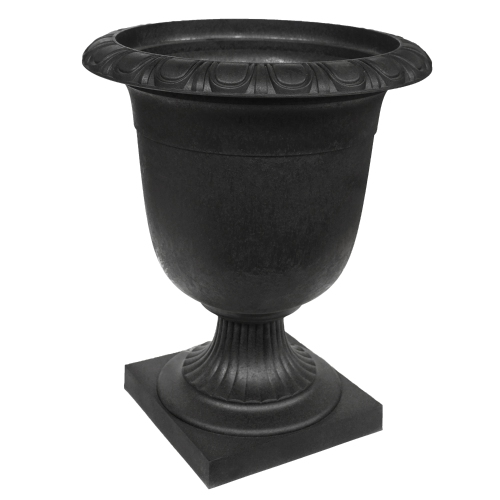 Your price for this item is $69.99
 -
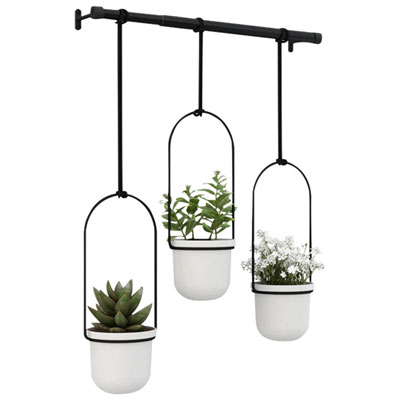 Your price for this item is $54.98
 -
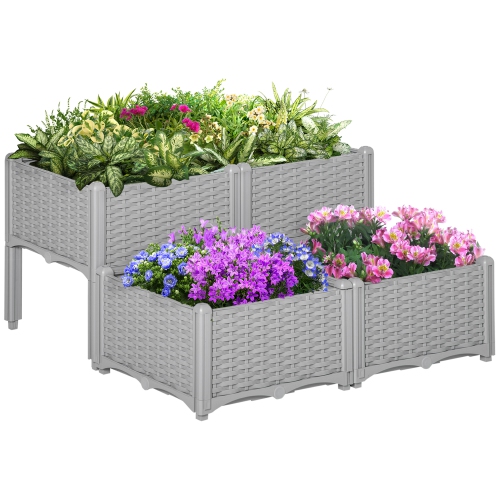 Your price for this item is $89.99
 -
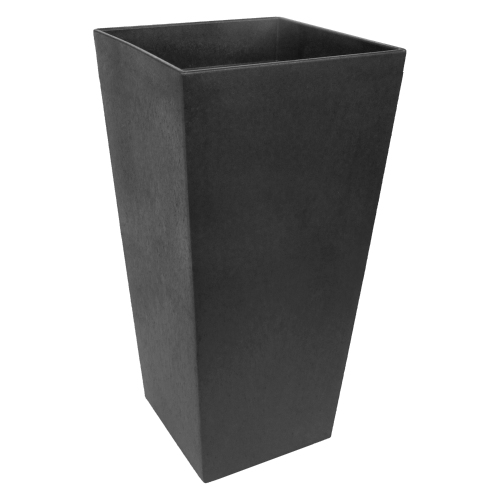 Your price for this item is $79.99
 -
 Your price for this item is $104.99
 -
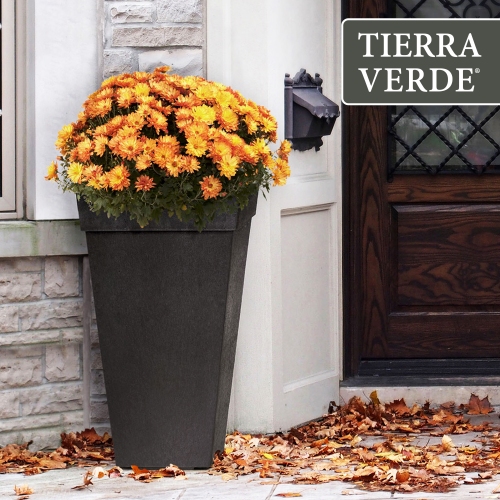 Your price for this item is $141.99
 -
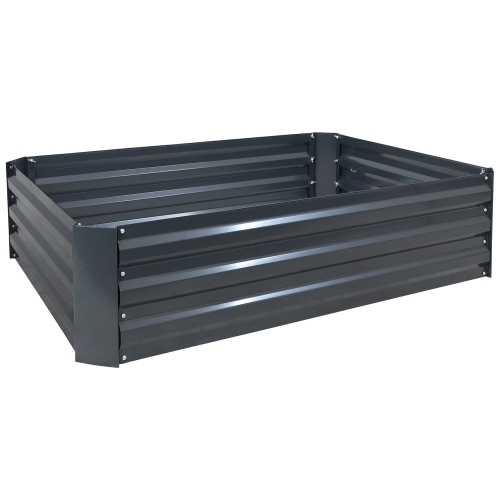 Your price for this item is $117.75
 -
 Your price for this item is $117.75
Discover more categories related to Indoor Herb Garden
Top Collections:
Pokemon Centers, Kindle Devices, Best Budget Office Chairs, Apple iPhones 16, Best Laptops for Writers, iPhone 15 Apple, Canon G7X Cameras, Refurbished Apple Laptops, Alarm Clock, Motorola Razr Phones
Some products may be subject to Environmental Handling Fees
(EHF) depending on your province.
Learn more about EHFs.