Indoor Outdoor Round Area Rugs
Enhance your living spaces with stylish and versatile Indoor Outdoor Round Area Rugs. Perfect for patios, living rooms, entryways, or sunrooms, these rugs bring comfort and charm to any setting. With a variety of colors, patterns, and sizes available, it’s easy to find the ideal rug to complement your décor. Discover options designed to suit both indoor and outdoor environments, making it simple to create a cohesive look throughout your home and garden. Explore the selection of Indoor Outdoor Round Area Rugs to add a touch of warmth and personality wherever you need it most.
Sort


How round rugs soften lines and define spaces
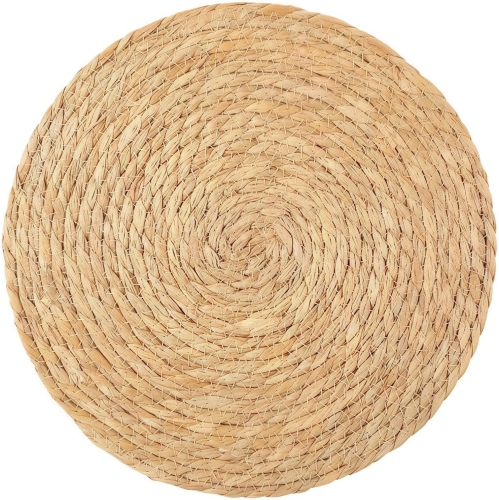
Indoor-outdoor round area rugs bring a defined, comfortable centre to spaces ranging from covered patios and balconies to dining areas, entryways, and casual living rooms. Their circular shape softens the straight lines of walls, railings, and furniture, making them especially useful where a rectangular rug would feel crowded or leave awkward corners. Beneath a round bistro table, a circular rug echoes the tabletop and gives the seating area a cohesive outline. Beside a reading chair or under a compact conversation set, it creates a distinct place to settle without dividing the whole room. These rugs combine a decorative surface with materials and construction intended to handle everyday use both inside and outside, although suitability for uncovered locations depends on the individual rug’s specifications. Diameter is the key measurement: a round rug needs enough space to support the intended furniture arrangement while leaving practical clearance around doors, walkways, and nearby furnishings. Under a dining table, sufficient coverage beyond the tabletop helps chair legs stay on the rug when someone pulls out a seat. In a lounge arrangement, placing the front legs of chairs or a sofa on the rug can connect the furniture visually, while a smaller circle beneath a side table works more as an accent. Marking the proposed outline on the floor with removable tape makes the scale easier to picture before choosing a size. Door clearance matters too, particularly in entrances where the combined thickness of the rug and any suitable underlay can interfere with an inward-opening door. Colour and pattern affect how the circle sits within its surroundings. A tonal weave adds texture without competing with patterned cushions, while stripes, geometric shapes, or botanical motifs can give a simple seating area a stronger focal point. Mid-tone and mixed-colour patterns can make small crumbs, dust, and footprints less noticeable between cleanings. A defined border emphasizes the round shape, whereas an all-over pattern tends to blend more gently into the surrounding floor.
Materials and construction determine how an indoor-outdoor round area rug feels, handles moisture, and stands up to regular foot traffic. Polypropylene is a common choice because its fibres absorb little water and can offer practical resistance to many everyday stains. It is often woven into low-profile surfaces that suit dining areas, busy household spaces, and outdoor seating arrangements. Polyester also appears in rugs intended for indoor-outdoor use, with performance depending on the weave, backing, and any treatments applied during manufacturing. Material names alone do not confirm that a rug can remain outdoors: the full construction, including its underside and edge finishing, needs to be suitable for the intended location. A rug described as water-resistant is not necessarily waterproof, and a surface that sheds a spill may still hold moisture underneath. Likewise, resistance to fading, mould, or mildew should be supported by the care information rather than assumed from the fibre type. Sun-exposed patios benefit from rugs specifically rated for ultraviolet resistance, though prolonged exposure can still affect colour over time. Flat-woven and low-pile designs offer a relatively smooth surface beneath furniture and tend to release loose dirt more readily than deep, plush piles. They can also make chair movement easier, but secure placement remains important because any loose edge can catch a foot. Bound or neatly finished edges help maintain the circular outline, while a consistent weave gives furniture legs a more even resting surface. The floor underneath is another consideration. A rug placed on a balcony, deck, tile floor, or finished wood surface needs compatible backing, and any rug pad should be approved for both the rug and the surface beneath it. Some backing materials can mark certain finishes or restrict drainage. Where an underlay is appropriate, a correctly sized round pad can add grip without extending beyond the rug’s edge. Outdoor placement also calls for a surface that drains well, since trapped water can affect both the rug and the flooring underneath.
Care is usually most manageable when the rug’s construction matches the messes it is likely to encounter. In a dining nook, that may mean a tightly woven surface that allows crumbs to be vacuumed up easily; near a patio door, it may mean a design that tolerates tracked-in grit and occasional damp footwear. Regular removal of loose debris helps prevent particles from working into the weave and rubbing against the fibres. Vacuuming with a suitable setting, sweeping, or shaking out a smaller rug may be appropriate, depending on the manufacturer’s directions. Spills are generally easier to address promptly with blotting rather than vigorous rubbing, which can spread the mark or distort the surface. Mild soap and water may be suitable for some synthetic rugs, but cleaning solutions should be checked against the care label and tested in an inconspicuous area. Hose rinsing is an option only for rugs specifically identified as suitable for it; machine washing should never be assumed simply because a rug is lightweight or made from synthetic fibres. After wet cleaning, thorough drying on both sides matters before the rug is returned to use, particularly on surfaces where moisture can collect underneath. Households with children or pets may appreciate low-pile textures, practical patterns, and edges that sit neatly against the floor, though no rug should be treated as chew-proof or immune to damage from claws. For apartment balconies, the round shape can leave useful access around a compact table while adding colour underfoot. In open-plan interiors, it can distinguish a breakfast spot or reading corner without introducing another straight-edged boundary. Spaces that do not need outdoor-rated construction may also suit Indoor Area Rugs, including styles chosen primarily for softness and indoor texture. An indoor-outdoor round area rug is particularly useful when easy upkeep, a defined furniture grouping, and suitability for its intended setting matter equally. Matching its diameter, surface texture, backing, and care requirements to that setting helps create a space that feels considered and works comfortably day after day.
Top selling and popular products
-
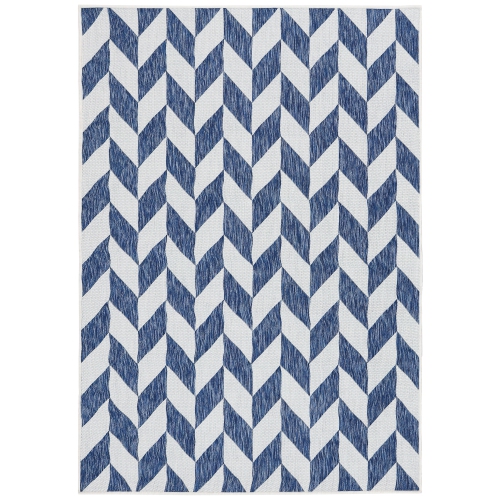 Your price for this item is $129.15
-
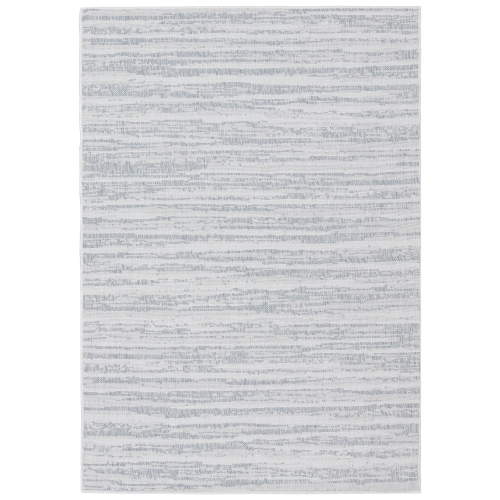 Your price for this item is $129.15
-
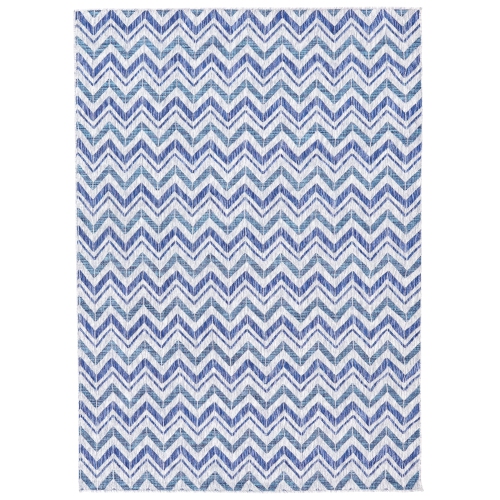 Your price for this item is $129.15
-
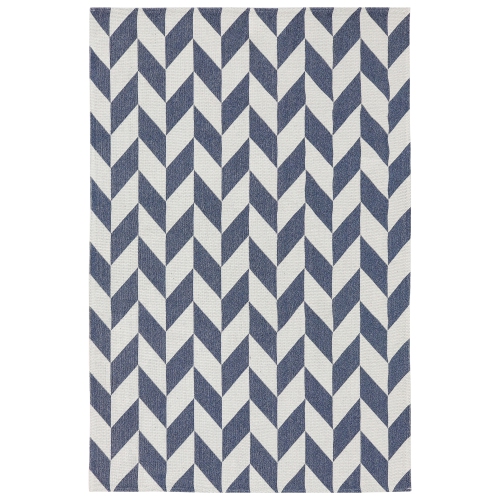 Your price for this item is $130.55
-
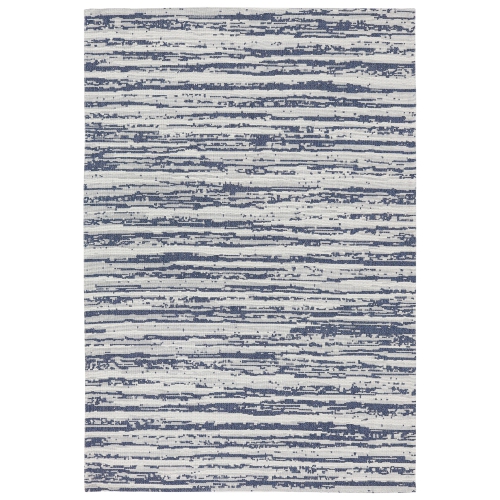 Your price for this item is $130.55
-
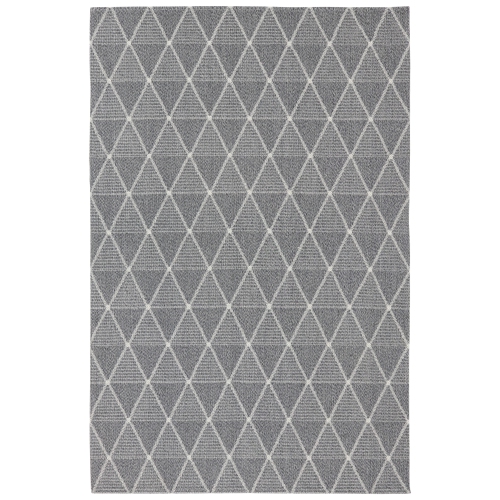 Your price for this item is $130.55
-
 Your price for this item is $144.99
-
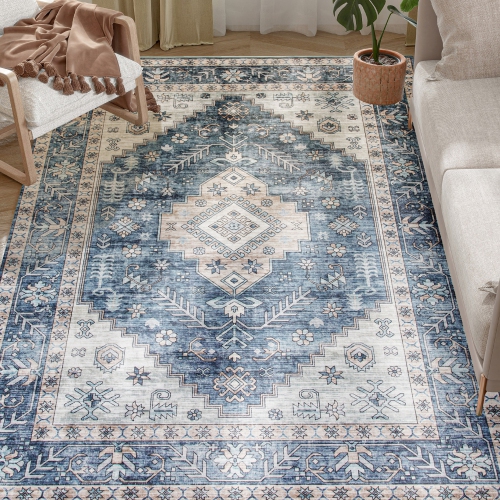 Your price for this item is $104.99
Discover more categories related to Indoor Outdoor Round Area Rugs
Top Collections:
Pokemon Centers, Best Black Friday Deals This Year, Best Black Friday Deals On Electronics, Kindle Devices, Best Budget Office Chairs, Best Black Friday Deals On Apple Products, Best Cameras for Sports Photography, Pokémon 30th Celebration Cards, Dyson Airwrap, Canon G7X Cameras
Some products may be subject to Environmental Handling Fees
(EHF) depending on your province.
Learn more about EHFs.