Induction Skillets
Experience the next level of cooking with an induction skillet, designed to enhance your culinary creations with precision and efficiency. Perfect for both amateur cooks and seasoned chefs, these skillets offer a modern approach to preparing your favorite dishes. With their sleek design and advanced technology, induction skillets provide even heating and responsive temperature control, making every meal a delight to prepare. Explore our selection of induction skillets to find the perfect addition to your kitchen arsenal and elevate your cooking experience.
Sort





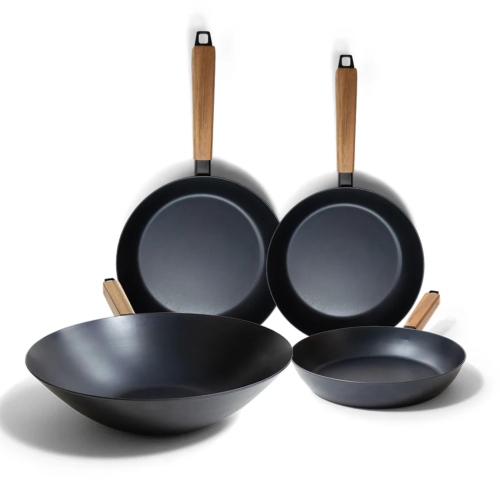

Why a skillet’s base matters more than its coating
Induction skillets are frying pans with a magnetic base that allows them to heat on an induction cooking surface. Rather than relying on a hot burner to transfer heat into the pan, induction uses an electromagnetic field to generate heat within compatible cookware. Cast iron, carbon steel, and stainless steel with a magnetic base are common choices; aluminium and copper pans need an added induction-compatible layer to work. A non-stick cooking surface does not determine compatibility, since the construction underneath the coating is what matters. An induction symbol or a manufacturer’s compatibility statement is the clearest confirmation, while a magnet that sticks firmly to the underside offers a useful initial check. Base size and contact also matter: even a magnetic pan may not be detected if its base is too small for a cooking zone. For kitchens fitted with induction cooktops, a flat, stable skillet with a suitable base diameter helps support reliable performance. The size printed on a skillet usually describes its diameter across the upper rim, not the flat cooking area underneath, so two pans with the same stated measurement can offer different amounts of usable space. A smaller skillet suits a couple of eggs, a toasted sandwich, or a modest portion of sautéed mushrooms. A wider pan gives chicken pieces or sliced vegetables room to brown without being crowded together and steaming in their own moisture. Sloping sides make it easier to slide an omelette onto a plate or turn food with a spatula, while deeper sides offer more room for dishes finished with sauce. Matching the base to the cooking zone is particularly helpful with larger pans, as an oversized skillet may heat less evenly around its outer edges. The best fit depends on both the meals being prepared and the dimensions of the cooking surface, rather than diameter alone.
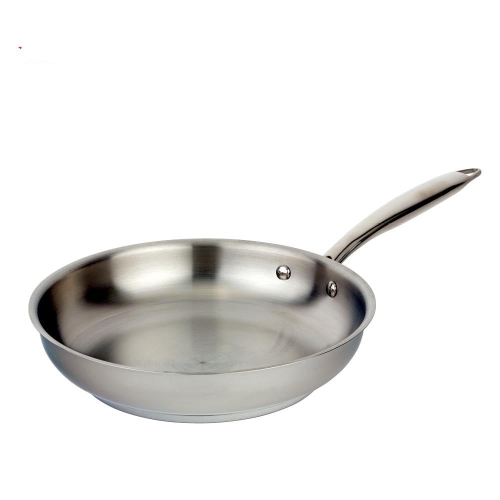
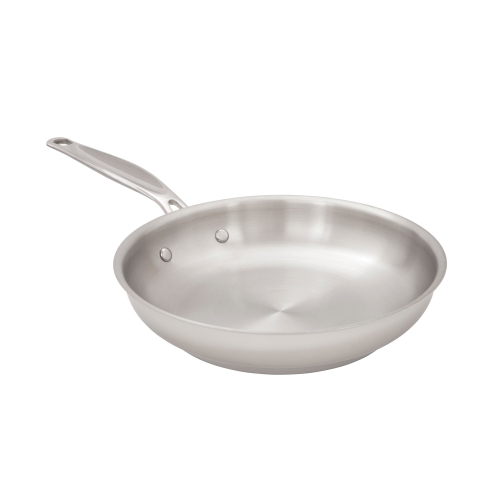
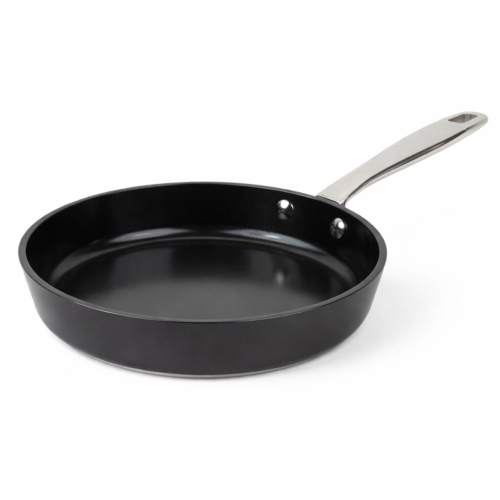
Material makes a noticeable difference to how an induction skillet feels and cooks. Cast iron is substantial and holds heat well, making it useful for a deeply browned steak, crisp-edged potatoes, or cornbread when the pan is rated for oven use. That weight can be less convenient when lifting a full skillet, washing it in a sink, or pouring off cooking fat, so a helper handle can be valuable. Carbon steel is often lighter than cast iron of a similar size and develops a seasoned cooking surface with use. It suits cooks who enjoy searing, frying, and maintaining a pan’s seasoning, although its weight still varies with thickness and construction. Both materials need thorough drying and care that protects their seasoning; prolonged cooking with acidic ingredients such as tomatoes or wine can affect that finish. Stainless steel offers a different experience, with an uncoated surface suited to browning meat and building a pan sauce from the browned bits left behind. Food can cling if the pan temperature or timing is off, but properly heated fat and allowing a crust to form often help ingredients release. Many stainless steel skillets incorporate aluminium or copper within their construction to spread heat, combined with a magnetic outer layer for induction compatibility. Fully clad construction carries those layers through the sides, while a bonded base concentrates them underneath; overall thickness and build quality also influence performance. Induction-compatible non-stick skillets are convenient for delicate fish, eggs, and other foods that benefit from easy release. Coatings vary, and a ceramic-coated skillet still needs a compatible magnetic base to work on induction. Non-stick surfaces generally call for moderate heat and utensils suited to the coating, rather than the high temperatures often used for hard searing. Handle comfort deserves equal attention: a secure grip, useful balance, and enough clearance for an oven mitt can matter more in daily cooking than an elaborate finish. Metal handles can become hot, especially in the oven, while handles with other materials may have lower temperature limits.
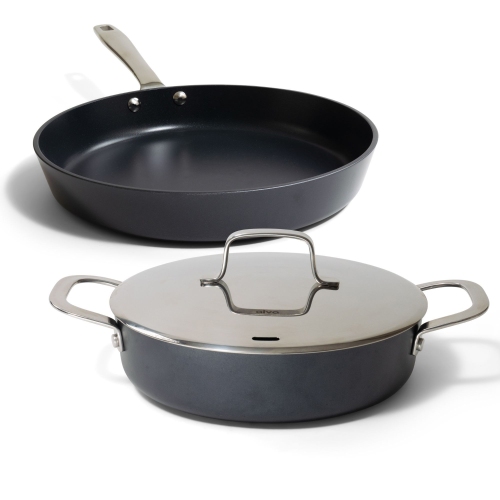
Everyday habits have a large influence on an induction skillet’s durability. Induction can deliver heat quickly, so a gradual warm-up at a suitable setting offers more control than immediately using maximum power. Follow the pan manufacturer’s heating directions, particularly for coated cookware, and avoid leaving an empty non-stick skillet over heat. Very high power is not necessary for every task: onions need time to soften, butter can brown quickly, and a thick cut of meat may benefit from gentler cooking after its initial sear. A heavy pan also retains heat after the setting is lowered, so quick hob adjustments do not always translate into an immediate change at the cooking surface. For dishes that move from the hob to the oven, check the temperature rating for the whole skillet, including its handle and any lid. Oven-safe does not automatically mean suitable for use under a broiler. A well-fitting lid can broaden a skillet’s usefulness for finishing thicker foods or gently cooking vegetables with a little liquid, but lids may be sold separately and need to match the rim. After cooking, let the pan cool before washing; putting a hot skillet into cold water can cause distortion or damage. Gentle cleaning tools help protect coatings and polished finishes, while cast iron and carbon steel benefit from prompt drying and a light application of oil as directed by the manufacturer. Dishwasher suitability varies, and handwashing may help preserve a pan’s finish even when machine washing is permitted. Keeping the underside clean and lifting rather than dragging the skillet helps protect a glass cooking surface from trapped grit. Storage matters, too: a soft separator between stacked pans can reduce scratches, and a heavy skillet needs a stable place within comfortable reach. For someone setting up a kitchen, switching to induction, or receiving cookware as a housewarming gift, a versatile skillet can become part of the daily routine, from a quick breakfast to a one-pan supper during the cooler months. The most useful choice brings together compatible construction, manageable weight, enough cooking space, and a level of upkeep that fits the cook’s habits.
Top selling and popular products
-
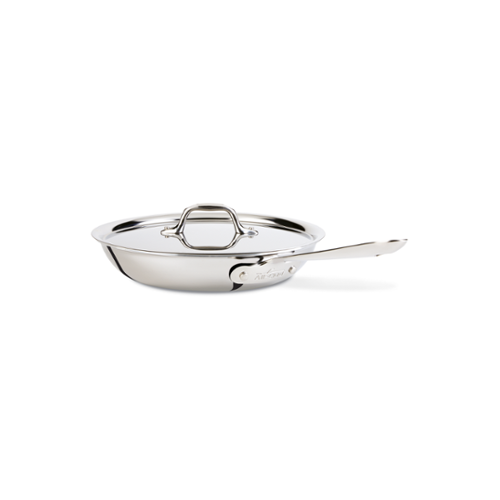 Your price for this item is $137.7
-
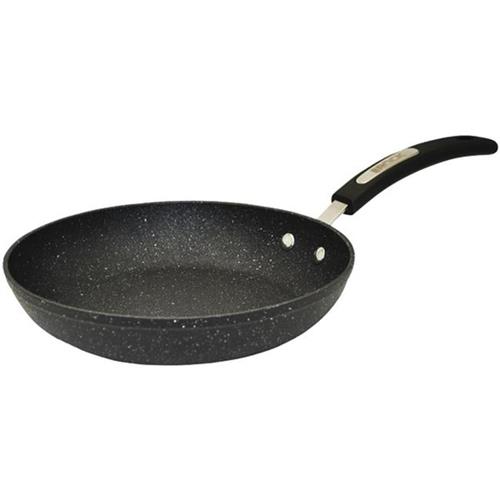 Your price for this item is $33.97
-
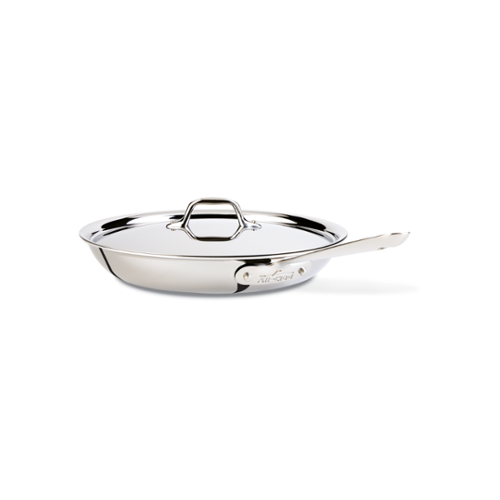 Your price for this item is $289.04
-
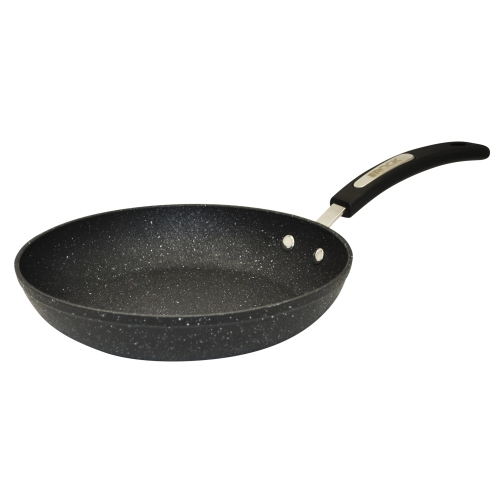 Your price for this item is $29.99
-
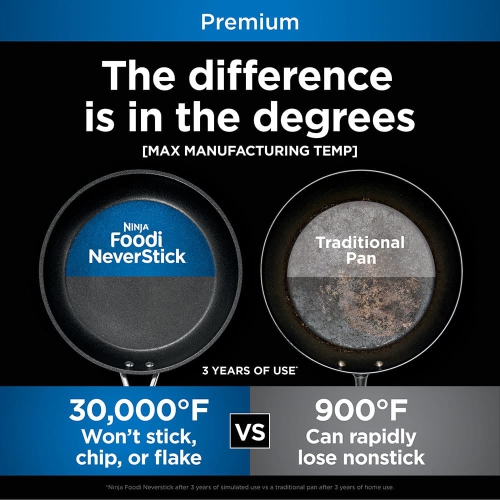 Your price for this item is $139.53
-
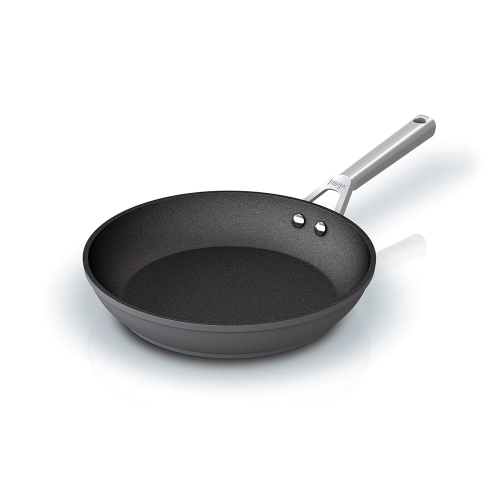 Your price for this item is $100.73
-
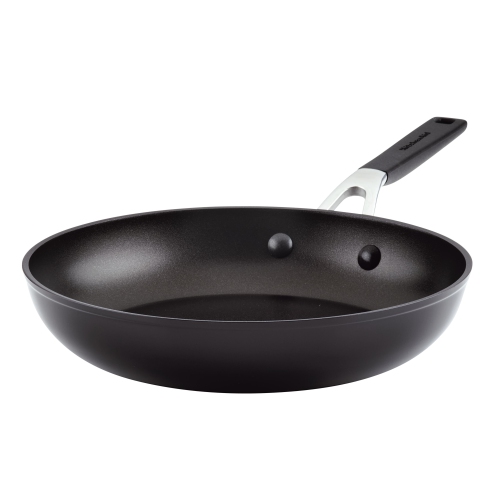 Your price for this item is $49.99
-
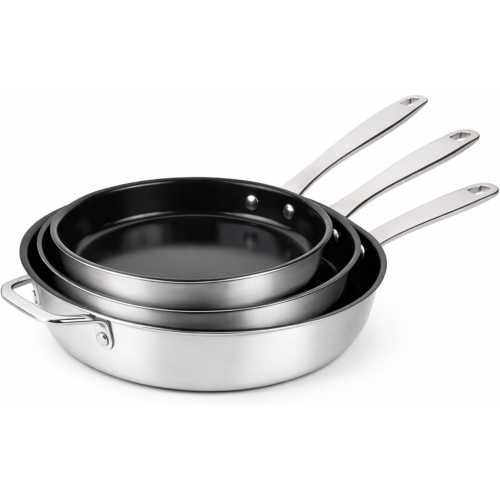 Your price for this item is $399
Discover more categories related to Induction Skillets

Top Collections:
Pokemon Centers, Best Cameras for Sports Photography, Kindle Devices, Samsung Galaxy Phones, Canon G7X Cameras, Pokémon 30th Celebration Cards, Refurbished Apple Laptops, iPhone 15 Apple, Laptops for Students, Budget Smartphones
Some products may be subject to Environmental Handling Fees
(EHF) depending on your province.
Learn more about EHFs.