Magnetic Induction Stoves
Upgrade your kitchen with the latest in cooking technology - the Magnetic Induction Stove. Designed to revolutionize your culinary experience, these innovative appliances offer precise temperature control, quick heating, and energy efficiency. Say goodbye to traditional gas or electric stoves and embrace the future of cooking. Whether you're a seasoned chef or a busy home cook, a magnetic induction stove is the perfect addition to any modern kitchen. Discover the benefits of this cutting-edge technology and elevate your cooking game today.
Sort
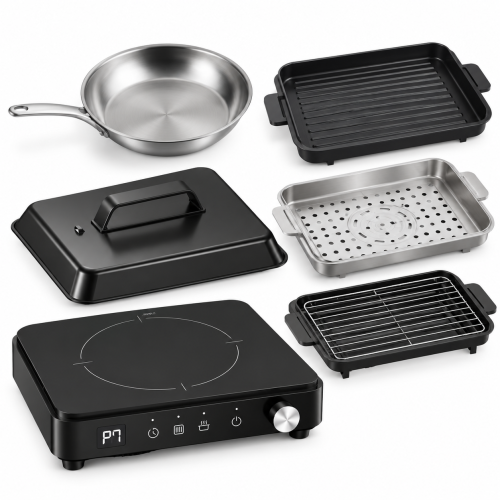
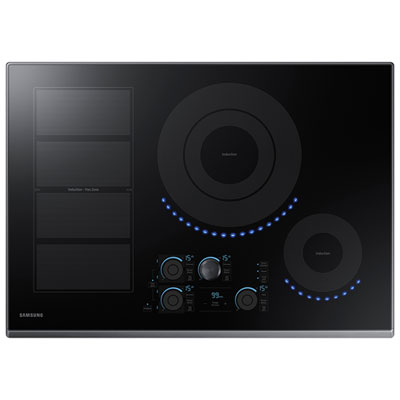
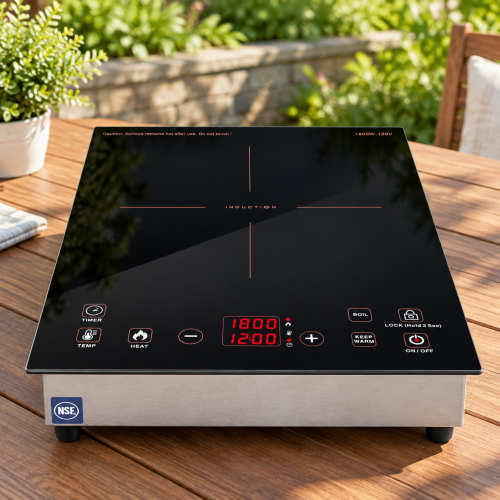
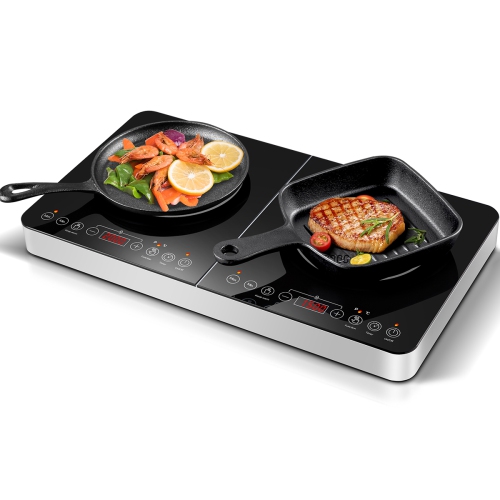
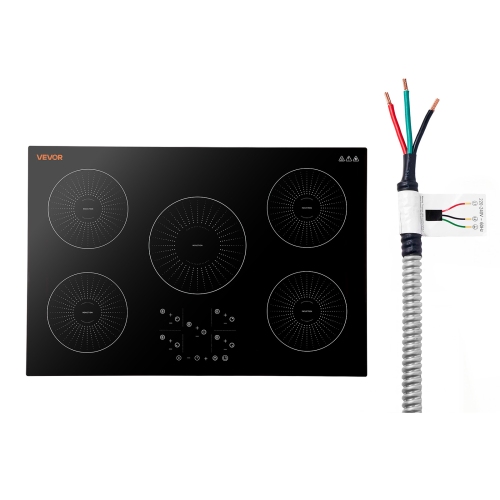
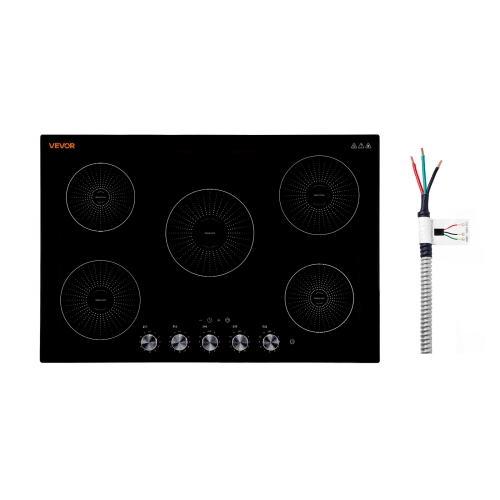
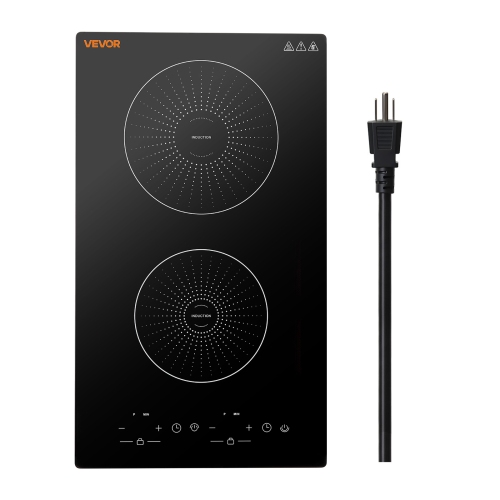
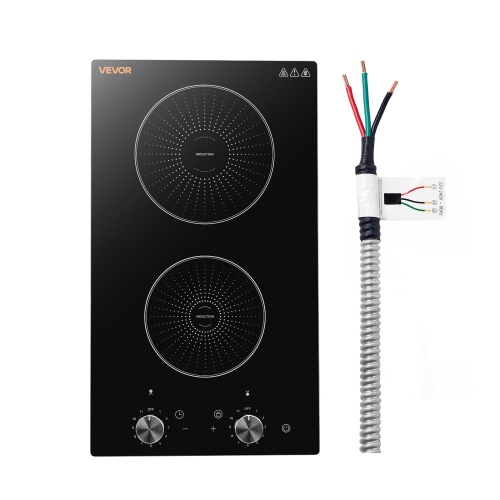

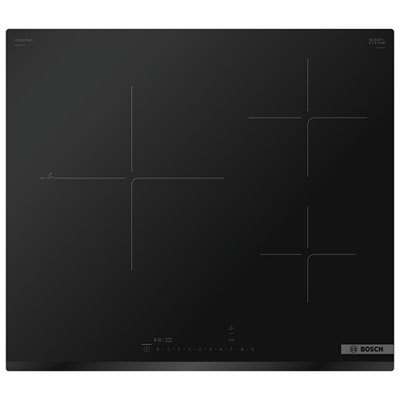
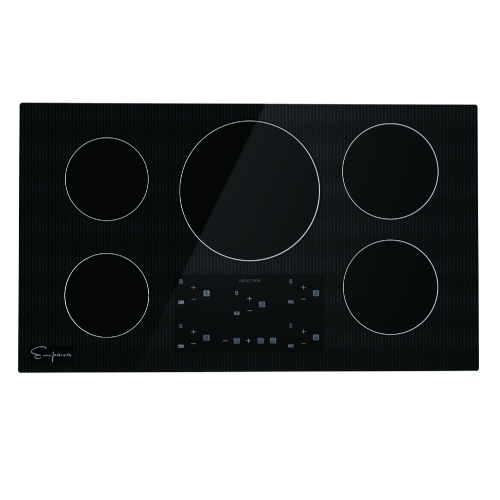
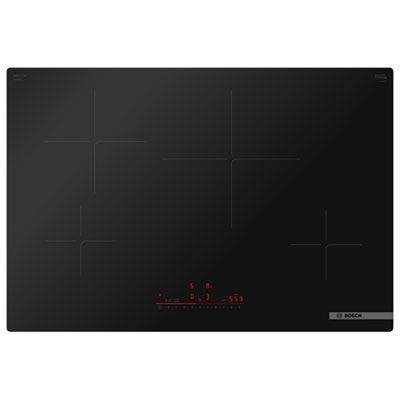
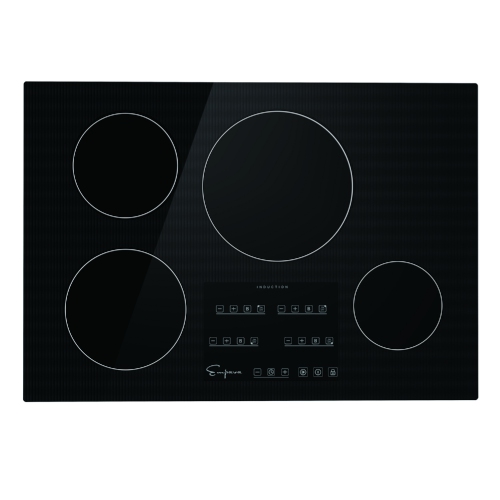
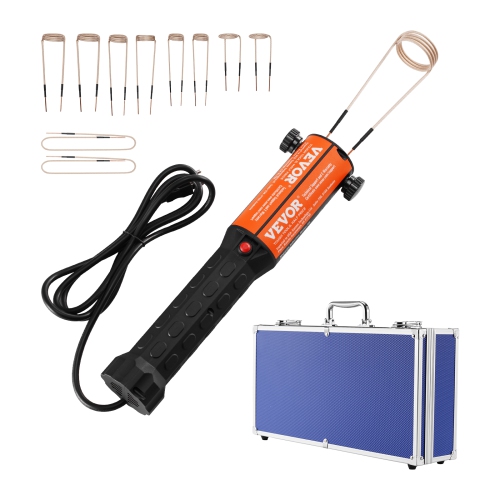
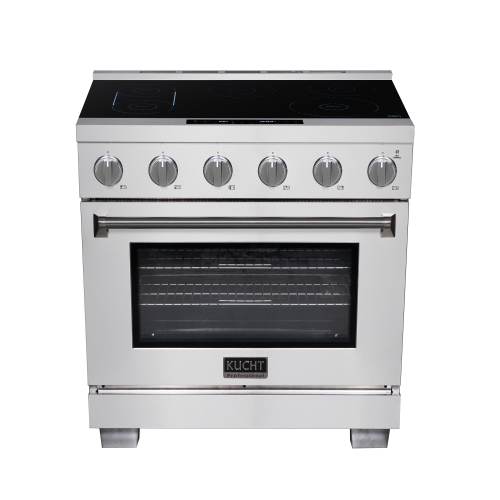
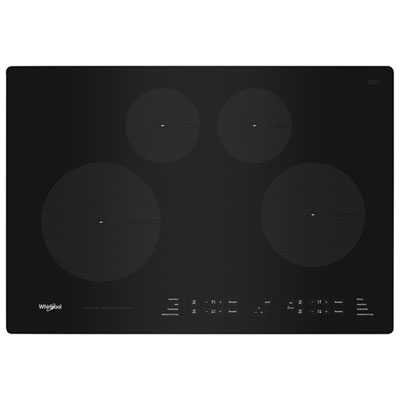
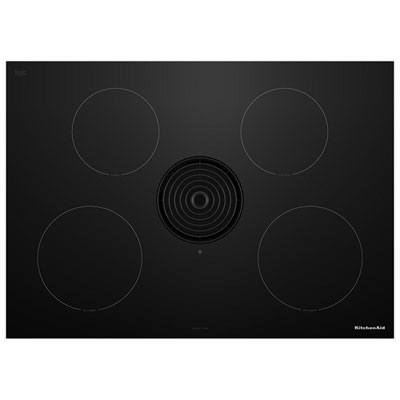
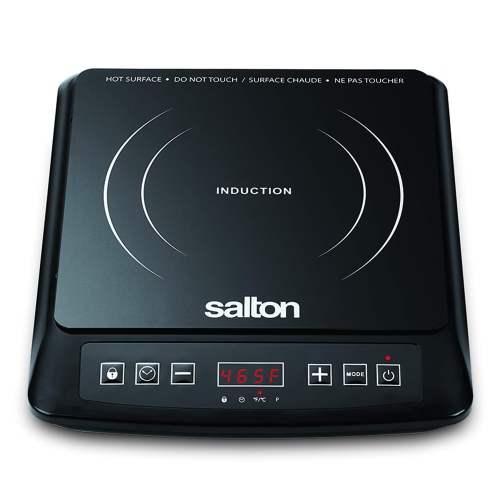
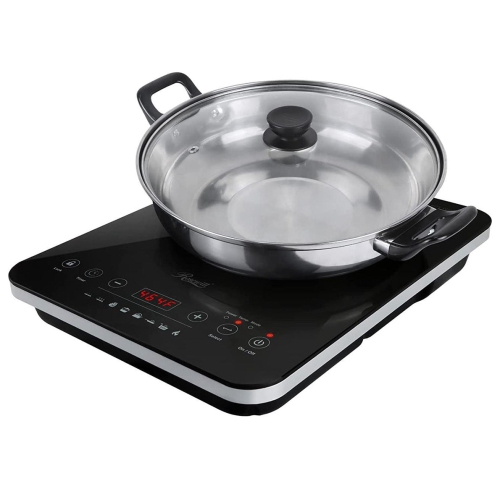
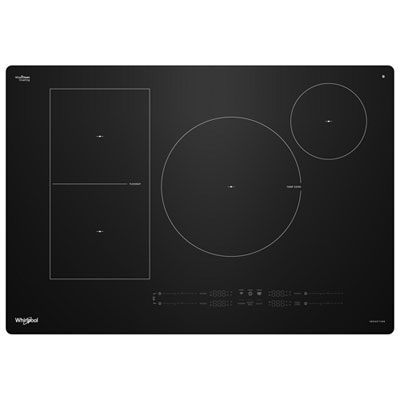
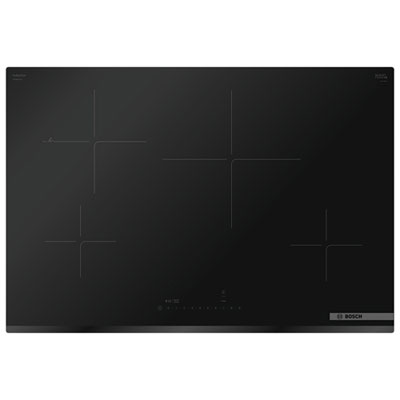
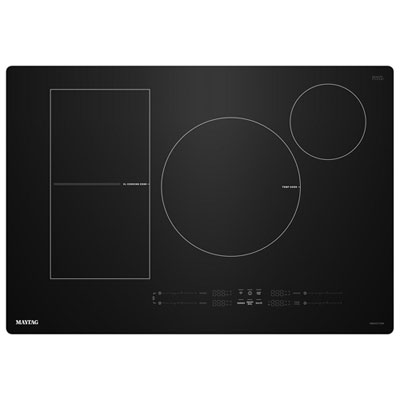
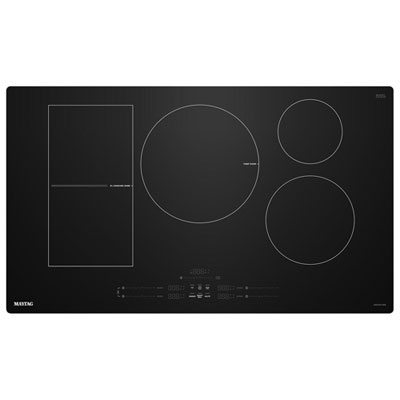
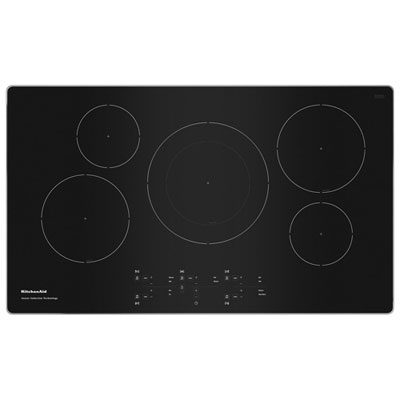
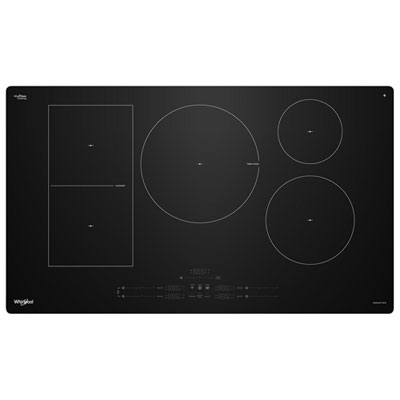
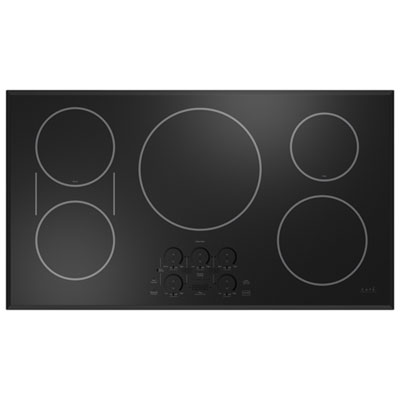
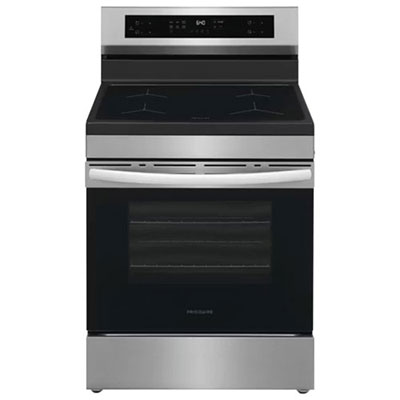
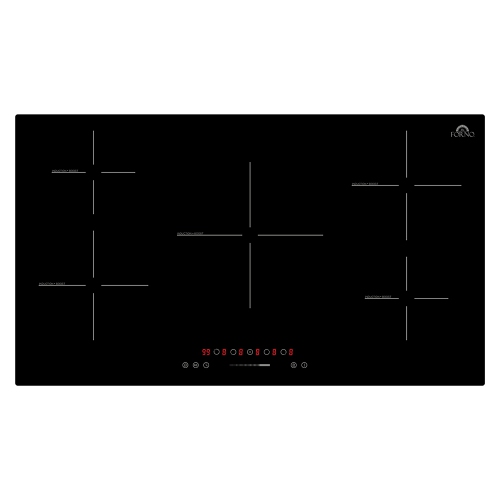
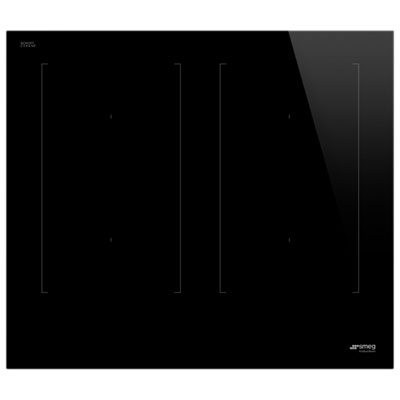
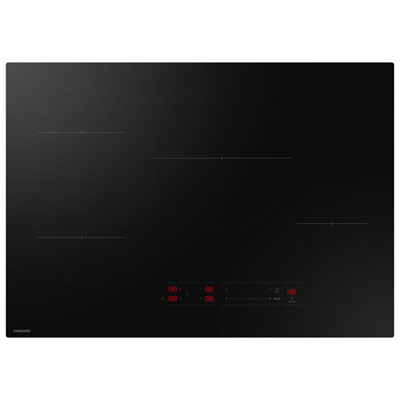
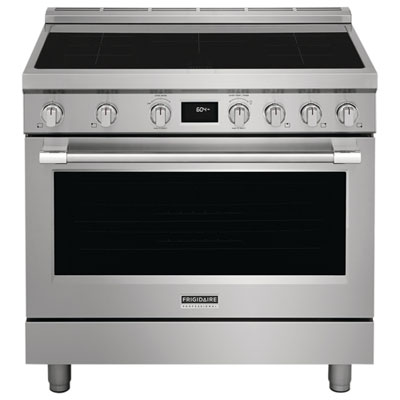
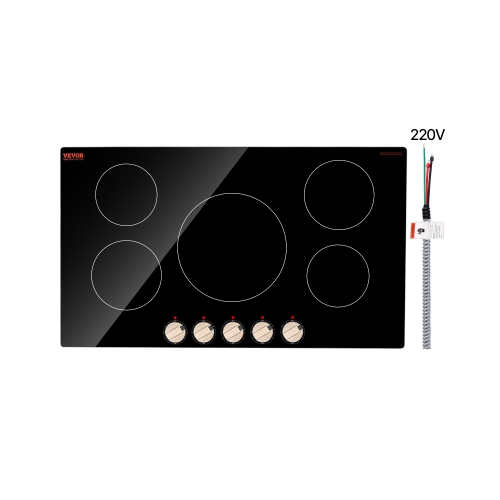
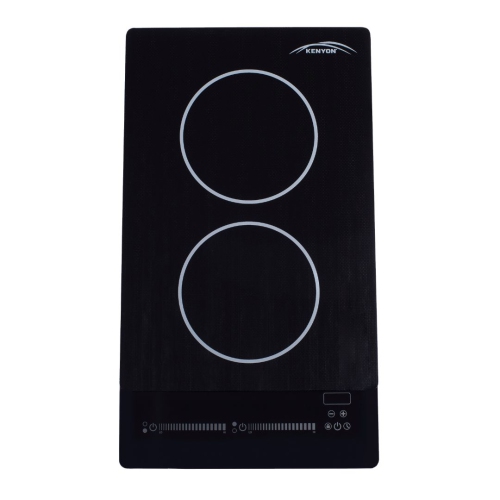
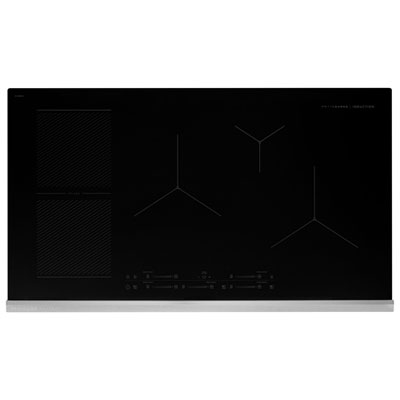
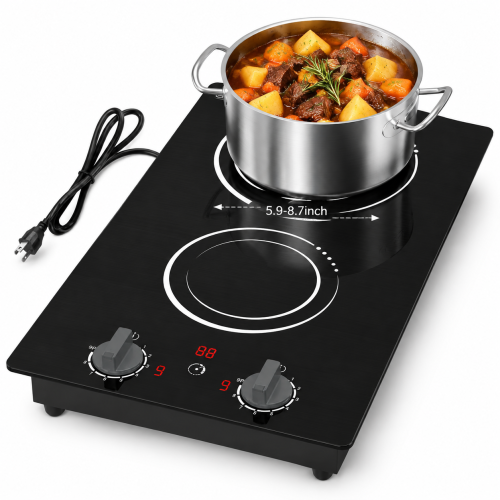
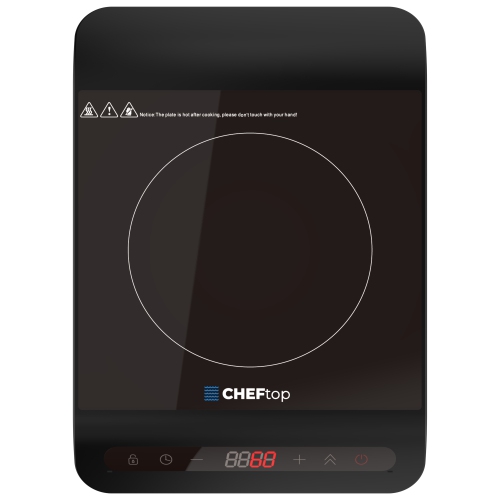
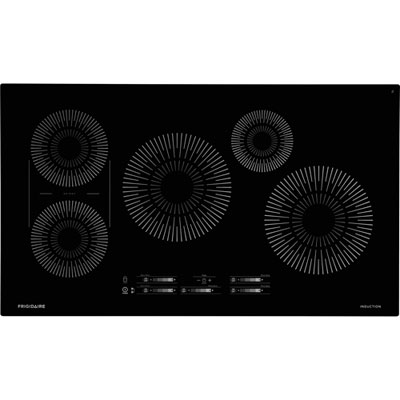
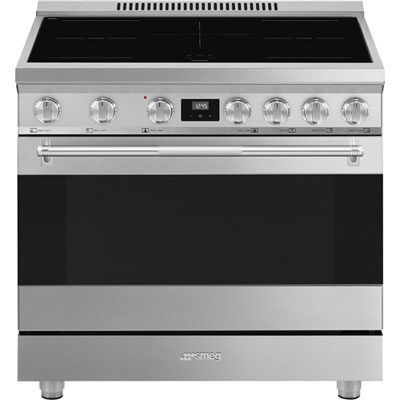
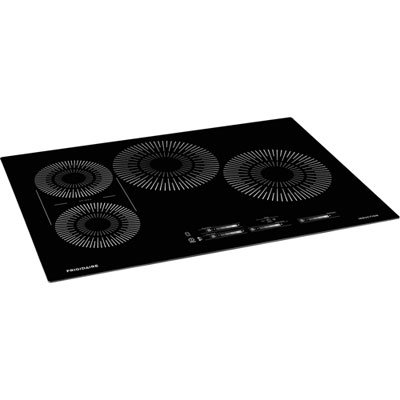
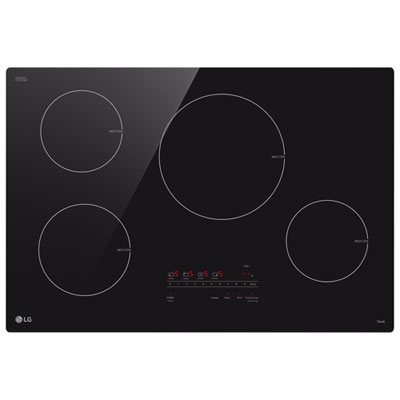
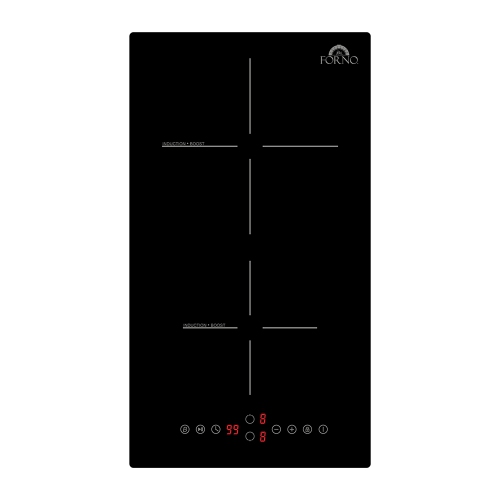
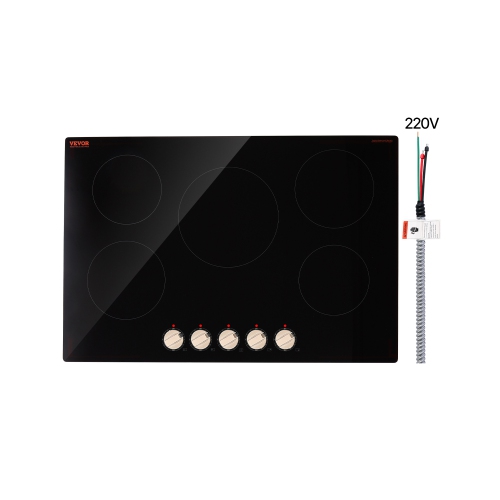

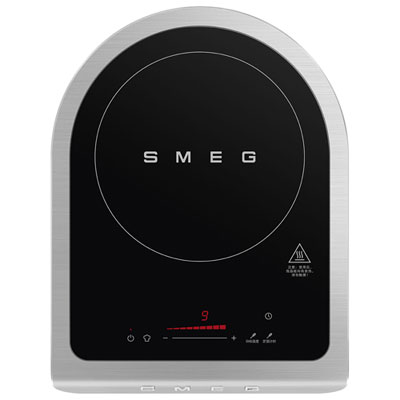
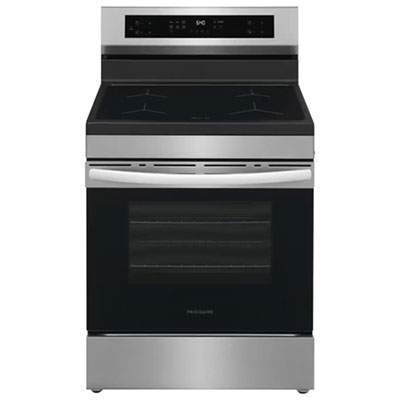
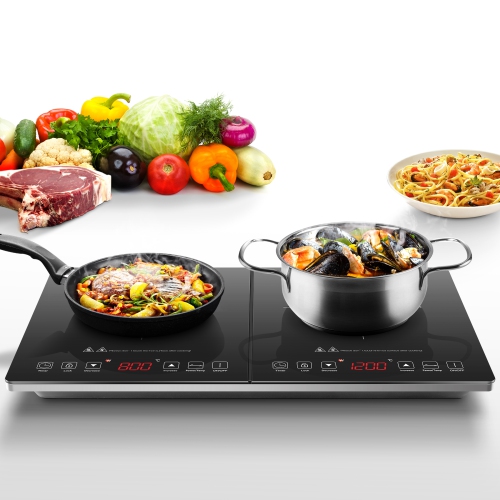
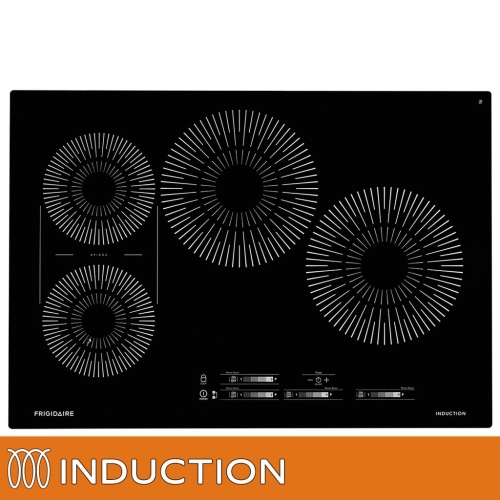
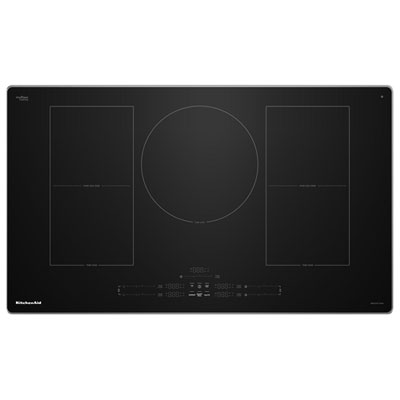
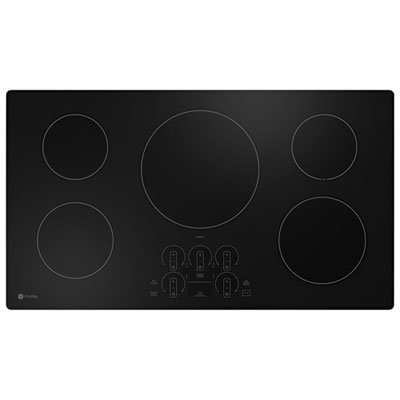
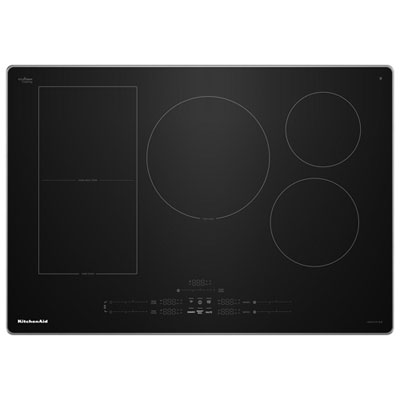

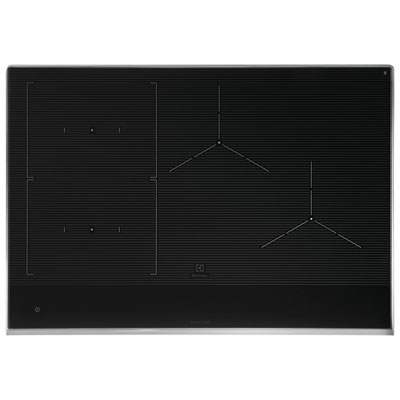
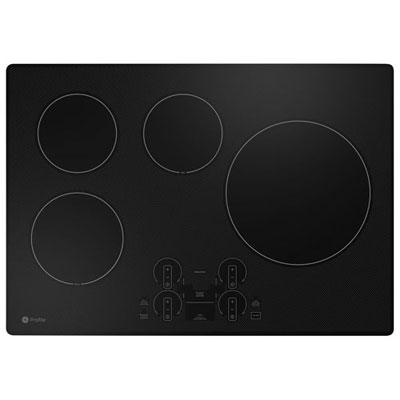
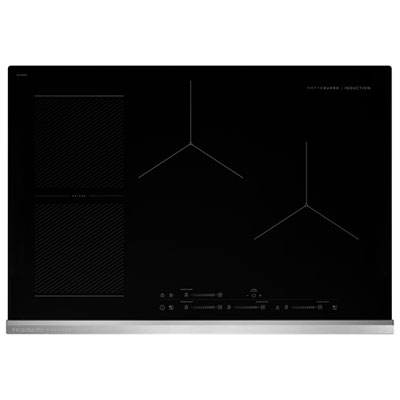
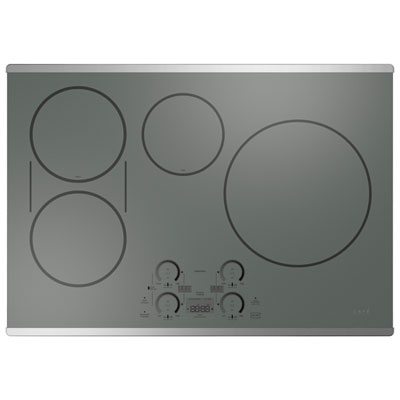
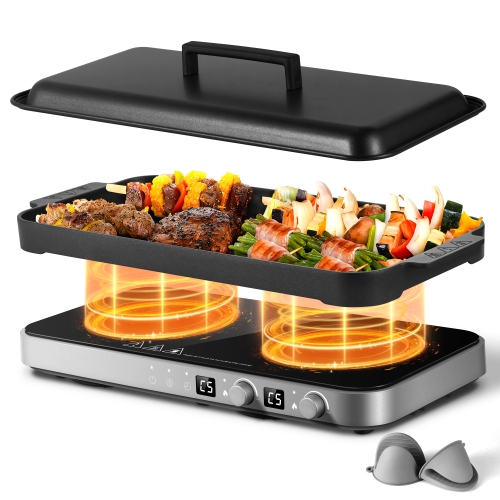
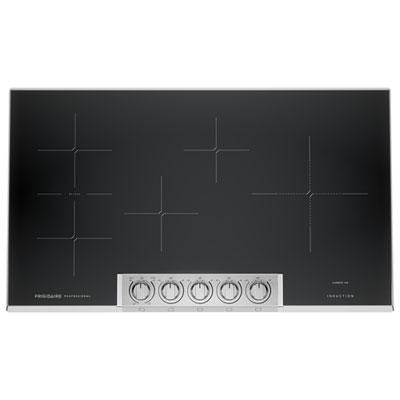
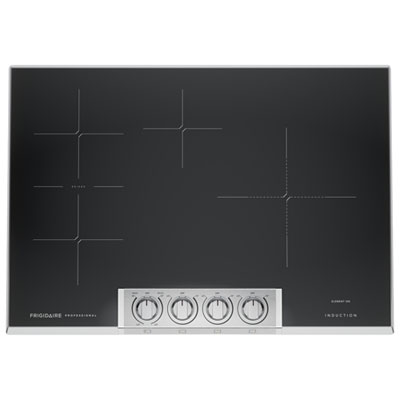
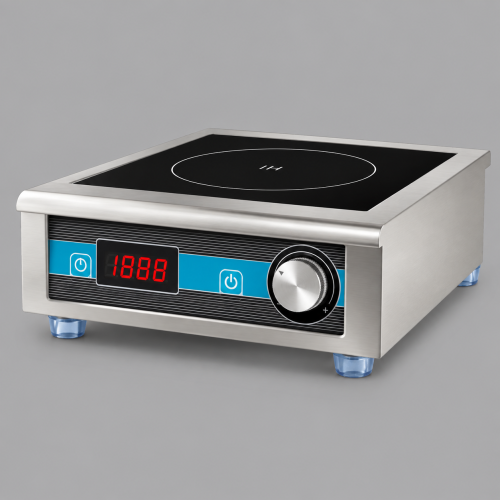
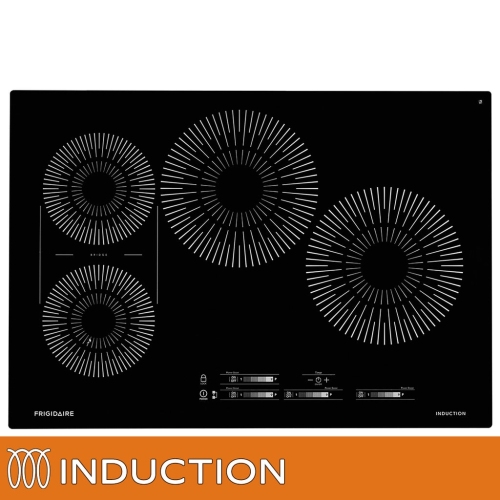
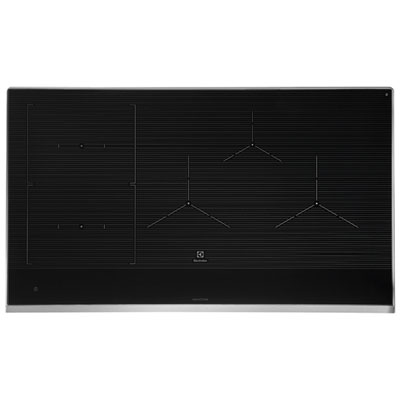
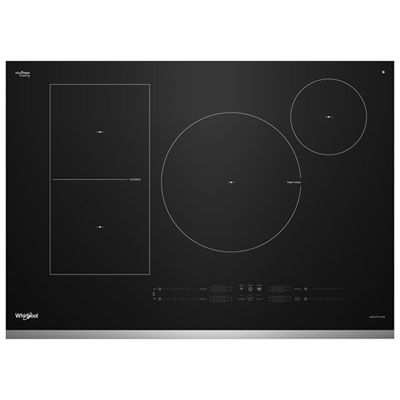
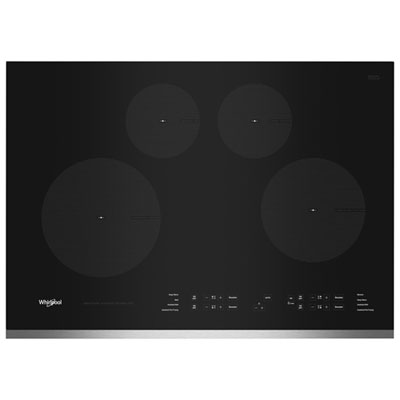
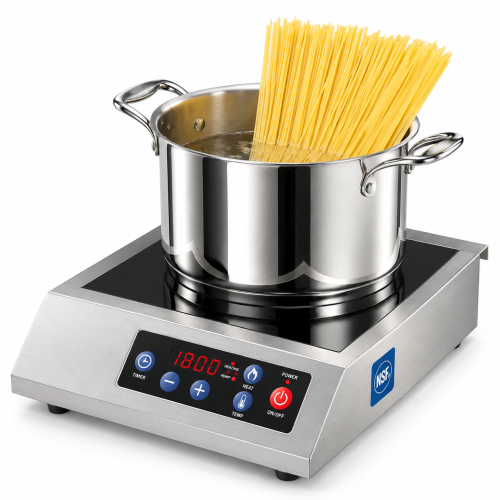
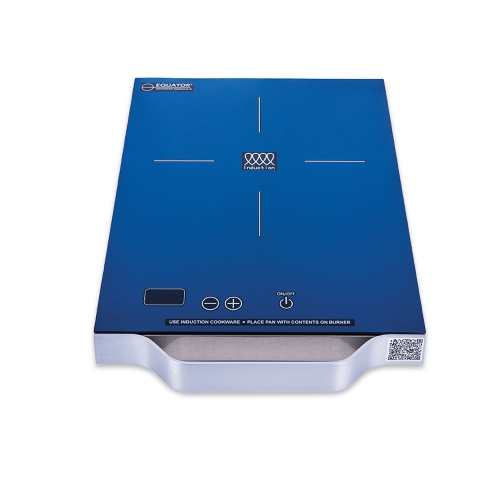
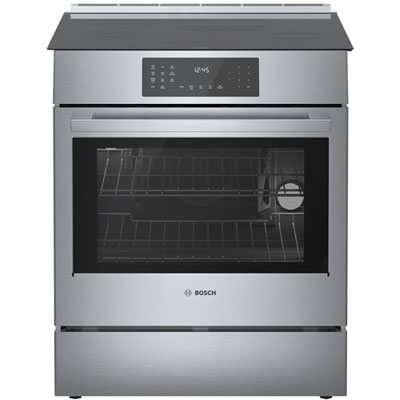
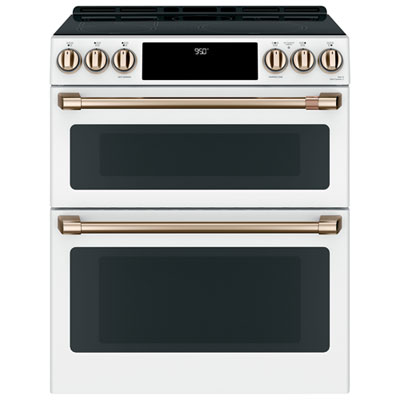
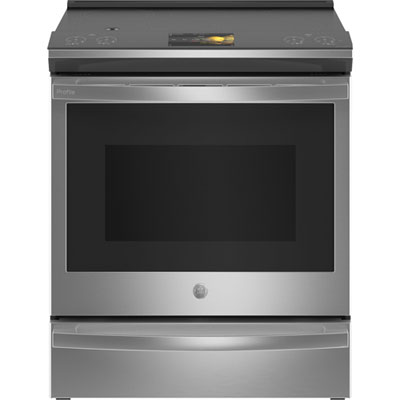
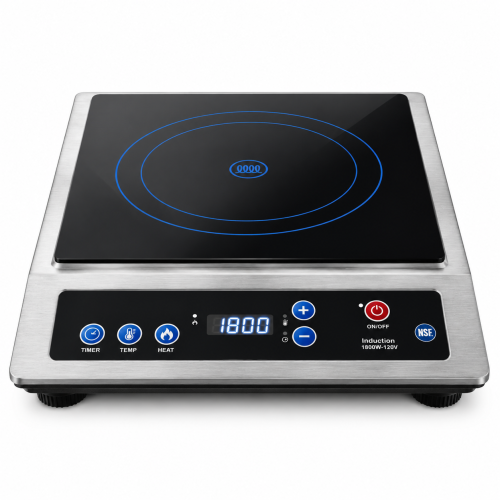
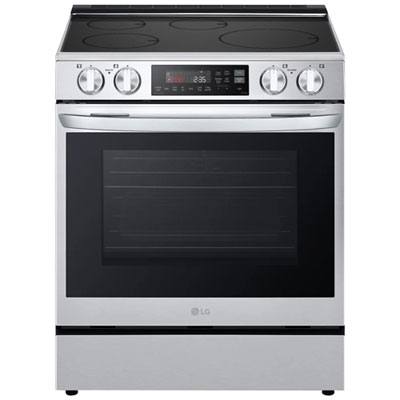
Understand induction heat, cookware needs and installation considerations
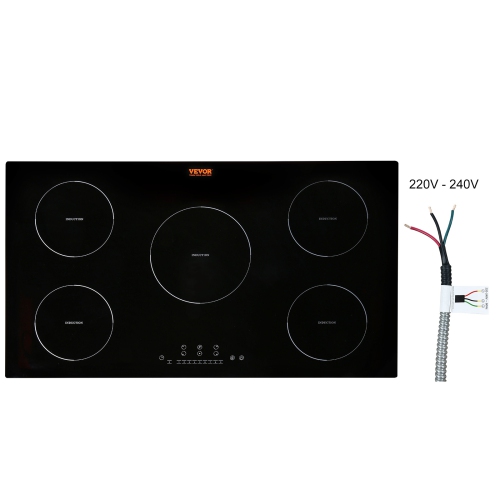
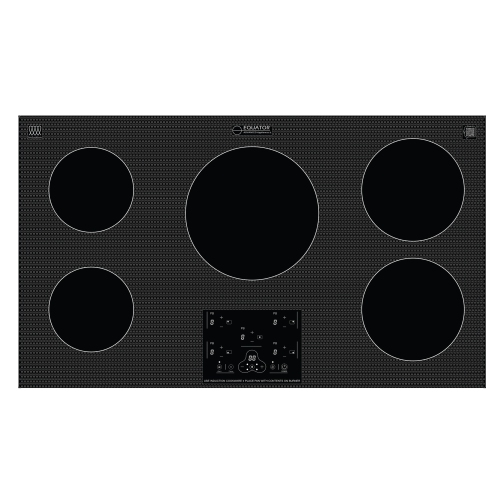
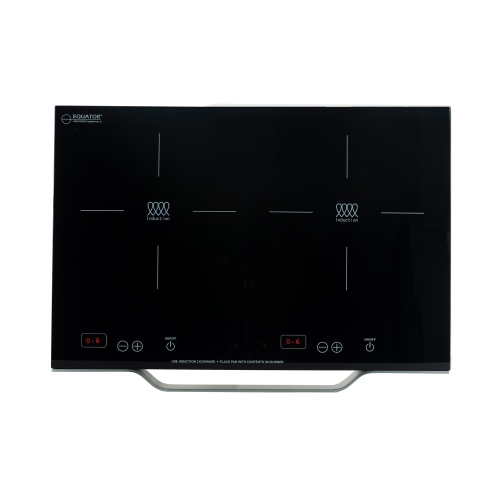
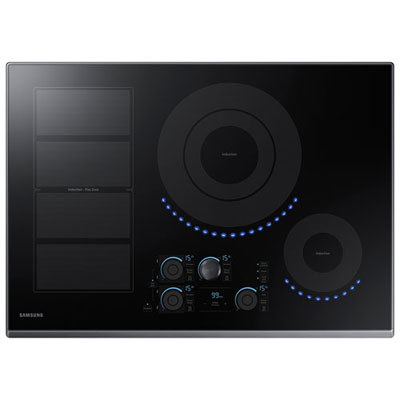
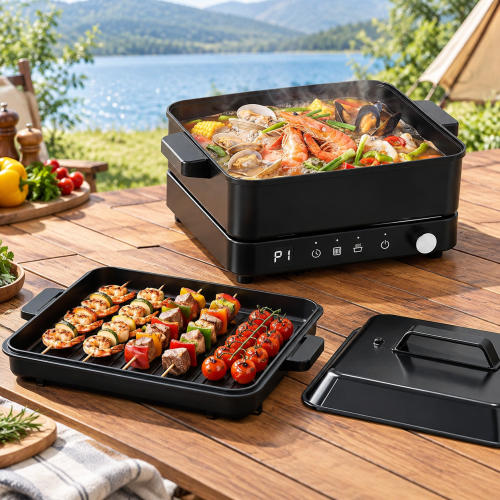
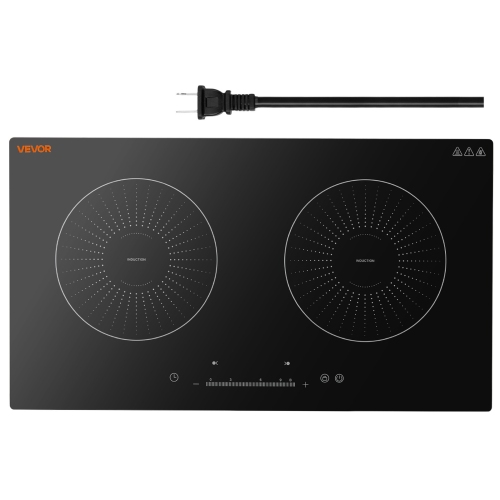
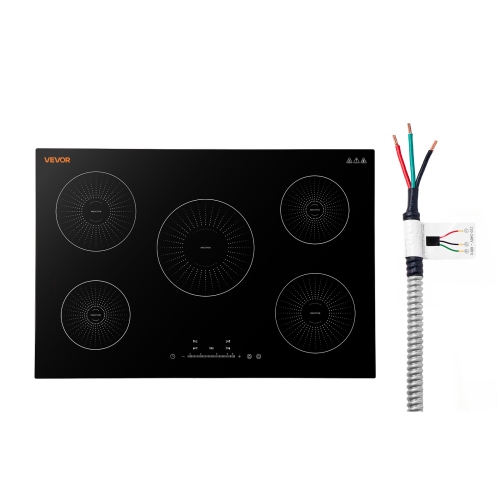
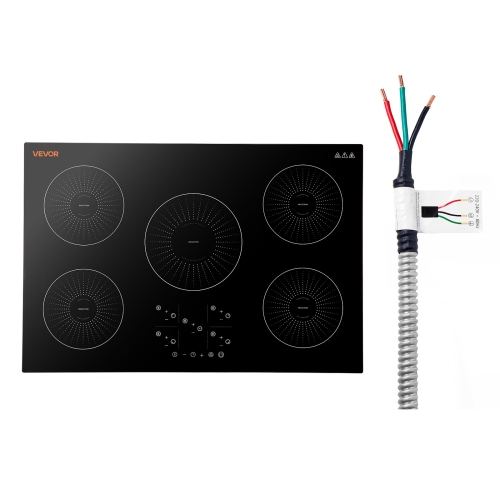
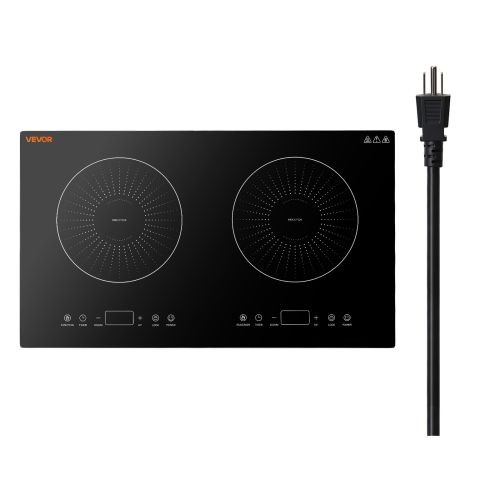
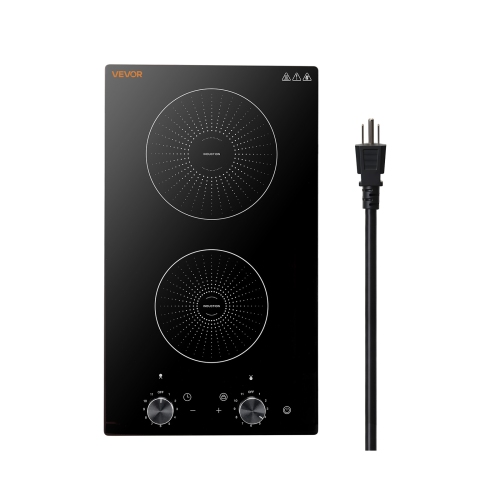
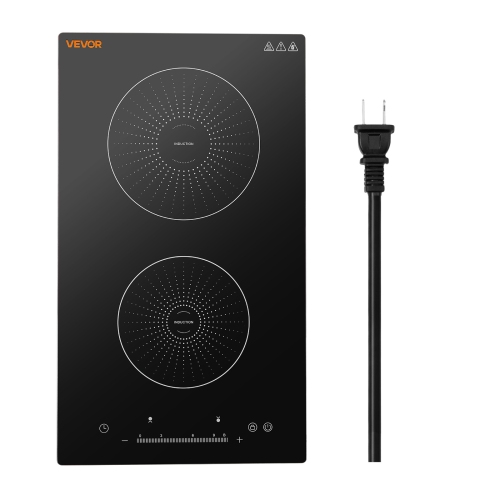
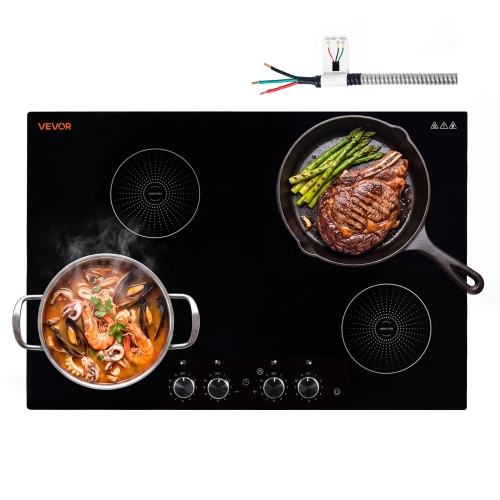
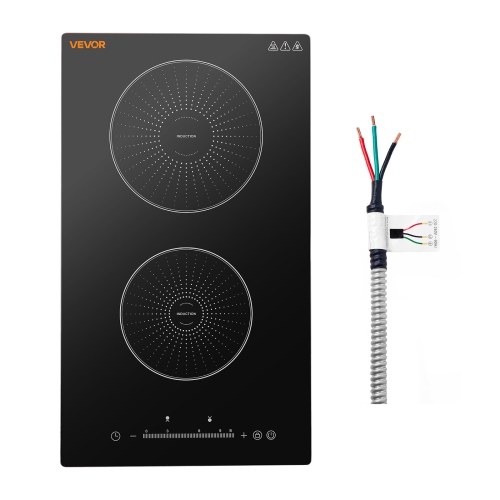
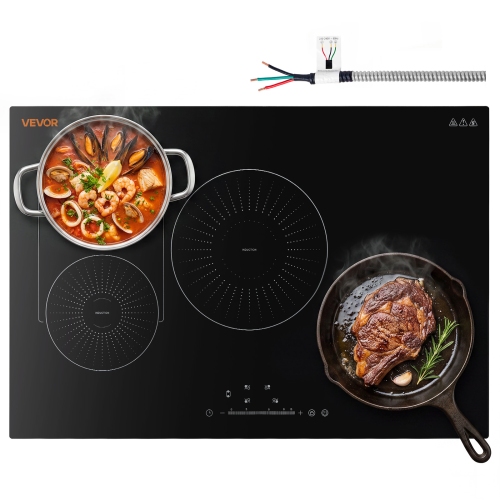
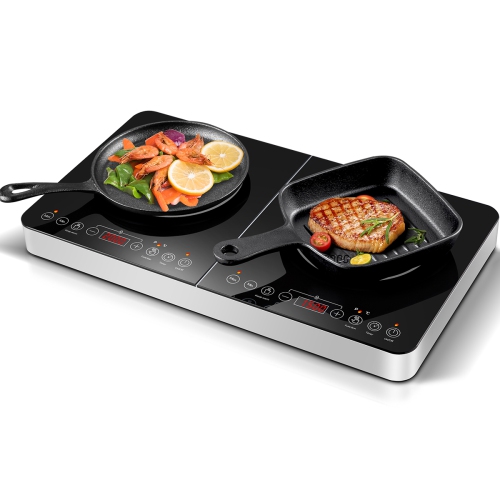
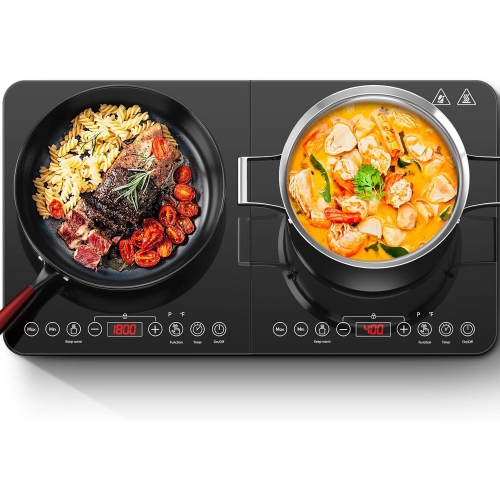
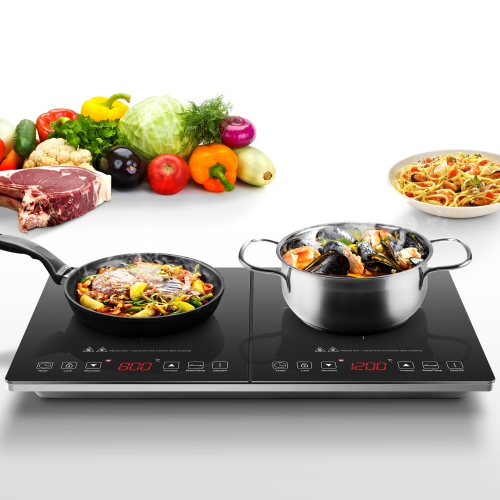
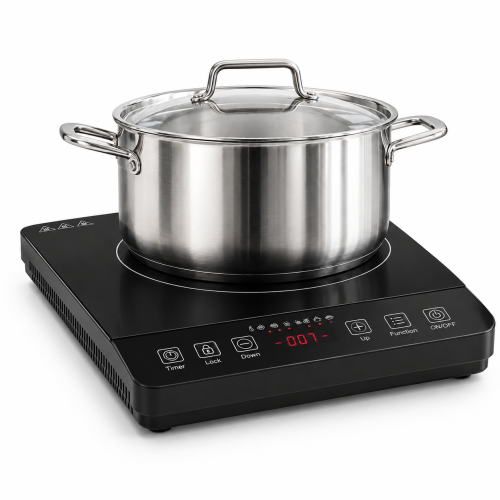
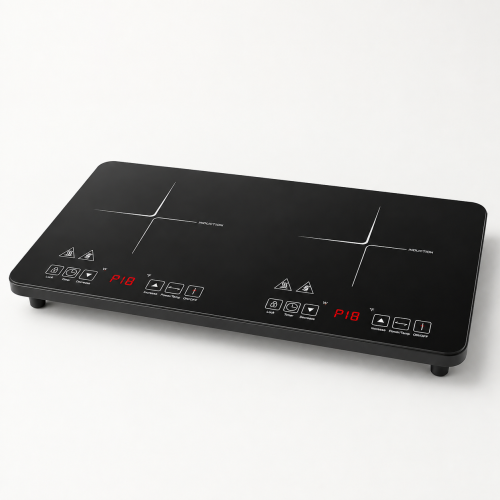
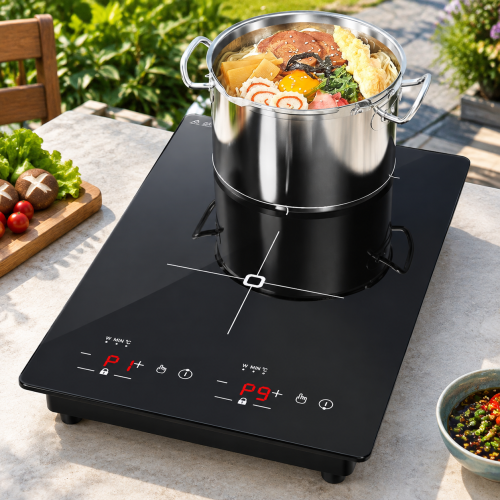
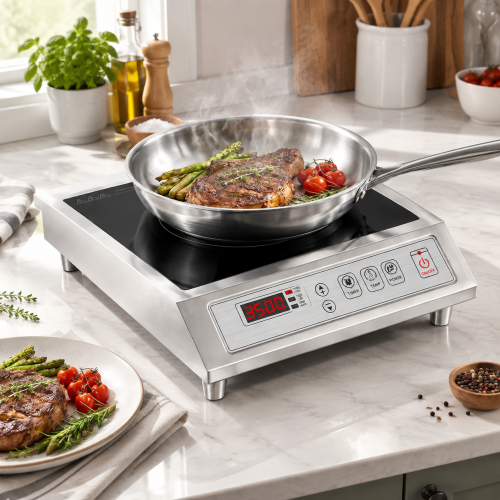
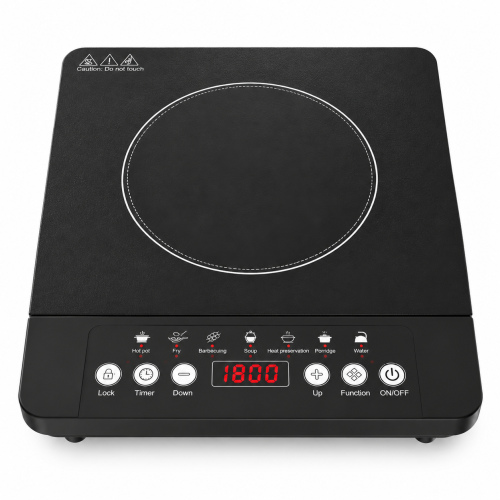
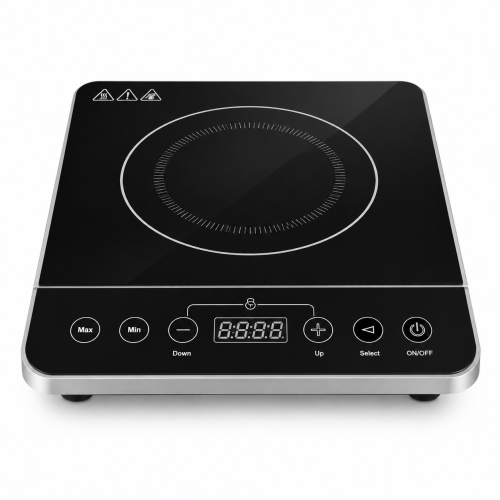
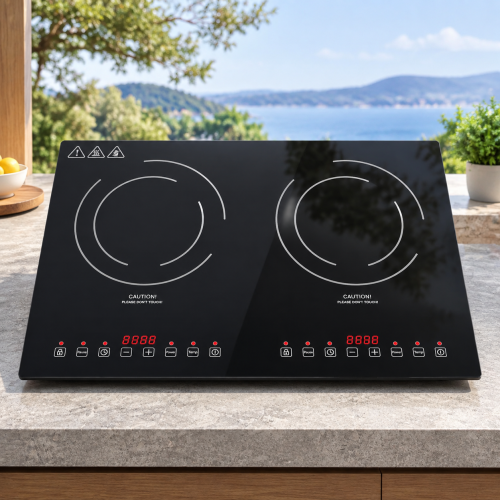
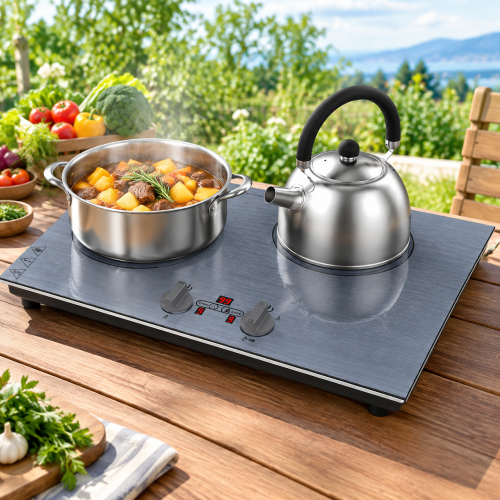
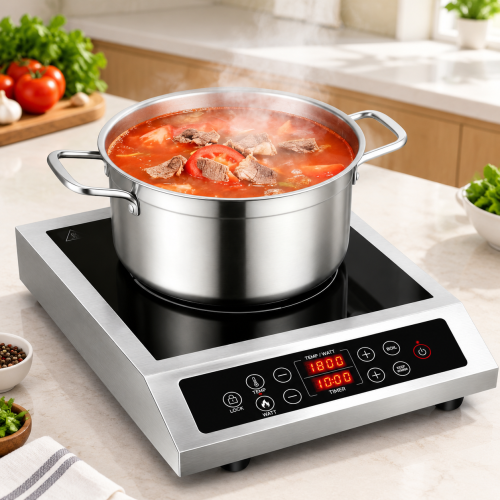
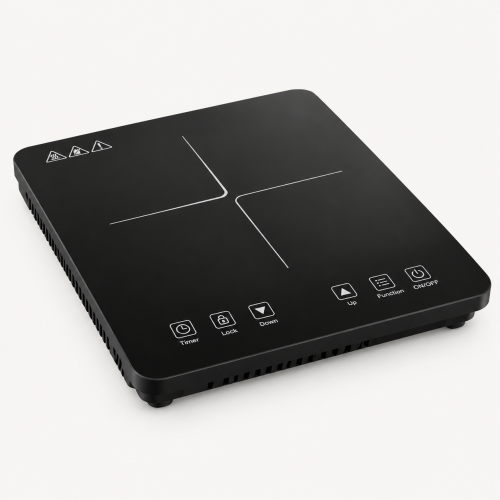
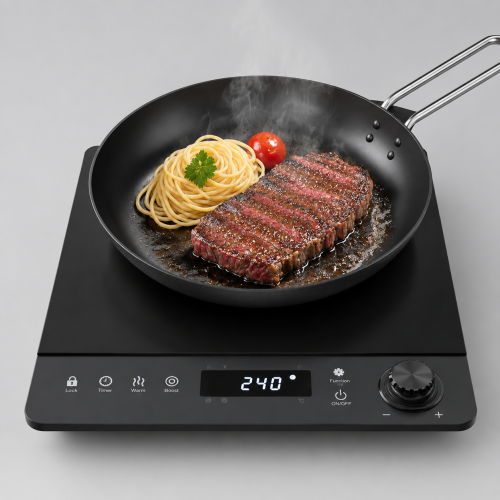
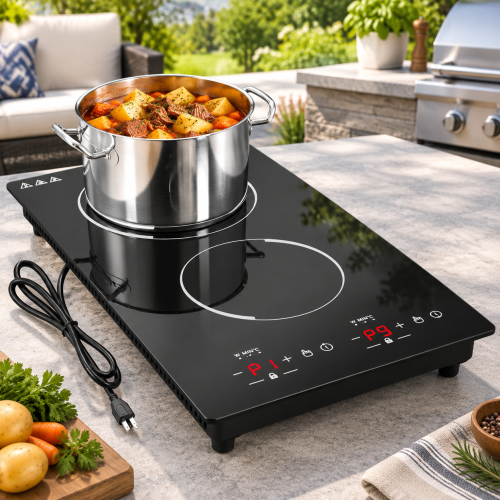
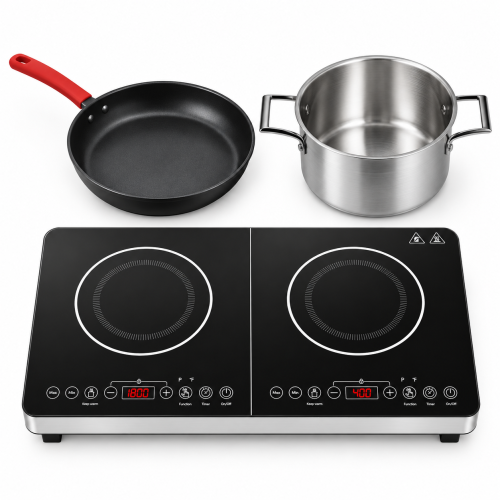
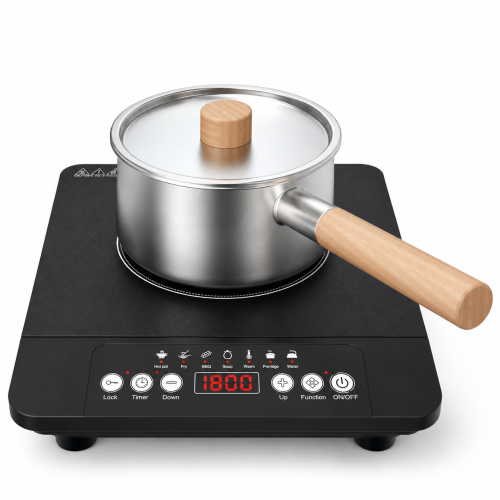
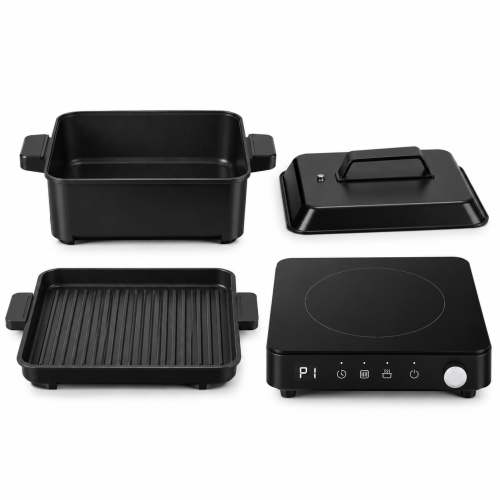
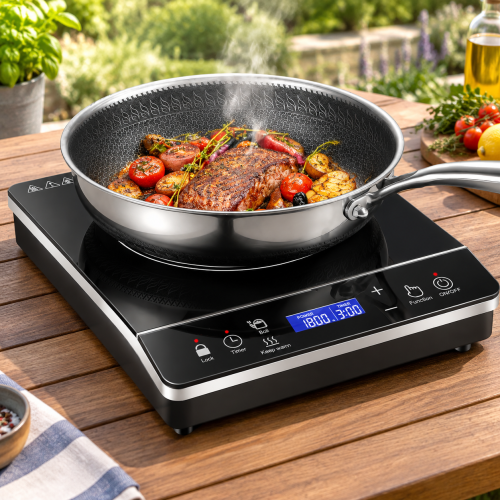
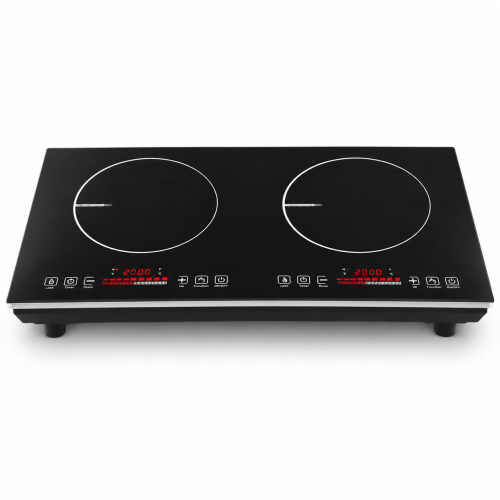
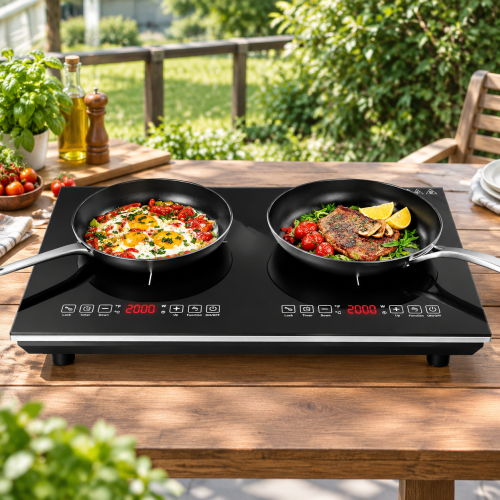
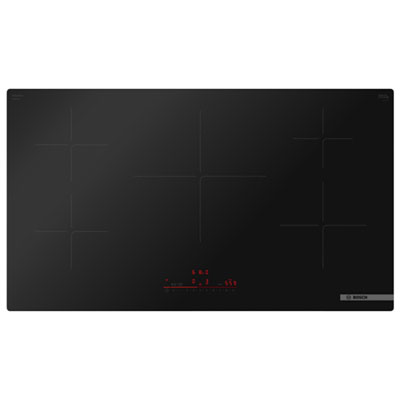
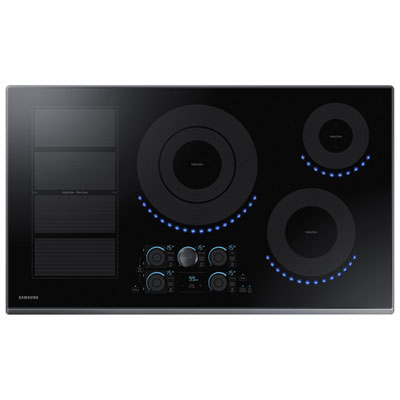
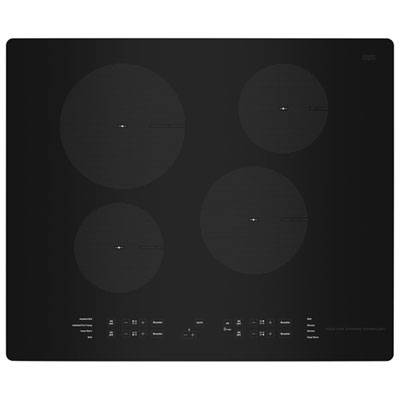
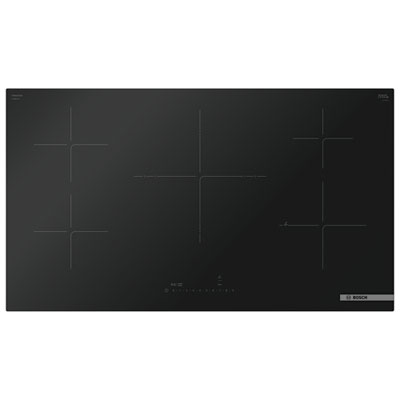
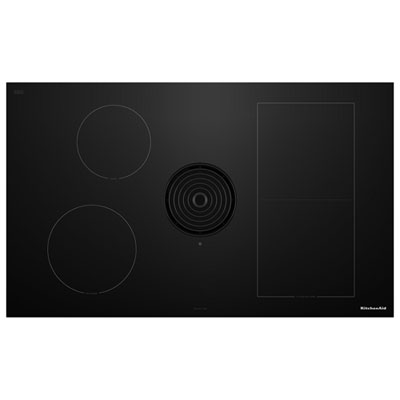
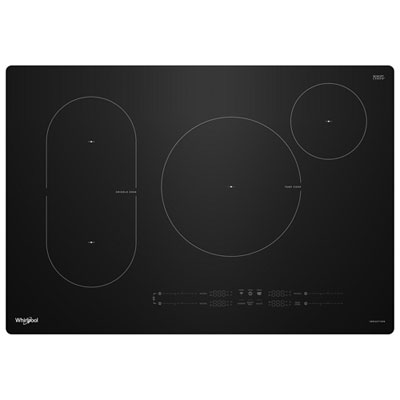
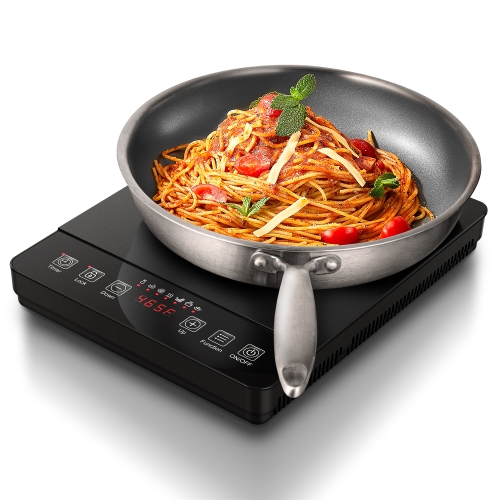
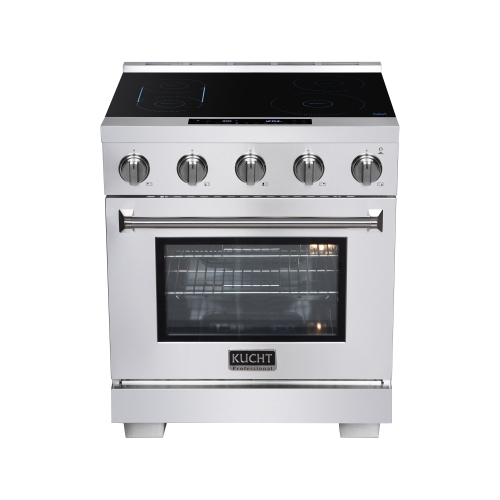
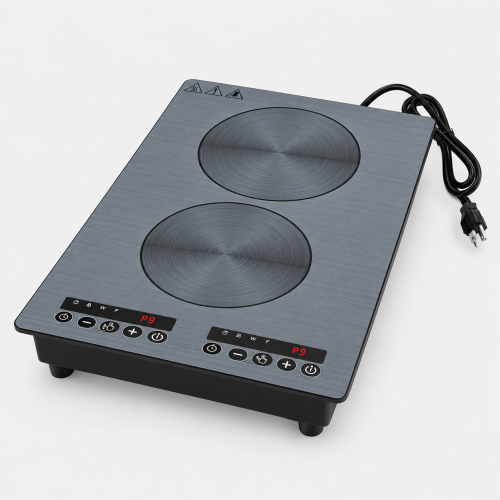
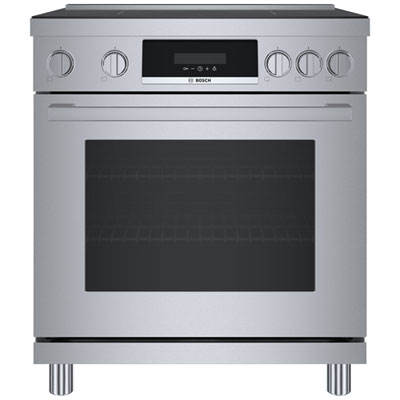
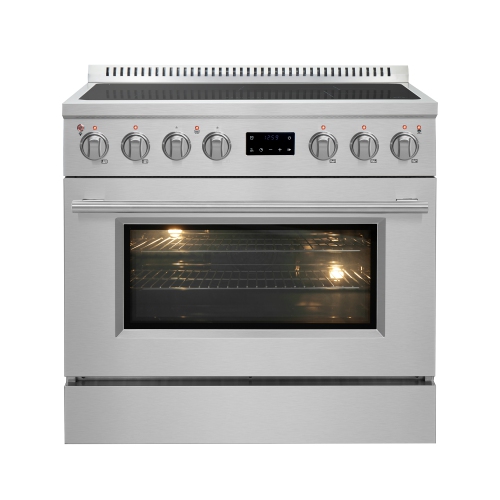
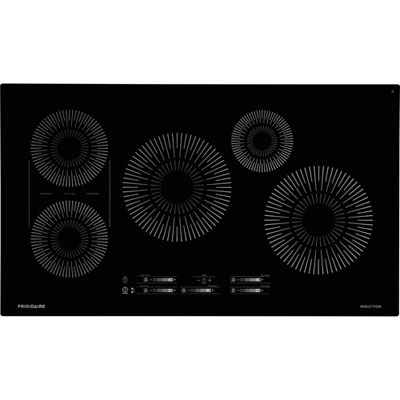
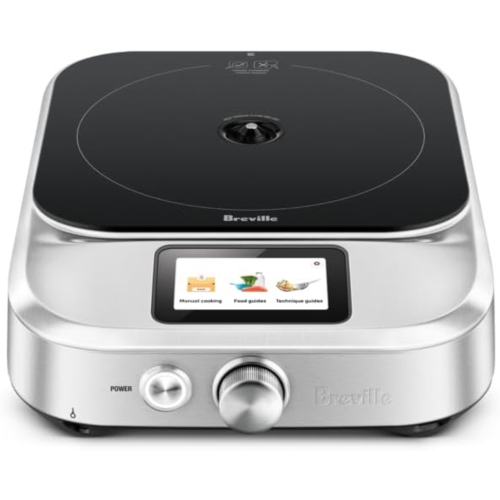
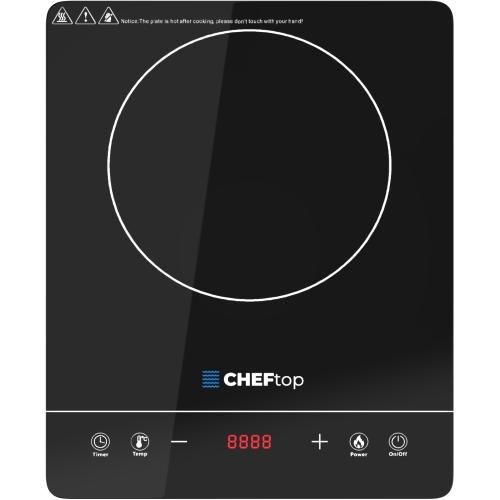
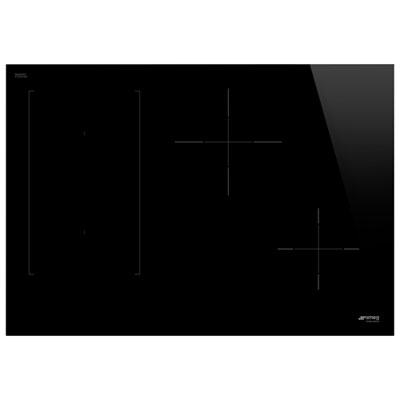
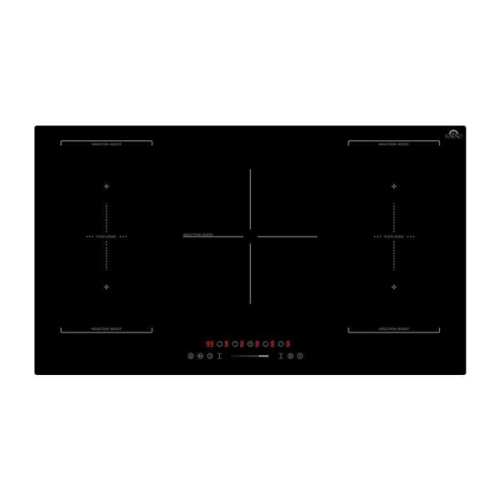
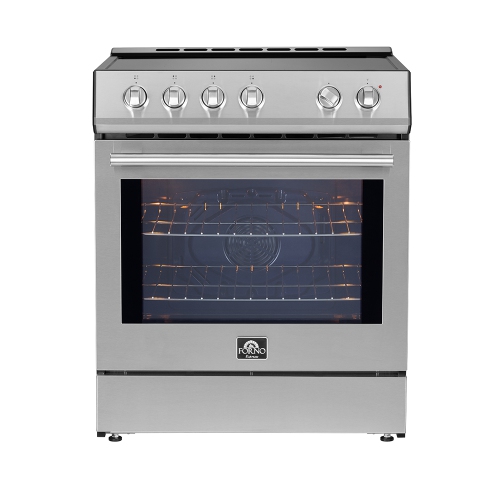
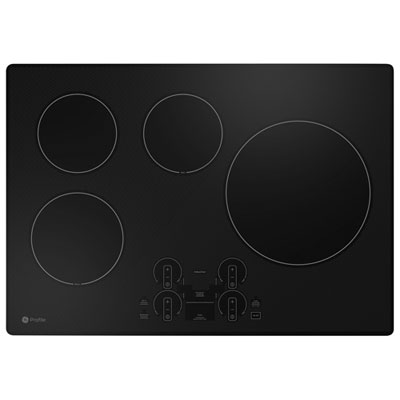
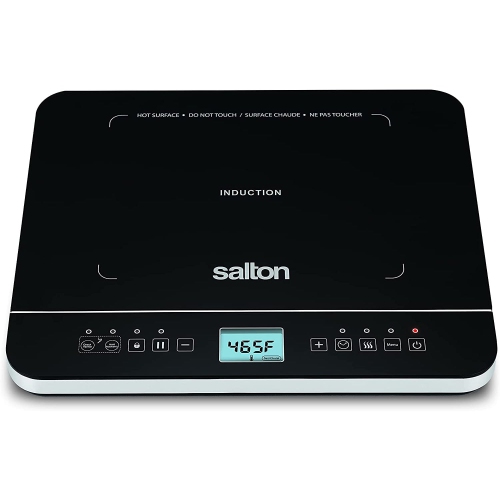
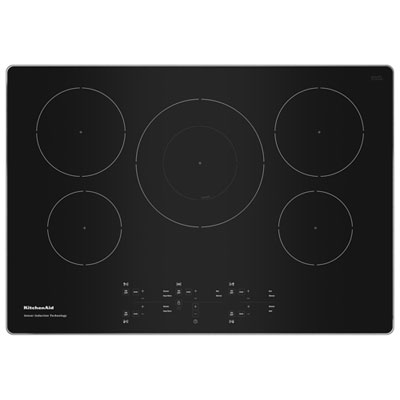
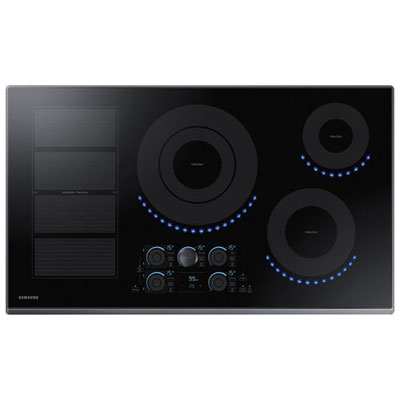
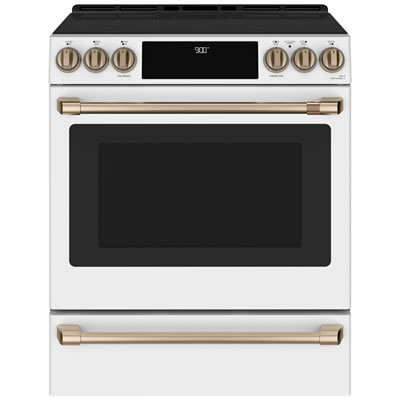
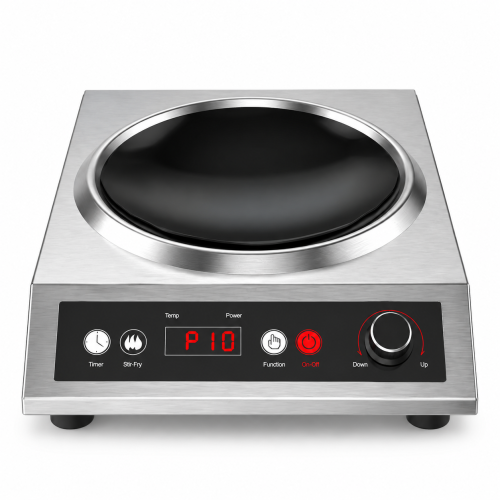
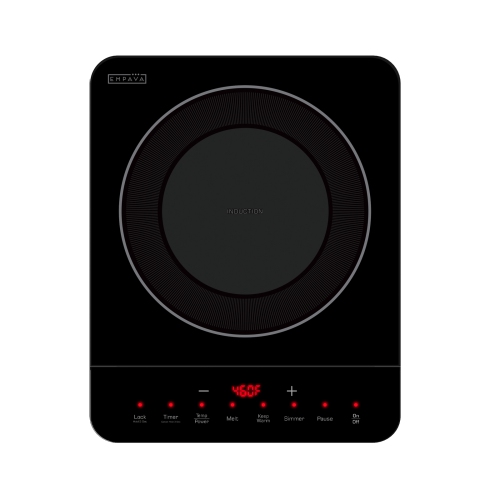
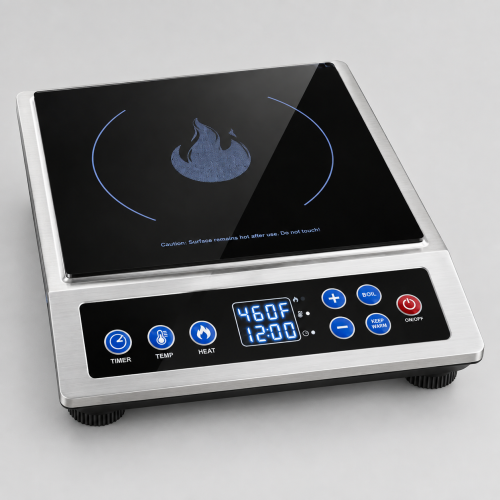
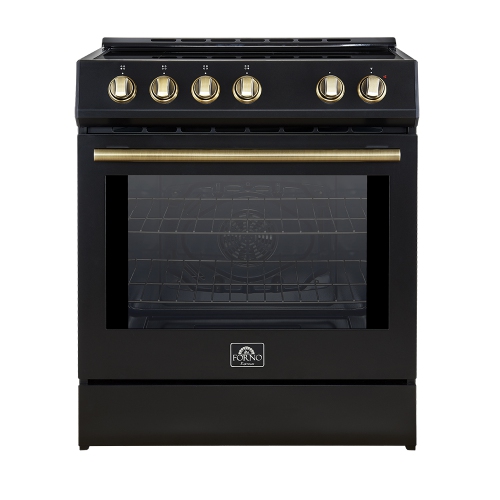
Magnetic induction stoves use a magnetic field to heat compatible cookware directly, rather than relying on a gas flame or a conventional electric element. Beneath the smooth glass surface, copper coils create a rapidly changing magnetic field when the cooking zone is turned on. That field passes through the glass and interacts with the metal in the pot or pan, generating heat inside the cookware itself. The pan becomes the primary heat source, while the surrounding surface generally remains cooler than the cookware, although it can still warm from contact with a hot pot. This design gives induction cooking a notably quick response: water can begin boiling in a short time, and lowering the setting can reduce the heat in the pan almost immediately. It is particularly useful for tasks that benefit from close temperature control, such as melting chocolate, simmering sauces, searing meat, cooking delicate fish or keeping a pot of soup at a steady temperature. The flat glass surface also leaves fewer places for crumbs and splashes to collect than a traditional burner layout. Once the cooking surface has cooled, most spills can be wiped away with a soft cloth and a cleaner made for glass cooktops. Families preparing everyday breakfasts, home cooks who enjoy detailed recipes and anyone updating a kitchen with a clean, modern look may appreciate the direct, responsive performance of induction. Magnetic induction stoves are available in different configurations, including portable single-zone units, larger cooktops and full ranges with an oven, so the right choice depends on the kitchen layout, cooking habits and available electrical connection. A portable unit can be useful in a compact apartment, cottage, workshop or temporary kitchen, while a built-in cooktop can provide a streamlined fit for a planned renovation. A full induction range may suit households that want the same precise heat control on the stovetop and a dedicated oven in one appliance. Browse Induction Cook Tops to compare options suited to different spaces and cooking routines.
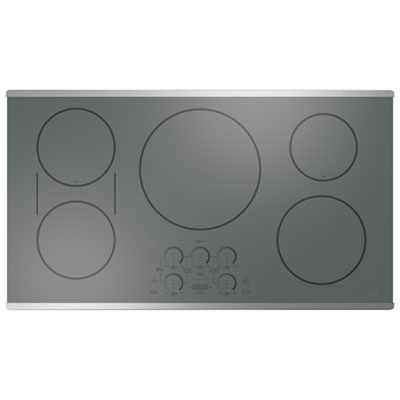
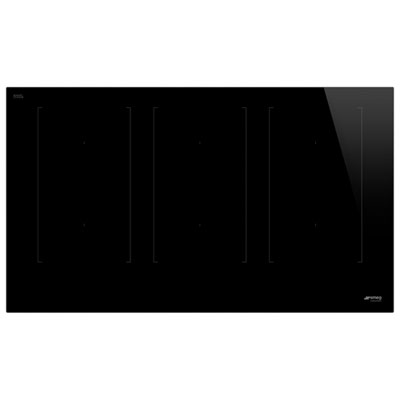
The most important purchase consideration is cookware compatibility. Induction stoves require pots and pans made with magnetic material, such as cast iron or many types of stainless steel. Aluminium, copper, glass and some stainless steel cookware will not work unless they include a magnetic base designed for induction. A simple magnet test can help: place a household magnet against the underside of a pot or pan. If the magnet sticks firmly, the cookware will usually work on an induction cooking zone, though checking the cookware manufacturer’s instructions is still recommended. The base should also be reasonably flat so it makes good contact with the glass surface; heavily warped pans may heat unevenly or may not be detected properly. Cast iron can be used, but its weight and rough edges deserve care because dragging it across glass may cause scratches. Lifting the pan instead of sliding it and using cookware with a smooth base can help protect the surface. When comparing magnetic induction stoves, consider the number and size of cooking zones, the range of temperature settings, touch controls, automatic pan detection and residual-heat indicators. Bridge or flexible zones can be helpful when using a griddle or an unusually wide pan, while a compact model may be easier to store between uses. Safety features can include child locks, automatic shut-off, boil-over protection and controls that prevent a zone from operating when suitable cookware is not detected. Even with these features, normal cooking precautions remain important: handles should be turned away from the edge, hot cookware should be handled with oven mitts, and the surface should be allowed to cool before cleaning. People with implanted medical devices may wish to consult their health-care provider and the device manufacturer regarding proximity to induction cooking equipment. Installation is another practical detail. Portable models generally plug into a suitable household outlet, but built-in cooktops and ranges may require a dedicated circuit and professional installation based on the home’s electrical service and local requirements. Measuring the available opening, confirming ventilation needs and reviewing the product specifications before purchase can help prevent surprises during a kitchen update.
Magnetic induction stoves can be a thoughtful choice for a range of households because they combine fast heat-up with precise adjustments and a relatively uncluttered cooking surface. They may appeal to a first-time renter who wants a portable way to prepare meals, a busy family that needs dependable boiling and simmering, or an experienced cook who enjoys controlling heat with small, immediate changes. They can also be a practical housewarming or wedding gift when the recipient is renovating a kitchen, provided the electrical requirements and cookware collection have been considered. For someone who already owns a selection of compatible pans, moving to induction may be straightforward; for someone with mostly non-magnetic cookware, the cost and convenience of replacing or supplementing a few pieces should be included in the decision. During the warmer part of the year, a portable induction unit can support cooking in a secondary space when the main kitchen is busy, and during the cooler months it can make soups, stews, oatmeal and slow-simmered dishes easier to manage. The same precise controls are useful for quick weekday meals, weekend baking preparation and entertaining, when several pans may need attention at once. Remember that the glass surface is not intended as a cutting board or storage area, and cookware should be centred on the marked zone for dependable heating. Wiping up sugar, syrup and other sticky spills promptly is also wise, as these substances can adhere firmly if they are allowed to heat and harden. With compatible cookware, suitable installation and a cooking surface that matches the household’s needs, a magnetic induction stove can support everything from a single saucepan of tea to a complete meal with multiple dishes. Looking at cooking-zone dimensions, control layout, cookware requirements and safety functions together makes it easier to choose a model that feels natural to use every day.
The most important purchase consideration is cookware compatibility. Induction stoves require pots and pans made with magnetic material, such as cast iron or many types of stainless steel. Aluminium, copper, glass and some stainless steel cookware will not work unless they include a magnetic base designed for induction. A simple magnet test can help: place a household magnet against the underside of a pot or pan. If the magnet sticks firmly, the cookware will usually work on an induction cooking zone, though checking the cookware manufacturer’s instructions is still recommended. The base should also be reasonably flat so it makes good contact with the glass surface; heavily warped pans may heat unevenly or may not be detected properly. Cast iron can be used, but its weight and rough edges deserve care because dragging it across glass may cause scratches. Lifting the pan instead of sliding it and using cookware with a smooth base can help protect the surface. When comparing magnetic induction stoves, consider the number and size of cooking zones, the range of temperature settings, touch controls, automatic pan detection and residual-heat indicators. Bridge or flexible zones can be helpful when using a griddle or an unusually wide pan, while a compact model may be easier to store between uses. Safety features can include child locks, automatic shut-off, boil-over protection and controls that prevent a zone from operating when suitable cookware is not detected. Even with these features, normal cooking precautions remain important: handles should be turned away from the edge, hot cookware should be handled with oven mitts, and the surface should be allowed to cool before cleaning. People with implanted medical devices may wish to consult their health-care provider and the device manufacturer regarding proximity to induction cooking equipment. Installation is another practical detail. Portable models generally plug into a suitable household outlet, but built-in cooktops and ranges may require a dedicated circuit and professional installation based on the home’s electrical service and local requirements. Measuring the available opening, confirming ventilation needs and reviewing the product specifications before purchase can help prevent surprises during a kitchen update.
Magnetic induction stoves can be a thoughtful choice for a range of households because they combine fast heat-up with precise adjustments and a relatively uncluttered cooking surface. They may appeal to a first-time renter who wants a portable way to prepare meals, a busy family that needs dependable boiling and simmering, or an experienced cook who enjoys controlling heat with small, immediate changes. They can also be a practical housewarming or wedding gift when the recipient is renovating a kitchen, provided the electrical requirements and cookware collection have been considered. For someone who already owns a selection of compatible pans, moving to induction may be straightforward; for someone with mostly non-magnetic cookware, the cost and convenience of replacing or supplementing a few pieces should be included in the decision. During the warmer part of the year, a portable induction unit can support cooking in a secondary space when the main kitchen is busy, and during the cooler months it can make soups, stews, oatmeal and slow-simmered dishes easier to manage. The same precise controls are useful for quick weekday meals, weekend baking preparation and entertaining, when several pans may need attention at once. Remember that the glass surface is not intended as a cutting board or storage area, and cookware should be centred on the marked zone for dependable heating. Wiping up sugar, syrup and other sticky spills promptly is also wise, as these substances can adhere firmly if they are allowed to heat and harden. With compatible cookware, suitable installation and a cooking surface that matches the household’s needs, a magnetic induction stove can support everything from a single saucepan of tea to a complete meal with multiple dishes. Looking at cooking-zone dimensions, control layout, cookware requirements and safety functions together makes it easier to choose a model that feels natural to use every day.
Top selling and popular products
-
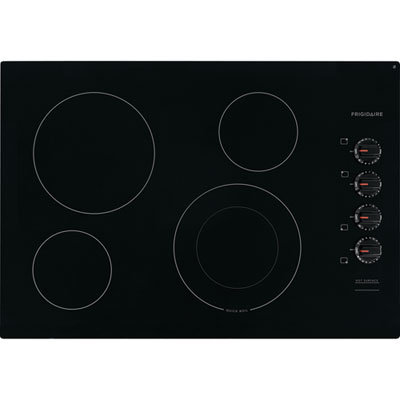 Your price for this item is $699.99
 -
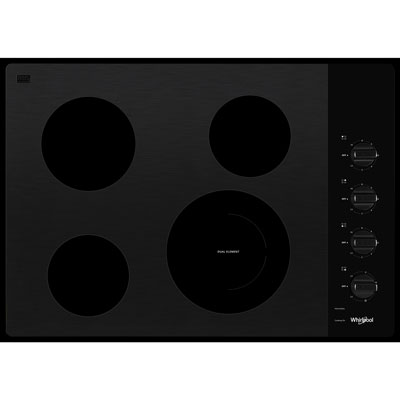 Your price for this item is $899.99
 -
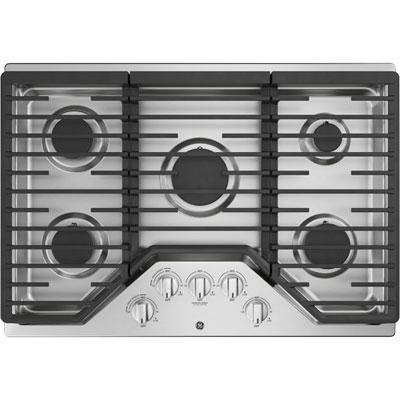 Your price for this item is $1359.99
 -
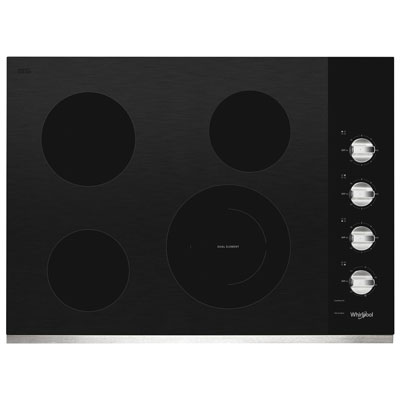 Your price for this item is $949.99
 -
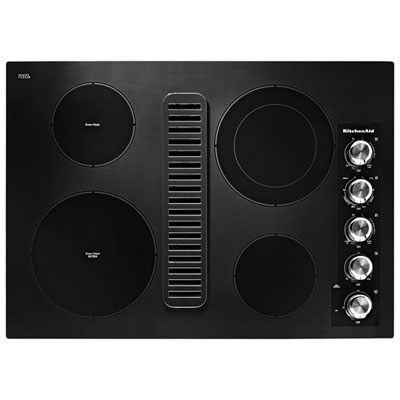 Your price for this item is $2799.99
 -
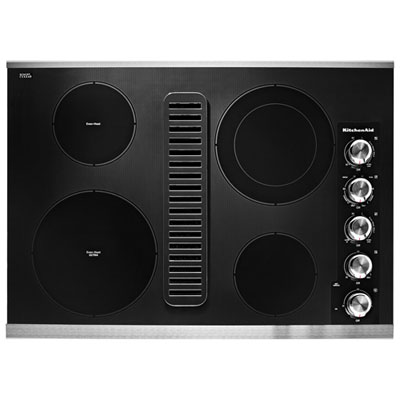 Your price for this item is $2899.99
 -
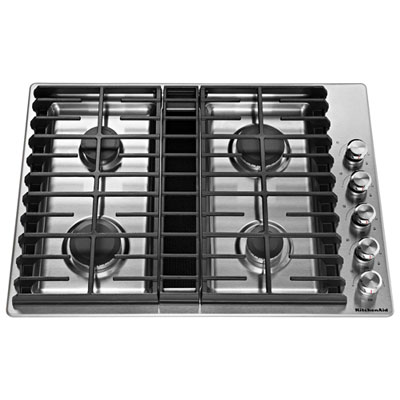 Your price for this item is $2899.99
 -
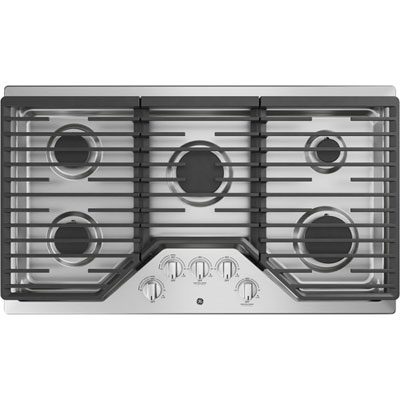 Your price for this item is $1659.99
Discover more categories related to Magnetic Induction Stoves
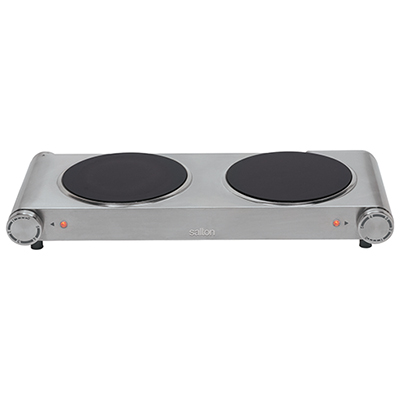
Top Collections:
Pokemon Centers, Best Cameras for Sports Photography, Kindle Devices, Samsung Galaxy Phones, Canon G7X Cameras, Pokémon 30th Celebration Cards, Refurbished Apple Laptops, iPhone 15 Apple, Laptops for Students, Budget Smartphones
Some products may be subject to Environmental Handling Fees
(EHF) depending on your province.
Learn more about EHFs.