Industrial Farmhouse Vanity Lights
Elevate your bathroom or dressing area with the timeless charm of Industrial Farmhouse Vanity Lights. Combining rugged industrial elements with classic farmhouse appeal, these lighting options bring a warm, inviting ambiance to any space. Whether you’re updating your décor or completing a renovation, Industrial Farmhouse Vanity Lights offer a stylish blend of functionality and design that complements a variety of interiors. Discover versatile choices that enhance both modern and traditional settings while adding a distinctive finishing touch to your home.
Sort

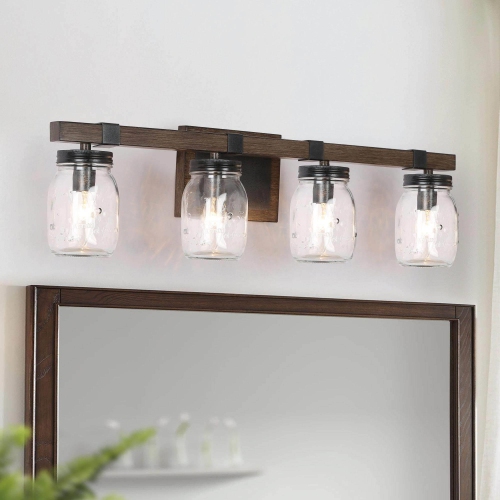
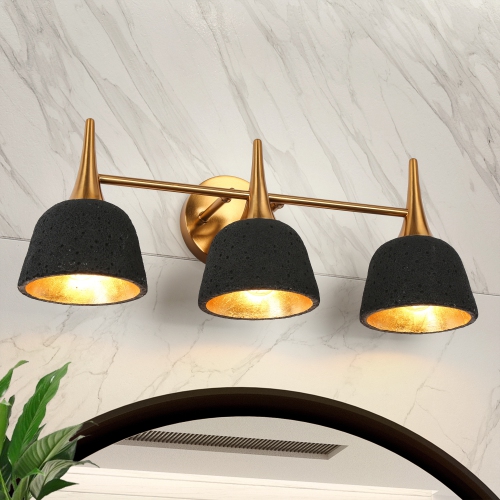
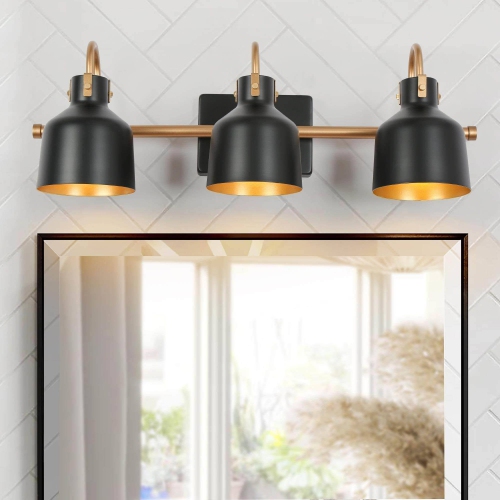
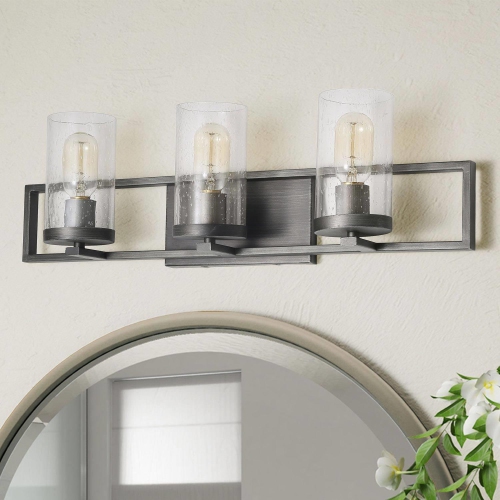
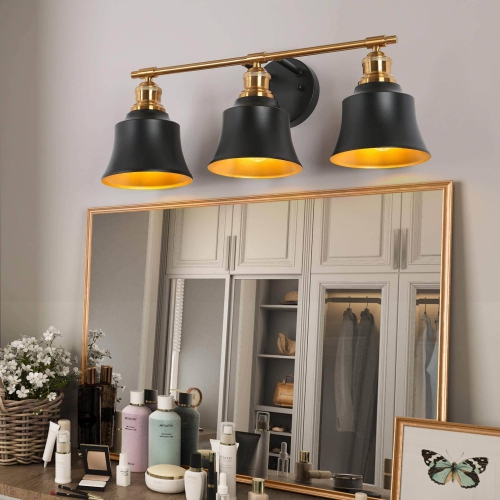
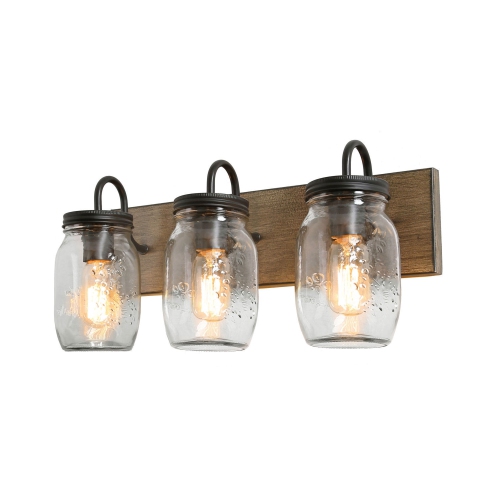
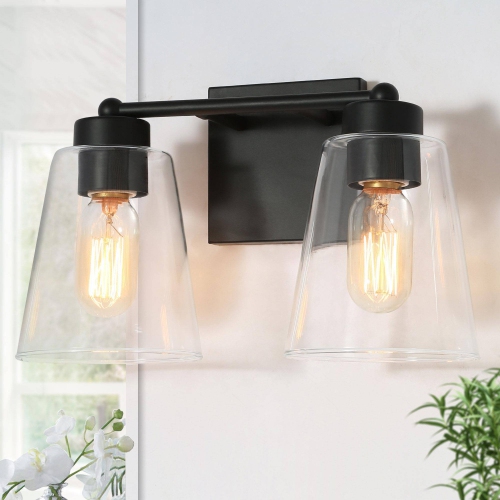
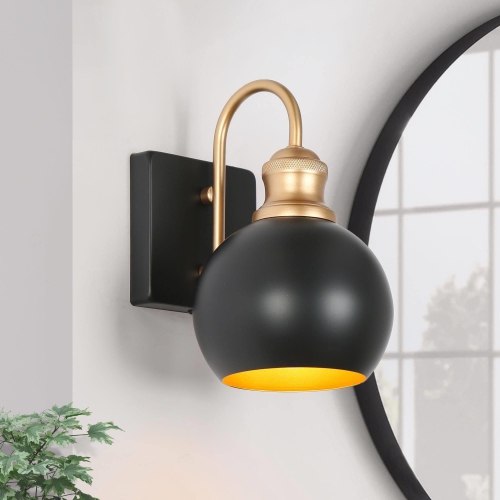
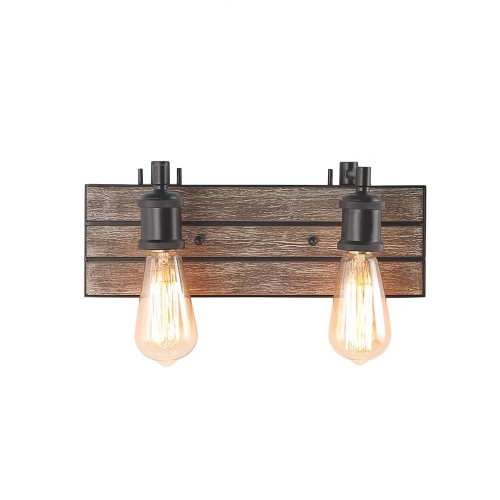

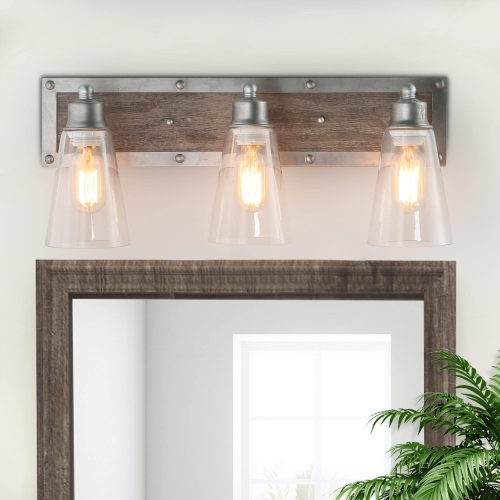


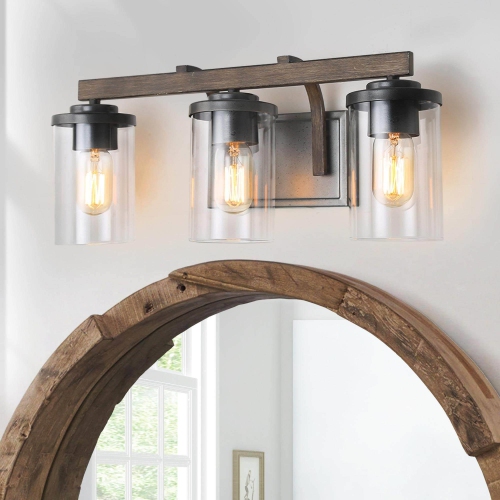
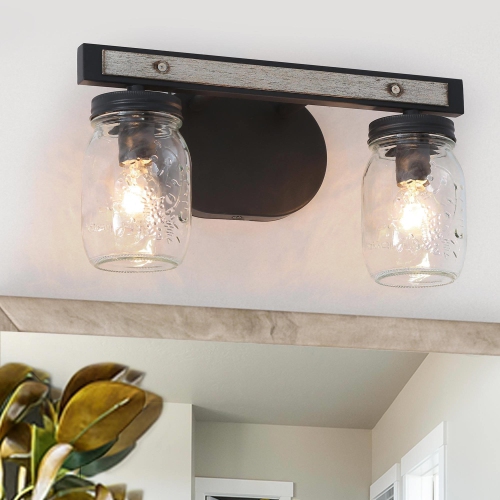
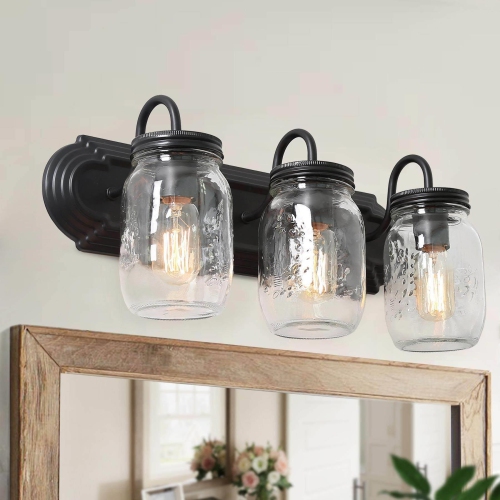


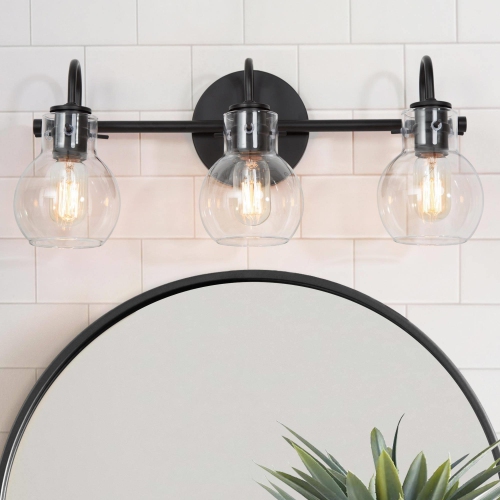


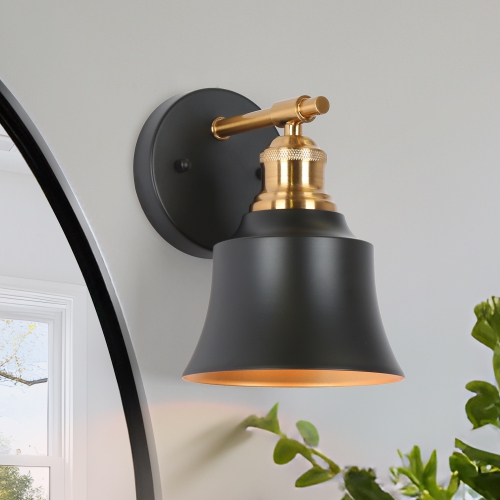
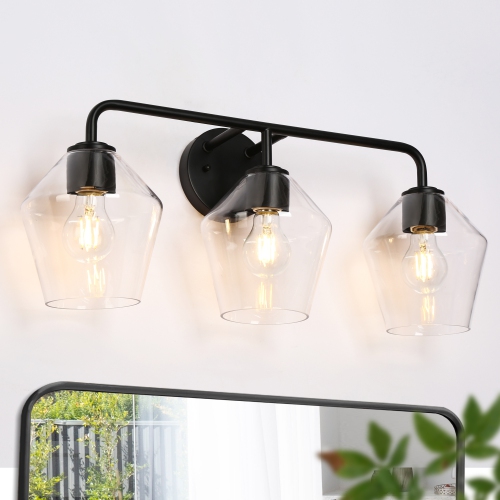
Workshop details meet rustic warmth above the vanity
Industrial farmhouse vanity lights bring together the sturdy lines of workshop lighting and the warmth of rustic interiors. Metal arms, exposed fasteners, cage shades, and wood-look accents give these bathroom fixtures their distinctive character, while glass shades keep the overall appearance from feeling too heavy. Matte black is a familiar finish within the style, creating a crisp outline against white tile, pale walls, or a natural wood vanity. Bronze-toned finishes and brushed metal offer other ways to connect the lighting with taps, cabinet handles, and mirror frames. The farmhouse influence can be subtle: a simple metal bar with lightly textured glass may suit a restrained bathroom just as well as a more rugged fixture with visible grain and substantial brackets. Clear glass leaves the bulb visible and emphasizes the industrial detailing, while seeded glass adds texture through small bubbles within the shade. Frosted or opal glass softens the appearance of the light source, which can be welcome beside a mirror used for shaving or applying makeup. Wire cages and open shades create a stronger workshop-inspired silhouette, though exposed bulbs may feel bright when positioned close to eye level. These differences make the category suitable for more than one kind of room. A compact powder room can carry a bold, dark fixture as its main visual feature, while a shared bathroom may benefit from a longer arrangement that spreads light across the vanity. In a guest bathroom, the same style can bridge an older framed mirror and newer cabinetry without making either element feel out of place. For a related look with cleaner silhouettes and a gentler rustic influence, Modern Farmhouse Bathroom Vanity Lights offer another direction. Industrial farmhouse designs generally lean more heavily on visible structure, contrasting materials, and the practical appearance of traditional utility lighting, giving a bathroom a sense of character without requiring every finish in the room to match.
The fit of a vanity light depends on its relationship to the mirror, countertop, and surrounding cabinetry, not simply the number of bulbs. Two-light and three-light configurations can work well in smaller spaces, while longer multi-light bars may suit broad mirrors or larger vanities. The actual fixture width, shade spacing, and light output matter more than a fixed rule about how many lights belong over each sink. Over a double vanity, one wide fixture and two separate fixtures create different visual rhythms; existing electrical box locations also affect which arrangement is practical. Projection deserves particular attention when a mirror has a thick frame or a medicine cabinet extends from the wall. A shallow fixture may leave its shades too close to the cabinet, while a deeper design needs enough clearance to avoid interfering with nearby doors or shelving. Backplate dimensions matter during a replacement, since a new plate may not cover the same wall area as the old one. Industrial farmhouse vanity lights are commonly hardwired, and installation should follow the fixture instructions and applicable local electrical requirements, with a qualified electrician handling work where needed. Some designs permit upward- or downward-facing installation, but that flexibility should be confirmed rather than assumed. Shade direction changes where light falls: downward-facing shades can concentrate illumination around the basin, while upward-facing shades may direct more light towards the wall and ceiling. Neither arrangement alone guarantees even facial lighting, particularly when an overhead fixture casts shadows beneath the brow or chin. Where space and wiring allow, lighting beside the mirror can help balance those shadows. Bathroom suitability is another essential distinction. A damp-rated fixture is intended for moisture-prone locations without direct water exposure; a wet rating addresses more demanding exposure but does not make every installation location acceptable. Placement near a tub or shower still depends on the fixture’s stated suitability and electrical rules. Ventilation remains important for controlling moisture, regardless of the light’s rating.
Bulb choice has a noticeable effect on both the usefulness and the appearance of industrial farmhouse bathroom lighting. Many designs use E26 medium-base sockets, but socket type, permitted bulb shape, maximum wattage, and dimming compatibility vary by fixture. Cage openings and narrow glass shades can also limit which bulbs physically fit, even when the base is correct. A filament-style LED bulb can provide the visible glowing strands associated with vintage lighting, although heavily amber-tinted glass may change how skin tones, paint colours, and textiles appear. Warm white light around 2700 K tends to feel softer, while light around 3000 K offers a somewhat crisper appearance that still sits comfortably with wood and dark metal. Colour temperature describes the appearance of the light rather than its brightness; lumen output and shade design are more useful for judging how much illumination reaches the vanity. High colour rendering can make everyday grooming easier by helping colours look more natural. Dimming adds flexibility for a bathroom that serves several purposes, provided the fixture, bulbs, and dimmer are compatible. Material and finish choices influence upkeep as much as style. Clear glass shows water spots, dust, and fingerprints readily, while cages, seams, and textured surfaces take more patience to clean. Simple shade shapes and accessible bulb openings can make routine care less awkward above a deep countertop. With the power switched off and the fixture cool, a soft cloth and the cleaning method specified by the manufacturer help protect finishes; abrasive pads and harsh cleaners can damage coatings or leave glass scratched. Actual wood accents and wood-look metal may have different care requirements, so appearance alone is not a reliable guide to maintenance. Secure shade fittings, well-finished metalwork, and suitability for the intended location all contribute to long-term performance. Whether the setting is a busy family bathroom, a small ensuite, or a guest powder room, the strongest choice balances that rugged farmhouse character with comfortable light, sensible proportions, and surfaces that fit the household’s cleaning routine.
Top selling and popular products
-
 Your price for this item is $99.99
-
 Your price for this item is $223.99
-
 Your price for this item is $159
-
 Your price for this item is $169.99
-
 Your price for this item is $49.99
-
 Your price for this item is $59.99
-
 Your price for this item is $139
-
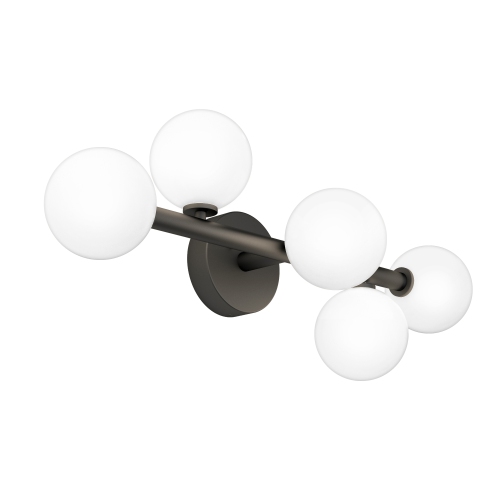 Your price for this item is $139
Discover more categories related to Industrial Farmhouse Vanity Lights
Top Collections:
Pokemon Centers, Best Cameras for Sports Photography, Kindle Devices, Samsung Galaxy Phones, Canon G7X Cameras, Pokémon 30th Celebration Cards, Refurbished Apple Laptops, iPhone 15 Apple, Laptops for Students, Budget Smartphones
Some products may be subject to Environmental Handling Fees
(EHF) depending on your province.
Learn more about EHFs.