Industrial Food Slicers
Looking to elevate your culinary skills in the kitchen or at your restaurant? Our collection of industrial food slicers is here to help you achieve precise and efficient slicing for all your ingredients. Whether you are slicing meats, cheeses, or vegetables, these powerful and durable food slicers are designed to meet the demands of a busy kitchen environment. With a focus on precision cutting and safety features, these industrial food slicers are a must-have for any professional chef or cooking enthusiast.
Sort
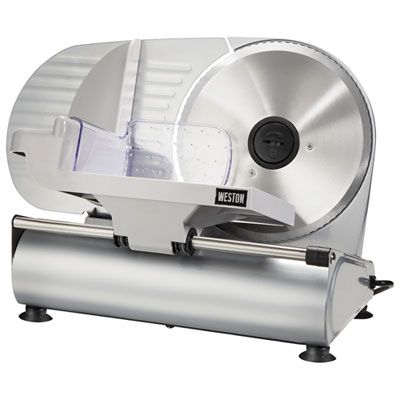
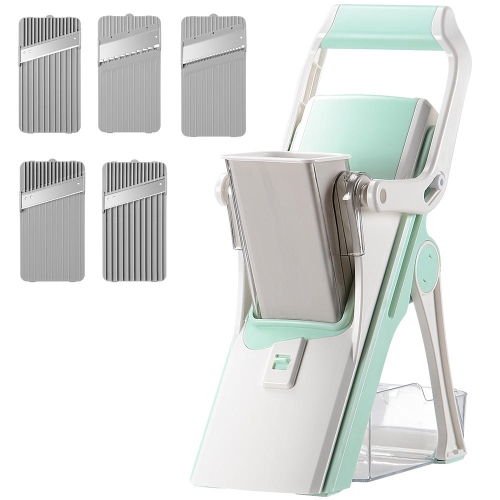
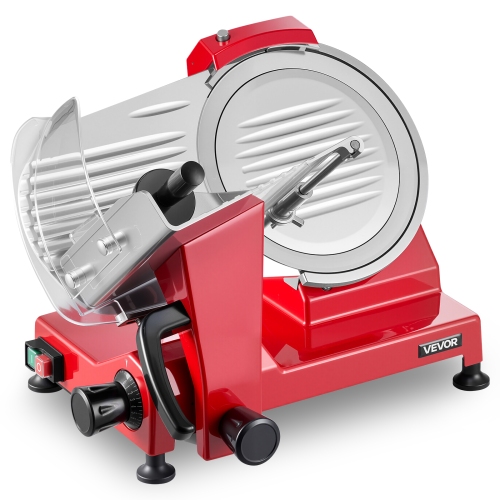
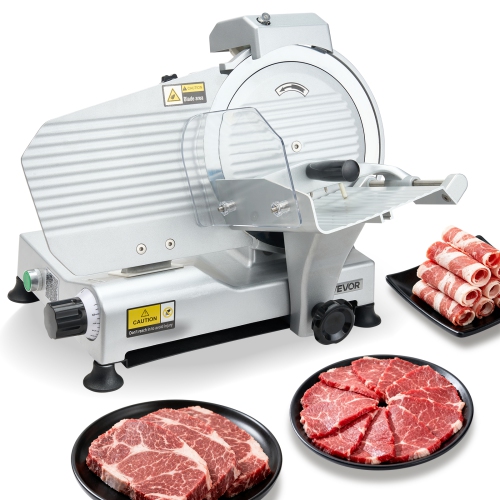


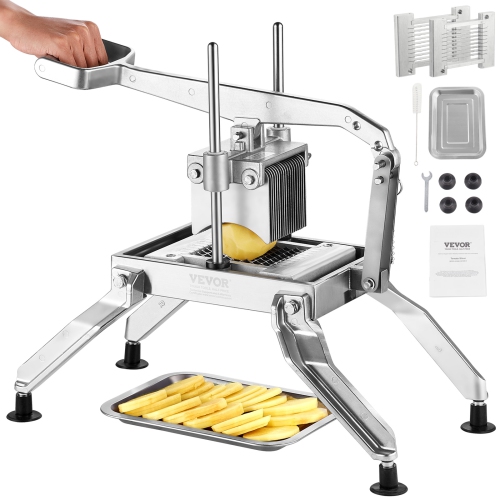
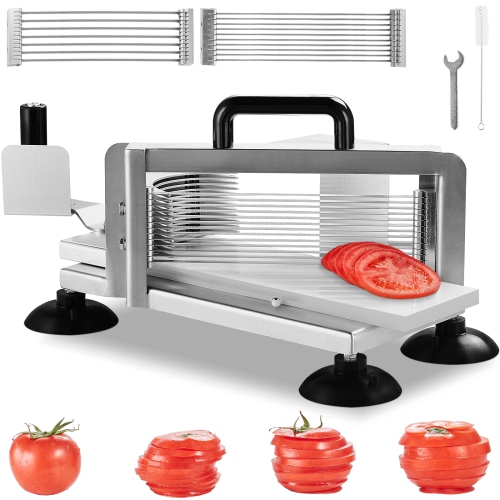
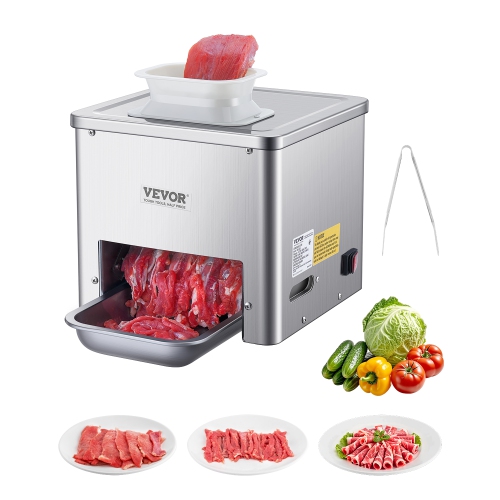

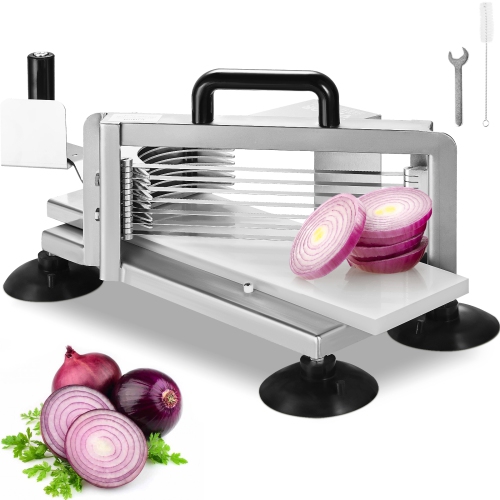
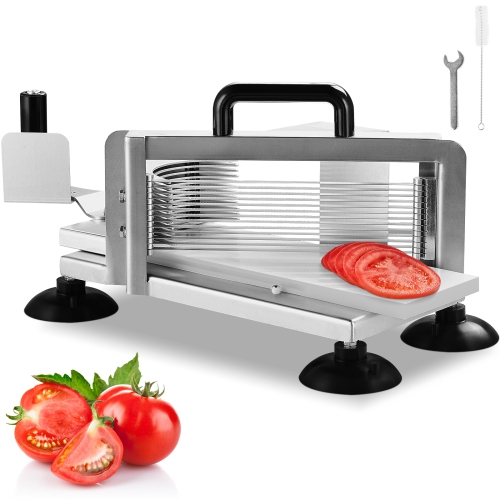

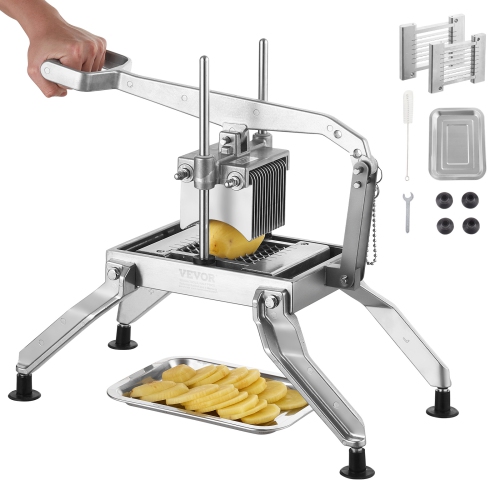
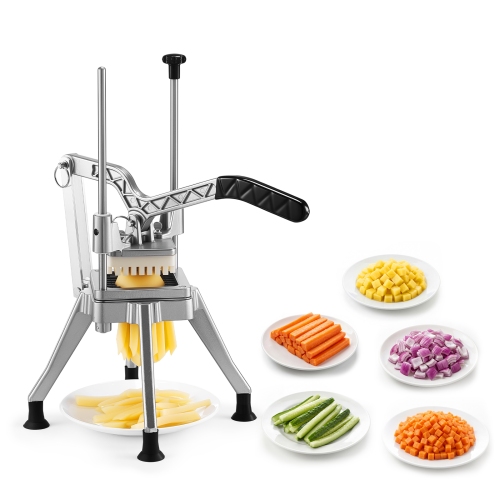
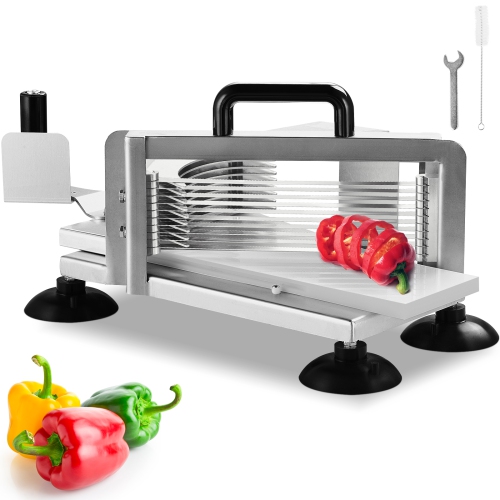
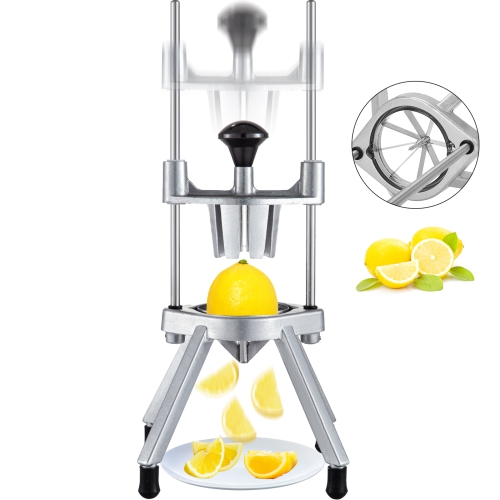
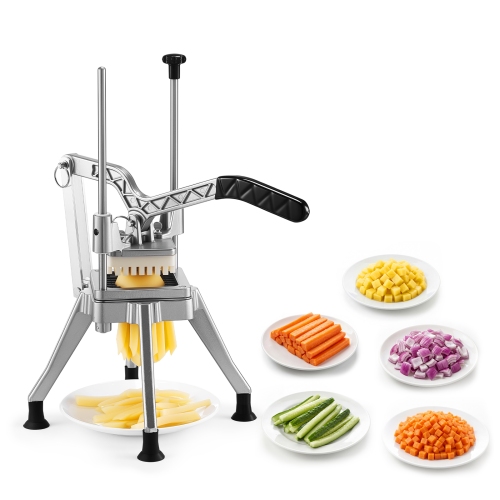
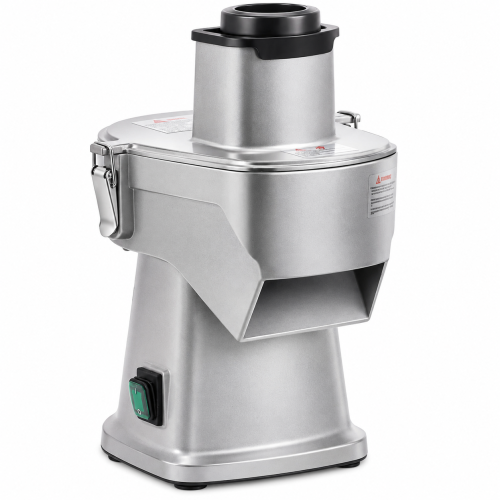
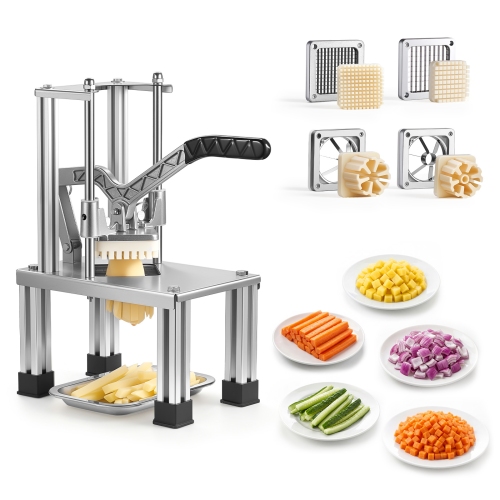
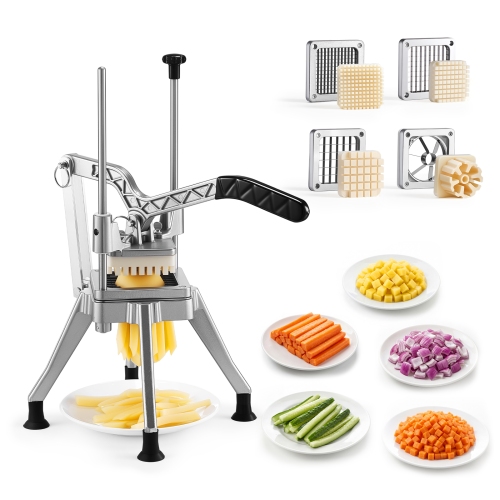
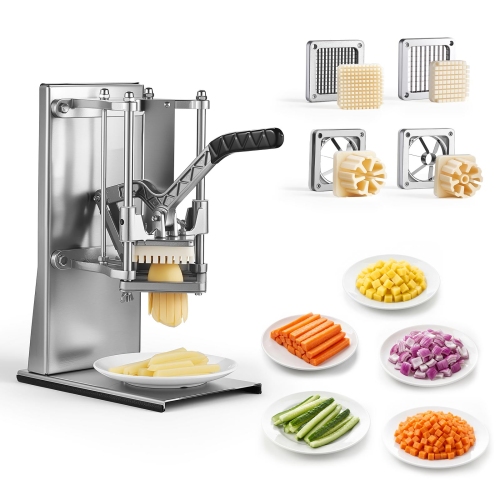
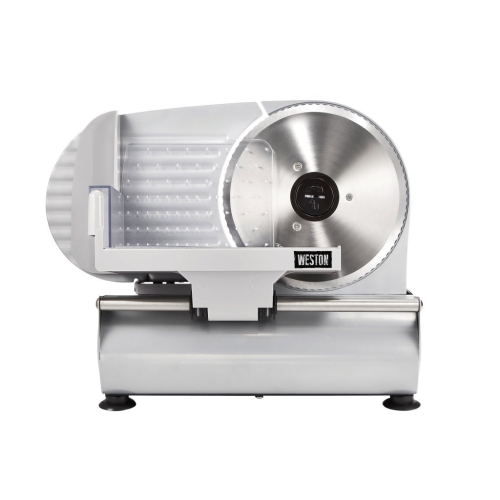
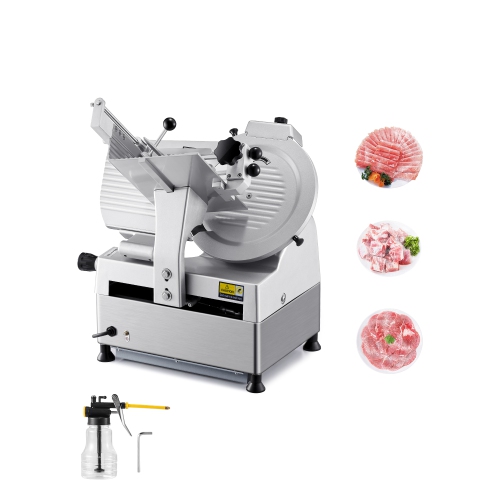

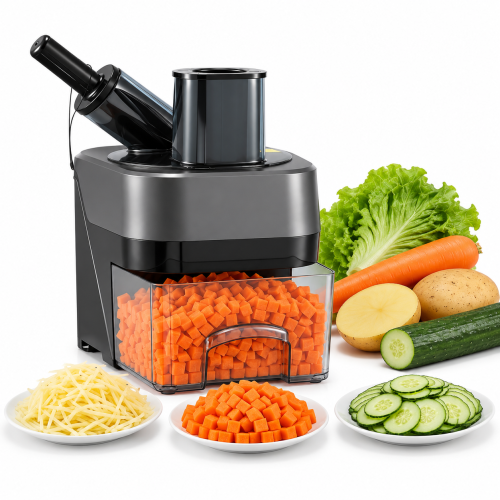
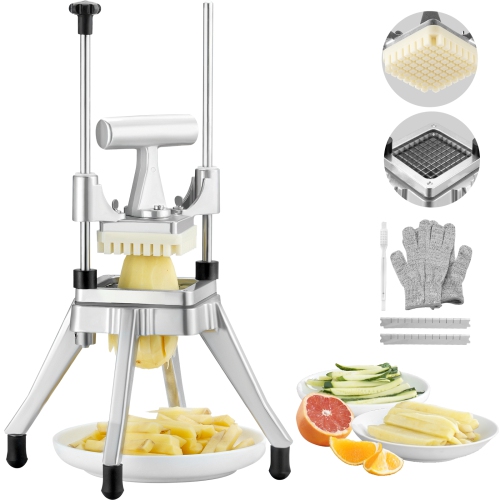
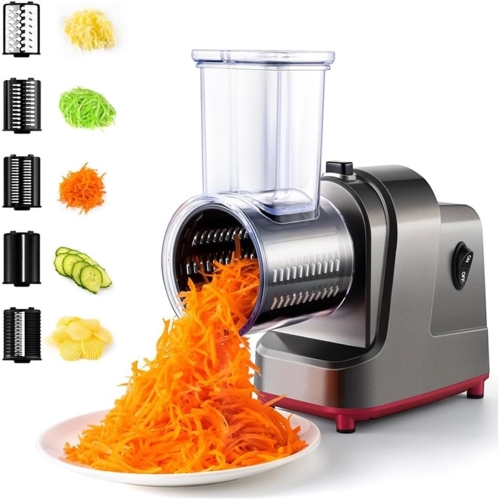

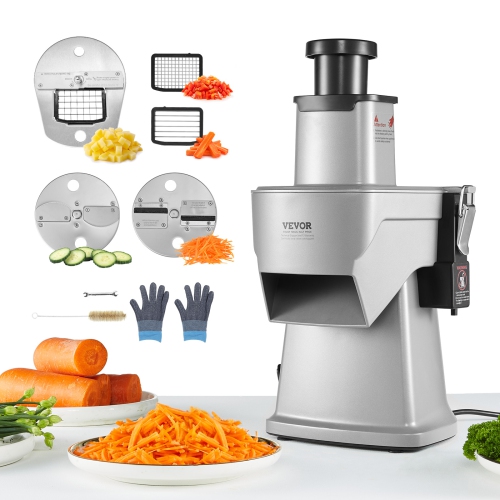
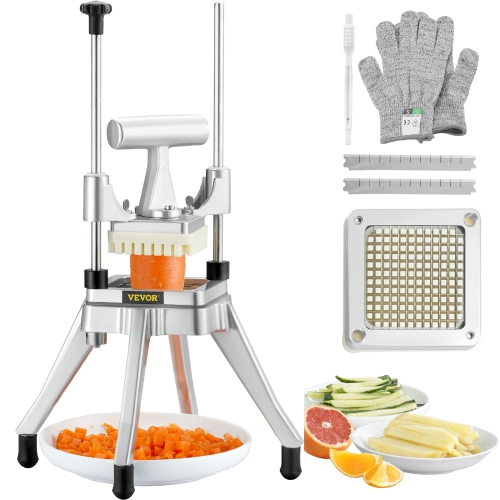
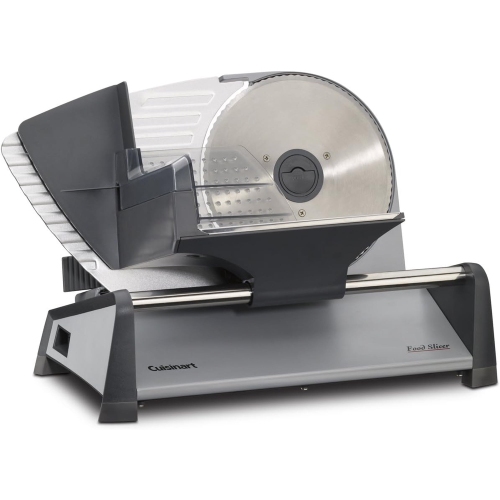
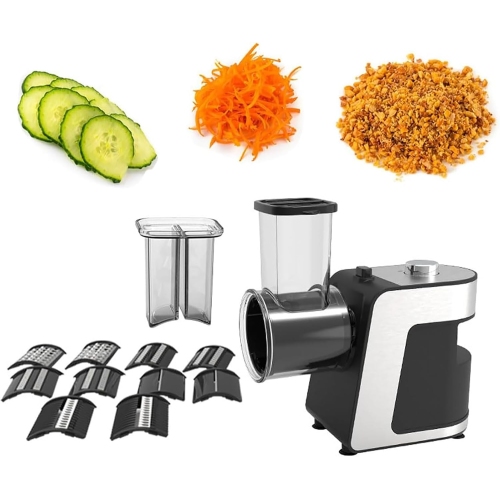

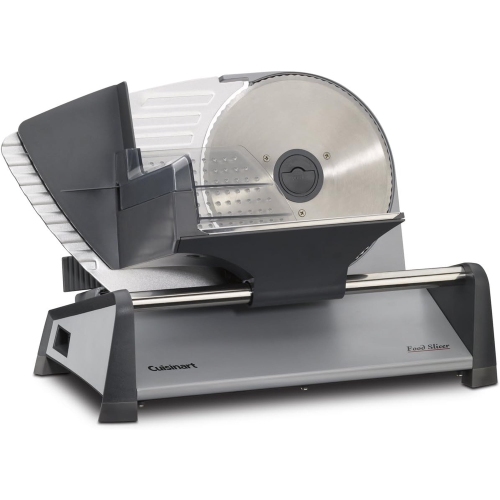


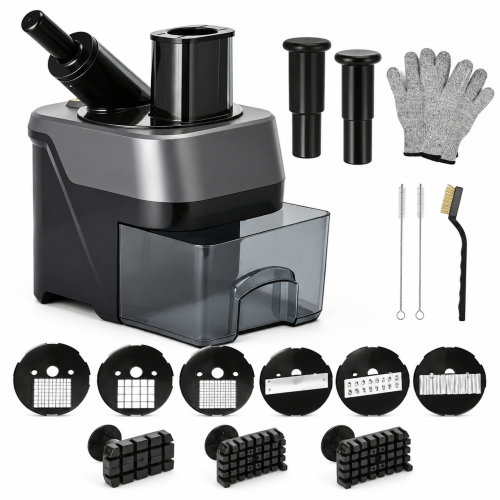


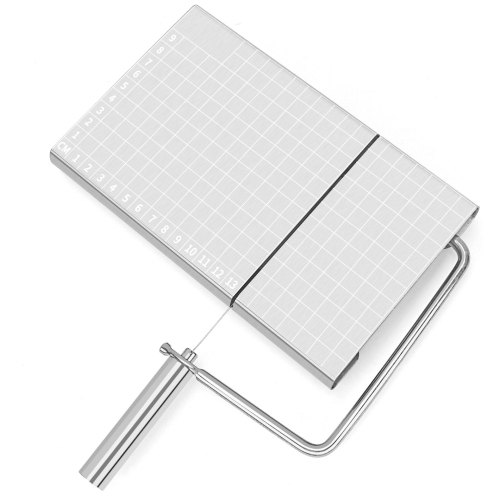




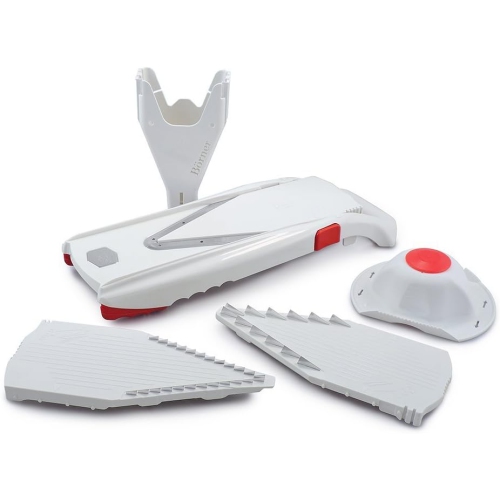

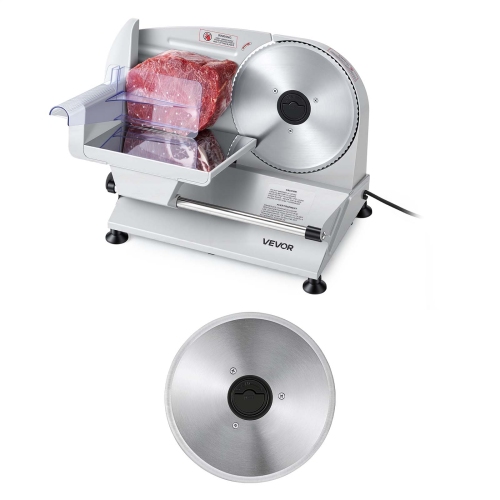

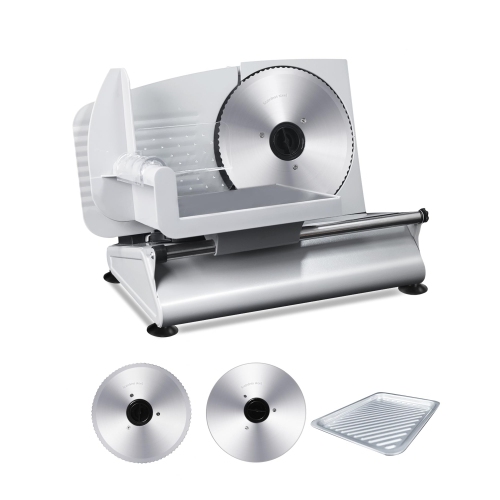

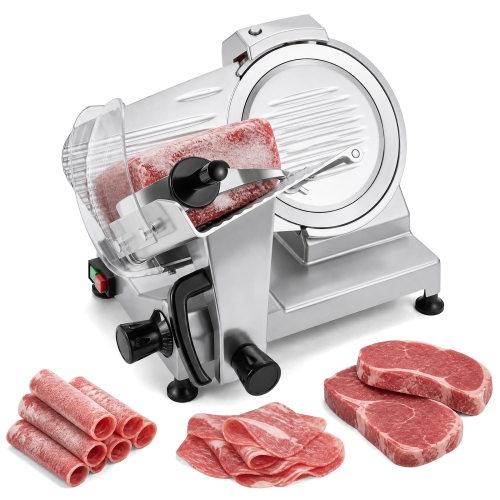


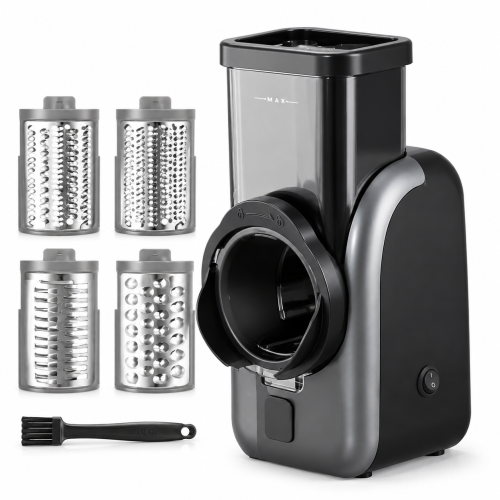

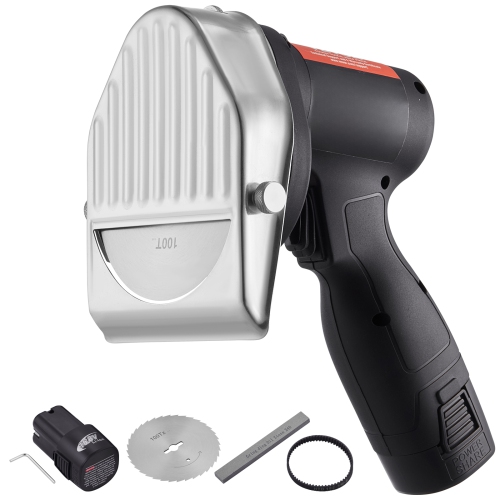
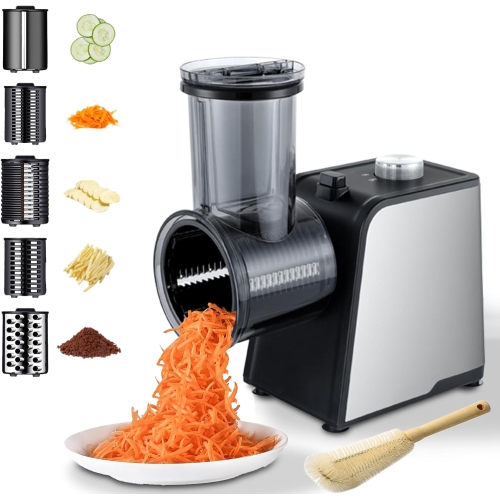
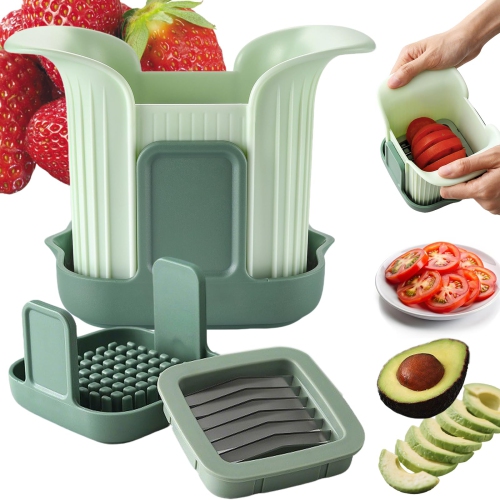
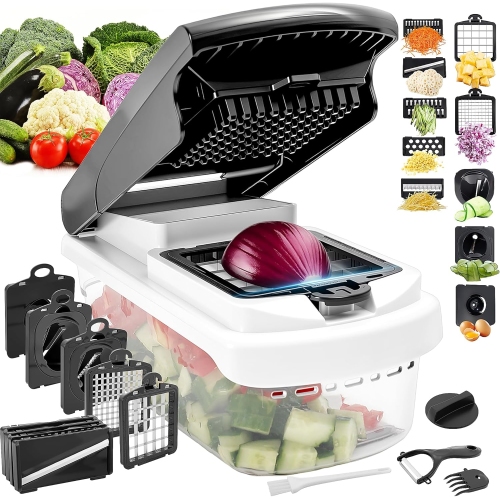
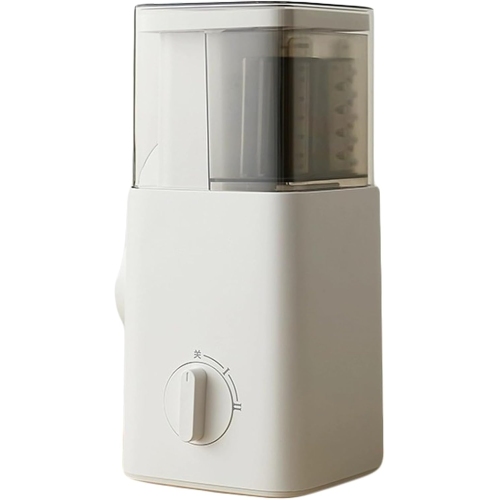

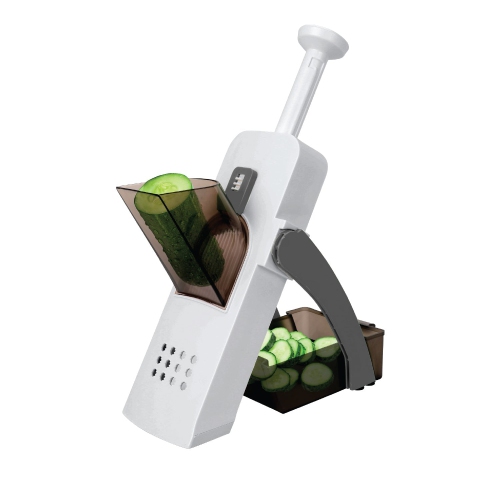
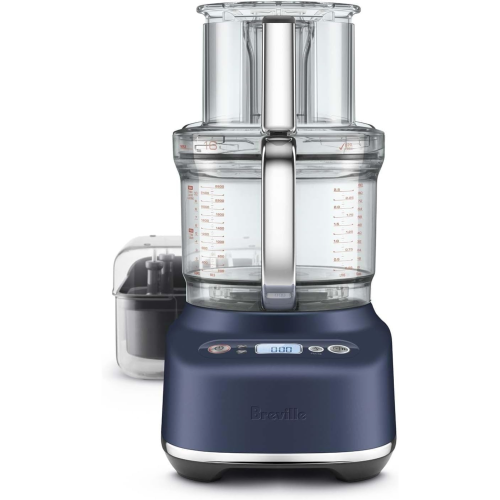
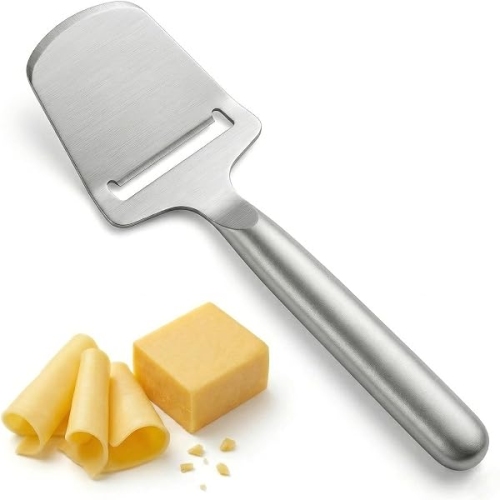
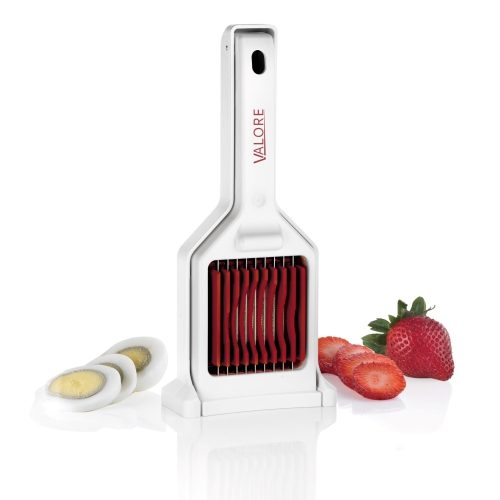
How capacity, controls, and safety shape commercial slicing
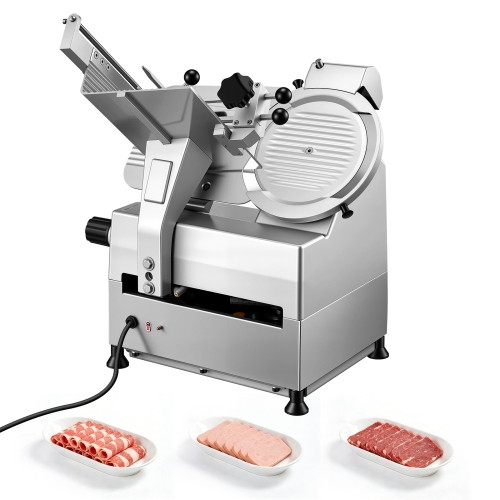
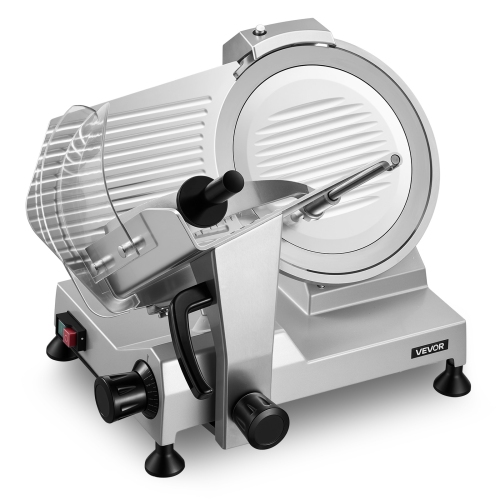
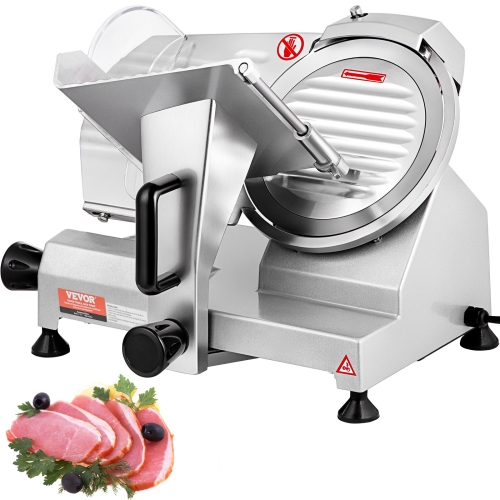
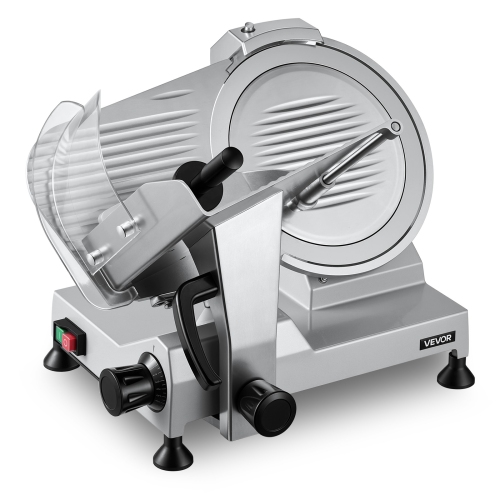
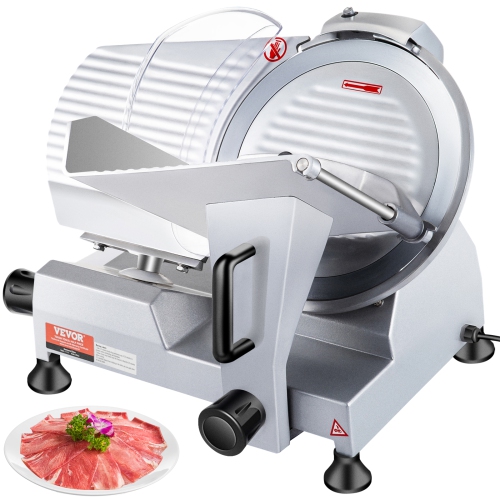
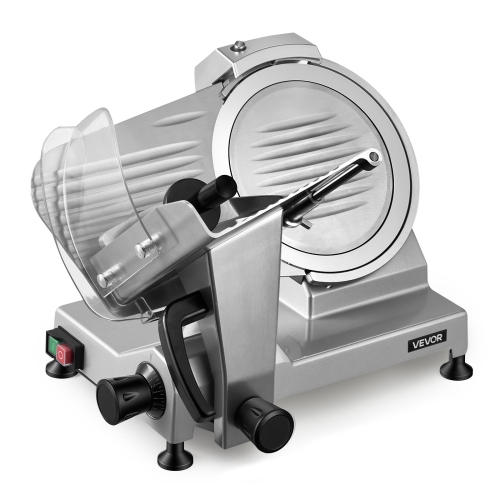
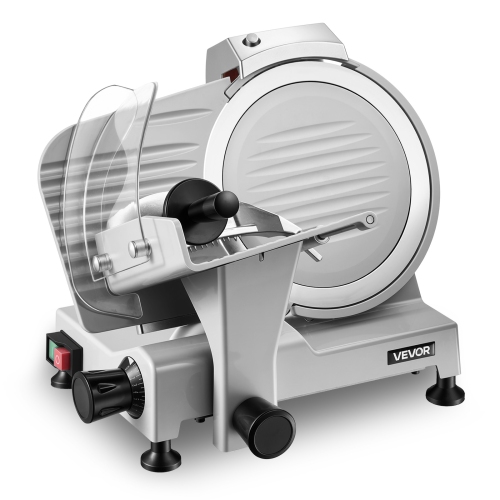
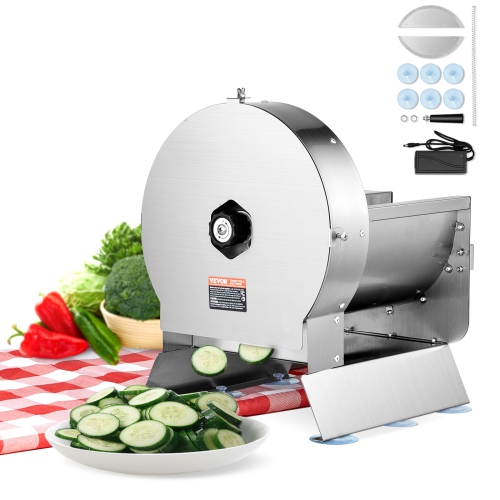
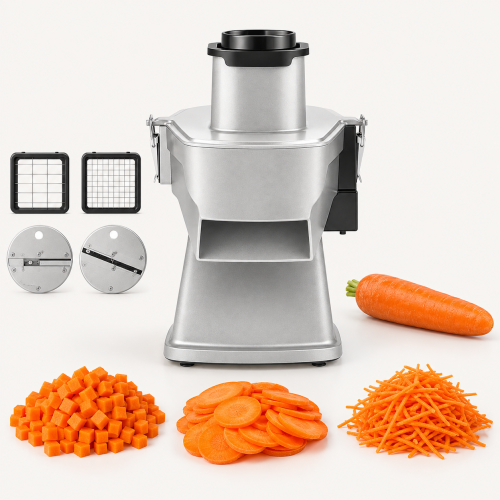
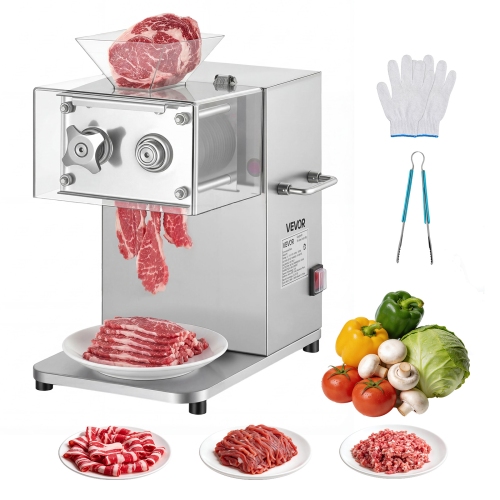
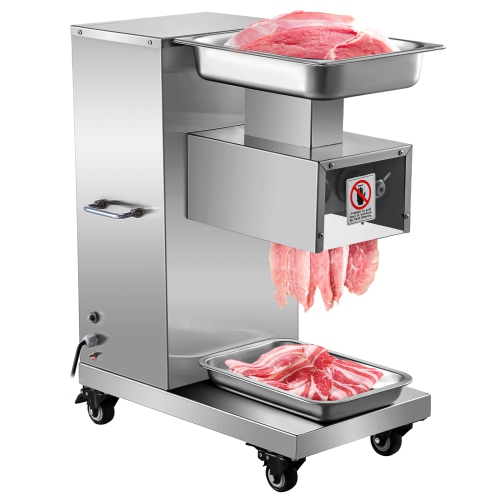
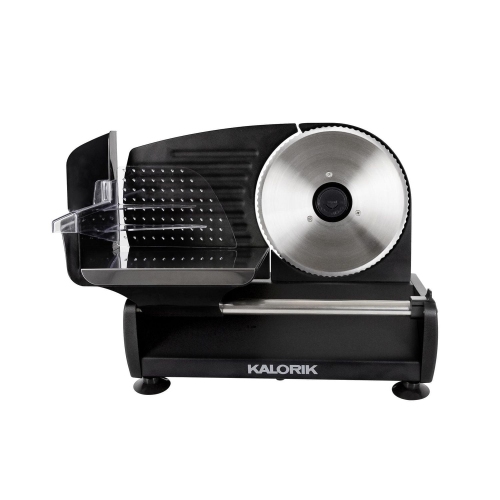
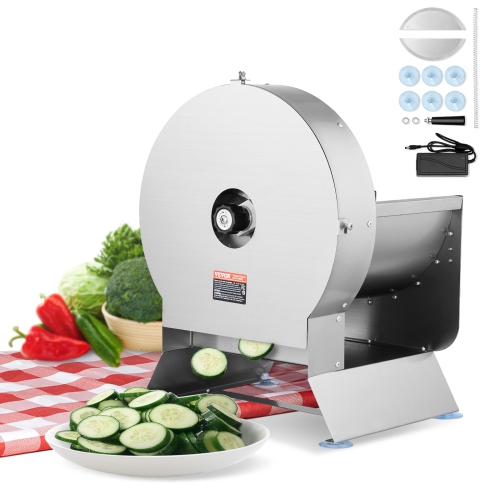
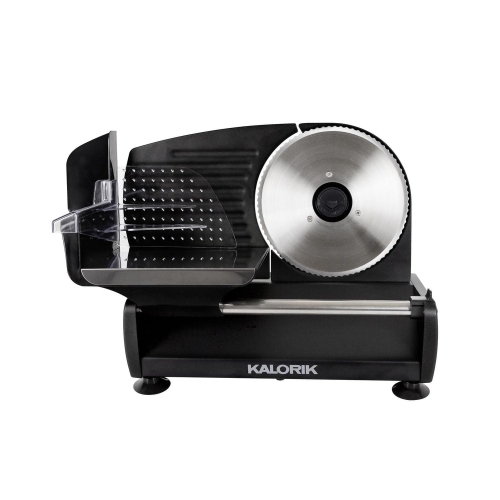
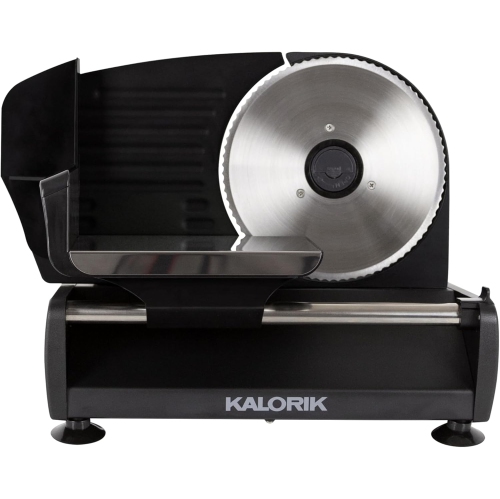
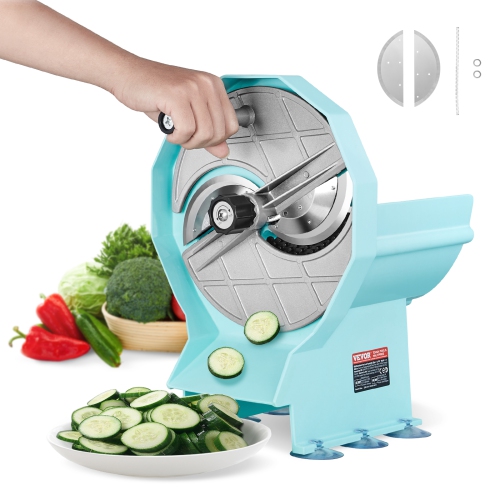
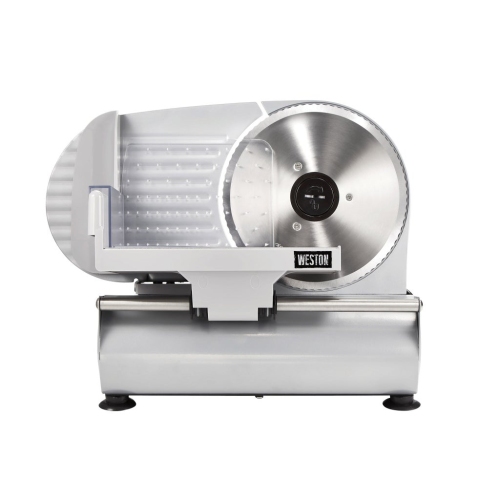
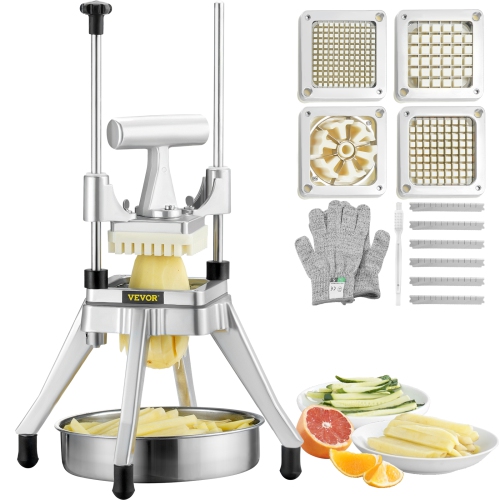
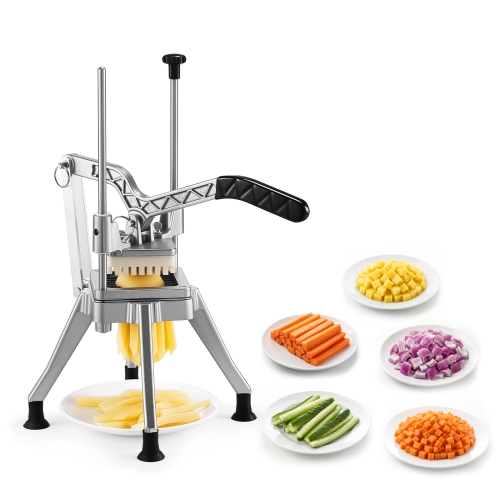
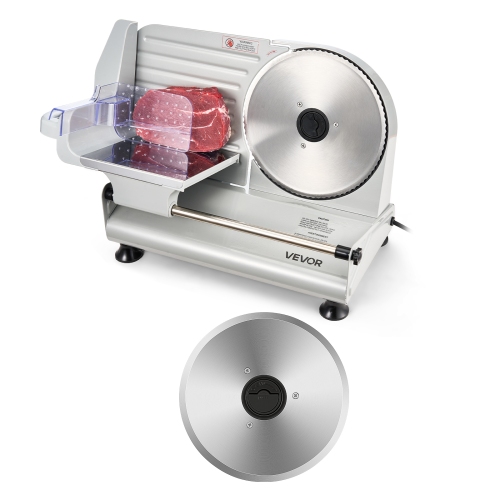
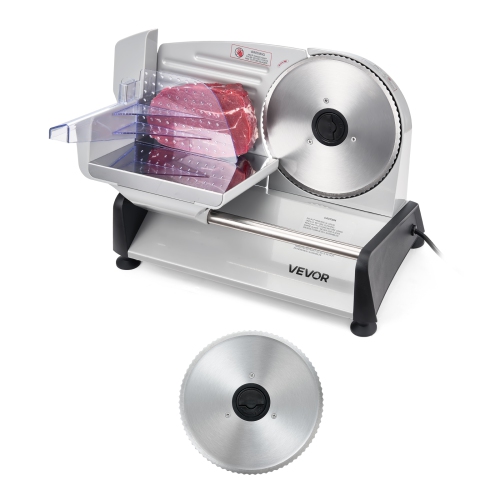
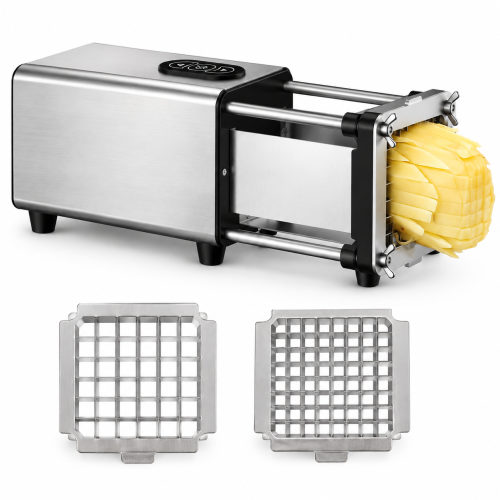
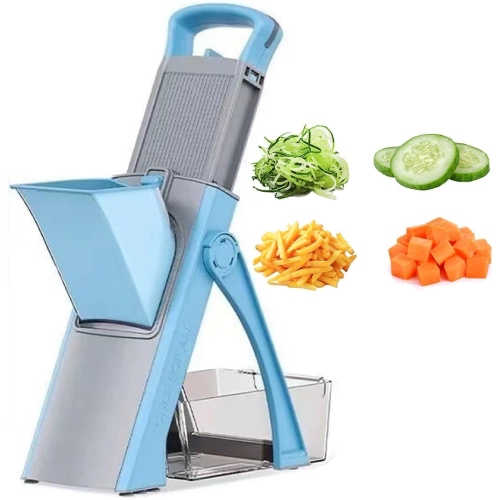
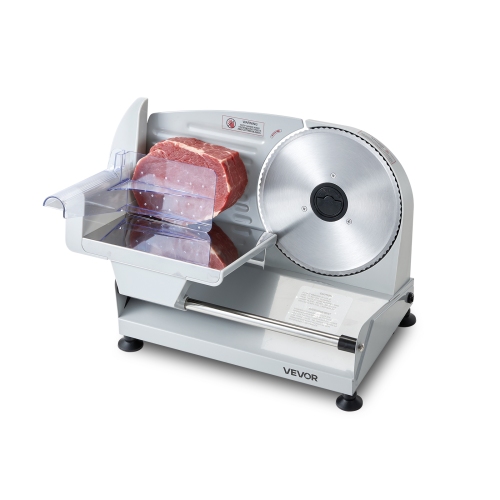
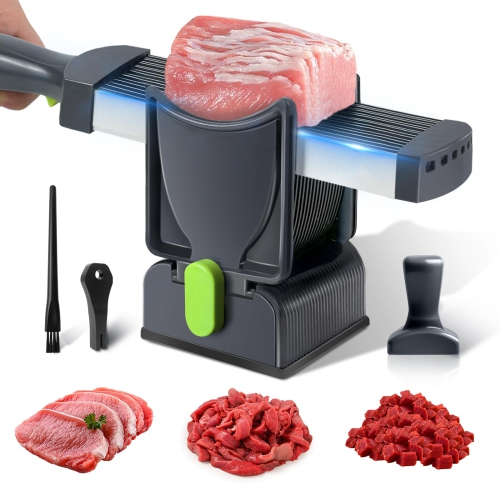
Industrial food slicers are heavy-duty machines designed to portion meats, cheeses, vegetables, and other foods quickly and consistently in demanding commercial settings. They are commonly used in delis, butcher shops, restaurants, catering kitchens, institutional food services, grocery departments, sandwich shops, and food processing facilities where a countertop slicer would not provide enough capacity or durability. Compared with household models, industrial food slicers are built for longer operating periods, larger food loads, and repeatable results throughout a busy service. A well-adjusted slicer can produce even slices for sandwiches, charcuterie boards, prepared meals, pizzas, salads, and packaged portions, helping staff maintain a consistent appearance and serving size from the first order to the last. For a broader selection of food preparation equipment, browse Food Slicers. When comparing industrial food slicers, start with the foods you prepare most often and the amount you expect to slice during a typical shift. A deli handling occasional orders of roast beef and cheese may benefit from a dependable manual model, while a high-volume operation processing proteins or cheese for several hours may need an automatic slicer with variable carriage speed and a stronger motor. For frequent slicing of dense foods, look for commercial machines with motor power in the range of 1/2 to 3/4 horsepower, although the right specification depends on the product, slice thickness, duty cycle, and manufacturer recommendations. A larger blade diameter can accommodate wider portions and may reduce the number of passes needed, while adjustable thickness controls allow staff to move between paper-thin cured meats, sandwich slices, thicker portions, and garnishes with greater precision.
Manual and automatic operation each have a practical place in a professional kitchen. Manual slicers give the operator direct control over the carriage, making them useful for lower-volume prep, specialty orders, or settings where staff regularly change food types and slice thicknesses. Automatic slicers move the carriage at a selected speed, which can improve consistency and reduce repetitive effort during extended production runs. Variable-speed settings are especially useful when switching between tender cooked meats, firm cheese, crusty products, and softer vegetables, since each food may respond best to a different pace. Gravity-feed designs use the weight of the food to help guide it towards the blade, while vertical or more specialized configurations may suit particular production requirements. Consider the available counter or floor space, the direction of food flow, the clearance needed to load and unload products, and whether the slicer can connect with other preparation or packaging equipment. Industrial food slicers may be purchased for an established business, a new café or deli, a community kitchen, or a growing catering operation, and they can also be a practical business gift when the recipient is expanding a food service workspace. In a real kitchen, the difference is easy to notice: a worker preparing a morning’s worth of sandwich fillings can spend less time wrestling with uneven cuts and more time assembling orders, while a butcher can portion product with a steady rhythm that carries through a busy afternoon. Before choosing a machine, confirm its maximum food dimensions, recommended operating cycle, slice range, feed angle, carriage travel, and compatibility with the foods you intend to prepare.
Cleaning, operator protection, and everyday handling are just as important as cutting performance. Food slicers should be designed so food-contact areas can be cleaned thoroughly after use, with accessible surfaces, removable components, and clear instructions for disassembly and reassembly. Removable blades or blade guards can make detailed cleaning more manageable, while integrated drain features may help prevent water and residue from collecting around the machine. Look for commercial construction and recognized sanitation specifications such as NSF/ANSI 8 where applicable, but always follow the care and inspection procedures supplied with the specific slicer. A safe workflow includes disconnecting power before cleaning, using cut-resistant handling practices where required, keeping guards and safety interlocks in place, and ensuring the blade is fully covered when the machine is not in operation. Staff should also be trained to secure food properly, keep hands away from the cutting area, and avoid forcing oversized or frozen items through a slicer that is not designed for them. Maintenance can include checking the sharpness and alignment of the blade, inspecting cords and controls, lubricating approved moving parts, and confirming that the carriage and thickness adjustment move smoothly. During the cooler months, industrial food slicers can support comforting prepared foods, catered gatherings, deli trays, and holiday entertaining, but their value extends well beyond seasonal demand. The right machine becomes part of the daily rhythm of a professional kitchen, helping teams create uniform portions, manage larger orders, and present food with the polished consistency customers expect. When assessing options, balance capacity with your actual workload, give priority to safety and sanitation, and choose controls that your staff can operate confidently during a fast-paced service.
Top selling and popular products
-
 Your price for this item is $49.99
-
 Your price for this item is $49.99
-
 Your price for this item is $24.99
-
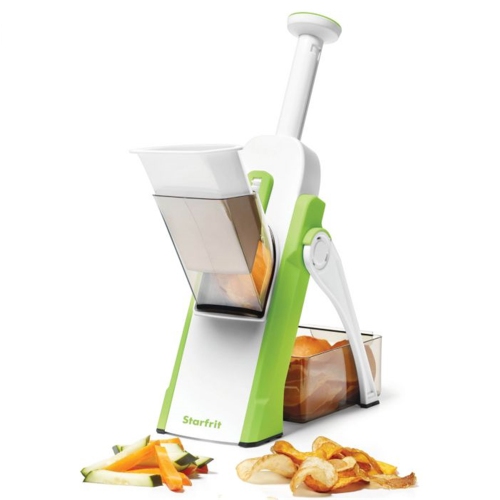 Your price for this item is $44.97
-
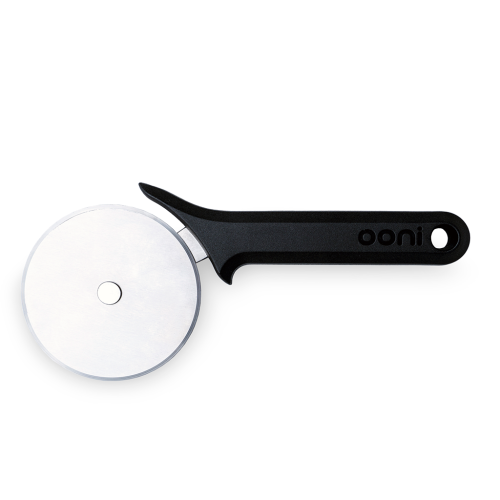 Your price for this item is $18.99
-
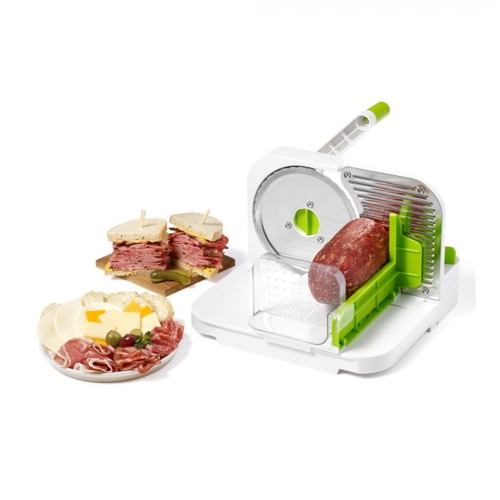 Your price for this item is $48.97
-
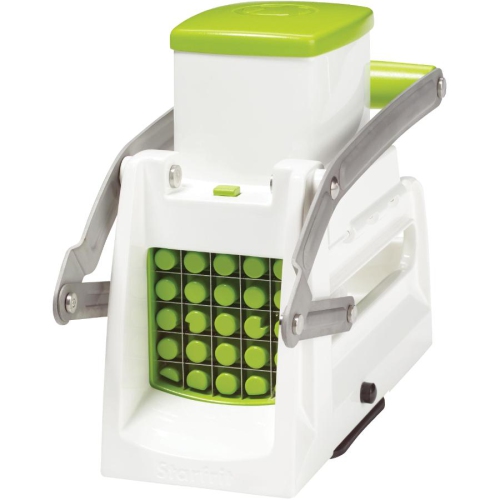 Your price for this item is $29.99
-
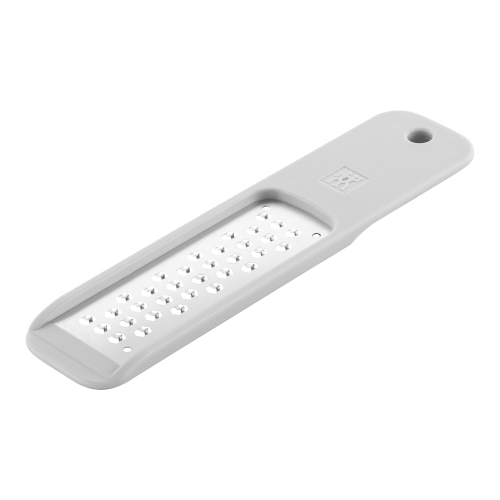 Your price for this item is $9.99
Discover more categories related to Industrial Food Slicers
Top Collections:
Pokemon Centers, Kindle Devices, Best Budget Office Chairs, Canon G7X Cameras, Apple iPhones 16, Samsung Galaxy Phones, Refurbished Apple Laptops, Laptops for Students, iPhone 15 Apple, Budget Smartphones
Some products may be subject to Environmental Handling Fees
(EHF) depending on your province.
Learn more about EHFs.