Commercial Vegetable Slicers
Looking to streamline your food preparation process in a commercial kitchen? Look no further than our wide selection of commercial vegetable slicers. These versatile and efficient machines are designed to handle the demands of high-volume slicing, making them essential tools for restaurants, catering services, and other food establishments. Whether you need to slice large quantities of vegetables for salads, stir-fries, or garnishes, our commercial vegetable slicers are built to deliver consistent results with speed and precision. Explore our collection today and discover the perfect slicer to meet your kitchen's needs.
Sort
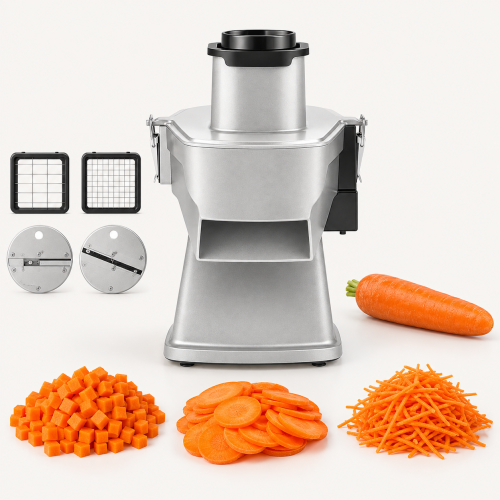
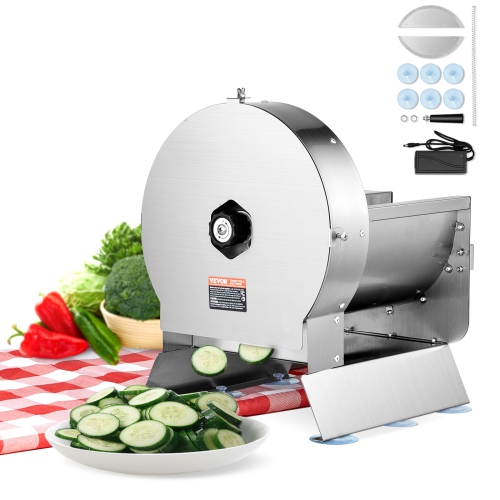
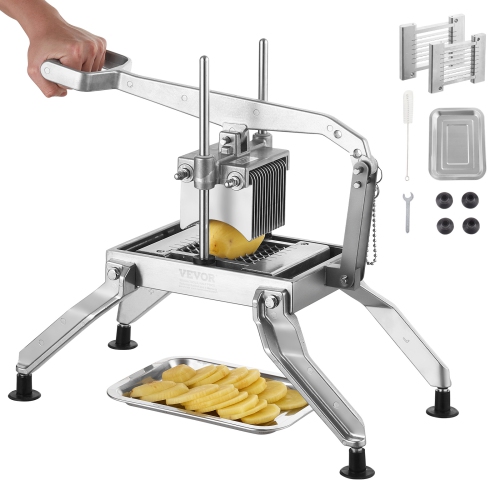
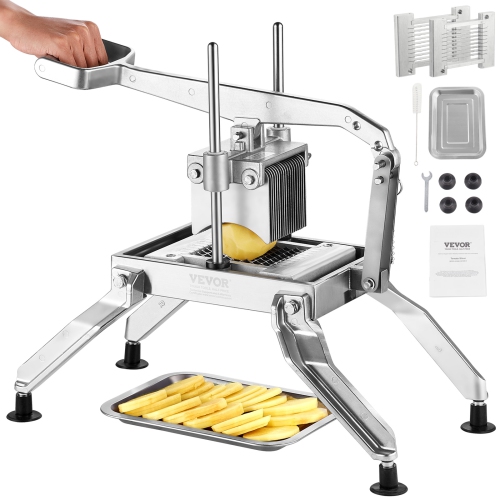
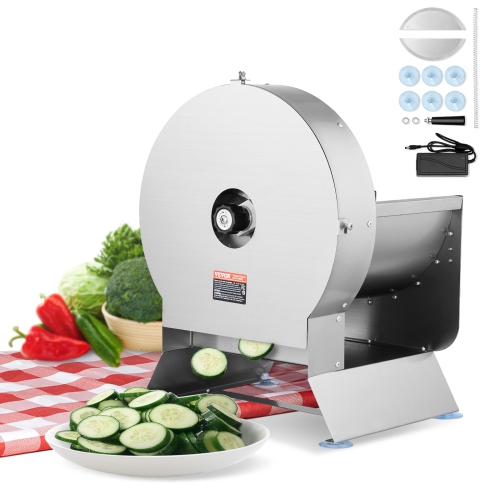
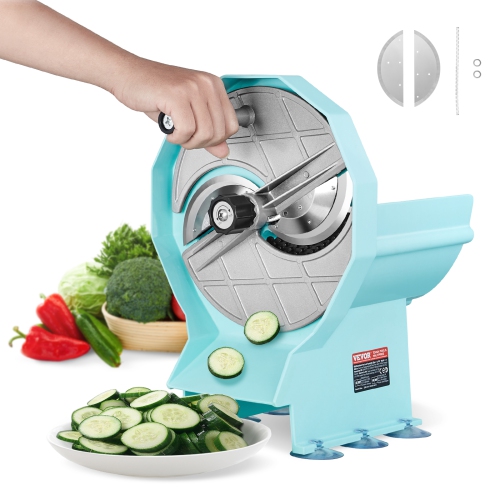
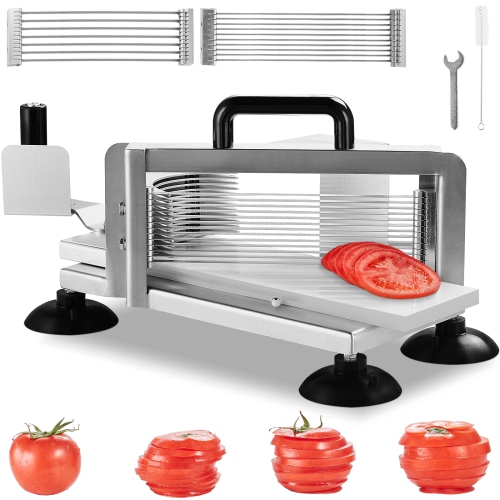
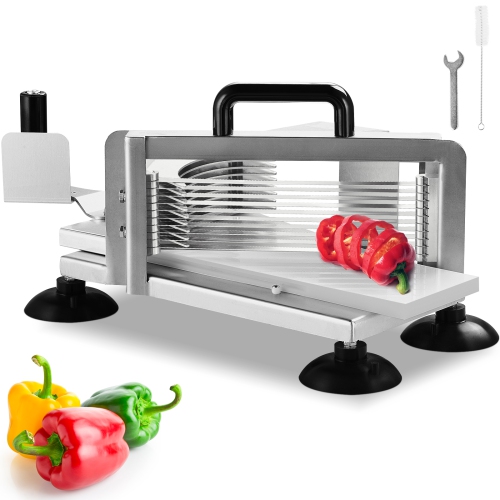
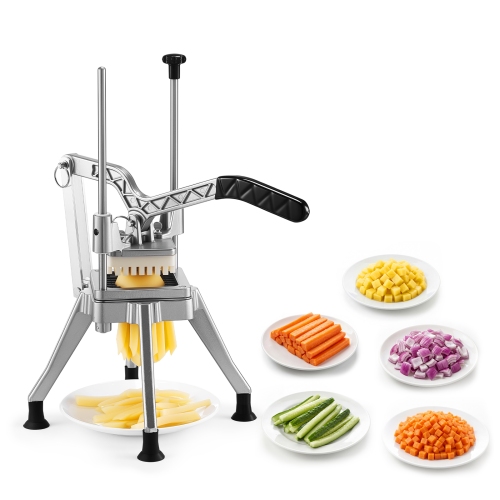
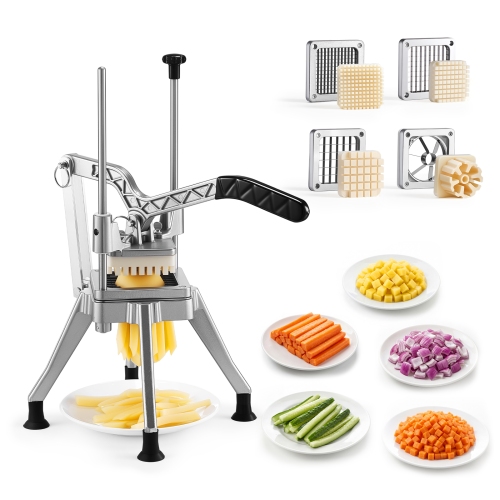

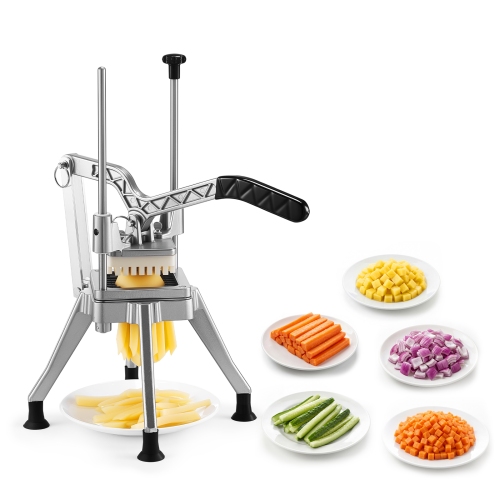
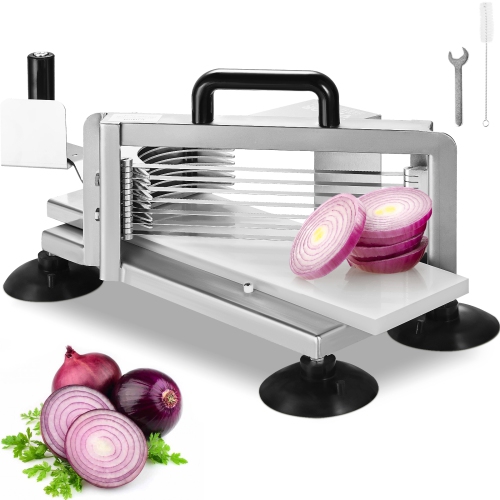
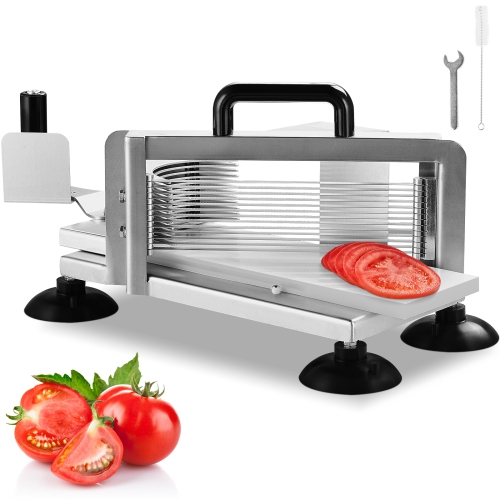
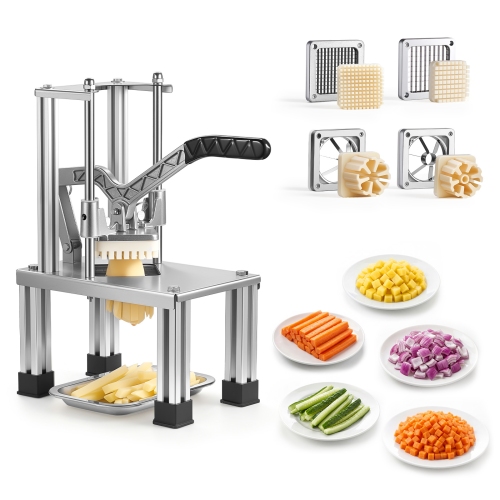
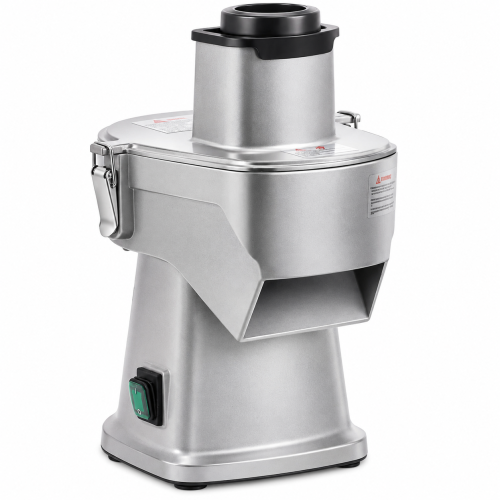
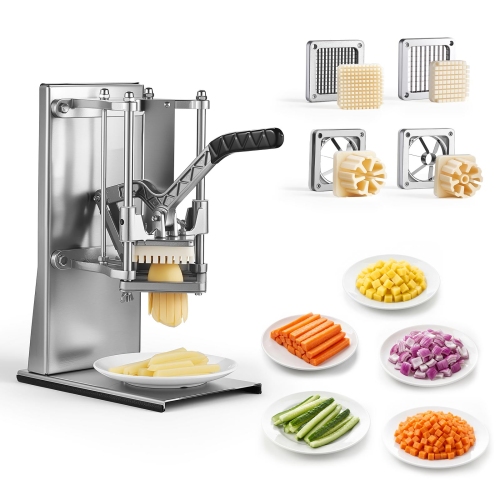
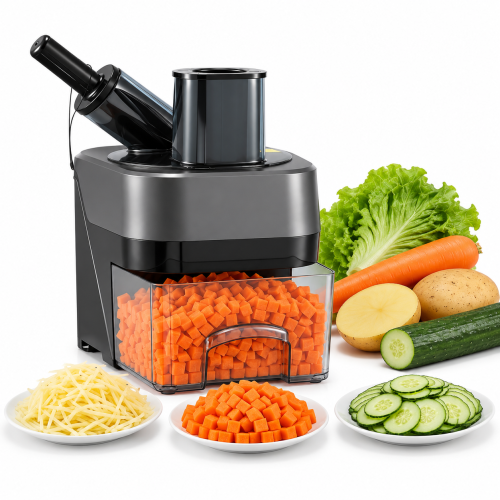
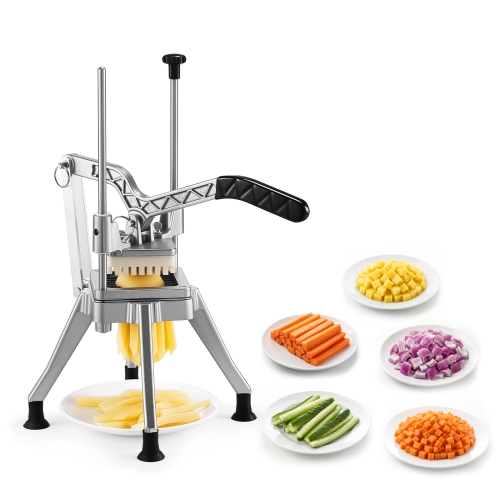

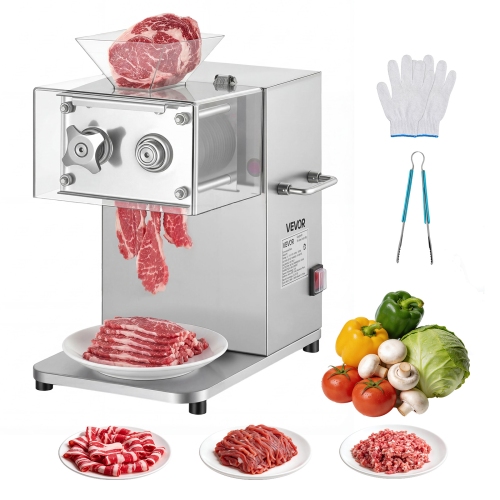
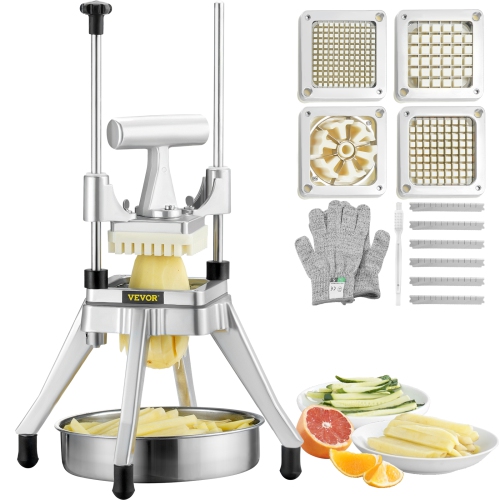
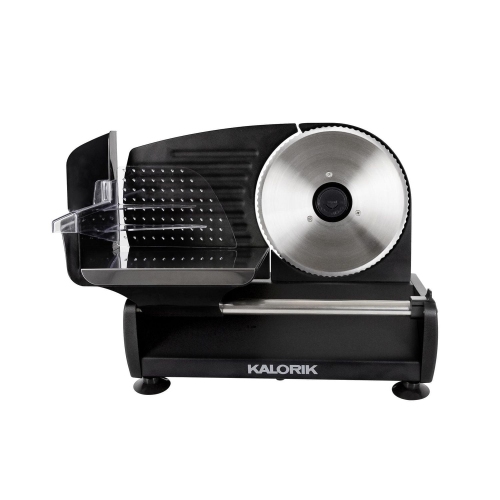
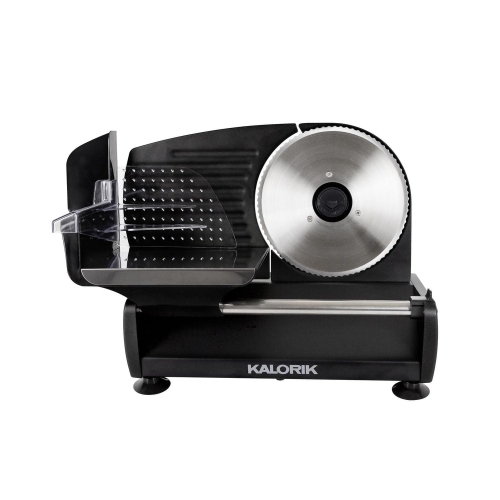
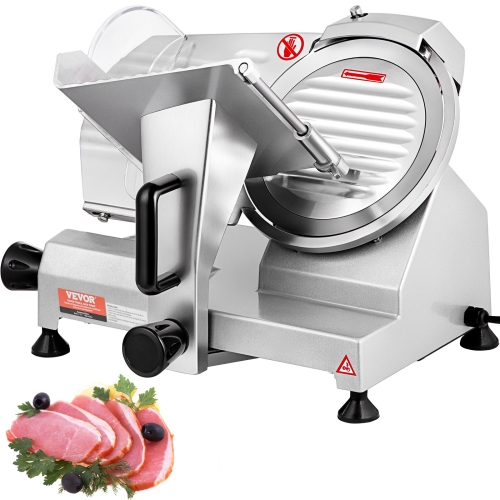
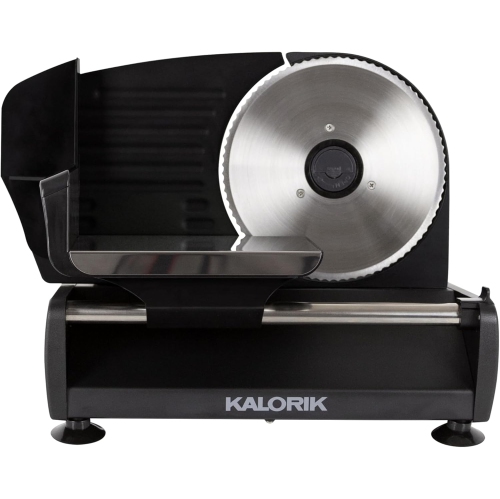
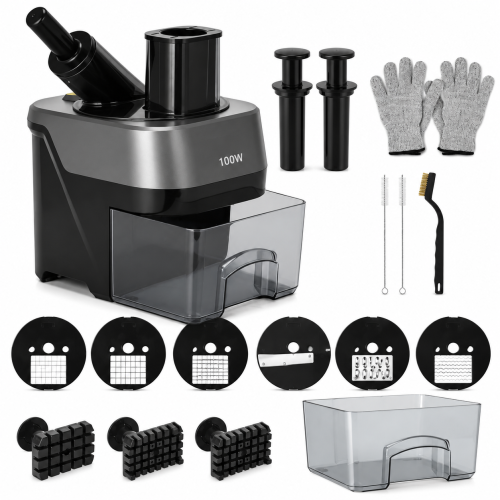
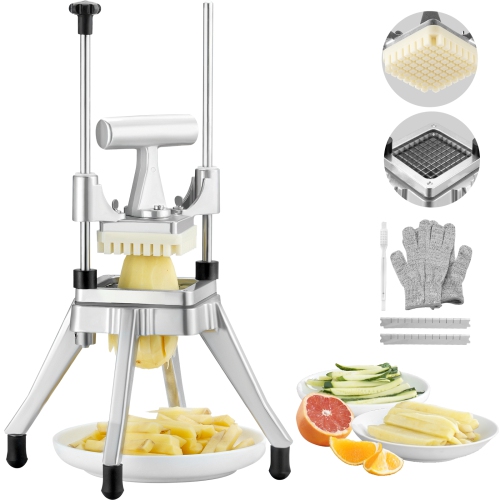
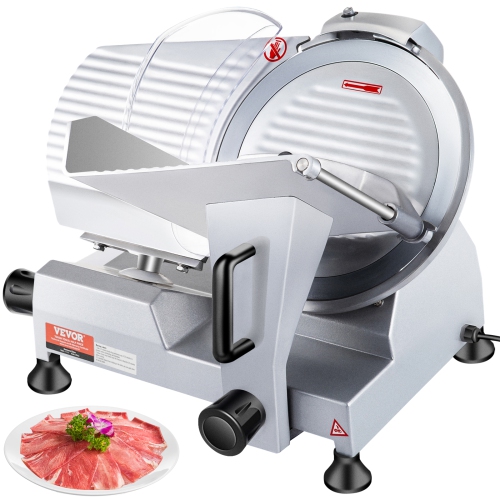
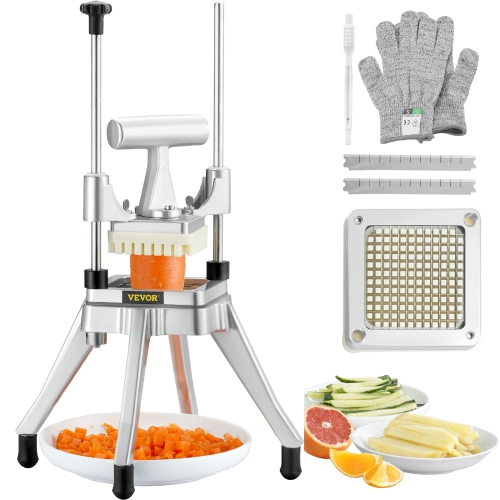
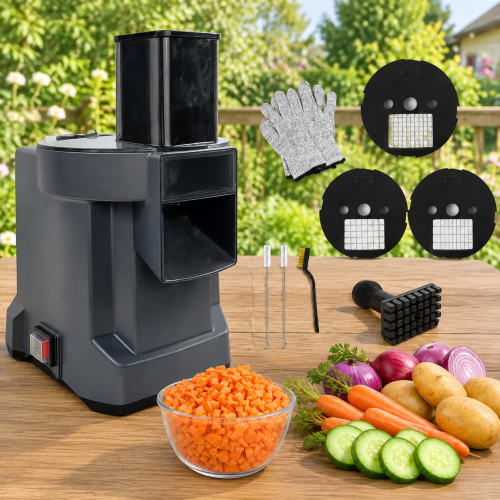
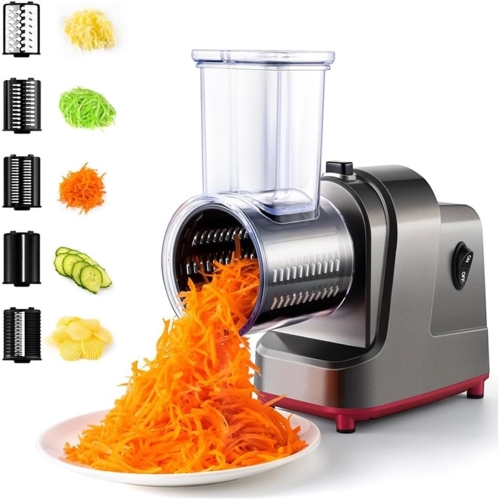
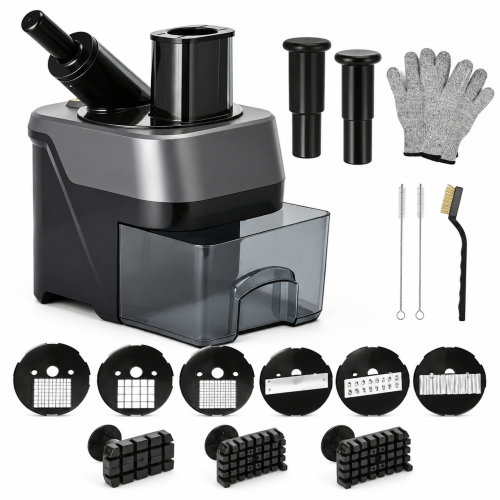
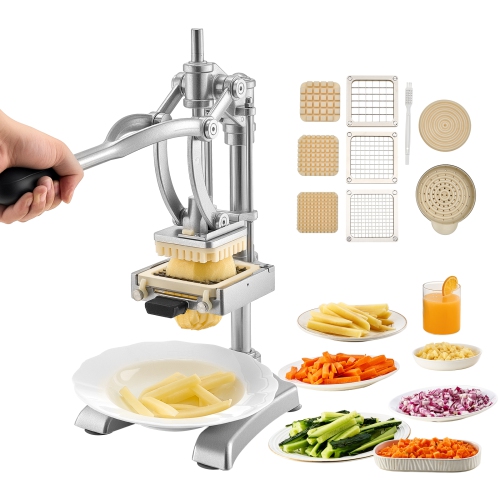

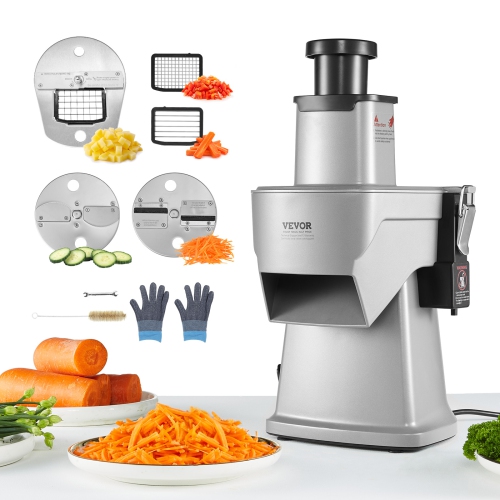
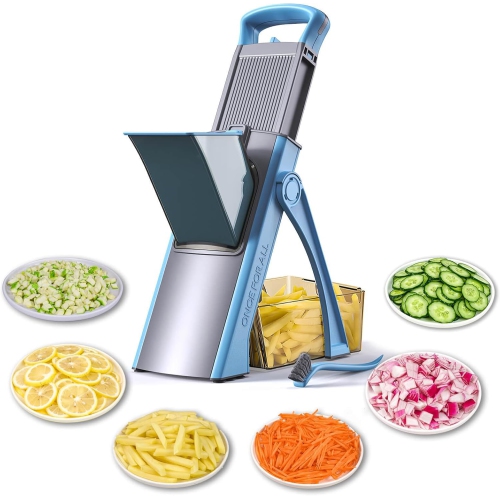
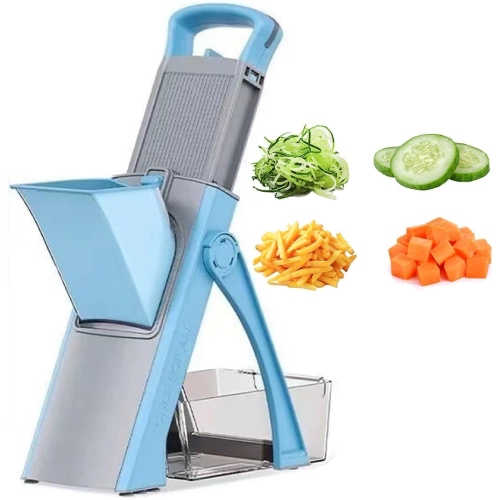

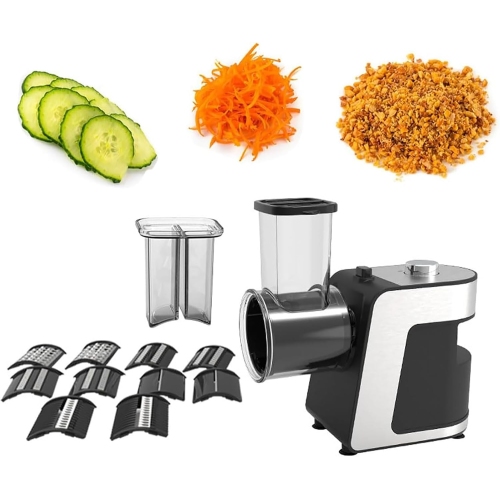
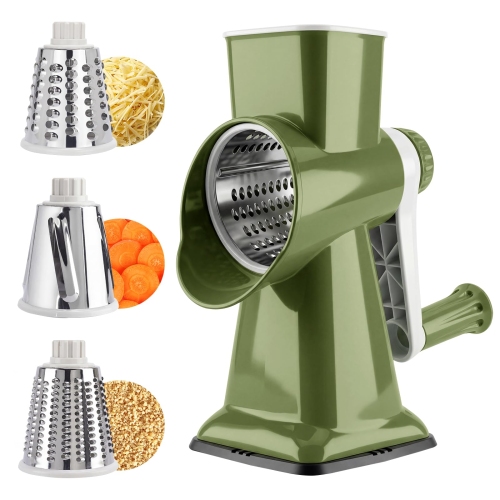
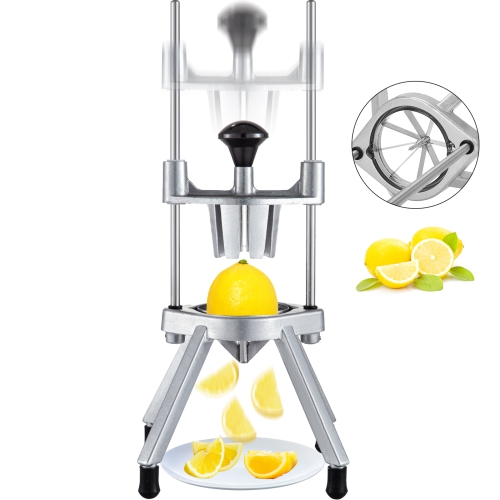
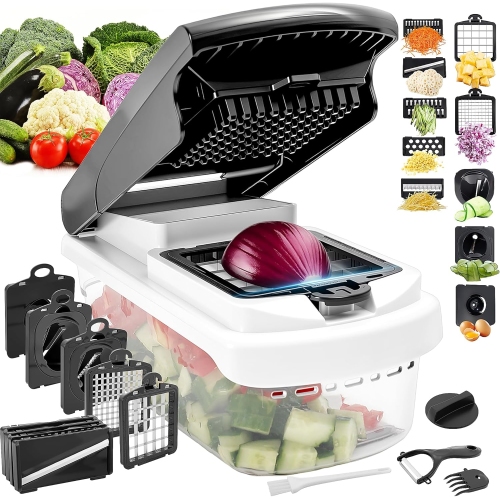
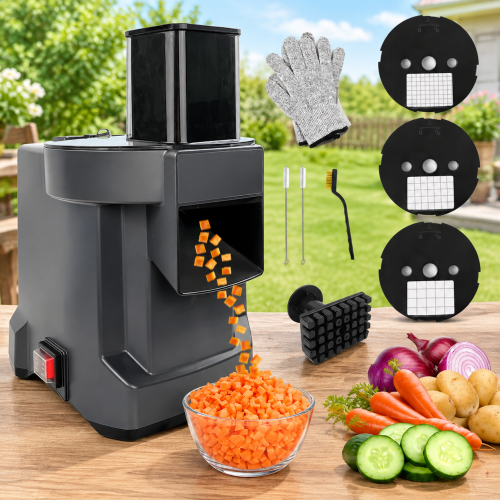
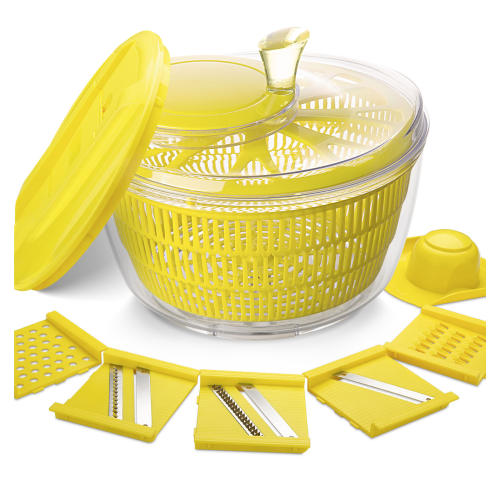

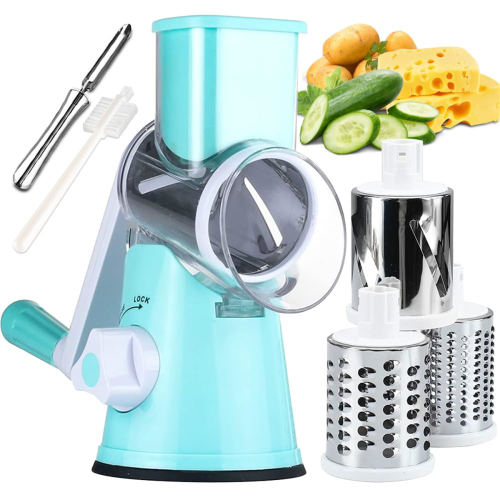
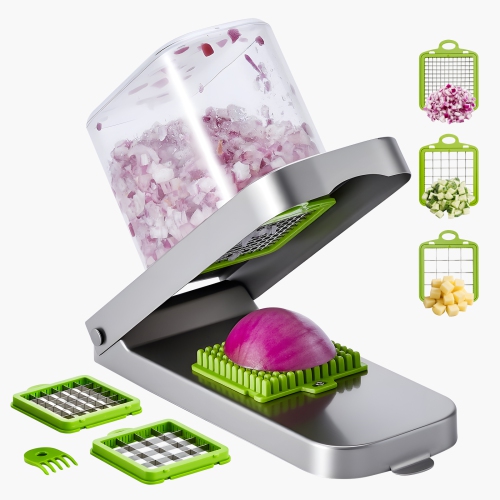

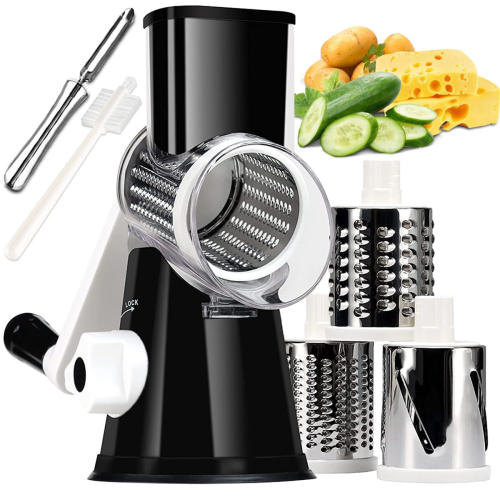



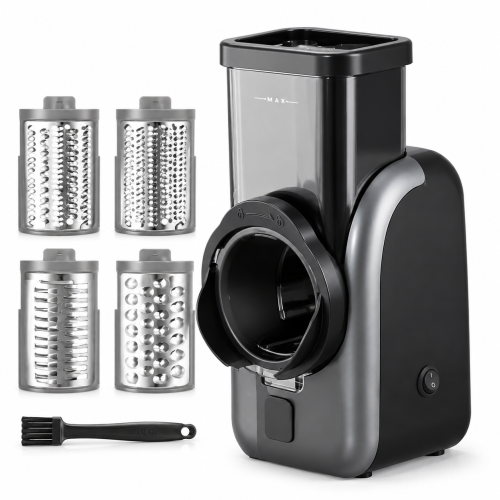
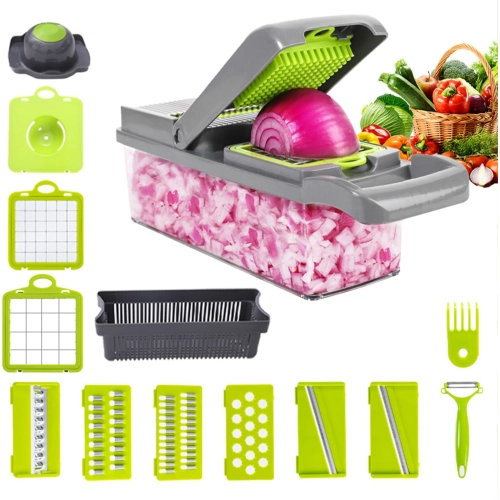


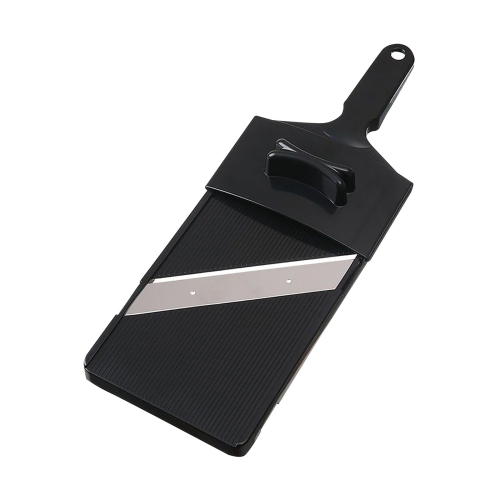
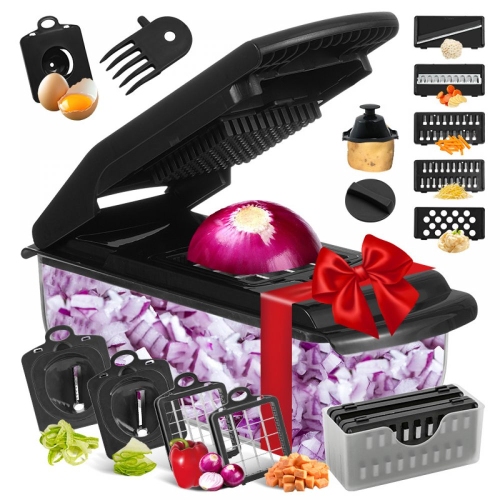

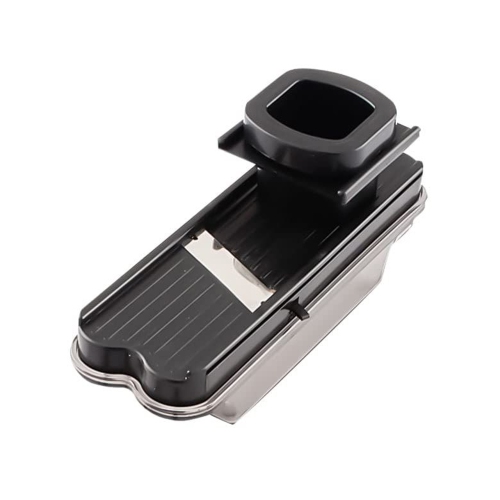
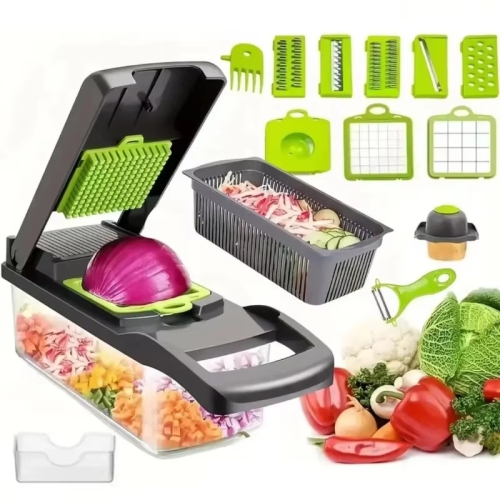


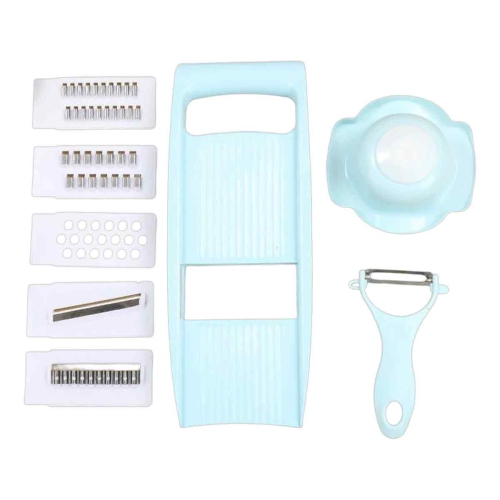

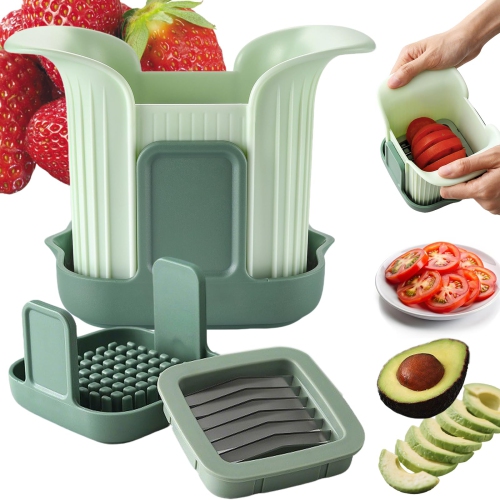
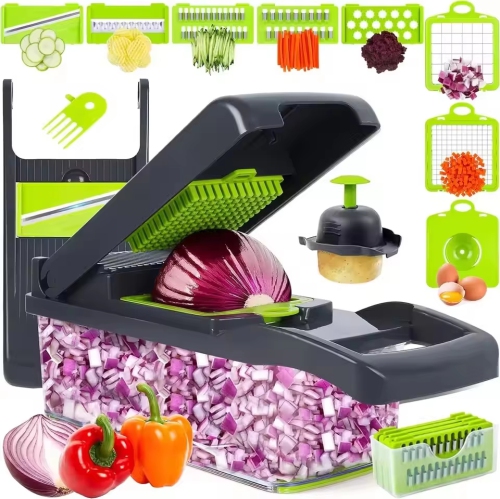


Consistent vegetable cuts with less repetitive knife work
Commercial vegetable slicers are food preparation tools designed to turn fresh produce into consistent slices for restaurants, cafés, catering operations, institutional kitchens, and other food-service settings. Depending on their design and compatible attachments, they may also shred, grate, dice, or produce julienne strips. Their value is especially clear when the same cut is needed across a large batch: cucumber rounds for a sandwich counter, shredded cabbage for coleslaw, or evenly sliced potatoes for trays of gratin. Uniform pieces support consistent portioning, presentation, and cooking, while reducing the repetitive knife work involved in daily preparation. Manual commercial slicers use a hand-operated lever, sliding carriage, or guarded cutting surface, making them practical for focused tasks and workstations without an electrical connection. Electric vegetable slicers use a motor-driven cutting mechanism and are often better suited to repeated batches or broader preparation duties. A compact manual cutter can serve a small café preparing sandwich garnishes, while a powered countertop machine may suit a catering kitchen processing several containers of vegetables before service. The right format depends on the produce, the desired finish, and how much preparation happens within a given period. Firm carrots, delicate tomatoes, round onions, and long cucumbers do not behave the same way against a blade, so food compatibility matters as much as cutting speed. Adjustable slicing thickness can support different menu requirements, from thin radish slices for salads to thicker courgette rounds for roasting. Interchangeable discs or blade assemblies add flexibility where supported, but slicing, dicing, and grating are distinct functions rather than automatic capabilities of every machine. Dicing generally requires a compatible cutting arrangement, while julienne attachments create narrow strips rather than shreds. For kitchens with a short, repeatable menu, a dedicated cutter may provide a straightforward workflow; a more versatile vegetable preparation machine can suit menus that call for several cuts throughout the day.
Materials and construction influence how a commercial vegetable slicer handles repeated use, frequent cleaning, and contact with moist ingredients. Stainless steel blades are common, while housings may use stainless steel, anodized aluminum, or durable food-contact plastics in different combinations. A metal body can provide rigidity, but overall durability also depends on blade quality, bearings, hinges, handles, and the fit of removable components. Smooth surfaces and accessible corners make food residue easier to remove, particularly around feed openings and discharge areas. Stable feet, a secure mounting system, or suction supports, depending on the design, help keep a manual cutter positioned during operation. For electric machines, motor power is only one part of performance; blade sharpness, feed design, food density, and the intended operating cycle also affect output. Published capacity figures are most useful when considered alongside the vegetables being processed and the amount of trimming required beforehand. A kitchen preparing one large batch before lunch has different needs from a production station running repeatedly throughout a shift. Feed chute dimensions also shape the work involved. A wide hopper may accept larger pieces of cabbage or potatoes, while a narrower feed opening can help position long vegetables for more controlled cuts. Neither arrangement removes the need to prepare food to the manufacturer’s specifications. Countertop fit includes more than the machine’s base: there must also be room to open the lid, operate a handle, insert produce, and position a receiving container beneath the outlet. Clearance for removing discs and cleaning components matters in a tight preparation area. Electrical requirements should match the kitchen’s power supply, including voltage, plug configuration, and any circuit requirements. Equipment intended for commercial food preparation may carry sanitation or electrical certifications; the relevant documentation helps establish suitability for the workplace. Where preparation needs extend beyond vegetables, Industrial Food Slicers cover a broader equipment category, with each machine’s approved foods and cutting functions remaining important distinctions.
Day-to-day usability often becomes most apparent during a busy preparation shift. A receiving container that sits neatly under the discharge opening can keep sliced peppers together without crowding the work surface, while easily identifiable cutting discs make changes between salad preparation and grated vegetables more straightforward. Disc storage is another practical consideration: exposed cutting edges need protected, organized space rather than a loose place in a utensil drawer. Removable food-contact parts can simplify cleaning, although dishwasher suitability varies by component and must be confirmed in the care instructions. Aluminum parts, coated surfaces, seals, and sharp blades may require different cleaning methods, and an electric motor housing should never be immersed unless expressly designed for that treatment. Prompt removal of vegetable fibres and juices helps prevent residue from drying around cutting assemblies, while thorough drying supports proper storage. Sanitizing procedures should follow the equipment instructions and the kitchen’s food-safety requirements. Safe operation depends on both the machine’s protective features and consistent handling. Feed pushers, guards, and enclosed cutting areas help separate hands from blades; fingers and improvised utensils should never take the place of the supplied feeding tool. Some electric designs include interlocks that prevent operation when a lid or hopper is not correctly positioned, but these features do not replace staff training. Power must be disconnected before removing cutting assemblies, clearing a blockage, or carrying out cleaning and maintenance. Blade condition also affects results: a worn or damaged edge can crush soft produce, leave ragged cuts, or increase the effort needed to feed firmer vegetables. Access to compatible replacement blades, discs, pushers, and other wear parts can therefore matter over the equipment’s working life. For restaurant owners, caterers, kitchen managers, and community meal organizers, commercial vegetable slicers are practical preparation equipment whose usefulness comes from matching the cut, capacity, footprint, and care requirements to everyday service. A well-matched slicer supports an orderly station where ingredients move predictably from washed produce to neatly prepared portions, ready for the next stage of the recipe.
Top selling and popular products
-
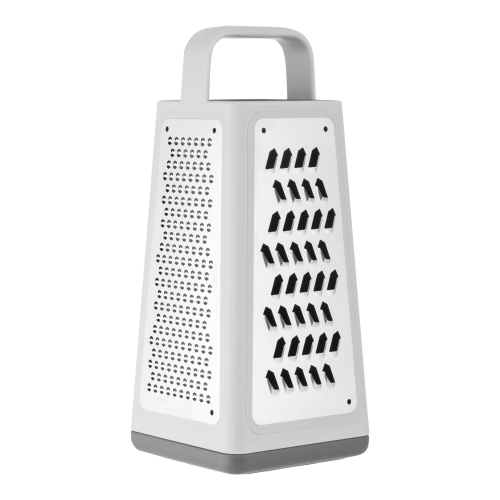 Your price for this item is $49.99
-
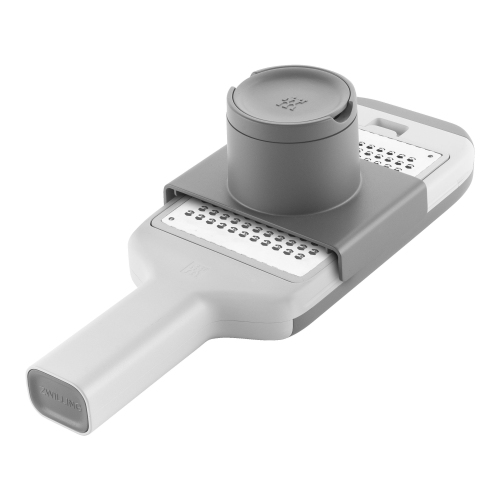 Your price for this item is $49.99
-
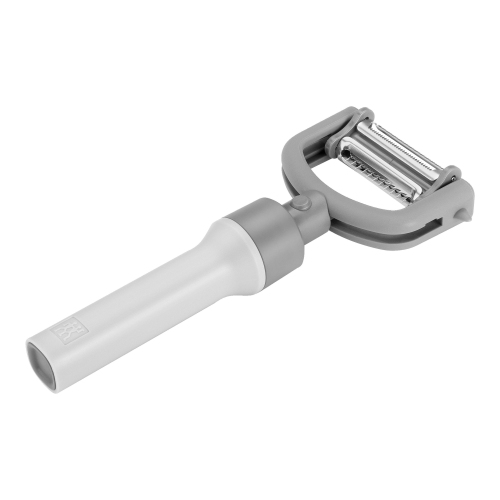 Your price for this item is $24.99
-
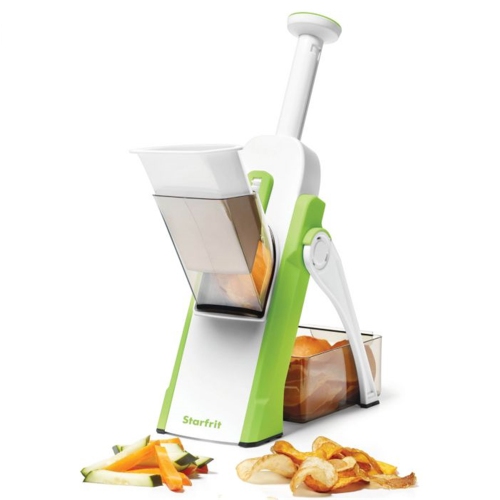 Your price for this item is $44.97
-
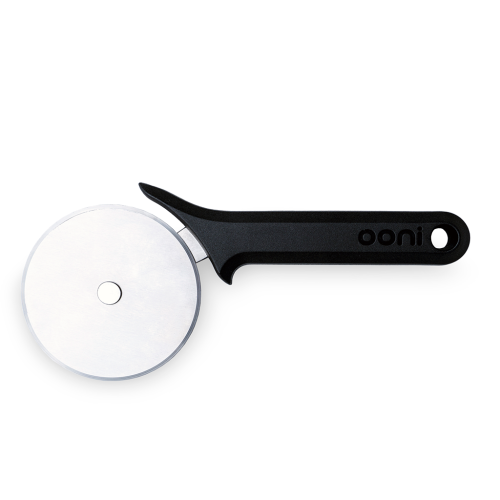 Your price for this item is $18.99
-
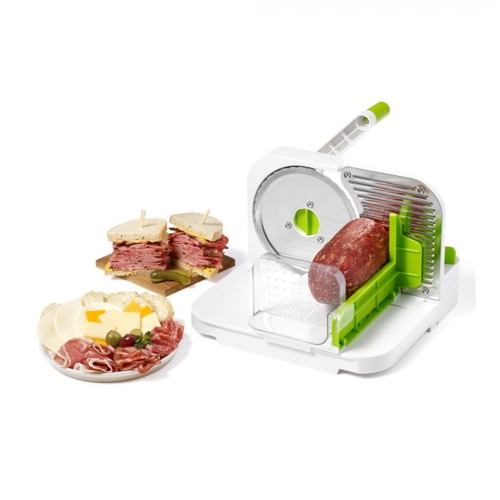 Your price for this item is $48.97
-
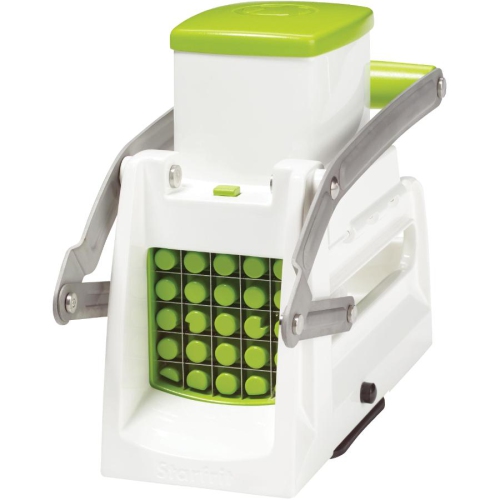 Your price for this item is $29.99
-
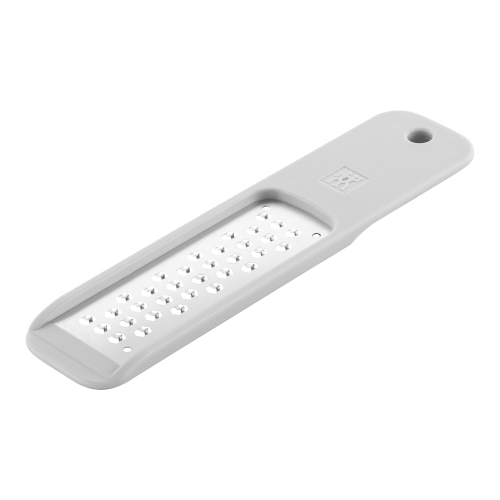 Your price for this item is $9.99
Discover more categories related to Commercial Vegetable Slicers

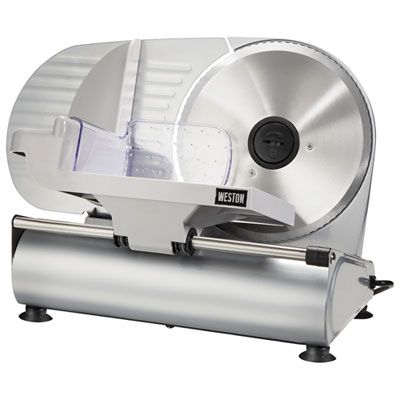
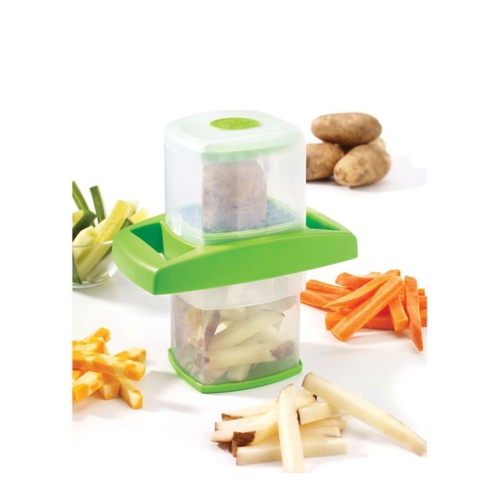
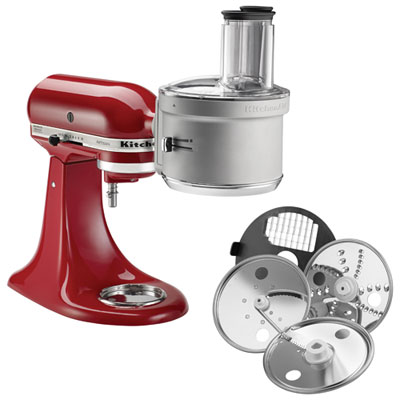
Top Collections:
Pokemon Centers, Best Cameras for Sports Photography, Kindle Devices, Samsung Galaxy Phones, Canon G7X Cameras, Pokémon 30th Celebration Cards, Refurbished Apple Laptops, iPhone 15 Apple, Laptops for Students, Budget Smartphones
Some products may be subject to Environmental Handling Fees
(EHF) depending on your province.
Learn more about EHFs.