Industrial Kitchen Tables
Upgrade your kitchen space with this selection of industrial kitchen tables, designed to bring a touch of modern style and functionality to your home. Crafted with durable materials and sleek finishes, these tables are perfect for creating a contemporary look in your kitchen while providing a sturdy surface for meal prep, dining, or gathering with family and friends. Whether you're looking for a spacious dining table or a compact bistro set, this range of industrial kitchen tables offers versatile options to suit your needs and elevate the heart of your home.
Sort


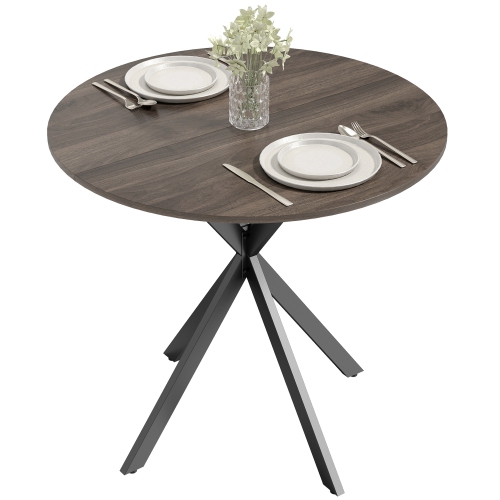

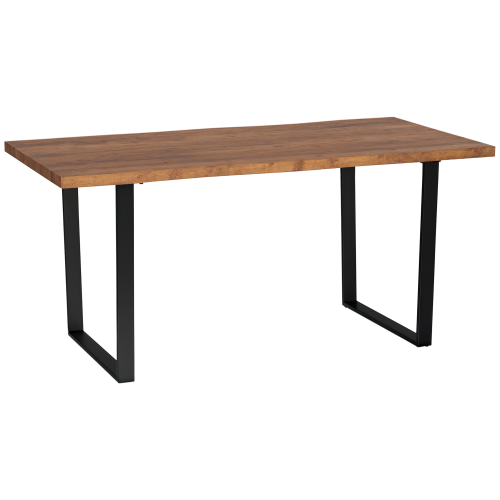
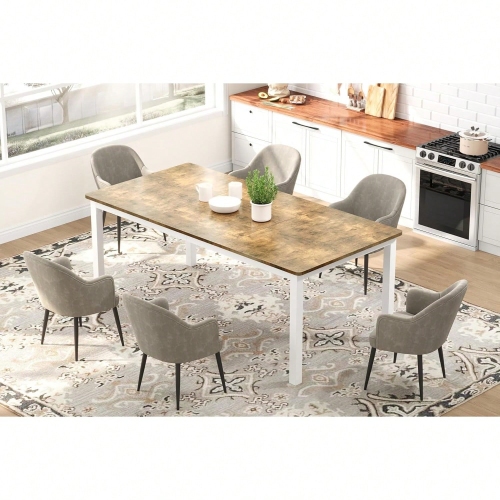
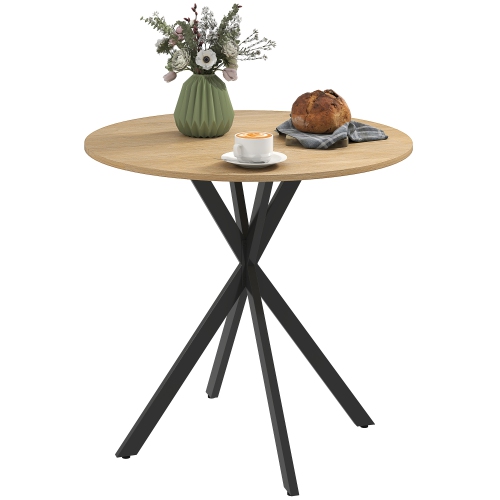
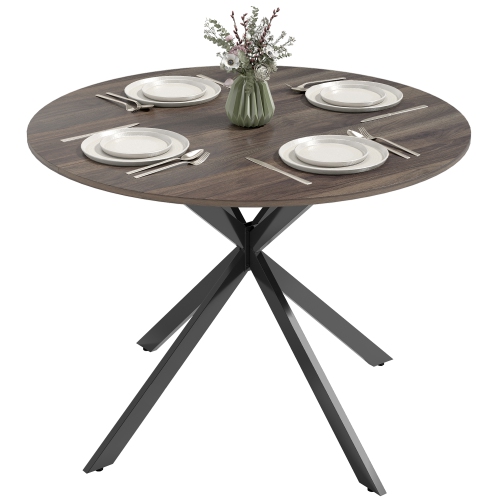
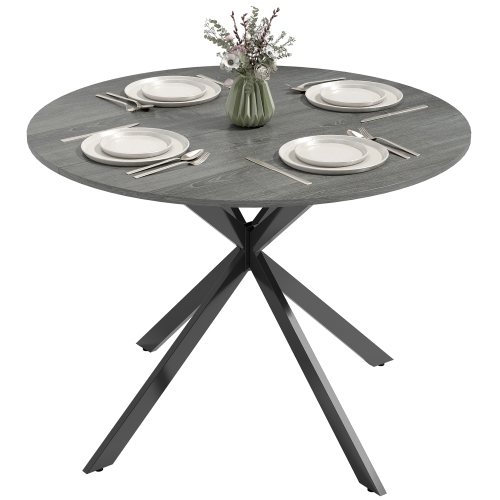
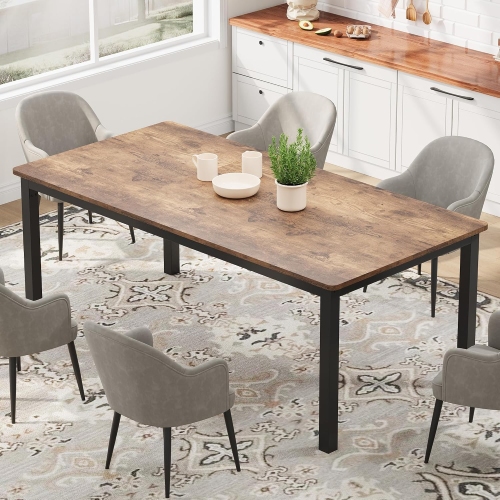
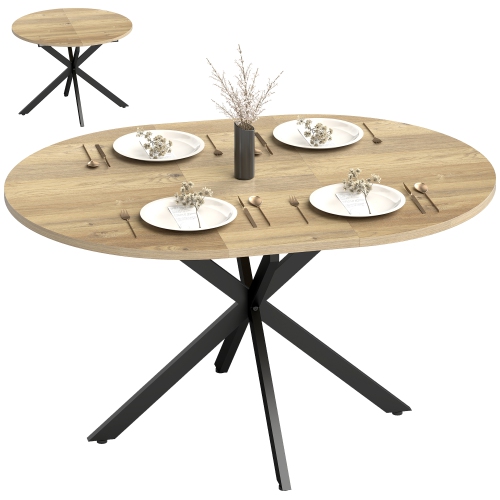
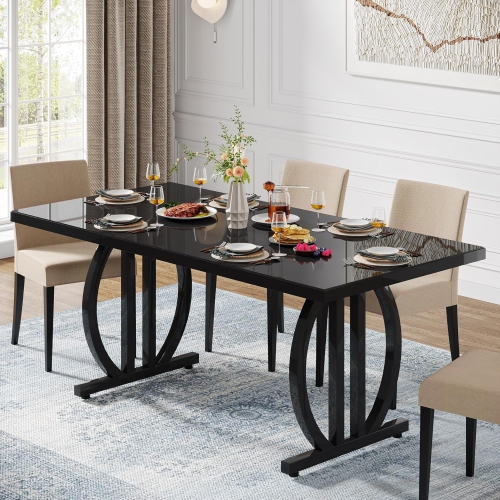
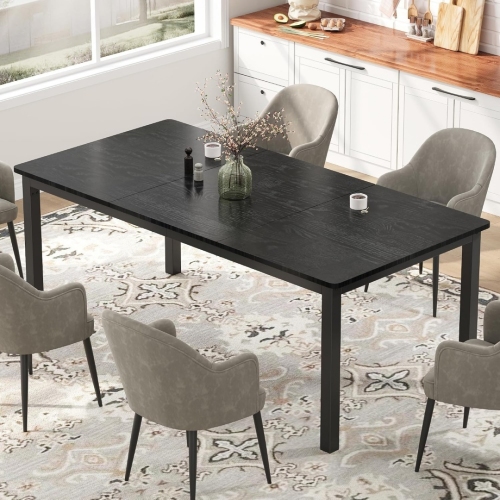
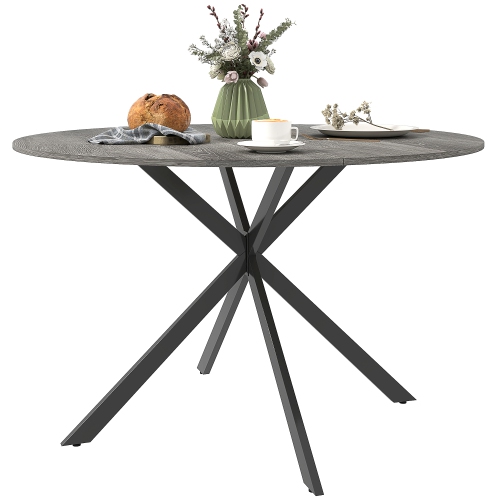
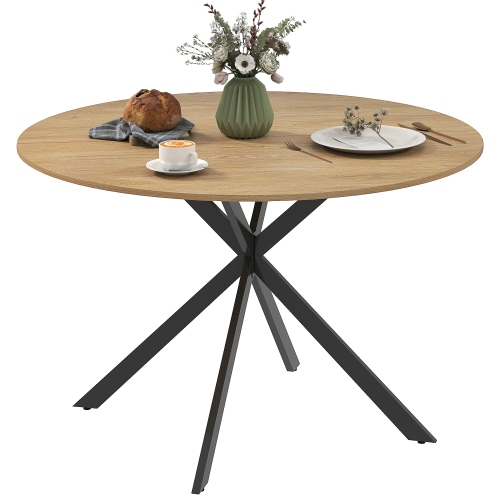
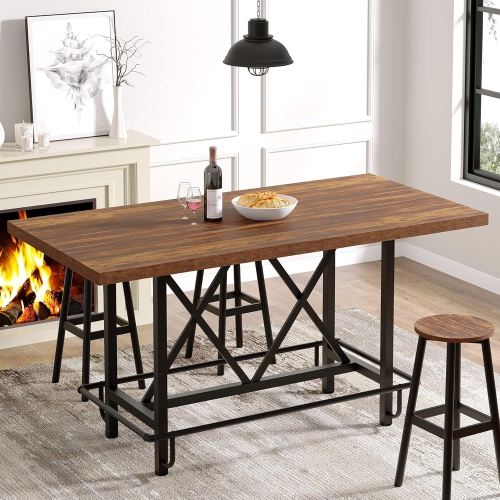
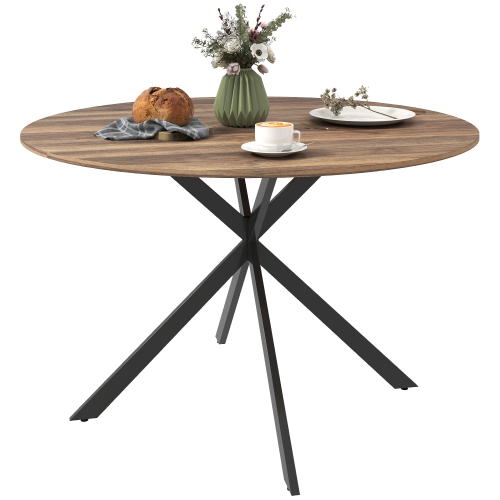
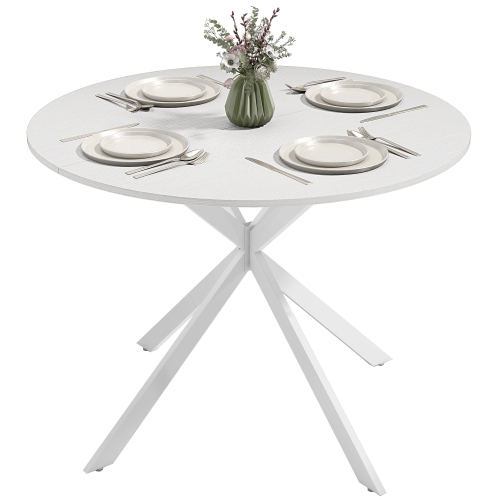
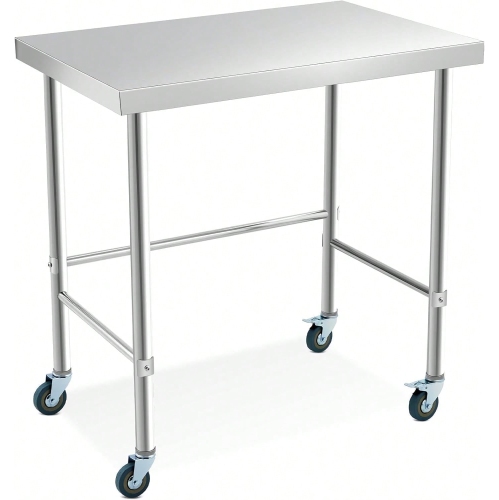
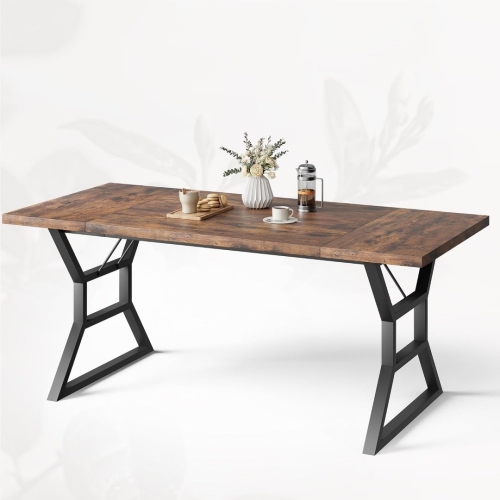
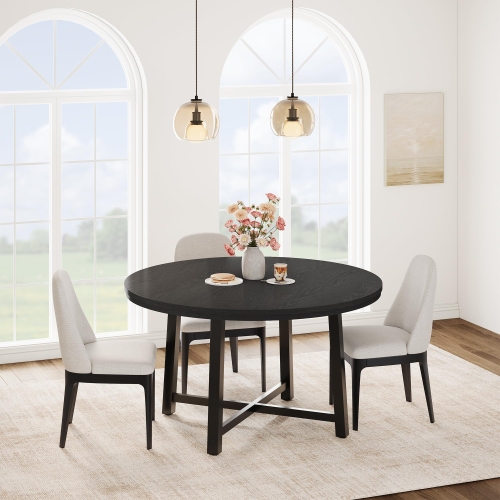


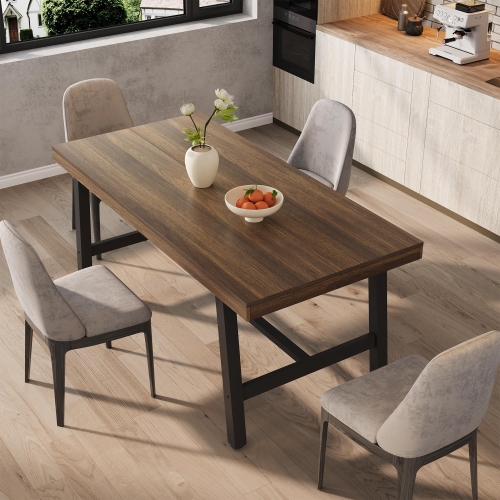
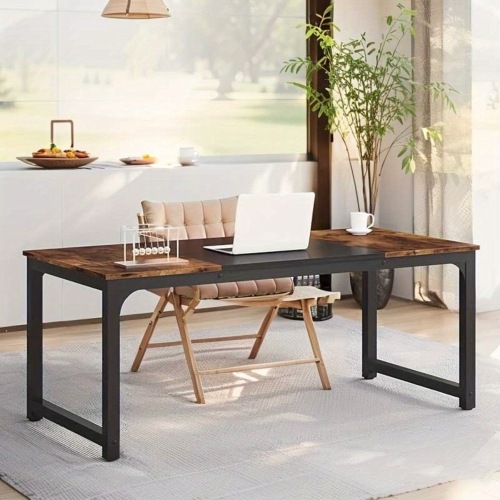


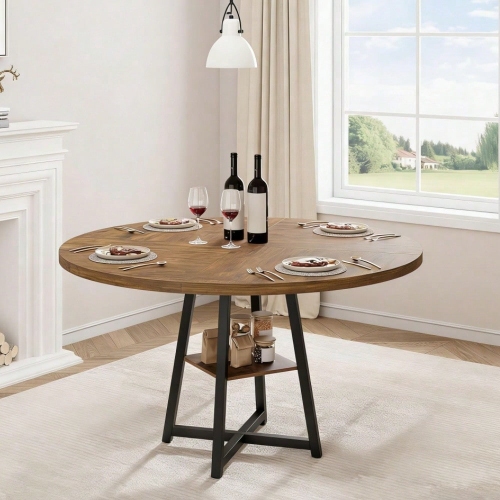
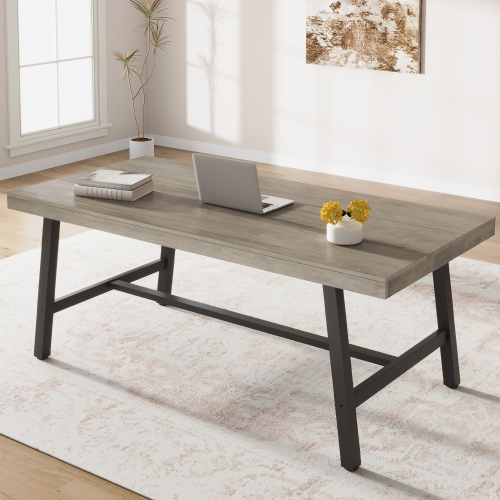
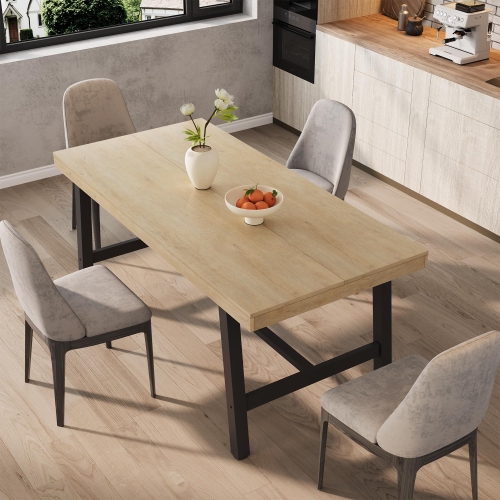
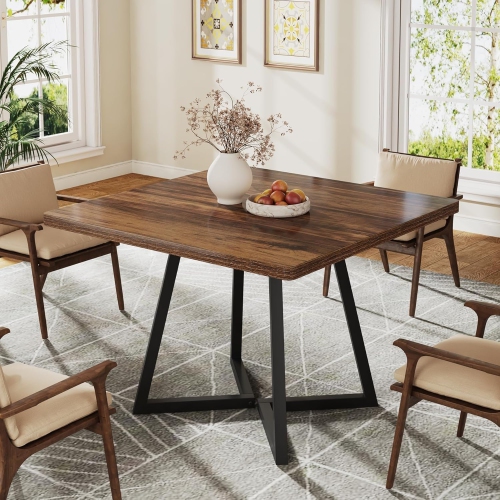
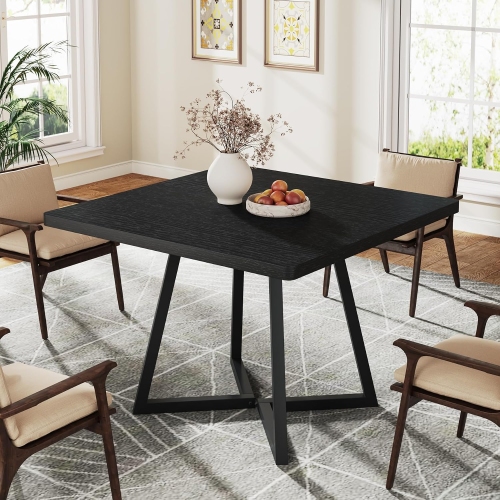
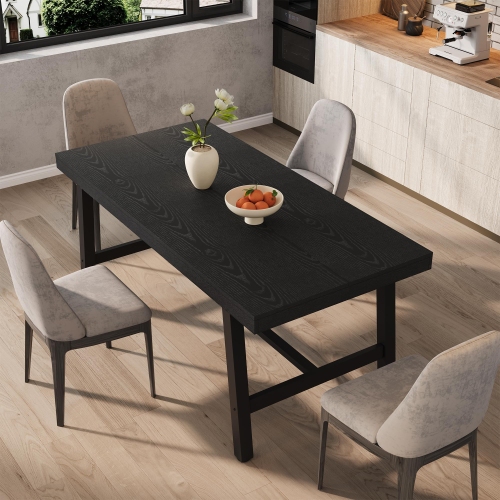
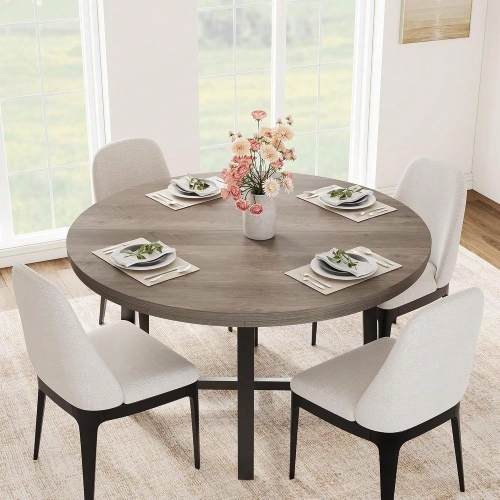
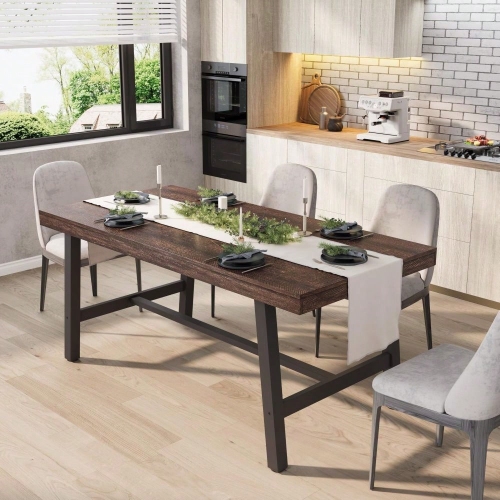



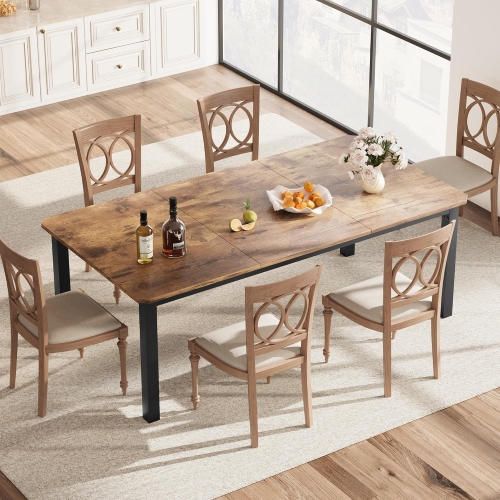
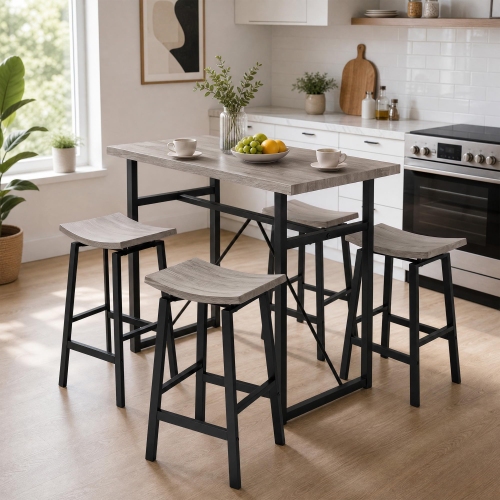
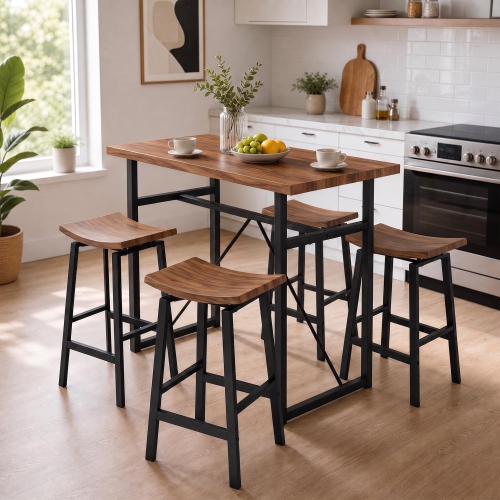
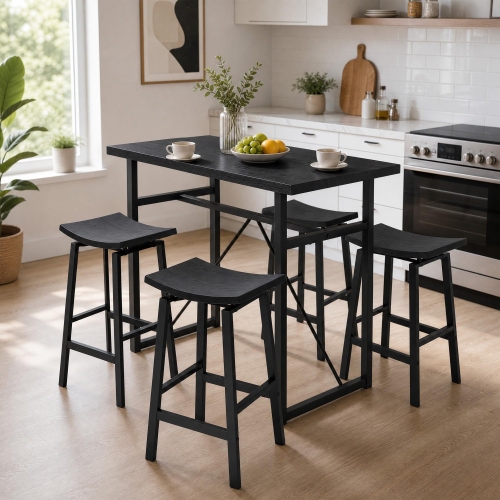


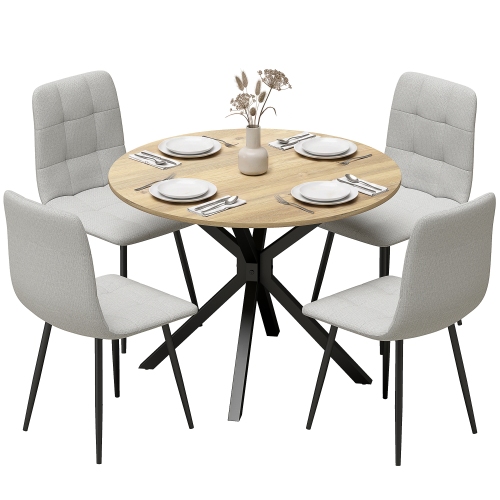
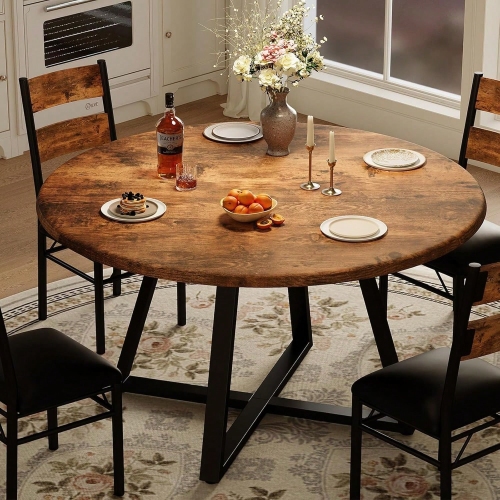
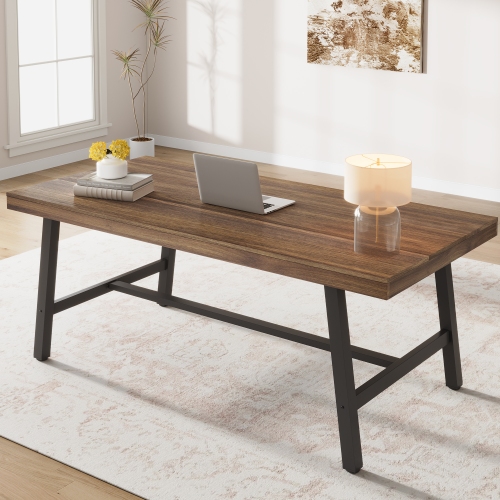
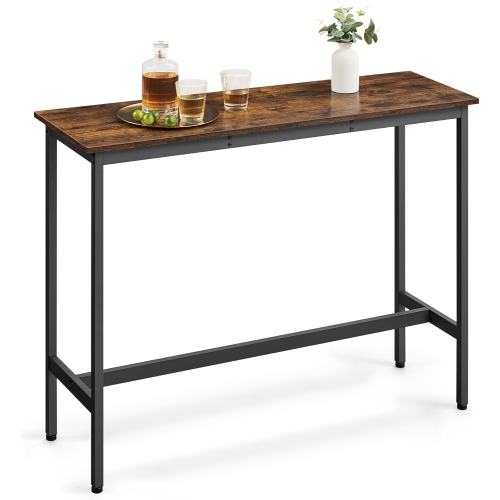

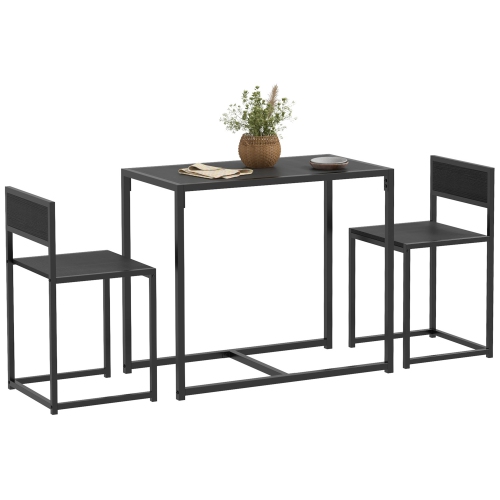
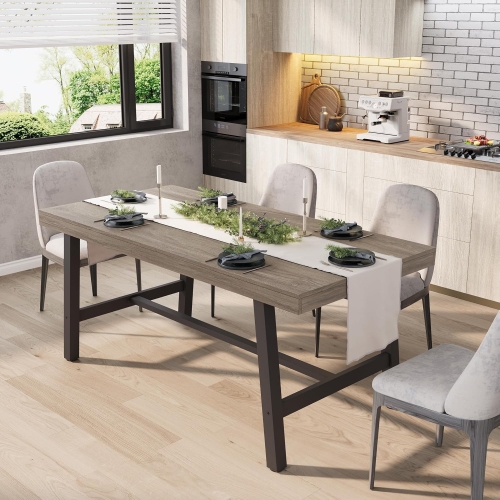
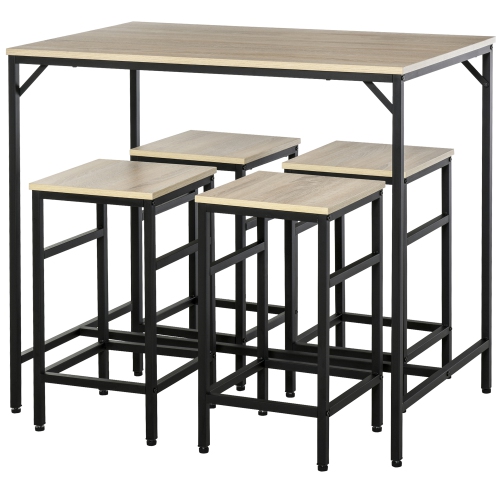


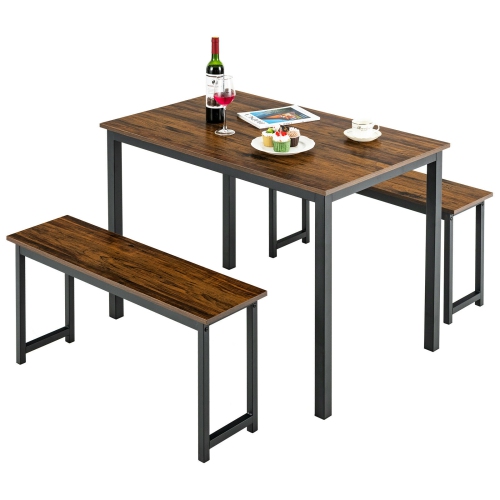
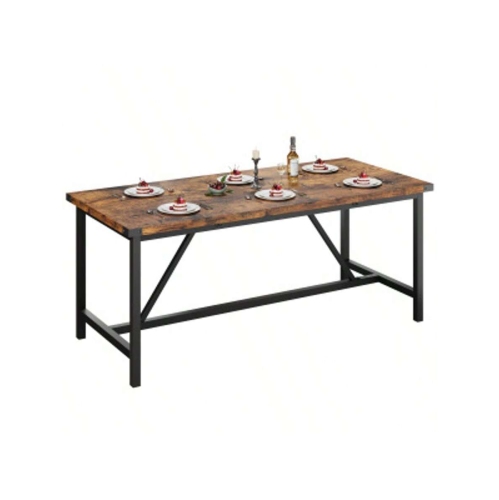
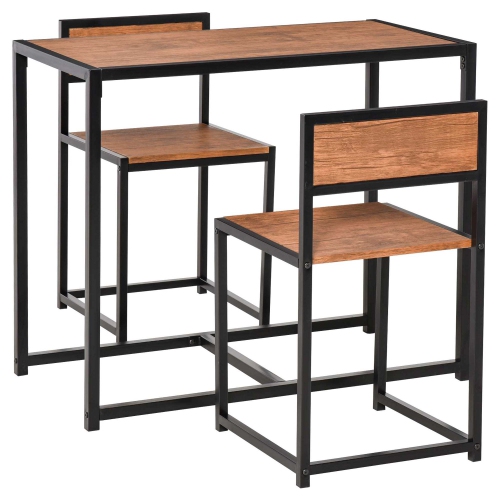
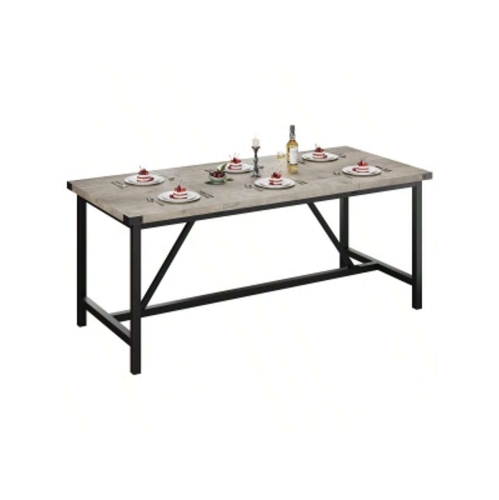

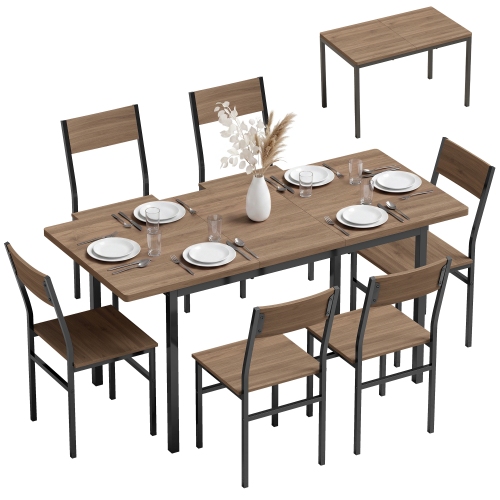
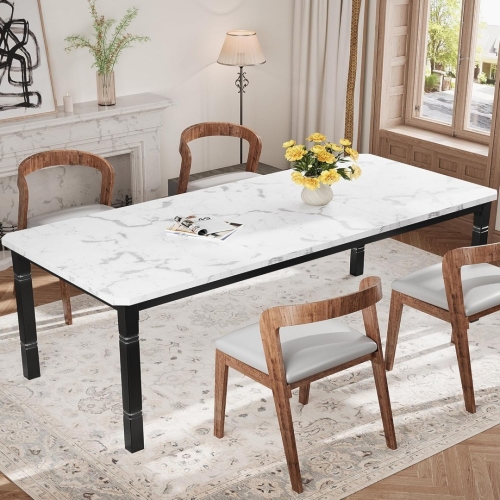
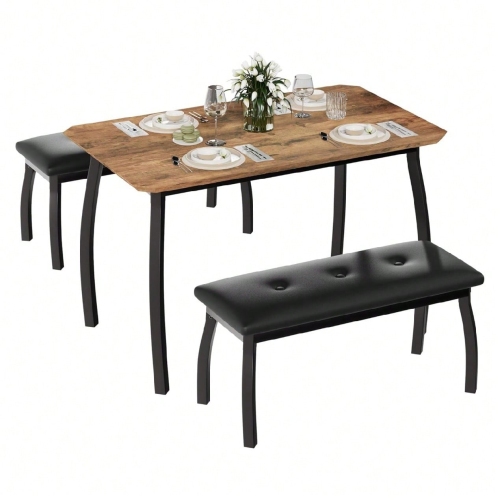
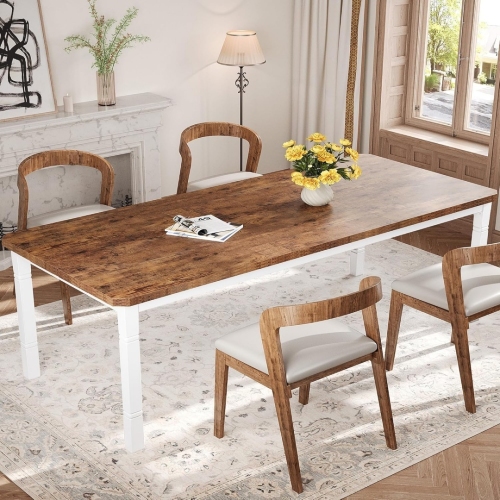
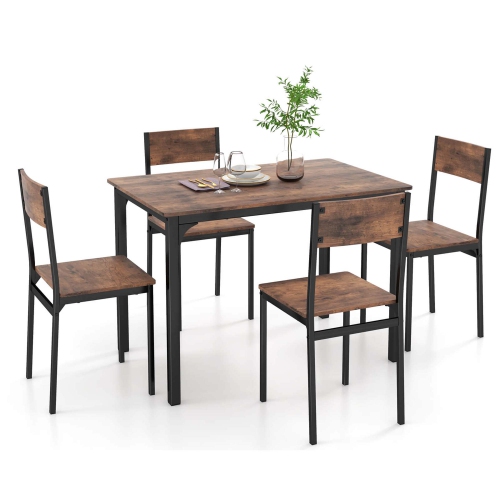
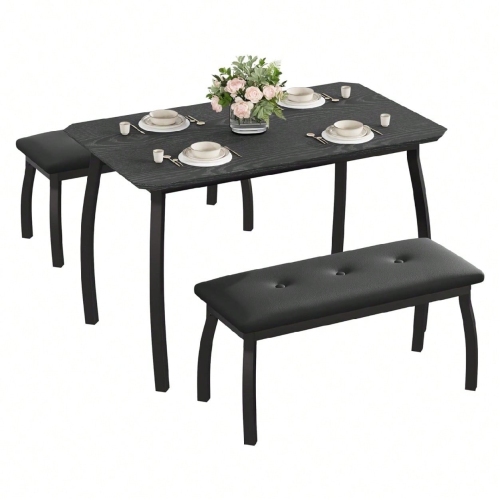
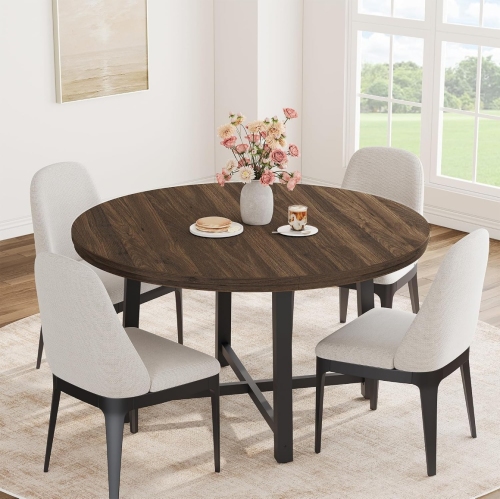

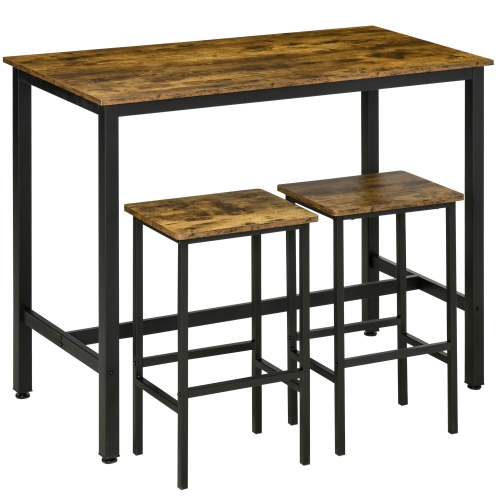
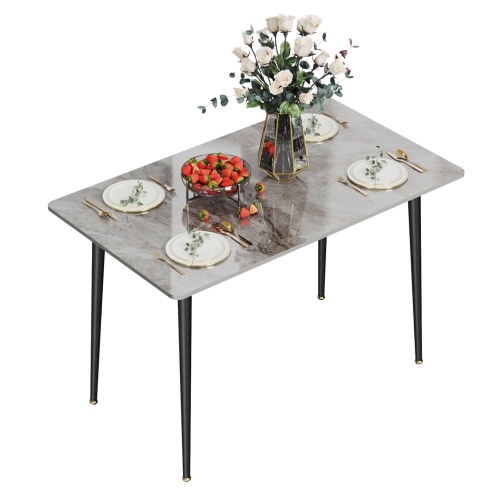

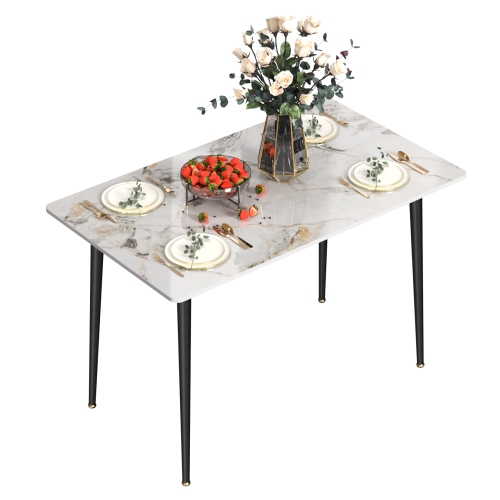

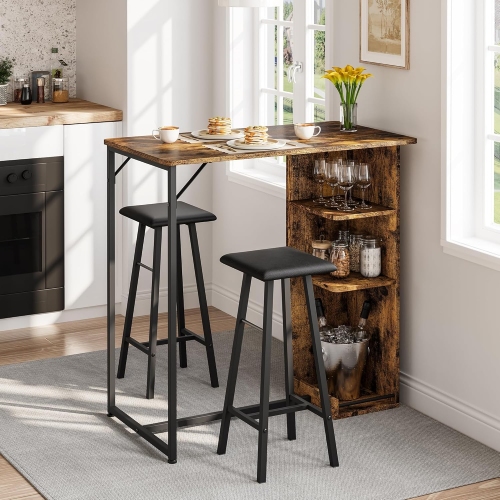
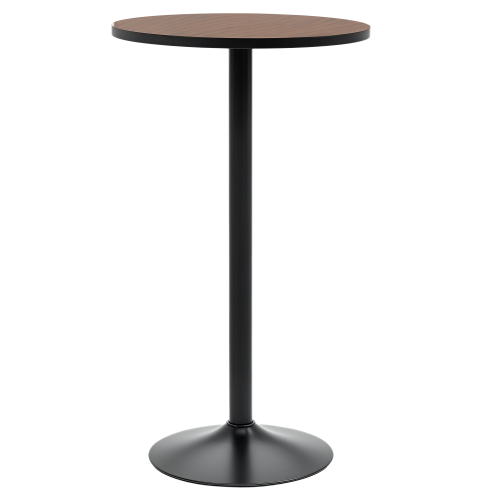


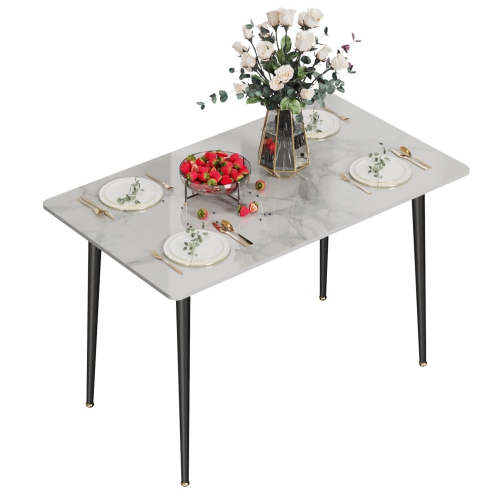
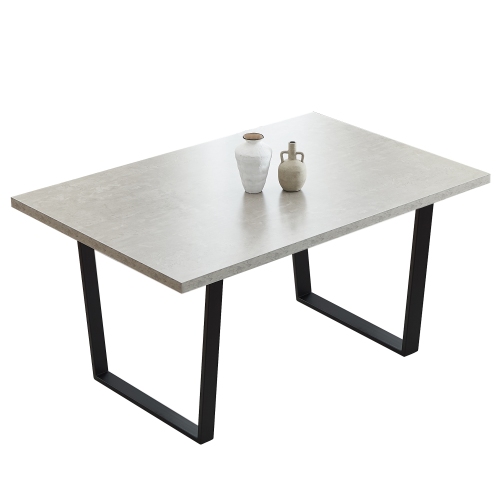
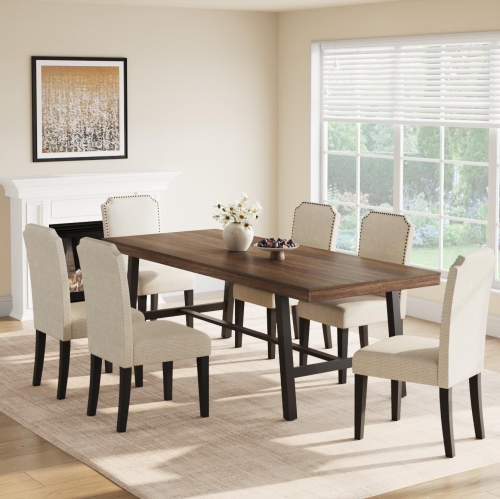
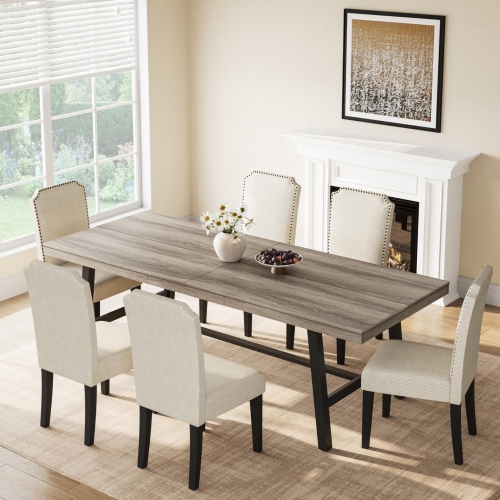


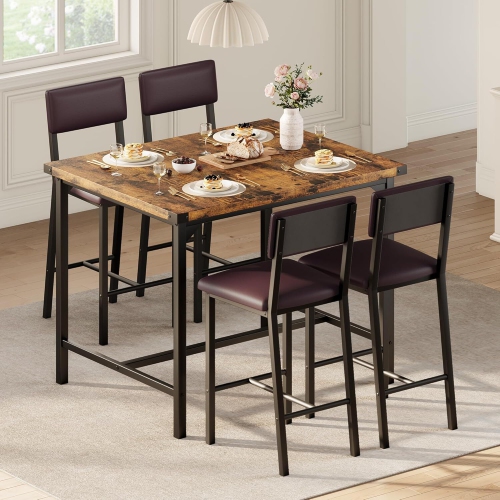



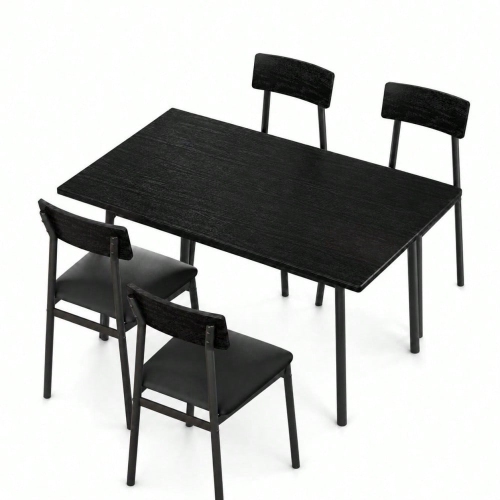
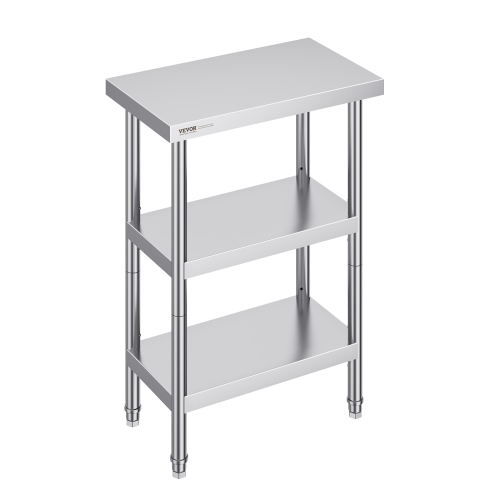
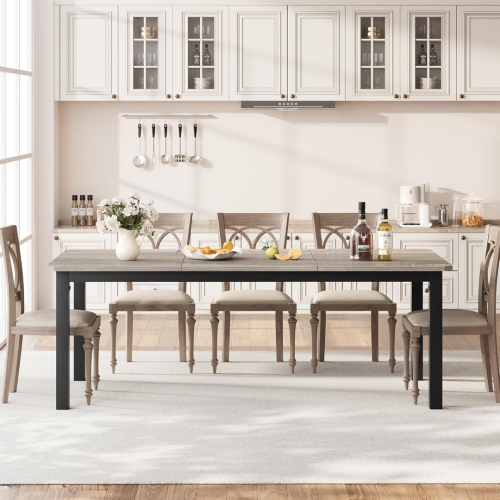
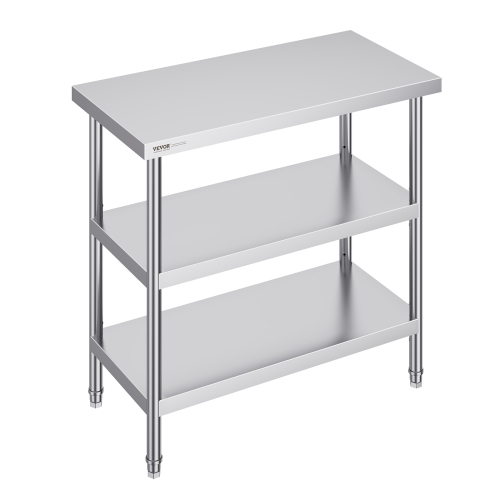
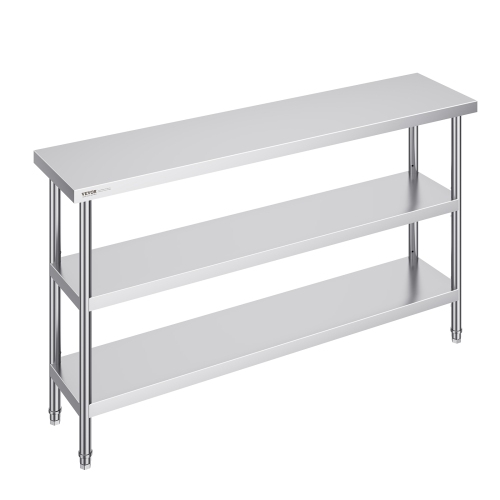

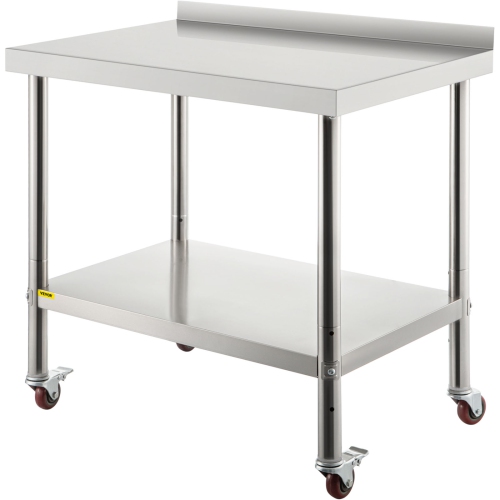

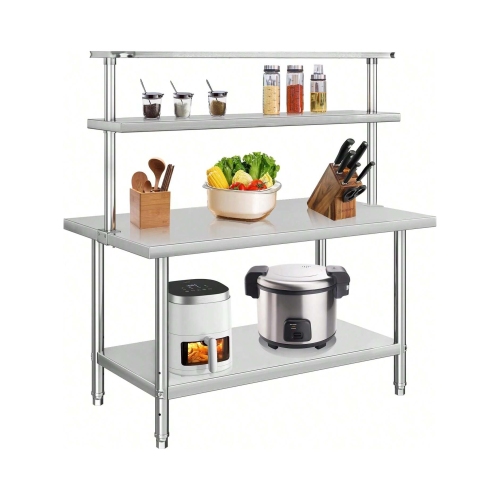
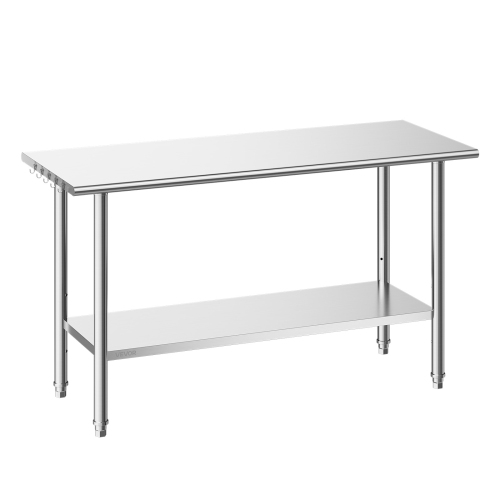


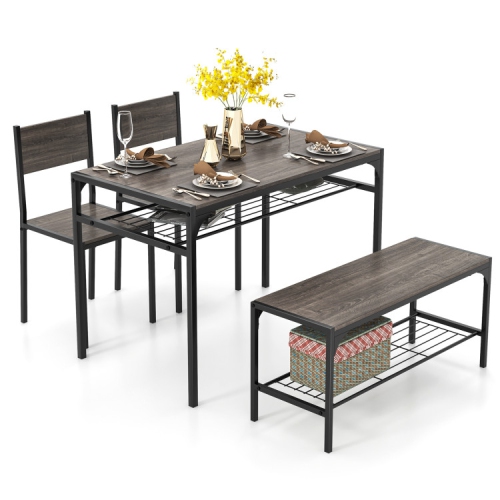

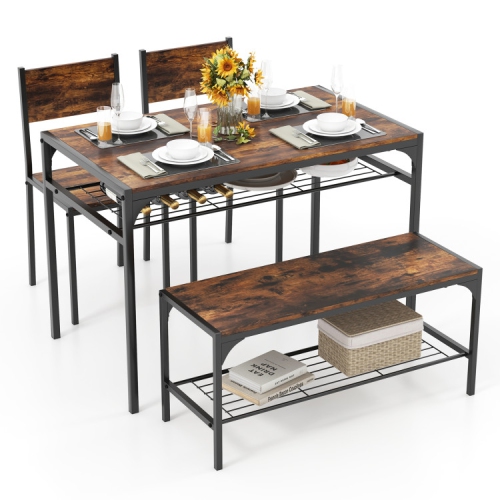
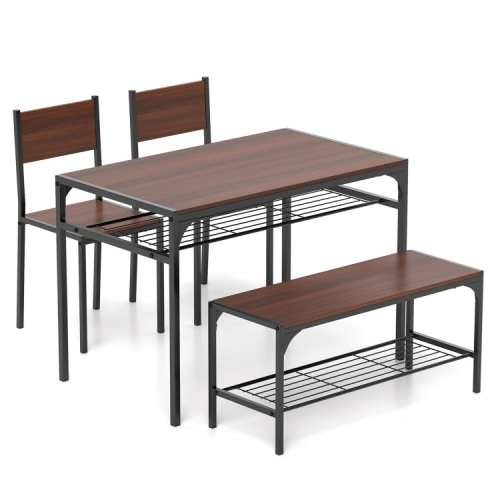


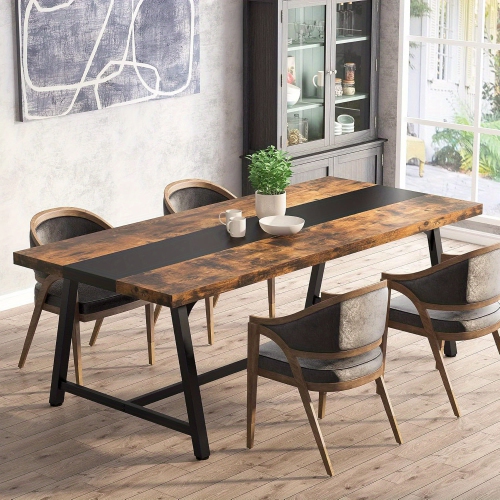

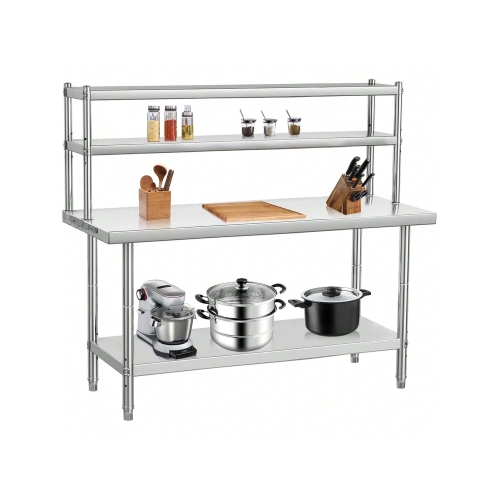
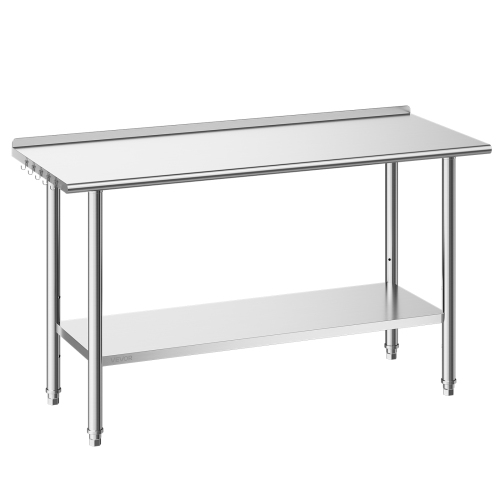
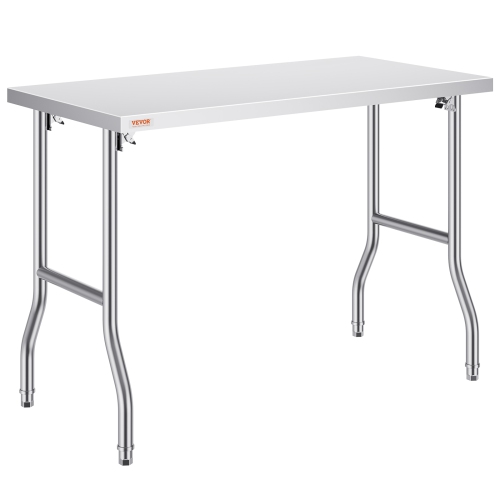


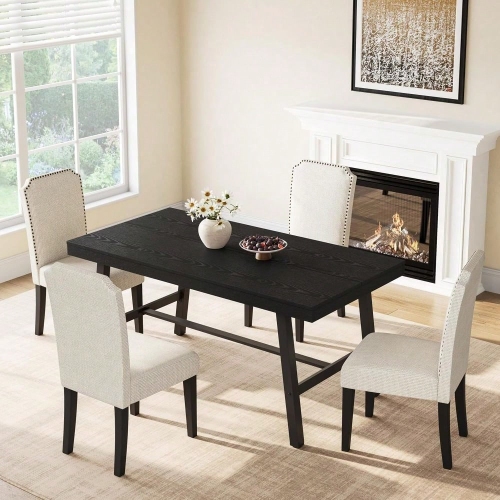
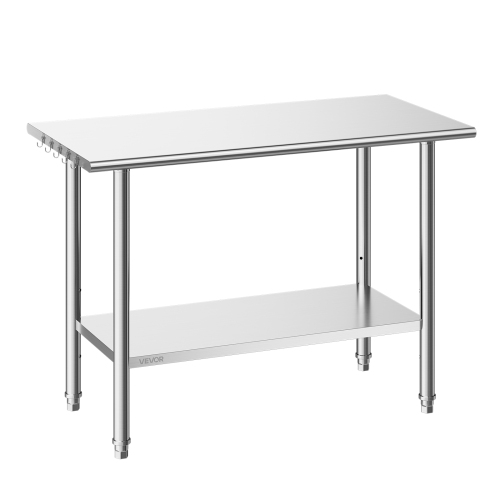


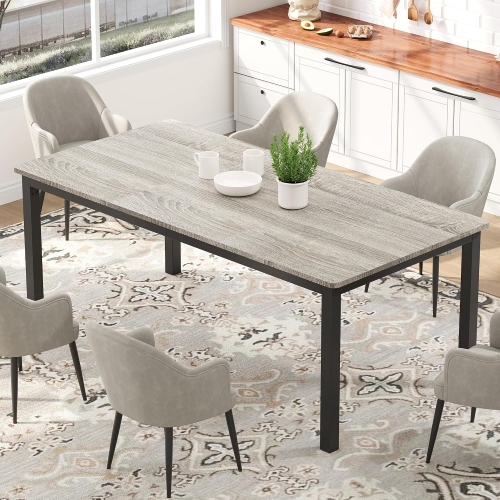

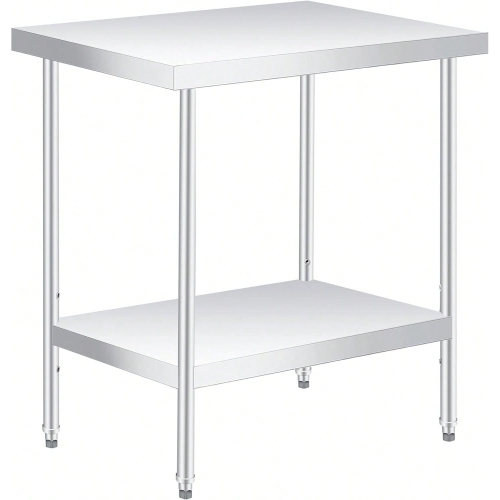

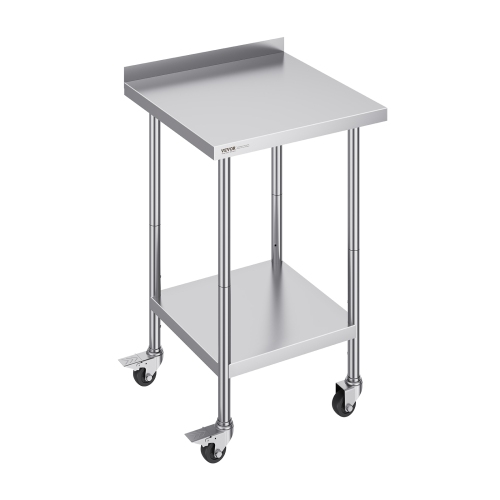
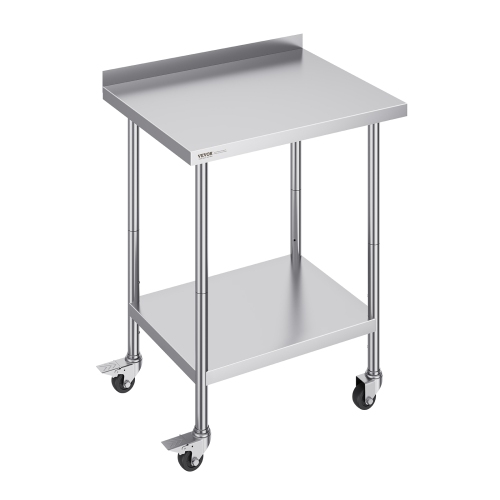
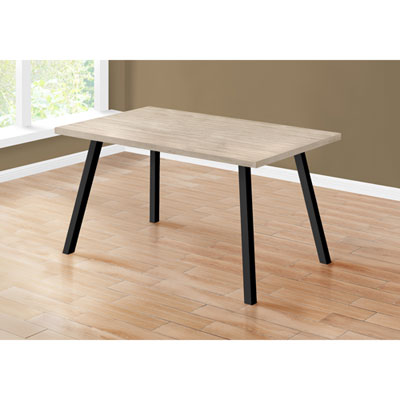


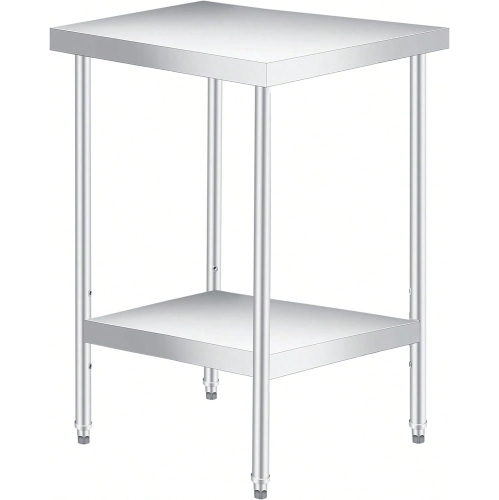


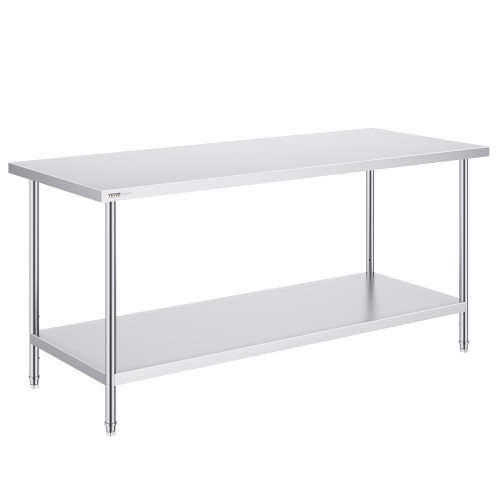
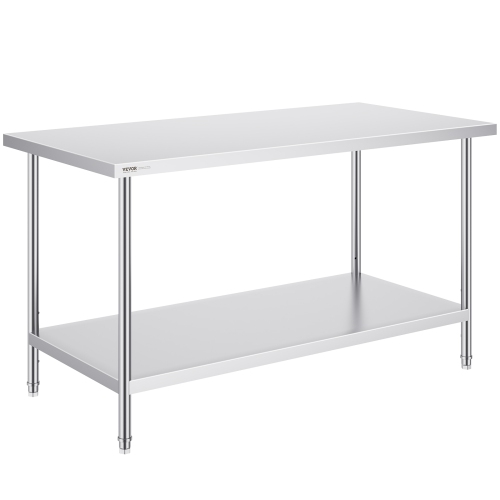


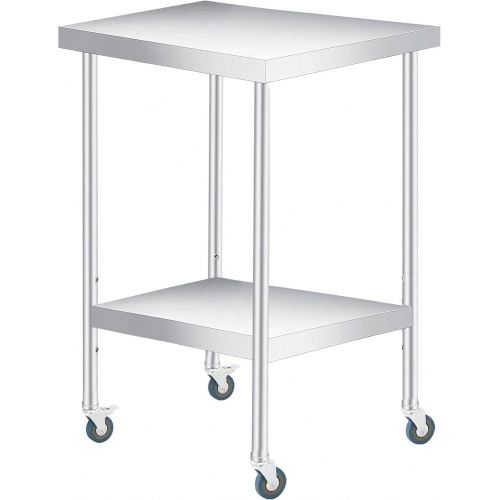
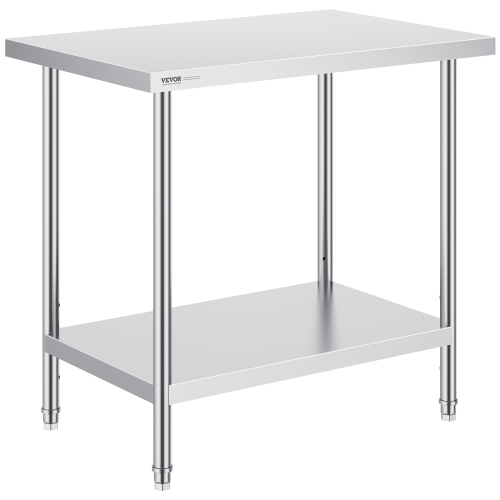

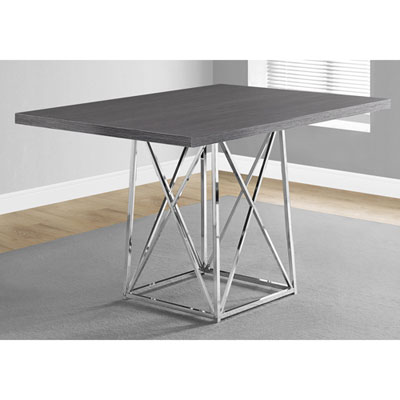
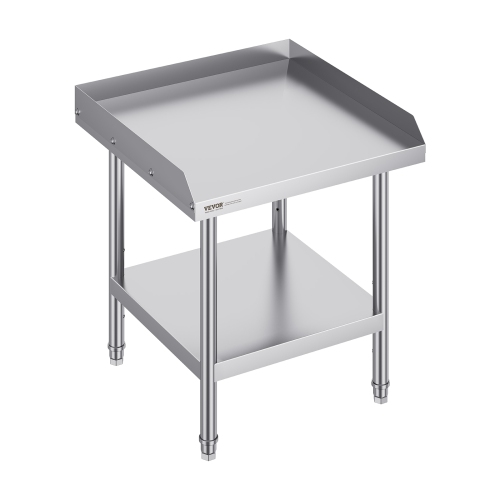
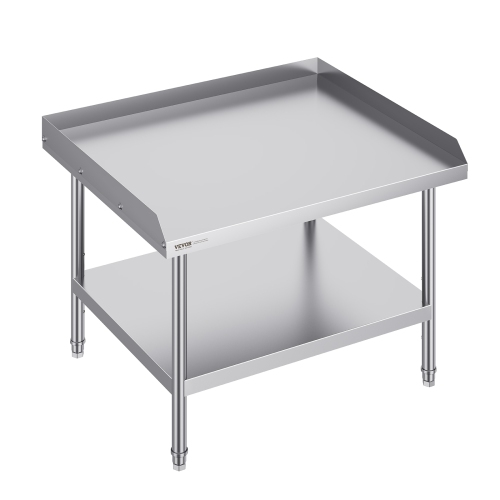
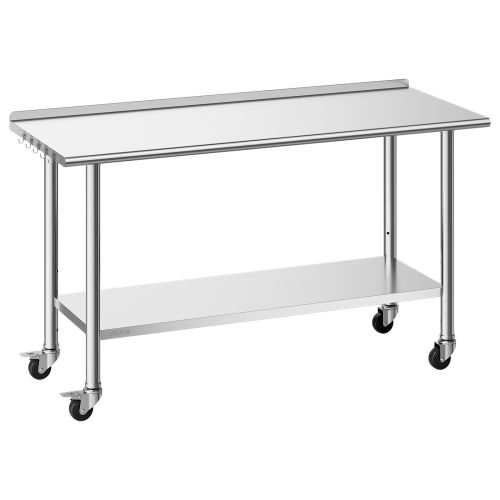
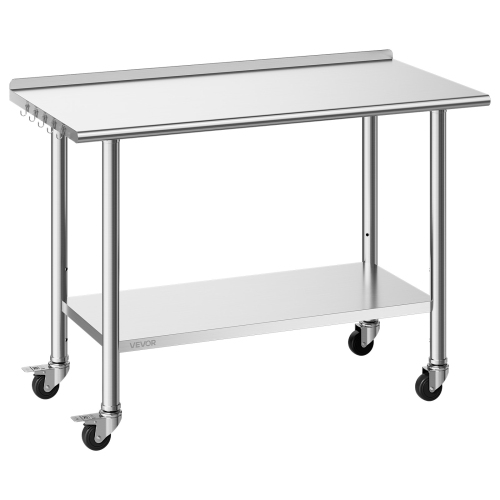


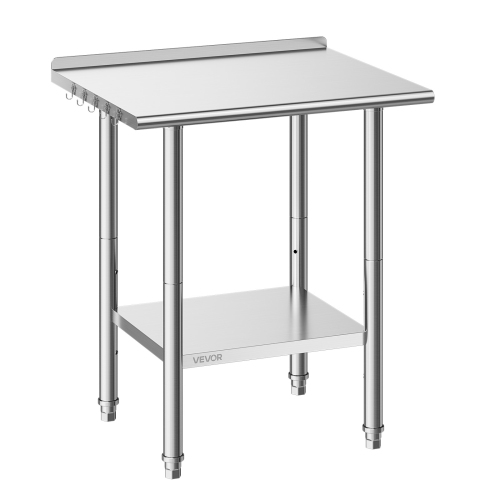
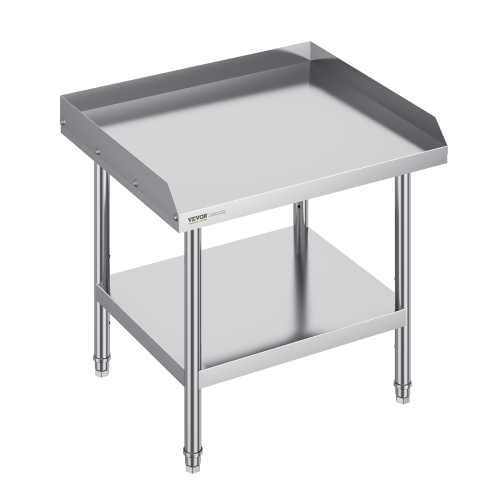
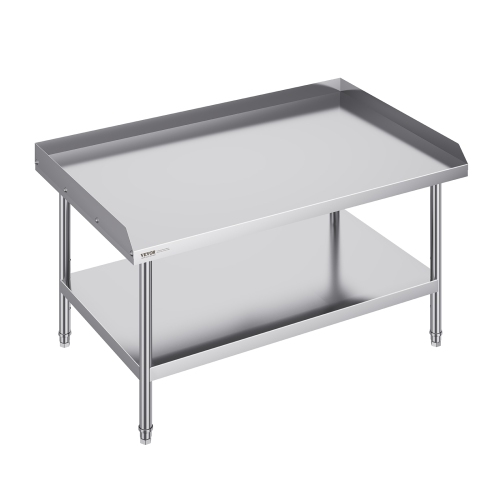
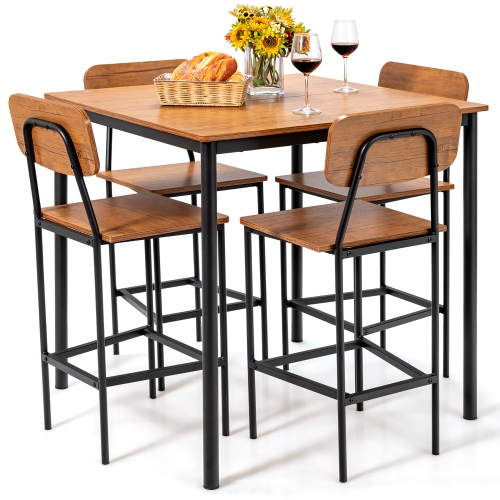

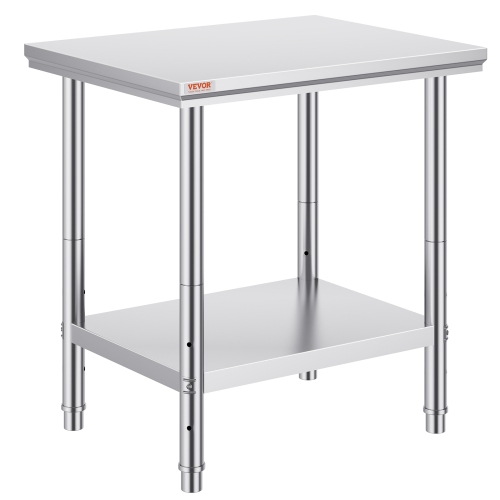

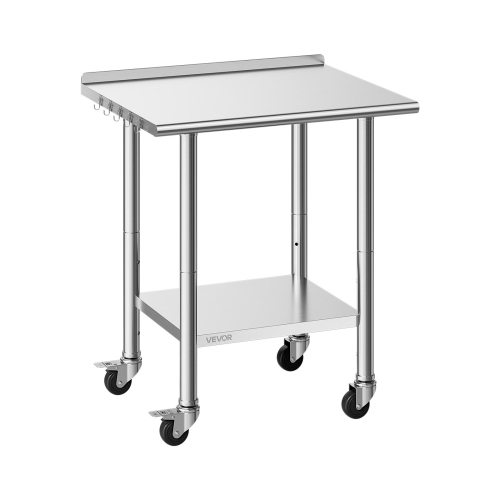


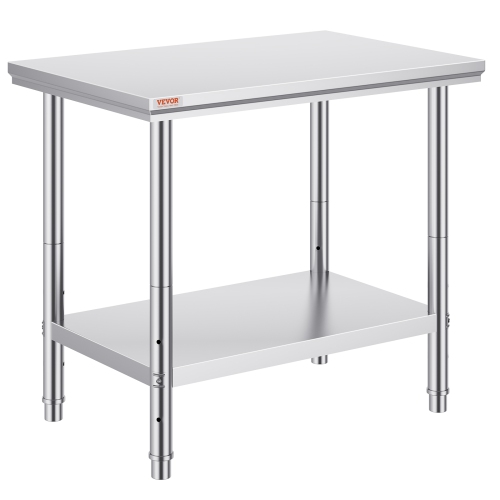

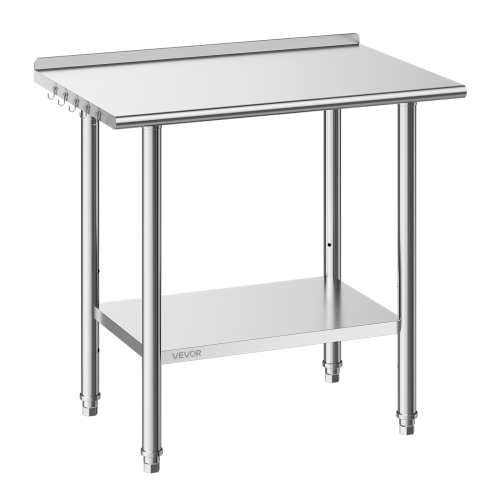


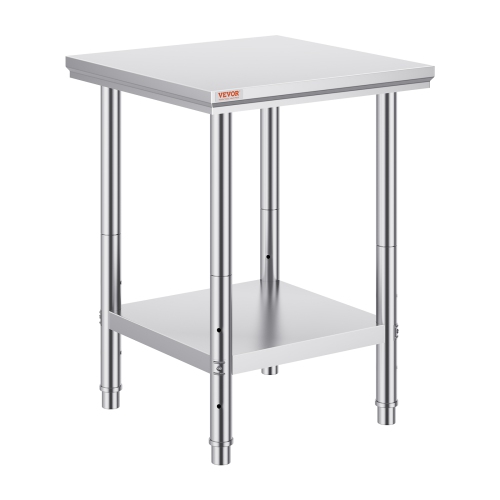

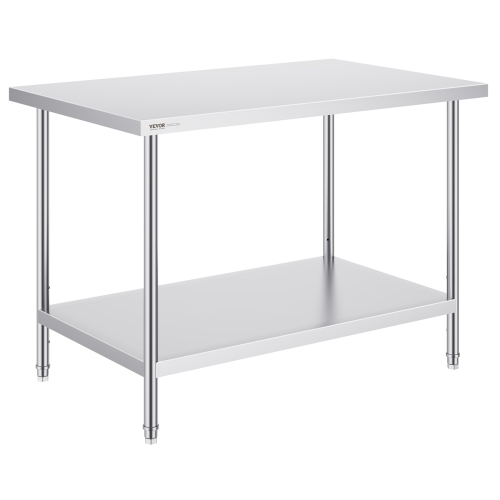


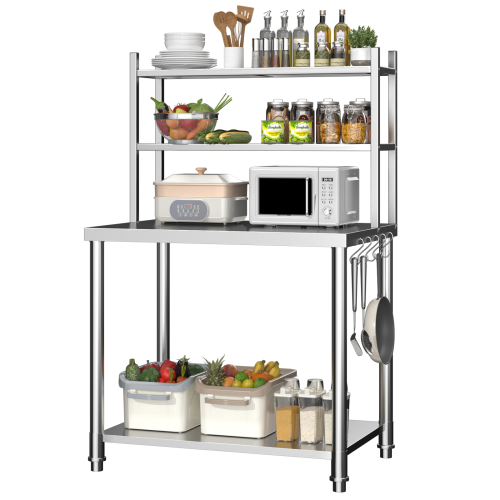
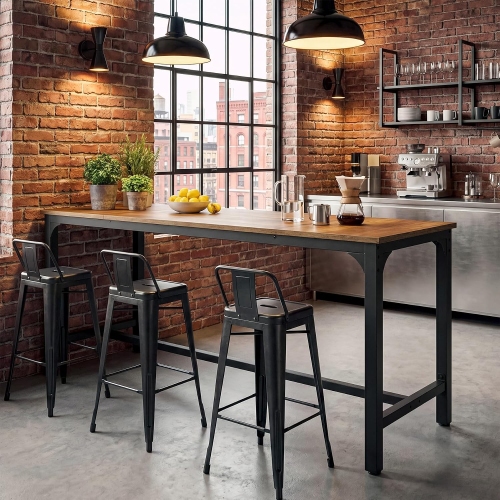

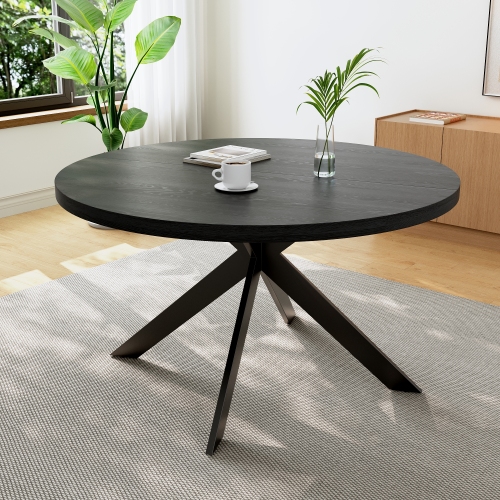
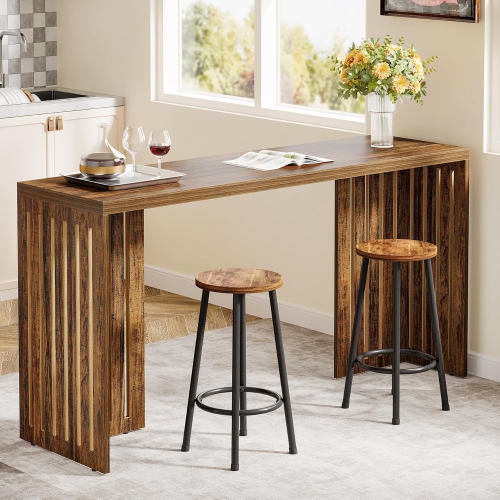
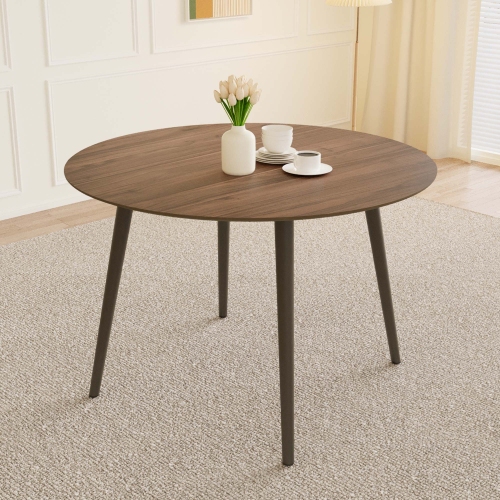
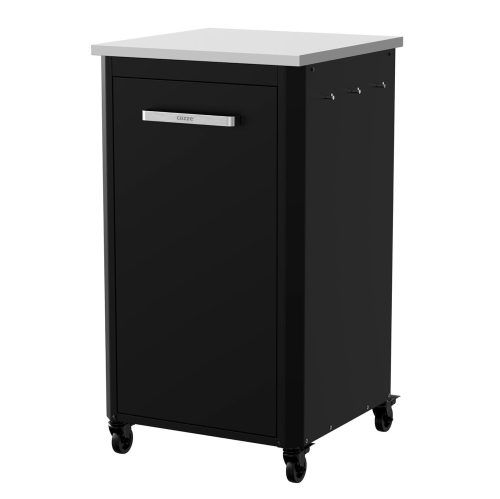
Workshop character meets the demands of everyday dining
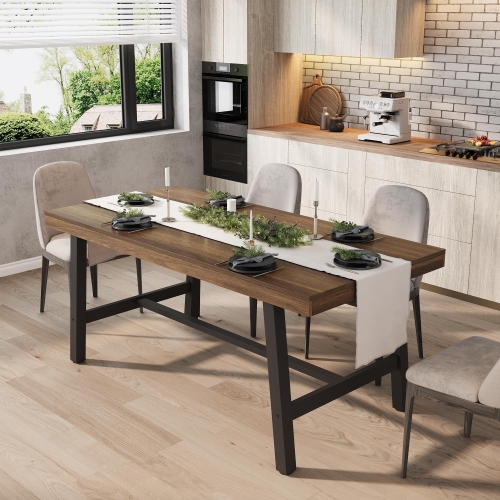
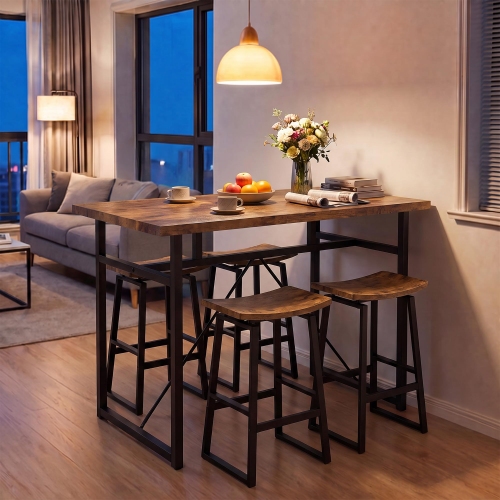
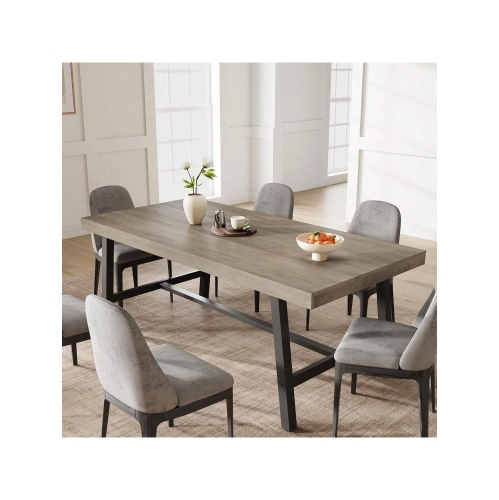
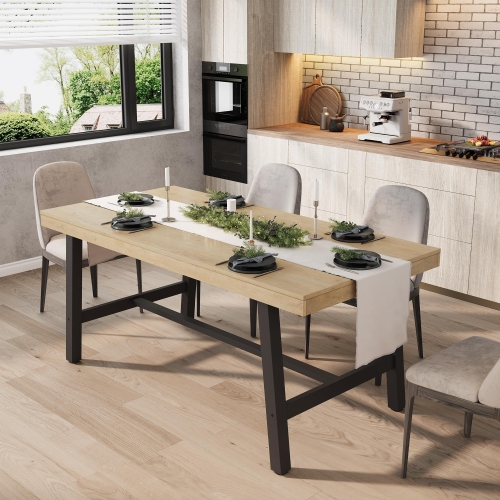
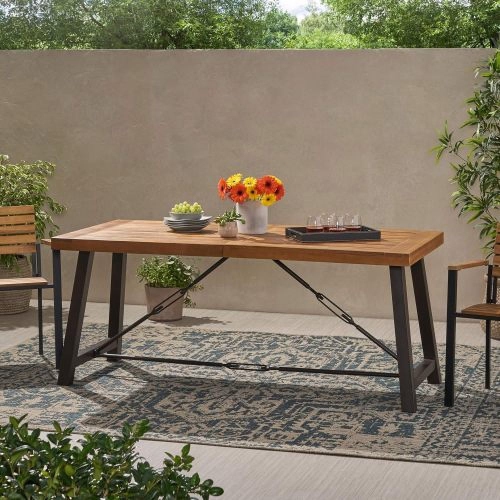
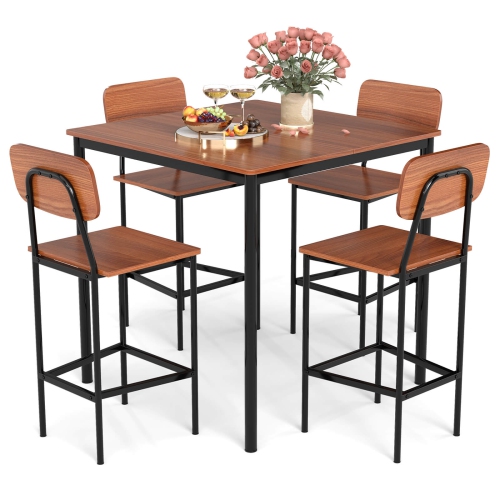
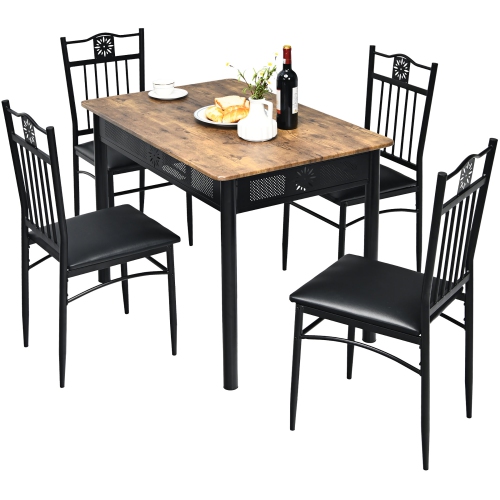
Industrial kitchen tables bring the character of workshop furniture into the everyday kitchen, often pairing a wood or wood-look top with a metal base. Their appeal comes from visible structure: substantial legs, exposed fasteners, cross-bracing, and surfaces with grain or texture rather than a highly polished appearance. The result can feel relaxed enough for a quick breakfast yet substantial enough to anchor an open dining area. Industrial style covers a broad range of looks, from slim black frames with pale tops to heavier bases supporting richly coloured wood. A lighter tabletop can soften dark cabinetry, while a deeper brown finish can add warmth beside white cupboards, tiled walls, or stainless steel appliances. Material descriptions matter because a similar appearance can come from very different constructions. Solid wood has natural variation and can develop small marks through everyday use; whether it can be refinished depends on its construction and finish. Wood veneer provides a real wood surface over a supporting core, while laminate and other wood-look finishes offer different textures and care requirements. Metal legs may have painted, powder-coated, or other protective finishes, each with its own maintenance needs. For a stronger focus on metal construction and detailing, Metal Kitchen Tables offer a closely related style direction. An industrial appearance does not necessarily mean a table is designed for restaurant service, outdoor placement, or commercial food preparation. Residential kitchen tables are intended primarily for dining and household activities, so the stated use and surface-care directions remain important. Within that setting, the style works comfortably with upholstered chairs, simple metal seating, or a wooden bench. Matching every finish is not essential; repeating one element, such as black chair legs or a warm wood tone, can give the space a coherent look without making it feel overly coordinated.
The right fit depends as much on the base and surrounding clearance as it does on tabletop dimensions. A rectangular industrial kitchen table can make good use of a long dining area, while a square design suits a compact eating nook where seating is needed on several sides. Round tops remove sharp corners from busy routes and make conversation easy, although the base still determines how closely chairs can tuck in. In a kitchen shared by several people, room to walk past an occupied chair is especially valuable near the fridge, dishwasher, or doorway. Around 36 inches of clearance between the table edge and a wall or other obstruction is a useful starting point, with more space helpful along frequently used routes. Chair depth, nearby cabinet doors, and mobility needs can all increase that requirement. Standard dining-height tables are generally about 28 to 30 inches high; counter-height and bar-height designs require taller seating and are not interchangeable with ordinary dining chairs. The space beneath the tabletop also matters. A deep apron can limit thigh room, and a thick top can reduce clearance for chair arms. Trestle supports and crossbars give many industrial designs their distinctive outline, but their position can affect where feet rest and whether someone can sit comfortably at the end. A pedestal base may provide more flexible seating positions, depending on its shape and size. Benches can slide beneath some tables, though they still need enough room to pull out and use comfortably. Extendable designs can accommodate occasional guests without occupying the same floor space every day, provided there is room for the opened top and additional seating. For smaller homes, a kitchen table may also serve as a laptop workspace or a place for homework. A comfortable seated height, useful legroom, and a surface large enough for both a meal and everyday tasks make that shared role more practical.
Durability comes from the whole construction, not simply a heavy-looking frame. Secure joints, suitable tabletop support, and a stable base are important for a table that sees daily meals, board games, and the occasional sprawling school project. Weight alone does not establish strength, and a stated load limit should take precedence over assumptions based on appearance. Adjustable feet can help a table sit evenly on a slightly uneven floor, while suitable protective pads can reduce scuffing when it needs to move. Pads should stay clean, since trapped grit can mark flooring. Surface texture deserves attention as well: deep grooves and pronounced distressing can add character, but a smoother finish is often easier to wipe down after toast crumbs or a spilled drink. Routine care should follow the material and finish instructions, with spills removed promptly rather than left around seams, edges, or fasteners. Coasters, placemats, and trivets provide useful protection against moisture rings, scratches, and heat marks. A kitchen table should not be treated as a cutting board or a landing place for hot cookware unless its specifications expressly permit that use. Excess water and abrasive cleaners can damage many wood, veneer, laminate, and coated metal surfaces; a soft cloth and an approved cleaner are generally a better fit. Painted or coated metal also benefits from gentle cleaning, since chips and scratches can expose the material beneath. Over time, checking accessible fasteners and tightening them as directed can help maintain stability, particularly after a move. Households with young children may value rounded corners and easy-clean surfaces, while frequent hosts may place more emphasis on generous place settings and unobstructed seating. Assembly requirements, table weight, and the route through doorways or stairwells are worth considering before bringing a large table home. With proportions and materials suited to the household, an industrial kitchen table can provide a dependable setting for meals and the ordinary activities that gather around them.
Top selling and popular products
-
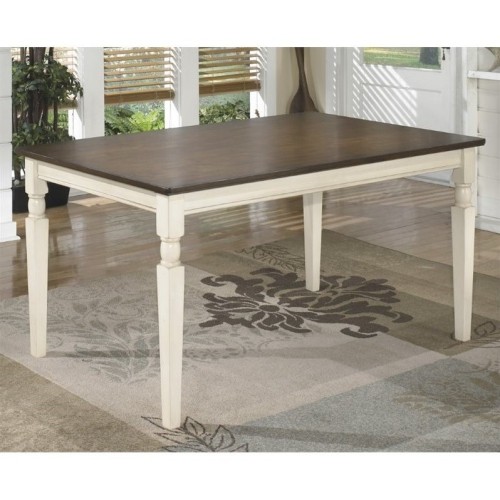 Your price for this item is $399
-
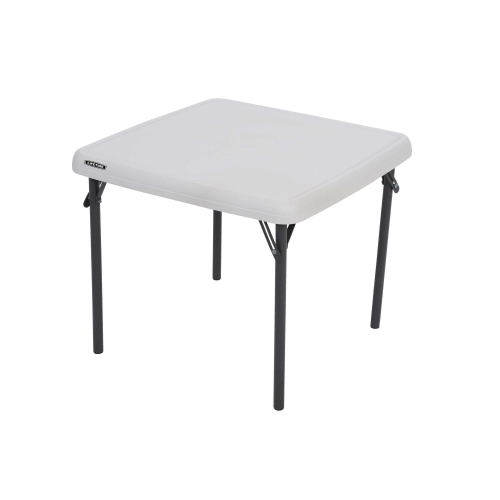 Your price for this item is $74.99
-
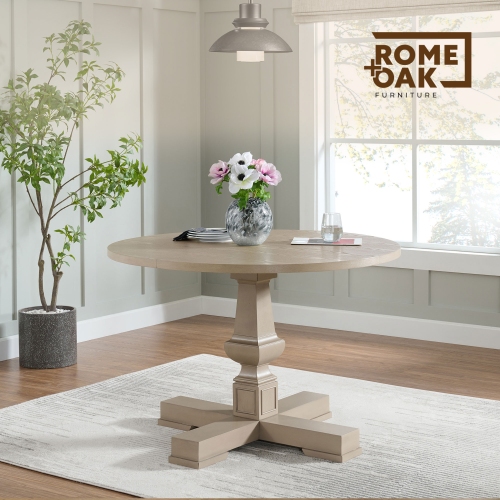 Your price for this item is $971.99
-
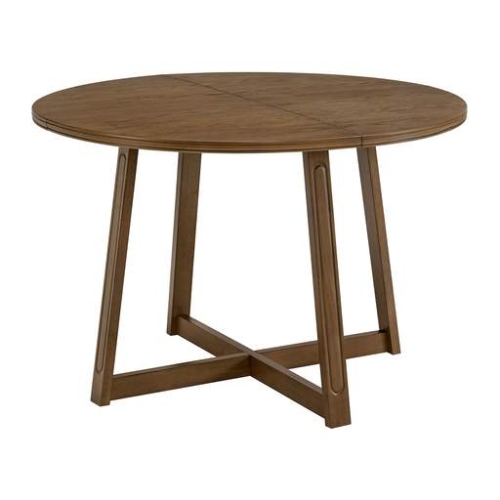 Your price for this item is $796.99
-
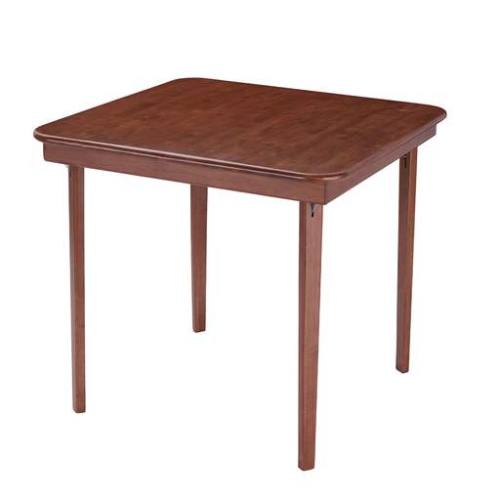 Your price for this item is $413.99
-
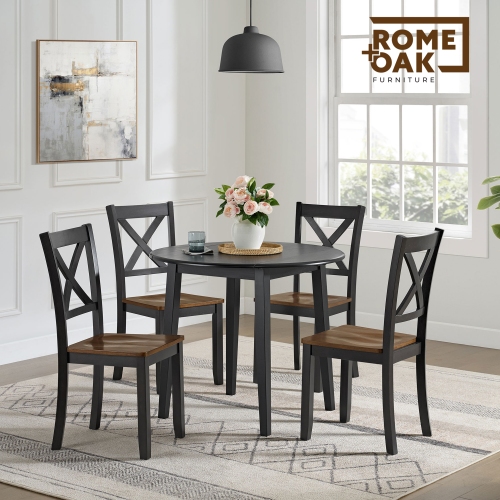 Your price for this item is $392.99
-
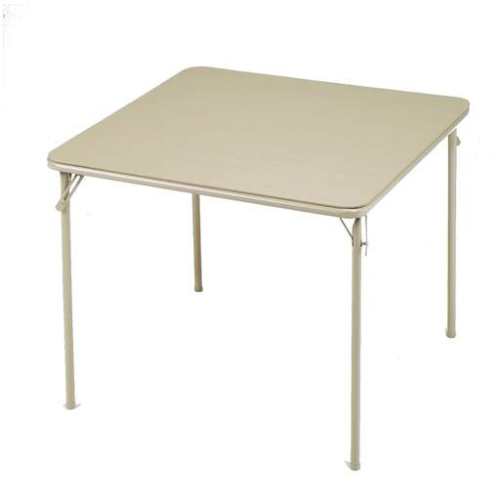 Your price for this item is $243.99
-
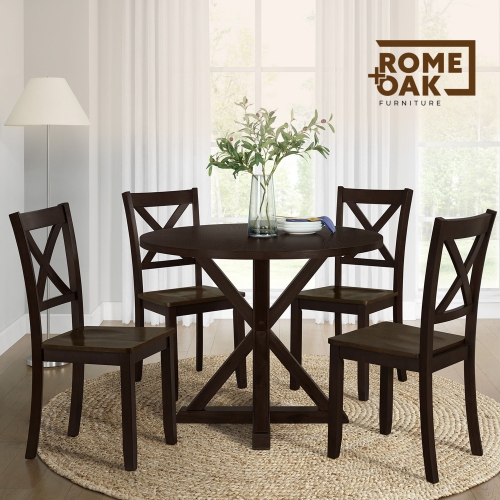 Your price for this item is $827.99
Discover more categories related to Industrial Kitchen Tables
Top Collections:
Best Black Friday Deals This Year, Best Black Friday Deals On Electronics, Kindle Devices, Pokemon Centers, Best Black Friday Deals On Apple Products, Best Cameras for Sports Photography, Dyson Airwrap, Pokémon 30th Celebration Cards, Apple iPhone 17 Pro, Canon G7X Cameras
Some products may be subject to Environmental Handling Fees
(EHF) depending on your province.
Learn more about EHFs.