Industrial Style Dining Table Sets
Industrial Style Dining Table Sets bring a bold and modern edge to any dining space, combining raw materials and striking design for a unique look. These sets are perfect for creating an inviting atmosphere where family and friends can gather comfortably. With their sturdy construction and distinctive aesthetic, Industrial Style Dining Table Sets seamlessly blend into both contemporary and traditional interiors, making them a versatile choice for your home. Explore a variety of options to find the ideal set that complements your dining area and enhances your overall decor.
Sort


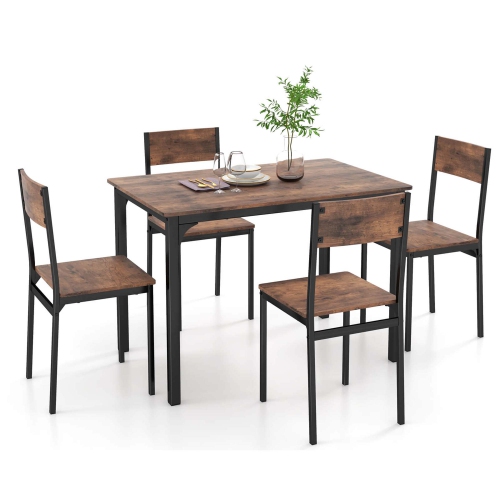


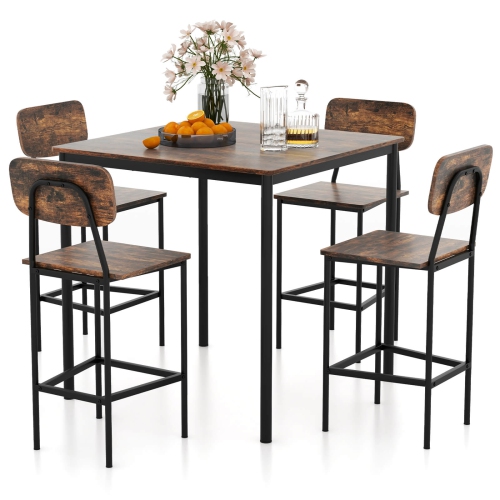
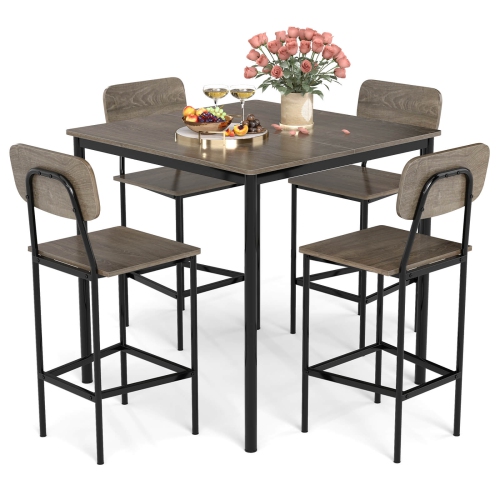
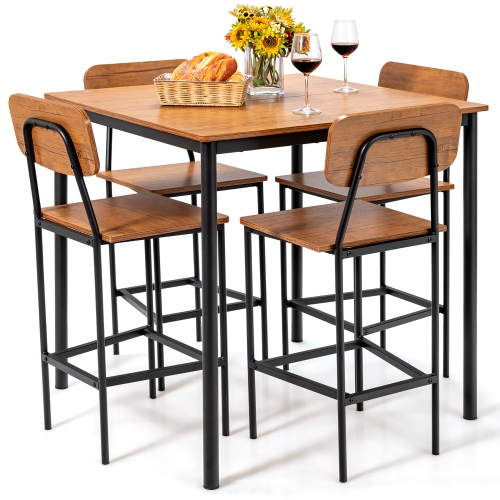
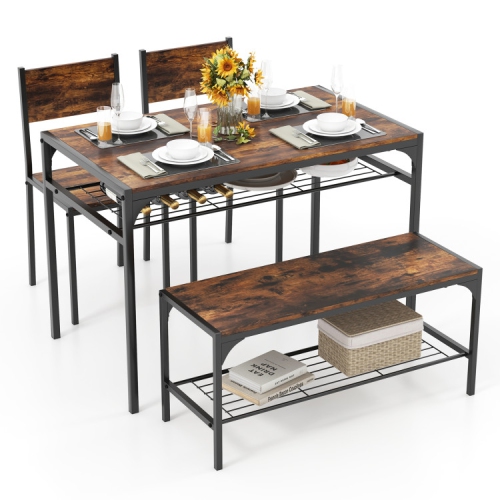
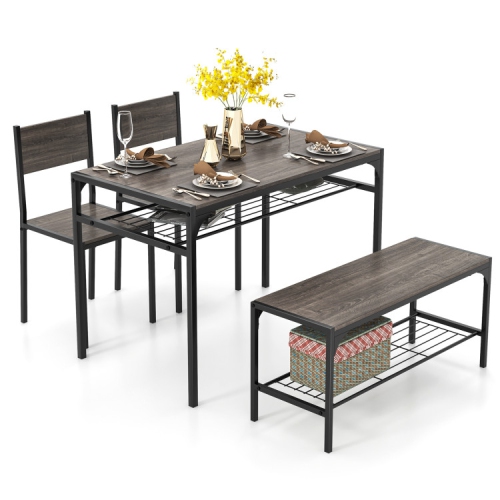
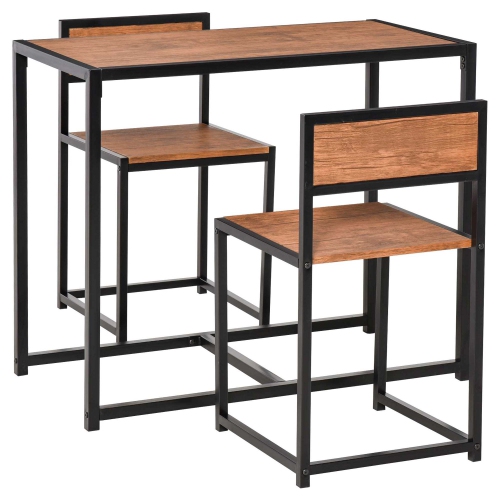
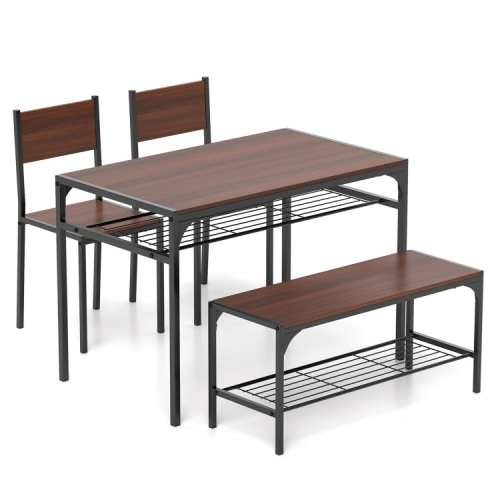
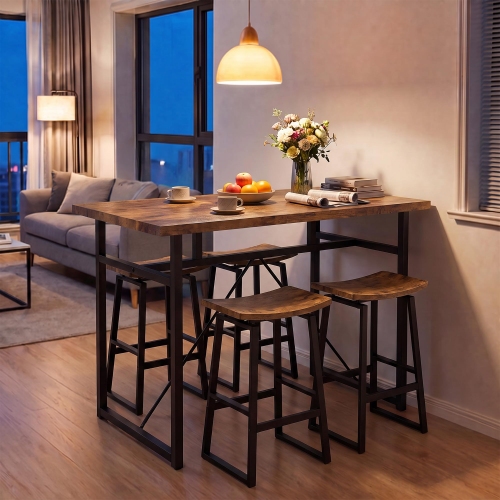
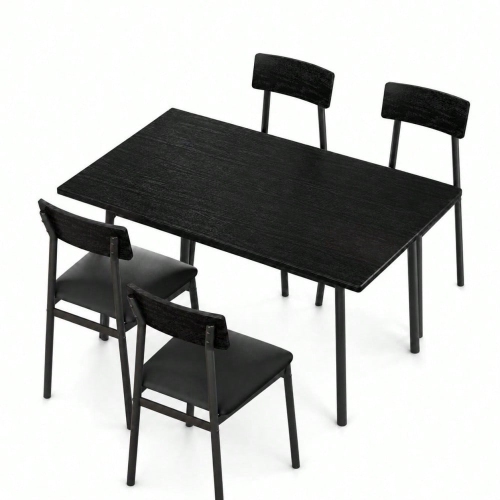

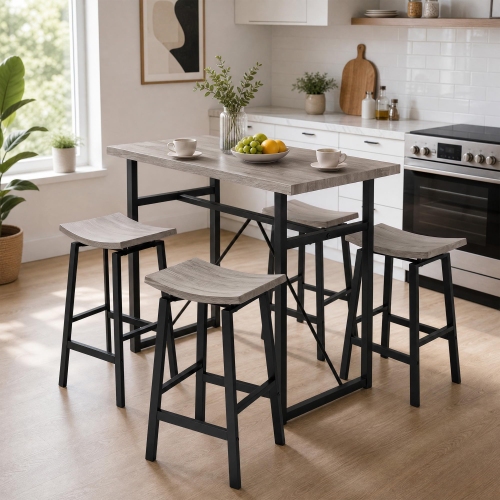
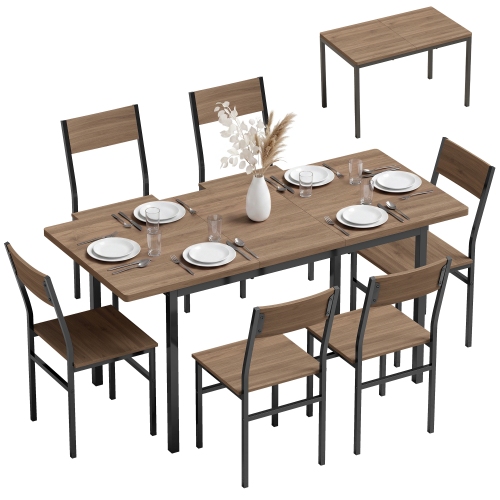


Workshop character meets everyday comfort at the table
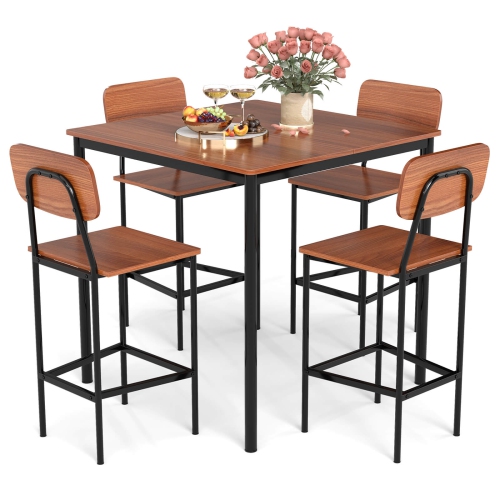
Industrial style dining table sets pair wood or wood-look tabletops with metal frames and coordinated seating, bringing together the warmth of visible grain and the clean structure of steel. The look draws on workshop and factory furnishings, where straightforward shapes, exposed supports, and practical materials defined the furniture. In a dining space, that translates into substantial table legs, dark finishes, simple chair frames, and surfaces with character rather than elaborate ornament. A set may combine a table with individual chairs, benches, or a mixture of both, creating a coordinated place for meals without requiring every piece to have an identical silhouette. Materials make a noticeable difference to appearance and everyday use. Solid wood can have variations in grain and colour, and its response to humidity means appropriate care matters. Wood veneer provides a real wood surface over a supporting core, while laminate and other wood-look finishes can offer a more uniform appearance; their resistance to spills, heat, and wear depends on their construction and finish. Metal bases contribute to the industrial profile, but their stability also depends on the design of the joints, supports, and fasteners. Powder-coated finishes create a consistent surface on many metal frames, although they still need protection from scratches and chips. Distressed detailing can give a tabletop an aged appearance, but intentional markings are different from damage and do not necessarily indicate greater durability. These dining sets work naturally with brick, concrete, and exposed beams, yet a loft is not a requirement. Against painted walls and a simple pendant light, a wood-and-metal set can give an ordinary dining area a defined centre. Lighter wood tones keep the effect relaxed, while deeper brown surfaces and black frames create stronger contrast. Upholstered seats, a low-pile rug, and curtains can soften the visual weight of the metal without hiding the character that makes industrial dining furniture distinctive.
The right proportions help an industrial dining set feel comfortable rather than crowded. Tabletop dimensions are only part of the footprint: chairs need room to pull out, benches need an approach, and people need a clear route past occupied seats. Around 90 cm between a table edge and a wall or nearby furniture is a useful starting point, with more space helpful where people regularly walk behind diners. A narrow dining area may suit a rectangular table that follows the room’s length, while a round tabletop can make conversation feel more connected and remove projecting corners from a compact layout. Neither shape automatically saves space; the base, chair size, and surrounding clearances matter just as much. As a rough seating allowance, about 60 cm of table edge per person gives a starting point, though wide chairs and generous place settings need more room. The position of the legs deserves particular attention. A trestle, stretcher bar, or cross-brace may be a strong visual feature, but it can also affect where feet and chairs fit. Benches can create a streamlined profile, especially when they slide fully beneath the tabletop, although a bench placed against a wall can make entering and leaving the middle seats less convenient. Chairs with backs often suit longer dinners, and armchairs need enough clearance beneath both the tabletop and its apron. Standard dining tables are commonly around 75 cm high, while counter-height tables are often closer to 90 cm; matching seat height is essential for comfortable posture. For a raised dining arrangement, Industrial Counter Height Dining Sets offer a related style with taller proportions. Footrests become especially important with higher seating, since unsupported feet can make even a short meal uncomfortable. In an open-plan home, the table’s height and orientation also influence how clearly the dining area is separated from the kitchen or living space.
Daily routines often reveal which details matter most. A dining set used for breakfast, homework, and evening meals benefits from comfortable seats and a surface that is straightforward to wipe clean. A table reserved mainly for entertaining may place greater emphasis on generous elbow room and seating that remains comfortable through a long conversation. Upholstered chairs add cushioning, but their care requirements vary by fabric, and textured coverings can hold crumbs more readily than a smooth seat. Bare wood and metal seating has a simpler appearance, though a securely fitted cushion may make it more comfortable for extended use. For households with children, rounded tabletop corners, stable seating, and easy-to-reach surfaces can be useful considerations; benches should not be treated as climbing platforms. Durability comes from construction as well as material. Well-fitted connections, appropriate bracing, and clearly stated weight limits are more informative than a heavy appearance alone. Assembly quality matters too: components should be aligned and fasteners tightened according to the manufacturer’s directions, with periodic checks where recommended. Protective pads beneath the feet can help reduce floor marks, provided they suit the flooring and remain free of trapped grit. For routine care, a soft cloth and a cleaner approved for the particular finish are generally more suitable than abrasive pads or strong chemicals. Spills should be wiped up promptly, especially around seams and exposed edges, and coasters and trivets help protect the surface from moisture rings and heat damage. Wood furniture also benefits from placement away from prolonged direct sunlight and concentrated heat sources. With proportions suited to the room and care matched to the materials, an industrial dining table set can support much more than sit-down meals: it can be the place for a shared puzzle, a weekend craft project on a protective mat, or coffee with a friend. That combination of practical structure and an inviting tabletop is what gives the style its lasting appeal in everyday homes.
Top selling and popular products
-
 Your price for this item is $218.99
-
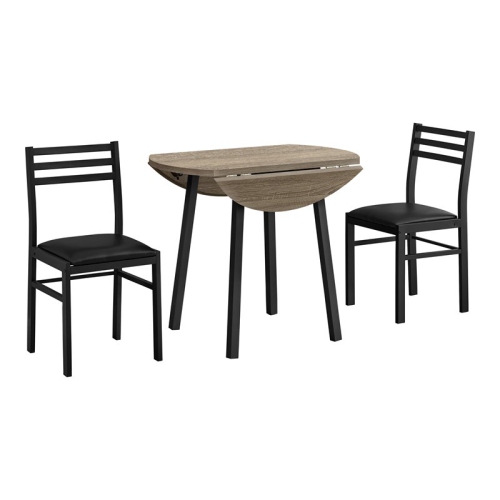 Your price for this item is $219.97
-
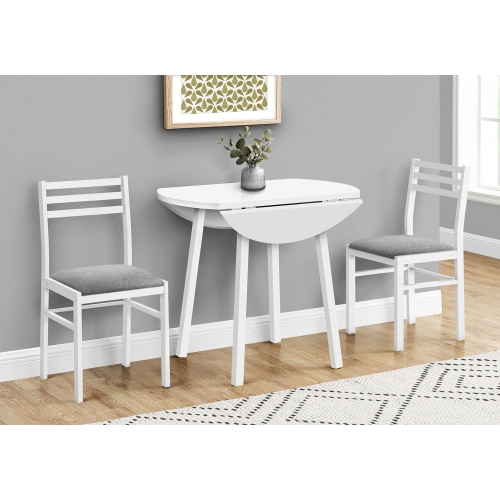 Your price for this item is $219.97
-
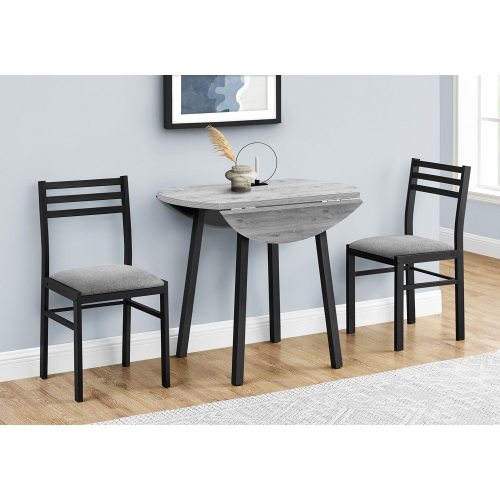 Your price for this item is $219.97
-
 Your price for this item is $176.99
-
 Your price for this item is $265.99
-
 Your price for this item is $243.99
-
 Your price for this item is $325.99
Discover more categories related to Industrial Style Dining Table Sets

Top Collections:
Best Black Friday Deals This Year, Best Black Friday Deals On Electronics, Kindle Devices, Pokemon Centers, Best Black Friday Deals On Apple Products, Best Cameras for Sports Photography, Dyson Airwrap, Pokémon 30th Celebration Cards, Apple iPhone 17 Pro, Canon G7X Cameras
Some products may be subject to Environmental Handling Fees
(EHF) depending on your province.
Learn more about EHFs.