Infant Lamps
Creating a cozy and soothing environment for your little one is essential, and infant lamps play a vital role in achieving that perfect ambiance. These charming lighting solutions are designed to provide gentle illumination, making nighttime feedings, diaper changes, and bedtime stories more serene for both you and your baby. Whether you're looking to add a whimsical touch to the nursery or need a practical night light that ensures safety during those late-night check-ins, our selection of infant lamps offers a variety of styles and designs to complement any decor. Explore our collection to find the ideal lighting companion for your baby's peaceful slumber.
Sort
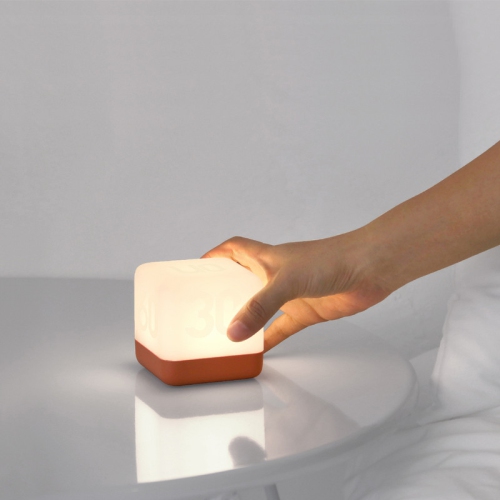

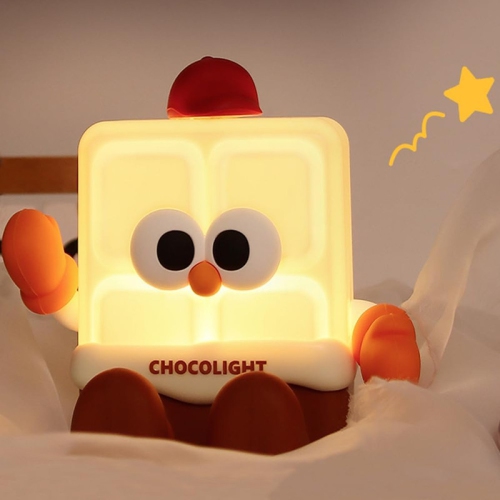
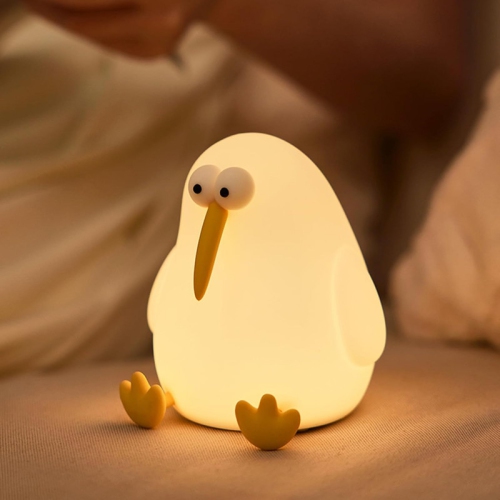
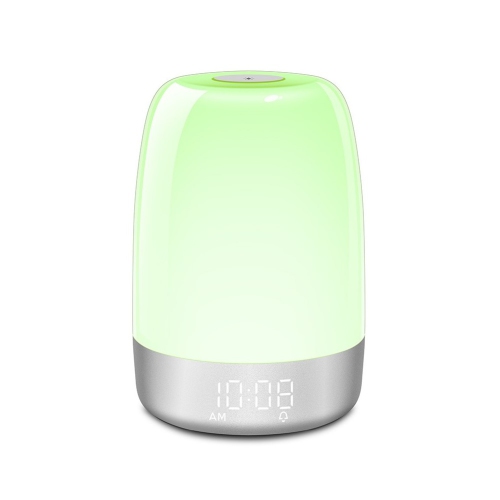


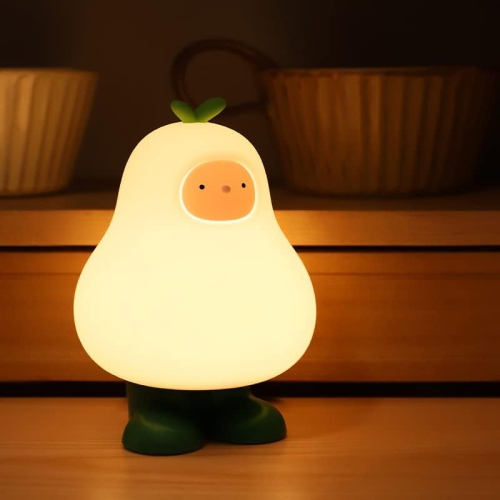

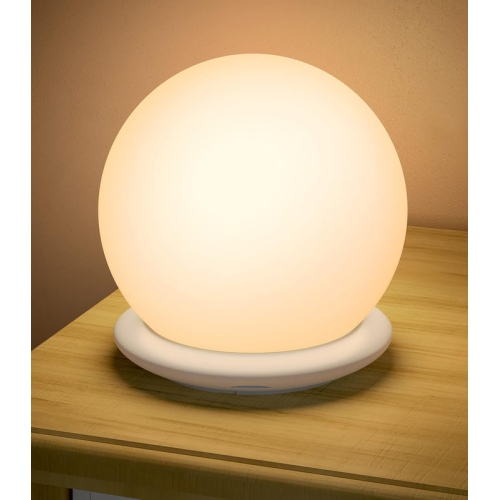
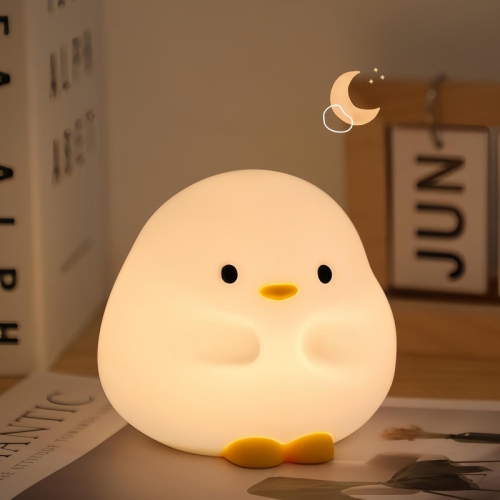
Soft nursery lighting for feeds and overnight checks
Infant lamps are nursery lights that help parents and caregivers see during feeds, nappy changes, and overnight checks without relying on bright overhead lighting. The category includes decorative tabletop lamps, compact night lights, and portable rechargeable lights, each suited to a different part of the room’s routine. A shaded table lamp can provide light beside a feeding chair, while a small night light can make the route from the doorway to the changing area easier to see. A portable lamp offers flexibility when care moves between rooms, provided it stays on a stable surface and beyond a baby’s reach. Soft, adjustable light is especially useful when one adult is settling a baby while another is resting nearby. Rather than lighting the whole room equally, a nursery lamp can illuminate the corner where it is needed. Warm white, amber, and soft red settings are common choices for low-level nighttime lighting; warm white around 2700K gives a familiar, gentle appearance. Brightness matters as much as colour, since even a warm-toned lamp can feel harsh when turned up high. Dimming allows a light to shift from a subdued glow for a quick check to clearer illumination for fastening clothing or finding supplies. Lighting should always be bright enough for the task, particularly when reading labels or checking details that require an accurate view. Shades and diffusers also affect comfort: an exposed bulb may create glare from a seated position, whereas a covered light source can spread illumination more evenly. Touch controls, clearly marked buttons, and brightness memory can make a lamp easier to operate with one hand. A parent holding a sleepy infant may appreciate a control that can be found by feel rather than a switch hidden behind the base. Timers offer another way to manage lighting, although their duration should suit the intended use. A lamp used throughout a feed has different needs from one switched on briefly to locate a muslin cloth, so the most useful features are those that fit the household’s actual care routine.
Materials, construction, and placement determine how well an infant lamp works in a nursery. Tabletop designs may combine a resin, wood, metal, or plastic base with a fabric shade, while compact night lights often use a plastic housing or a soft silicone outer cover. A smooth finish is easier to wipe clean, and a stable base helps keep a lamp upright on a dresser or side table. Rounded edges can be useful in a family space, but a soft shape or squeezable surface does not make a light suitable for chewing, cuddling, or unsupervised play. Infant lamps are lighting accessories for adult use, not objects to place in a cot or bassinet. Lamps, charging leads, power cords, and controls should remain beyond a child’s reach, including from the cot as a baby becomes more mobile. A cord that is safely distant from a newborn may become accessible once a child can sit or pull up to stand. Portable lights also need a designated resting place away from bedding, blankets, and other materials that could cover them. LED lighting can produce less heat than some older bulb types, but the housing, bulb, and charging components still need to be used according to the manufacturer’s directions. For lamps with replaceable bulbs, the specified bulb type and maximum wattage matter; dimming also depends on compatibility between the lamp and bulb. Rechargeable models reduce the need to keep a lead attached during use, though battery runtime varies with brightness and settings. Their charging requirements, indicators, and access to replacement parts can affect everyday convenience. Any battery compartment should close securely, and loose batteries must be kept away from children. Routine care is usually straightforward: switch the lamp off, disconnect it from power where applicable, and follow its cleaning instructions. Dust can be removed from shades with an appropriate soft brush or cloth, while suitable hard surfaces may allow gentle wiping. Moisture should not enter switches, charging ports, or electrical fittings. Checking periodically for damaged cables, loose fittings, or cracks helps keep the light ready for regular use.
The appearance of an infant lamp can bring a nursery together without making the room feel overly themed. Animal shapes, stars, rounded silhouettes, and softly coloured shades can complement bedding or wall art, while a simple neutral lamp can remain useful as furniture and decoration change. Scale matters in a small room: a broad shade may take up valuable space on a narrow dresser, and a tall base can feel awkward beside a low feeding chair. The lamp’s footprint should leave room for the everyday objects nearby without crowding the edge of the furniture. Shade colour and thickness influence the result, too. A pale shade generally allows more light through, whereas a darker or heavily patterned shade can create a more concentrated glow. Looking at the room from the caregiver’s usual seated position helps reveal whether the bulb will be visible or whether the light will fall where it is needed. Controls deserve the same practical consideration as appearance. A quiet button may suit a shared bedroom, while a tap-controlled light needs a firm surface where ordinary movement is unlikely to activate it accidentally. Extra settings, such as colour changes, can be appealing, but a straightforward warm-light mode is often the one used most during infant care. For families furnishing a room that will adapt over time, the broader range of children's lamps can offer styles suited to later bedtime reading and other supervised activities. Infant lamps can also make thoughtful baby shower or new-parent gifts, especially when their size, power source, and styling suit the recipient’s home. A compact light may fit a bedside care space, while a traditional shaded lamp may better suit a dedicated nursery. Straightforward cleaning, dependable controls, and a design that feels comfortable in the room give a nursery lamp lasting usefulness beyond its decorative role. Its value comes from the small, repeated moments it supports: finding a fresh sleepsuit, settling into the feeding chair, or checking on a resting baby without flooding the room with light.
Top selling and popular products
-
 Your price for this item is $274.99
-
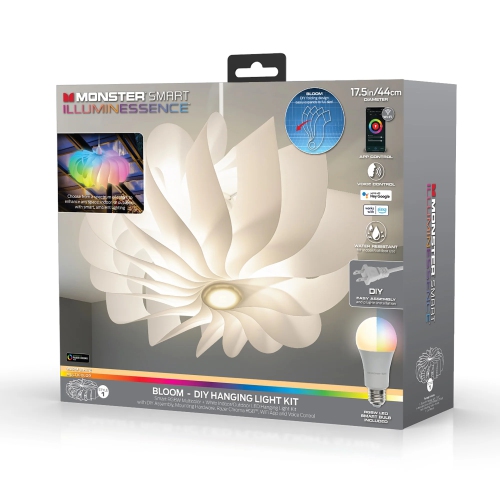 Your price for this item is $49.99
-
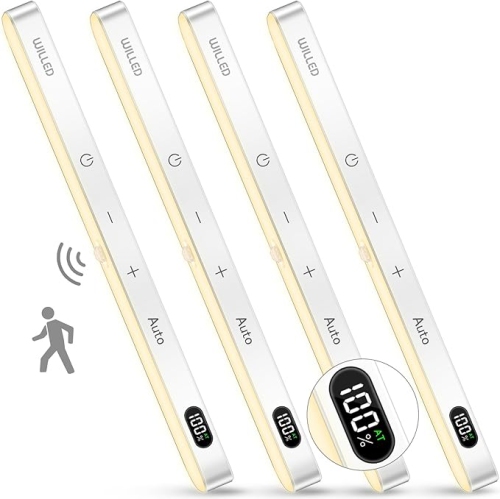 Your price for this item is $48.2
-
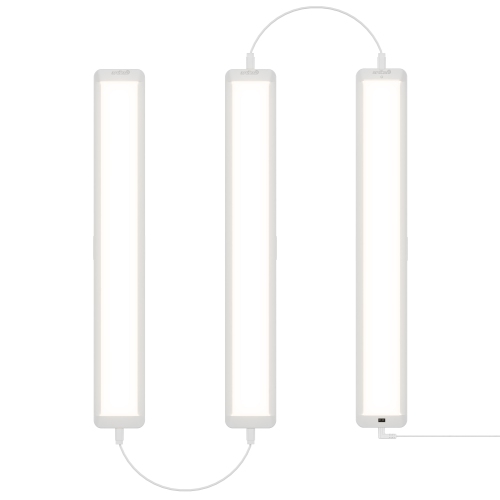 Your price for this item is $89.99
-
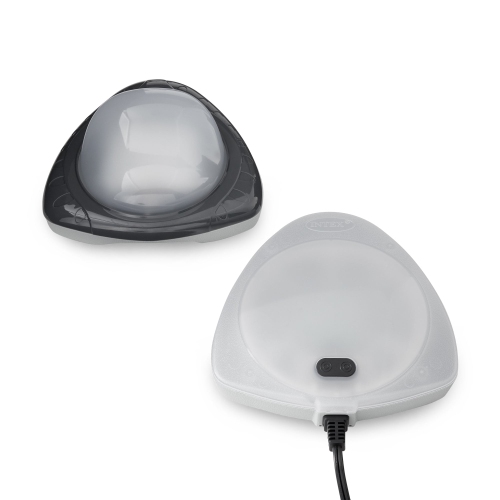 Your price for this item is $89.99
-
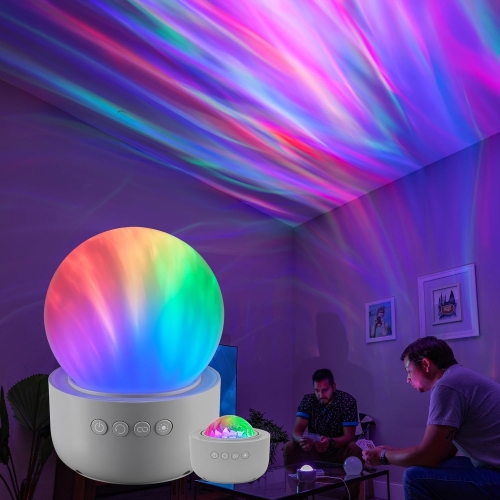 Your price for this item is $29.99
-
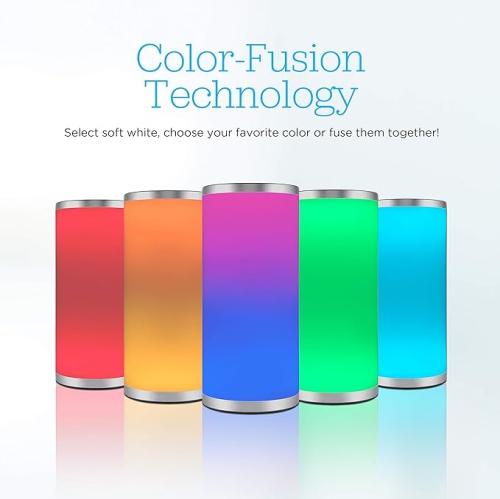 Your price for this item is $26.99
-
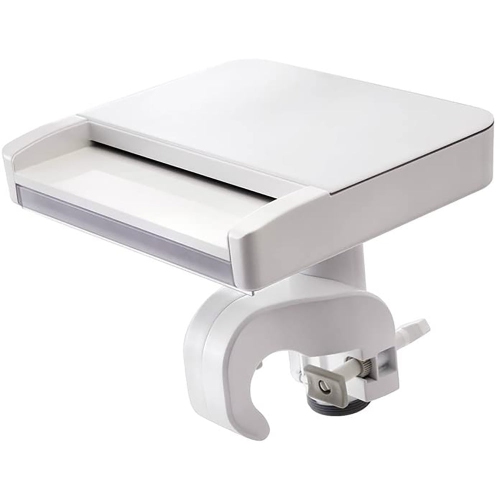 Your price for this item is $99.99
Discover more categories related to Infant Lamps


Top Collections:
Pokemon Centers, Best Cameras for Sports Photography, Kindle Devices, Samsung Galaxy Phones, Canon G7X Cameras, Pokémon 30th Celebration Cards, Refurbished Apple Laptops, iPhone 15 Apple, Laptops for Students, Budget Smartphones
Some products may be subject to Environmental Handling Fees
(EHF) depending on your province.
Learn more about EHFs.