Insulated Water Bottles for Travel
Insulated Water Bottles for Travel are the perfect companions for staying refreshed on the go, whether you're commuting, hiking, or exploring new destinations. Designed to fit easily into backpacks, cup holders, or carry-on bags, these bottles offer a convenient way to keep your favorite beverages close at hand. With a variety of sizes, colors, and styles available, finding the right insulated water bottle for travel is simple. Explore options that suit your lifestyle and make hydration effortless wherever your adventures take you.
Sort
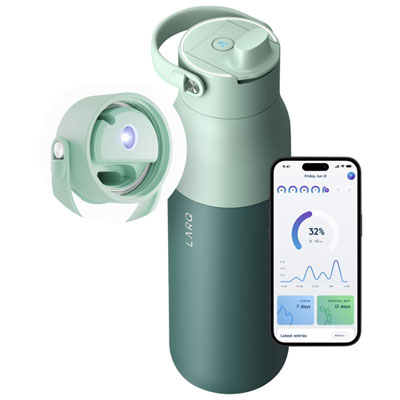
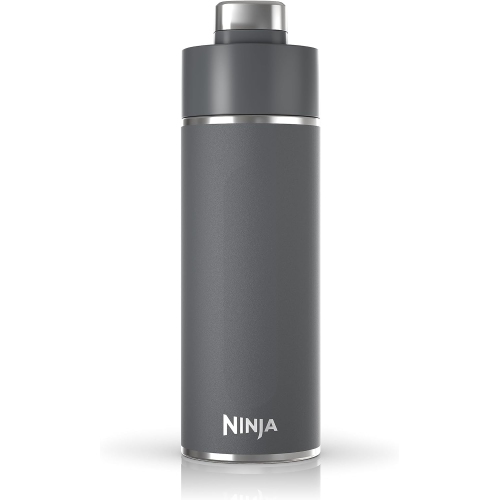
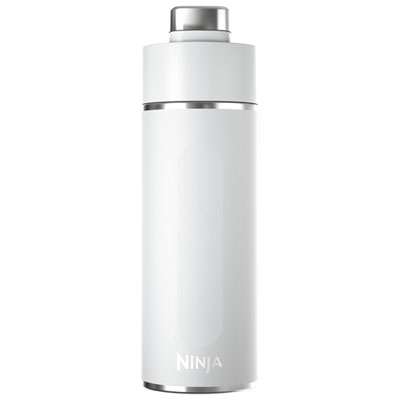
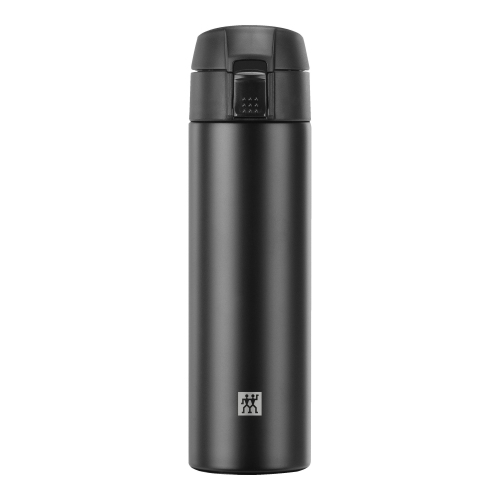
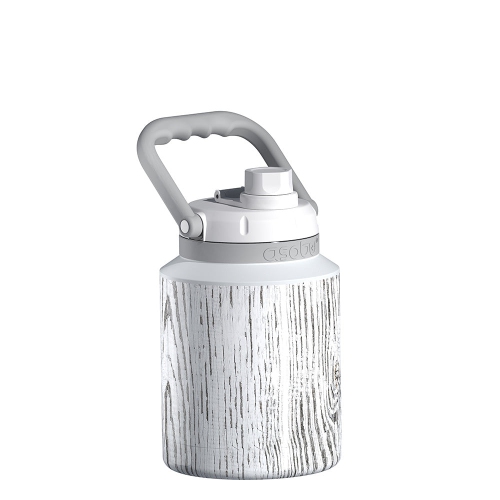
Why bottle fit matters as much as insulation
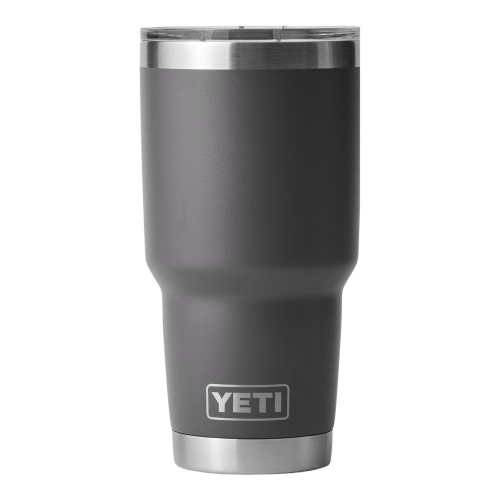
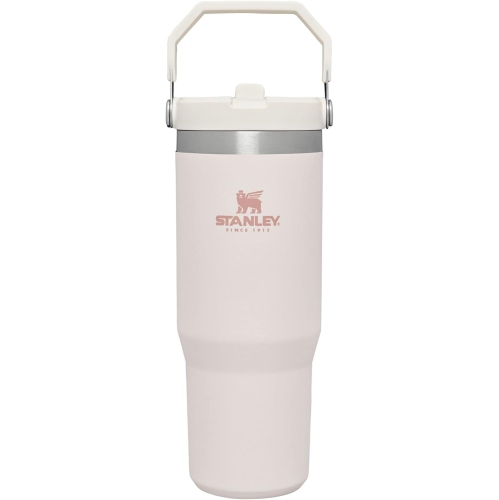
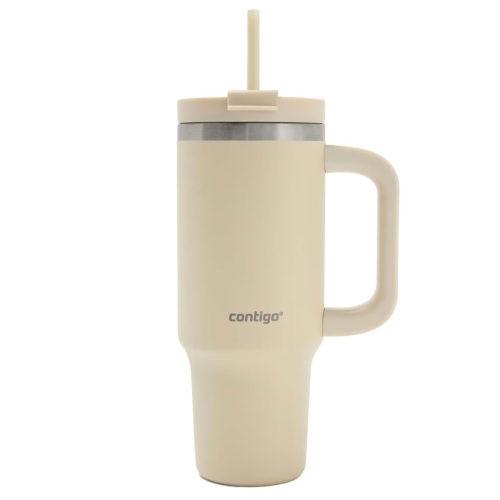
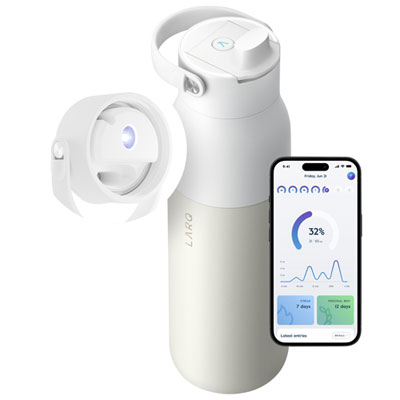
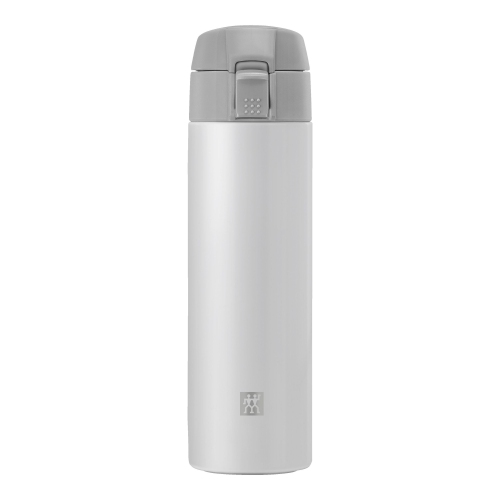
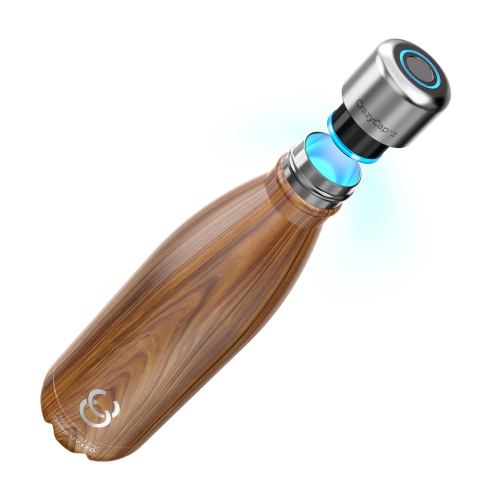
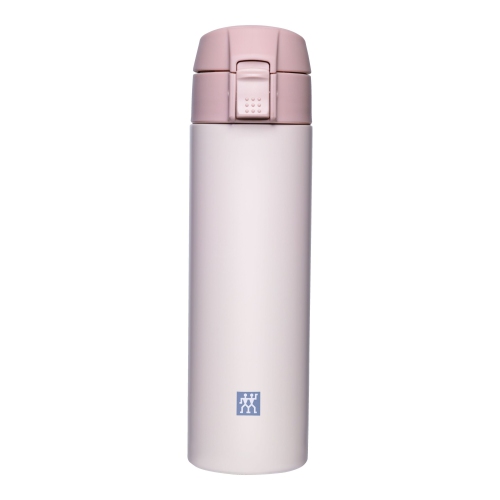
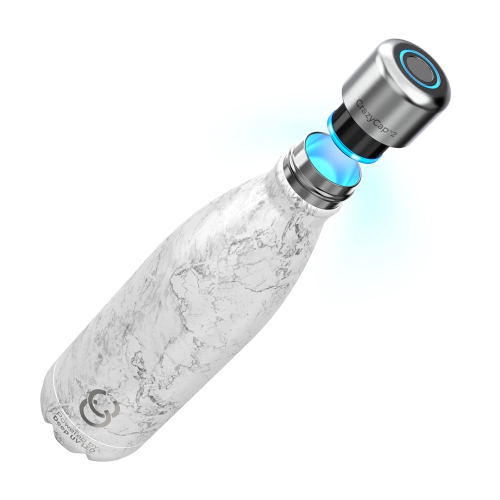
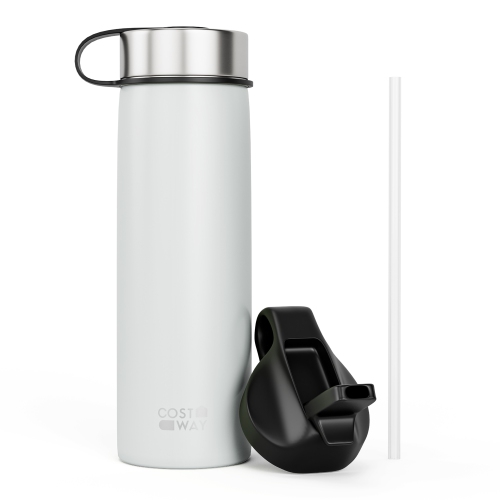
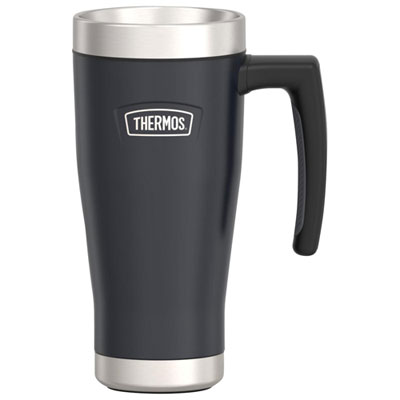
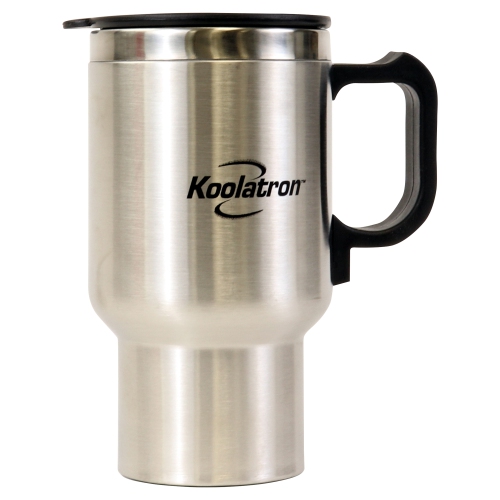
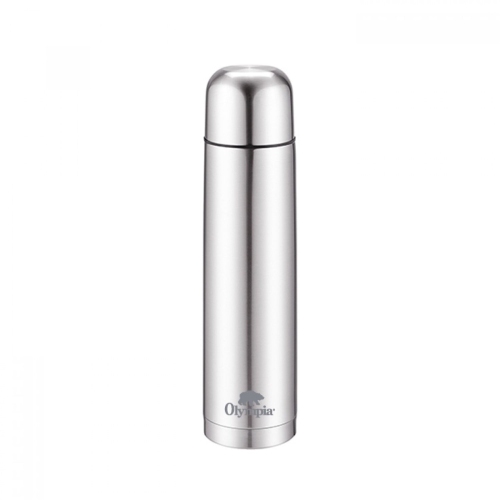
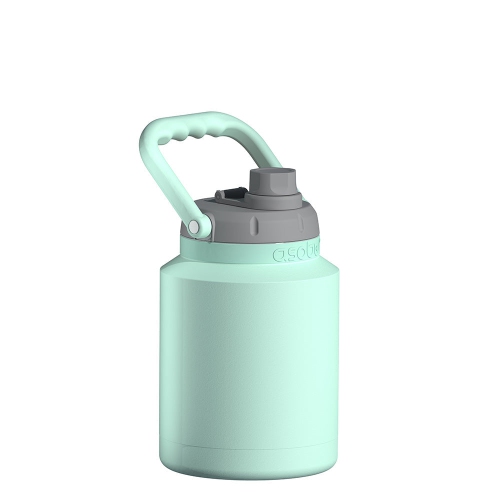
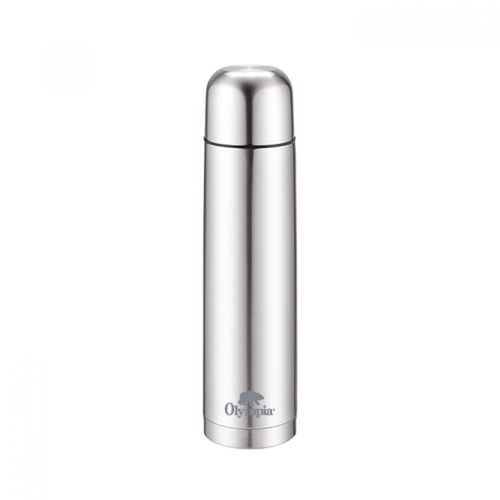
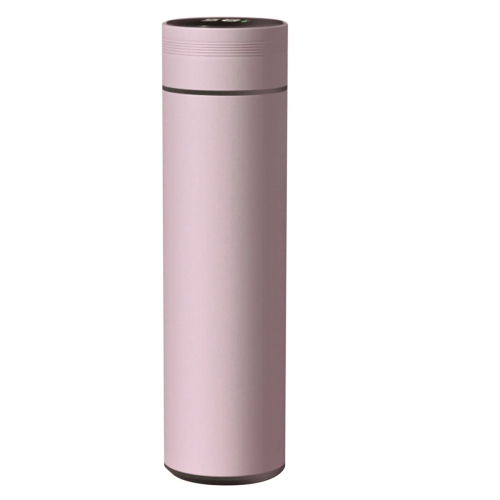
Insulated water bottles for travel help keep drinking water at a preferred temperature while making it easier to carry a drink between destinations. Their usefulness comes down to a few practical details: insulation, a secure closure, a manageable filled weight, and a shape that fits the bag or holder used most often. Many designs use double-wall vacuum insulation, with a space between the inner and outer walls that reduces heat transfer. This construction can help water stay cold longer than it would in a single-wall bottle, although performance varies with the design, starting temperature, amount of liquid, and frequency of opening. Published temperature-retention claims are most useful when considered alongside the manufacturer's testing conditions rather than treated as a guarantee for every journey. Stainless steel is a common material for insulated bodies because it is sturdy and well suited to repeated use. Plastic components often appear in lids, handles, and drinking spouts, while silicone seals help close gaps where liquid could escape. A stainless steel interior is generally straightforward to clean, but flavoured drinks can leave traces in lid parts if they are not washed thoroughly. Across insulated water bottles, capacity is another important distinction. A bottle around 350 to 500 mL may be easier to tuck into a small day bag, while a 750 mL or 1 L capacity provides more water between refills at the cost of extra weight and space. One litre of water adds approximately one kilogram before the bottle itself is counted, a noticeable difference when walking through a terminal or carrying a backpack for several hours. For travel, a useful capacity balances drinking needs with access to refill points. A broad base may feel steady on a desk yet sit poorly in a car cup holder, so exterior dimensions matter as much as the volume printed on the bottle. Taller shapes also need enough clearance beneath a refill-station spout, especially when the lid must be fully removed.
The lid often determines how comfortable a travel bottle is to use throughout the day. A screw-top closure can offer a simple, secure arrangement for packing, provided it is tightened correctly and its seal is properly seated. A flip-top spout can make quick drinks easier during a stop, while a covered mouthpiece helps keep the drinking surface away from the inside of a bag. Straw lids allow upright sipping without tipping the bottle as far; open spouts and chug-style openings suit people who prefer a larger flow. Some designs combine more than one drinking method, but added parts can also mean more pieces to wash. Leak-proof and spill-resistant describe different expectations, so the closure's stated use matters when a bottle will lie beside clothing or electronics. Spill-resistant lids may limit splashes without being suitable for sideways storage. A locking button can help prevent accidental opening when a lid presses against a packed jacket or laptop sleeve, although it still needs to be engaged before the bottle goes into a bag. Wide mouths make adding ice and reaching the interior with a brush easier, while narrower openings can feel more controlled when drinking on the move. For road trips, the bottle's base diameter, handle position, and lid access all affect how well it works in a cup holder; a handle that is comfortable to carry may interfere with a nearby console. For flights, carrying the bottle empty through security and refilling it afterwards is often practical, subject to airport rules and local arrangements. Changes in cabin pressure can cause liquid to surge through some straw systems, making the manufacturer's opening instructions worth checking before the first sip. On train journeys or walking tours, a carry loop can free up fingers for a ticket or phone, while a bottle that slips easily into an accessible backpack pocket avoids repeated unpacking. An attachment loop is a carrying feature, not a substitute for securing the bottle where it cannot swing, snag, or fall.
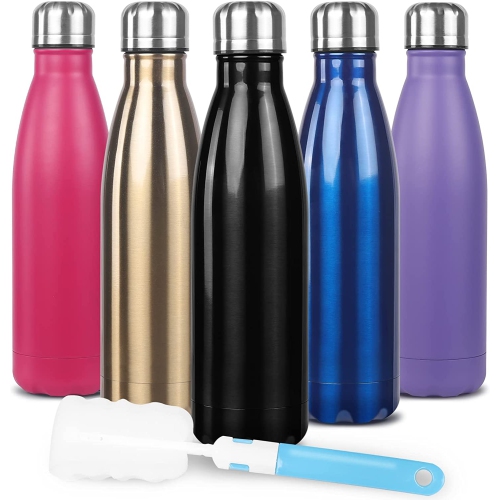
Durability and care deserve as much attention as insulation when a bottle will travel regularly. A textured or powder-coated exterior can provide a firmer grip and help disguise everyday handling marks, while a smooth finish may slide more easily into a close-fitting bag pocket. Neither finish makes a bottle immune to dents or scratches. A protective base can soften contact with hard surfaces, but it may add width that changes the fit in a holder. The neck, threads, hinges, and seals also take repeated wear, particularly when a bottle is opened and closed many times in a day. Replaceable gaskets or compatible replacement lids can be useful for long-term upkeep, provided the parts are specified for that bottle rather than chosen by appearance alone. Cleaning instructions vary: some bodies and lids are dishwasher-safe, while others require handwashing to protect the finish or lid assembly. A bottle brush should reach the bottom and shoulder of the interior, and a narrow brush is helpful for reusable straws and small passages. Removable seals need cleaning underneath as well as on the visible surface, followed by careful reassembly. Letting all components dry completely before storing the bottle open helps prevent lingering odours. After a journey with juice or another flavoured drink, prompt washing is preferable to leaving residue sealed inside until the next trip. Hot drinks, carbonated beverages, and freezing a filled bottle should only be considered where the manufacturer explicitly permits them; insulation alone does not make every lid suitable for every drink. For a frequent traveller, a thoughtful bottle gift reflects familiar habits: a compact shape for someone who packs light, an easy-grip handle for someone moving between several stops, or a larger capacity for longer stretches between refills. Colour and finish can add a personal touch and make the bottle easier to spot among similar belongings. The strongest travel fit is ultimately a bottle that is comfortable to carry, simple to drink from, secure when packed, and easy enough to clean that it is ready for the next departure.
The lid often determines how comfortable a travel bottle is to use throughout the day. A screw-top closure can offer a simple, secure arrangement for packing, provided it is tightened correctly and its seal is properly seated. A flip-top spout can make quick drinks easier during a stop, while a covered mouthpiece helps keep the drinking surface away from the inside of a bag. Straw lids allow upright sipping without tipping the bottle as far; open spouts and chug-style openings suit people who prefer a larger flow. Some designs combine more than one drinking method, but added parts can also mean more pieces to wash. Leak-proof and spill-resistant describe different expectations, so the closure's stated use matters when a bottle will lie beside clothing or electronics. Spill-resistant lids may limit splashes without being suitable for sideways storage. A locking button can help prevent accidental opening when a lid presses against a packed jacket or laptop sleeve, although it still needs to be engaged before the bottle goes into a bag. Wide mouths make adding ice and reaching the interior with a brush easier, while narrower openings can feel more controlled when drinking on the move. For road trips, the bottle's base diameter, handle position, and lid access all affect how well it works in a cup holder; a handle that is comfortable to carry may interfere with a nearby console. For flights, carrying the bottle empty through security and refilling it afterwards is often practical, subject to airport rules and local arrangements. Changes in cabin pressure can cause liquid to surge through some straw systems, making the manufacturer's opening instructions worth checking before the first sip. On train journeys or walking tours, a carry loop can free up fingers for a ticket or phone, while a bottle that slips easily into an accessible backpack pocket avoids repeated unpacking. An attachment loop is a carrying feature, not a substitute for securing the bottle where it cannot swing, snag, or fall.
Durability and care deserve as much attention as insulation when a bottle will travel regularly. A textured or powder-coated exterior can provide a firmer grip and help disguise everyday handling marks, while a smooth finish may slide more easily into a close-fitting bag pocket. Neither finish makes a bottle immune to dents or scratches. A protective base can soften contact with hard surfaces, but it may add width that changes the fit in a holder. The neck, threads, hinges, and seals also take repeated wear, particularly when a bottle is opened and closed many times in a day. Replaceable gaskets or compatible replacement lids can be useful for long-term upkeep, provided the parts are specified for that bottle rather than chosen by appearance alone. Cleaning instructions vary: some bodies and lids are dishwasher-safe, while others require handwashing to protect the finish or lid assembly. A bottle brush should reach the bottom and shoulder of the interior, and a narrow brush is helpful for reusable straws and small passages. Removable seals need cleaning underneath as well as on the visible surface, followed by careful reassembly. Letting all components dry completely before storing the bottle open helps prevent lingering odours. After a journey with juice or another flavoured drink, prompt washing is preferable to leaving residue sealed inside until the next trip. Hot drinks, carbonated beverages, and freezing a filled bottle should only be considered where the manufacturer explicitly permits them; insulation alone does not make every lid suitable for every drink. For a frequent traveller, a thoughtful bottle gift reflects familiar habits: a compact shape for someone who packs light, an easy-grip handle for someone moving between several stops, or a larger capacity for longer stretches between refills. Colour and finish can add a personal touch and make the bottle easier to spot among similar belongings. The strongest travel fit is ultimately a bottle that is comfortable to carry, simple to drink from, secure when packed, and easy enough to clean that it is ready for the next departure.
Top selling and popular products
-
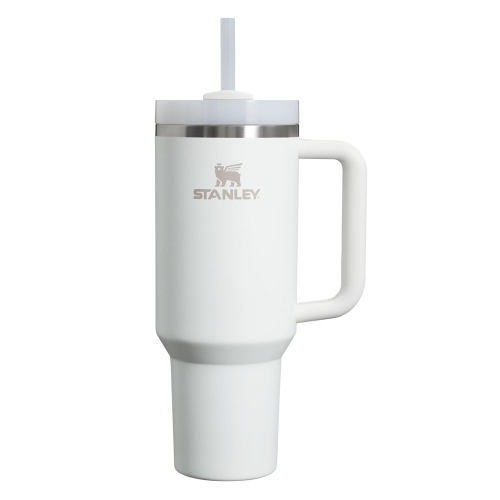 Your price for this item is $89
 -
 Your price for this item is $69.29
 -
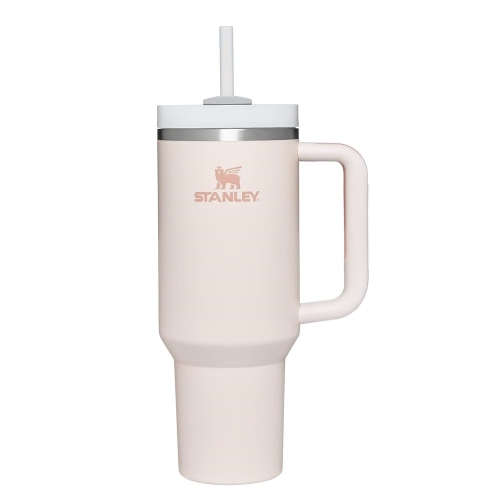 Your price for this item is $89
 -
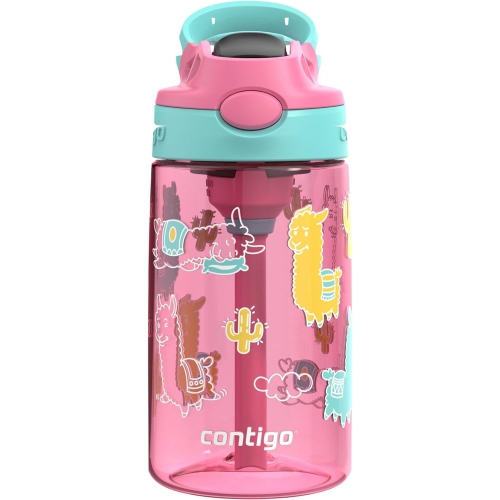 Your price for this item is $21.97
 -
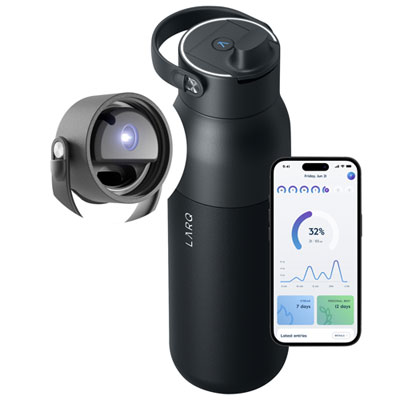 Your price for this item is $119.99
 -
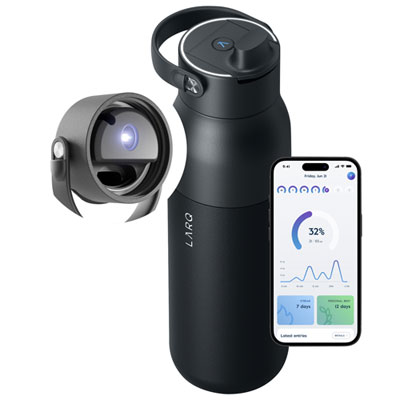 Your price for this item is $135.99
 -
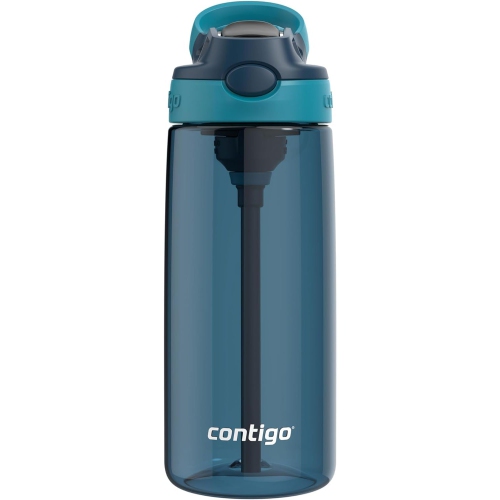 Your price for this item is $25.97
 -
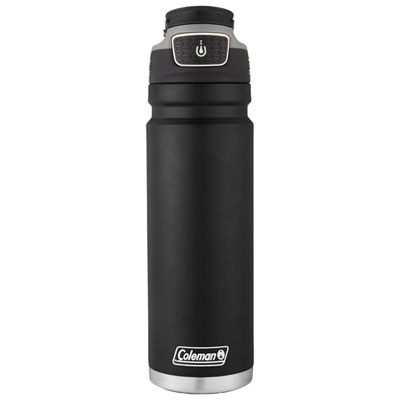 Your price for this item is $44.99
Discover more categories related to Insulated Water Bottles for Travel
Top Collections:
Pokemon Centers, Kindle Devices, Best Budget Office Chairs, Apple iPhones 16, Canon G7X Cameras, iPhone 15 Apple, Alarm Clock, Refurbished Apple Laptops, Flip Phones, Best Laptops for Writers
Some products may be subject to Environmental Handling Fees
(EHF) depending on your province.
Learn more about EHFs.