Insulated Bottles for Hot Drinks
Insulated Bottles for hot drinks are the perfect companion for enjoying your favorite beverages at the ideal temperature, whether you're at home, in the office, or on the go. Designed to fit seamlessly into your daily routine, these bottles offer a convenient way to take coffee, tea, or other hot drinks wherever you need them. Explore a wide selection of sizes, colors, and designs to find the insulated bottle that matches your style and keeps your drink just the way you like it.
Sort
Why lid design matters as much as insulation
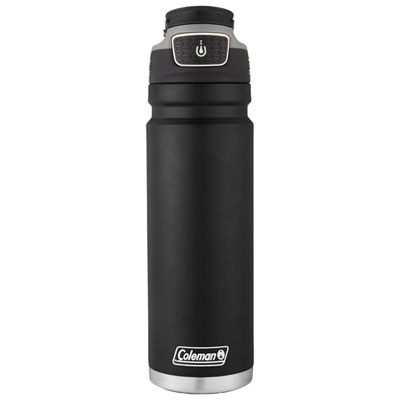
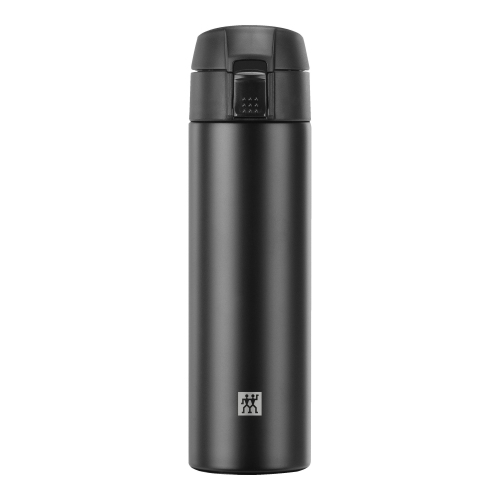
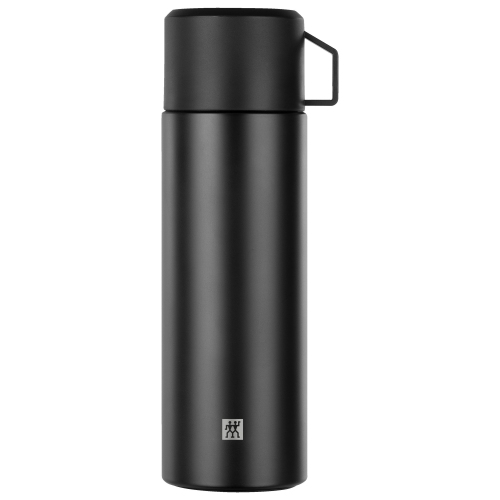
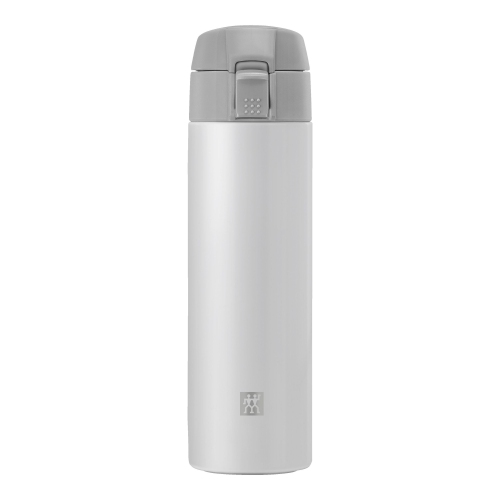
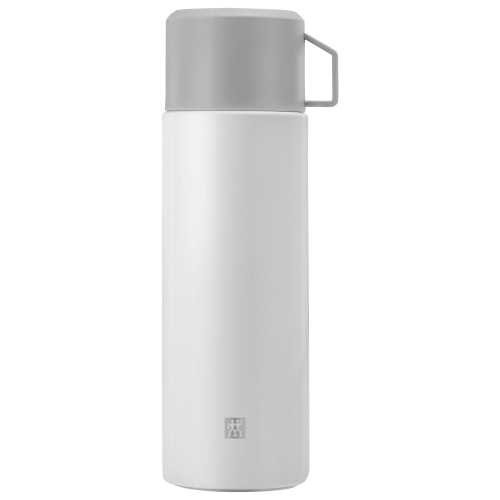
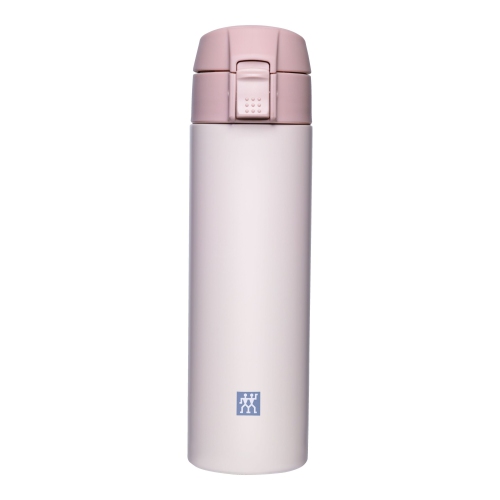
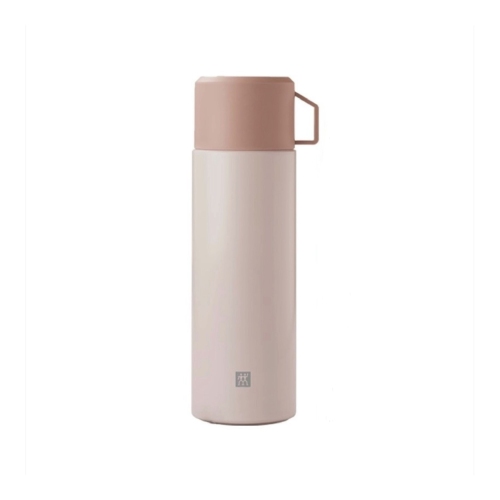
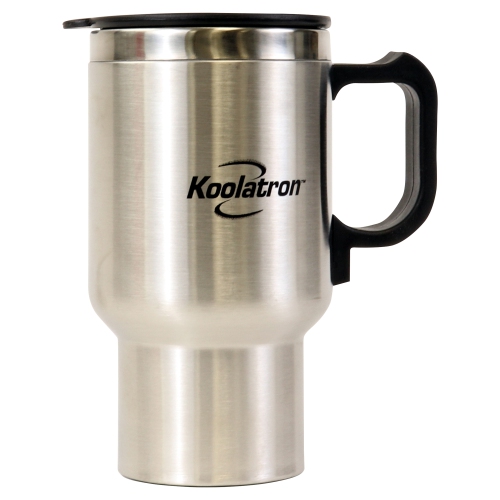
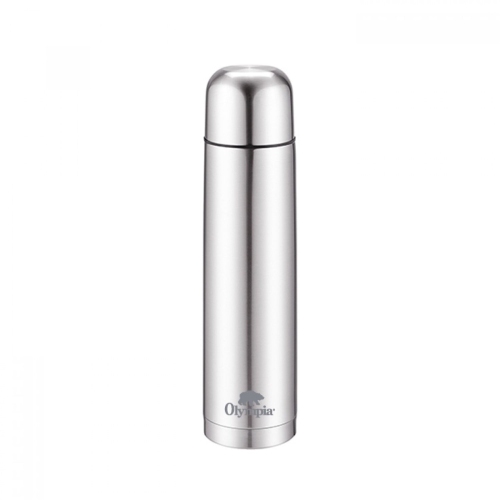
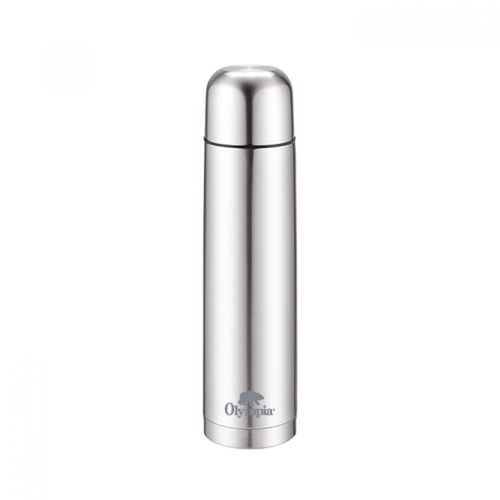
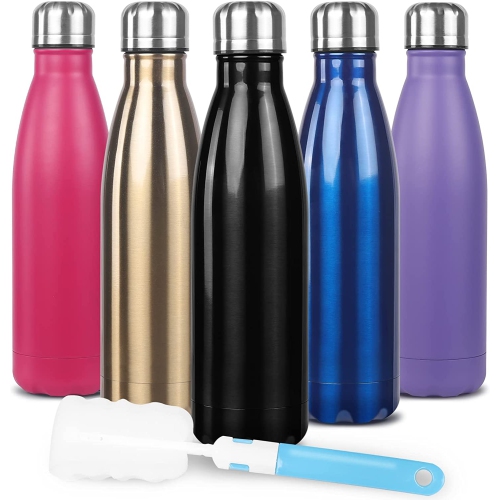
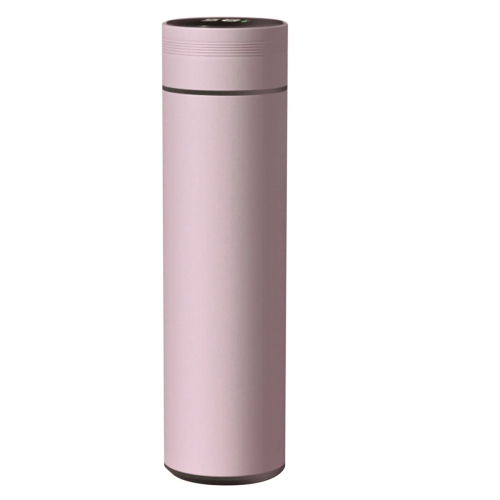
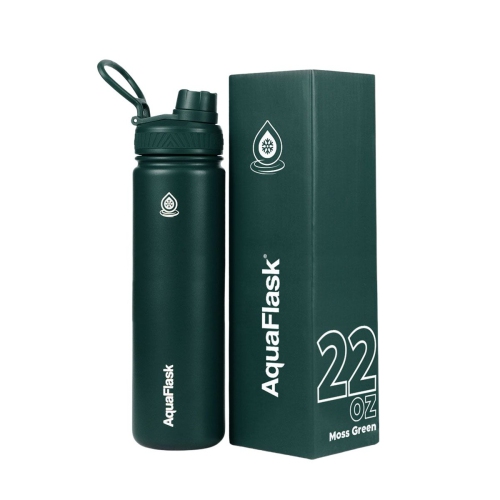
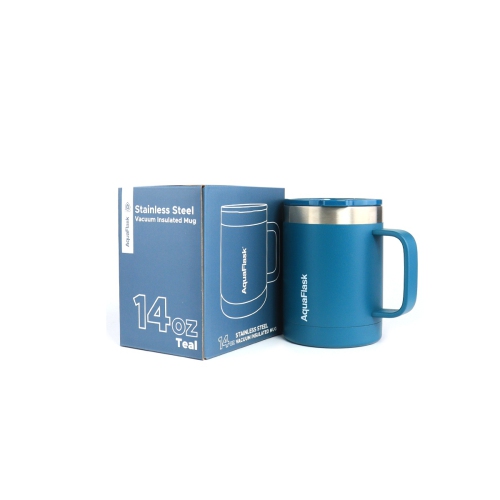
Insulated bottles for hot drinks help keep coffee, tea, and other warm beverages ready to enjoy away from the kettle or coffee maker. Double-wall vacuum-insulated stainless steel is a practical choice for heat retention because the vacuum between the inner and outer walls limits heat transfer. A well-sealed insulated lid also matters: even a carefully constructed bottle loses warmth through its opening, especially when it is opened frequently. How long a drink stays hot depends on the bottle’s construction, capacity, starting drink temperature, fill level, and use, so a stated heat-retention time is best understood alongside the manufacturer’s testing conditions. A bottle opened for small sips throughout a commute will behave differently from one kept closed until lunch. Stainless steel interiors are common because they are durable and straightforward to clean, while glass-lined designs need more protection against drops and knocks. Food-grade stainless steel resists corrosion, although the finish, seals, and care requirements still deserve attention. For someone taking a morning coffee to work, a compact bottle that fits beside a lunch container may be more useful than a large flask. For a long shift or several servings of tea, extra capacity can be worth the added weight. The most useful size is one that holds the amount someone actually drinks without becoming awkward to carry or pour. Empty weight is only part of the picture, since a filled bottle can feel quite different in a shoulder bag. A narrow body can be easier to grip, while a wider base may feel steadier on a desk. Bottles with a cup-style lid suit people who prefer pouring a serving and letting it cool before drinking; direct-sip designs keep the routine simpler when there is little room to set down a separate cup. These everyday differences often matter as much as the insulation itself.
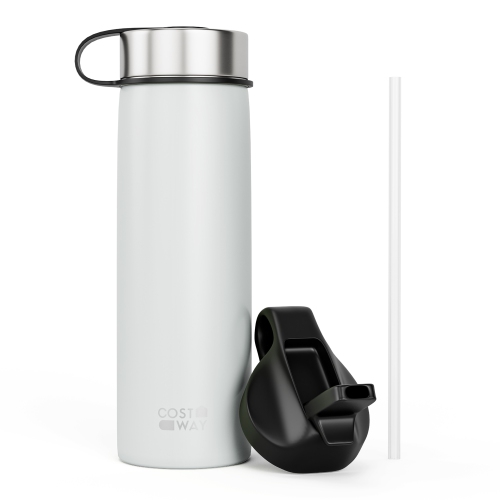
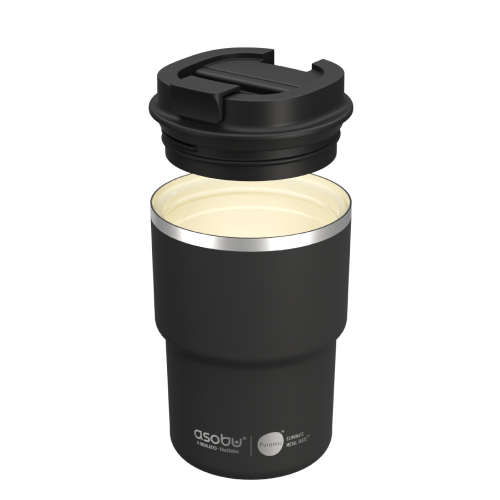
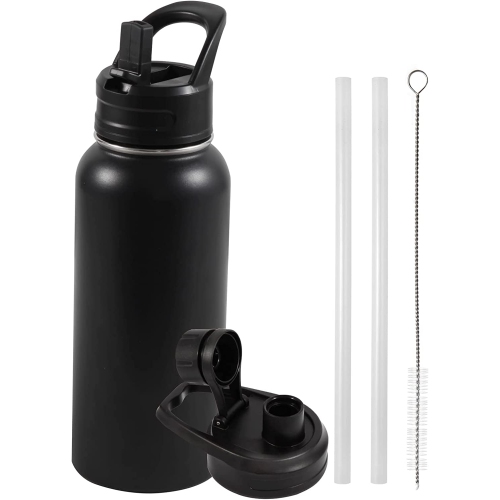
Lid design has a major influence on how an insulated bottle fits into a routine. A screw-top closure offers a simple way to seal the opening, while a push-button or flip-top lid can make access easier between tasks. Leakproof and spill-resistant are not interchangeable descriptions: a spill-resistant lid may help with splashes but may not be suitable for carrying sideways in a bag. Any carrying position should match the manufacturer’s instructions, with the lid fully closed and its seals correctly seated. A locking mechanism can help prevent an accidental opening, particularly when a bottle shares space with a laptop, notebook, or change of clothes. Drinking openings also vary. A small opening can make the flow easier to control, whereas a broad opening makes pouring, filling, and cleaning more accessible. Not every straw lid or drinking spout is intended for hot liquids, even when the bottle body is insulated, so the complete lid-and-bottle combination needs to be rated for the intended drink. Handles and carry loops can make a full bottle easier to retrieve from a deep tote, but they add bulk and may affect how it sits in a side pocket. For a car cup holder, the base diameter and the space beneath the dashboard matter more than capacity alone. For a backpack, both height and pocket depth influence how securely the bottle travels. Shoppers comparing Insulated Water Bottles for Travel can consider these same fit details while checking whether each design is suitable for hot beverages. Colour and exterior finish offer room for personal preference without replacing those practical checks. A textured surface may feel more secure in the hand, while a smooth finish can be easy to wipe clean. Powder-coated finishes can develop scuffs with regular use, and an uncoated steel exterior may show fingerprints or scratches. For a gift recipient, familiar habits provide useful clues: a tea drinker who pours into a favourite mug may appreciate a different closure from someone who takes measured sips of coffee at a desk.
Care and filling habits help an insulated bottle perform consistently over time. Where the manufacturer permits it, preheating the interior with hot water before filling can reduce the heat initially absorbed by the bottle itself. Empty that water before adding the drink, leave the specified headspace, and close the lid as directed. Overfilling can interfere with the closure or cause hot liquid to escape when the lid is fitted. Insulation can keep a drink hotter than expected, and the outside of a vacuum-insulated bottle is not a reliable indication of the temperature inside. Opening it carefully, keeping the drinking opening away from the face, and testing a small sip are sensible habits; pouring into a cup also gives a very hot drink room to cool. Hot-liquid bottles should be kept out of reach of young children, and a convenient drinking lid does not make them suitable for unsupervised use. Cleaning is equally important for everyday enjoyment. Coffee oils and tea residue can collect around threads, spouts, and gaskets, where a quick rinse may not reach. A bottle brush that fits the opening, mild washing-up liquid, and thorough rinsing help keep the interior clean, while removable seals make hidden surfaces easier to access. Dishwasher suitability varies between bodies, lids, and decorative finishes, so each component’s care instructions matter. Letting the parts dry fully before reassembly helps prevent lingering odours. Drinks containing milk need prompt cleaning, and a bottle’s heat-retention claim is not a guarantee that perishable ingredients remain at a safe holding temperature. Long-term durability also depends on the small parts that get handled every day. Replaceable gaskets and lids can be useful if a seal wears or a closure is damaged, while a simple lid with accessible parts can make regular upkeep less fiddly. A sturdy insulated bottle can be a thoughtful gift for a commuter, student, frequent traveller, or someone who enjoys an uninterrupted hot drink during a busy workday. Matching the capacity, grip, closure, and cleaning needs to that person’s routine gives it a clear purpose beyond its appearance.
Lid design has a major influence on how an insulated bottle fits into a routine. A screw-top closure offers a simple way to seal the opening, while a push-button or flip-top lid can make access easier between tasks. Leakproof and spill-resistant are not interchangeable descriptions: a spill-resistant lid may help with splashes but may not be suitable for carrying sideways in a bag. Any carrying position should match the manufacturer’s instructions, with the lid fully closed and its seals correctly seated. A locking mechanism can help prevent an accidental opening, particularly when a bottle shares space with a laptop, notebook, or change of clothes. Drinking openings also vary. A small opening can make the flow easier to control, whereas a broad opening makes pouring, filling, and cleaning more accessible. Not every straw lid or drinking spout is intended for hot liquids, even when the bottle body is insulated, so the complete lid-and-bottle combination needs to be rated for the intended drink. Handles and carry loops can make a full bottle easier to retrieve from a deep tote, but they add bulk and may affect how it sits in a side pocket. For a car cup holder, the base diameter and the space beneath the dashboard matter more than capacity alone. For a backpack, both height and pocket depth influence how securely the bottle travels. Shoppers comparing Insulated Water Bottles for Travel can consider these same fit details while checking whether each design is suitable for hot beverages. Colour and exterior finish offer room for personal preference without replacing those practical checks. A textured surface may feel more secure in the hand, while a smooth finish can be easy to wipe clean. Powder-coated finishes can develop scuffs with regular use, and an uncoated steel exterior may show fingerprints or scratches. For a gift recipient, familiar habits provide useful clues: a tea drinker who pours into a favourite mug may appreciate a different closure from someone who takes measured sips of coffee at a desk.
Care and filling habits help an insulated bottle perform consistently over time. Where the manufacturer permits it, preheating the interior with hot water before filling can reduce the heat initially absorbed by the bottle itself. Empty that water before adding the drink, leave the specified headspace, and close the lid as directed. Overfilling can interfere with the closure or cause hot liquid to escape when the lid is fitted. Insulation can keep a drink hotter than expected, and the outside of a vacuum-insulated bottle is not a reliable indication of the temperature inside. Opening it carefully, keeping the drinking opening away from the face, and testing a small sip are sensible habits; pouring into a cup also gives a very hot drink room to cool. Hot-liquid bottles should be kept out of reach of young children, and a convenient drinking lid does not make them suitable for unsupervised use. Cleaning is equally important for everyday enjoyment. Coffee oils and tea residue can collect around threads, spouts, and gaskets, where a quick rinse may not reach. A bottle brush that fits the opening, mild washing-up liquid, and thorough rinsing help keep the interior clean, while removable seals make hidden surfaces easier to access. Dishwasher suitability varies between bodies, lids, and decorative finishes, so each component’s care instructions matter. Letting the parts dry fully before reassembly helps prevent lingering odours. Drinks containing milk need prompt cleaning, and a bottle’s heat-retention claim is not a guarantee that perishable ingredients remain at a safe holding temperature. Long-term durability also depends on the small parts that get handled every day. Replaceable gaskets and lids can be useful if a seal wears or a closure is damaged, while a simple lid with accessible parts can make regular upkeep less fiddly. A sturdy insulated bottle can be a thoughtful gift for a commuter, student, frequent traveller, or someone who enjoys an uninterrupted hot drink during a busy workday. Matching the capacity, grip, closure, and cleaning needs to that person’s routine gives it a clear purpose beyond its appearance.
Top selling and popular products
-
 Your price for this item is $69.99
 -
 Your price for this item is $59.99
 -
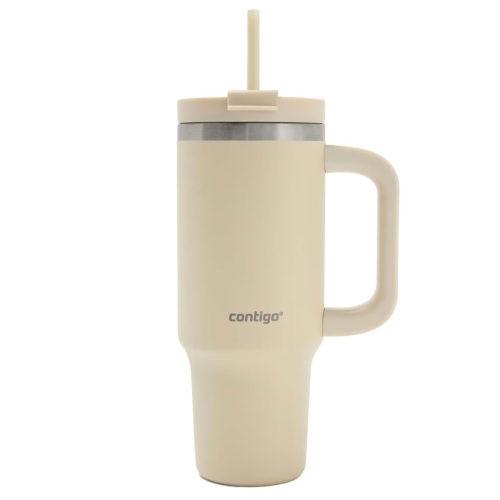 Your price for this item is $42.93
 -
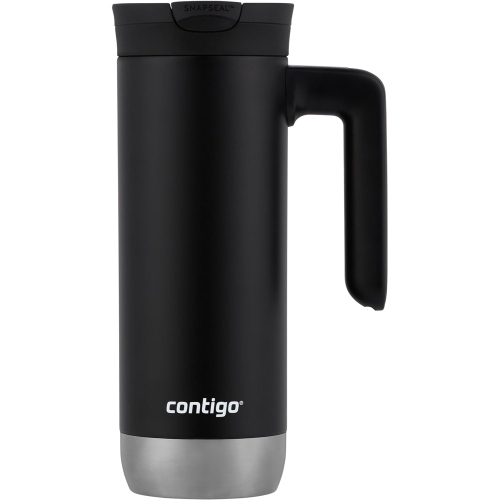 Your price for this item is $27.97
 -
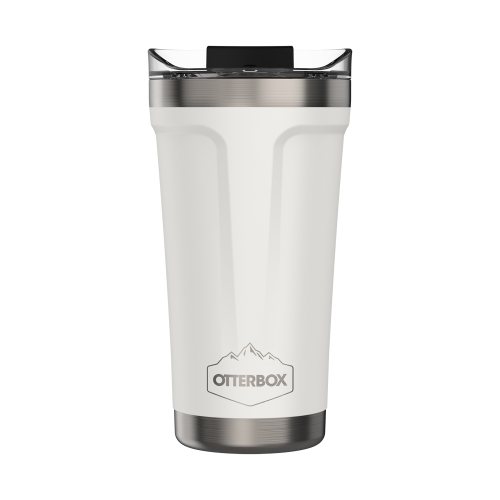 Your price for this item is $34.95
 -
 Your price for this item is $39.99
 -
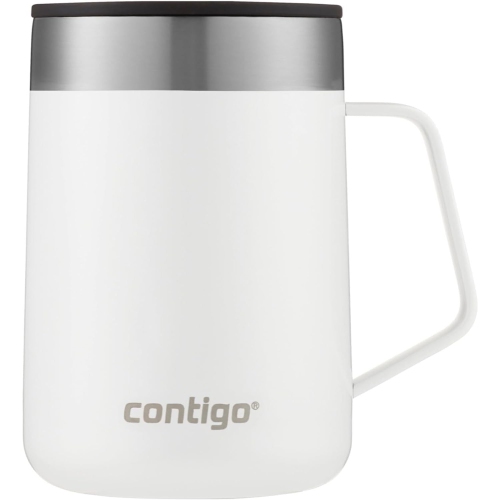 Your price for this item is $23.97
 -
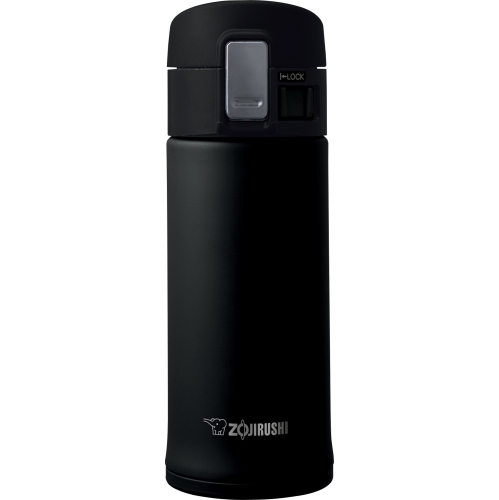 Your price for this item is $59.99
Discover more categories related to Insulated Bottles for Hot Drinks
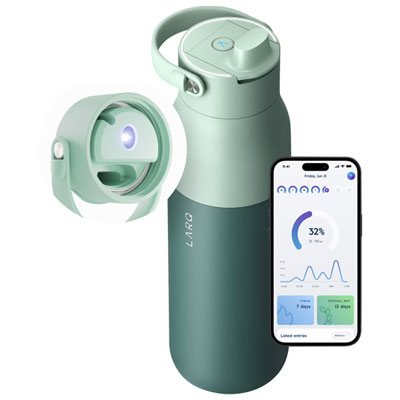
Top Collections:
Pokemon Centers, Kindle Devices, Best Budget Office Chairs, Apple iPhones 16, Canon G7X Cameras, iPhone 15 Apple, Alarm Clock, Refurbished Apple Laptops, Flip Phones, Best Laptops for Writers
Some products may be subject to Environmental Handling Fees
(EHF) depending on your province.
Learn more about EHFs.