Interactive Dog Toys
Interactive dog toys are essential for keeping your furry friend engaged, active, and mentally stimulated. Designed to challenge your dog's mind and body, these toys offer endless fun and entertainment. Whether you're looking to curb boredom, promote healthy exercise, or enhance training sessions, interactive dog toys provide a perfect solution for every playful pup. Explore the wide variety of options available to find the ideal toy that will keep tails wagging and spirits high.
Sort
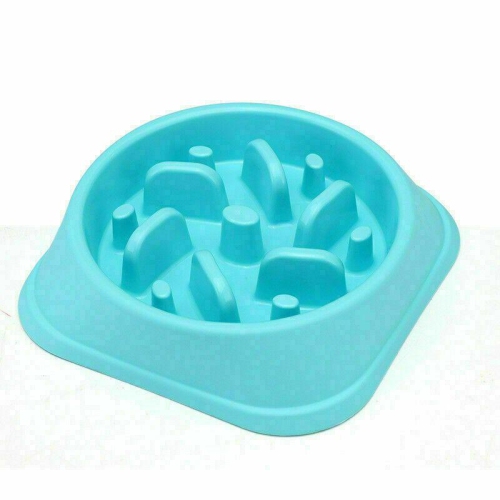
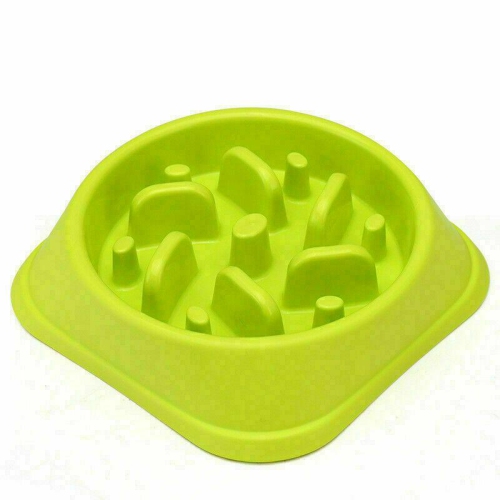
Why sniffing and solving can make play more rewarding
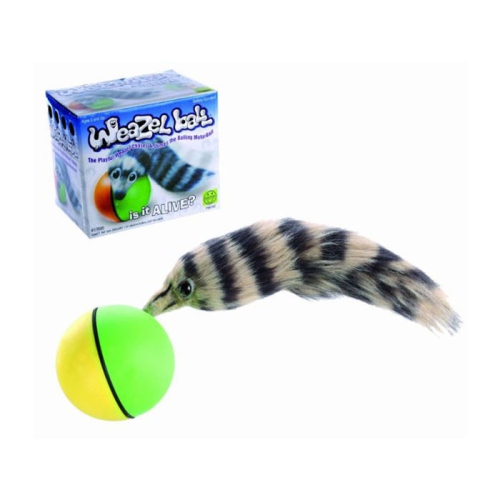
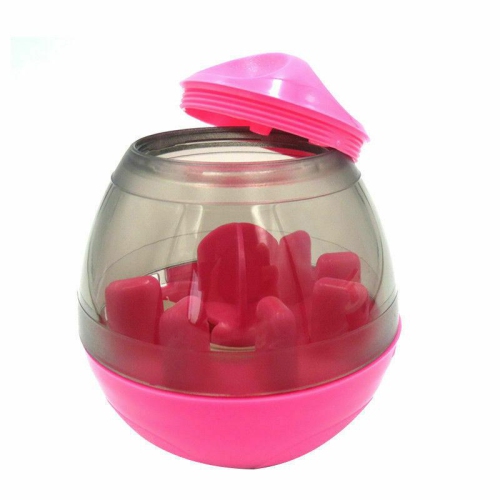
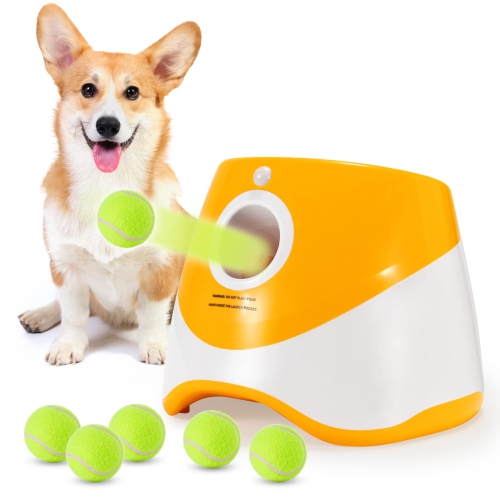
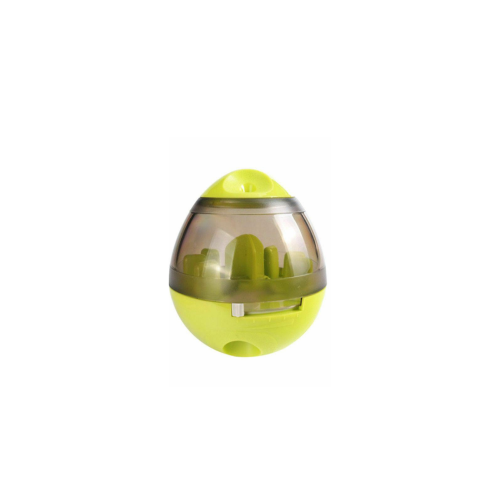
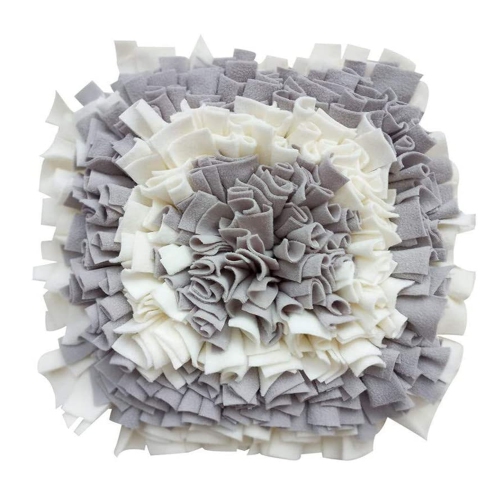
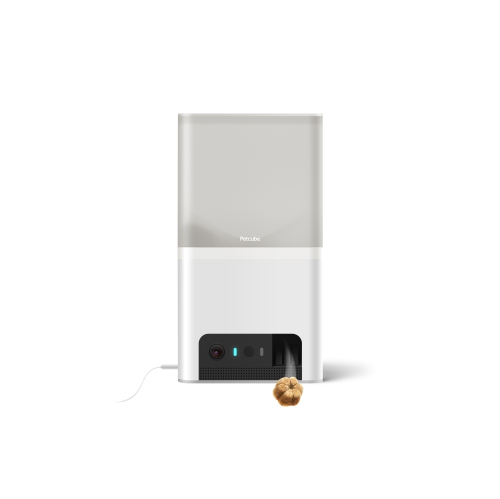
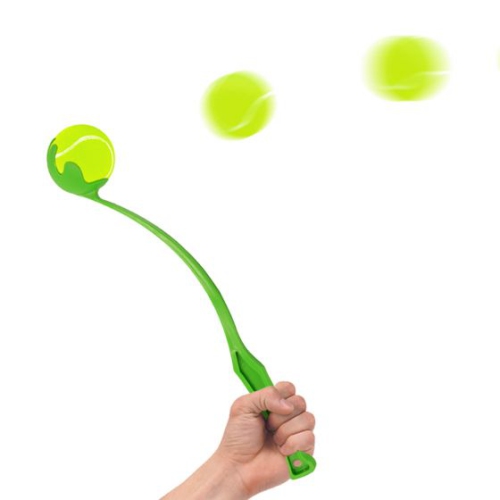
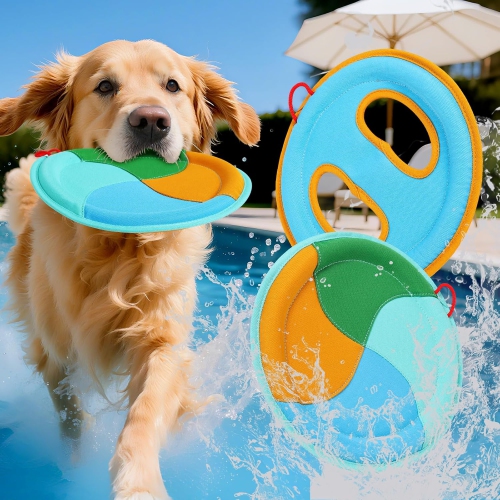
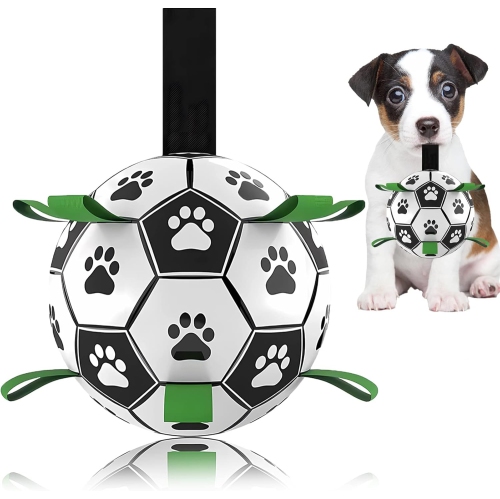
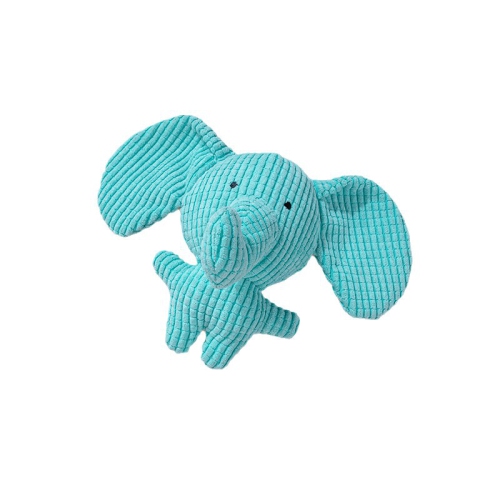
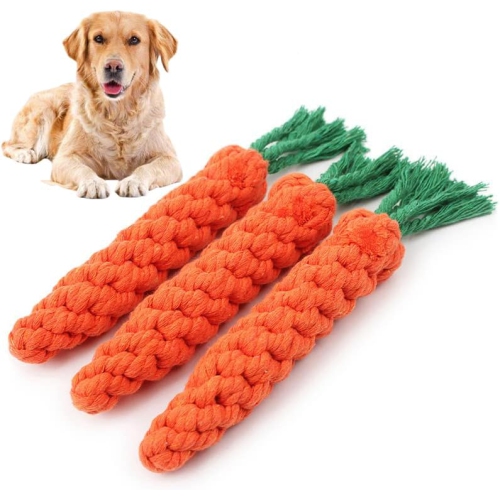
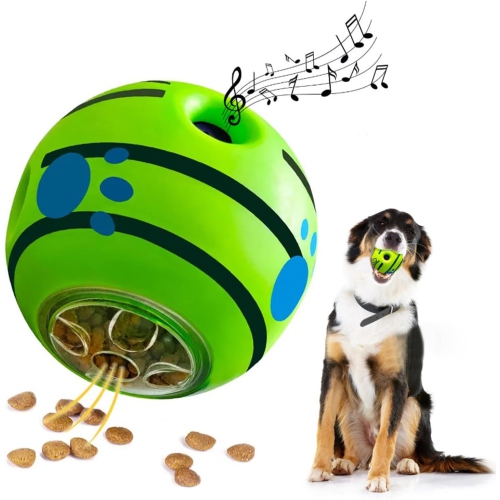
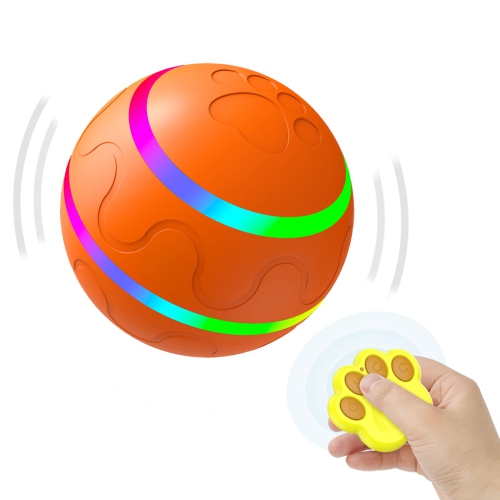
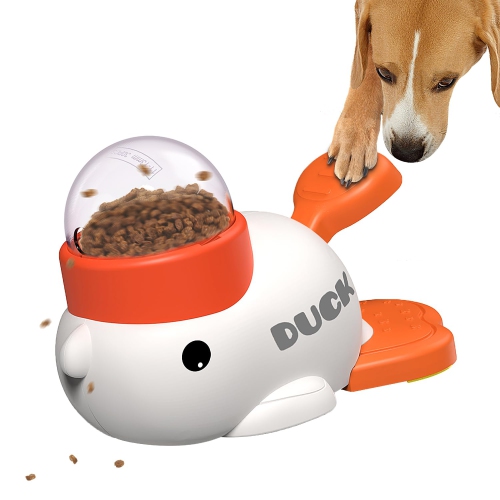
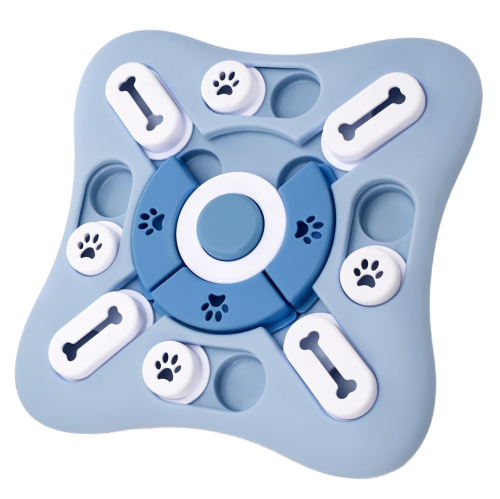
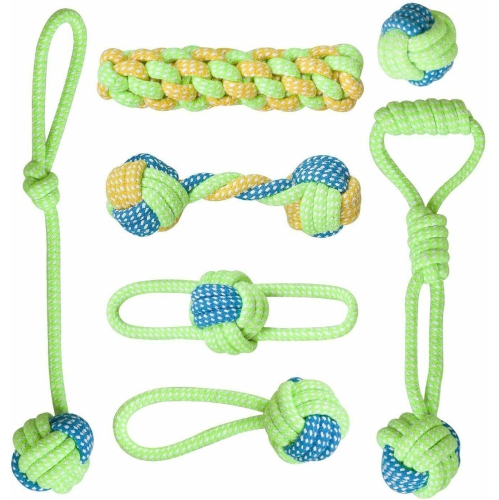
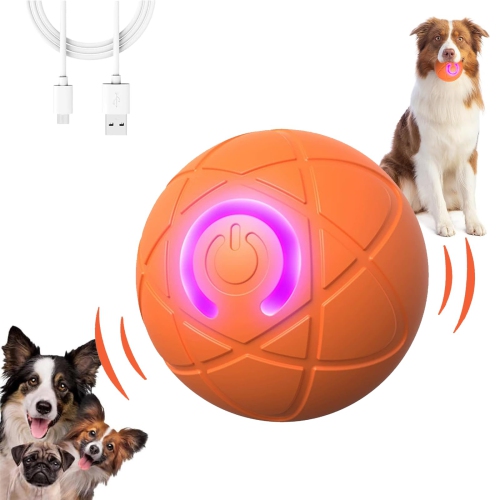
Interactive dog toys give dogs something to figure out, search for, or move, adding a mental challenge to everyday play. Rather than simply carrying a toy around, a dog might nudge a wobbling dispenser until kibble drops out, slide a cover to uncover a treat, or sniff through fabric folds for a hidden reward. These activities can help relieve boredom and offer an outlet for natural behaviours such as foraging, sniffing, and investigating. Different toy styles suit different ways of playing: treat puzzles encourage problem-solving, rolling dispensers combine movement with food rewards, and stuffable rubber toys invite licking and chewing. Snuffle mats and fabric foraging toys put scent at the centre of the activity, making them appealing to dogs that prefer a steady search over a lively chase. For a dog that gulps meals, a suitable food-dispensing toy can also make part of the daily ration take longer to eat, although the result depends on the design and the dog using it. Not every interactive toy involves food. Tug toys, hide-and-seek plush designs, and motion-activated toys can encourage shared play or give curious dogs something new to investigate under supervision. A dog that loves retrieving may enjoy a toy that bounces unpredictably, while one that routinely noses into a blanket may take naturally to a soft foraging surface. The wider world of Interactive Toys includes many forms of responsive play, but dog toys need materials and construction intended specifically for pets, rather than children’s playthings. Within that pet-focused range, the most useful choice is often the one that matches an existing interest while introducing a manageable challenge. Interactive play complements walks, training, rest, and time with people; it does not replace them. A short sniffing game after a walk or a food puzzle while the household settles down can add variety without making every play session fast or physically demanding.
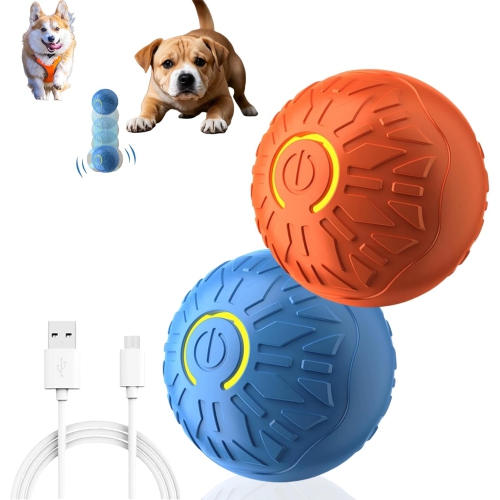
Size, chewing style, and experience matter as much as the type of game. A toy should be large enough that the dog cannot swallow it, yet manageable enough to nudge, carry, or manipulate as intended. Manufacturer sizing and weight recommendations provide a starting point, but jaw strength and play habits deserve equal attention. A small dog that persistently tears at seams may need a sturdier design than a larger dog that gently noses a puzzle. Firm rubber can suit repeated chewing when its hardness is appropriate for the dog’s teeth, while rigid plastic is common in sliding puzzles that are meant for pawing and nudging rather than gnawing. Soft fabric folds make room for scent-based searching, but they are less suitable for dogs that pull out and swallow fibres. No material is indestructible, and a puzzle board is not automatically a chew toy simply because it holds food. For puppies, comfortable textures, suitable sizing, and simple actions help keep the activity approachable as their mouths and coordination develop. Older dogs may benefit from easy-to-reach compartments, stable bases, and games that do not demand repeated bending or chasing. Dogs with dental concerns or mobility limitations may need advice from a veterinarian before using firm chew toys or physically demanding designs. Difficulty also influences whether a toy stays interesting. A beginner may engage more readily with a visible treat in an open compartment than with several covers that must be moved in sequence. Adjustable openings or multiple puzzle settings can provide room to progress, where those features are included. When a dog repeatedly bites the board or walks away, the challenge may be too difficult rather than insufficiently entertaining. A stable, non-slip base can make tabletop-style puzzles easier to use on the floor, while the dispenser opening needs to accommodate the intended kibble or treats. Motorized toys add sound and movement, so their noise level and action should suit the dog’s confidence, with battery compartments securely enclosed and inaccessible during normal play.
Care and construction details make a noticeable difference once an interactive toy becomes part of a daily routine. Food-contact surfaces need regular cleaning, especially after use with moist fillings, and narrow channels or deep pockets can take more effort to rinse thoroughly. Removable sections may make trapped crumbs easier to reach, provided every part is reassembled securely before the toy returns to use. Dishwasher suitability, machine-washing instructions, and water resistance vary by design, so cleaning should follow the manufacturer’s directions rather than assumptions about the material. Fabric foraging toys need to dry fully before storage, and electronic components should stay out of water unless the care instructions explicitly allow otherwise. Routine checks for split rubber, cracked plastic, loose stitching, exposed stuffing, and damaged battery covers help identify toys that need to be taken out of use. Supervision is particularly important with an unfamiliar design: watching how a dog approaches it reveals whether the intended activity is sniffing and problem-solving or an attempt to dismantle the toy. In homes with more than one dog, separate play spaces can reduce competition over food-filled toys and let each dog work at a comfortable pace. Treats used in puzzles count towards daily food intake, and a portion of the dog’s usual kibble can often serve as the reward. Any filling should be suitable for dogs and consistent with dietary needs; peanut butter, for example, must not contain xylitol. A small rotation of different play styles can keep familiar toys engaging without requiring every toy to be out at once. These toys can also make thoughtful gifts for dog owners, particularly when the recipient’s dog size, chewing habits, and food sensitivities are known. For a newly adopted dog, a straightforward sniffing activity may be more welcoming than a noisy moving toy. For an experienced puzzle enthusiast, a more involved sequence of actions may offer a satisfying challenge. The lasting value lies in a good match between the dog, the activity, and the practical realities of cleaning and supervised play.
Size, chewing style, and experience matter as much as the type of game. A toy should be large enough that the dog cannot swallow it, yet manageable enough to nudge, carry, or manipulate as intended. Manufacturer sizing and weight recommendations provide a starting point, but jaw strength and play habits deserve equal attention. A small dog that persistently tears at seams may need a sturdier design than a larger dog that gently noses a puzzle. Firm rubber can suit repeated chewing when its hardness is appropriate for the dog’s teeth, while rigid plastic is common in sliding puzzles that are meant for pawing and nudging rather than gnawing. Soft fabric folds make room for scent-based searching, but they are less suitable for dogs that pull out and swallow fibres. No material is indestructible, and a puzzle board is not automatically a chew toy simply because it holds food. For puppies, comfortable textures, suitable sizing, and simple actions help keep the activity approachable as their mouths and coordination develop. Older dogs may benefit from easy-to-reach compartments, stable bases, and games that do not demand repeated bending or chasing. Dogs with dental concerns or mobility limitations may need advice from a veterinarian before using firm chew toys or physically demanding designs. Difficulty also influences whether a toy stays interesting. A beginner may engage more readily with a visible treat in an open compartment than with several covers that must be moved in sequence. Adjustable openings or multiple puzzle settings can provide room to progress, where those features are included. When a dog repeatedly bites the board or walks away, the challenge may be too difficult rather than insufficiently entertaining. A stable, non-slip base can make tabletop-style puzzles easier to use on the floor, while the dispenser opening needs to accommodate the intended kibble or treats. Motorized toys add sound and movement, so their noise level and action should suit the dog’s confidence, with battery compartments securely enclosed and inaccessible during normal play.
Care and construction details make a noticeable difference once an interactive toy becomes part of a daily routine. Food-contact surfaces need regular cleaning, especially after use with moist fillings, and narrow channels or deep pockets can take more effort to rinse thoroughly. Removable sections may make trapped crumbs easier to reach, provided every part is reassembled securely before the toy returns to use. Dishwasher suitability, machine-washing instructions, and water resistance vary by design, so cleaning should follow the manufacturer’s directions rather than assumptions about the material. Fabric foraging toys need to dry fully before storage, and electronic components should stay out of water unless the care instructions explicitly allow otherwise. Routine checks for split rubber, cracked plastic, loose stitching, exposed stuffing, and damaged battery covers help identify toys that need to be taken out of use. Supervision is particularly important with an unfamiliar design: watching how a dog approaches it reveals whether the intended activity is sniffing and problem-solving or an attempt to dismantle the toy. In homes with more than one dog, separate play spaces can reduce competition over food-filled toys and let each dog work at a comfortable pace. Treats used in puzzles count towards daily food intake, and a portion of the dog’s usual kibble can often serve as the reward. Any filling should be suitable for dogs and consistent with dietary needs; peanut butter, for example, must not contain xylitol. A small rotation of different play styles can keep familiar toys engaging without requiring every toy to be out at once. These toys can also make thoughtful gifts for dog owners, particularly when the recipient’s dog size, chewing habits, and food sensitivities are known. For a newly adopted dog, a straightforward sniffing activity may be more welcoming than a noisy moving toy. For an experienced puzzle enthusiast, a more involved sequence of actions may offer a satisfying challenge. The lasting value lies in a good match between the dog, the activity, and the practical realities of cleaning and supervised play.
Top selling and popular products
-
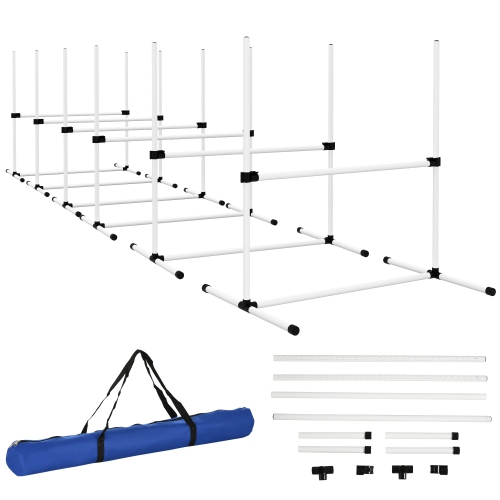 Your price for this item is $89.99
 -
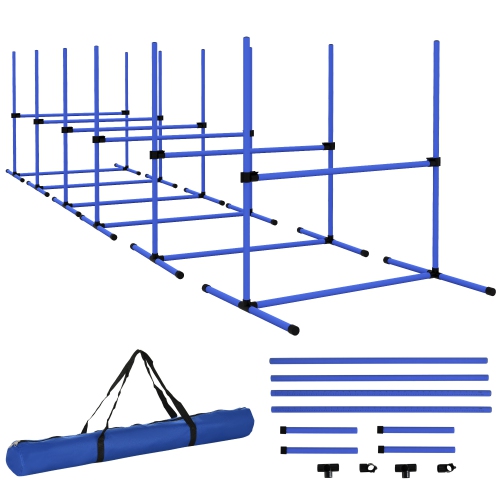 Your price for this item is $94.99
 -
 Your price for this item is $30.99
 -
 Your price for this item is $69.99
 -
 Your price for this item is $18
 -
 Your price for this item is $18
 -
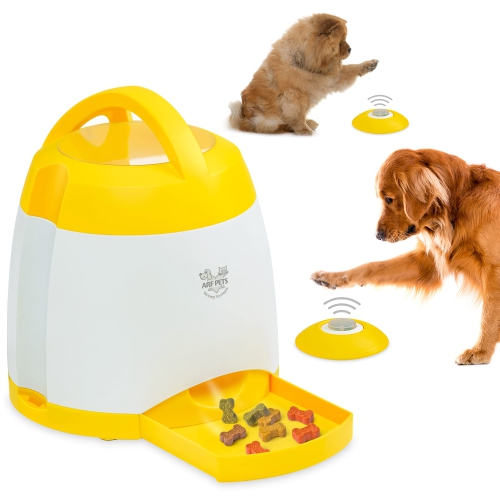 Your price for this item is $109.99
 -
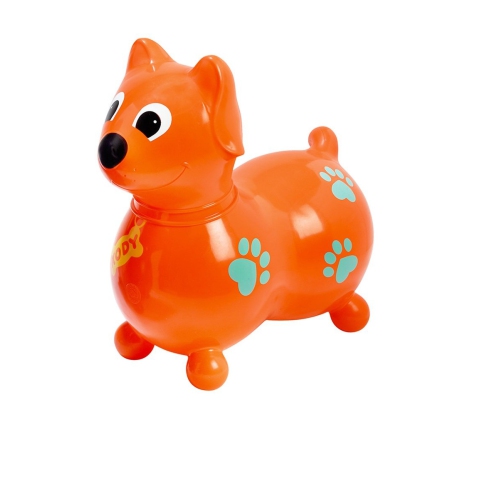 Your price for this item is $75.47
Discover more categories related to Interactive Dog Toys
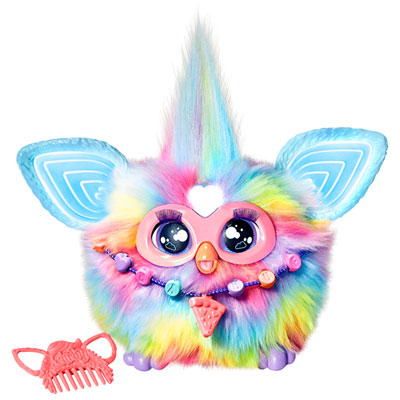
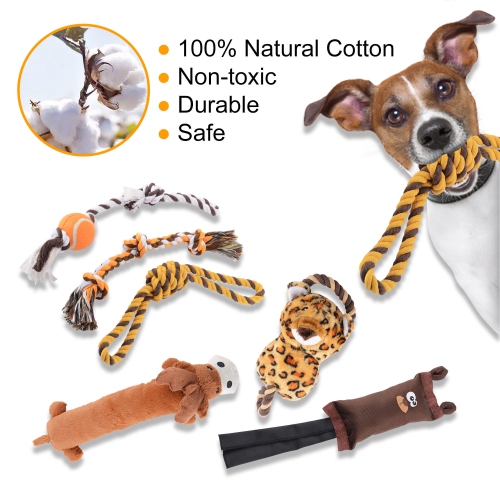
Top Collections:
Pokemon Centers, Kindle Devices, Best Budget Office Chairs, Apple iPhones 16, Best Laptops for Writers, iPhone 15 Apple, Canon G7X Cameras, Refurbished Apple Laptops, Alarm Clock, Motorola Razr Phones
Some products may be subject to Environmental Handling Fees
(EHF) depending on your province.
Learn more about EHFs.