Interactive Pet Toys
Engage and entertain your furry friends with our wide selection of interactive pet toys. From stimulating puzzles to interactive balls, our collection is designed to keep your pets active, mentally sharp, and thoroughly entertained. Whether you have a playful pup or a curious cat, these toys provide hours of fun and engagement, helping to alleviate boredom and promote a healthy lifestyle. Discover the perfect interactive pet toy that will keep your four-legged companions entertained and happy for hours on end.
Sort
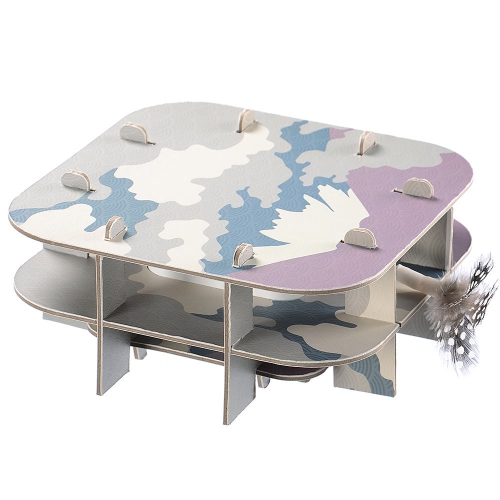
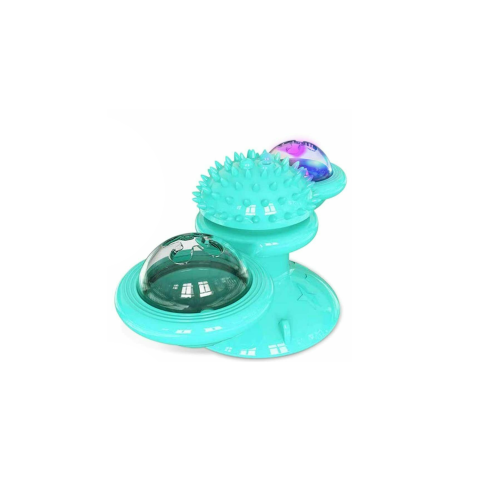
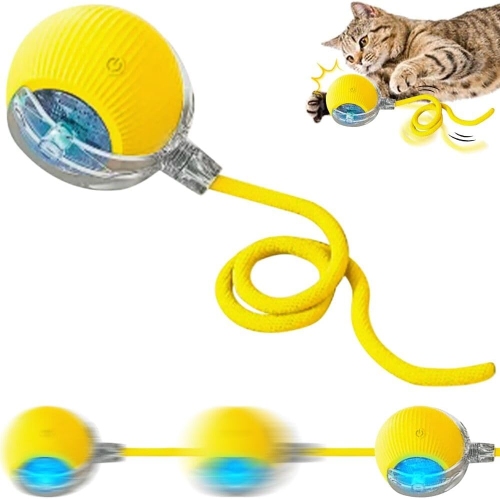
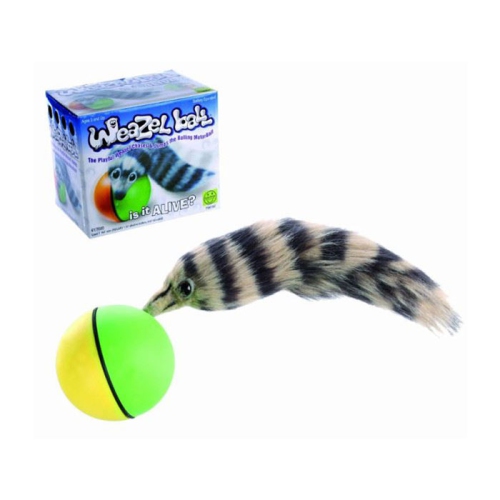
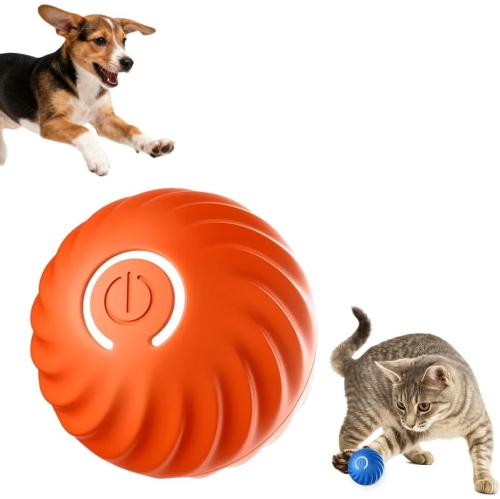
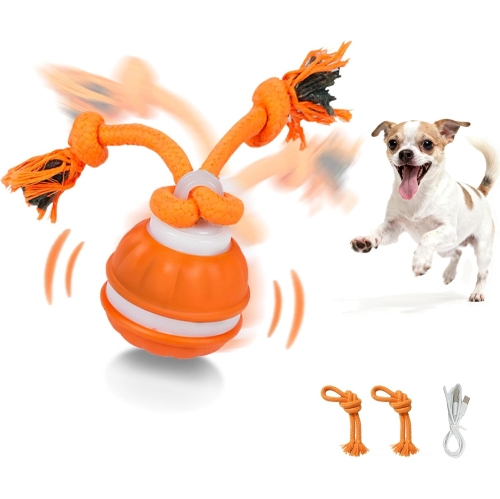

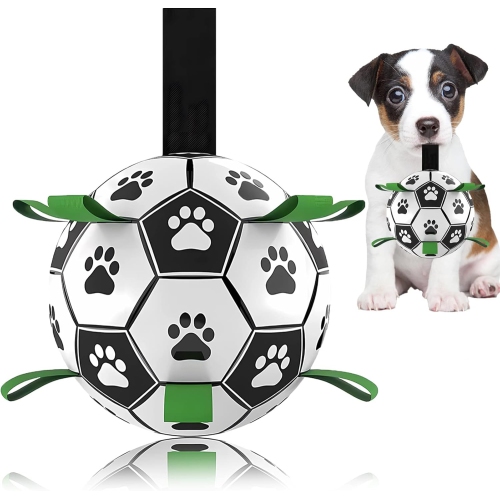
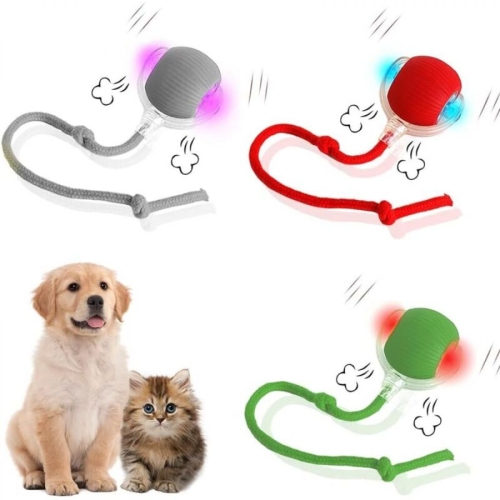
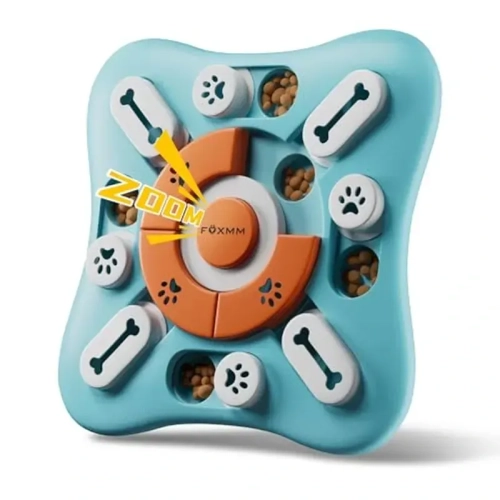

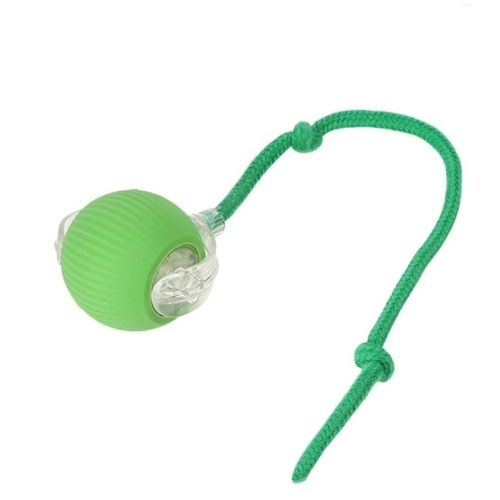
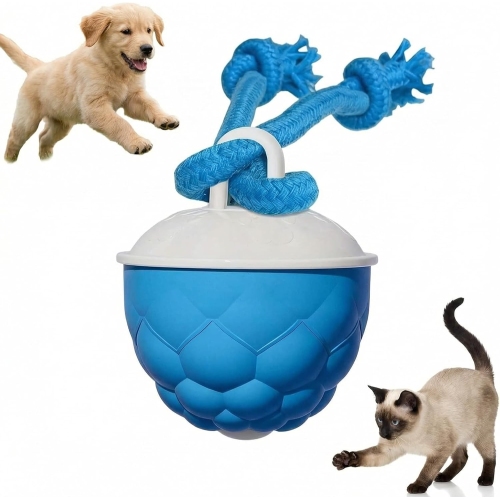
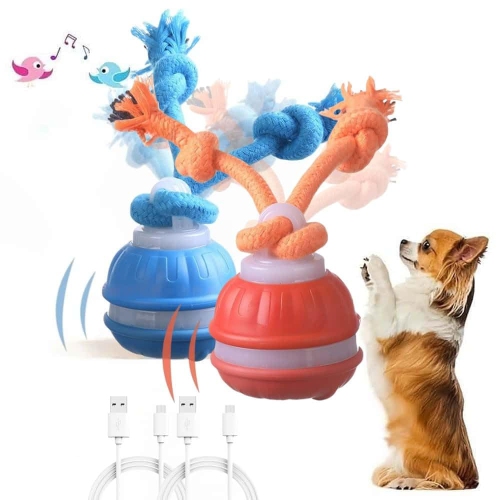
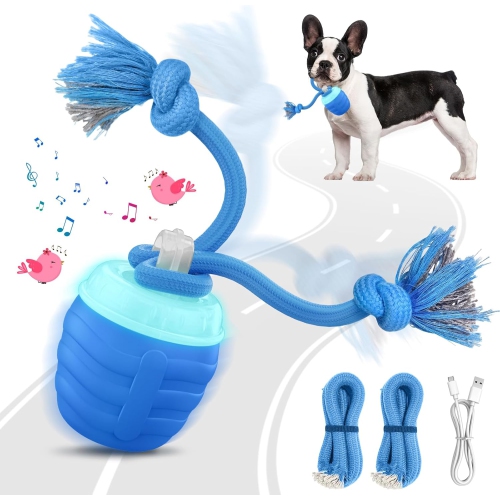

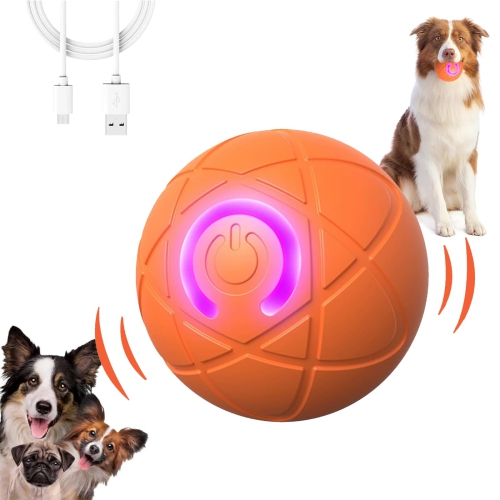
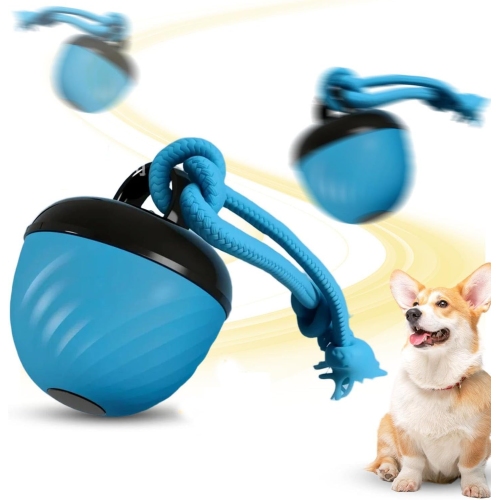
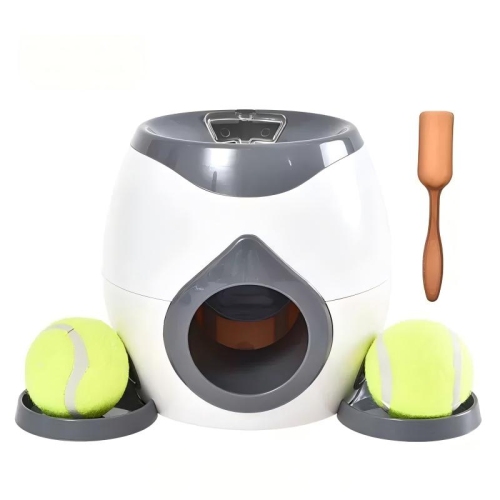
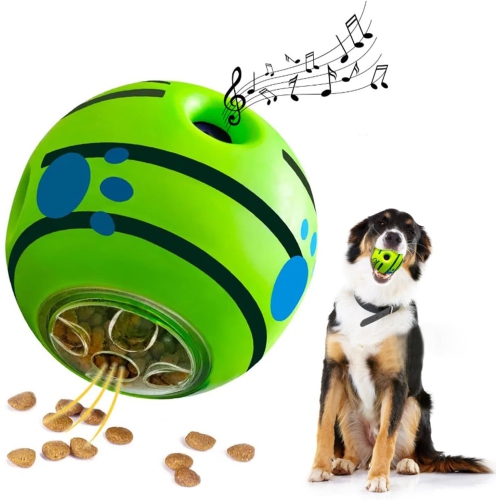
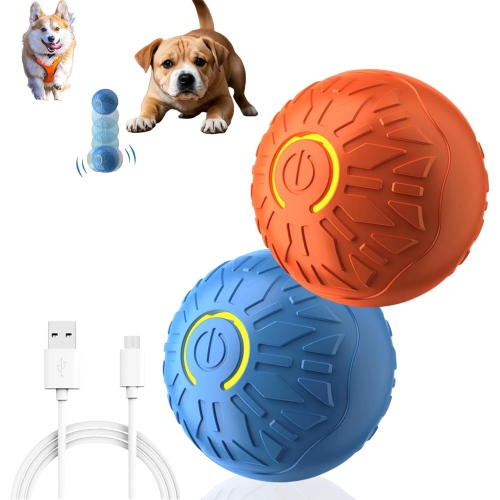
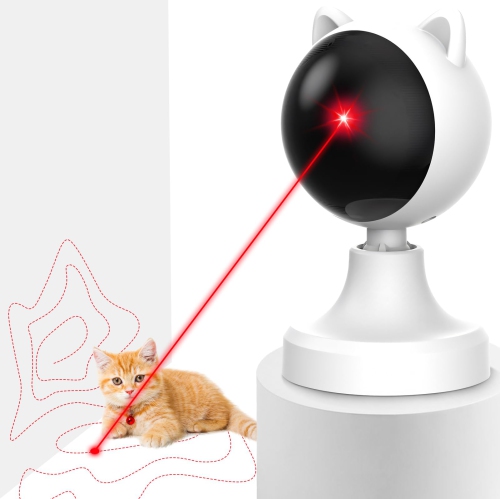


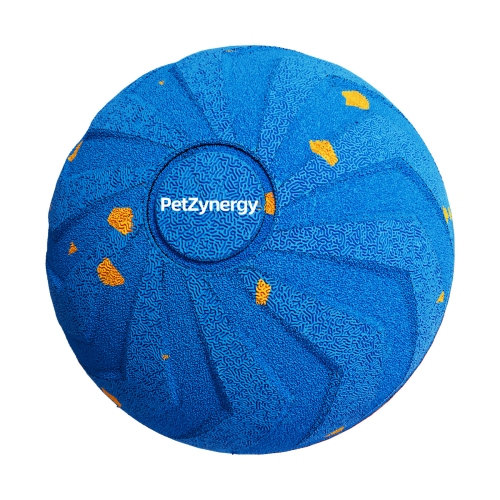
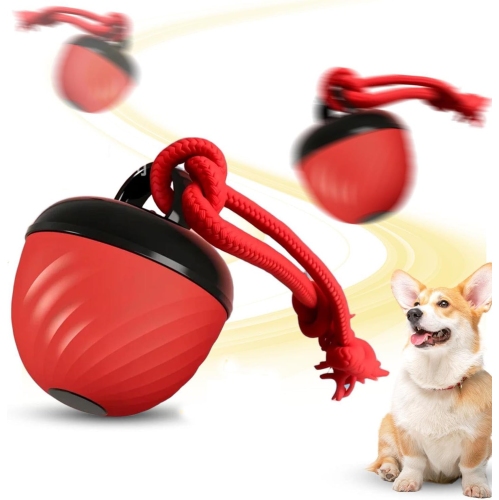
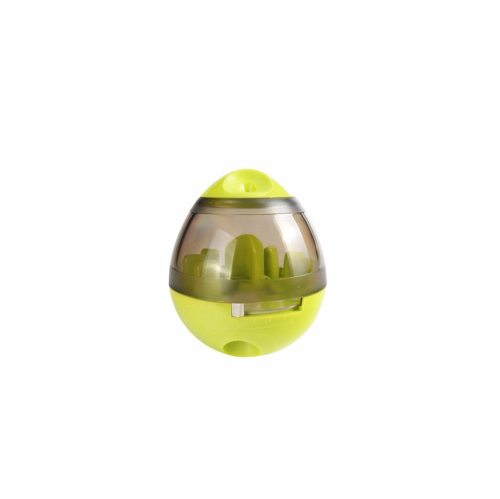

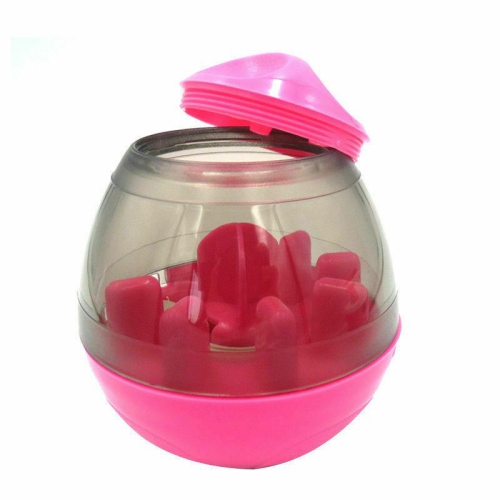
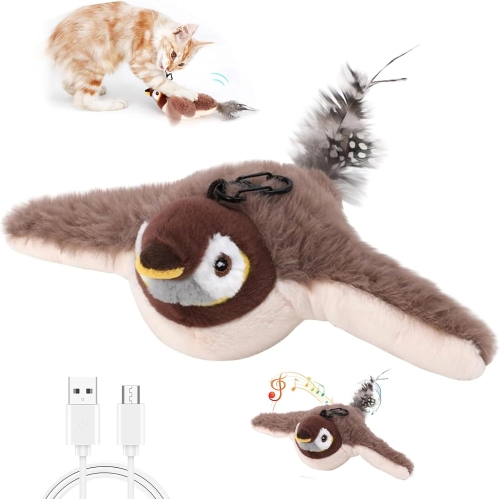

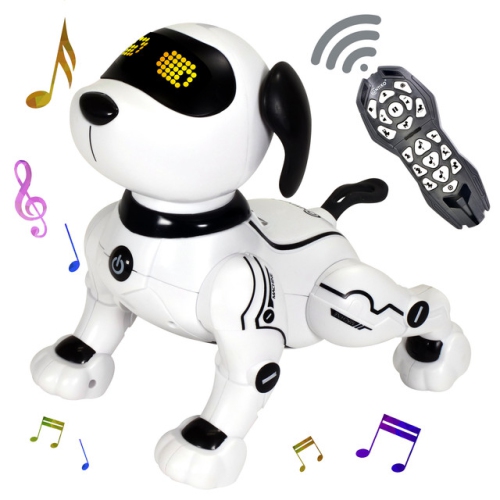
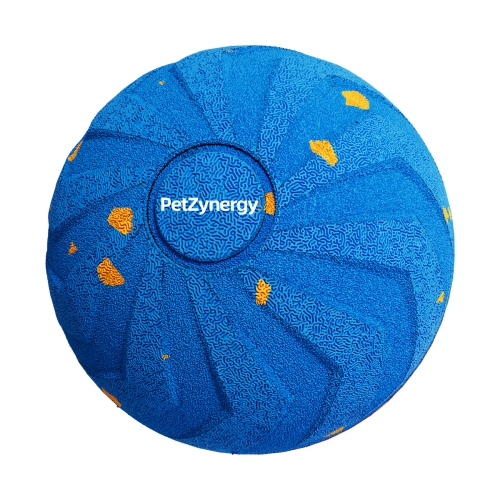

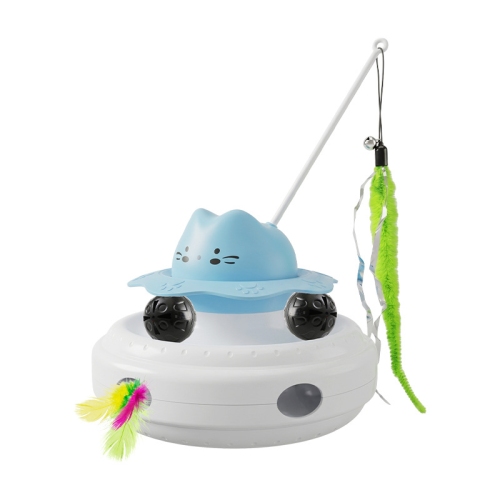
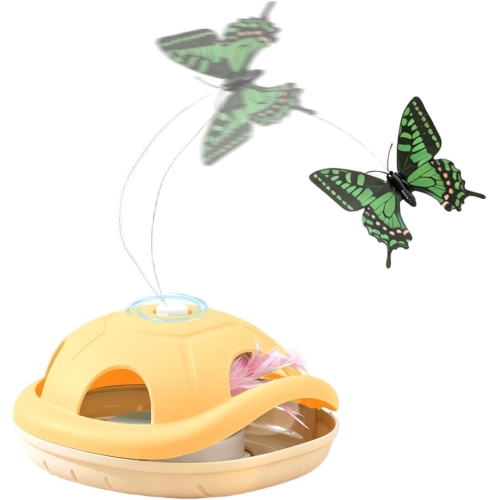
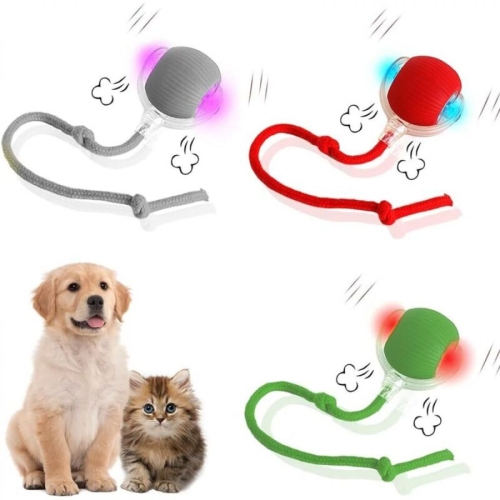
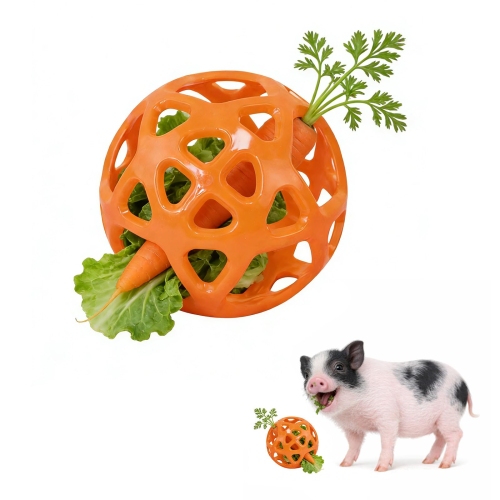
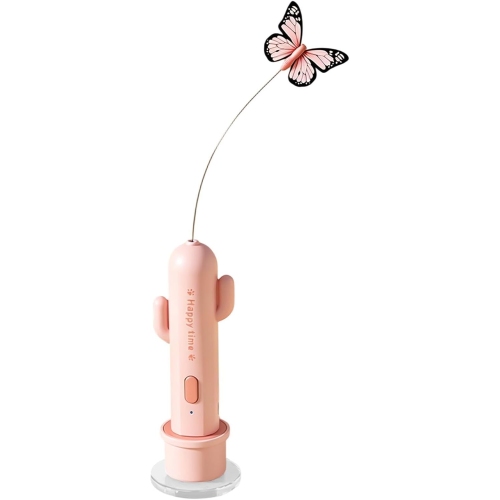
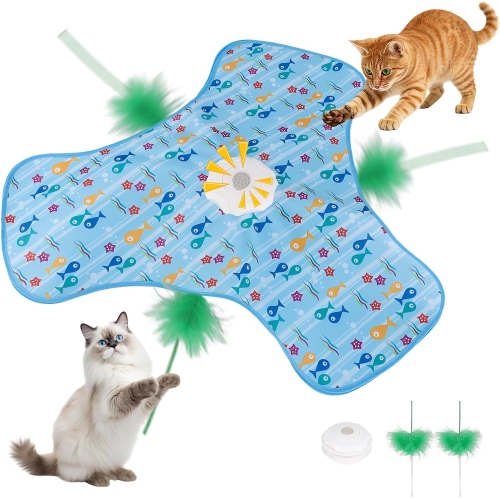
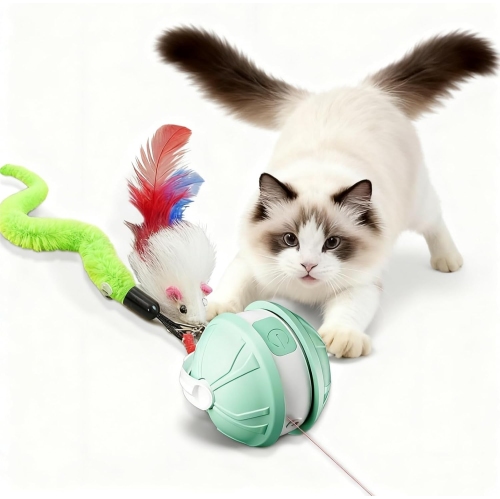

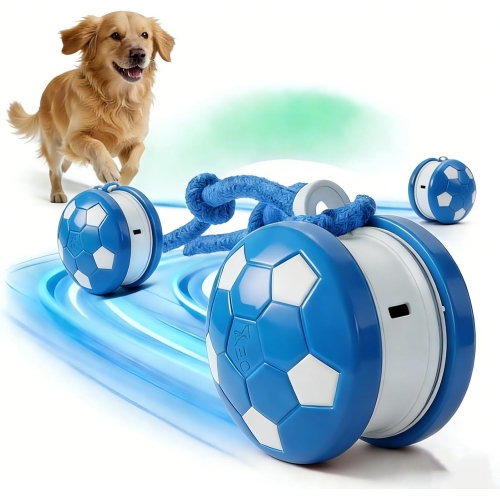
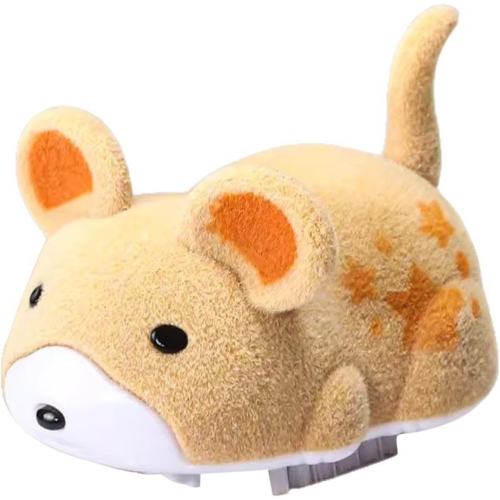
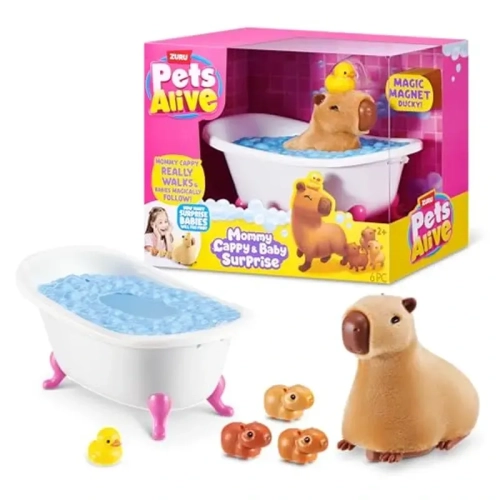
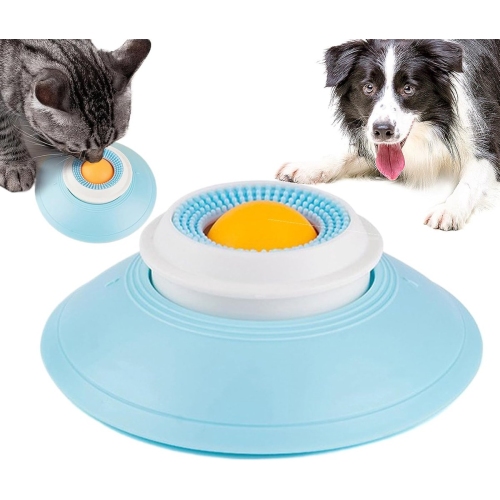
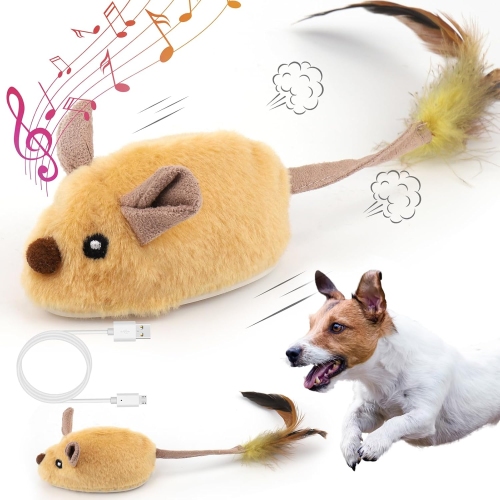
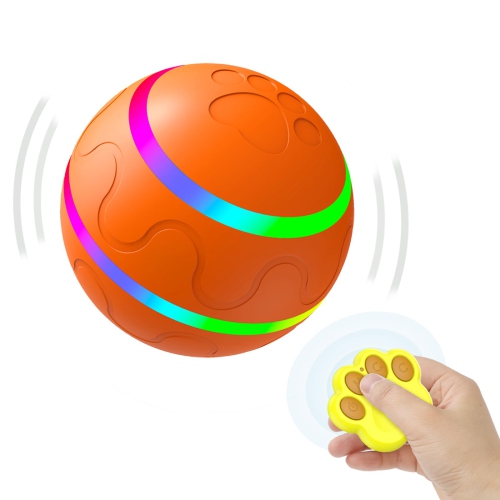


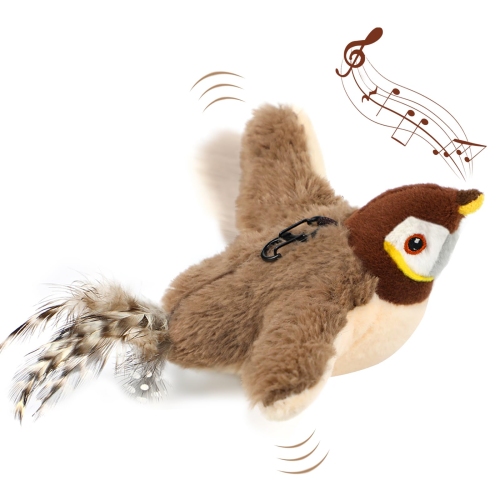
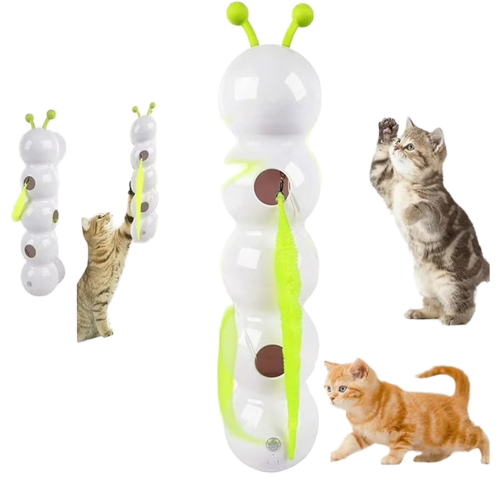

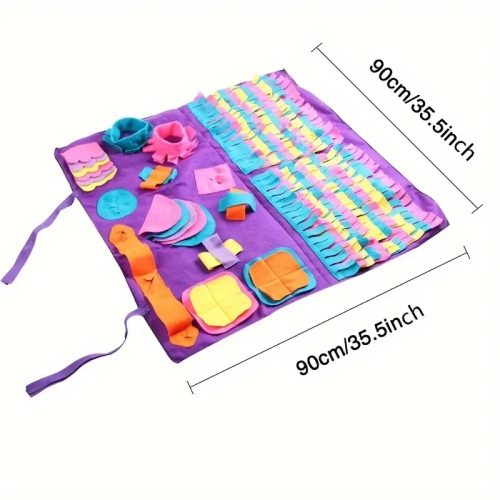
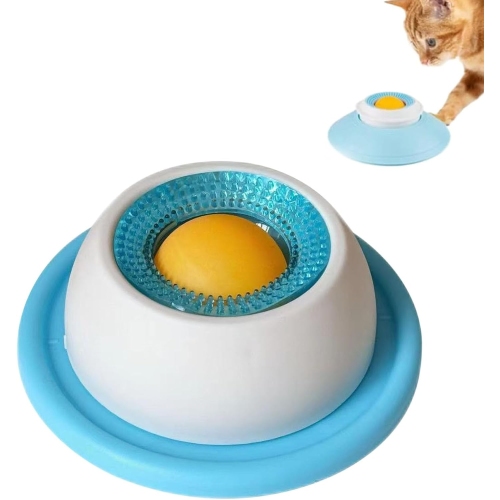
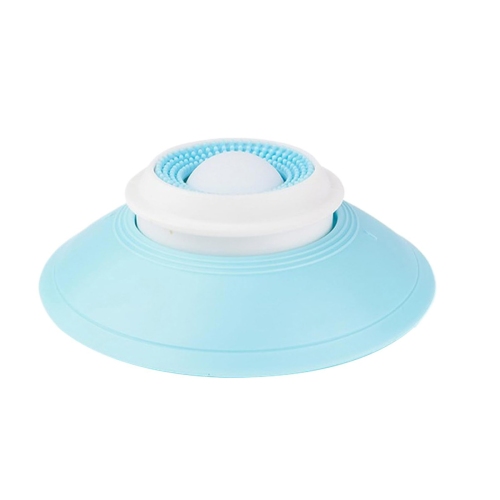

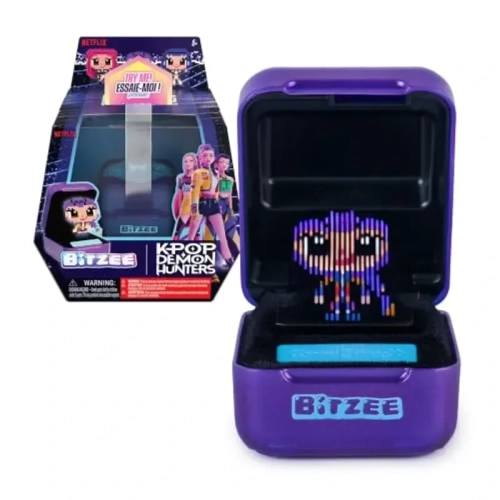
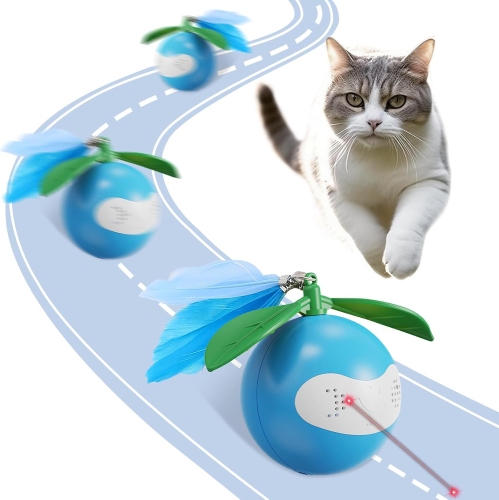
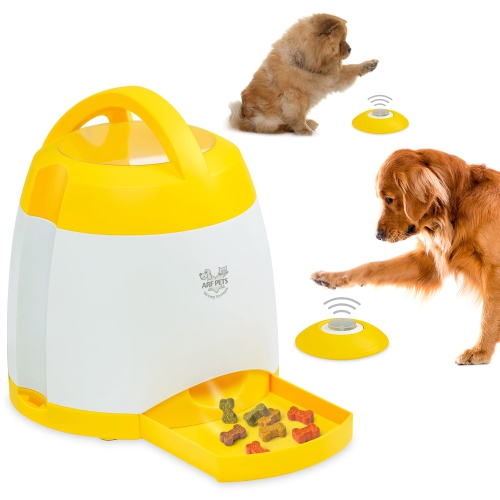
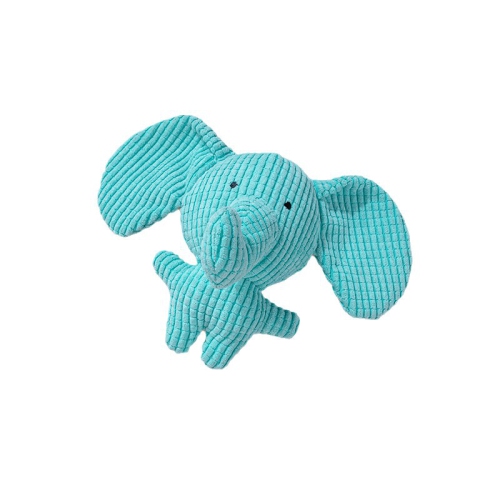
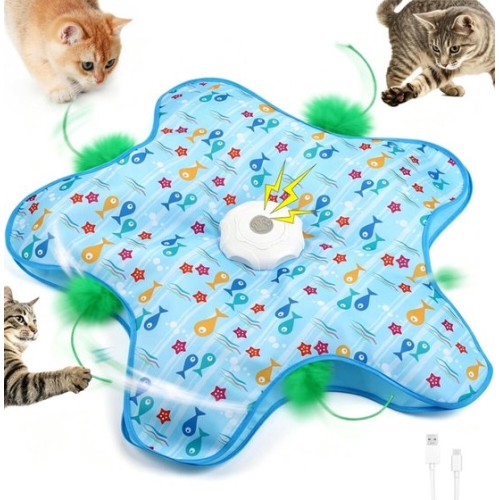
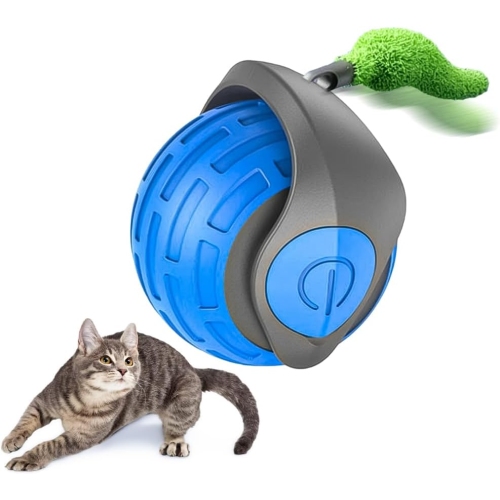


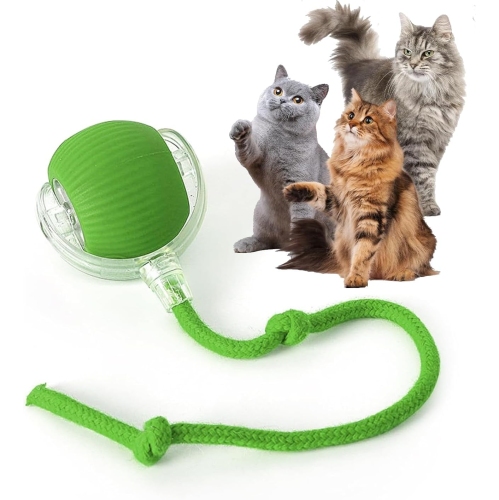
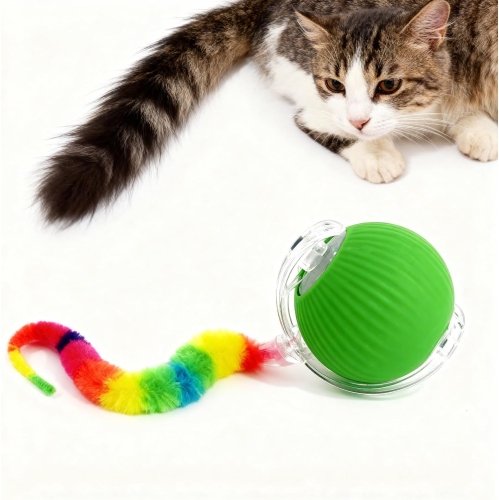

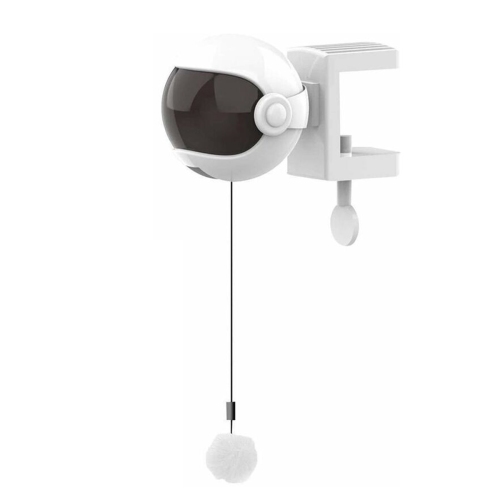
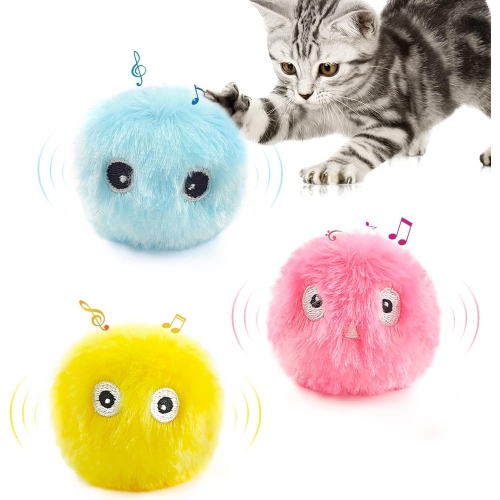

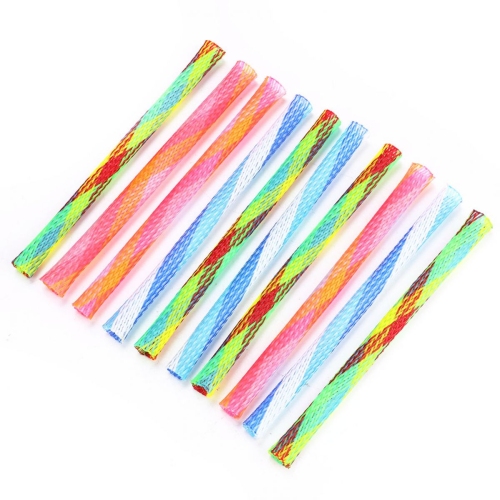
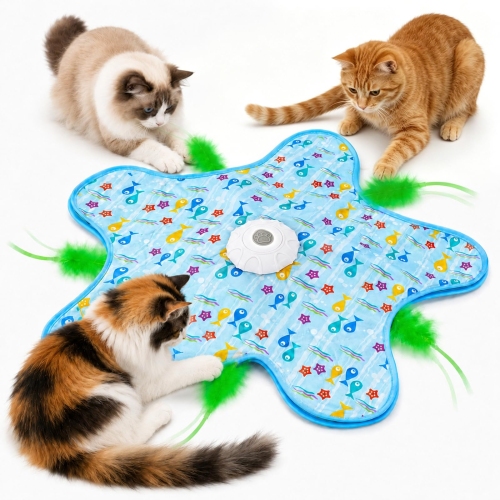
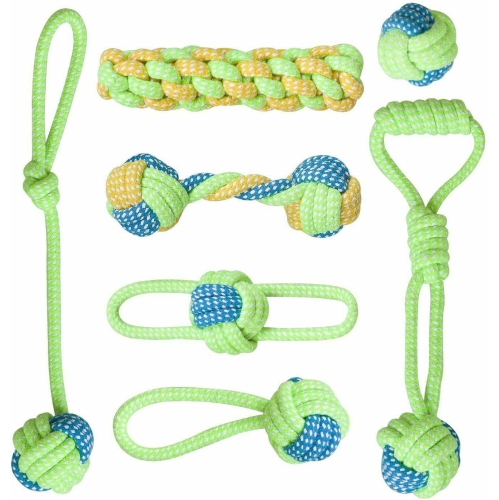


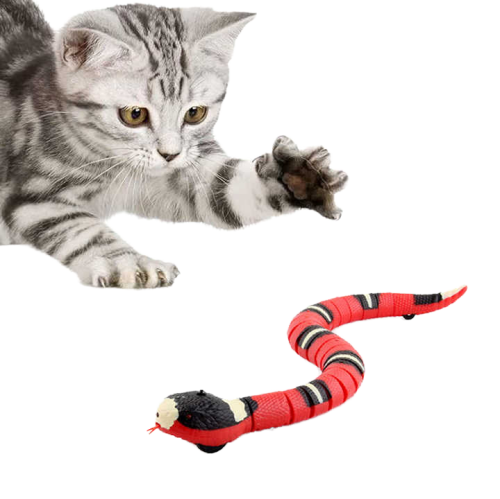
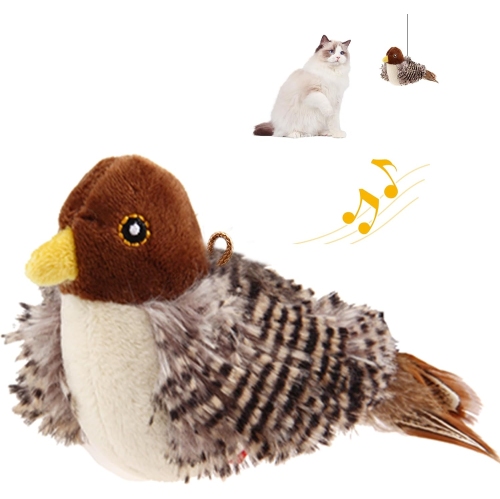

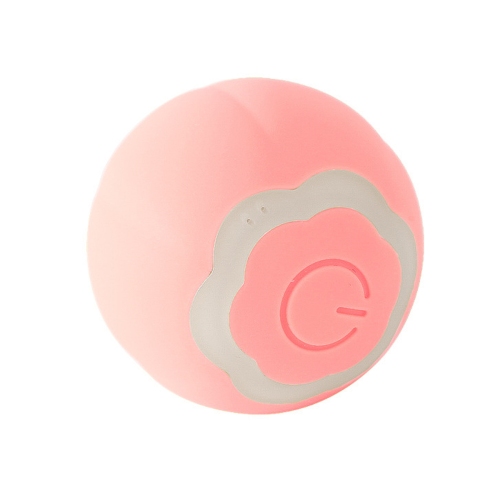
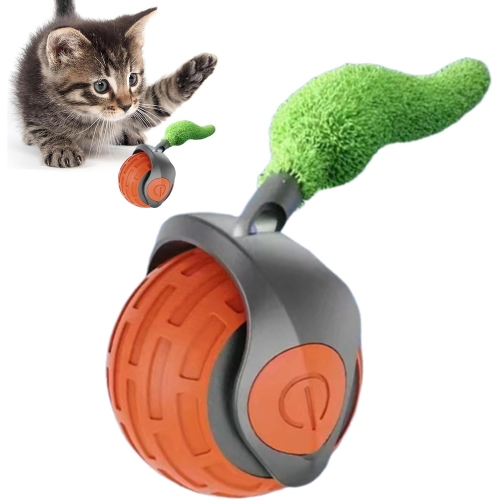
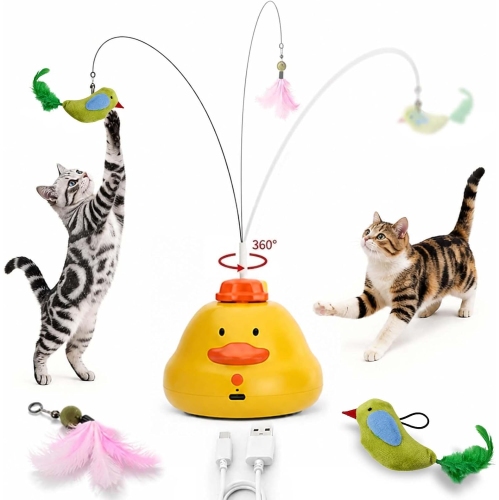
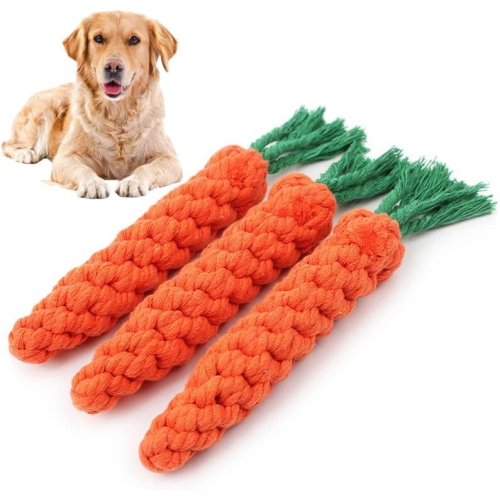
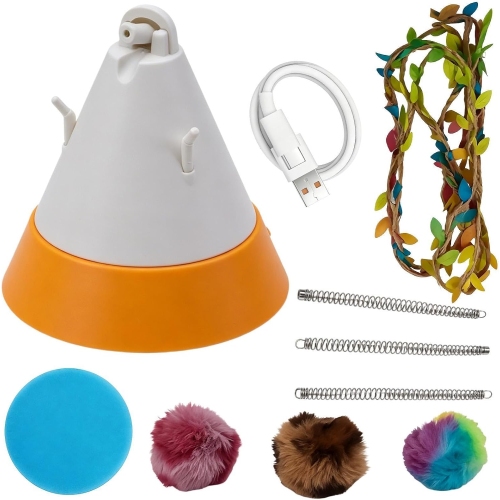
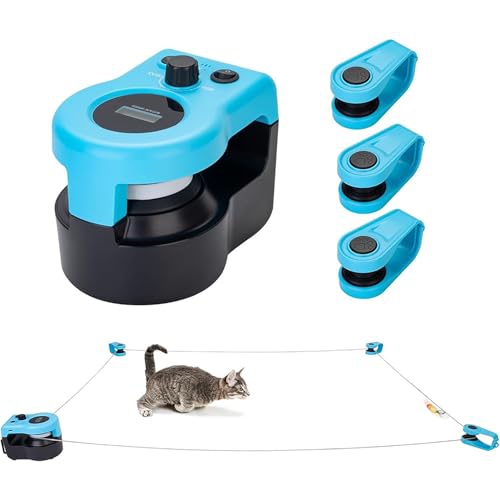
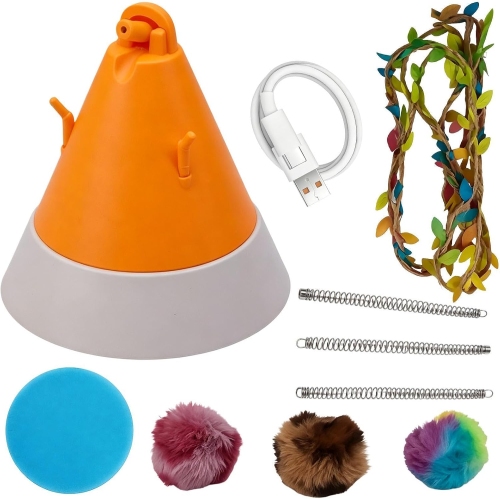
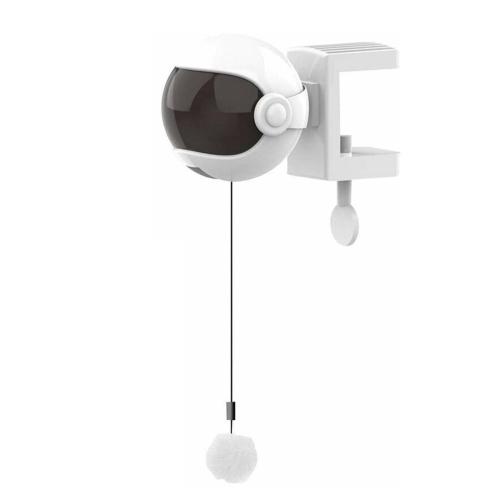
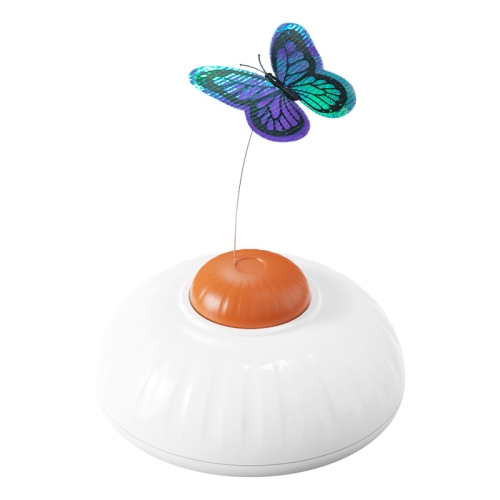
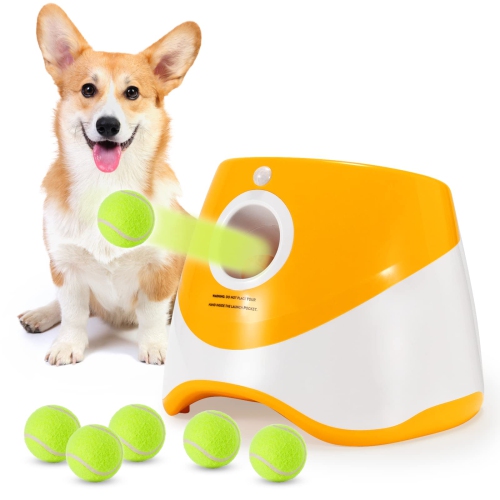

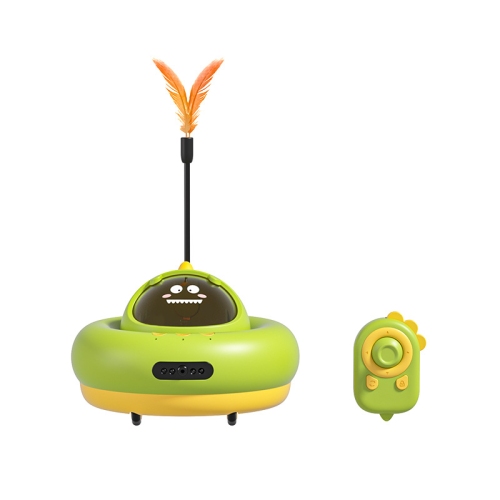
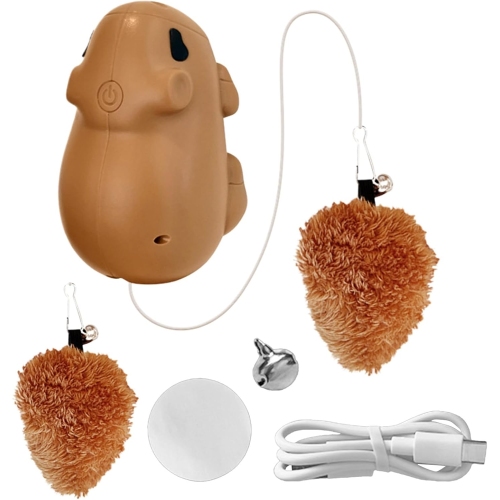
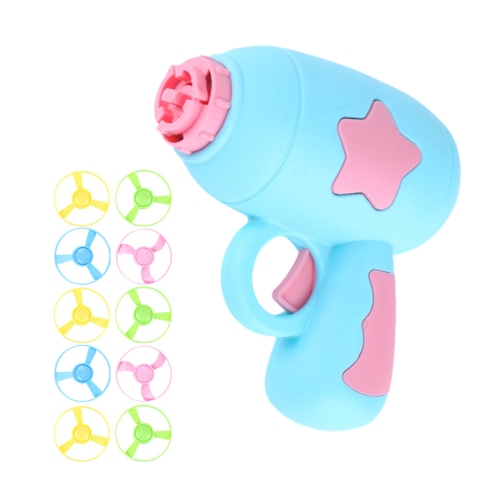
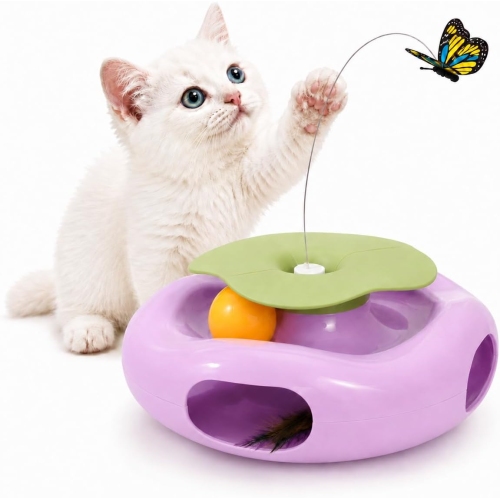


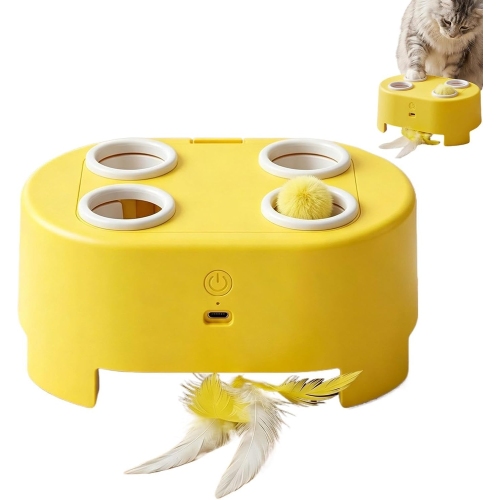
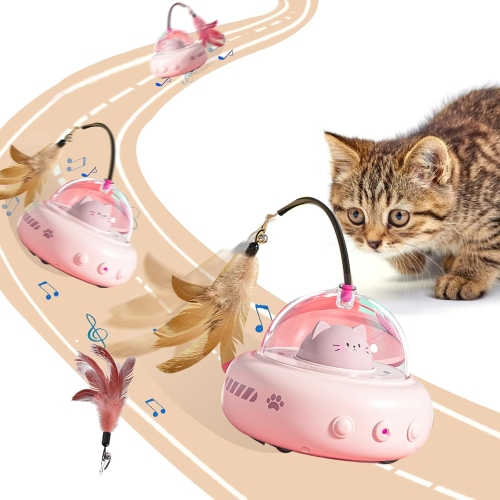
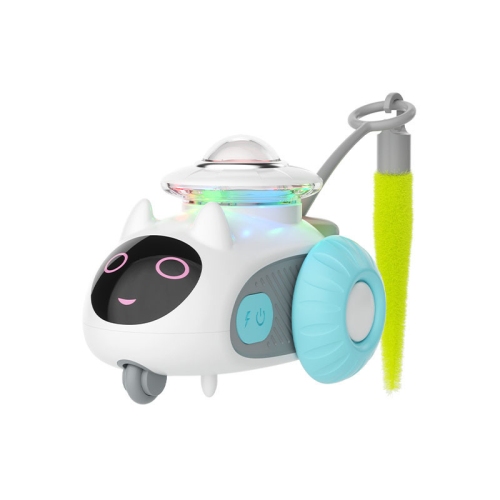


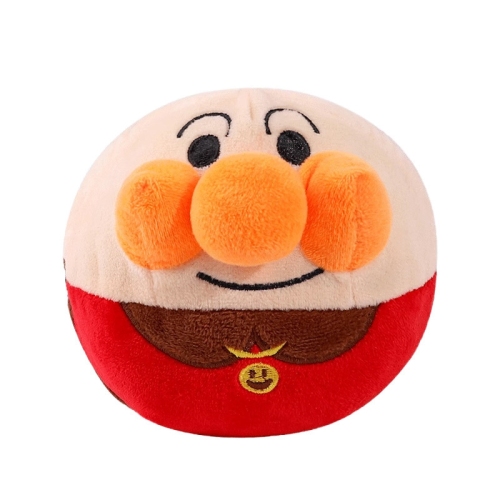
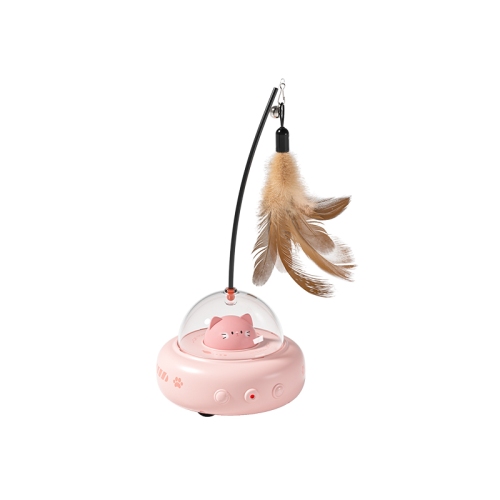

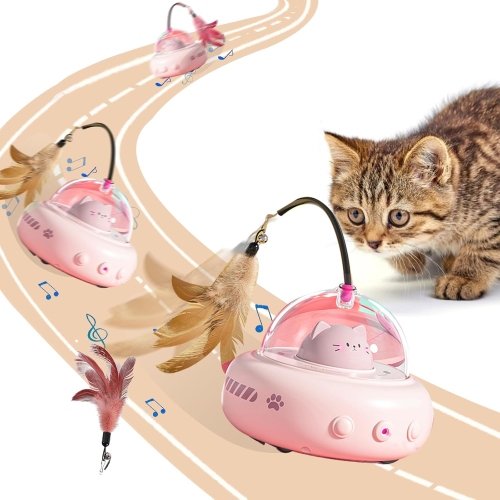
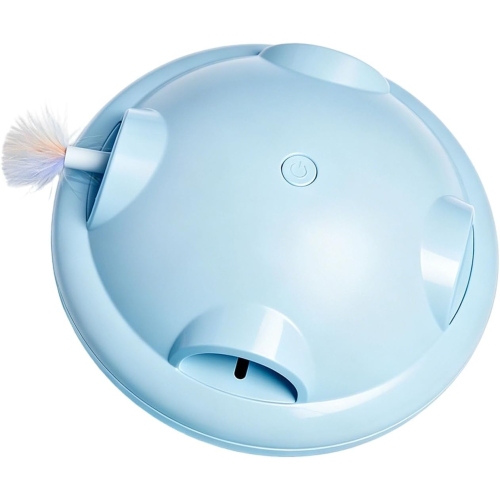


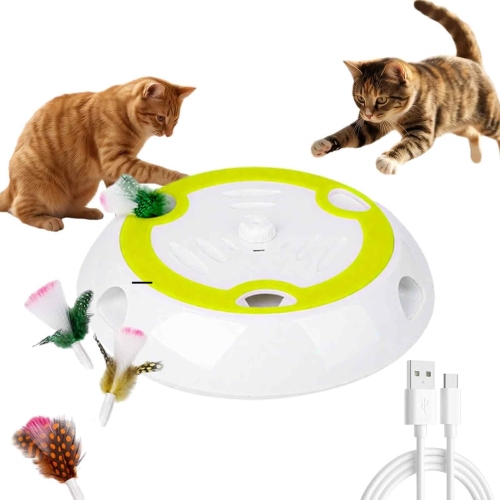
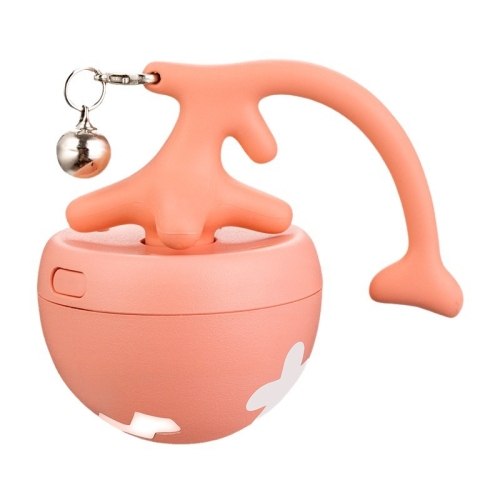

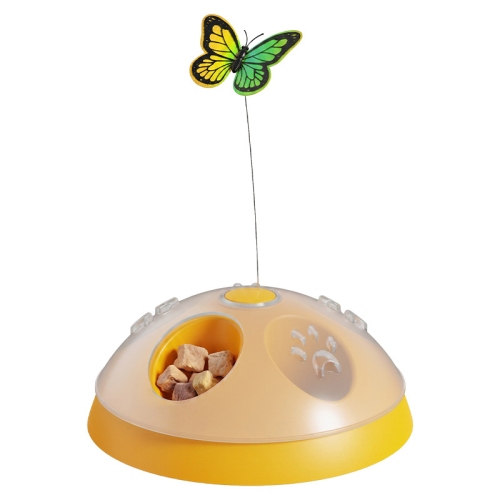
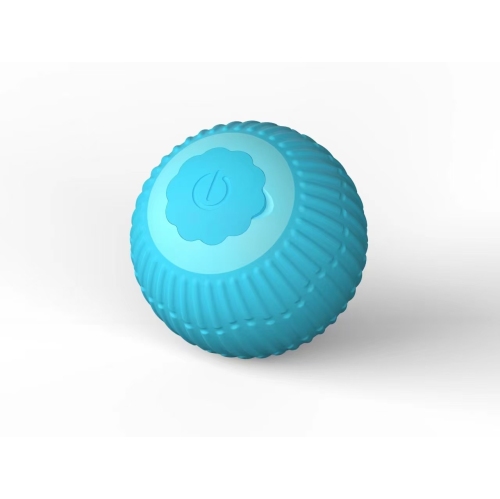
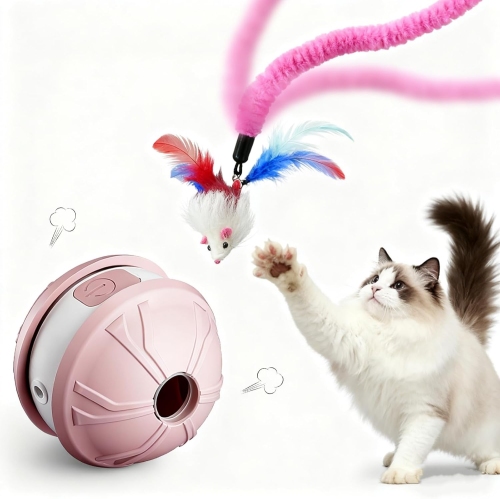

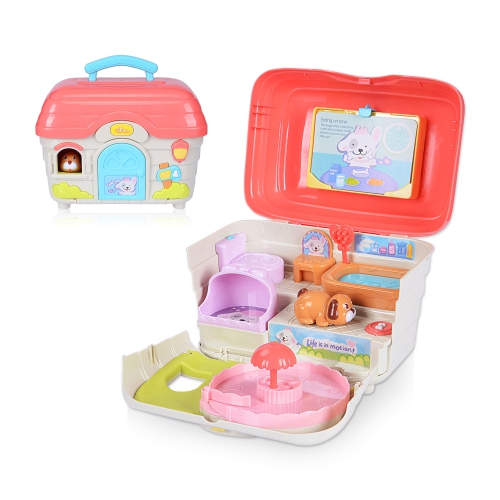
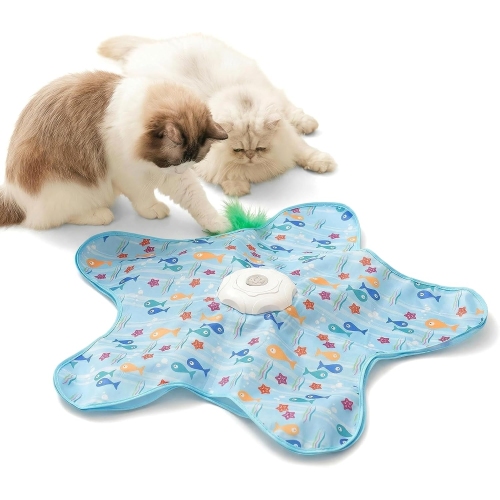
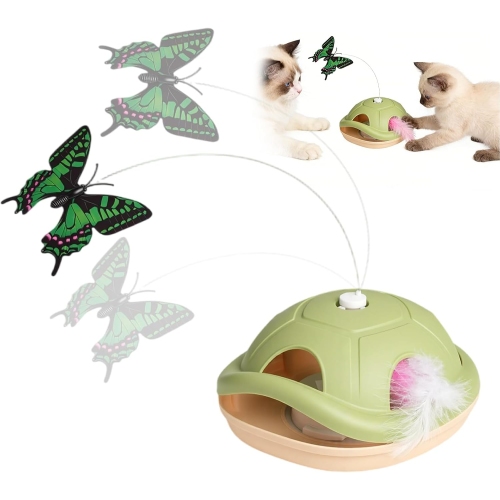
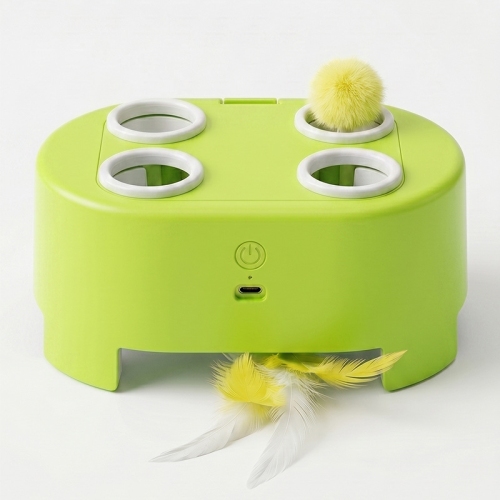

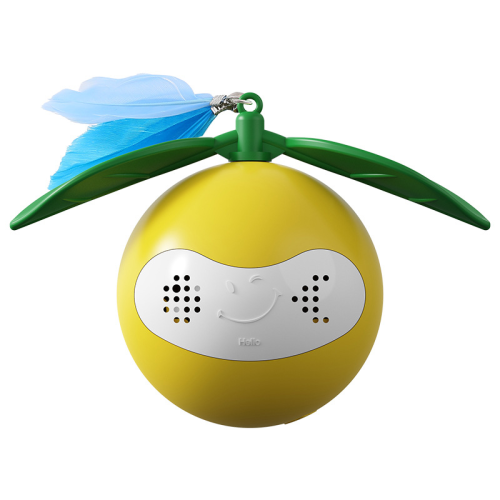


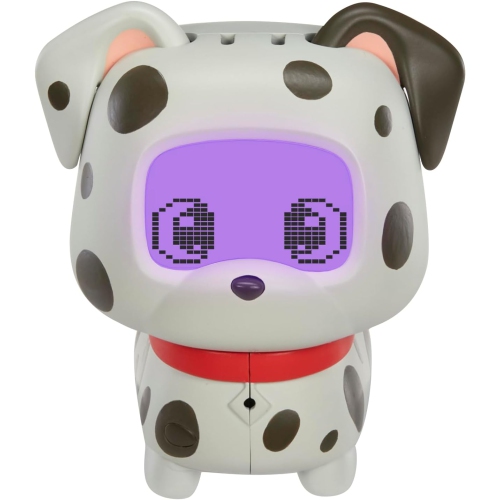
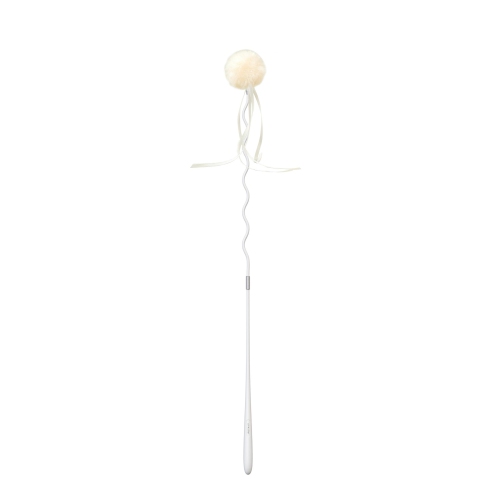
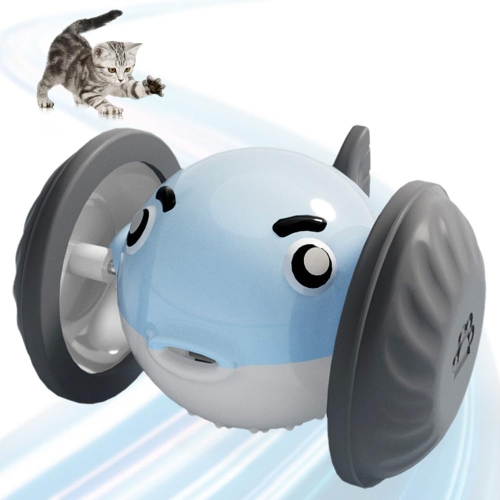
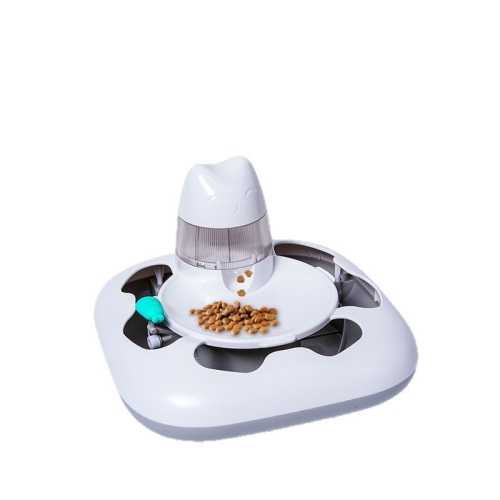
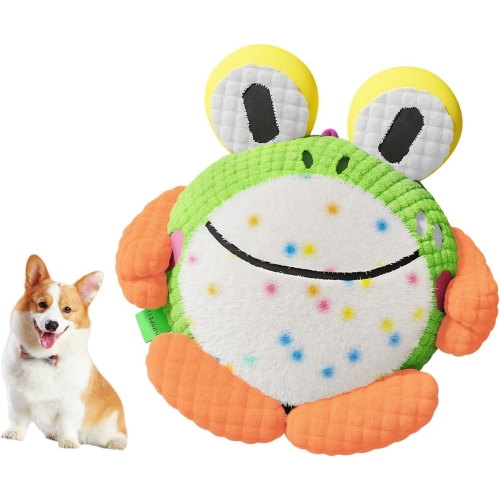
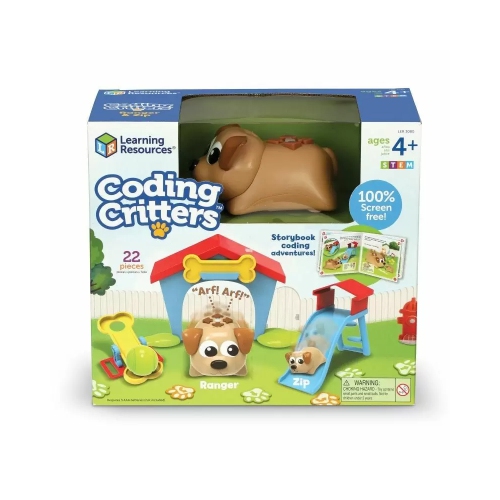
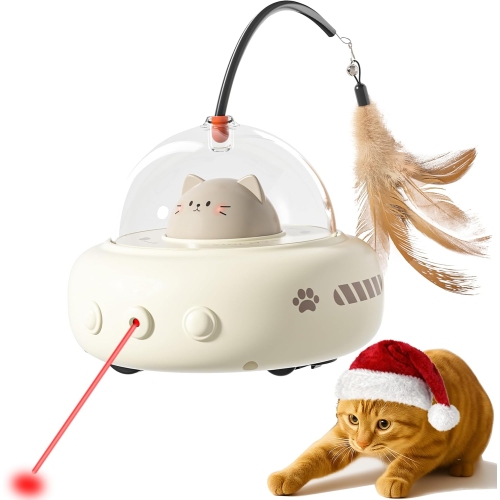
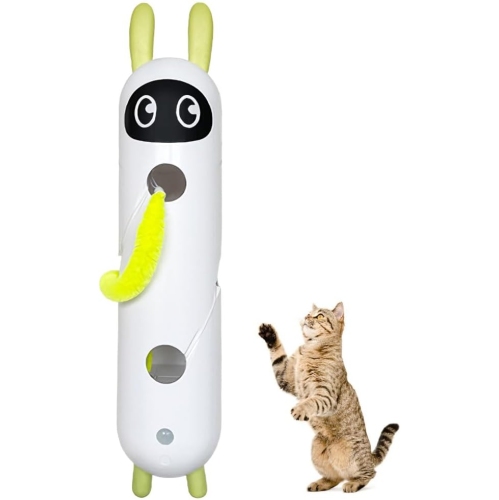

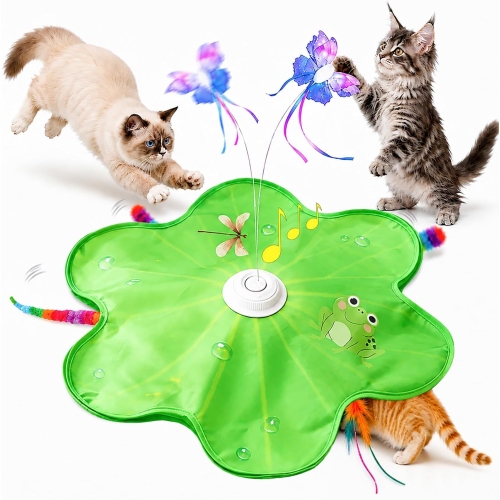
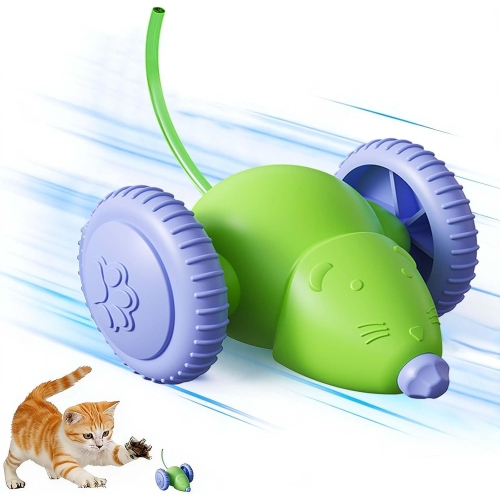
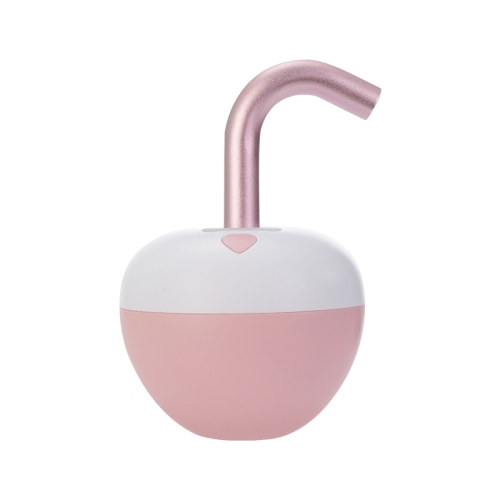


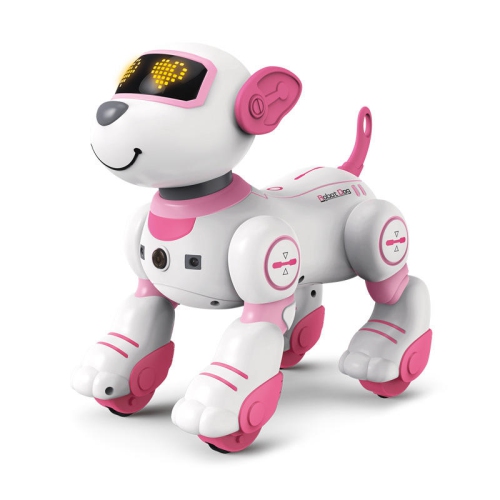
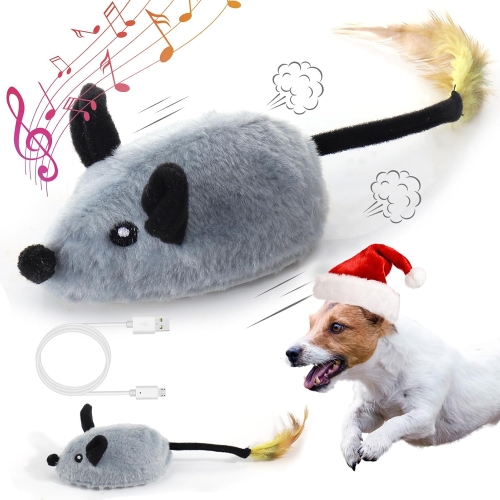
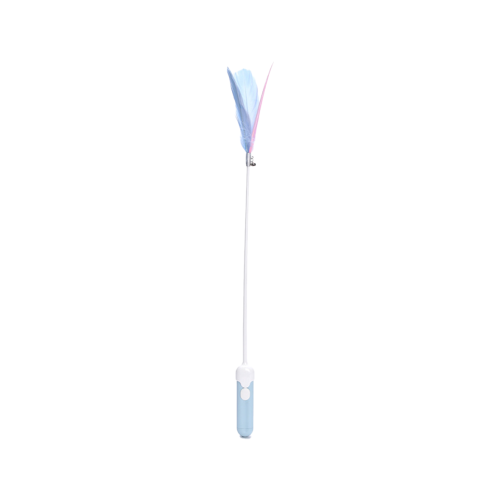
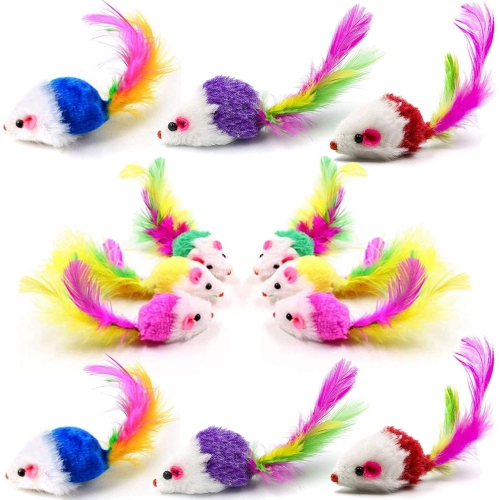
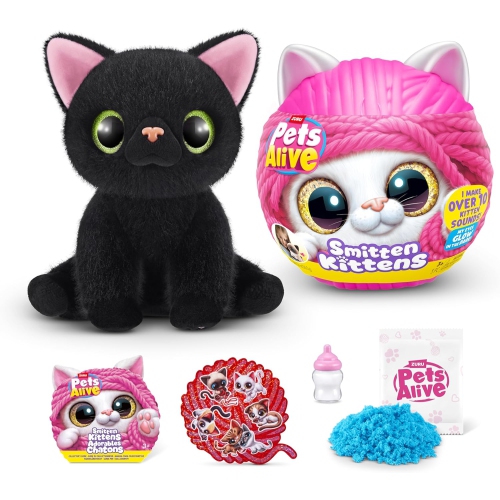

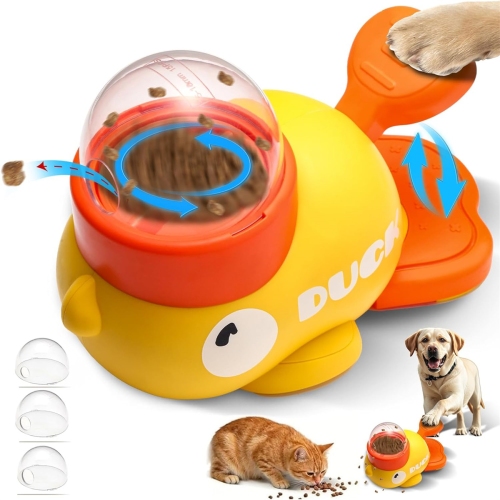


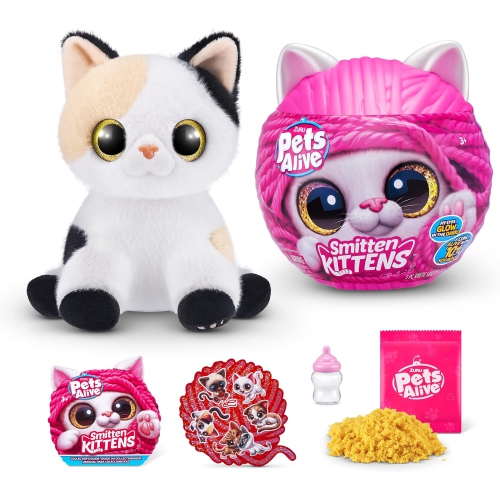

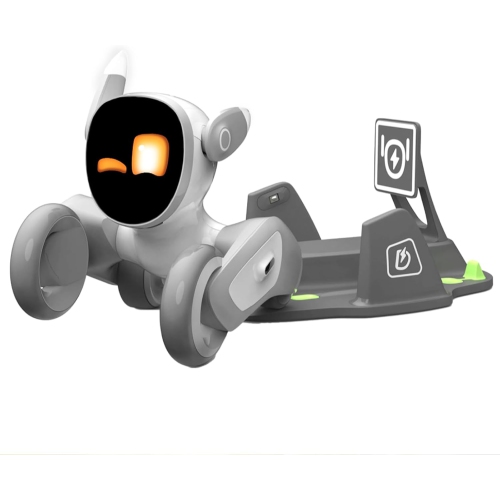
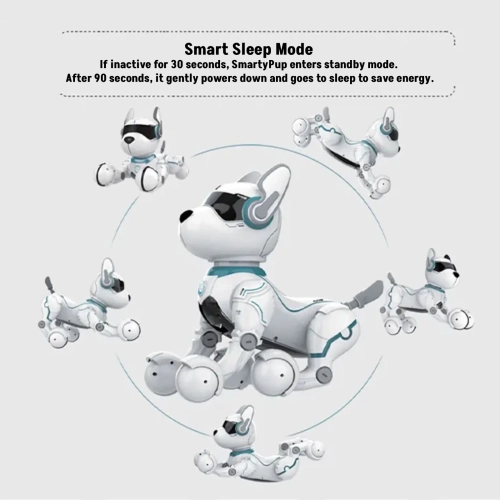
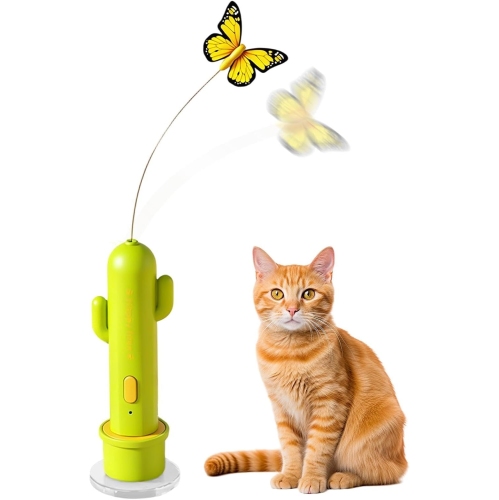

Play that puts your pet’s natural instincts to work
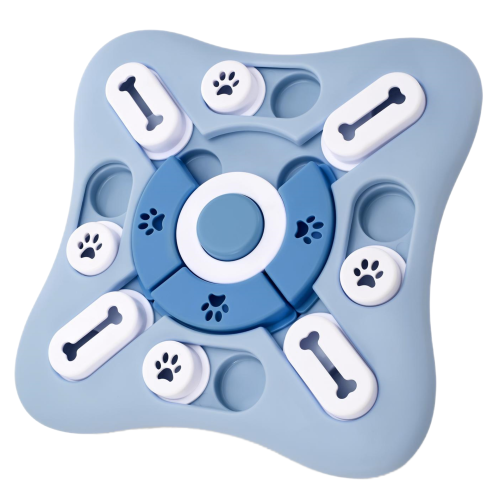
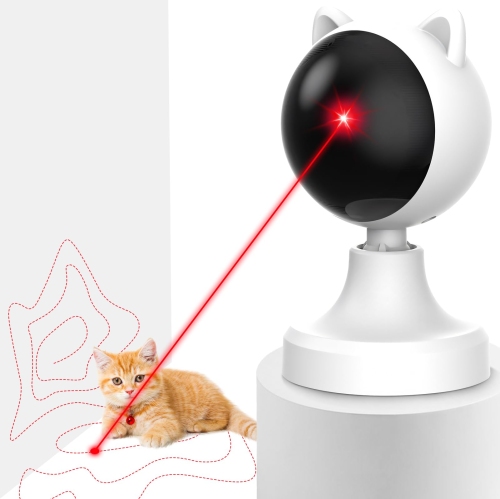
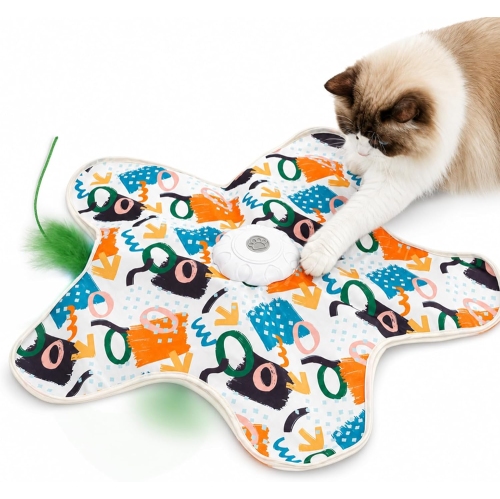
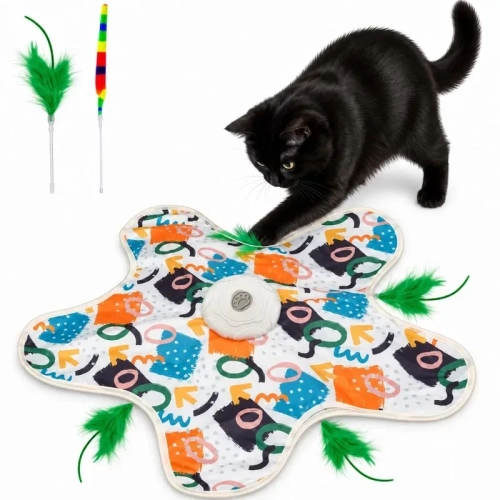
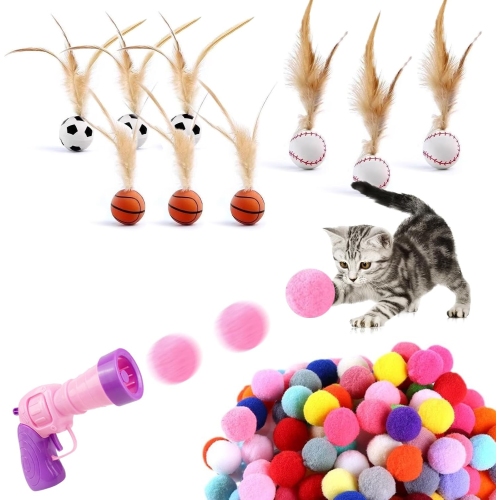
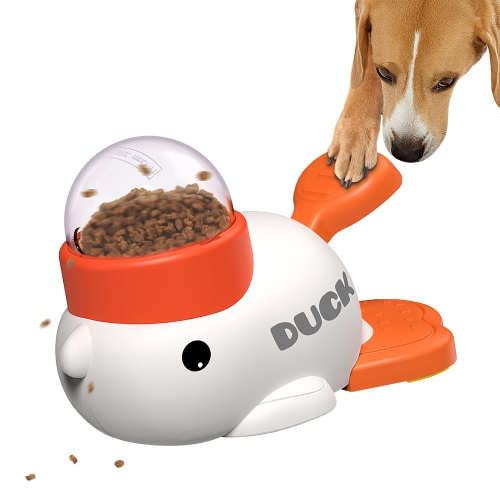
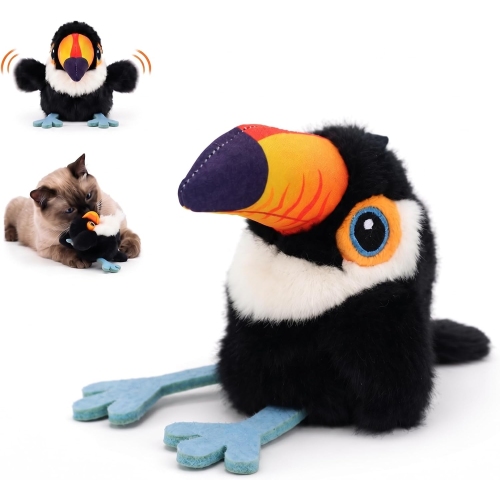
Interactive pet toys encourage animals to take part in play through movement, sound, scent, touch, or a reward. Unlike a toy that simply rests on the floor, an interactive design gives a pet something to investigate or respond to: a compartment to open, a ball to nudge, or a moving target to follow. This combination of mental stimulation and physical activity can help reduce boredom while giving natural behaviours a useful outlet. Dogs often enjoy sniffing, searching, retrieving, and working out how to reach a small food reward, while cats may prefer stalking, batting, pouncing, and chasing. Food puzzles, treat-dispensing toys, moving balls, and wand-style toys offer different kinds of engagement, so the most appealing format depends on how an animal already likes to play. A dog that investigates every pocket and cushion may enjoy a puzzle that rewards careful searching; a cat that watches a feather drift across the floor may respond to an unpredictable moving target. The Interactive Dog Toys category focuses on canine interests, including activities that combine problem-solving with movement. For both dogs and cats, interaction can come from the toy itself, a person directing the activity, or a combination of the two. Shared play gives people a chance to notice what holds their pet’s attention, whether that means a slow rolling motion or a short chase followed by a satisfying catch. These toys can add variety to everyday routines, but they do not replace walks, appropriate exercise, rest, or time spent with people. A rewarding session does not need to be complicated: a few successful discoveries can be more engaging than a difficult puzzle that leaves an animal frustrated. Interest also varies from one pet to another, and a toy that delights an energetic youngster may be less appealing to a cautious adult. The best match supports the animal’s existing instincts while offering a manageable challenge.
Materials, dimensions, and construction make a meaningful difference to how interactive pet toys feel and function. Flexible rubber can provide a softer gripping surface, while rigid plastic can support sliding panels, rotating sections, and compartments that need to hold their shape. Fabric and plush textures may appeal to pets that enjoy carrying or batting soft objects, although seams, stuffing, ribbons, and attached details deserve close attention during play. No toy is indestructible, and a design intended for gentle pawing is not necessarily suitable for determined chewing. Size matters beyond the overall measurements: openings should suit the intended animal, components should not be small enough to swallow, and the toy should be manageable without forcing an awkward grip or posture. A large dog may need a more substantial design than a small companion, while a kitten may find a heavy ball difficult to move. Older pets or animals with limited mobility may be more comfortable with a stable, low-profile activity that does not require jumping or prolonged standing. Puzzle difficulty also affects fit. Wide openings and simple movements offer an accessible introduction, while additional steps can provide variety once the basic action becomes familiar. With powered toys, useful details include secure battery compartments, protected moving parts, accessible controls, and charging instructions that fit the household’s routine. Noise and motion deserve consideration too: a sudden buzz or fast spin may intrigue one pet and startle another. Traction can affect performance, since a puzzle that slides away on a smooth floor may interrupt play rather than extend it. In a shared living space, a toy’s footprint also matters; there should be enough clear space for movement without sending an animal into furniture or through a busy walkway. Clear care and use information helps establish whether a design is intended for indoor play, supervised chewing, food dispensing, or another activity, rather than leaving those boundaries to guesswork.
Everyday enjoyment often depends as much on the routine around a toy as on its features. Introducing an unfamiliar activity at an easy level gives a pet time to investigate without pressure. A treat visible near an opening, a gently moving target, or a short demonstration can make the connection between action and reward clearer. Food-based activities work best when rewards fit the animal’s diet and are included in the daily food allowance; some designs can also make a portion of a regular meal more engaging when used as directed. In homes with more than one pet, separate play spaces can help prevent competition over food or a favourite object. Supervision remains important, including with automatic toys, because a pet’s behaviour can change once excitement builds. Pausing when an animal repeatedly chews the housing, guards the toy, or seems unsettled keeps play from becoming a source of tension. Putting a few toys away between sessions can help maintain interest without leaving the floor crowded. Cleaning is another practical part of the routine, especially when saliva, crumbs, or soft food collect in seams and compartments. Removable parts and accessible surfaces can simplify care, but washing methods should follow the manufacturer’s directions. Electronic sections generally need different handling from washable components, and everything should be fully dry before reassembly or storage. Regular checks for cracks, loose pieces, damaged stitching, and exposed wiring help identify when a toy should be taken out of use. For gift giving, an interactive toy feels more personal when it reflects the recipient pet’s size, habits, and household rather than appearance alone. A quiet puzzle may suit someone who enjoys calm training sessions, while a toy designed for shared movement may appeal to a person whose cat loves an active chase. Knowing whether the animal is food-motivated, easily startled, or an enthusiastic chewer makes the choice more thoughtful. Well-matched interactive play offers a simple pleasure: an attentive pet, an achievable task, and a small moment of discovery woven into the day.
Top selling and popular products
-
 Your price for this item is $94.99
-
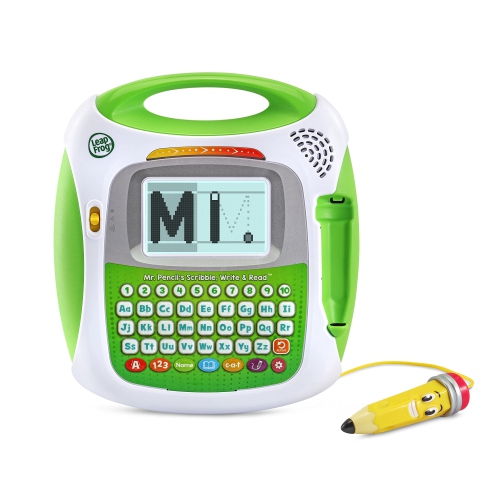 Your price for this item is $99.84
-
 Your price for this item is $150
-
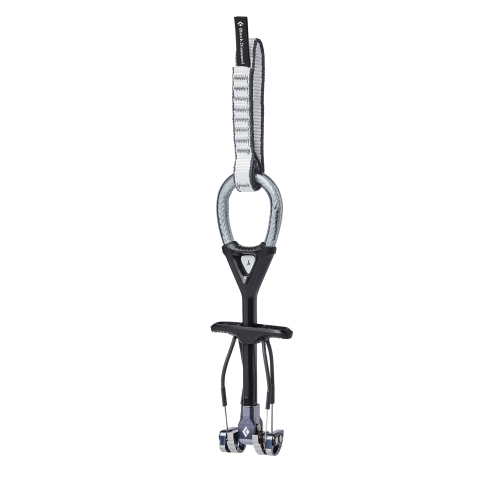 Your price for this item is $151.05
-
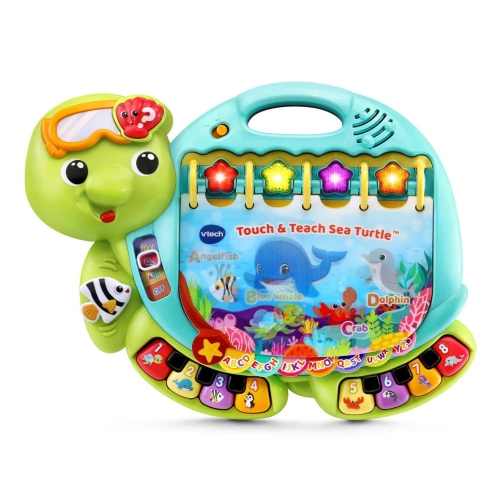 Your price for this item is $44.31
-
 Your price for this item is $45.54
-
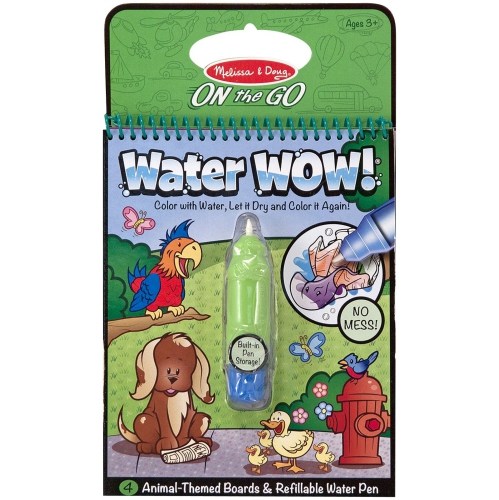 Your price for this item is $24.99
-
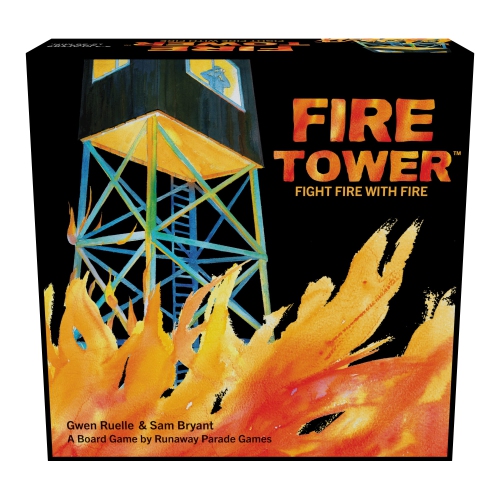 Your price for this item is $43.95
Discover more categories related to Interactive Pet Toys
Top Collections:
Best Black Friday Deals This Year, Best Black Friday Deals On Electronics, Kindle Devices, Pokemon Centers, Best Black Friday Deals On Apple Products, Best Cameras for Sports Photography, Dyson Airwrap, Pokémon 30th Celebration Cards, Apple iPhone 17 Pro, Canon G7X Cameras
Some products may be subject to Environmental Handling Fees
(EHF) depending on your province.
Learn more about EHFs.