Interior Design Curtains
Enhance the aesthetic appeal of your living space with our exquisite collection of interior design curtains. Whether you're looking to add a touch of elegance, create a cozy ambiance, or infuse vibrant colors into your home decor, our wide range of curtains offers endless possibilities. From sheer and blackout options to various patterns, textures, and lengths, find the perfect curtains that effortlessly blend style and functionality. Elevate your interior design game and transform almost any room into a captivating sanctuary with our curated selection of curtains.
Sort


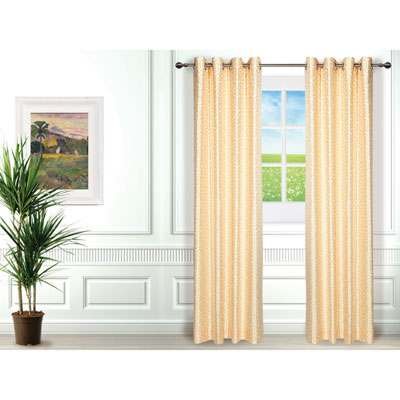


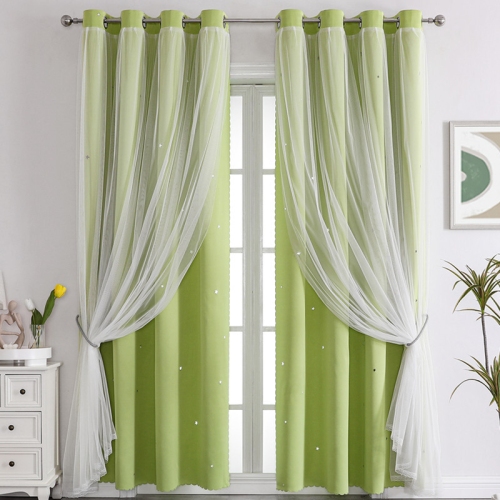
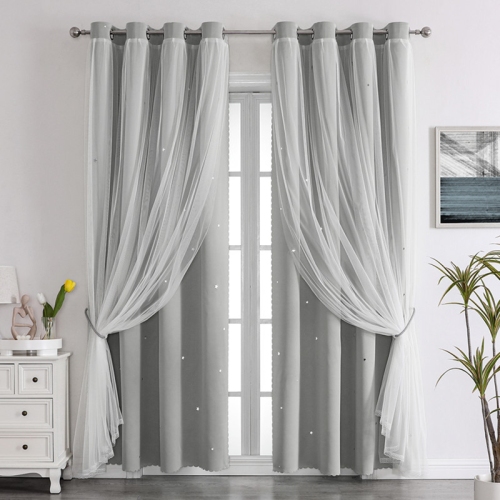

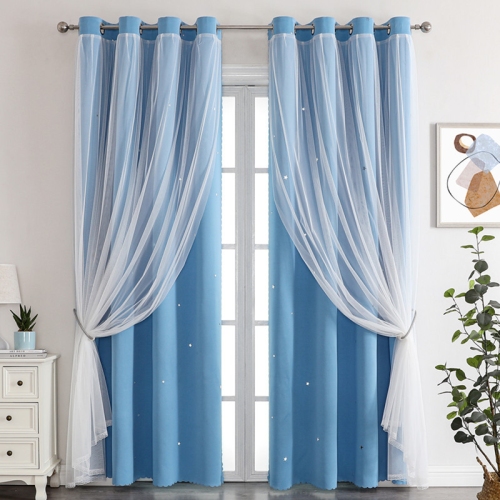
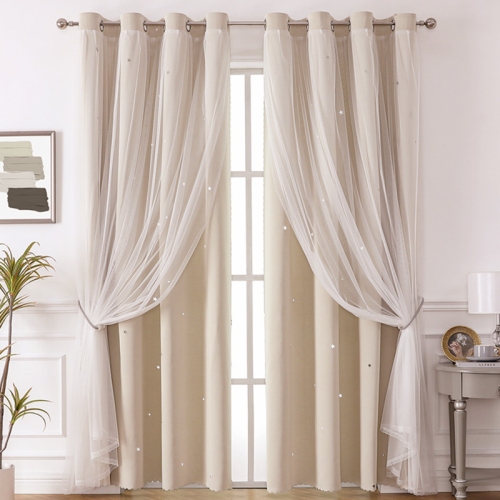
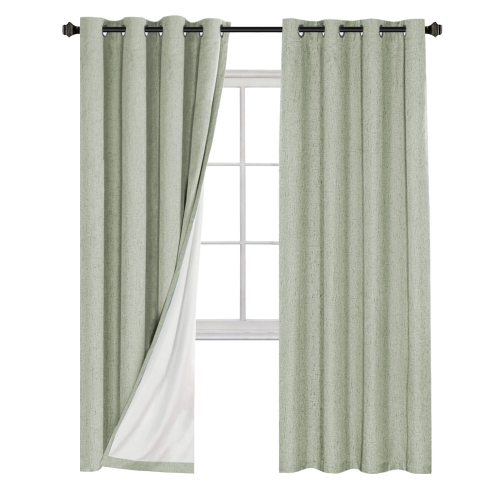
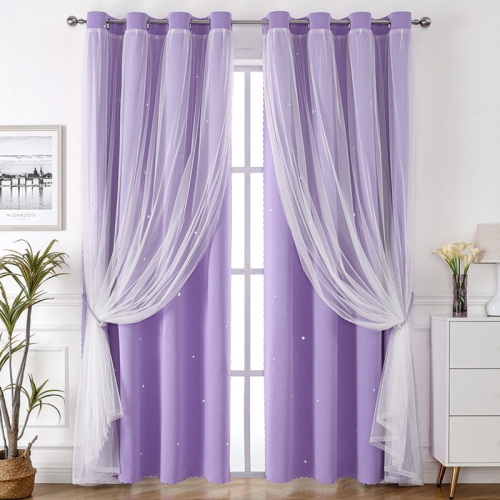
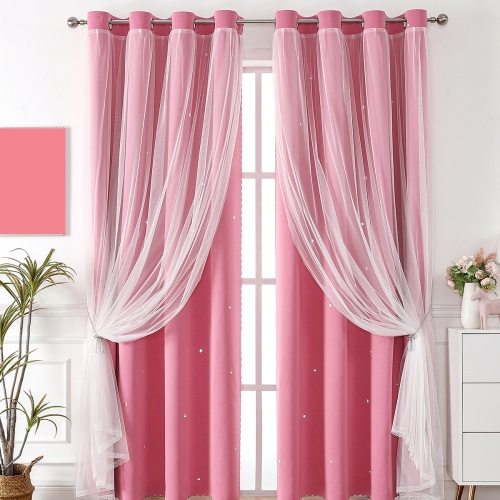


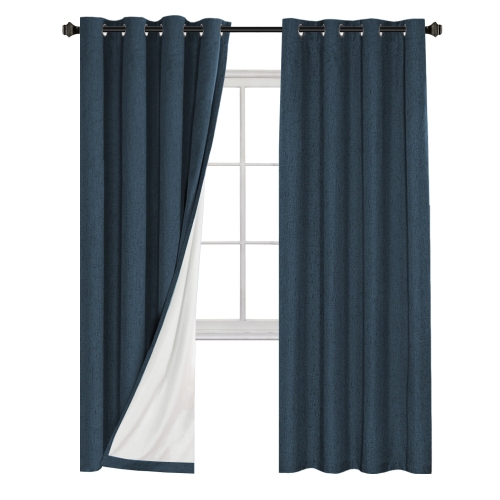
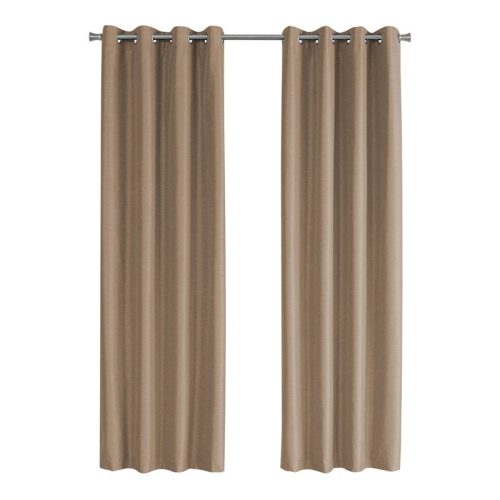


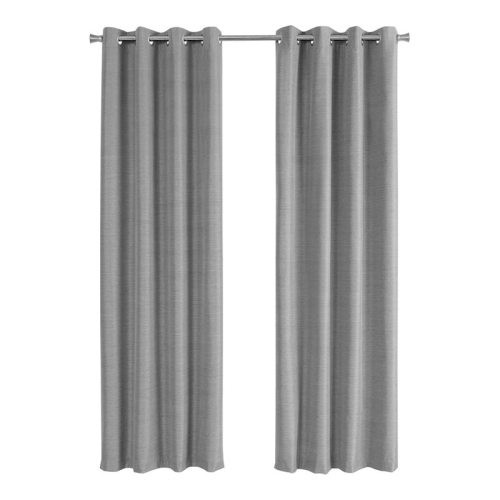

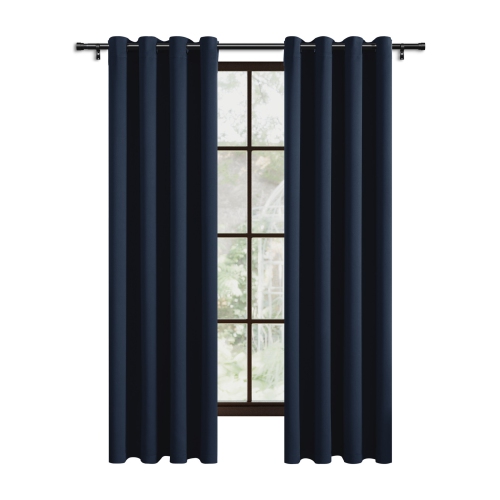


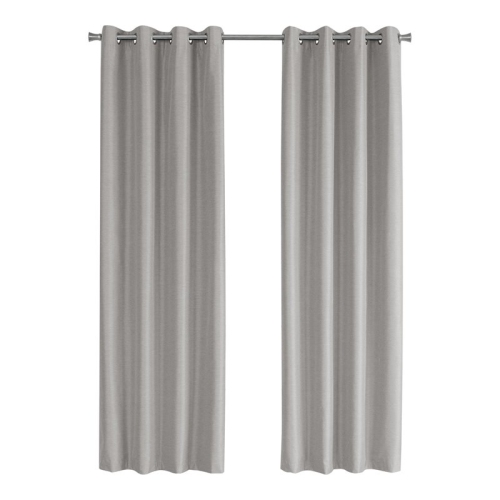
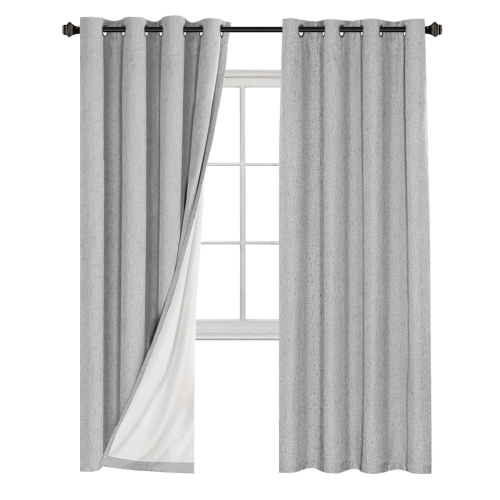
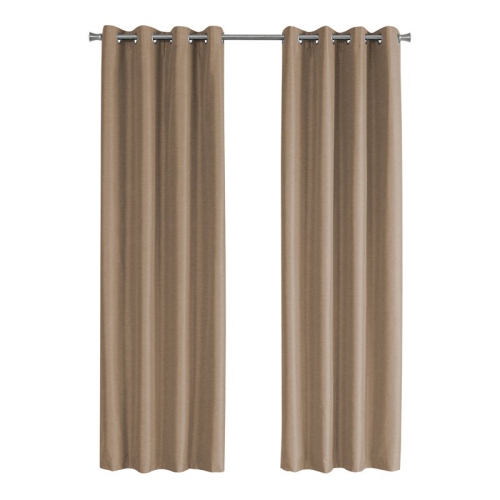


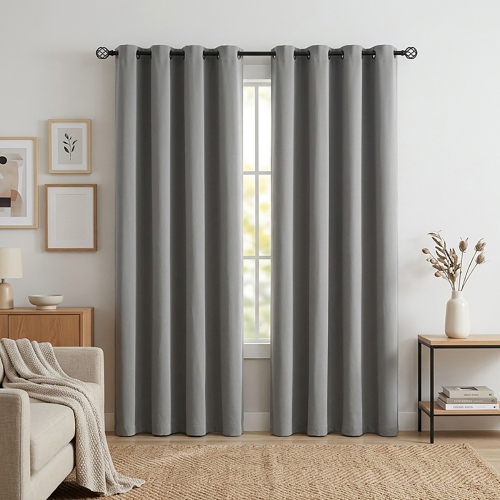
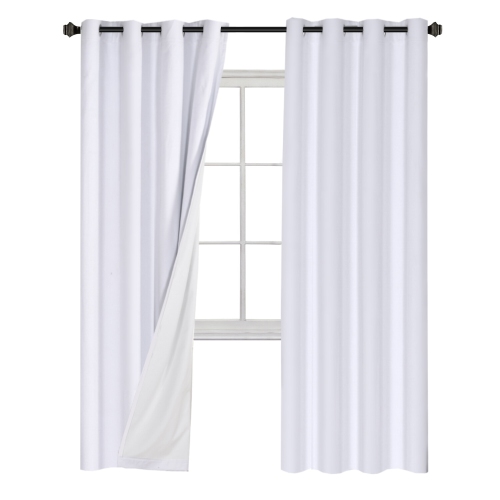

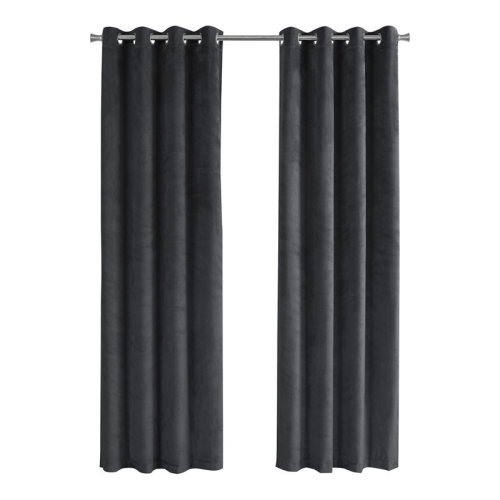
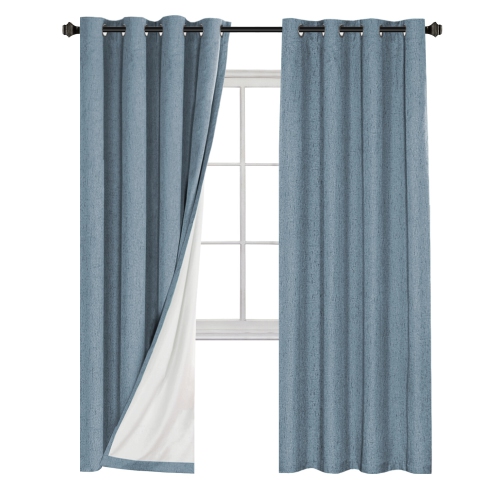


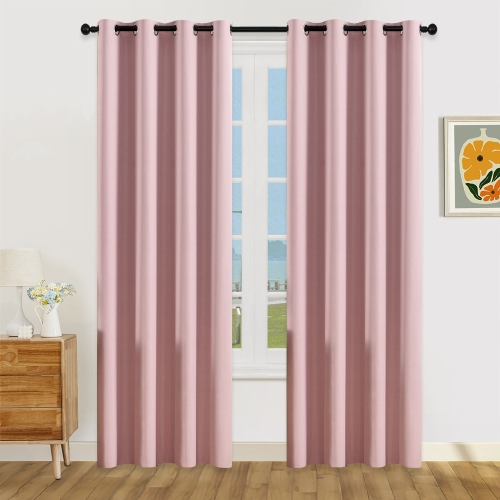


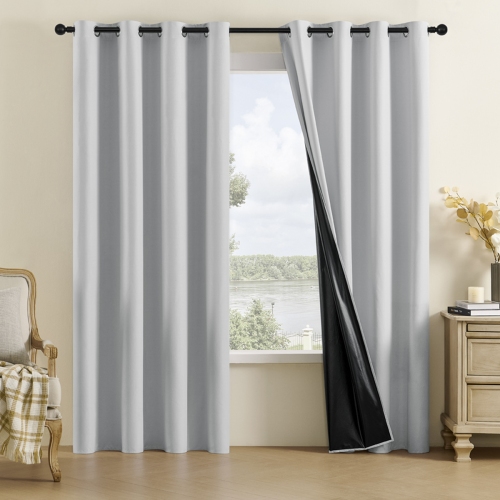
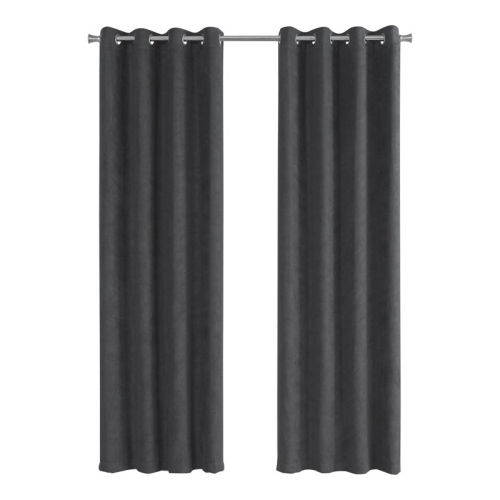


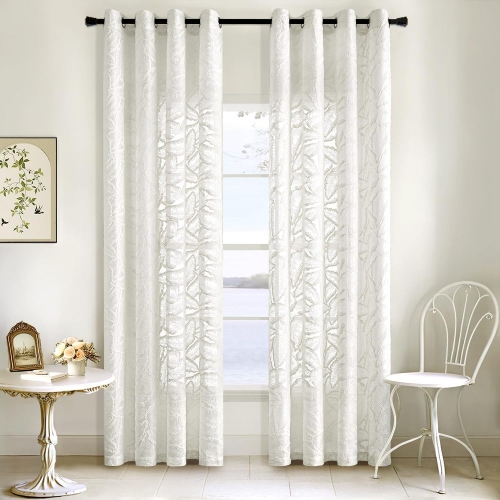
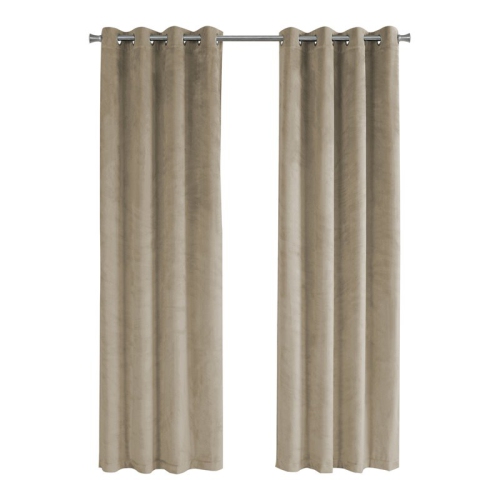

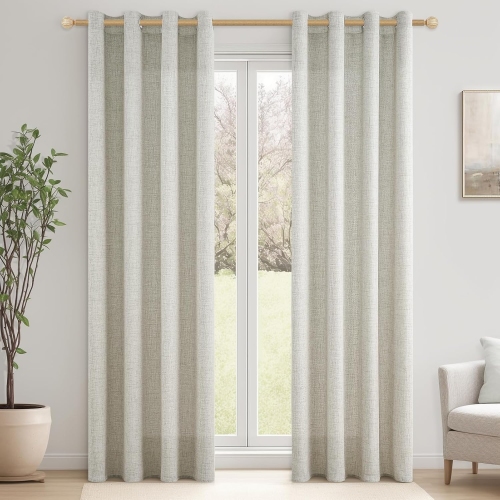
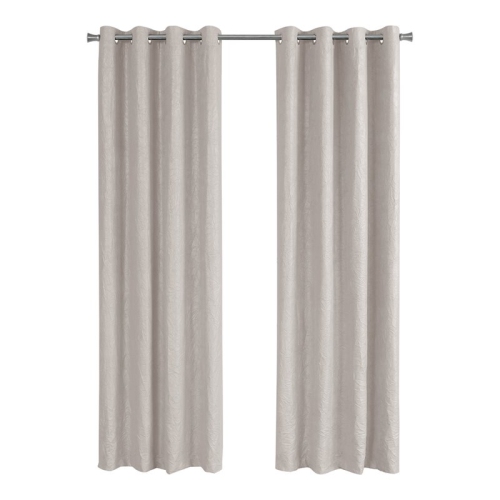
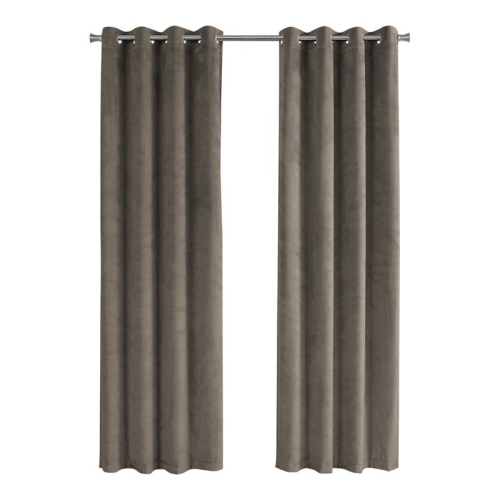
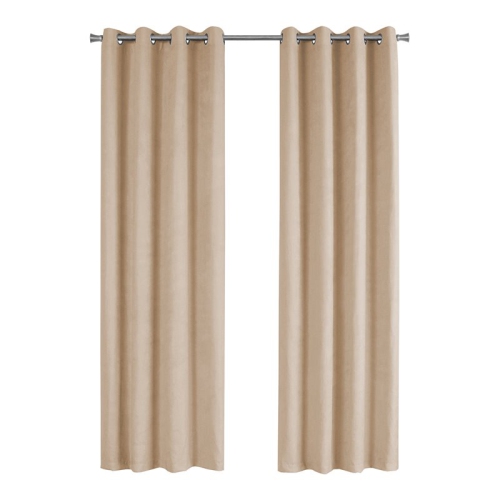

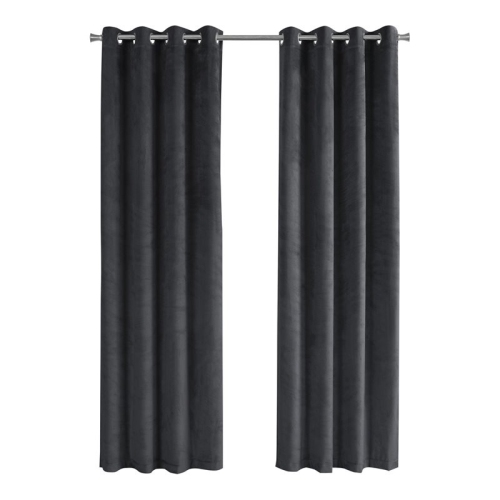
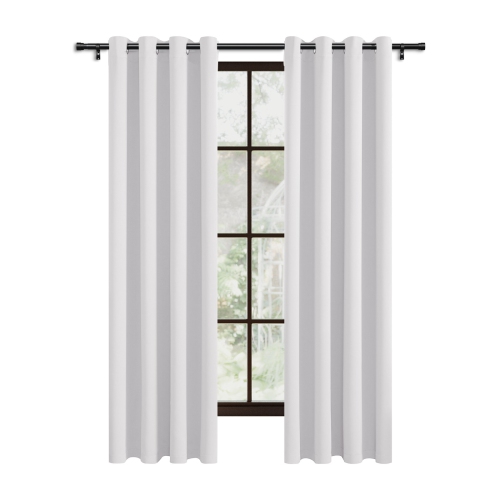

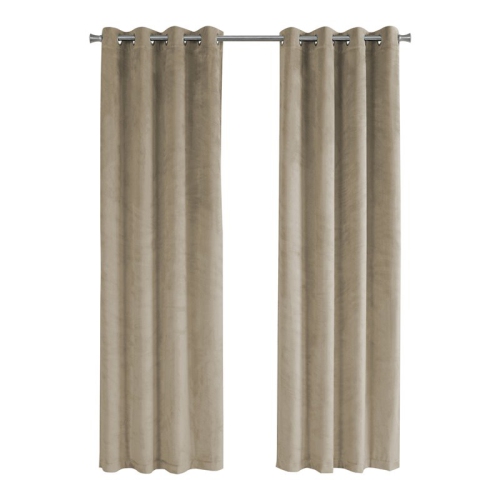
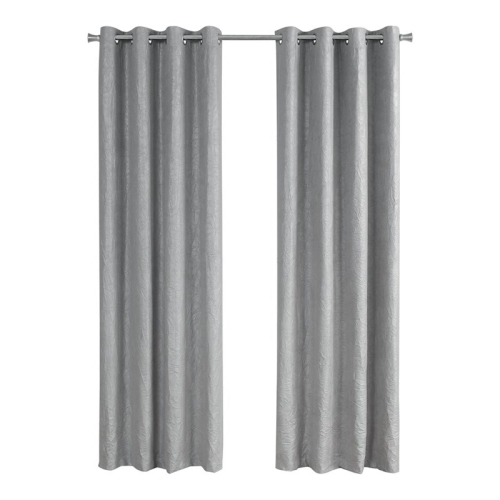


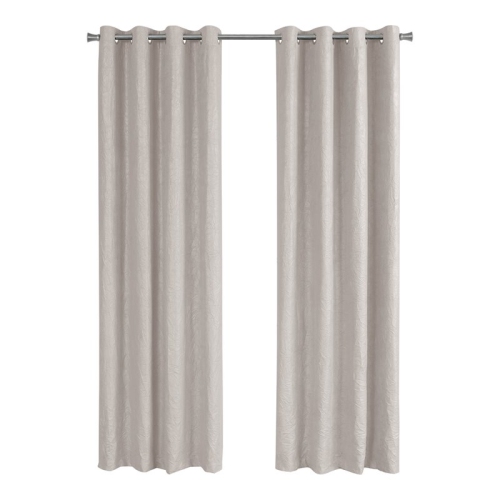
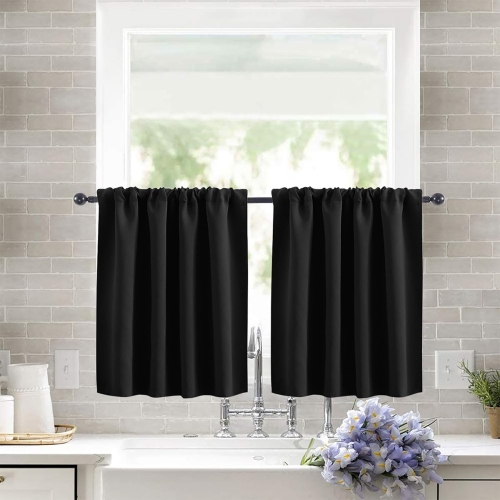

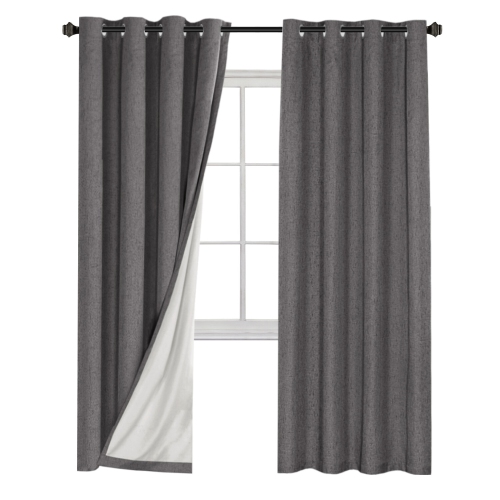
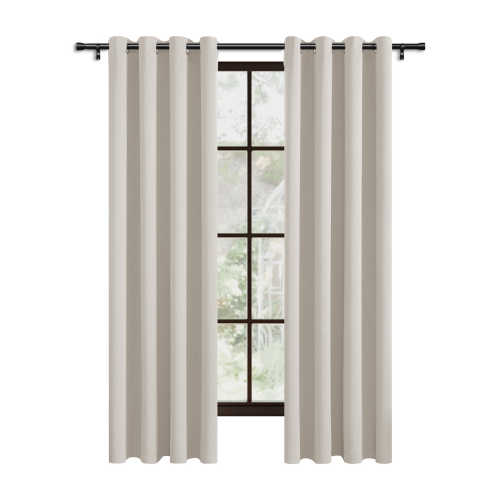
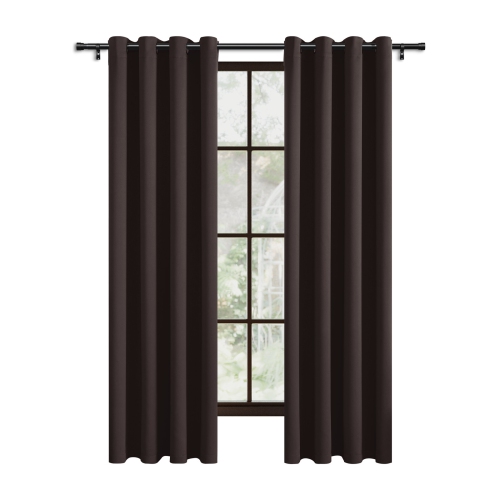
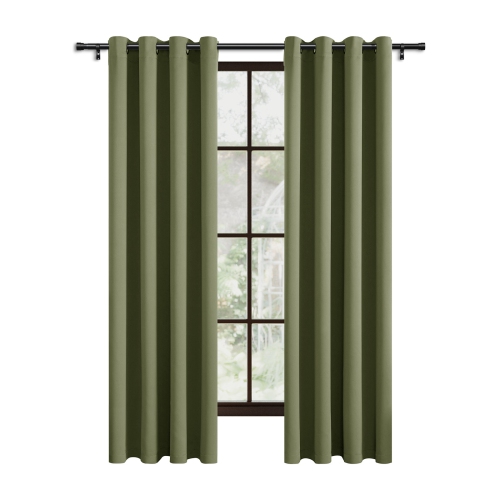
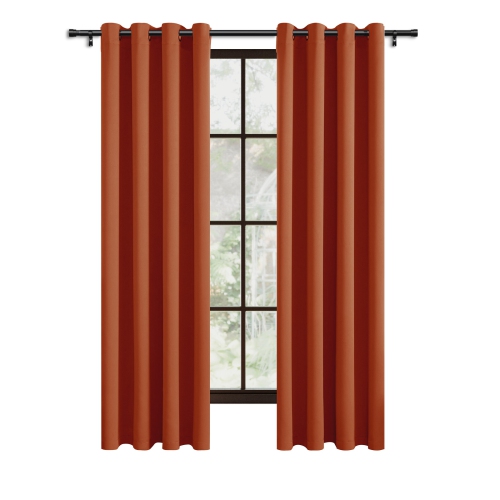
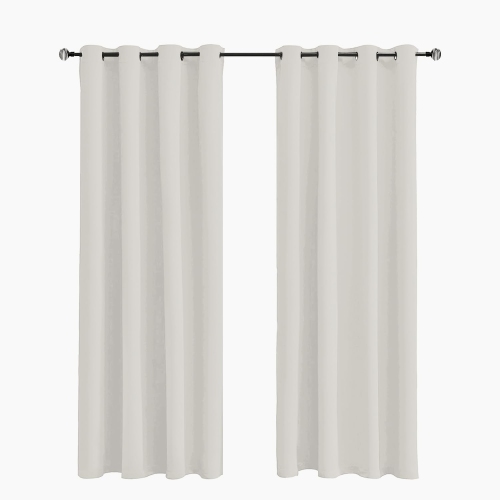
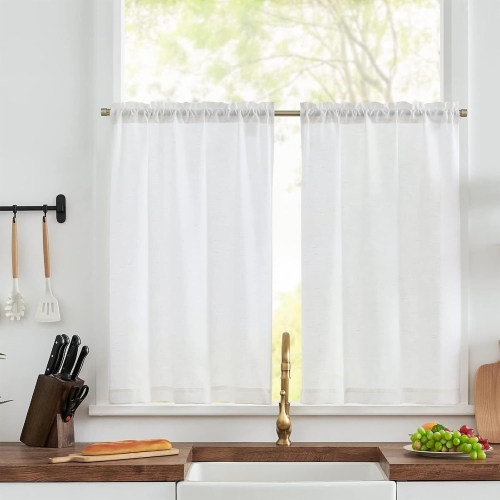


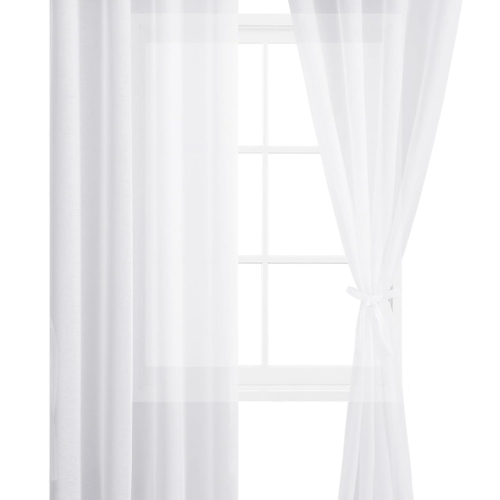
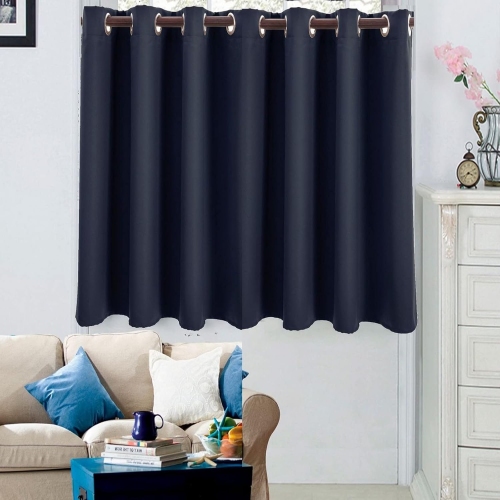
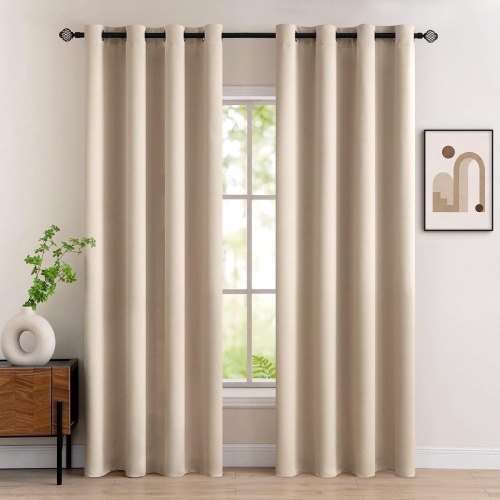
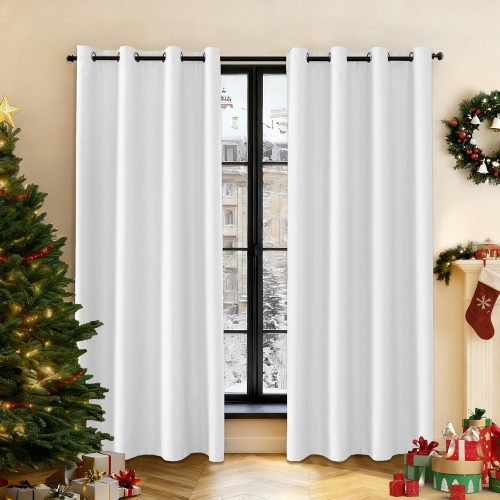


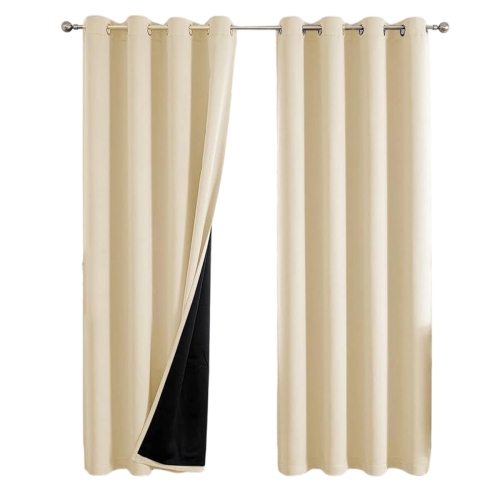

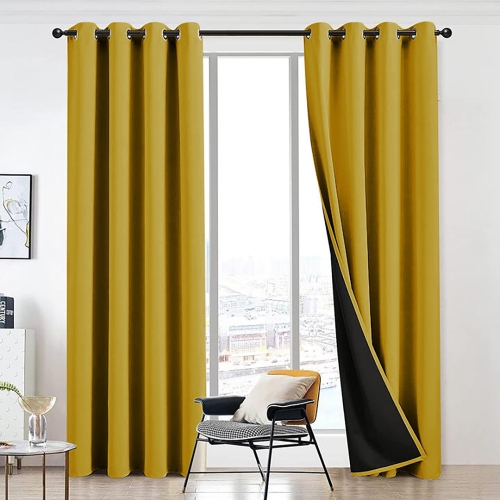
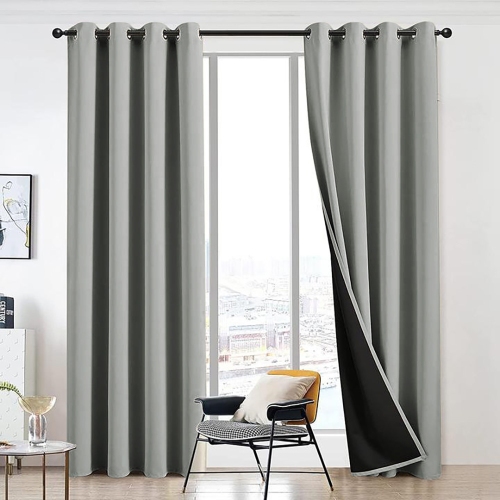


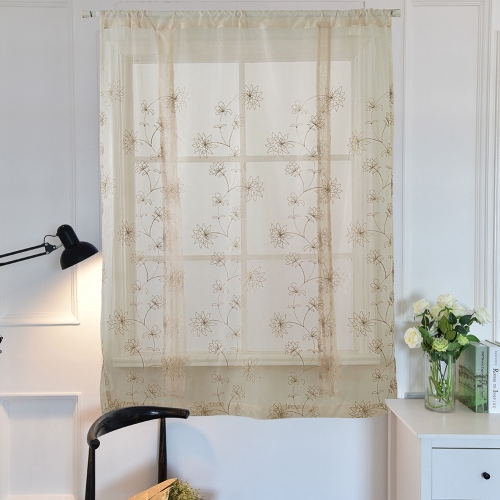
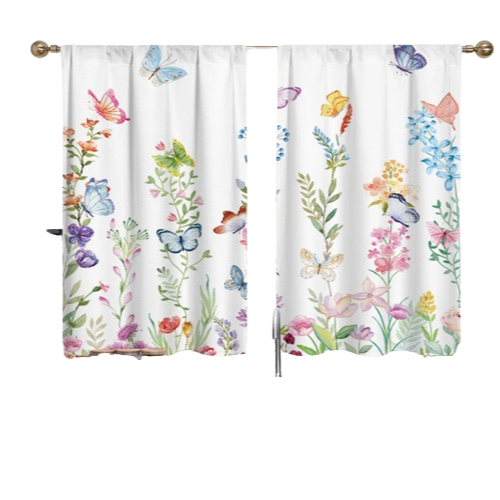
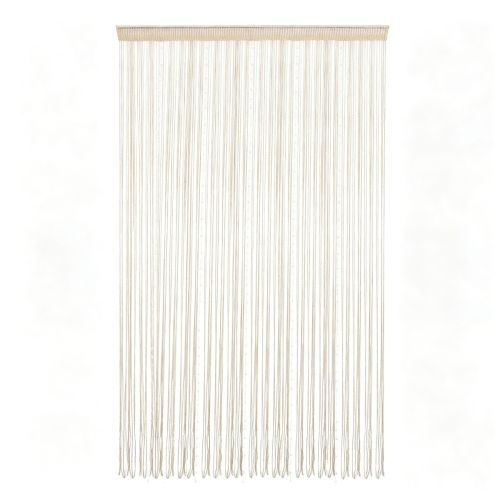

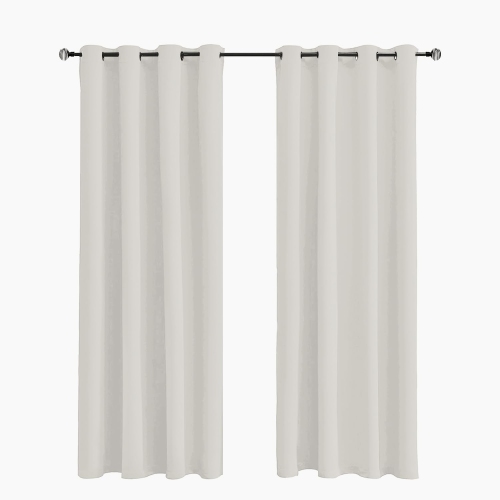
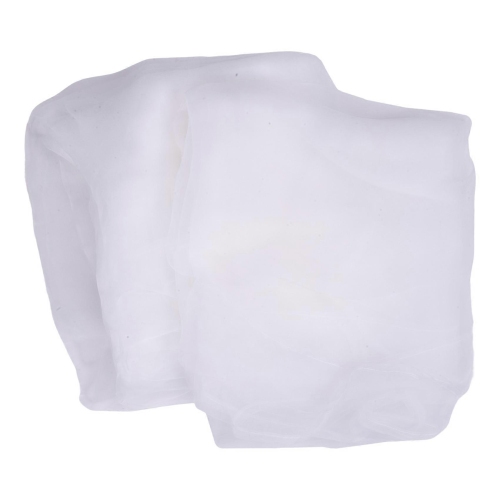
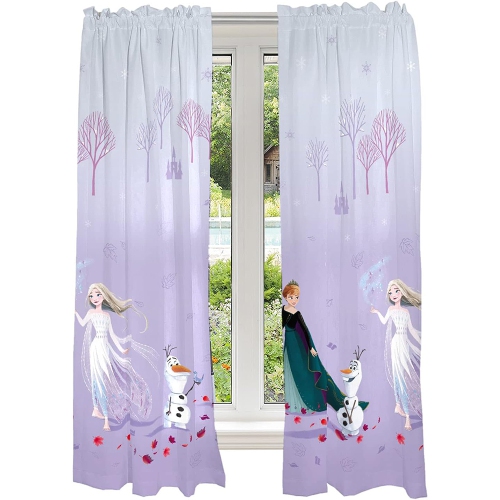
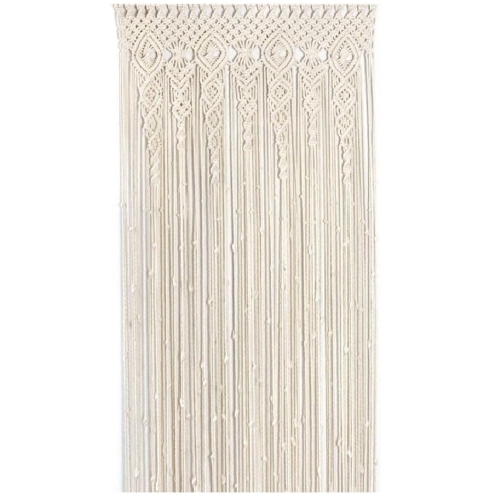
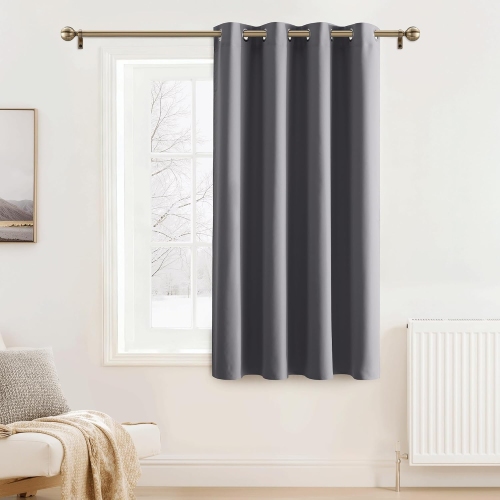
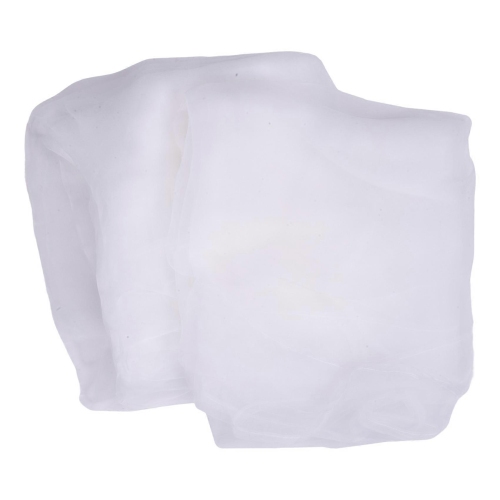
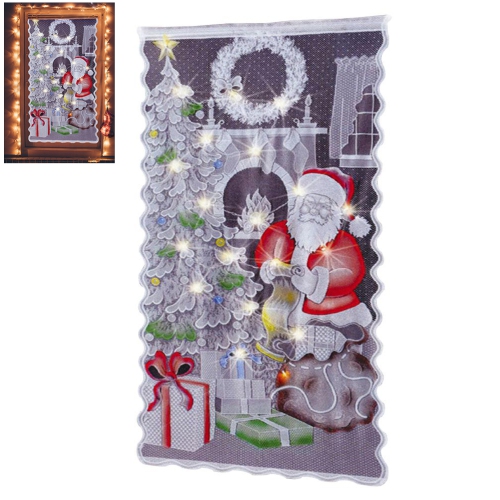
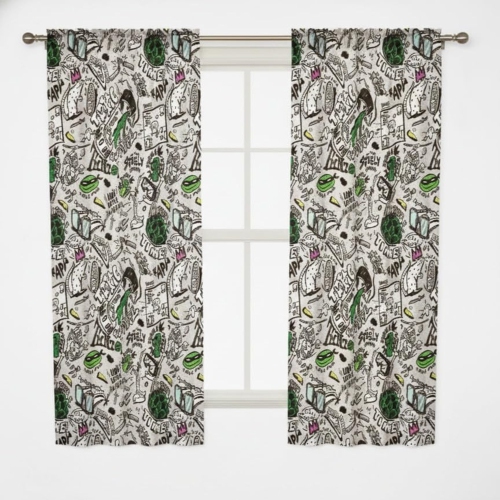

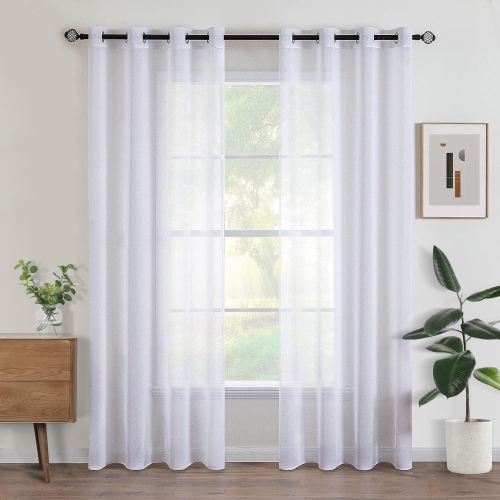
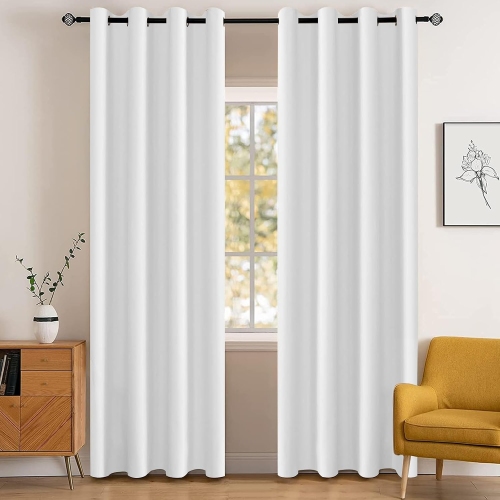
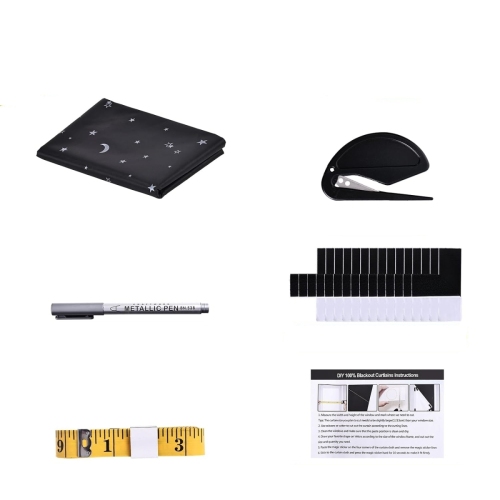
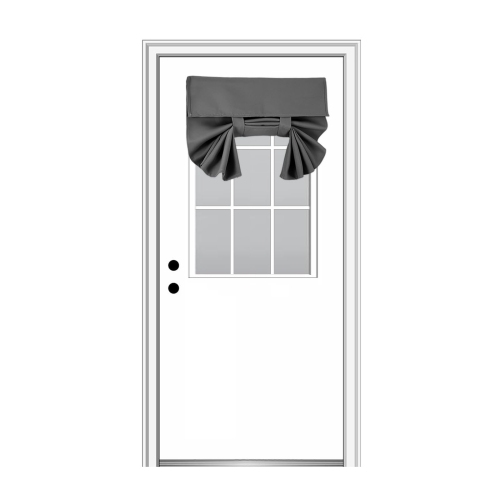

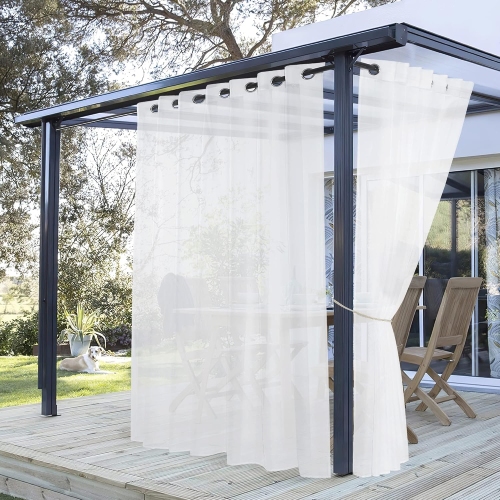
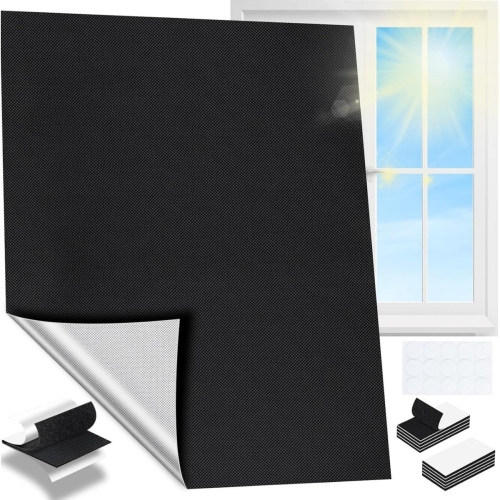
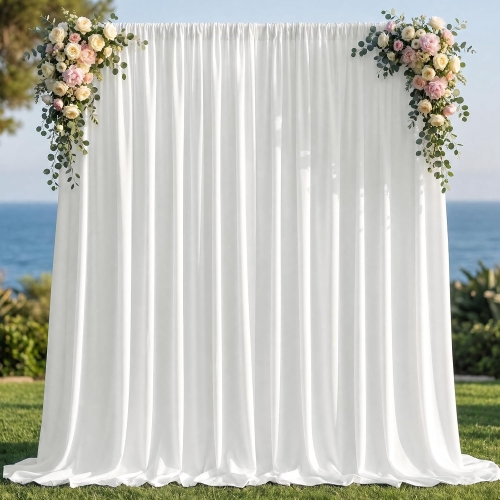


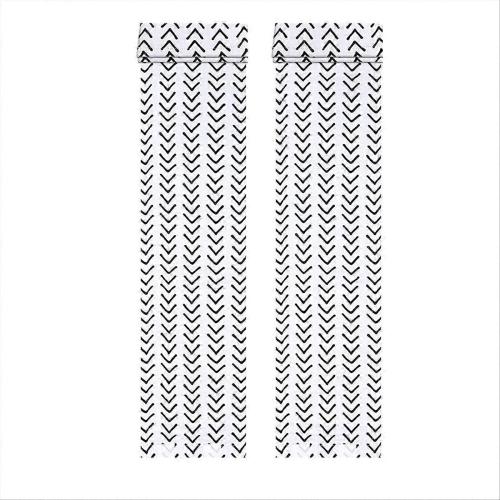

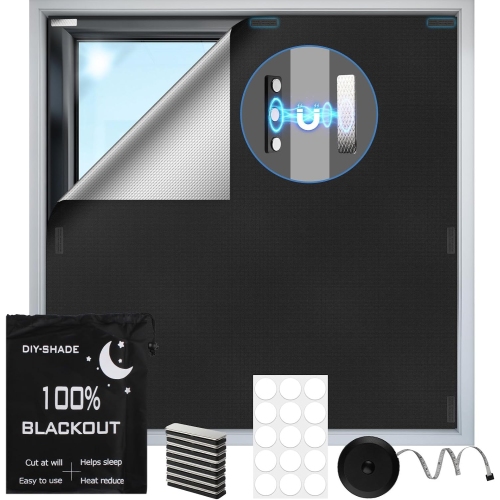
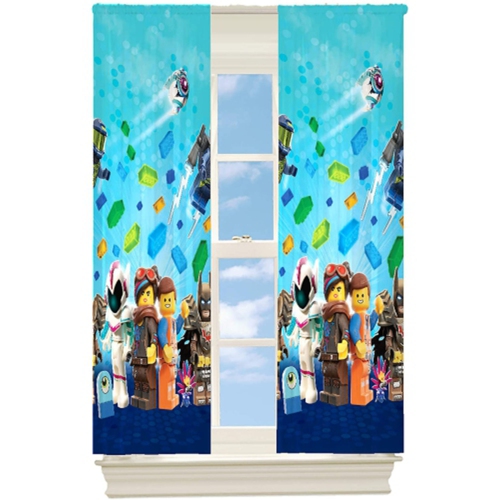
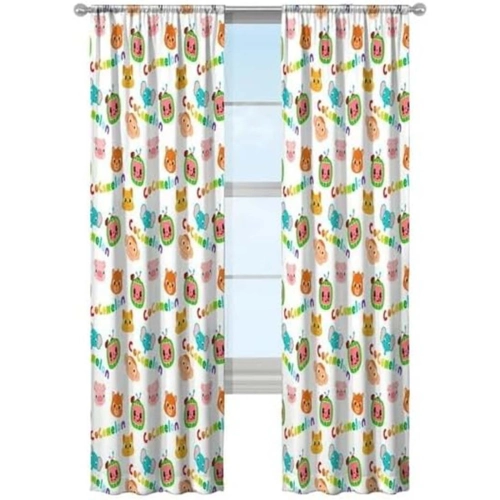

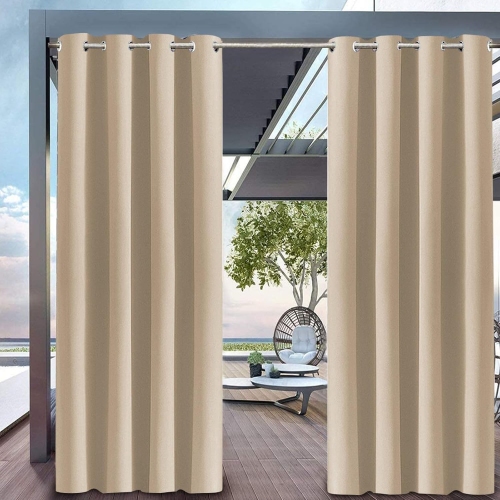

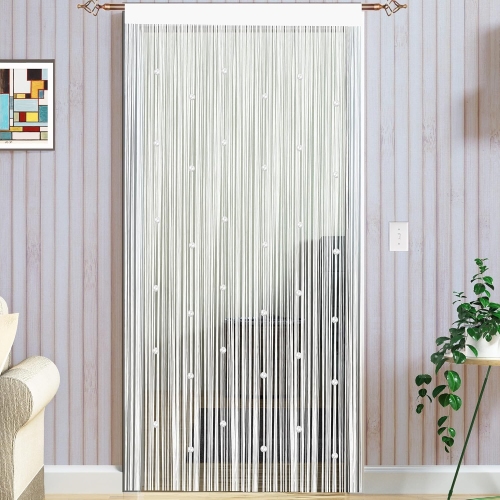

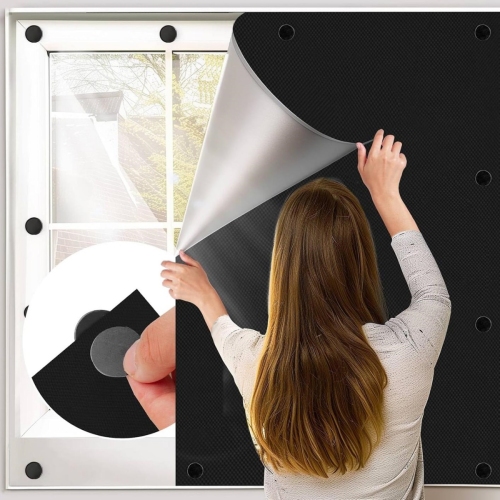


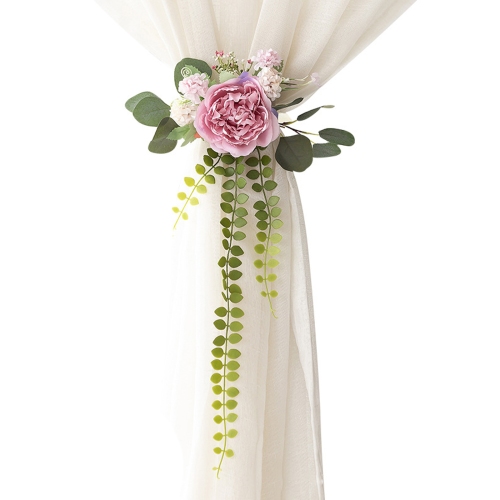


How curtain height and drape shape a room
Interior design curtains help shape a room’s proportions, soften hard surfaces, and connect the colours and textures of furniture, rugs, and walls. Their effect comes from more than the fabric itself: hanging height, panel width, length, and the way the material falls all influence the finished look. Curtains mounted high and wide can make a window appear larger and draw the eye upward, while floor-skimming panels create a clean, continuous line. Choosing Window Curtains also means balancing that visual effect with the privacy and light control a room needs. In a living room with a textured sofa and patterned rug, plain curtains can provide a quiet backdrop without competing with the furnishings. In a simpler space, a subtle stripe, woven pattern, or deeper colour can give the window more presence. Matching curtains closely to the wall colour creates a gentle transition, whereas a contrasting shade frames the view and makes the window a focal point. Fabric brings another layer of character. Linen often has visible texture and a relaxed drape, with natural creasing that suits less formal rooms. Cotton offers a softer, familiar finish, although its weight and opacity vary considerably between fabrics. Cotton-linen blends can combine texture with an easygoing appearance, while polyester blends may offer practical wrinkle resistance and shape retention, depending on their construction. Velvet has a plush surface and substantial visual weight, making it well suited to spaces where a richer, more defined frame is wanted. Sheer fabrics filter daylight and soften the view without creating the same enclosed feeling as heavier panels. Their transparency also means they generally provide limited privacy, particularly when indoor lights are on. Texture is worth considering alongside colour: a loosely woven neutral curtain looks quite different from a smooth, densely woven panel in the same shade. Repeating one existing tone, such as the cream in a rug or the blue in a cushion, helps curtains feel connected to the room without requiring every textile to match.
The fit of interior design curtains is especially noticeable because windows create strong vertical and horizontal lines. The high-and-wide approach typically places the rod several inches above the window frame, closer to the ceiling where the wall layout allows, with the rod extending about 3 to 6 inches beyond each side of the frame. This arrangement gives the panels space to sit beside the glass when open and can make the opening look broader. Thick fabrics or large windows may need more space at the sides to accommodate the gathered panels without blocking too much of the view. Fullness matters just as much as placement. A combined panel width of roughly one and a half to two times the usable rod width usually produces visible folds rather than a flat, stretched appearance; lightweight sheers often benefit from greater fullness. The appropriate ratio depends on the heading style, fabric thickness, and the intended look, so sizing information remains important. Length should be measured from the point where the curtain actually hangs, not simply from the top of the window. Rings, hooks, grommets, and rod pockets position fabric differently and can change where the hem lands. Panels that just skim the floor give a tailored finish without leaving a conspicuous gap. A slight clearance can be more practical where curtains are opened frequently or floors need regular cleaning. Extra fabric resting on the floor creates a more relaxed, dressed appearance, but it also collects dust and can get in the way of pets or foot traffic. Shorter curtains can suit windows above counters, furniture, or other obstructions when full-length panels would interfere with everyday use. Heading details contribute to the overall style: grommets create broad, regular folds, rod pockets produce soft gathers, and pleated headings offer a more structured finish. Rod strength, bracket placement, and suitable wall fixings are particularly important for lined or heavy curtains. Clear access to handles, doors, vents, and walkways helps the finished arrangement work comfortably as part of the room.
Different rooms call for different levels of coverage, movement, and care. Bedrooms often benefit from lined, room-darkening, or blackout curtains when reducing incoming light is a priority. These terms are not interchangeable, and performance depends on the fabric, lining, fit, and gaps around the edges. Even a blackout panel can allow light around its sides or above the rod. In a living room, curtains may spend much of the day open, making the appearance of the gathered fabric and the ease of drawing it across the rod especially relevant. A home office may need enough coverage to reduce screen glare without making the space feel closed off. Layering sheers with opaque panels on a double rod allows softer daylight during one part of the day and more coverage when privacy is needed. Dining spaces can accommodate more decorative folds, while busy family rooms often benefit from hems that stay clear of the floor and fabrics suited to regular care. For renters, installation choices also depend on the mounting permissions and surfaces in the home; any removable hardware needs to be rated for the combined weight of the rod and panels. In homes with young children, cord-free curtains avoid loose operating cords, and securely installed hardware helps keep the window area safer. Care requirements deserve attention before choosing a fabric or lining. Some curtains can be machine washed, while others need hand washing or professional cleaning, and the attached care label should determine the method. Linings, trims, and heading construction may require different treatment from the main fabric. Routine dust removal with an appropriate vacuum attachment can help maintain the surface between cleanings. Washing, drying, ironing, or steaming incorrectly can cause shrinkage, distort folds, or damage a finish. Durability also depends on stitching, reinforced headings, and how well the fabric tolerates repeated handling. Curtains that suit the room’s daily routines, hang neatly, and remain manageable to care for are more likely to keep their intended appearance over time.
Top selling and popular products
-
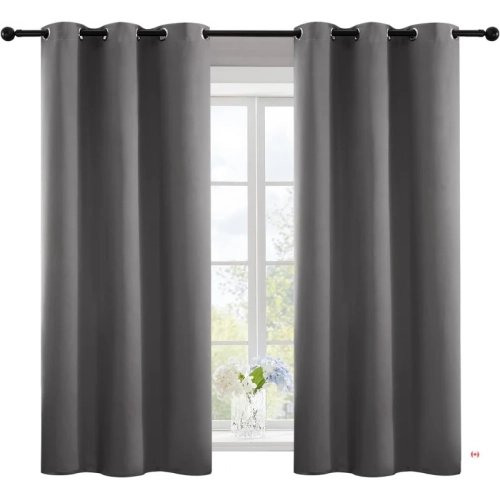 Your price for this item is $39.99
-
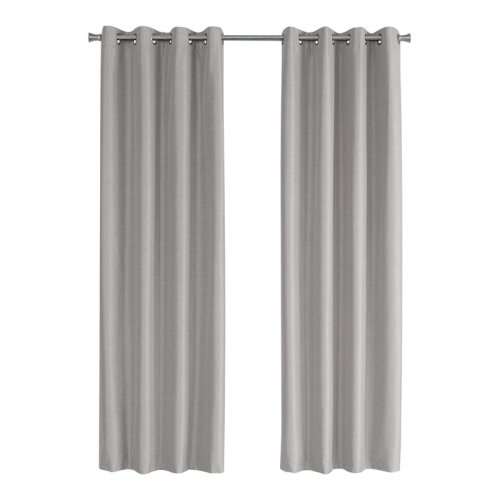 Your price for this item is $42.97
-
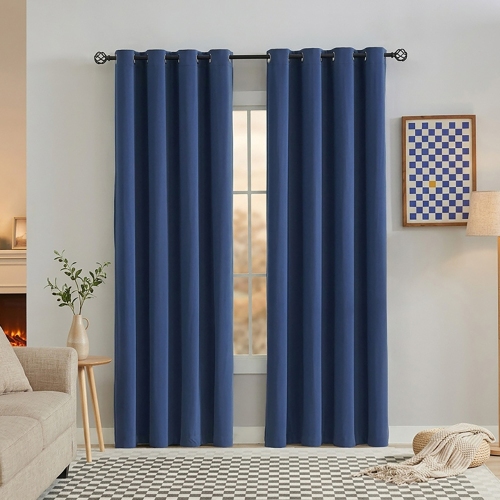 Your price for this item is $82.99
-
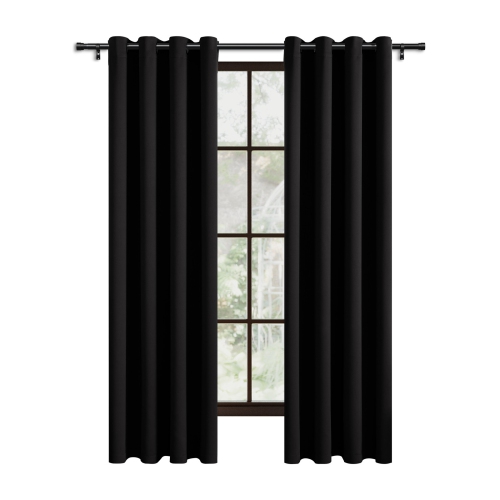 Your price for this item is $49.99
-
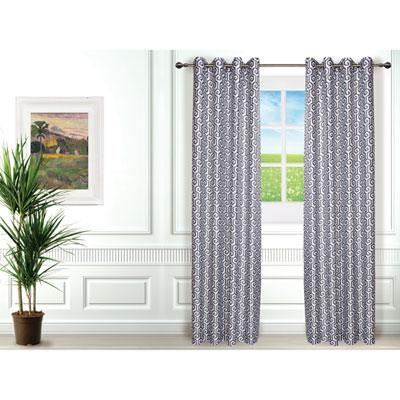 Your price for this item is $179.99
-
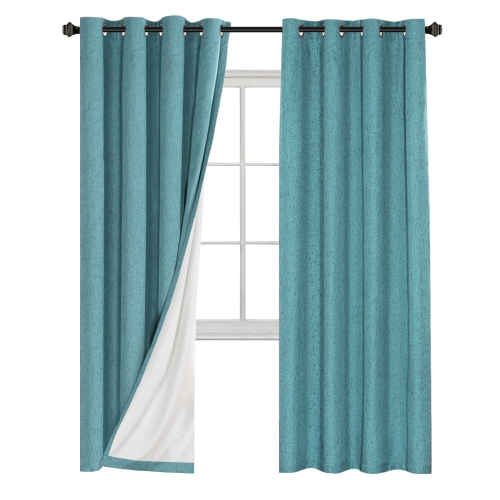 Your price for this item is $69.99
-
 Your price for this item is $69.99
-
 Your price for this item is $169.99
Discover more categories related to Interior Design Curtains
Top Collections:
Pokemon Centers, Kindle Devices, Best Cameras for Sports Photography, Pokémon 30th Celebration Cards, Apple iPhones 16, Canon G7X Cameras, iPhone 15 Apple, Flip Phones, Samsung Galaxy Phones, Alarm Clock
Some products may be subject to Environmental Handling Fees
(EHF) depending on your province.
Learn more about EHFs.