Invisible Fence Replacement Batteries
Invisible Fence Replacement Batteries are essential for keeping your pet’s containment system running smoothly. Whether you need a quick replacement or want to keep a few extras on hand, finding the right batteries ensures your pet stays safe and secure. Explore a variety of Invisible Fence Replacement Batteries designed to fit your system and help maintain reliable performance day after day. Shop now to find the perfect option for your needs and enjoy peace of mind knowing your pet’s boundaries are always protected.
Sort
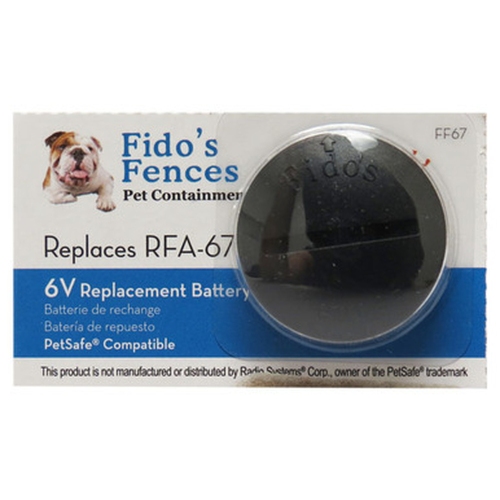
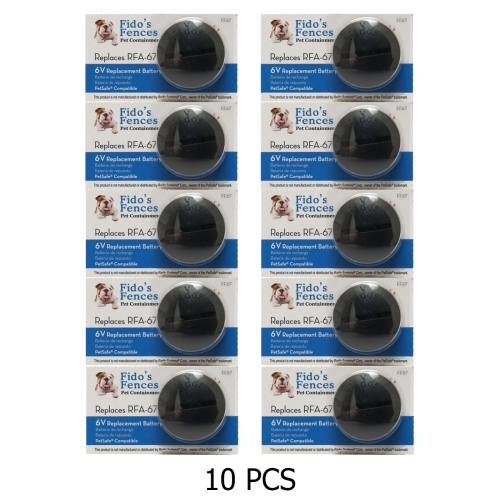

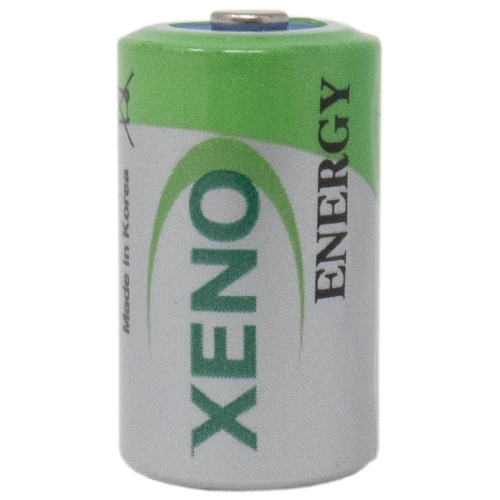
Why collar battery compatibility goes beyond a visual match
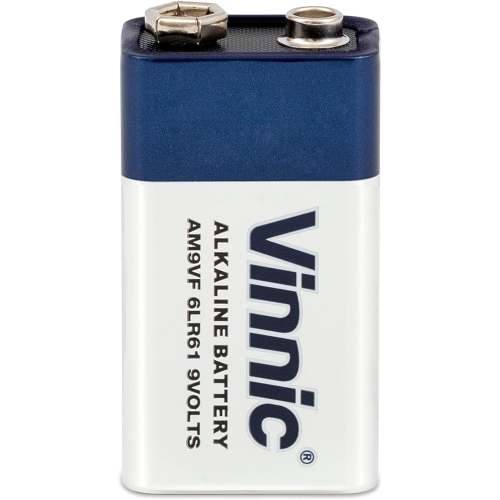
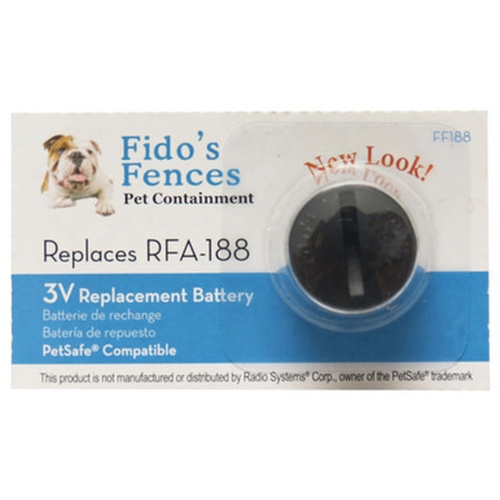
Invisible fence replacement batteries power the receiver worn on a pet’s collar, allowing it to detect the boundary signal and provide the alerts supported by that system. They are generally separate from the power source used by the boundary transmitter, so a transmitter that appears to be working does not necessarily mean the collar has sufficient battery power. For households using an electronic pet containment system, the right replacement battery is a small but important part of keeping the receiver ready for its intended use. Compatibility starts with the receiver model and its specified battery type, rather than the appearance of the collar or the shape of the existing battery alone. Different receivers may require a standard cell, a dedicated battery pack, or a battery housed inside a purpose-made cap. Two batteries can look almost identical while having different voltages, terminal arrangements, dimensions, or attachment details. The most useful details to compare are the receiver’s model information, the battery reference listed in its documentation, the required voltage, and the specified chemistry. A battery that physically enters the compartment is not necessarily electrically compatible, and a higher voltage is not an upgrade. Likewise, a rechargeable cell is not automatically a suitable substitute for a disposable battery of similar size. Replacement batteries are intended to restore the receiver’s normal power supply, not increase its range or change its boundary settings. This makes accurate fit more important than broad claims about strength or longevity. In a household with more than one dog, collars that look alike may still use different receiver generations, so each receiver needs its own compatibility check. Keeping the battery reference associated with the correct collar can make future replacements simpler, especially when several family members share responsibility for pet care. Clear labelling and an exact match to the receiver’s requirements matter more than choosing a battery based on appearance or a general description alone.
Battery construction also affects how a replacement fits and how the receiver’s protective features function after installation. Some designs consist of an exposed cell that sits inside a separate compartment, while others include a plastic housing, integrated contacts, or a cap that becomes part of the receiver’s exterior. Where a gasket or sealing ring is part of the design, its condition and placement help the compartment close as intended. A battery alone cannot restore a damaged housing, worn thread, missing seal, or corroded contact. For a collar used around a busy home and yard, these physical details are worth considering alongside the electrical specifications. The receiver may encounter splashes, dirt, rubbing against the collar strap, and the ordinary knocks that come with an active dog. Any stated water resistance belongs to the complete receiver assembly under its specified conditions; it should not be assumed from the battery’s appearance or packaging. Care generally centres on keeping the compartment clean, using the closure as directed, and avoiding force that could damage tabs, threads, or contacts. Battery life varies with receiver design, battery capacity, frequency of use, and the way the system operates, so there is no single replacement interval that suits every collar. A low-battery indicator, where provided, offers useful information, but its meaning and behaviour depend on the receiver. An unexpected alert or inconsistent response may involve the battery, fit, settings, or another system component rather than one predictable cause. A fresh battery should therefore not be treated as proof that the entire containment system is functioning correctly. Manufacturer-specified checks remain important whenever a battery is changed or receiver operation is uncertain. If the collar is not responding as expected, secure physical containment is appropriate until the equipment has been checked. Replacement batteries support routine upkeep, but they do not replace pet training, supervision, or attention to the condition of the collar and boundary equipment.
Choosing a package size is largely a matter of how many compatible receivers are in use and how the household manages routine maintenance. A single-collar household may have different needs from one caring for several dogs, particularly when each receiver takes a different battery format. Keeping an appropriate spare can make a routine change less disruptive, but the battery’s stated shelf life and storage requirements still matter. Unused batteries are best kept in their original packaging, with identifying information intact, rather than loose in a drawer beside keys, coins, or other metal objects that could bridge the terminals. Small batteries also need secure storage away from children and pets because swallowing one can cause serious injury. For a dog walker, family member, or other caregiver helping with the daily routine, having the correct battery reference recorded with the pet’s equipment details is more useful than relying on a visual match. Households comparing related receiver power options can also browse Electric Fence Collar Batteries, while checking every option against the exact collar specifications. Similar category names do not establish compatibility across different containment systems, and a replacement battery should never require improvised wiring, altered contacts, or changes to the receiver housing. Batteries also should not be confused with replacement collar straps, contact points, chargers, or complete receivers, each of which serves a different purpose. A worn strap may need attention even when the battery is new, just as an intact collar can need fresh power without needing a complete replacement. For pet owners maintaining equipment already familiar to their dog, the most suitable battery is the one that matches the receiver’s documented requirements and fits without modification. That straightforward match supports consistent upkeep, keeps battery changes manageable, and helps preserve the intended operation of the collar as one part of a broader pet containment routine.
Top selling and popular products
-
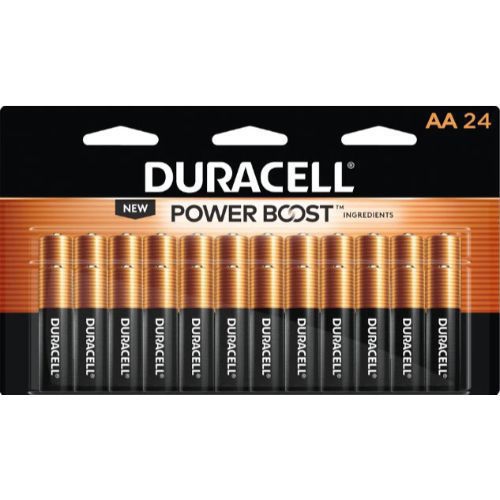 Your price for this item is $24.99
-
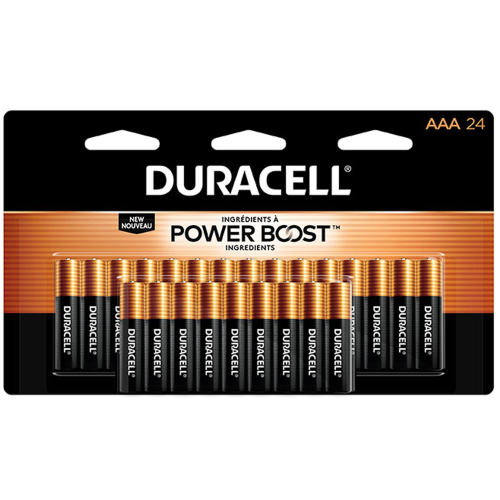 Your price for this item is $26.74
-
 Your price for this item is $22.97
-
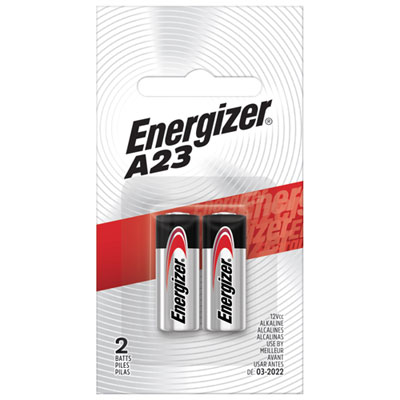 Your price for this item is $11.99
-
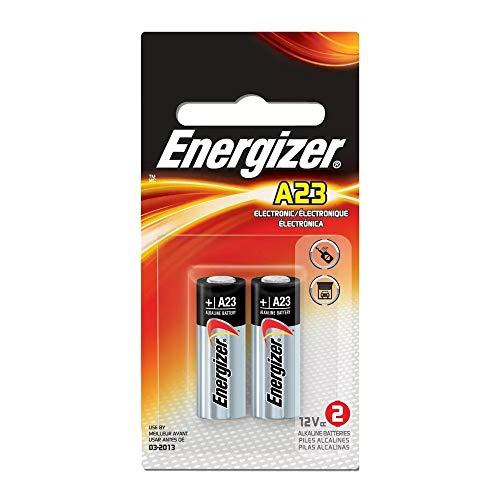 Your price for this item is $6.99
-
 Your price for this item is $4.89
-
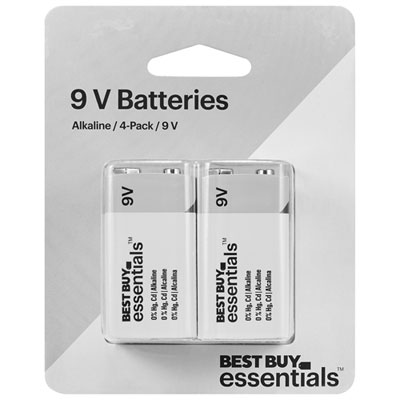 Your price for this item is $13.99
-
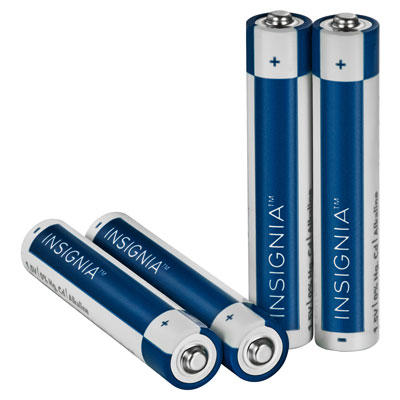 Your price for this item is $4.97
Discover more categories related to Invisible Fence Replacement Batteries

Top Collections:
Best Black Friday Deals This Year, Best Black Friday Deals On Electronics, Kindle Devices, Pokemon Centers, Best Black Friday Deals On Apple Products, Best Cameras for Sports Photography, Dyson Airwrap, Pokémon 30th Celebration Cards, Apple iPhone 17 Pro, Canon G7X Cameras
Some products may be subject to Environmental Handling Fees
(EHF) depending on your province.
Learn more about EHFs.