Japanese Kitchen Cutlery
Discover the artistry and precision of Japanese kitchen cutlery at Best Buy. Elevate your culinary skills with our collection of high-quality knives, meticulously crafted by skilled artisans. From versatile chef's knives to specialized slicers and fillet knives, our selection offers a wide range of options to suit every cooking style and preference. Experience the exceptional sharpness, durability, and ergonomic designs that make Japanese kitchen cutlery renowned among professional chefs and home cooks alike. Whether you're a seasoned chef or an enthusiastic home cook, our Japanese kitchen cutlery will bring precision and elegance to your culinary creations.
Sort
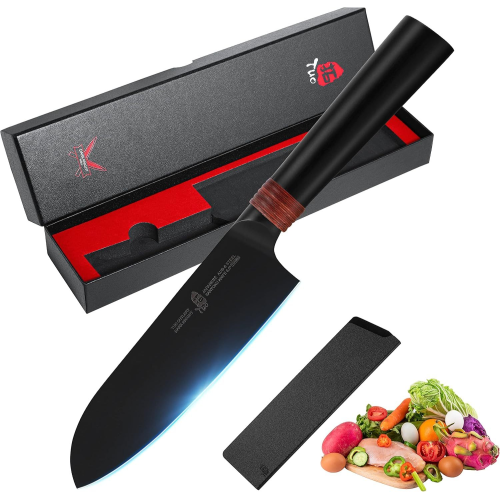
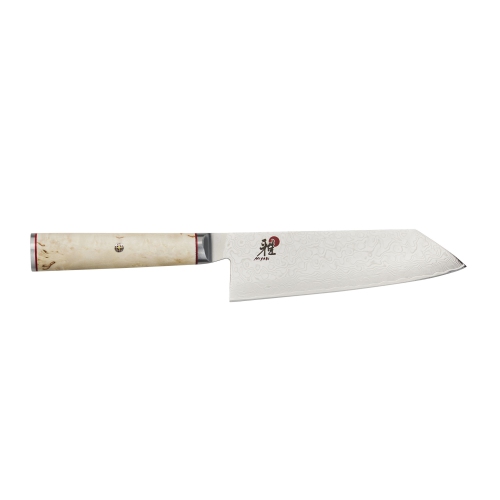
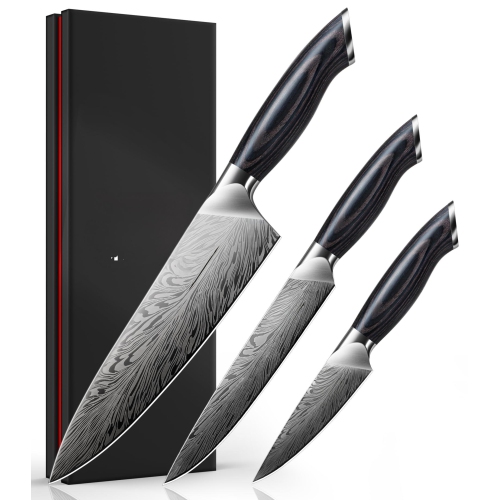
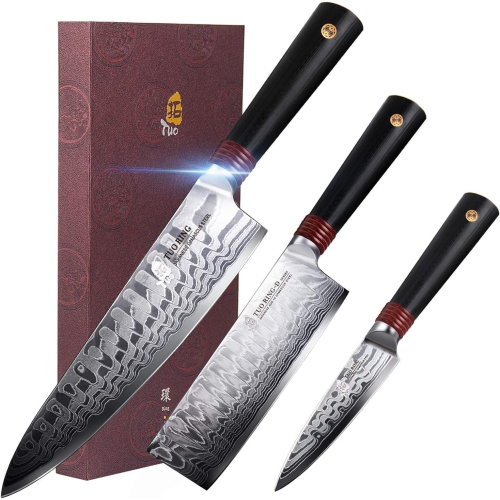





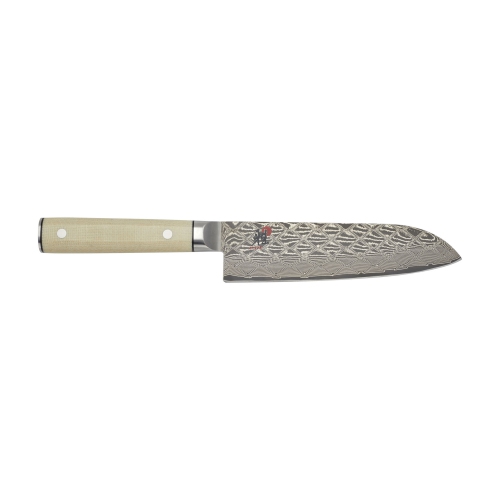

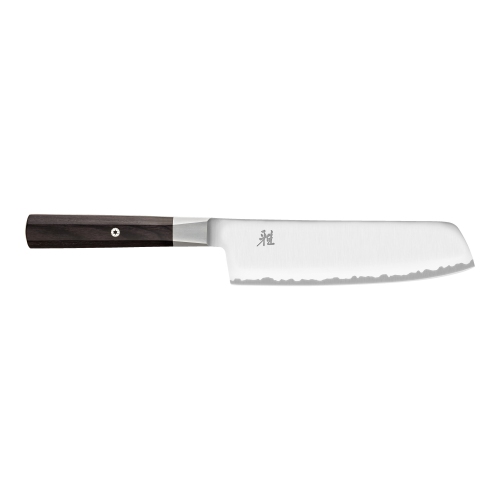

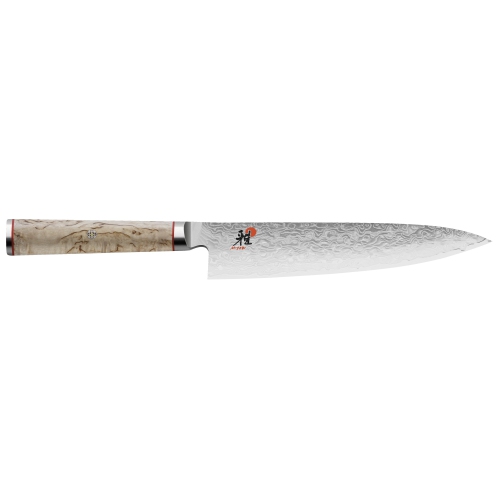

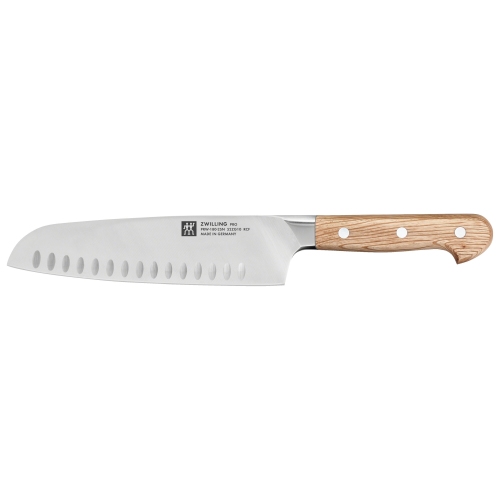









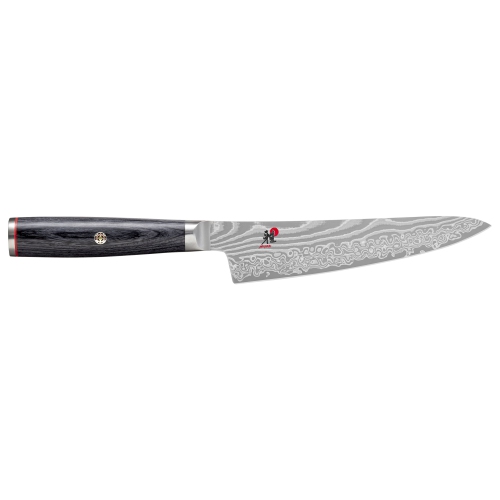
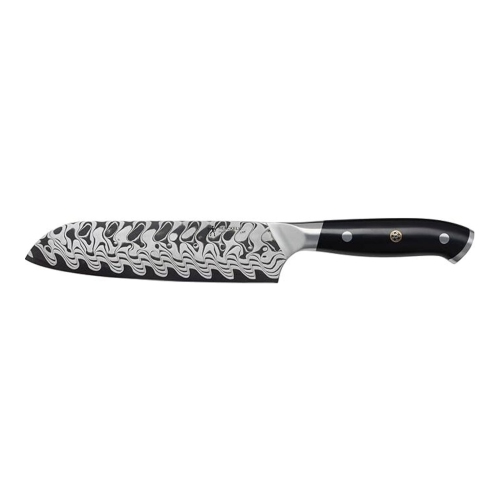
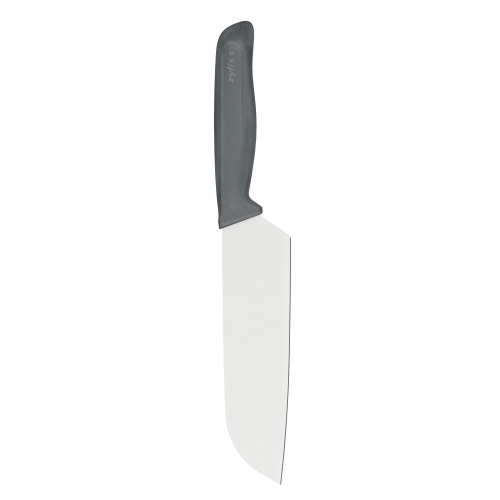


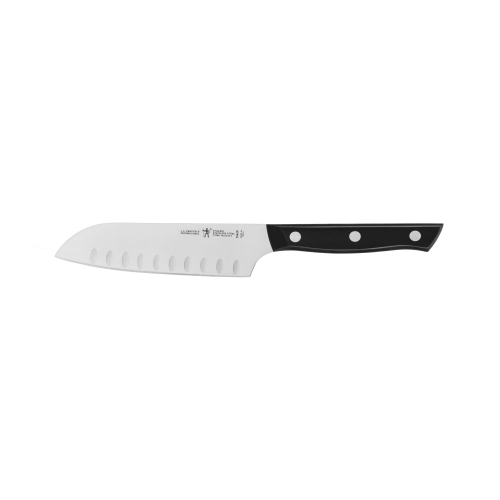







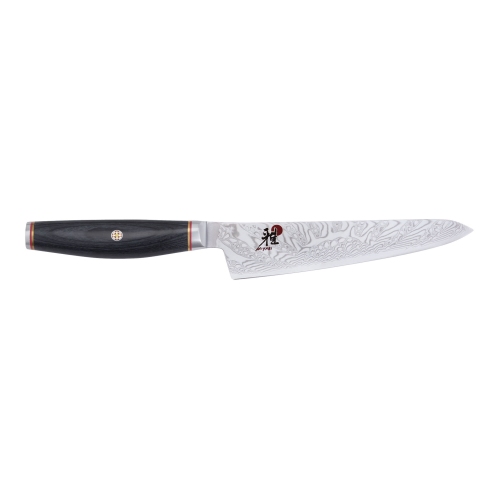
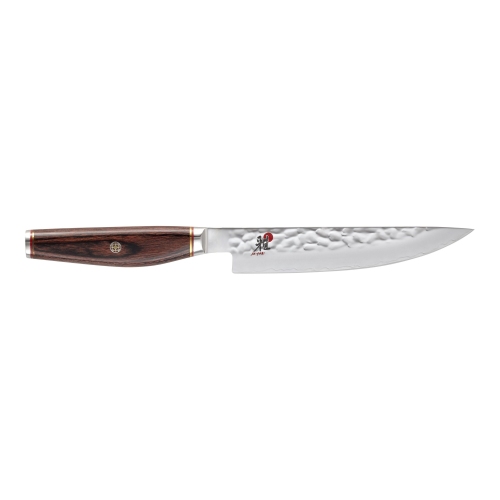
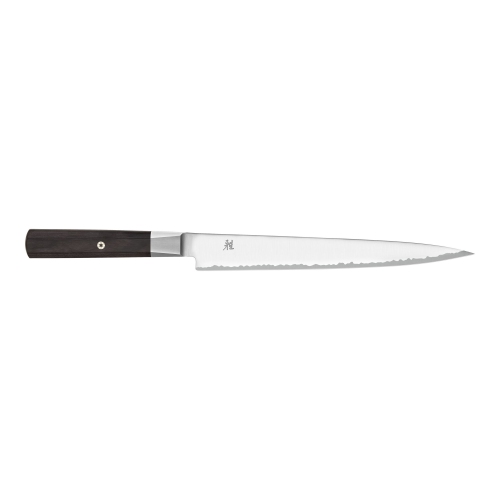


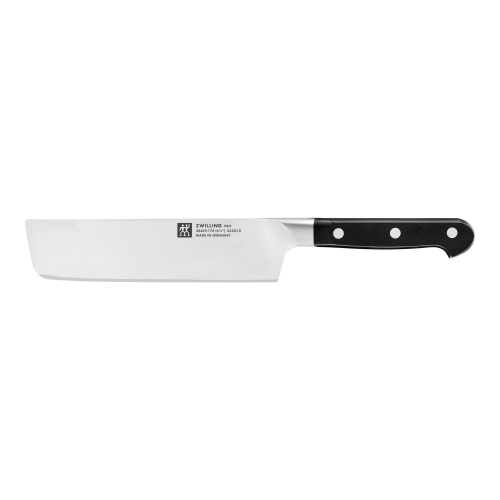








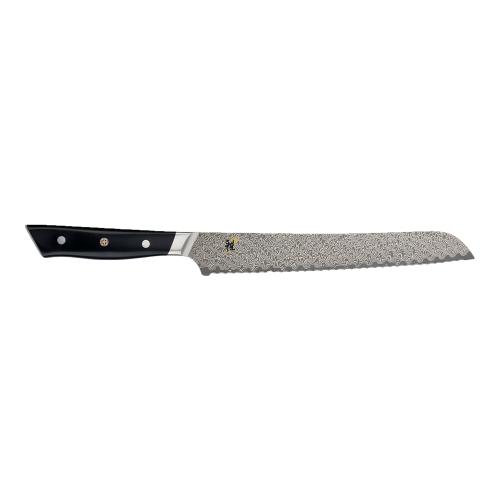
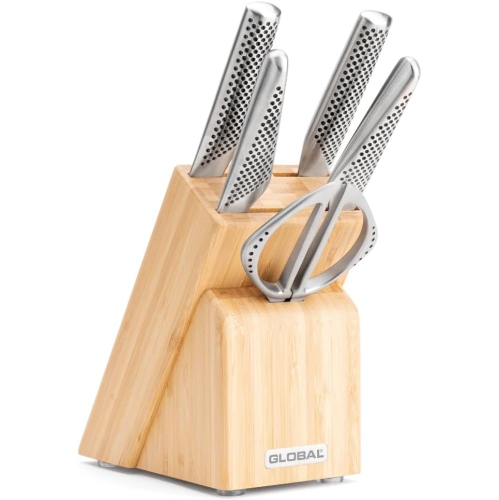

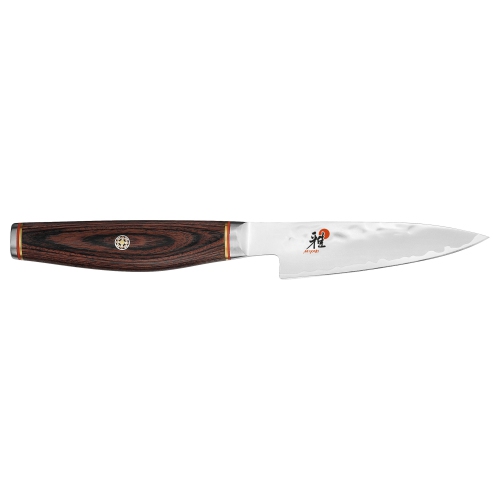
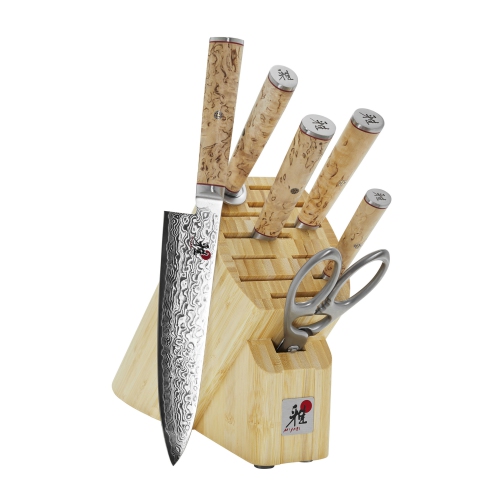
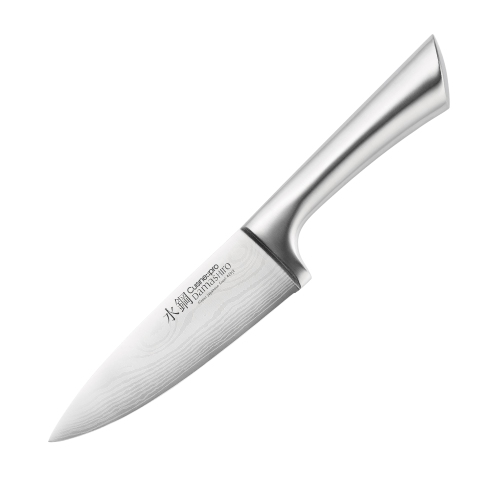


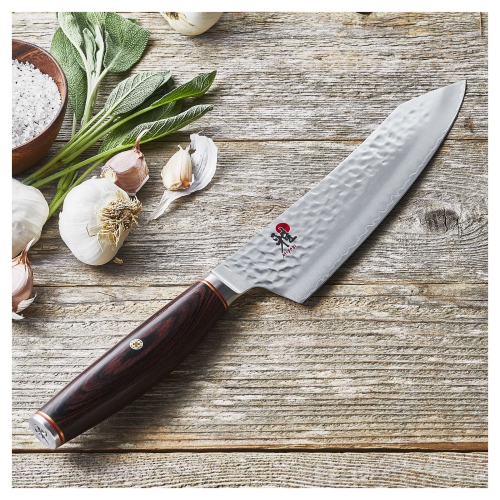


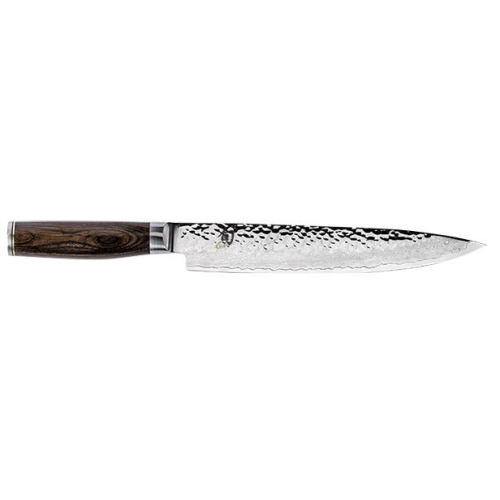
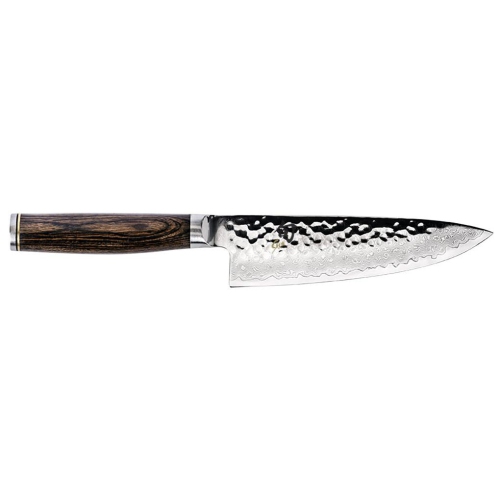
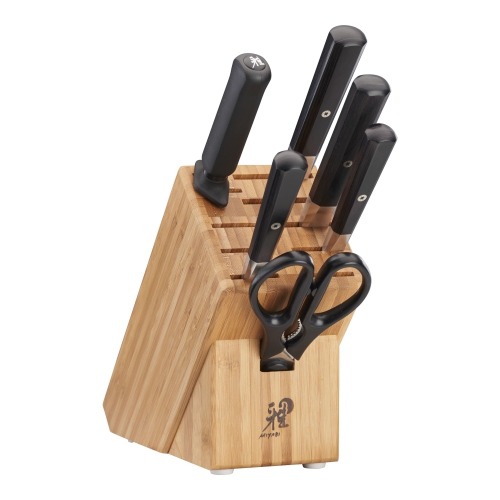
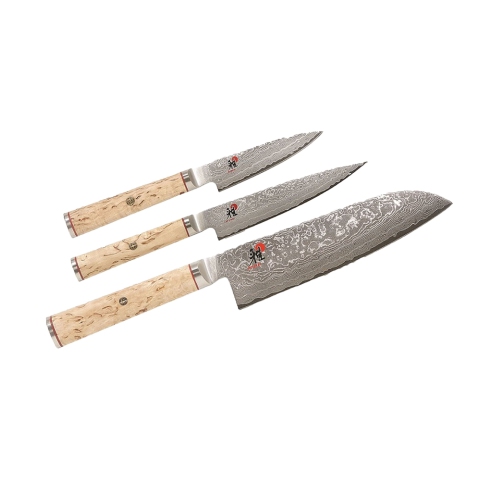
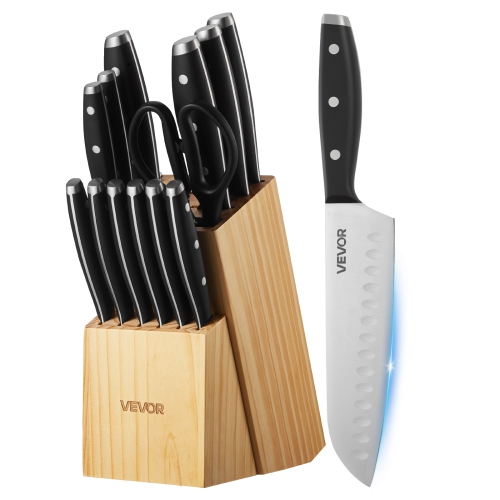
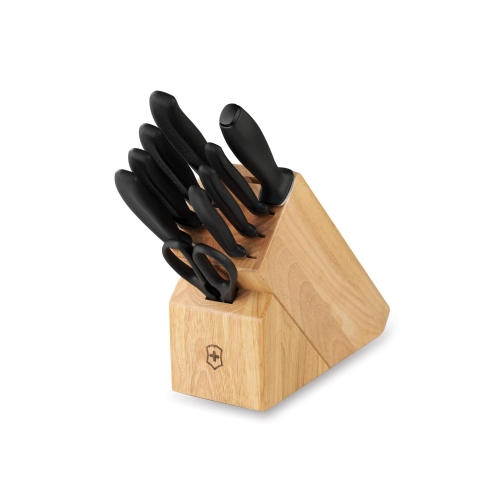

How blade shape brings precision to everyday prep
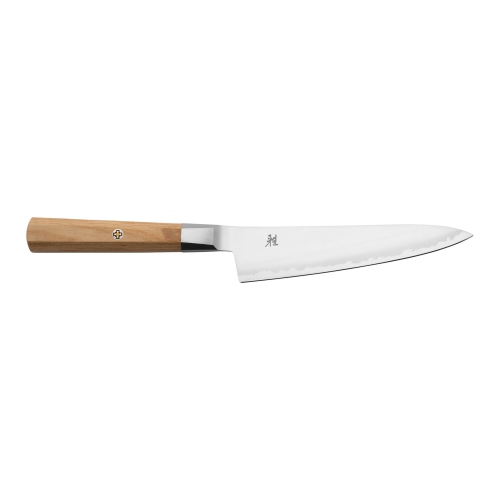
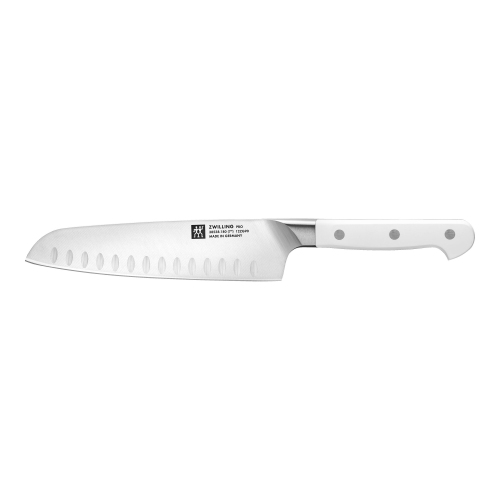
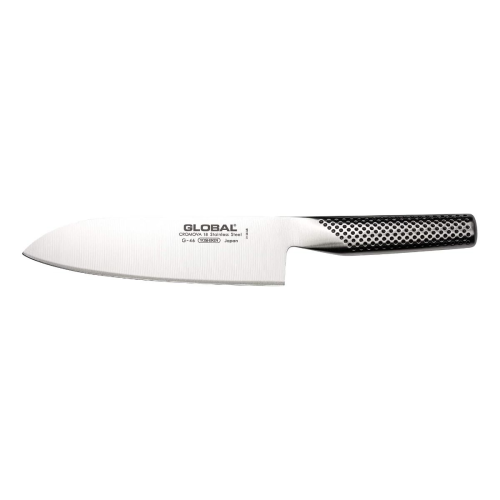
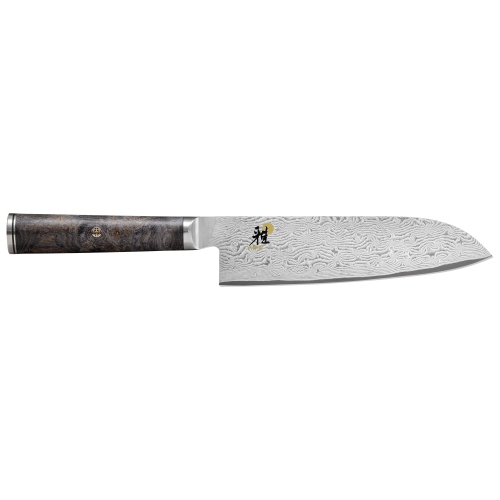
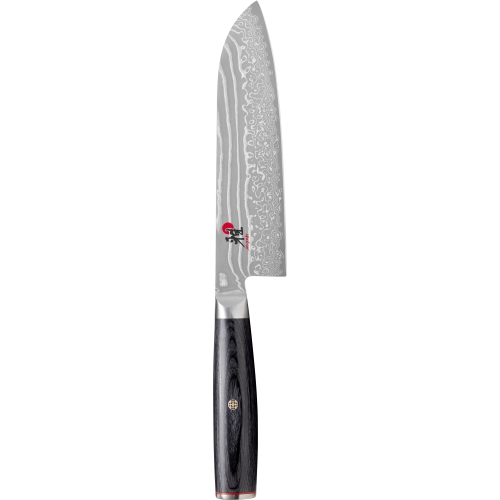
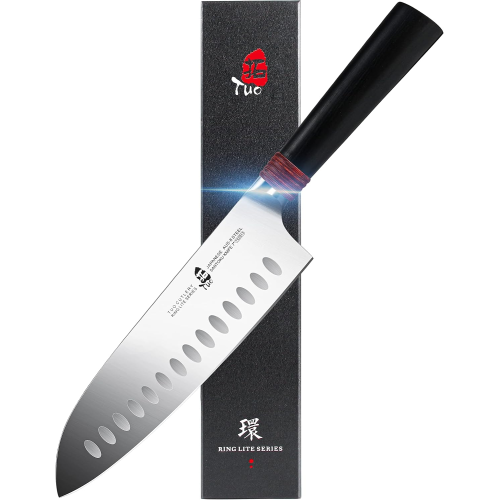
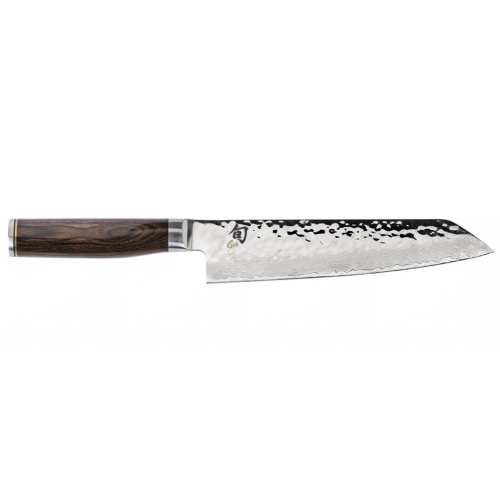
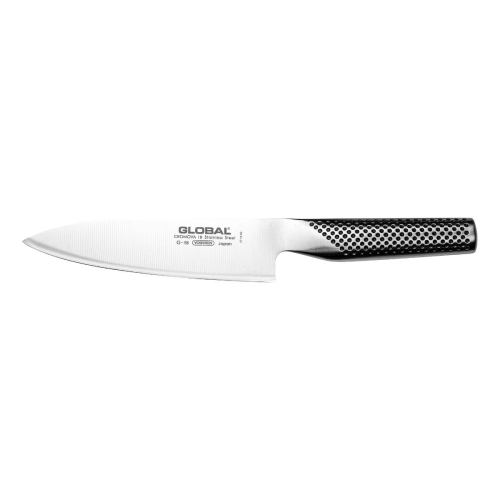
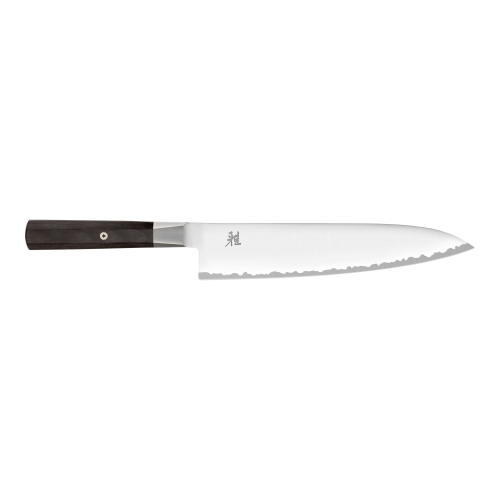
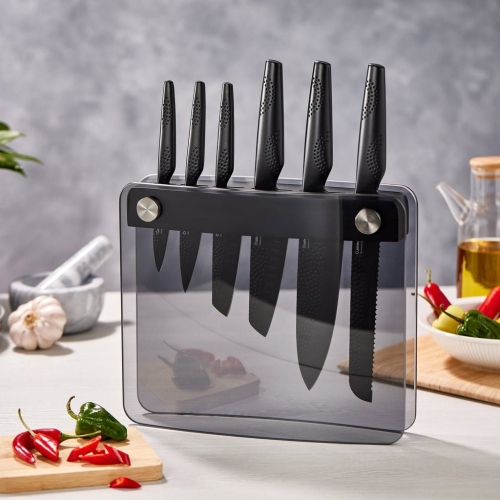
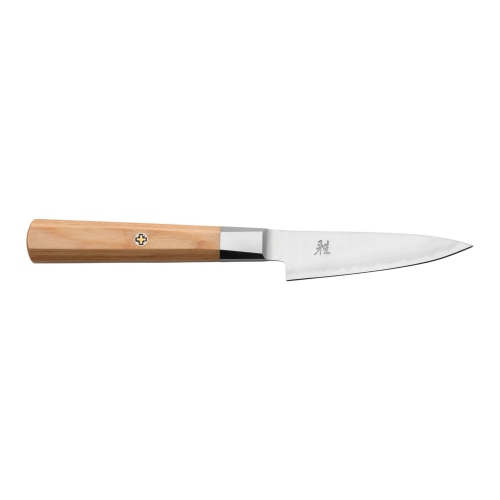
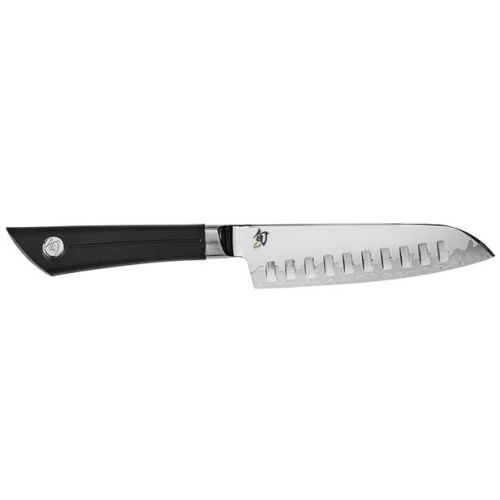
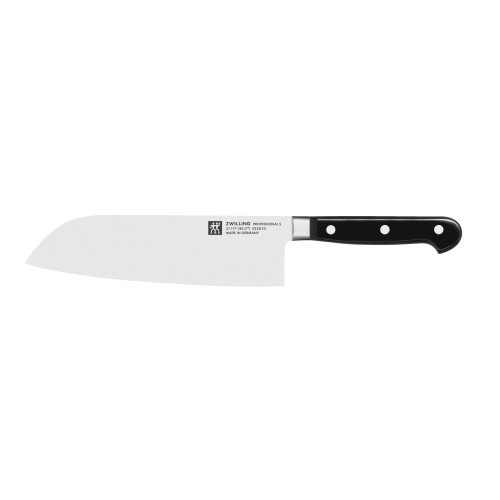
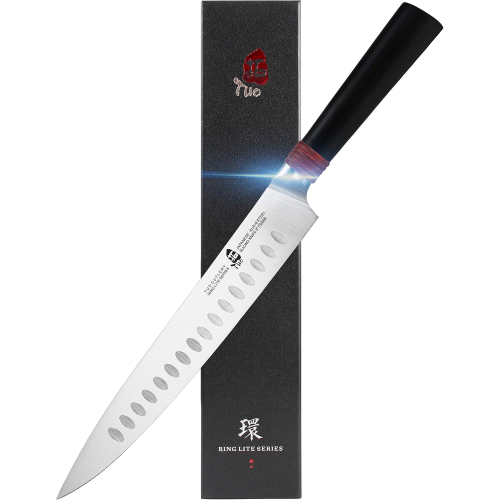
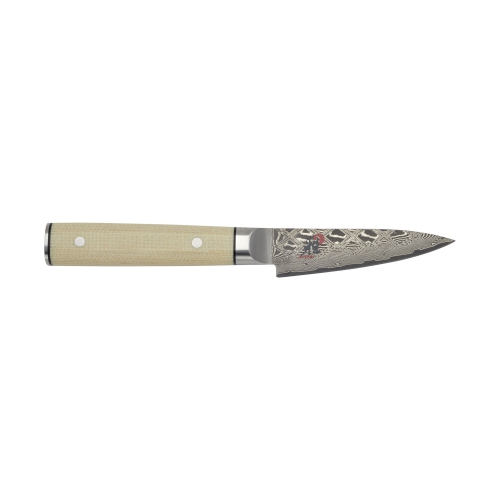
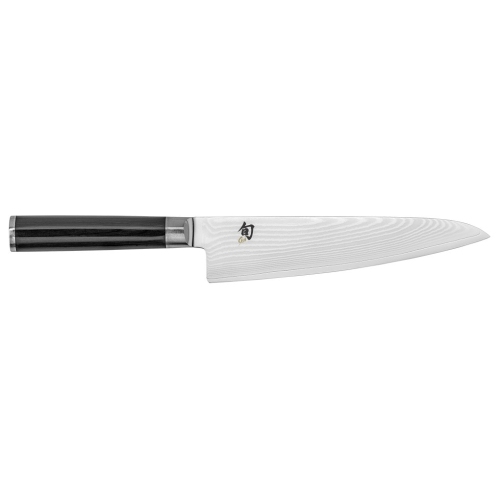
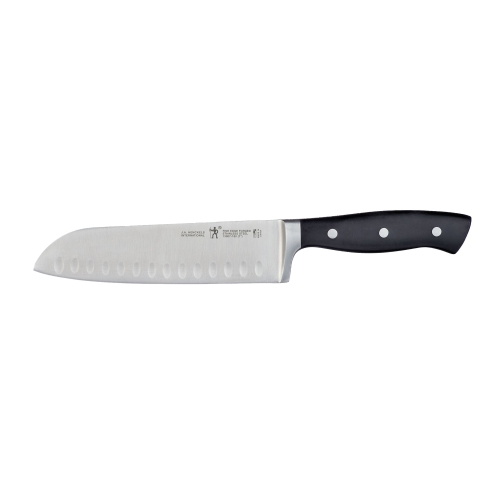
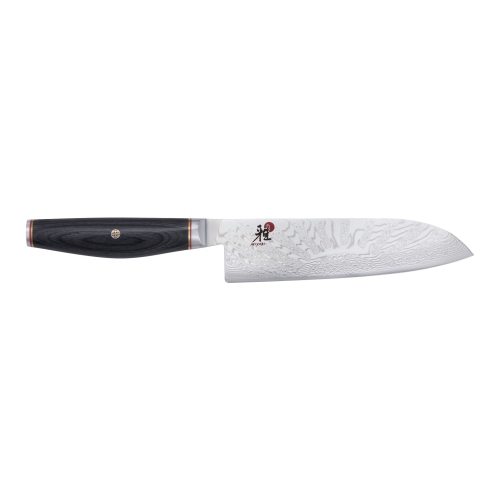
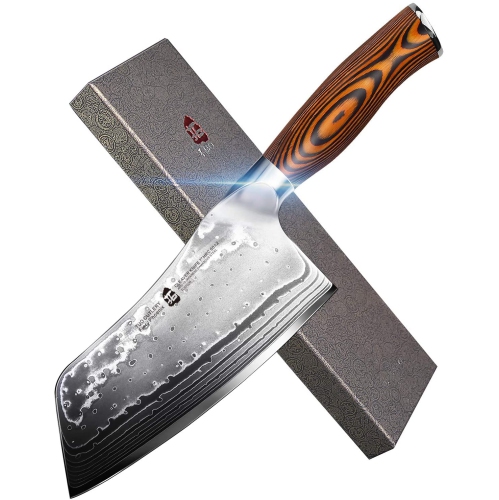
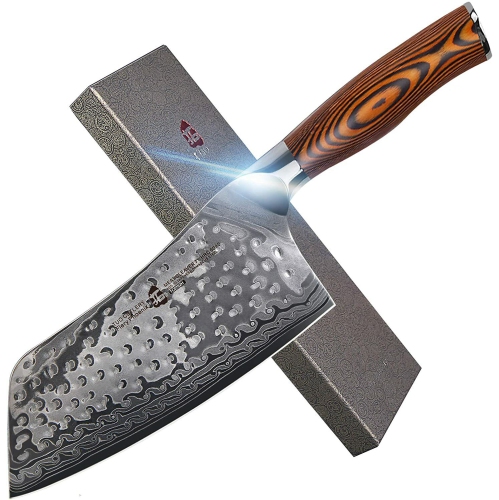
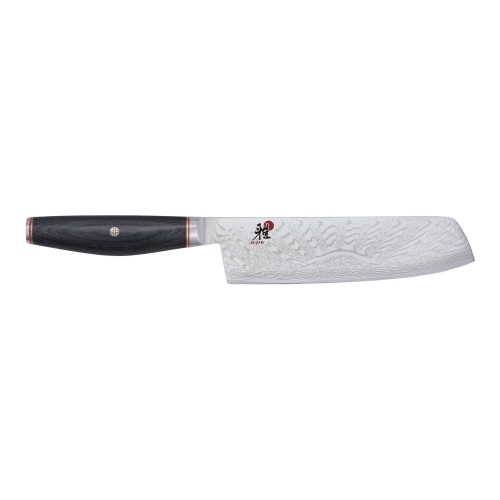
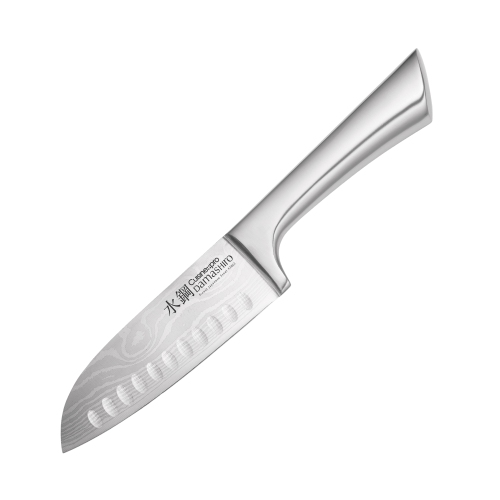
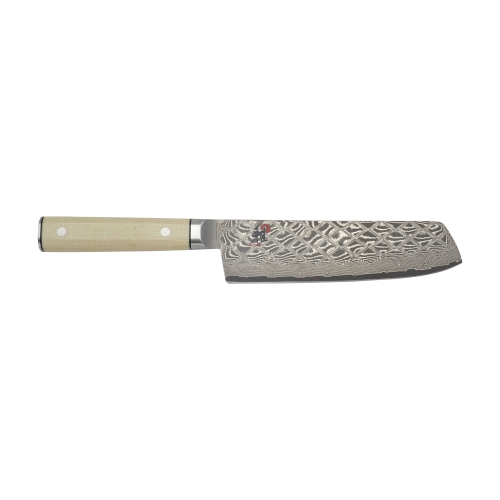
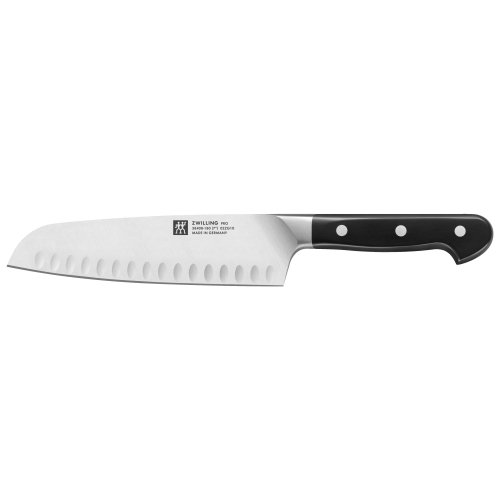
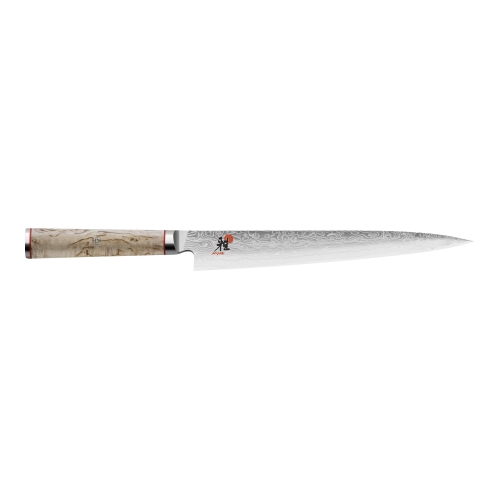
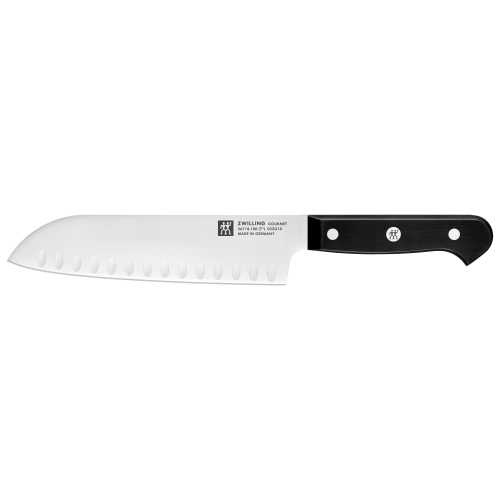
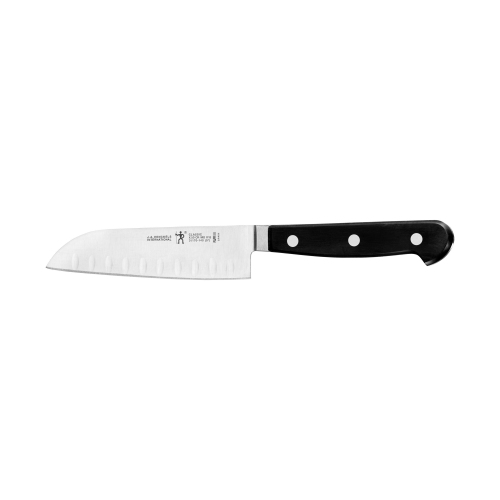
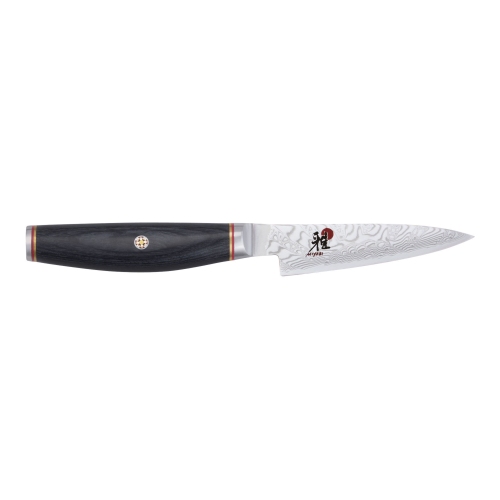
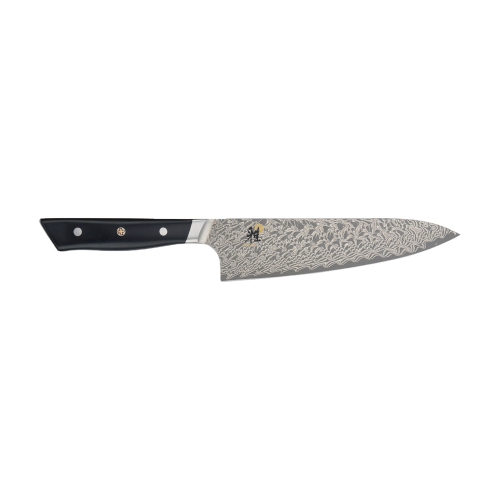
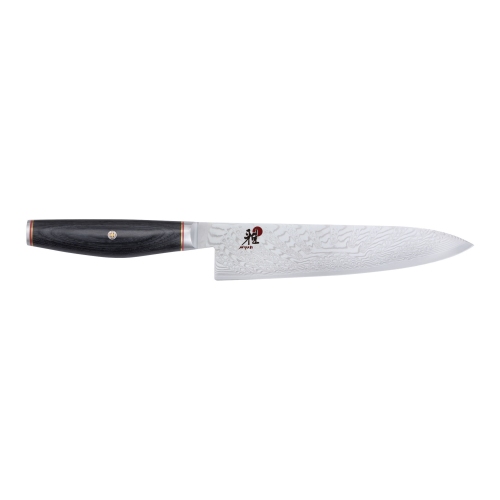
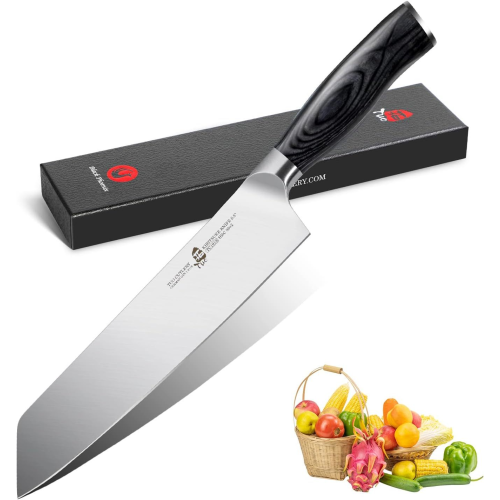
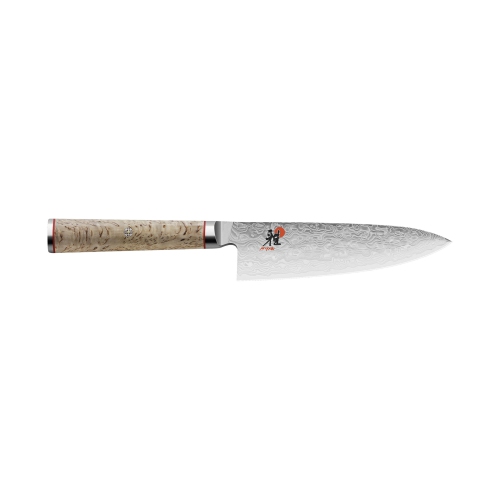
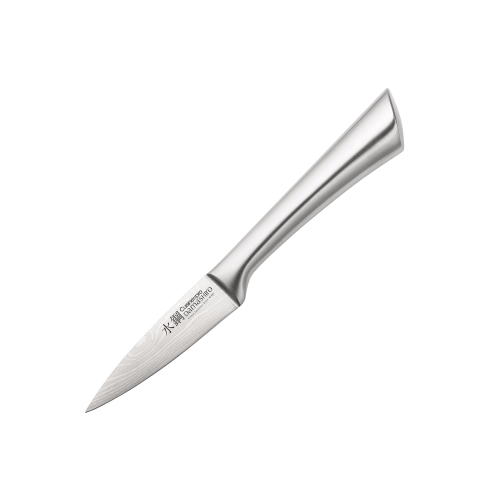
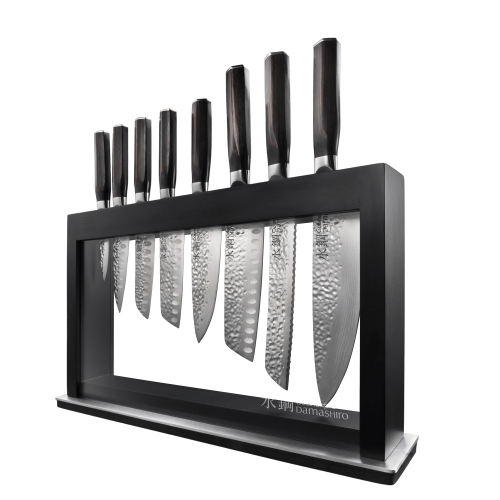
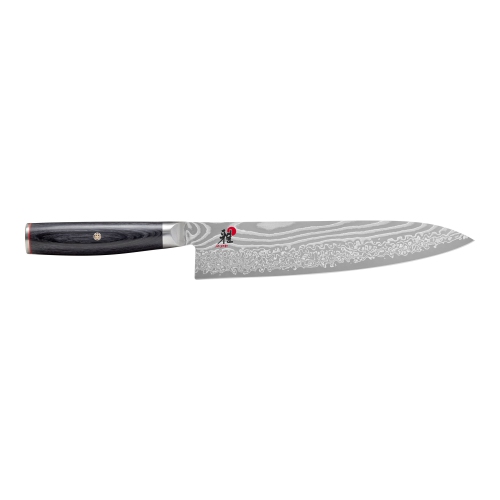
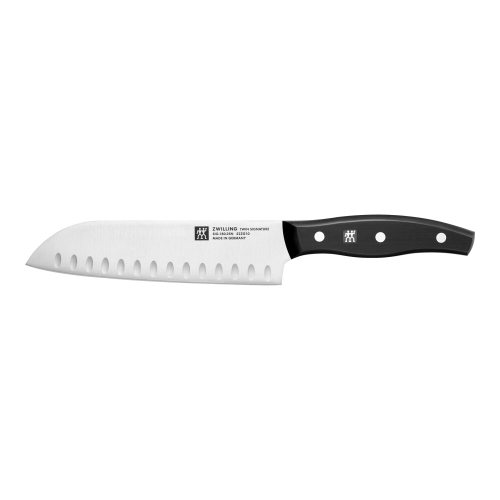
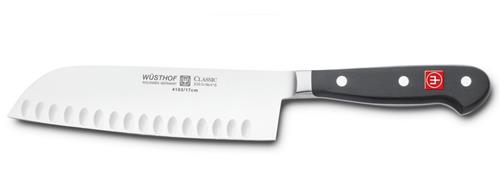
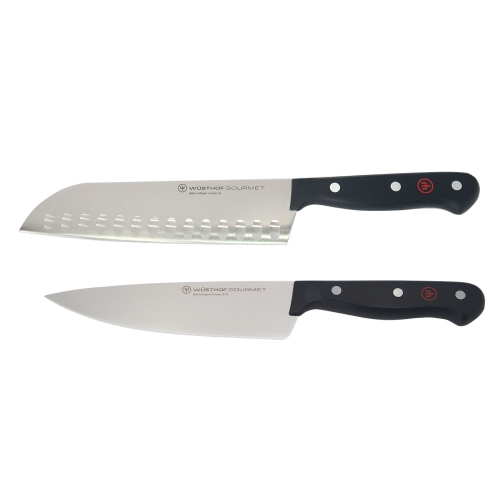
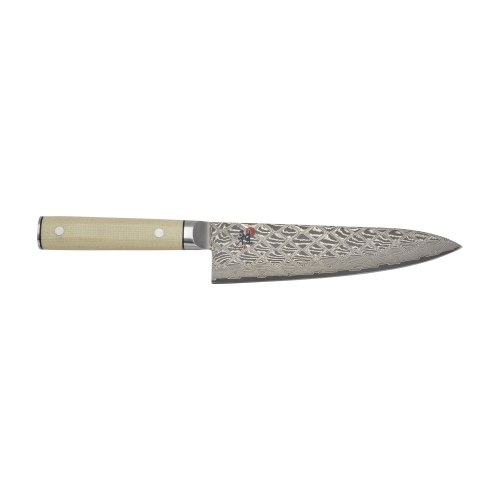
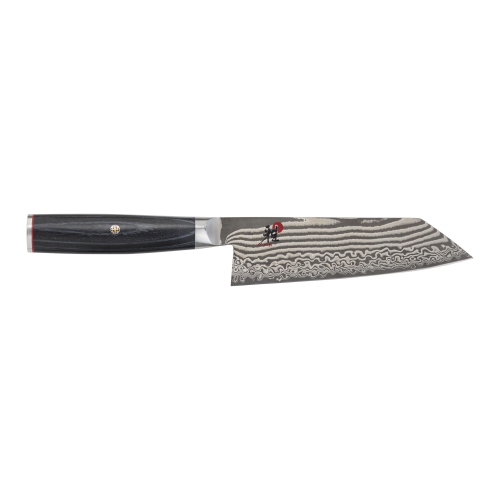
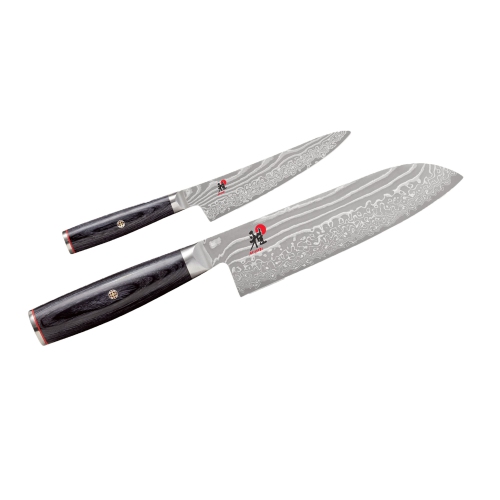
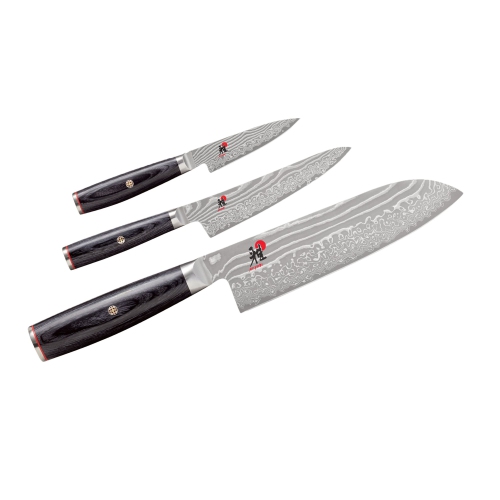
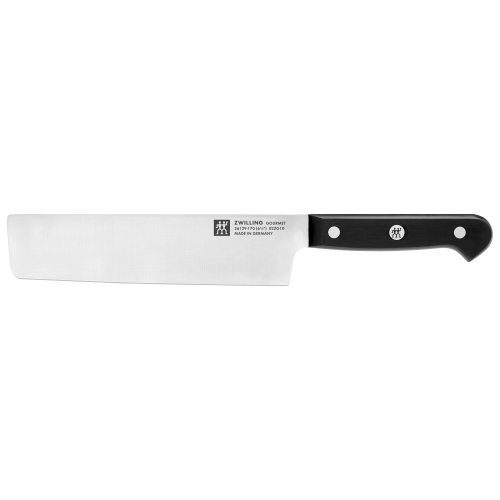
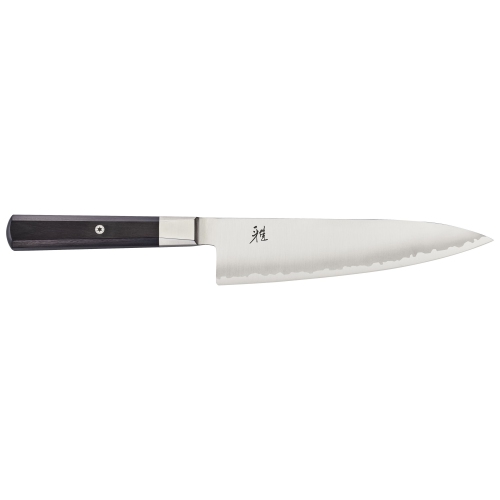
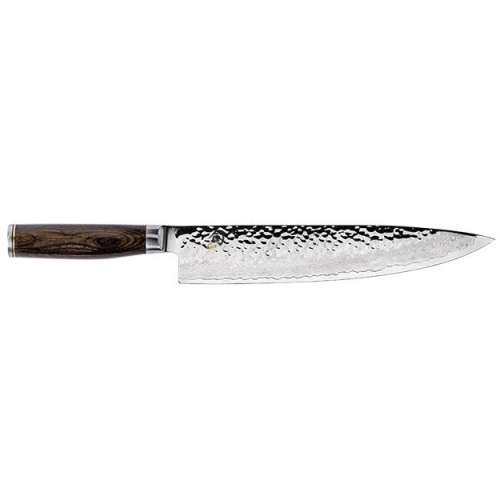
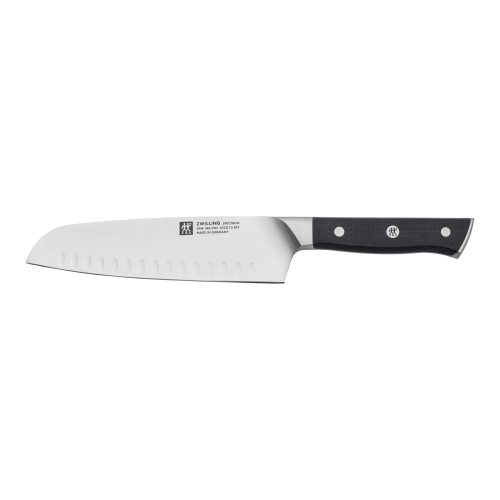
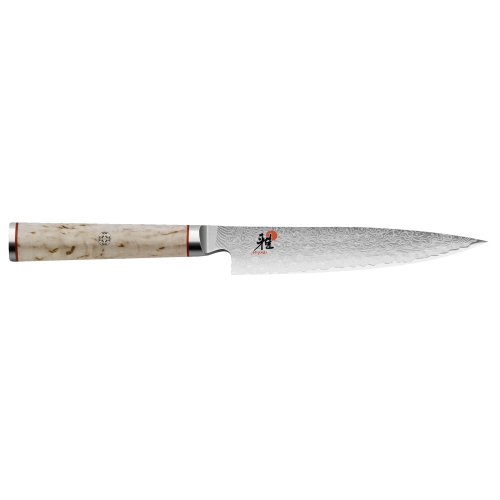
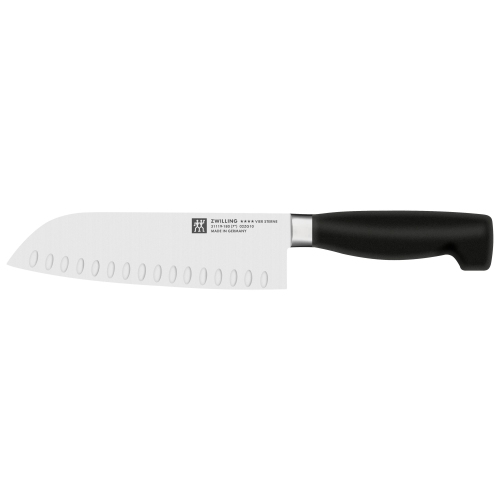
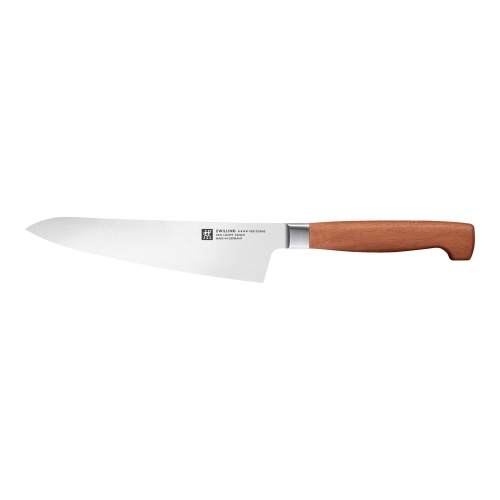
Japanese kitchen cutlery brings together purpose-built blade shapes, carefully treated steels, and handle designs that support precise food preparation. Many Japanese kitchen knives have relatively thin blades and fine cutting edges, helping them move cleanly through ingredients without excessive pressure. That precision is useful well beyond Japanese cooking: finely sliced cabbage for slaw, neatly diced onions for a sauce, and even portions of boneless fish all benefit from a blade suited to the task. A gyuto is a versatile chef’s knife for vegetables, meat, and fish, with a pointed tip for detailed work and an edge profile that often accommodates both slicing and a gentle rocking motion. A santoku offers a compact all-purpose shape for slicing, dicing, and chopping, typically with a less pronounced curve than a gyuto. Its manageable proportions can feel comfortable on a smaller cutting board or during everyday meal preparation. A nakiri has a rectangular blade and a comparatively straight edge, making it well suited to controlled up-and-down cuts through vegetables. Despite its resemblance to a small cleaver, it is not intended for chopping bones. Petty knives fill the space between a chef’s knife and a small paring knife, handling tasks such as trimming strawberries, segmenting citrus, and preparing shallots. Longer slicing shapes serve a different purpose, allowing smooth strokes through boneless roasts or fish with fewer interruptions along the cut surface. These distinctions make Japanese cutlery useful to home cooks developing their skills as well as experienced cooks who prefer separate tools for distinct ingredients. A small selection of complementary blade shapes can cover a broad range of meals without duplicating the same function. The most practical combination depends on what happens at the cutting board: frequent vegetable preparation calls for different strengths than portioning large cuts of boneless meat, while a general-purpose knife remains a dependable starting point for mixed everyday cooking.
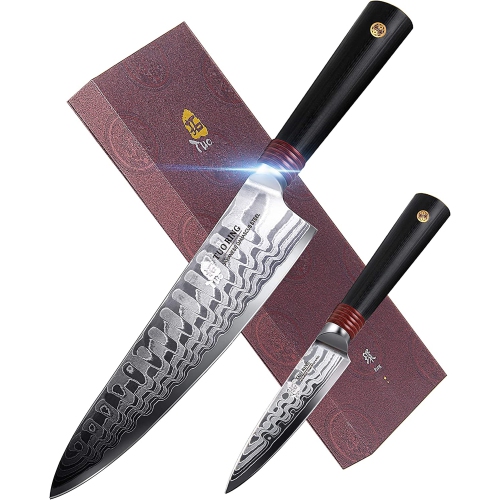
Steel composition, heat treatment, and blade geometry all influence how Japanese kitchen knives cut, how long their edges last, and how much attention they need. Stainless steel offers resistance to rust and staining, making it a practical choice for busy household kitchens, though it still needs prompt washing and drying. The Japanese Stainless Steel Knives collection centres on this material category. Non-stainless carbon steel can develop a patina through contact with food and moisture; this change in appearance differs from active rust, but the blade requires attentive care, particularly when cutting acidic ingredients such as tomatoes or citrus. The term high-carbon does not automatically mean a knife is non-stainless, since stainless formulations can also contain substantial carbon. Some blades combine a hard cutting core with outer layers of another steel, balancing different material properties within one construction. Layered Damascus patterns and hammered finishes add visual character, but appearance alone does not establish sharpness, durability, or resistance to food sticking. Harder steel can support a fine, long-lasting edge, yet it may be less forgiving of twisting, impacts, and rough handling. Many Japanese knives use narrow sharpening angles, sometimes around 15 degrees per side, although the correct angle depends on the particular blade rather than a universal standard. Double-bevel edges are sharpened on both sides and are common among general-purpose knives. Traditional single-bevel designs have different handling and sharpening requirements, and their suitability for right- or left-handed use matters. Handle fit is equally important during repeated prep work. Traditional Japanese-style handles may have oval, octagonal, or D-shaped profiles, while Western-style handles often have contoured scales secured to the tang. Wood offers a distinctive grain and feel; composite and resin materials can offer greater resistance to moisture. Neither style guarantees comfort for every hand. Handle circumference, balance, blade weight, and clearance between the knuckles and cutting board all affect control. A longer blade can make broad slicing strokes easier, but it also needs enough board space to work safely. A shorter, lighter knife may feel more manageable for smaller ingredients and compact preparation areas.
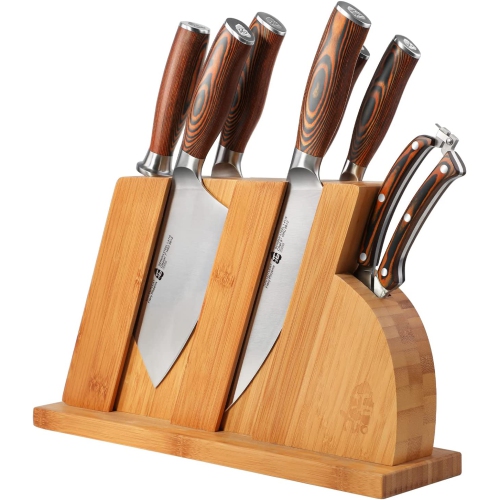
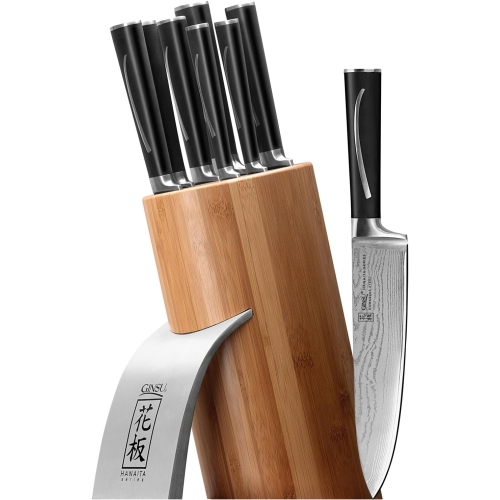
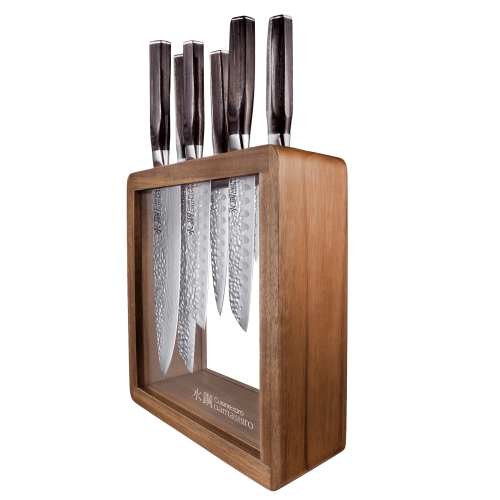
Thoughtful care helps preserve the qualities that make Japanese kitchen cutlery enjoyable to use. Handwashing with mild dish soap, followed by immediate drying, protects the blade and handle more reliably than a dishwasher cycle, where detergent, prolonged moisture, and contact with other utensils can cause damage. Knives should not be left soaking in a sink or concealed beneath washing-up water. During preparation, wiping the blade between ingredients helps limit residue and staining, especially with reactive carbon steel. A wooden or suitable plastic cutting board provides a more forgiving surface than glass, stone, or ceramic, which can quickly damage a fine edge. Cutting technique matters just as much as the board: straight, controlled strokes suit thin blades better than levering sideways through dense food. Frozen ingredients, bones, and hard pits need tools specifically designed for those tasks. Even a sharp vegetable knife can chip if it is twisted while lodged in a firm squash. Transferring chopped food with a board scraper rather than dragging the cutting edge sideways across the board also reduces unnecessary wear. For storage, a properly fitted sheath, drawer insert, knife block, or securely installed magnetic holder keeps edges separated from other utensils and helps prevent accidental contact. Blades should be clean and dry before being put away, with storage kept out of children’s reach. Sharpening restores an edge as it wears; whetstones are commonly used for Japanese knives, but the method and abrasive should suit the blade’s steel and bevel. A qualified sharpening service can be useful for specialised shapes or unfamiliar edge designs. A honing rod is not a substitute for sharpening, and coarse or aggressive pull-through devices may be unsuitable for thin, hard blades. For a housewarming, wedding, or cooking-focused gift, Japanese cutlery offers lasting everyday usefulness when the recipient’s habits are considered. An enthusiastic home cook may appreciate a task-specific shape, while someone who values straightforward upkeep may prefer stainless steel and a moisture-resistant handle. A well-matched knife earns its place through comfortable handling, predictable cuts, and care requirements that fit naturally into the kitchen routine.
Top selling and popular products
-
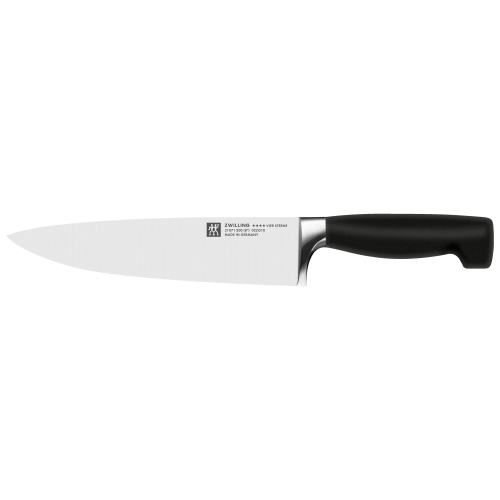 Your price for this item is $139.99
-
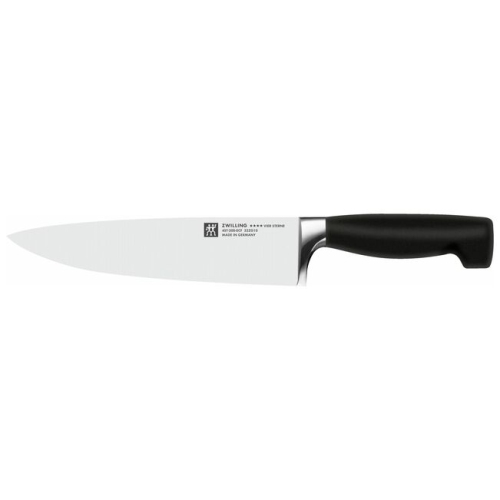 Your price for this item is $199.99
-
 Your price for this item is $139.99
-
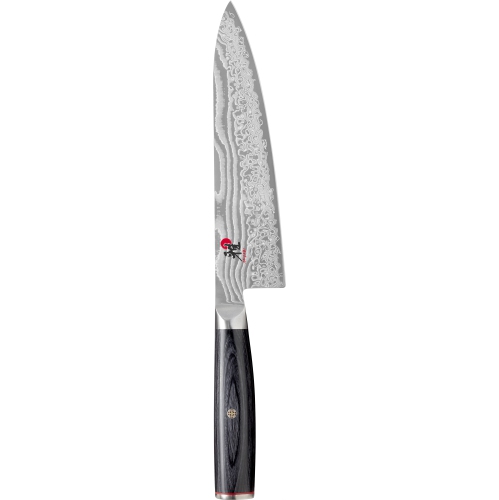 Your price for this item is $299.99
-
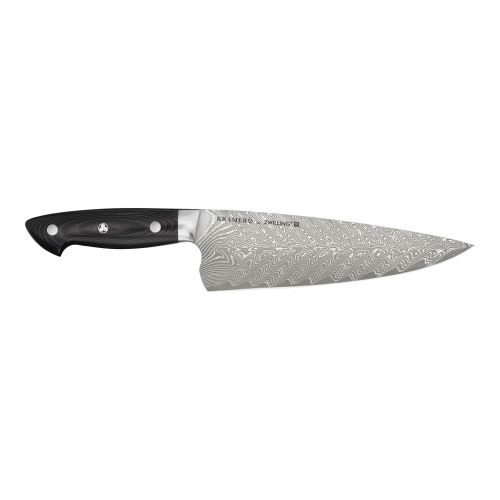 Your price for this item is $385
-
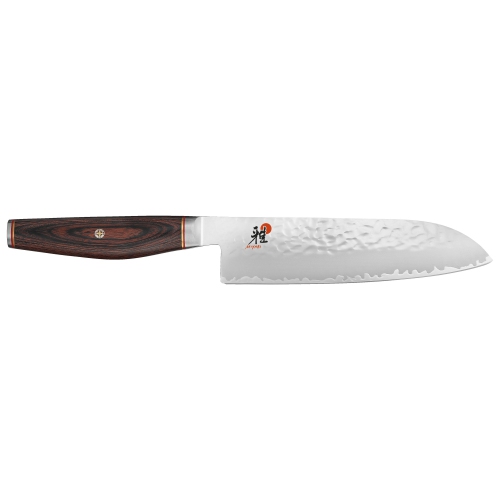 Your price for this item is $329.99
-
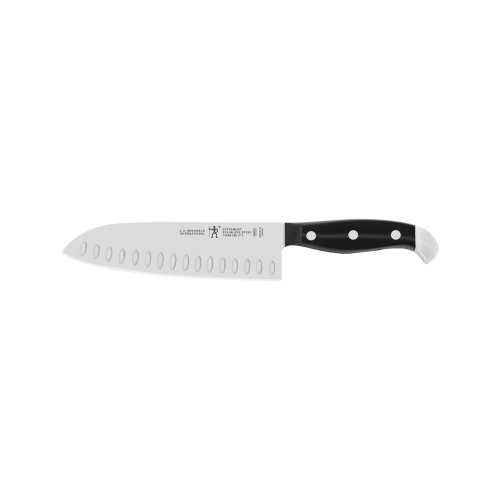 Your price for this item is $29.99
-
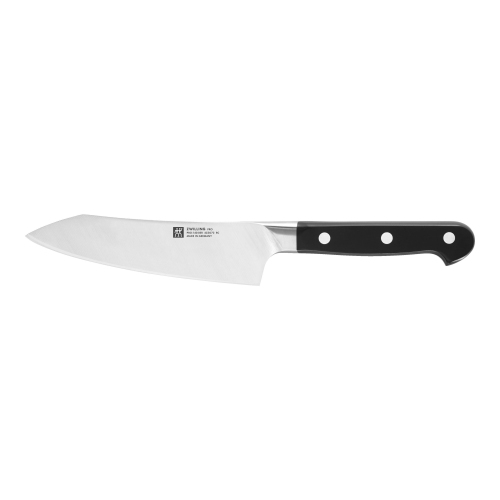 Your price for this item is $179.99
Discover more categories related to Japanese Kitchen Cutlery

Top Collections:
Pokemon Centers, Best Cameras for Sports Photography, Kindle Devices, Samsung Galaxy Phones, Canon G7X Cameras, Pokémon 30th Celebration Cards, Refurbished Apple Laptops, iPhone 15 Apple, Laptops for Students, Budget Smartphones
Some products may be subject to Environmental Handling Fees
(EHF) depending on your province.
Learn more about EHFs.