Japanese Stainless Steel Knives
Upgrade your kitchen with the precision and elegance of Japanese stainless steel knives. Crafted with utmost care and attention to detail, these knives are renowned for their exceptional sharpness, durability, and exquisite design. Whether you're a professional chef or a passionate home cook, these Japanese stainless steel knives offer a wide range of options to suit your culinary needs. From slicing and dicing to chopping and mincing, these high-quality knives will elevate your cooking experience to new heights.
Sort
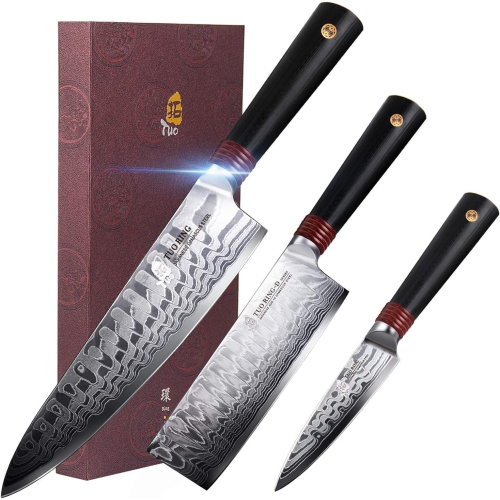
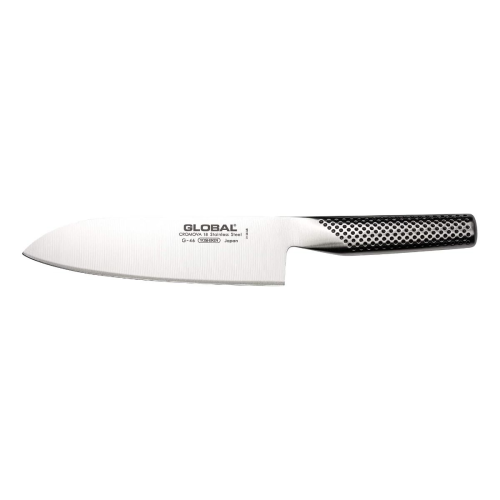
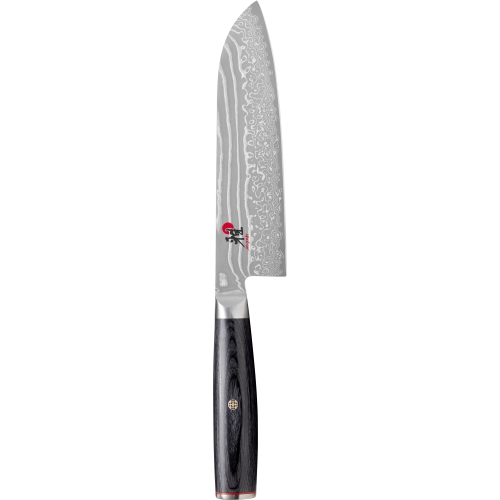
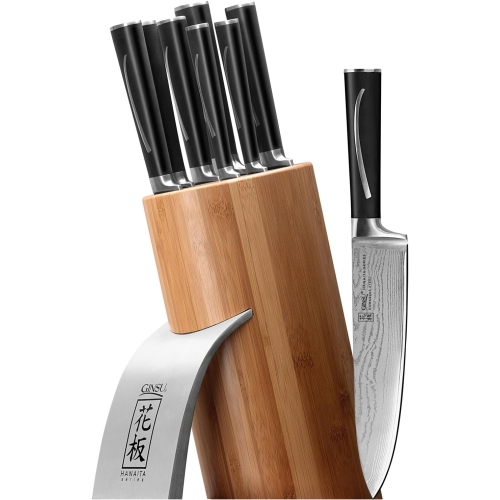
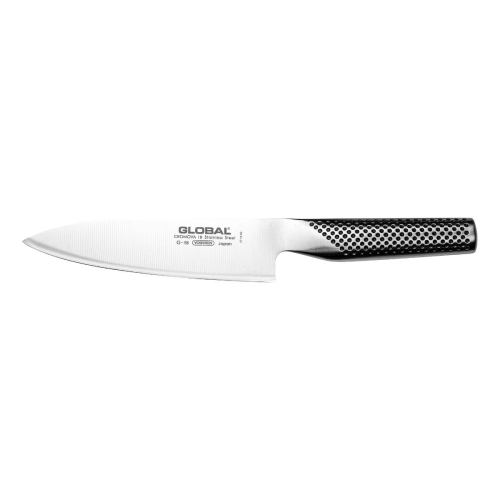
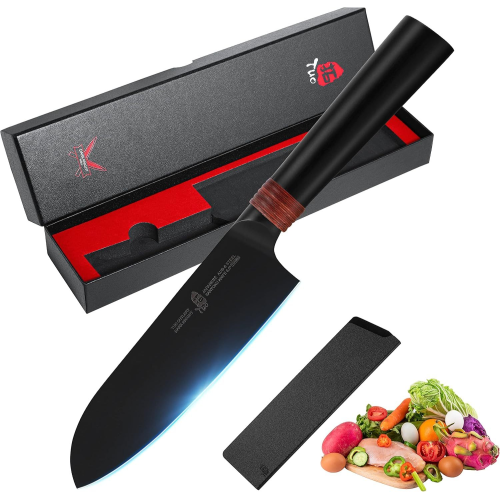
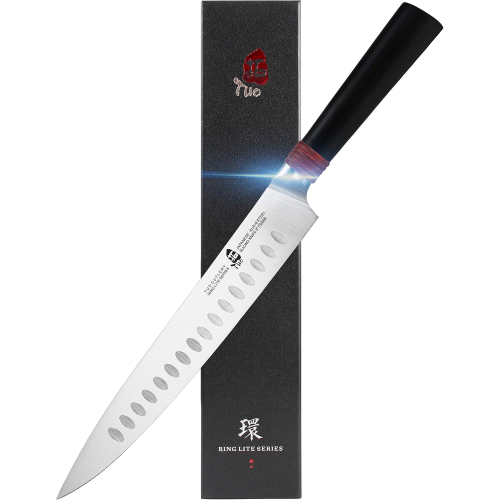
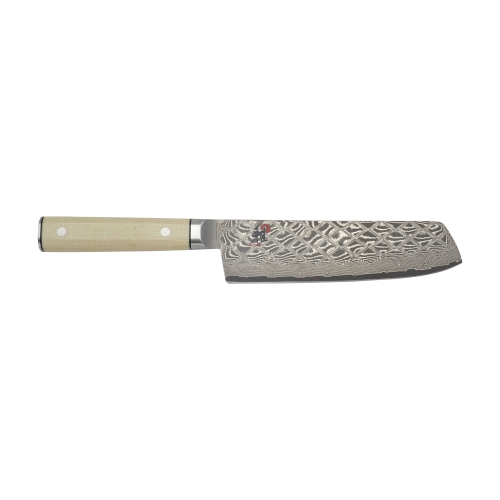





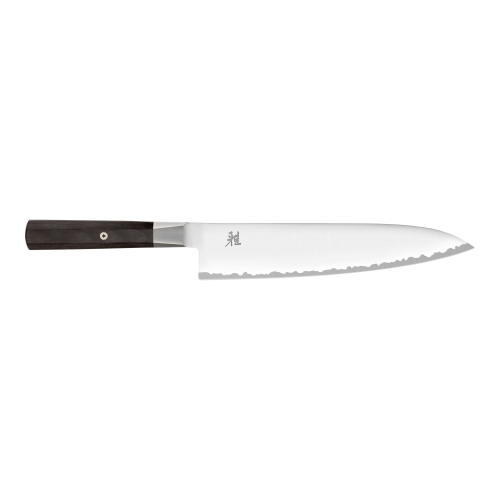
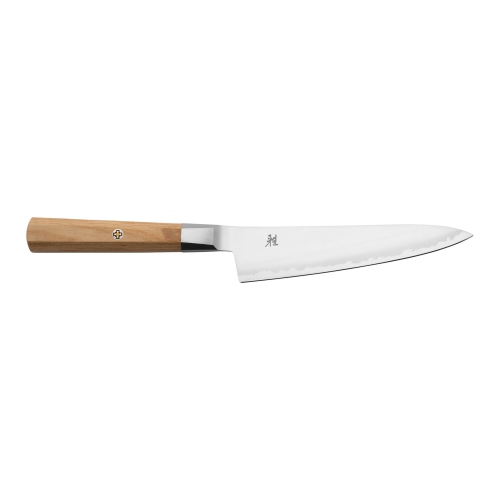
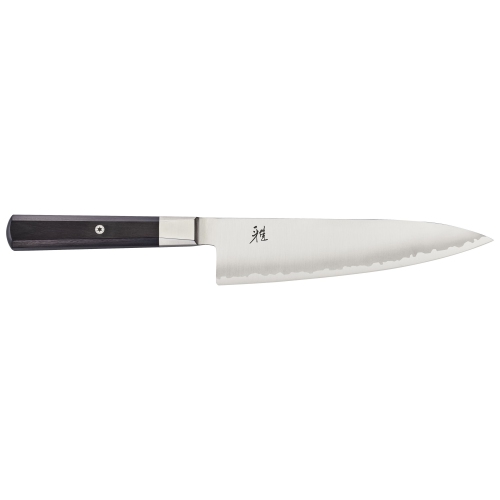
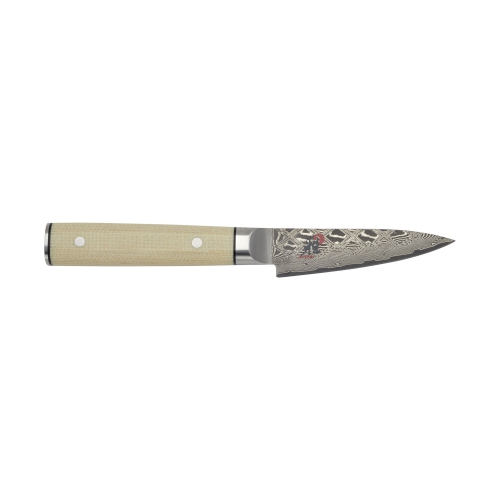
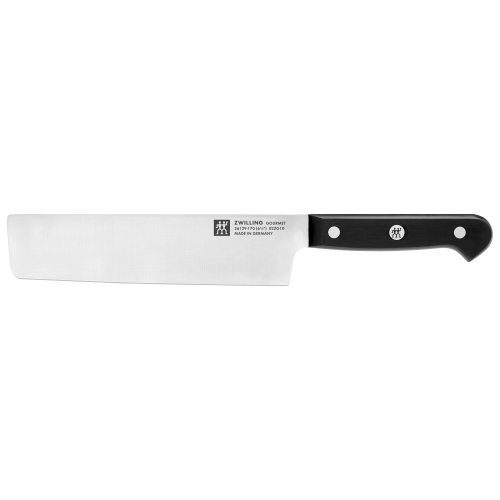

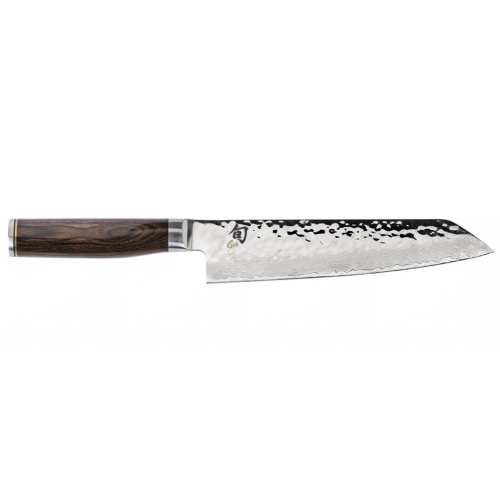

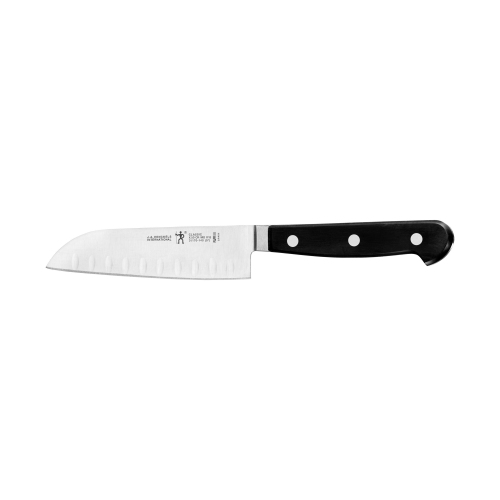
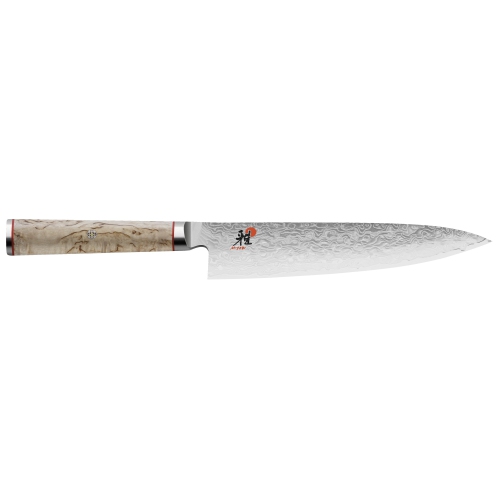

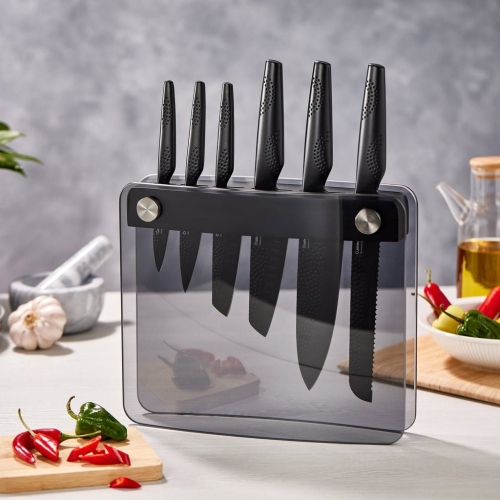

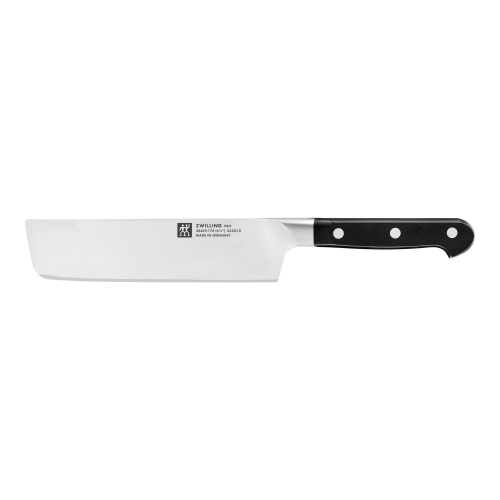


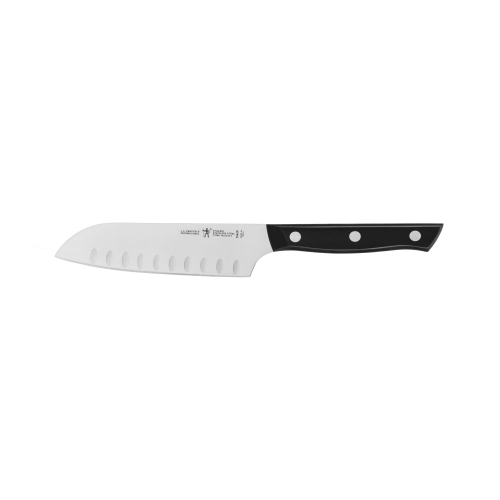

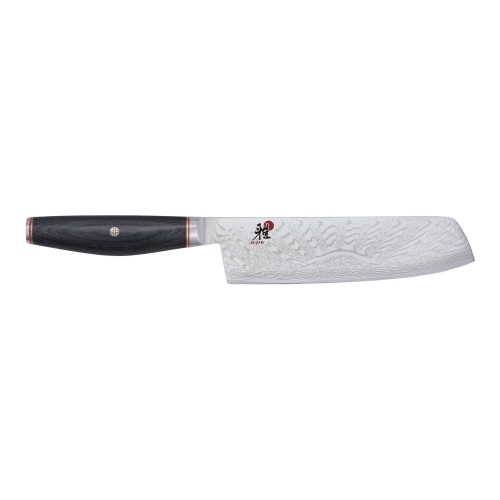







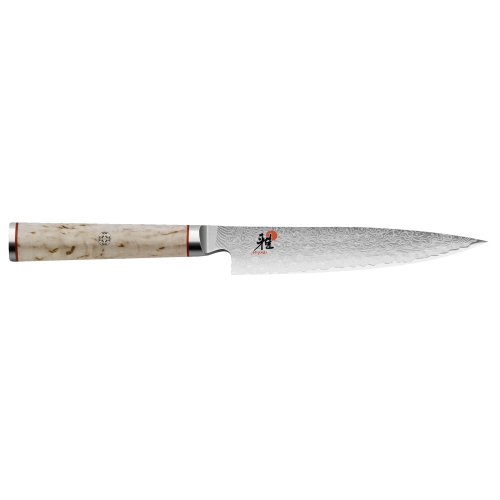

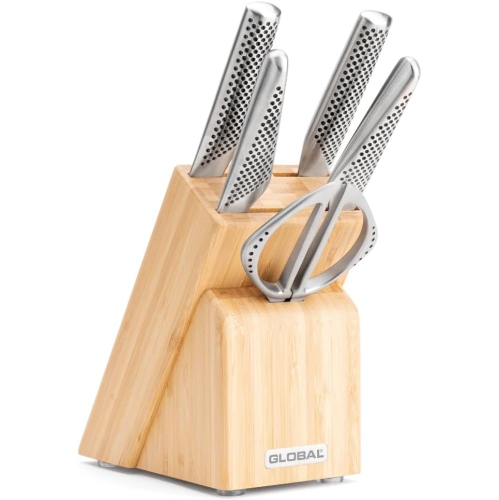

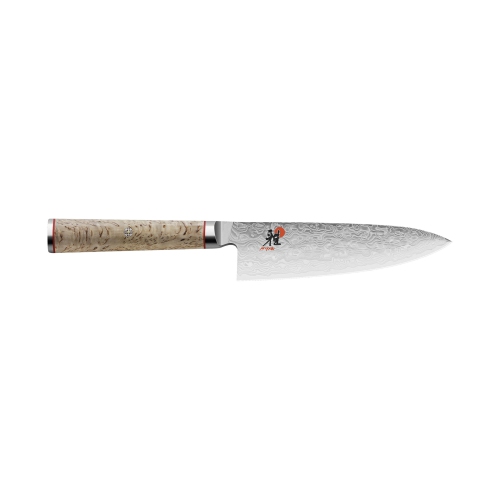

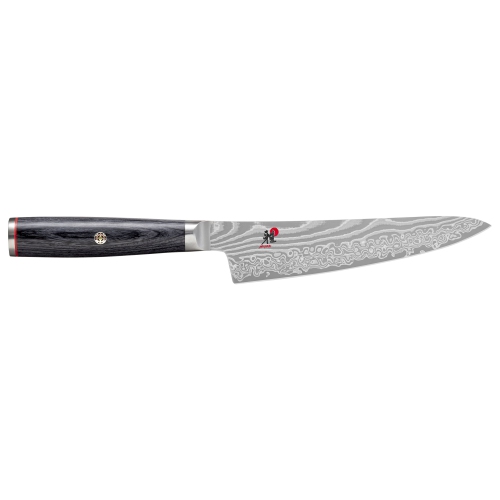
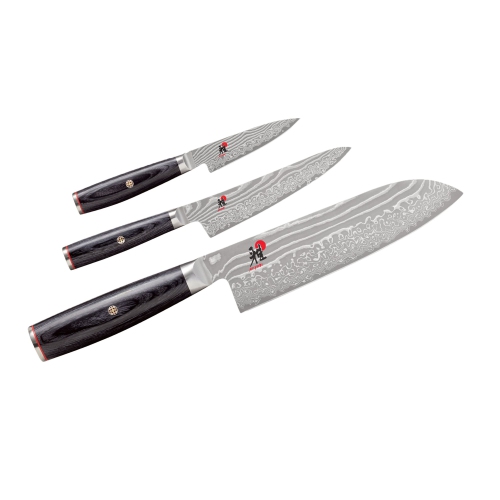
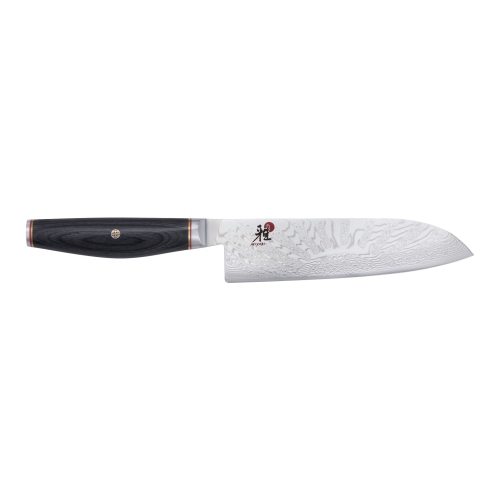


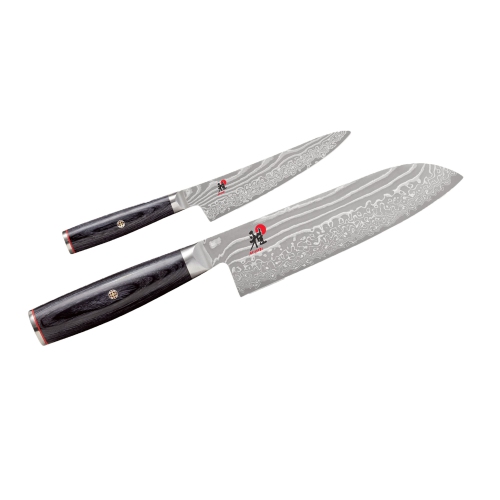
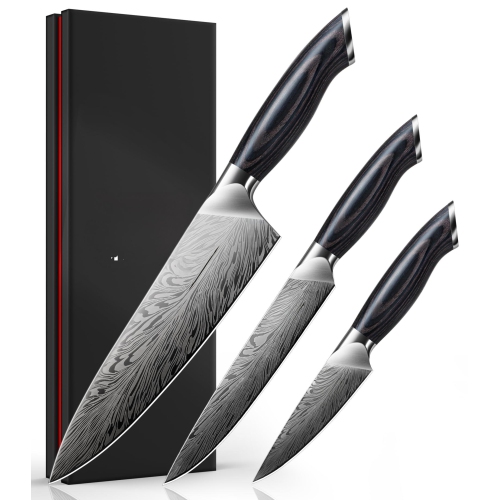

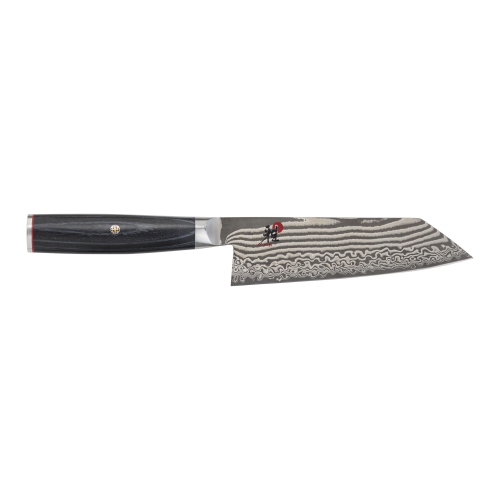


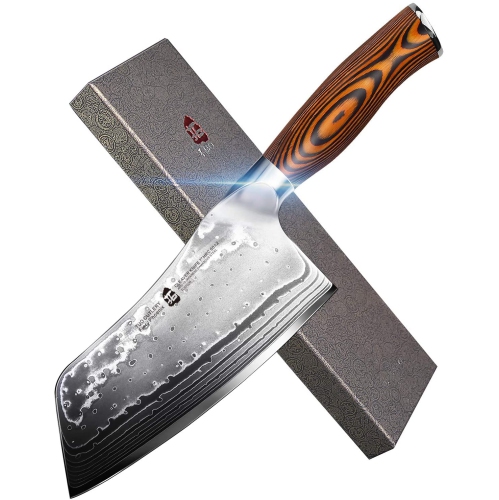
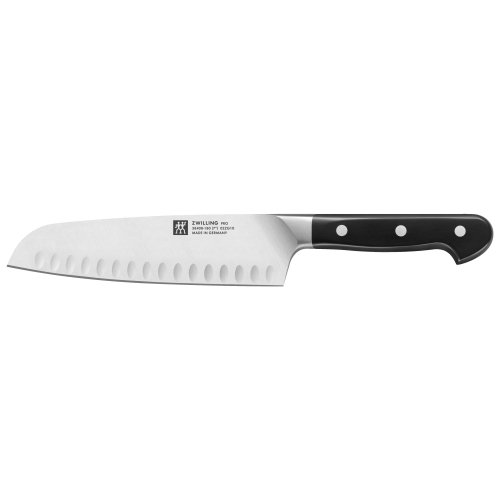
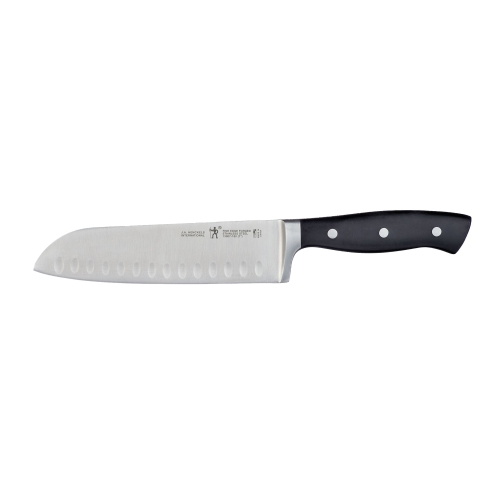

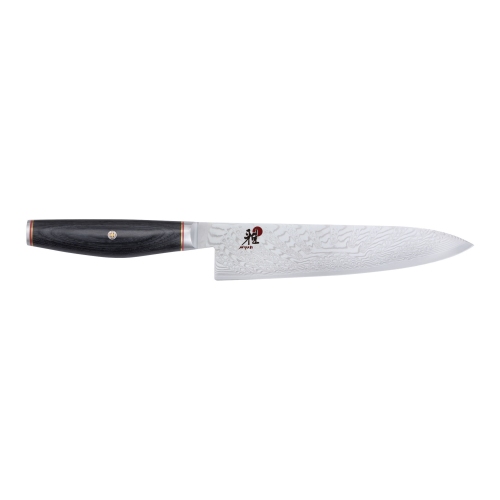

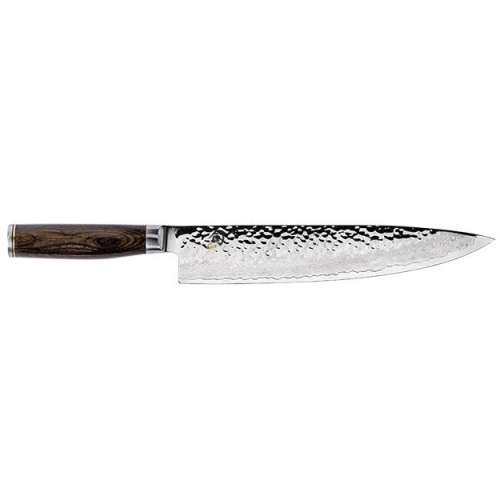
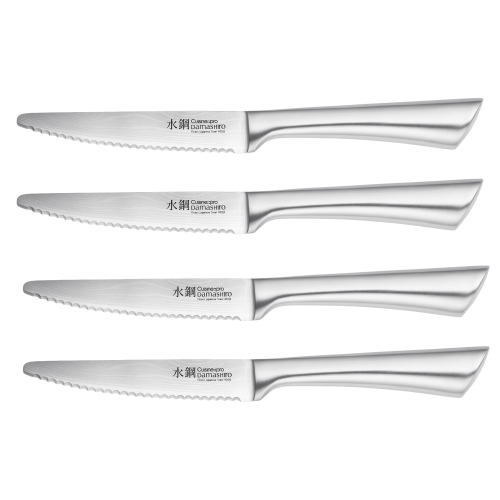
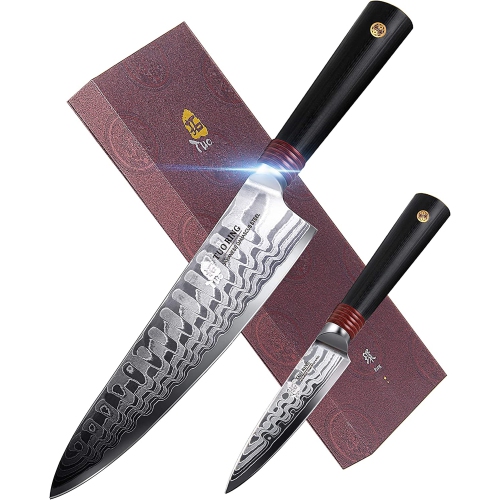

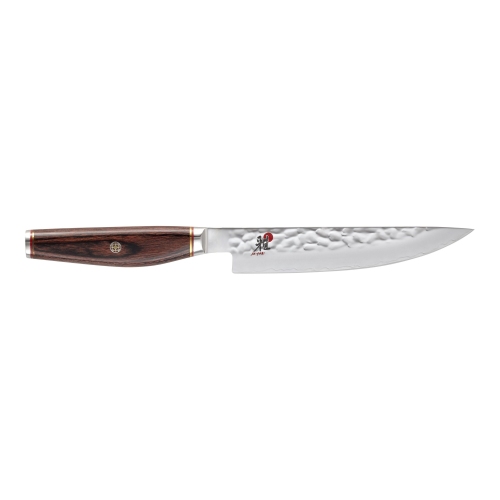
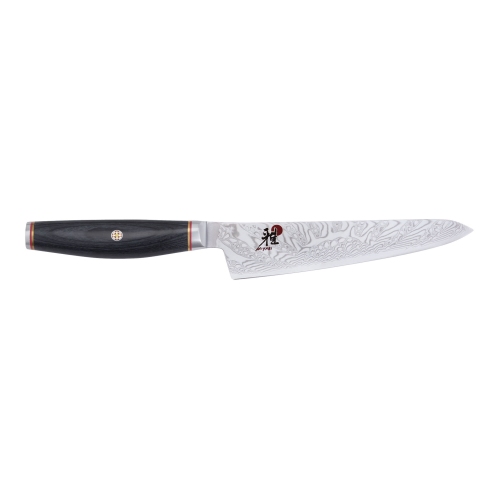
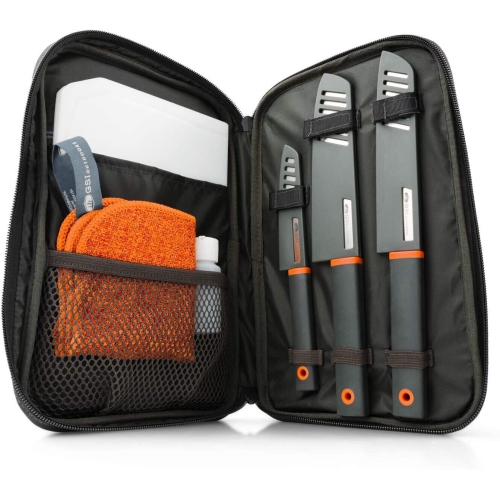


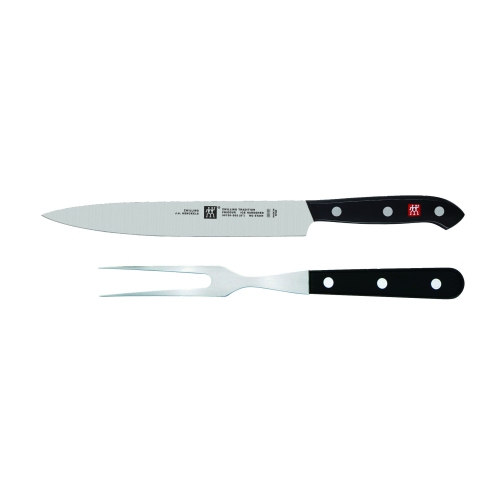

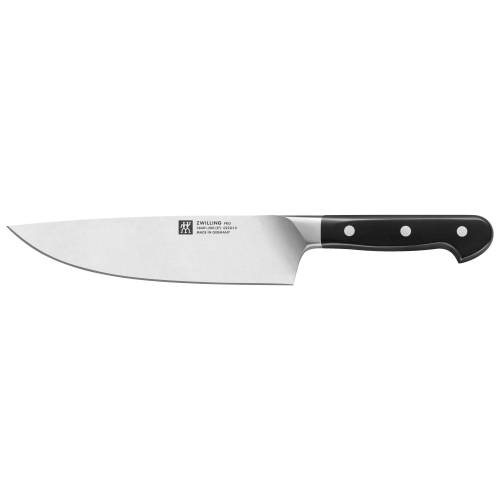
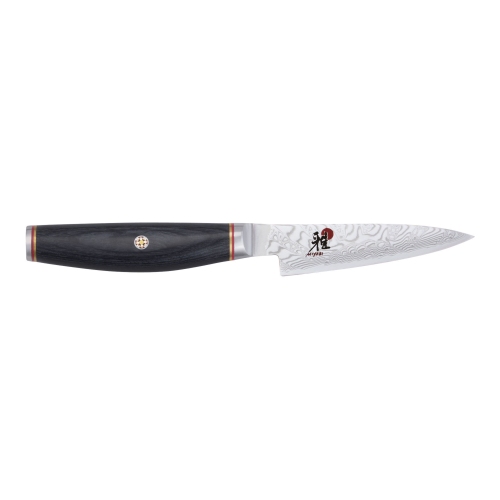
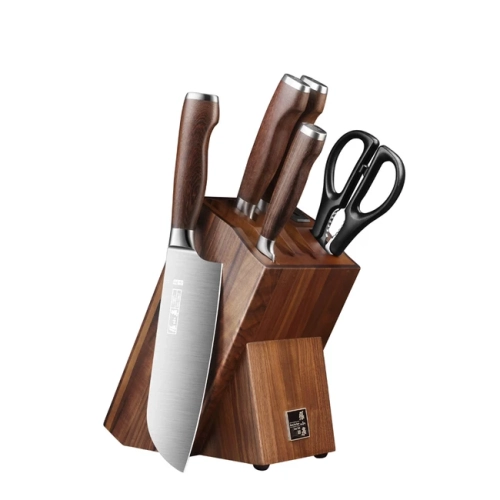
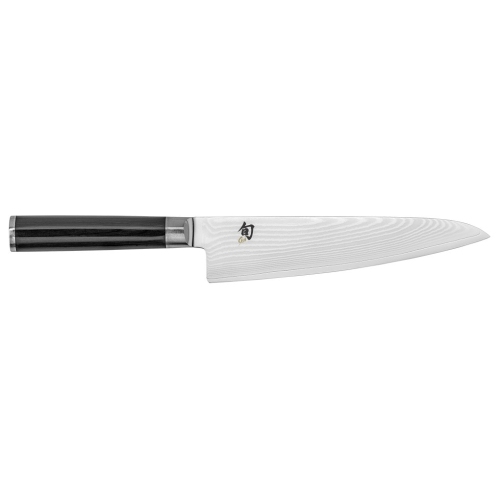
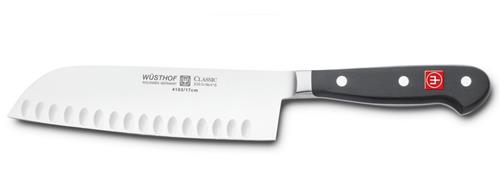
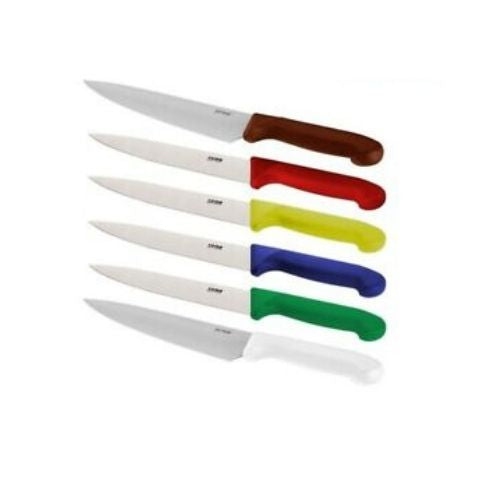


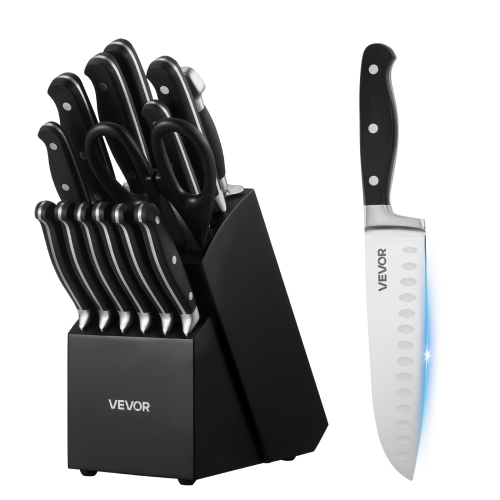
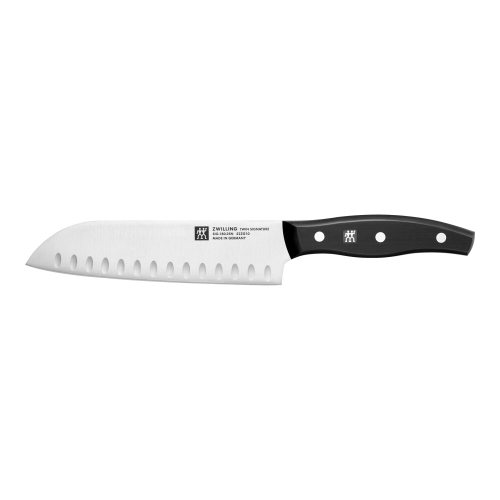
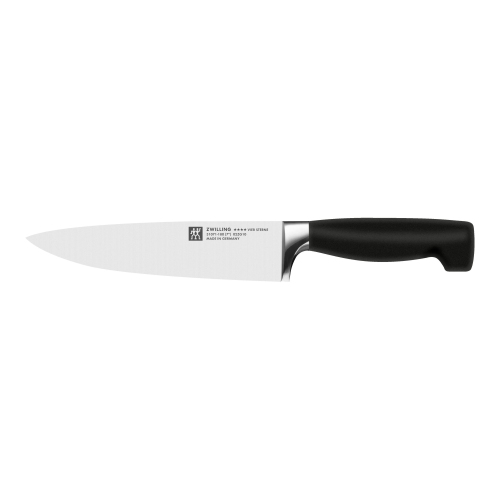

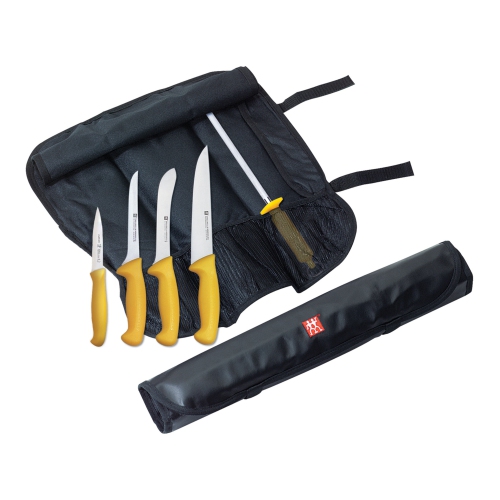
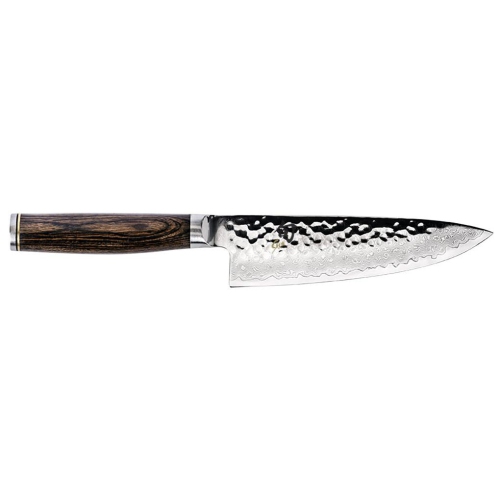
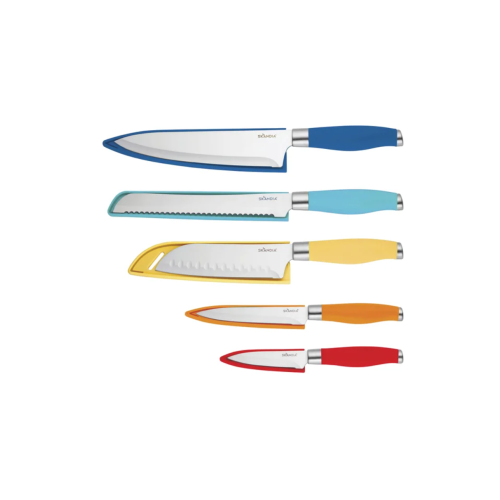

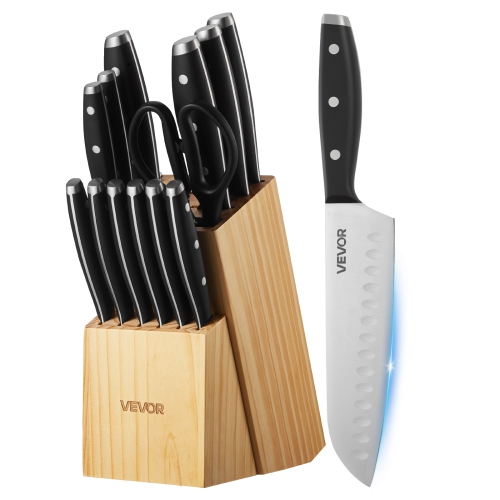
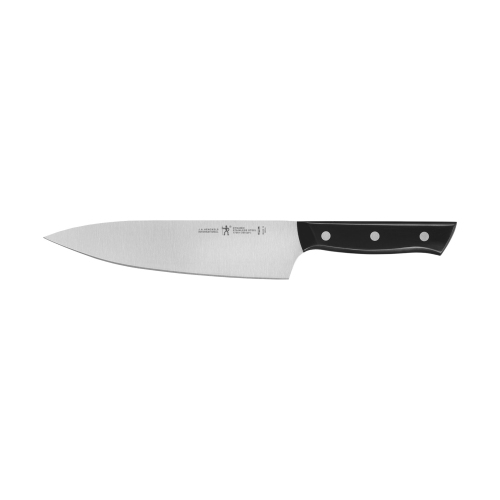

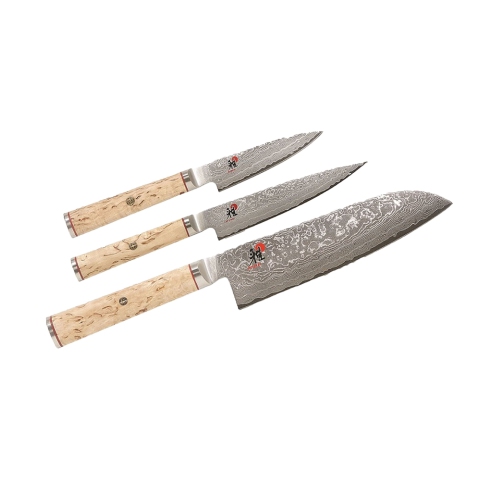
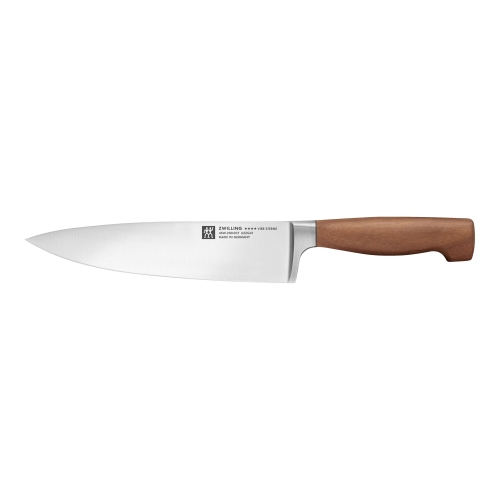
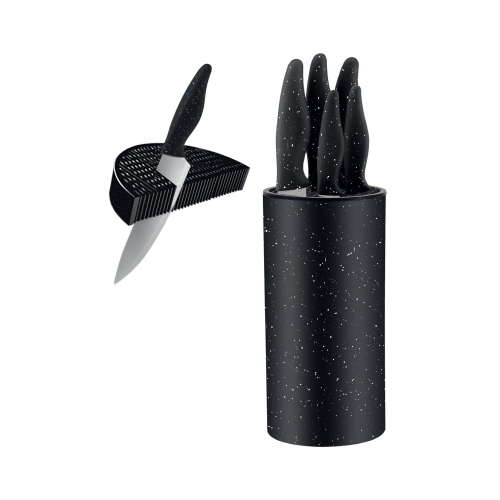
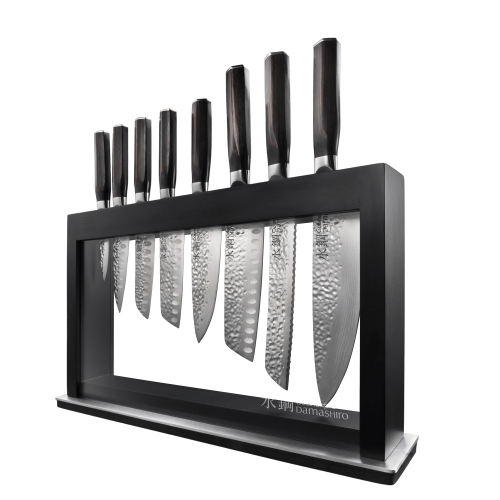
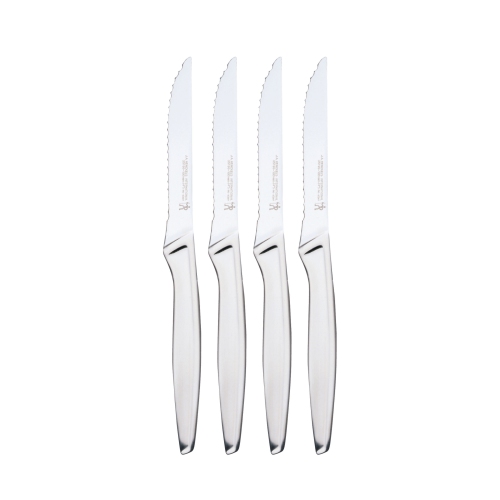
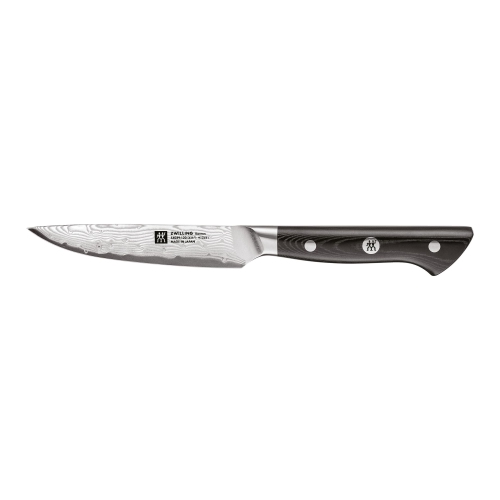
How steel, shape and care support precise everyday prep
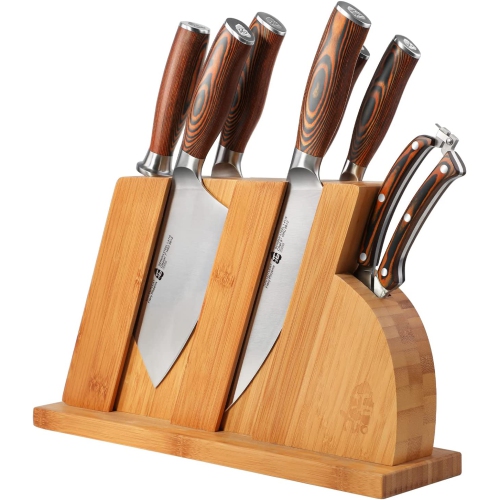
Japanese stainless steel knives bring together the refined shapes associated with Japanese kitchen cutlery and the practical upkeep of a corrosion-resistant blade. Stainless steel is valued in busy home kitchens because it resists rust and staining when cleaned and dried properly, while many Japanese-style blades are designed to feel light, balanced and precise in the hand. The result is a knife that can make everyday preparation feel more controlled, whether you are trimming vegetables for a weeknight meal, slicing boneless meat, separating herbs or portioning fruit for a lunch box. The cutting experience depends on more than the country of origin. Blade shape, thickness, handle design, edge angle, steel composition and overall balance all influence how a knife performs. Some Japanese stainless steel knives use high-carbon stainless steel, which can hold a keen edge for a long time while remaining easier to maintain than traditional carbon steel. Harder blades may offer a particularly crisp cutting feel and strong edge retention, but they should be handled with care because excessive twisting, hard bones and frozen foods can damage a fine edge. A softer or more flexible blade may be a practical choice for cooks who prefer a little more toughness and simpler everyday handling. Regardless of the steel, hand washing, prompt drying and storage in a block, sheath or magnetic holder can help preserve the blade and protect fingers from an exposed edge. Avoid placing quality knives loosely in a drawer or putting them through a dishwasher, where heat, detergent, movement and contact with other utensils may dull the edge or affect the handle over time.
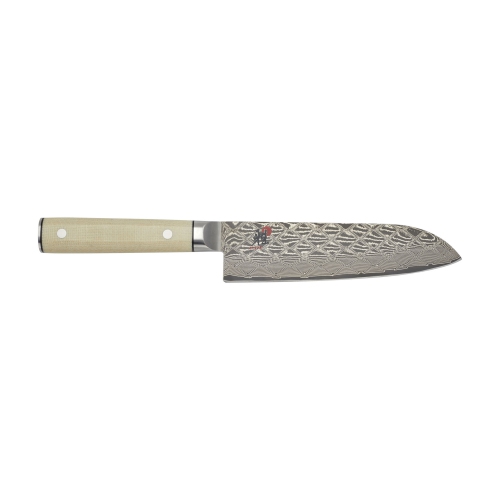
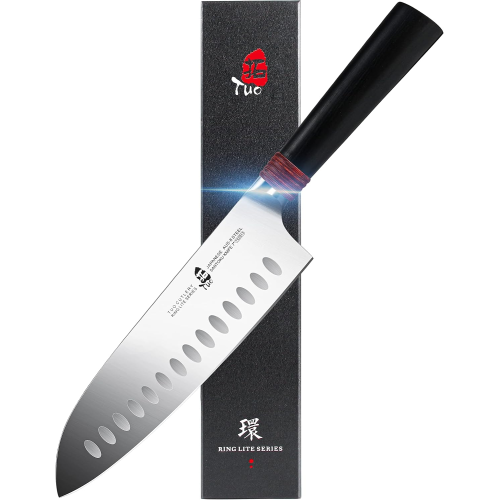
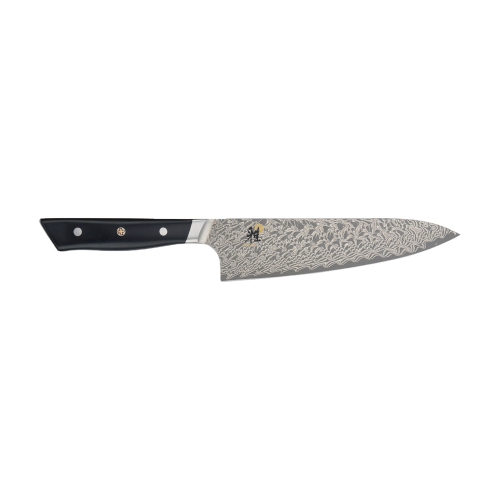
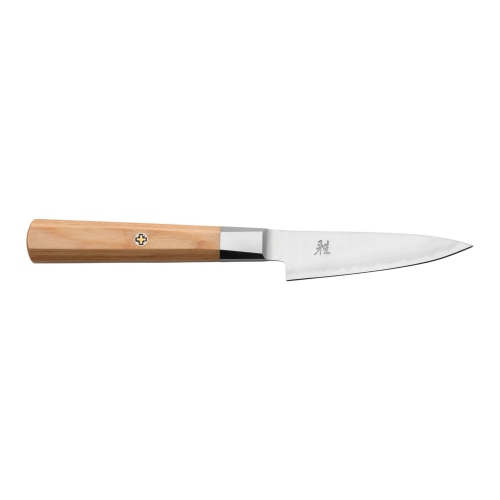
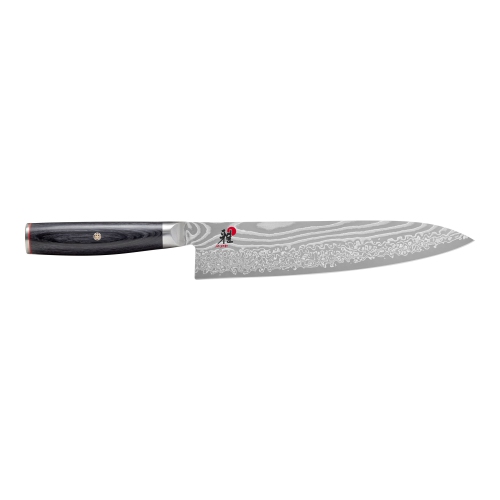
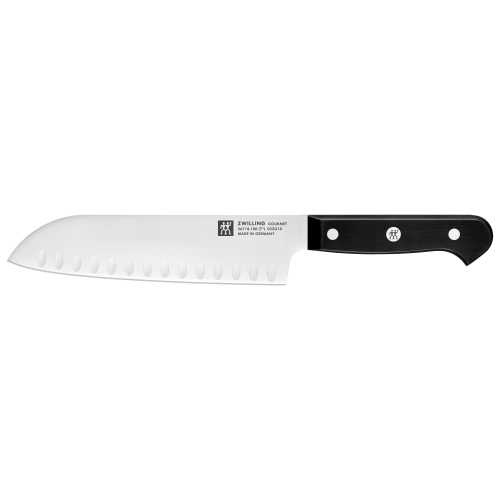
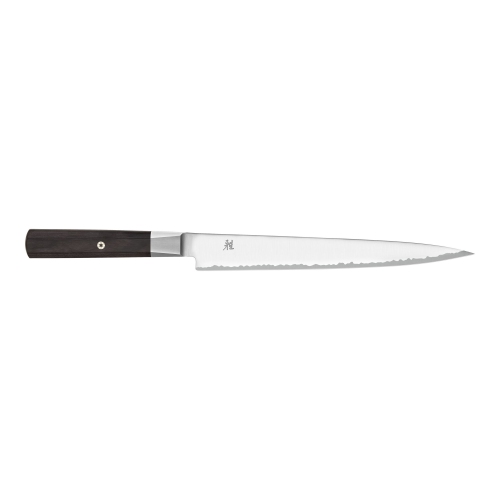
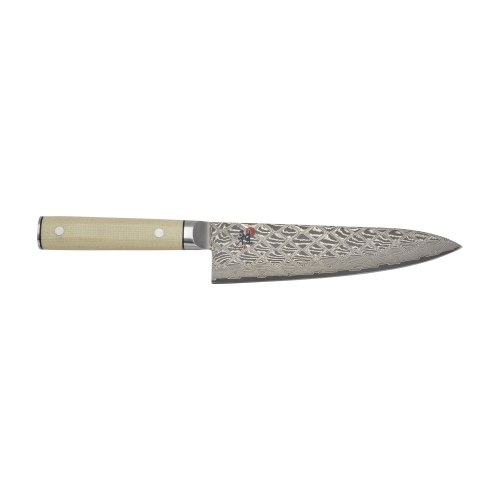
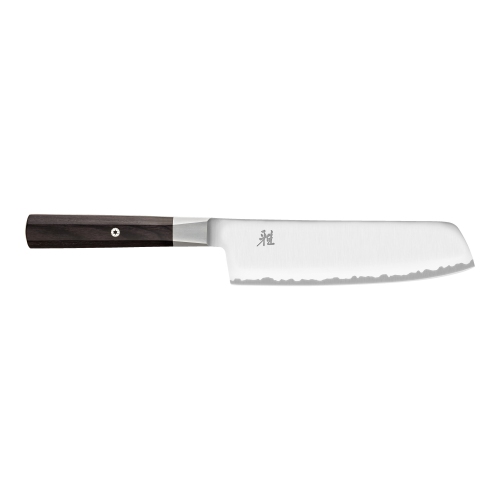
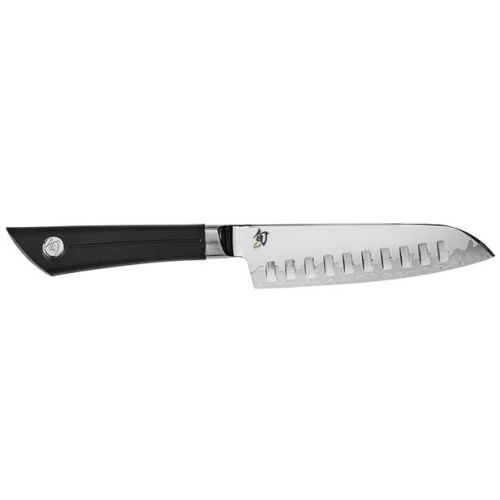
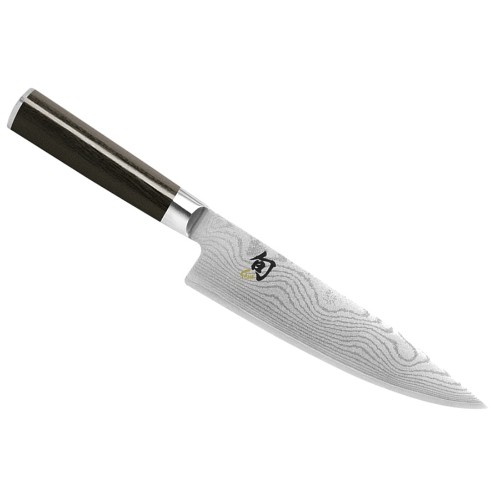
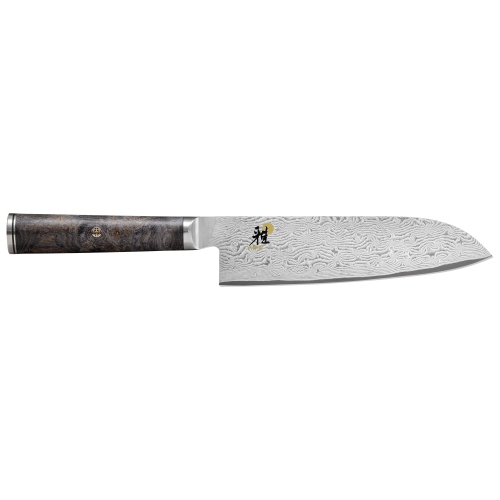
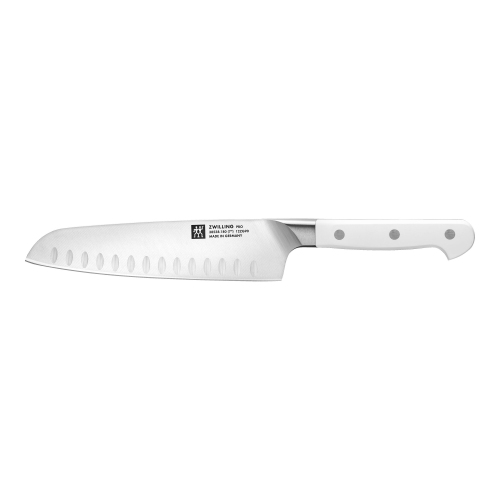
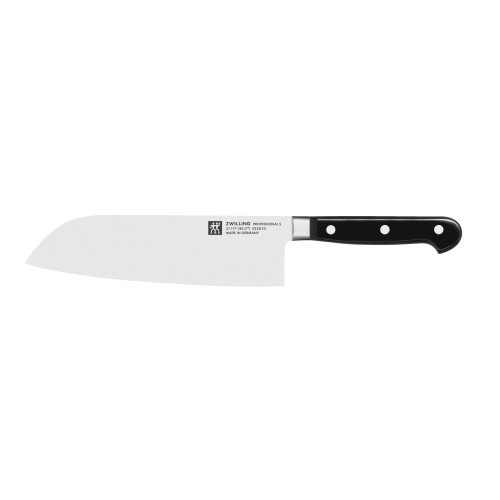
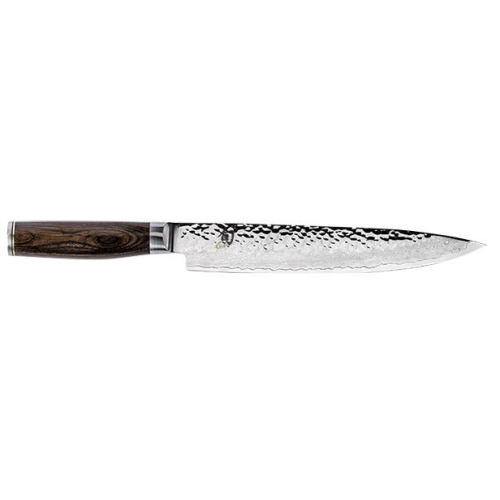
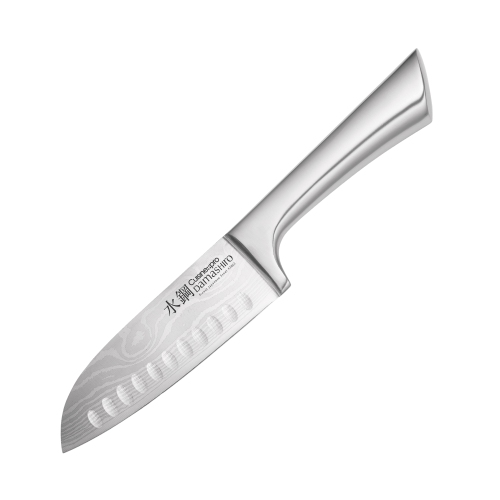
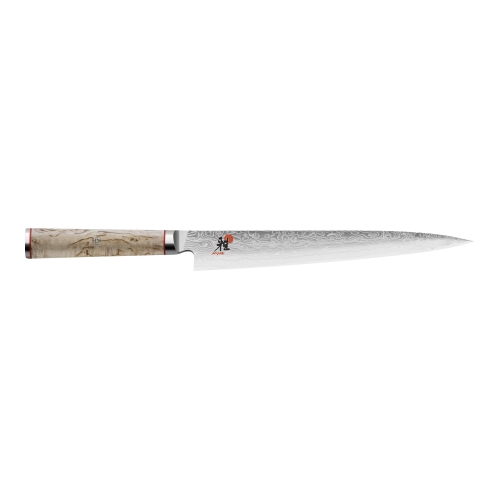
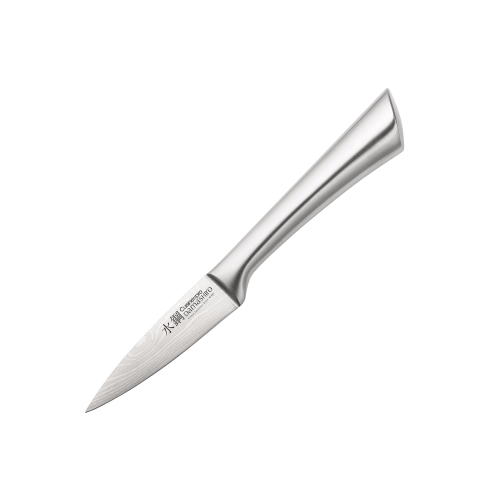
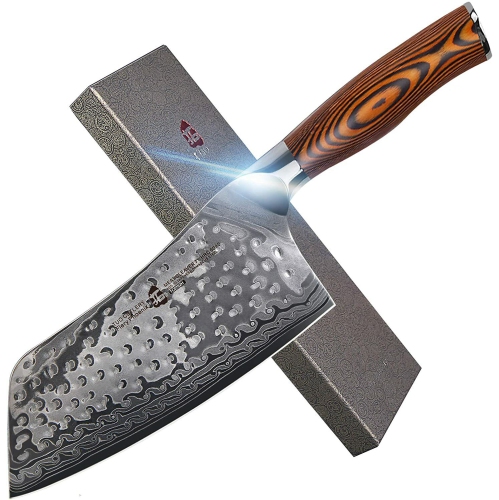
The right shape usually starts with the way you prepare food. A gyuto is the Japanese counterpart to a Western chef’s knife, offering a versatile profile for slicing, chopping and rocking through a wide range of ingredients. Its pointed tip can help with detail work, while its longer blade provides room for larger onions, squash and cuts of meat. A santoku is generally shorter and more compact, with a broad blade that works well for vegetables, fish and boneless meat. Its name is commonly associated with three virtues or uses, making it a popular all-purpose choice for cooks who want one dependable knife for daily preparation. You can explore more options in Chef Santoku Knives when a shorter, nimble profile suits your cutting board and storage space. A nakiri has a straight edge and a rectangular blade, making it especially well suited to quick, clean chopping of vegetables. The flat edge stays in contact with the board through more of the cut, which can feel natural when preparing carrots, celery, cabbage or leafy greens. Petty knives are smaller and useful for peeling, trimming and other close-up tasks, while slicer-style knives are designed for long, smooth strokes through cooked meats or delicate ingredients. Consider the size of your cutting surface as well as your hand position. A longer gyuto can be efficient on a spacious counter, but a compact santoku or nakiri may feel easier to control in a smaller kitchen. Left-handed cooks should check whether the edge is symmetrical or shaped for a particular hand, especially when considering single-bevel designs. Handle shape matters too: Western-style handles often provide a familiar grip and a substantial feel, while Japanese-style handles may feel lighter and allow easy repositioning. The best choice is one that feels secure without requiring a tight grip, since relaxed control can make repeated prep more comfortable.
Japanese stainless steel knives can be a thoughtful gift for a home cook setting up a first kitchen, someone who enjoys preparing fresh ingredients, or a host who takes pride in serving carefully made meals. They are also useful for experienced cooks who want to refine a particular part of their knife collection, such as adding a vegetable knife alongside a larger chef’s knife. When selecting one as a gift, think about the recipient’s habits rather than choosing solely by appearance. Someone who cooks simple meals in a compact kitchen may appreciate a balanced all-purpose knife, while an enthusiastic meal preparer may enjoy a specialised shape for vegetables, fish or precision trimming. Edge maintenance is an important part of ownership. A honing rod is not always suitable for every Japanese blade, particularly very hard or finely sharpened edges, so a whetstone or professional sharpening service may be preferable depending on the knife and the user’s experience. Cutting on wood, soft composite or other knife-friendly surfaces can also help reduce unnecessary wear; glass, stone and ceramic boards are more likely to dull an edge quickly. Use a steady slicing or chopping motion rather than striking through hard material, and keep the blade away from bones, pits and frozen foods unless it is specifically designed for those tasks. With sensible care, a Japanese stainless steel knife can become a familiar part of the cooking routine: the balanced weight in the palm, the quiet sound of a clean cut through a ripe tomato, and the confidence that comes from having the right tool ready for the next meal.
Top selling and popular products
-
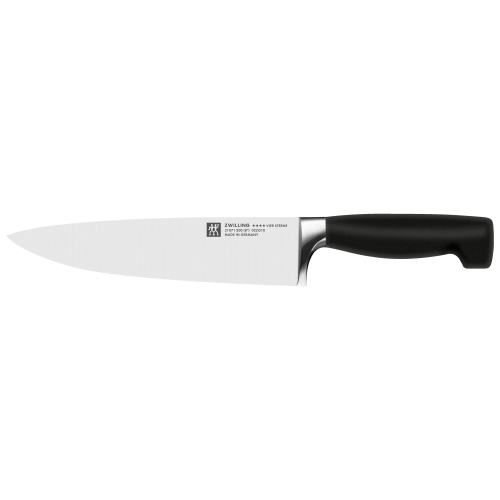 Your price for this item is $139.99
-
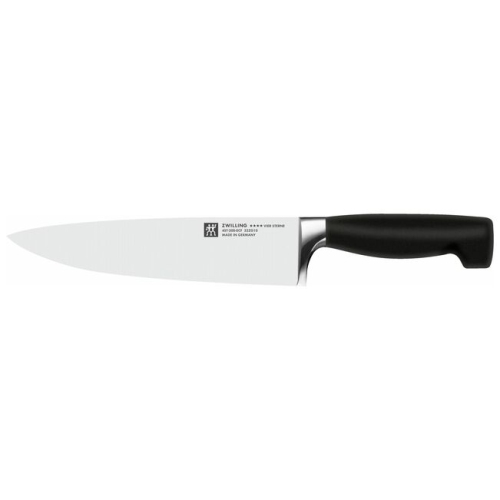 Your price for this item is $199.99
-
 Your price for this item is $139.99
-
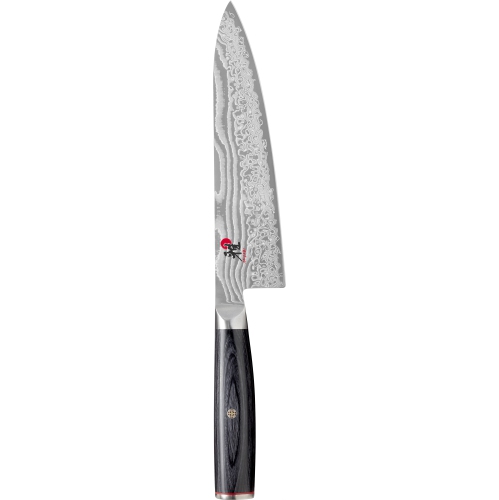 Your price for this item is $299.99
-
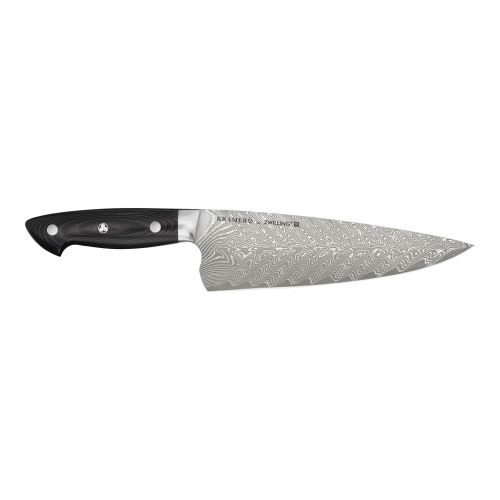 Your price for this item is $385
-
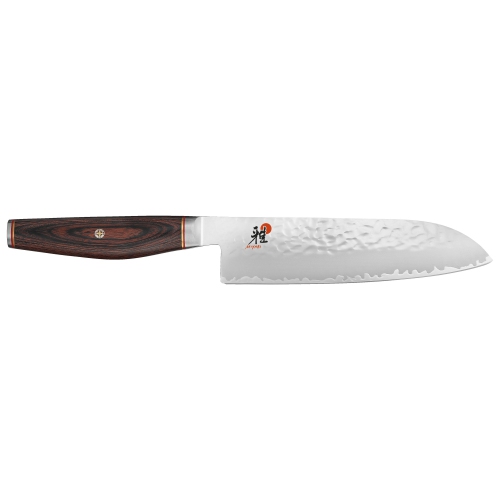 Your price for this item is $329.99
-
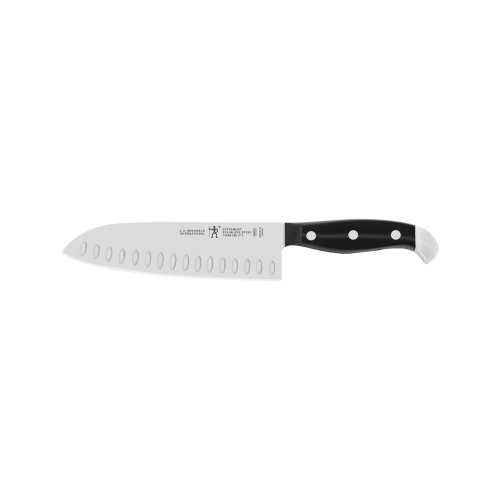 Your price for this item is $29.99
-
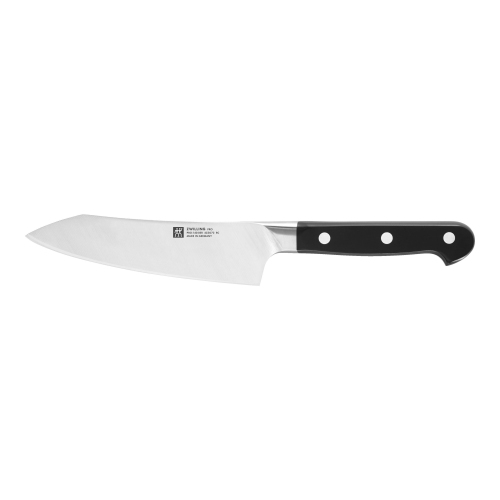 Your price for this item is $179.99
Discover more categories related to Japanese Stainless Steel Knives
Top Collections:
Pokemon Centers, Best Cameras for Sports Photography, Kindle Devices, Samsung Galaxy Phones, Canon G7X Cameras, Pokémon 30th Celebration Cards, Refurbished Apple Laptops, iPhone 15 Apple, Laptops for Students, Budget Smartphones
Some products may be subject to Environmental Handling Fees
(EHF) depending on your province.
Learn more about EHFs.