Kids Desks With Storage
Creating a productive and organized workspace for your child is essential to their growth and development. Kids' desks with storage are the perfect solution to keep their study area clutter-free while providing ample space for books, supplies, and personal belongings. Here are some great options available.
Sort
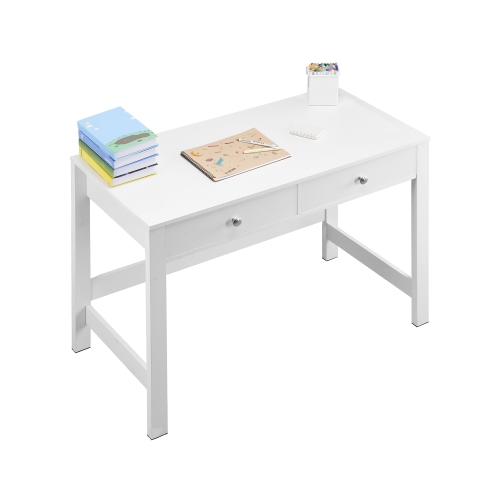
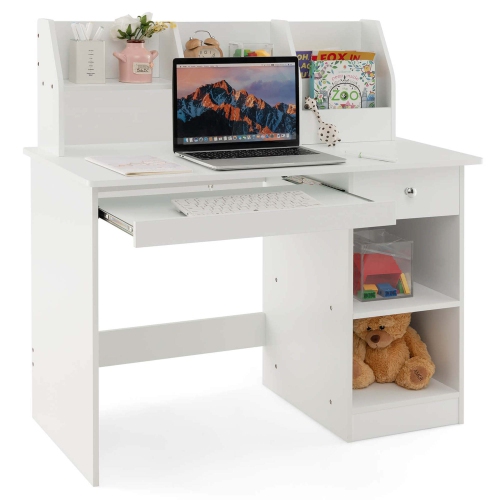
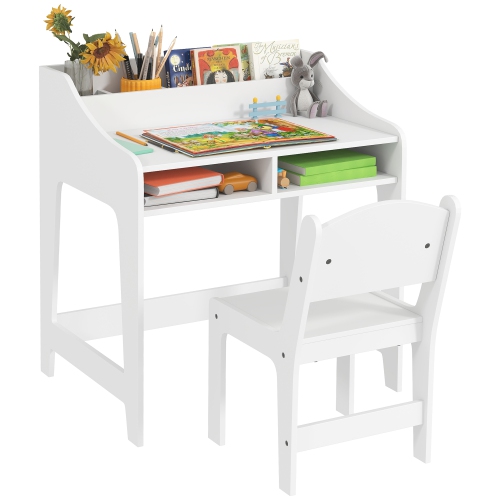
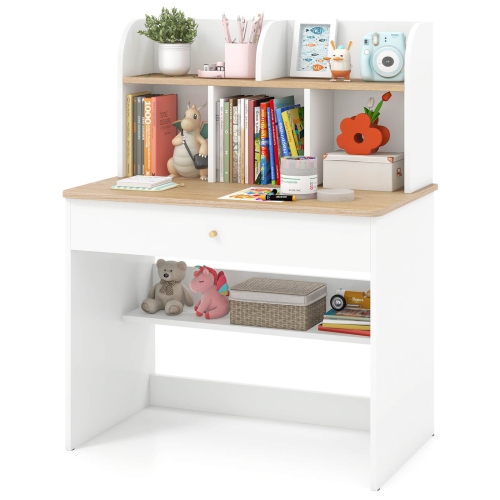


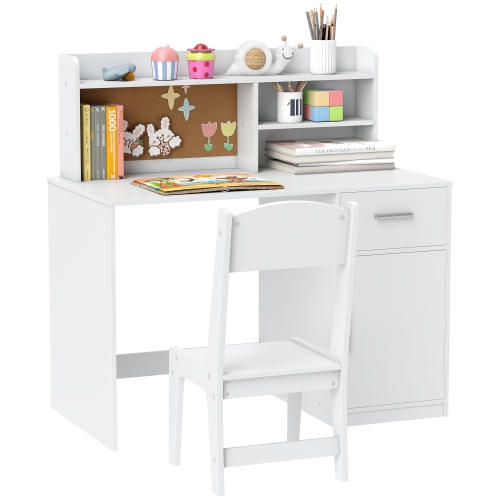

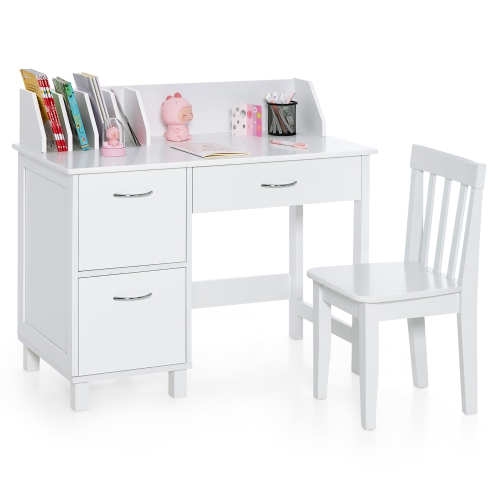
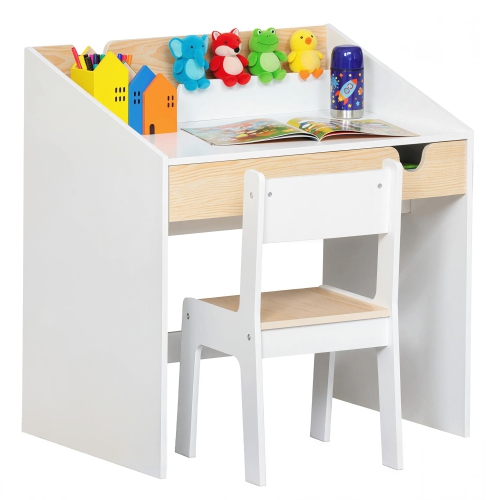
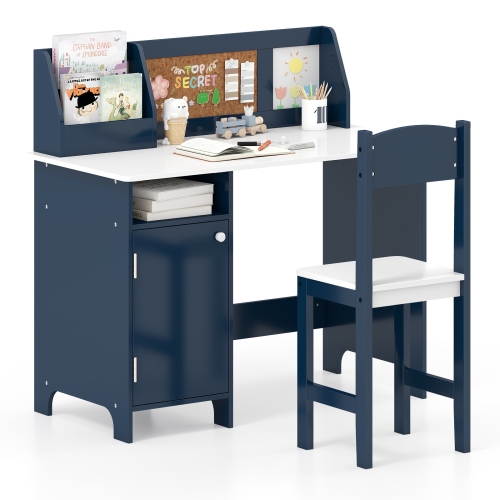

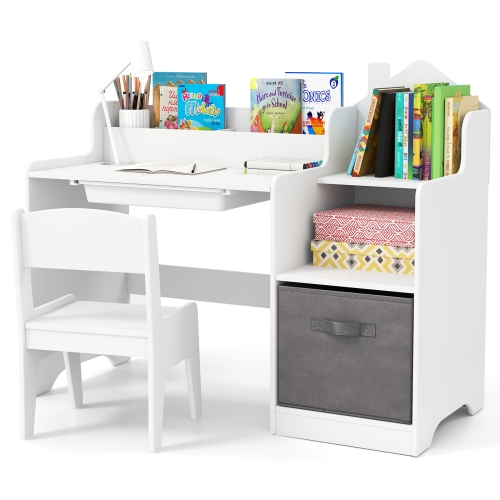
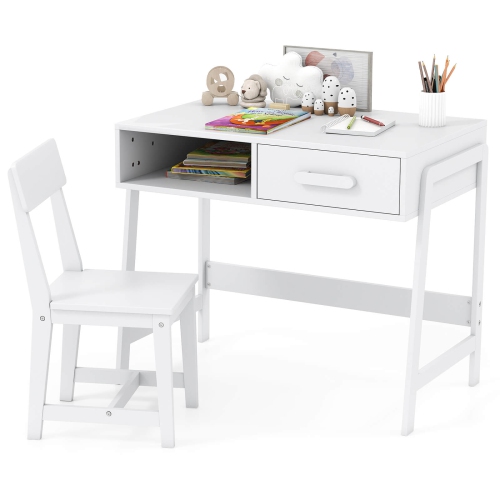
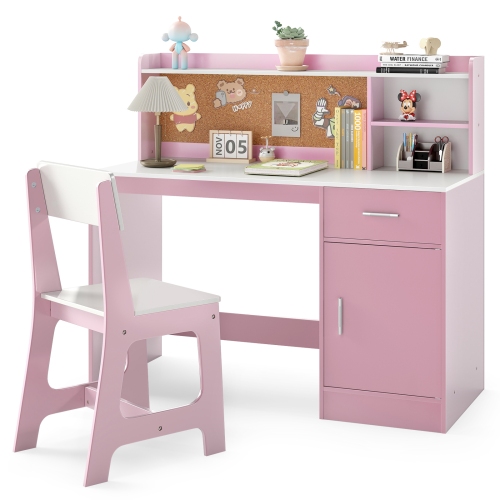
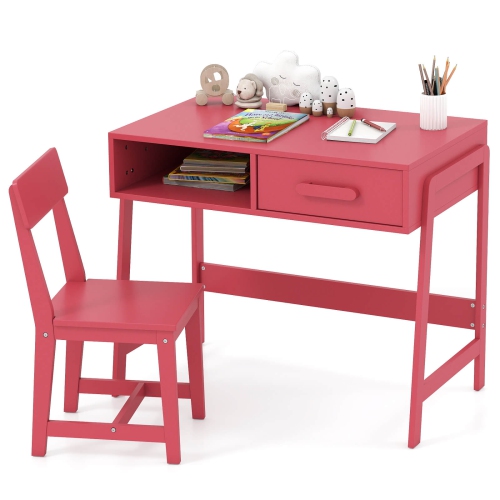
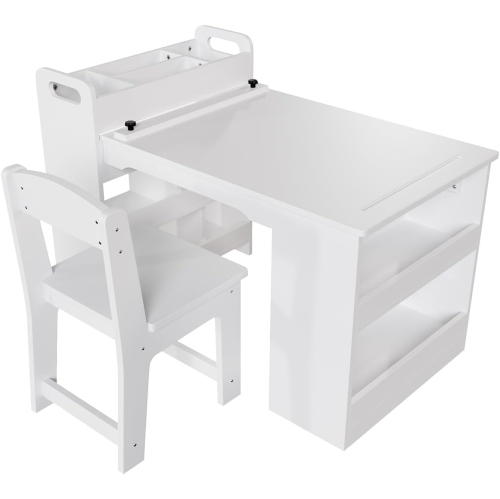
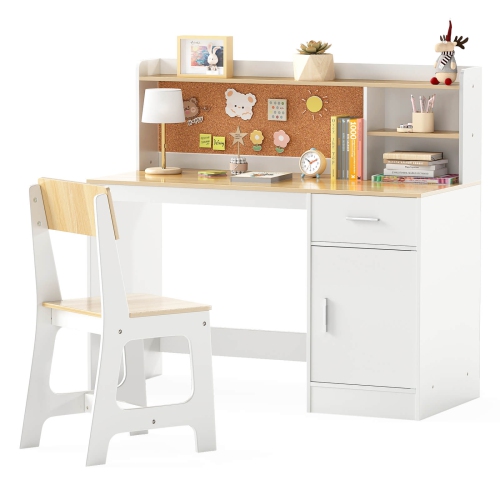
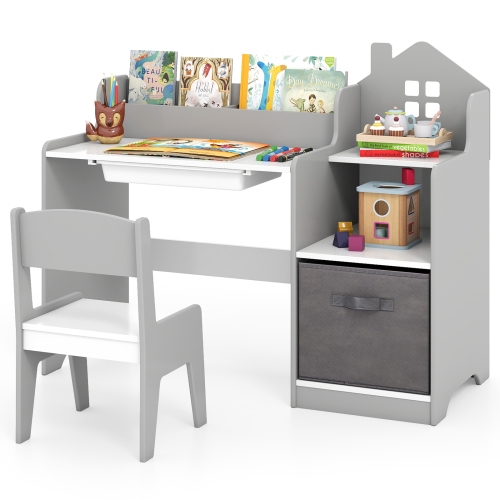
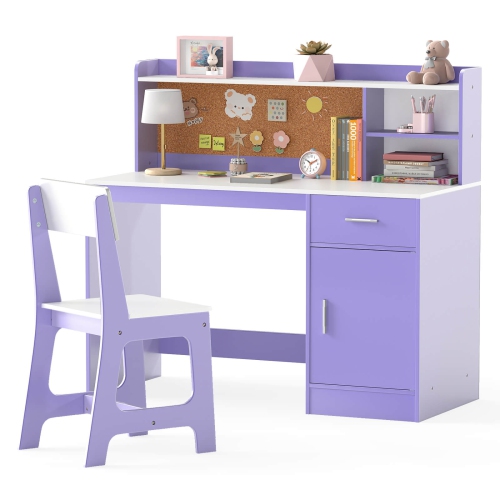

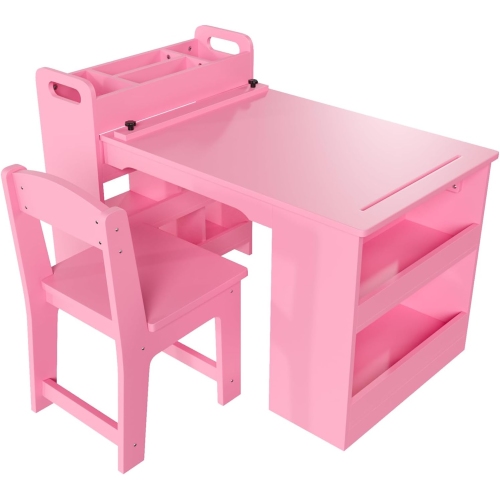
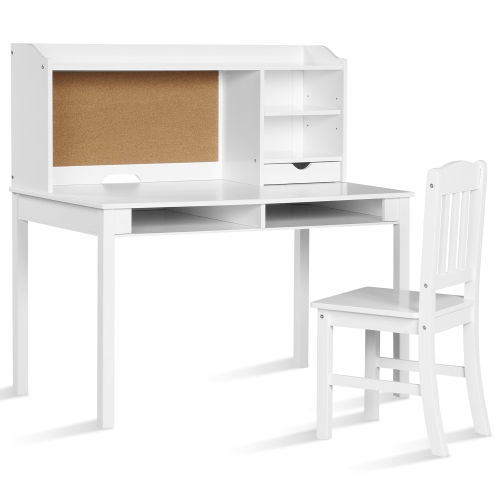
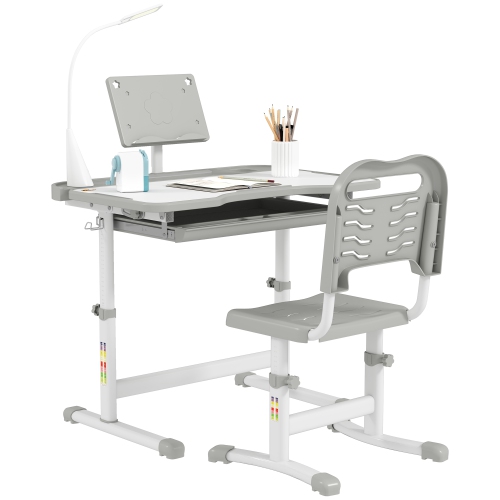


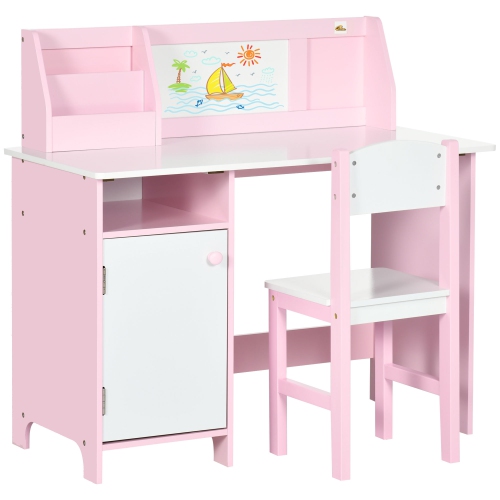
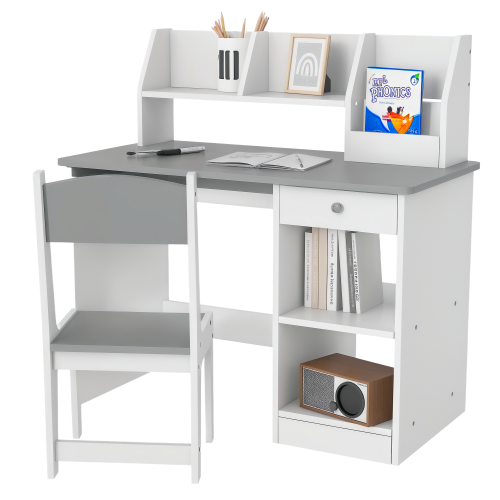

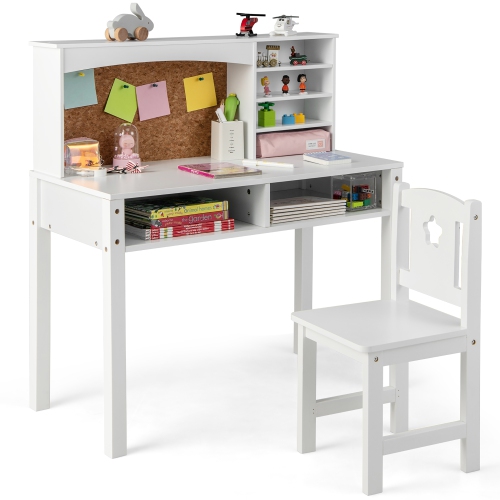
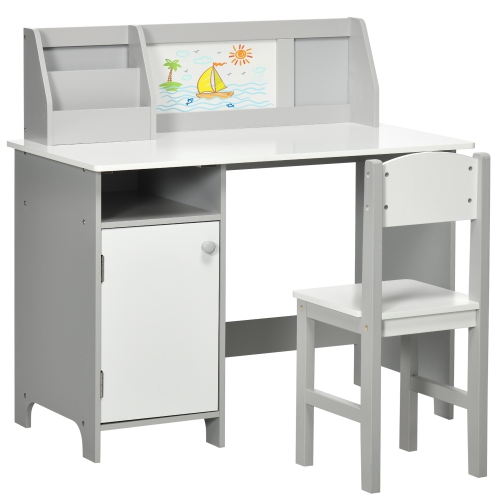
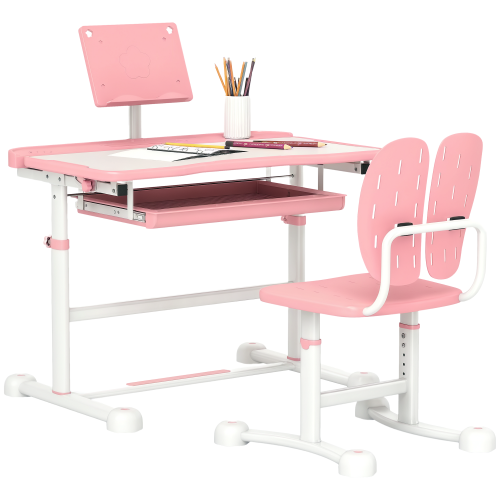

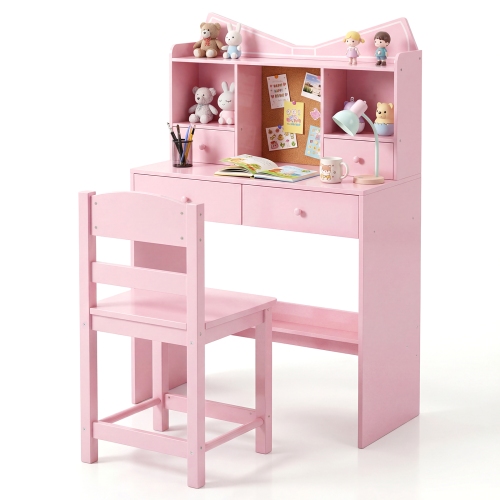
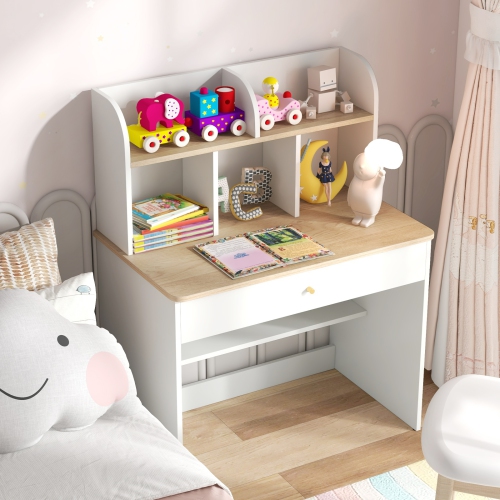
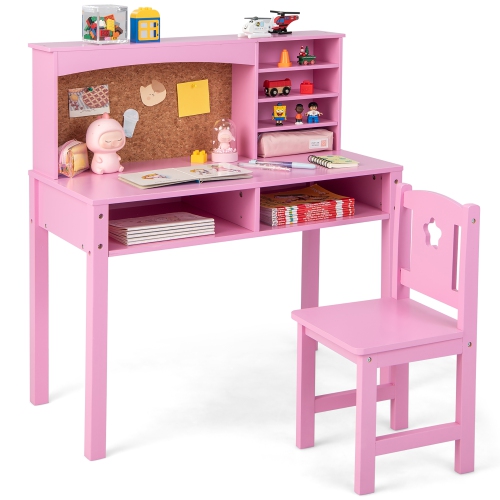
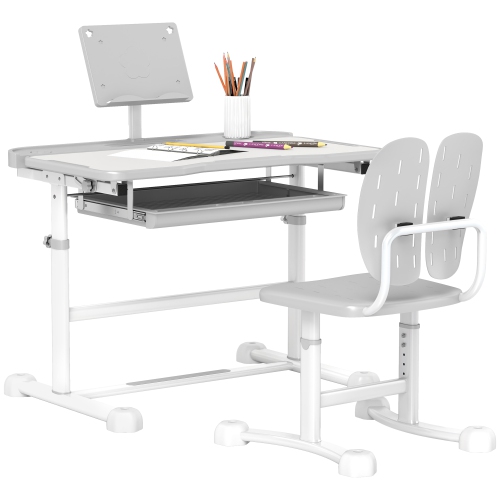

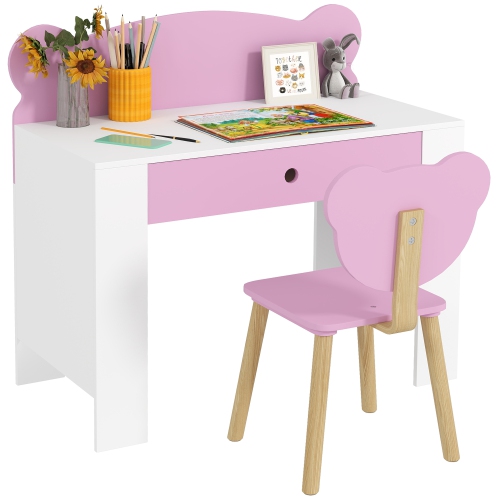
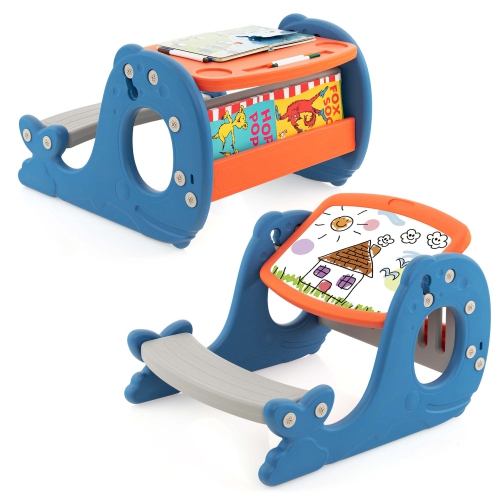
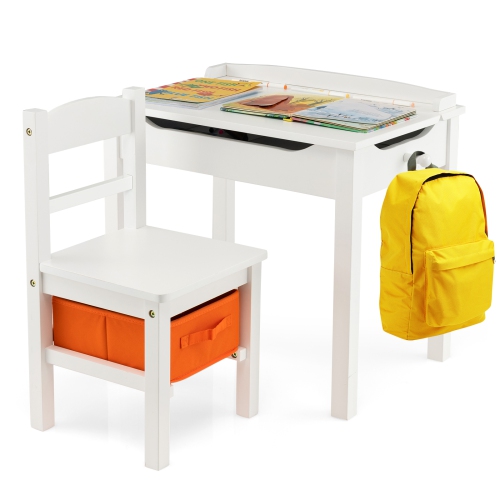
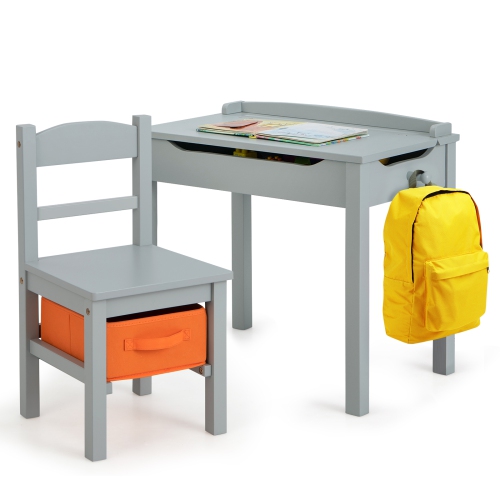


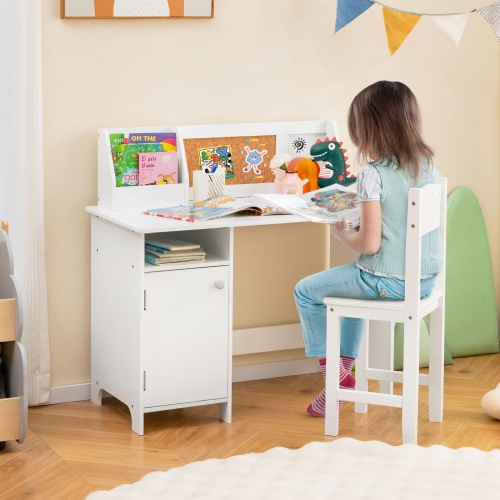
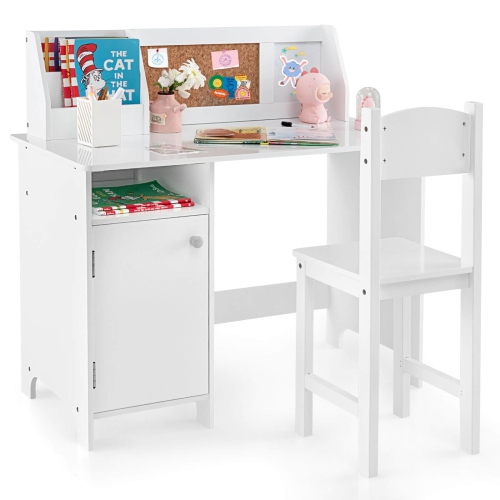
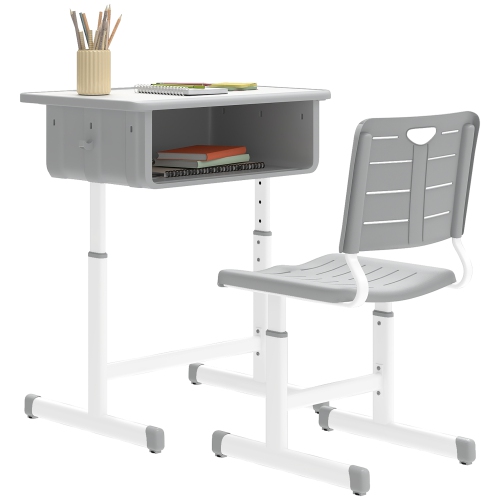
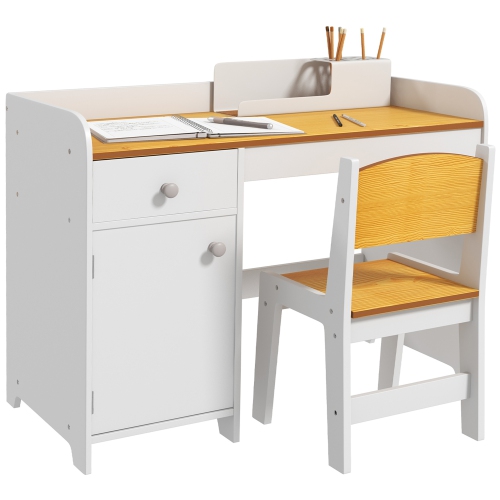

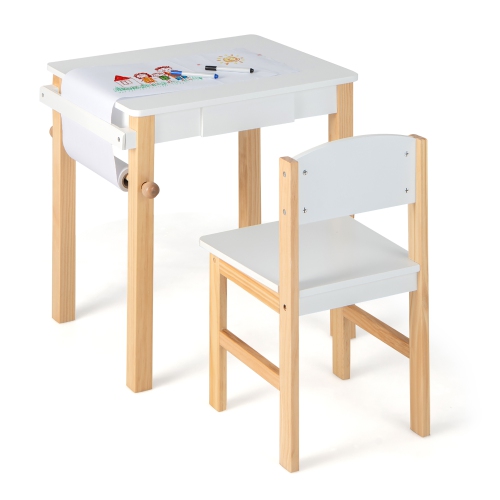

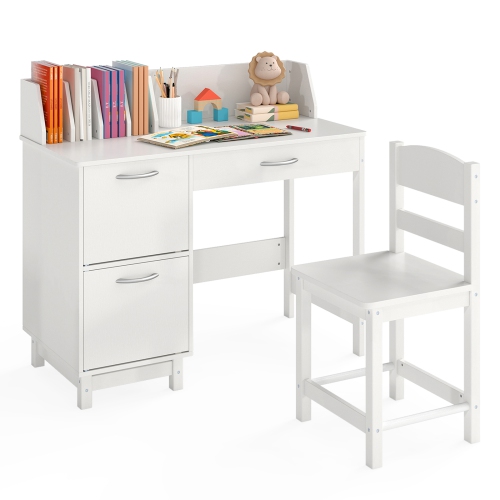
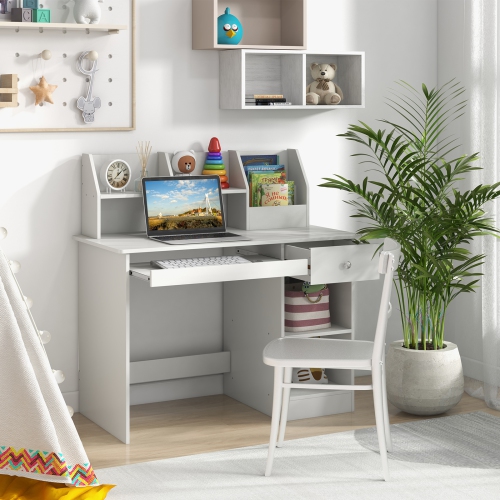
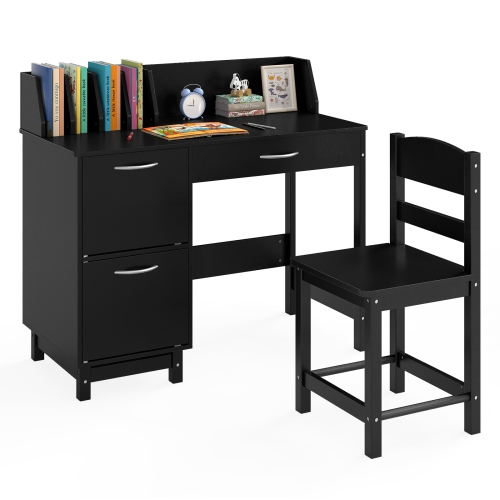
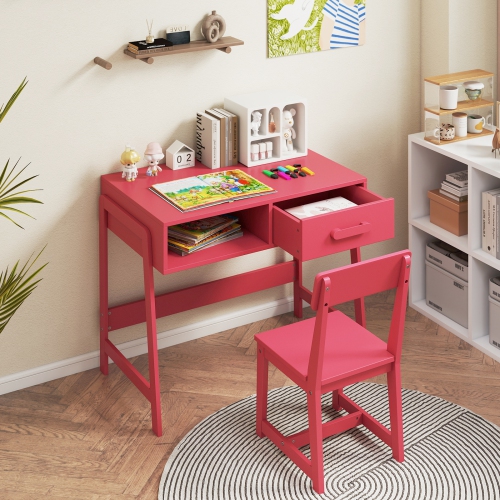
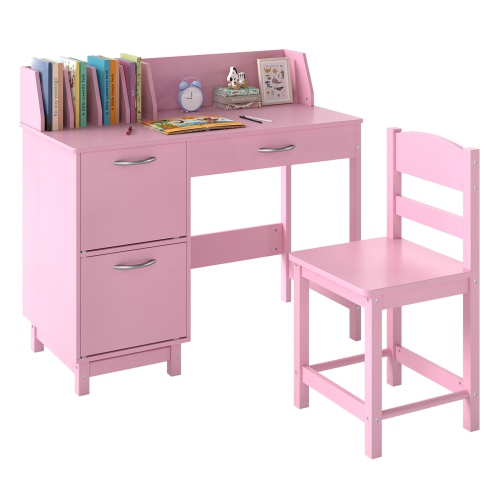
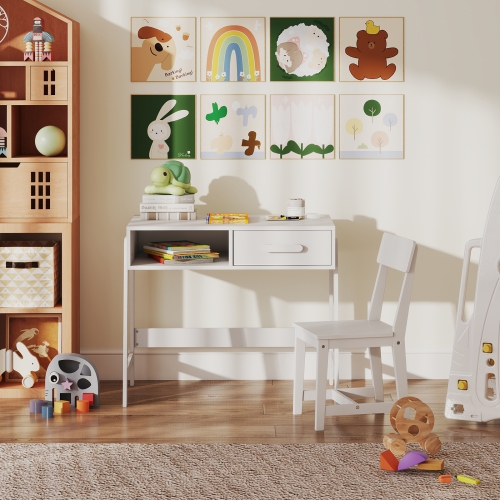
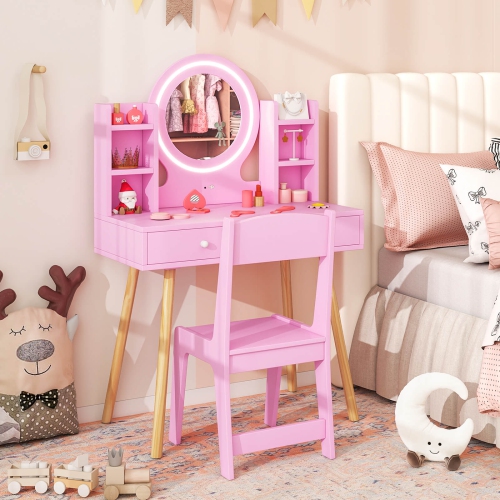
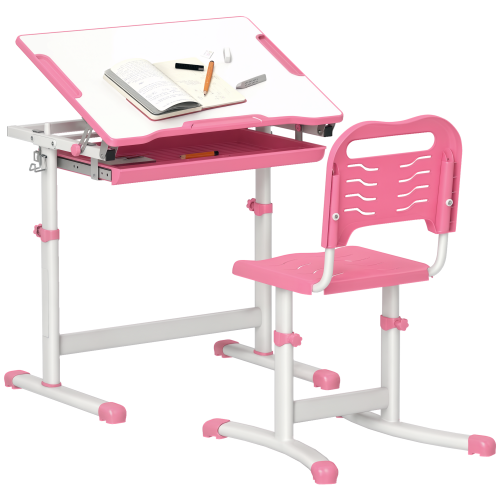
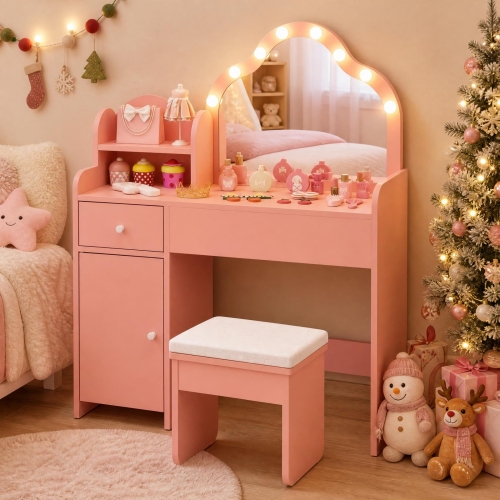


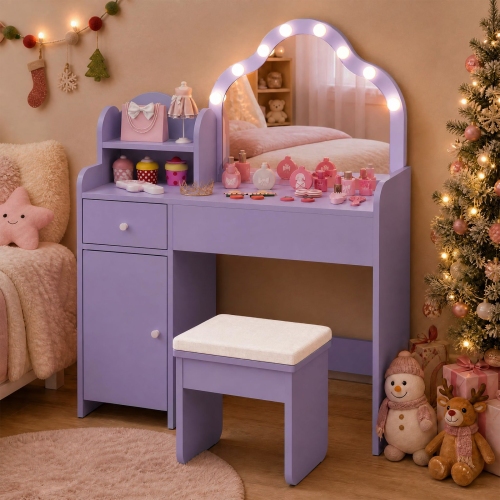
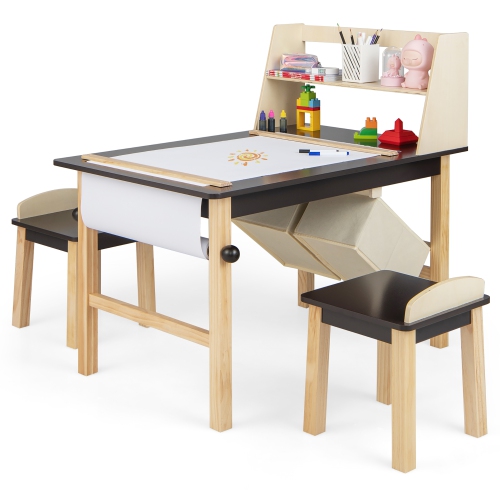
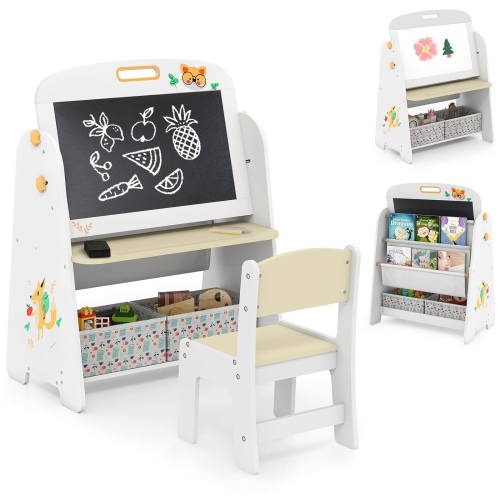
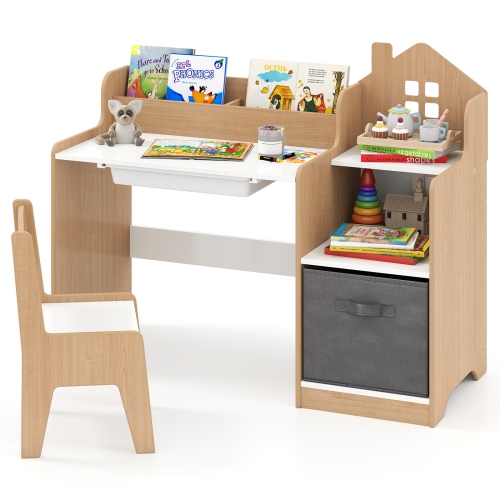
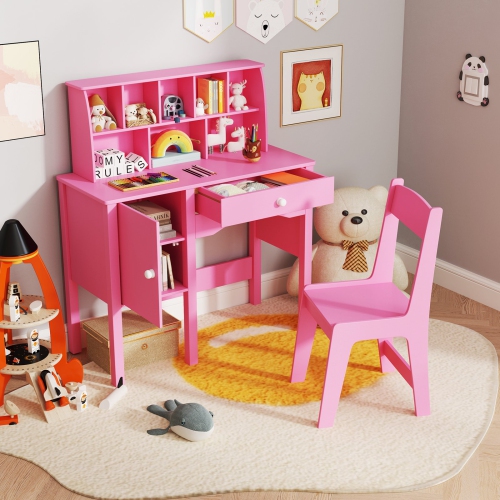
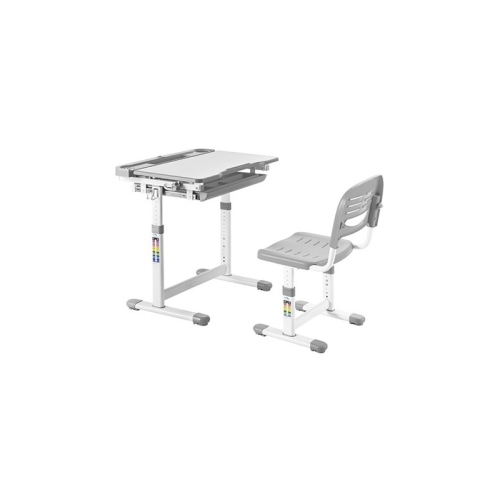

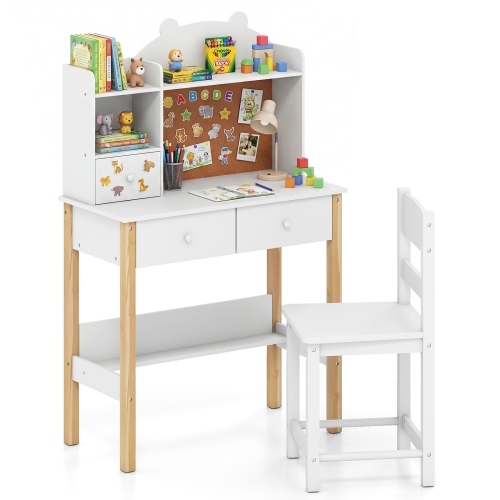
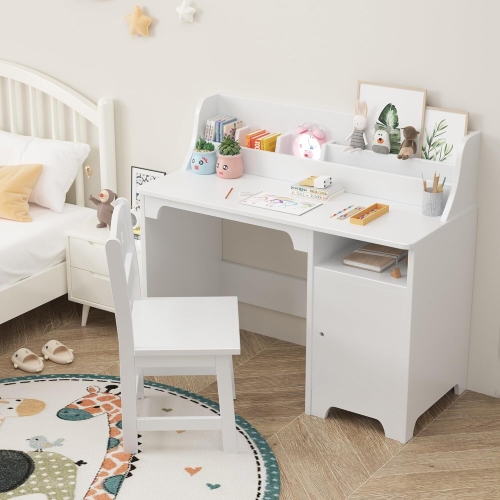


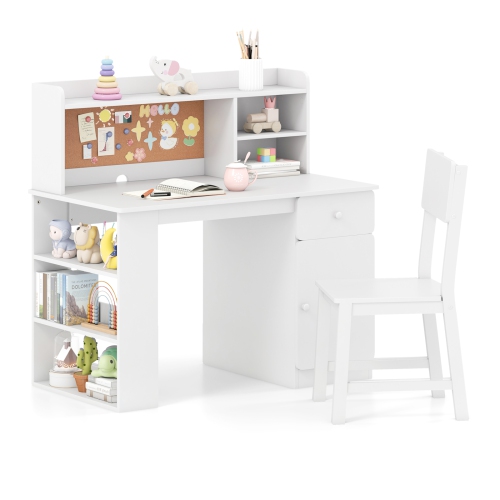
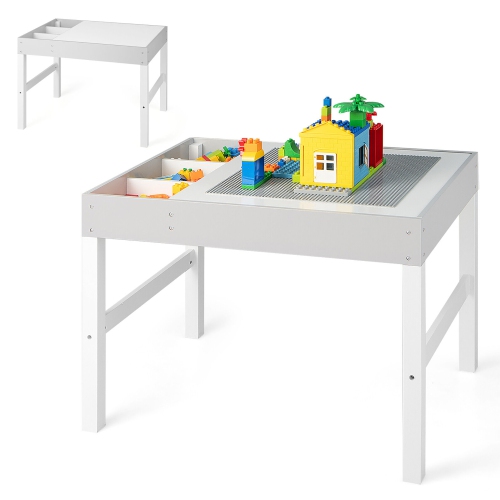


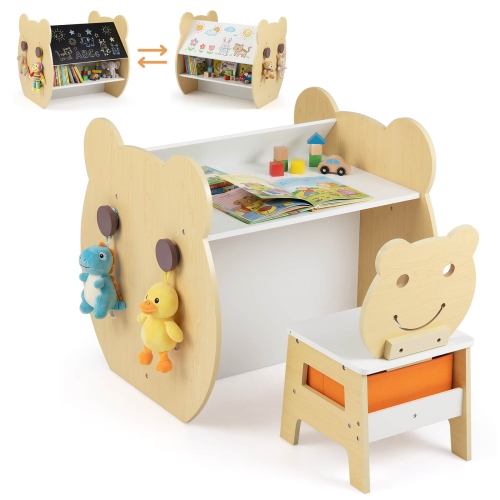


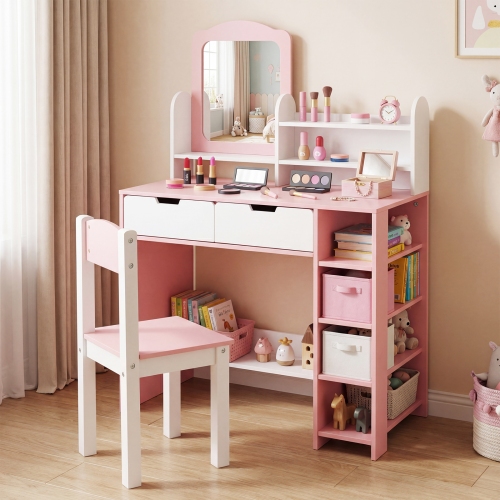

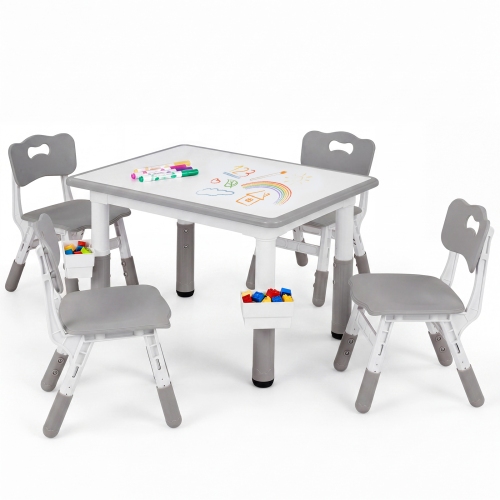
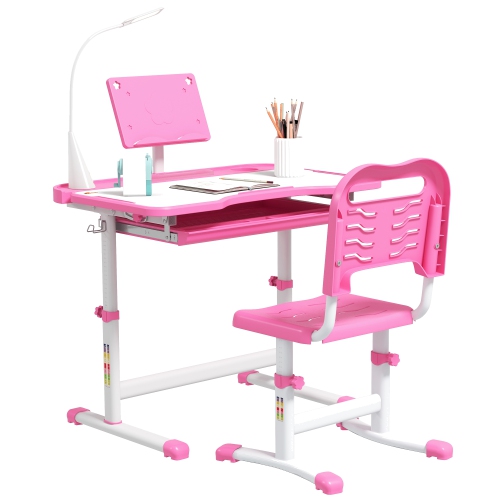


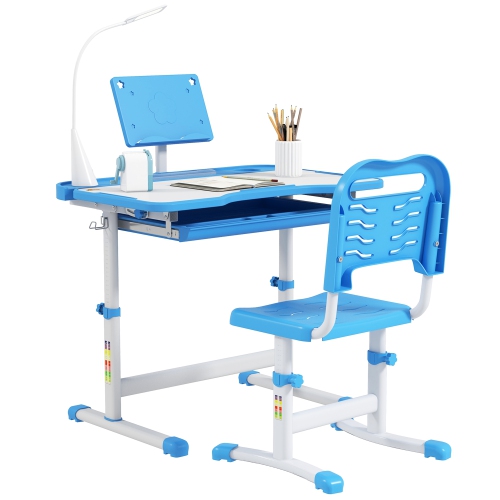
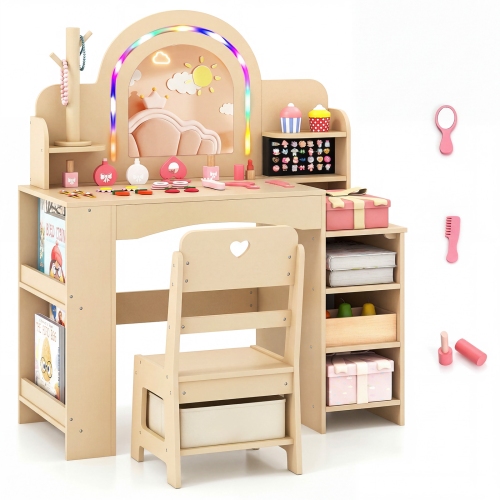

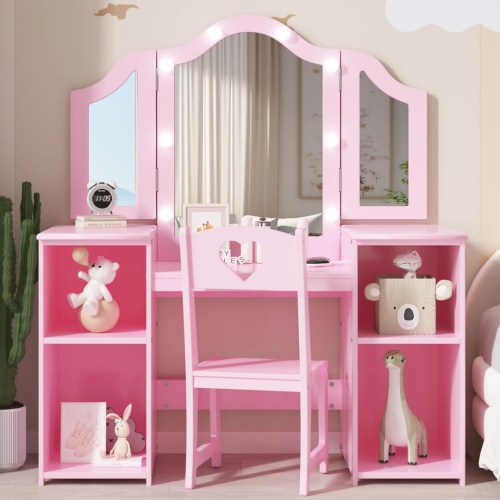


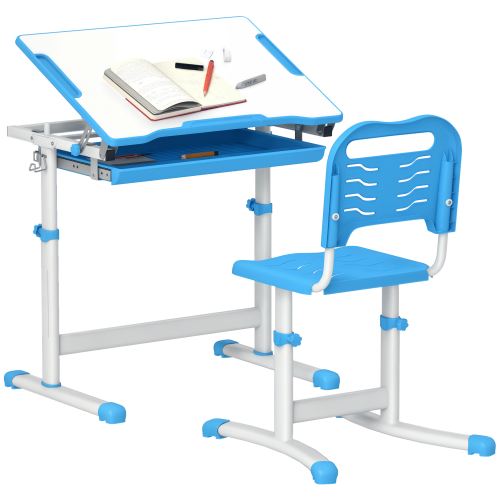
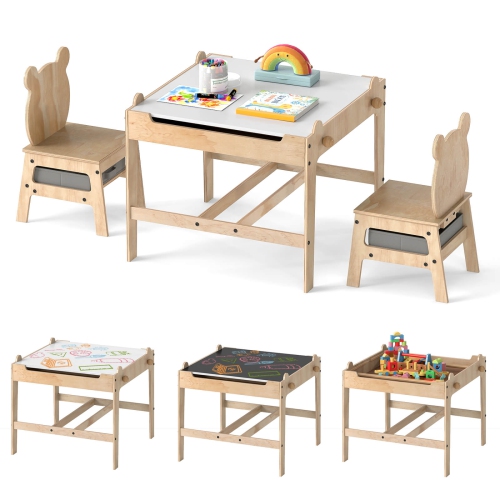
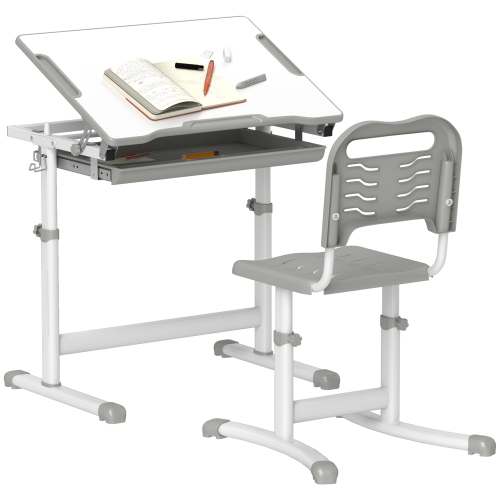
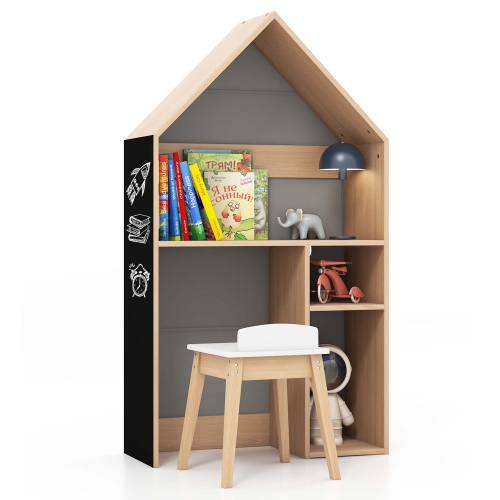
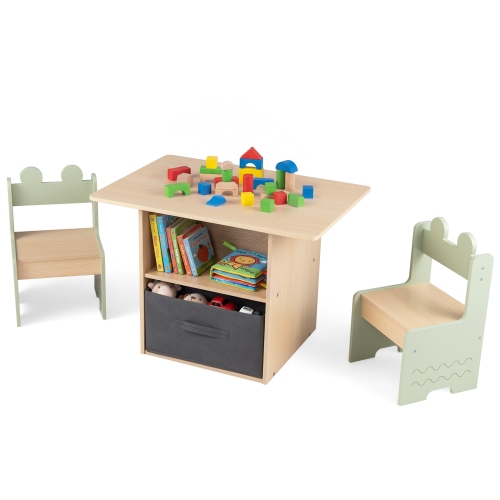

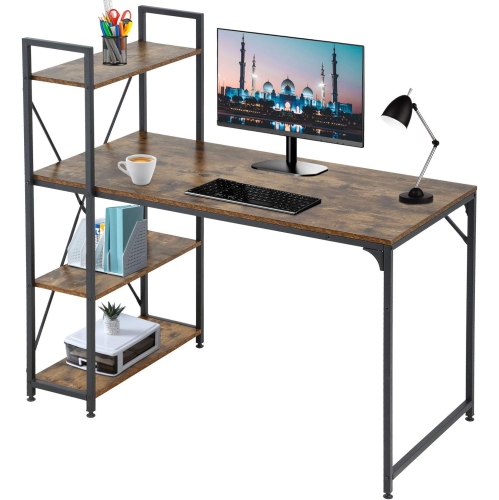

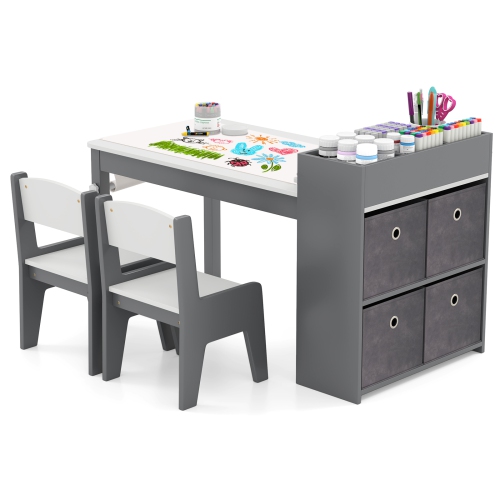
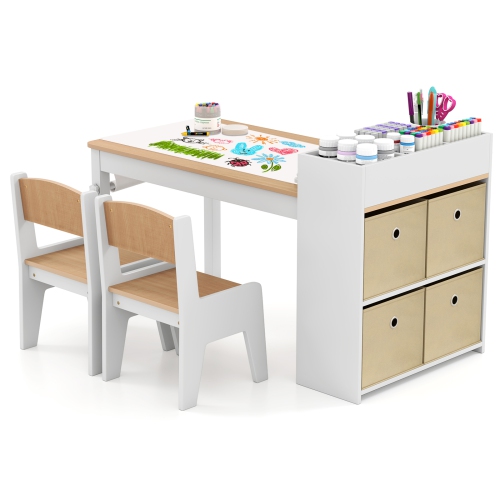

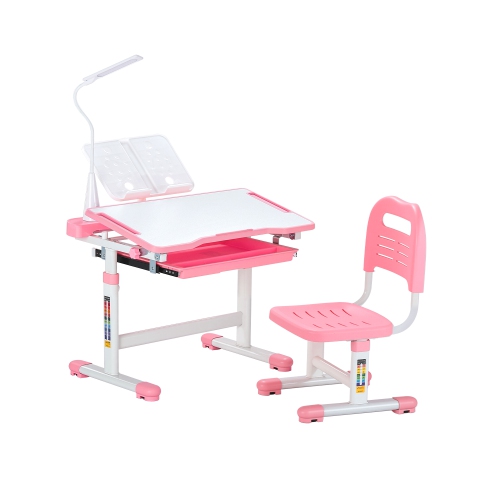
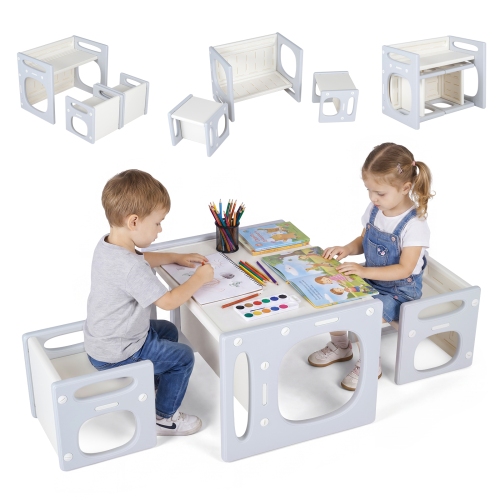


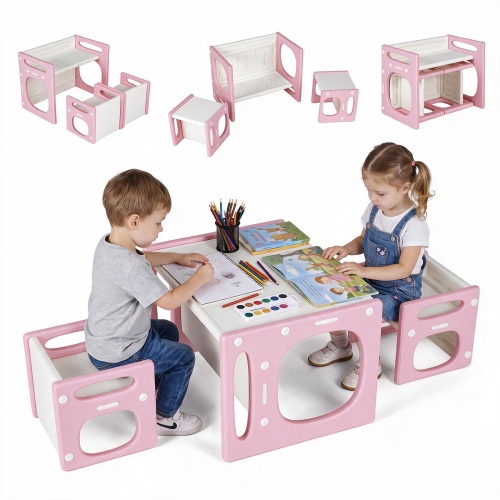
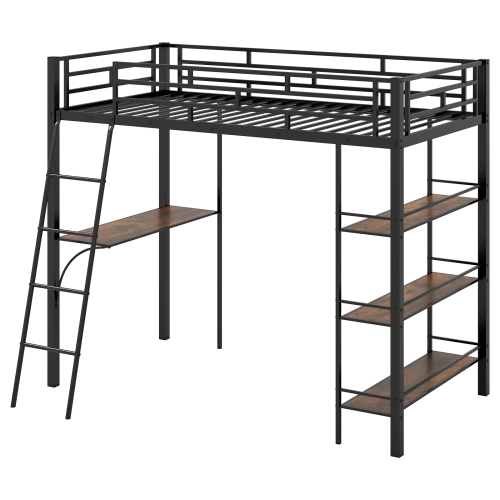
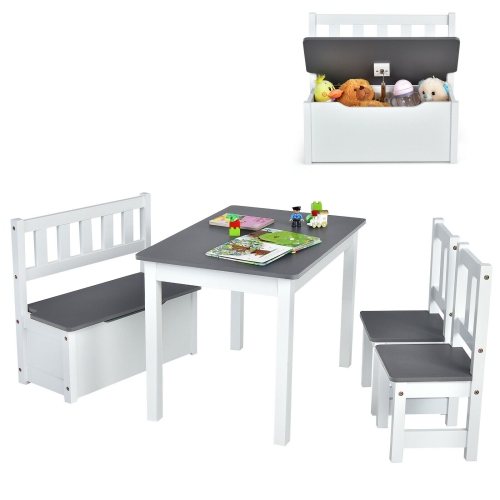
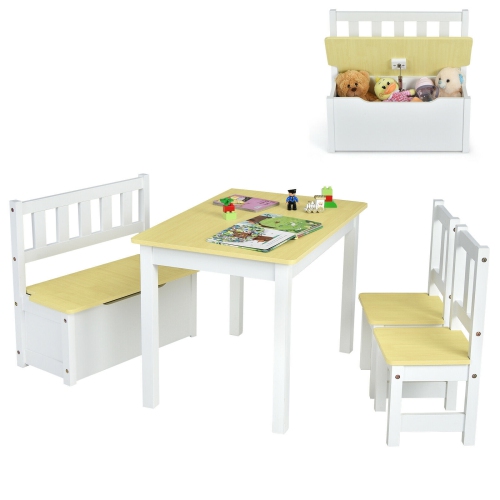

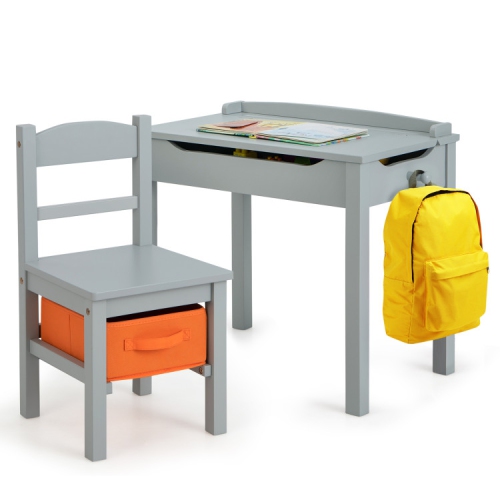
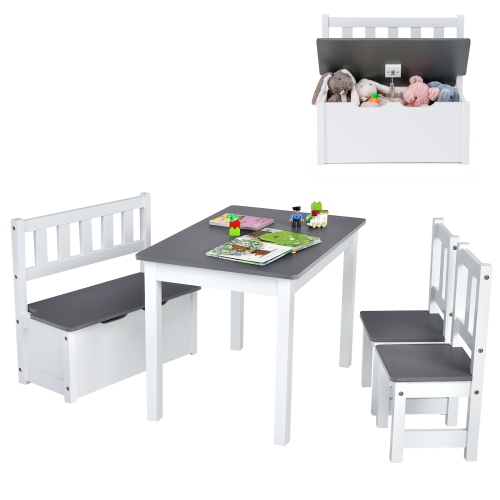
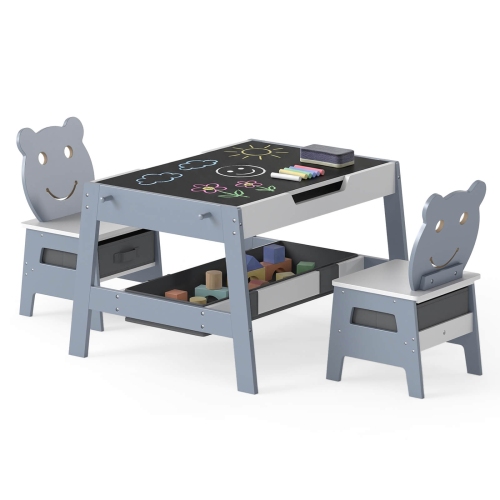
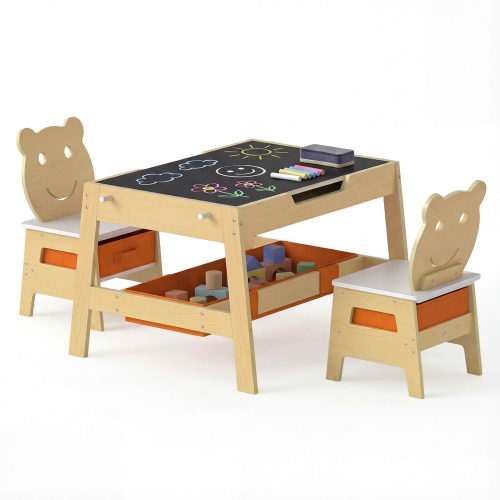
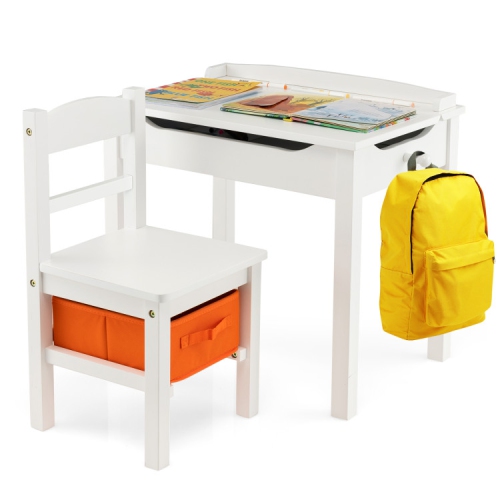


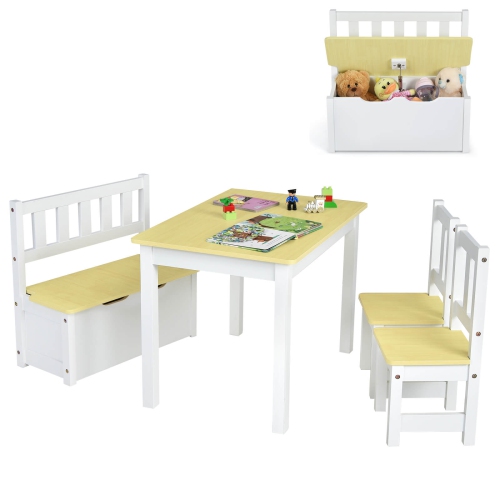
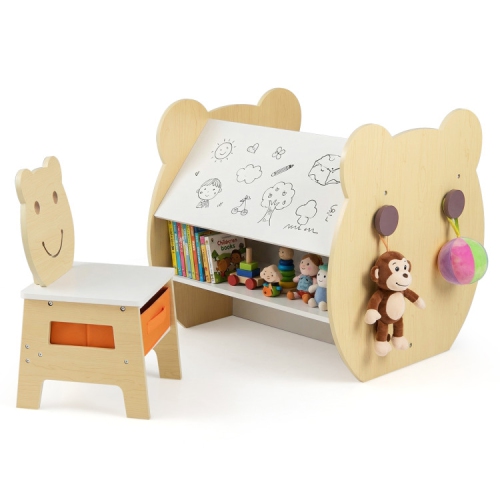
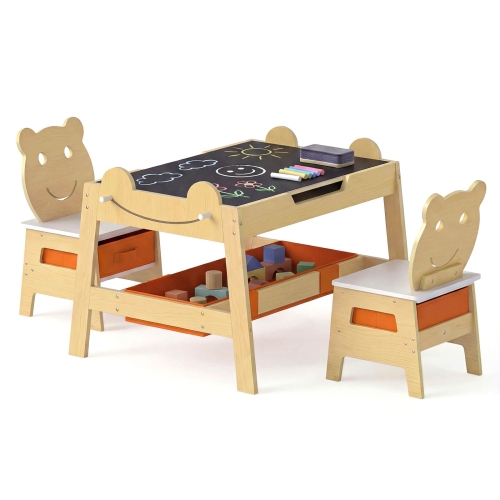
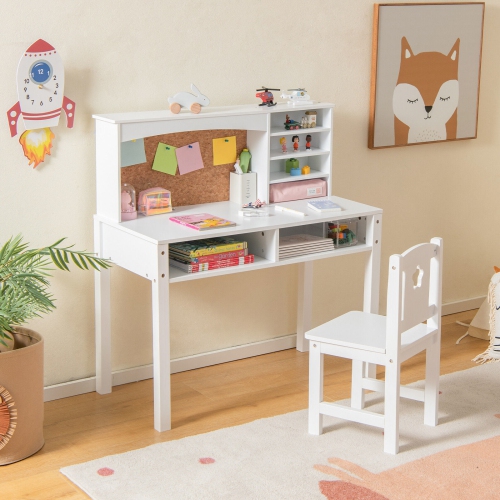
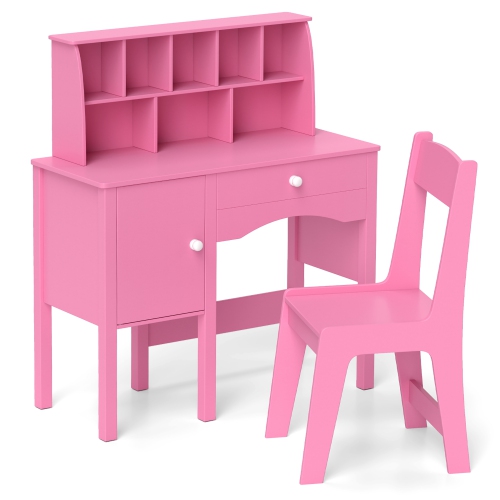
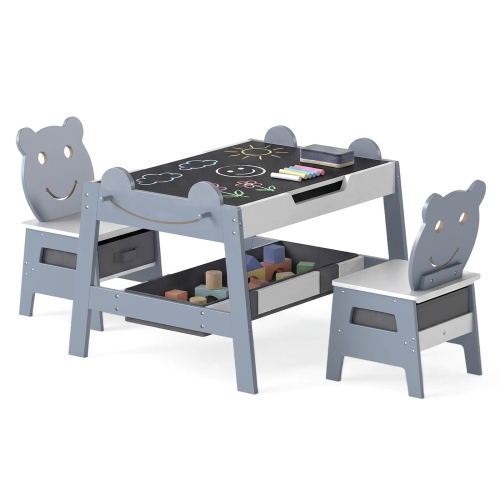
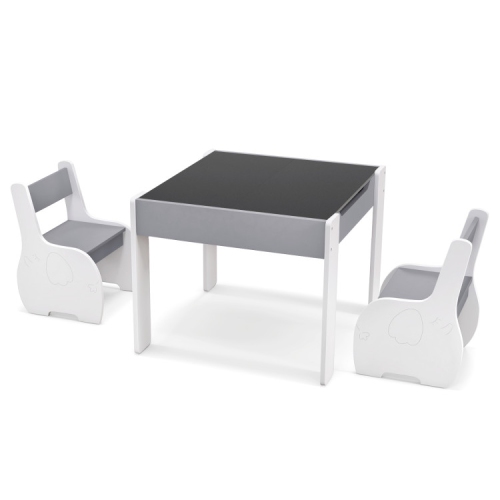
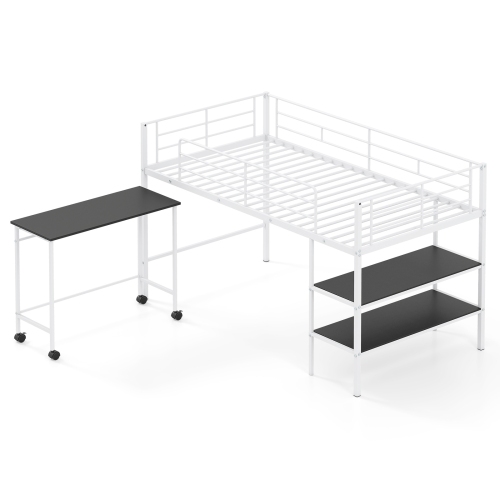
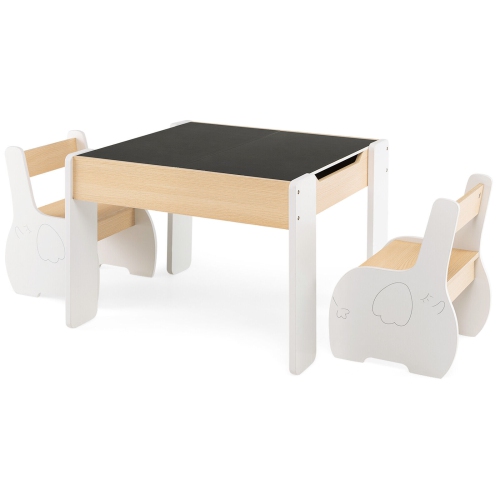
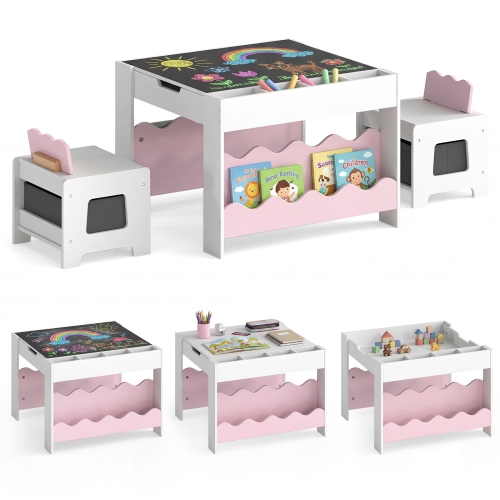
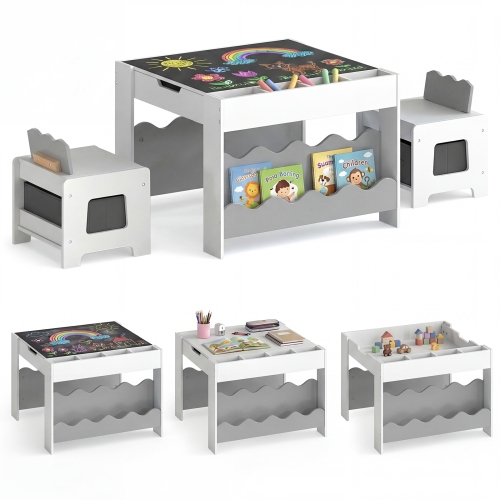
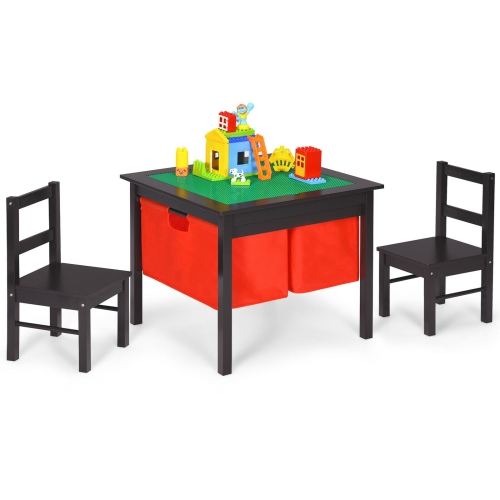
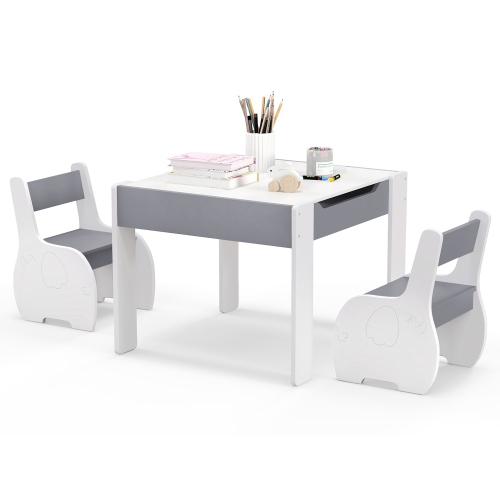
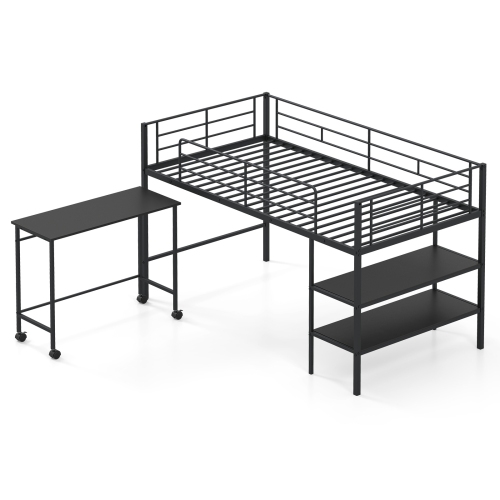

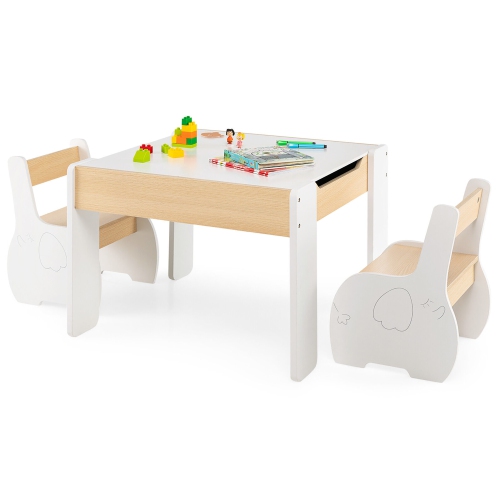
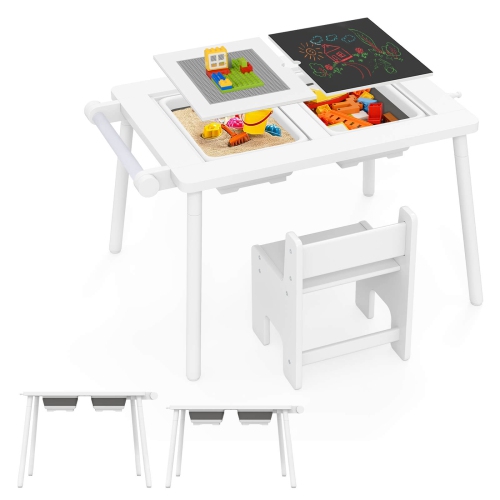
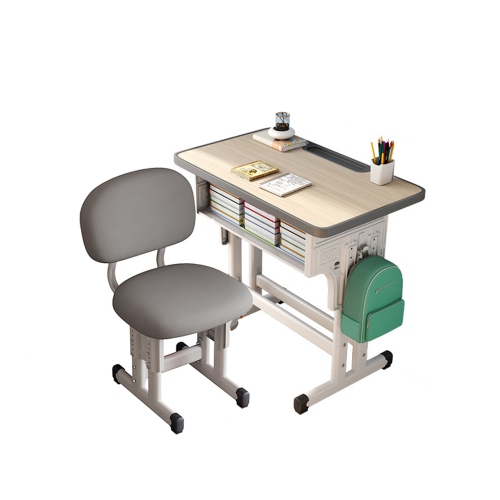
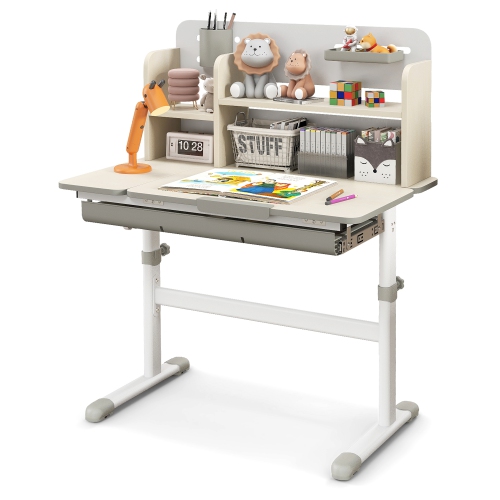
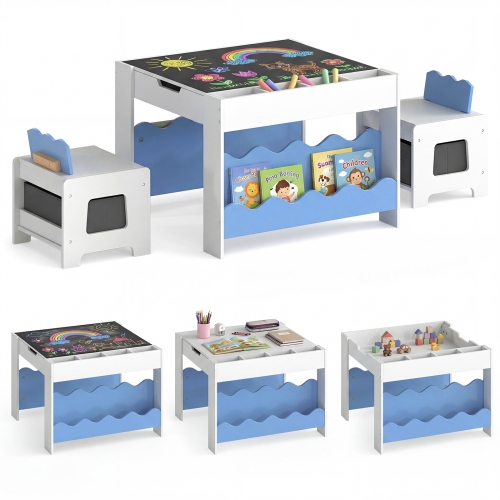
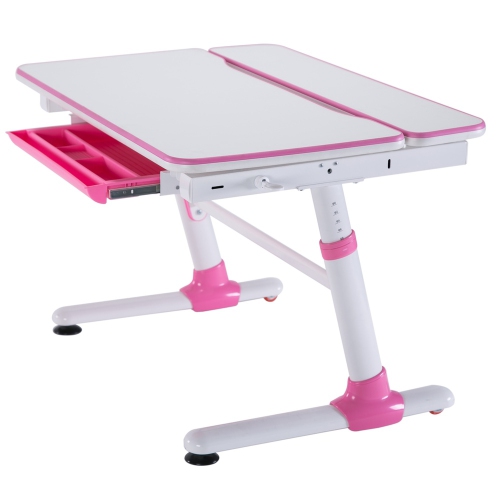


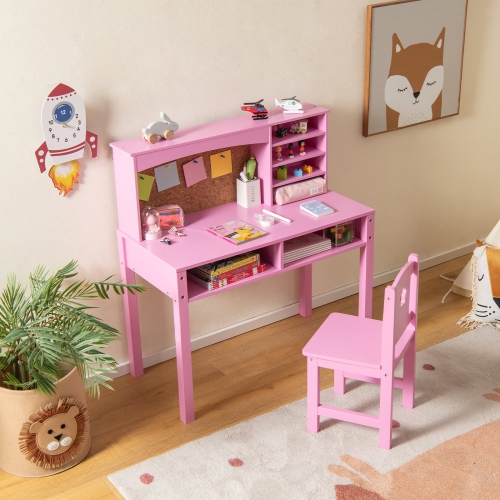
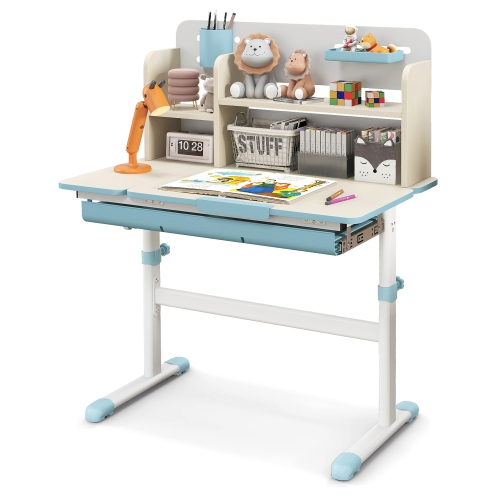
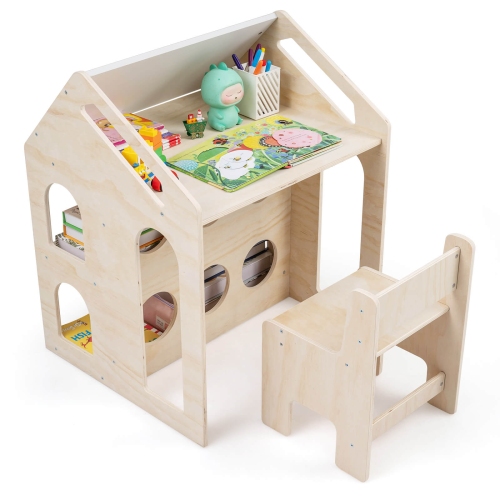
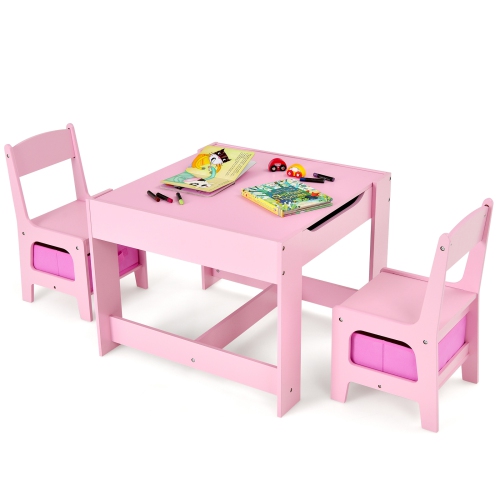
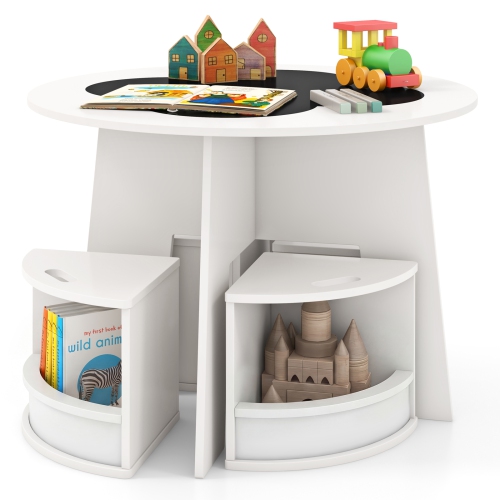
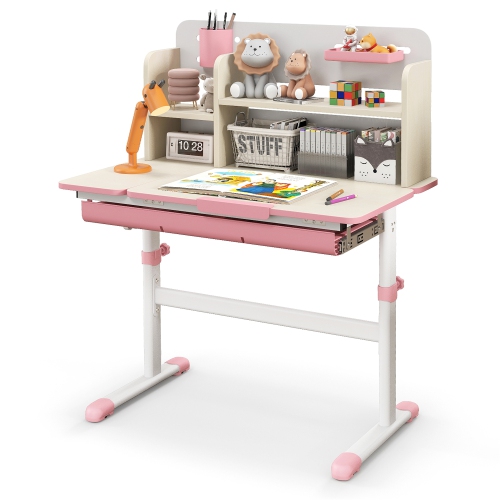
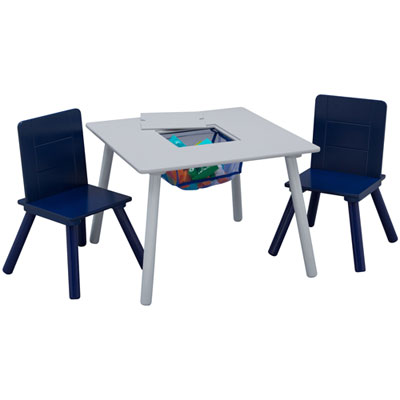
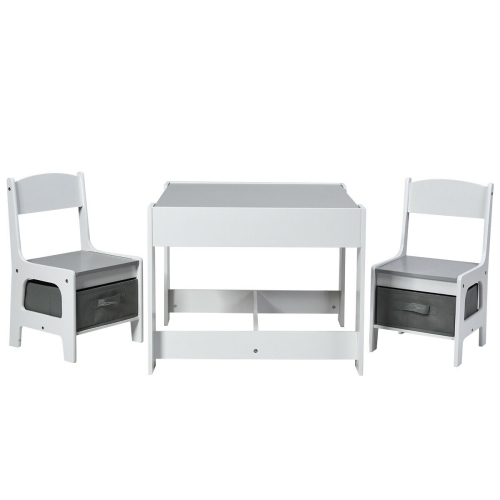
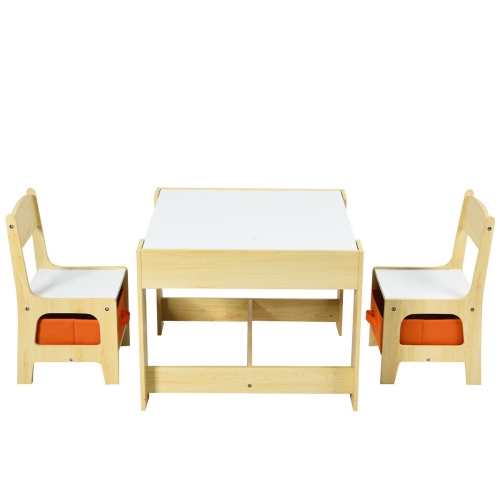
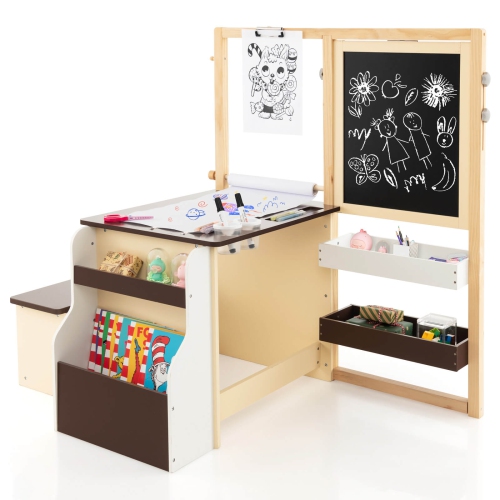
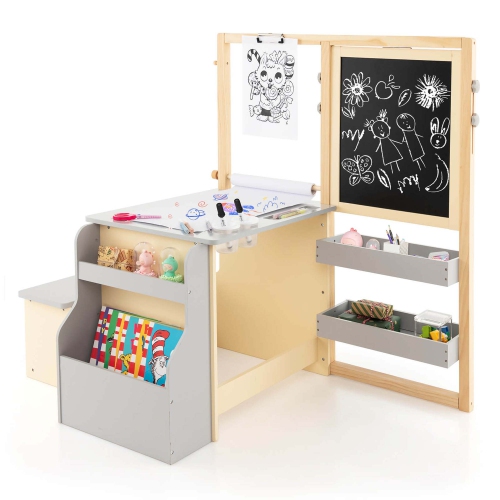
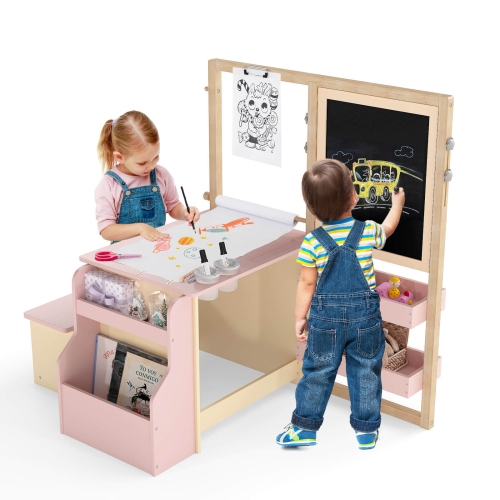

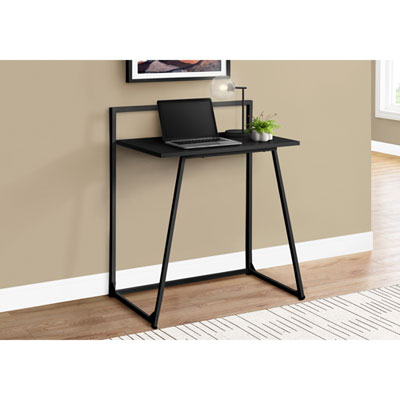
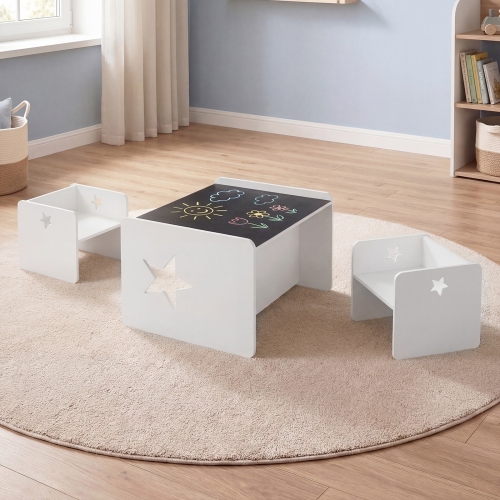


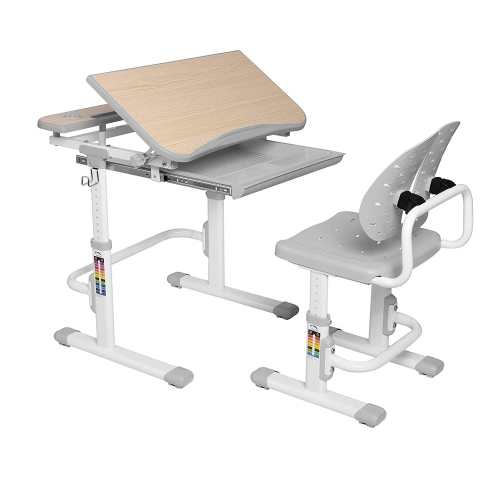
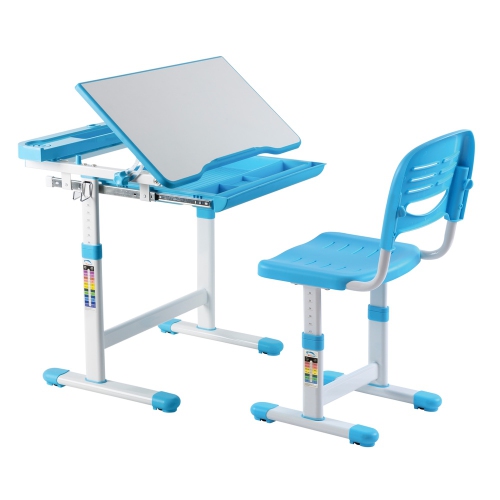
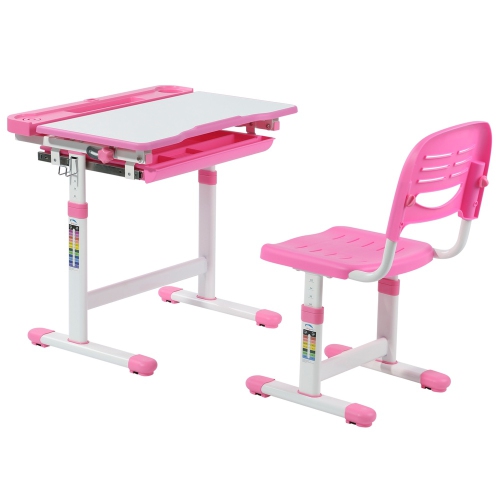
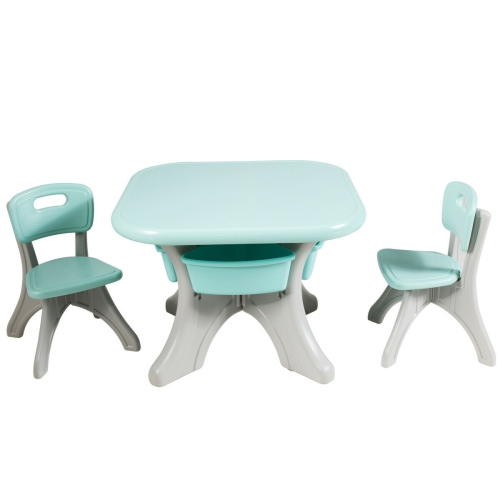
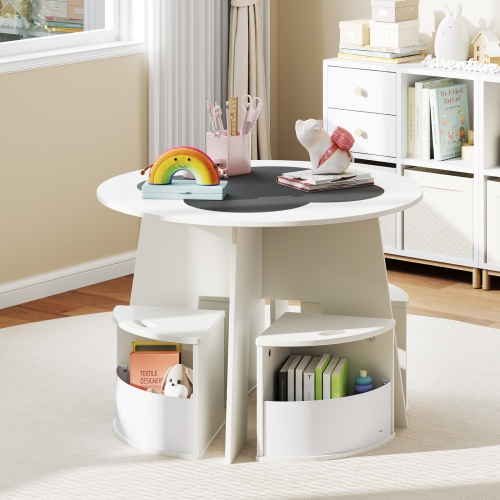
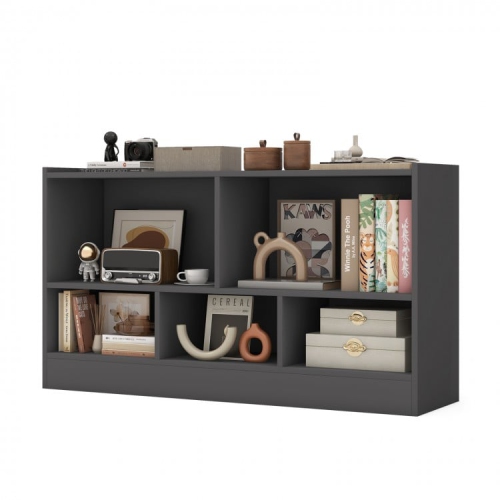
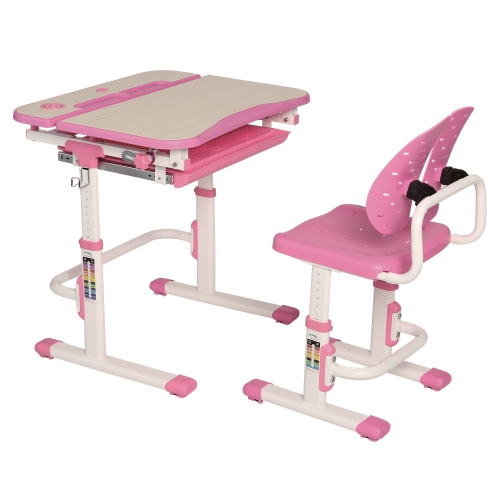

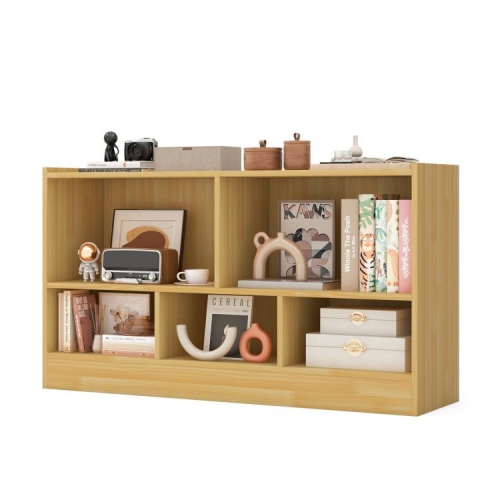
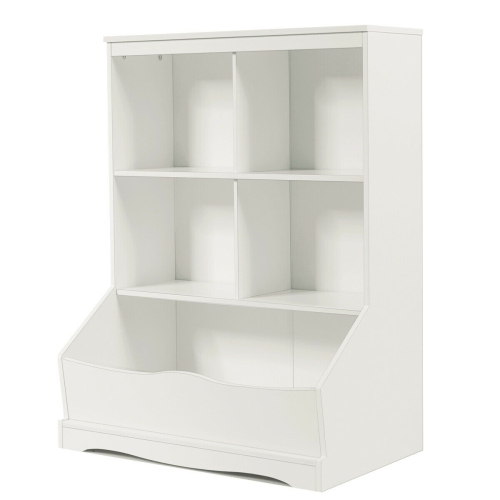

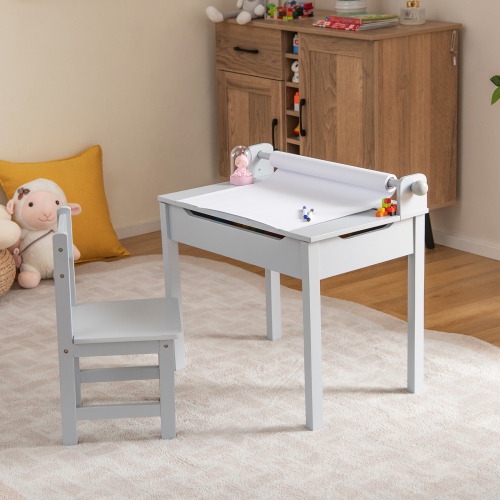
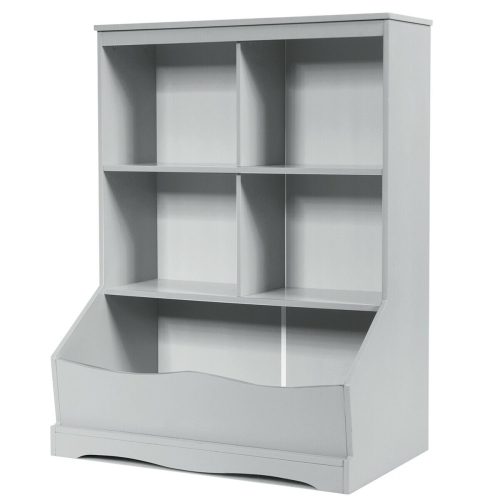
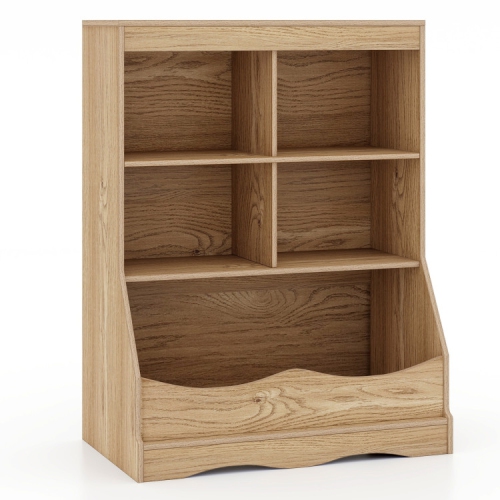
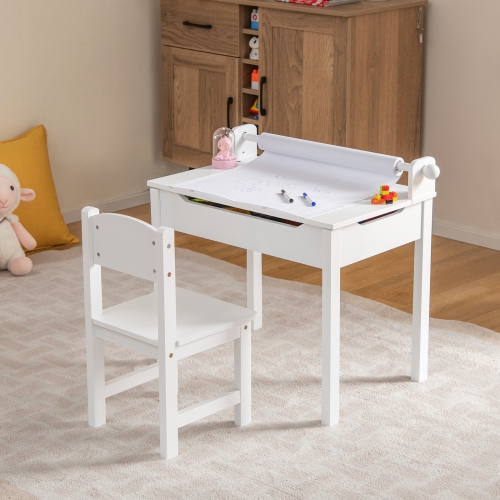
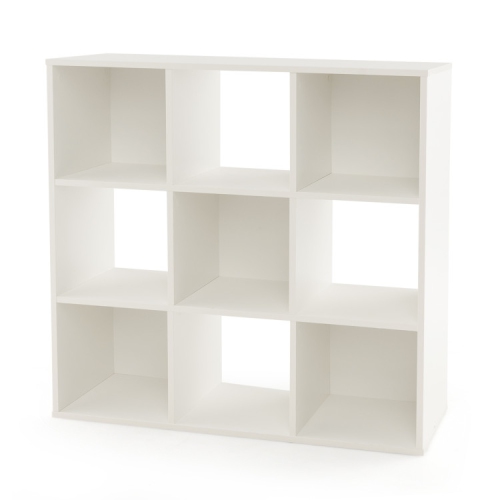

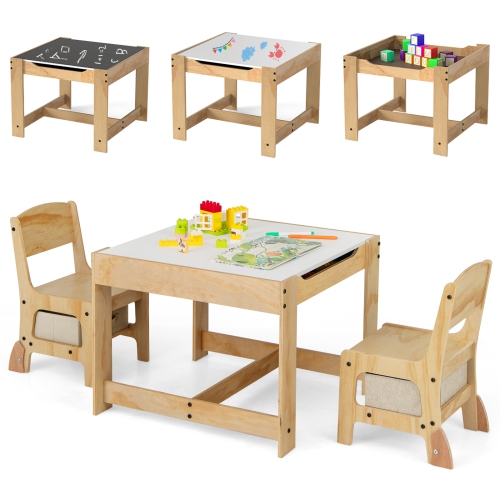
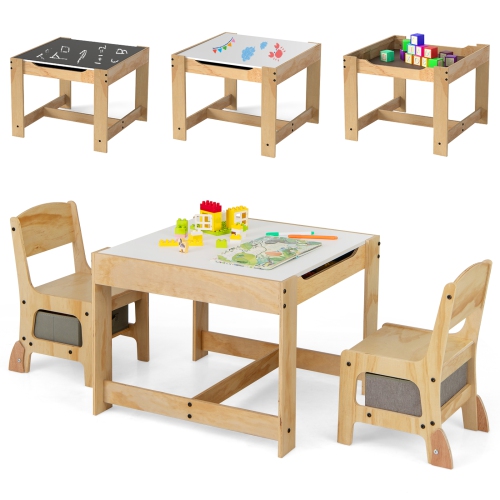
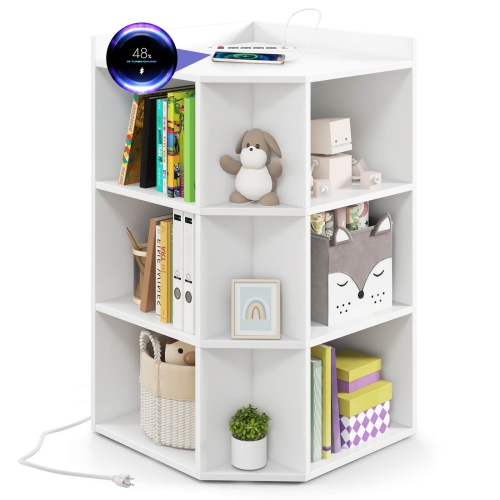
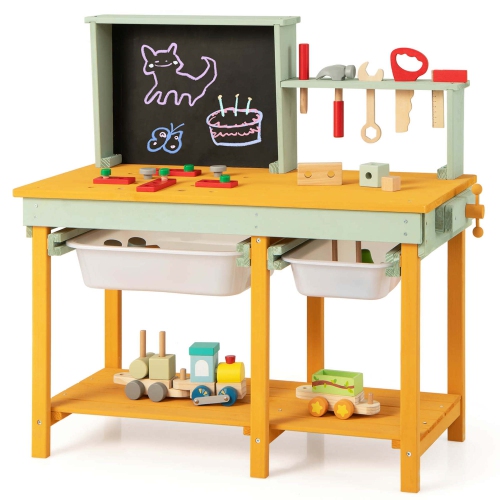
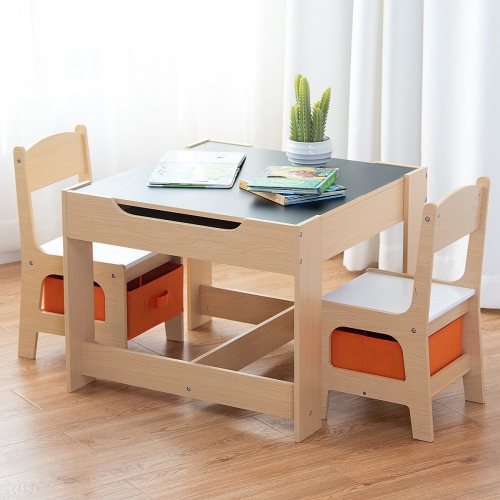
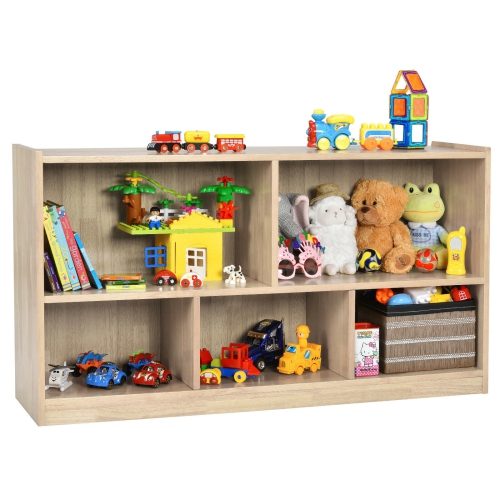


Storage supports creative routines and organized homework spaces
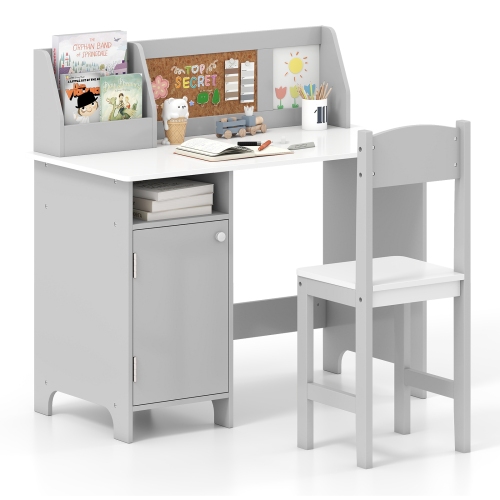
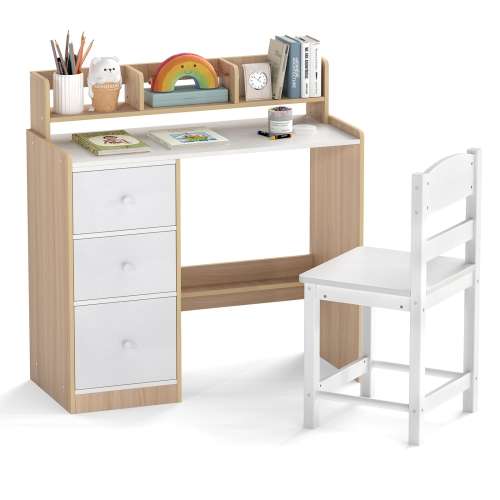
Kids desks with storage help create a dependable place for drawing, reading, homework, crafts, and quiet play while making it easier to keep everyday items in order. A well-planned desk can give a child a sense of ownership over their space, whether it is set up in a bedroom, playroom, shared family area, or a corner of a living room. Shelves, drawers, cabinets, cubbies, and built-in hutches provide convenient homes for notebooks, picture books, pencil cases, markers, building pieces, and other small essentials. Keeping these items close at hand means less time searching for supplies and more time concentrating on the activity at hand. For children who are beginning school, a desk with storage can support simple routines such as putting pencils in a drawer, returning books to a shelf, or clearing the work surface at the end of the day. For older children, it can hold homework folders, reference books, headphones, a calculator, and personal projects that need to stay organized between study sessions. Families may also appreciate the way storage helps contain creative materials that tend to spread across a room, from crayons and coloured pencils to glue sticks and craft paper. When selecting a desk, consider the child’s age, height, daily activities, and available floor space. A compact design may suit a bedroom nook or shared room, while a desk with a taller hutch or several compartments can make better use of vertical space. Measure the intended area carefully, including clearance for a chair and room to open drawers or cabinet doors fully. Storage that is visible and easy to reach often works well for younger children, while enclosed drawers and cabinets may appeal to children who prefer a cleaner-looking workspace. Open shelves can make favourite books and supplies easy to find, whereas bins or cubbies can help group smaller items by type. Think about how the desk will be used throughout the school year and during the cooler months, when indoor activities and homework may take up more time. A sturdy work surface with enough room for a workbook, a sheet of paper, and a few supplies can help prevent a child from feeling crowded while working.
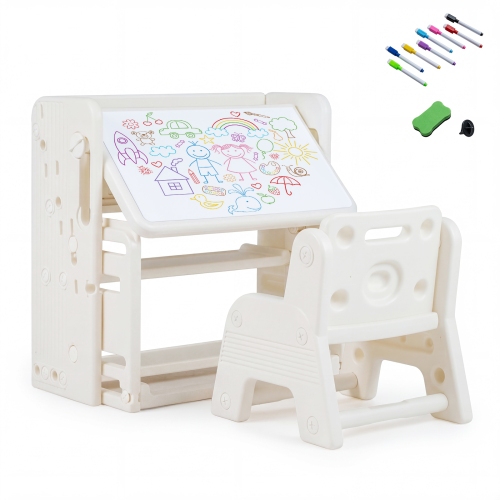
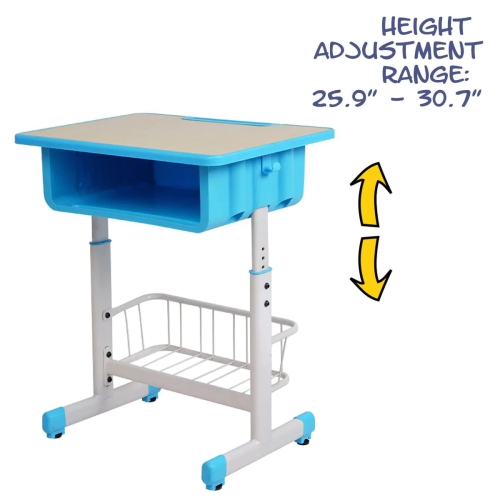
The right features depend on the child’s stage of development and the tasks they enjoy. Preschoolers may benefit from a lower desk with accessible cubbies for storybooks, colouring materials, and simple puzzles. Elementary school children often need more surface area for reading and writing, along with drawers or shelves for school supplies and current projects. Some children enjoy a tilt-top surface for drawing, handwriting, or other activities that benefit from a slight angle, while others prefer a flat surface for construction sets, board games, or a laptop used with adult supervision. Adjustable-height designs can provide flexibility as a child grows, but a fixed-height desk can also be a practical choice when its proportions suit the user. Look for a chair and desk combination that allows the child to sit with feet supported, shoulders relaxed, and elbows resting comfortably near the work surface. A desk should feel stable during regular use, with a base that does not wobble when a child writes, reaches for a book, or places a schoolbag nearby. Rounded corners and smooth edges can be helpful in busy family spaces, particularly when children move around quickly. Check that drawers and doors open smoothly and that shelving is appropriate for the weight of the items it will hold. If the desk includes a hutch or upper shelving, follow the assembly and anchoring instructions carefully and position it on a suitable wall when required. Finishes should be easy to wipe clean after pencil marks, snack crumbs, or craft spills, and the overall construction should be able to handle everyday use. Colour and style also have a practical role: neutral wood tones, white, grey, or black can blend with existing furniture, while brighter colours may help make a child’s work area feel inviting and distinct. A bulletin board, display rail, or magnetic panel can offer a place for artwork, reminders, and school notes without taking up valuable writing space. Before choosing, consider whether the storage arrangement matches the child’s habits. A child who enjoys drawing may need wide drawers for paper and art supplies, while a young reader may get more use from forward-facing shelves. Storage is most effective when it is simple enough for the child to manage independently.
Kids desks with storage can be useful gifts for birthdays, back-to-school milestones, a new room, or a child’s first dedicated homework area. They can also be a thoughtful choice for families preparing a shared space for siblings, provided each child has enough room to work and a clear place for personal belongings. When giving a desk as a gift, consider the complete setup rather than the furniture alone: the child may need a suitable chair, a task light, pencil holders, folders, or small storage containers to make the area ready for use. Keep the child’s interests in mind without choosing a design that is too narrowly tied to one age or activity. A desk that supports colouring today may later become a spot for reading, school assignments, journalling, model building, or supervised computer work. In a smaller home, a storage desk can help combine several functions in one footprint, keeping supplies together rather than requiring separate bookcases and bins. In a shared family room, drawers and cabinets can make it easier to put materials away when the space needs to serve another purpose. During the transition from outdoor play to more indoor routines, an organized desk can provide a familiar place for quiet activities, creative projects, and daily learning. It is helpful to group supplies by purpose and leave the main work surface as clear as possible, since children are more likely to tidy a space when every item has an obvious home. Place frequently used items within easy reach and reserve higher shelves or closed compartments for materials that need adult supervision. For families comparing children’s furniture with options designed for older users, Desks With Storage for Students may offer useful alternatives when a child needs a larger work area or more room for school materials. Whether the desk is intended for a preschool art corner, an elementary school study area, or a flexible creative station, the best choice balances comfort, stability, storage capacity, and the available room. A thoughtfully arranged desk gives children a practical place to focus and makes everyday organization feel manageable, one book, pencil, and project at a time.
Top selling and popular products
-
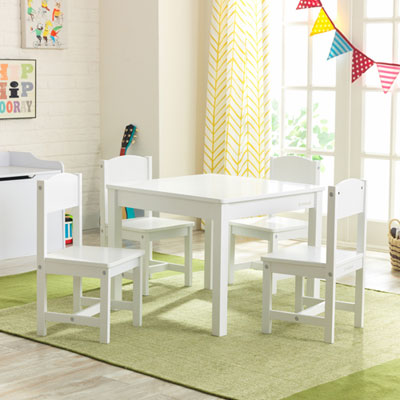 Your price for this item is $199.99
-
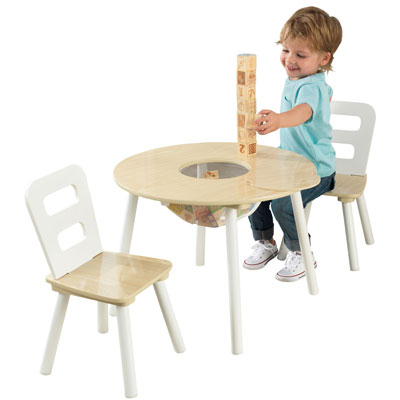 Your price for this item is $109.99
-
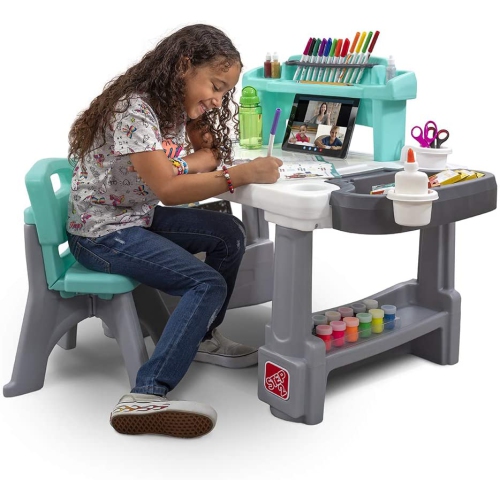 Your price for this item is $395.66
-
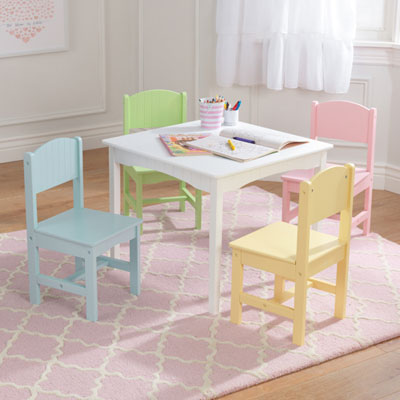 Your price for this item is $165.98
-
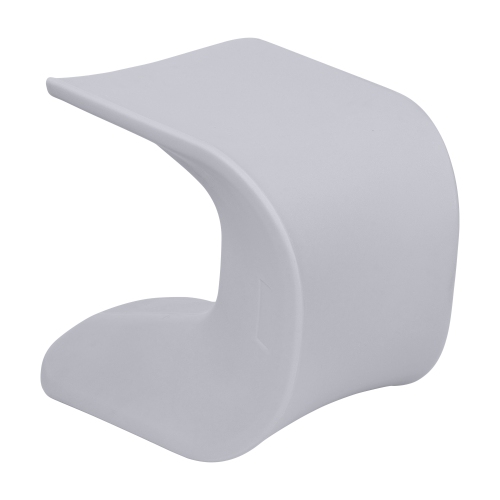 Your price for this item is $174.99
-
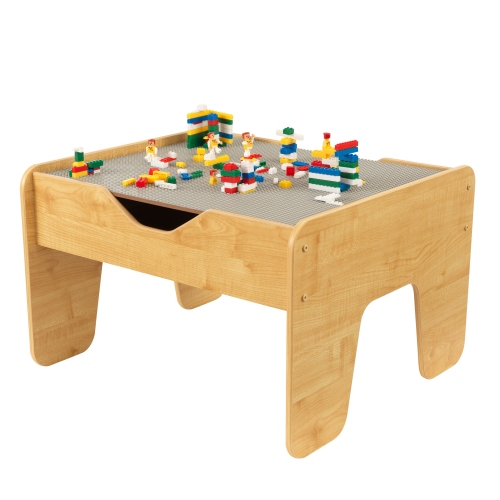 Your price for this item is $89.99
-
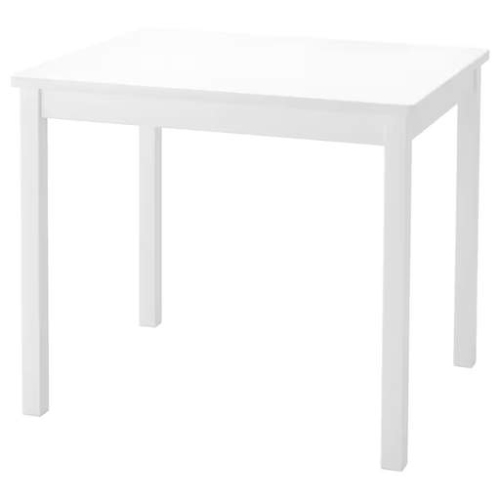 Your price for this item is $96.99
-
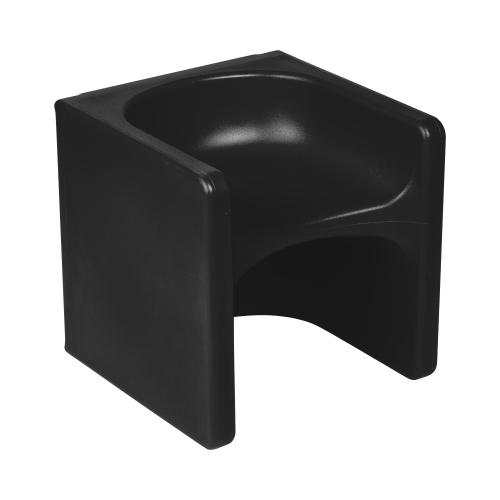 Your price for this item is $124.99
Discover more categories related to Kids Desks With Storage
Top Collections:
Pokemon Centers, Best Cameras for Sports Photography, Kindle Devices, Samsung Galaxy Phones, Canon G7X Cameras, Pokémon 30th Celebration Cards, Refurbished Apple Laptops, iPhone 15 Apple, Laptops for Students, Budget Smartphones
Some products may be subject to Environmental Handling Fees
(EHF) depending on your province.
Learn more about EHFs.