Kids Furniture
Create a magical space for your little ones with our delightful collection of kids furniture. From cozy beds and stylish dressers to playful chairs and versatile storage solutions, we have everything you need to transform their room into a haven of imagination and comfort. Our carefully curated selection features a range of designs and colors to suit every taste and personality, ensuring that your child's furniture not only looks fantastic but also provides the functionality and durability you expect. Explore our extensive assortment today and let your child's dreams come to life!
Sort
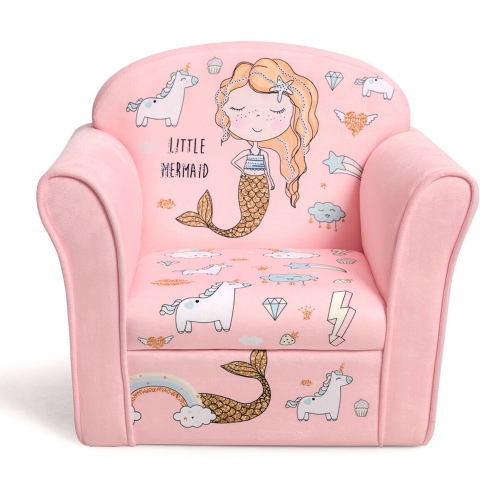
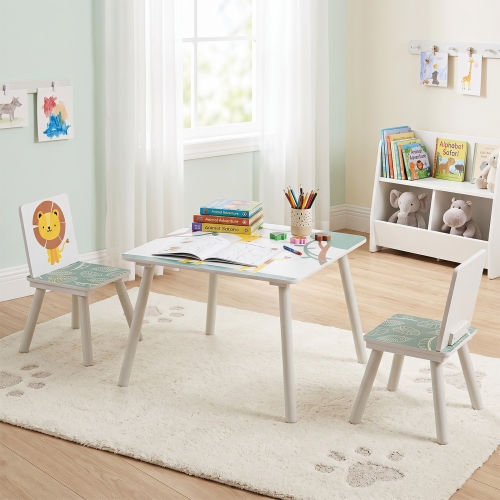
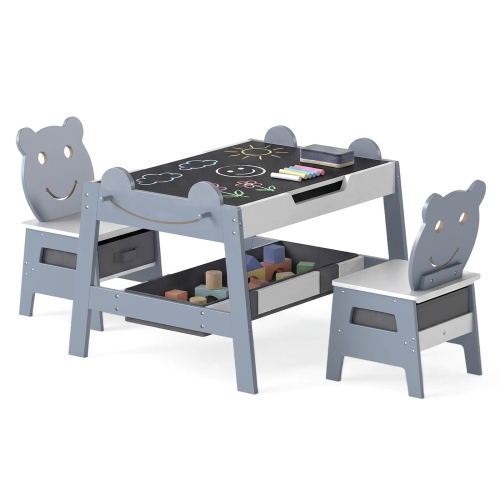
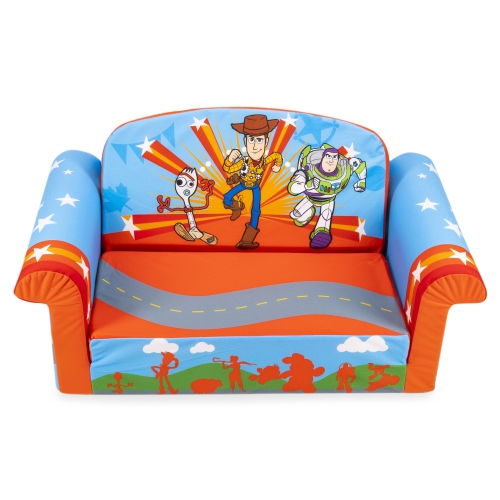
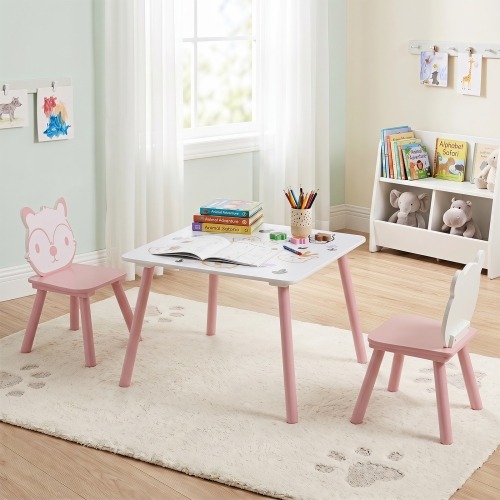
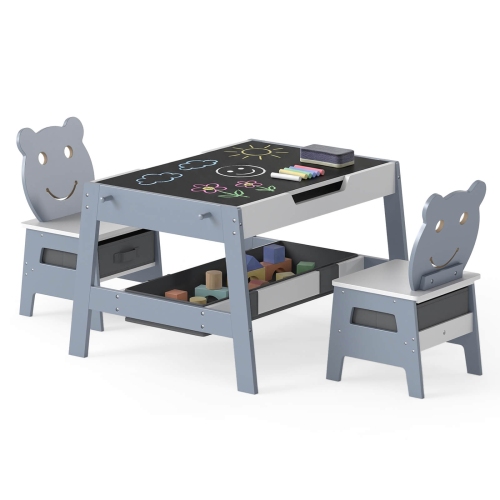
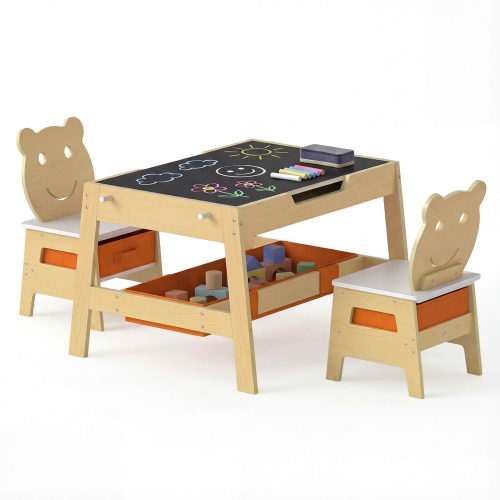
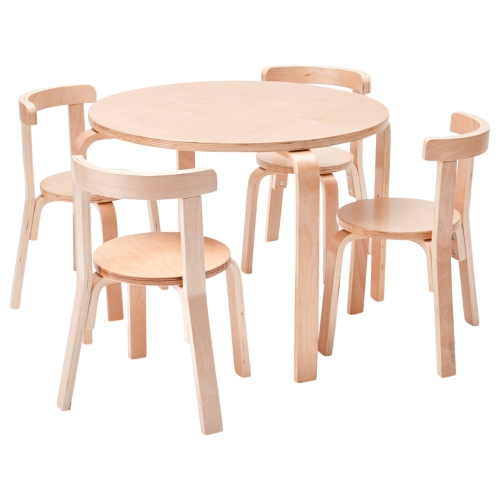

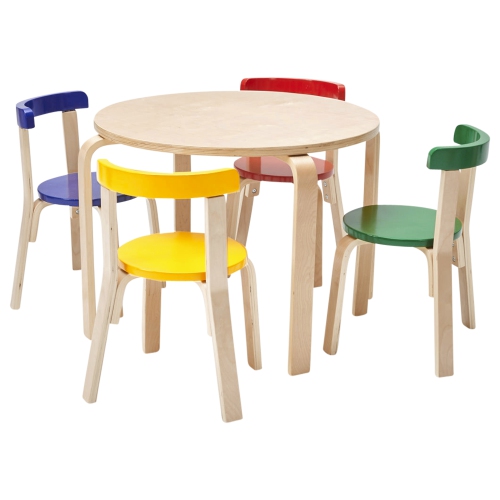
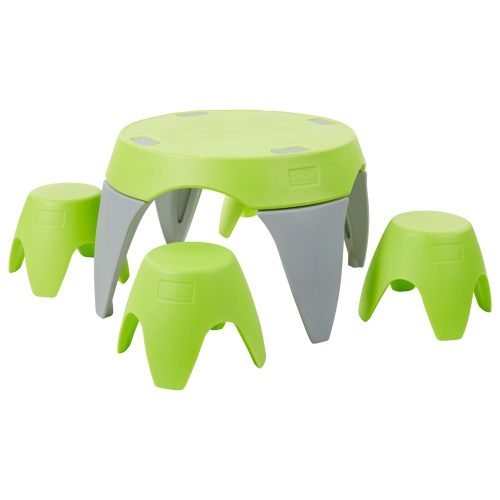
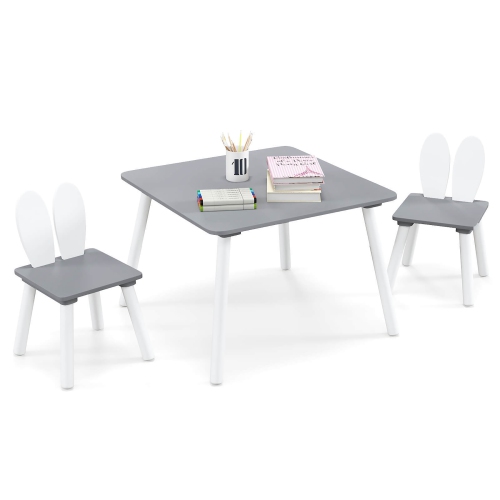
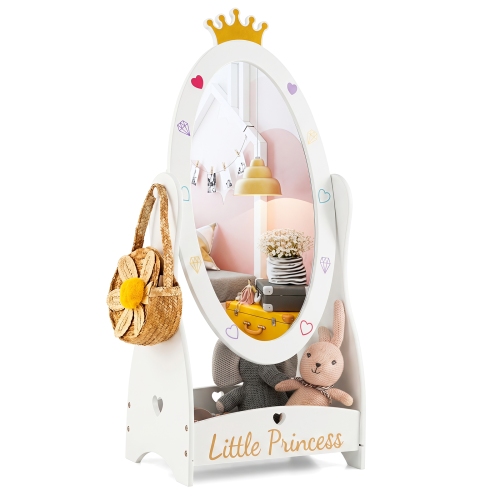
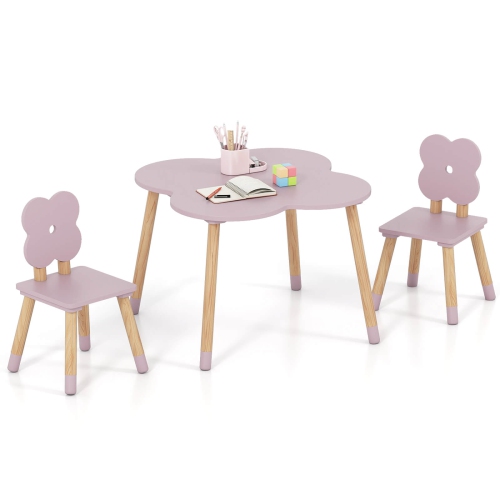

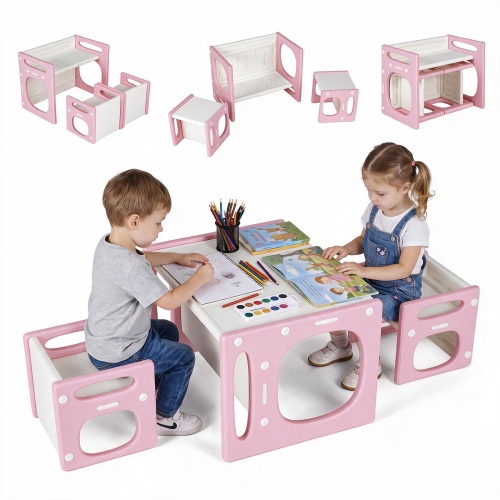

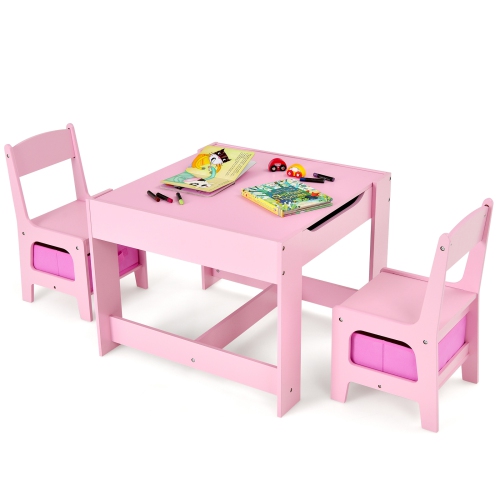
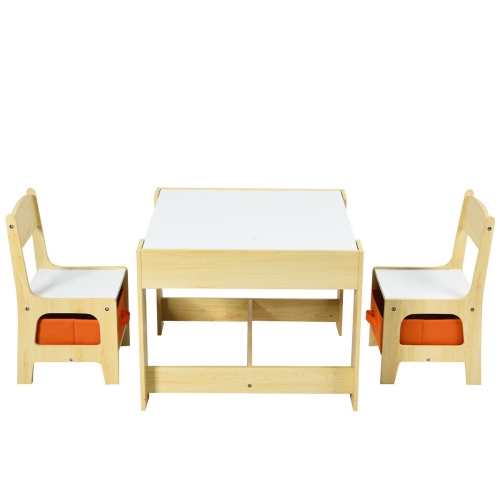
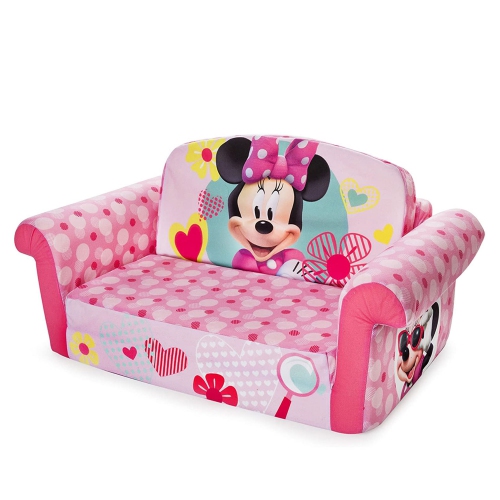
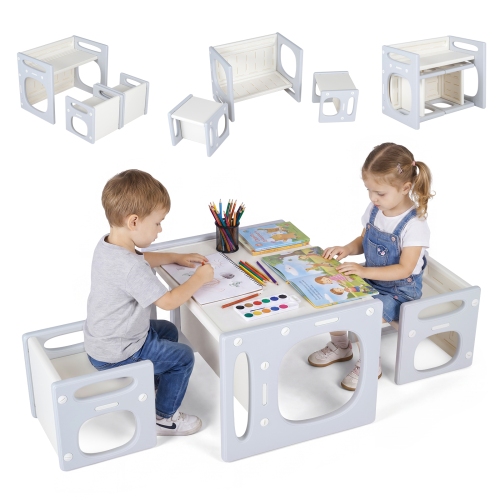
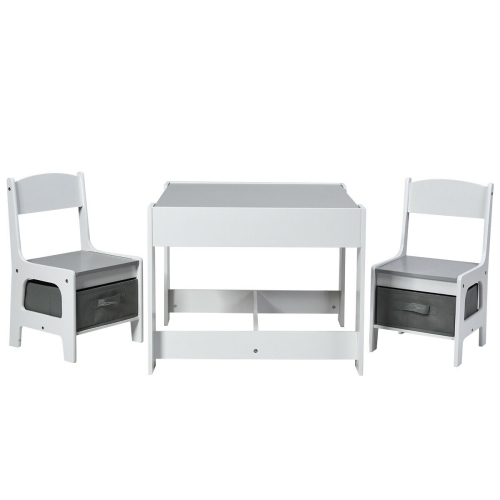
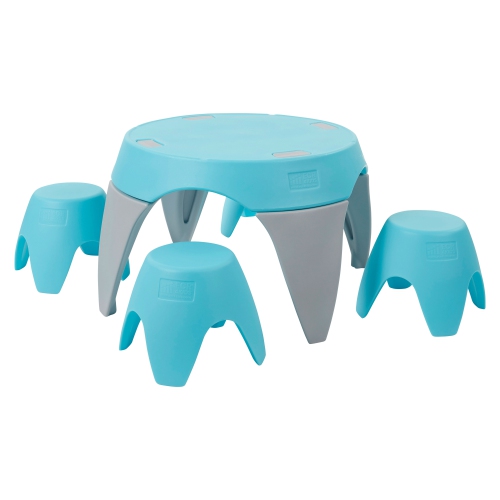
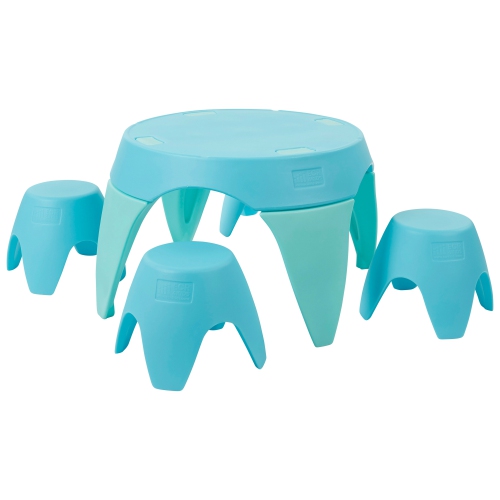

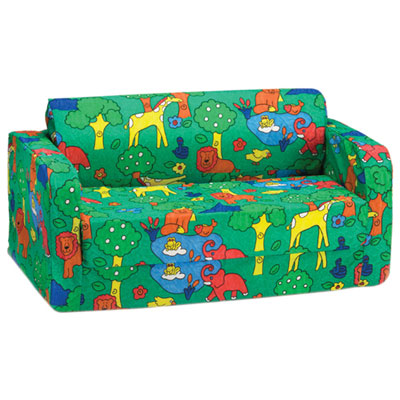
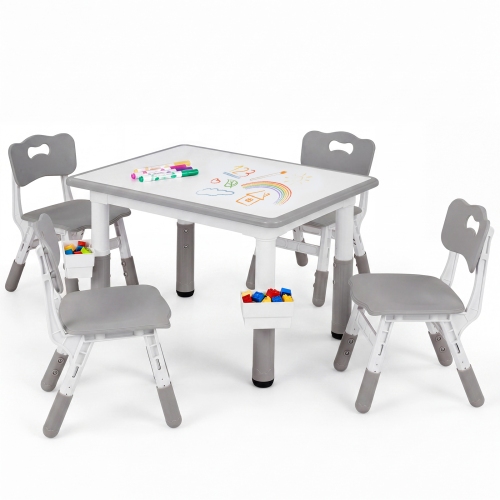
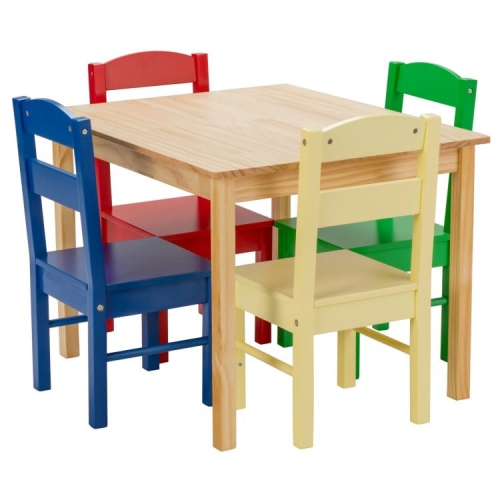
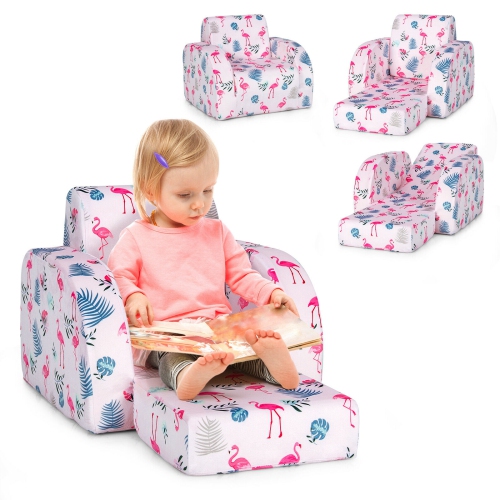
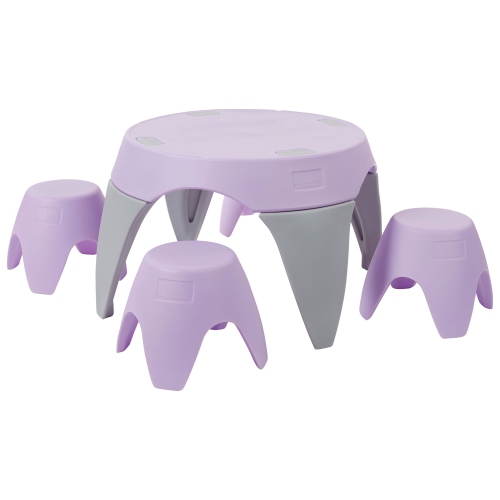
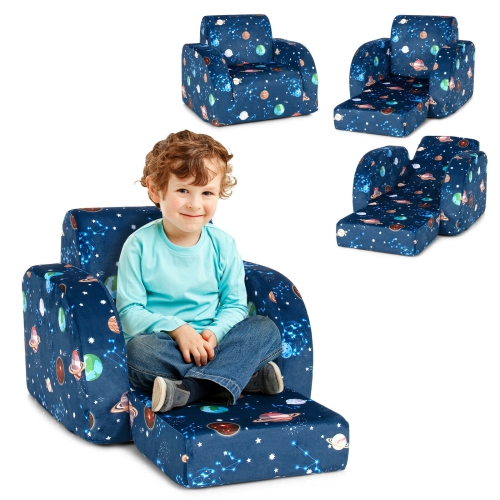
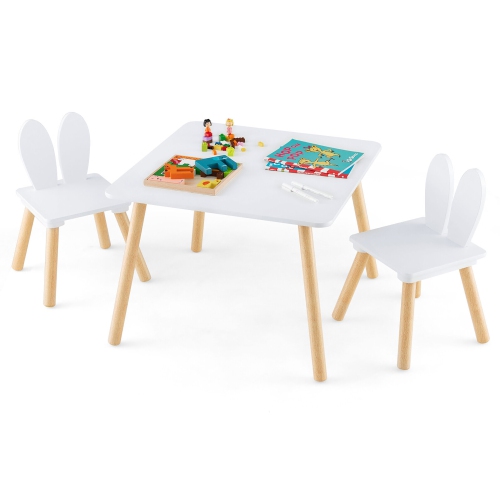

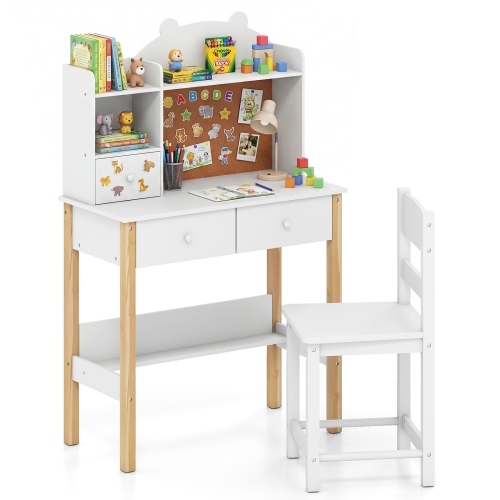
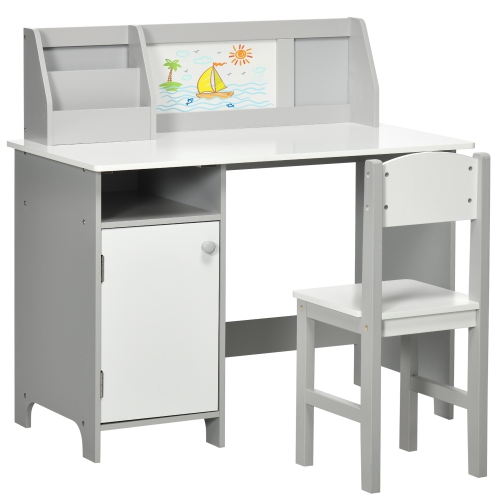

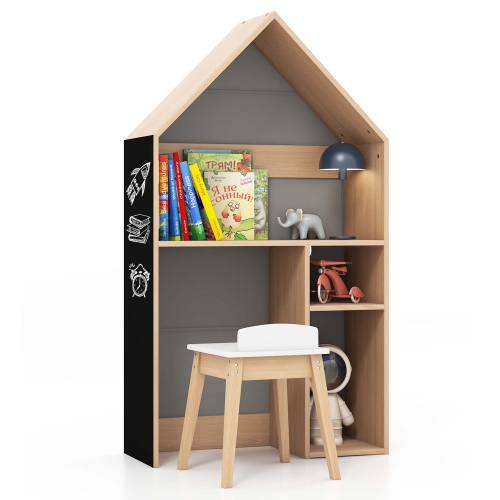
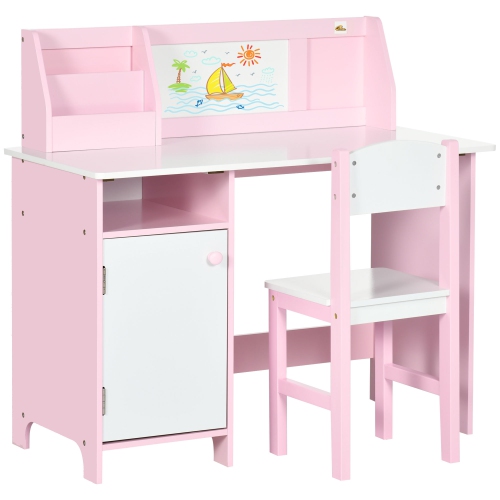
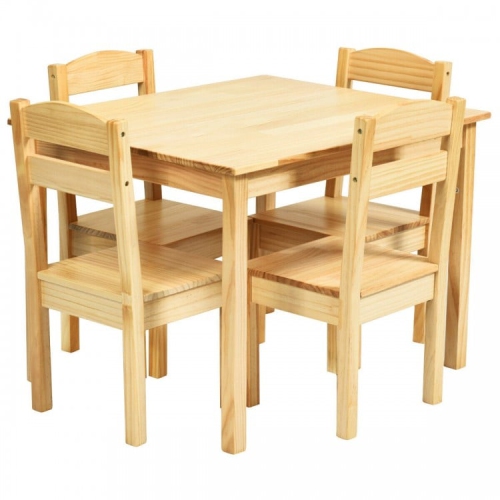
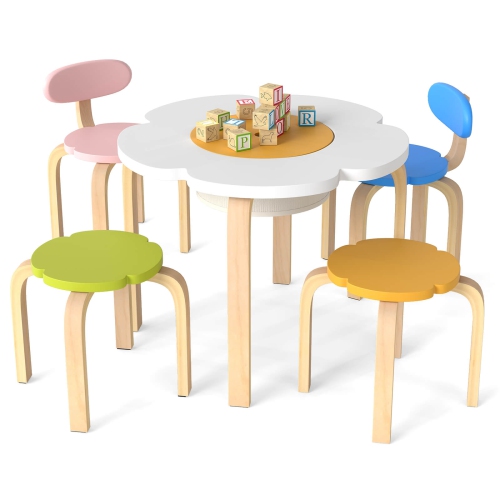
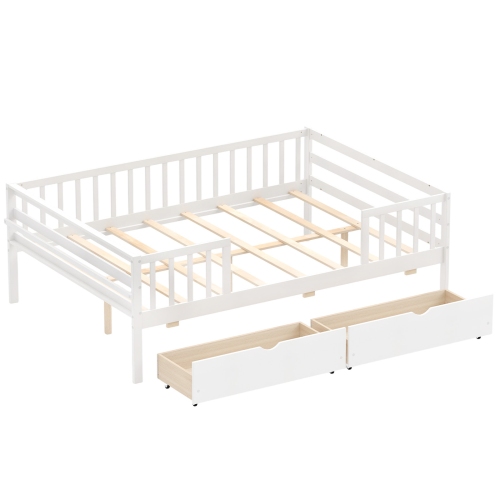

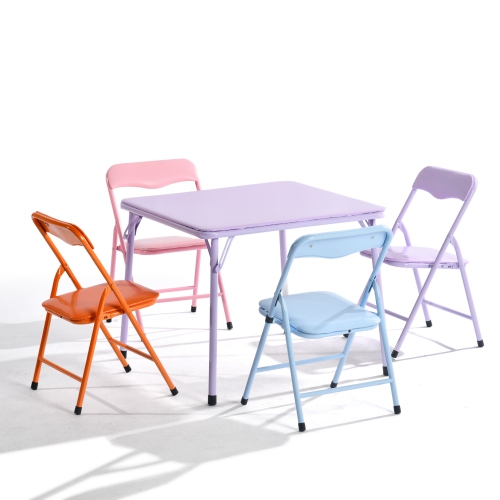
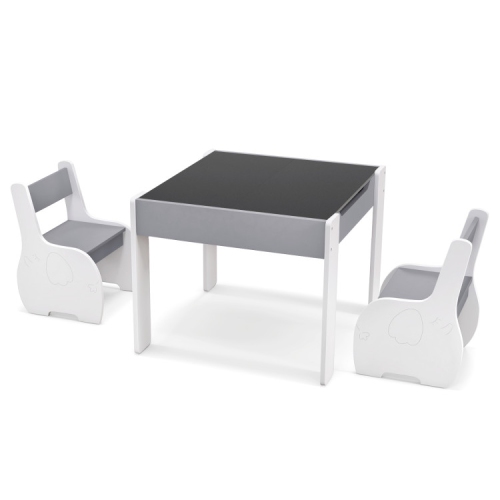


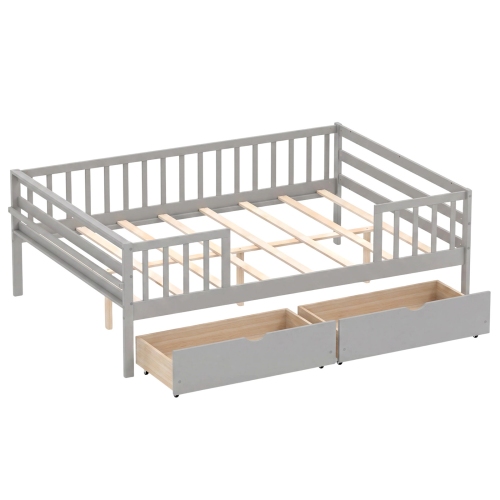


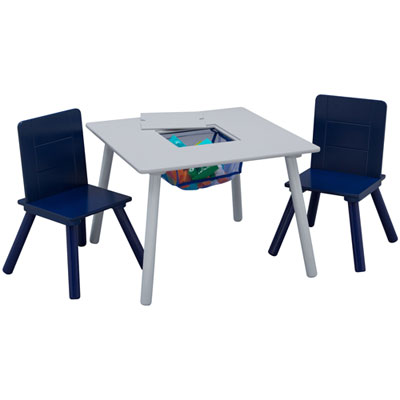
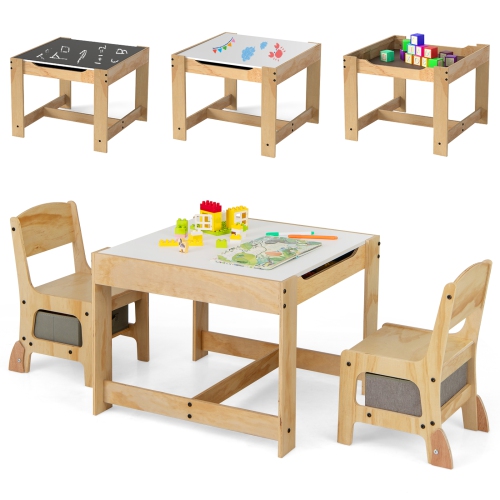
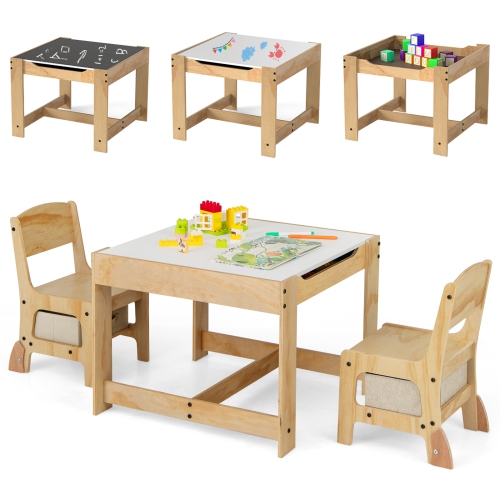

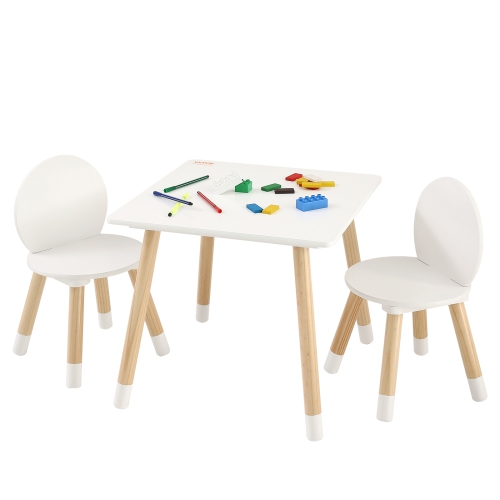
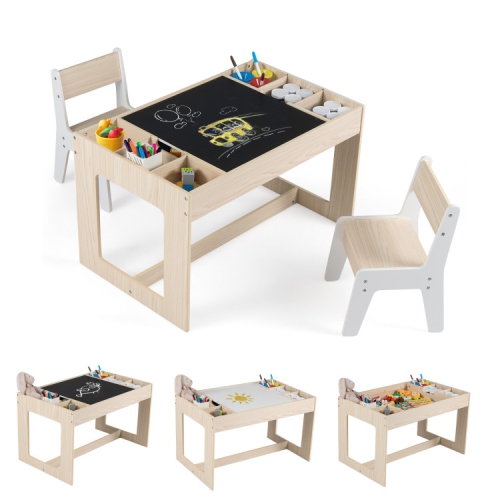
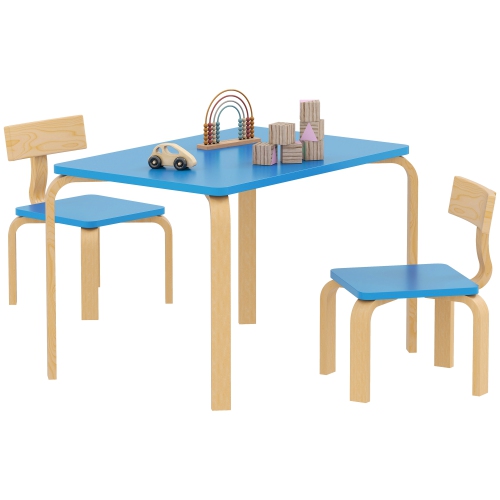

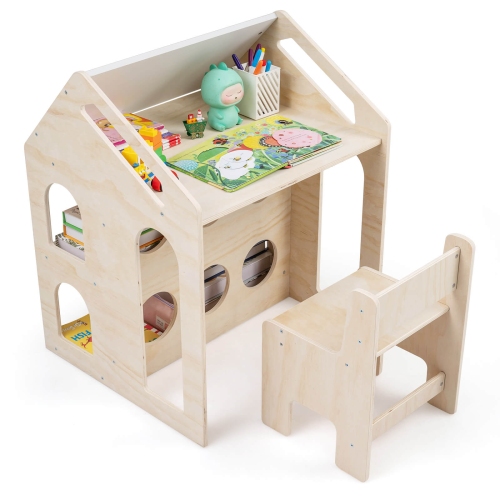
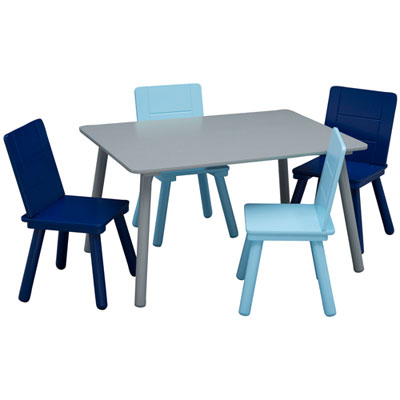
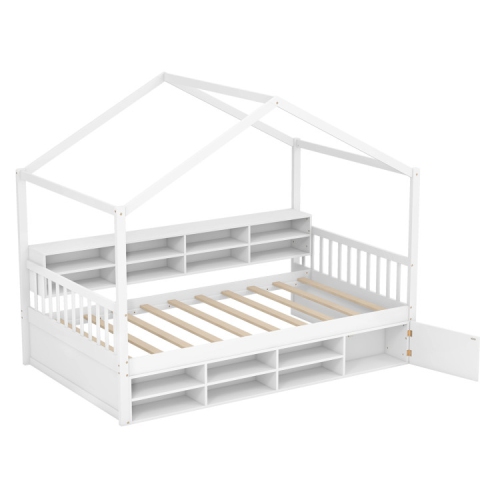
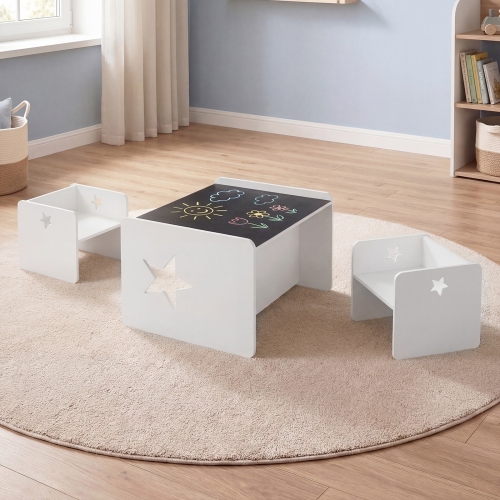
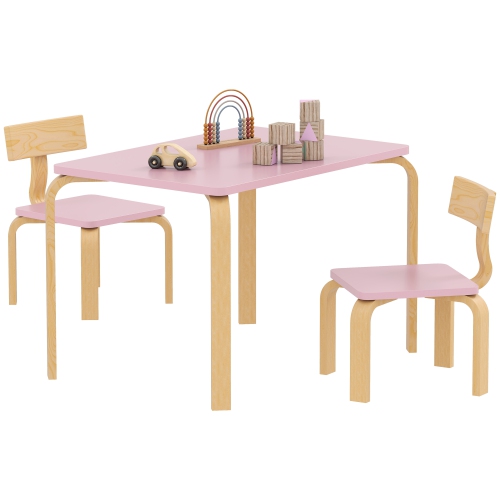
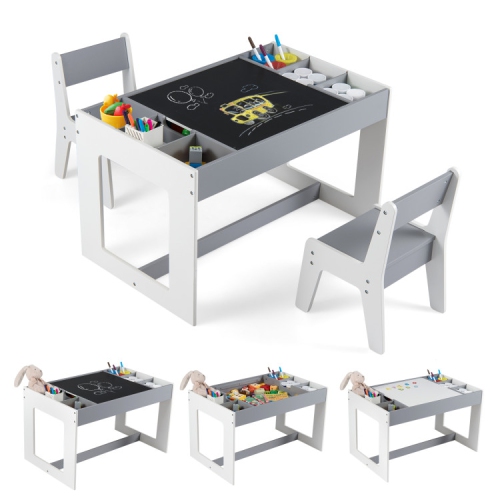
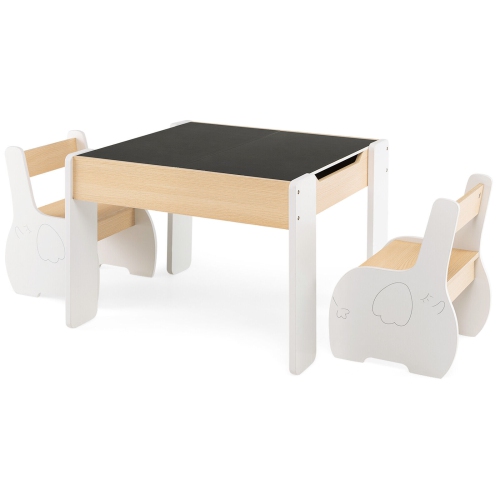

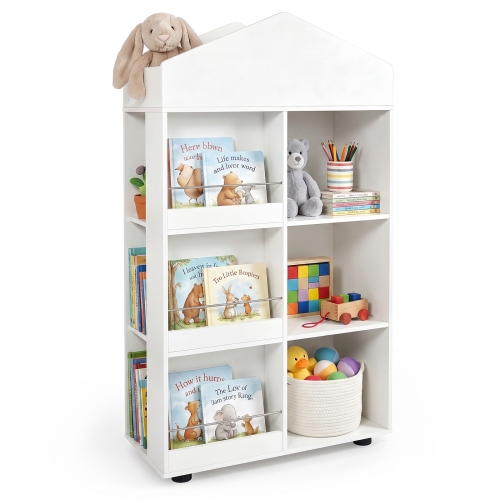
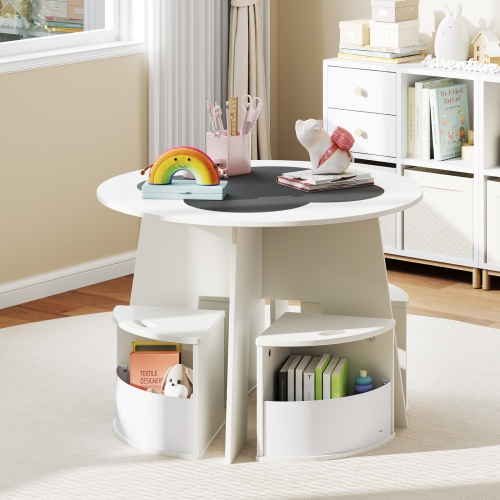

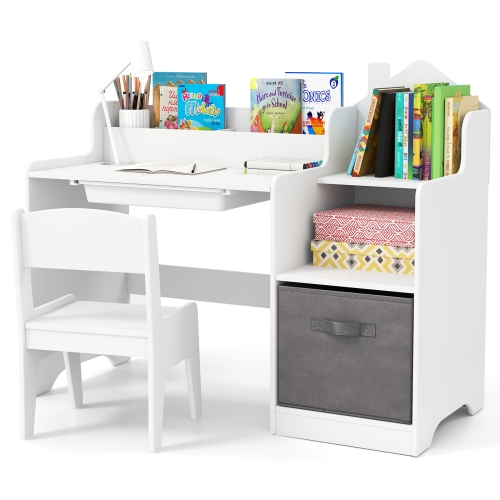
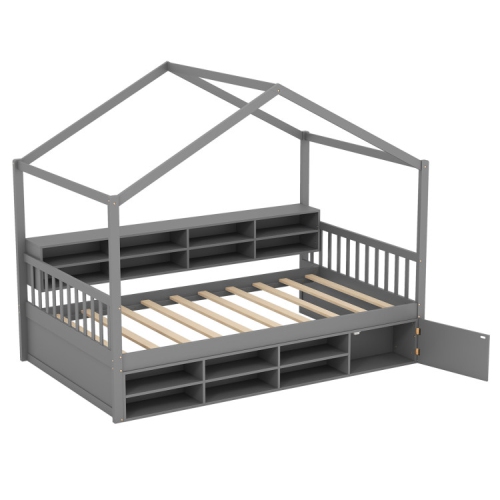
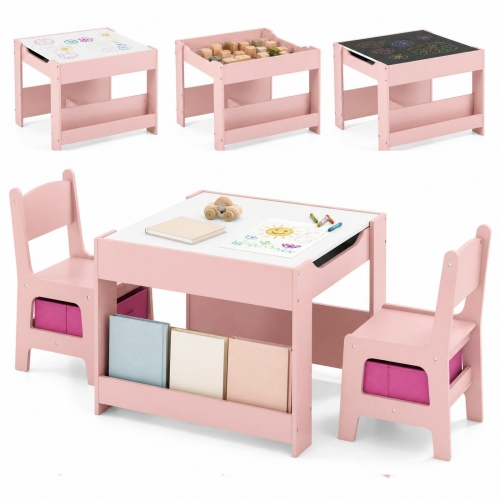
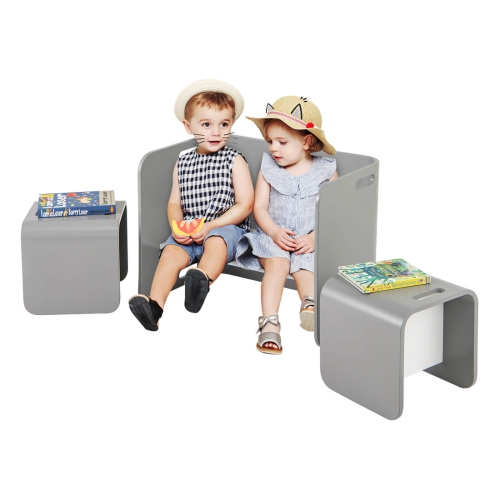
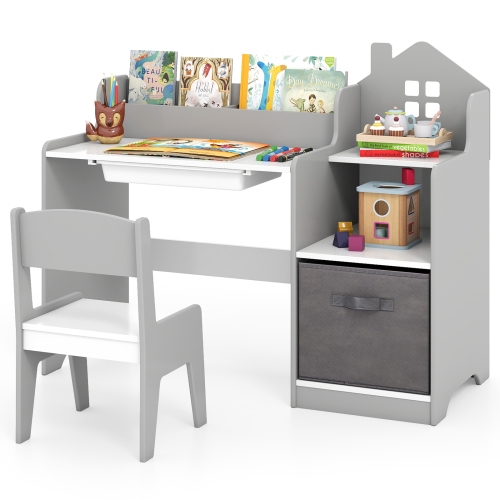
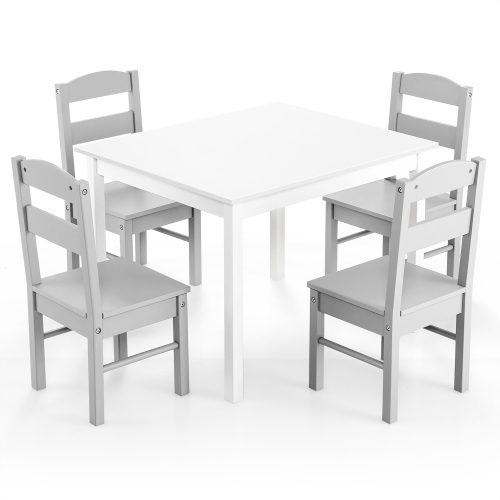
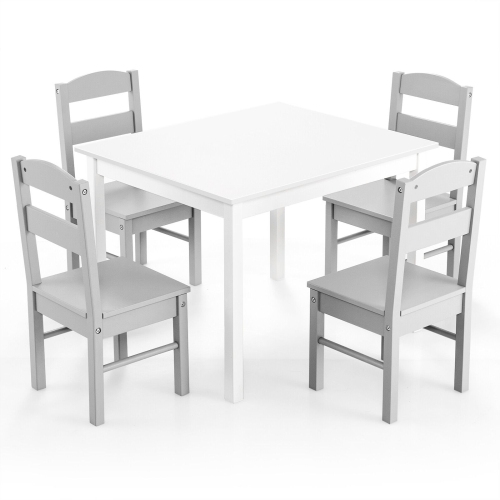


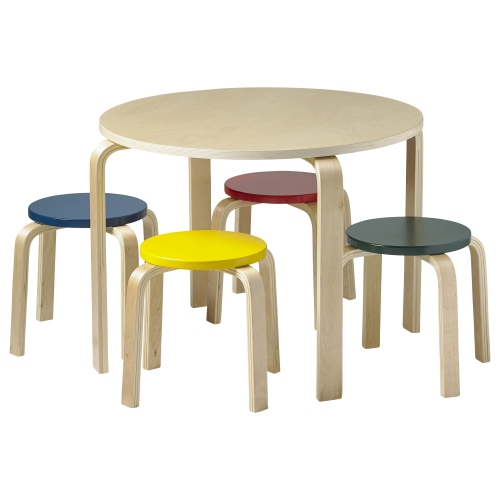


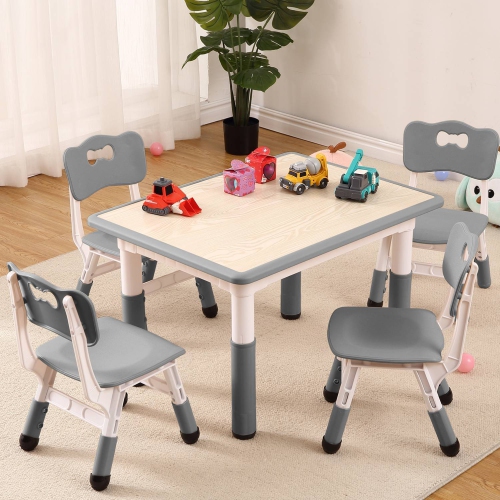
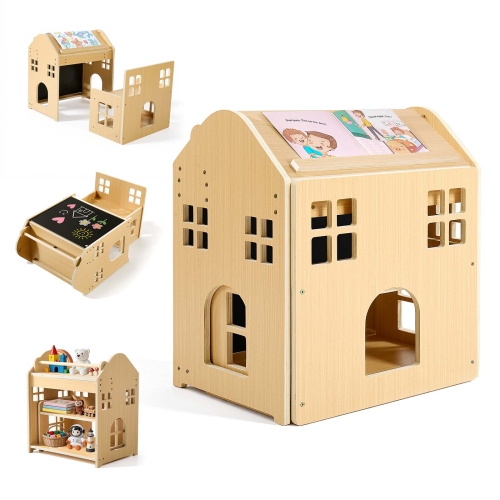

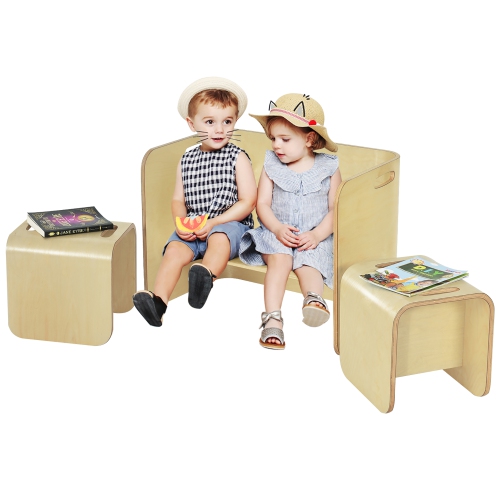

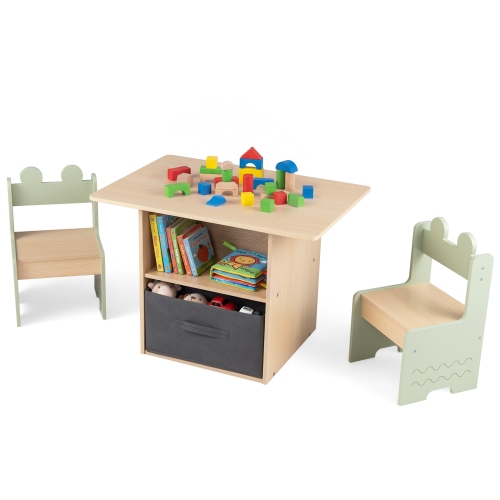
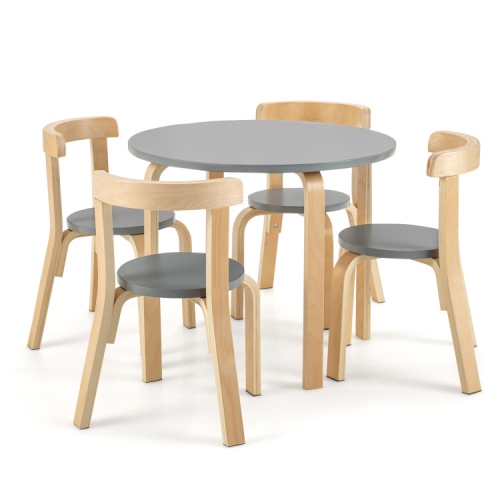
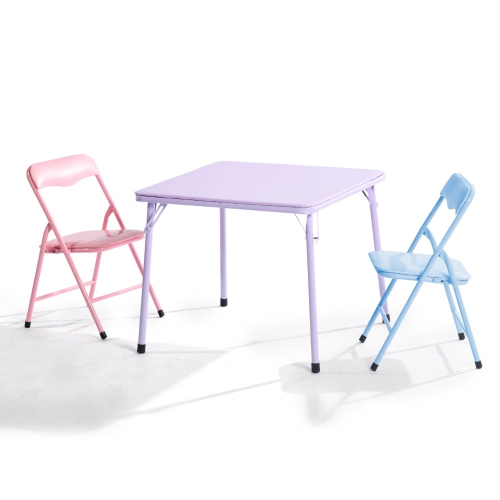

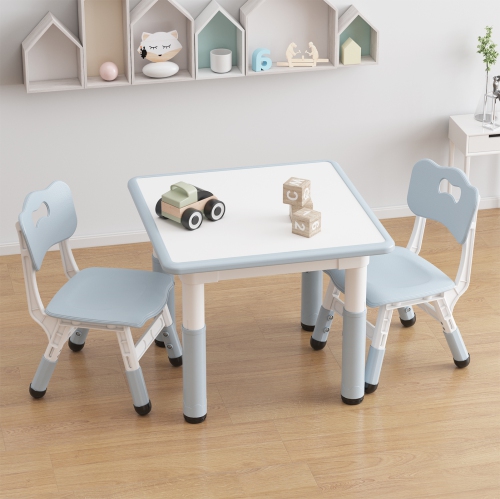

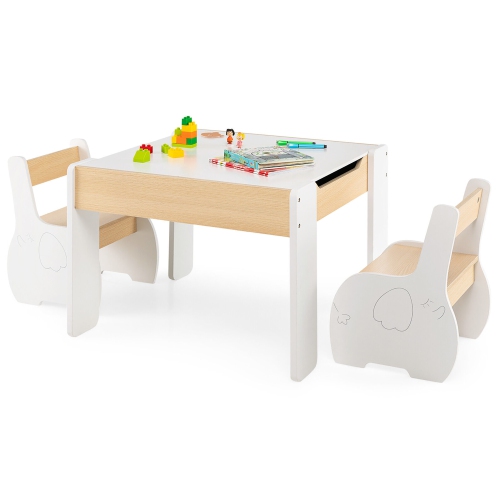
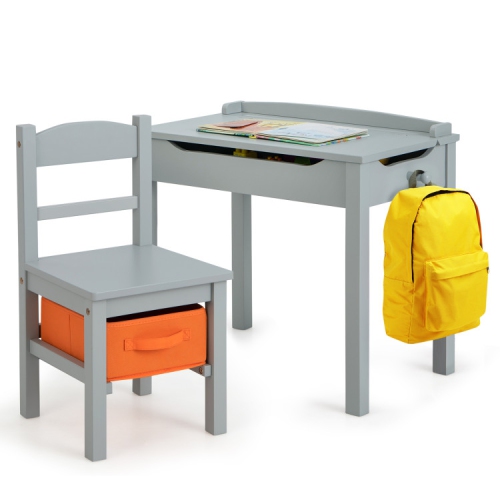


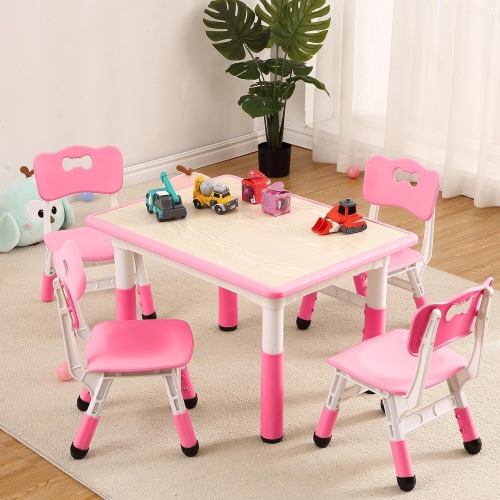
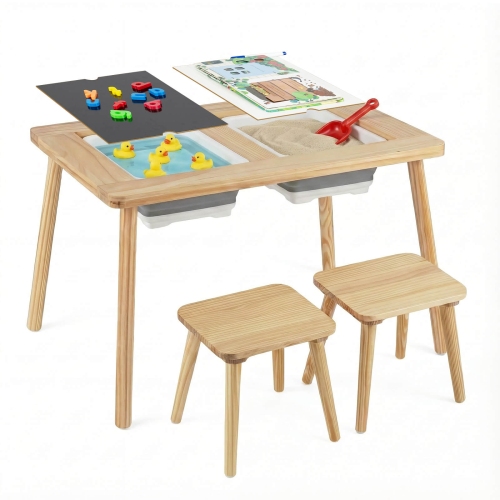

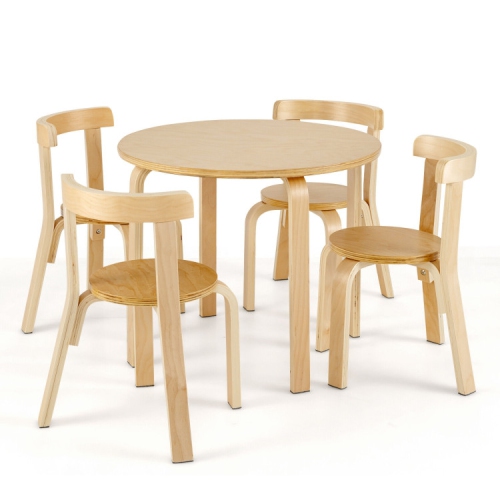

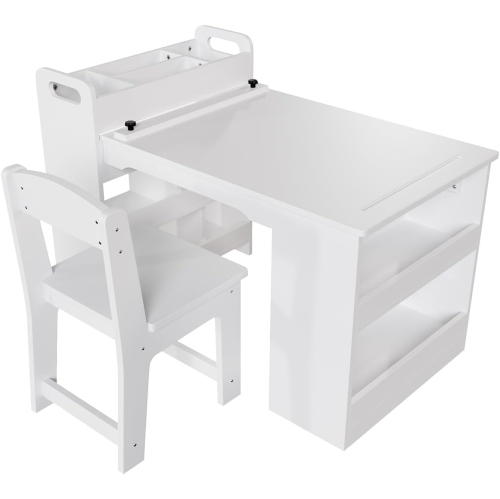
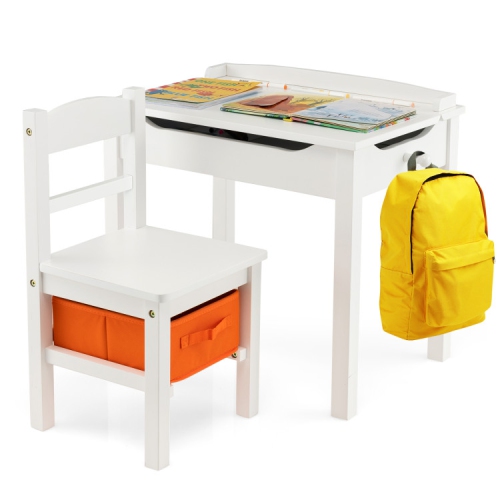
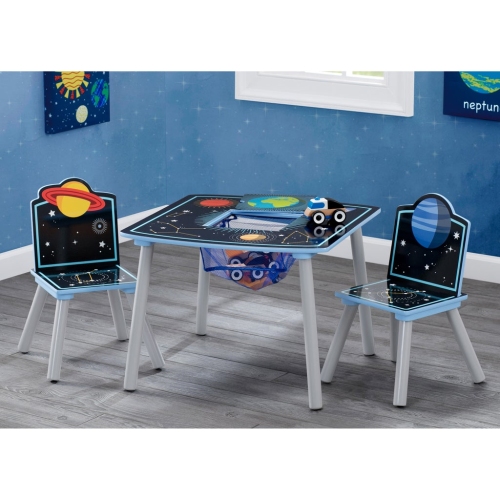
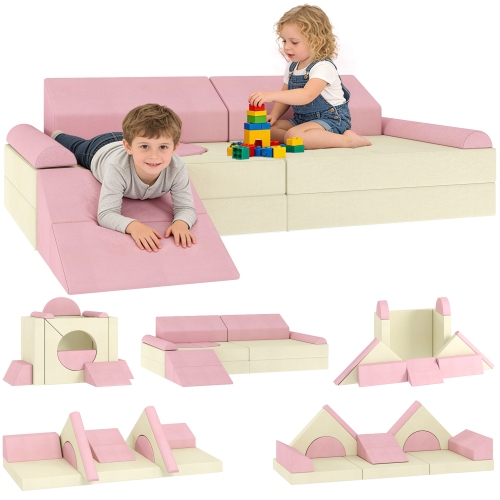

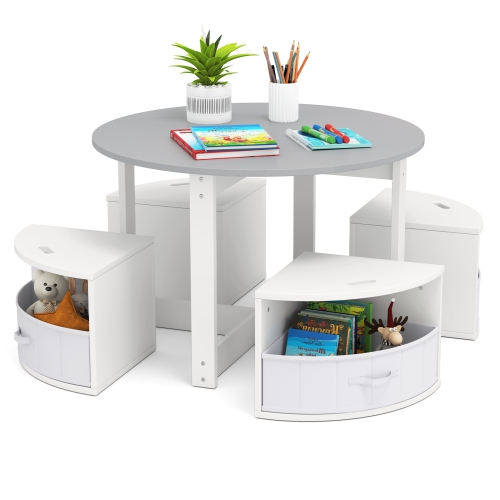


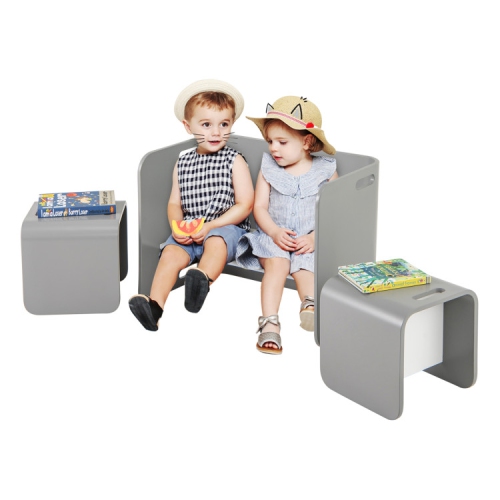
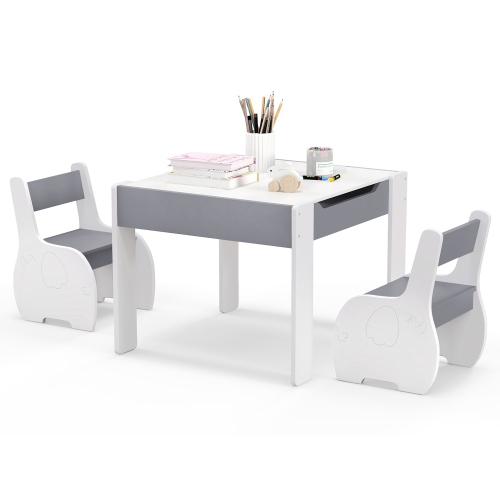


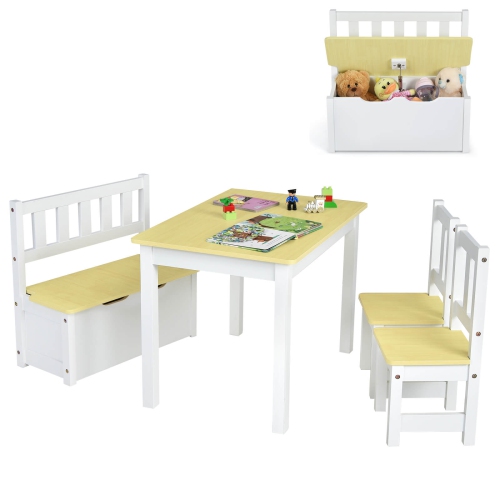
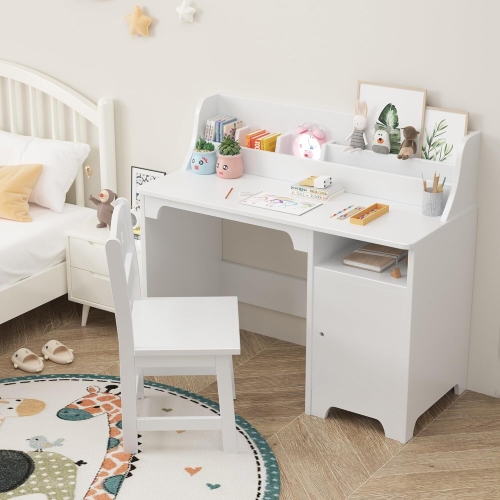
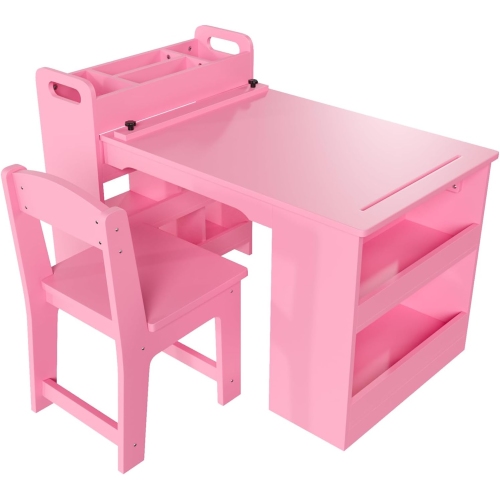
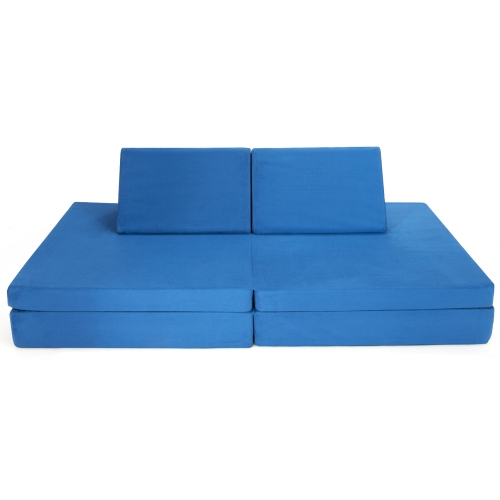
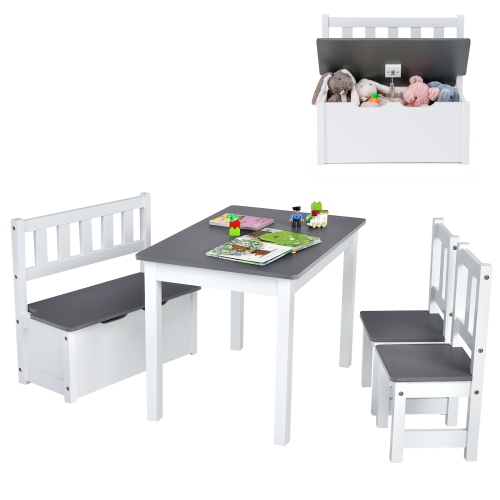
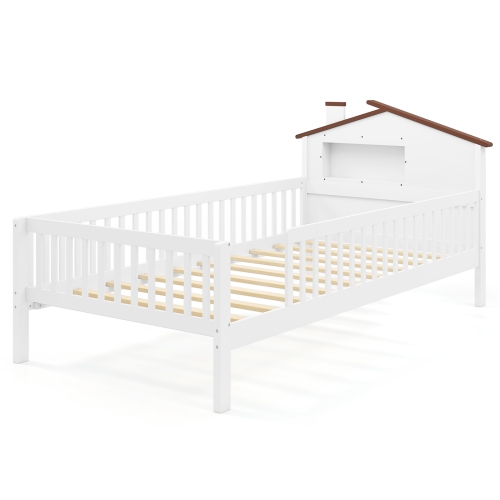


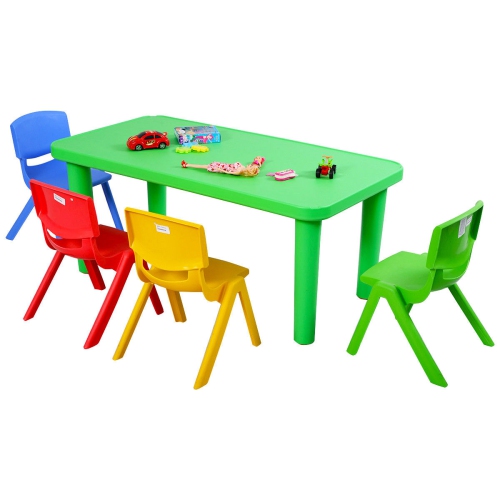
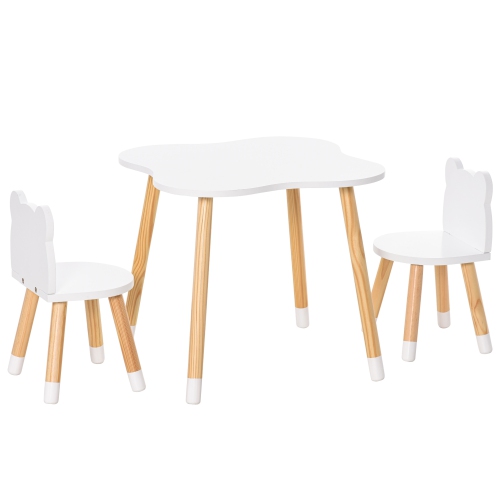


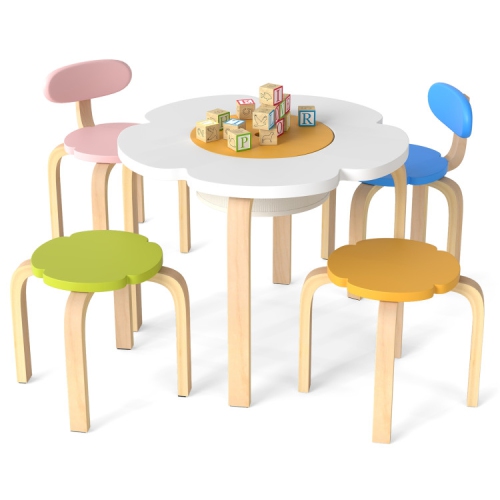

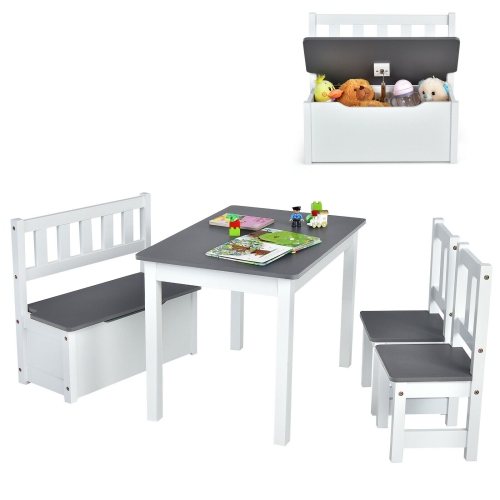
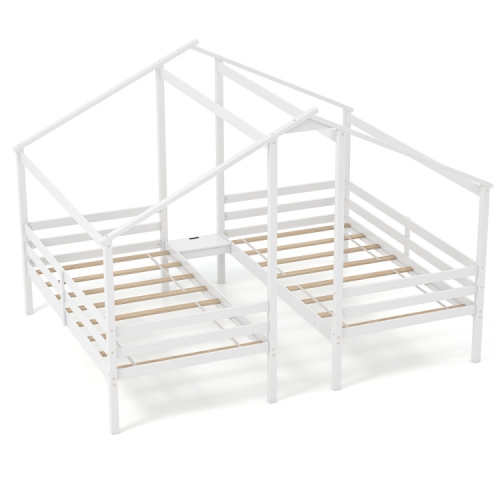

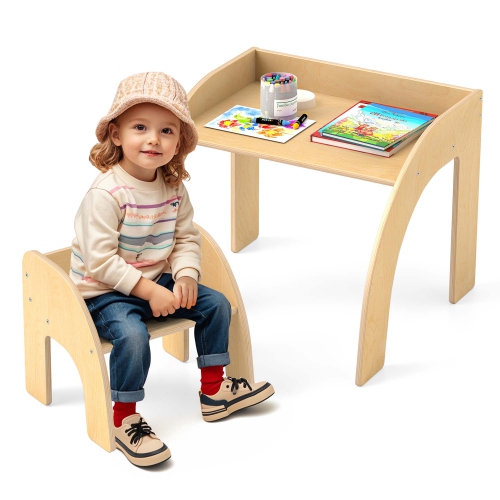
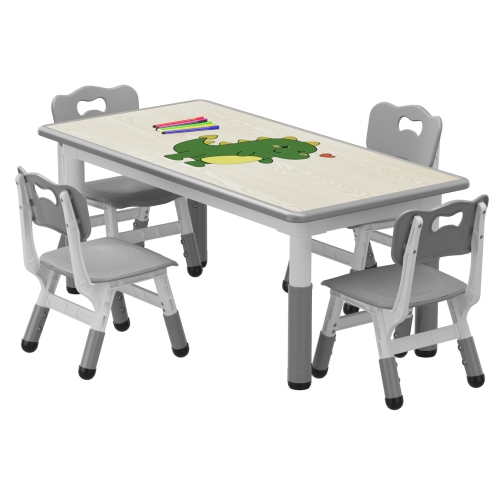

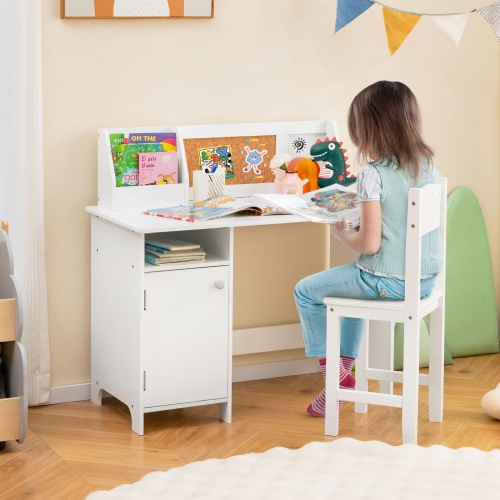

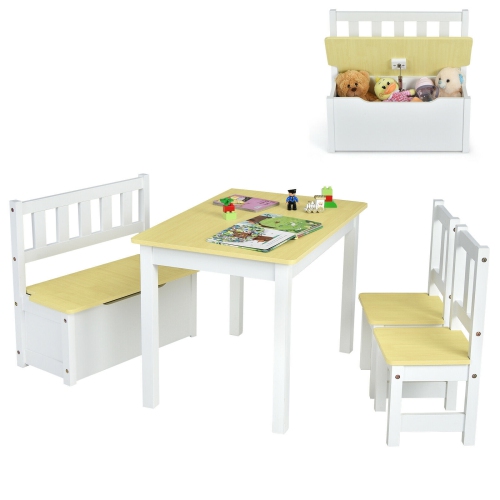
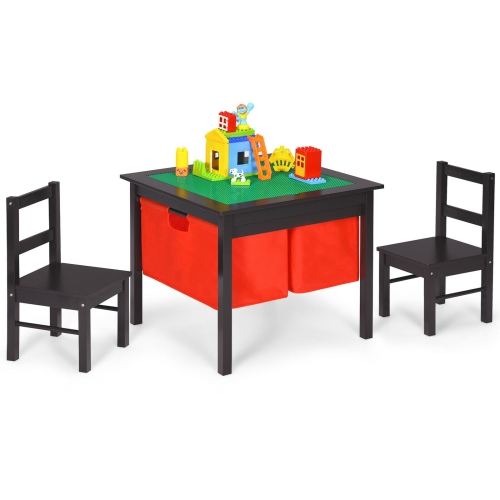
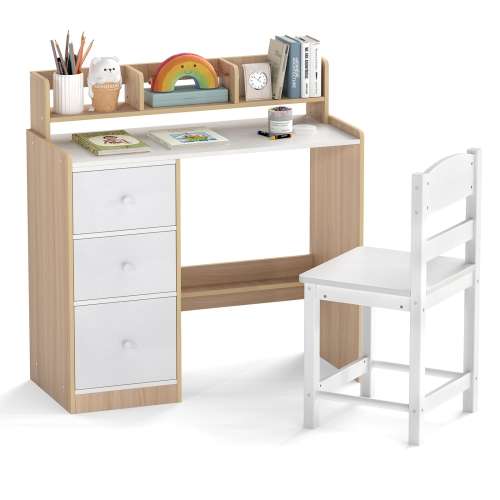


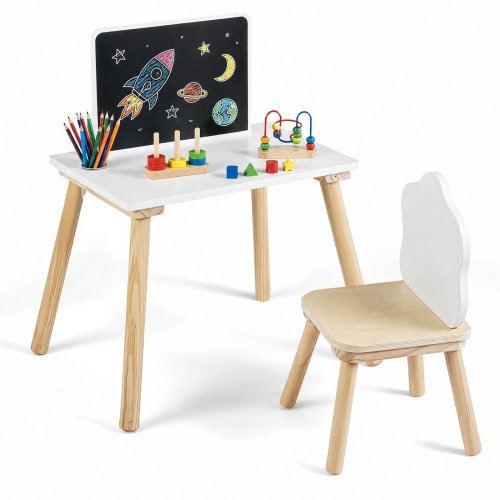

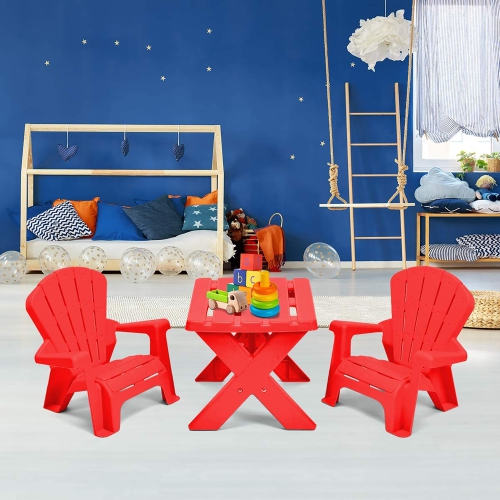


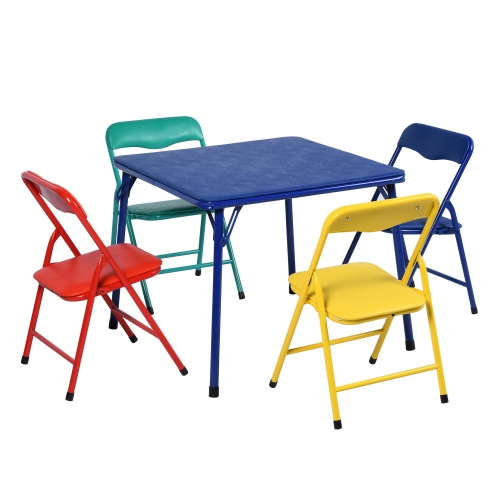


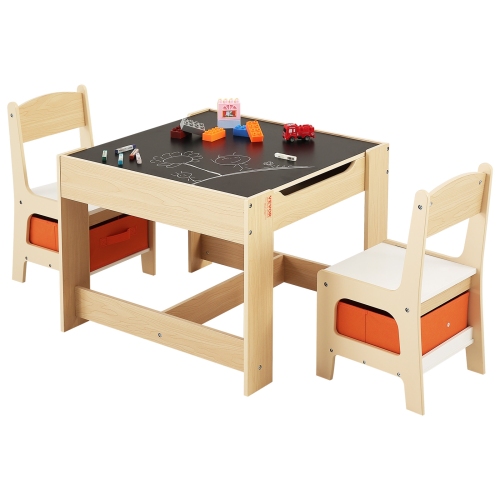


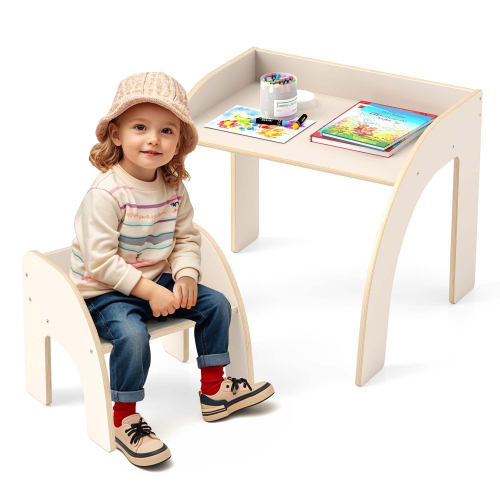

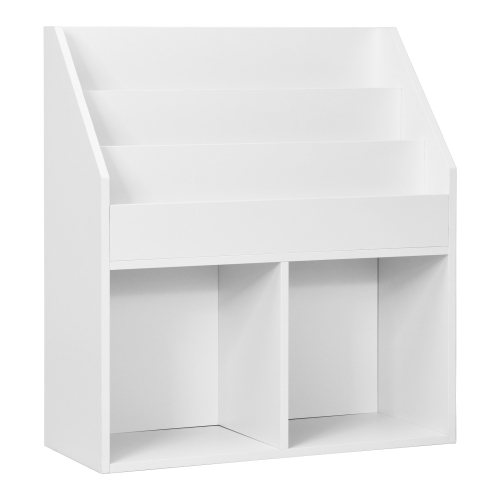
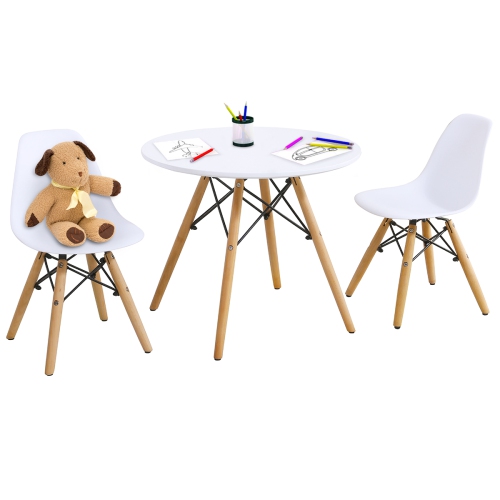
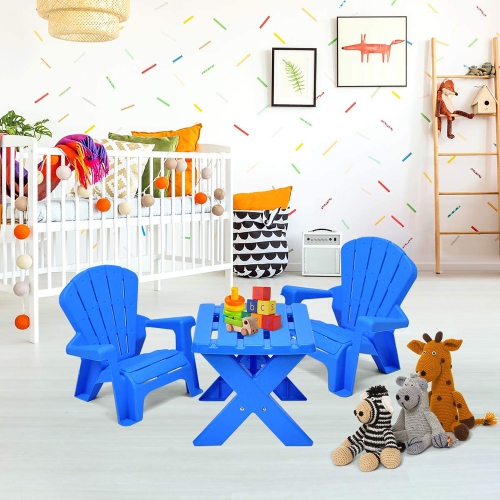


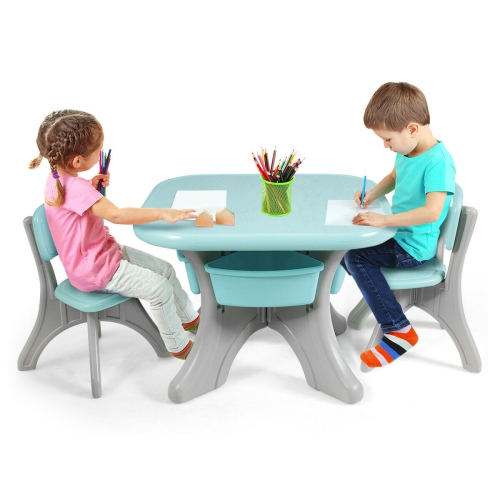

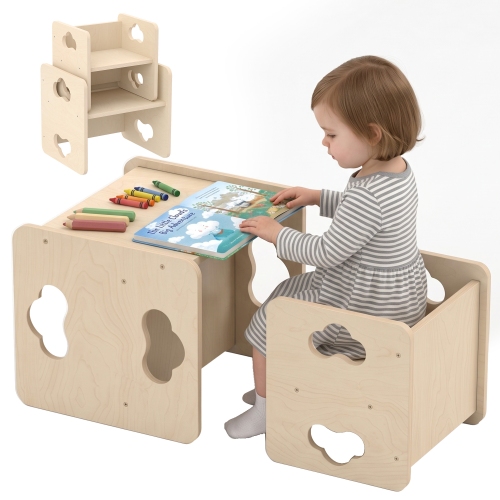

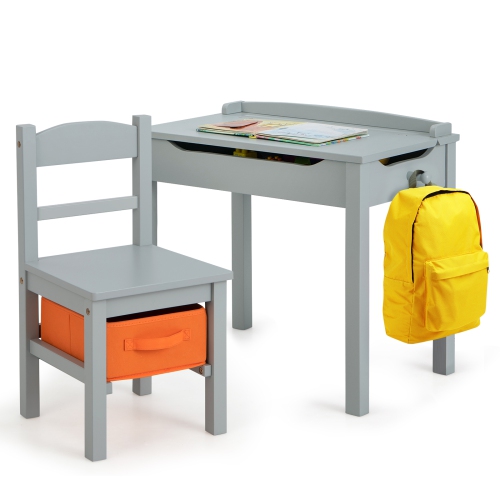
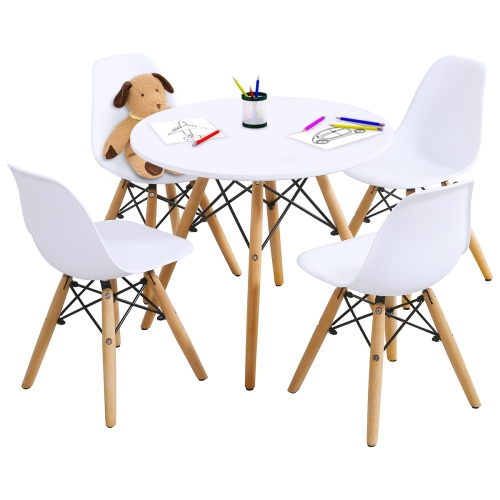
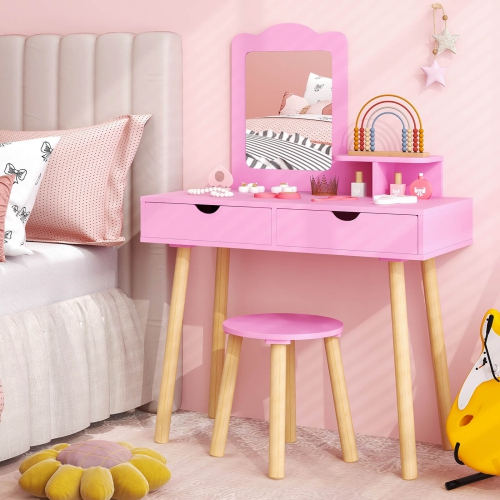

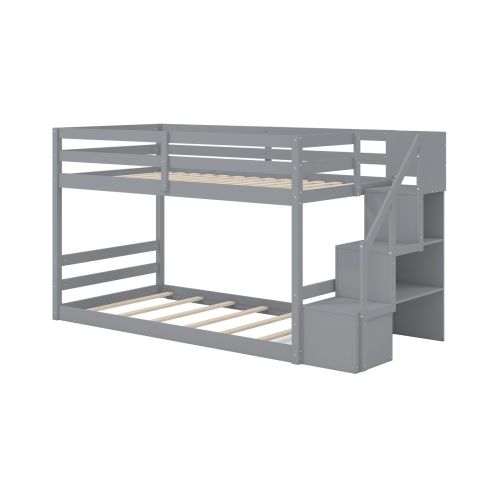


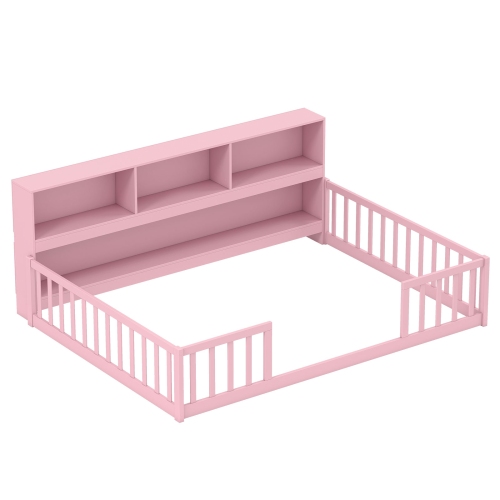
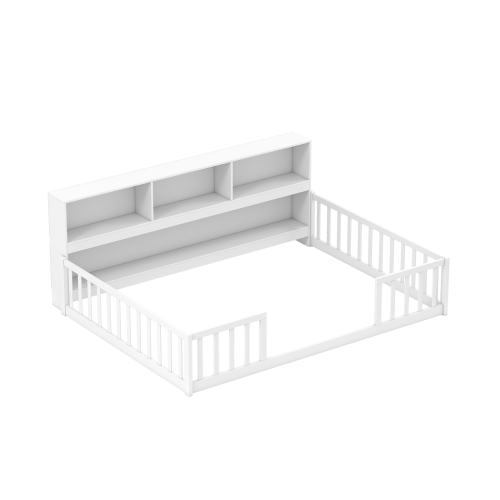

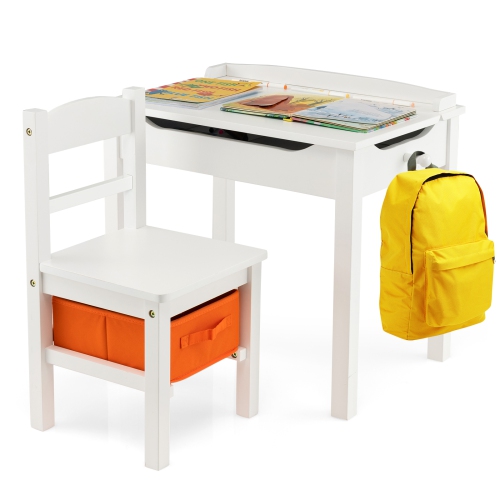
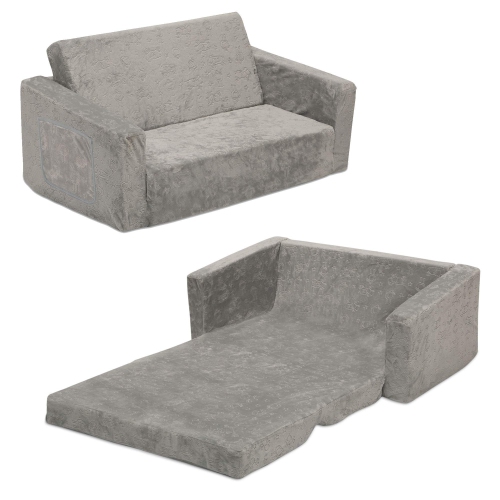


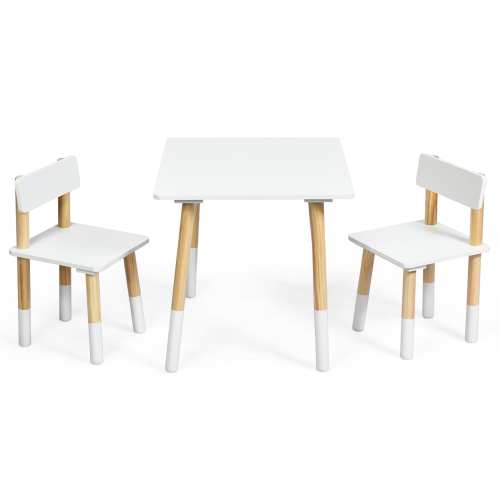


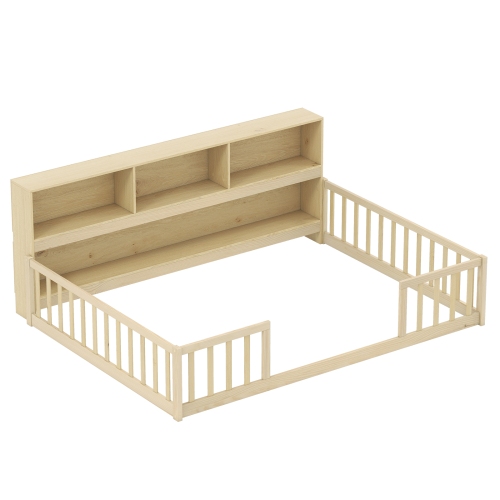
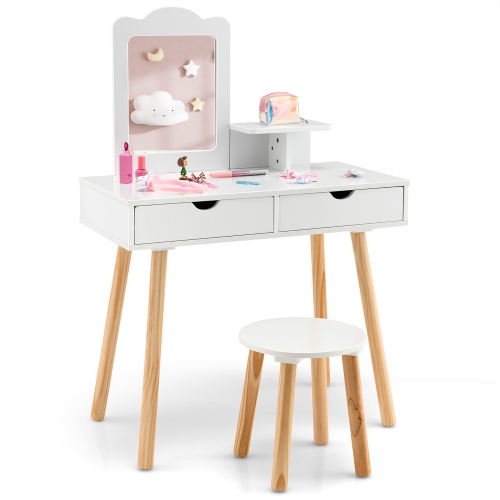
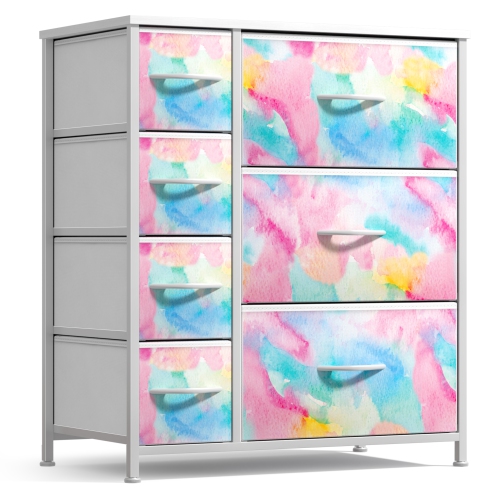
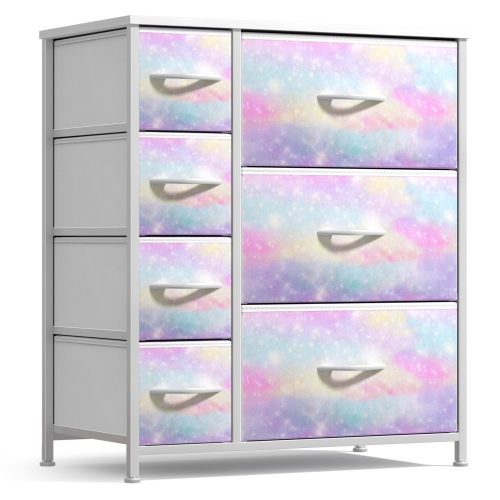
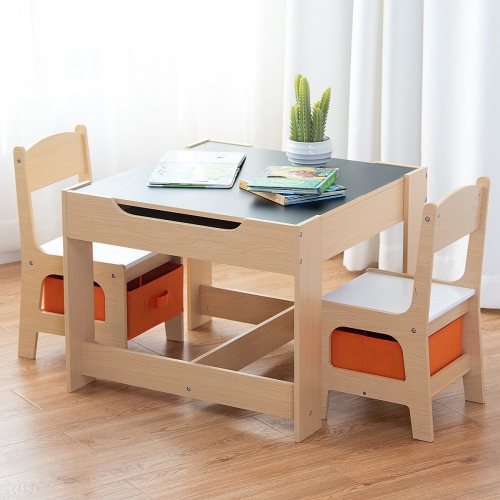
Furniture that puts everyday activities within their reach
Kids furniture gives children spaces that feel like their own while supporting the everyday routines of family life. Beds, tables, seating, shelving, and storage each serve a different purpose, whether the room is used for sleeping, building elaborate block towers, drawing, or settling in with a favourite story. Child-sized proportions can make these activities more comfortable and help children take part independently: a low shelf puts picture books within reach, while a small table creates a defined place for puzzles and craft projects. The right fit depends on both the child and the space. Toddlers need different dimensions and features from school-aged children, and a bedroom shared by siblings may need a different arrangement from a dedicated playroom. Furniture measurements are most useful when considered alongside doorways, drawers, walking paths, and the room needed to pull out a chair. A bed that fits against a wall still needs accessible space for changing sheets, and a storage unit needs enough clearance for its doors or bins to open properly. Seating deserves particular attention because children may spend time there colouring, reading, or working on school assignments. With appropriately sized kids chairs, a child can sit with their feet supported and reach a compatible tabletop without stretching or raising their shoulders. Rounded profiles, supportive backs, and a stable base are useful considerations, although suitability always depends on the design and the intended age range. For older children, a desk with enough surface area for an open workbook and a pencil case can make daily tasks feel less cramped. In smaller homes, furniture with more than one purpose can help define an activity area without filling every corner. A reading seat beside a bookcase or a compact table near toy storage can create a welcoming place to pause, play, and return to familiar routines, while leaving enough open floor space for movement and activities that do not happen at a table.
Materials influence how kids furniture looks, feels, and stands up to repeated use. Solid wood can bring a visible grain and a substantial feel, while engineered wood offers a range of finishes and constructions that suit different room styles. Neither description tells the whole story on its own; joinery, surface treatments, hardware, and overall construction also affect durability. Metal frames can provide a streamlined profile, and moulded plastic furniture may be lightweight and straightforward to wipe down, depending on its finish. Upholstered seating adds softness to reading corners and bedrooms, with fabric texture and cushion construction shaping the sitting experience. Smooth surfaces can be convenient around glue sticks, snack crumbs, and felt-tip pens, but no finish should be assumed to resist every mark. Care instructions help clarify which surfaces tolerate a damp cloth, which fabrics have removable washable covers, and which cleaning methods could damage a coating or upholstery. Spills are easier to manage when they are addressed promptly using the recommended method, rather than a harsh cleaner chosen in a hurry. Practical details also matter after assembly. Drawers should move as intended, handles should be securely attached, and fasteners may need periodic checks according to the manufacturer’s directions. Tall furniture and other pieces that require anchoring should be secured using suitable hardware for the wall construction; a low-looking unit should not automatically be treated as tip-resistant. Beds, lofts, and bunk configurations need particular care around age suitability, mattress dimensions, guardrails, and clearance, with the manufacturer’s specifications taking priority over appearance. Adjustable features can extend a piece’s usefulness as a child grows, but the adjustment range needs to match the intended use. Furniture designed for sitting should not double as a climbing frame, and storage furniture should not be used as a step. Thoughtful construction and appropriate use work together to support a room that remains comfortable and functional through daily activity, from quiet reading to the busy clean-up that follows an afternoon of imaginative play.
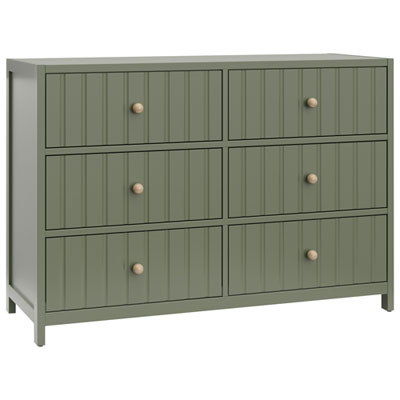
Storage is often what makes a child’s room workable beyond the first tidy afternoon. Open shelves make it easy to see books and larger toys, while drawers and bins can contain loose building pieces, art supplies, and dress-up accessories. A combination can work well: frequently used belongings stay within easy reach, and supplies that need adult supervision have a separate place. Storage openings should suit what goes inside them, since a deep compartment may swallow small toys while a narrow shelf may not accommodate oversized picture books. Where a design includes a lid, its closing mechanism and suitability for children deserve attention, and all storage should be used within its stated limits. Simple arrangements are often easier for children to maintain than systems with many tiny compartments. A basket for soft toys, a shelf for current reading, and a drawer for paper can give everyday belongings a clear home without making tidying feel complicated. Colour and finish help tie these practical pieces into the rest of the room. Pale wood tones, painted finishes, bright accents, and soft upholstery each create a different mood, and furniture does not need to match perfectly to feel coordinated. Repeating a colour or material across a few pieces can bring a shared bedroom together while leaving each child room for personal preferences. Less visually busy furniture can also provide a backdrop for changing artwork, bedding, and favourite interests. For families furnishing a first bedroom or updating a play space, the most useful choices reflect how the child actually spends time rather than how a staged room looks. Children who spread out drawings may value tabletop space, while enthusiastic readers may make more use of accessible shelving and a comfortable seat. Furniture can also be a thoughtful birthday gift or a contribution to a bedroom refresh when room measurements, caregiver preferences, assembly needs, and age suitability are confirmed beforehand. With those practical details in place, kids furniture becomes part of the familiar setting for stories, creative projects, shared games, and growing independence.
Top selling and popular products
-
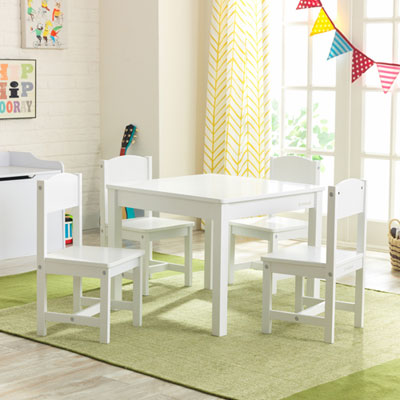 Your price for this item is $199.99
-
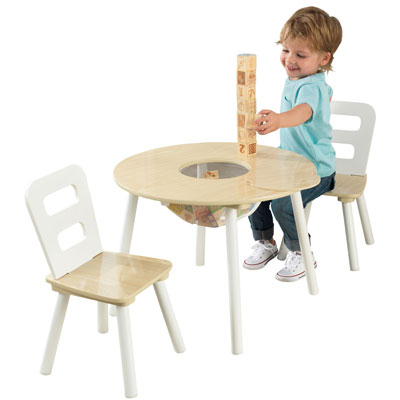 Your price for this item is $109.99
-
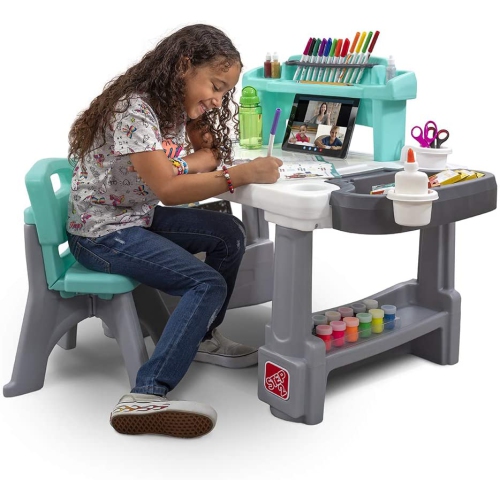 Your price for this item is $362.99
-
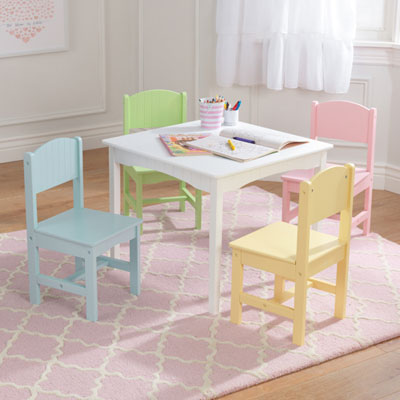 Your price for this item is $165.98
-
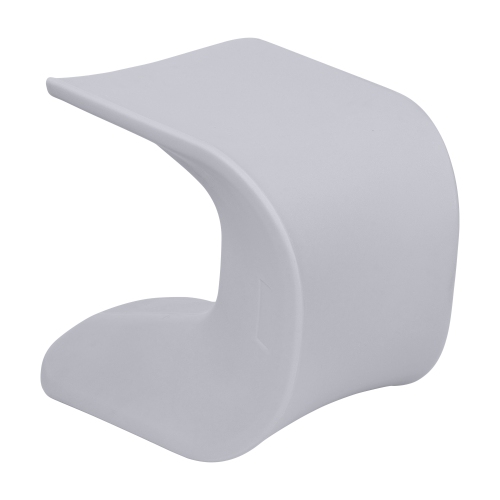 Your price for this item is $174.99
-
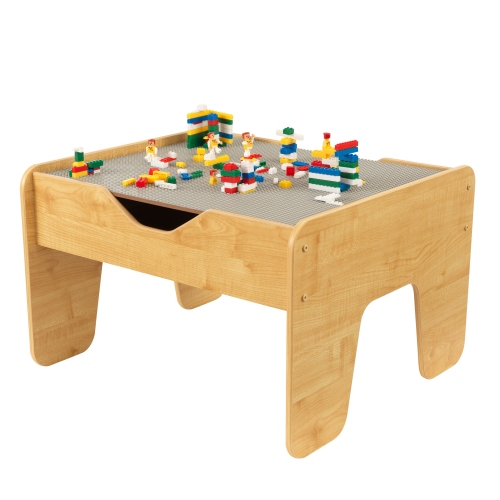 Your price for this item is $89.99
-
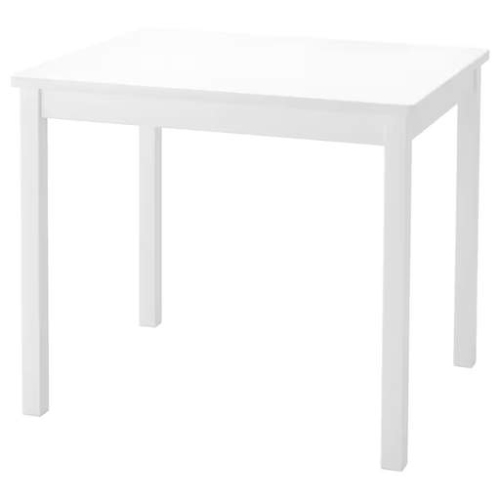 Your price for this item is $100.99
-
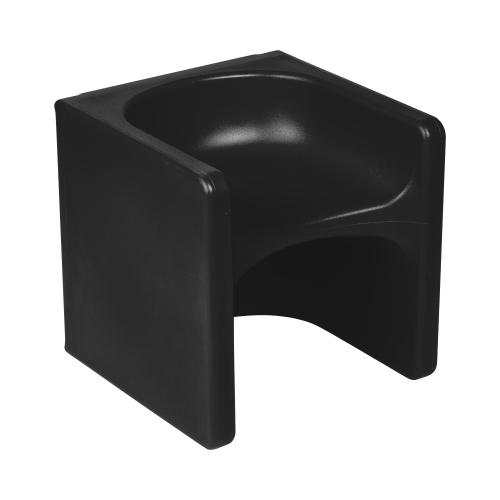 Your price for this item is $124.99
Discover more categories related to Kids Furniture
Top Collections:
Pokemon Centers, Kindle Devices, Best Budget Office Chairs, Canon G7X Cameras, Apple iPhones 16, Samsung Galaxy Phones, Refurbished Apple Laptops, Laptops for Students, iPhone 15 Apple, Budget Smartphones
Some products may be subject to Environmental Handling Fees
(EHF) depending on your province.
Learn more about EHFs.