Kids' Lounge Chairs
Create a cozy and stylish space for your little ones with our selection of kids' lounge chairs. Perfect for reading, watching TV, or simply relaxing, these chairs are designed with comfort and fun in mind. Available in a variety of colors and styles, these kids' lounge chairs are sure to be a hit with children of all ages. Whether you're looking to add a pop of color to a playroom or create a special spot for your child in the living room, these chairs are the perfect addition to any kid-friendly space.
Sort
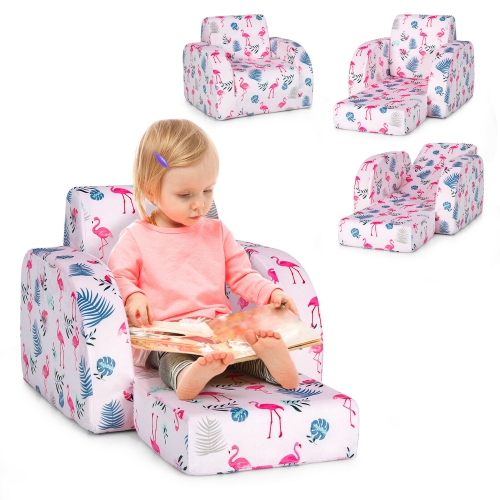
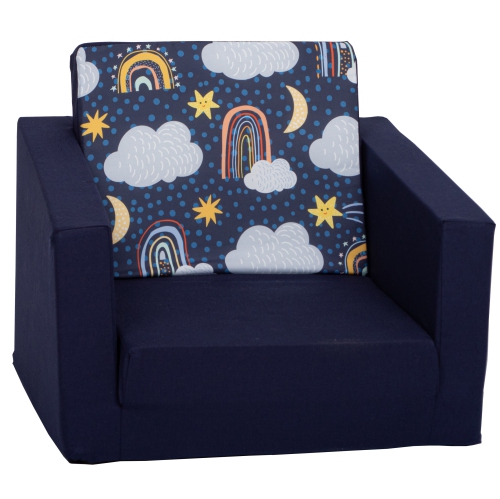
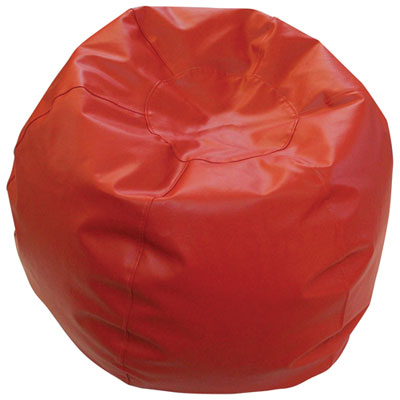
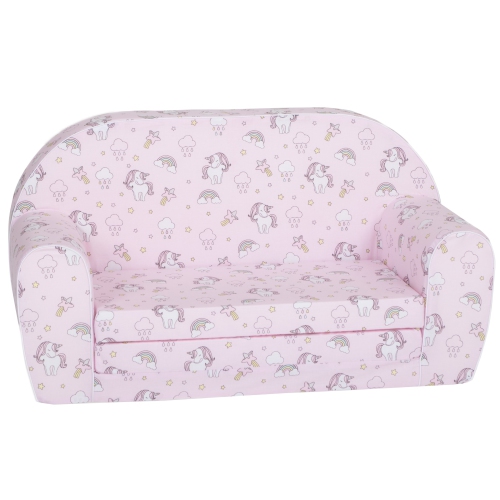
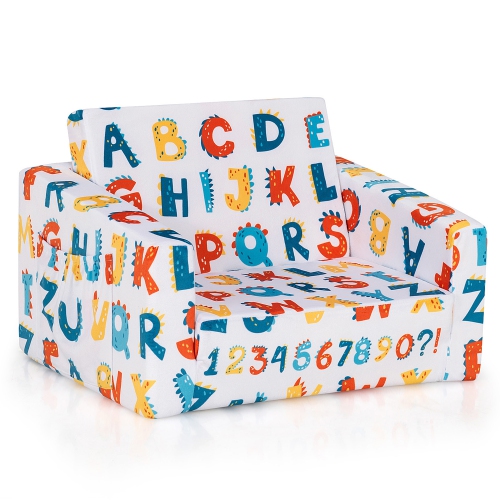
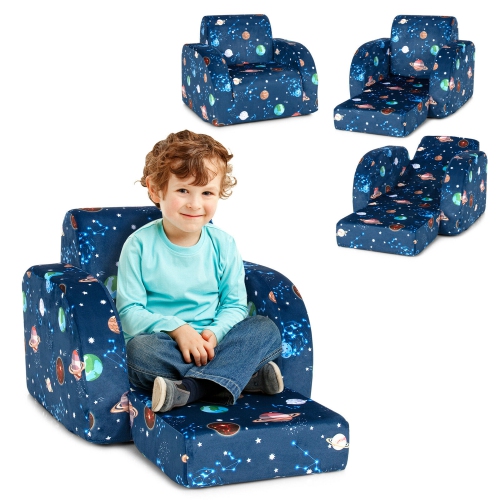
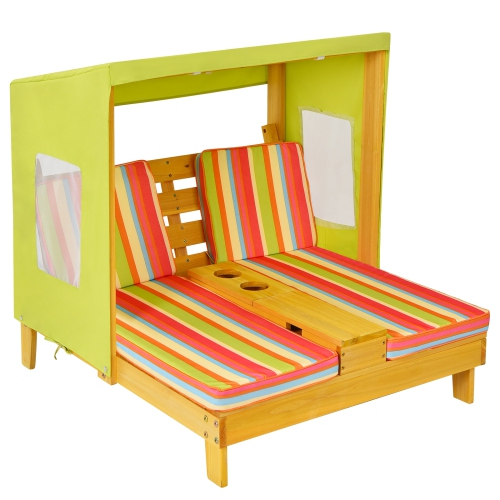
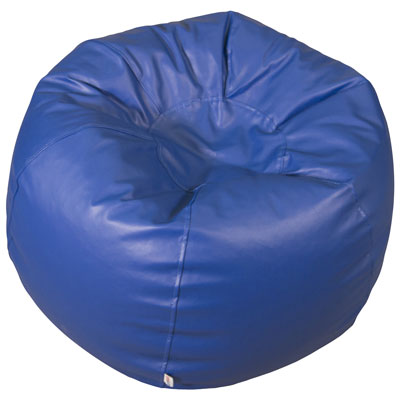
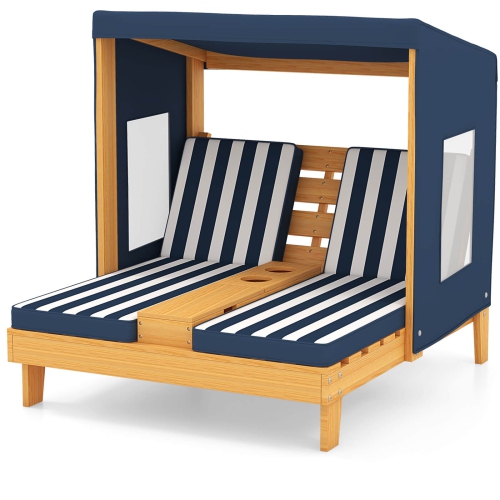
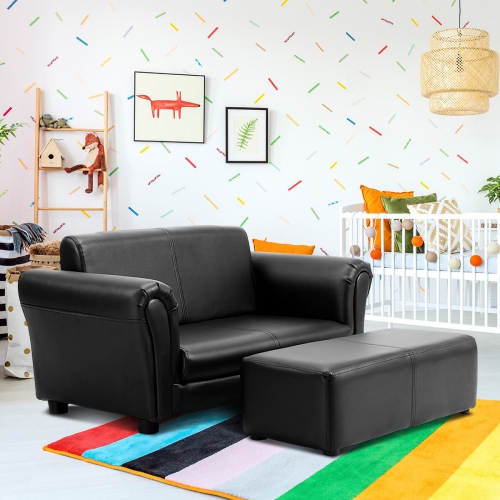
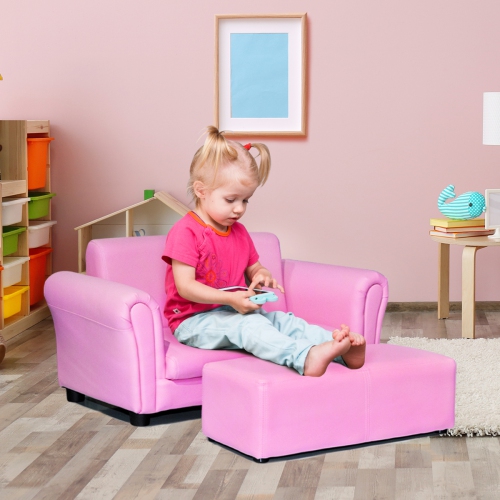
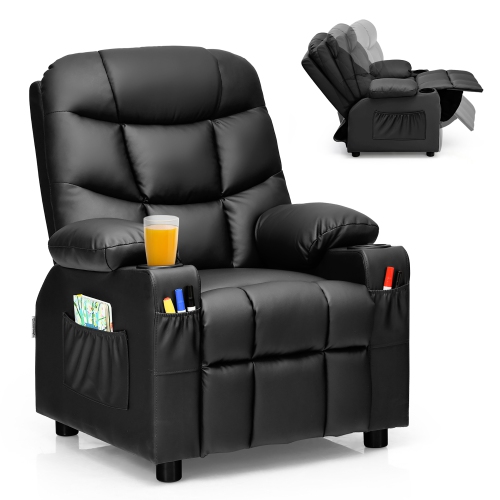
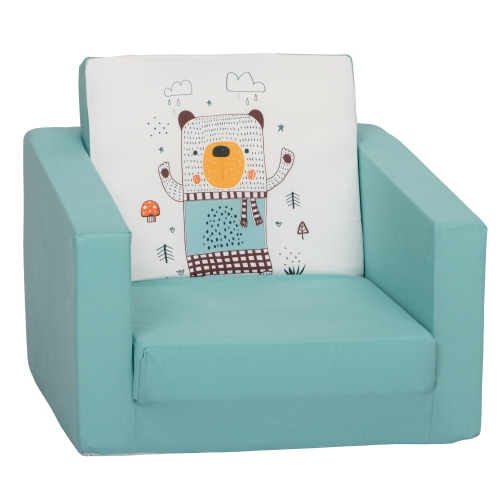
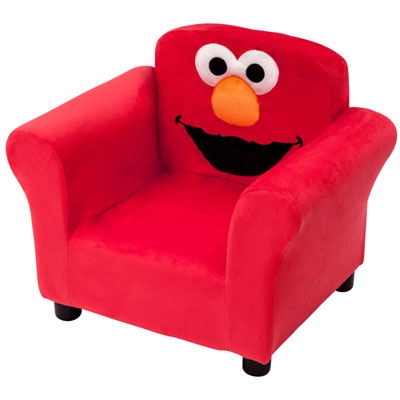
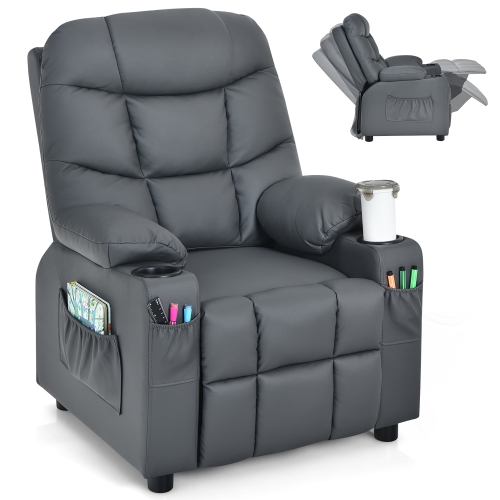
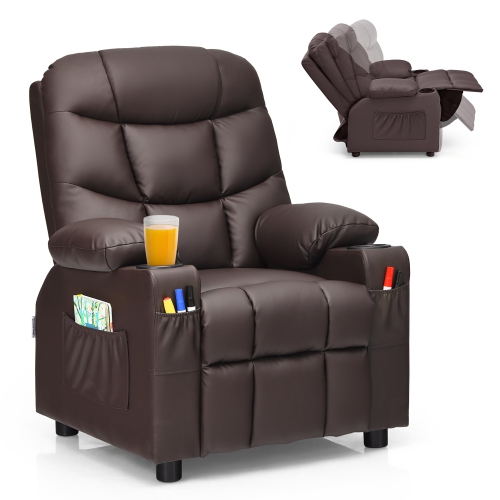
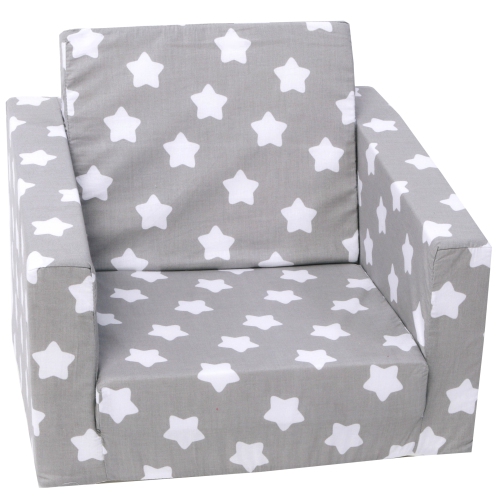
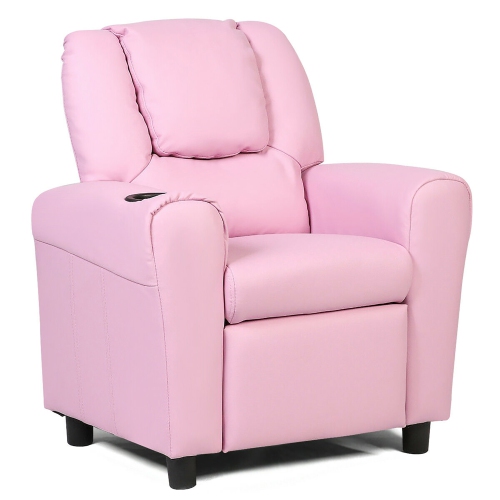
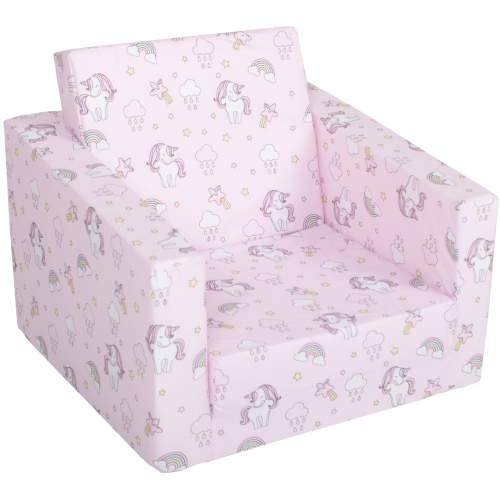
Child-sized comfort for story time and quiet moments
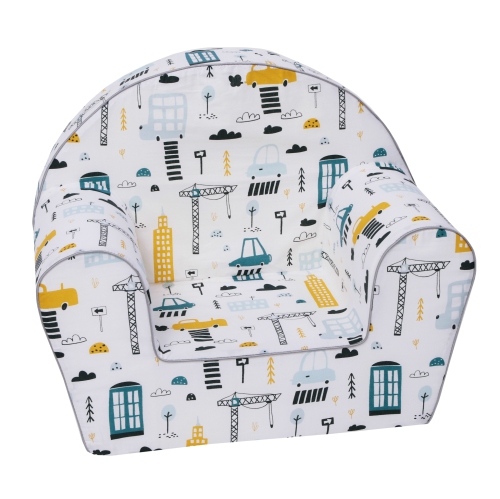
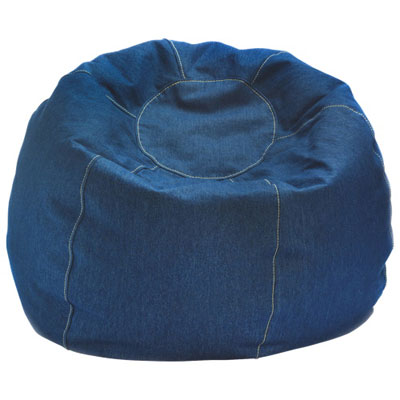
Kids’ lounge chairs give children a comfortable, child-sized place to settle with a picture book, listen to a story, or relax beside the family sofa. Unlike upright seats designed for a desk or dining table, lounge seating generally has a more relaxed shape, with a deeper seat, a softer surface, or a backrest that invites leaning back. Common styles include upholstered armchairs, lightweight foam chairs, bean bag loungers, folding saucer chairs, and convertible foam seats that open into a longer lounging surface. Each brings a different feel to a bedroom, playroom, or shared living space. A small armchair with defined arms can make a reading corner feel like a miniature sitting room, while a low foam lounger leaves more open space around a play mat. A bean bag shape moulds around a child’s seated position, whereas a framed chair offers a more structured seat. The best fit depends on the child’s size, the space around the chair, and how it will be used rather than appearance alone. A toddler looking through board books needs a different seat height and level of support from an older child reading a chapter book or playing a handheld game. Lounge chairs also differ from activity chairs: a seat that feels comfortable for listening to music may sit too low for drawing at a table. Within the wider selection of Kids Chairs, lounge styles are intended mainly for relaxed sitting rather than tasks that call for a firm, upright position. Colours, prints, and textures help these pieces feel at home, whether that means a bright accent beside a toy shelf or a quieter shade next to the main sofa. A chair can also be a thoughtful birthday or milestone gift when its dimensions and care needs suit the receiving household. Pairing child-sized seating with accessible book storage gives a child a clear place to pause between activities without needing an entire room set aside.
Materials influence how a kids’ lounge chair feels, holds its shape, and stands up to everyday handling. Foam seating is often light enough to reposition easily, though the density and construction affect how much support it provides. A firmer foam base can help a chair maintain its outline, while softer cushioning creates a more nest-like seat. Upholstered chairs may combine a wood or metal frame with padding, giving them a more defined back and arms. Bean bag loungers use loose filling or shredded foam to create a flexible shape; their support depends on the filling, the amount used, and the design of the cover. For younger children, any chair with loose filling needs particular attention to secure closures and the manufacturer’s age guidance, since filling must remain inaccessible. Fabric makes a noticeable difference during daily use as well. Smooth woven covers are generally easier to brush free of crumbs than deeply textured surfaces, while plush fabrics offer a soft feel but may hold lint and require more careful cleaning. Faux-fur upholstery has a fluffy texture that benefits from care suited to its pile. Removable covers can simplify cleaning, but a removable cover is not necessarily machine washable; the care label determines the appropriate method. Where machine washing is permitted, the stated wash and drying settings matter for maintaining the cover’s fit. Fixed upholstery may require spot cleaning, with care taken not to soak the padding beneath it. In a reading corner that doubles as a snack spot, accessible seams and a surface that can be cleaned according to the label are practical details. Durability also comes from sound stitching, reinforced handles where fitted, and a base that remains steady on the intended floor surface. For outdoor lounge seating, materials and finishes should be specifically rated for outdoor use, and storage and cleaning should follow the manufacturer’s directions. Indoor upholstery should not be assumed suitable for a patio simply because the chair is easy to carry outside.
Proportion is especially important with children’s lounge furniture because two chairs with similar outer dimensions can offer quite different sitting space. Seat height, usable seat width, back height, and the depth between the front edge and backrest all affect comfort. A child should be able to get into and out of the chair without a difficult climb, and the backrest should provide support in the position the chair is designed for. A very deep seat may leave a smaller child perched at the front rather than resting against the back. Published age ranges are useful starting points, but the stated weight limit and measurements provide more detail about suitability. Room fit matters just as much: wide arms can take up floor space without adding sitting room, and a fold-out chair needs clearance for its full extended length. In a shared bedroom, a compact chair tucked beside a low bookshelf may be more useful than a larger lounger that interrupts the path to a wardrobe. Folding designs can help with storage, provided an adult operates the mechanism and checks that it is securely set up before use. Hinges, locking parts, and any reclining features deserve attention wherever small fingers could reach moving components. Chairs belong on stable, level surfaces, away from stairs, heaters, blind cords, and furniture that could encourage climbing. Low foam construction does not remove the need to follow age restrictions or supervise younger children. Convertible lounge chairs can offer an extended surface for reading or relaxed play, but they should not be treated as infant sleep spaces or assumed suitable for overnight sleep. The product’s stated intended use remains the deciding factor. For siblings sharing a room, separate seats can make it easier for each child to settle comfortably without crowding a chair intended for one person. A well-proportioned lounge chair earns its place through these ordinary routines: a favourite story after bath time, a quiet pause after school, or a comfortable spot beside a parent’s chair.
Materials influence how a kids’ lounge chair feels, holds its shape, and stands up to everyday handling. Foam seating is often light enough to reposition easily, though the density and construction affect how much support it provides. A firmer foam base can help a chair maintain its outline, while softer cushioning creates a more nest-like seat. Upholstered chairs may combine a wood or metal frame with padding, giving them a more defined back and arms. Bean bag loungers use loose filling or shredded foam to create a flexible shape; their support depends on the filling, the amount used, and the design of the cover. For younger children, any chair with loose filling needs particular attention to secure closures and the manufacturer’s age guidance, since filling must remain inaccessible. Fabric makes a noticeable difference during daily use as well. Smooth woven covers are generally easier to brush free of crumbs than deeply textured surfaces, while plush fabrics offer a soft feel but may hold lint and require more careful cleaning. Faux-fur upholstery has a fluffy texture that benefits from care suited to its pile. Removable covers can simplify cleaning, but a removable cover is not necessarily machine washable; the care label determines the appropriate method. Where machine washing is permitted, the stated wash and drying settings matter for maintaining the cover’s fit. Fixed upholstery may require spot cleaning, with care taken not to soak the padding beneath it. In a reading corner that doubles as a snack spot, accessible seams and a surface that can be cleaned according to the label are practical details. Durability also comes from sound stitching, reinforced handles where fitted, and a base that remains steady on the intended floor surface. For outdoor lounge seating, materials and finishes should be specifically rated for outdoor use, and storage and cleaning should follow the manufacturer’s directions. Indoor upholstery should not be assumed suitable for a patio simply because the chair is easy to carry outside.
Proportion is especially important with children’s lounge furniture because two chairs with similar outer dimensions can offer quite different sitting space. Seat height, usable seat width, back height, and the depth between the front edge and backrest all affect comfort. A child should be able to get into and out of the chair without a difficult climb, and the backrest should provide support in the position the chair is designed for. A very deep seat may leave a smaller child perched at the front rather than resting against the back. Published age ranges are useful starting points, but the stated weight limit and measurements provide more detail about suitability. Room fit matters just as much: wide arms can take up floor space without adding sitting room, and a fold-out chair needs clearance for its full extended length. In a shared bedroom, a compact chair tucked beside a low bookshelf may be more useful than a larger lounger that interrupts the path to a wardrobe. Folding designs can help with storage, provided an adult operates the mechanism and checks that it is securely set up before use. Hinges, locking parts, and any reclining features deserve attention wherever small fingers could reach moving components. Chairs belong on stable, level surfaces, away from stairs, heaters, blind cords, and furniture that could encourage climbing. Low foam construction does not remove the need to follow age restrictions or supervise younger children. Convertible lounge chairs can offer an extended surface for reading or relaxed play, but they should not be treated as infant sleep spaces or assumed suitable for overnight sleep. The product’s stated intended use remains the deciding factor. For siblings sharing a room, separate seats can make it easier for each child to settle comfortably without crowding a chair intended for one person. A well-proportioned lounge chair earns its place through these ordinary routines: a favourite story after bath time, a quiet pause after school, or a comfortable spot beside a parent’s chair.
Top selling and popular products
-
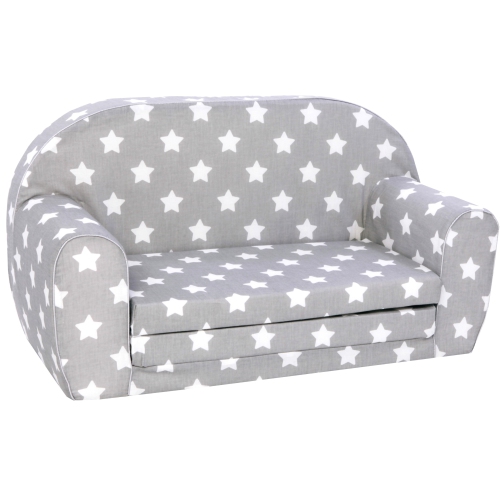 Your price for this item is $89.99
 -
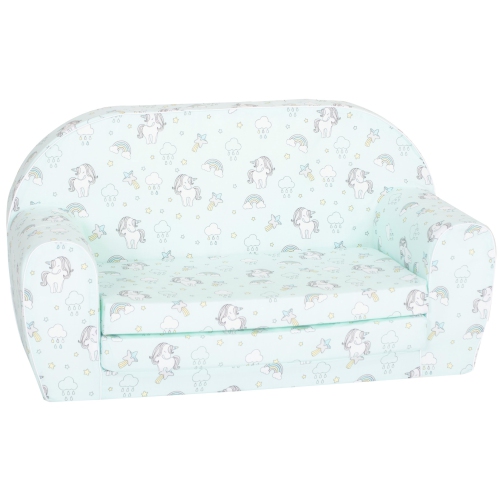 Your price for this item is $89.99
 -
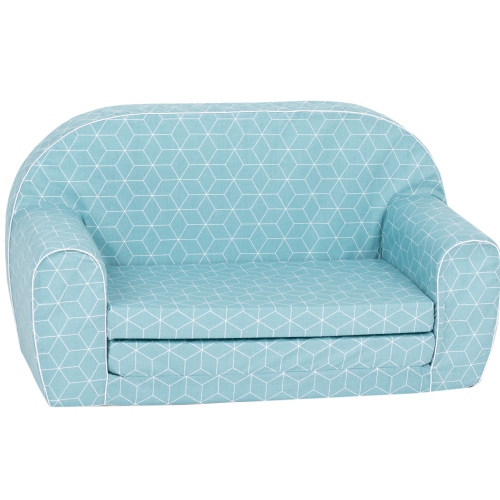 Your price for this item is $89.99
 -
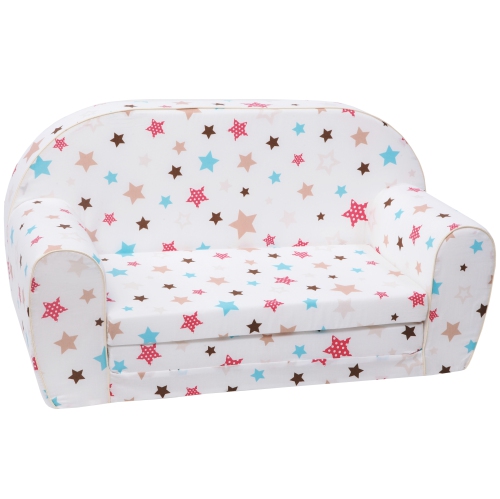 Your price for this item is $89.99
 -
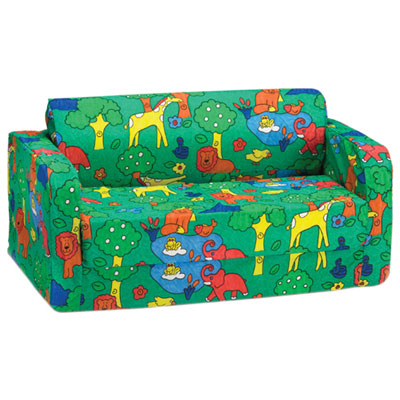 Your price for this item is $102.99
 -
![FLASH FURNITURE Kids Colorful 3 Piece Folding Table And Chair Set [Jb-10-Card-Gg]](https://multimedia.bbycastatic.ca/multimedia/products/500x500/112/11200/11200110.jpg) Your price for this item is $228.66
Your price for this item is $228.66 -
 Your price for this item is $57.99
 -
 Your price for this item is $119.99
Discover more categories related to Kids' Lounge Chairs
Top Collections:
Pokemon Centers, Kindle Devices, Best Budget Office Chairs, Apple iPhones 16, Best Laptops for Writers, iPhone 15 Apple, Canon G7X Cameras, Refurbished Apple Laptops, Alarm Clock, Motorola Razr Phones
Some products may be subject to Environmental Handling Fees
(EHF) depending on your province.
Learn more about EHFs.