Kindergarten Rugs
Create a cozy and inviting space for little ones with our selection of kindergarten rugs. Perfect for classrooms, playrooms, or even bedrooms, these rugs are designed to add comfort and style to any child's environment. From colorful patterns to educational themes, our kindergarten rugs are not only visually appealing but also durable and easy to clean. Browse through our collection to find the perfect rug that will inspire creativity and create a warm atmosphere for young minds to learn and play.
Sort
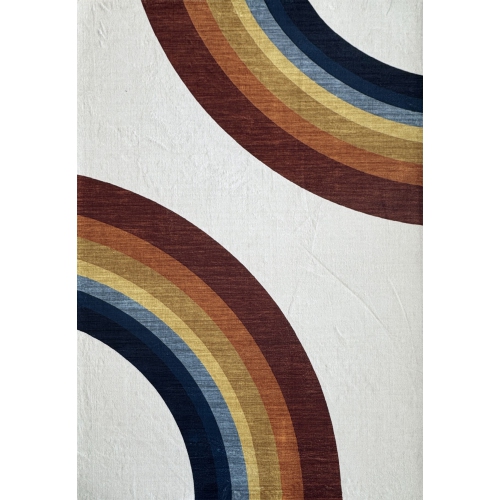
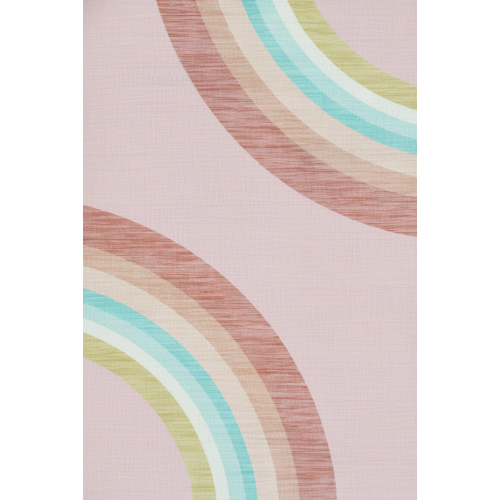
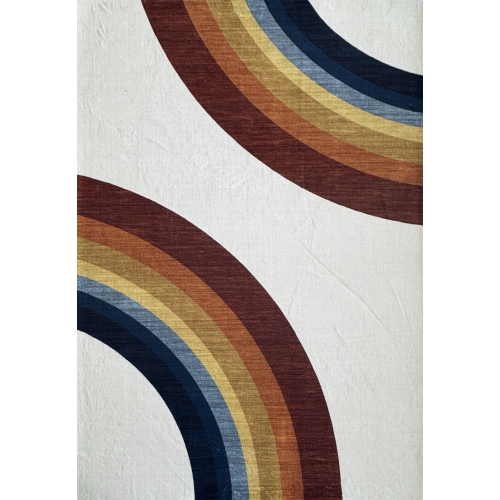
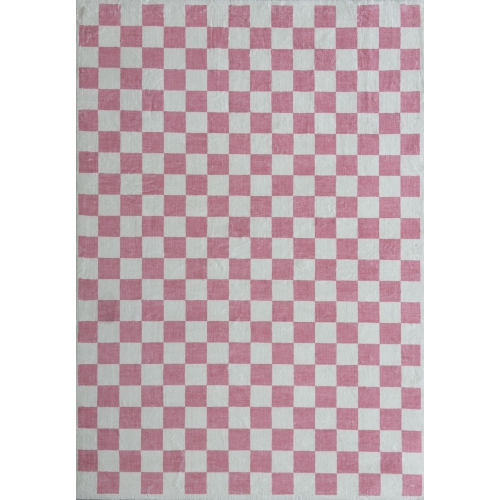
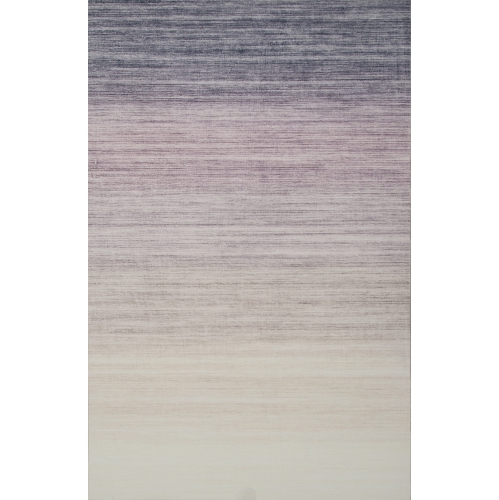

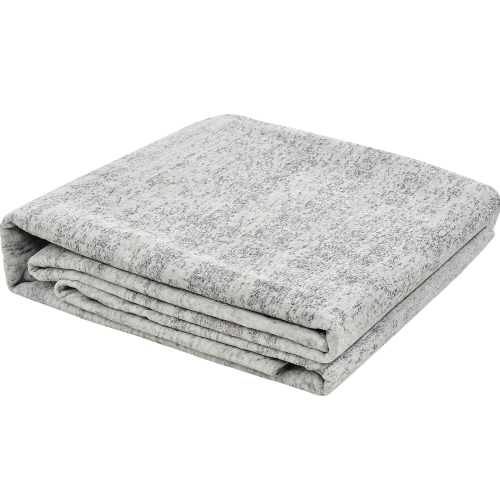
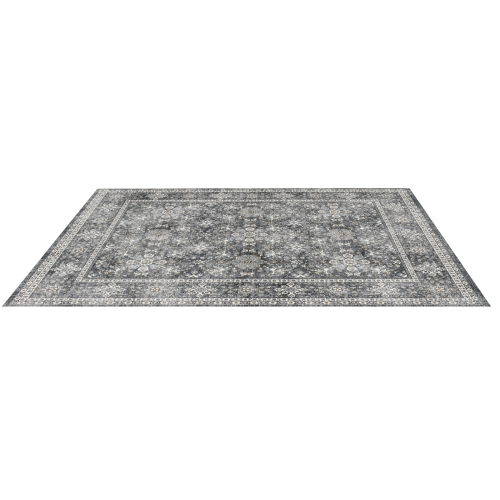
Comfort, structure, and durability for busy learning spaces
Kindergarten rugs help bring structure, comfort, and warmth to a busy early-learning classroom. They can define a gathering space for circle time, create a visual boundary for story sessions, and give children a familiar place to sit while they listen, sing, share, or take part in group activities. A thoughtfully chosen rug can also make an open classroom feel more welcoming by softening hard floors and adding colour, pattern, and a sense of belonging. When choosing kindergarten rugs, begin with the number of children who will use the space and the way the rug will fit into the room. A class of 15 to 20 students generally needs a minimum rug size of 8' x 10', while a group of 20 to 25 students may be more comfortable with a minimum size of 9' x 12'. These dimensions provide room for children to sit without crowding one another, although the ideal size also depends on furniture placement, walkways, activity stations, and the available floor area. Plan for about 24 inches of personal seating space per child when comparing layouts. It can help to mark the proposed dimensions on the floor with painter’s tape before ordering, then place a few chairs, bins, or cushions around the outline to see whether children and educators will still have clear paths through the classroom. A rug that is large enough for the intended group, but not so large that it blocks cupboards or doorways, will be easier to use throughout the school day.
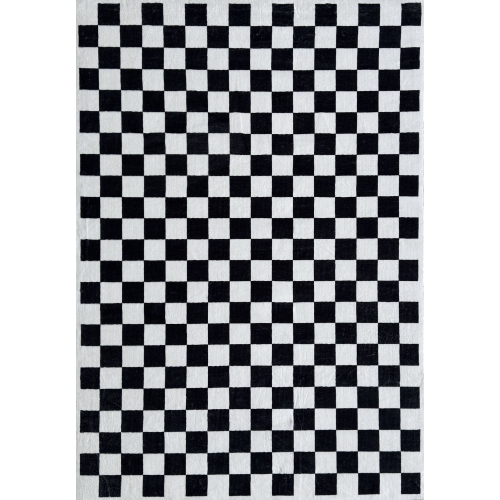
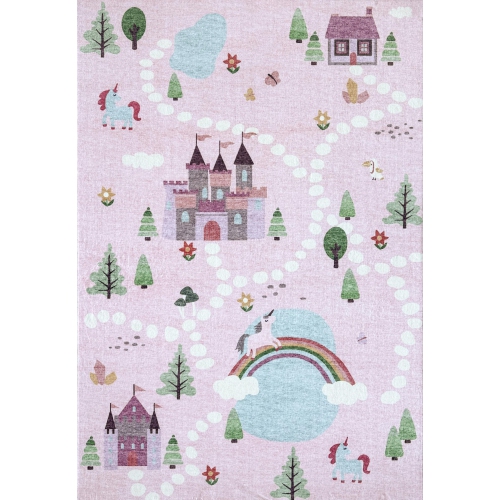
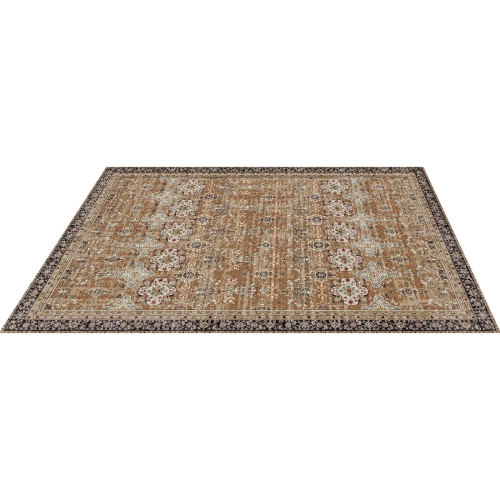
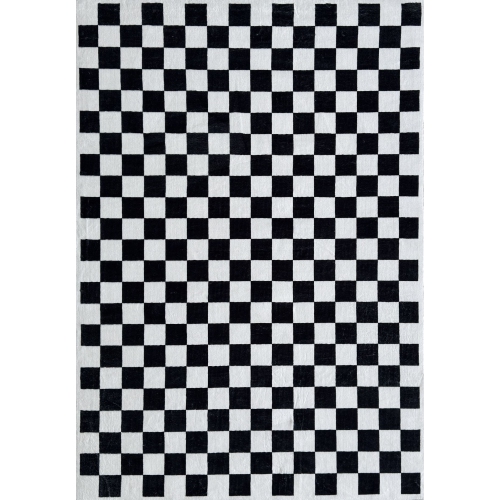
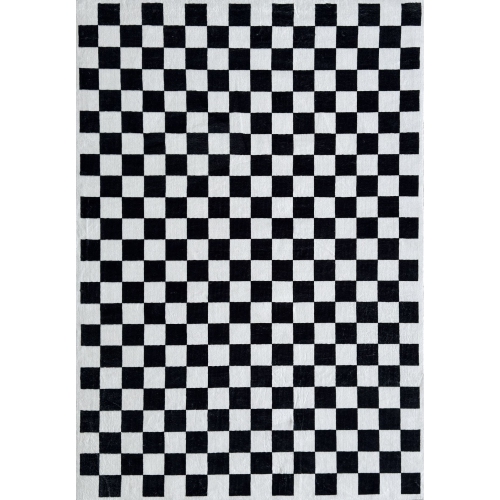
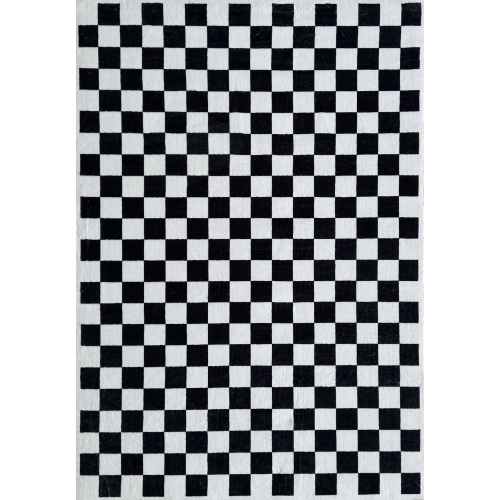
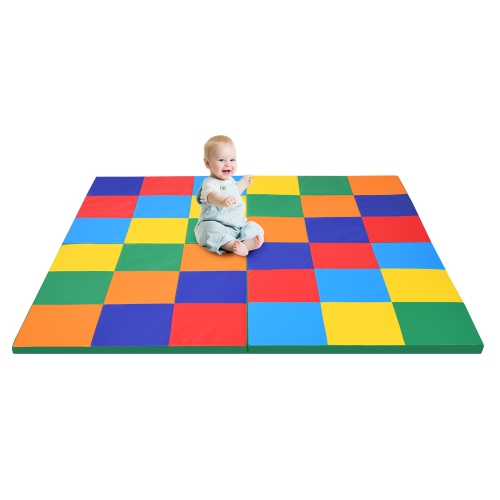
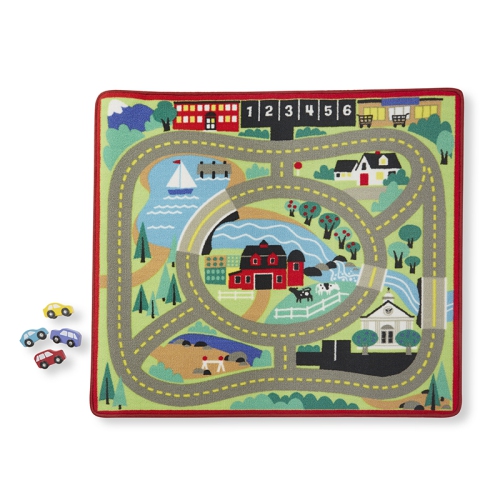
Design is another important consideration. Kindergarten rugs with alphabet letters, numbers, shapes, distinct squares, dots, or other clearly separated areas can help assign personal spots and make transitions more predictable. A child can be directed to sit on a particular letter, colour, or symbol, giving educators a simple way to organize circle time without repeatedly moving children into place. These designs can also support informal learning by encouraging children to identify letters, practise counting, notice patterns, and describe colours or shapes during everyday activities. Rugs with defined seating areas are especially useful in classrooms where several activities happen in the same room, since the pattern creates an obvious gathering zone without the need for additional furniture. Other classrooms may benefit from quieter designs with muted earth tones, soft blues, greens, or nature-inspired details such as trees, leaves, river stones, or open pathways. Calmer patterns can help reduce visual clutter in a room filled with artwork, shelves, toys, and learning materials, while still giving the space a friendly and engaging appearance. When comparing styles, consider the classroom’s existing colour scheme, the age and needs of the children, and whether the rug should encourage learning interaction or provide a restful visual backdrop. A pattern that looks appealing online may feel much busier when spread across a large floor, so reviewing the scale of the design and the contrast between colours is worthwhile. For a home playroom, reading corner, daycare, or family room, a smaller Kids Area Rug can offer many of the same benefits while giving children a comfortable place for building blocks, picture books, imaginative play, or quiet time.
Kindergarten rugs should be selected with daily use in mind. Young children may carry paint, snacks, craft supplies, outdoor dirt, and the occasional spill across the classroom, so a practical rug should be easy to maintain as well as comfortable underfoot. Commercial-grade nylon or polypropylene can offer useful durability for high-traffic learning spaces, while stain-protection treatments may make routine clean-up more manageable. Look for a dense, tightly constructed surface that can withstand frequent walking, sitting, crawling, and rearranging of nearby furniture. Serge-stitched edges can help reduce fraying around the perimeter, especially in classrooms where the rug is moved for cleaning or furniture changes. A low or medium pile is often easier to vacuum and less likely to catch small building pieces, crayons, or toy wheels than a deep pile. Before choosing, check the care instructions and confirm which cleaning products are recommended; many everyday marks can be addressed with prompt spot cleaning, mild detergent, and a clean cloth, while regular vacuuming helps remove crumbs and dust before they become embedded. A non-slip backing or rug pad can add stability on smooth flooring and help keep the rug in place as children move between activities, though the backing should be compatible with the floor beneath it. It is also useful to consider whether the rug will need to be rolled and stored during school breaks, floor maintenance, or room changes. In a kindergarten setting, the best rug is one that supports the rhythm of the day: large enough for every child to participate, clear enough to help organize the group, comfortable enough for story time, and durable enough to handle the energetic movement that makes a classroom feel alive.
Design is another important consideration. Kindergarten rugs with alphabet letters, numbers, shapes, distinct squares, dots, or other clearly separated areas can help assign personal spots and make transitions more predictable. A child can be directed to sit on a particular letter, colour, or symbol, giving educators a simple way to organize circle time without repeatedly moving children into place. These designs can also support informal learning by encouraging children to identify letters, practise counting, notice patterns, and describe colours or shapes during everyday activities. Rugs with defined seating areas are especially useful in classrooms where several activities happen in the same room, since the pattern creates an obvious gathering zone without the need for additional furniture. Other classrooms may benefit from quieter designs with muted earth tones, soft blues, greens, or nature-inspired details such as trees, leaves, river stones, or open pathways. Calmer patterns can help reduce visual clutter in a room filled with artwork, shelves, toys, and learning materials, while still giving the space a friendly and engaging appearance. When comparing styles, consider the classroom’s existing colour scheme, the age and needs of the children, and whether the rug should encourage learning interaction or provide a restful visual backdrop. A pattern that looks appealing online may feel much busier when spread across a large floor, so reviewing the scale of the design and the contrast between colours is worthwhile. For a home playroom, reading corner, daycare, or family room, a smaller Kids Area Rug can offer many of the same benefits while giving children a comfortable place for building blocks, picture books, imaginative play, or quiet time.
Kindergarten rugs should be selected with daily use in mind. Young children may carry paint, snacks, craft supplies, outdoor dirt, and the occasional spill across the classroom, so a practical rug should be easy to maintain as well as comfortable underfoot. Commercial-grade nylon or polypropylene can offer useful durability for high-traffic learning spaces, while stain-protection treatments may make routine clean-up more manageable. Look for a dense, tightly constructed surface that can withstand frequent walking, sitting, crawling, and rearranging of nearby furniture. Serge-stitched edges can help reduce fraying around the perimeter, especially in classrooms where the rug is moved for cleaning or furniture changes. A low or medium pile is often easier to vacuum and less likely to catch small building pieces, crayons, or toy wheels than a deep pile. Before choosing, check the care instructions and confirm which cleaning products are recommended; many everyday marks can be addressed with prompt spot cleaning, mild detergent, and a clean cloth, while regular vacuuming helps remove crumbs and dust before they become embedded. A non-slip backing or rug pad can add stability on smooth flooring and help keep the rug in place as children move between activities, though the backing should be compatible with the floor beneath it. It is also useful to consider whether the rug will need to be rolled and stored during school breaks, floor maintenance, or room changes. In a kindergarten setting, the best rug is one that supports the rhythm of the day: large enough for every child to participate, clear enough to help organize the group, comfortable enough for story time, and durable enough to handle the energetic movement that makes a classroom feel alive.
Top selling and popular products
-
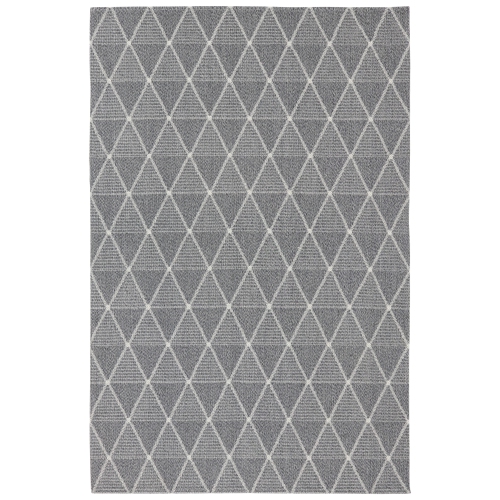 Your price for this item is $130.55
 -
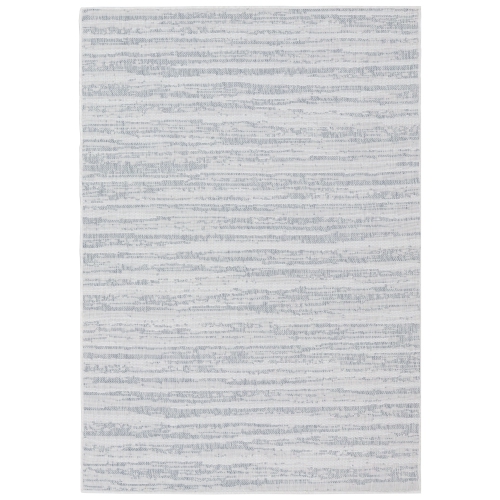 Your price for this item is $129.15
 -
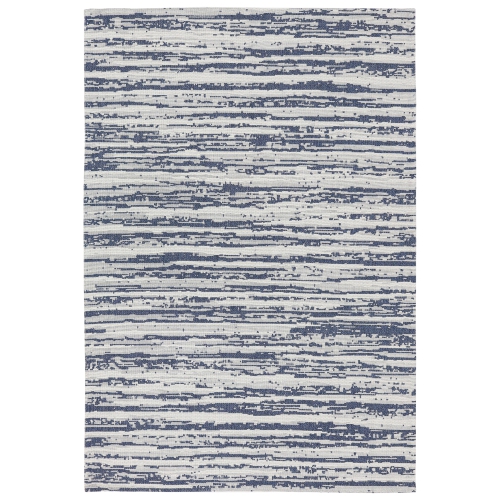 Your price for this item is $130.55
 -
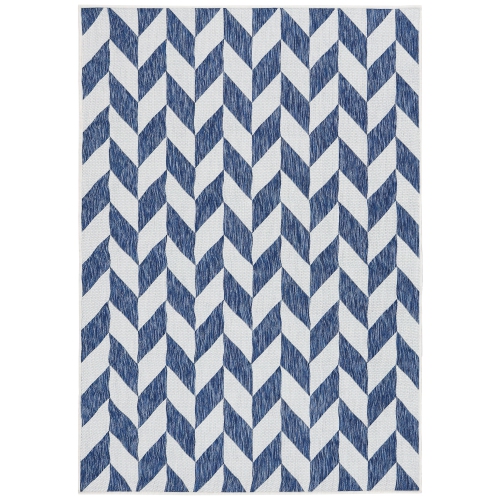 Your price for this item is $129.15
 -
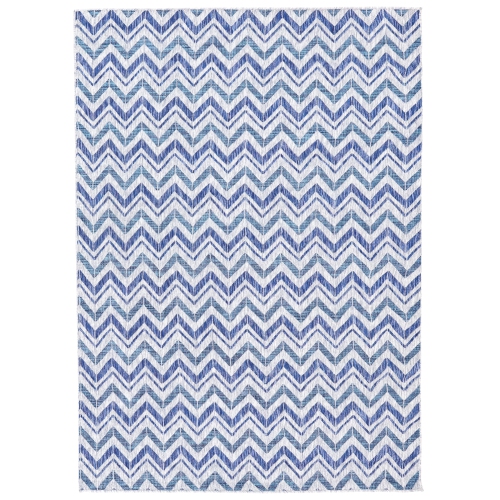 Your price for this item is $129.15
 -
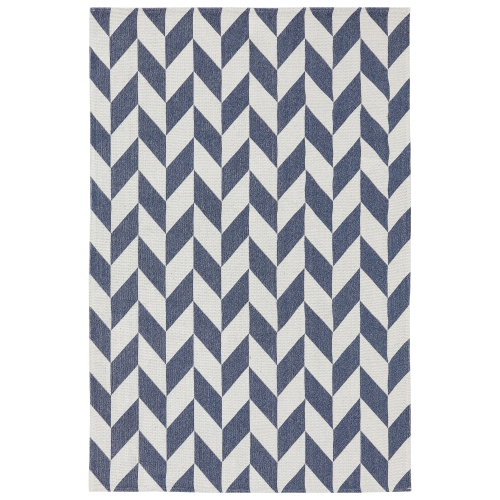 Your price for this item is $130.55
 -
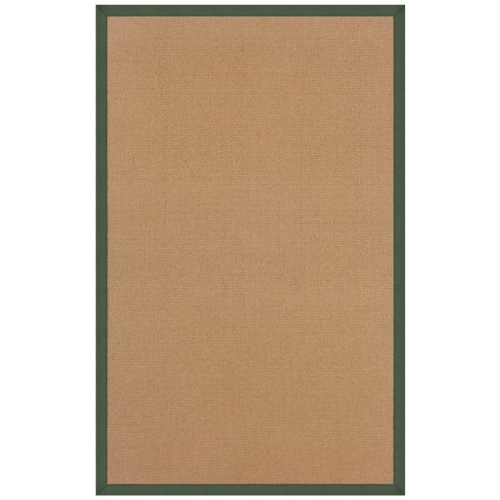 Your price for this item is $124.81
 -
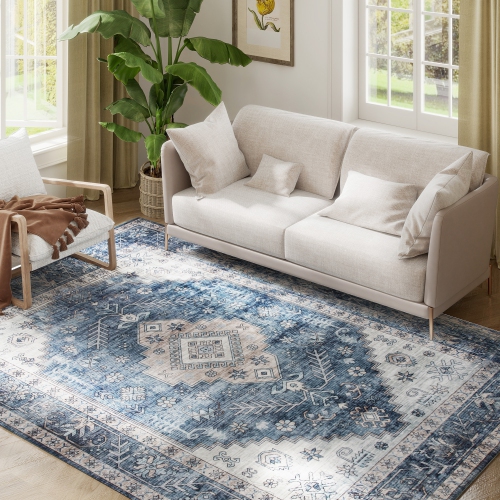 Your price for this item is $74.99
Discover more categories related to Kindergarten Rugs
Top Collections:
Best Laptops for Video Editing, Pokemon Centers, Samsung Z Fold, Kindle Devices, Best Cell Phones Under $300, Best Laptops for Writers, Best Budget Office Chairs, Best Cell Phones Under $500, Best Laptop Computers for Students, iPhone 15 Apple
Some products may be subject to Environmental Handling Fees
(EHF) depending on your province.
Learn more about EHFs.