Kitchen Bar Tables
Elevate your kitchen space with a stylish and functional bar table that combines form and function seamlessly. Whether you're looking to create a cozy breakfast nook, a casual dining area, or a versatile workspace, a kitchen bar table is the perfect addition to enhance both the aesthetic appeal and practicality of your home. With a variety of designs, sizes, and materials to choose from, finding the ideal kitchen bar table to suit your needs and complement your decor has never been easier. Explore our selection below to discover the perfect piece to elevate your culinary experience.
Sort





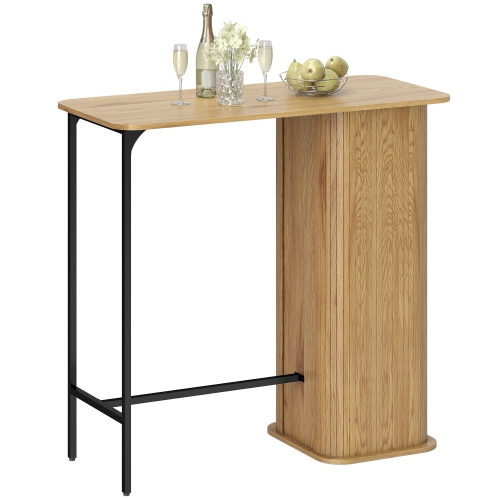

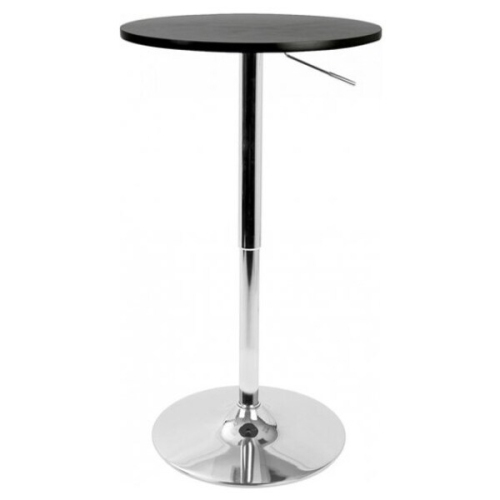


Comfortable raised dining starts with the right fit
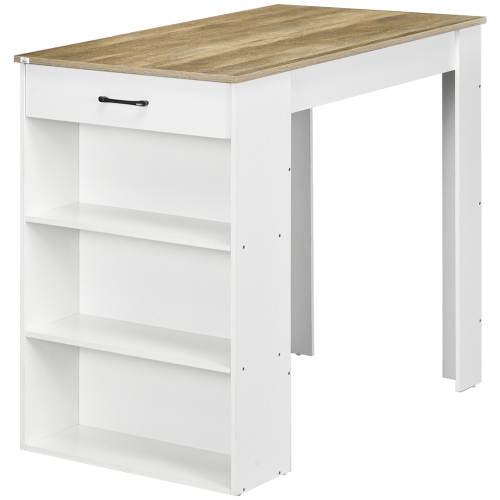
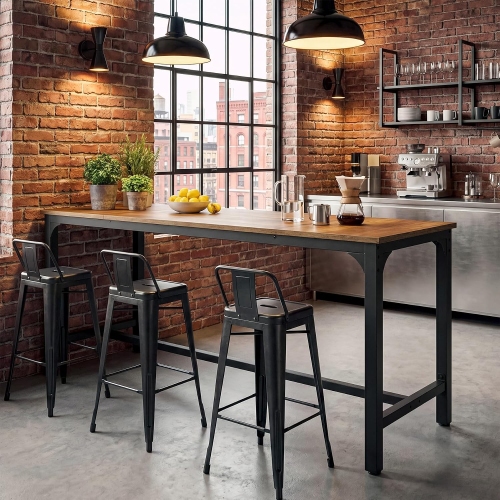
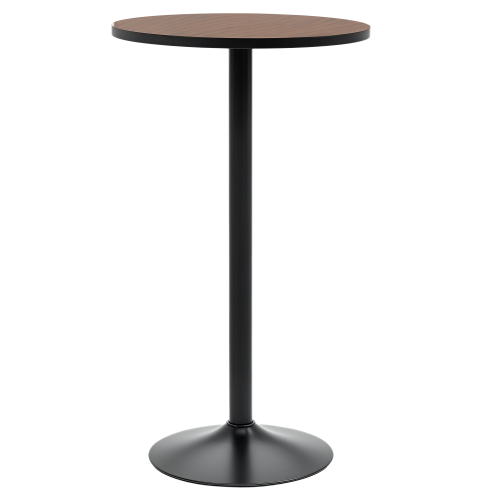
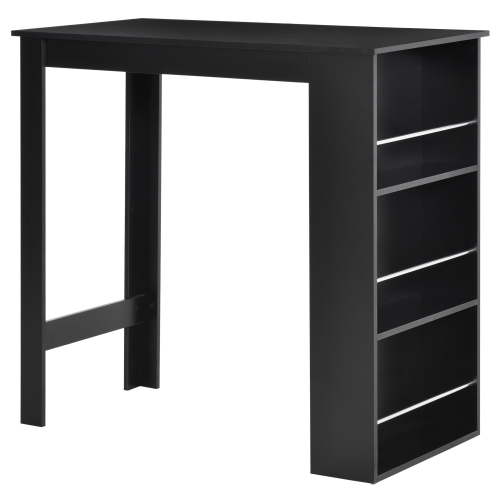
Kitchen bar tables create a raised surface for casual meals, coffee breaks, and conversation without requiring a separate dining room. Their taller proportions suit eat-in kitchens, open-plan living areas, and compact apartments where one table may serve several purposes throughout the day. Counter-height tables generally stand about 34 to 36 inches tall, close to the height of a typical kitchen counter, while bar-height tables usually measure 40 to 42 inches. That distinction affects both seating and how the table relates to nearby cabinetry: a counter-height surface can sit comfortably alongside an island, while a taller bar table creates a more distinct gathering spot. A narrow rectangular design can make good use of a kitchen wall or the boundary between cooking and living areas, providing space for breakfast without taking up the footprint of a full dining set. Round tops encourage conversation and avoid projecting corners, although their bases and surrounding seating still need enough floor space. Square tables offer a compact arrangement for face-to-face meals, while longer rectangular tops can accommodate people side by side. Seating capacity depends on usable edge space and leg placement, not just the overall tabletop dimensions. Allowing approximately 24 inches of table edge per person provides a useful starting point, with extra room helpful for wider seats or full place settings. The table’s depth matters as well: a slim surface may suit coffee and toast, but plates facing each other need more space between them. In a working kitchen, the footprint includes pulled-out stools, access to drawers, and room to open appliance doors. About 36 inches of clear passage is a common planning starting point, with additional clearance useful along busy routes or behind occupied seating. A table that looks compact when its stools are tucked away may feel quite different when everyone sits down, making the relationship between the surface, seating, and surrounding kitchen especially important.
Materials influence how a kitchen bar table looks, feels, and stands up to daily use. Solid wood brings visible grain and natural variation, with finishes ranging from pale and understated to deep, richly coloured tones. Its surface can develop marks over time, and some finishes allow refinishing, though that depends on the construction and coating. Wood veneer offers a real wood surface over a supporting core; its care requirements still depend on the finish, and damaged edges need particular attention. Laminate and melamine surfaces often provide a uniform appearance and straightforward cleaning, making them practical for tables used for cereal bowls, homework, and frequent snacks. Their resistance to scratches, heat, and moisture varies, so protective mats and prompt spill cleanup remain useful. Powder-coated metal bases can provide a crisp, simple profile, while painted wood legs give a softer, more traditional appearance. Glass tops have a visually light presence and leave the base in view, but fingerprints and crumbs are more noticeable. Stone and stone-look surfaces range widely in weight, porosity, and care needs; some require sealing or specific cleaners, while others have different maintenance requirements. Across materials, a substantial top does not automatically mean a more stable table. The width of the base, the strength of its joints, and proper assembly all contribute to how securely it stands. Adjustable feet can help compensate for minor floor unevenness, and protective glides can reduce scuffing when the table is moved. Everyday care is usually simplest when spills are wiped up promptly with a soft cloth and cleaning follows the surface manufacturer’s directions. Coasters, placemats, and trivets help separate the tabletop from condensation, utensil marks, and hot serving dishes. A bar table can provide extra serving space beside the kitchen, but it should not be treated as a cutting board or a heatproof extension of the countertop unless its specifications expressly support that use.
The most useful kitchen bar table is one whose details match the way the space is used. Open shelving beneath the top can hold placemats, napkins, or serving pieces, keeping everyday essentials close without adding another cabinet. Storage also occupies space that might otherwise accommodate knees or tucked-in stools, so the arrangement beneath the tabletop matters as much as the storage capacity. Drawers and cupboards need clearance to open, especially when seating is in use. Drop-leaf and extendable designs can offer a smaller everyday footprint with additional surface space for shared meals, provided there is room to support and use the expanded top. Pedestal bases can make seating positions more flexible, while corner legs, crossbars, and trestle supports may determine where each person can sit comfortably. Coordinating Kitchen Barstools with the table involves more than matching colours: seat height, foot support, backrests, and arm clearance all affect comfort. A seat roughly 10 to 12 inches below the tabletop is a common starting point, but a thick top or deep apron can reduce usable legroom. Stool arms need to clear the underside if the seats are intended to tuck away. Backless stools keep the arrangement visually open, whereas supportive backs may be more comfortable for longer meals or time spent at a laptop. Footrests are particularly useful at raised seating heights, where feet may not reach the floor. Taller seating also requires stepping up and down, which may not suit young children or people with mobility limitations. For a household that eats breakfast quickly but lingers over dinner, seating comfort deserves as much attention as the tabletop finish. For someone furnishing a first apartment or arranging a smaller kitchen, a well-proportioned bar table can establish a dedicated place to eat without crowding the room. Consistent finishes, comfortable clearances, and accessible seating help the table feel like a natural part of everyday life rather than an extra surface squeezed into a spare corner.
Top selling and popular products
-
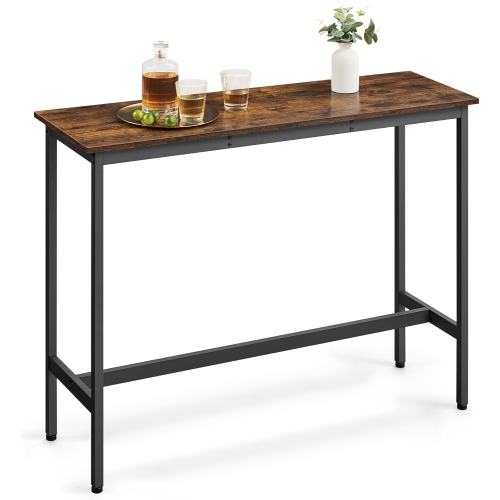 Your price for this item is $159.95
-
 Your price for this item is $62.16
-
 Your price for this item is $112.99
-
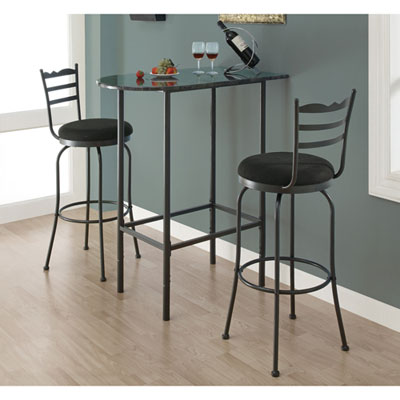 Your price for this item is $163.99
-
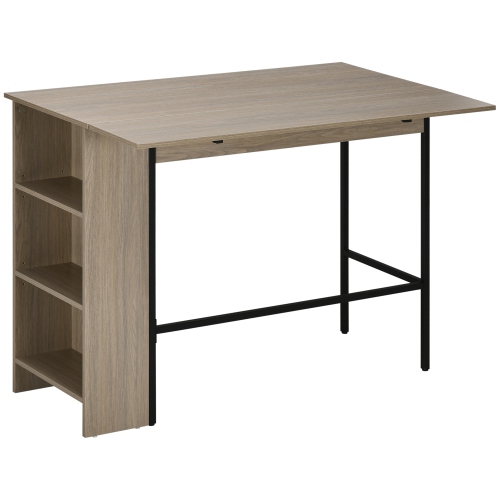 Your price for this item is $150.99
-
 Your price for this item is $92.99
-
 Your price for this item is $399.99
-
 Your price for this item is $316.35
Discover more categories related to Kitchen Bar Tables


Top Collections:
Best Black Friday Deals This Year, Best Black Friday Deals On Electronics, Kindle Devices, Pokemon Centers, Best Black Friday Deals On Apple Products, Best Cameras for Sports Photography, Dyson Airwrap, Pokémon 30th Celebration Cards, Apple iPhone 17 Pro, Canon G7X Cameras
Some products may be subject to Environmental Handling Fees
(EHF) depending on your province.
Learn more about EHFs.