Kitchen Cabinetry
Upgrade your kitchen with our selection of stylish and functional kitchen cabinetry. Whether you're looking to revamp your cooking space with modern designs or seeking classic elegance, our range of kitchen cabinetry offers a variety of options to suit your style and storage needs. From sleek finishes to durable materials, find the perfect cabinets to enhance the heart of your home. Explore our collection to discover the ideal solution for organizing and showcasing your kitchen essentials in a way that complements your unique taste and lifestyle.
Sort
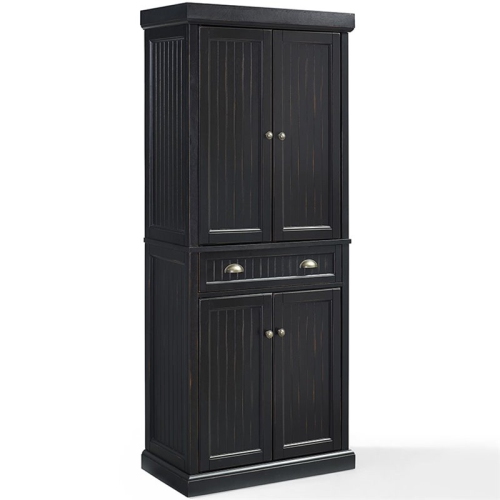
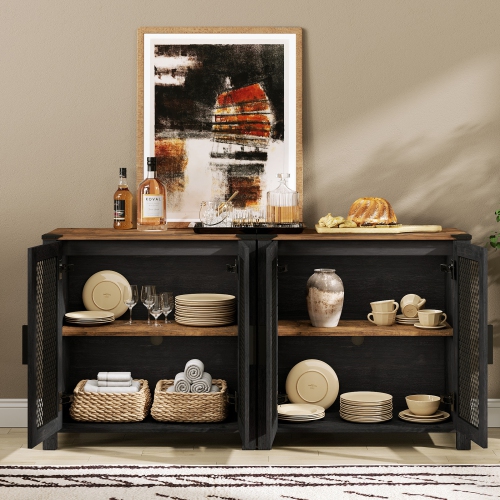
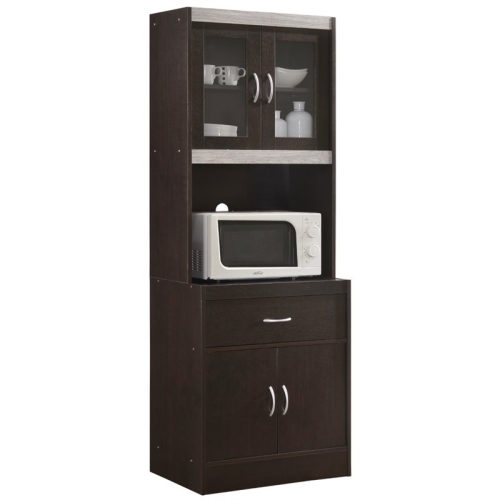
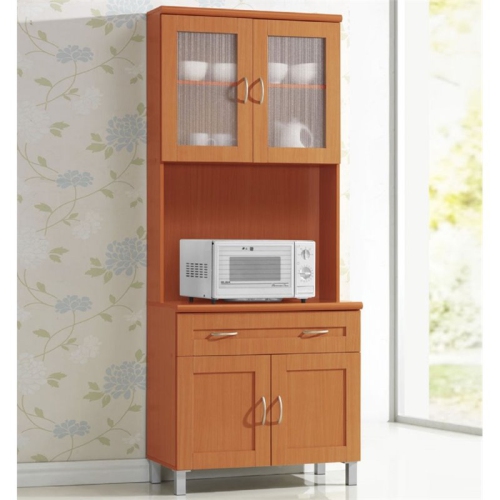
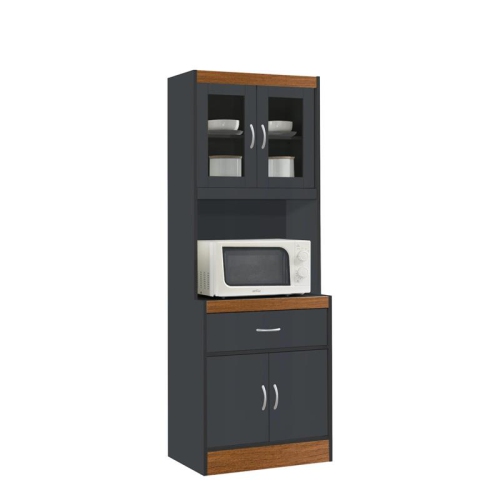

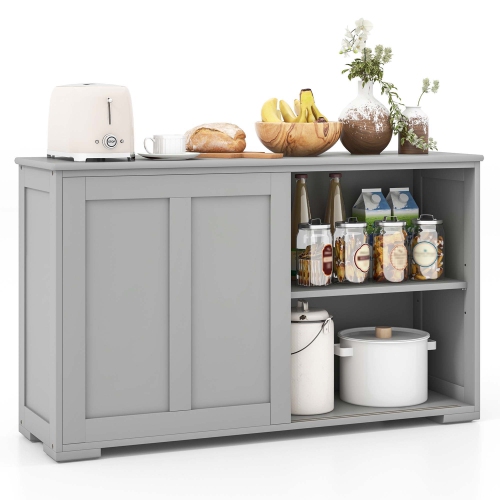
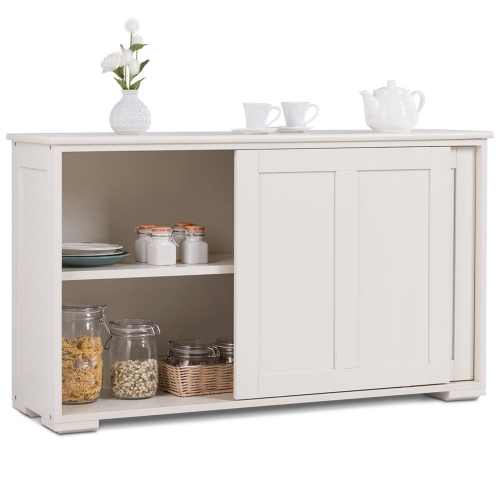

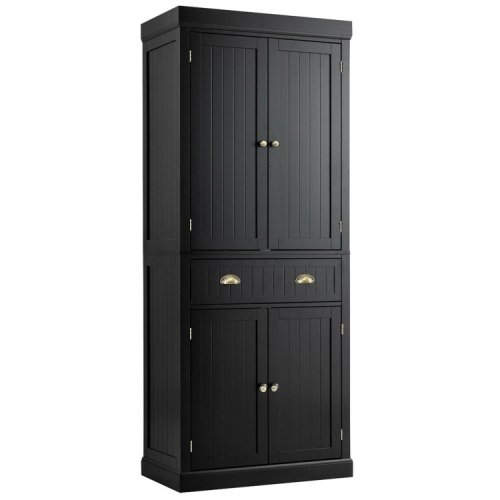
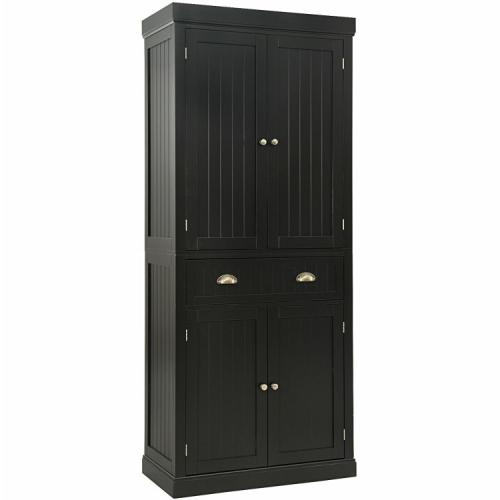

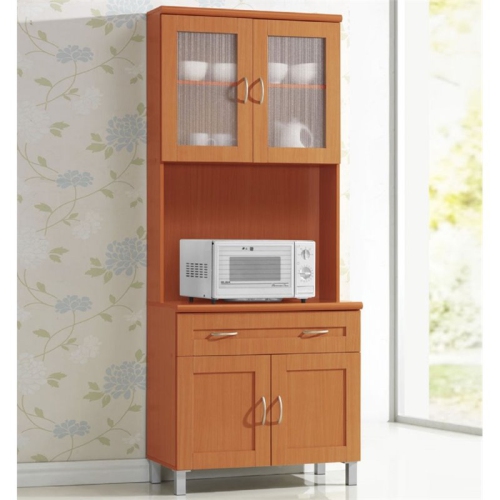
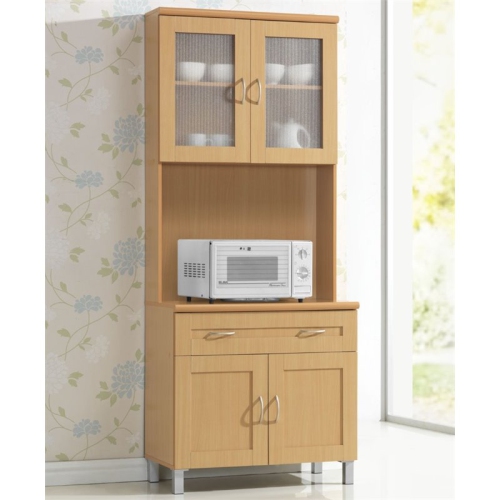
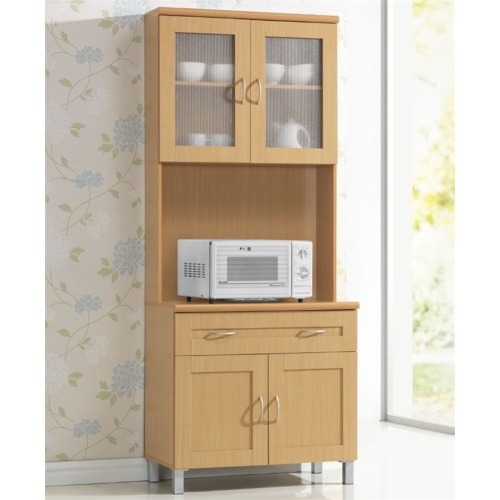

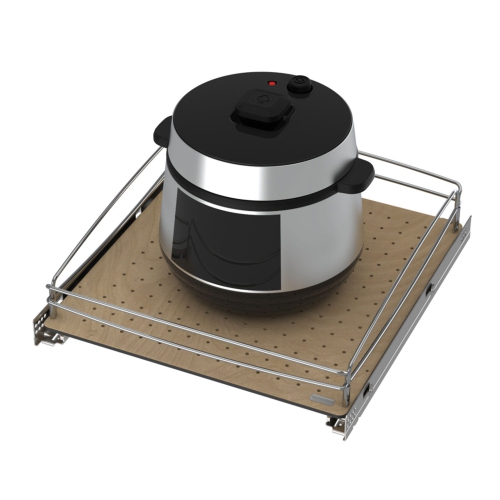
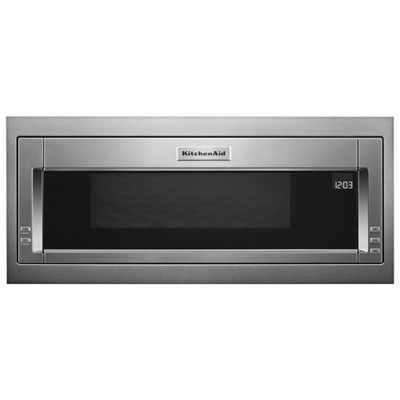
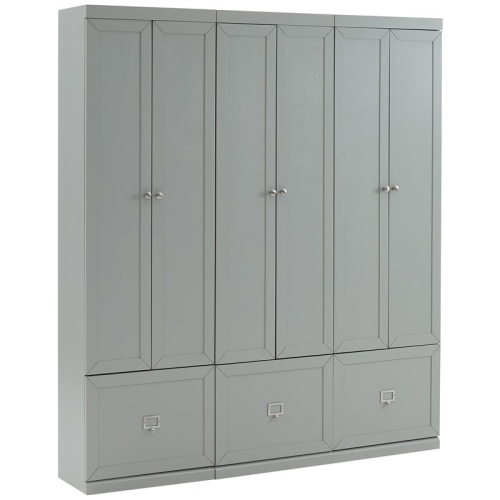
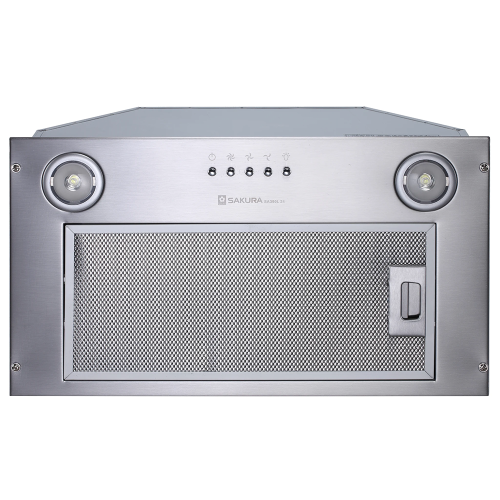
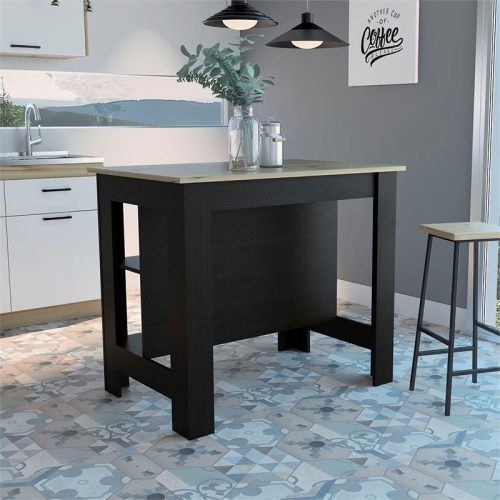
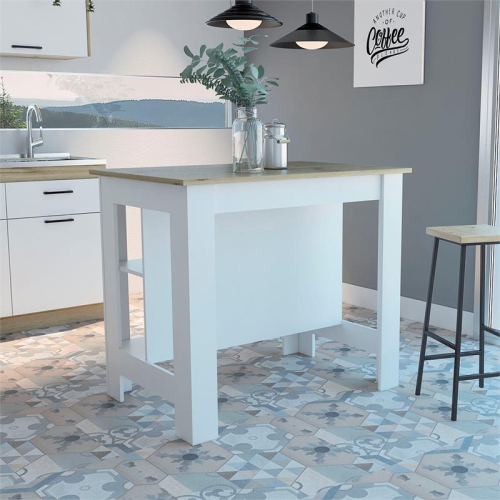

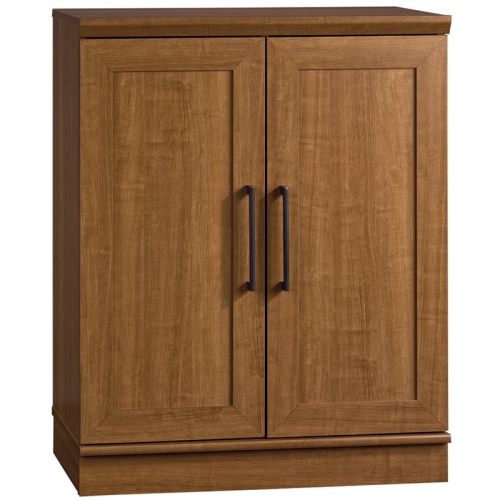
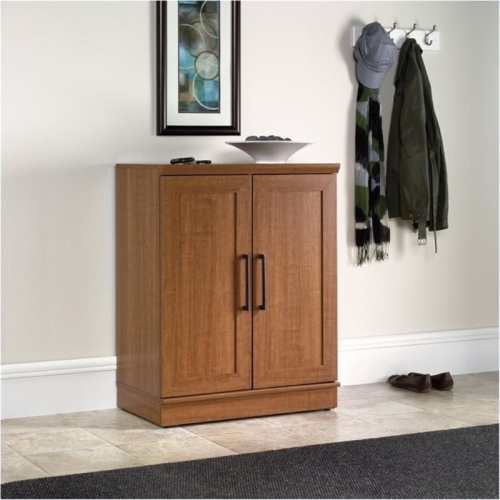
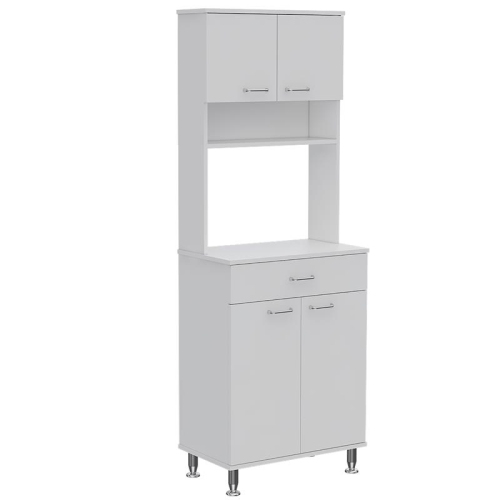
Kitchen storage that fits your space and daily habits
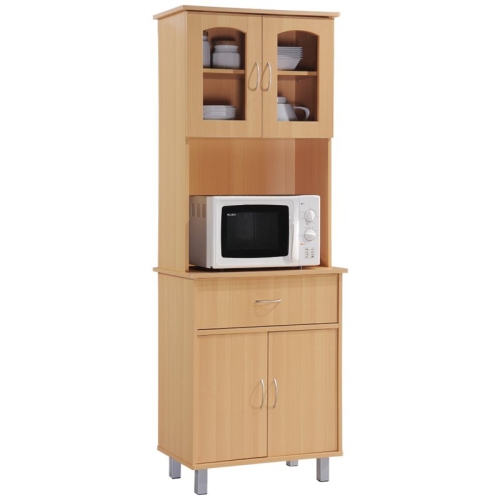
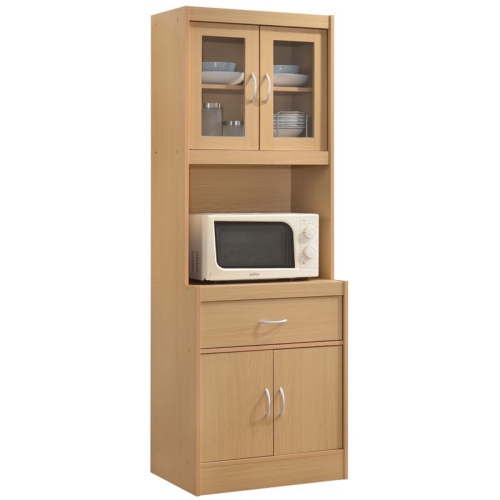
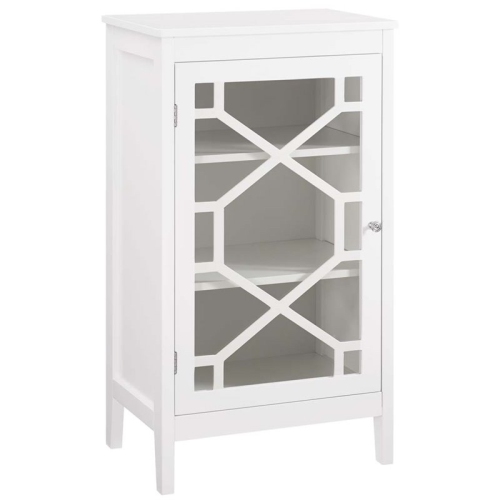
Kitchen cabinetry gives everyday essentials a place to live while shaping the look and function of the room. From drawers that keep cutlery within reach to tall cupboards that hold dry goods, well-proportioned storage makes a kitchen feel more settled and easier to use. Base cabinets sit beneath worktops and typically hold heavier cookware, mixing bowls, and frequently used supplies. Wall cabinets provide storage above the counter, while pantry cabinets add vertical space for groceries, serving pieces, and small appliances. Freestanding kitchen storage can supplement an existing layout without replacing an entire run of fitted cabinetry, making it useful in apartments, compact homes, and kitchens with an unused stretch of wall. The right combination depends as much on daily habits as on floor space: someone who bakes regularly may value deep drawers for pans, while a busy household may need accessible shelves for breakfast supplies and lunch containers. A selection of kitchen cabinets can support anything from a focused storage addition to a more coordinated room update. Modular cabinetry uses units in set dimensions that can be combined to suit a layout, while custom cabinetry is made to specified measurements and design requirements. Ready-to-assemble cabinets arrive as components that need assembly; assembled cabinets arrive with their main structure already put together, although fitting, levelling, and installation may still be required. Neither format alone determines durability, since panel construction, joints, hardware, and correct installation all matter. Door style also influences the overall effect. Shaker-style fronts have a framed appearance that suits many traditional and contemporary kitchens, while flat-panel fronts create cleaner lines with fewer surface details to wipe around. White and light-toned finishes can help a small room feel open, darker finishes add visual depth, and visible wood grain brings warmth. Matching every surface is not essential, but repeating a finish or handle style can make separate storage pieces feel connected.
Cabinet materials affect weight, appearance, upkeep, and how surfaces respond to everyday wear. Solid wood offers natural grain variation and can be durable, though it expands and contracts with changes in humidity; suitability for refinishing depends on the construction and existing finish. Plywood consists of bonded wood layers and is often used for cabinet boxes, with performance influenced by its grade, thickness, and assembly. Medium-density fibreboard, or MDF, has a smooth, uniform surface that suits painted doors and panels. High-density fibreboard, or HDF, is denser, but neither material should be assumed to tolerate standing water unless the product specifications support that use. Particleboard is commonly used beneath finished surfaces in modular cabinetry and can perform well when properly supported and kept dry. Melamine is a surface finish rather than the structural core: it is commonly applied over particleboard or MDF to provide a smooth face that is easy to wipe clean. Laminate and wood veneer offer other surface options, with veneer providing a thin layer of real wood over a supporting core. Across these materials, neatly sealed edges and intact finishes help limit moisture reaching the underlying panel. This matters beside a sink, where splashes may collect along a door edge, or near a dishwasher, where heat and steam can affect adjacent surfaces. Cabinet durability also rests on details that are less visible than the door fronts. Sturdy backs, sound connections, appropriately supported shelves, and hinges suited to the door weight all contribute to reliable use. Drawer slides should match the intended load, particularly when storing stacks of dishes or heavy pots. Soft-close mechanisms can reduce slamming, while full-extension drawers bring contents at the back into view. Adjustable shelves accommodate changing storage needs, but shelf and drawer weight limits still apply. A deep cupboard may hold plenty, yet shallower shelves can be more practical for smaller supplies that would otherwise disappear behind larger containers.
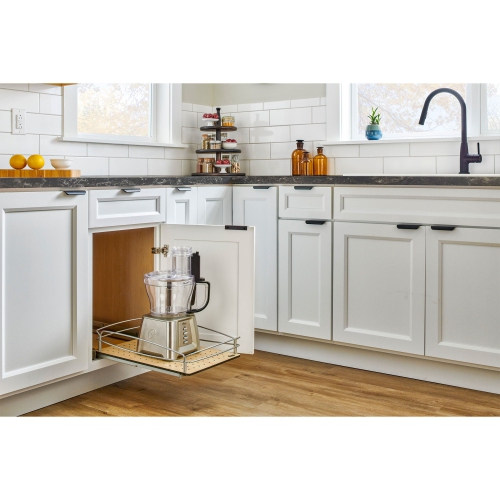
Fit involves more than the width of an open space. Cabinet height and depth affect counter alignment, walking room, access to outlets, and clearance around nearby appliances. Measurements need to account for baseboards, trim, uneven floors, and doors or drawers opening into the same area. In a narrow kitchen, a cupboard door that clashes with an oven handle can make an otherwise useful storage addition frustrating to live with. Corner layouts need particular attention because adjacent handles and door swings can interfere with one another, and the space at the back may be difficult to reach. Fillers and end panels may be needed for fitted installations, while worktops, handles, and mounting hardware may be separate components rather than part of the cabinet itself. Wall-mounted cabinetry requires suitable fasteners and secure attachment to the supporting structure; tall freestanding units may also require wall anchoring according to the manufacturer’s directions. For households with children, secure installation and compatible safety latches are important considerations, especially where cleaning supplies are stored. Accessibility matters too. Frequently used dishes are easier to manage within a comfortable reach, and pull-out storage can reduce the need to bend into a low cupboard. Cabinet interiors should suit their intended contents: heavy cookware belongs in appropriately rated lower storage, while appliances need sufficient room and should not be operated inside an enclosed cabinet unless both the appliance and cabinetry are designed for that purpose. Routine care is usually straightforward, with the finish manufacturer’s instructions taking priority. A soft cloth, a suitable mild cleaner, and prompt drying help keep surfaces tidy without unnecessary abrasion. Water left along seams, harsh scouring pads, and excessive heat can damage finishes or exposed edges. Handles and hinges benefit from occasional checks for looseness, and overloaded shelves should be avoided even when there appears to be room for more. With practical proportions, suitable materials, and storage arranged around everyday routines, kitchen cabinetry can make everything from preparing a quick breakfast to putting away dishes after a family meal feel less crowded and more manageable.
Cabinet materials affect weight, appearance, upkeep, and how surfaces respond to everyday wear. Solid wood offers natural grain variation and can be durable, though it expands and contracts with changes in humidity; suitability for refinishing depends on the construction and existing finish. Plywood consists of bonded wood layers and is often used for cabinet boxes, with performance influenced by its grade, thickness, and assembly. Medium-density fibreboard, or MDF, has a smooth, uniform surface that suits painted doors and panels. High-density fibreboard, or HDF, is denser, but neither material should be assumed to tolerate standing water unless the product specifications support that use. Particleboard is commonly used beneath finished surfaces in modular cabinetry and can perform well when properly supported and kept dry. Melamine is a surface finish rather than the structural core: it is commonly applied over particleboard or MDF to provide a smooth face that is easy to wipe clean. Laminate and wood veneer offer other surface options, with veneer providing a thin layer of real wood over a supporting core. Across these materials, neatly sealed edges and intact finishes help limit moisture reaching the underlying panel. This matters beside a sink, where splashes may collect along a door edge, or near a dishwasher, where heat and steam can affect adjacent surfaces. Cabinet durability also rests on details that are less visible than the door fronts. Sturdy backs, sound connections, appropriately supported shelves, and hinges suited to the door weight all contribute to reliable use. Drawer slides should match the intended load, particularly when storing stacks of dishes or heavy pots. Soft-close mechanisms can reduce slamming, while full-extension drawers bring contents at the back into view. Adjustable shelves accommodate changing storage needs, but shelf and drawer weight limits still apply. A deep cupboard may hold plenty, yet shallower shelves can be more practical for smaller supplies that would otherwise disappear behind larger containers.
Fit involves more than the width of an open space. Cabinet height and depth affect counter alignment, walking room, access to outlets, and clearance around nearby appliances. Measurements need to account for baseboards, trim, uneven floors, and doors or drawers opening into the same area. In a narrow kitchen, a cupboard door that clashes with an oven handle can make an otherwise useful storage addition frustrating to live with. Corner layouts need particular attention because adjacent handles and door swings can interfere with one another, and the space at the back may be difficult to reach. Fillers and end panels may be needed for fitted installations, while worktops, handles, and mounting hardware may be separate components rather than part of the cabinet itself. Wall-mounted cabinetry requires suitable fasteners and secure attachment to the supporting structure; tall freestanding units may also require wall anchoring according to the manufacturer’s directions. For households with children, secure installation and compatible safety latches are important considerations, especially where cleaning supplies are stored. Accessibility matters too. Frequently used dishes are easier to manage within a comfortable reach, and pull-out storage can reduce the need to bend into a low cupboard. Cabinet interiors should suit their intended contents: heavy cookware belongs in appropriately rated lower storage, while appliances need sufficient room and should not be operated inside an enclosed cabinet unless both the appliance and cabinetry are designed for that purpose. Routine care is usually straightforward, with the finish manufacturer’s instructions taking priority. A soft cloth, a suitable mild cleaner, and prompt drying help keep surfaces tidy without unnecessary abrasion. Water left along seams, harsh scouring pads, and excessive heat can damage finishes or exposed edges. Handles and hinges benefit from occasional checks for looseness, and overloaded shelves should be avoided even when there appears to be room for more. With practical proportions, suitable materials, and storage arranged around everyday routines, kitchen cabinetry can make everything from preparing a quick breakfast to putting away dishes after a family meal feel less crowded and more manageable.
Top selling and popular products
-
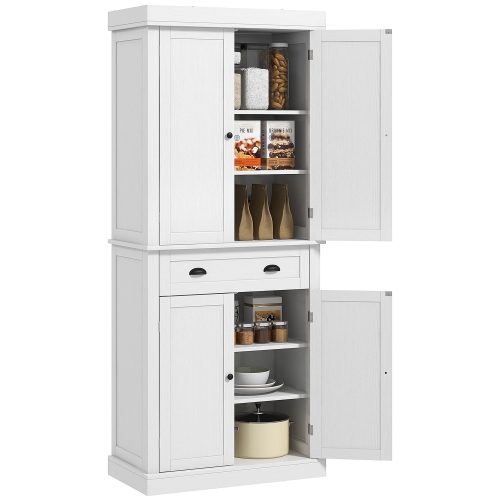 Your price for this item is $267.79
 -
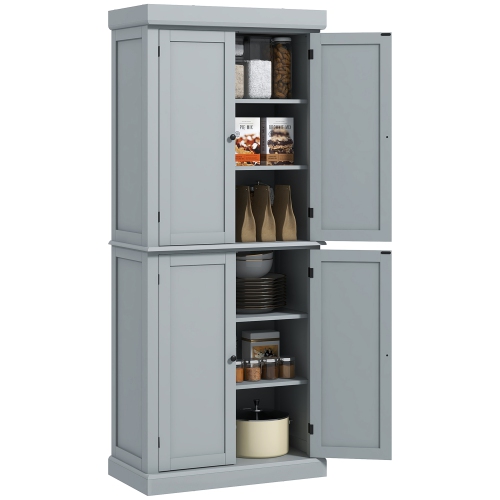 Your price for this item is $299.99
 -
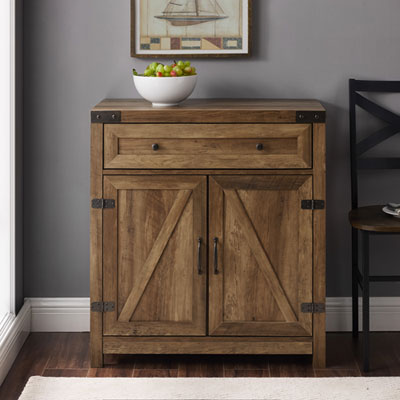 Your price for this item is $401.99
 -
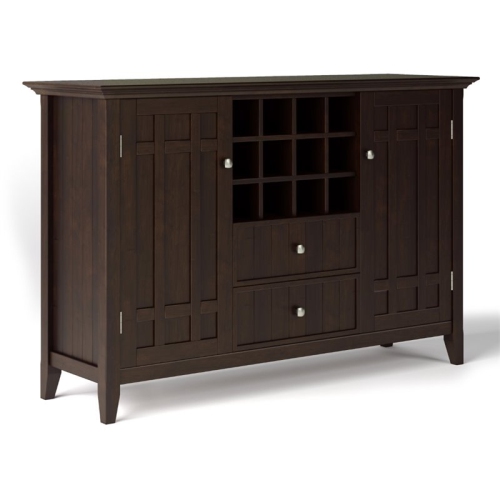 Your price for this item is $1449.04
 -
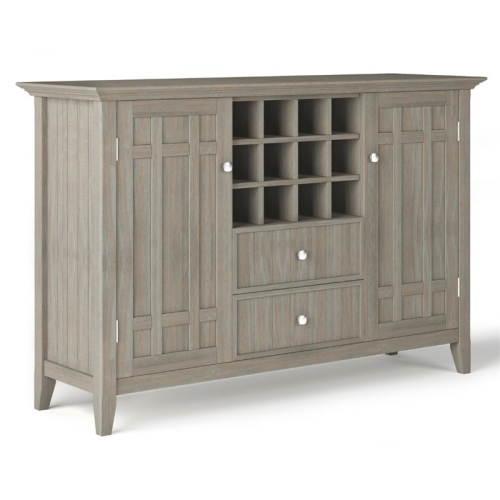 Your price for this item is $1463.19
 -
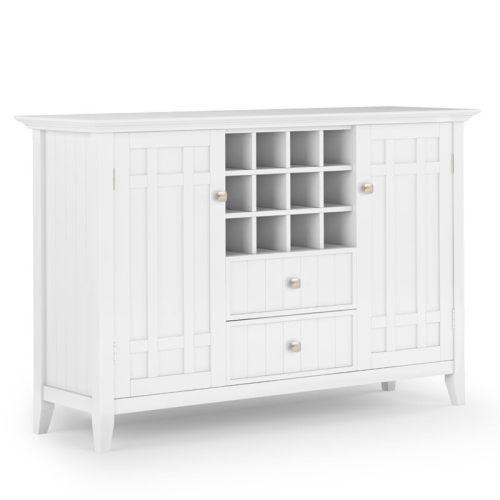 Your price for this item is $1454.75
 -
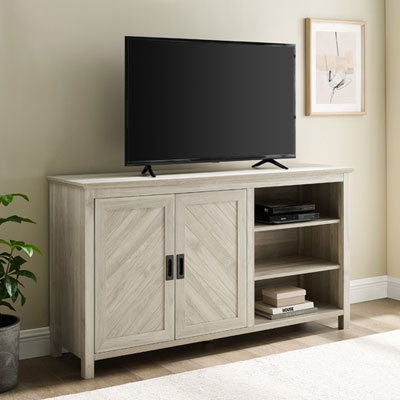 Your price for this item is $593.99
 -
 Your price for this item is $382.68
Discover more categories related to Kitchen Cabinetry

Top Collections:
Pokemon Centers, Kindle Devices, Best Budget Office Chairs, Apple iPhones 16, Best Laptops for Writers, iPhone 15 Apple, Canon G7X Cameras, Refurbished Apple Laptops, Alarm Clock, Motorola Razr Phones
Some products may be subject to Environmental Handling Fees
(EHF) depending on your province.
Learn more about EHFs.