Kitchen Cabinets
Upgrade your kitchen with stylish and functional storage solutions by exploring this selection of kitchen cabinets. Whether you're looking to refresh the heart of your home with a modern touch or seeking to maximize space in a compact kitchen, this range of cabinets offers a variety of sizes, styles, and finishes to suit your needs. From sleek and contemporary designs to classic and timeless options, find the perfect cabinetry to enhance both the aesthetic appeal and organization of your culinary space.
Sort
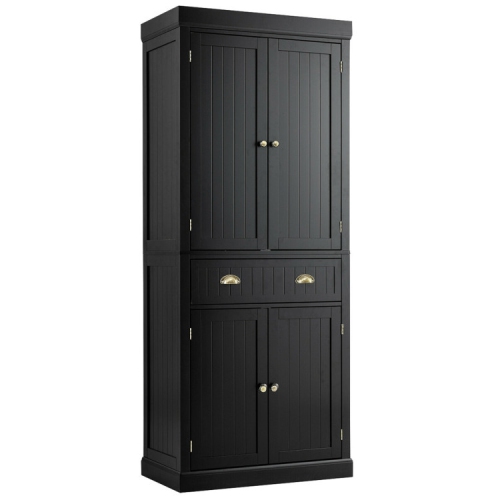
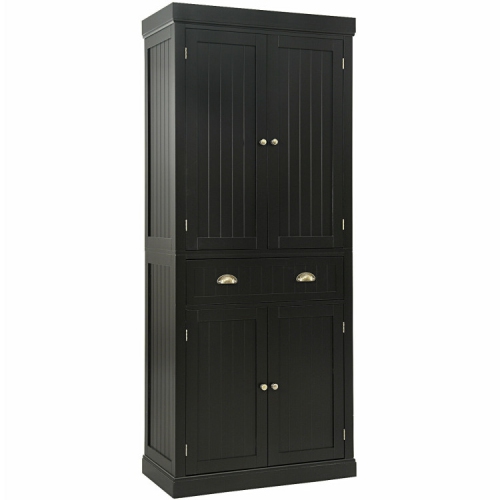
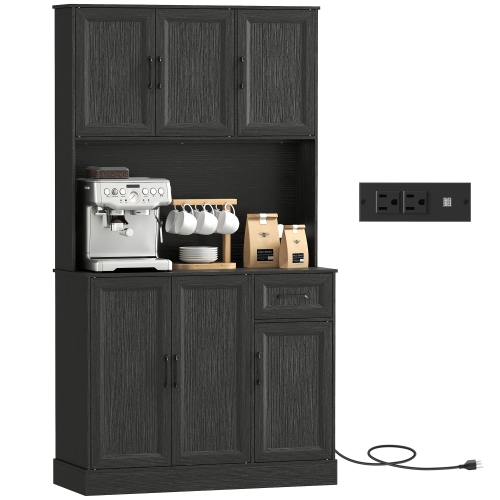
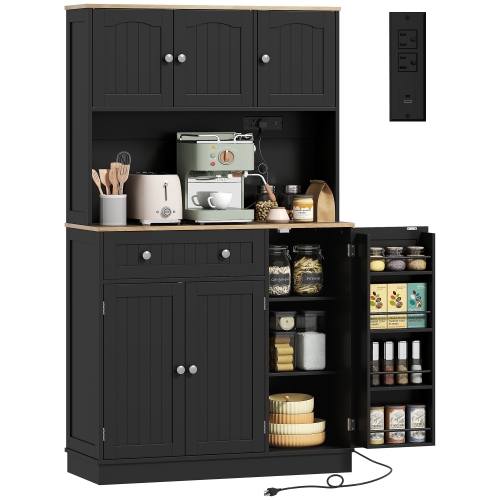
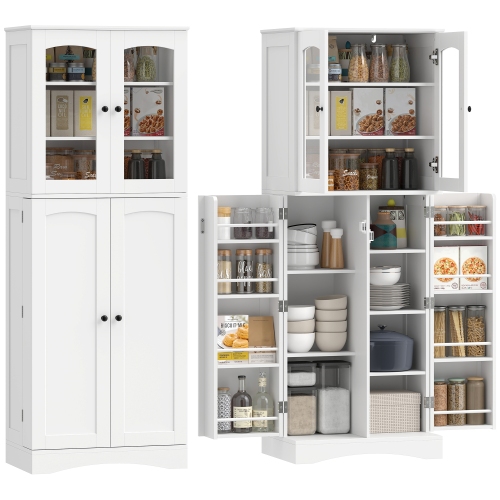
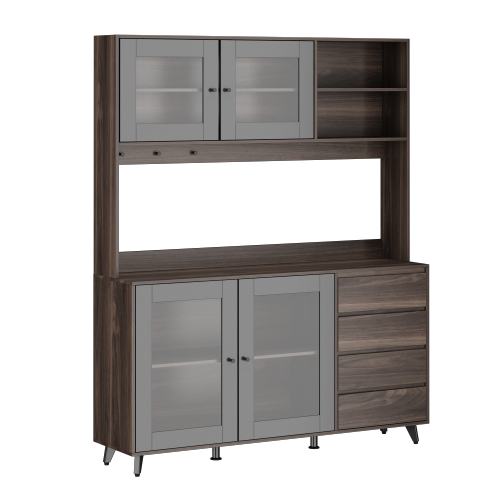
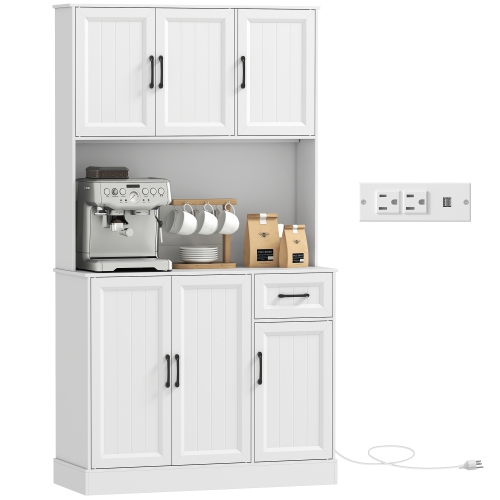
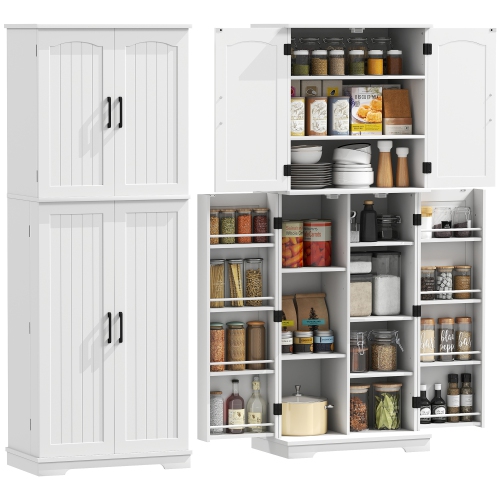
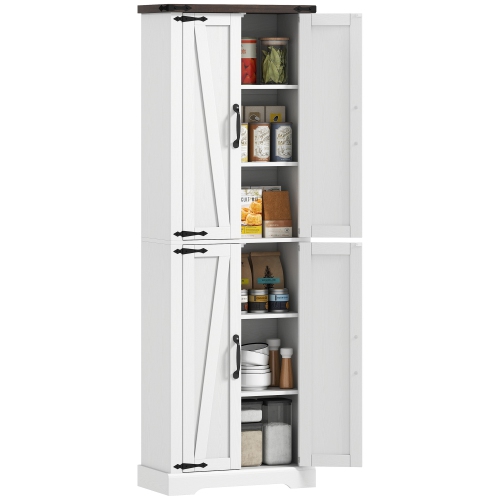
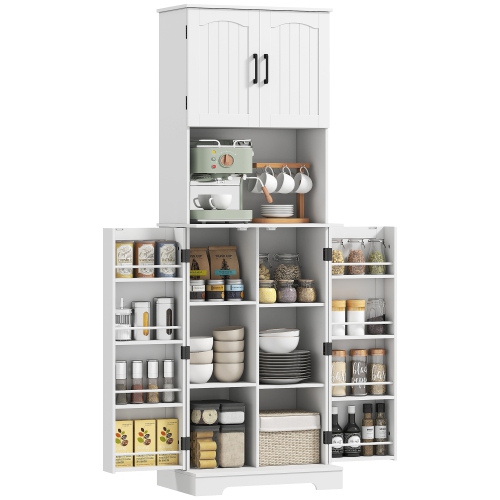
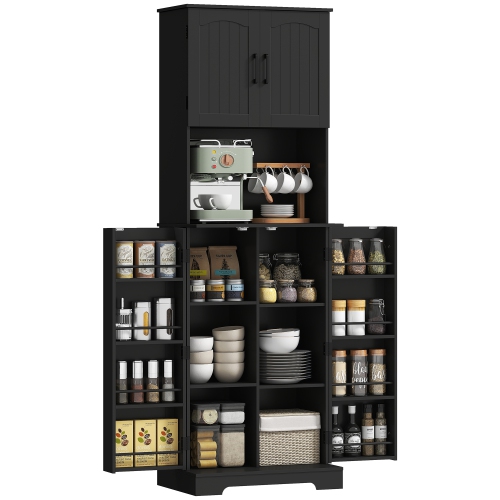
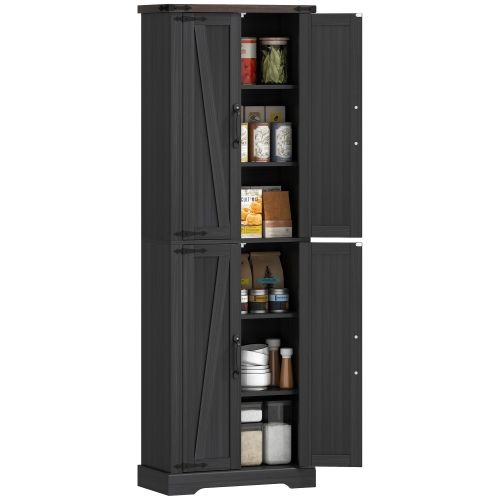
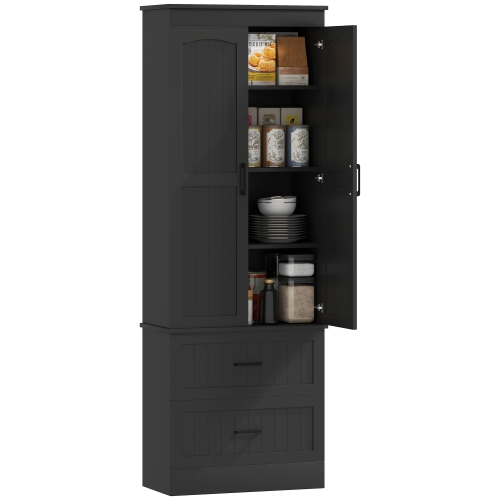
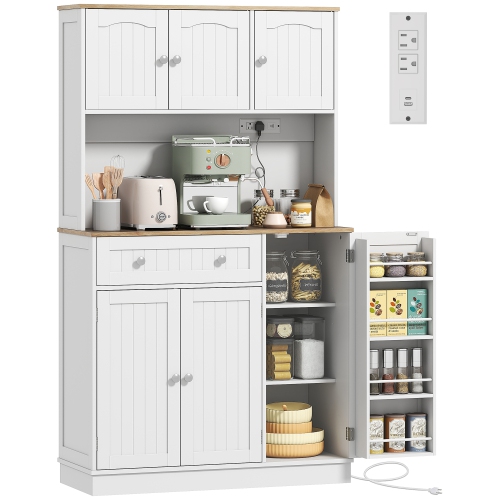
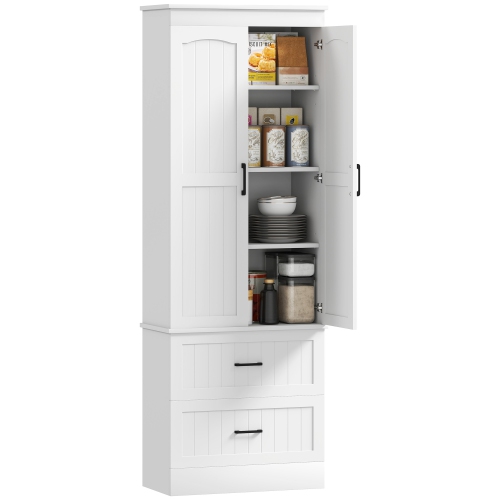
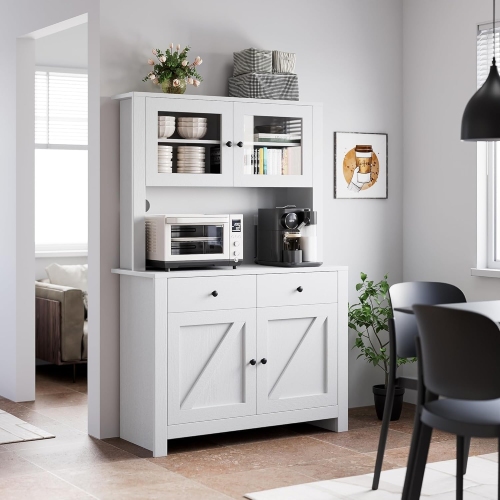
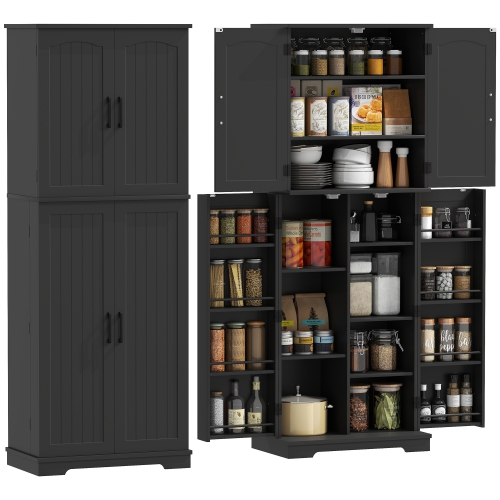
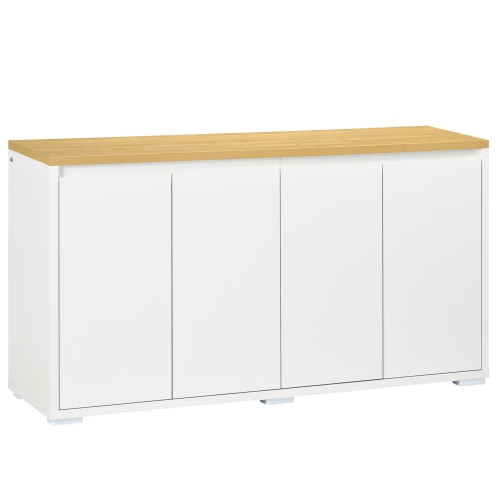
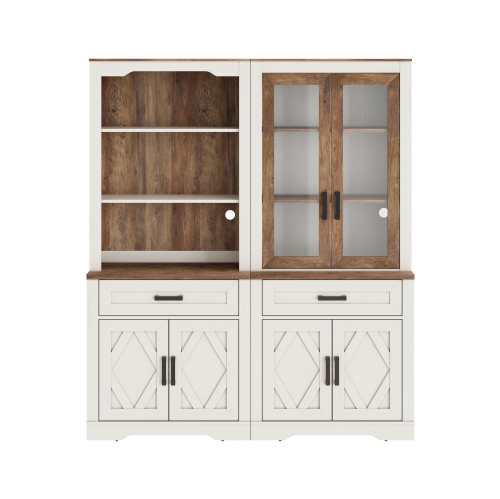
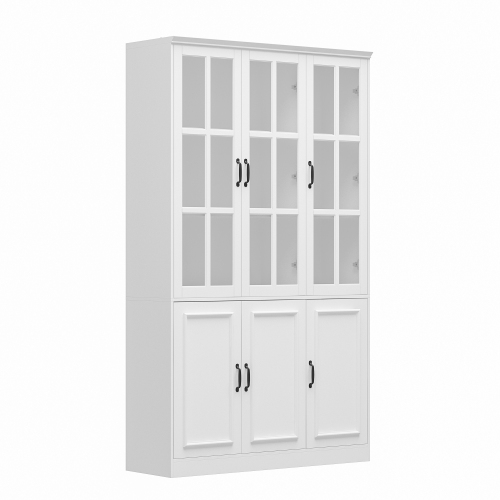
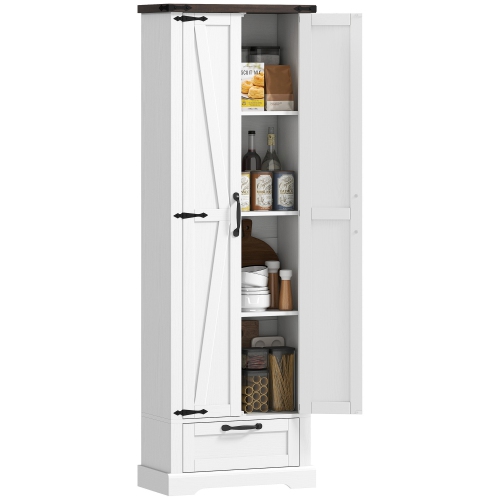
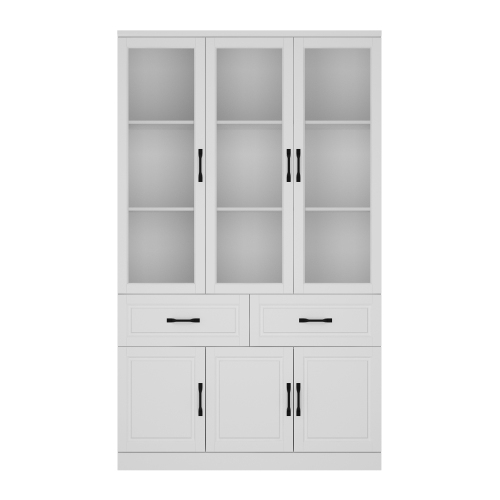
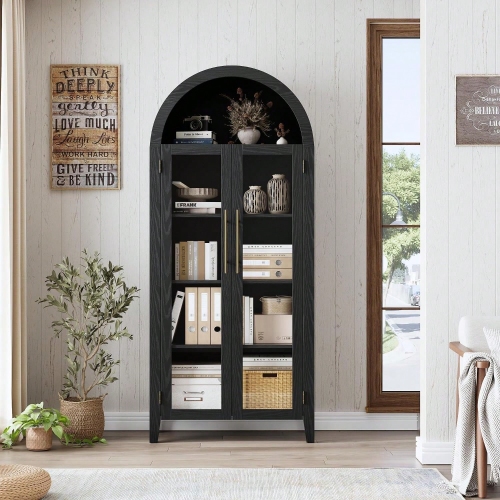
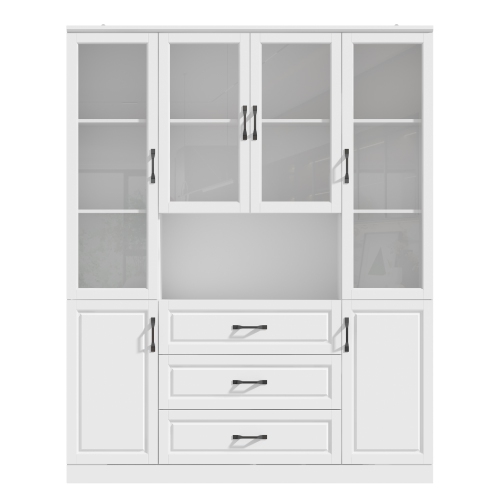
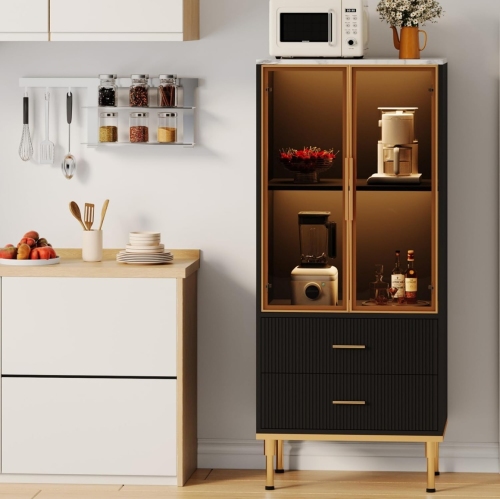
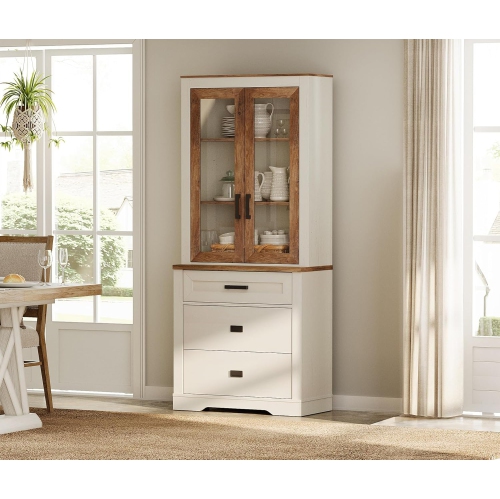
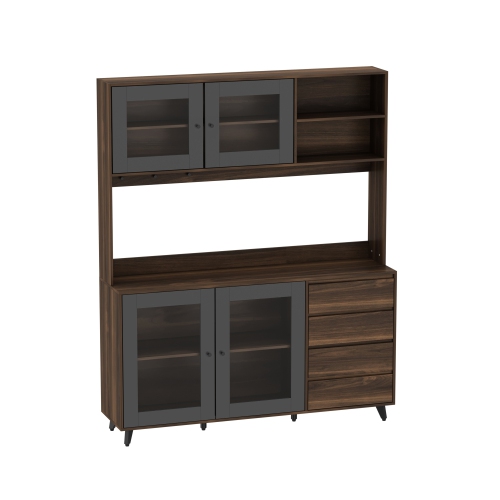
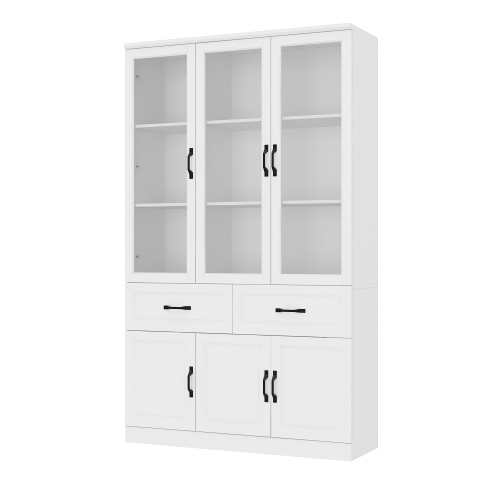
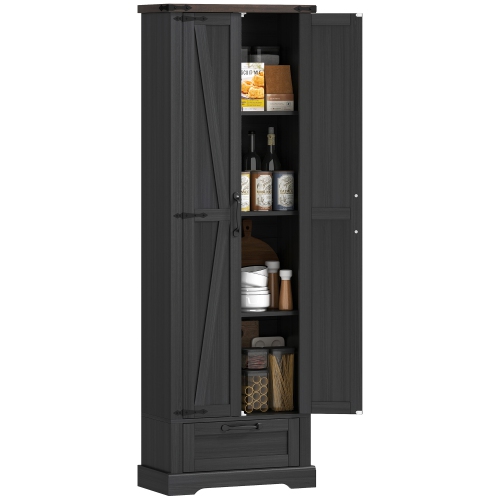
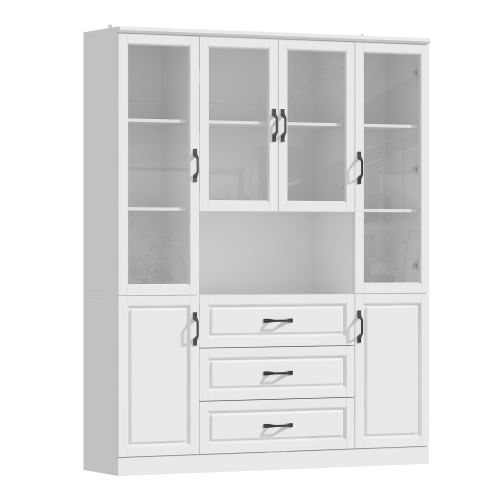
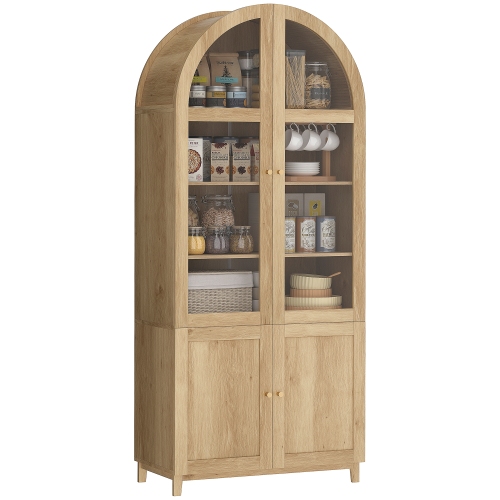
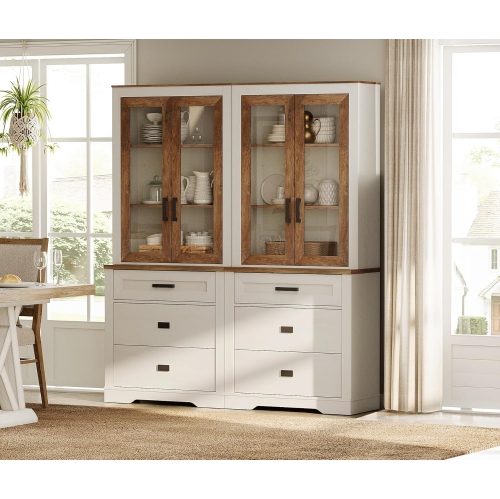
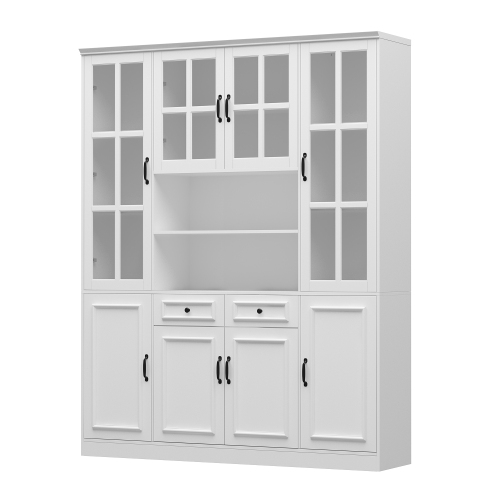
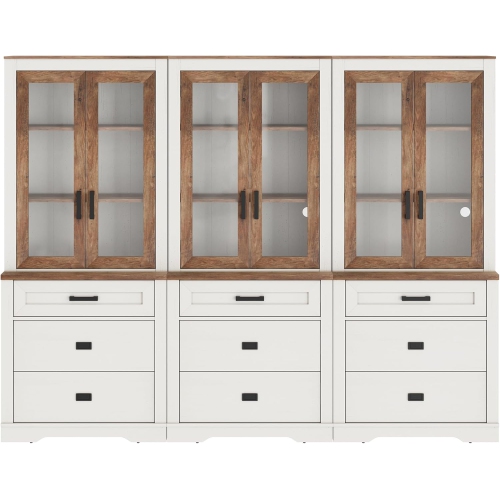
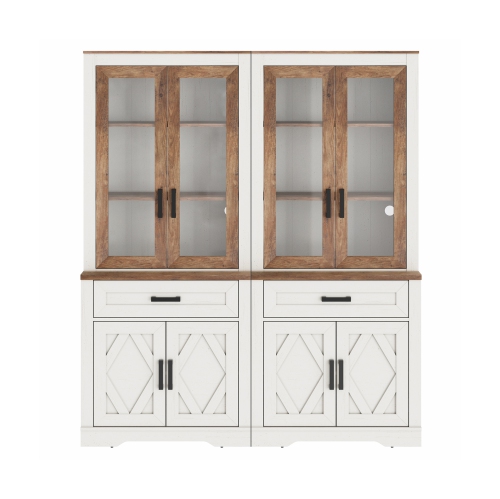
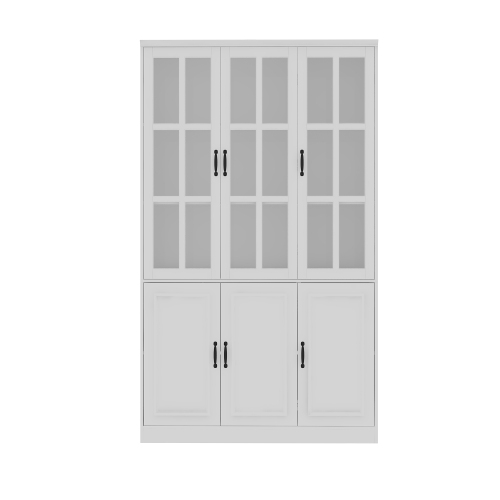
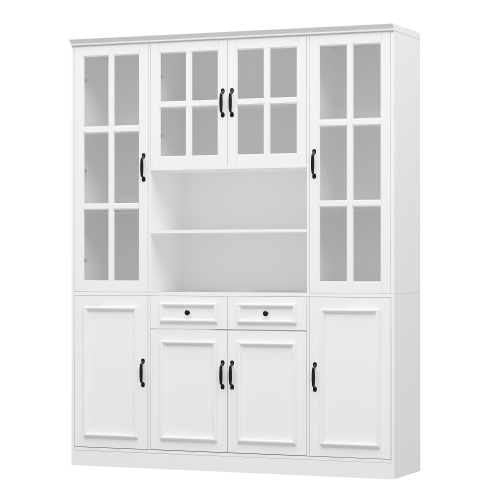
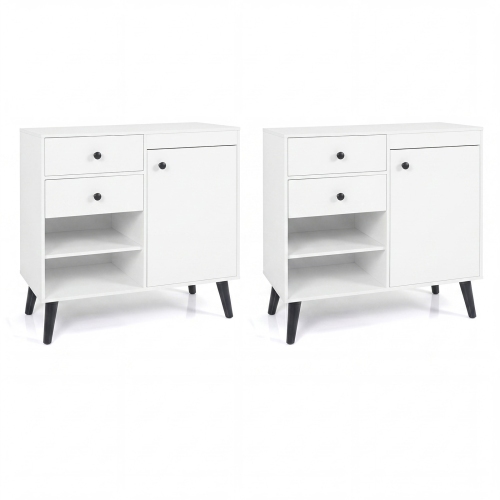
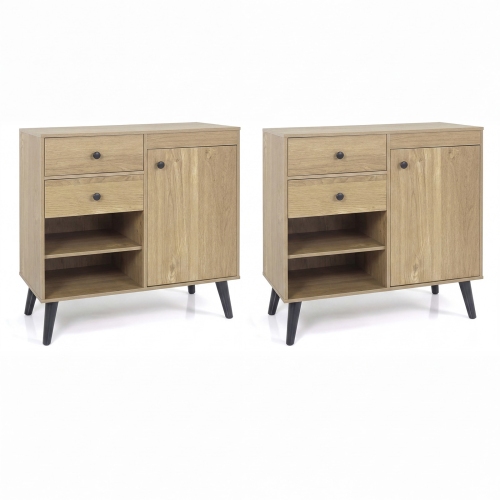
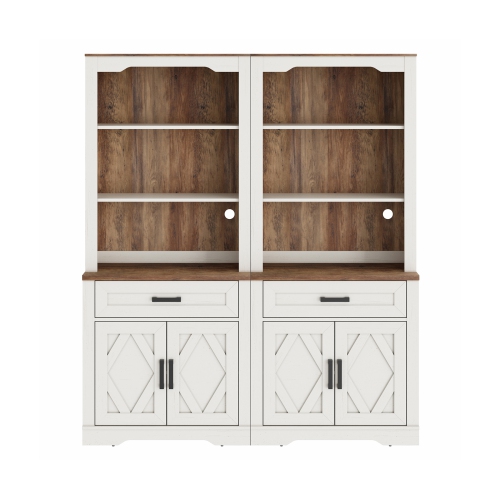
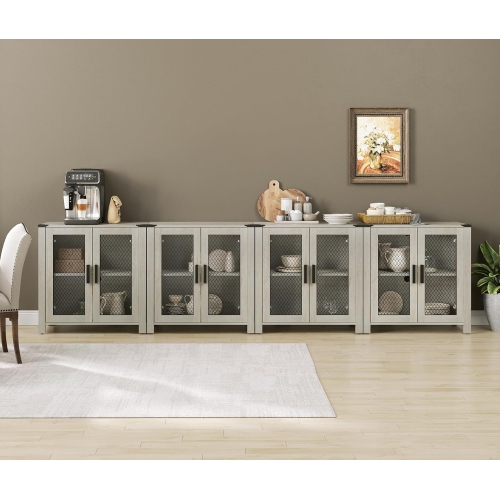
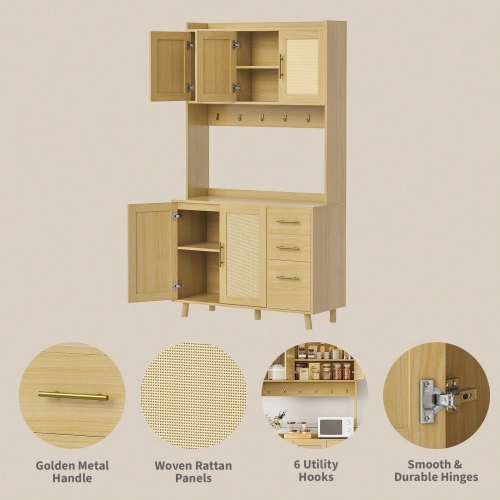
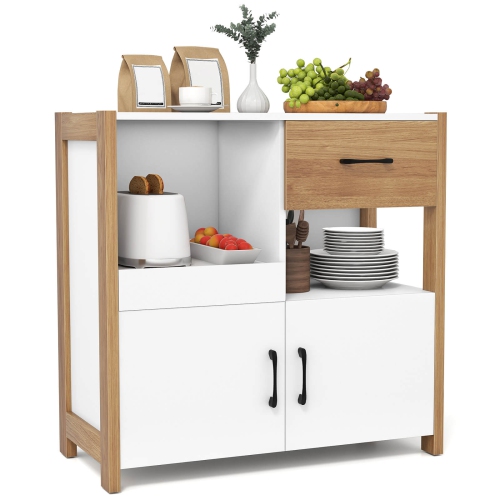
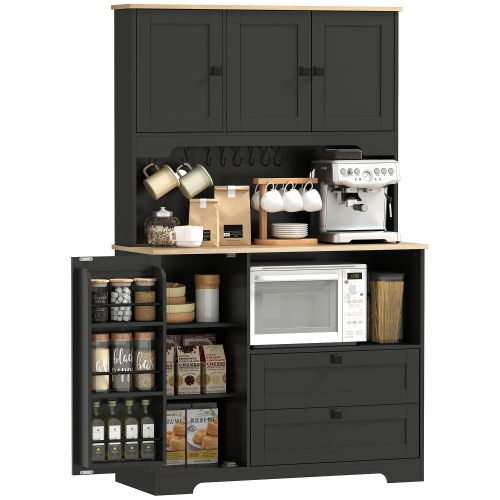
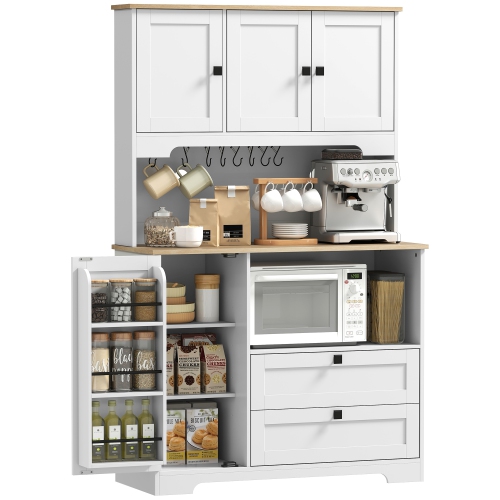
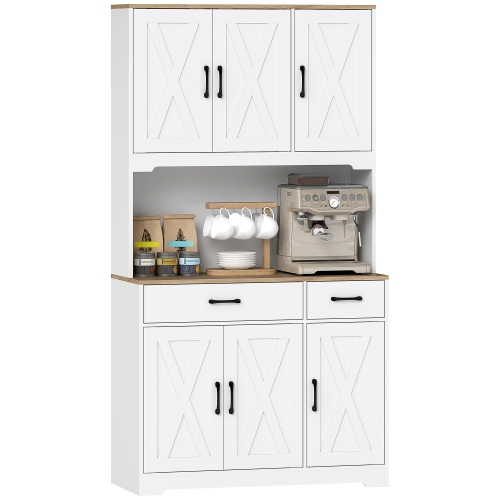
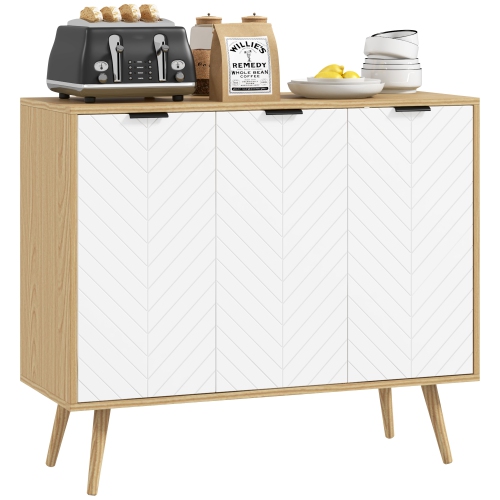
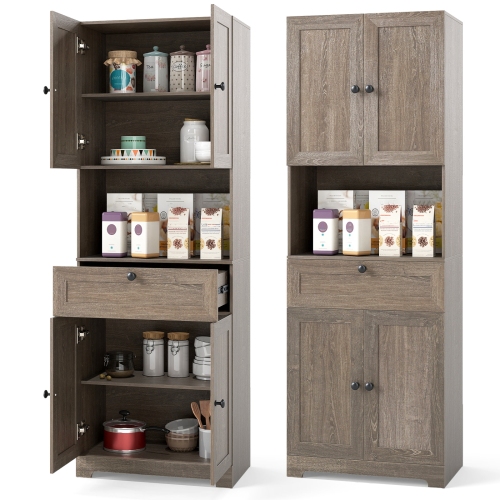
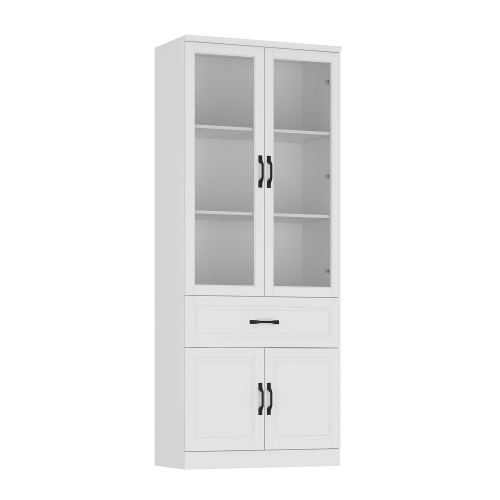
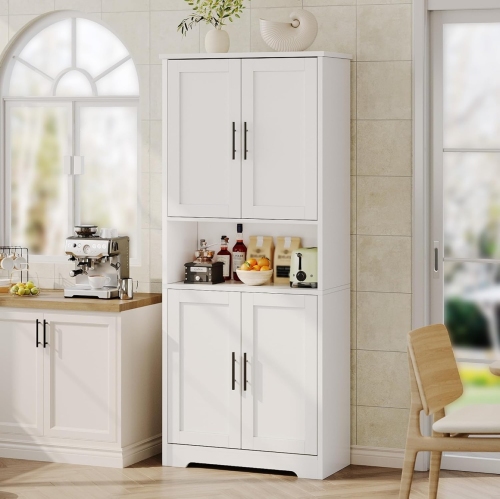
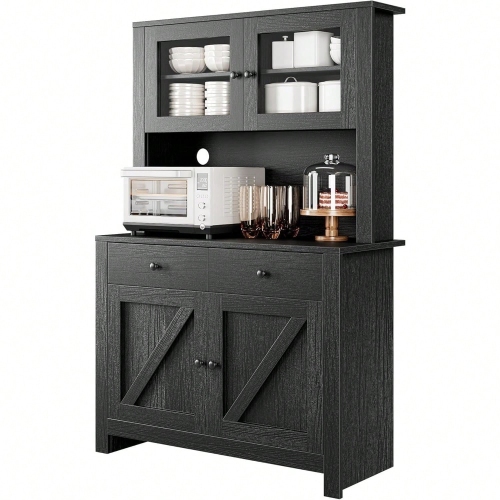
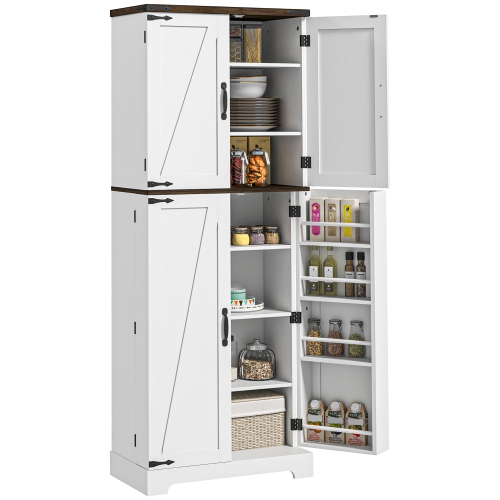
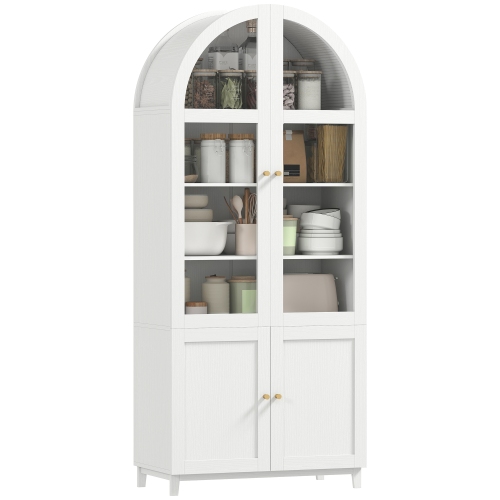
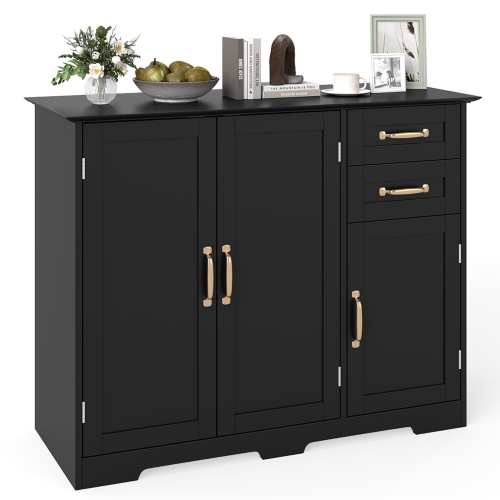
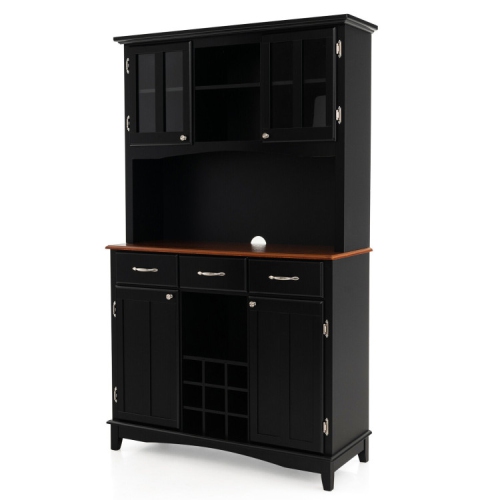
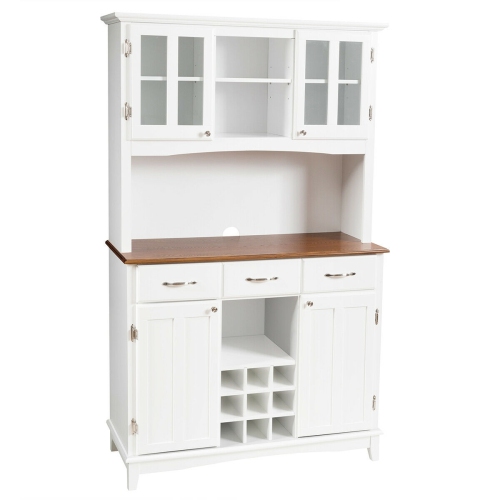
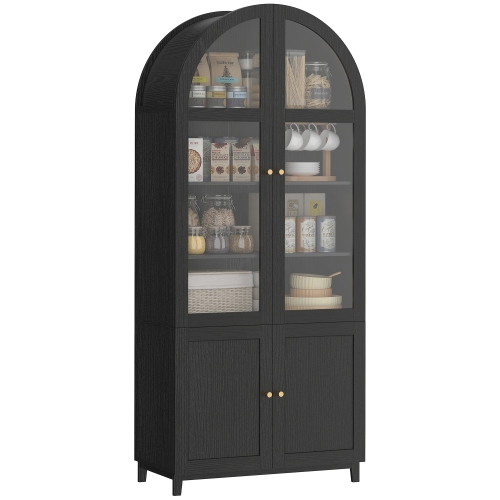
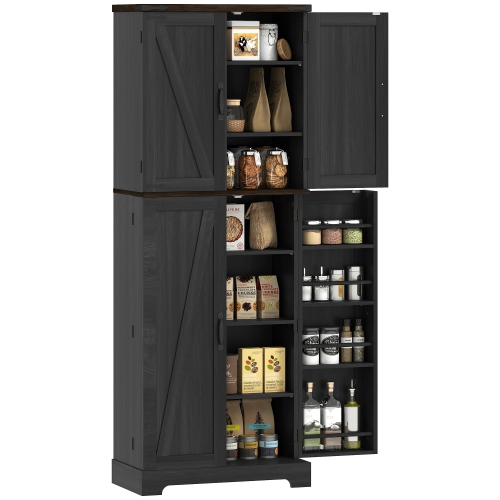
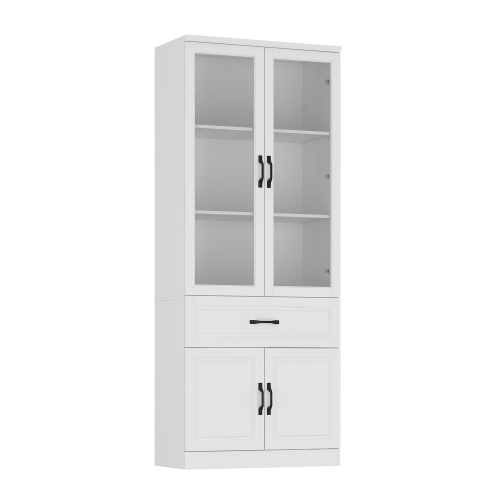
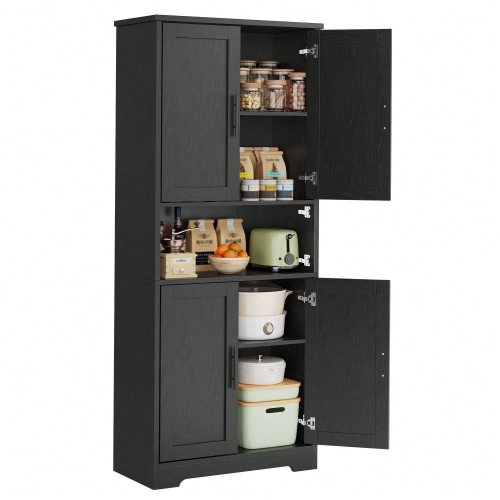
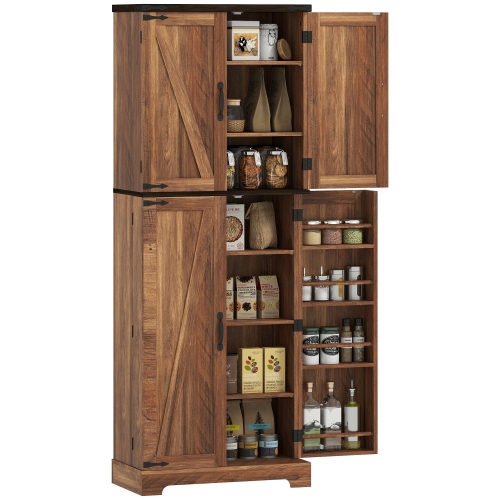
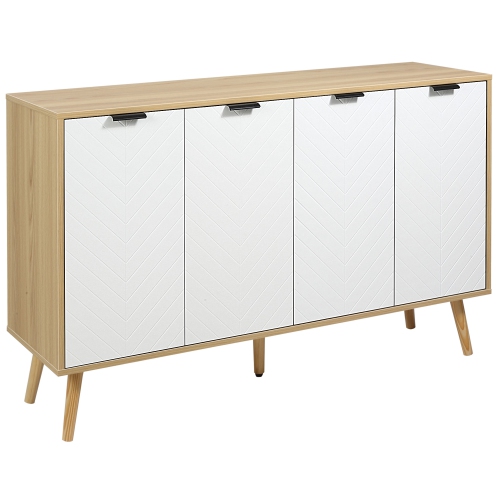
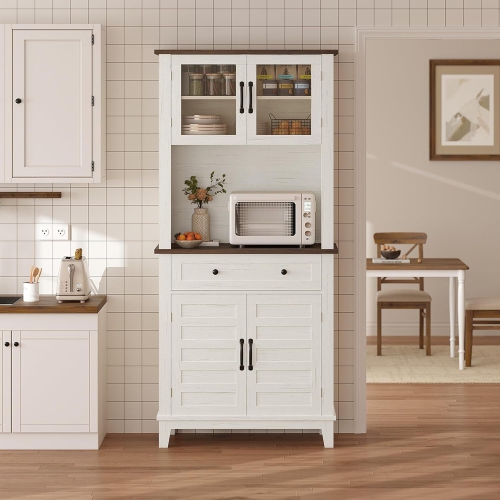
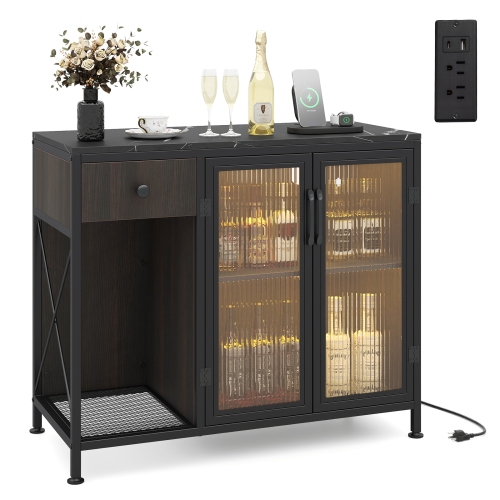
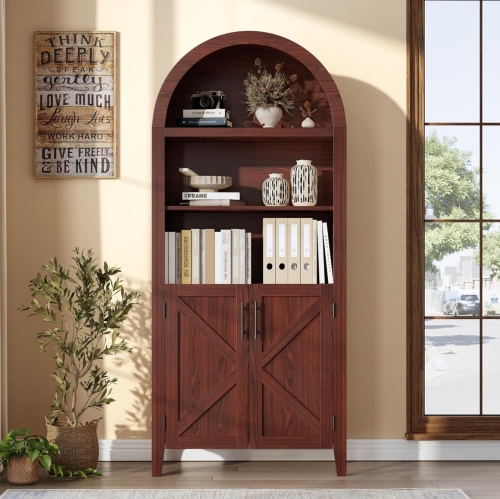
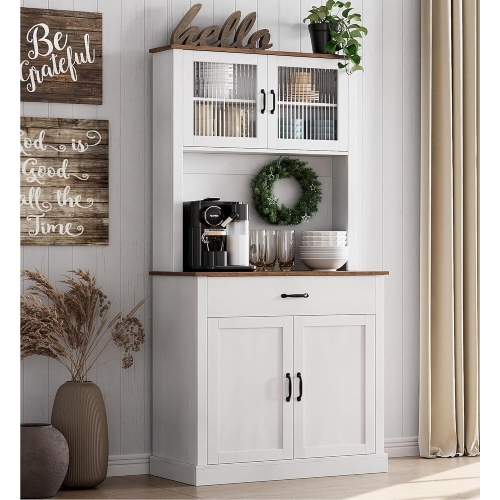
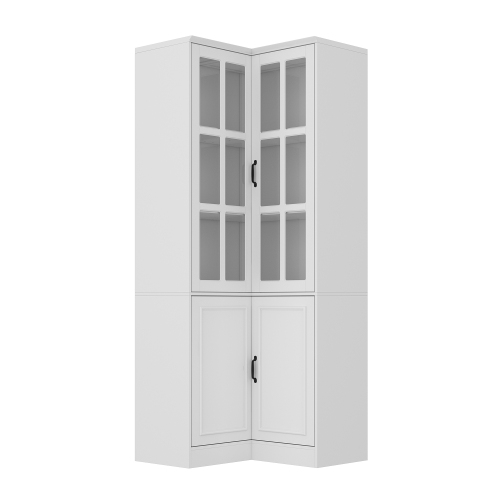
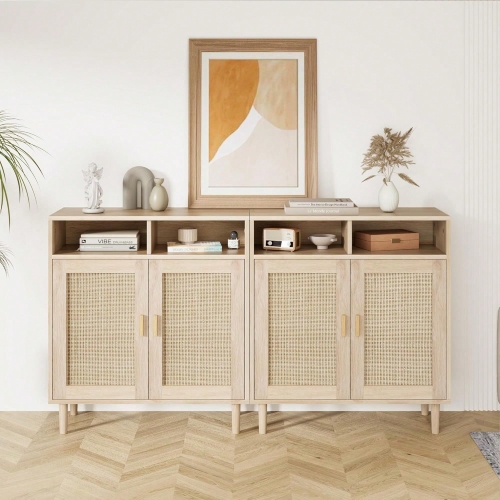
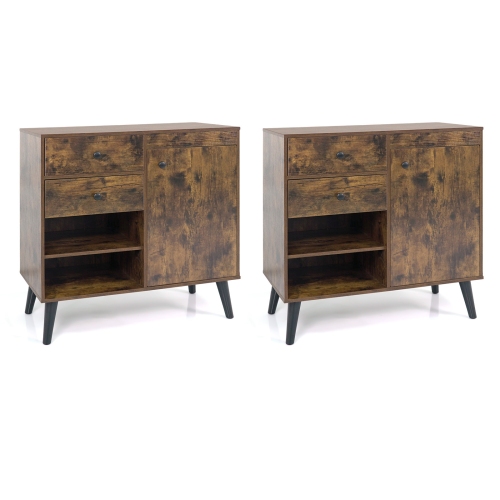
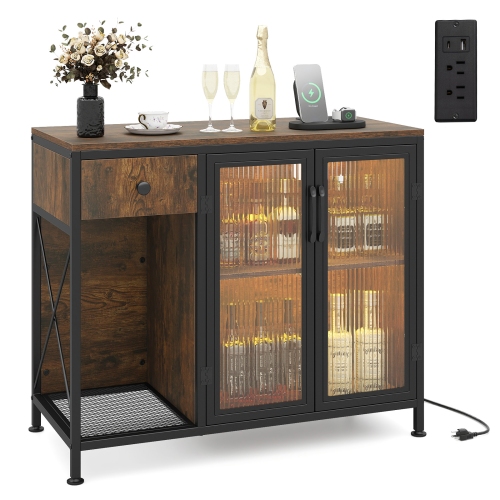


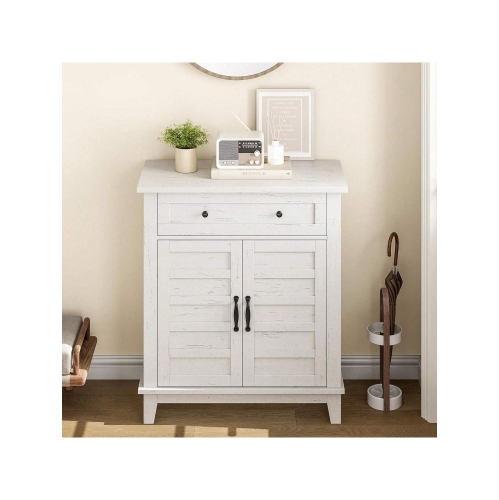
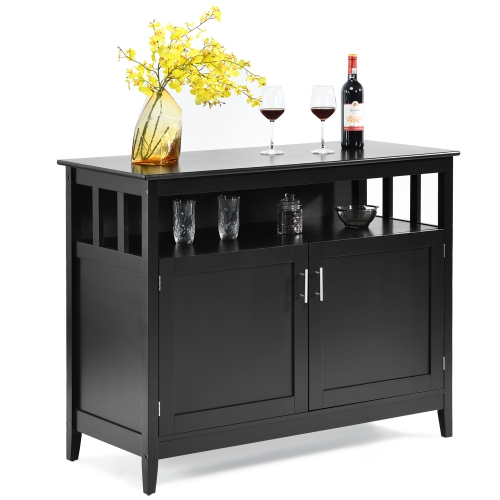
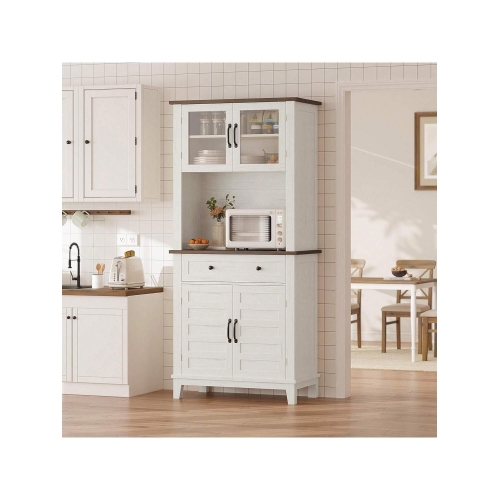
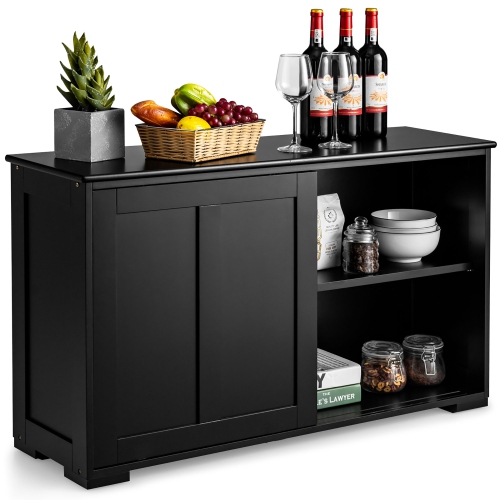
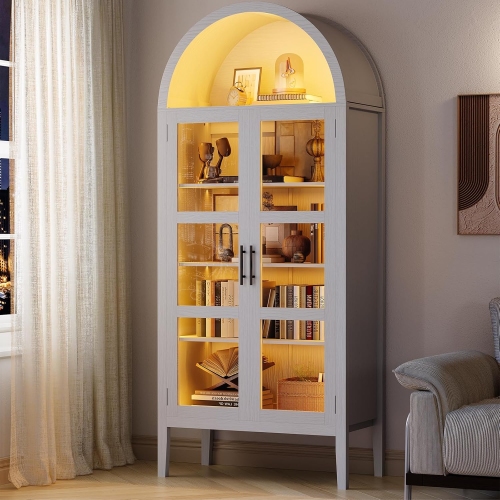
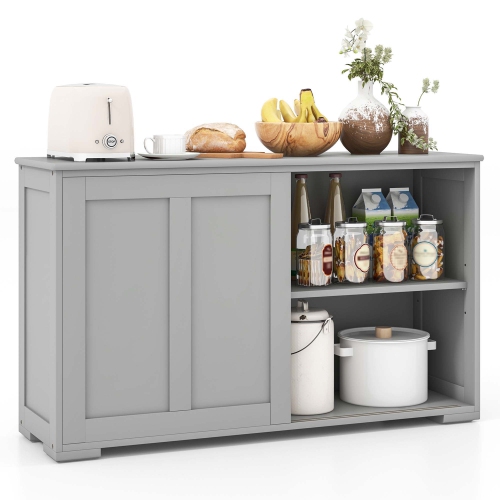
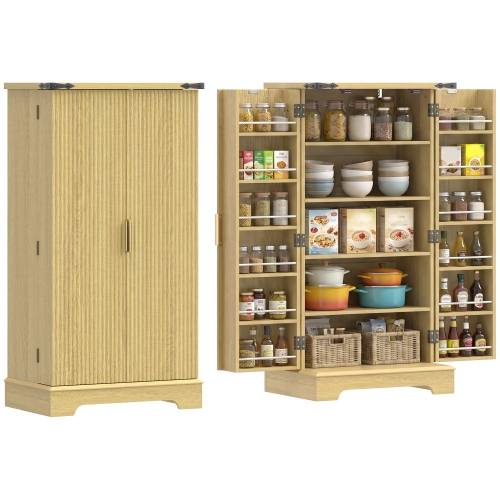
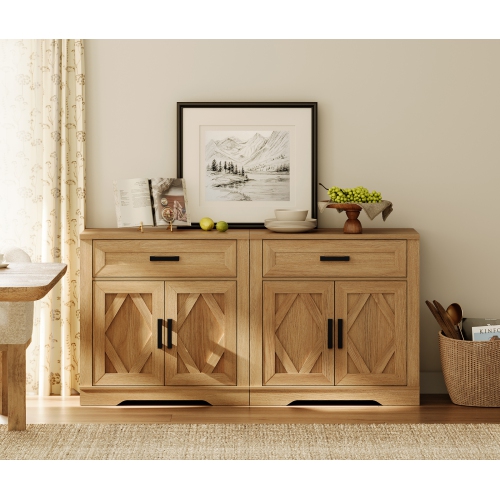
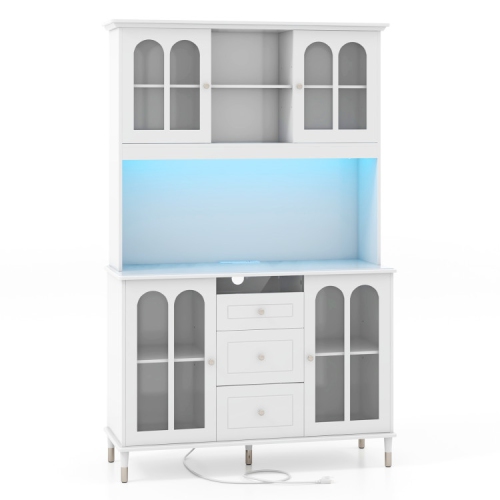
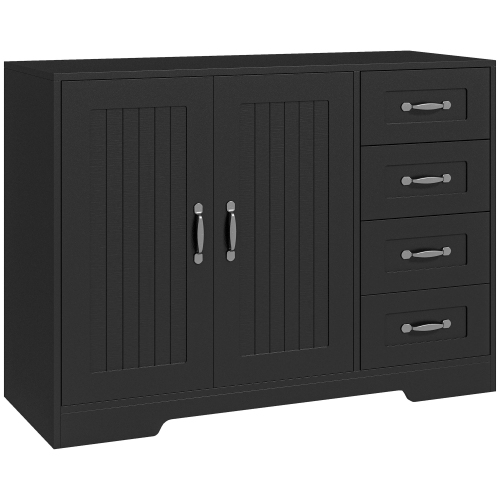
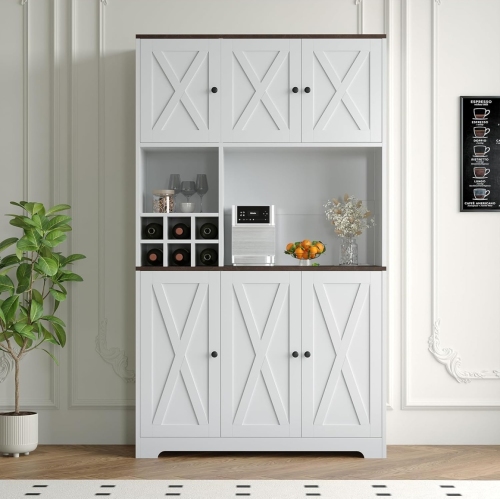
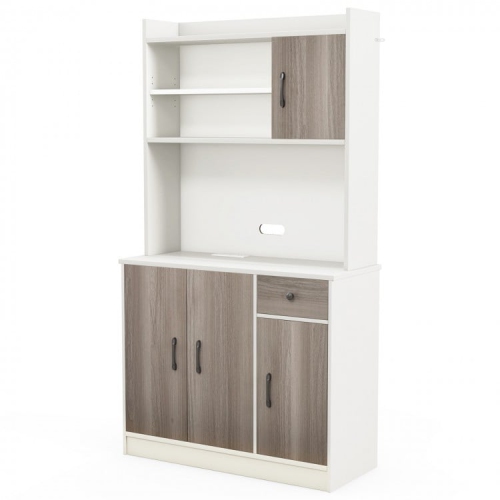
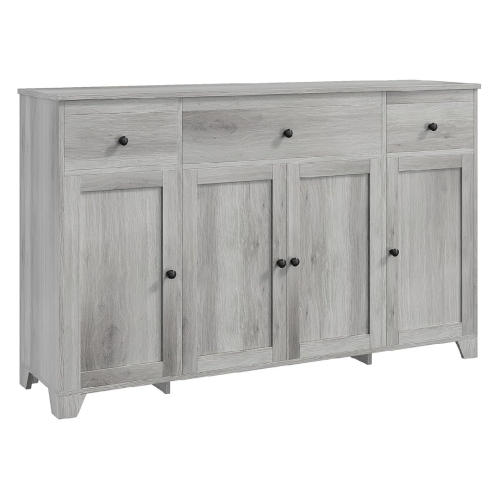

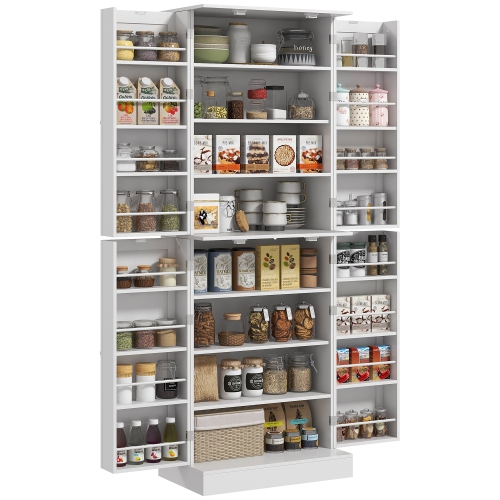
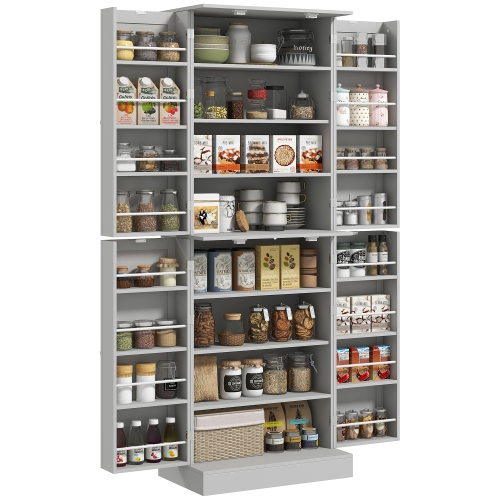
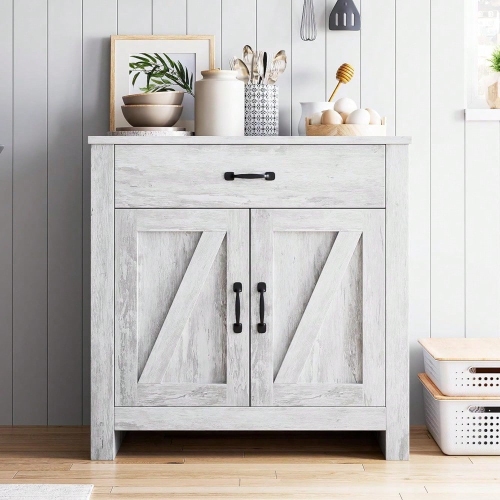
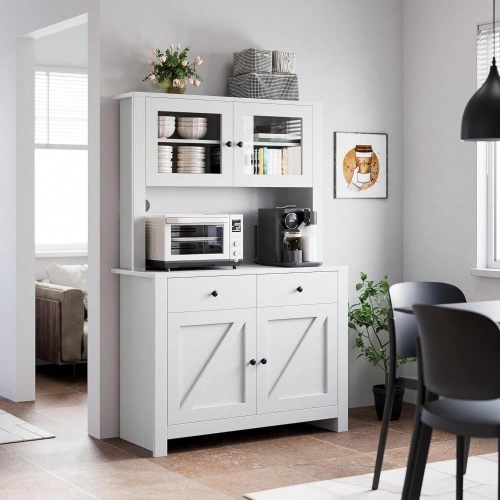
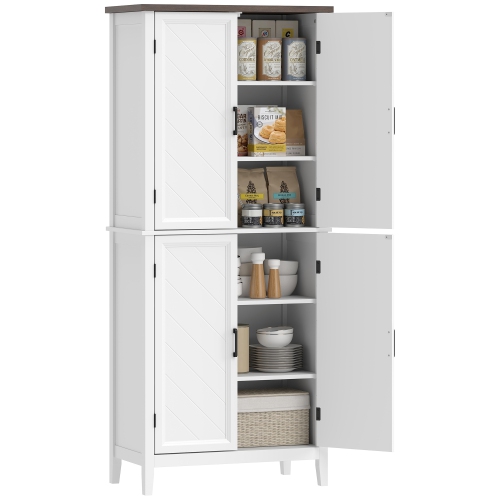
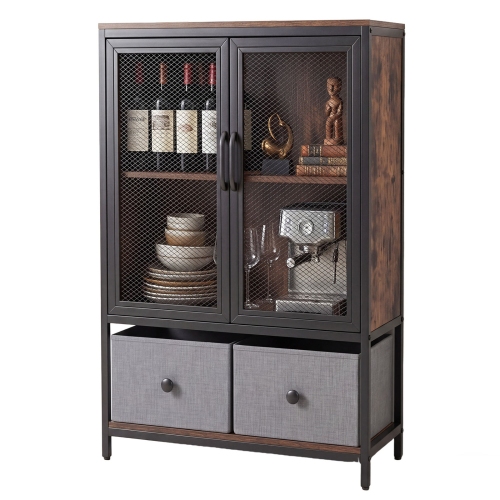
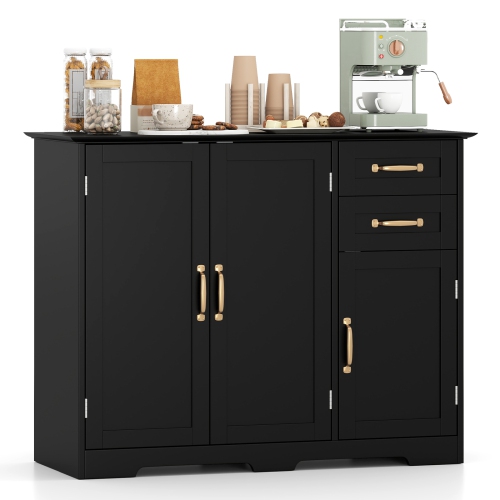
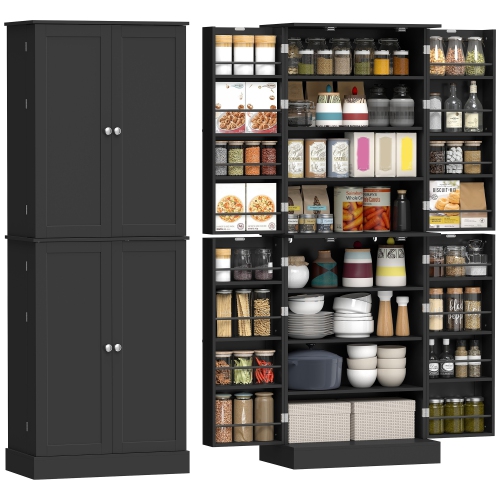
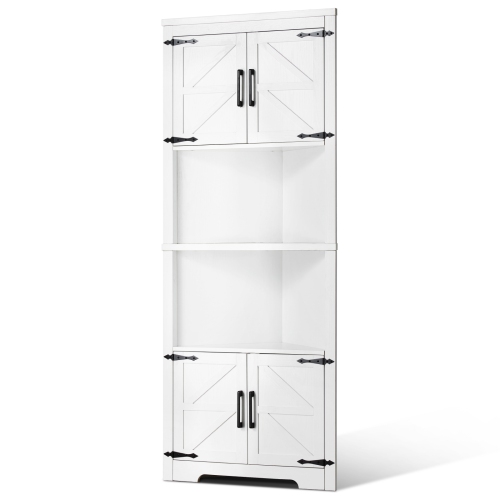
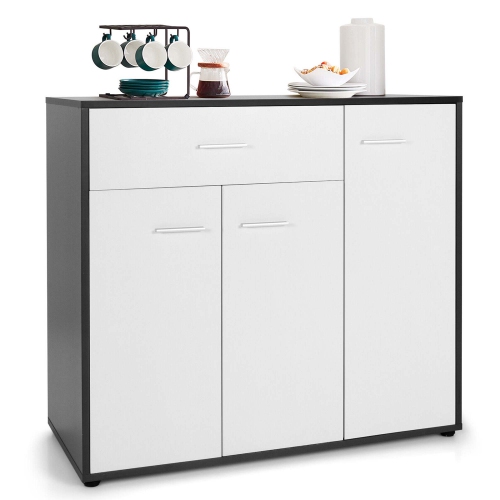
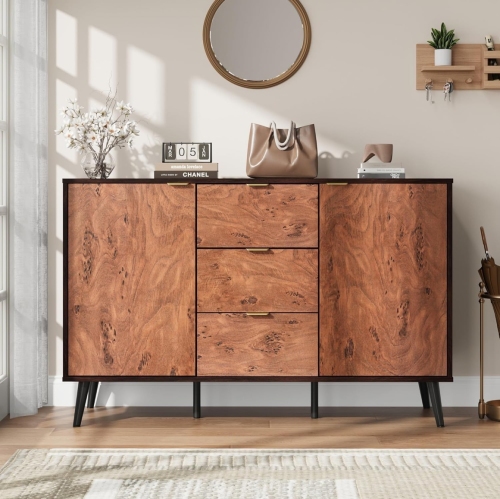
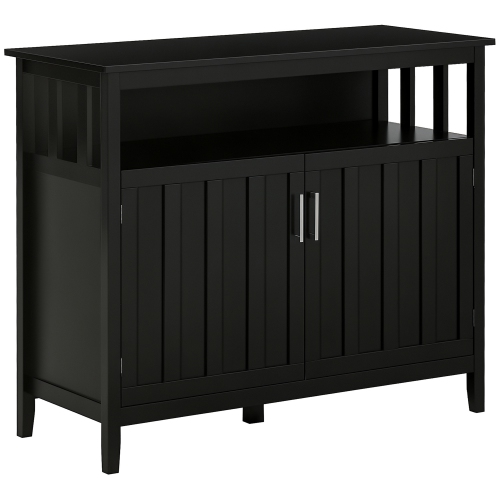
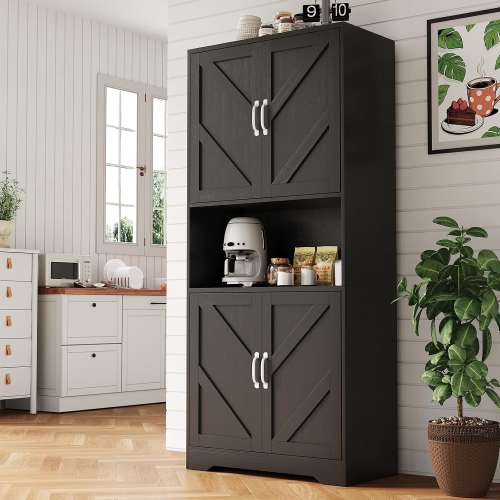
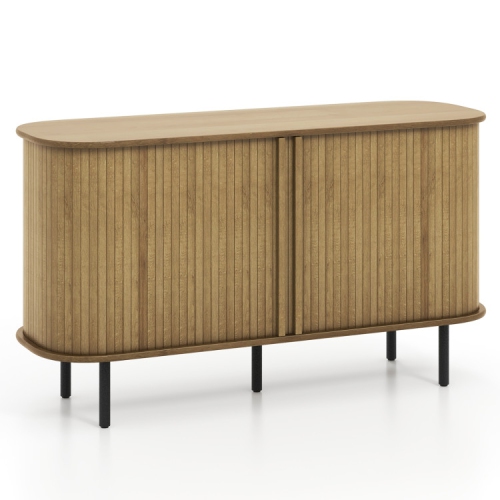
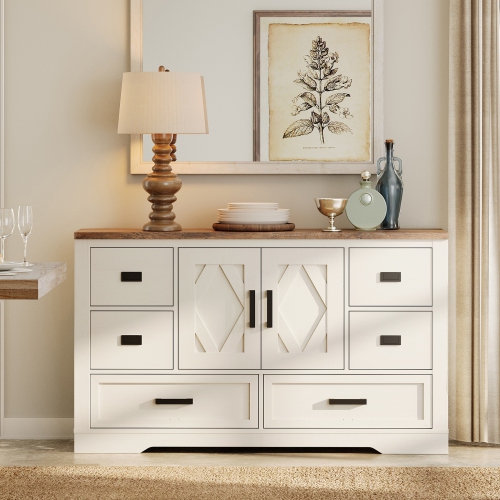
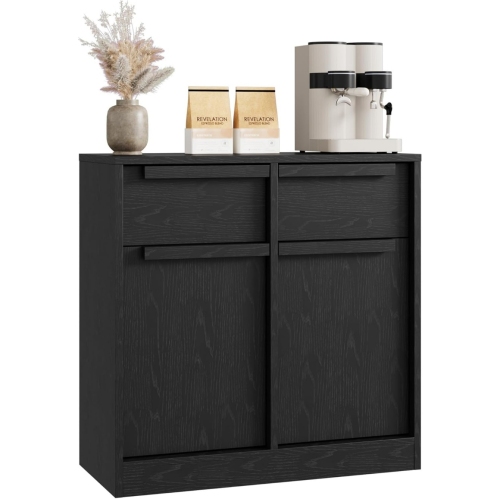
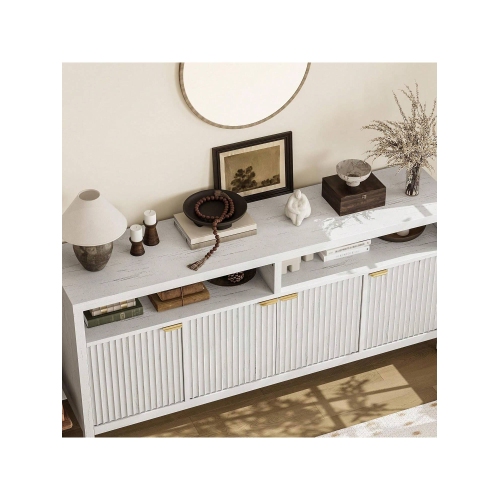
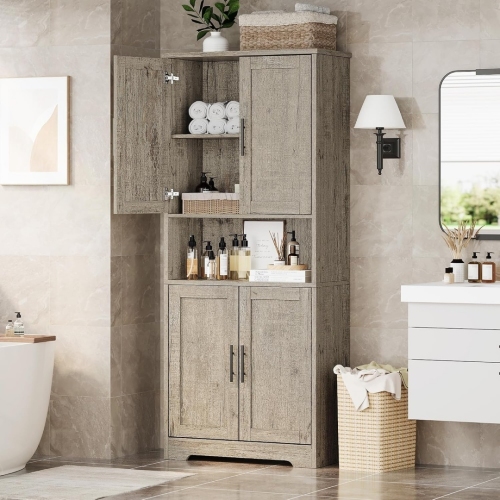
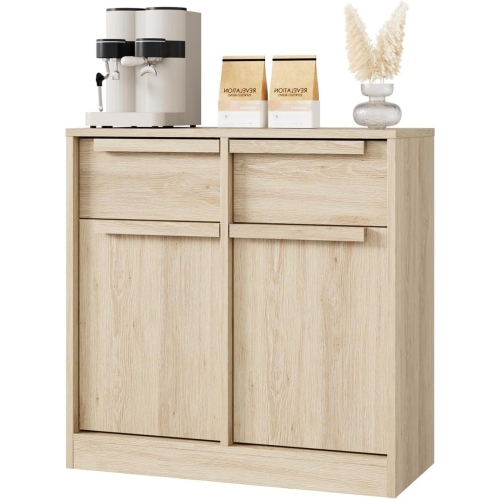
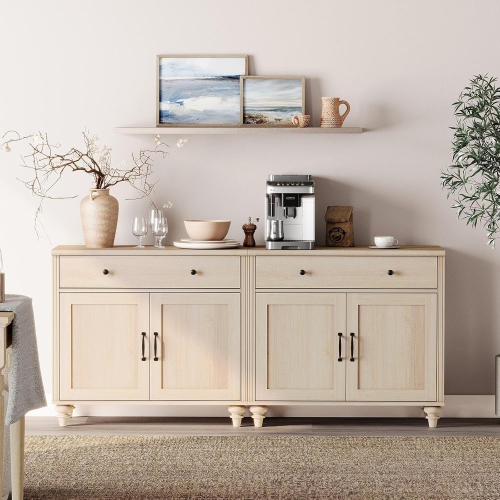
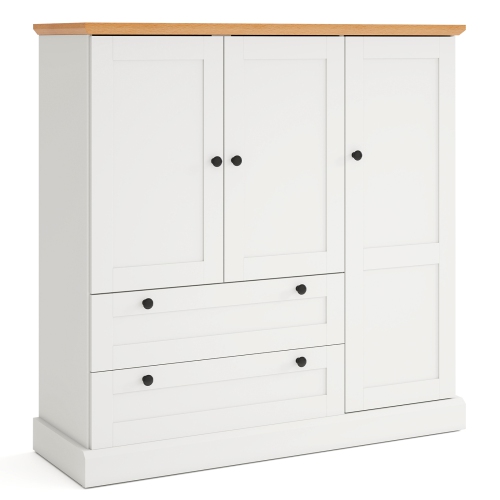
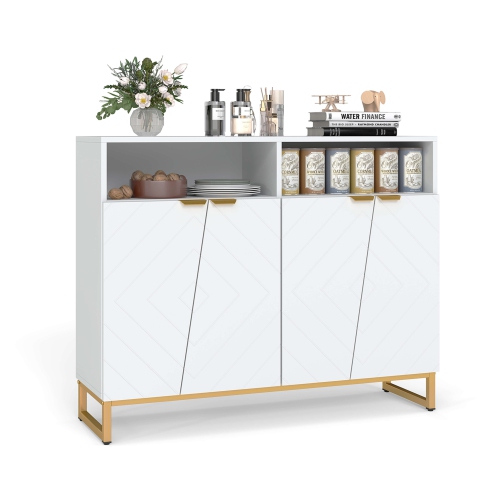
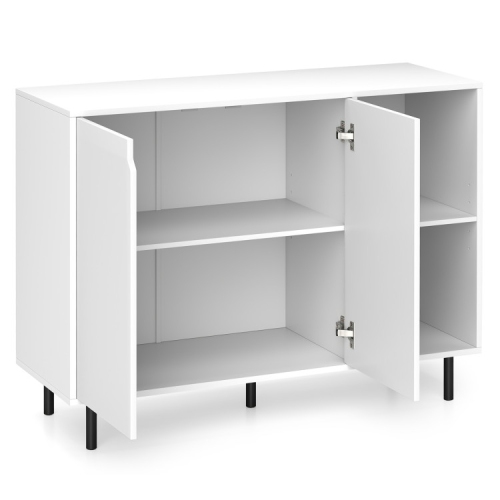

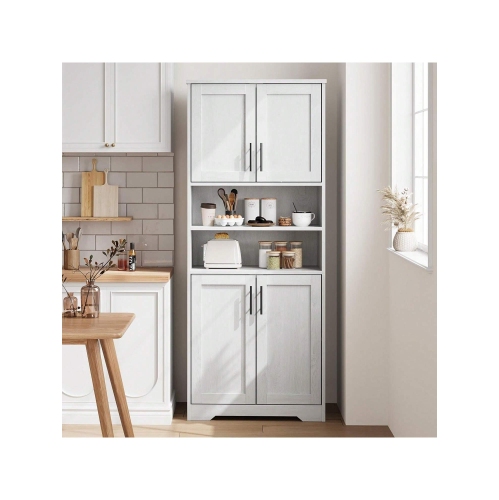
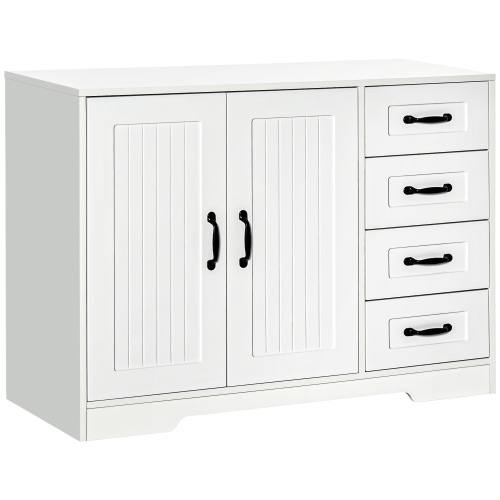
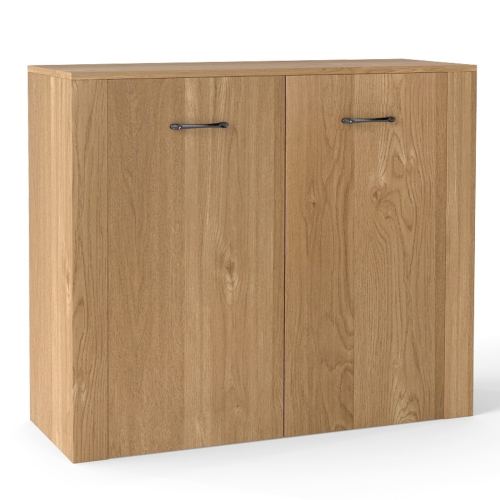
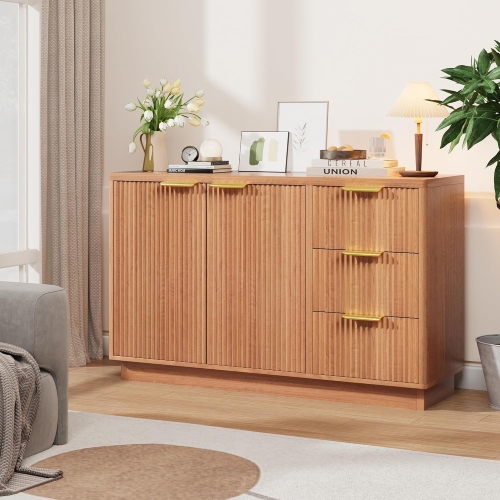
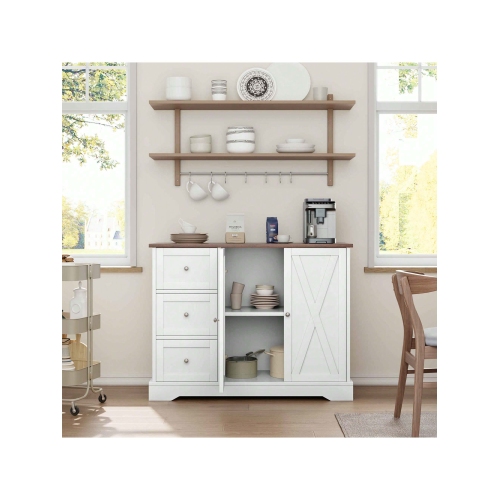
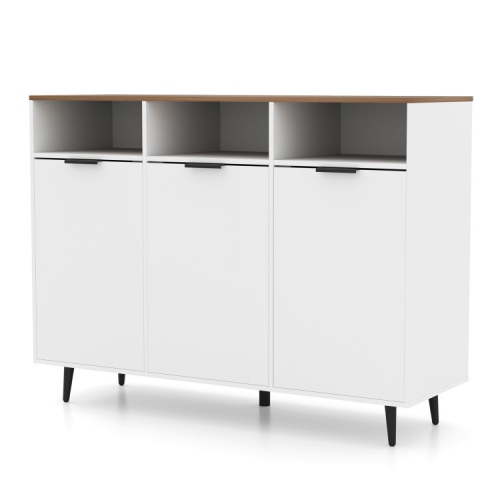
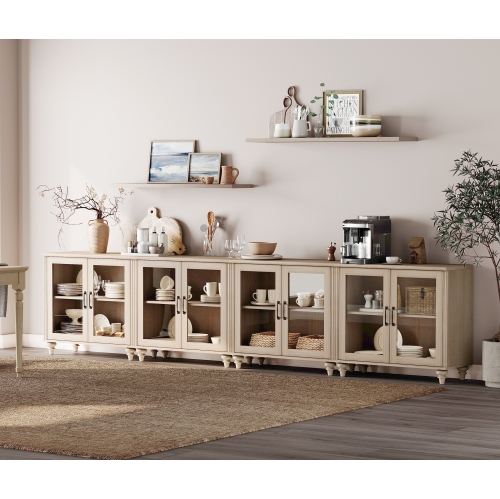
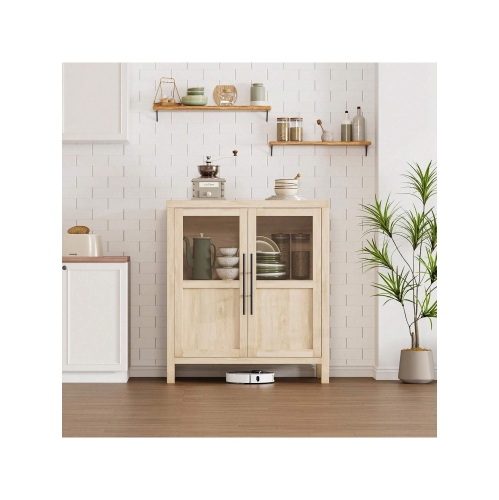
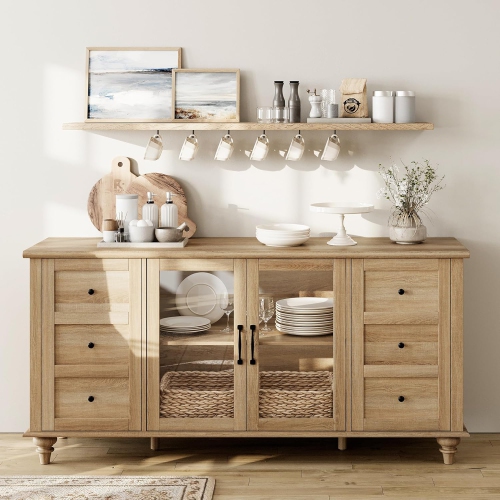
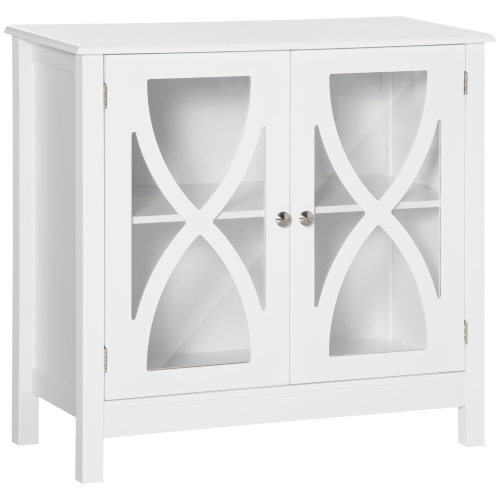
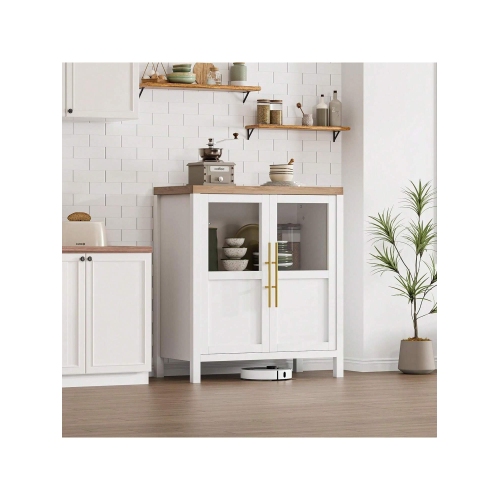


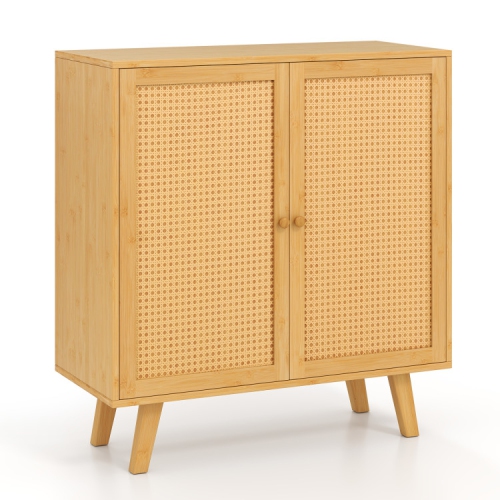
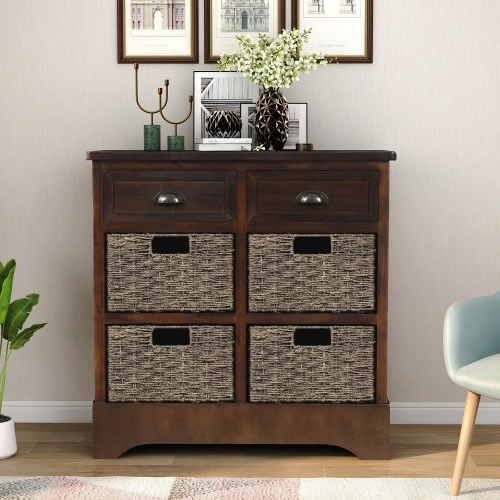
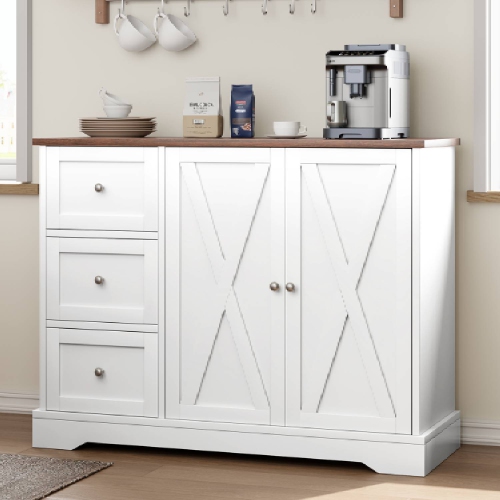
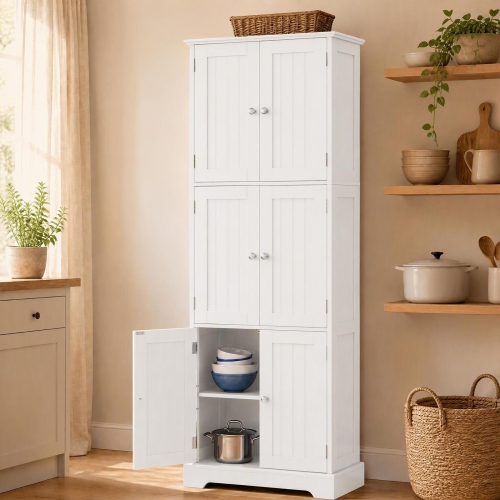
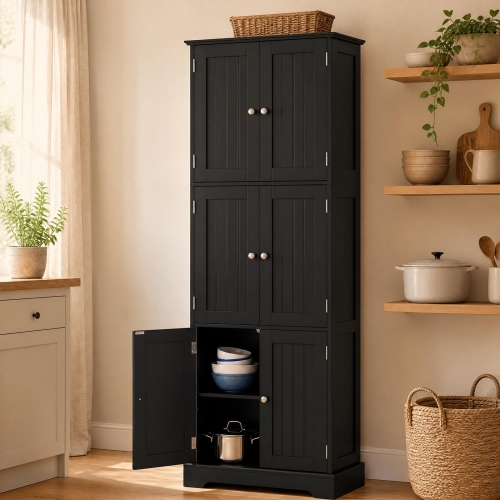
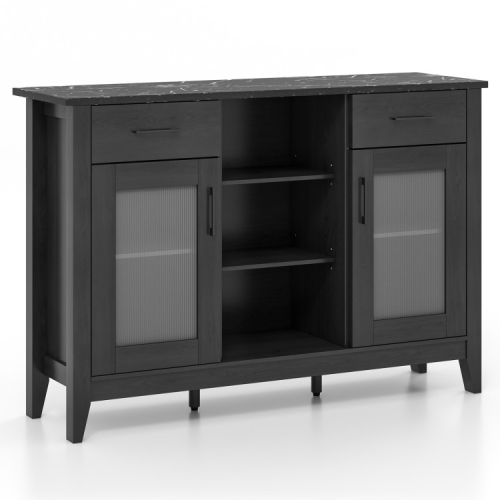
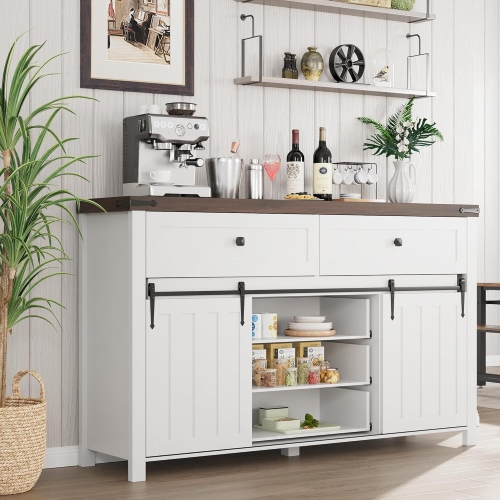

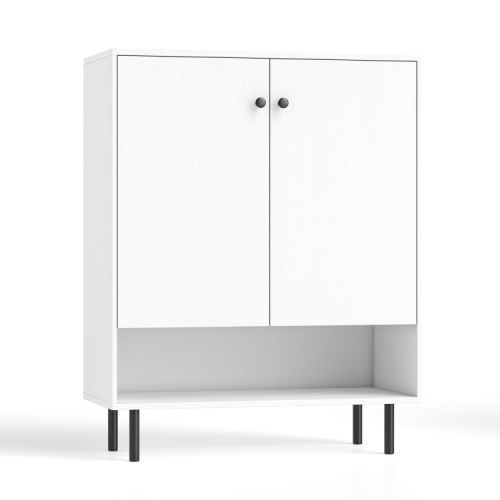
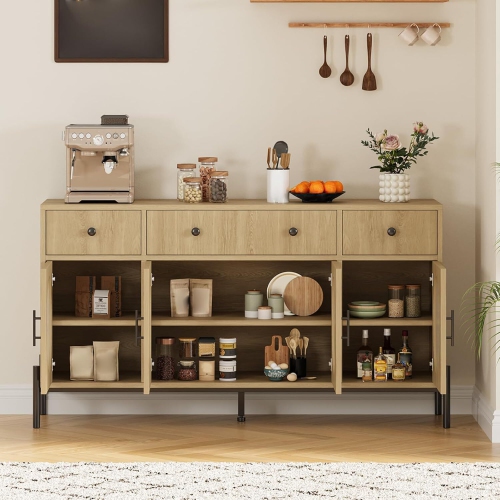
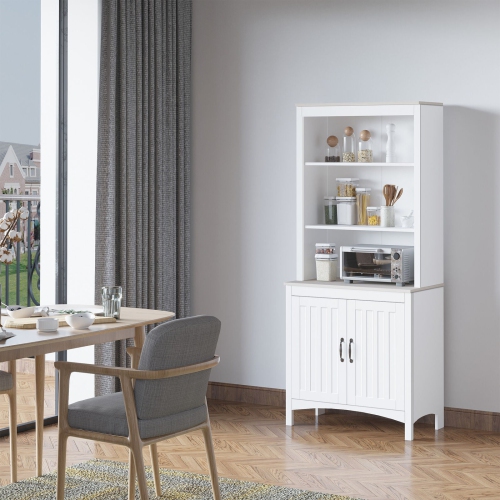
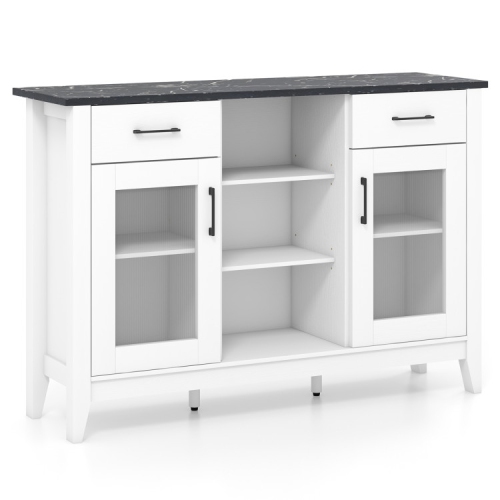
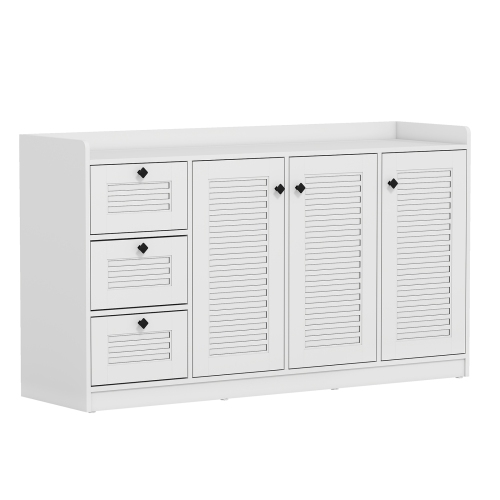
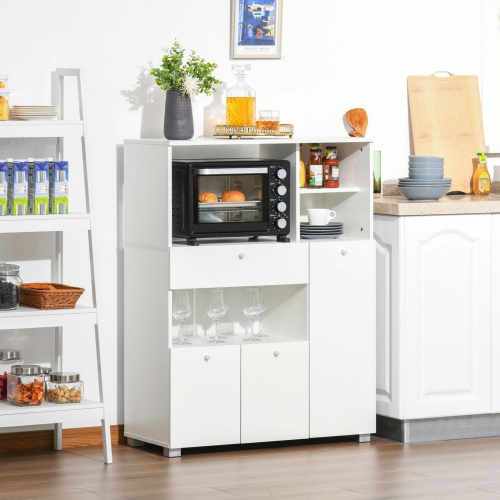
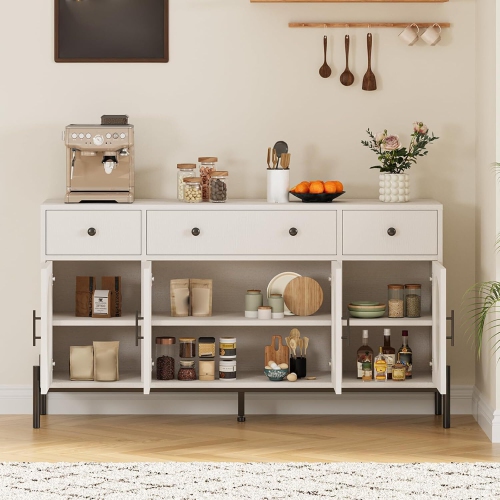

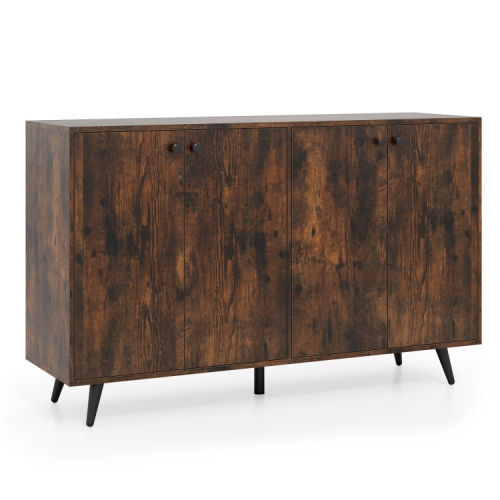
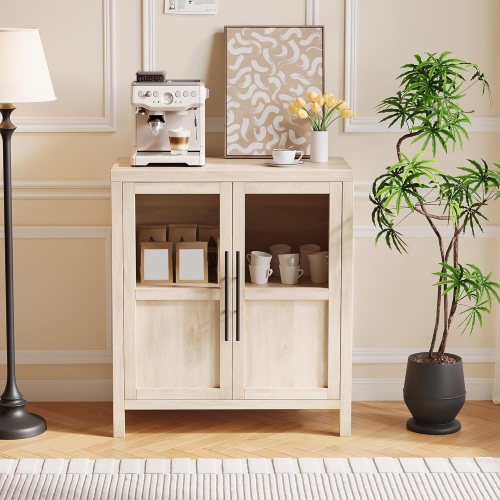
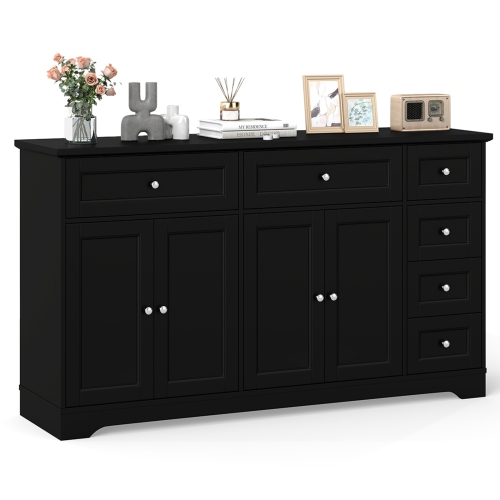
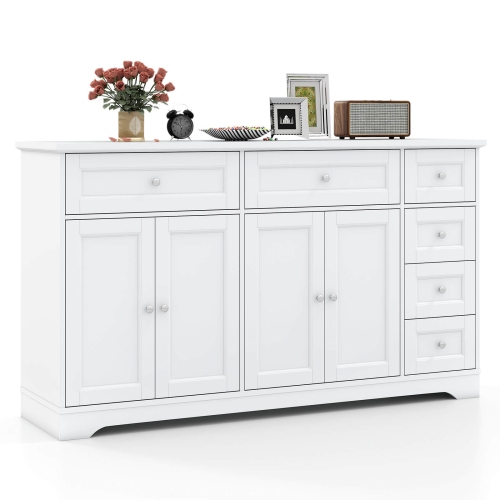
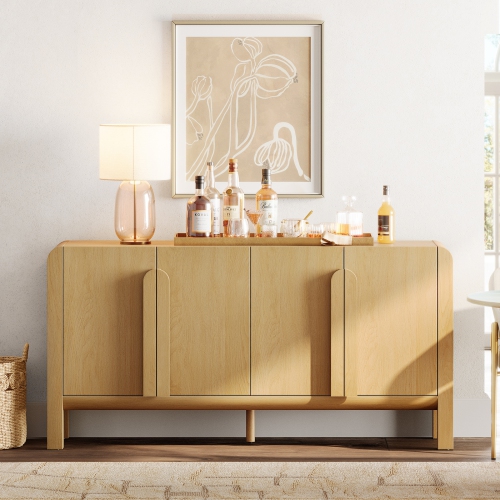
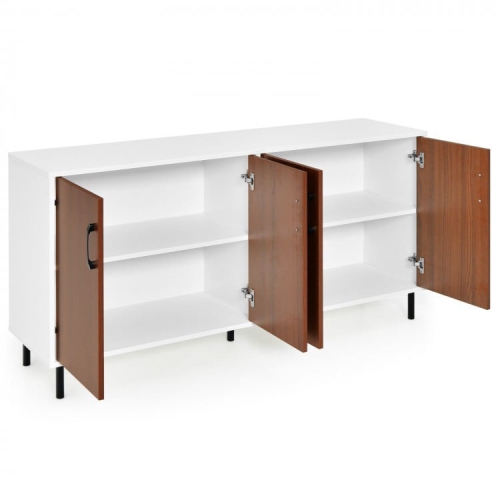
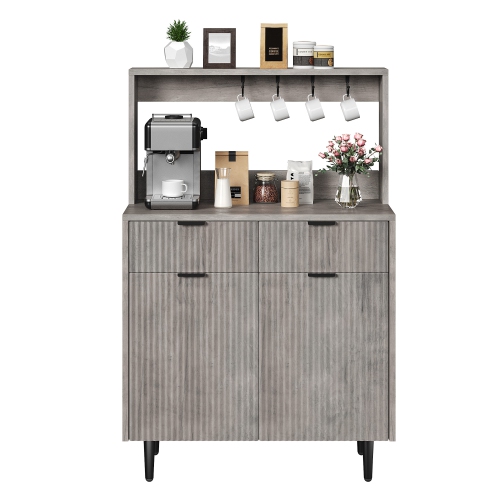

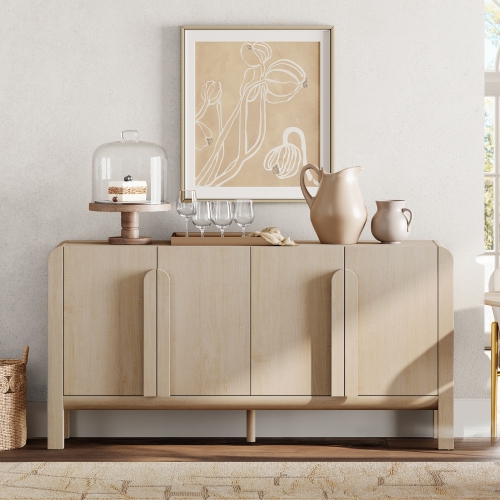
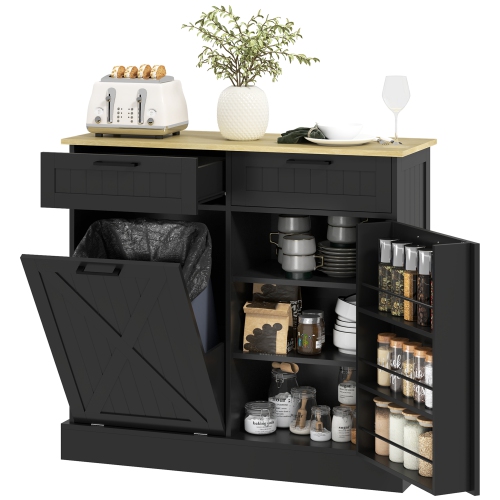
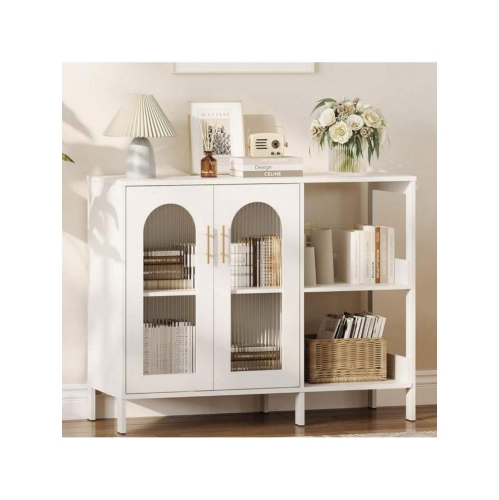
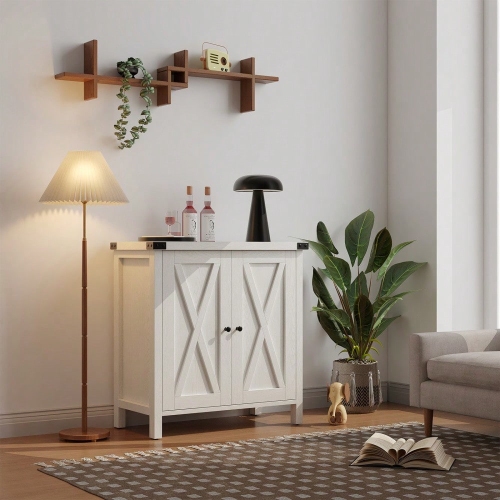
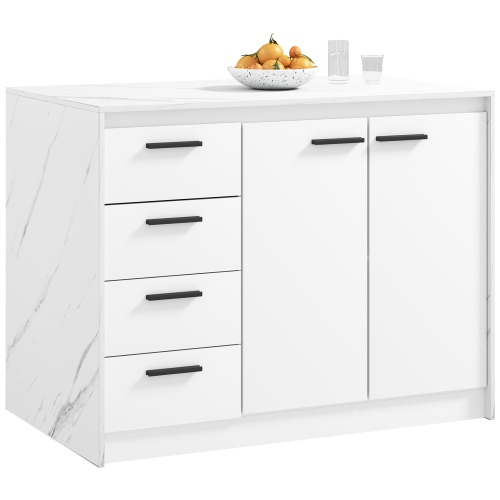
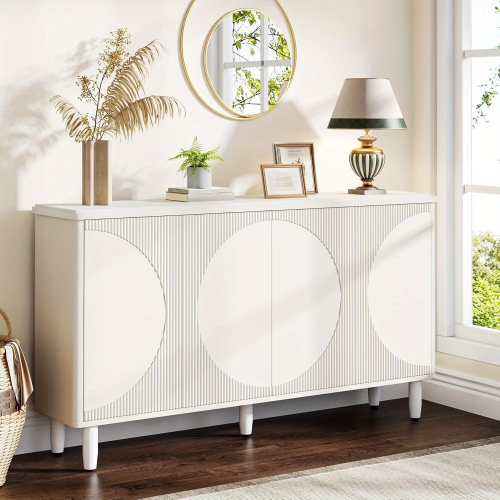
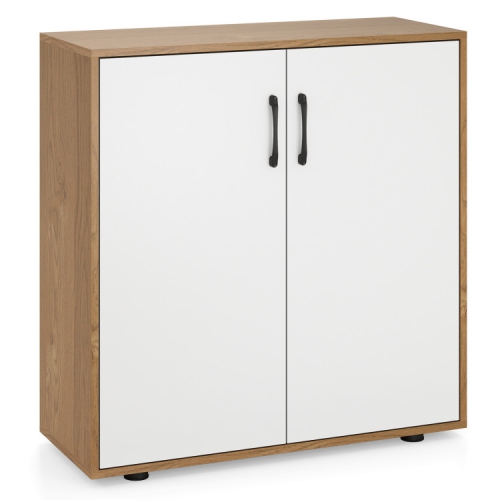

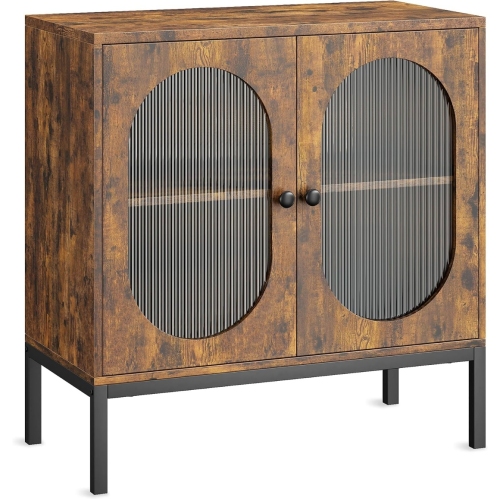
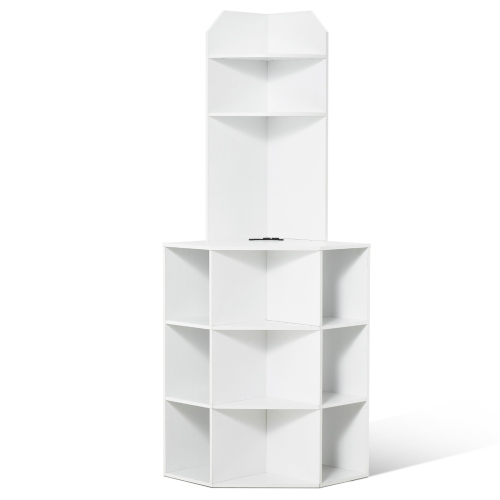
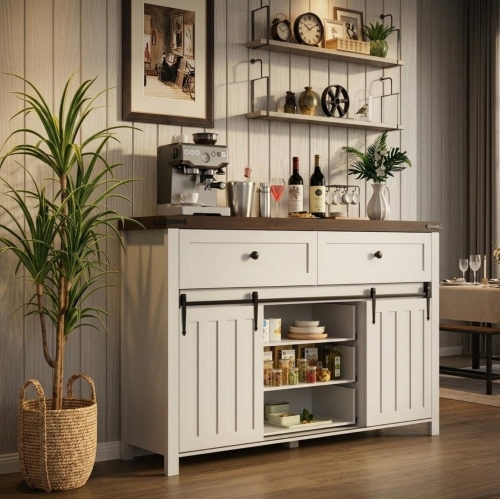
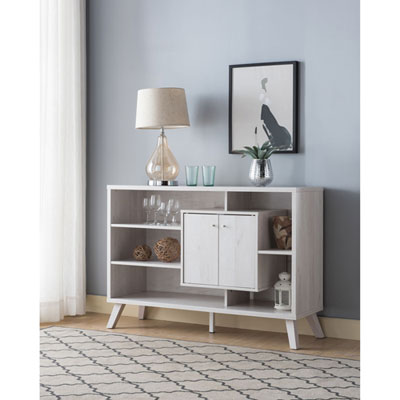
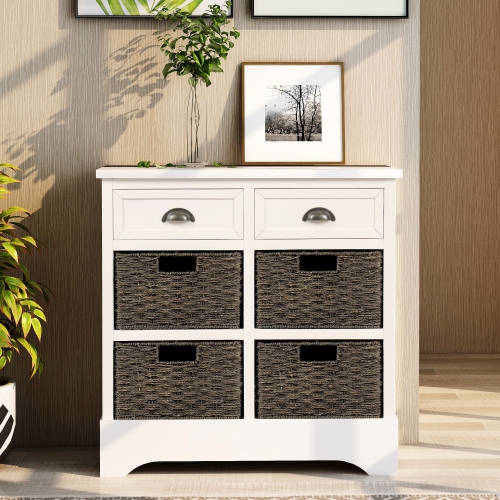
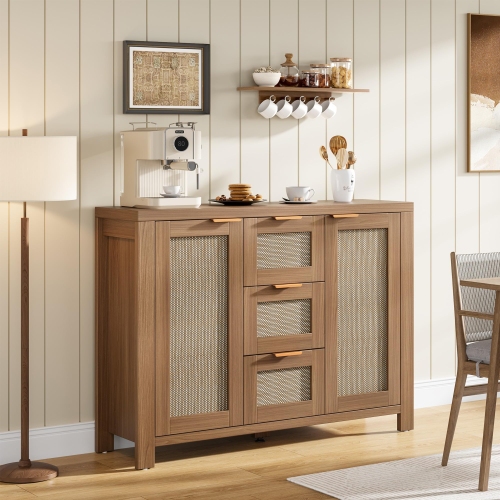
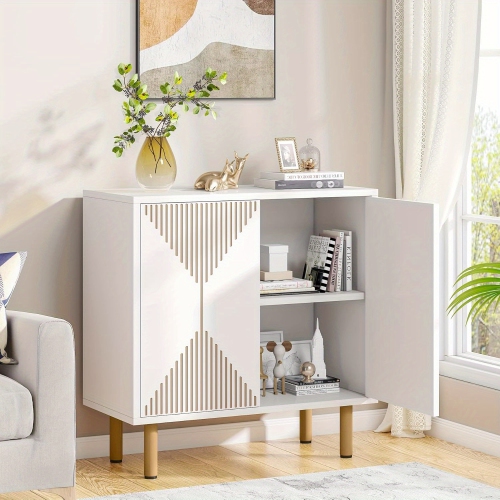
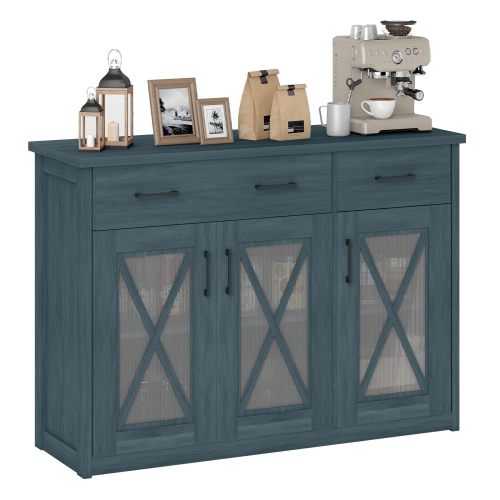
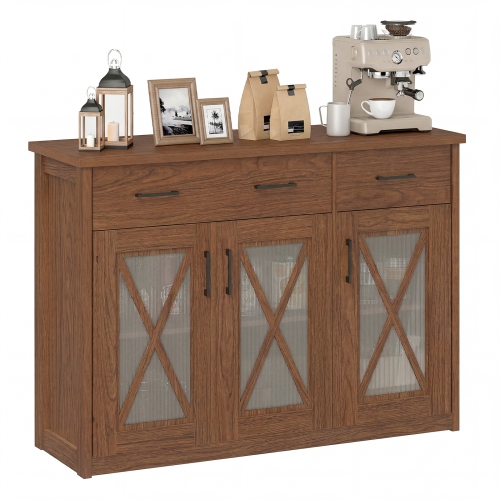
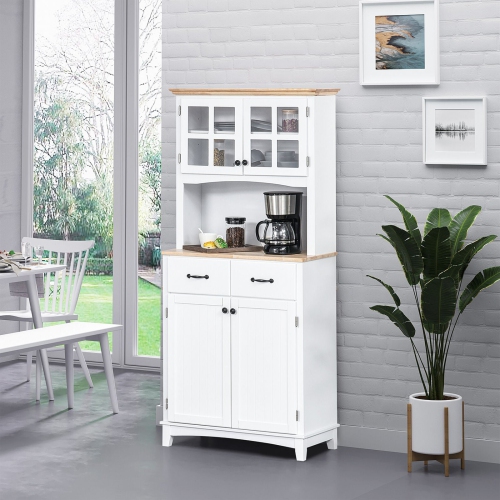
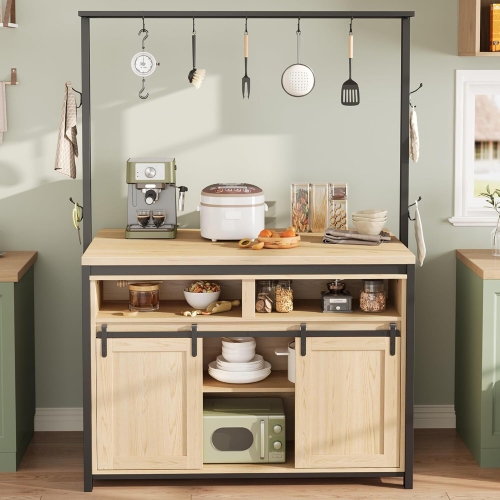
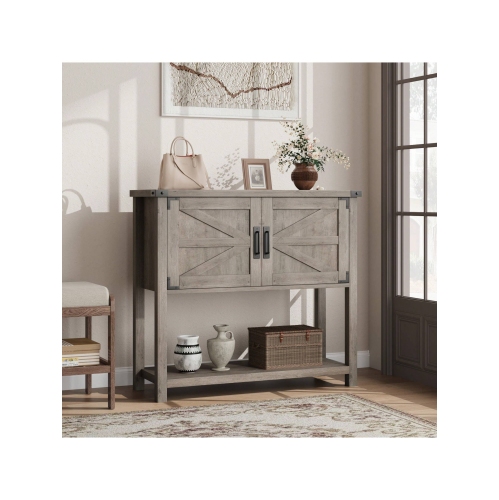
How cabinet layouts shape everyday kitchen routines
Kitchen cabinets are storage units designed to hold food, cookware, dishes, and everyday kitchen supplies. They may be built into a fitted layout or stand independently, depending on their construction and intended use. Beyond keeping shelves tidy, cabinets help shape how a kitchen works: plates can sit close to the dishwasher, dry ingredients can stay near the preparation area, and serving pieces can have a dedicated home instead of sharing space with pots and pans. Base cabinets sit beneath a countertop and provide lower-level storage, while wall cabinets make use of vertical space above a work surface. Tall pantry cabinets bring several shelves together in a smaller footprint, making them useful where groceries would otherwise spread across different cupboards. Freestanding kitchen cabinets can add storage without requiring an entirely new fitted kitchen, provided their dimensions and installation requirements suit the room. The most practical arrangement depends on what needs a home. Deep compartments can accommodate mixing bowls and larger cookware, while shallower shelves make it easier to see jars, mugs, and smaller dishes without reaching behind several rows. Drawers offer a clear view from above, and adjustable shelves allow storage heights to change as household needs change. In a busy family kitchen, separate spaces for lunch containers, snacks, and dinnerware can make daily routines less crowded. In a smaller apartment, a compact cabinet may keep preparation surfaces clear while preserving room to move. Glass-front doors can display matching dishes, while solid doors keep a mixture of packaging and cookware out of sight. Open shelves place frequently used pieces within easy reach, though their contents need more frequent dusting. Across the broader Kitchen Cabinetry category, the relationship between enclosed storage, accessible shelves, and usable floor space is central to creating a kitchen that feels organized rather than overfilled.
Cabinet materials influence appearance, weight, care requirements, and how surfaces respond to everyday use. Solid wood brings natural grain and variation, with differences in tone that can remain visible even beneath a stain. Wood veneer gives a thin layer of real wood to a supporting panel, offering a wood-grain appearance without making every component from solid timber. Plywood, medium-density fibreboard, and particleboard are also used in cabinet construction, often beneath painted, laminated, or veneered surfaces. Performance depends on the complete construction, including panel thickness, edge protection, joinery, hardware, and the quality of the finish, rather than the material name alone. Painted doors create a consistent colour across the kitchen, while wood-look finishes add visible pattern and texture. Laminate surfaces can be straightforward to wipe clean, although exposed edges and damaged seams still need protection from moisture. A cabinet may combine different materials in its doors, frame, shelves, and back panel, so those details matter when comparing construction. Shaker-style doors have a recessed centre panel and a simple frame that suits many kitchen styles. Flat-panel doors create a quieter visual line, particularly in compact rooms, while more detailed profiles add depth and a furniture-like character. Lighter colours can help cabinetry blend with pale walls; darker finishes create stronger contrast with countertops and flooring. Hardware contributes to both appearance and comfort. A handle with enough finger clearance is easier to grip when hands are damp, and a smooth drawer action is noticeable when putting away dishes several times a day. Soft-close hinges and drawer mechanisms reduce abrupt closing, but they do not replace careful handling or proper adjustment. For households that use heavy stoneware or keep several small appliances behind closed doors, shelf and drawer load ratings are especially important. Durability is most useful when it matches the way the cabinet will actually be used, from a lightly filled serving cupboard to daily cookware storage.
Fit involves more than finding a cabinet narrow enough for an empty section of wall. Height, depth, door swing, drawer extension, and access around nearby appliances all affect whether storage works comfortably in the room. A door that clears a wall may still catch a projecting handle beside it, and a deep drawer needs space to open without blocking a walkway. Baseboards, window trim, plumbing, electrical outlets, and uneven floors can also affect placement. In fitted kitchens, corner arrangements and filler spaces help adjacent doors and drawers open properly. Freestanding designs need a level position and any wall anchoring specified by the manufacturer; wall-mounted cabinets require suitable fixings and structural support for the cabinet and its loaded contents. A cabinet intended for general storage should not be treated as a support for a heavy countertop or an enclosure for a heat-producing appliance unless it is designed for that purpose. Appliance ventilation and installation clearances remain essential, even when a close-fitting arrangement looks appealing. Inside the cabinet, everyday dishes are generally more convenient at an easy reaching height, with heavier cookware lower down and less-used serving pieces higher up. Cleaning supplies need storage appropriate to the household, particularly where children are present. Care is usually simplest when spills are dealt with promptly rather than left to collect around hinges, edges, and joints. A soft cloth, gentle cleaning method suited to the finish, and thorough drying help preserve the surface; abrasive pads and harsh cleaners can dull or damage some coatings. Standing water beneath a sink and steam directed at a door can cause problems even when the visible surface appears well protected. Occasional checks of hinges, handles, shelf supports, and drawer runners can catch loose fittings before they interfere with daily use. With suitable dimensions, dependable construction, and storage arranged around familiar routines, kitchen cabinets can make everything from unloading groceries to setting the table feel more manageable.
Top selling and popular products
-
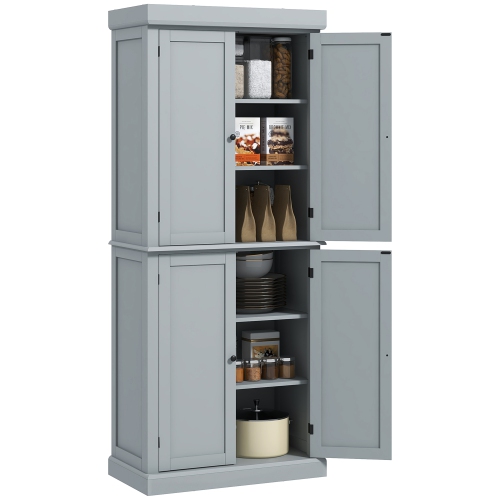 Your price for this item is $285
-
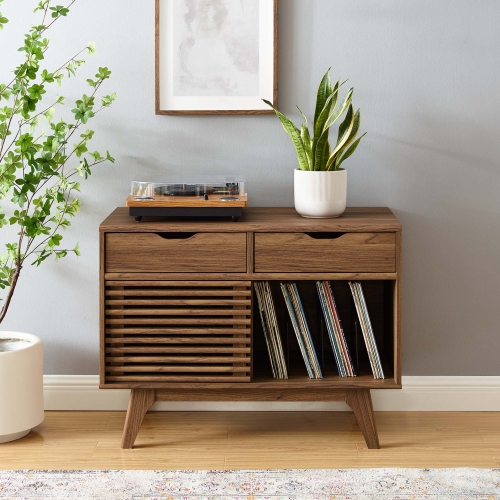 Your price for this item is $452.93
-
 Your price for this item is $155.99
-
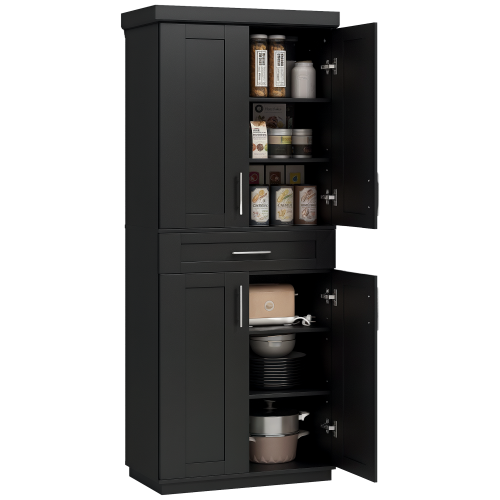 Your price for this item is $269.99
-
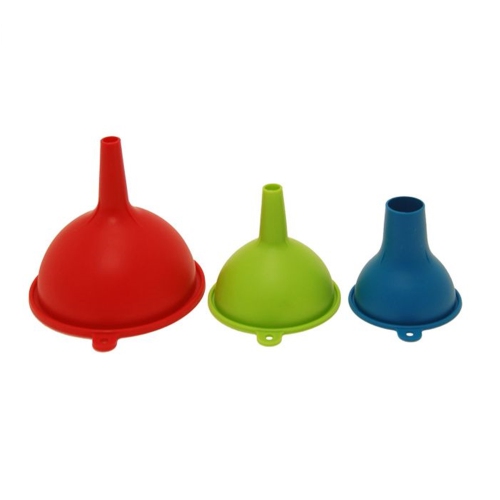 Your price for this item is $12.97
-
 Your price for this item is $155.99
-
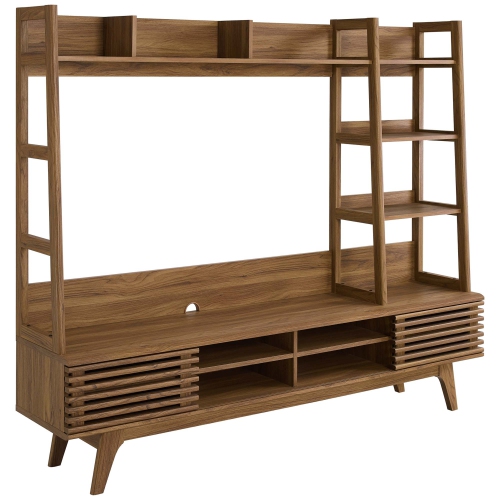 Your price for this item is $885.06
-
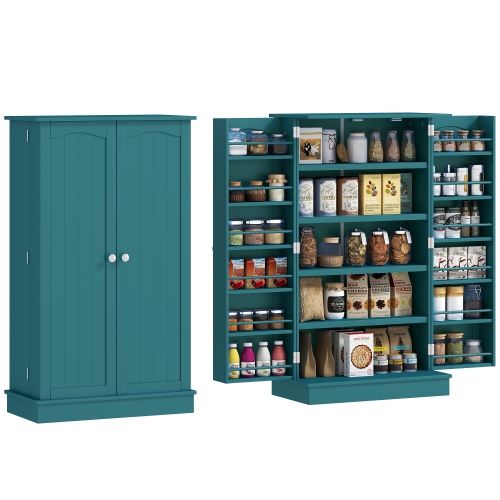 Your price for this item is $132.99
Discover more categories related to Kitchen Cabinets
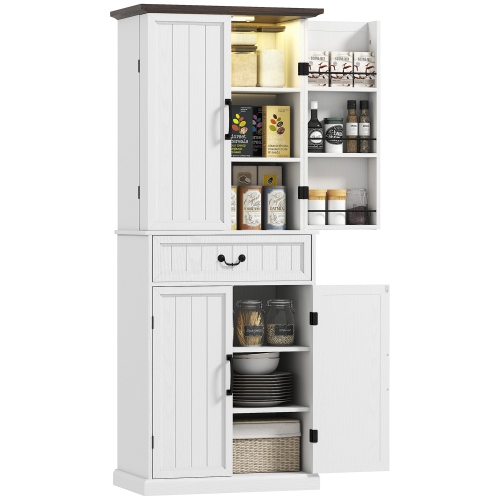
Top Collections:
Best Black Friday Deals This Year, Best Black Friday Deals On Electronics, Kindle Devices, Dyson Airwrap, Best Cameras for Sports Photography, Best Budget Office Chairs, Canon G7X Cameras, PS5 Pro Consoles, Best Black Friday Deals On Apple Products, XBOX One S Consoles
Some products may be subject to Environmental Handling Fees
(EHF) depending on your province.
Learn more about EHFs.