Kitchen Cupboard Organizers
Keep your kitchen tidy and organized with our selection of kitchen cupboard organizers. From spice racks to shelf dividers, these handy tools will help you maximize space and keep everything in its place. Whether you have a small apartment kitchen or a spacious culinary haven, our range of cupboard organizers offers solutions for every need. Say goodbye to cluttered shelves and hello to easy access and efficient storage. With our wide variety of options, you'll find the perfect organizers to suit your kitchen style and keep your cooking essentials within reach.
Sort
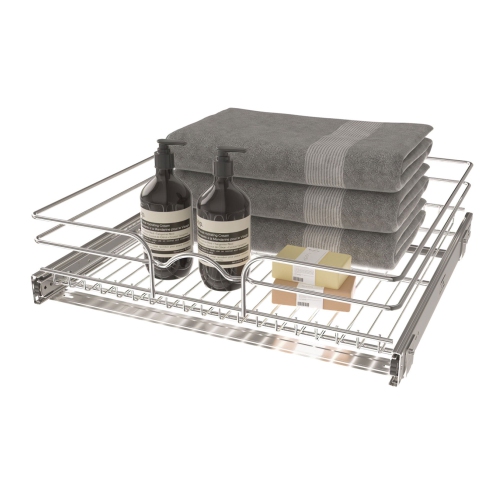
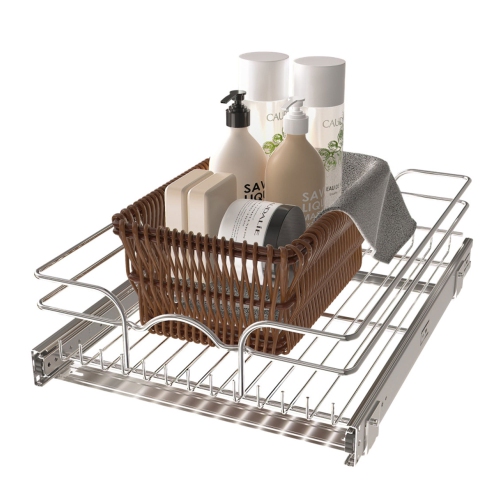
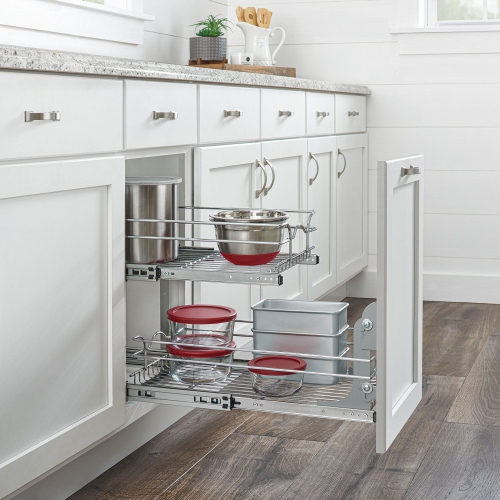

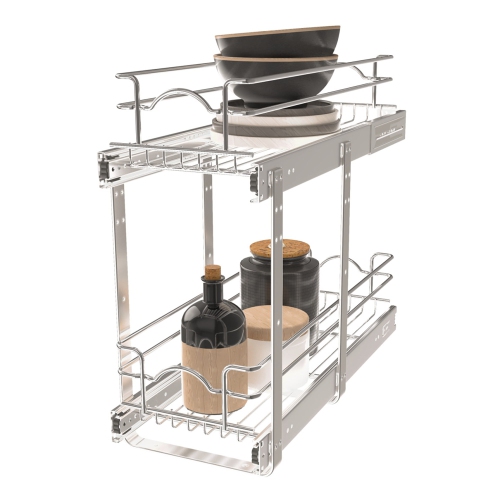
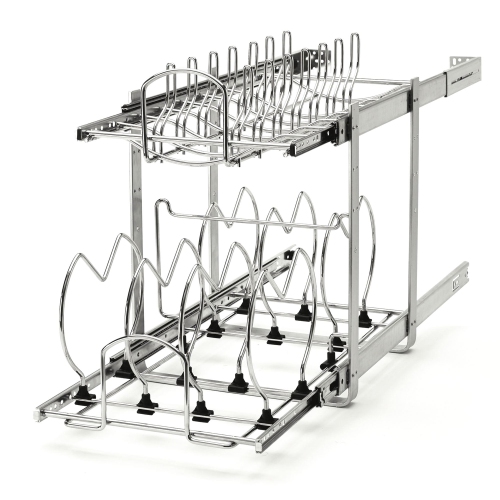
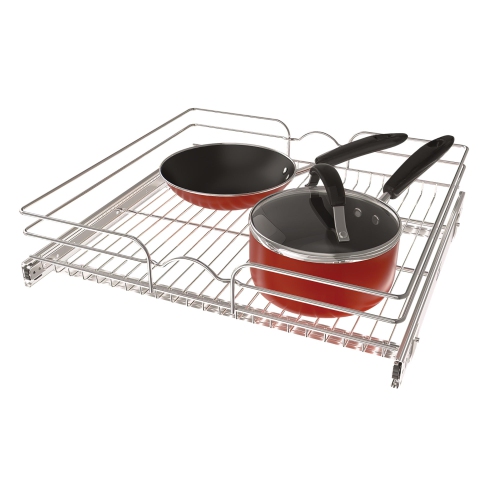
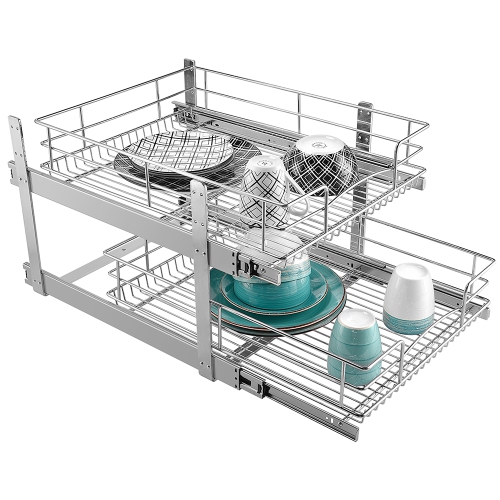
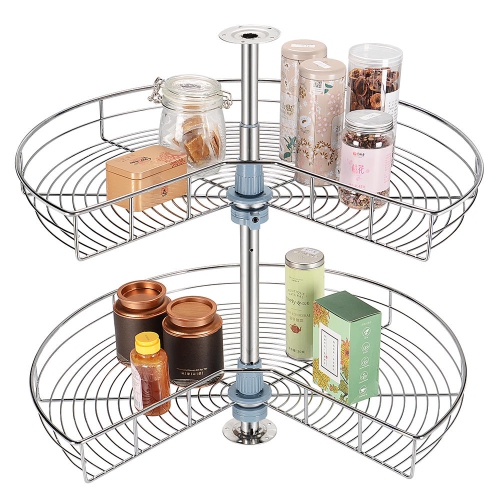
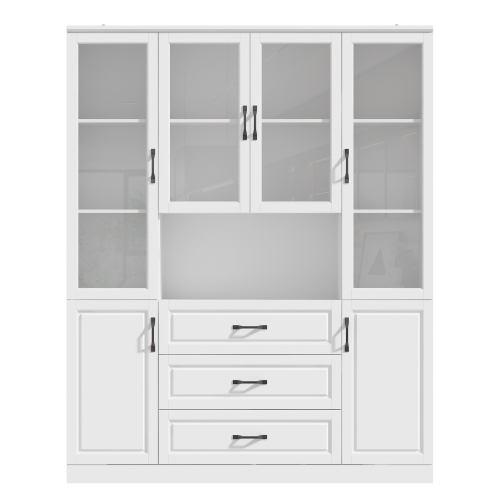
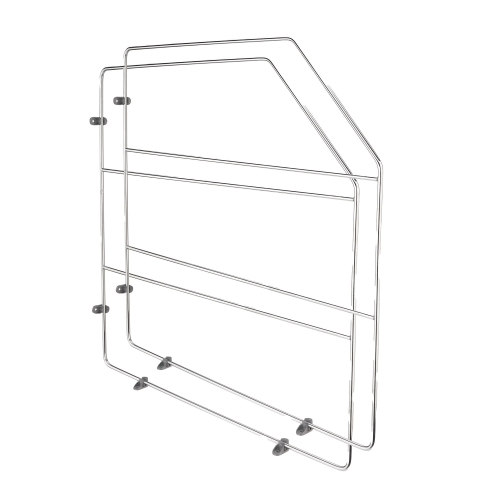
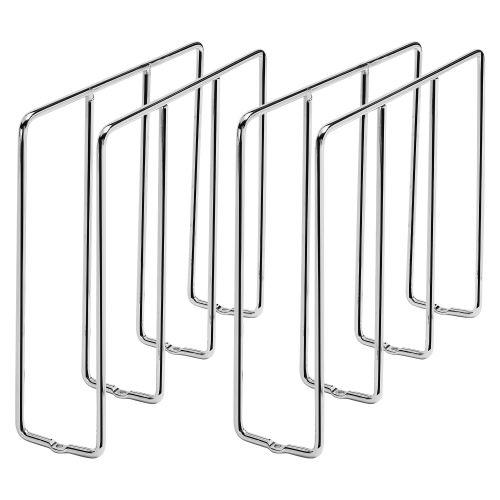
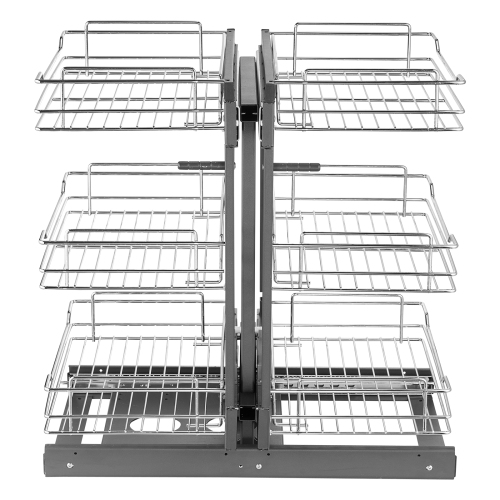
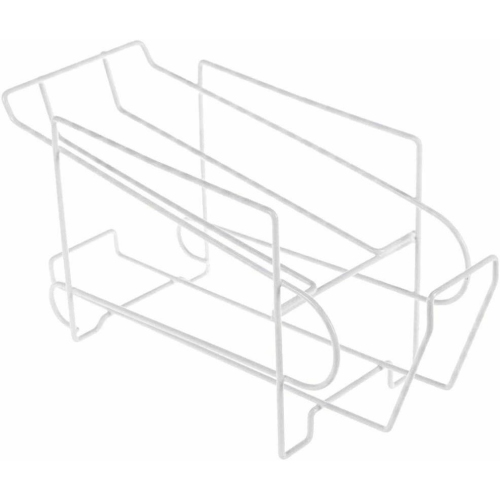
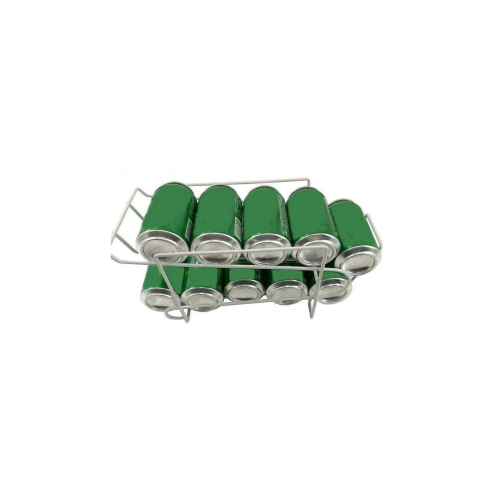
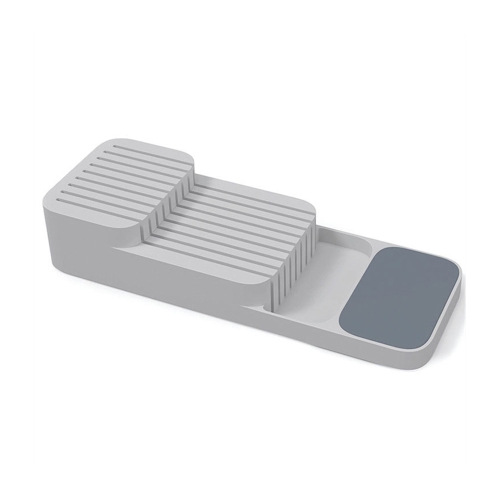
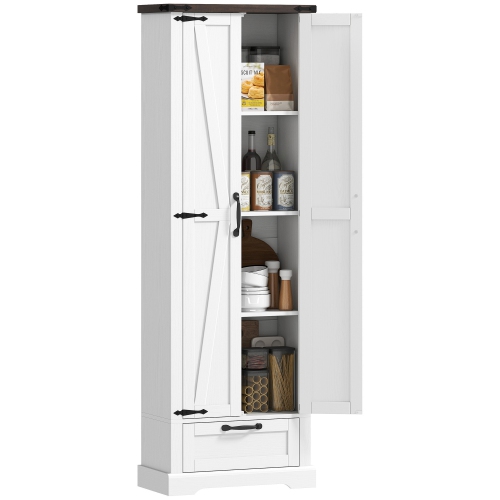
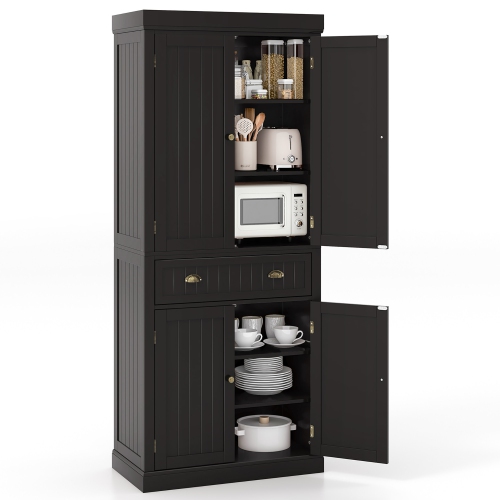
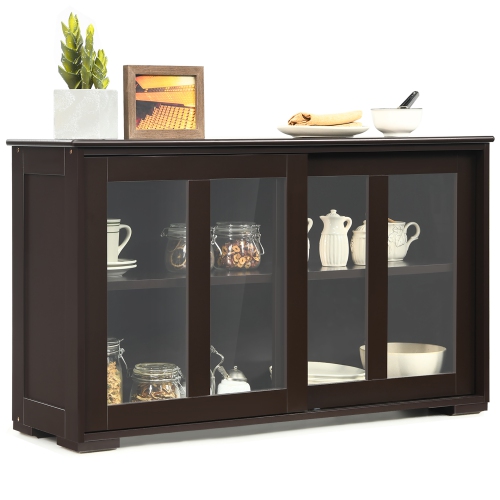
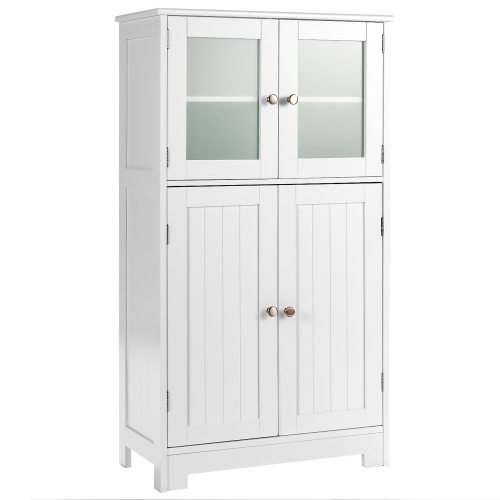
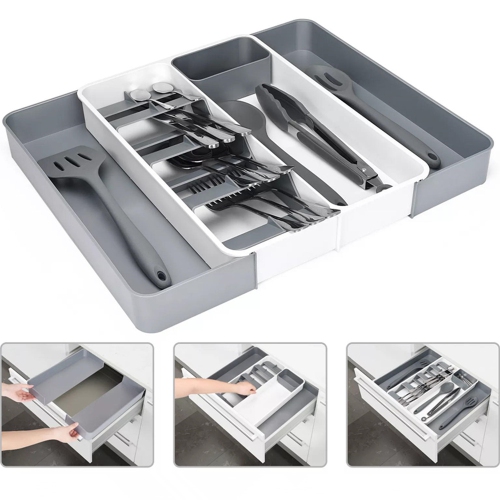
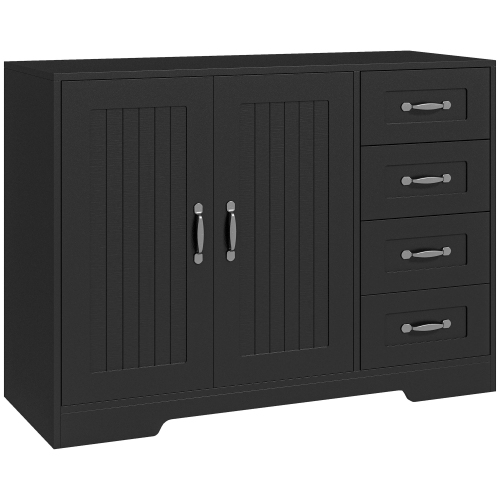
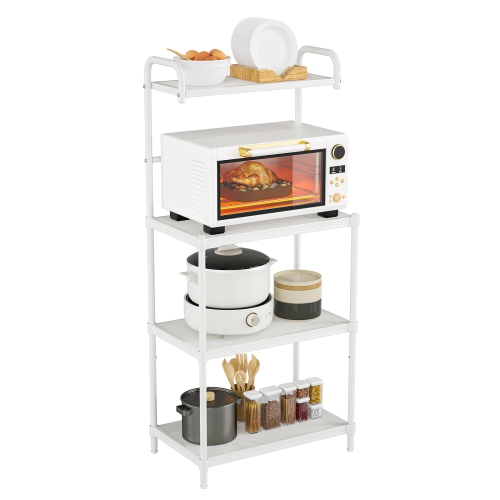
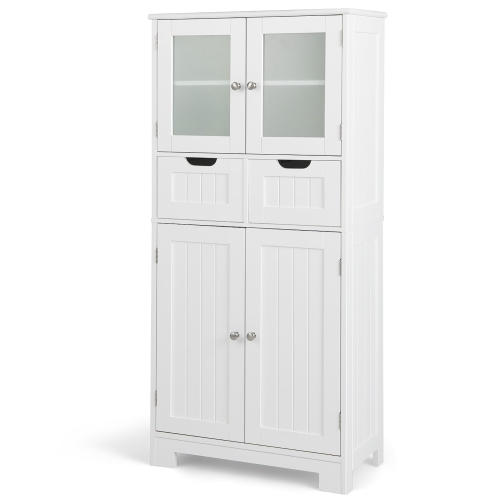
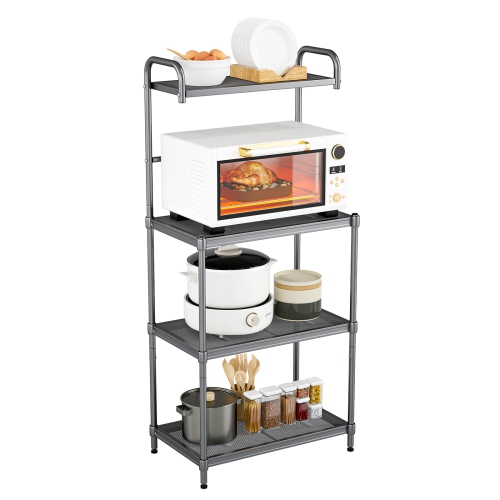
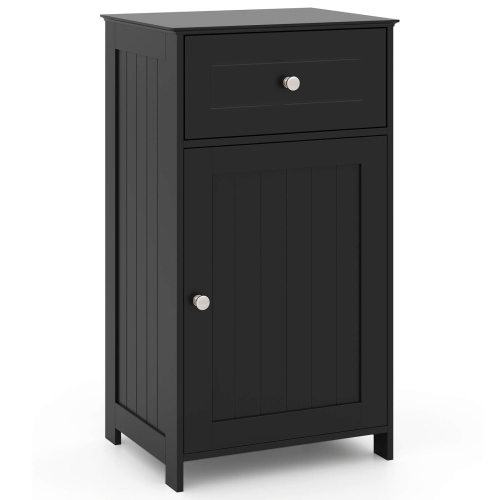
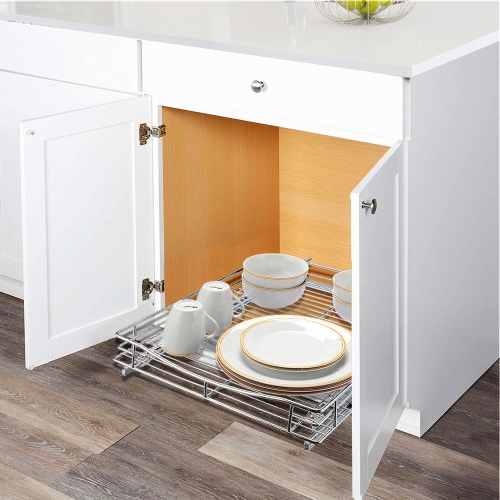
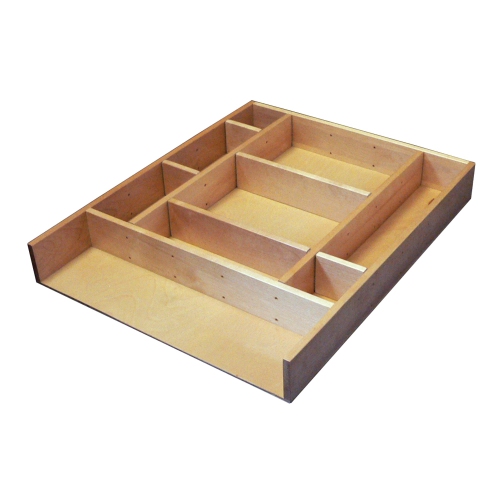
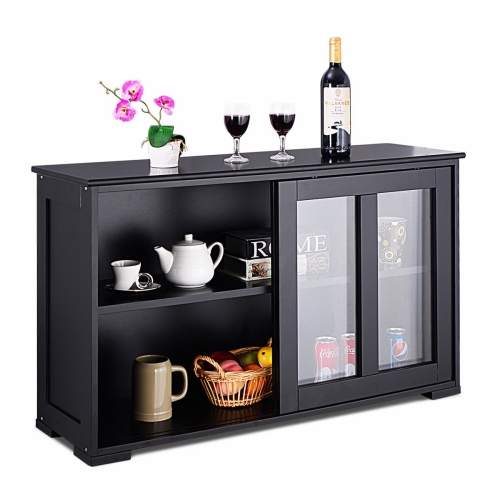
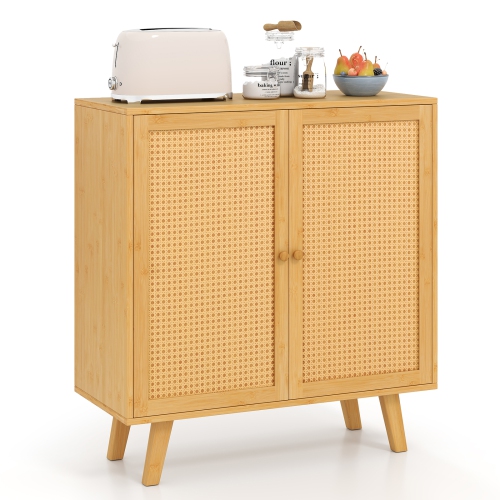
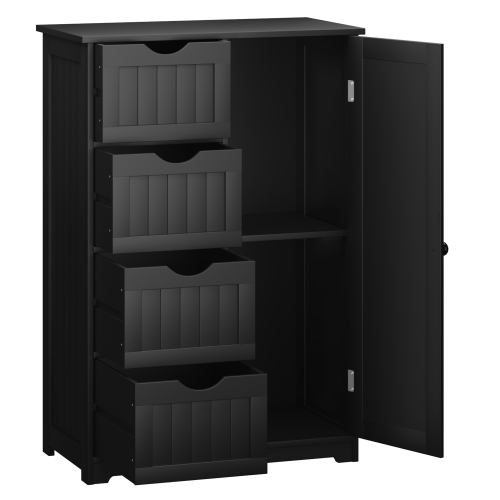
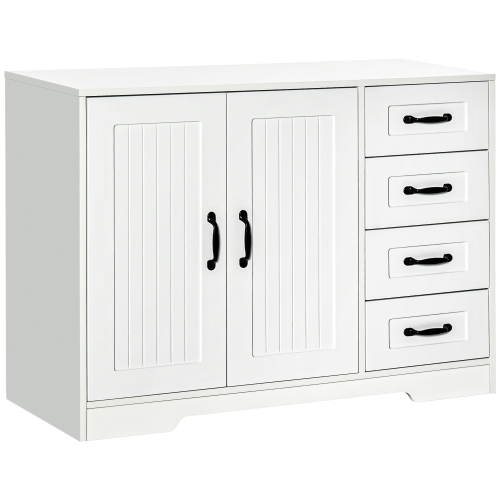
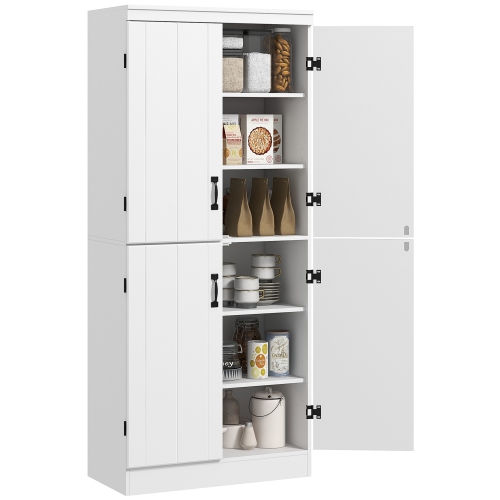
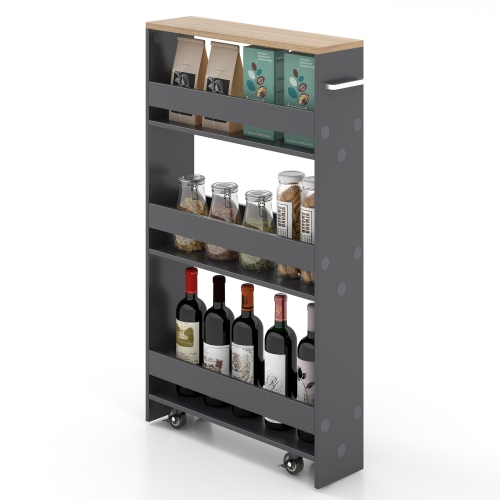

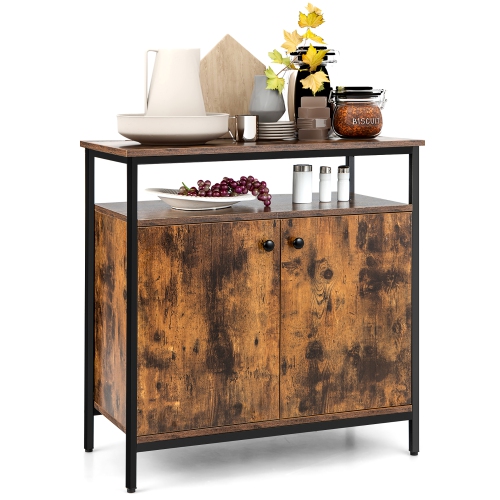

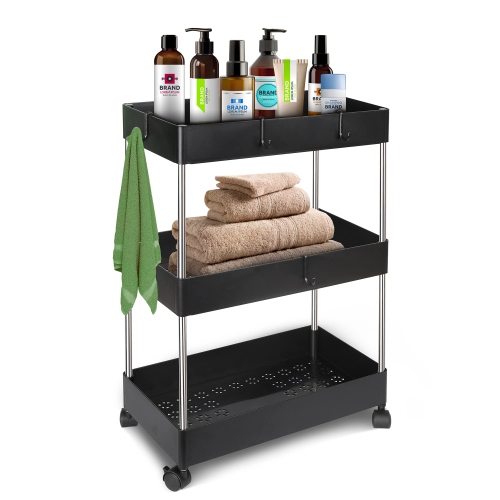
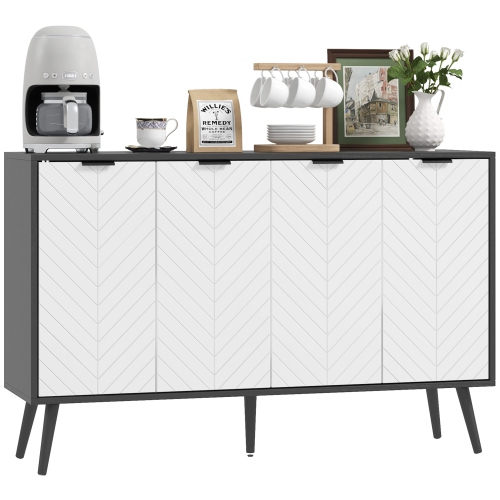
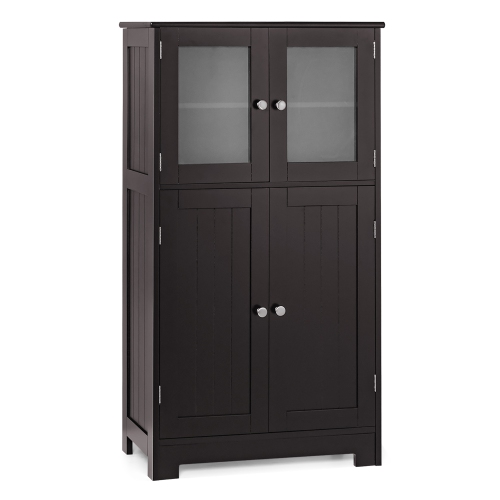
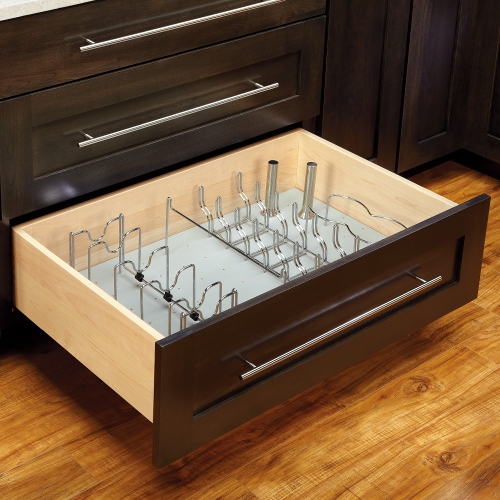
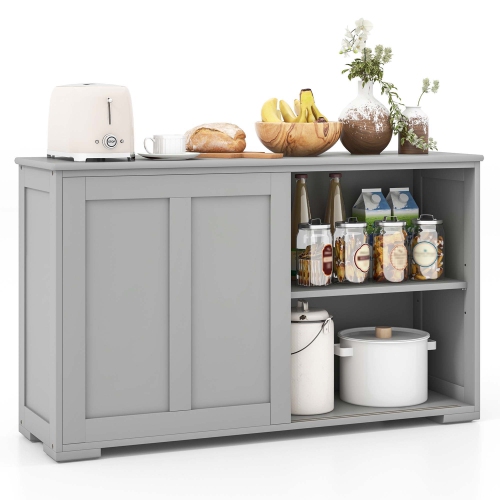
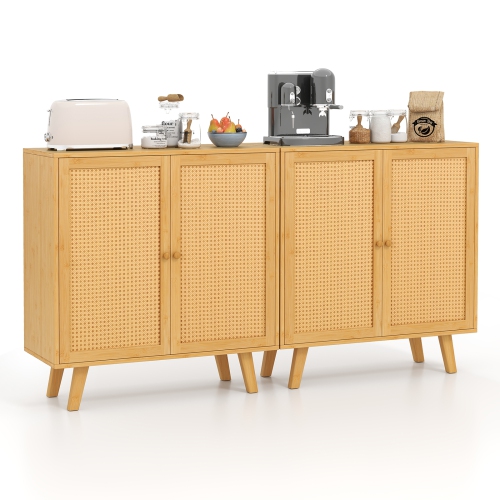
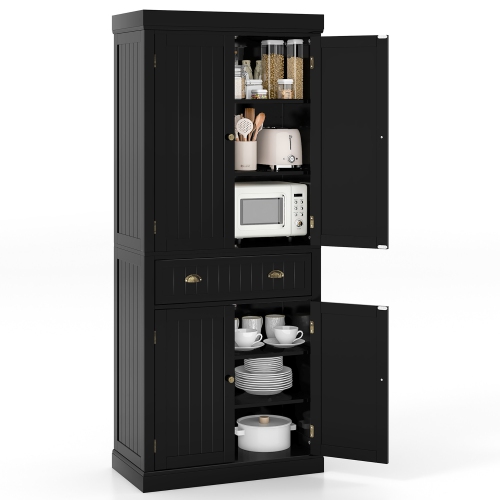
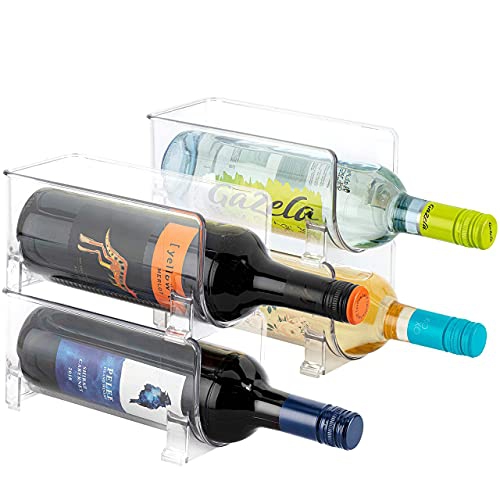
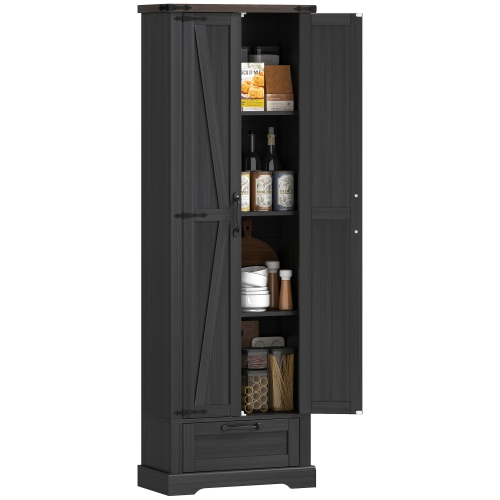
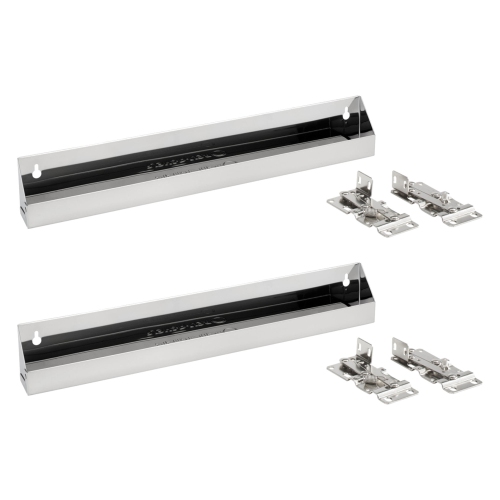
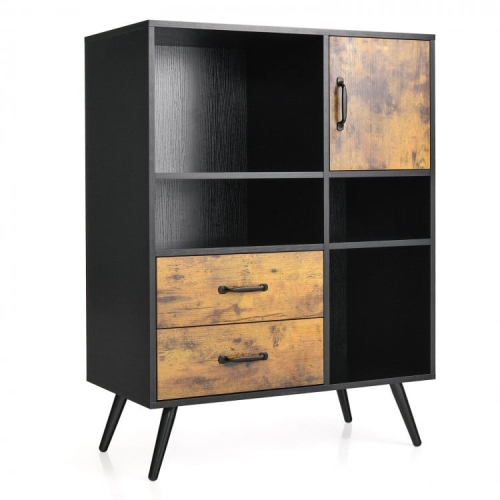
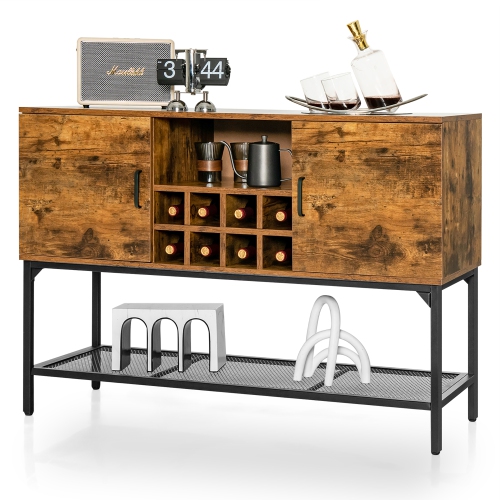
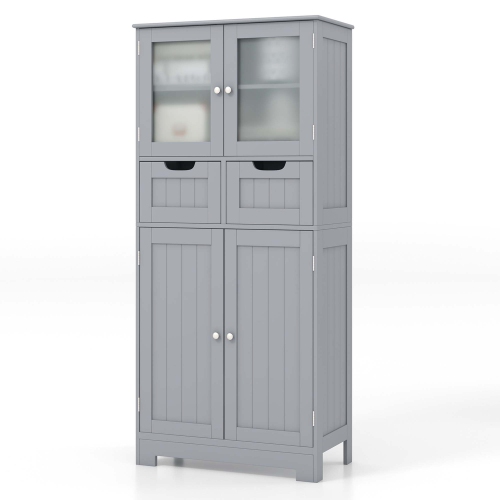
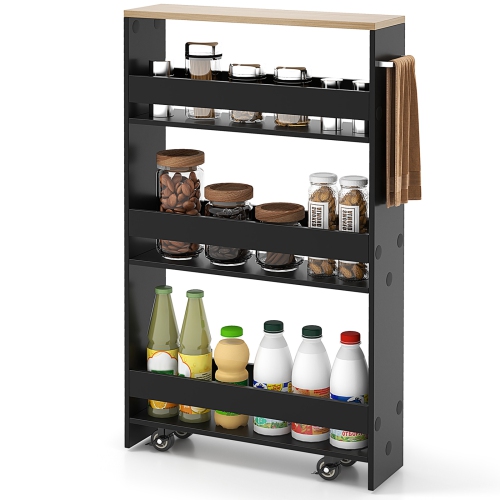
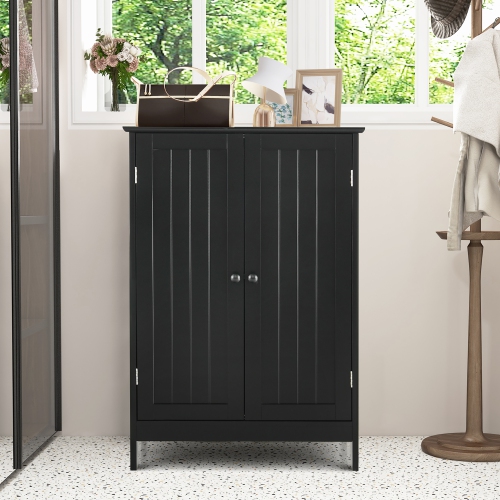
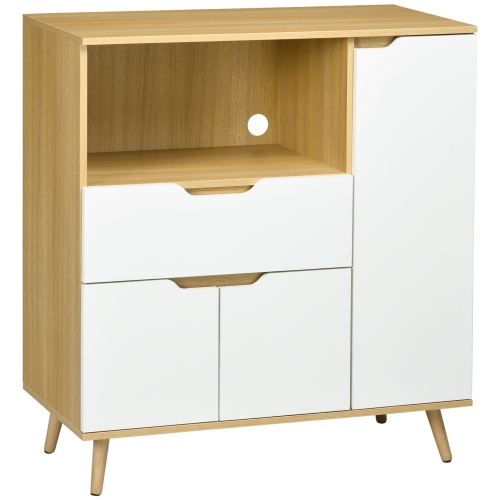
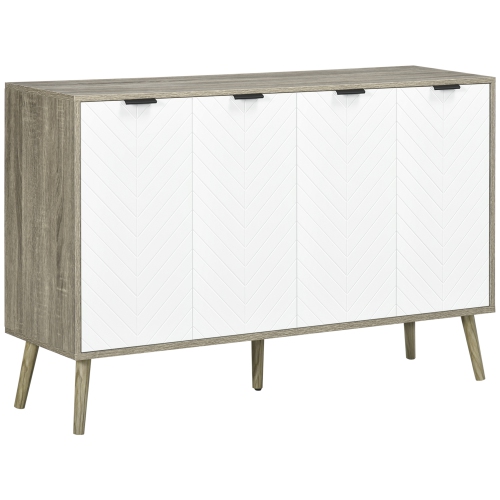
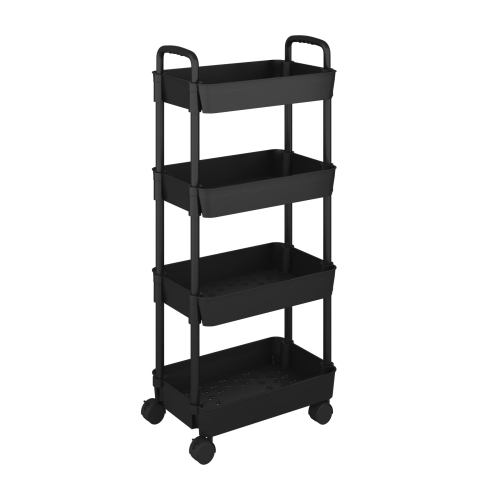
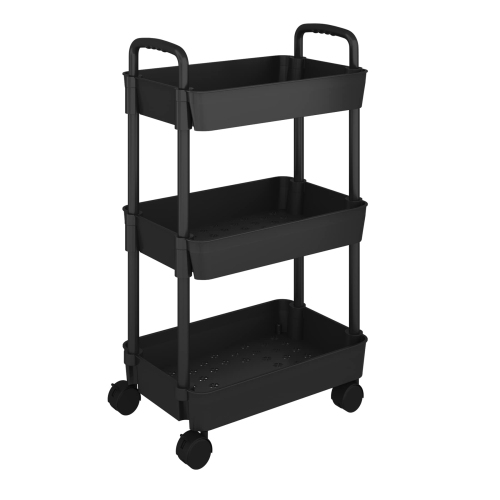
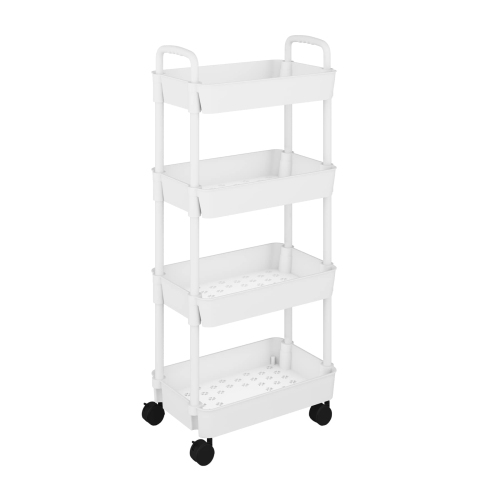
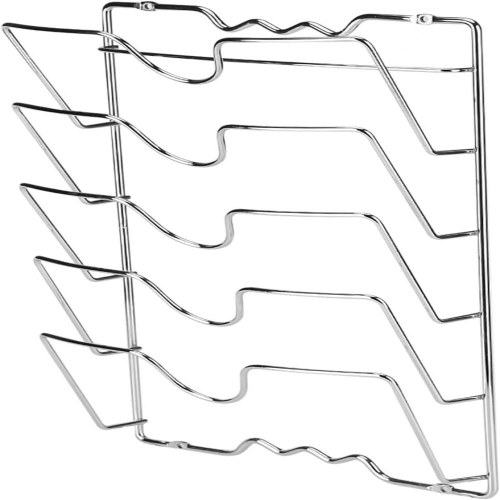
Everyday essentials within reach, even in deep cupboards
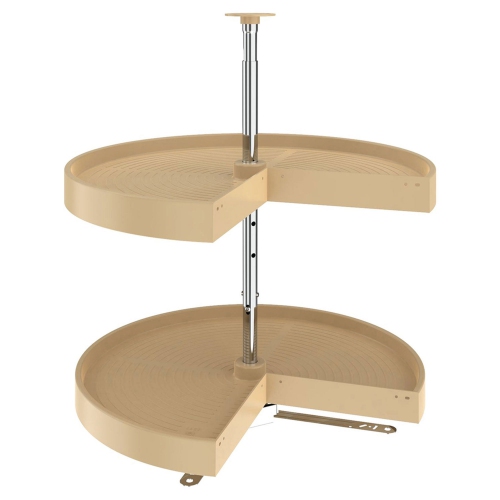
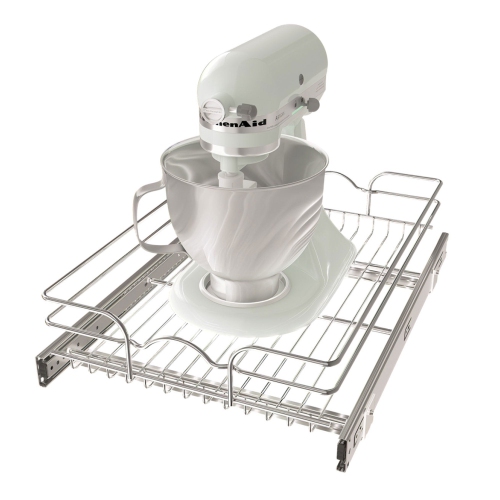
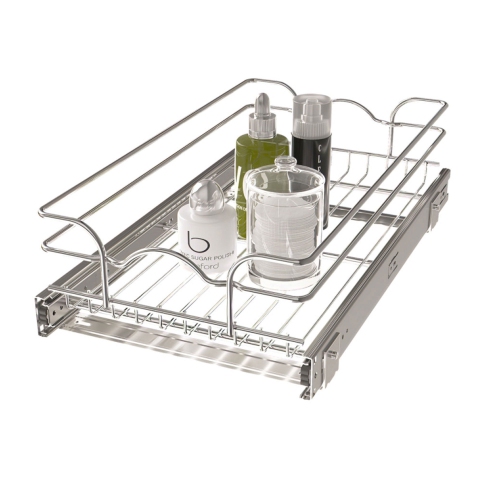
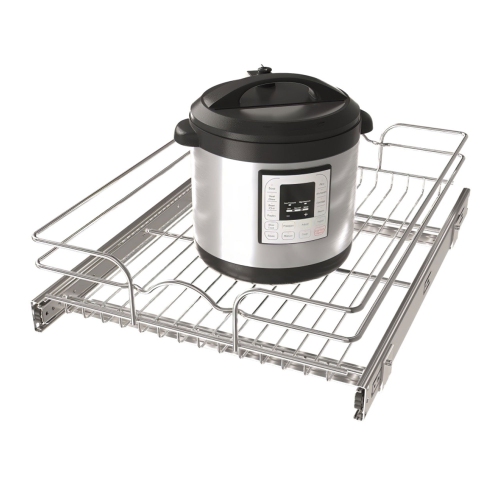
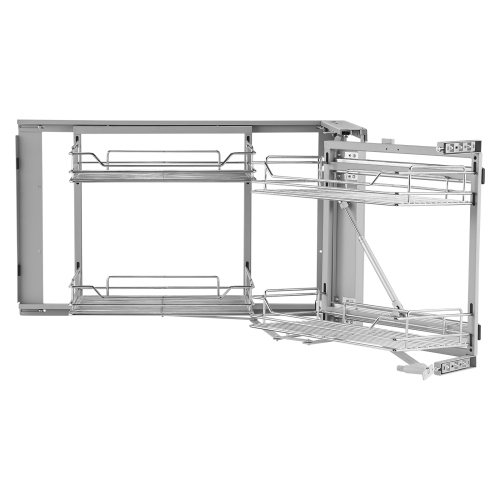
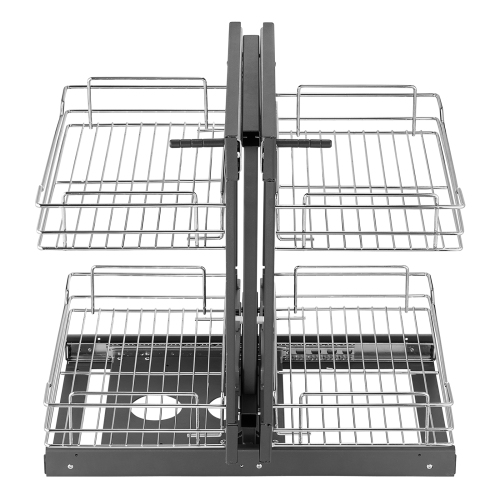
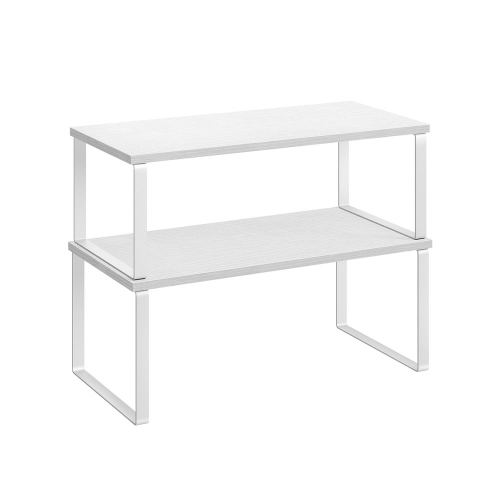
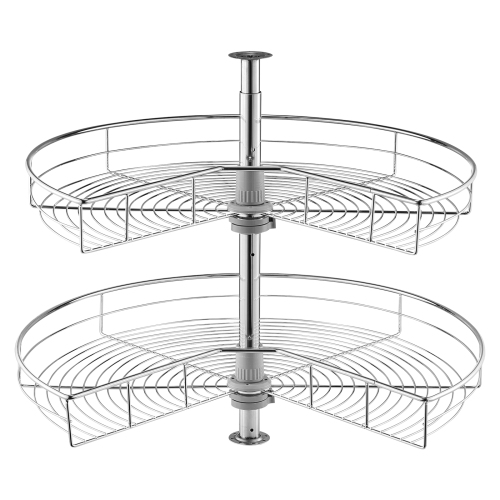
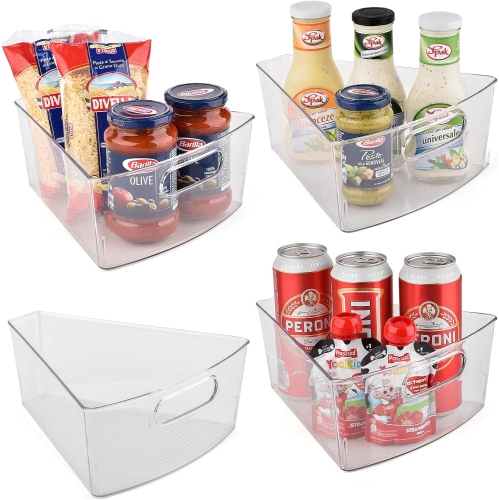
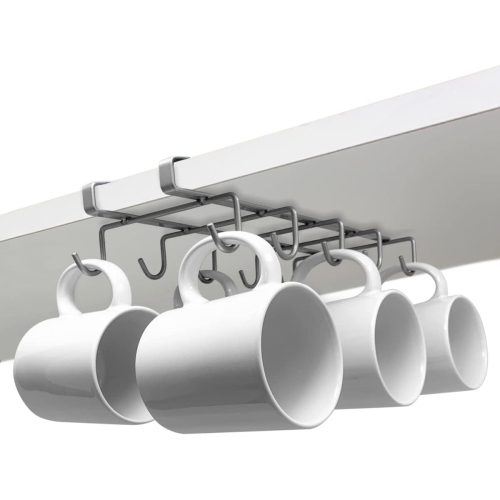
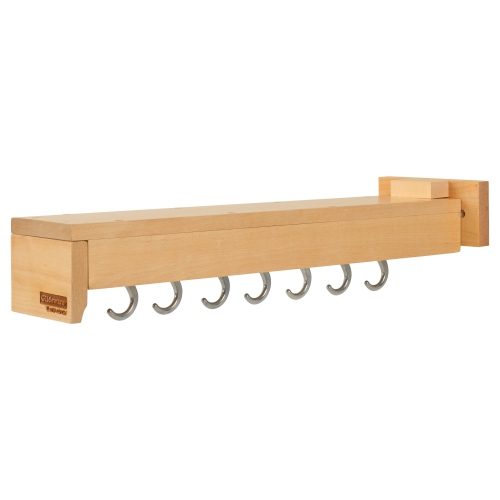
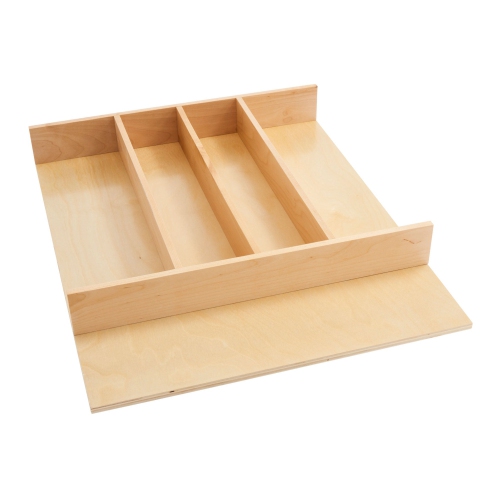
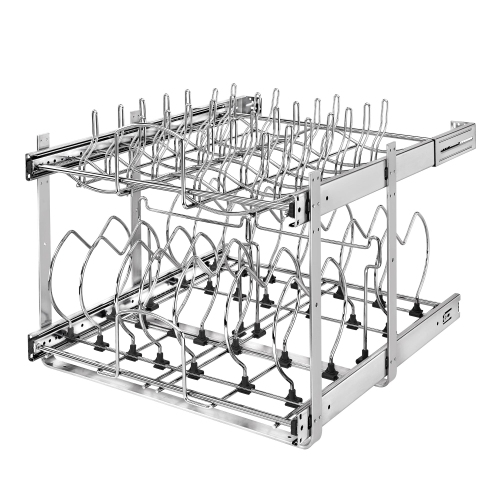
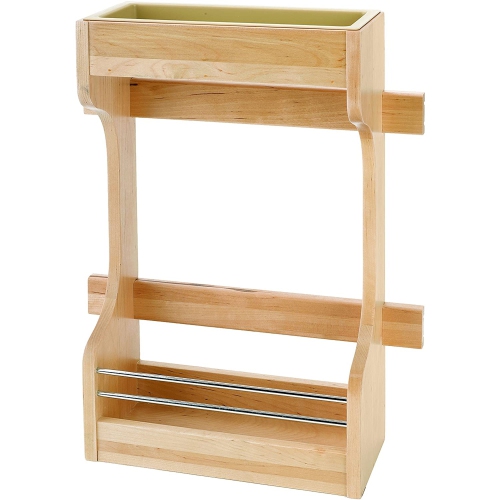
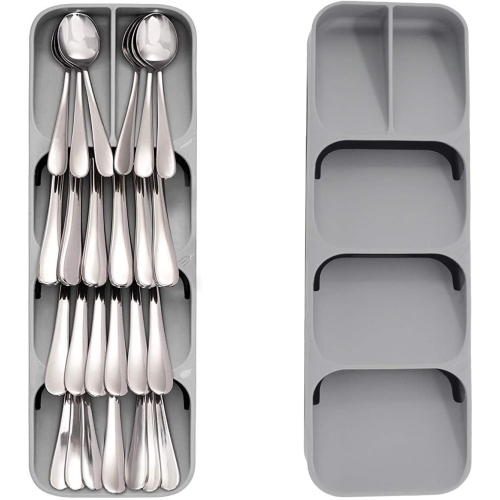
Kitchen cupboard organizers bring a little more order to the spaces that work hardest in a kitchen, from the narrow cabinet beside the cooker to the deep cupboard where mixing bowls tend to disappear behind larger cookware. Their purpose is not simply to fit more into a cabinet, but to make everyday essentials easier to see, reach, and put away. A neatly arranged shelf can keep breakfast dishes close at hand, separate baking supplies from everyday ingredients, or prevent a stack of saucepan lids from shifting whenever the door opens. Different shapes serve different storage needs: raised shelving makes use of the space above short stacks of plates, upright dividers give trays and chopping boards their own place, and rotating designs bring small containers within reach without disturbing everything in front. Pull-out formats can make deeper cabinets more practical, while open baskets help keep related supplies together. These arrangements suit busy family kitchens, compact condos, shared rentals, and households where several people cook throughout the day. An organizer that gives each category a clear home can make the transition between preparing a meal and clearing up feel less crowded, especially when counter space is limited. Cupboard storage also works alongside a separate pantry, with frequently used cookware and tableware kept near their point of use and larger food supplies stored elsewhere. For storage beyond the cooking area, kitchen pantry organizers can help carry that same sense of order into shelves used for dry ingredients, snacks, and household staples. The most useful cupboard arrangements reflect familiar routines rather than a perfectly matched display: mugs near the kettle, lunch containers within easy reach, and heavier bowls on a shelf that does not require stretching. During the cooler months, when roasting dishes and baking equipment may get more frequent use, those small distinctions can make a well-used kitchen feel noticeably easier to manage.
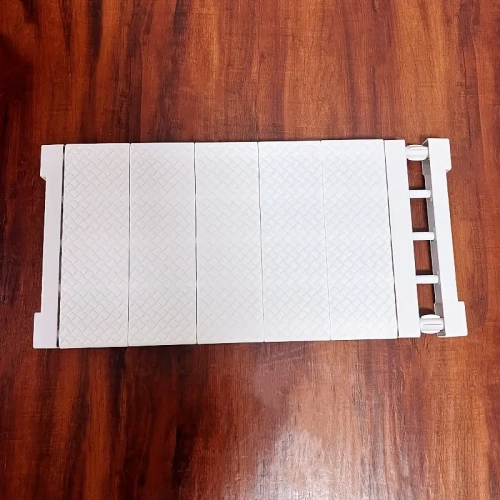
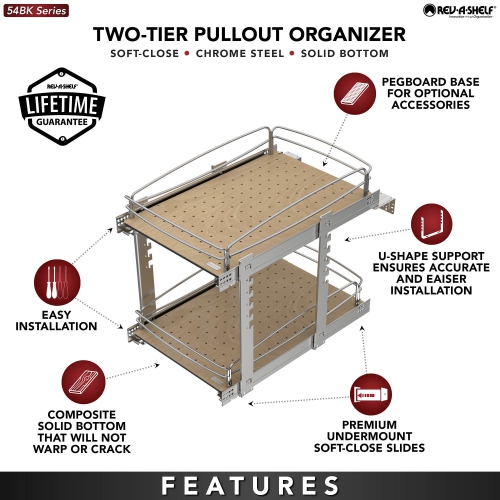
Fit matters as much as storage capacity because a cupboard’s usable space is often smaller than its outside dimensions suggest. Door hinges, centre supports, shelf edges, and plumbing can all affect whether an organizer sits comfortably or moves freely. A pull-out design needs clearance through the cabinet opening, not just room at the back, and an over-door format must leave enough space for the door to close without pressing against an interior shelf. Adjustable widths and removable sections can be helpful where cabinet dimensions vary, while a fixed frame may offer a straightforward fit for a dedicated space. Height deserves equal attention: a shelf riser needs room both beneath and above it, including enough clearance to lift out a plate or grasp a mug handle. In deep cupboards, a shallow front section paired with accessible storage behind it can be more useful than a tightly packed arrangement that hides half the contents. Vertical dividers are particularly suited to flat cookware, provided their spacing accommodates handles, rolled edges, and thicker chopping boards. For stacked containers, separate space for lids can prevent the familiar jumble of mismatched shapes at the back of a shelf. Under-sink cupboards have different demands, since pipes, hoses, and shut-off valves need to remain accessible, and any storage nearby should tolerate occasional splashes. Cleaning supplies belong apart from food and dishes, with hazardous contents secured away from children and pets. Weight limits are another practical distinction, especially for cast-iron cookware, substantial dinnerware, or several filled jars. Freestanding designs generally avoid changes to cabinetry, making them appealing for renters, while mounted systems may offer a more permanent arrangement when the cabinet construction and installation requirements allow. Non-slip feet, smooth-moving tracks, and stable bases can all contribute to comfortable everyday use, though their usefulness depends on the shelf surface and the load being stored. A good fit leaves room for hands as well as belongings, so putting something away does not require moving three other things first.
Materials influence how kitchen cupboard organizers look, feel, and hold up to daily handling. Metal frames can provide firm support with a relatively open profile, while protective coatings help limit direct contact between the metal and stored dishes. Wire construction makes contents easy to spot, although widely spaced bars may not suit small lids or narrow containers. Solid surfaces offer more continuous support and can help contain crumbs, but corners and joins may need extra attention during cleaning. Plastic designs are often lightweight and easy to move between shelves; clear surfaces keep contents visible, while opaque finishes can give a busy cupboard a more uniform appearance. Wood and bamboo bring a warmer look and may suit open cabinetry, though they generally need to be kept dry and cleaned according to the manufacturer’s directions rather than left soaking. Stainless steel can be a practical choice where wipe-clean surfaces are useful, but no material should be assumed to be dishwasher-safe without checking its care information. Rounded edges, secure joints, and smooth finishes are worth considering wherever delicate glassware, glazed ceramics, or cabinet interiors might come into contact with a frame. Removable liners can soften that contact and make crumbs easier to clear, provided they sit flat and do not interfere with sliding parts. Durability also comes from matching the organizer to its intended task: a lightweight divider for container lids serves a different purpose from a rack carrying heavy cookware. For households with limited grip strength or reach, easy-to-grasp handles and storage positioned at a comfortable height may be more useful than adding another tightly packed tier. In a shared kitchen, visible groupings make it easier for everyone to return things to the same place. Cupboard organizers can also be a thoughtful housewarming gift when the recipient’s cabinet measurements and storage preferences are known. Whether the goal is a calmer breakfast routine or easier access to the dish used for family dinners, the lasting value lies in making ordinary kitchen tasks feel a little more straightforward.
Fit matters as much as storage capacity because a cupboard’s usable space is often smaller than its outside dimensions suggest. Door hinges, centre supports, shelf edges, and plumbing can all affect whether an organizer sits comfortably or moves freely. A pull-out design needs clearance through the cabinet opening, not just room at the back, and an over-door format must leave enough space for the door to close without pressing against an interior shelf. Adjustable widths and removable sections can be helpful where cabinet dimensions vary, while a fixed frame may offer a straightforward fit for a dedicated space. Height deserves equal attention: a shelf riser needs room both beneath and above it, including enough clearance to lift out a plate or grasp a mug handle. In deep cupboards, a shallow front section paired with accessible storage behind it can be more useful than a tightly packed arrangement that hides half the contents. Vertical dividers are particularly suited to flat cookware, provided their spacing accommodates handles, rolled edges, and thicker chopping boards. For stacked containers, separate space for lids can prevent the familiar jumble of mismatched shapes at the back of a shelf. Under-sink cupboards have different demands, since pipes, hoses, and shut-off valves need to remain accessible, and any storage nearby should tolerate occasional splashes. Cleaning supplies belong apart from food and dishes, with hazardous contents secured away from children and pets. Weight limits are another practical distinction, especially for cast-iron cookware, substantial dinnerware, or several filled jars. Freestanding designs generally avoid changes to cabinetry, making them appealing for renters, while mounted systems may offer a more permanent arrangement when the cabinet construction and installation requirements allow. Non-slip feet, smooth-moving tracks, and stable bases can all contribute to comfortable everyday use, though their usefulness depends on the shelf surface and the load being stored. A good fit leaves room for hands as well as belongings, so putting something away does not require moving three other things first.
Materials influence how kitchen cupboard organizers look, feel, and hold up to daily handling. Metal frames can provide firm support with a relatively open profile, while protective coatings help limit direct contact between the metal and stored dishes. Wire construction makes contents easy to spot, although widely spaced bars may not suit small lids or narrow containers. Solid surfaces offer more continuous support and can help contain crumbs, but corners and joins may need extra attention during cleaning. Plastic designs are often lightweight and easy to move between shelves; clear surfaces keep contents visible, while opaque finishes can give a busy cupboard a more uniform appearance. Wood and bamboo bring a warmer look and may suit open cabinetry, though they generally need to be kept dry and cleaned according to the manufacturer’s directions rather than left soaking. Stainless steel can be a practical choice where wipe-clean surfaces are useful, but no material should be assumed to be dishwasher-safe without checking its care information. Rounded edges, secure joints, and smooth finishes are worth considering wherever delicate glassware, glazed ceramics, or cabinet interiors might come into contact with a frame. Removable liners can soften that contact and make crumbs easier to clear, provided they sit flat and do not interfere with sliding parts. Durability also comes from matching the organizer to its intended task: a lightweight divider for container lids serves a different purpose from a rack carrying heavy cookware. For households with limited grip strength or reach, easy-to-grasp handles and storage positioned at a comfortable height may be more useful than adding another tightly packed tier. In a shared kitchen, visible groupings make it easier for everyone to return things to the same place. Cupboard organizers can also be a thoughtful housewarming gift when the recipient’s cabinet measurements and storage preferences are known. Whether the goal is a calmer breakfast routine or easier access to the dish used for family dinners, the lasting value lies in making ordinary kitchen tasks feel a little more straightforward.
Top selling and popular products
-
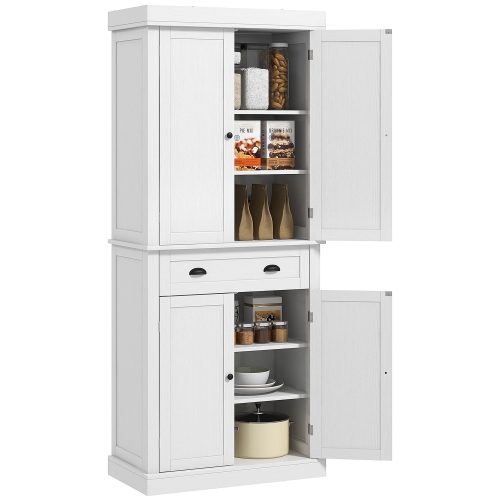 Your price for this item is $267.79
 -
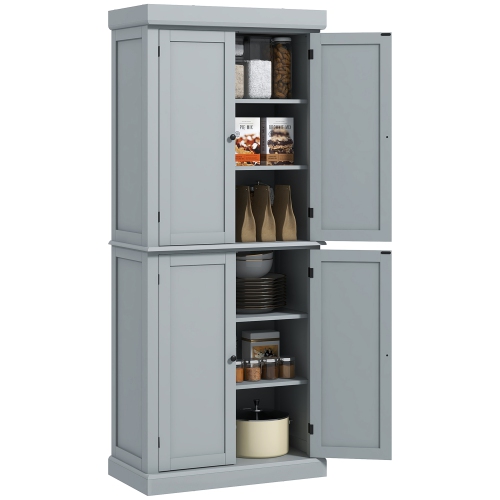 Your price for this item is $299.99
 -
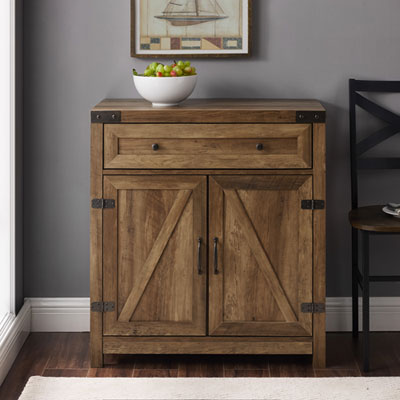 Your price for this item is $401.99
 -
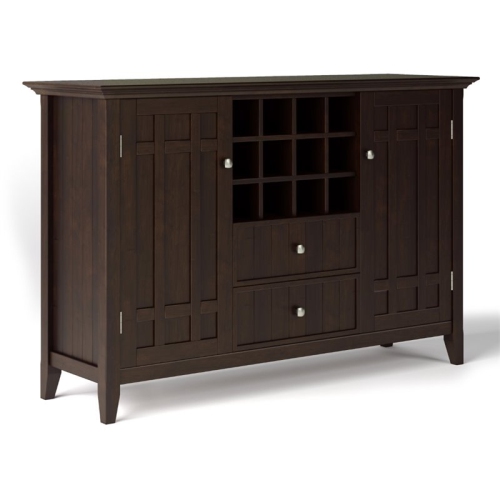 Your price for this item is $1449.04
 -
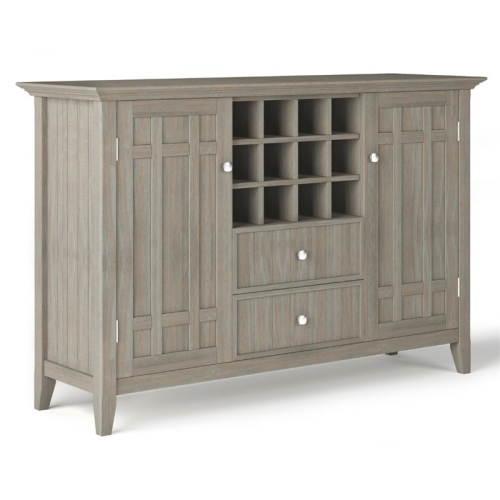 Your price for this item is $1463.19
 -
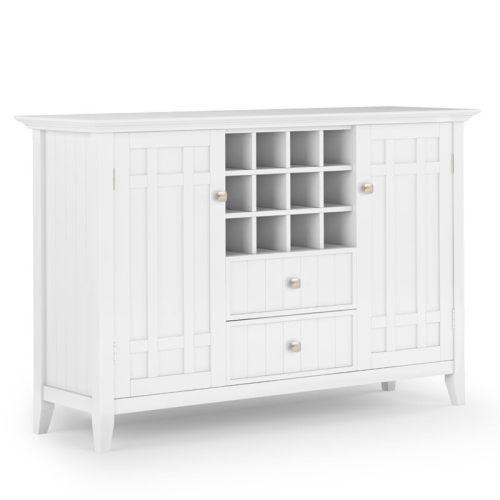 Your price for this item is $1454.75
 -
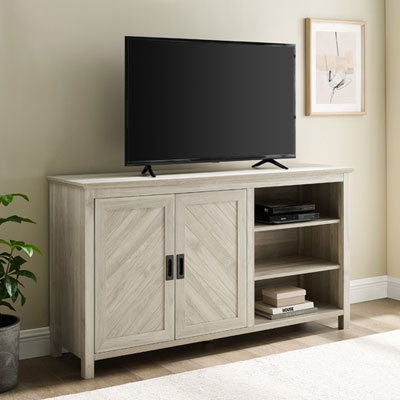 Your price for this item is $593.99
 -
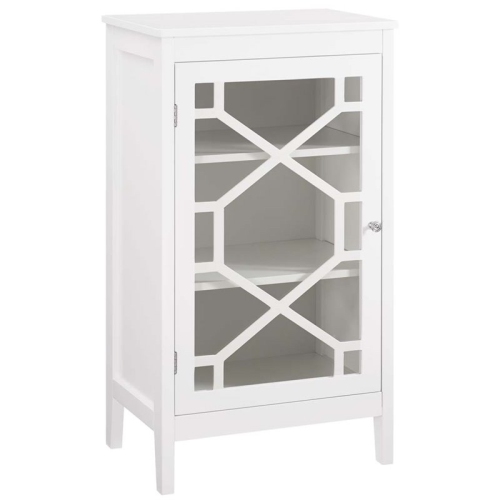 Your price for this item is $382.68
Discover more categories related to Kitchen Cupboard Organizers
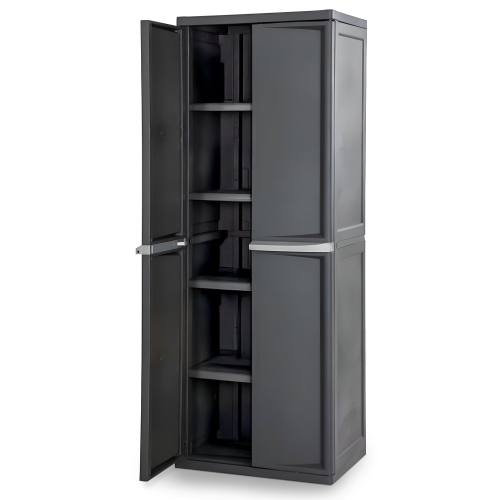
Top Collections:
Pokemon Centers, Kindle Devices, Best Budget Office Chairs, Apple iPhones 16, Best Laptops for Writers, iPhone 15 Apple, Canon G7X Cameras, Refurbished Apple Laptops, Alarm Clock, Motorola Razr Phones
Some products may be subject to Environmental Handling Fees
(EHF) depending on your province.
Learn more about EHFs.