Cabinet Organizers
Organize your kitchen or pantry with our selection of cabinet organizers designed to maximize storage space and efficiency. Say goodbye to cluttered cabinets and hello to a neat and tidy cooking area. From stackable shelves to pull-out baskets, our range of cabinet organizers offers solutions for every need. Keep your pots, pans, dishes, and food items easily accessible and well-arranged with these functional and stylish organizers. Upgrade your kitchen organization game today!
Sort
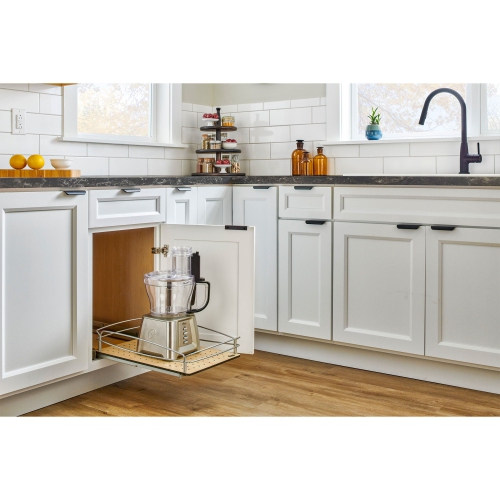
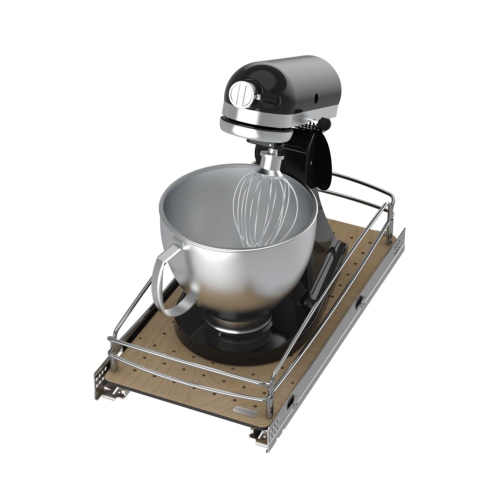
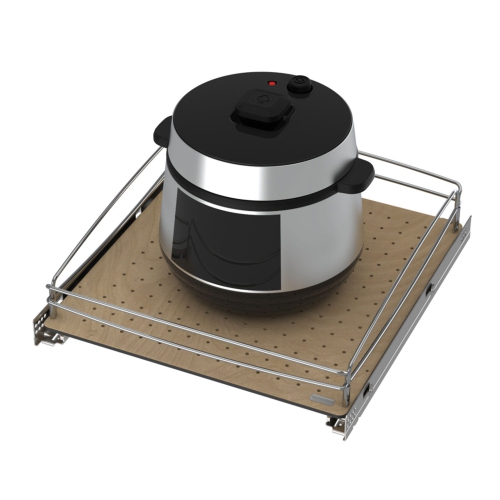
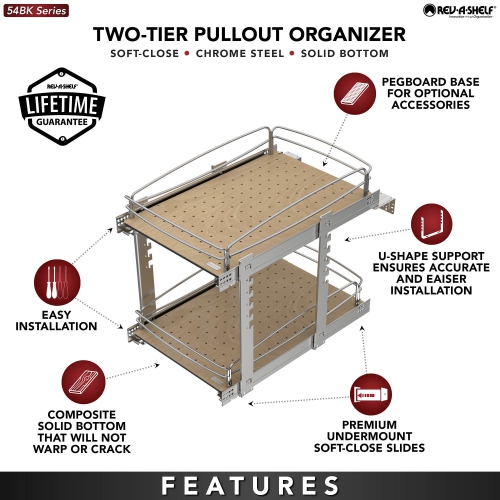
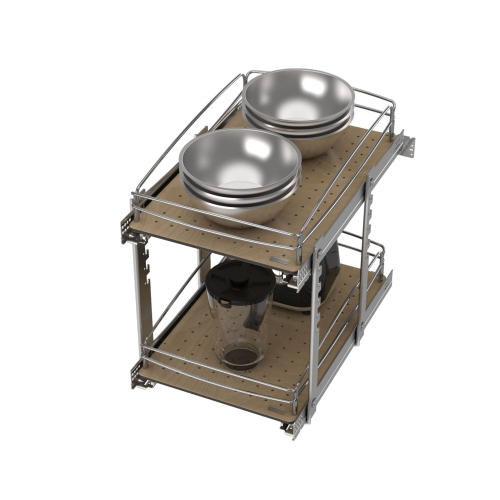
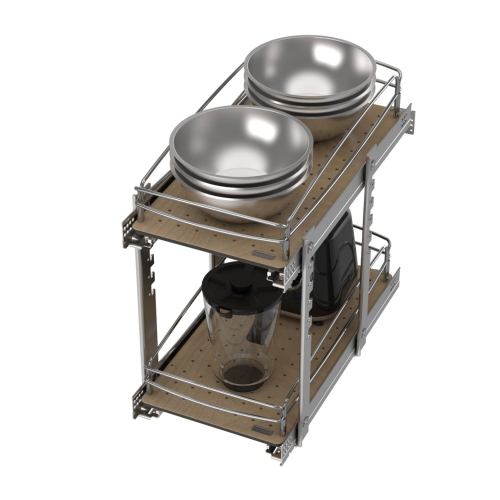
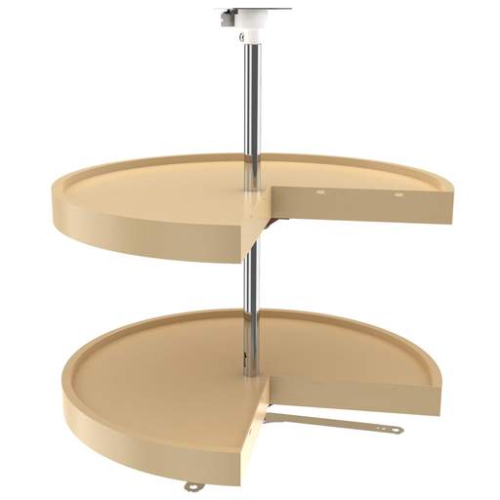
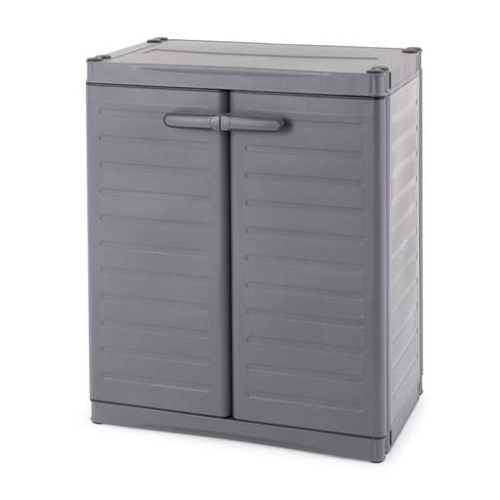
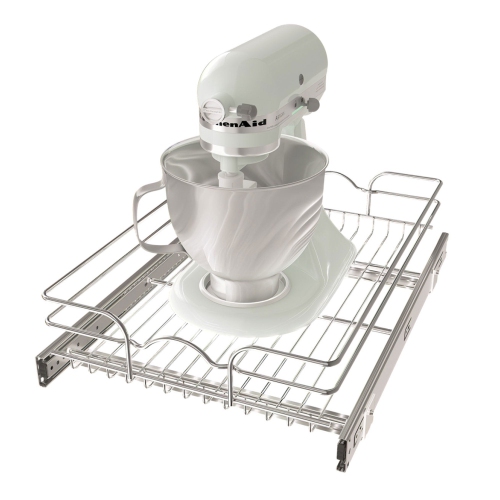
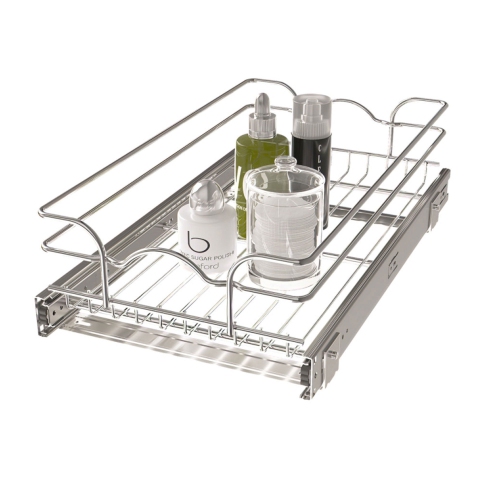
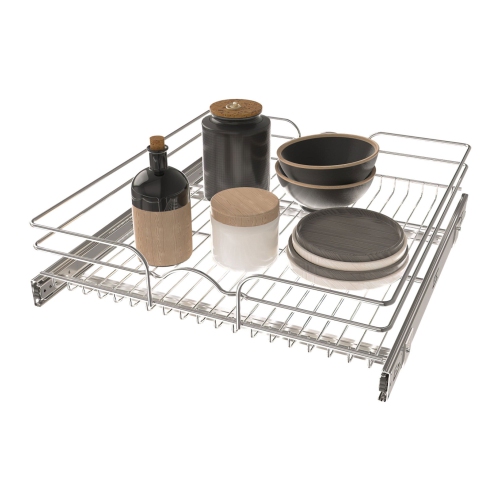
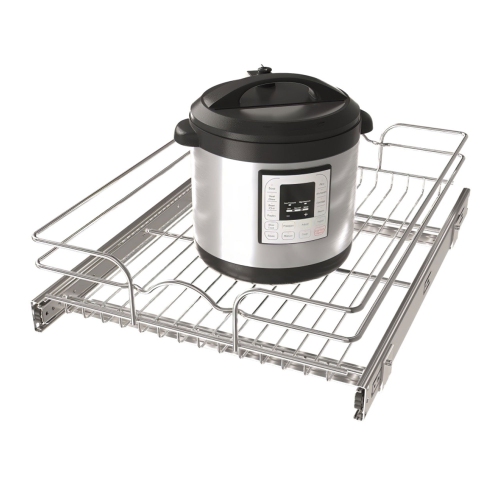
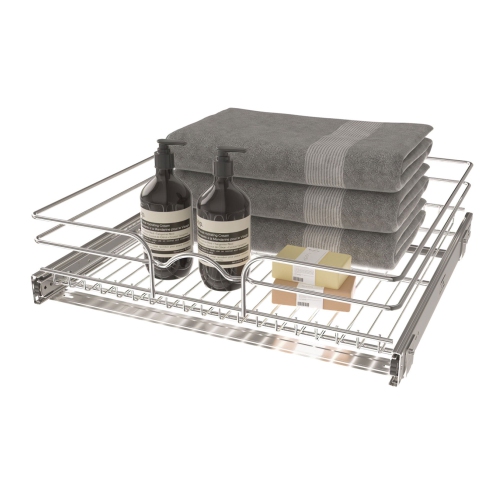
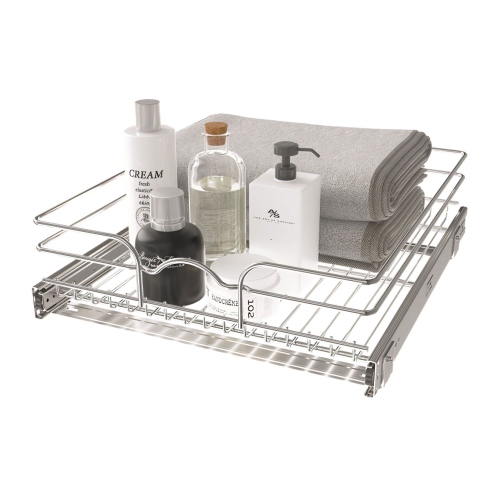
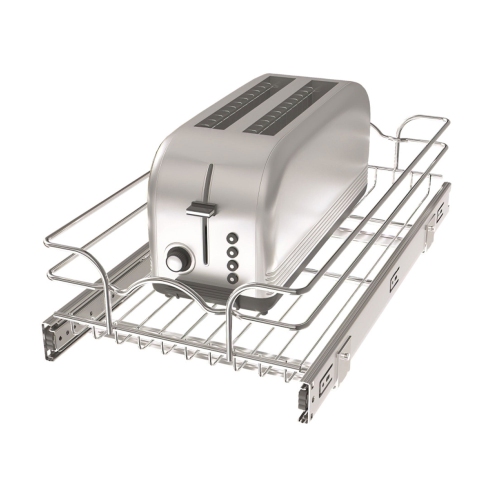
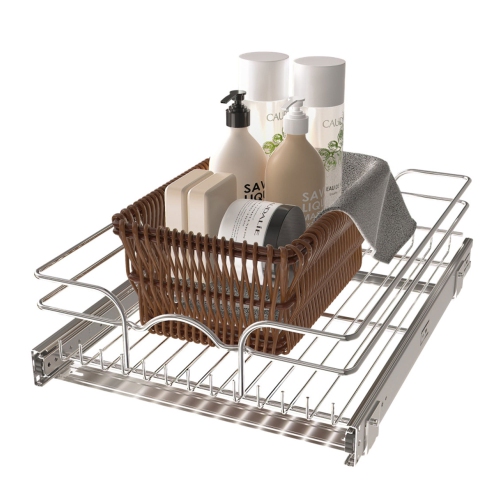



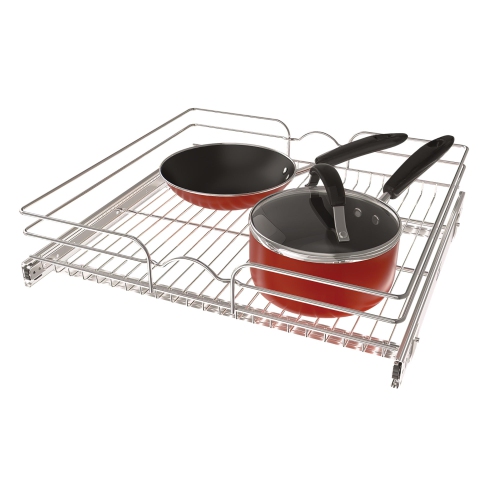
Cupboard storage that puts back rows within reach
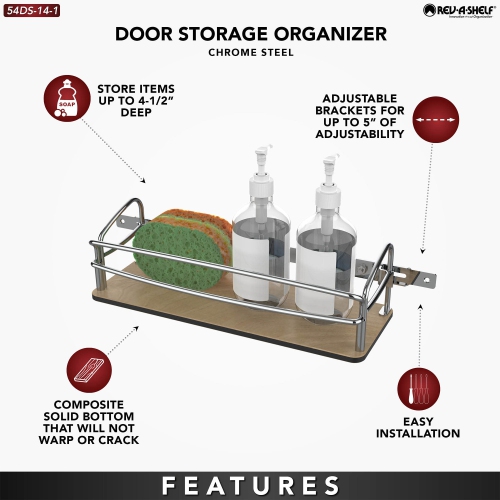
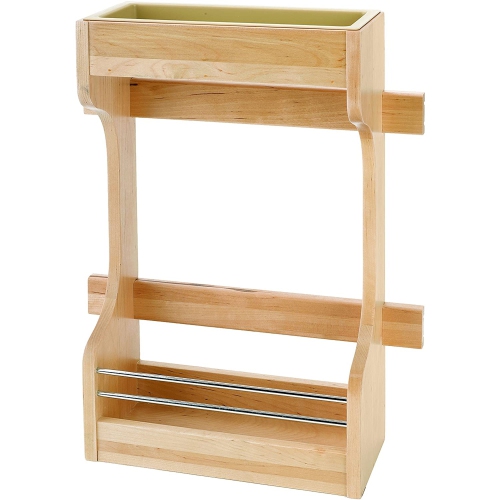
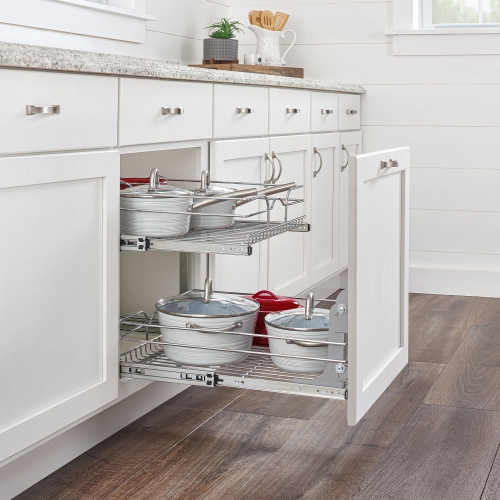
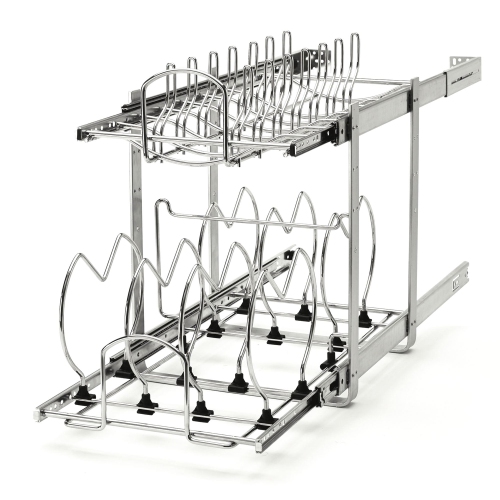
Cabinet organizers divide cupboard space into practical zones, making stored contents easier to see, reach, and put away. Shelves, pull-out drawers, racks, turntables, and bins each address a different storage challenge, from unused space above a stack of plates to bottles hidden behind the front row. Pull-out cabinet organizers bring the contents of deep cupboards towards the opening, reducing the need to reach past other belongings. Tiered shelves raise the back rows so that labels on spice jars and pantry containers remain visible, while shelf risers create an extra level for dishes or mugs without requiring another built-in shelf. Turntables, also called lazy Susans, rotate to bring contents within reach and can work well in deep cupboards where smaller containers tend to disappear into corners. Bins and baskets keep loose contents together, allowing a group of baking supplies or packaged snacks to move from cupboard to countertop in one trip. Vertical racks separate baking sheets, cutting boards, and pan lids so that taking out one piece does not mean lifting an entire pile. The most useful arrangement follows the way a room is used: everyday dishes close to the place settings, cooking ingredients near the preparation area, and less frequently used serving pieces farther back. In kitchens, kitchen cupboard organizers can help bring order to these distinct storage needs while keeping work surfaces clear. Similar formats also suit bathroom vanities, laundry cupboards, and utility storage, although the shape of the cabinet and the contents being stored may call for different materials or layouts. A shallow basket can keep folded washcloths together, while a divided bin can separate brushes from other grooming supplies. For shared households, clearly defined sections make it easier for everyone to return things to the same place. Rather than filling every gap, a useful arrangement leaves enough open space to grasp handles, lift containers, and remove dishes without knocking neighbouring contents over. That breathing room often matters as much as the extra storage level itself.
Fit involves more than the width of an empty shelf. A cabinet organizer needs to pass through the door opening, sit securely within the usable interior, and leave room for doors and neighbouring drawers to operate. Face frames, hinges, centre supports, and door-mounted storage can narrow an opening even when the cupboard behind it is spacious. Interior depth matters for sliding drawers, while height needs to account for both the organizer and whatever will sit on top of it. A tiered spice shelf, for example, raises the rear jars; there still needs to be enough clearance above them to lift each jar out. For a turntable, allow space for the tray to rotate without tall bottles catching on hinges or the underside of the shelf above. Pull-out designs also require unobstructed travel beyond the cabinet front, particularly near corners where an appliance handle or an adjacent door may get in the way. Under-sink cabinet organizers have another set of constraints because drainpipes, water lines, disposal equipment, and shut-off valves occupy part of the interior. Split-level or adjustable layouts may accommodate these obstacles, but plumbing connections should remain accessible. Freestanding shelves and removable bins suit spaces where permanent alterations are not practical, including many rental homes. Hardware-mounted drawers and racks can offer a more integrated arrangement, provided the cabinet material supports the specified fasteners and installation follows the manufacturer’s directions. Over-door organizers use otherwise overlooked space, though their brackets must fit the door thickness and allow it to close properly. Weight capacity deserves attention wherever cookware, jars, or cleaning containers are involved. The organizer’s stated load limit and the strength of the supporting shelf both matter, especially when a sliding drawer is extended. Adjustable widths and movable dividers offer flexibility as storage needs change, but they still need a secure fit. For someone who finds bending or reaching difficult, frequently used contents positioned near the front at a comfortable height can be more helpful than a densely packed arrangement with several layers to navigate.
Materials influence how cabinet organizers look, feel, and hold up to daily handling. Coated steel can provide a sturdy structure for racks and baskets, while open wire construction makes contents visible and allows air to circulate. Closely spaced wires or a solid base are preferable for small containers that might otherwise tip or slip through gaps. Stainless steel is often used where moisture resistance is useful, although it still benefits from cleaning and thorough drying. Plastic bins are generally lightweight and easy to move; clear sides reveal what is inside, while opaque designs conceal mixed contents for a tidier appearance. Wood and bamboo organizers bring a warmer finish to cupboards, but prolonged dampness can affect their surfaces and shape. In a bathroom vanity or beneath a sink, wipeable materials and removable trays make routine care simpler. Any organizer used near plumbing needs attention after a leak, since a tray may catch a small spill without addressing its source. Care requirements vary by construction and finish, so dishwasher use or soaking should be limited to designs specifically labelled for that treatment. Mild cleaning methods, prompt spill removal, and complete drying help protect surfaces and prevent sticky residue from building up beneath containers. Durability also depends on details such as smooth edges, secure joints, stable feet, and sliding hardware suited to the expected load. Non-slip feet or liners can reduce movement and rattling, provided they are compatible with the cabinet finish. For busy family kitchens, removable bins simplify clearing a shelf for cleaning; for compact apartments, stackable formats can make better use of height without a permanent installation. Organizers can also be a practical housewarming gift when the recipient’s storage needs and cabinet dimensions are known, with removable designs offering flexibility. The lasting benefit is a cupboard that supports ordinary routines: finding the right lid while dinner cooks, reaching a fresh towel without disturbing the stack, or putting groceries away without reshuffling every shelf. Matching the layout to those familiar tasks helps cabinet storage stay useful after the initial tidy-up.
Fit involves more than the width of an empty shelf. A cabinet organizer needs to pass through the door opening, sit securely within the usable interior, and leave room for doors and neighbouring drawers to operate. Face frames, hinges, centre supports, and door-mounted storage can narrow an opening even when the cupboard behind it is spacious. Interior depth matters for sliding drawers, while height needs to account for both the organizer and whatever will sit on top of it. A tiered spice shelf, for example, raises the rear jars; there still needs to be enough clearance above them to lift each jar out. For a turntable, allow space for the tray to rotate without tall bottles catching on hinges or the underside of the shelf above. Pull-out designs also require unobstructed travel beyond the cabinet front, particularly near corners where an appliance handle or an adjacent door may get in the way. Under-sink cabinet organizers have another set of constraints because drainpipes, water lines, disposal equipment, and shut-off valves occupy part of the interior. Split-level or adjustable layouts may accommodate these obstacles, but plumbing connections should remain accessible. Freestanding shelves and removable bins suit spaces where permanent alterations are not practical, including many rental homes. Hardware-mounted drawers and racks can offer a more integrated arrangement, provided the cabinet material supports the specified fasteners and installation follows the manufacturer’s directions. Over-door organizers use otherwise overlooked space, though their brackets must fit the door thickness and allow it to close properly. Weight capacity deserves attention wherever cookware, jars, or cleaning containers are involved. The organizer’s stated load limit and the strength of the supporting shelf both matter, especially when a sliding drawer is extended. Adjustable widths and movable dividers offer flexibility as storage needs change, but they still need a secure fit. For someone who finds bending or reaching difficult, frequently used contents positioned near the front at a comfortable height can be more helpful than a densely packed arrangement with several layers to navigate.
Materials influence how cabinet organizers look, feel, and hold up to daily handling. Coated steel can provide a sturdy structure for racks and baskets, while open wire construction makes contents visible and allows air to circulate. Closely spaced wires or a solid base are preferable for small containers that might otherwise tip or slip through gaps. Stainless steel is often used where moisture resistance is useful, although it still benefits from cleaning and thorough drying. Plastic bins are generally lightweight and easy to move; clear sides reveal what is inside, while opaque designs conceal mixed contents for a tidier appearance. Wood and bamboo organizers bring a warmer finish to cupboards, but prolonged dampness can affect their surfaces and shape. In a bathroom vanity or beneath a sink, wipeable materials and removable trays make routine care simpler. Any organizer used near plumbing needs attention after a leak, since a tray may catch a small spill without addressing its source. Care requirements vary by construction and finish, so dishwasher use or soaking should be limited to designs specifically labelled for that treatment. Mild cleaning methods, prompt spill removal, and complete drying help protect surfaces and prevent sticky residue from building up beneath containers. Durability also depends on details such as smooth edges, secure joints, stable feet, and sliding hardware suited to the expected load. Non-slip feet or liners can reduce movement and rattling, provided they are compatible with the cabinet finish. For busy family kitchens, removable bins simplify clearing a shelf for cleaning; for compact apartments, stackable formats can make better use of height without a permanent installation. Organizers can also be a practical housewarming gift when the recipient’s storage needs and cabinet dimensions are known, with removable designs offering flexibility. The lasting benefit is a cupboard that supports ordinary routines: finding the right lid while dinner cooks, reaching a fresh towel without disturbing the stack, or putting groceries away without reshuffling every shelf. Matching the layout to those familiar tasks helps cabinet storage stay useful after the initial tidy-up.
Top selling and popular products
-
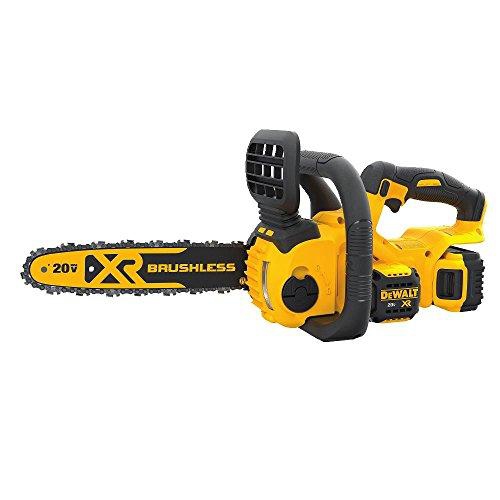 Your price for this item is $537.55
 -
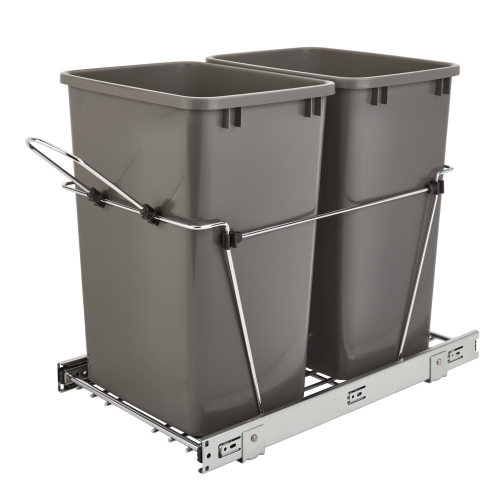 Your price for this item is $250.99
 -
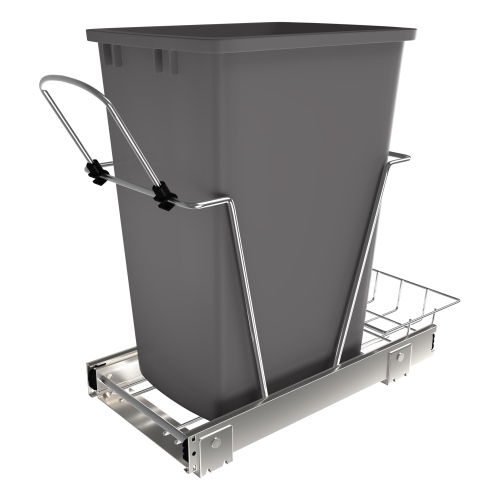 Your price for this item is $186.99
 -
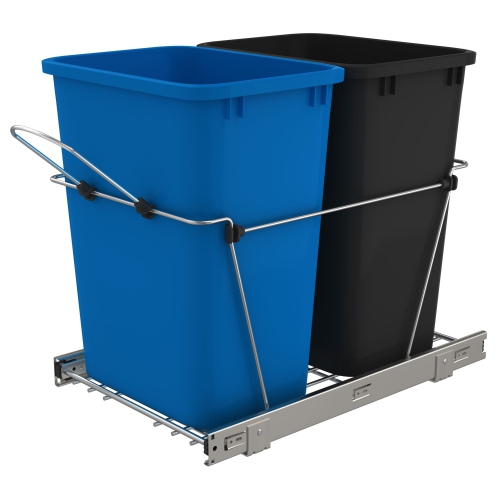 Your price for this item is $238.99
 -
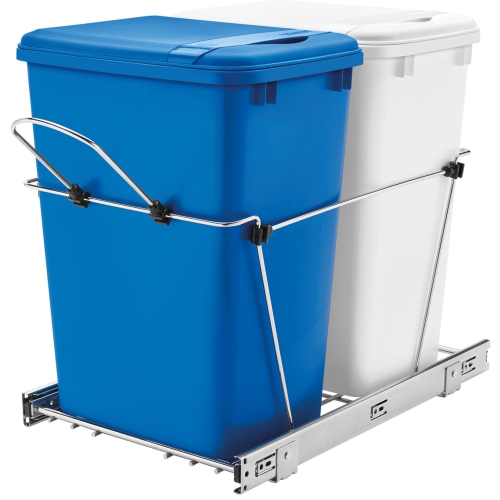 Your price for this item is $226.99
 -
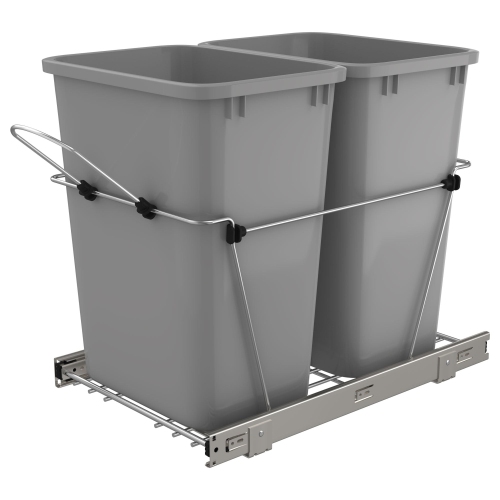 Your price for this item is $231.99
 -
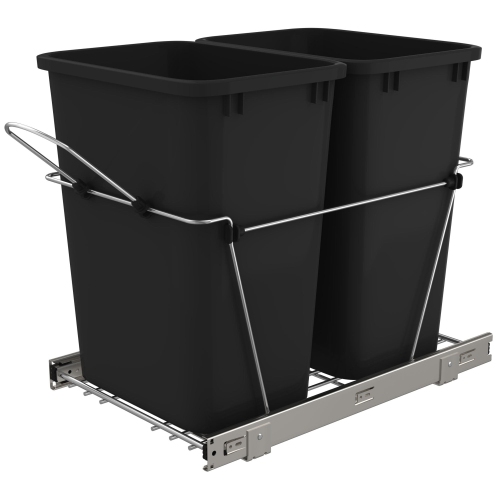 Your price for this item is $230.99
 -
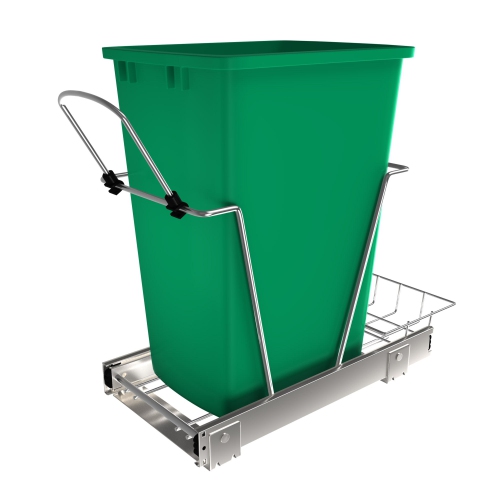 Your price for this item is $193.99
Discover more categories related to Cabinet Organizers
Top Collections:
Pokemon Centers, Kindle Devices, Best Budget Office Chairs, Apple iPhones 16, Best Laptops for Writers, iPhone 15 Apple, Canon G7X Cameras, Refurbished Apple Laptops, Alarm Clock, Motorola Razr Phones
Some products may be subject to Environmental Handling Fees
(EHF) depending on your province.
Learn more about EHFs.