Kitchen Floor Cabinets
Looking to elevate your kitchen storage and organization? Our selection of kitchen floor cabinets offers a stylish and functional solution to help you make the most of your space. Whether you're looking to declutter countertops, store pantry essentials, or enhance the overall aesthetic of your kitchen, our range of floor cabinets provides versatile options to suit your needs. From sleek modern designs to classic styles, these cabinets are designed to seamlessly blend in with your existing decor while providing ample storage space for all your culinary essentials. Explore our collection now and take the first step towards a more organized and efficient kitchen space.
Sort
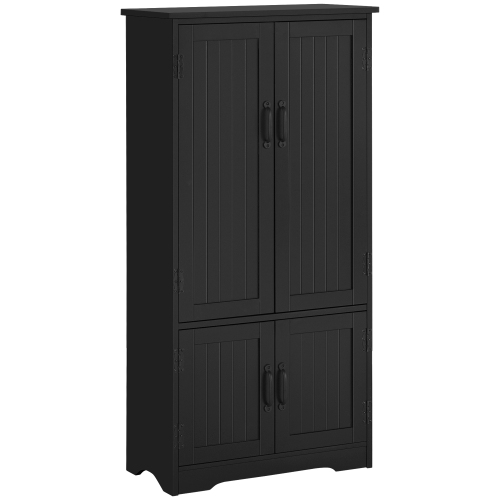
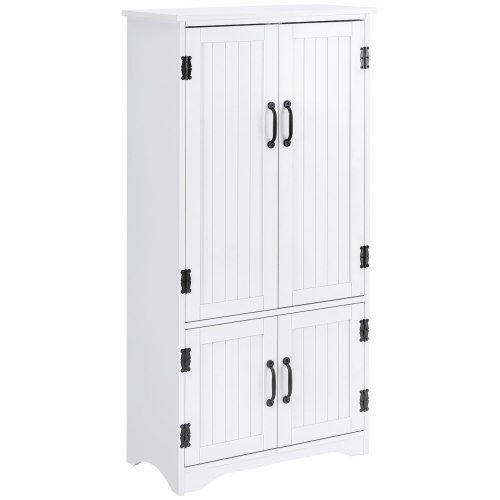
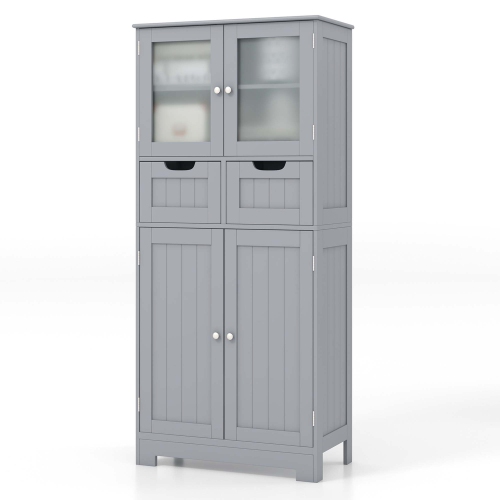

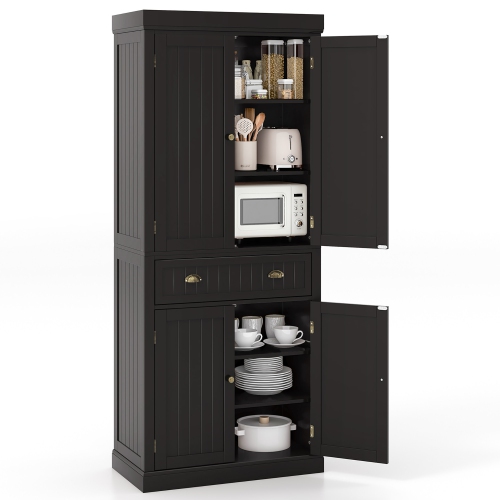
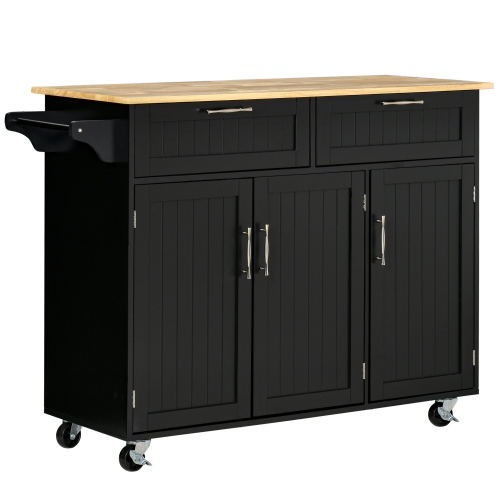
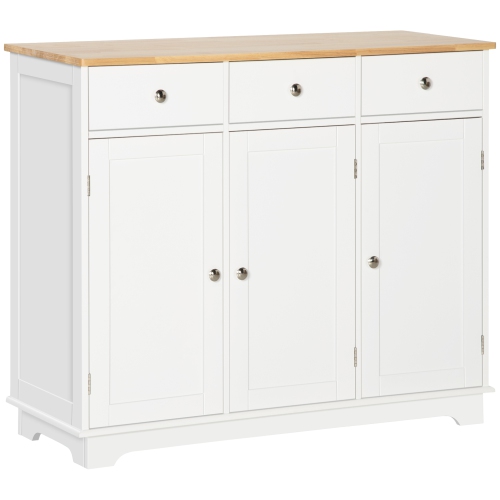
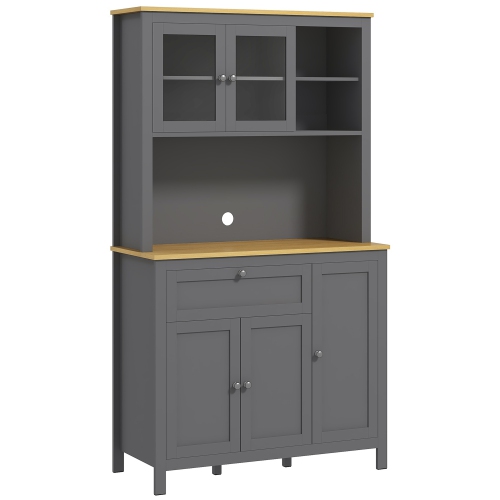
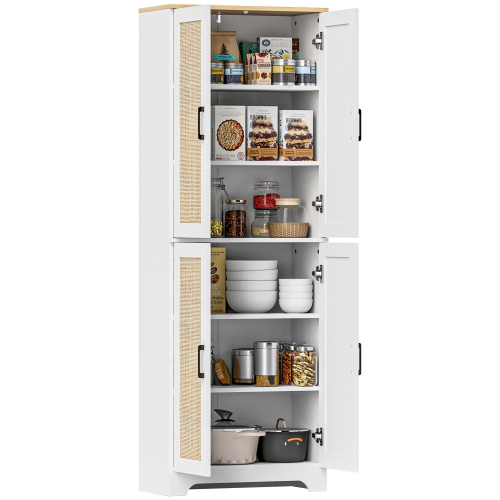
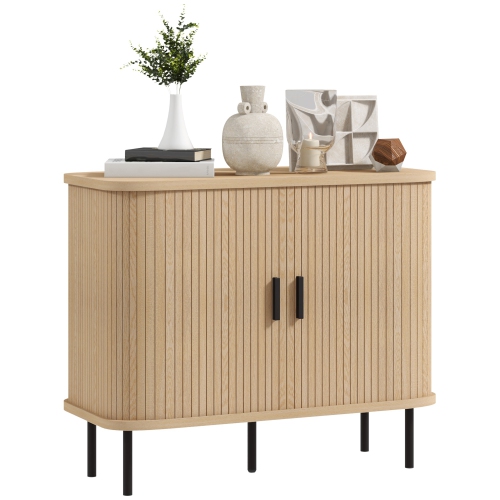
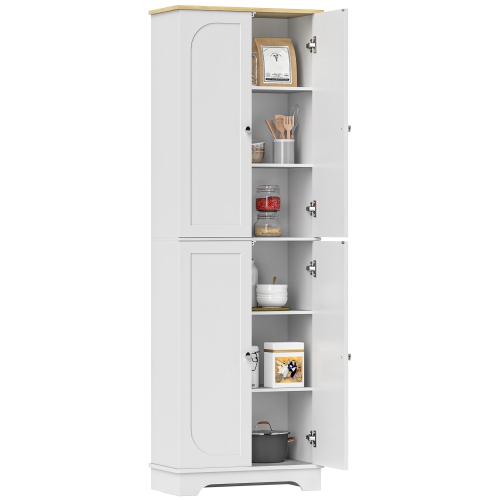
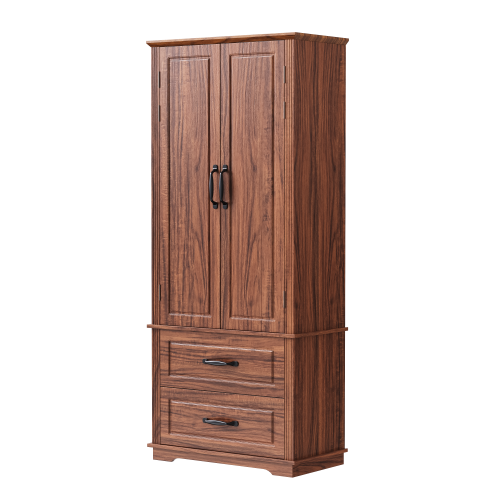
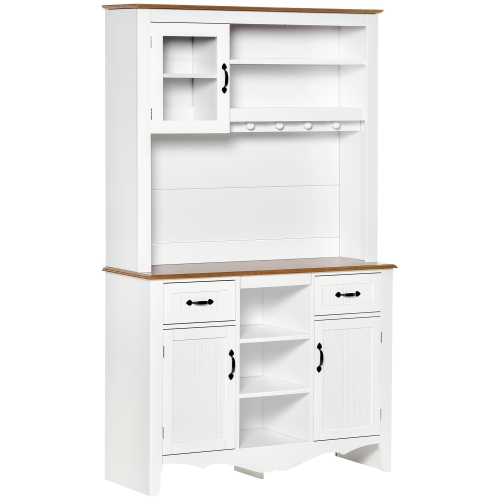

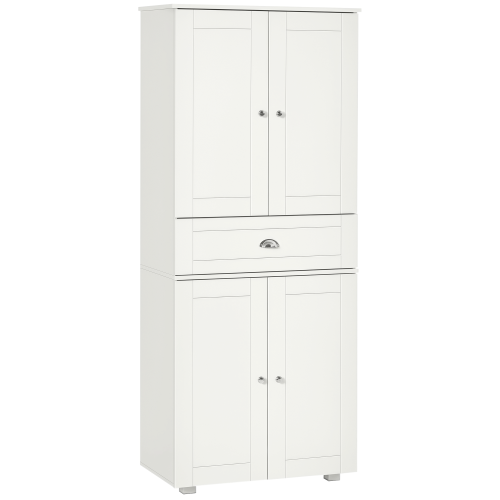
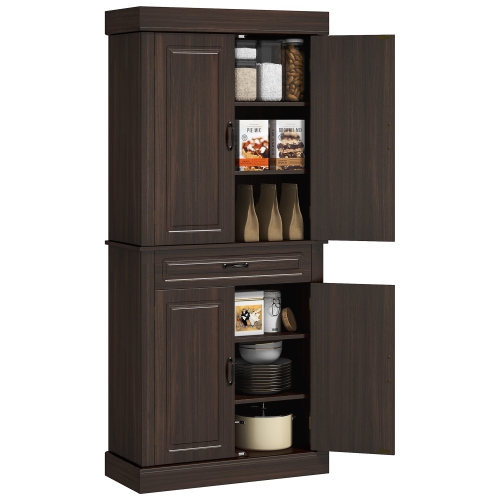
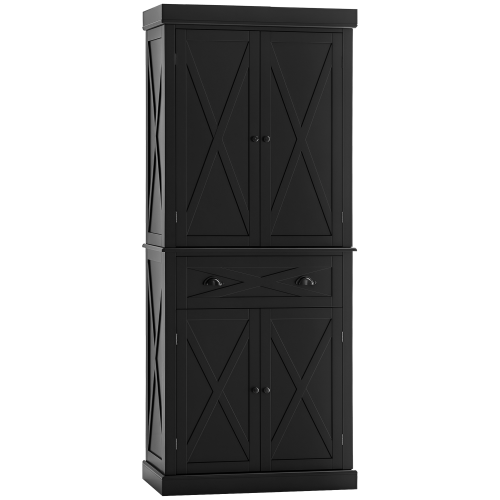
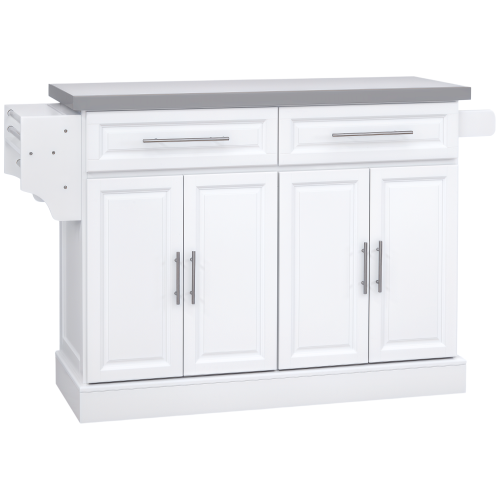
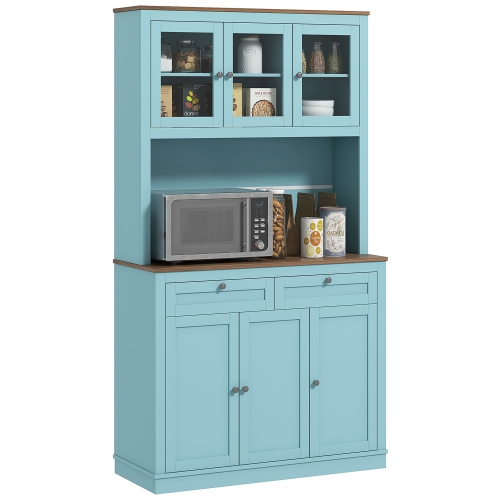
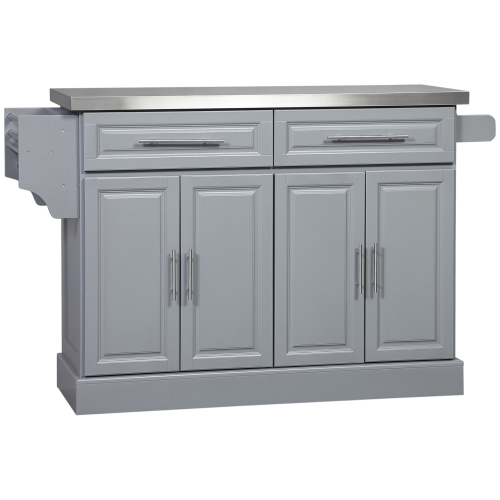
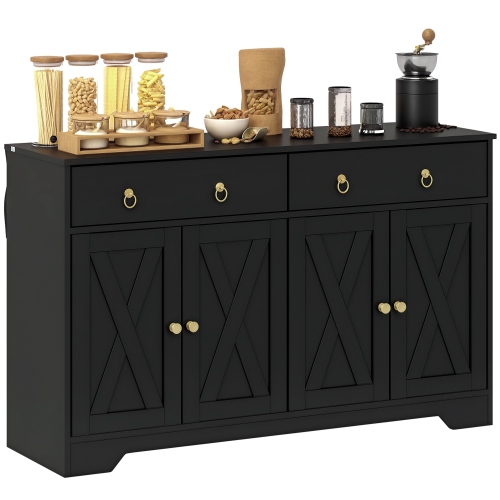
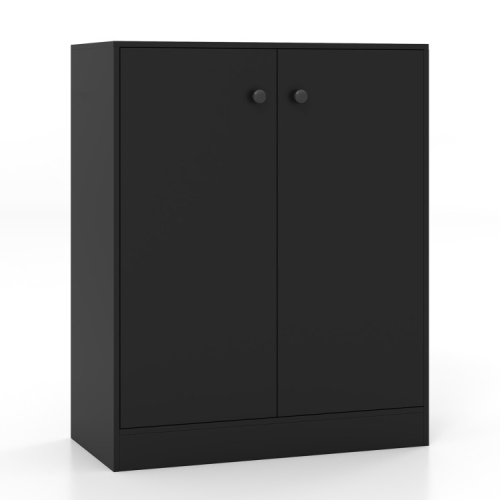
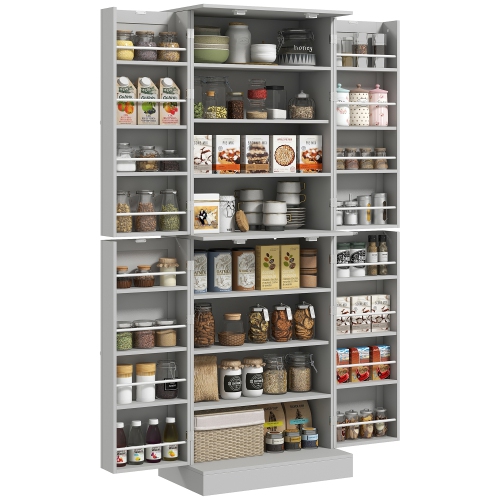
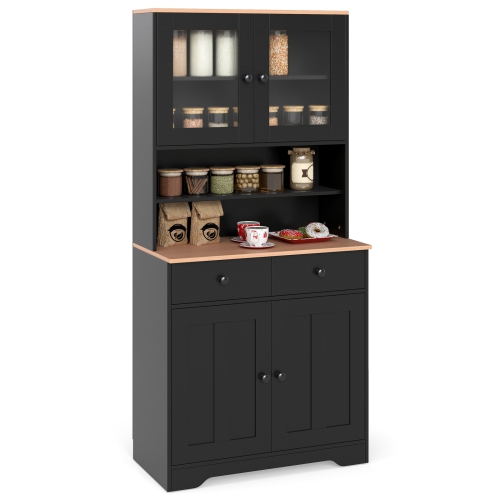

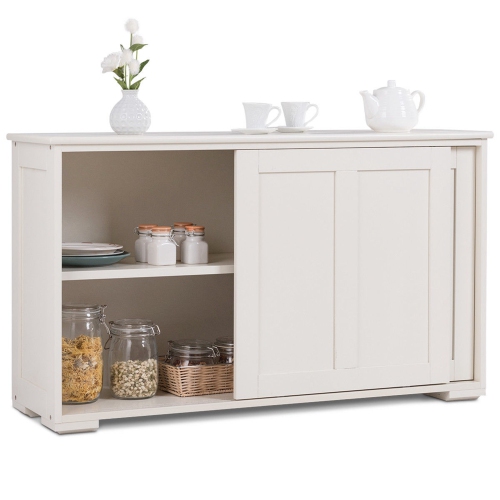
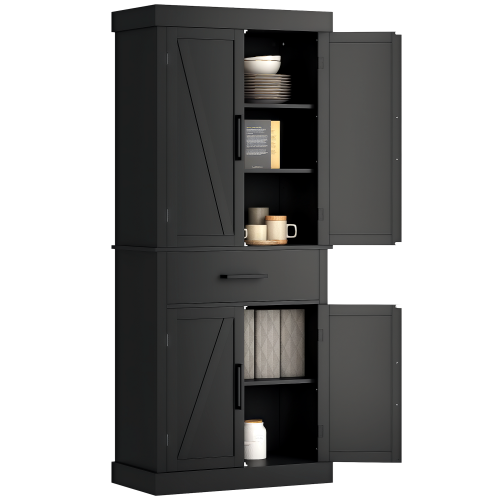
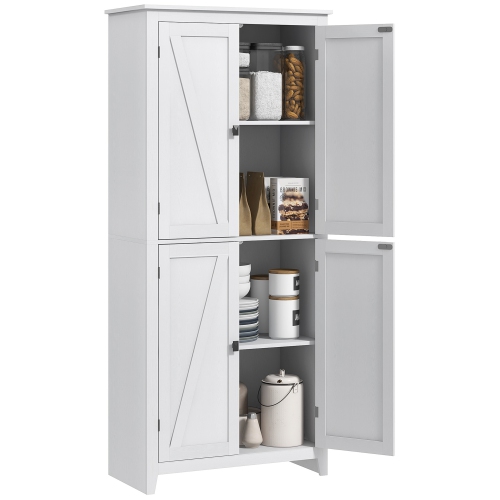
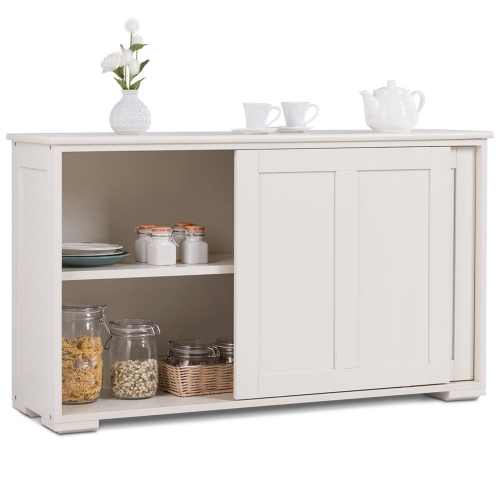
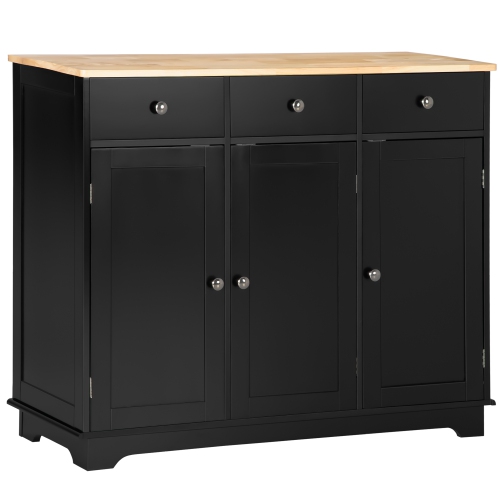
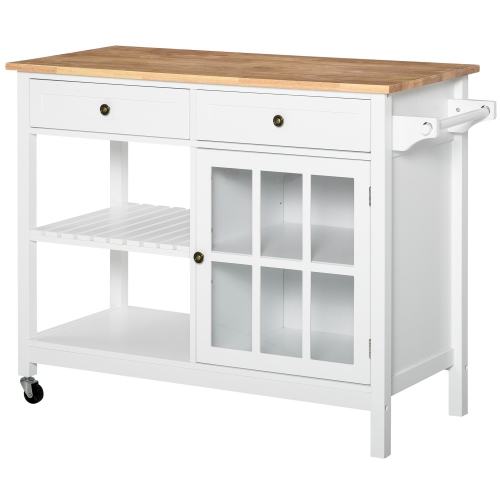
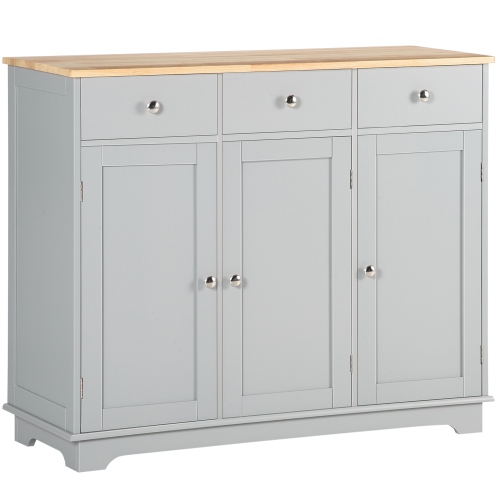
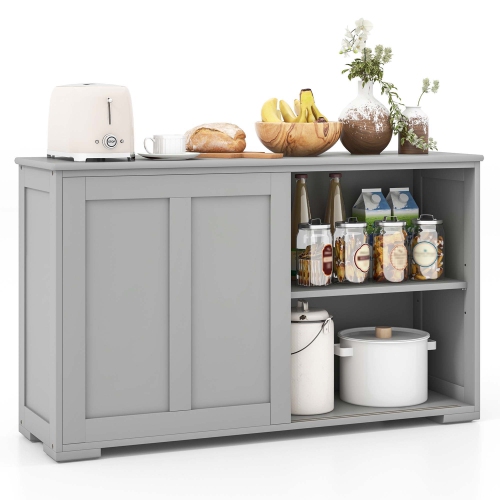
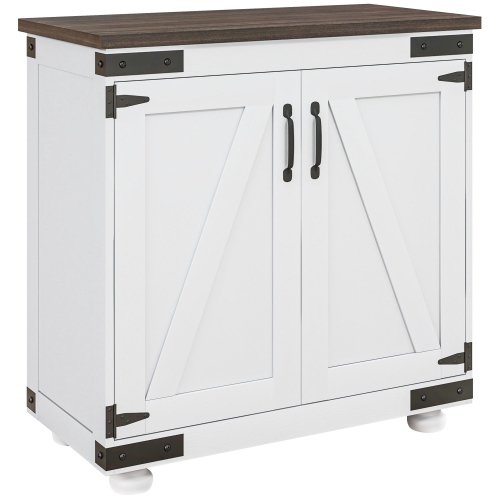
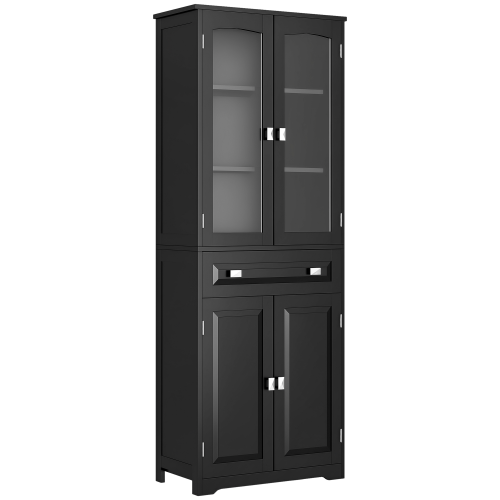
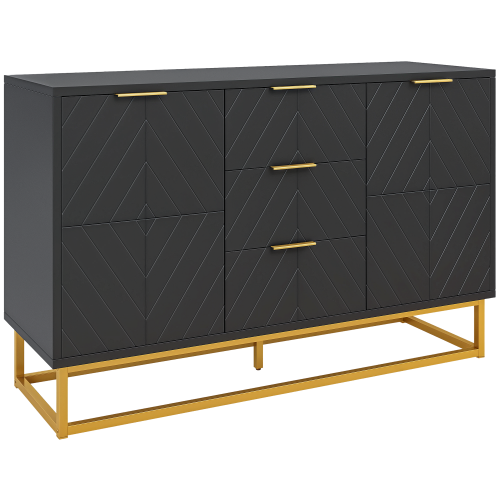
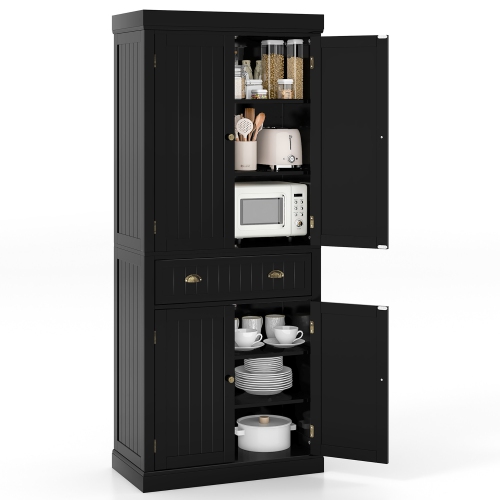
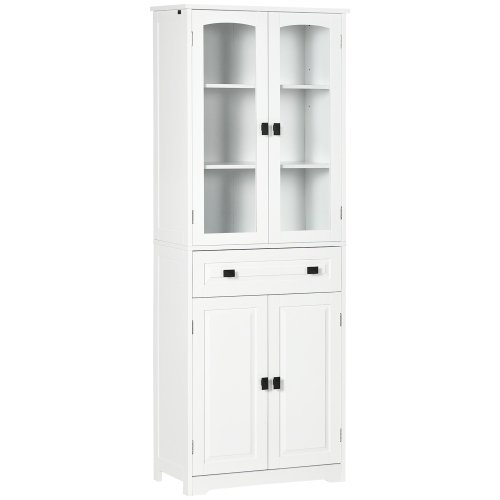
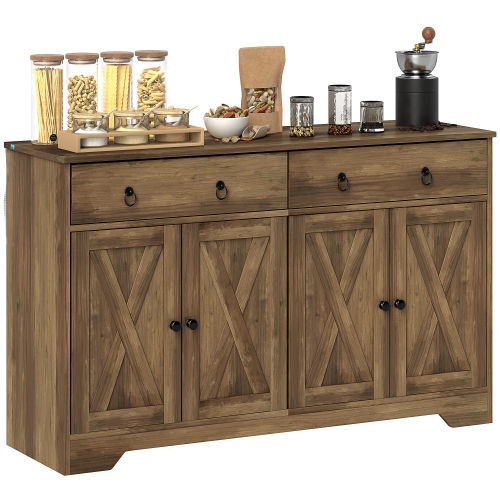
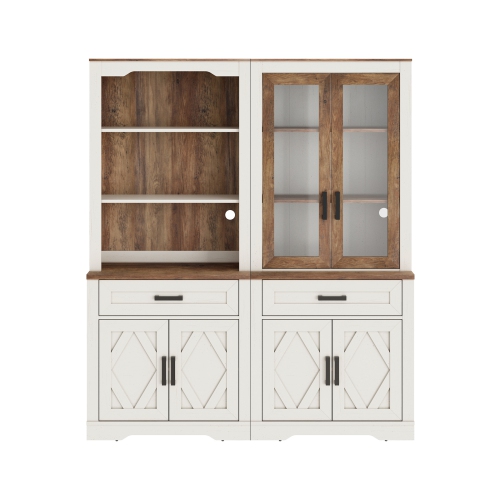
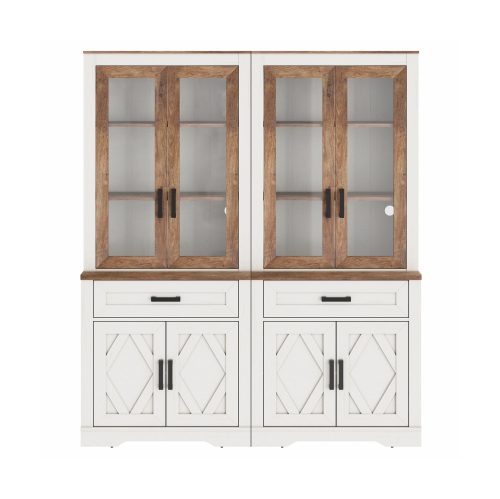
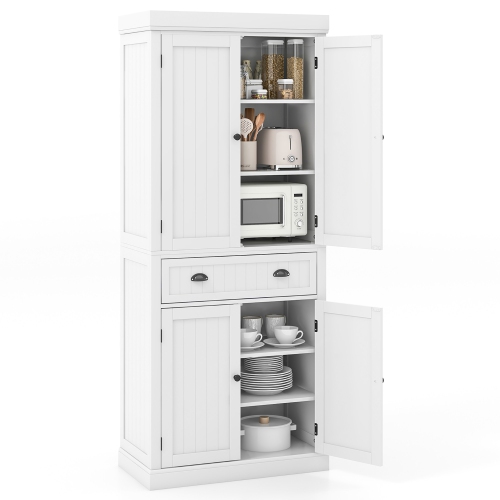
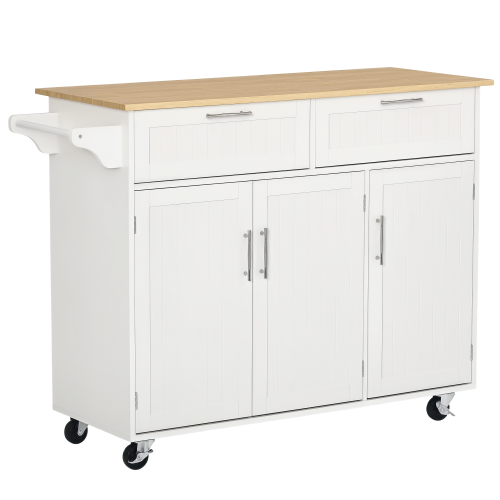
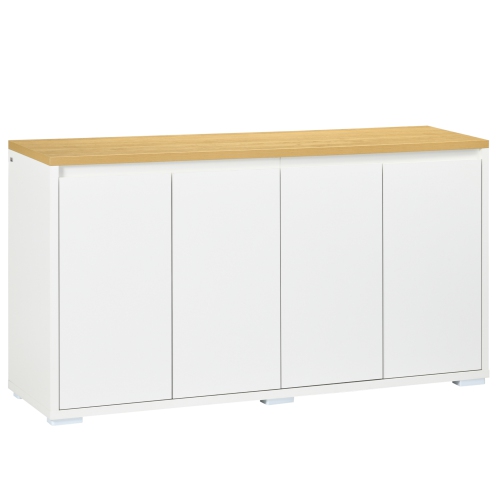
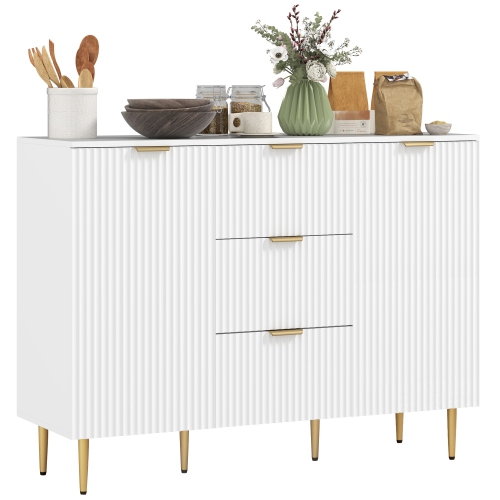
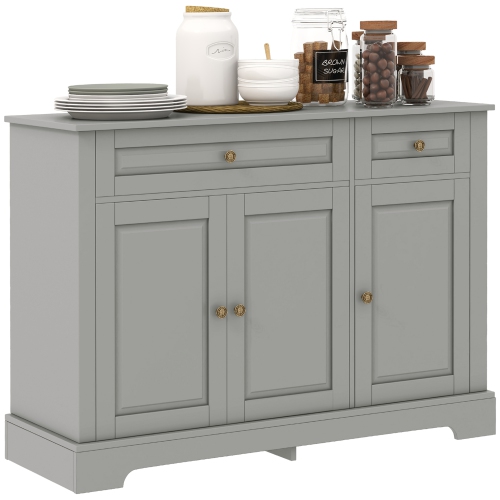
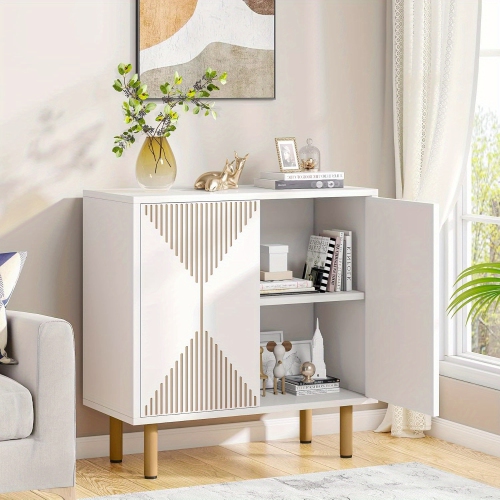
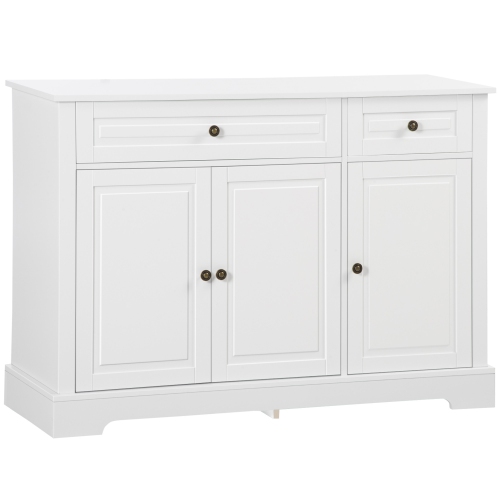
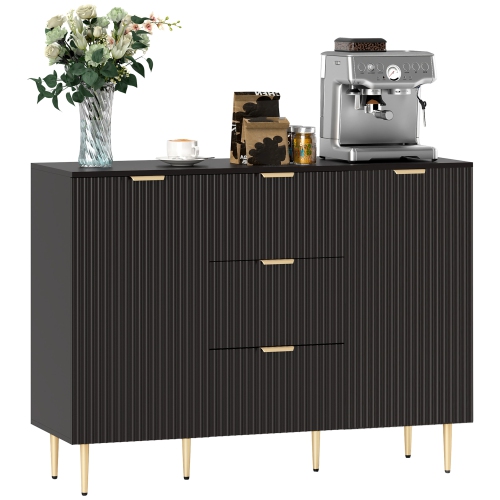
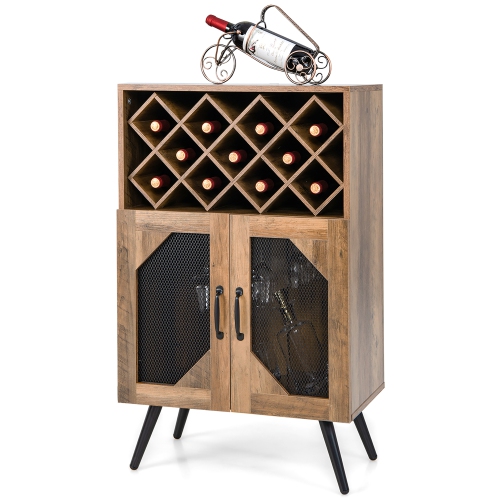
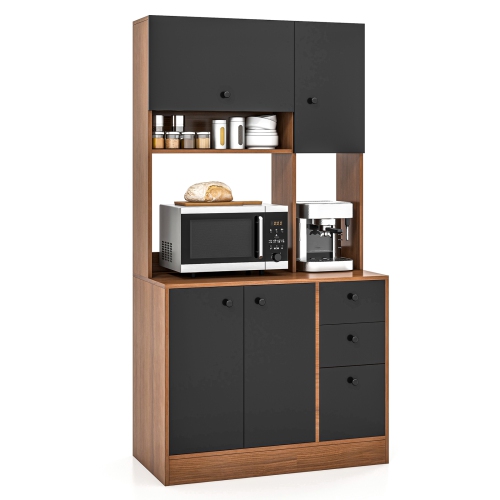
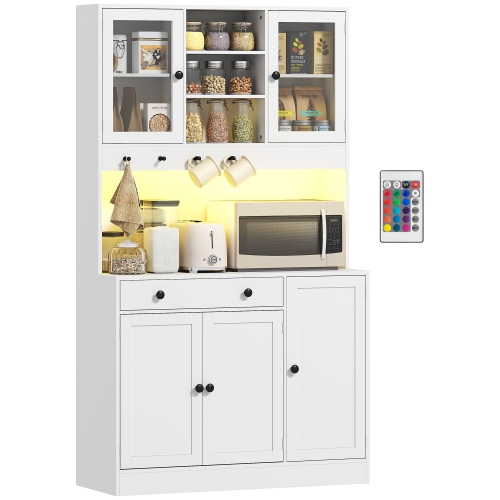
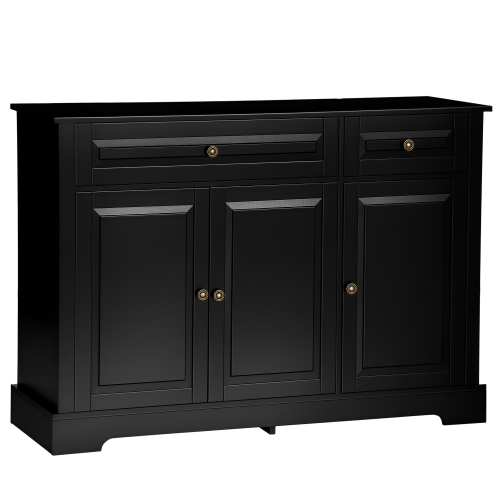

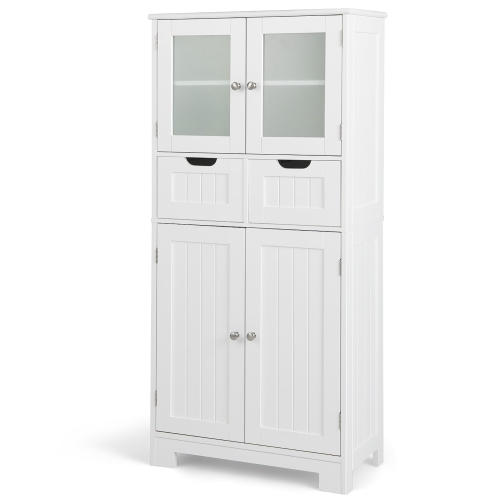

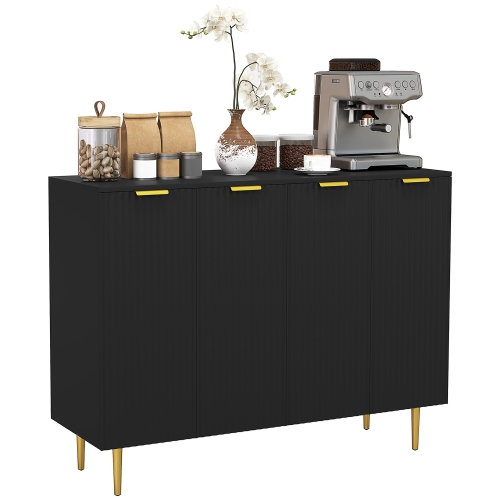
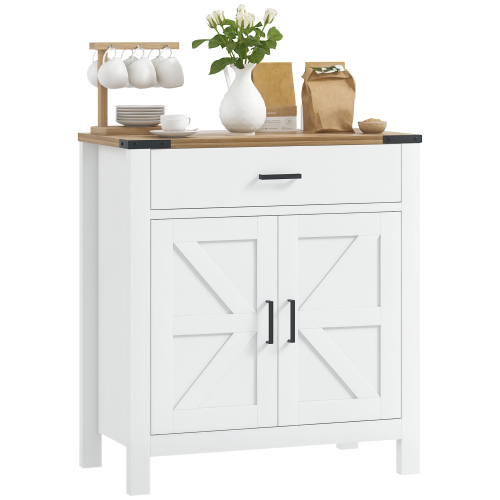
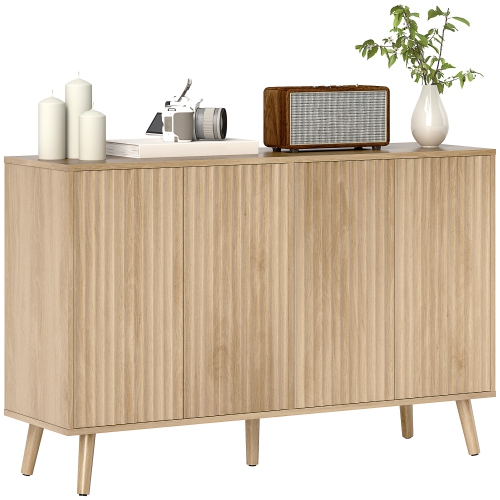
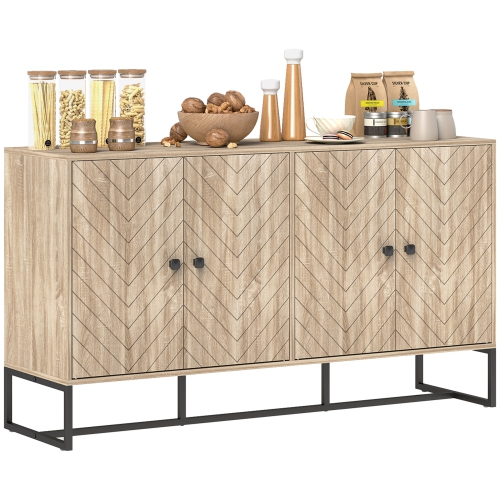

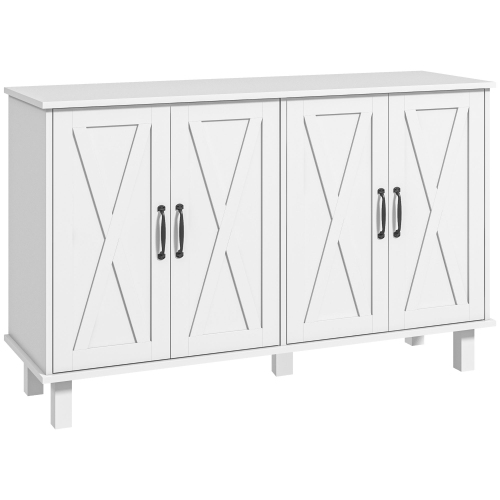
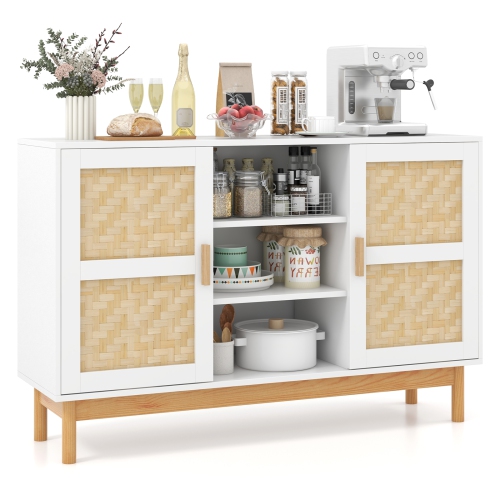
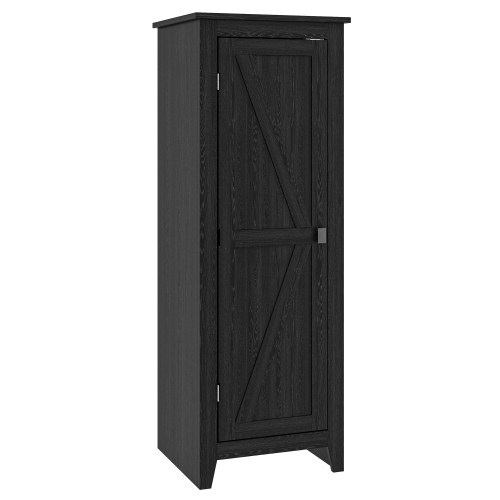


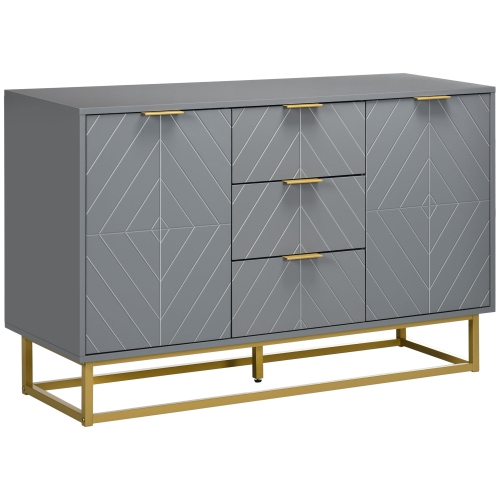


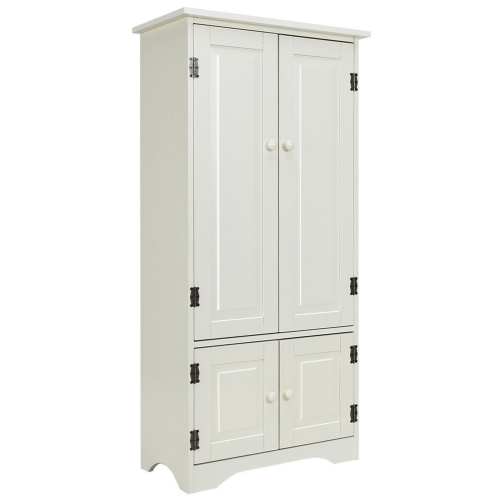
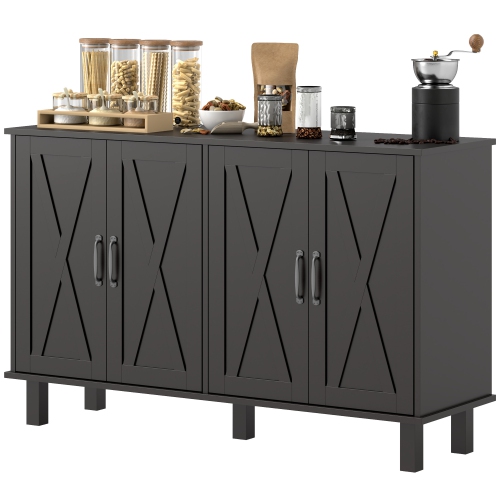
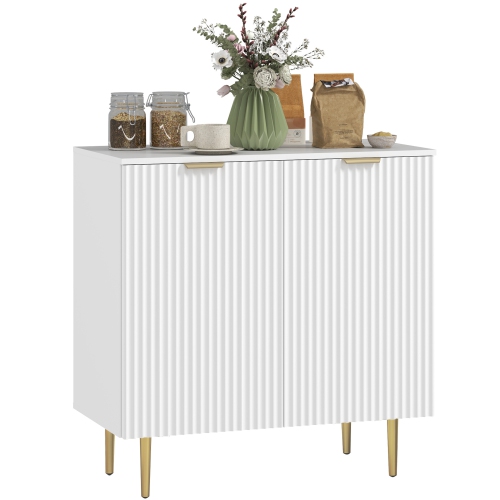
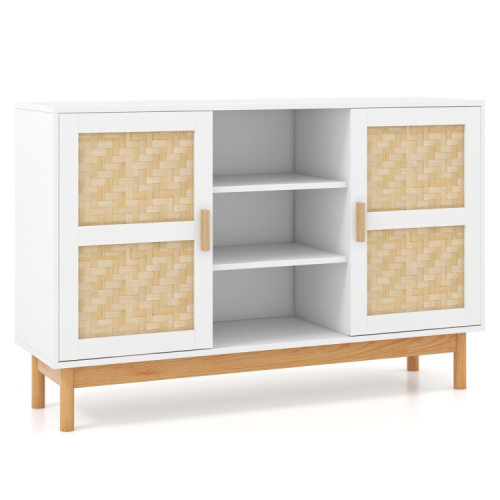
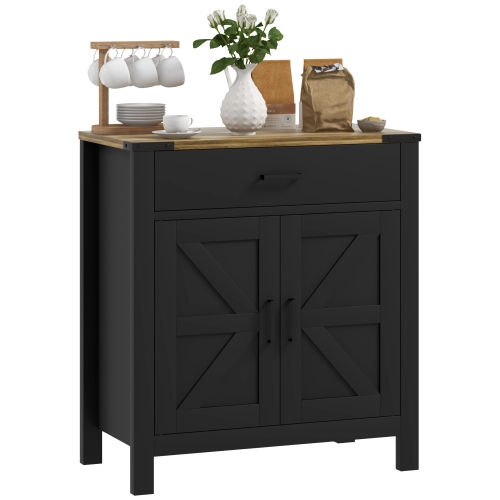
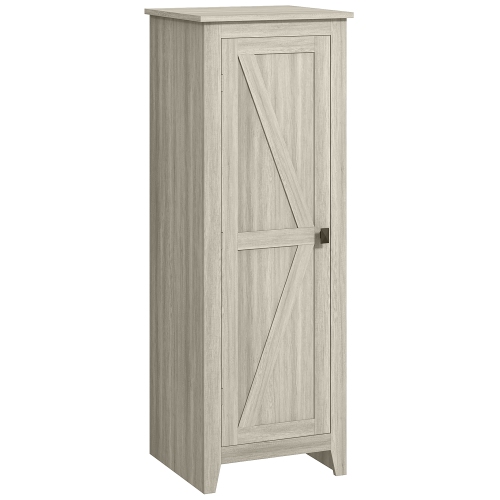
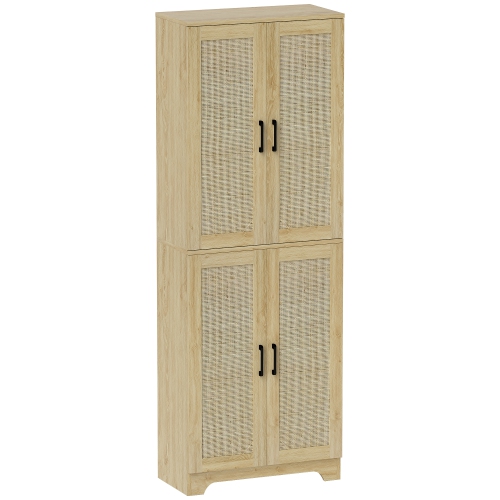
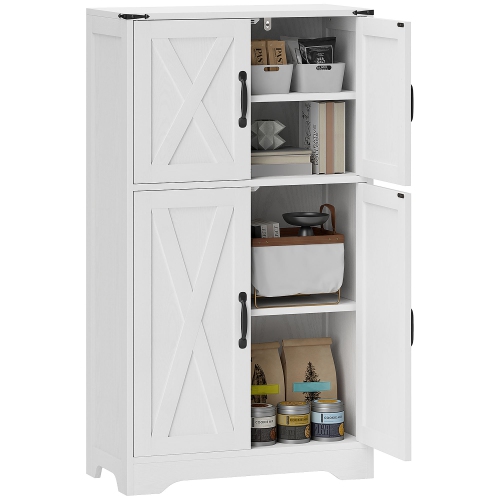
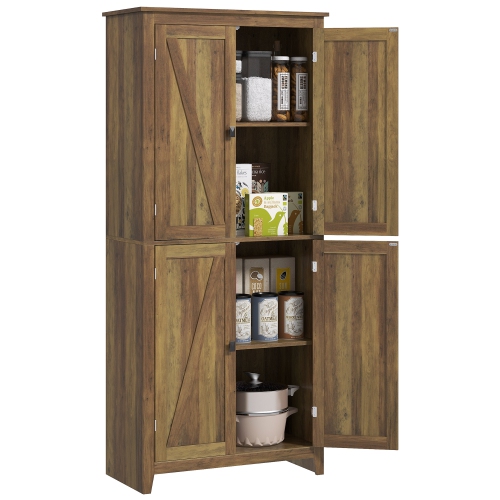
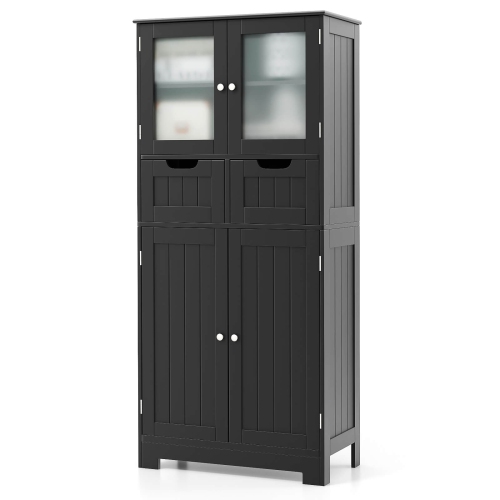
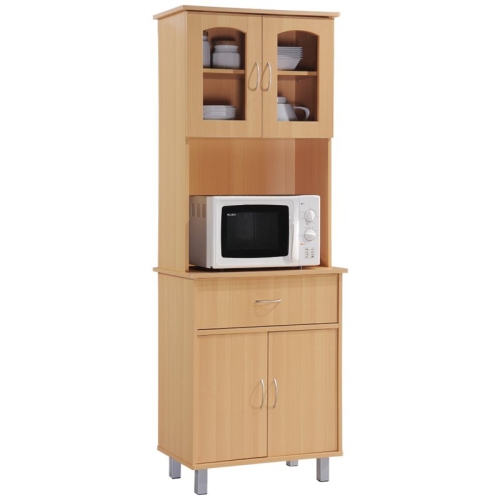
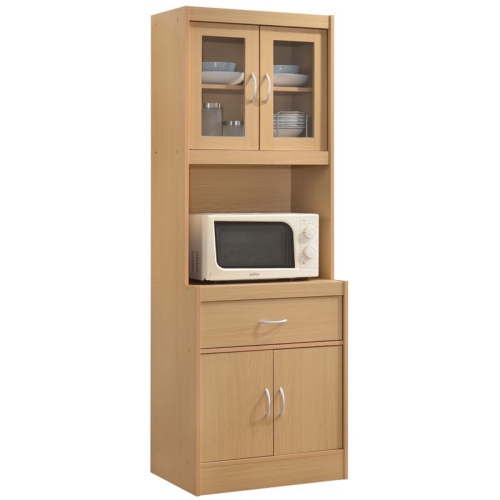
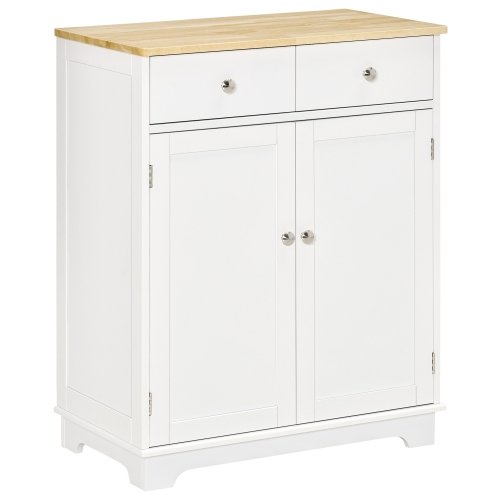
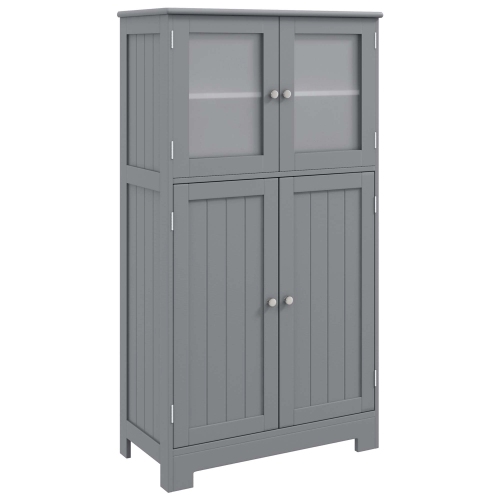
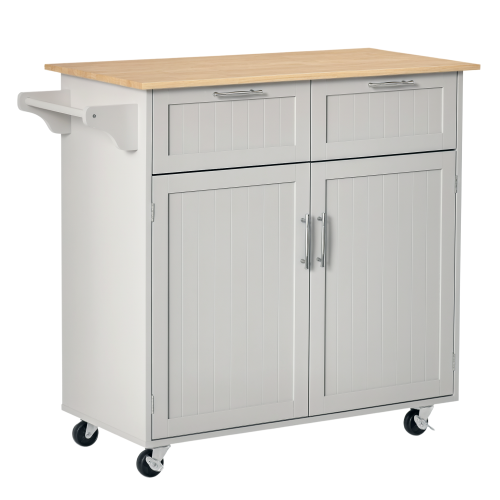
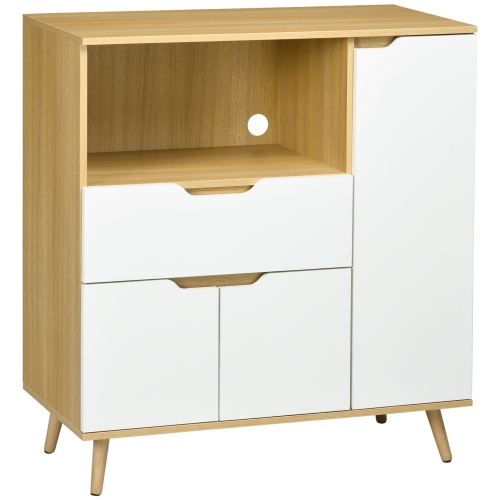
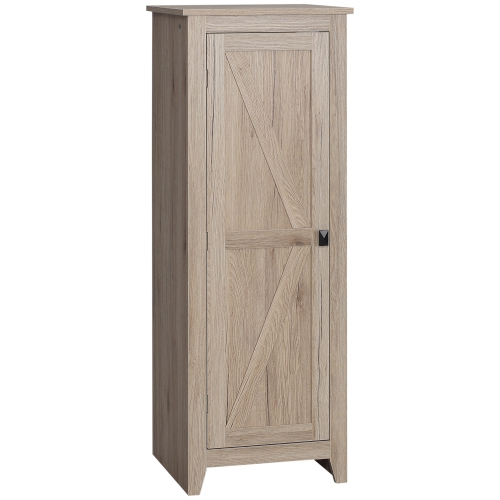
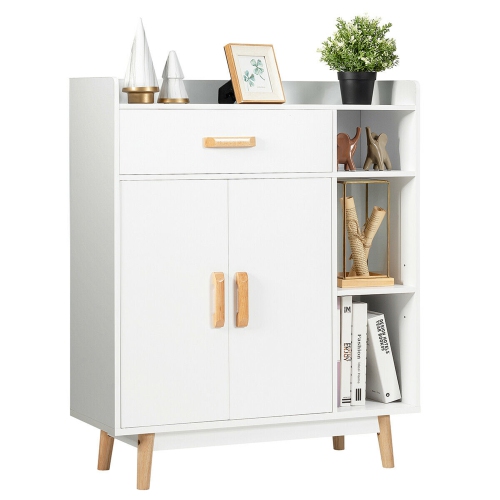
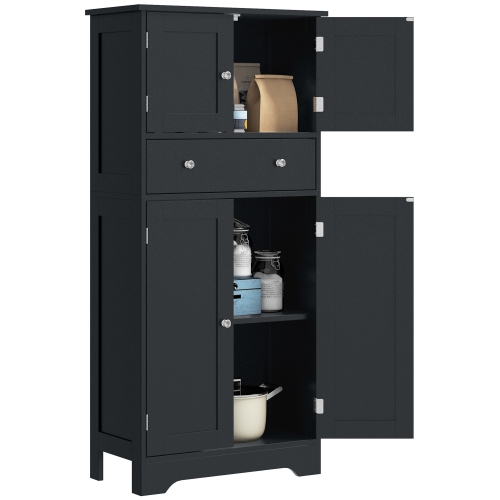
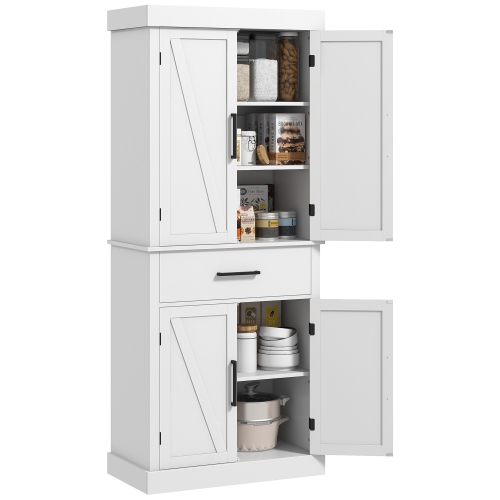
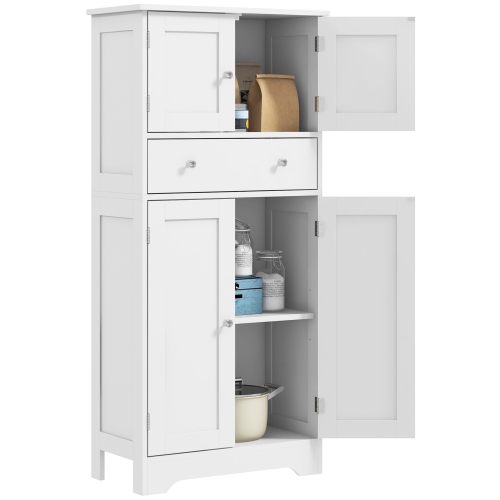
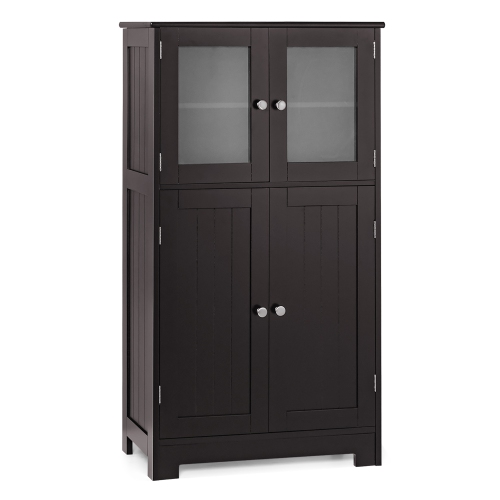
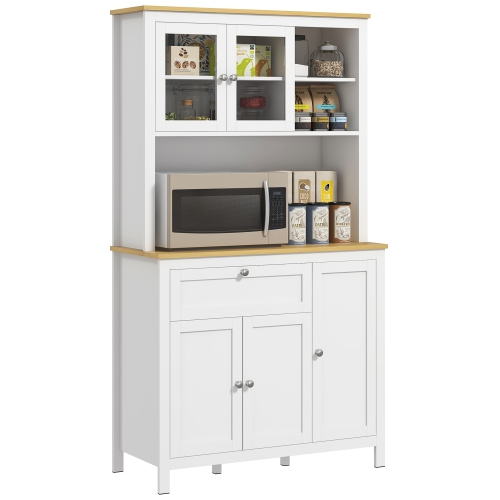
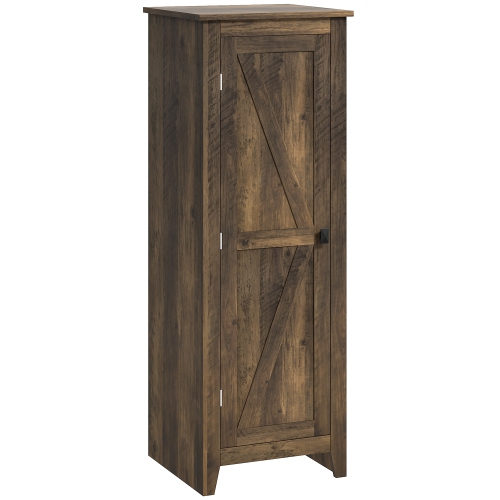
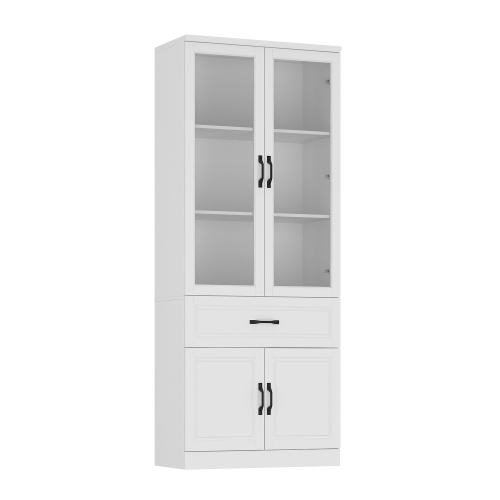
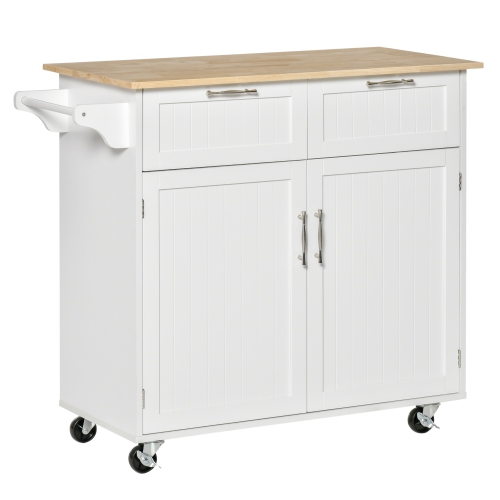
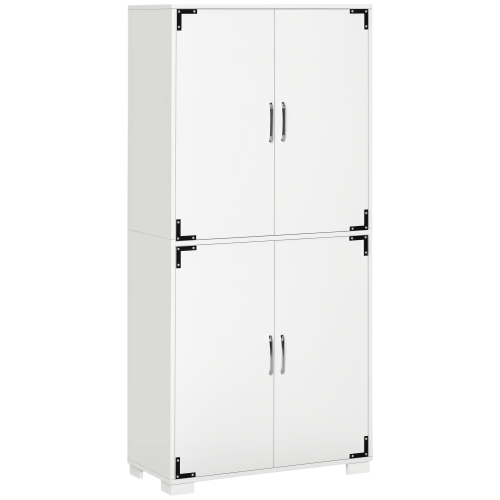
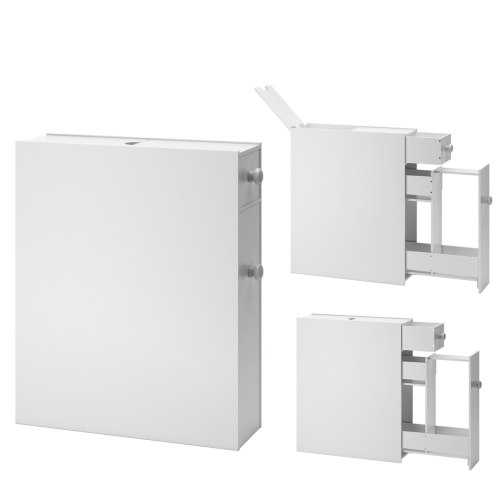
Practical planning for organized, accessible kitchen storage
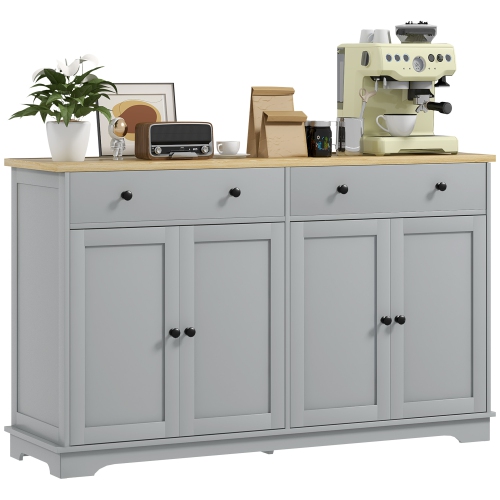
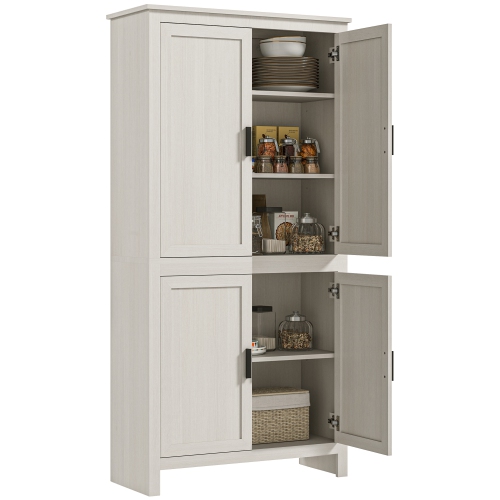
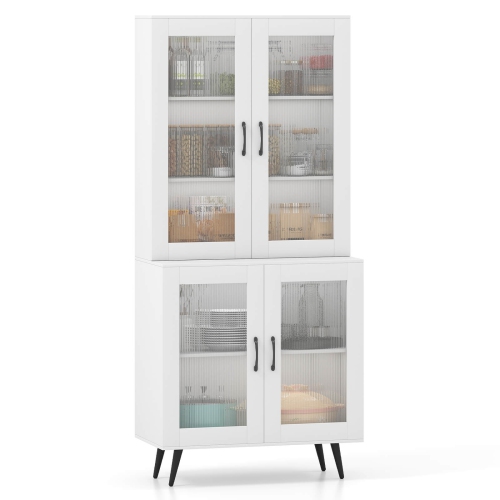
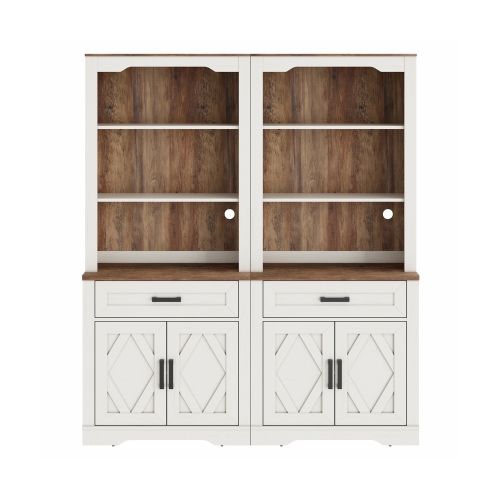
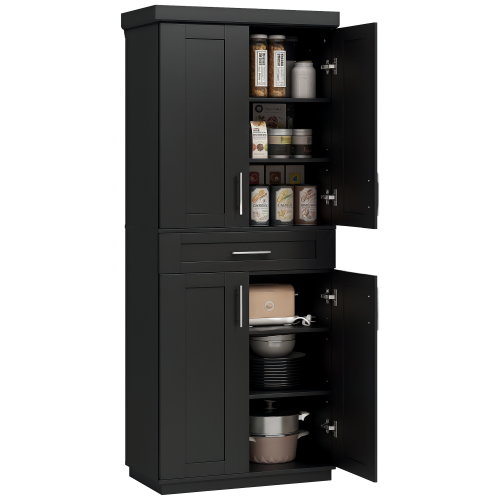
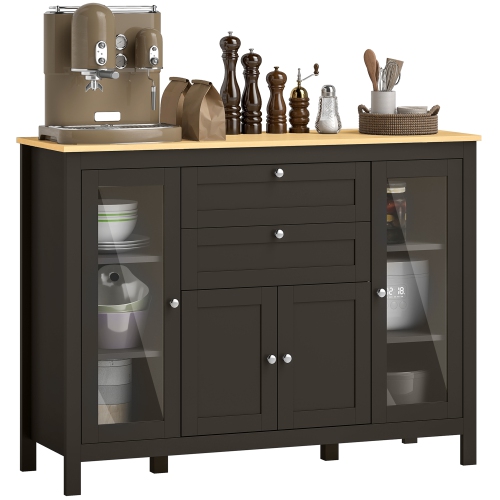
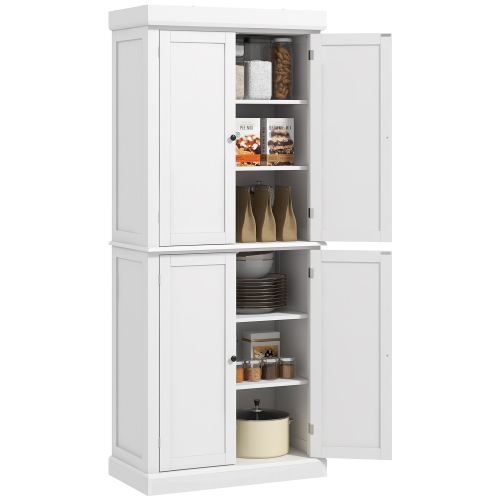
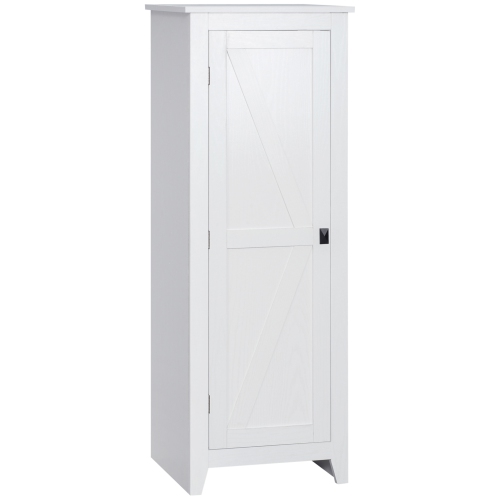
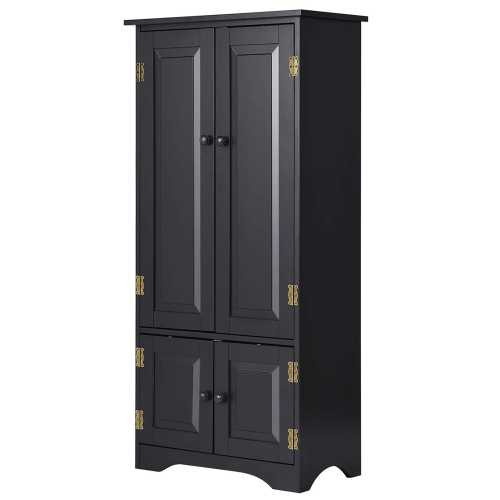
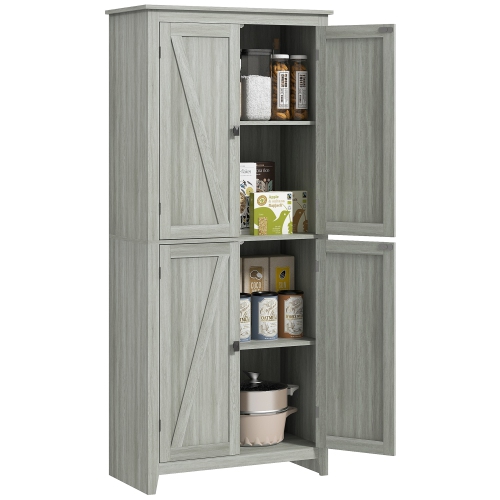
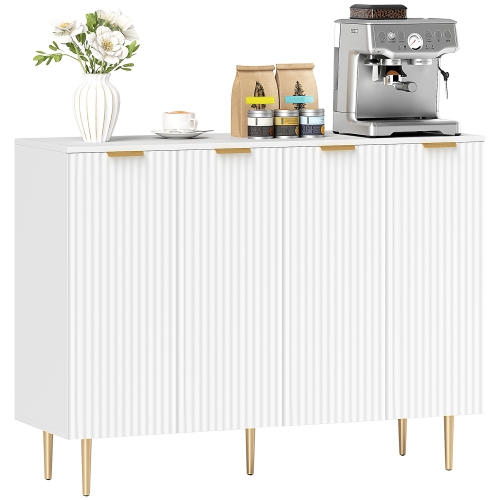
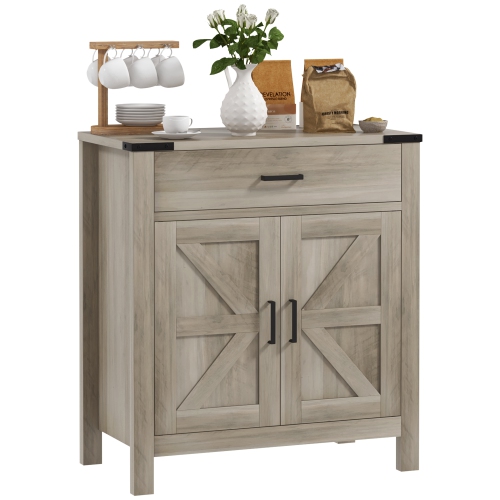
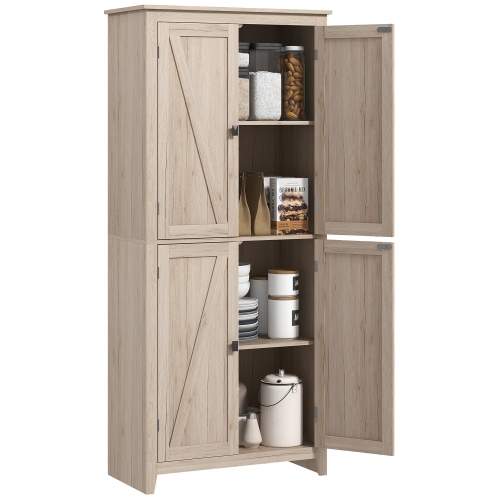
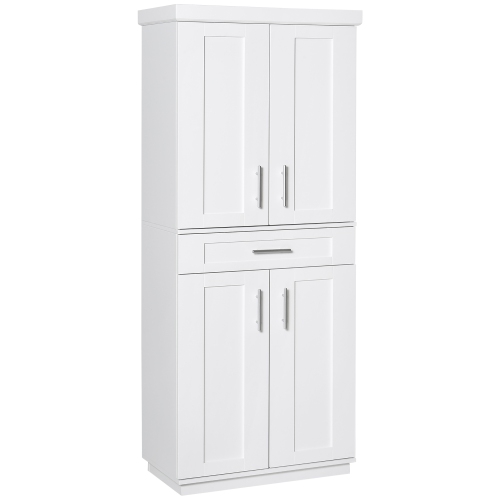
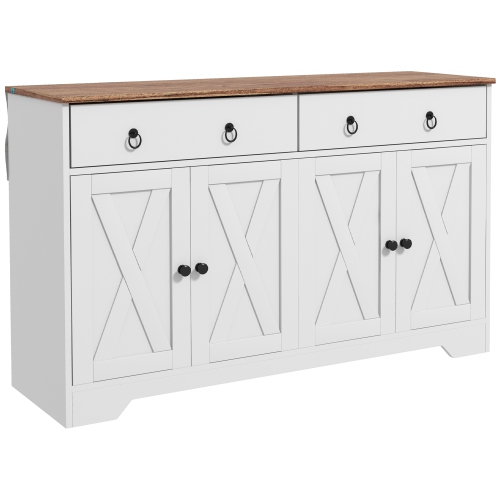
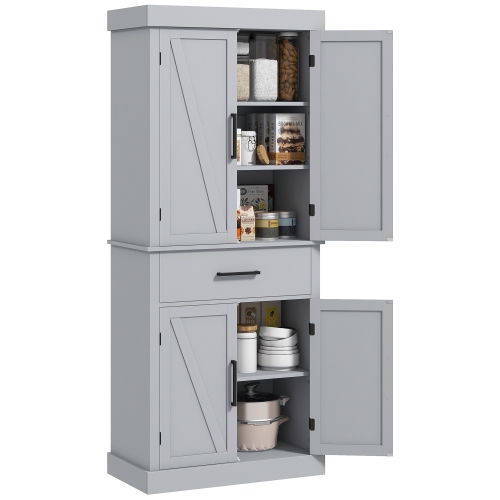
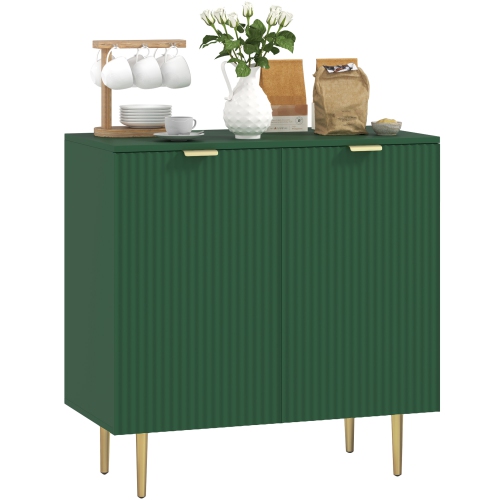
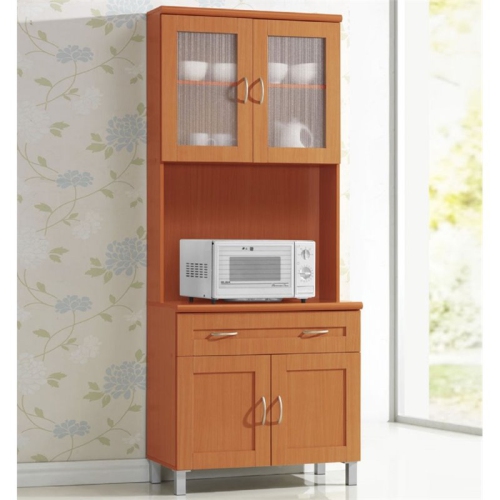
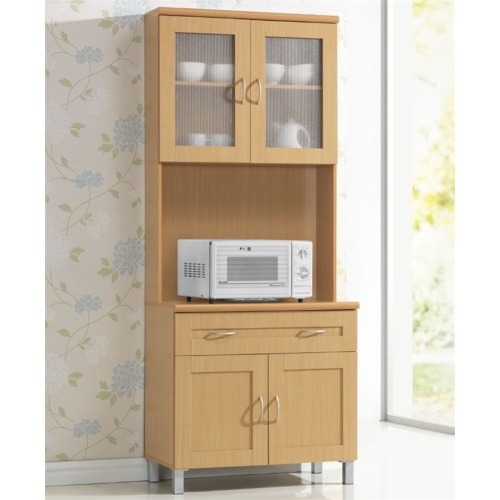
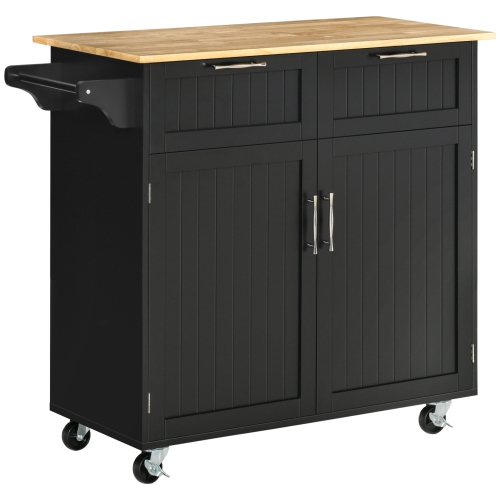
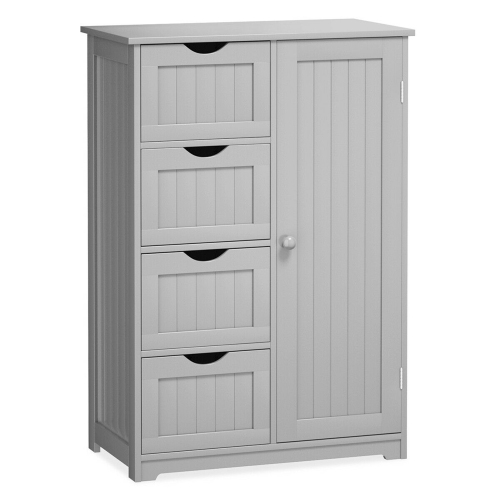
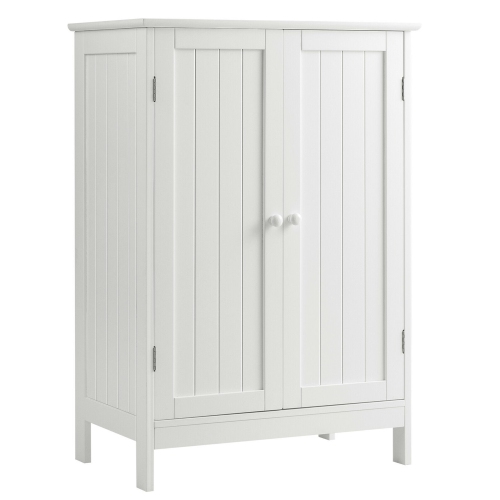
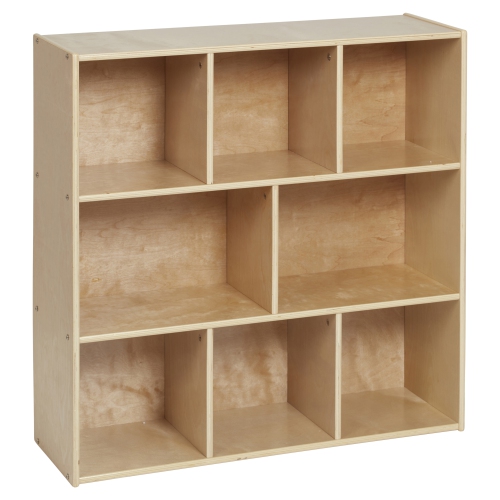
Kitchen floor cabinets, also called base cabinets, form the practical foundation of many kitchen layouts. They sit directly on the floor and support countertops, sinks, cooktops, small appliances, and the everyday work of preparing meals. Unlike wall-mounted cabinets, these lower units are designed to carry substantial weight while keeping frequently used cookware, dishes, food containers, cleaning supplies, and pantry items within easy reach. Standard base cabinets are commonly about 24 inches deep and 34.5 inches high before a countertop is added, although dimensions vary by style, configuration, and intended use. Measuring the available wall length, floor depth, ceiling height, door openings, and nearby appliances is an important first step, particularly when combining several cabinets in one run. Leave enough room for doors and drawers to open fully, and account for handles, trim, plumbing connections, electrical outlets, vents, and the clearance needed to move comfortably through the kitchen. A compact floor cabinet can add useful storage in a smaller cooking area, apartment, kitchenette, laundry room, or secondary food-preparation space, while wider units can help organize larger rooms where pots, pans, serving pieces, and countertop appliances tend to gather. A freestanding cabinet may be useful when you want flexible placement or additional storage without committing to a complete built-in layout. Modular and ready-to-assemble options can be arranged into a coordinated run, making them suitable for renovations, new kitchen plans, or gradual updates. For spaces that need more vertical storage, a tall pantry-style cabinet can complement lower units by providing room for boxed foods, bottles, baking ingredients, and small appliances that are used less often.
When comparing kitchen floor cabinets, consider the way you cook and the items you need to store as much as the exterior appearance. Drawers are convenient for cutlery, utensils, towels, and cookware because their contents can be viewed from above, while doors with interior shelving work well for mixing bowls, serving dishes, countertop appliances, and larger containers. Adjustable shelves can make it easier to accommodate tall bottles or stacks of dishes, and soft-closing hardware can help reduce noise in busy households. A sink base cabinet generally requires a different interior layout because it must allow space for plumbing, drainpipes, and cleaning products, while a drawer base may be better suited to an area where everyday tools need to remain close at hand. Corner cabinets can make use of awkward angles, but their opening style and interior access deserve careful attention before purchase. If a cabinet will be placed near a dishwasher, range, refrigerator, or heat-producing appliance, verify the manufacturer’s clearance recommendations and confirm that the surrounding materials are appropriate for the location. Finishes also influence how a kitchen feels and functions: smooth surfaces are simple to wipe after flour, sauce, or cooking splashes, while textured details can add visual interest to a room with plain walls and flooring. Check the construction materials, door alignment, drawer capacity, hardware, included components, and assembly requirements. Some cabinets arrive fully assembled, while others require installation and may need extra time, tools, fasteners, filler strips, toe-kick pieces, or matching trim. Reviewing the listed measurements rather than relying on photographs helps prevent surprises, especially when a cabinet must fit between existing walls or beside an appliance.
A level installation is essential for a professional-looking cabinet run and for doors and drawers that operate properly. Floors are not always perfectly flat, so begin by identifying the highest point along the installation area and use a laser level or another reliable levelling method to establish a consistent reference line. Shims can help keep cabinets aligned across an uneven floor, and adjustable legs can make fine corrections while helping keep the cabinet base clear of minor floor moisture. Corner and blind base cabinets are typically positioned and secured first, followed by adjacent units, so the faces remain even across the run. Clamping neighbouring cabinet frames before fastening them can help maintain a straight line, while trim screws or other appropriate fasteners should be selected according to the cabinet construction and wall material. Always confirm that cabinets are securely anchored to the wall where required, particularly in households with children or where heavy items will be stored. Protect finished surfaces during installation, check that plumbing and electrical services remain accessible, and avoid placing weight inside until fasteners, legs, shelves, doors, and drawers have been checked. Kitchen floor cabinets can also be useful beyond a main kitchen, including a basement kitchenette, a home entertaining area, a cottage, or a compact office refreshment station. Their low profile keeps supplies organized without taking over the room, and a coordinated finish can help tie together counters, flooring, and nearby furniture. For related storage in another room, explore Bathroom Floor Cupboards, which are designed for organizing toiletries, towels, and other household essentials. During the cooler months, well-planned lower storage can make meal preparation and entertaining feel more orderly by keeping ingredients, cookware, and serving pieces close to the spaces where they are used.
When comparing kitchen floor cabinets, consider the way you cook and the items you need to store as much as the exterior appearance. Drawers are convenient for cutlery, utensils, towels, and cookware because their contents can be viewed from above, while doors with interior shelving work well for mixing bowls, serving dishes, countertop appliances, and larger containers. Adjustable shelves can make it easier to accommodate tall bottles or stacks of dishes, and soft-closing hardware can help reduce noise in busy households. A sink base cabinet generally requires a different interior layout because it must allow space for plumbing, drainpipes, and cleaning products, while a drawer base may be better suited to an area where everyday tools need to remain close at hand. Corner cabinets can make use of awkward angles, but their opening style and interior access deserve careful attention before purchase. If a cabinet will be placed near a dishwasher, range, refrigerator, or heat-producing appliance, verify the manufacturer’s clearance recommendations and confirm that the surrounding materials are appropriate for the location. Finishes also influence how a kitchen feels and functions: smooth surfaces are simple to wipe after flour, sauce, or cooking splashes, while textured details can add visual interest to a room with plain walls and flooring. Check the construction materials, door alignment, drawer capacity, hardware, included components, and assembly requirements. Some cabinets arrive fully assembled, while others require installation and may need extra time, tools, fasteners, filler strips, toe-kick pieces, or matching trim. Reviewing the listed measurements rather than relying on photographs helps prevent surprises, especially when a cabinet must fit between existing walls or beside an appliance.
A level installation is essential for a professional-looking cabinet run and for doors and drawers that operate properly. Floors are not always perfectly flat, so begin by identifying the highest point along the installation area and use a laser level or another reliable levelling method to establish a consistent reference line. Shims can help keep cabinets aligned across an uneven floor, and adjustable legs can make fine corrections while helping keep the cabinet base clear of minor floor moisture. Corner and blind base cabinets are typically positioned and secured first, followed by adjacent units, so the faces remain even across the run. Clamping neighbouring cabinet frames before fastening them can help maintain a straight line, while trim screws or other appropriate fasteners should be selected according to the cabinet construction and wall material. Always confirm that cabinets are securely anchored to the wall where required, particularly in households with children or where heavy items will be stored. Protect finished surfaces during installation, check that plumbing and electrical services remain accessible, and avoid placing weight inside until fasteners, legs, shelves, doors, and drawers have been checked. Kitchen floor cabinets can also be useful beyond a main kitchen, including a basement kitchenette, a home entertaining area, a cottage, or a compact office refreshment station. Their low profile keeps supplies organized without taking over the room, and a coordinated finish can help tie together counters, flooring, and nearby furniture. For related storage in another room, explore Bathroom Floor Cupboards, which are designed for organizing toiletries, towels, and other household essentials. During the cooler months, well-planned lower storage can make meal preparation and entertaining feel more orderly by keeping ingredients, cookware, and serving pieces close to the spaces where they are used.
Top selling and popular products
-
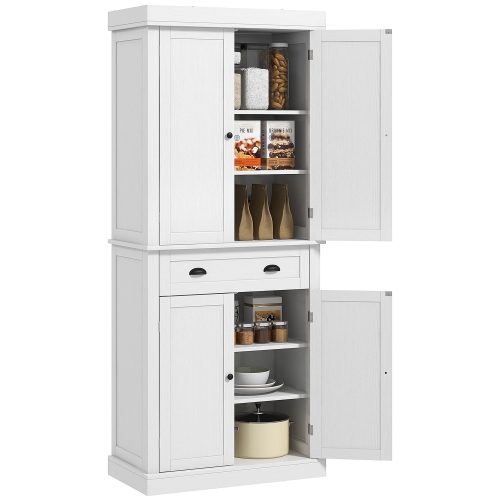 Your price for this item is $267.79
 -
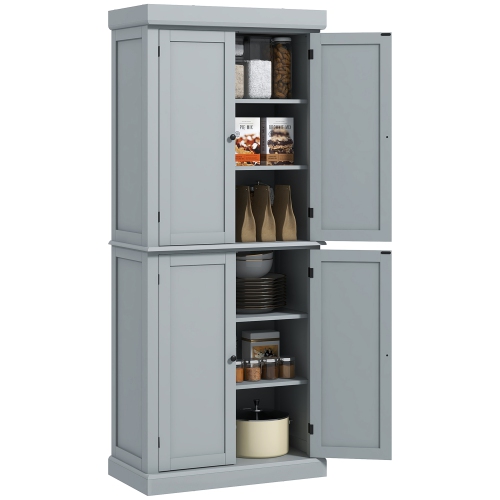 Your price for this item is $289.99
 -
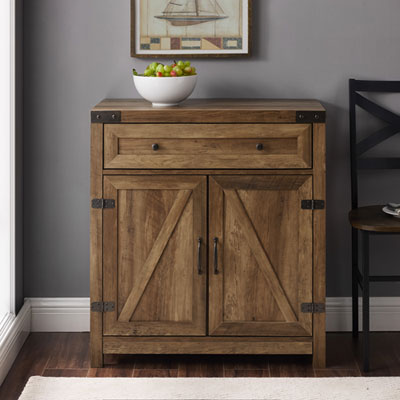 Your price for this item is $401.99
 -
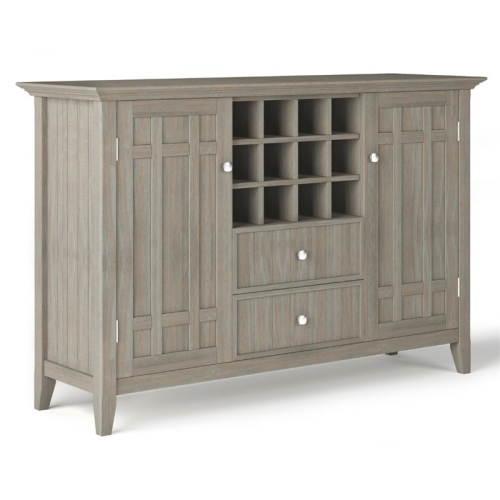 Your price for this item is $1375.51
 -
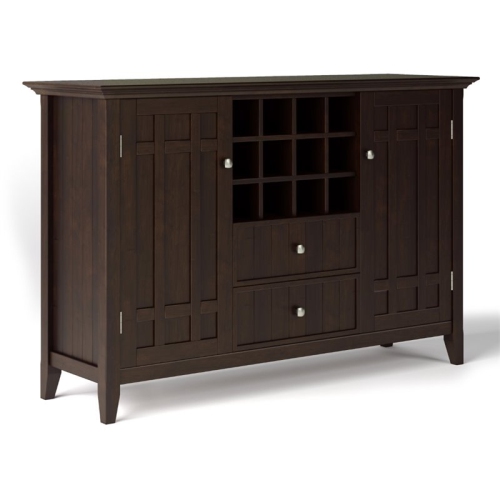 Your price for this item is $1271.6
 -
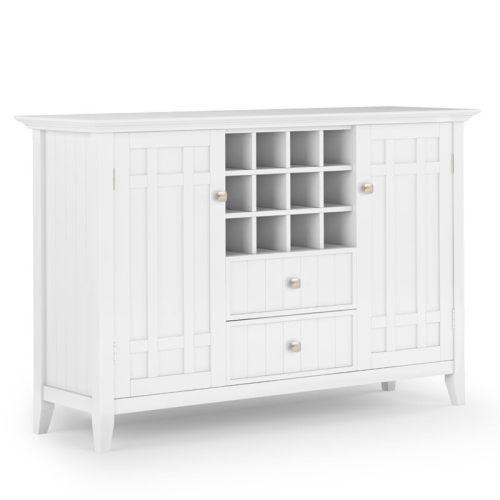 Your price for this item is $1447.73
 -
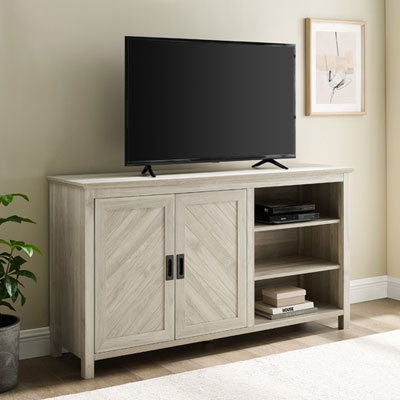 Your price for this item is $593.99
 -
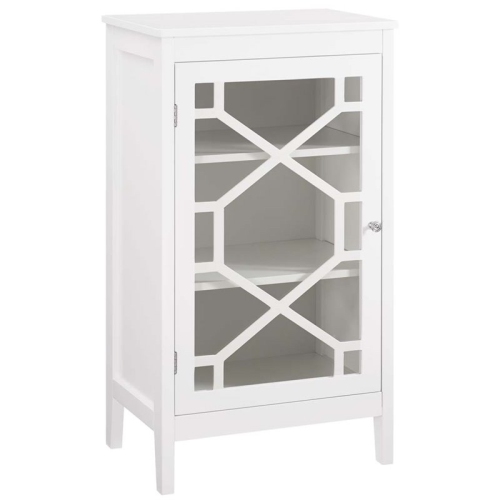 Your price for this item is $343.14
Discover more categories related to Kitchen Floor Cabinets
Top Collections:
Best Laptops for Video Editing, Pokemon Centers, Samsung Z Fold, Kindle Devices, Best Cell Phones Under $300, Best Laptops for Writers, Best Budget Office Chairs, Best Cell Phones Under $500, Best Laptop Computers for Students, iPhone 15 Apple
Some products may be subject to Environmental Handling Fees
(EHF) depending on your province.
Learn more about EHFs.