Kitchen Islands And Carts
Enhance the functionality and style of your kitchen with our versatile selection of kitchen islands and carts. Whether you're looking to create additional storage space, add extra countertop space for meal prep, or simply introduce a touch of elegance to your culinary space, our range of options offers something for every home chef. From compact carts ideal for smaller kitchens to spacious islands with ample storage and seating, discover the perfect solution to elevate your cooking and dining experience.
Sort
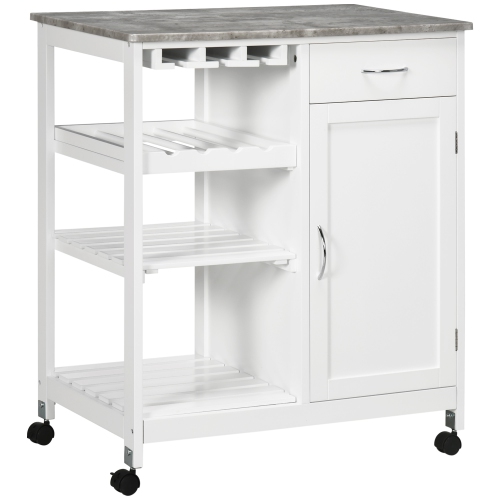
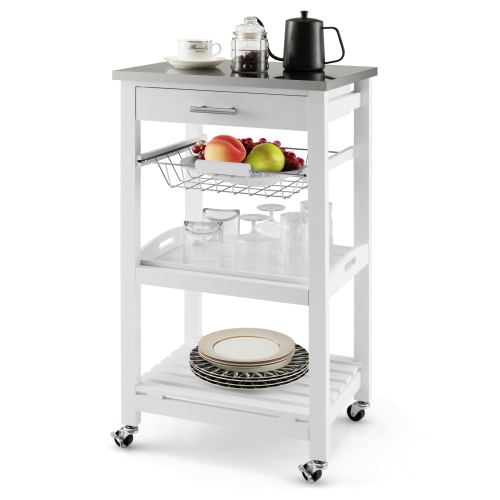
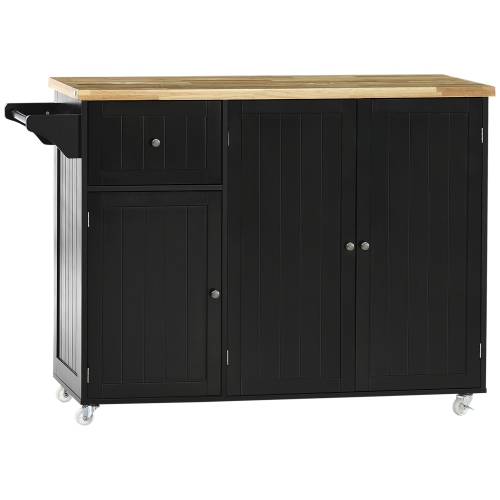
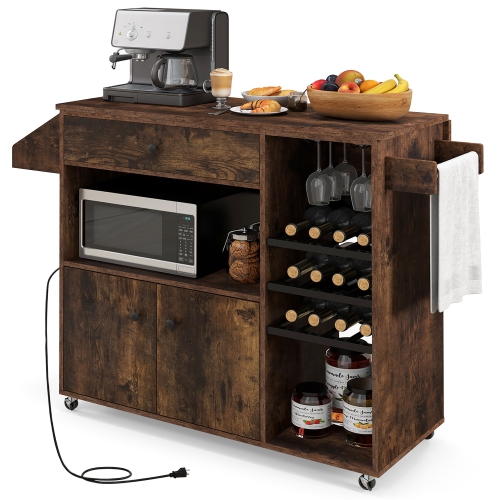
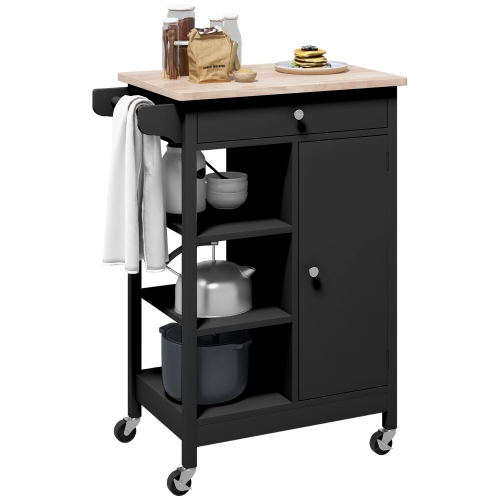
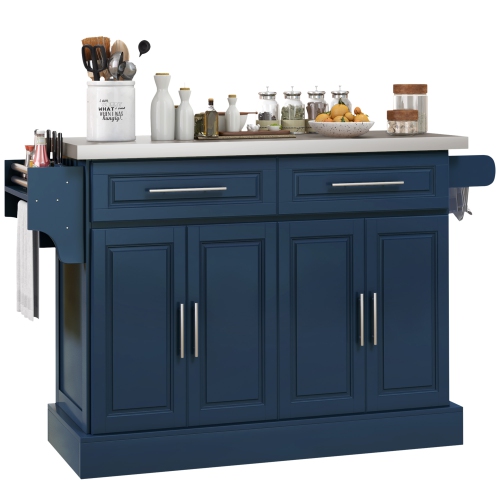
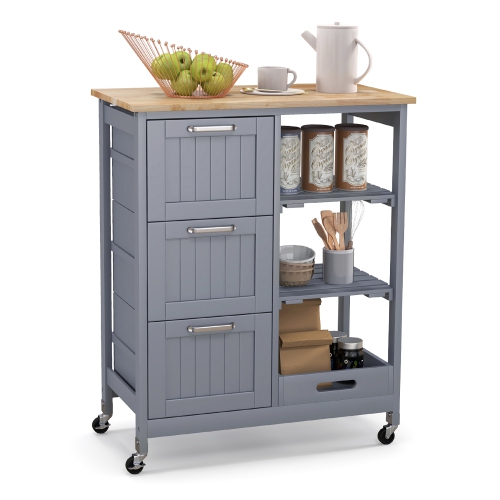
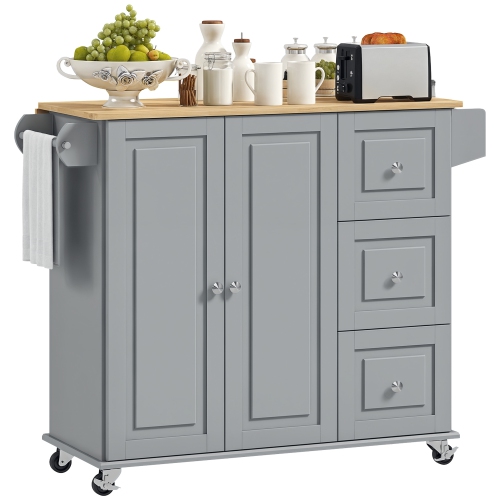


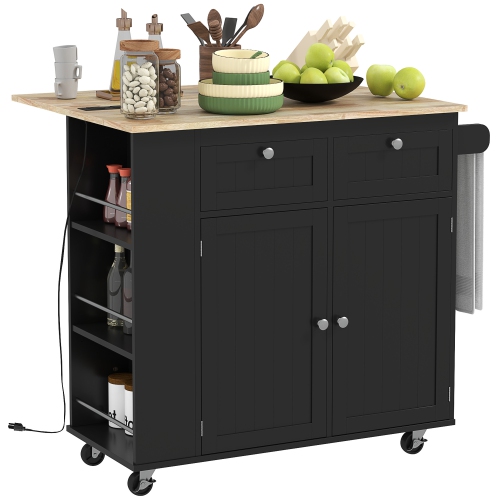
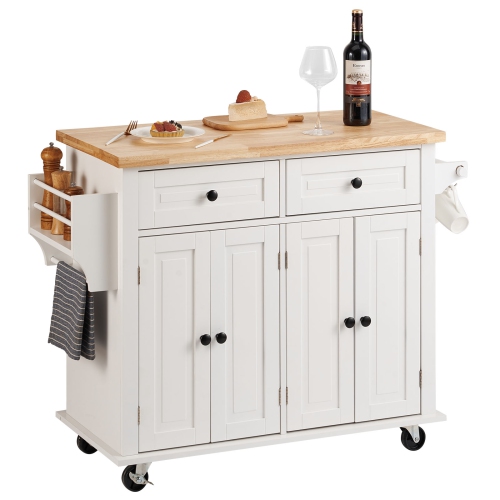
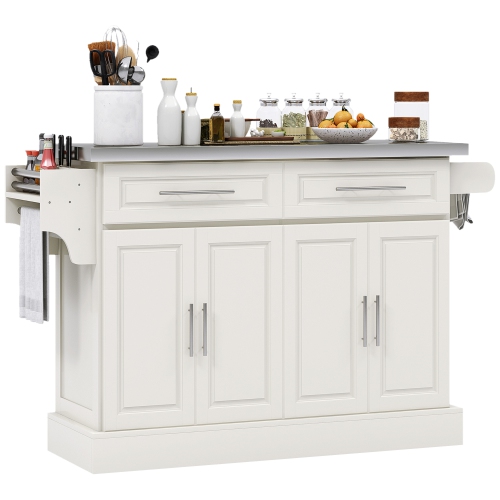
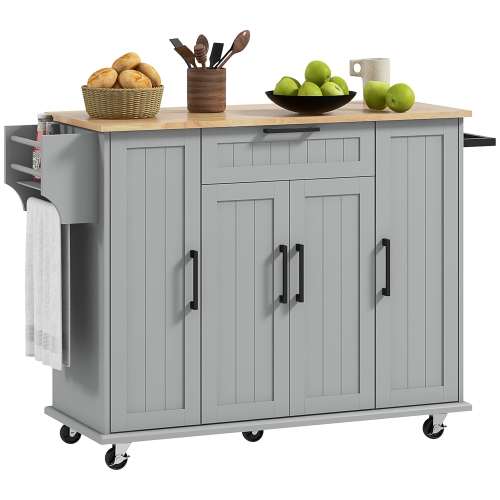
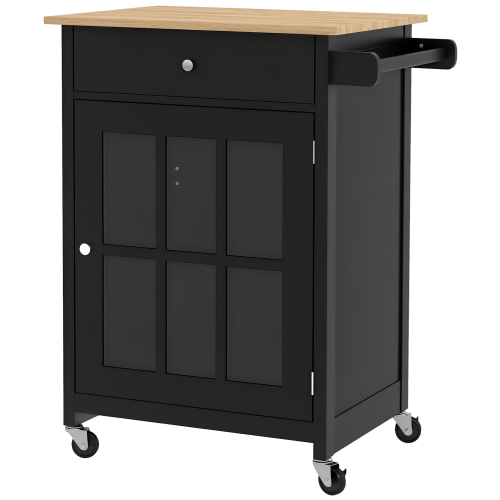
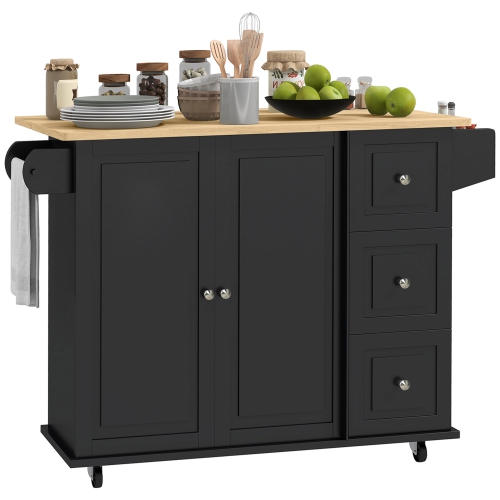
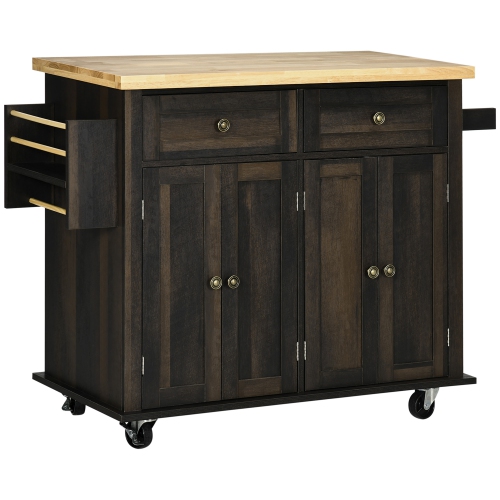
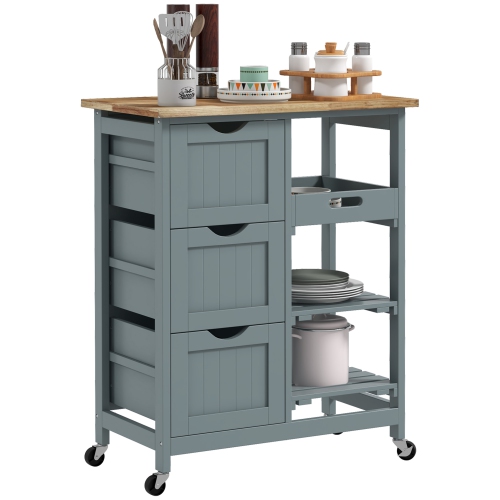

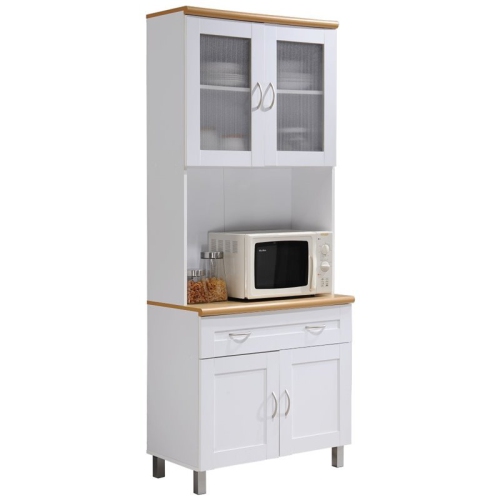
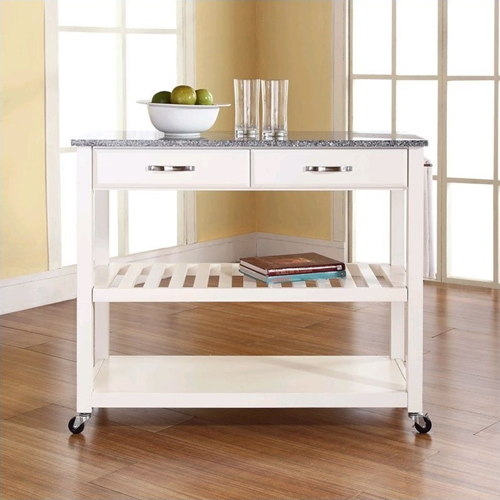
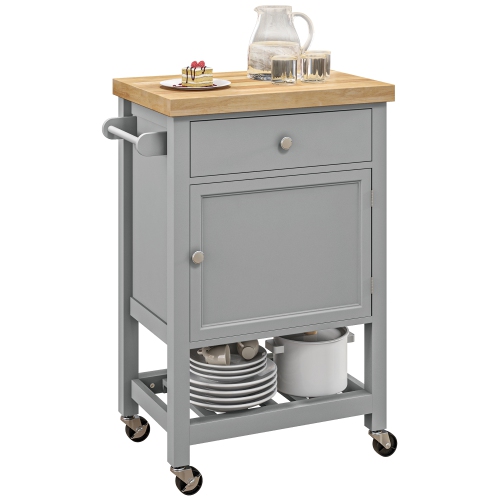
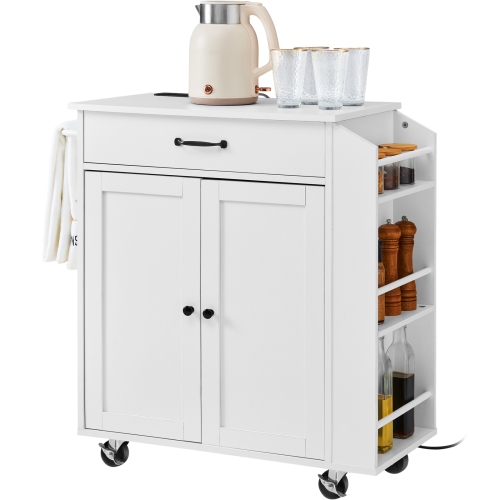


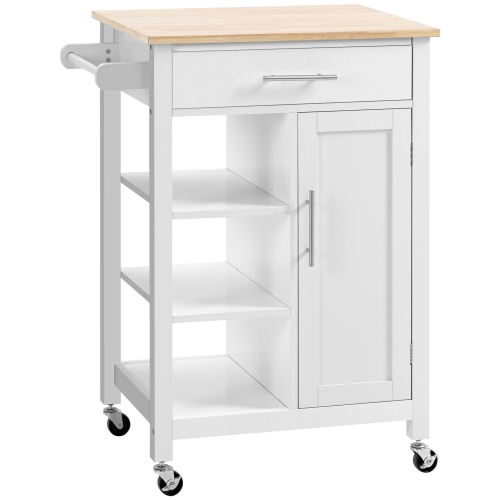
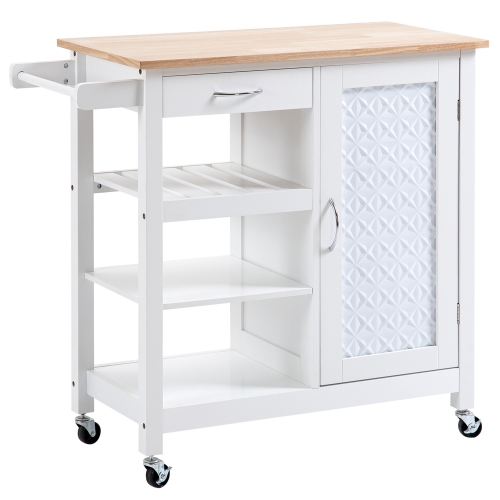
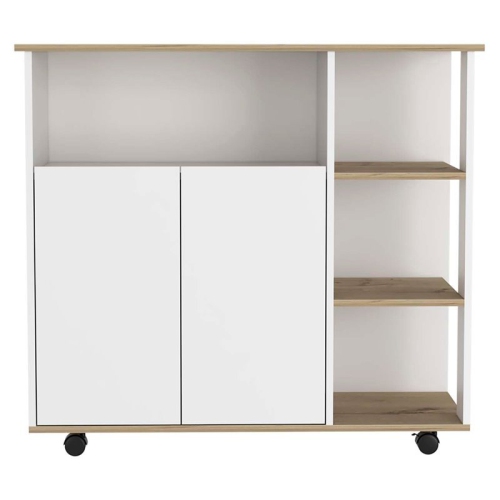

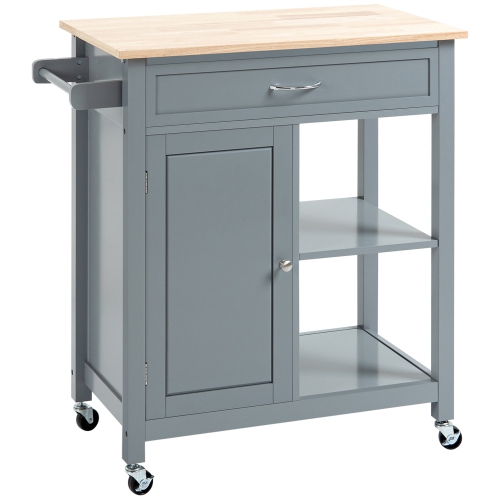
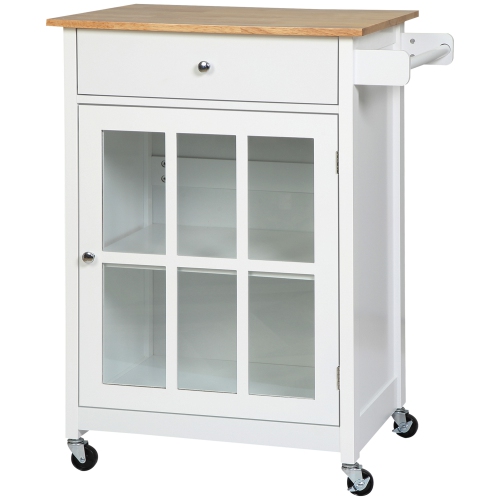
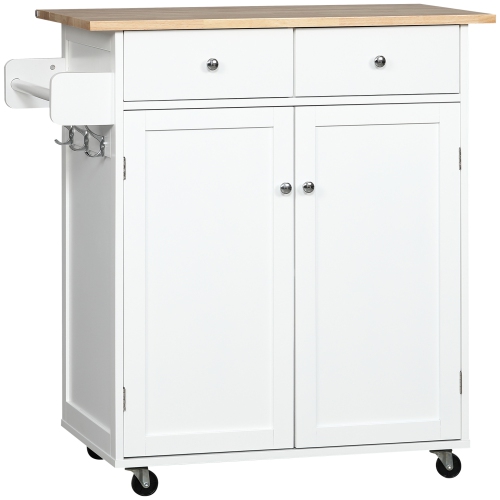
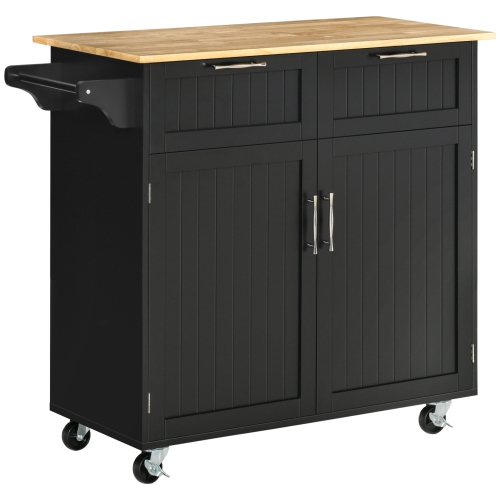
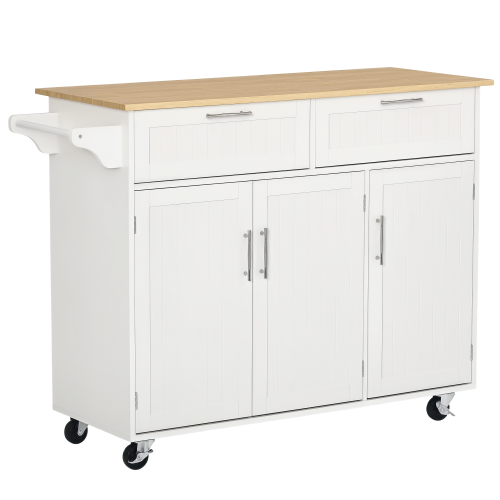

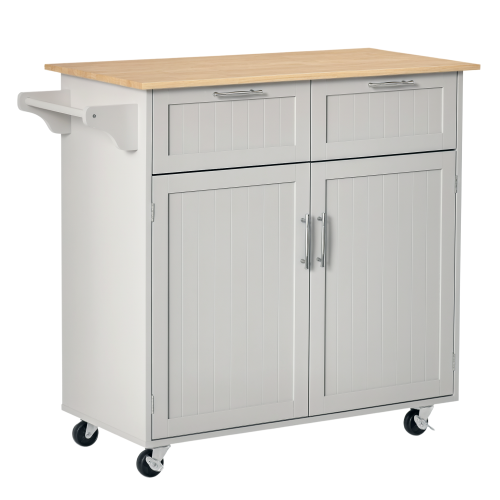
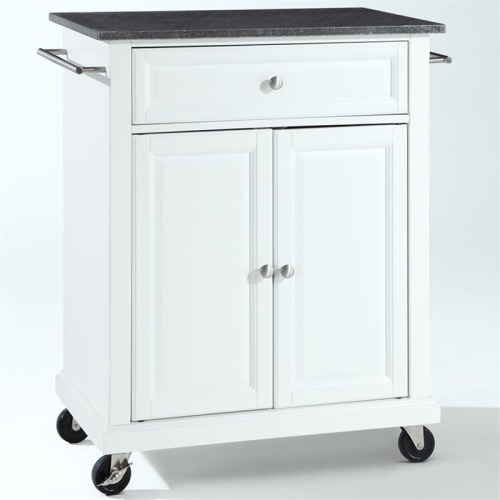
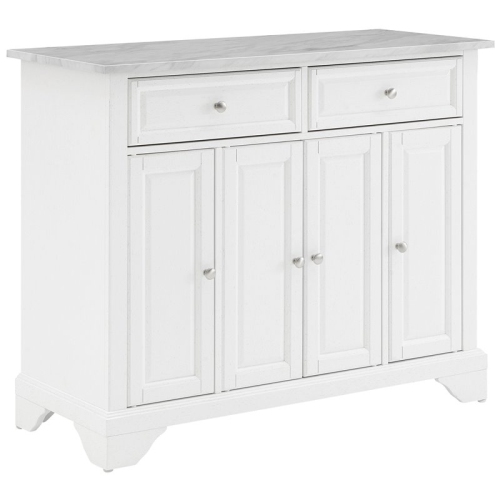
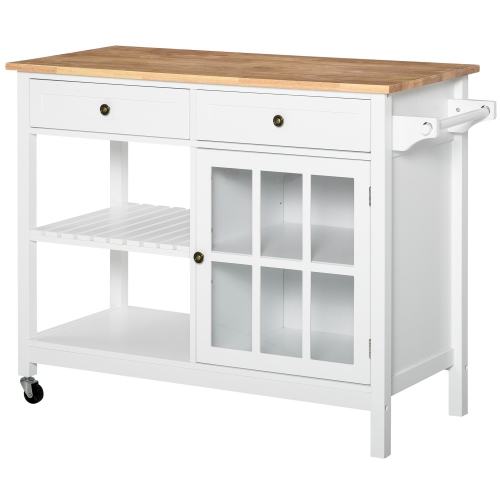
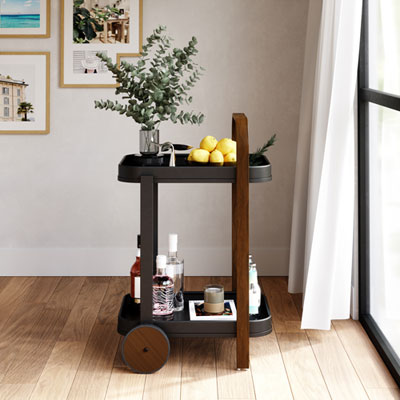
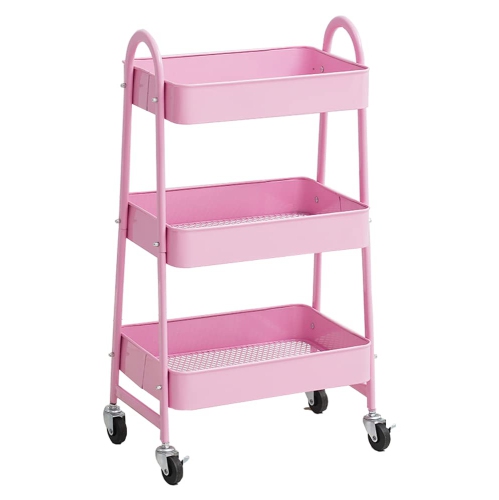

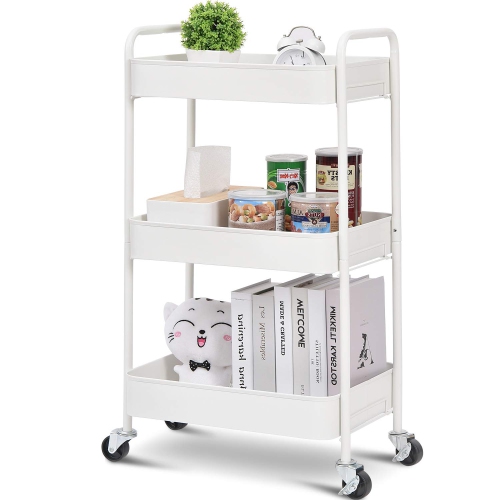
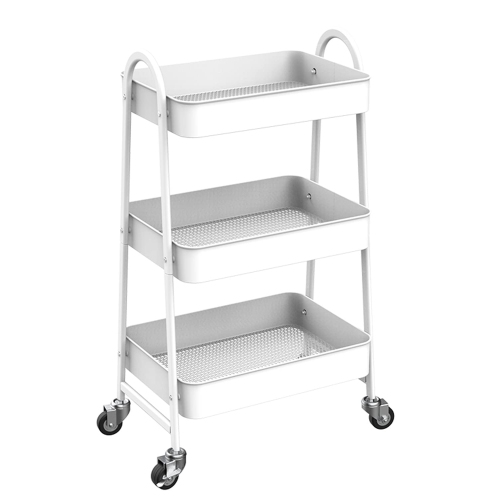
More prep space without a built-in renovation
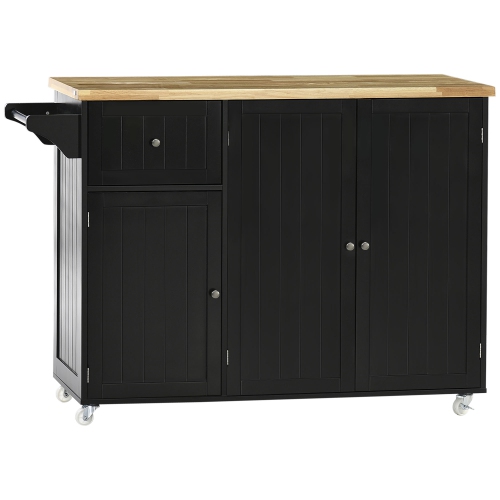
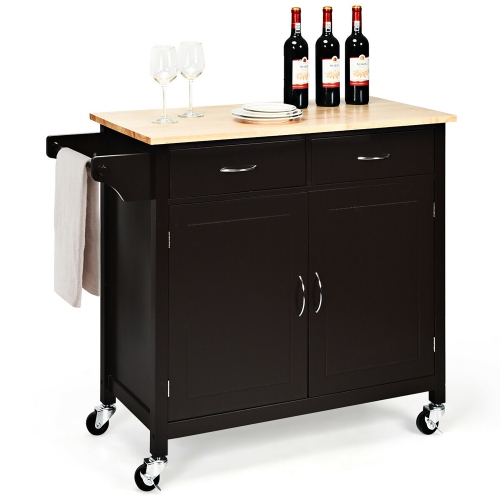
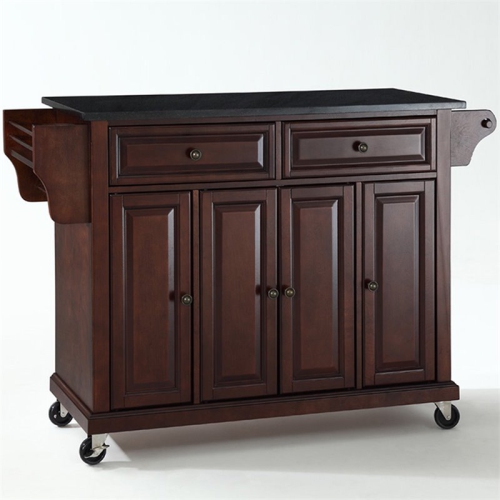
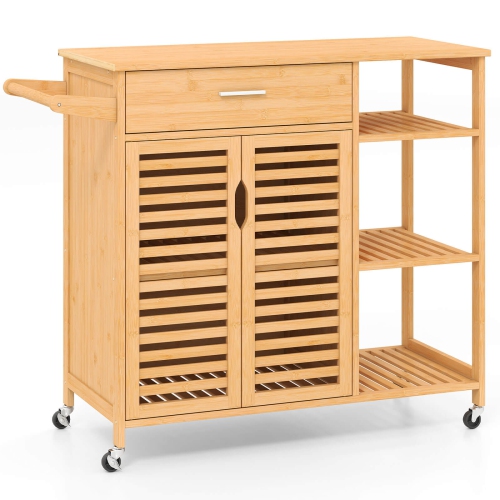
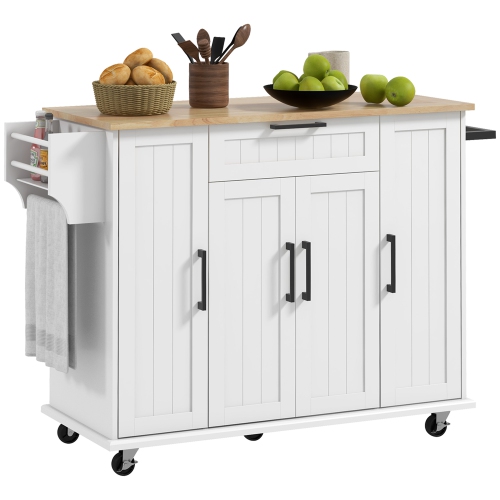
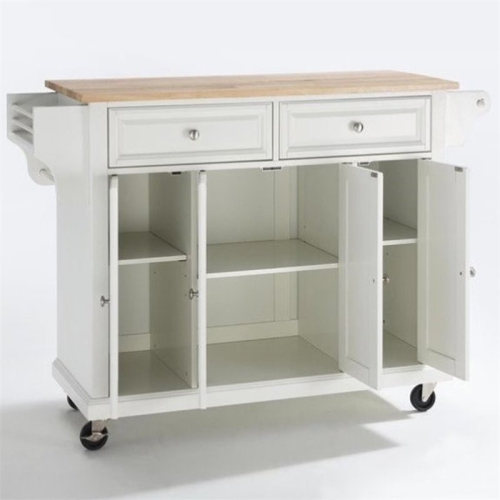
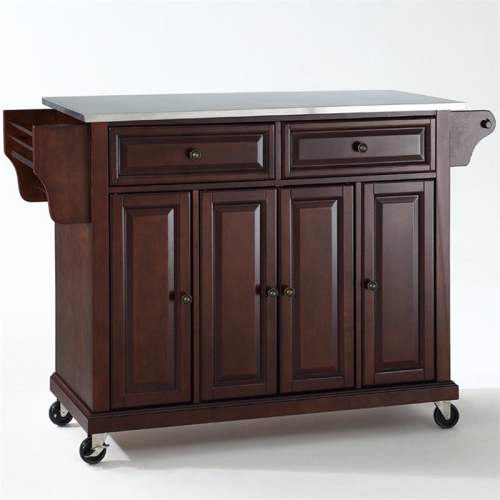
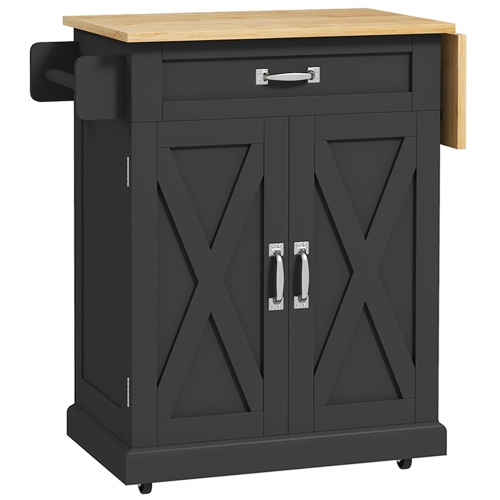
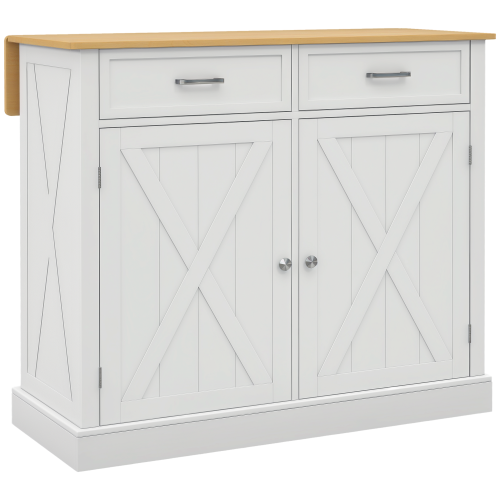
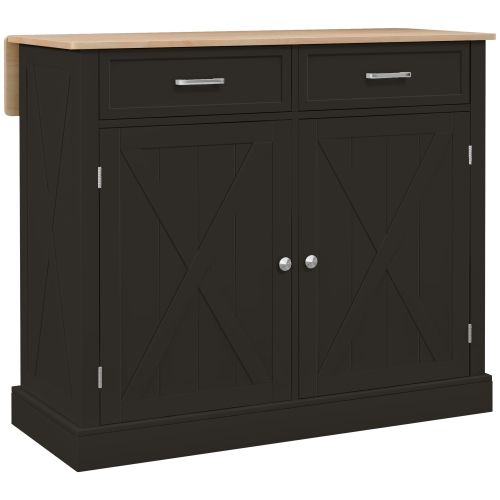
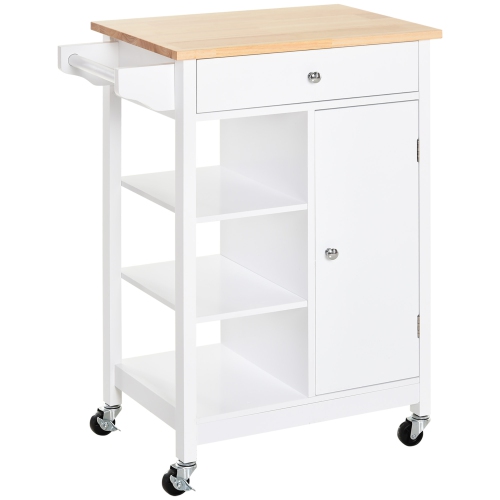
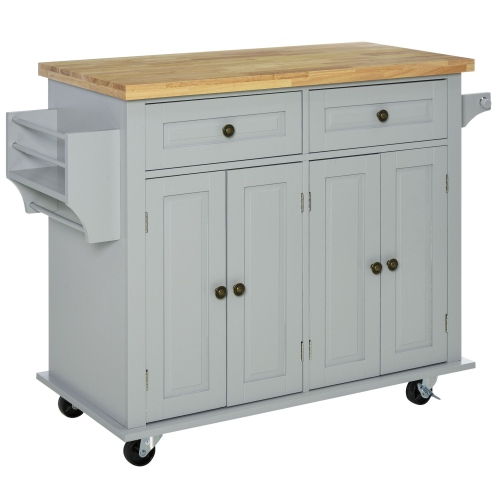
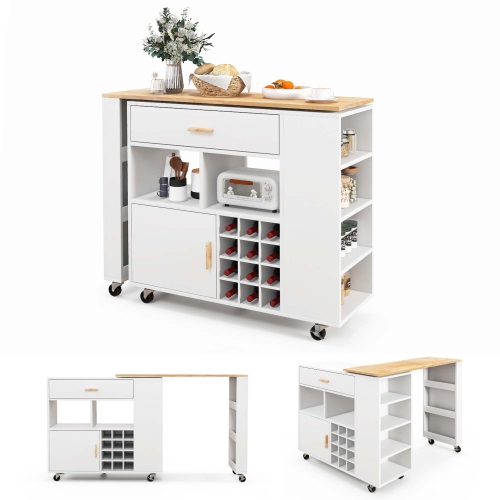
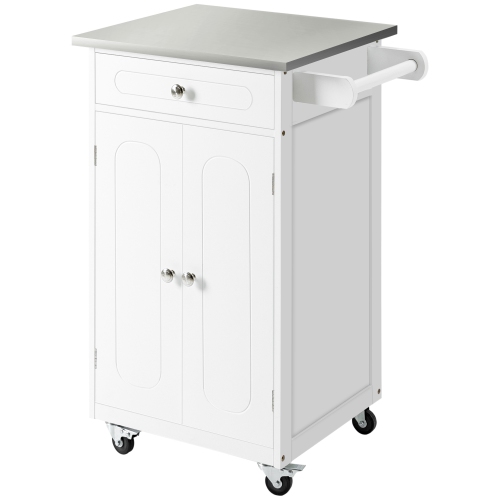
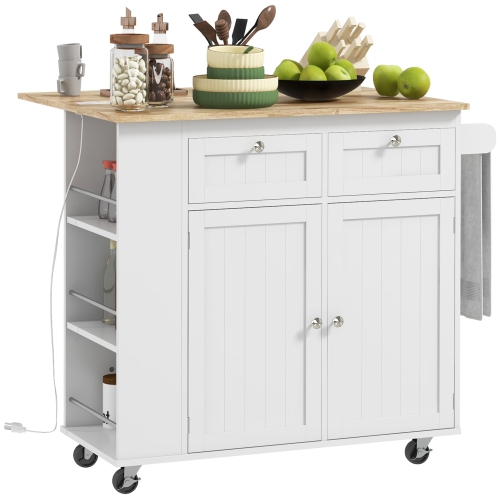
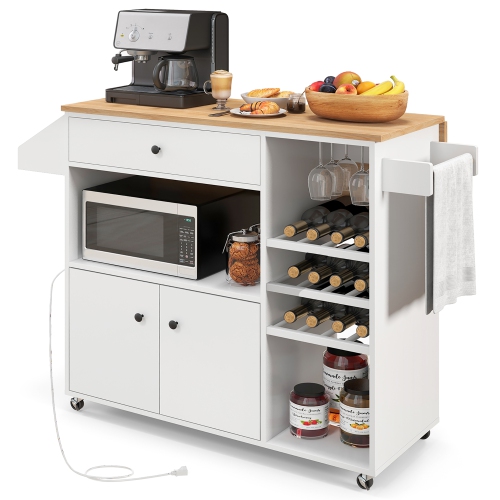
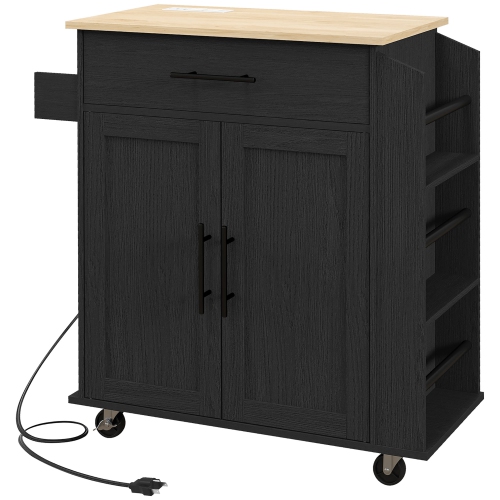
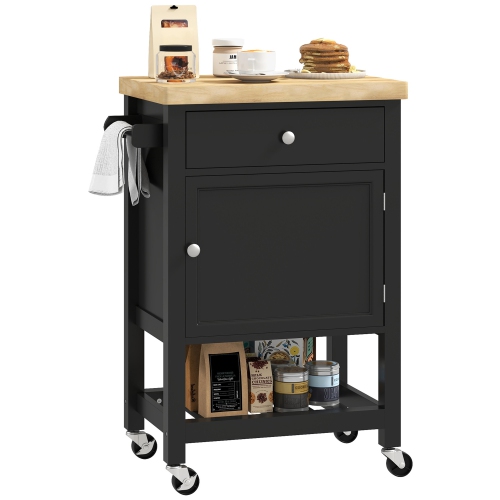
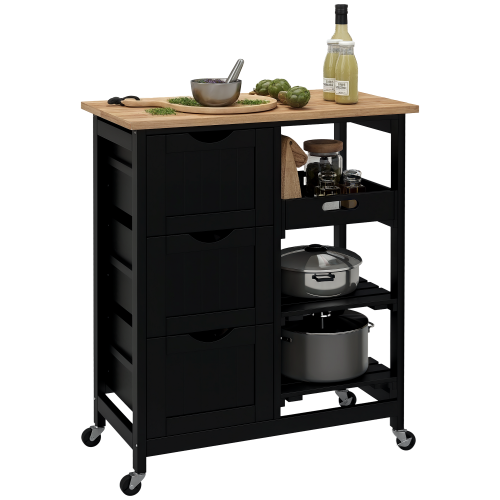
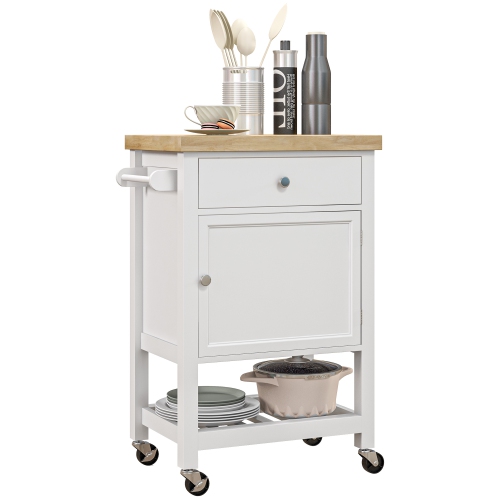
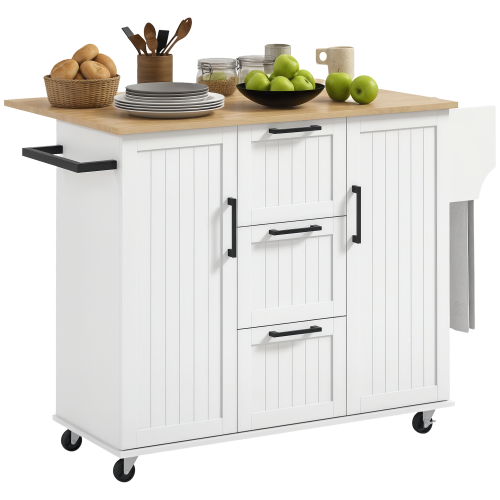
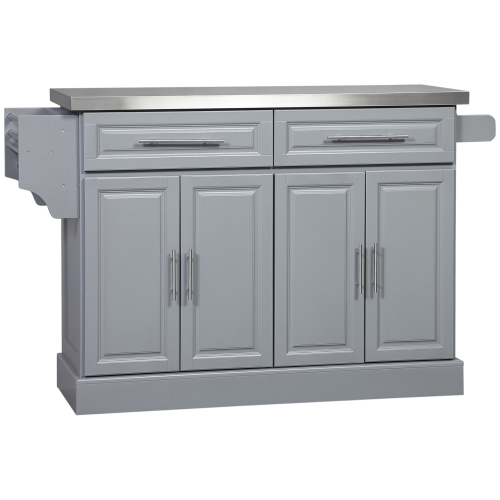
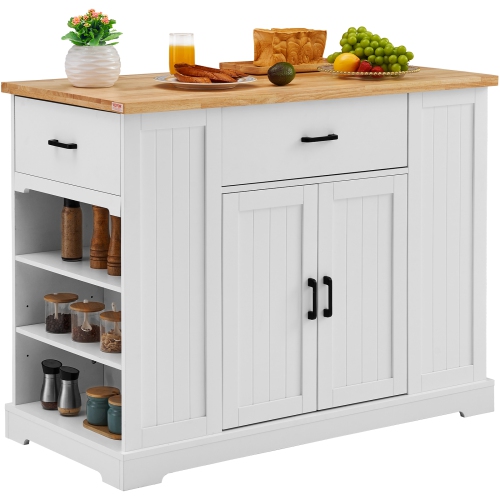
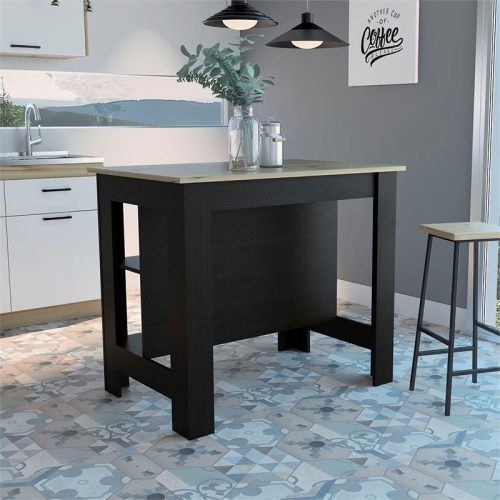
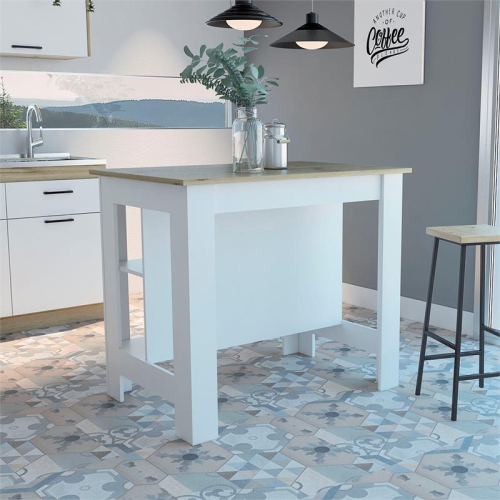
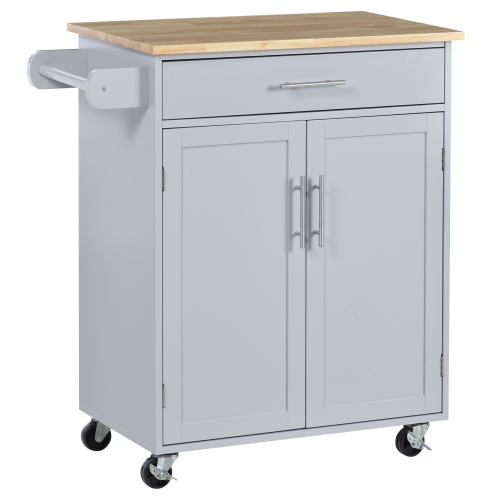
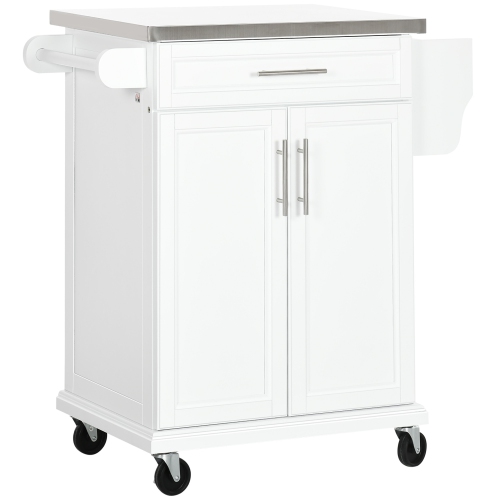
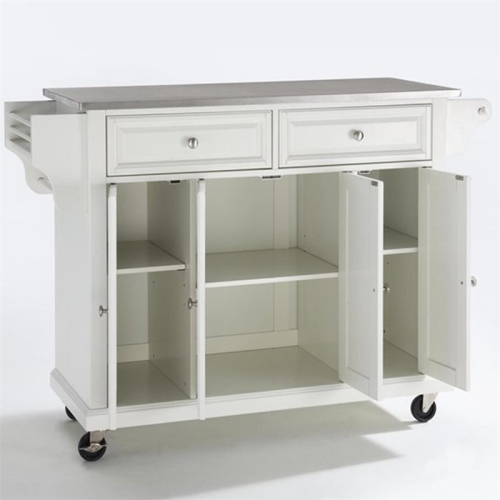
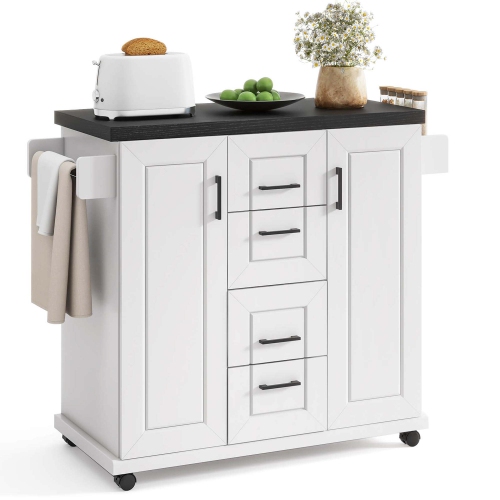
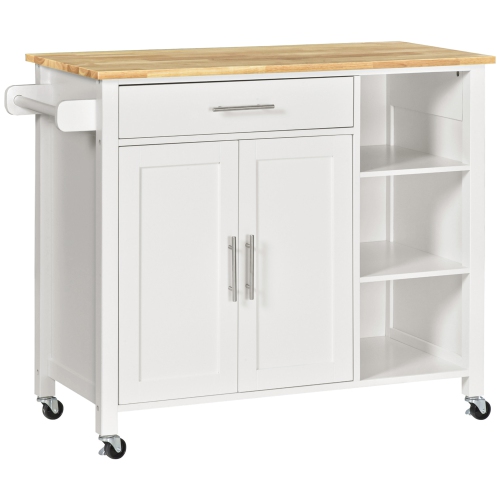
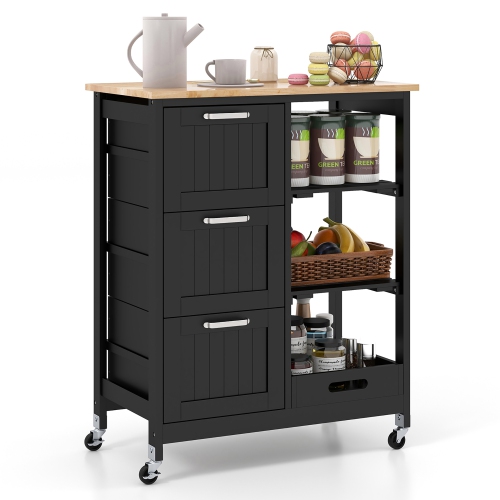
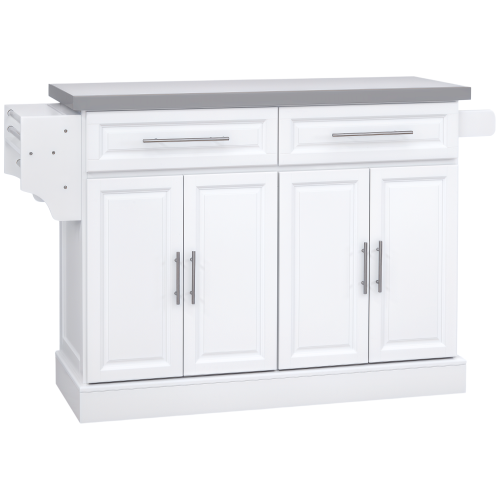
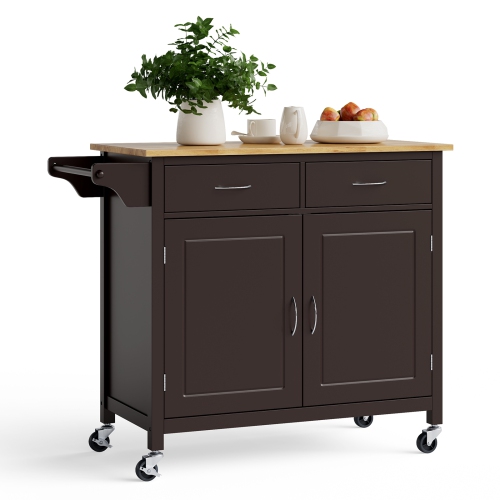
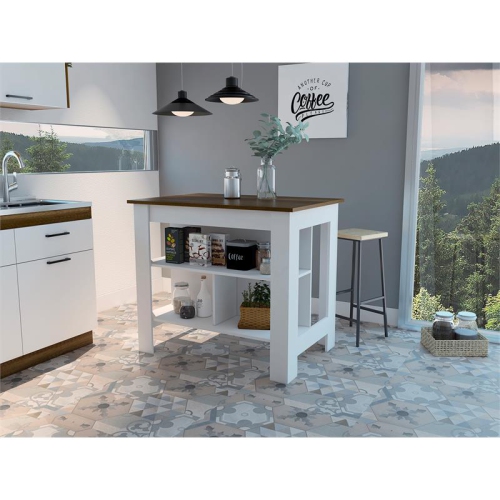
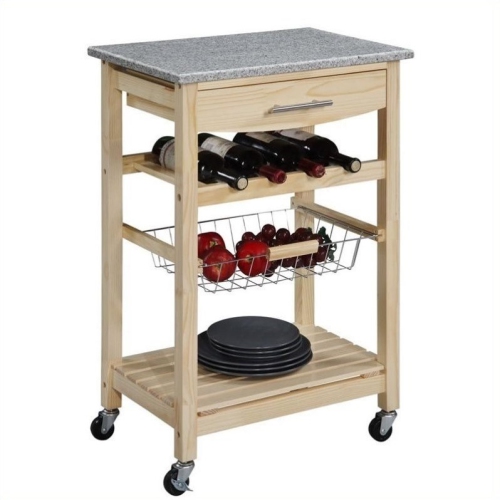
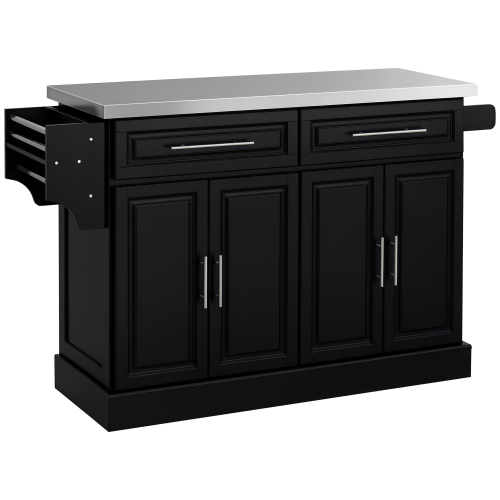
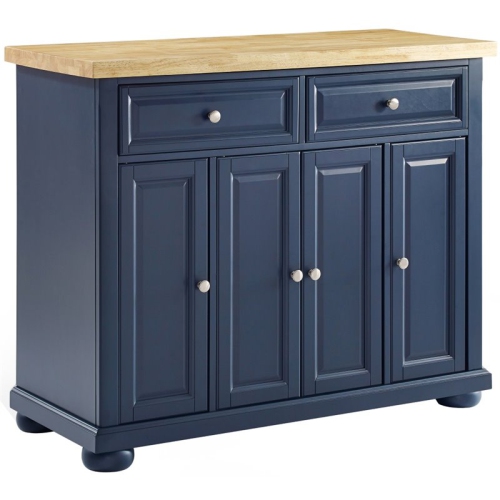
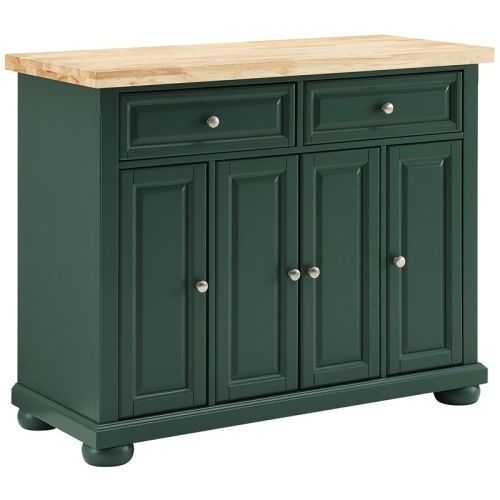
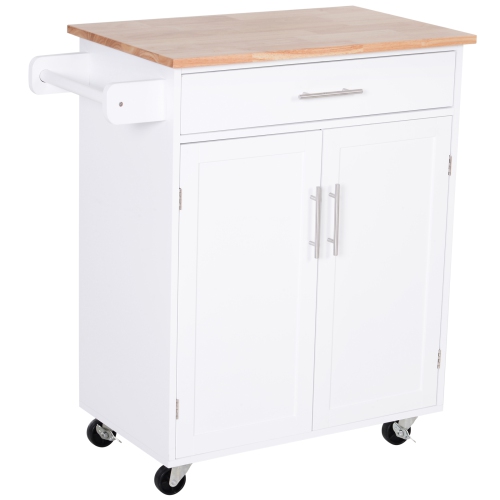
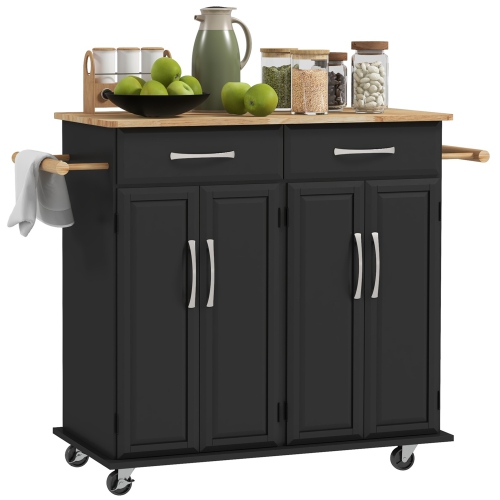
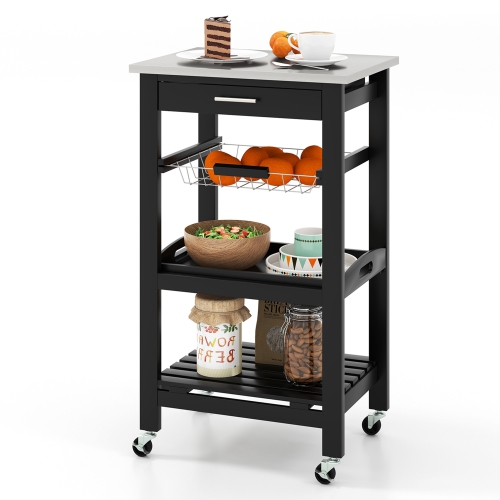
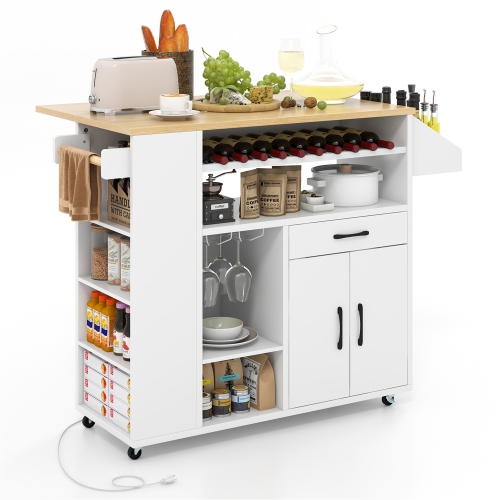
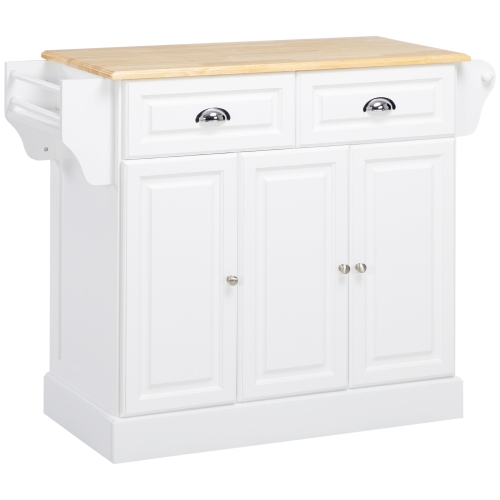
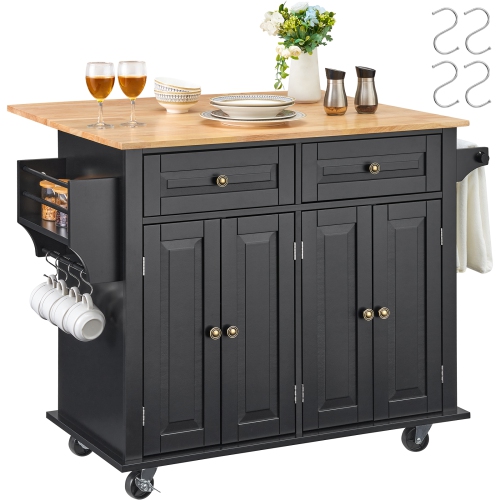
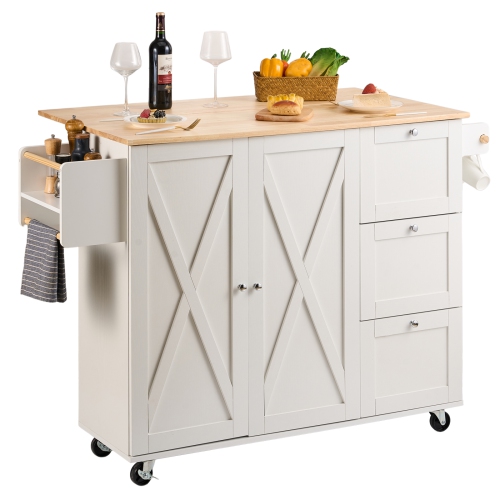
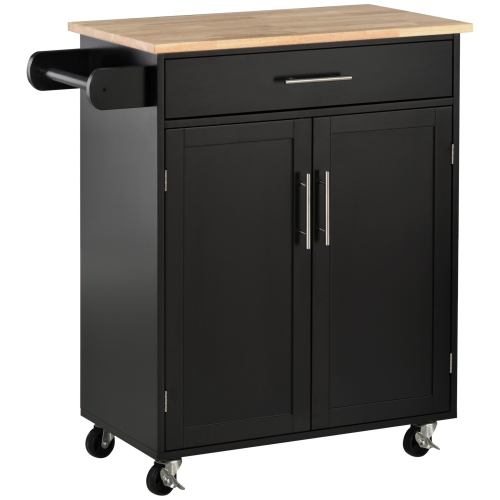
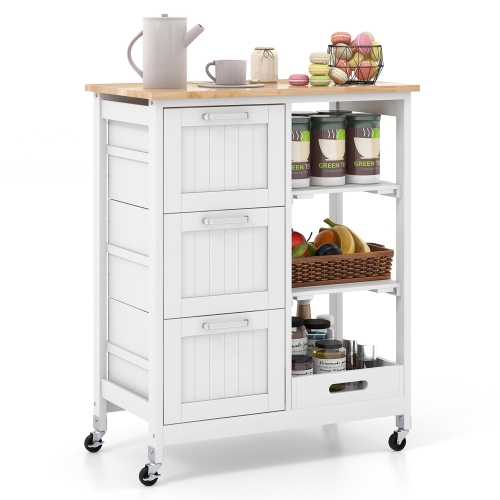
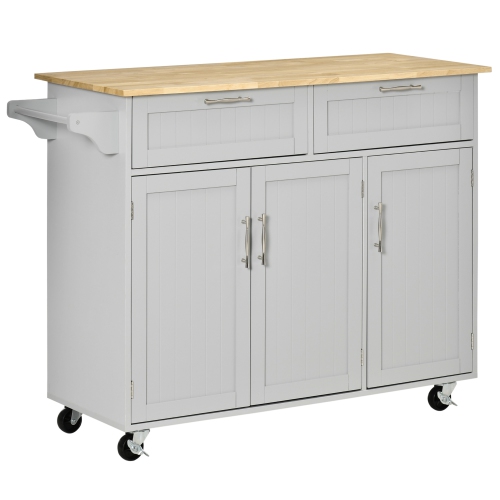
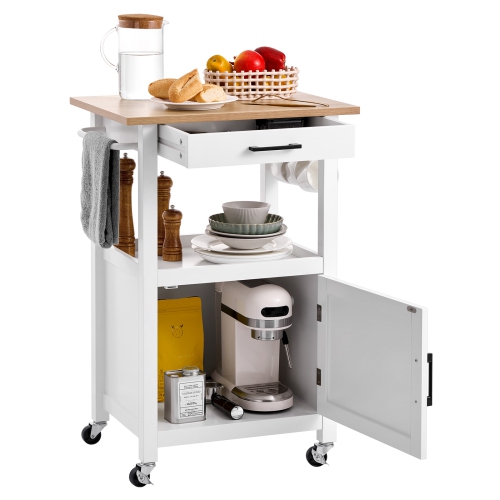
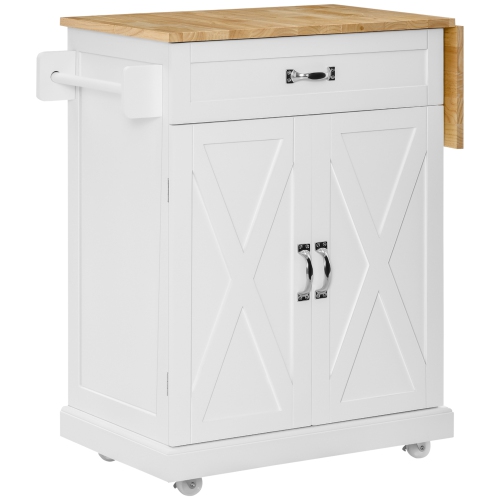
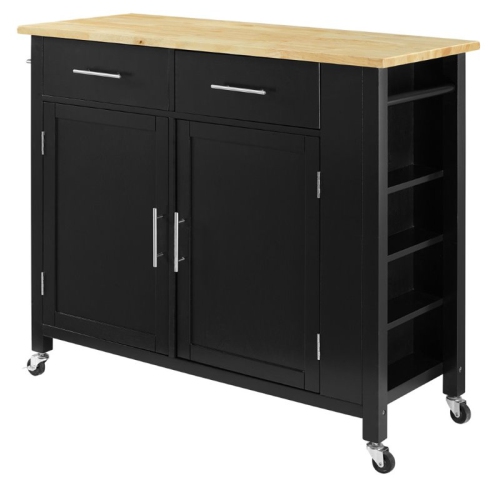
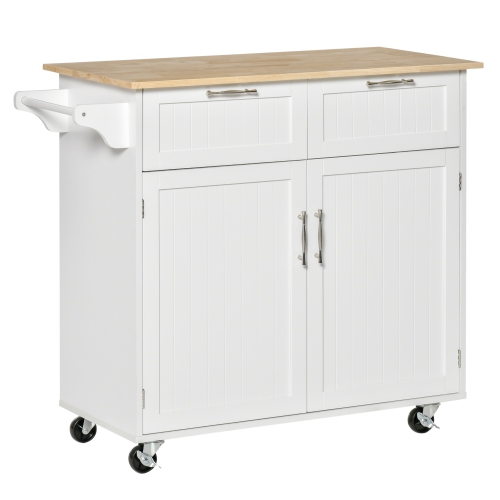
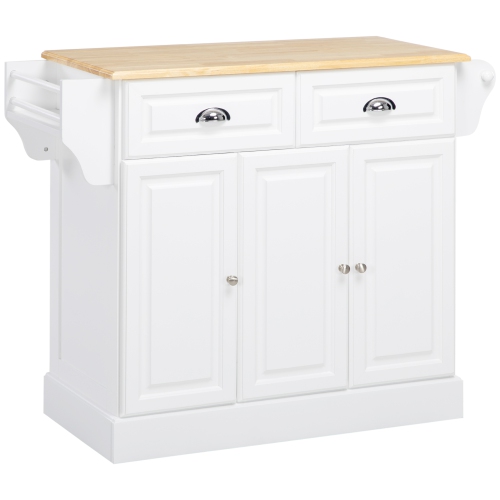
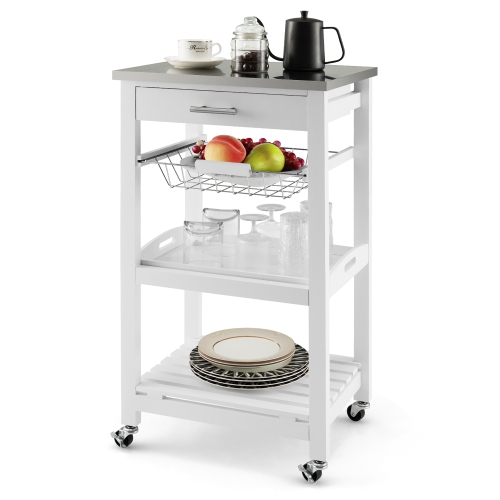
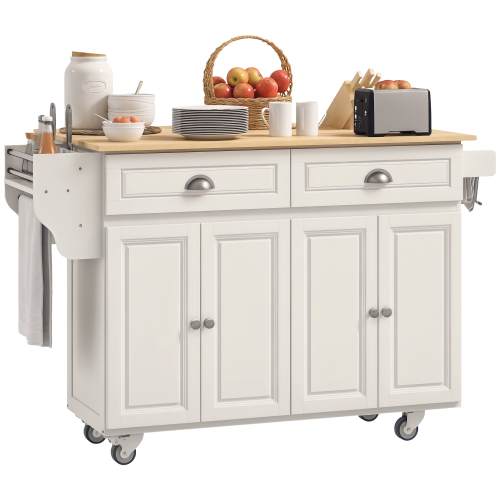
Kitchen islands and carts add worktop space and storage to a cooking area without necessarily requiring a built-in renovation. A freestanding kitchen island can create a central spot for meal preparation, while a rolling kitchen cart offers a surface that can move between the kitchen and dining area. Both can help make everyday routines feel less crowded, especially when existing counters are occupied by a coffee maker, toaster, or drying rack. Their usefulness depends as much on the layout of the room as on the size of the worktop. In a compact condo, a narrow cart beside a stretch of cabinetry can hold breakfast essentials and provide a landing place for groceries. In a larger kitchen, an island with drawers and enclosed cupboards can bring mixing bowls, utensils, and serving pieces closer to where meals take shape. Drop-leaf designs offer extra surface area for rolling pastry or setting out dishes, then fold down when more walking space is needed. Designs intended for seating can also provide a casual place for breakfast or conversation, provided there is enough overhang and knee room for comfortable use. Overall dimensions should account for projecting handles, towel bars, and any extended leaves, not just the main cabinet. Clearance matters on every side: refrigerator doors, dishwasher doors, drawers, and nearby cupboards still need room to open, and people should be able to pass without turning sideways. A footprint marked on the floor with painter’s tape can make the scale easier to picture before bringing furniture home. Worktop height deserves similar attention, particularly when an island will sit beside existing counters or serve as a regular preparation surface. For households with several cooks, a well-positioned island can create a separate task area for washing produce, assembling lunches, or plating dinner without blocking the main route between the sink, refrigerator, and stove.
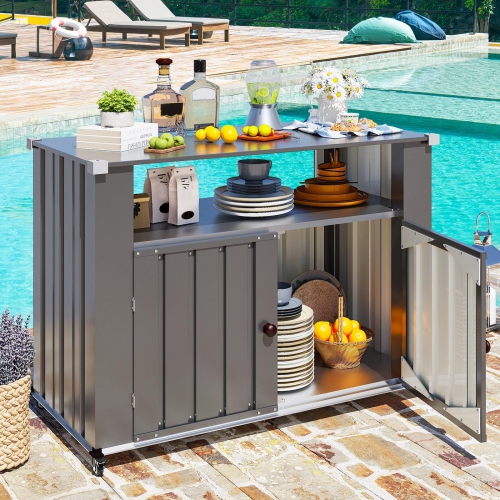
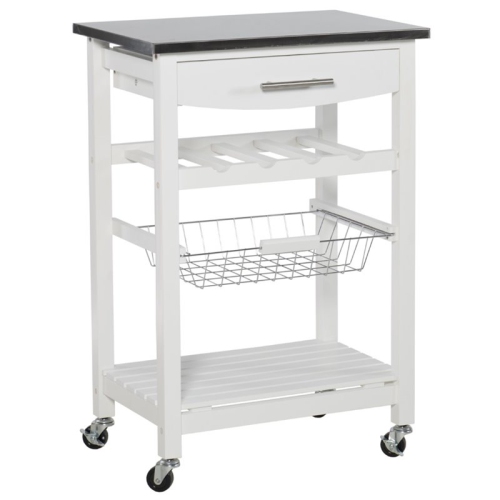
Materials influence how kitchen islands and carts look, feel, and stand up to daily use. Solid wood tops bring warmth and a substantial working surface, though their care requirements vary with the finish and construction. A top designed for direct food preparation may need different treatment from a sealed furniture-style surface, so the manufacturer’s instructions should determine whether oiling is appropriate and which cleaners are suitable. Cutting boards and trivets help protect either type from knife marks and hot cookware. Spills around seams and edges deserve prompt attention, since standing moisture can damage wood and some composite materials. Engineered wood cabinets with laminate or other protective finishes can provide smooth, easy-to-wipe storage surfaces, but prolonged contact with water may cause swelling where the underlying material is exposed. Stainless steel suits a practical, kitchen-focused look and generally cleans well with a soft cloth and a suitable cleaner; abrasive pads can leave scratches, and fingerprints may be more noticeable on polished finishes. Stone surfaces add visual weight and can offer a cool area for some baking tasks, although stain resistance, sealing needs, and tolerance for heat depend on the particular material. The base matters just as much as the top. Secure joints, sturdy shelf supports, smoothly operating drawers, and hardware suited to repeated use all contribute to durability. For mobile designs, caster quality and placement affect how easily a loaded cart rolls and how steady it feels when parked. Locking casters help limit unwanted movement, but the cart should still be used within its stated weight limits and on an appropriate, level surface. Thresholds, grout lines, and rugs can interrupt a smooth route between rooms. Heavier contents are generally better kept low and evenly distributed, with shelf and drawer load limits observed. Routine care can be straightforward: wipe up splashes, clean crumbs from drawer corners, check accessible fasteners periodically, and keep wheels free of hair and debris.
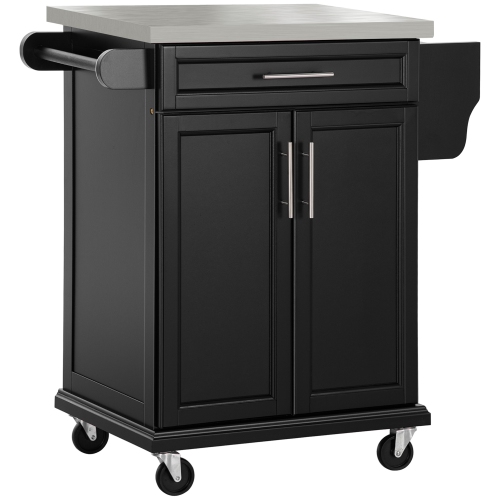
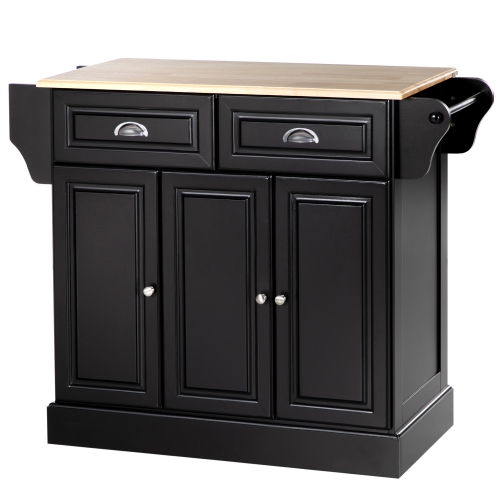
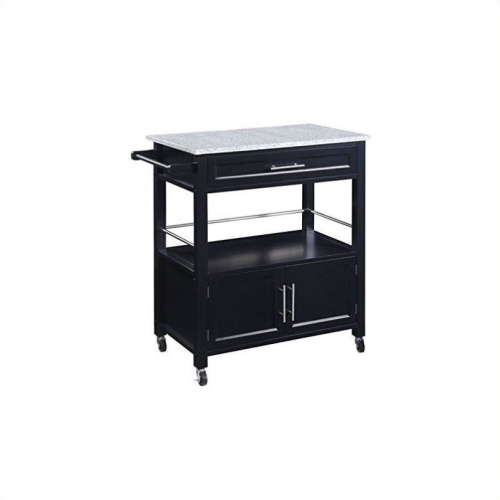
Storage arrangements determine whether an island or cart simply adds furniture or genuinely makes the kitchen easier to use. Shallow drawers keep peelers, measuring spoons, and everyday utensils from disappearing beneath larger tools, while deeper drawers can accommodate bulkier kitchen essentials when their dimensions and weight limits allow. Enclosed cupboards give mismatched bowls and small appliances a tidy home; open shelves keep frequently used pieces visible and within reach. Adjustable shelving is useful when the contents change, such as making room for a tall stockpot or a stack of serving platters during the cooler months. Towel rails, hooks, and side racks add convenient storage, although anything attached to the outside also affects clearance. A cart used as a coffee station benefits from a wipeable surface and room for mugs and supplies, while a baking station works best with space to set down ingredients and keep tools nearby. Appliances need a surface rated to support them, the ventilation specified by their manufacturer, and safe access to an outlet without cords stretched across a walkway. For entertaining, a rolling cart can carry tableware or provide a place for serving dishes, with its wheels locked before use and hot dishes resting on suitable protection. Appearance helps these pieces feel at home beyond the kitchen, too. Natural wood tones soften rooms with plenty of metal and tile, pale finishes can blend with light cabinetry, and Black Kitchen Carts can tie in with dark cabinet hardware or create contrast against a lighter backsplash. Matching every finish is less important than choosing proportions and details that sit comfortably with the surrounding furniture. An island or cart can also be a thoughtful housewarming gift for someone who enjoys cooking, provided the recipient’s measurements, storage needs, and style preferences are known. From weekday lunch preparation to a relaxed meal with friends, the most useful design is one that supports the tasks already happening in the room while leaving enough space to move comfortably.
Materials influence how kitchen islands and carts look, feel, and stand up to daily use. Solid wood tops bring warmth and a substantial working surface, though their care requirements vary with the finish and construction. A top designed for direct food preparation may need different treatment from a sealed furniture-style surface, so the manufacturer’s instructions should determine whether oiling is appropriate and which cleaners are suitable. Cutting boards and trivets help protect either type from knife marks and hot cookware. Spills around seams and edges deserve prompt attention, since standing moisture can damage wood and some composite materials. Engineered wood cabinets with laminate or other protective finishes can provide smooth, easy-to-wipe storage surfaces, but prolonged contact with water may cause swelling where the underlying material is exposed. Stainless steel suits a practical, kitchen-focused look and generally cleans well with a soft cloth and a suitable cleaner; abrasive pads can leave scratches, and fingerprints may be more noticeable on polished finishes. Stone surfaces add visual weight and can offer a cool area for some baking tasks, although stain resistance, sealing needs, and tolerance for heat depend on the particular material. The base matters just as much as the top. Secure joints, sturdy shelf supports, smoothly operating drawers, and hardware suited to repeated use all contribute to durability. For mobile designs, caster quality and placement affect how easily a loaded cart rolls and how steady it feels when parked. Locking casters help limit unwanted movement, but the cart should still be used within its stated weight limits and on an appropriate, level surface. Thresholds, grout lines, and rugs can interrupt a smooth route between rooms. Heavier contents are generally better kept low and evenly distributed, with shelf and drawer load limits observed. Routine care can be straightforward: wipe up splashes, clean crumbs from drawer corners, check accessible fasteners periodically, and keep wheels free of hair and debris.
Storage arrangements determine whether an island or cart simply adds furniture or genuinely makes the kitchen easier to use. Shallow drawers keep peelers, measuring spoons, and everyday utensils from disappearing beneath larger tools, while deeper drawers can accommodate bulkier kitchen essentials when their dimensions and weight limits allow. Enclosed cupboards give mismatched bowls and small appliances a tidy home; open shelves keep frequently used pieces visible and within reach. Adjustable shelving is useful when the contents change, such as making room for a tall stockpot or a stack of serving platters during the cooler months. Towel rails, hooks, and side racks add convenient storage, although anything attached to the outside also affects clearance. A cart used as a coffee station benefits from a wipeable surface and room for mugs and supplies, while a baking station works best with space to set down ingredients and keep tools nearby. Appliances need a surface rated to support them, the ventilation specified by their manufacturer, and safe access to an outlet without cords stretched across a walkway. For entertaining, a rolling cart can carry tableware or provide a place for serving dishes, with its wheels locked before use and hot dishes resting on suitable protection. Appearance helps these pieces feel at home beyond the kitchen, too. Natural wood tones soften rooms with plenty of metal and tile, pale finishes can blend with light cabinetry, and Black Kitchen Carts can tie in with dark cabinet hardware or create contrast against a lighter backsplash. Matching every finish is less important than choosing proportions and details that sit comfortably with the surrounding furniture. An island or cart can also be a thoughtful housewarming gift for someone who enjoys cooking, provided the recipient’s measurements, storage needs, and style preferences are known. From weekday lunch preparation to a relaxed meal with friends, the most useful design is one that supports the tasks already happening in the room while leaving enough space to move comfortably.
Top selling and popular products
-
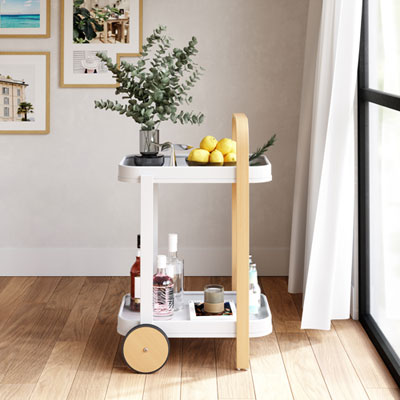 Your price for this item is $169.98
 -
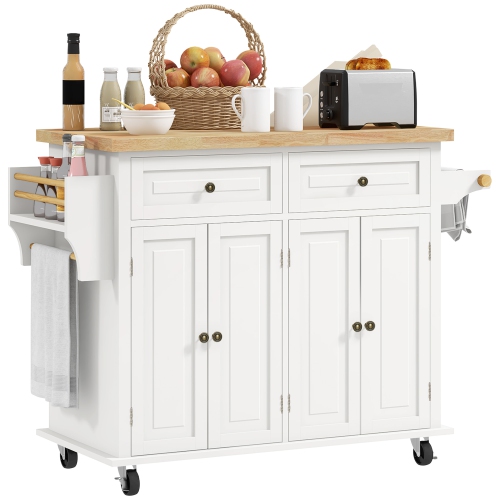 Your price for this item is $219.99
 -
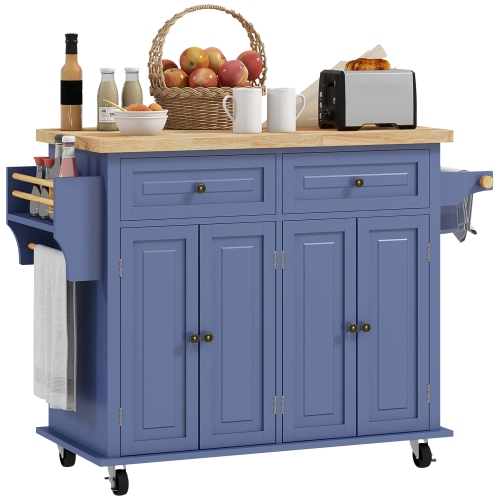 Your price for this item is $219.99
 -
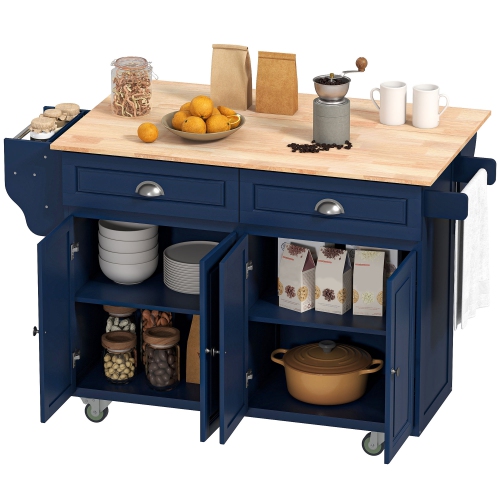 Your price for this item is $359.99
 -
 Your price for this item is $360.49
 -
 Your price for this item is $149.99
 -
 Your price for this item is $482.86
 -
 Your price for this item is $305.66
Discover more categories related to Kitchen Islands And Carts
Top Collections:
Pokemon Centers, Kindle Devices, Best Budget Office Chairs, Apple iPhones 16, Best Laptops for Writers, iPhone 15 Apple, Canon G7X Cameras, Refurbished Apple Laptops, Alarm Clock, Motorola Razr Phones
Some products may be subject to Environmental Handling Fees
(EHF) depending on your province.
Learn more about EHFs.