Kitchen Microwave Cabinets
Upgrade your kitchen with our selection of kitchen microwave cabinets that combine functionality and style seamlessly. These cabinets are designed to not only provide a dedicated space for your microwave but also offer extra storage for all your kitchen essentials. Whether you're looking to save counter space or simply enhance the overall look of your kitchen, our range of microwave cabinets offers various sizes, finishes, and features to suit your needs.
Sort
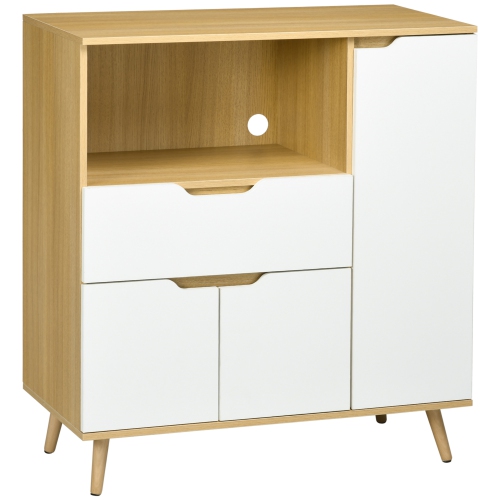
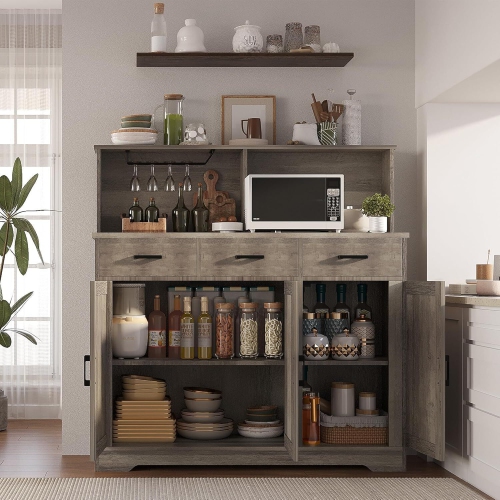
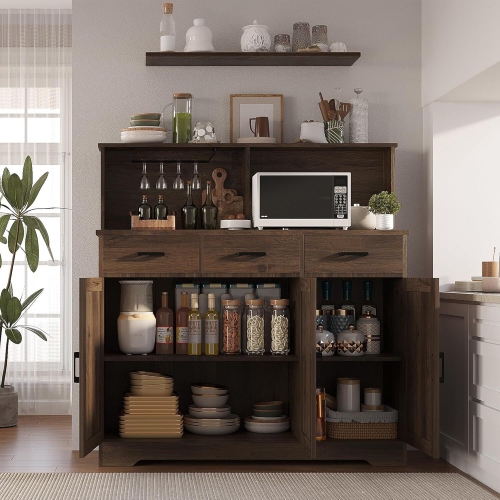
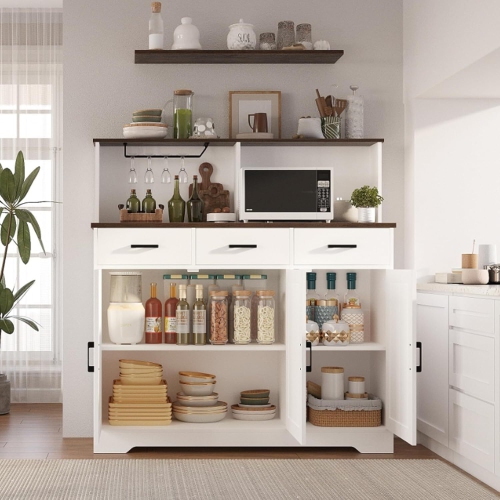
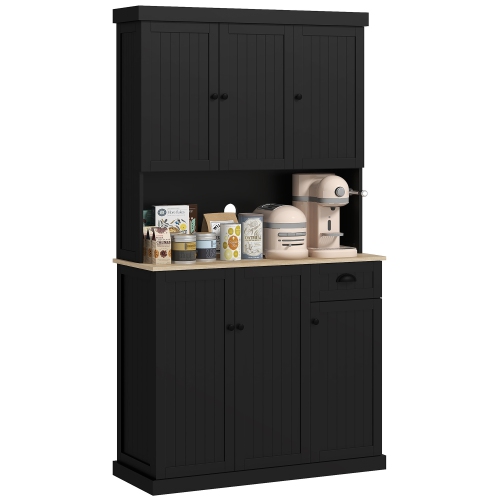
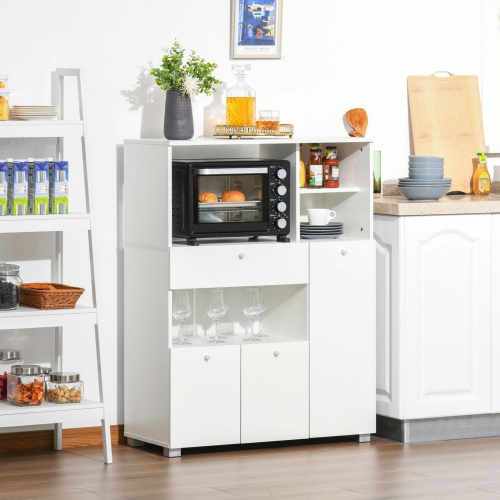

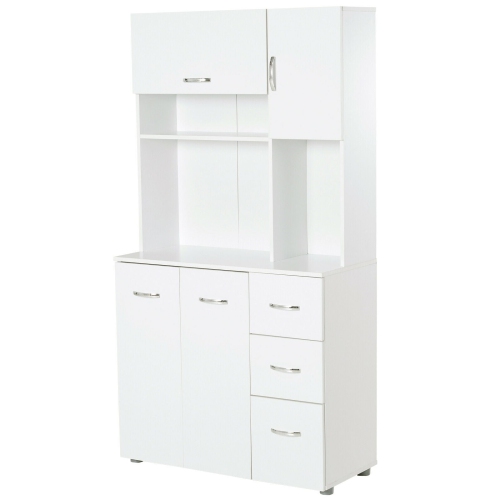

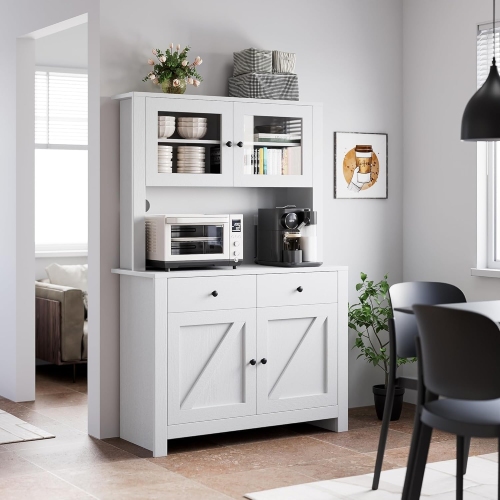
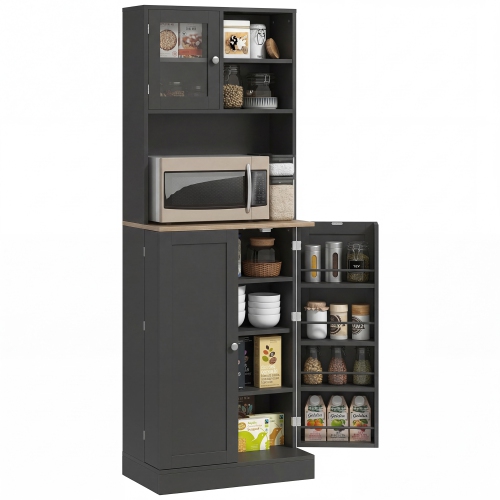
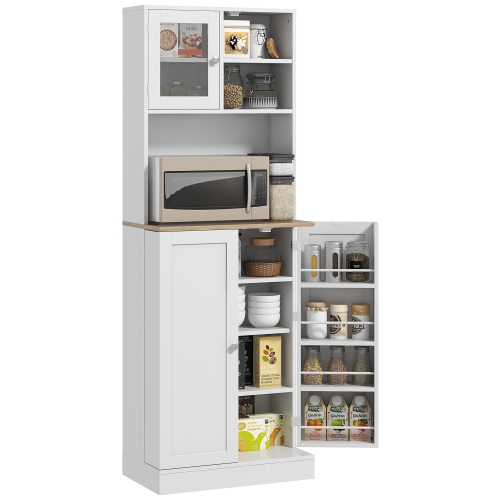
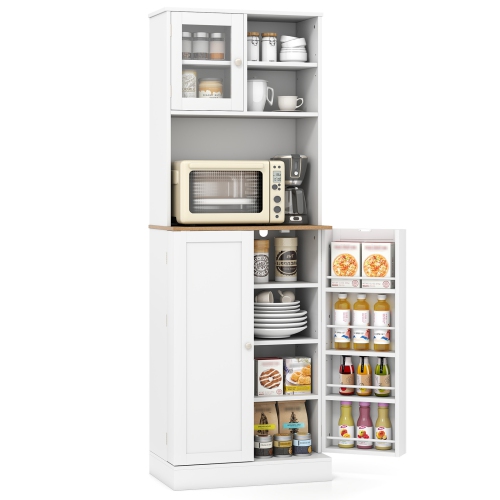
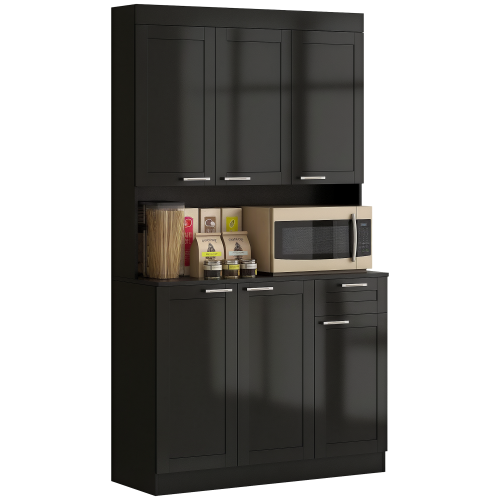
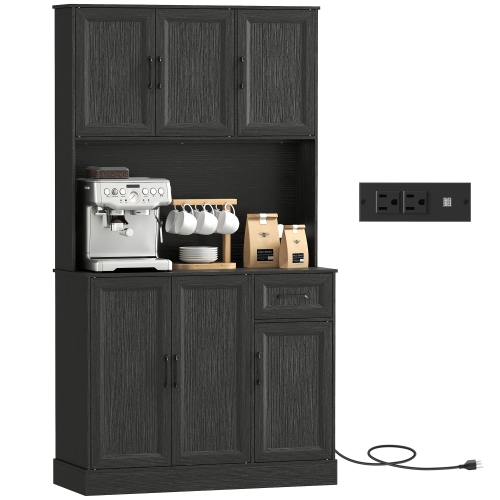
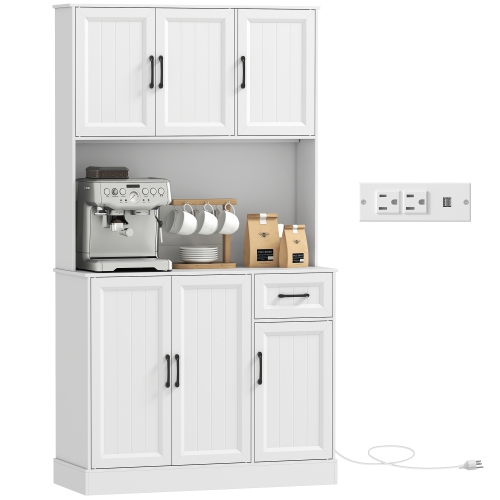
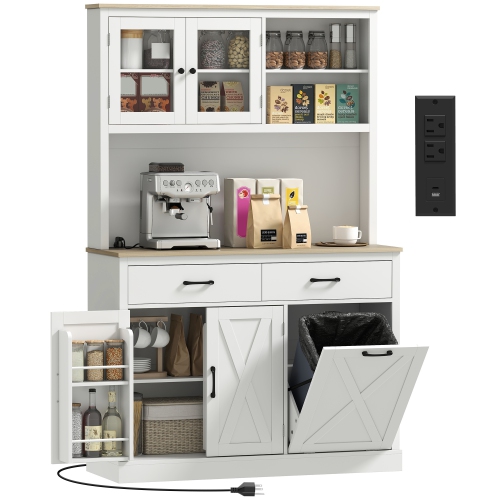
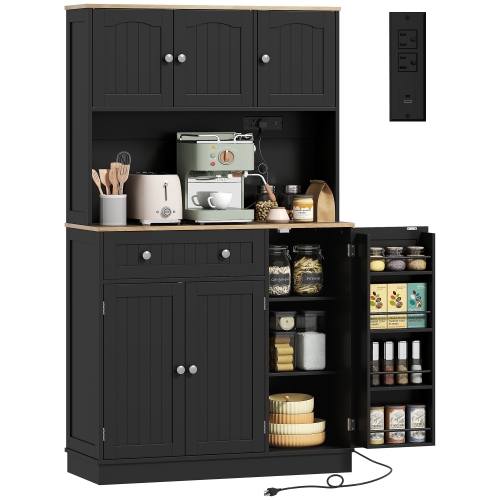
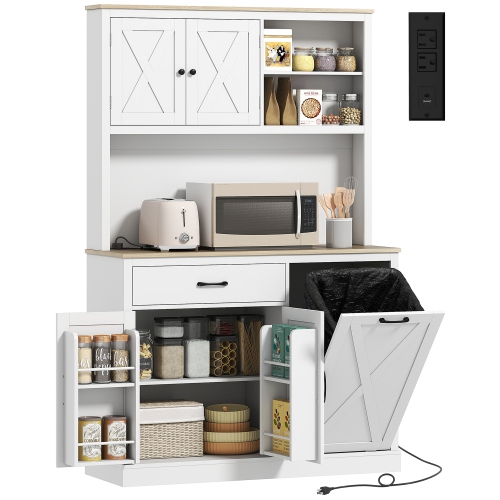
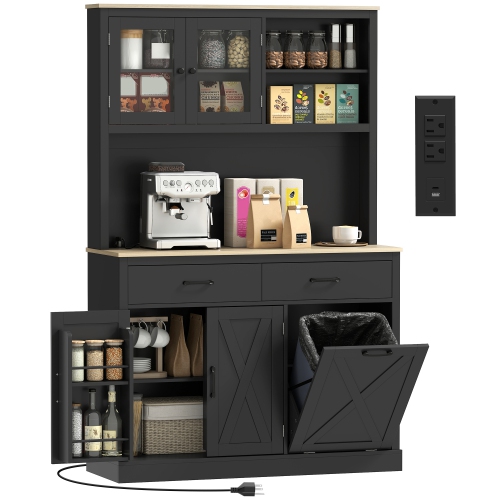
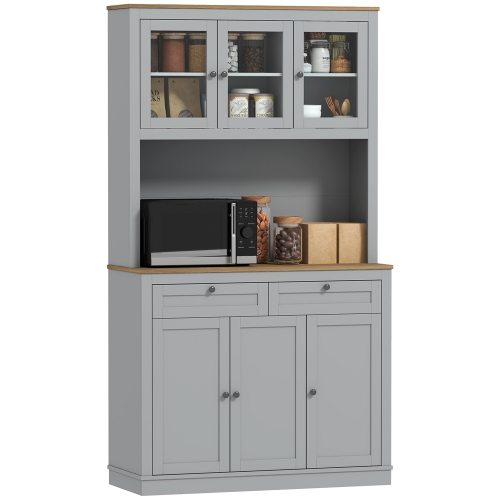
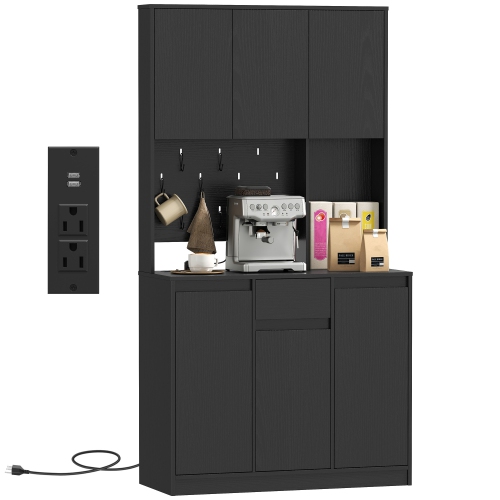
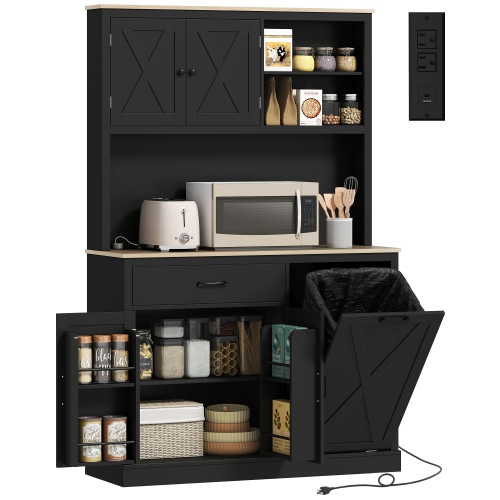

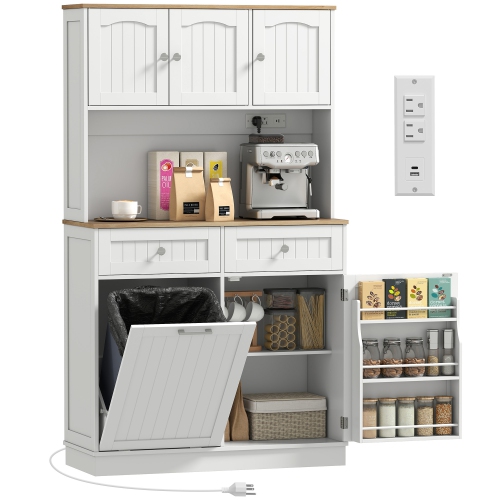
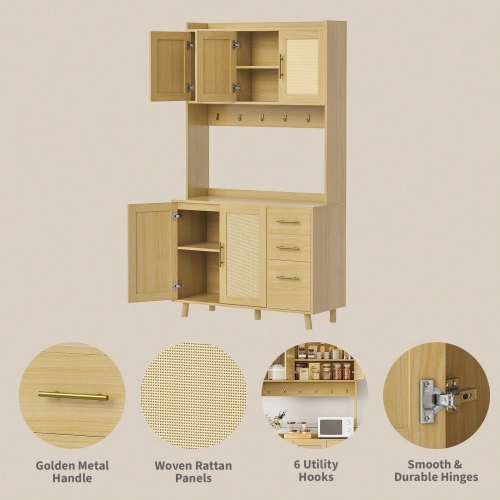
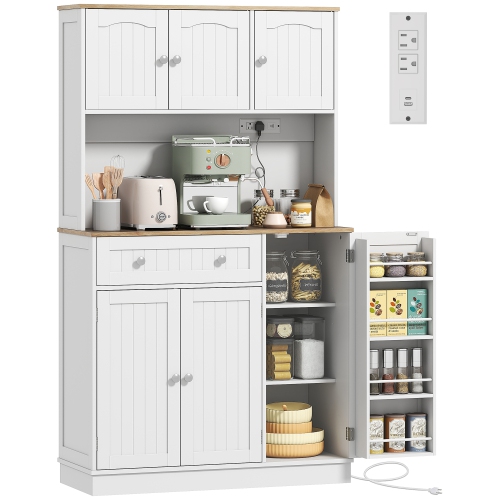
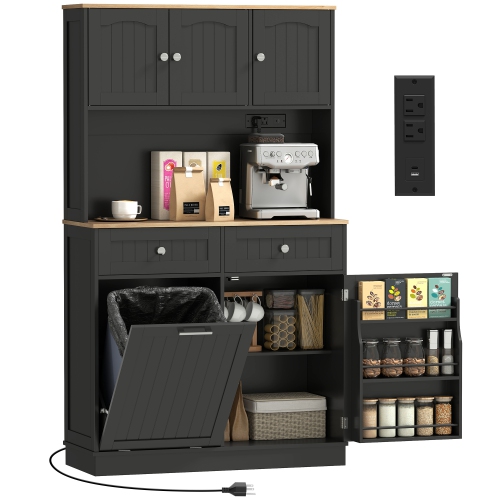
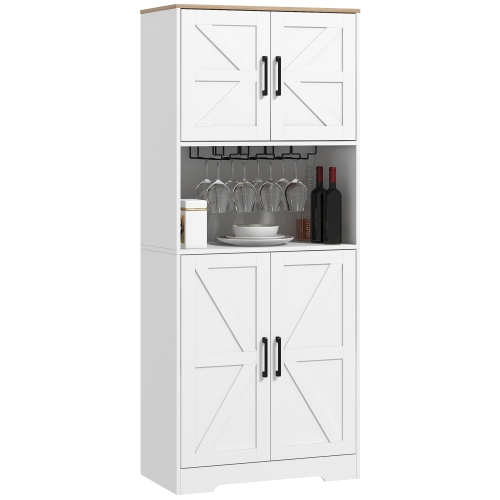
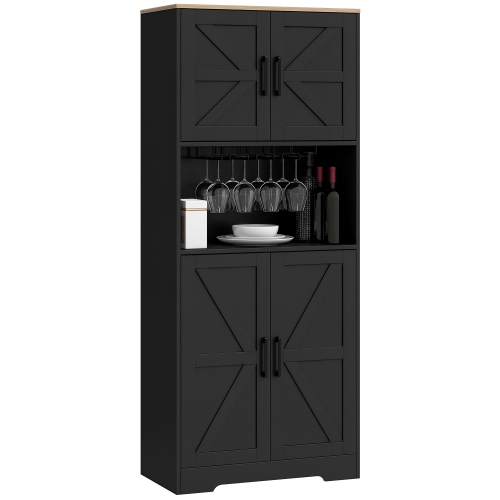
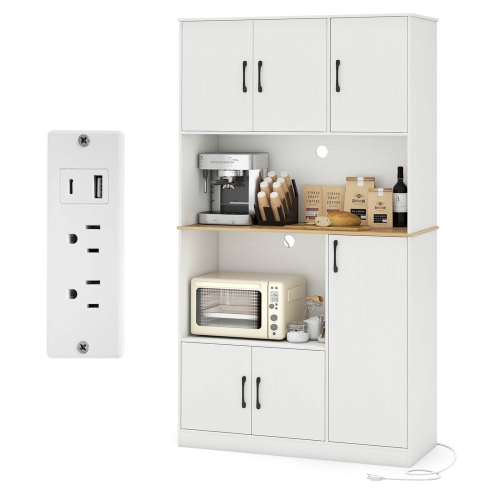
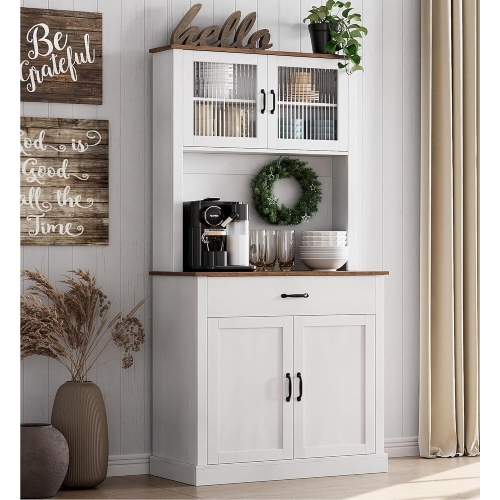
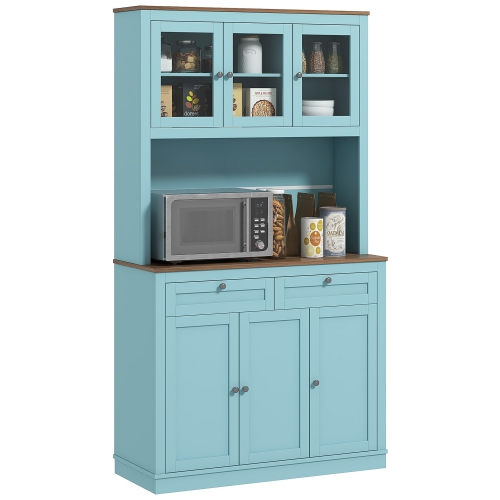
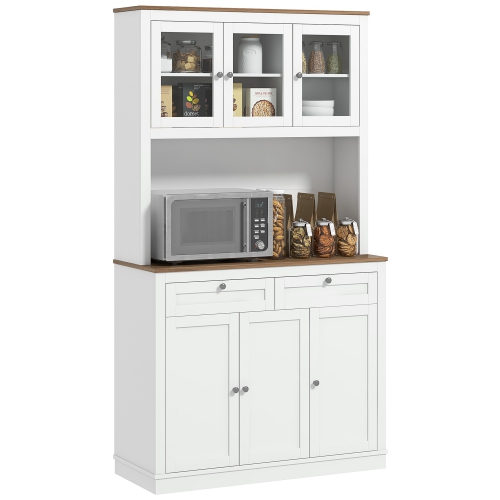
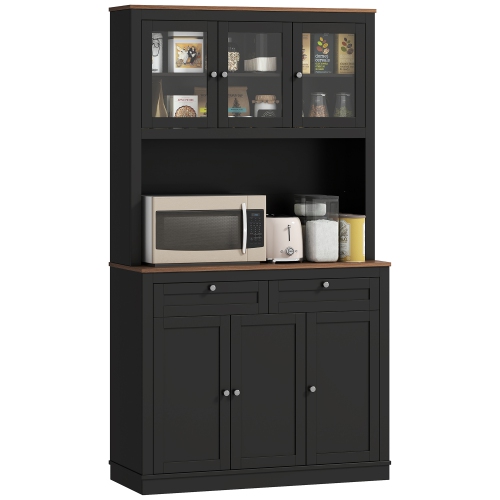
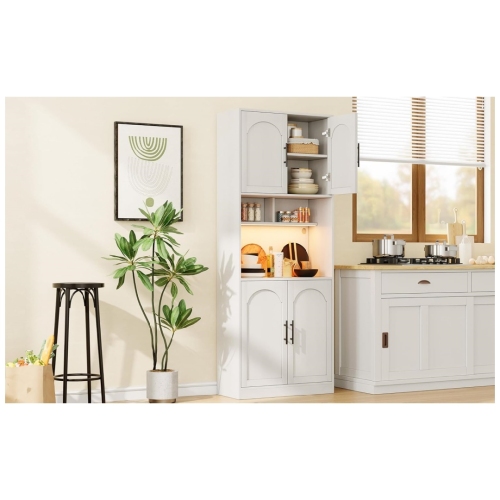
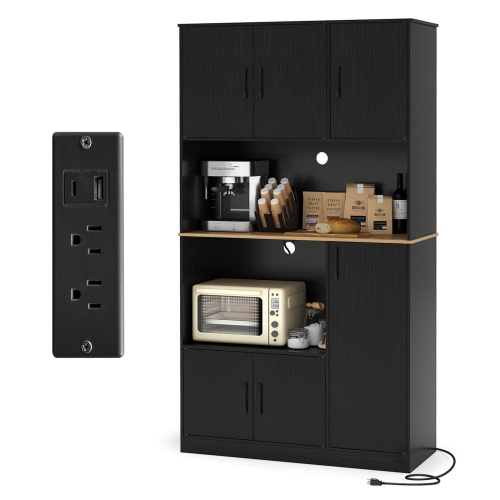
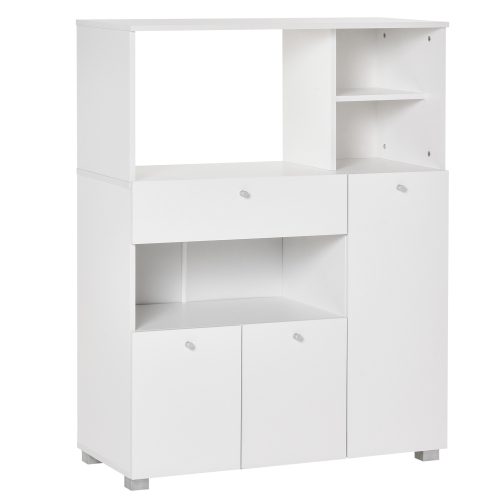
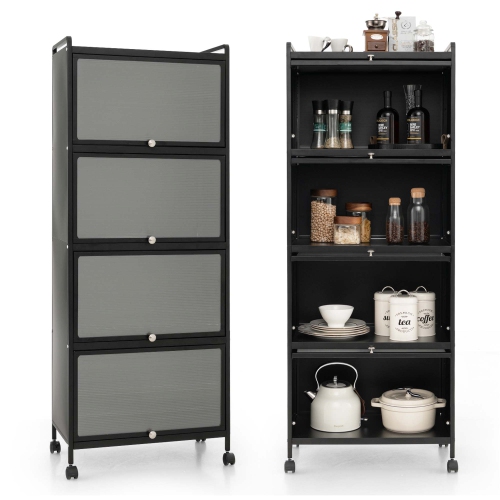
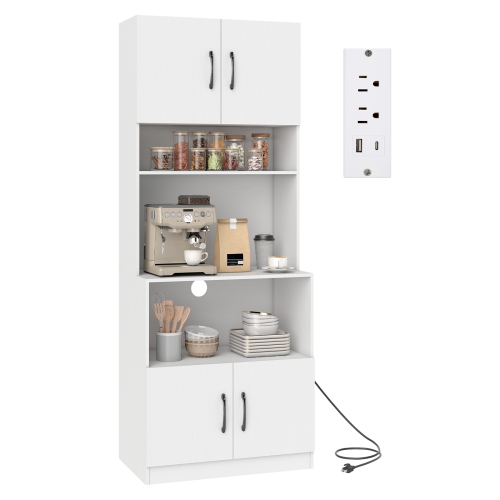
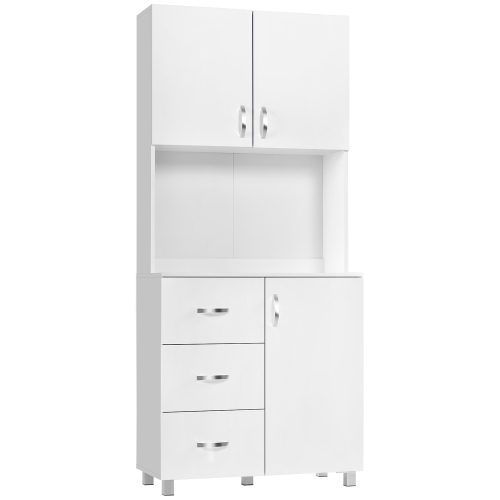
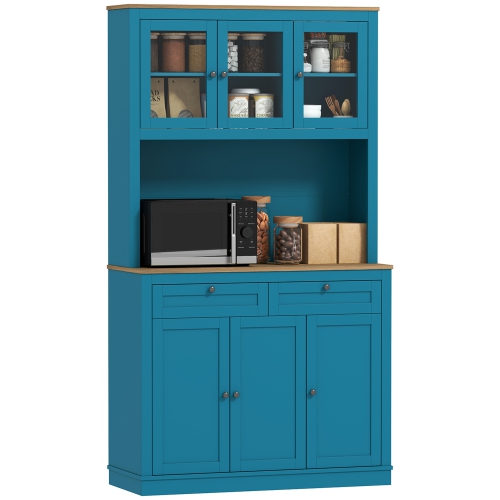
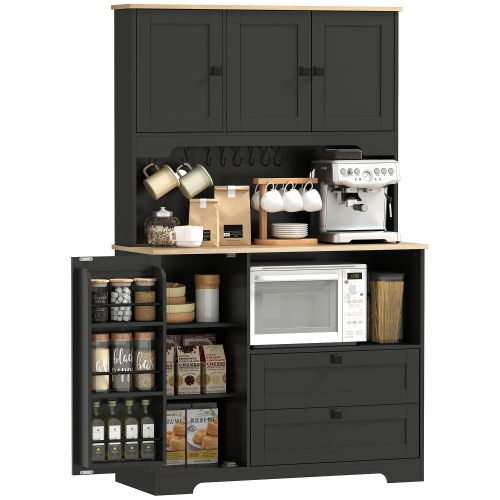
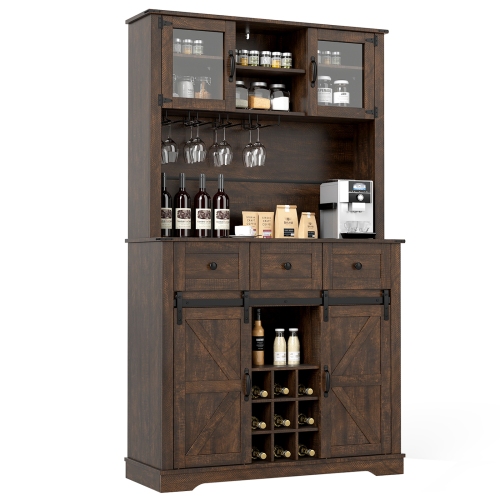
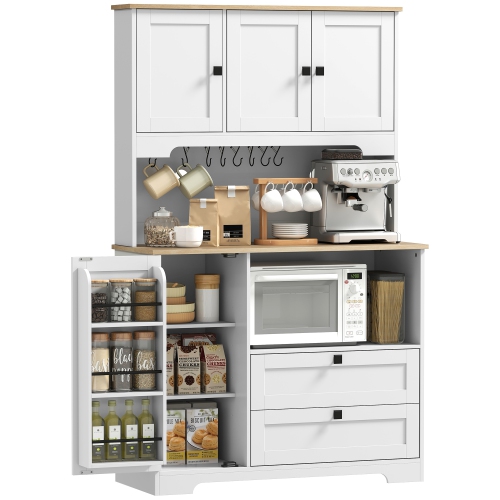
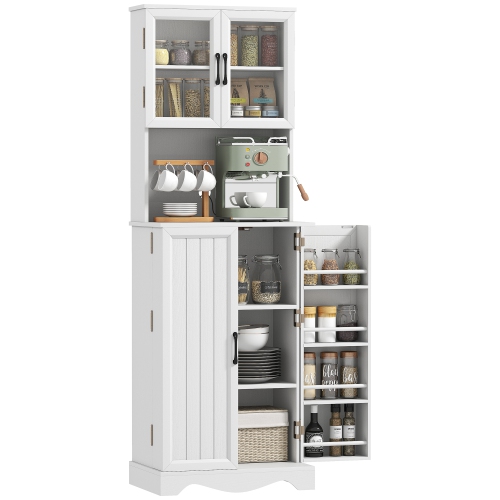
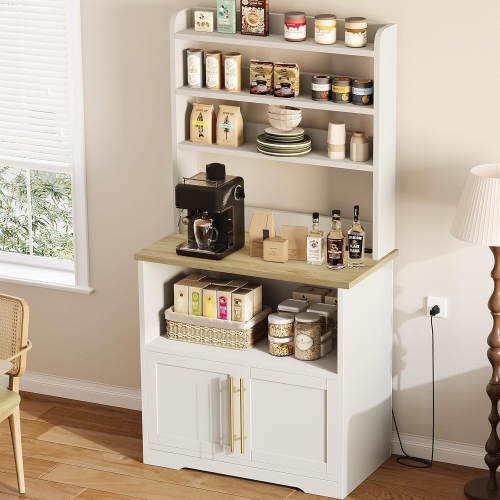
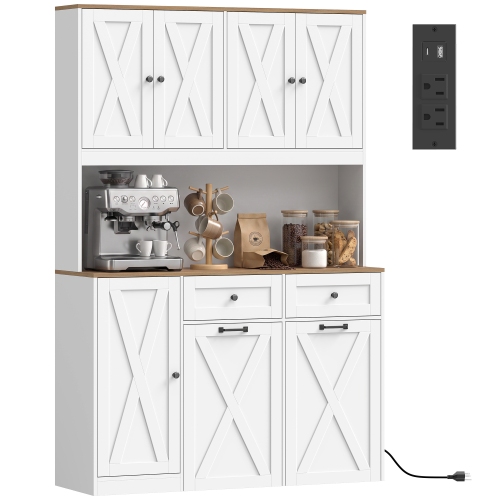
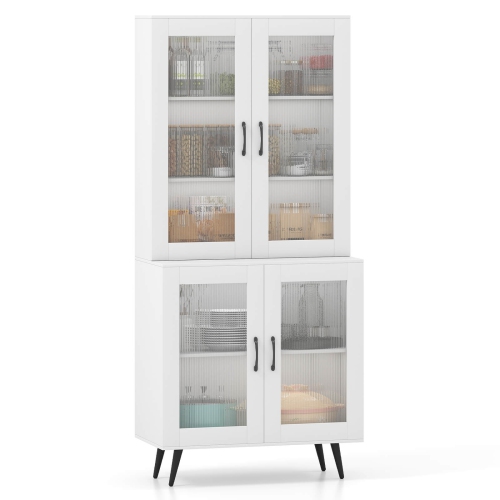
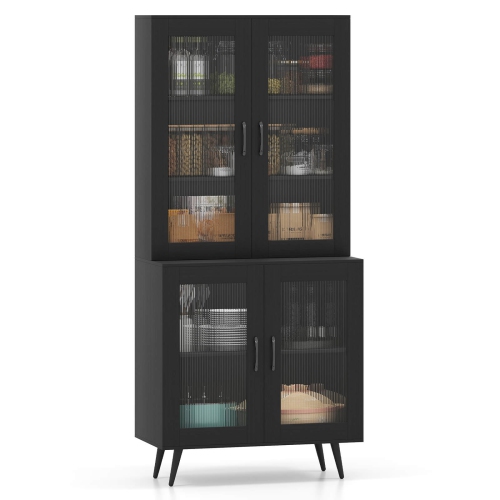
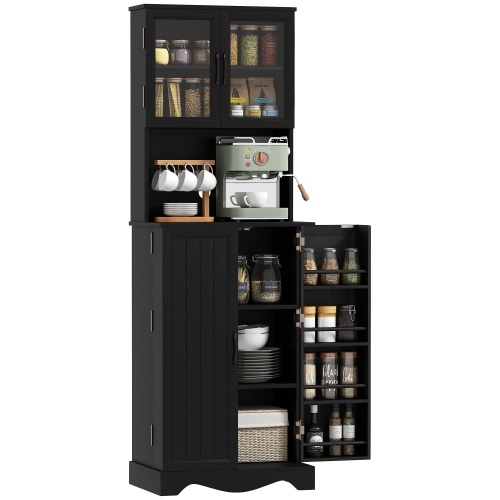
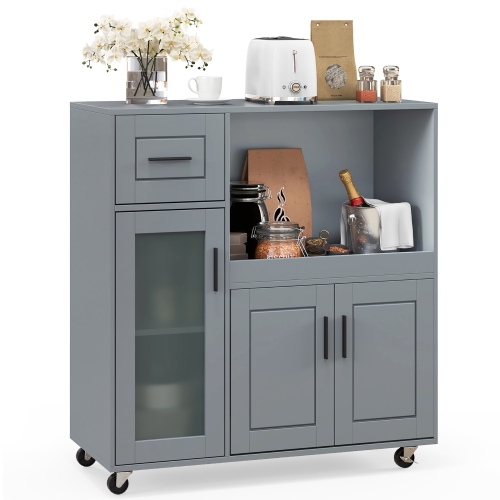
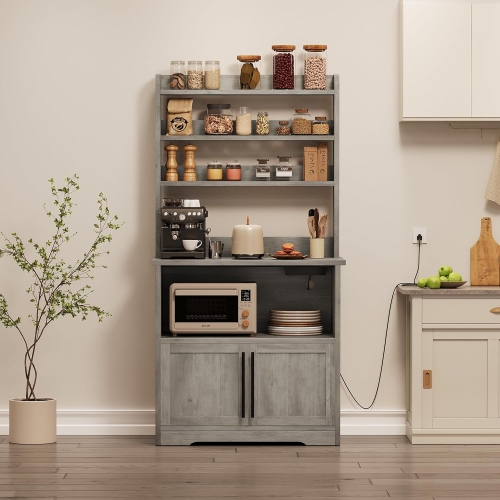
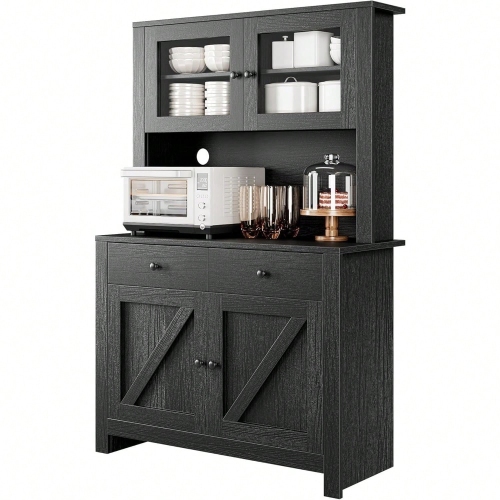
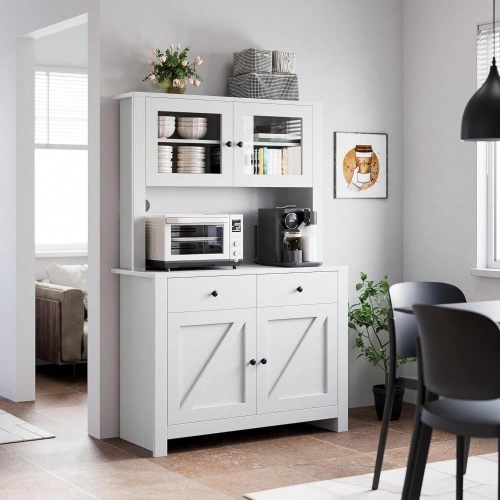
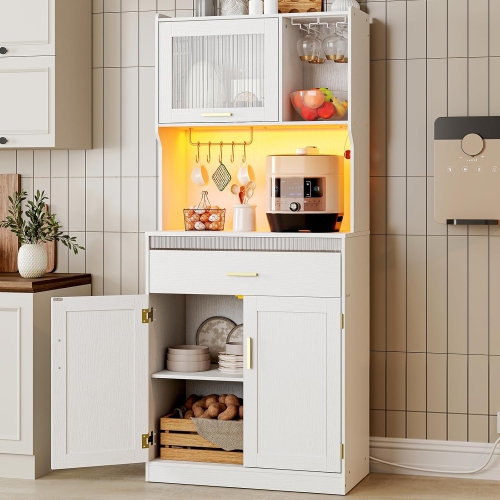
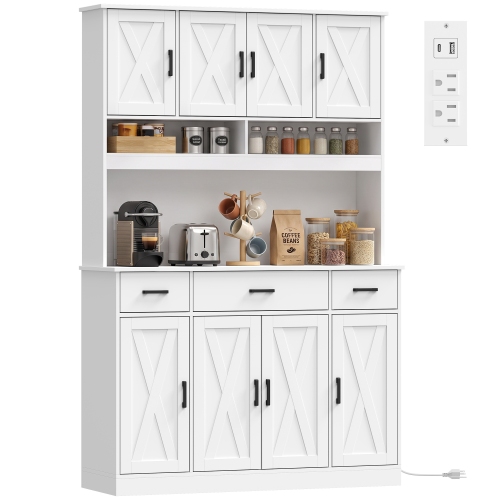
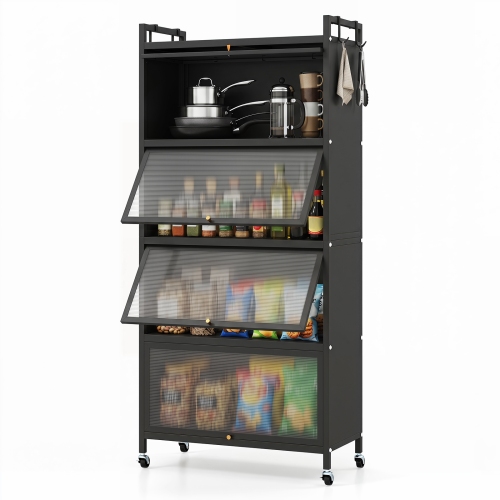
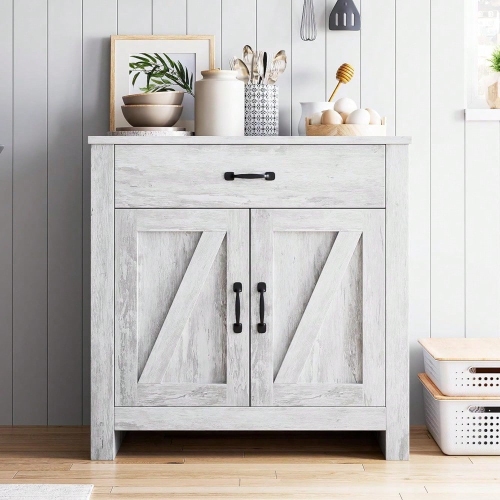
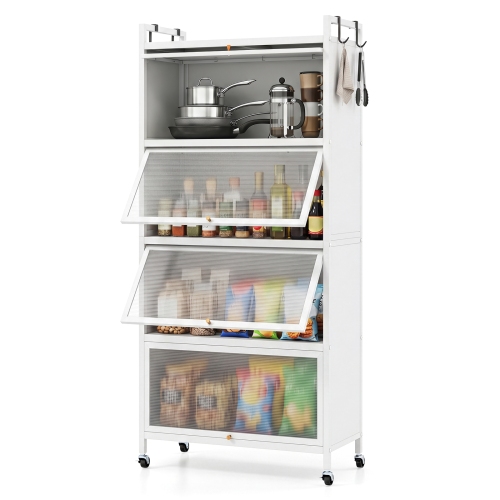
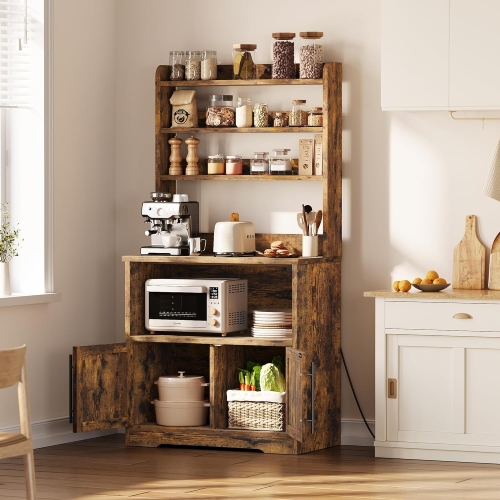
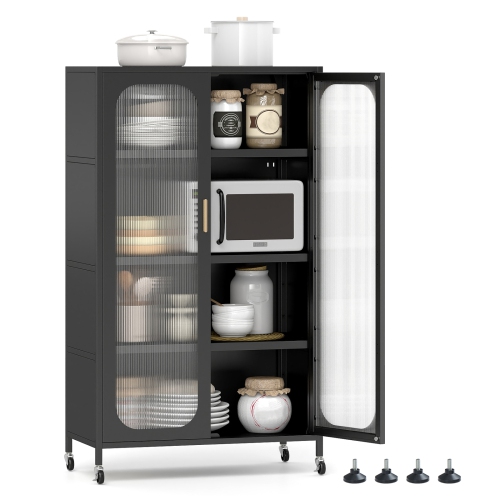
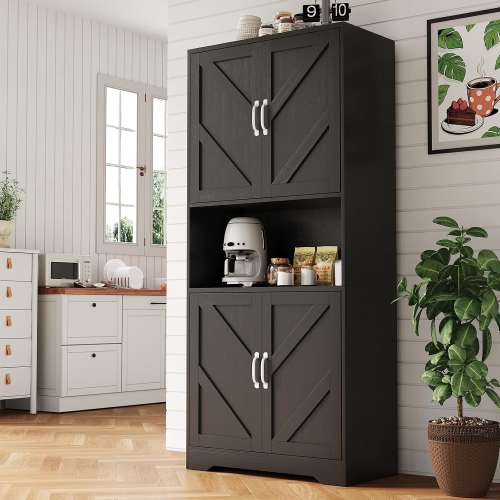
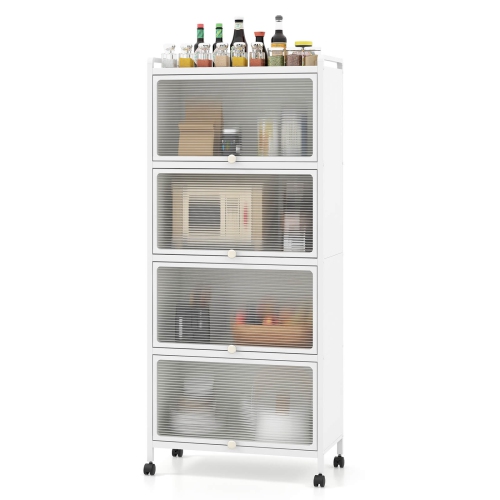
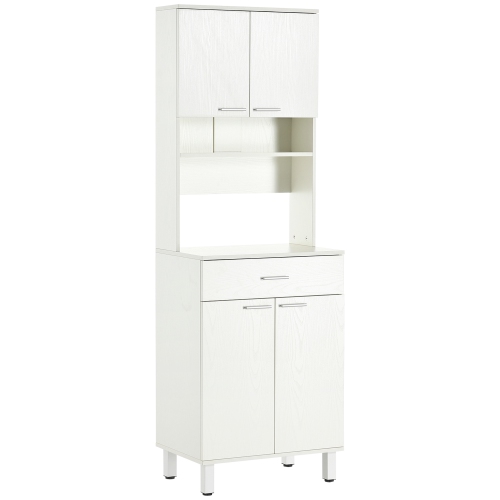
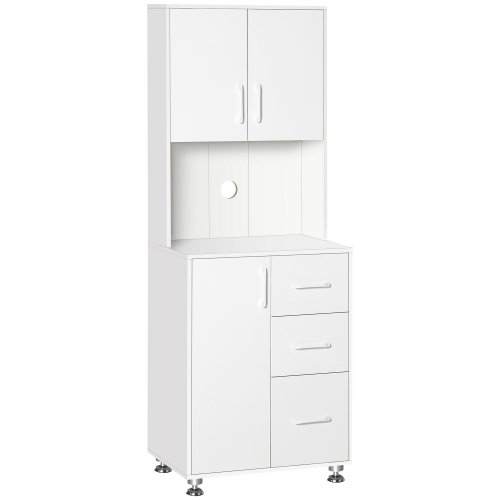
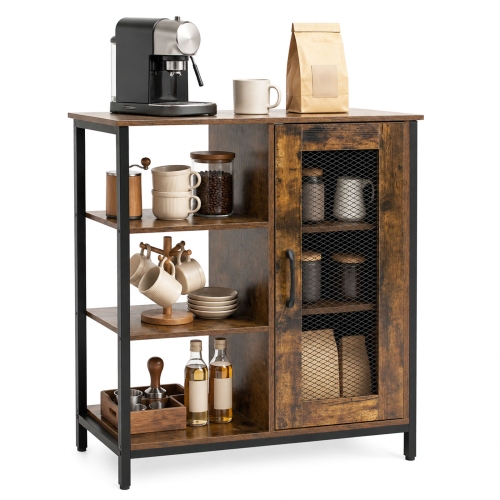
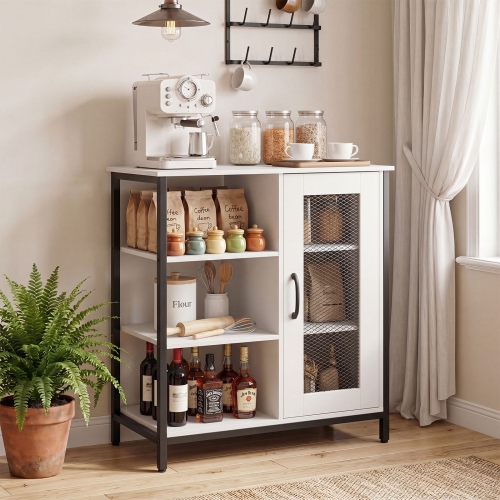
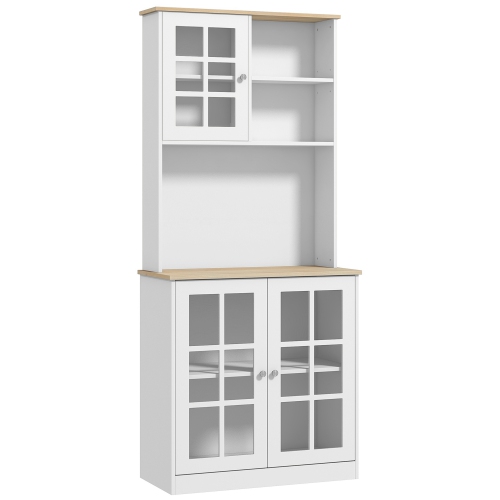
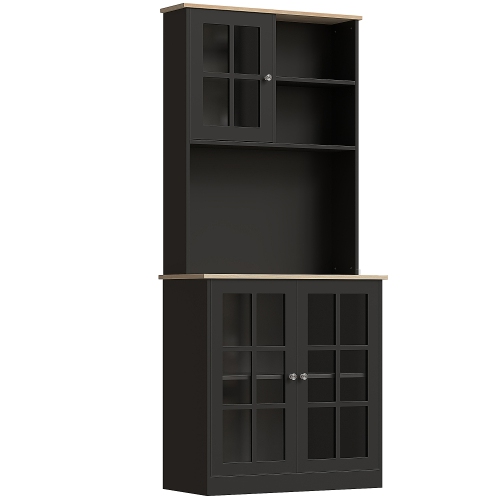
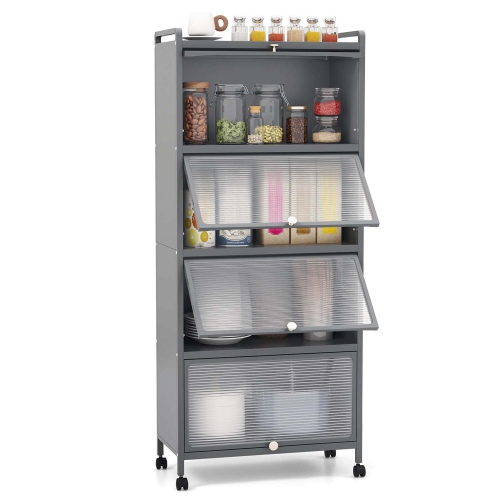

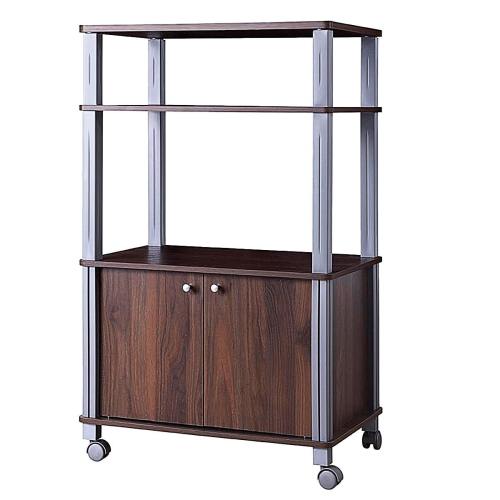
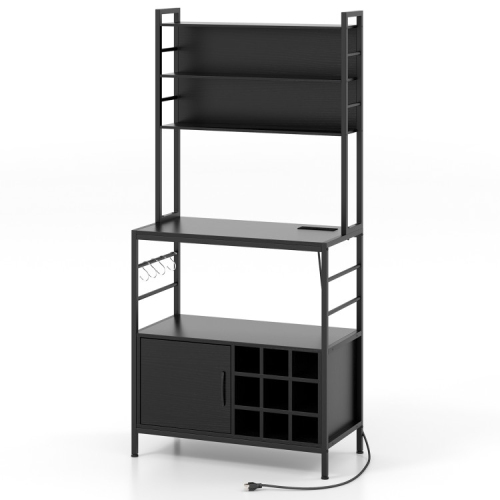
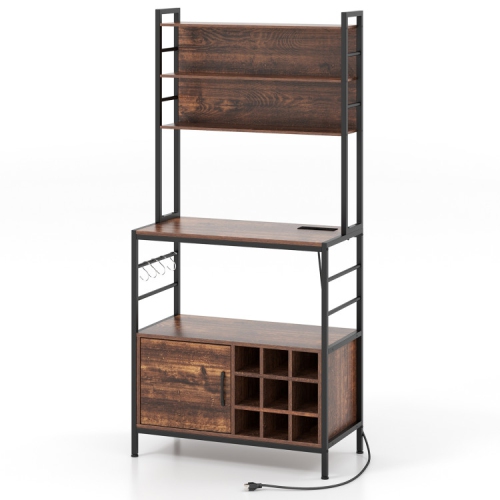
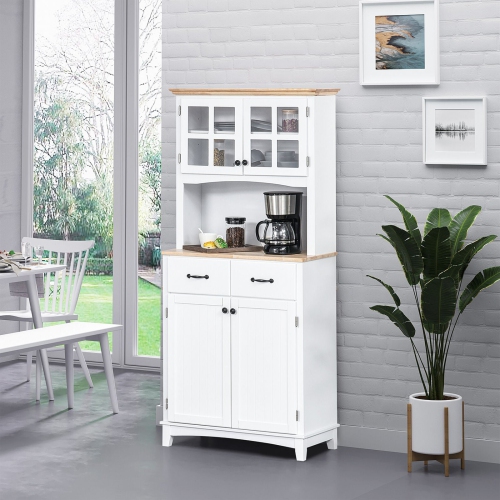

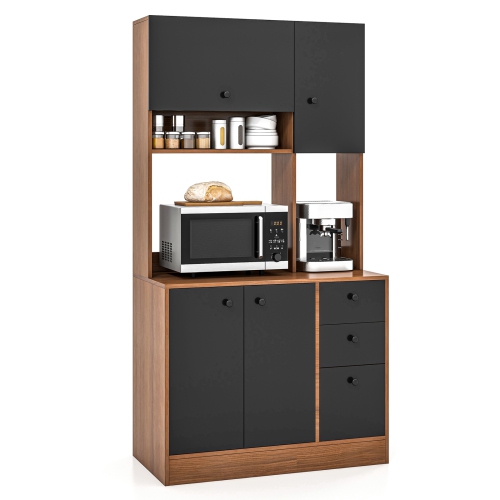
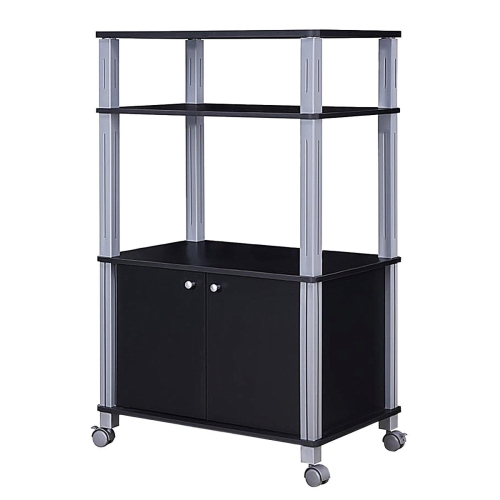
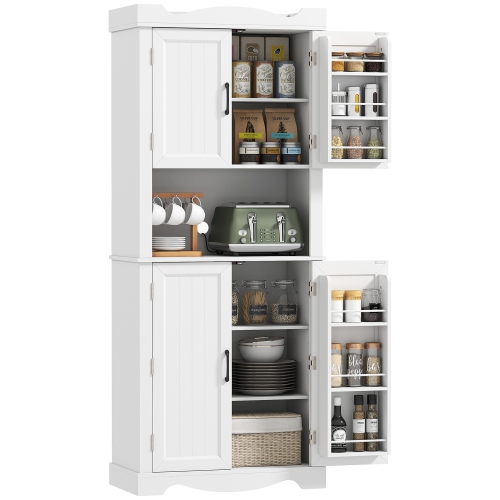
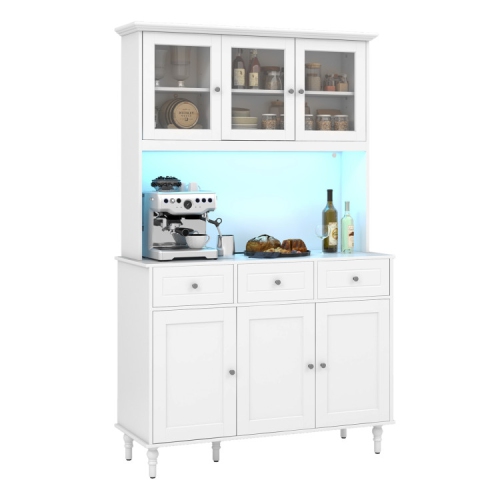
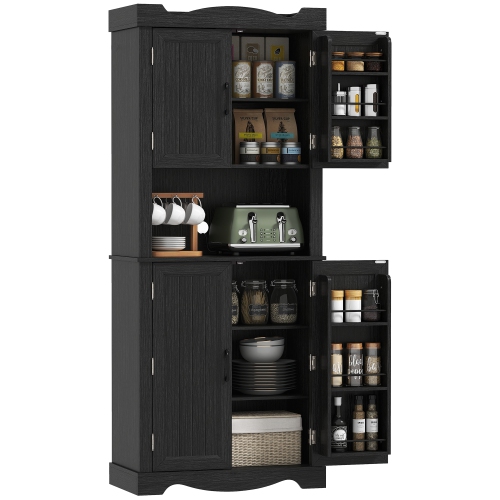
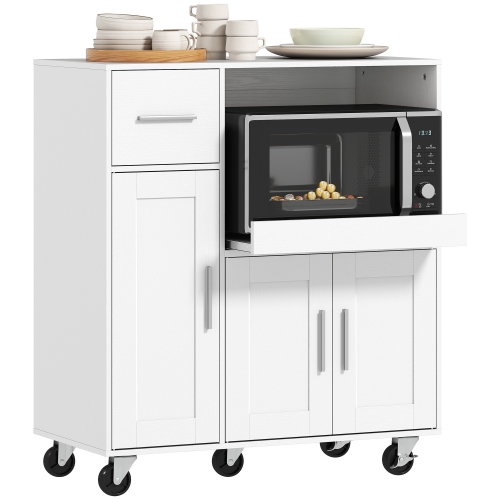
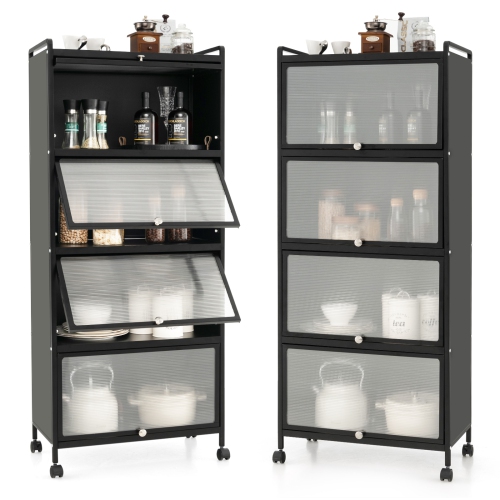
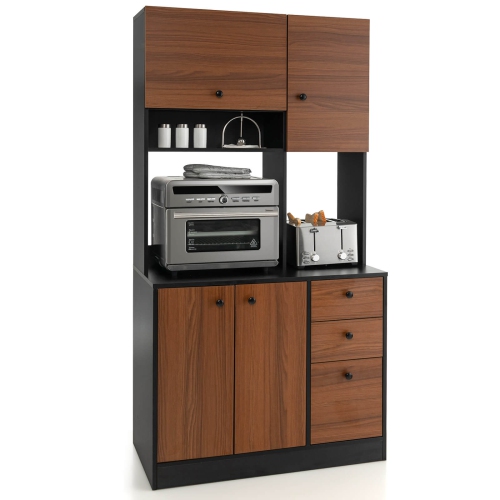
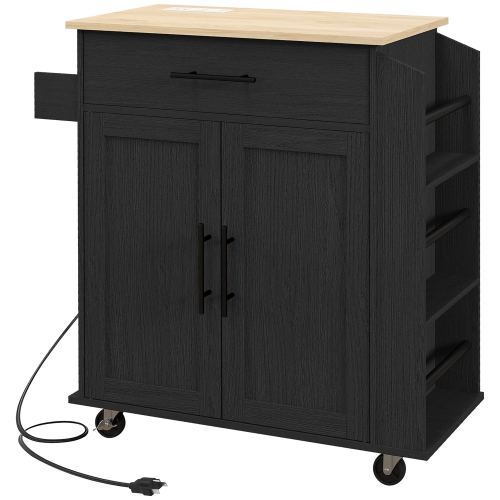
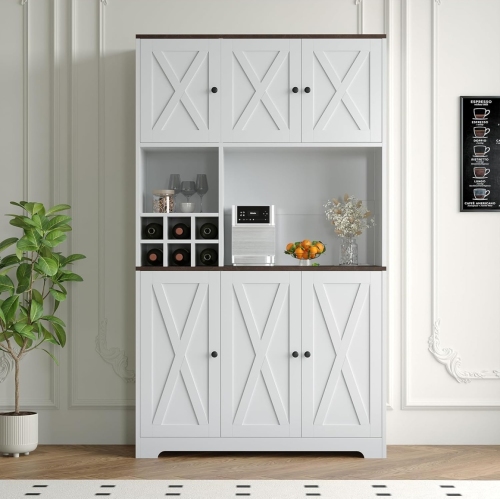
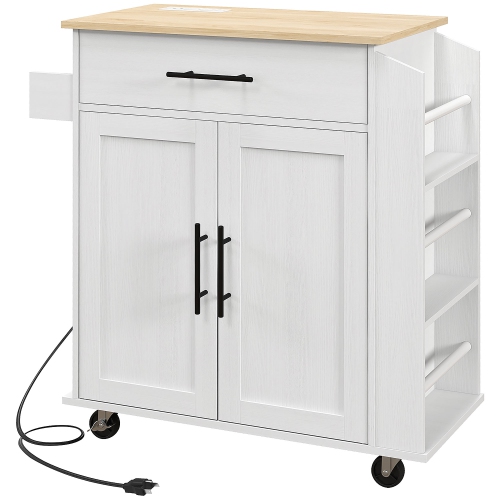
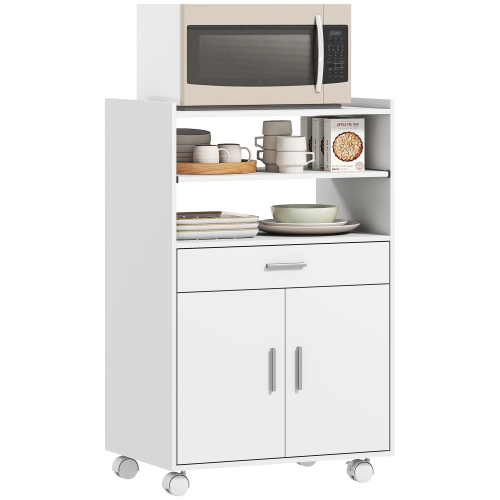
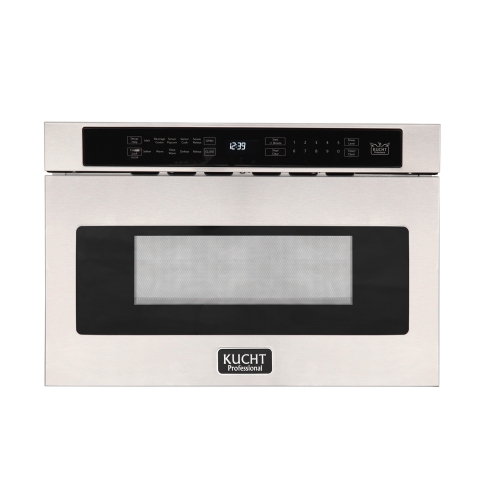
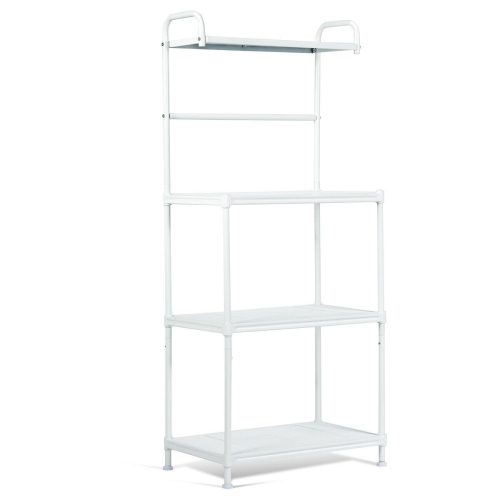
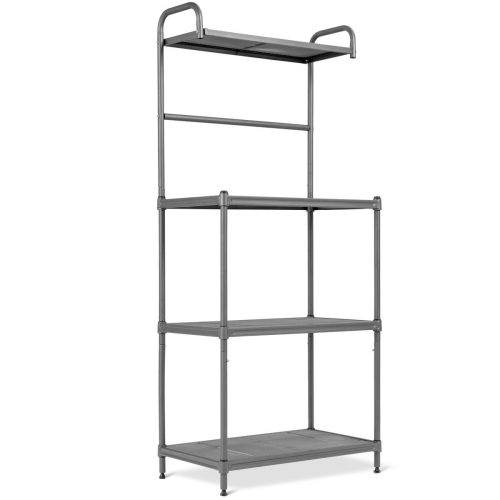
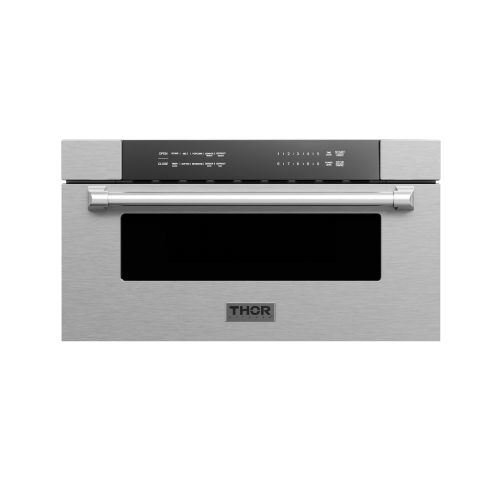
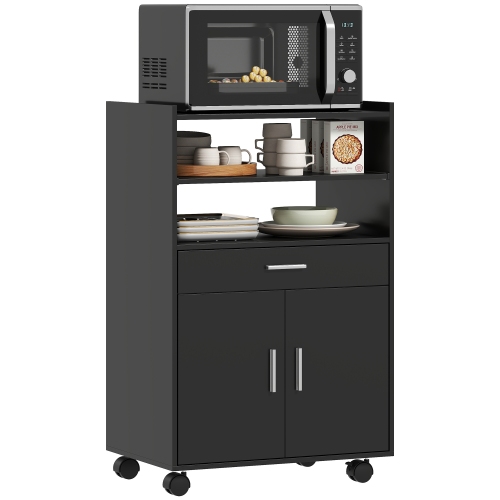
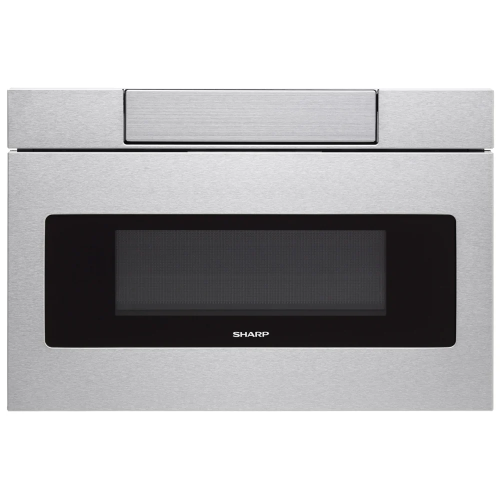
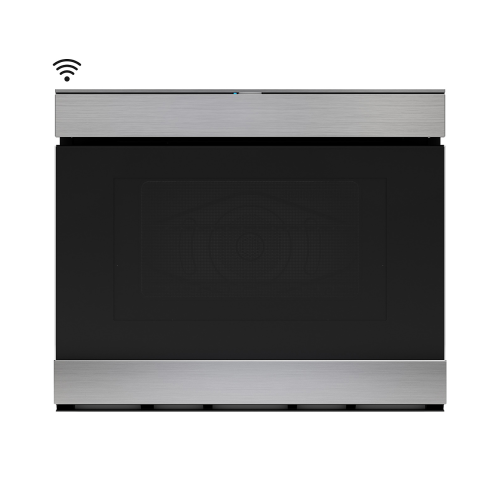
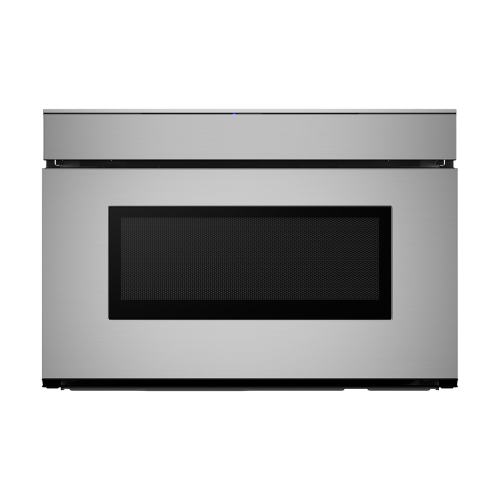
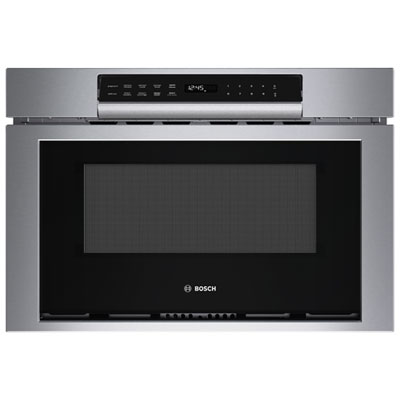

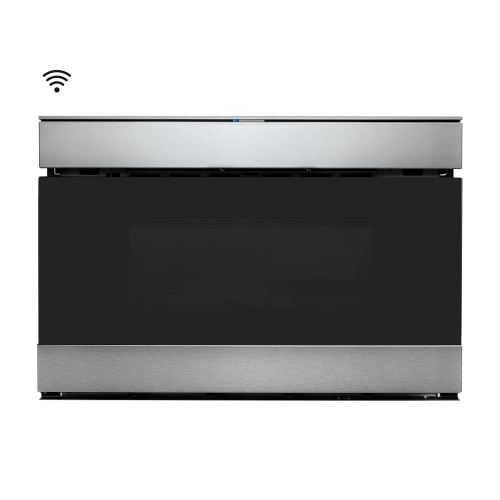
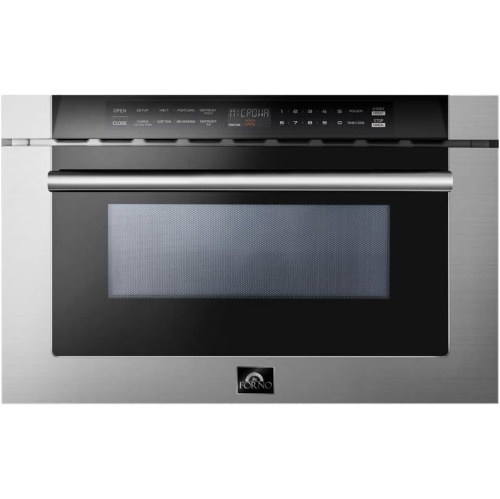

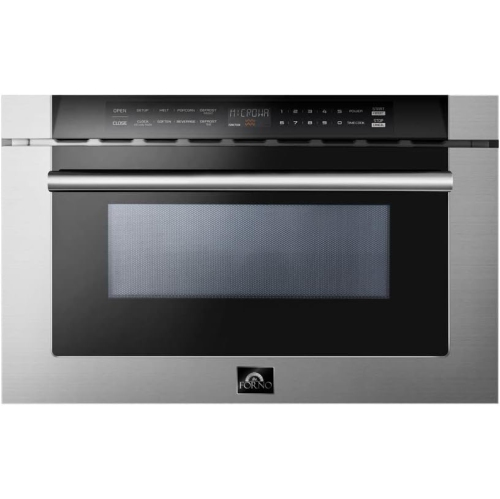
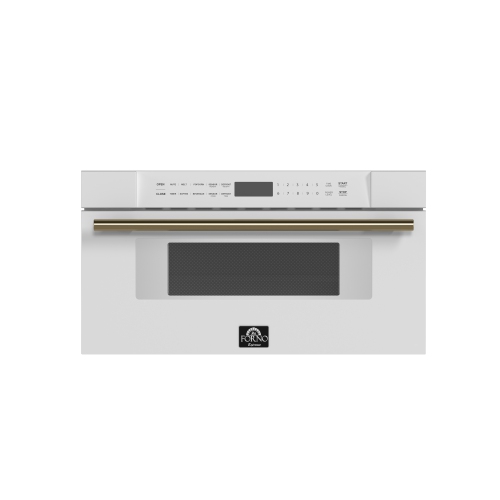
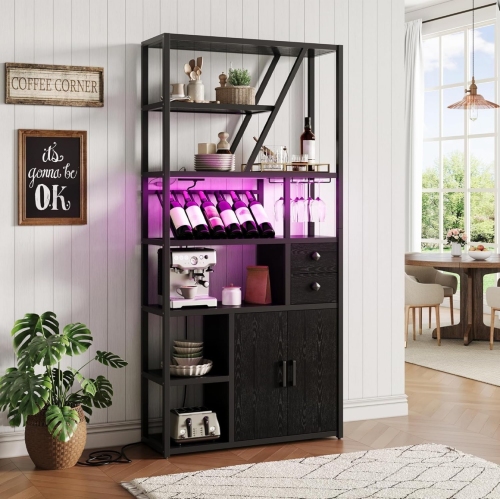
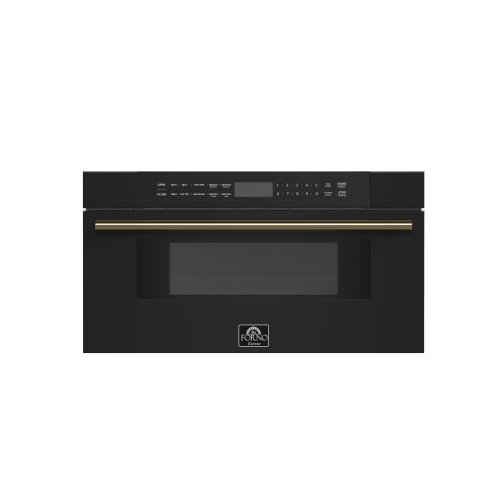
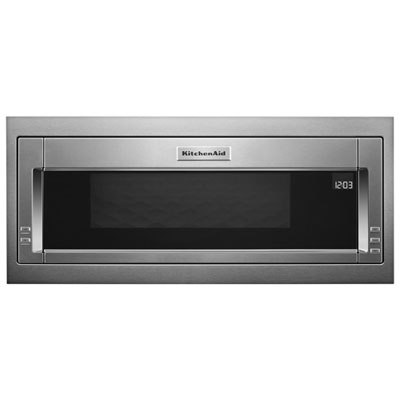
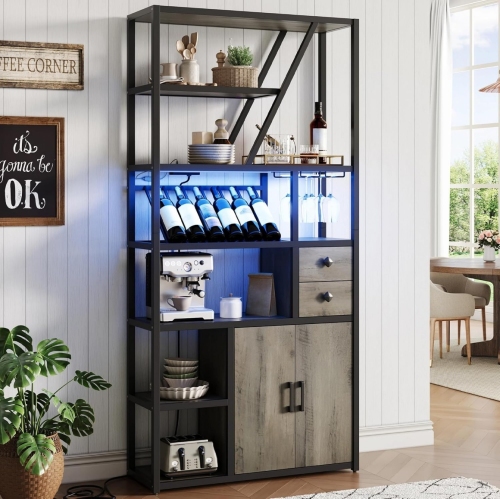
A dedicated microwave spot that frees up counter space
Kitchen microwave cabinets provide a dedicated place for a microwave while adding storage for cookware, dishes, pantry staples, and other kitchen essentials. Common formats include freestanding cabinets, compact microwave carts, tall pantry-style units, and cabinetry designed to accommodate an approved built-in microwave. Each serves a different layout: a low cabinet can create an accessible appliance station beside a food preparation area, while a taller unit makes use of vertical space in a kitchen with limited cupboards. Moving a countertop microwave onto a suitable cabinet shelf can free up room for chopping vegetables, assembling lunches, or setting down groceries without losing the convenience of an appliance used every day. The right fit involves more than the microwave’s width. Shelf depth, usable height, weight capacity, and the clearance needed around the appliance all affect whether a cabinet is suitable. Measurements should account for handles, plugs, and the space required to open the microwave door comfortably. A shelf that holds the appliance securely must also support its operating weight, including the food and dishes placed inside. Countertop microwaves should only sit in cabinet openings that meet the appliance manufacturer’s placement and ventilation requirements; a close-fitting cubby is not automatically an appropriate installation space. Built-in arrangements require a microwave approved for that use and any specified installation components. These distinctions matter in compact condos, shared kitchens, and family homes alike, where a cabinet needs to work with daily routines rather than simply fill an empty wall. Position also affects comfort: a microwave at a practical height makes it easier to see inside a bowl, stir food, and remove a hot dish without reaching overhead. Nearby landing space gives a steaming plate or mug somewhere secure to rest before it moves to the table.
Materials and construction influence how kitchen microwave cabinets look, feel, and stand up to regular use. Solid wood offers natural grain and character, although its finish still needs protection from spills and scratches. Engineered wood with laminate or melamine surfaces can provide a smooth, consistent appearance that is straightforward to wipe clean, while painted finishes offer another way to coordinate with existing cupboards and furniture. Metal frames can suit an open, utility-focused design, particularly when paired with shelves intended to carry heavier kitchen equipment. Whatever the material, sturdy joints, a stable base, and clearly stated shelf weight limits matter more than appearance alone. Adjustable shelves help accommodate cereal containers, mixing bowls, or stacks of plates, but the microwave itself needs a level surface and an opening that preserves all required clearances. Storage layouts can be equally important. Drawers keep cutlery, tea towels, and small utensils close at hand; doors conceal food packages and cookware; and open shelves make frequently used dishes easy to reach. A cabinet with a microwave niche above closed storage can create a tidy breakfast station, with mugs and bowls below and everyday supplies nearby. For broader storage needs, pantry cabinets for microwave and small appliances bring appliance space and pantry organization into the same furniture footprint. Appliances stored behind doors may need to be removed and placed on an appropriate surface before use, depending on their operating requirements. Finishes also shape how the cabinet sits within the room: light colours can blend with pale cabinetry, wood tones add warmth, and darker finishes create contrast. Door profiles, handles, and exposed shelving help connect the piece to the rest of the kitchen without requiring every surface to match. Closed storage suits a calmer visual arrangement, while open sections work well for neatly grouped everyday essentials.
The most useful microwave cabinet fits both the available floor space and the way people move through the kitchen. In a narrow layout, a shallow unit may leave a more comfortable walkway, provided its shelf depth is sufficient for the appliance and required clearance. Beside a dining area, a cabinet can keep reheating and serving supplies together without crowding the main preparation surface. Door swing and drawer extension deserve attention, especially near a refrigerator, dishwasher, or frequently used doorway. A movable microwave cart offers flexibility, but its wheels need secure brakes, and the unit should remain stationary while the appliance is operating. Cords should be managed according to the appliance instructions, with suitable access to a wall outlet and no pinching behind the cabinet. Cable openings help route a cord neatly, but they do not replace the ventilation space a microwave requires. Tall cabinets should be secured as directed by the furniture manufacturer, including the use of supplied anti-tip hardware where specified. In households with children, heavy dishes are better kept on stable, accessible lower shelves, and handles should never become makeshift climbing steps. Everyday care is generally simple when matched to the cabinet’s finish: spills are best wiped up promptly, surfaces cleaned with a soft cloth and an appropriate mild cleaner, and excess moisture kept away from seams and unfinished edges. Abrasive pads can mark painted or laminated surfaces, while standing water may damage wood-based panels. Shelf supports, hinges, drawer runners, and wheel locks benefit from occasional checks, particularly on furniture used throughout the day. For renters, first-time homeowners, and households reorganizing a busy kitchen, these cabinets can add useful storage without the scope of a full cabinetry renovation. A well-proportioned unit gives the microwave a dependable home and keeps the surrounding essentials organized, whether the daily routine involves reheating leftovers, preparing a quick breakfast, or serving several meals around different schedules.
Top selling and popular products
-
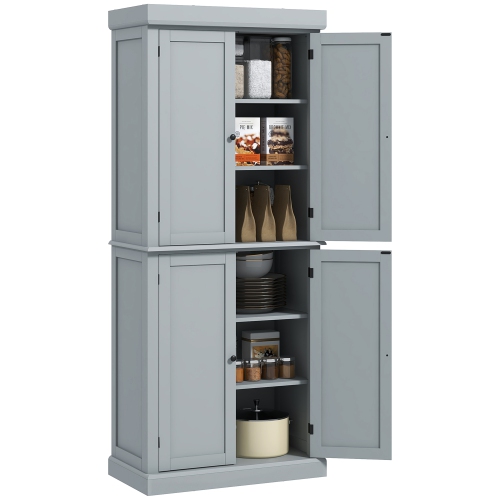 Your price for this item is $285
-
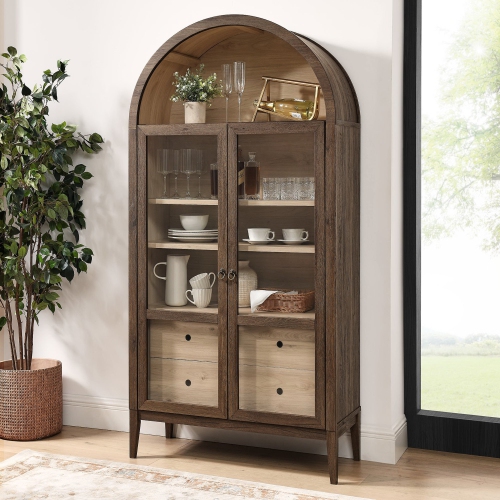 Your price for this item is $1155.71
-
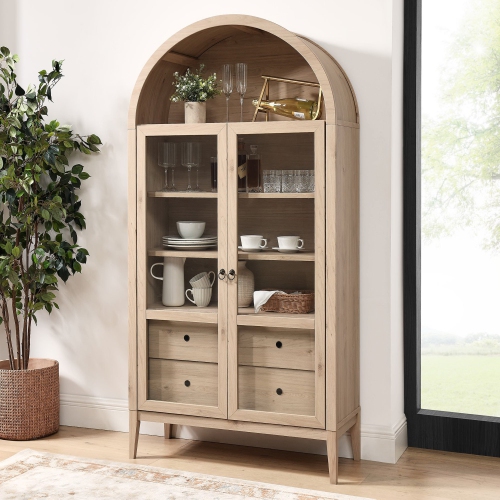 Your price for this item is $1155.71
-
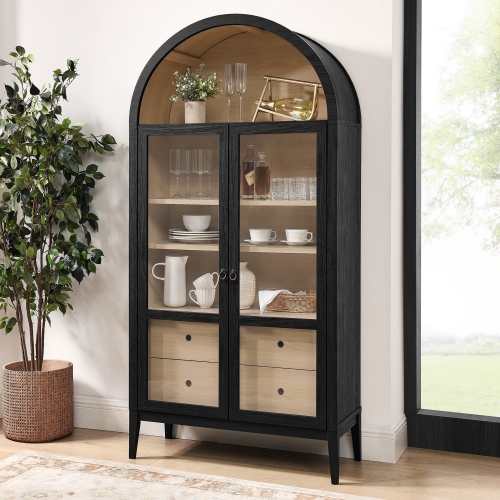 Your price for this item is $1155.71
-
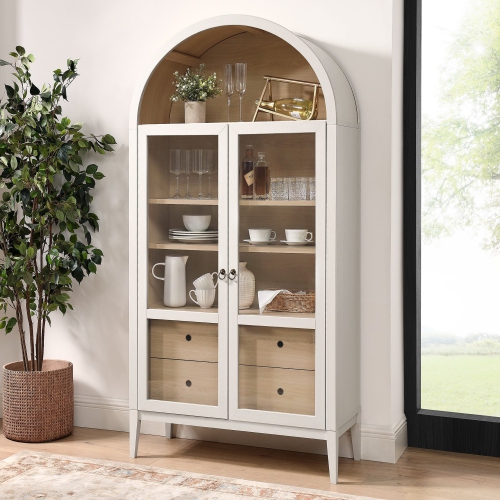 Your price for this item is $1155.71
-
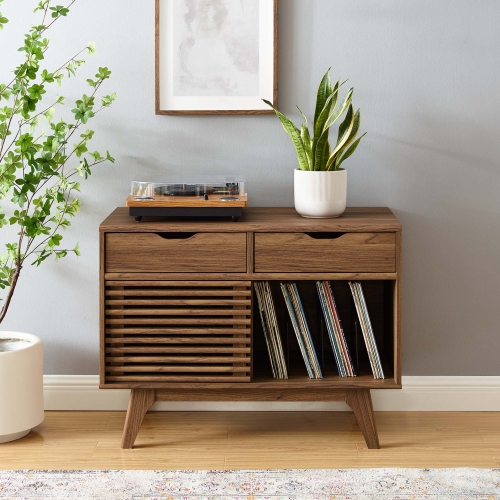 Your price for this item is $452.93
-
 Your price for this item is $155.99
-
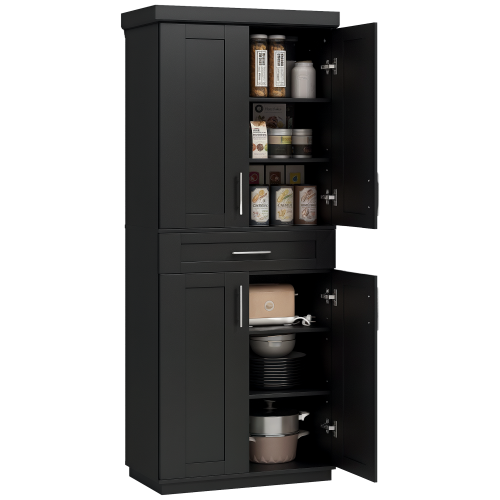 Your price for this item is $269.99
Discover more categories related to Kitchen Microwave Cabinets
Top Collections:
Best Black Friday Deals This Year, Best Black Friday Deals On Electronics, Kindle Devices, Best Black Friday Deals On Apple Products, Best Budget Office Chairs, Best Cameras for Sports Photography, Dyson Airwrap, Canon G7X Cameras, Best Laptops for Writers, Samsung Galaxy Phones
Some products may be subject to Environmental Handling Fees
(EHF) depending on your province.
Learn more about EHFs.