Kitchen Sinks With Accessories
Whether you're renovating your kitchen or simply looking to upgrade your sink, our collection of kitchen sinks with accessories has everything you need to create a functional and stylish space. From sleek and modern designs to classic and timeless options, we offer a wide range of choices to suit any taste and budget. With an array of accessories such as cutting boards, colanders, and drying racks, you can customize your sink to meet your specific needs. Explore our selection today and discover the perfect kitchen sink that will not only enhance the functionality of your space but also elevate its overall aesthetic.
Sort

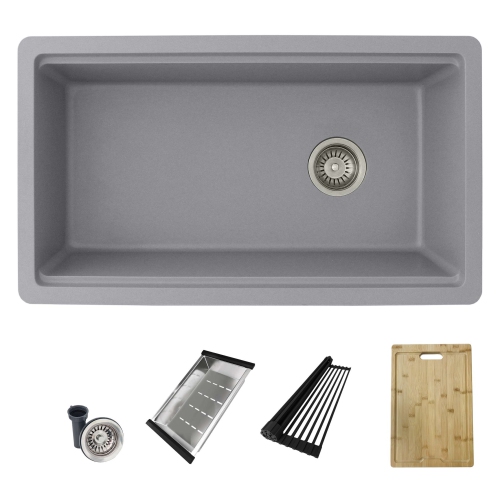

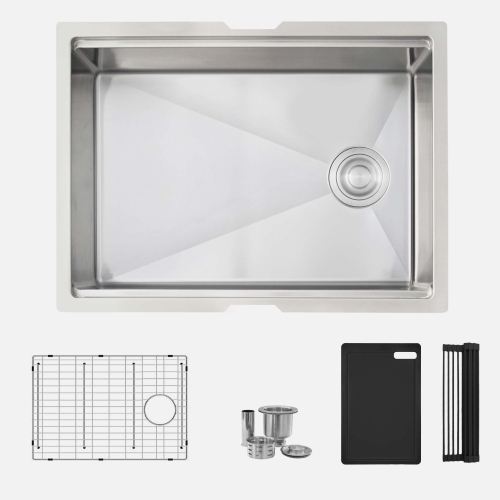


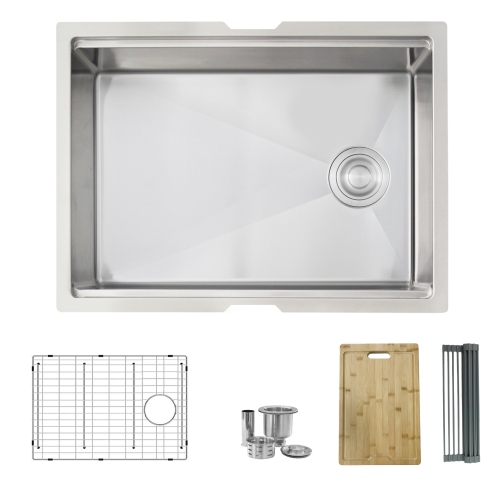
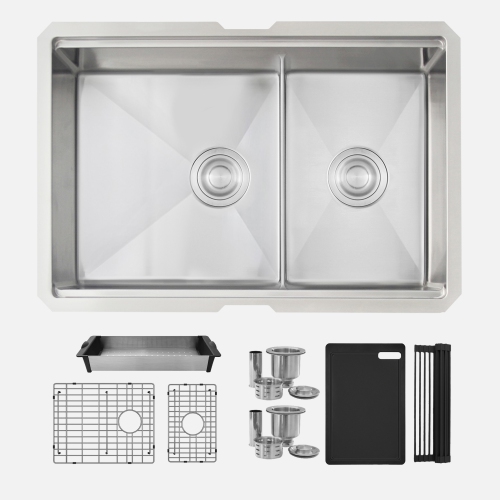


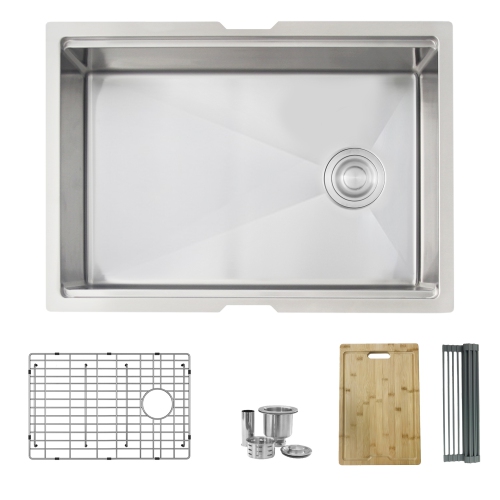

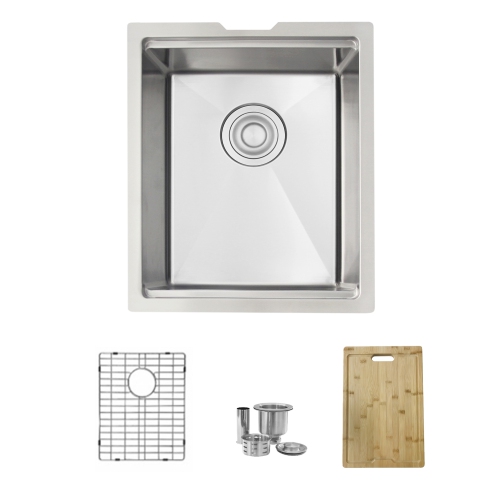
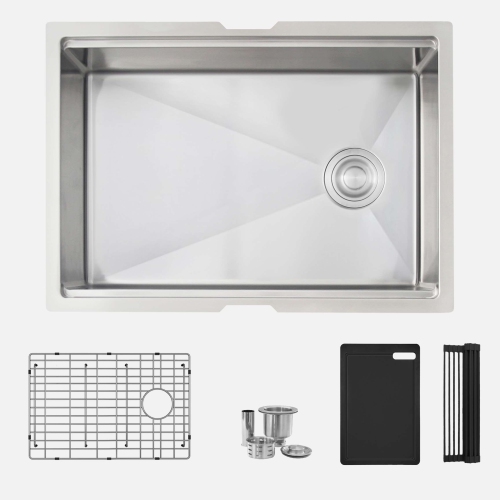


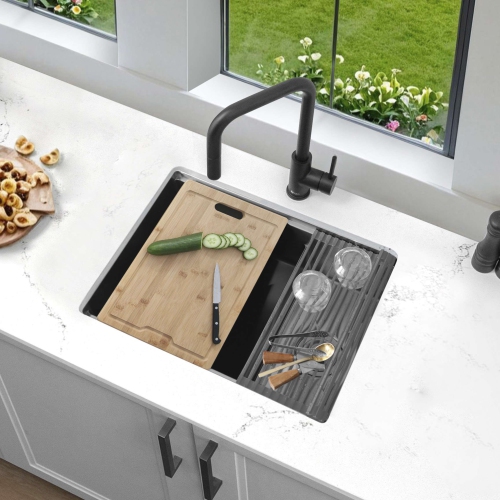


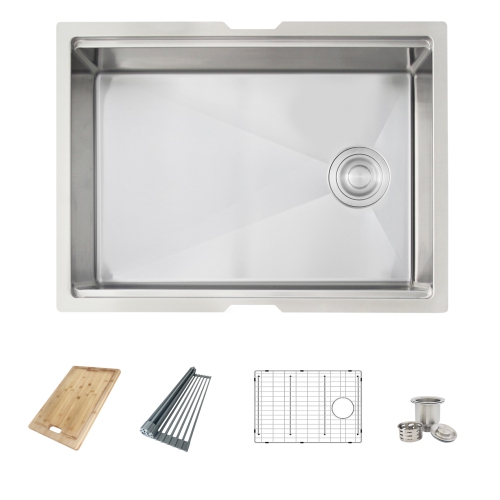


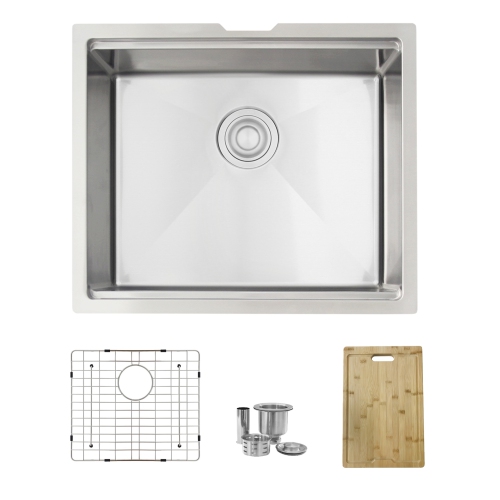
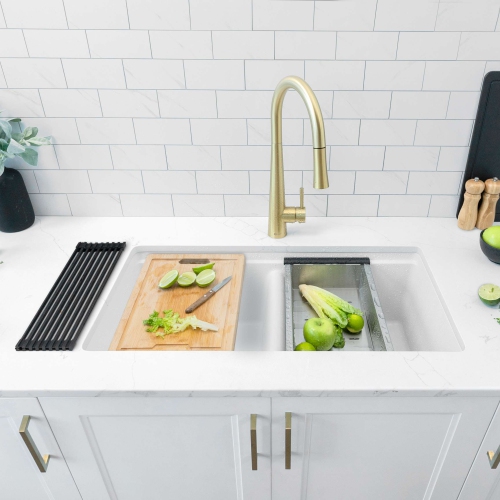


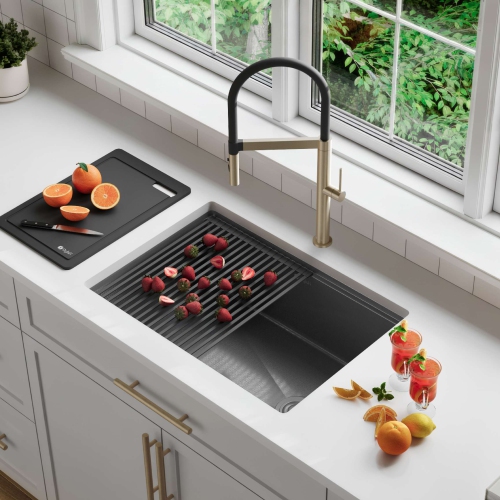




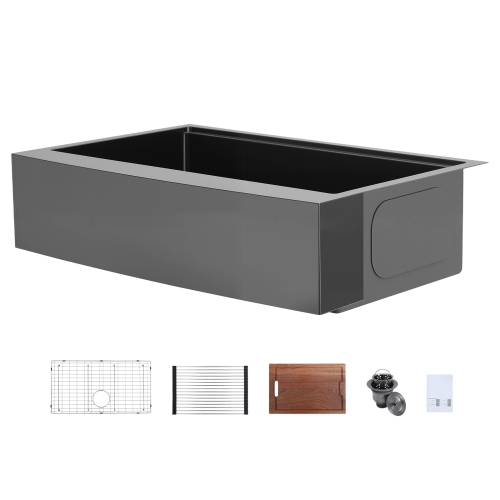

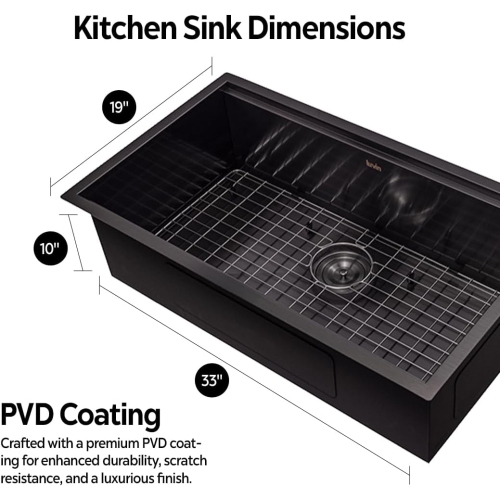
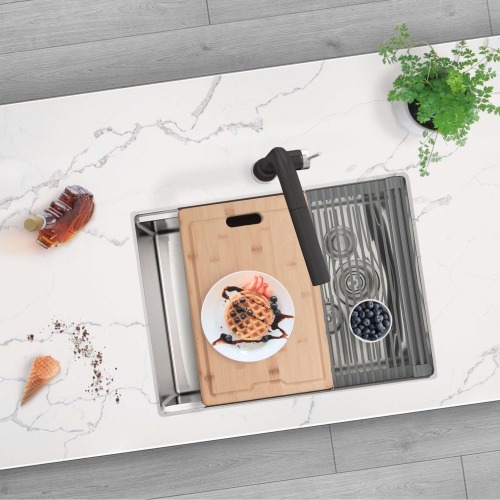
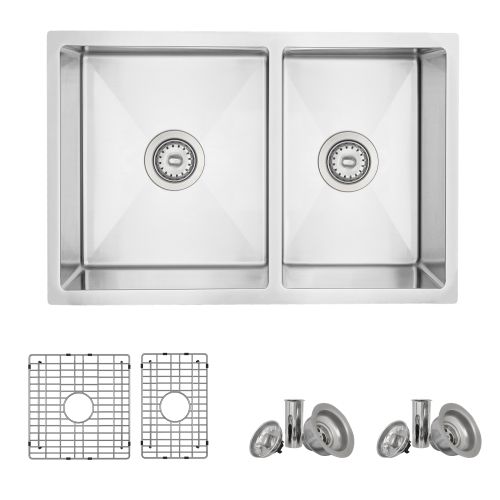
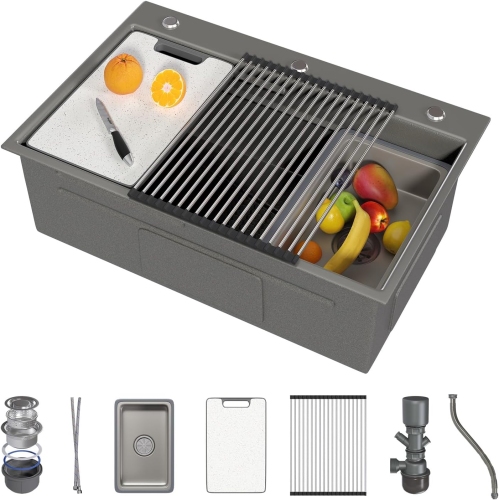
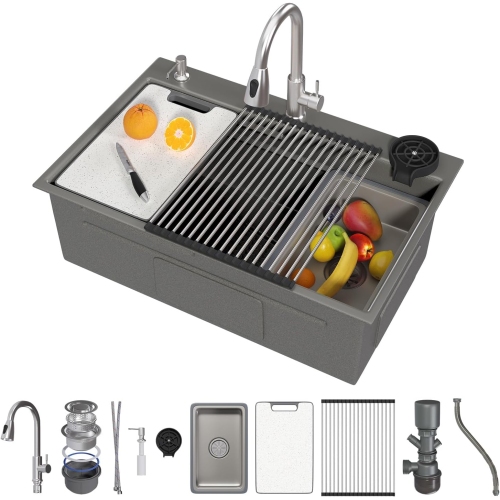
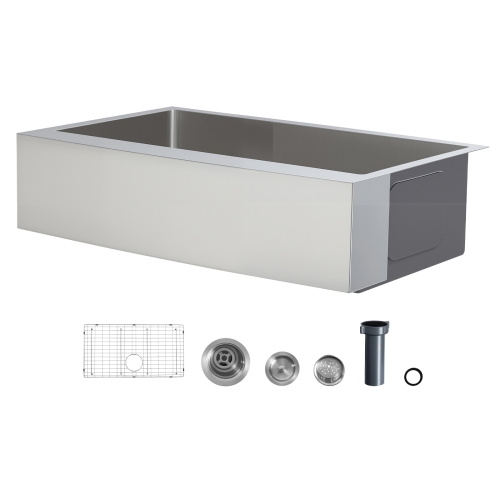
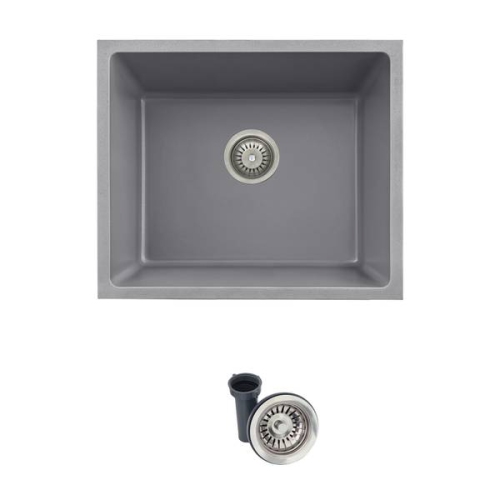
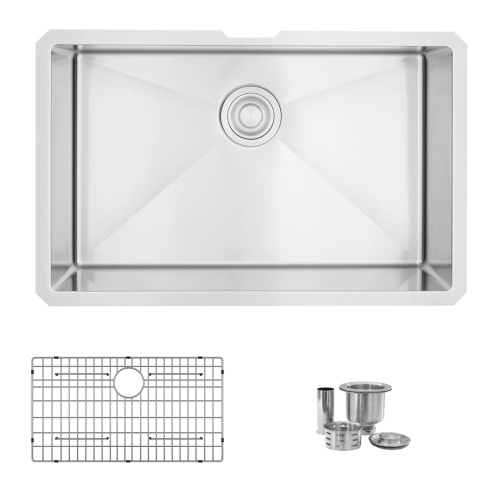
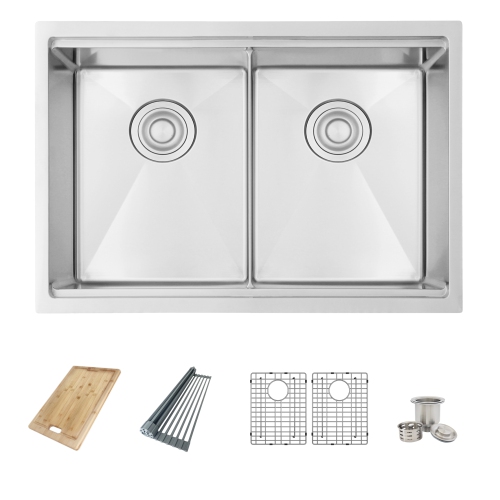


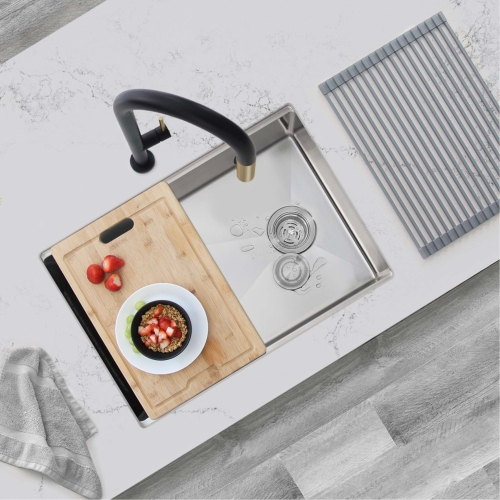


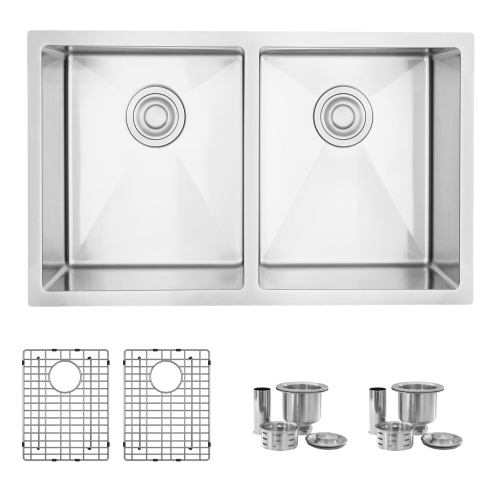
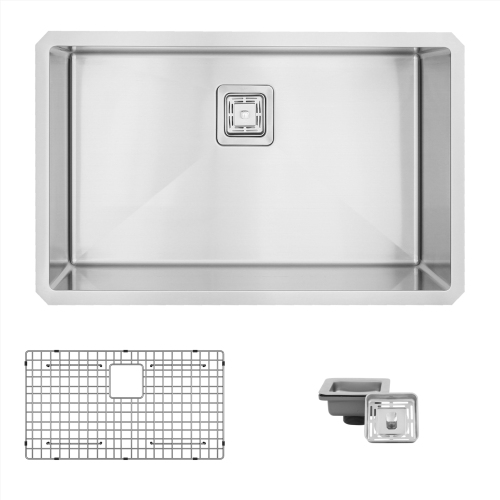

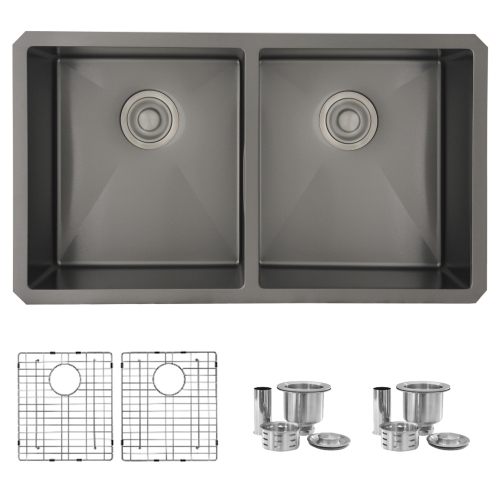
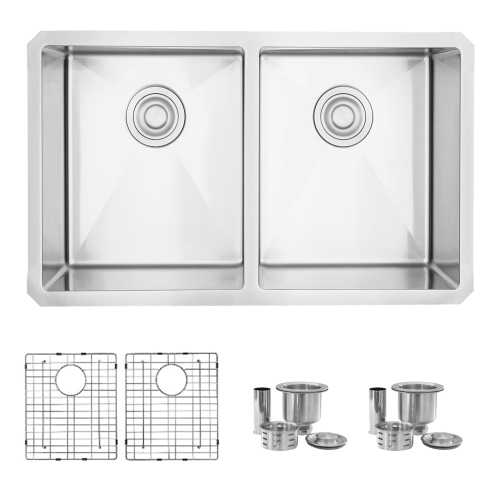

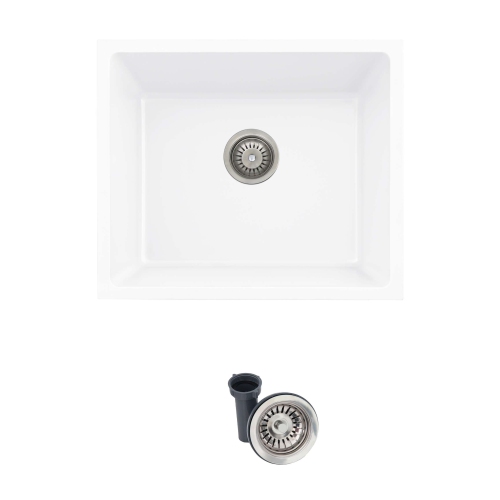


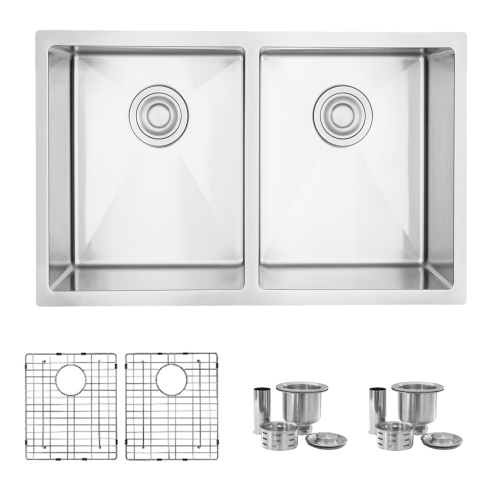


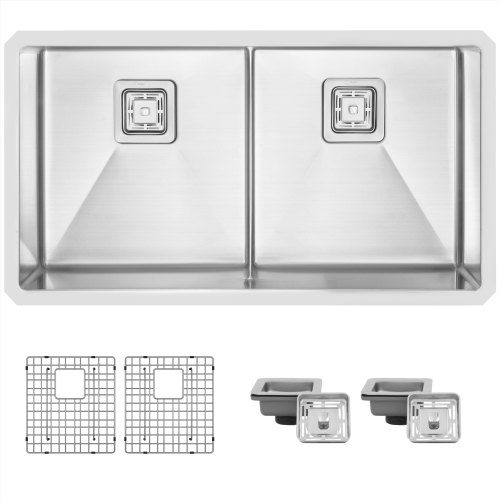


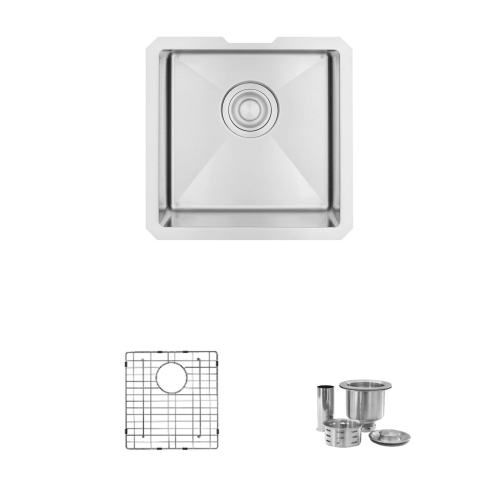

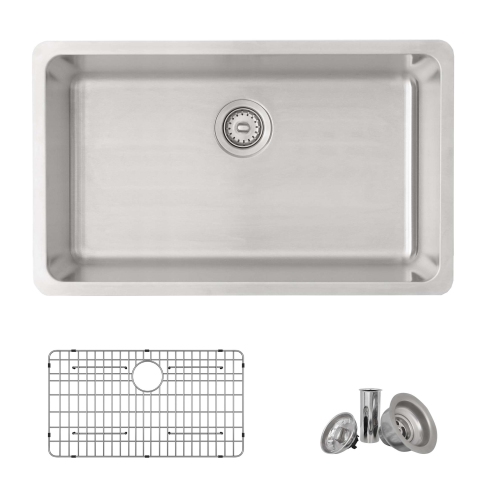

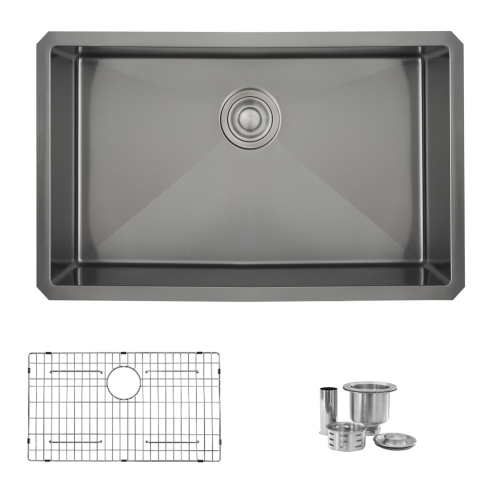


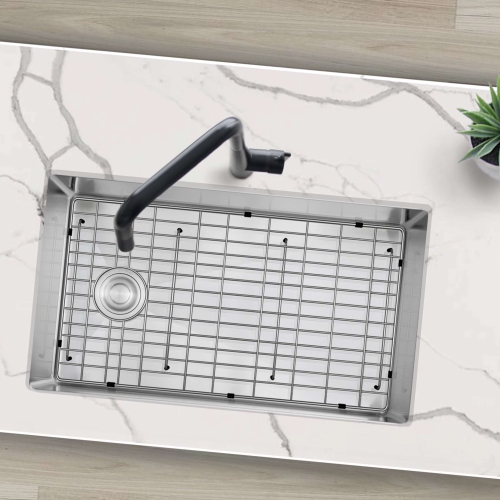
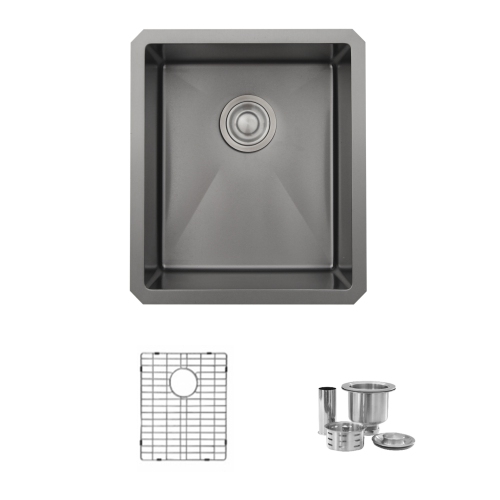







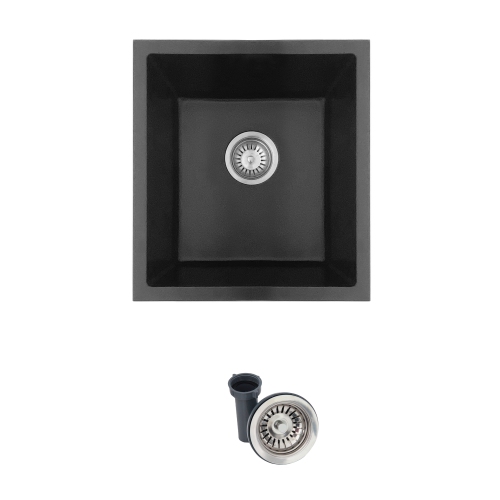

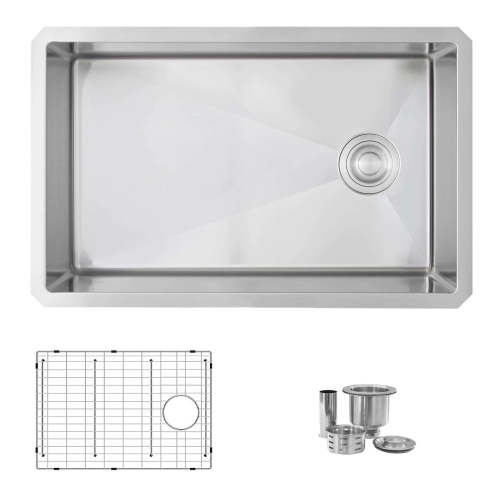
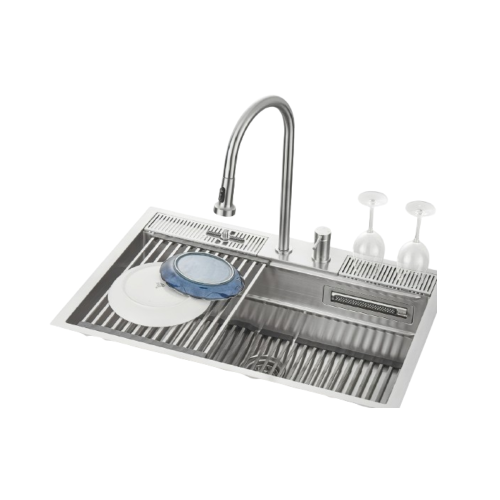
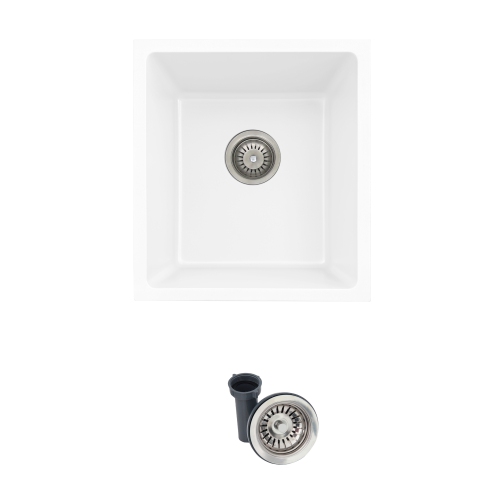
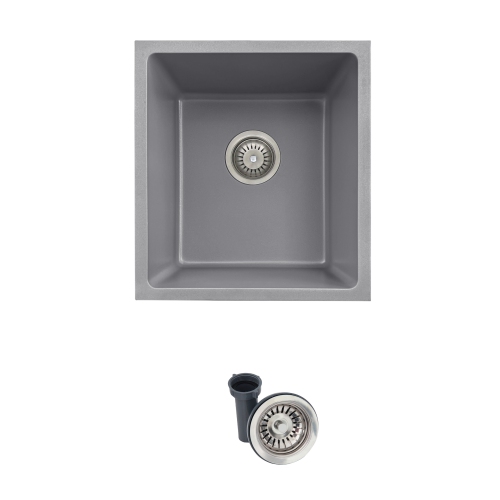
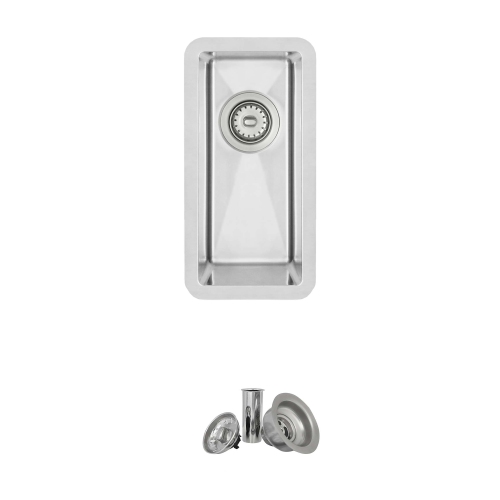
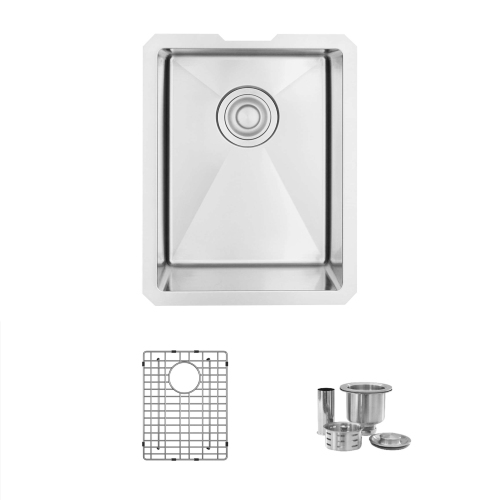
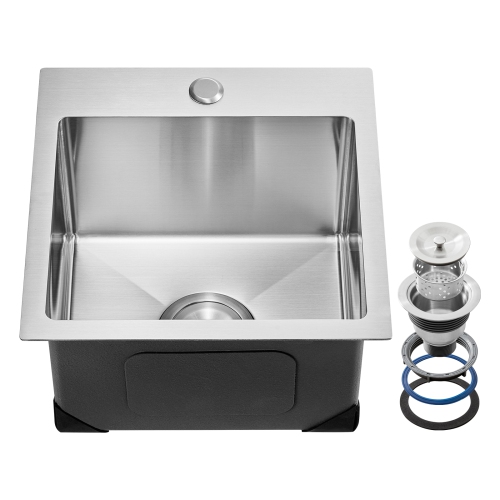
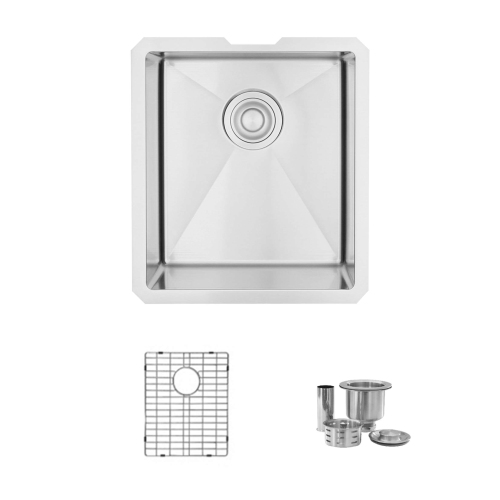
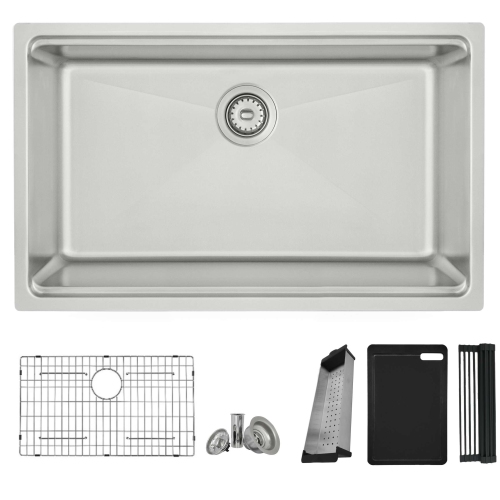
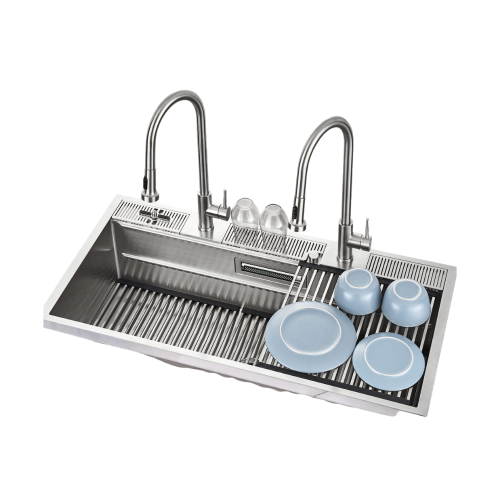


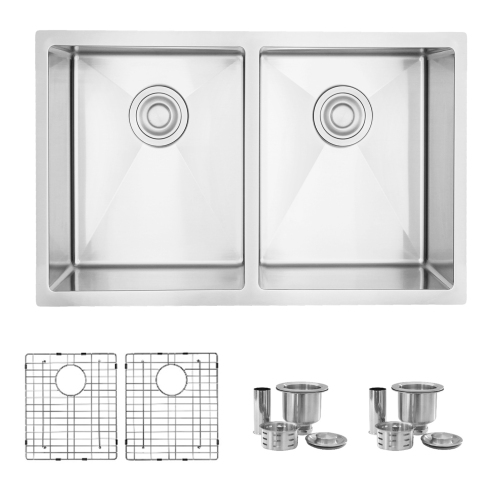


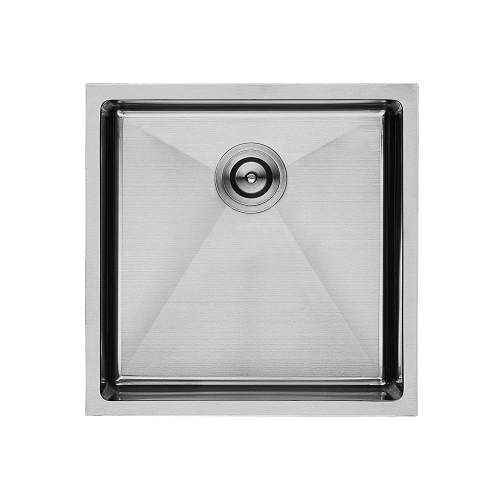


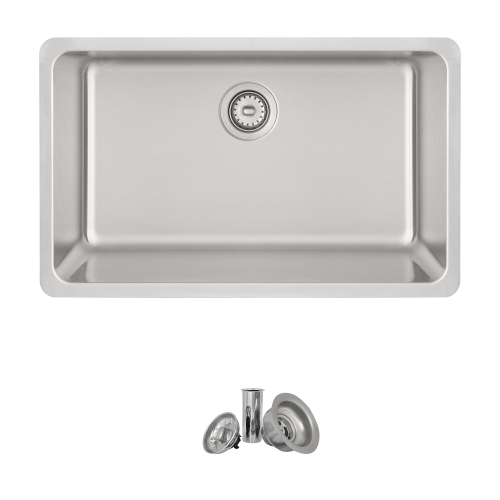
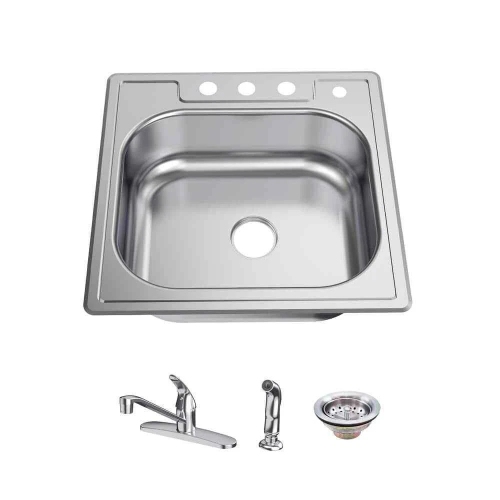


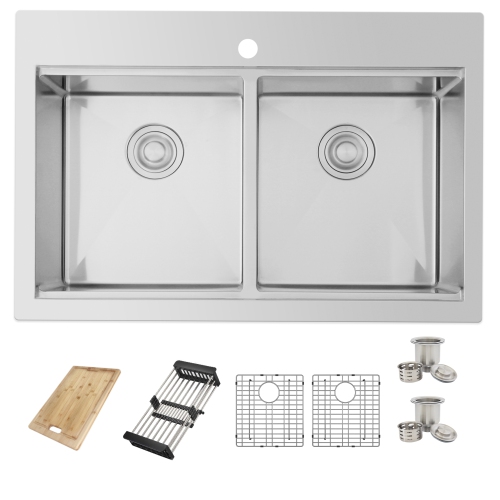


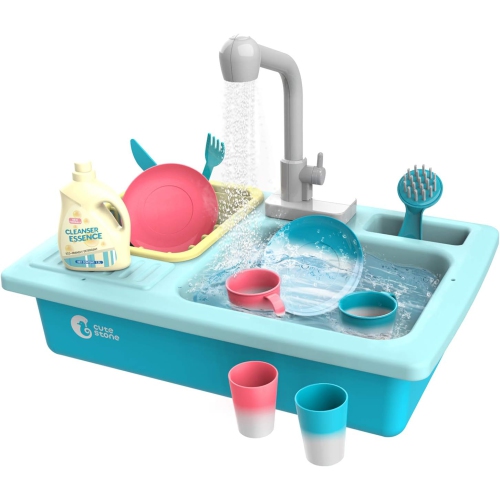

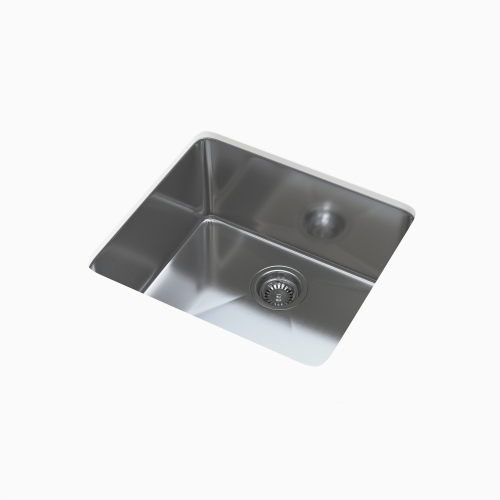


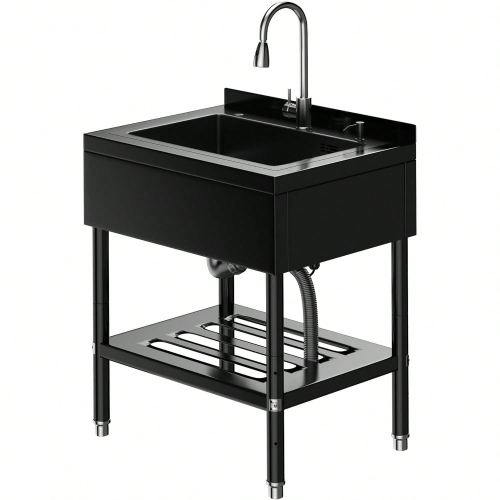

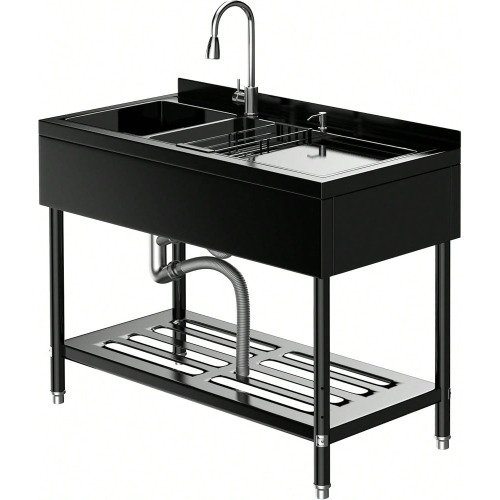
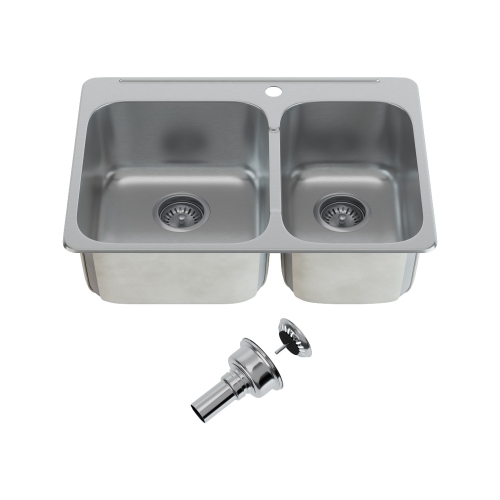
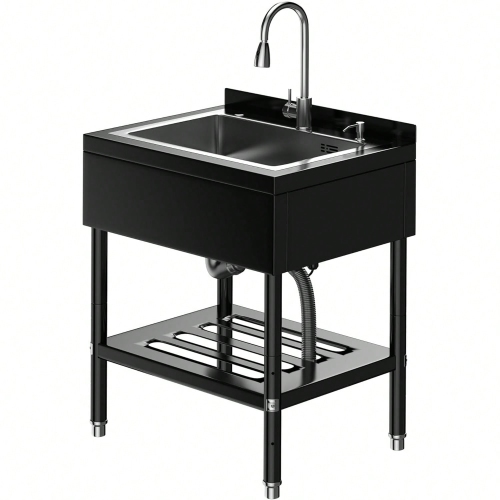

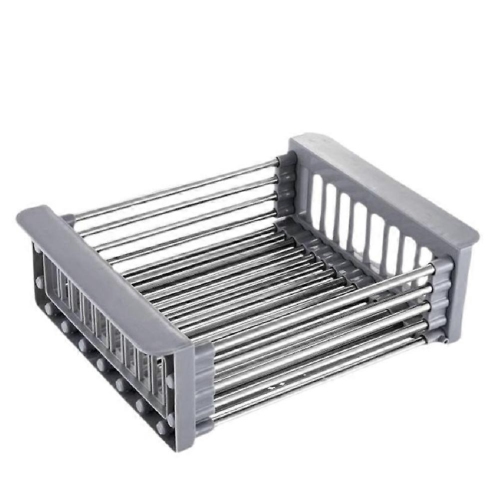
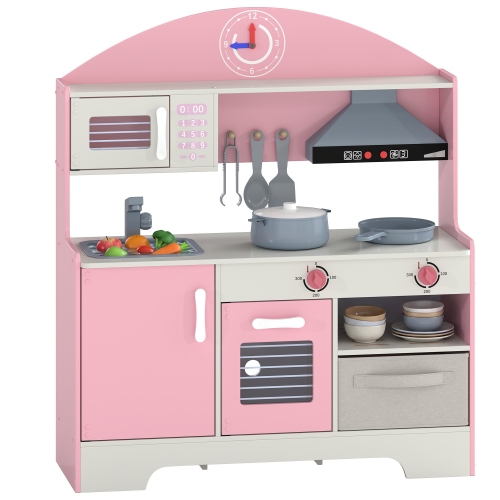

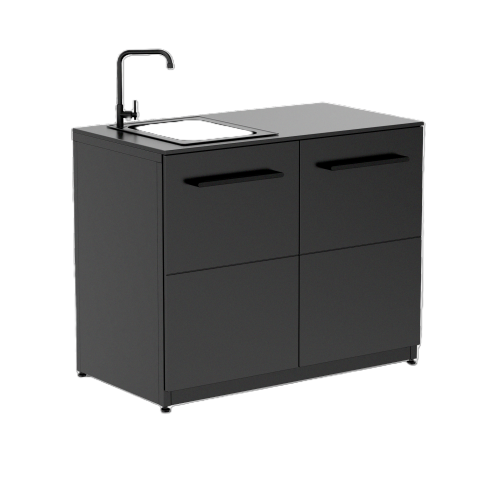


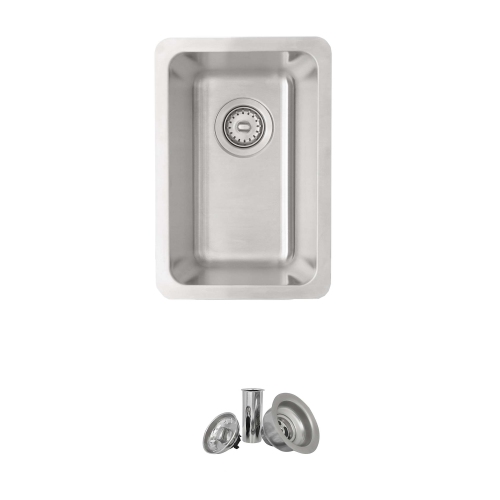
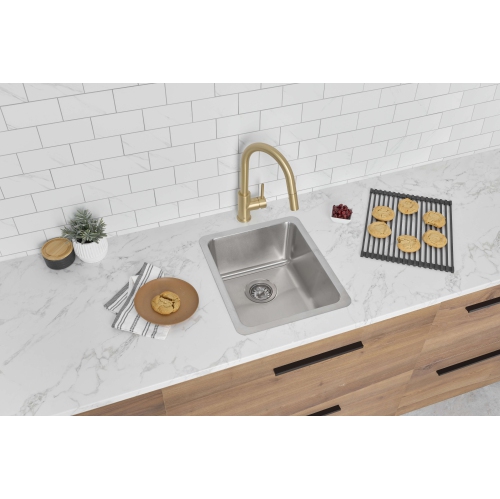


More prep space starts above the sink
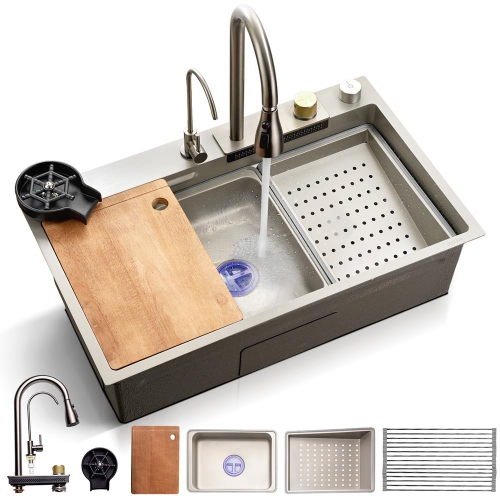
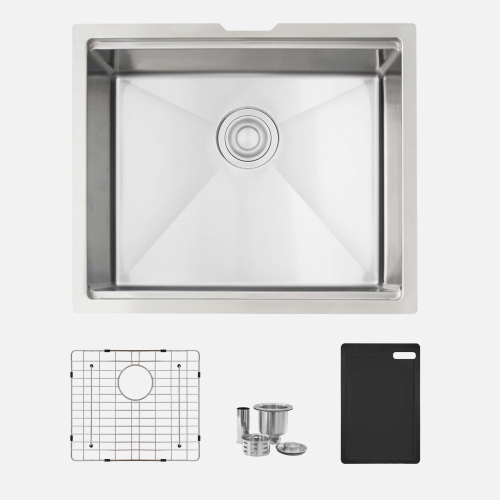
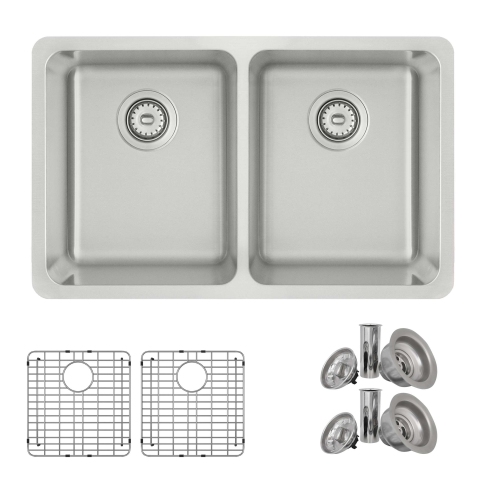
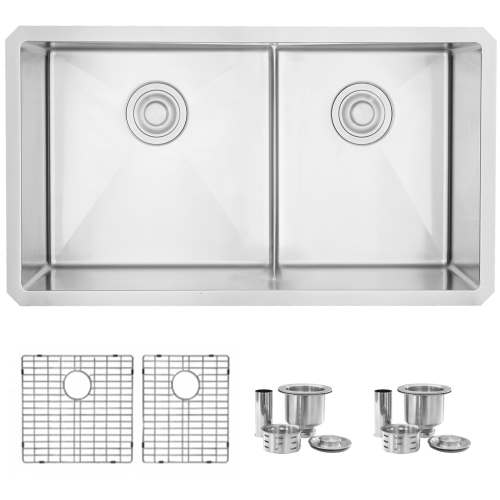
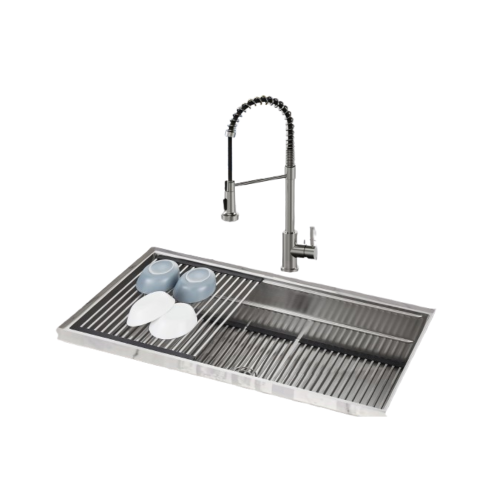
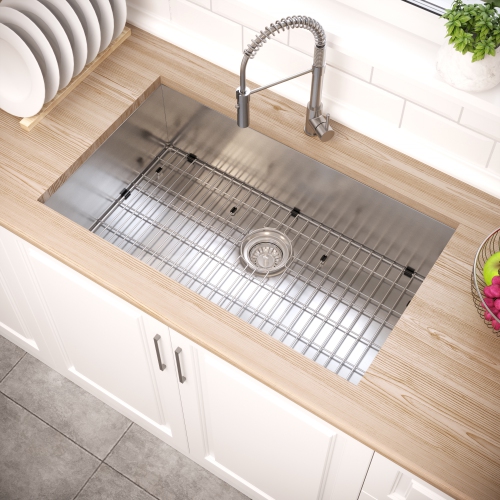
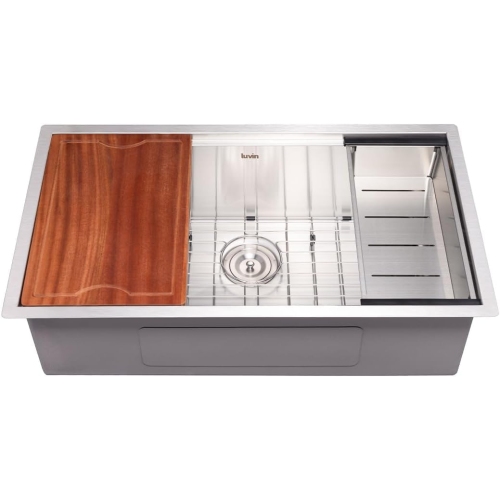
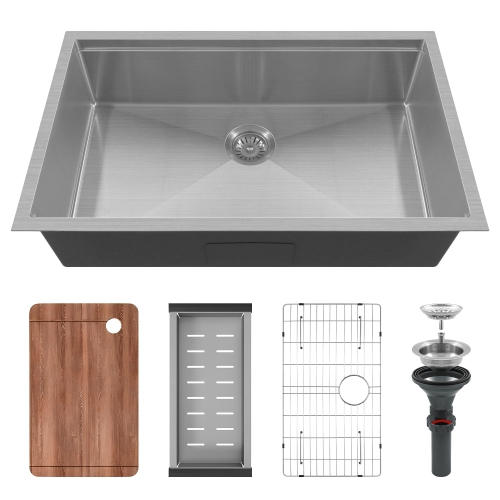
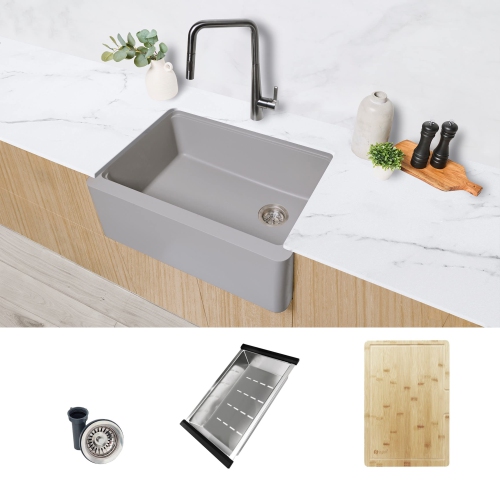
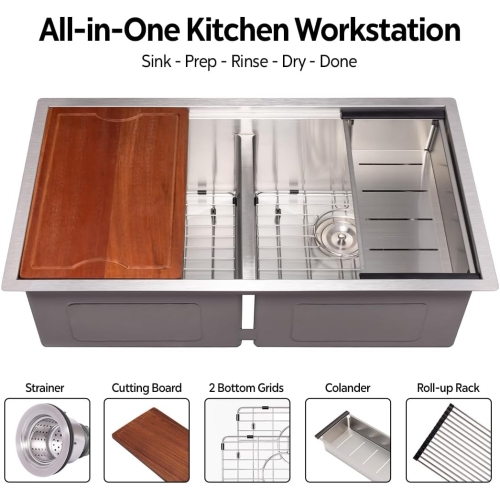
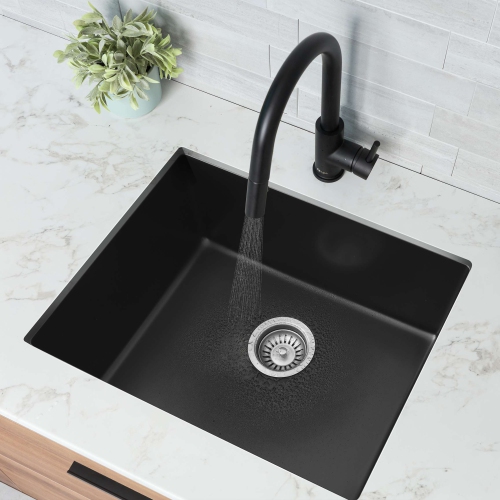
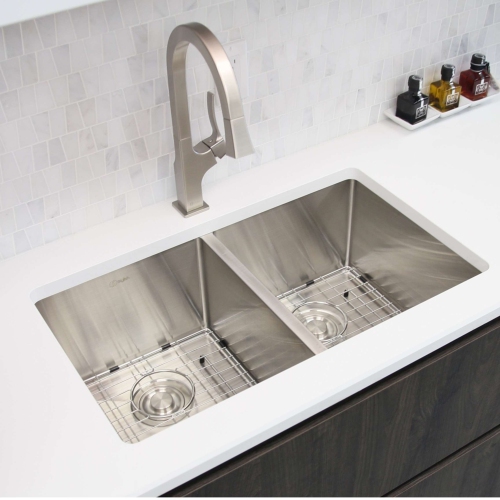
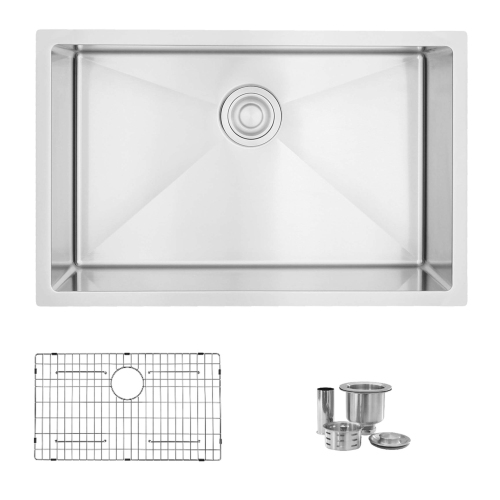
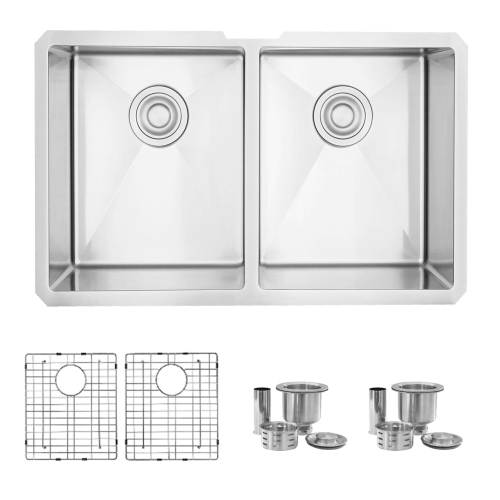
Kitchen sinks with accessories combine a washing basin with purpose-built additions that support food preparation, rinsing, drying, and everyday cleanup. Workstation sinks take this arrangement a step further, using integrated ledges to hold matching cutting boards, colanders, and drying racks above the basin. Other sink configurations may pair a traditional bowl with a fitted bottom grid, drain strainer, or removable dish rack without having a workstation ledge. The distinction matters because each arrangement uses the sink area differently. A board that rests securely across the opening creates a preparation surface where vegetables can be trimmed beside running water, while a suspended colander lets rinsed produce drain without touching the basin floor. A roll-up rack can hold washed glasses or utensils over the bowl, allowing drips to fall directly into the sink rather than onto the counter. These features are particularly useful in kitchens where a kettle, coffee maker, and everyday cooking tools already occupy much of the work surface. They also suit busy households that move through several tasks at once, from rinsing berries for breakfast to washing a roasting pan after dinner. The most practical arrangement leaves enough open space to reach the tap, rinse hands, and access the drain while an accessory is in place. Some ledged designs allow accessories to slide along the opening, while others support a more fixed arrangement. A single-bowl sink offers an uninterrupted space for baking sheets and larger cookware; a double-bowl design separates tasks, such as soaking dishes on one side and rinsing vegetables on the other. Bowl proportions can be more important than the number of bowls, especially when one side needs to accommodate a frequently used pan. For households that cook often, the appeal is not simply having more accessories. It is having pieces that fit securely, move easily between tasks, and can be removed when the full basin is needed. A compact, well-matched setup can be more useful than a larger collection that crowds the sink.
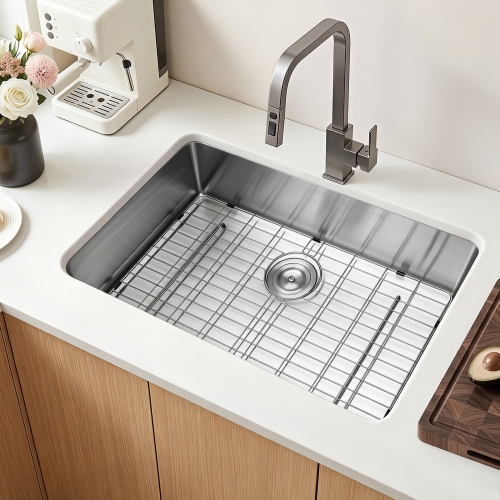
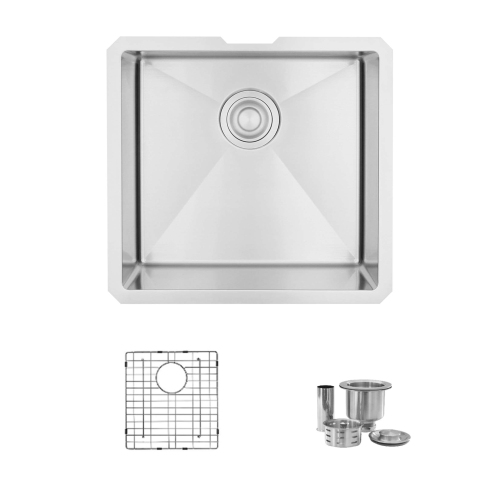
Fit involves more than matching the sink’s outside measurements to a countertop opening. Cabinet width, bowl depth, mounting style, and the position of the drain all affect how the installation works within the kitchen. A deeper bowl may contain splashes and accommodate tall cookware, but it also takes up more space below the counter and may require a longer reach during washing. An offset drain can leave more usable room in part of the basin, although its relationship to existing plumbing needs consideration. Drop-in sinks rest on the countertop with a visible rim, while undermount sinks sit beneath it and require a compatible countertop and suitable support. Apron-front designs have their own cabinet and installation requirements. Accessory fit is equally precise: a cutting board or colander intended for an integrated ledge needs the correct dimensions and seating profile, not just a similar overall width. Bottom grids need to match the basin shape and drain location, and their feet should hold the grid clear of the sink surface without rocking. Materials influence both appearance and daily handling. Stainless steel is widely used for kitchen sinks because it tolerates routine washing and suits many kitchen finishes, though scratches and water marks can become visible with use. Sound-dampening pads or coatings can help soften the noise of running water and dishes contacting the bowl. Granite and quartz composite sinks combine mineral particles with a binder and offer a different texture and range of colours; their care requirements depend on the manufacturer’s formulation. Fireclay and enamelled surfaces have a smooth, substantial appearance but need protection from heavy impacts that could damage the finish. Heavier sink materials may also require additional cabinet support. Rounded interior corners are generally easier to wipe clean, while tighter corners create a more angular appearance and may need extra attention around seams and edges. Across these choices, durability depends on appropriate installation, compatible accessories, and care suited to the material rather than appearance alone.
Everyday maintenance is easiest when accessories can be lifted out without a struggle and there is a convenient place for them to dry. A bottom grid keeps cookware above the basin floor, but food particles can collect underneath it, so the surface below still needs regular cleaning. Drain strainers catch scraps before they enter the plumbing and should be emptied and rinsed frequently. Roll-up racks benefit from attention around the joints and any coated sections, where moisture and residue can linger. Cutting boards need care appropriate to their material: wood and bamboo generally should not be left soaking, and dishwasher cleaning is suitable only when the manufacturer permits it. Boards used for food preparation also need thorough cleaning between tasks, especially when switching from raw ingredients to foods that will be eaten without cooking. Soft cloths and suitable cleaners help maintain the sink’s finish, while abrasive pads, harsh chemicals, or prolonged contact with residue may damage some surfaces. Care instructions for the basin and its accessories can differ, even within the same set. These practical details matter whether the kitchen serves one person preparing simple meals or a household handling several rounds of dishes each day. Someone who regularly bakes may value room for mixing bowls and cooling equipment, while a keen home cook may make greater use of a fitted colander and preparation board. In a smaller kitchen, removable accessories can free counter space between tasks, provided there is somewhere to store them afterwards. In a renovation, coordinating the sink finish with the tap and nearby hardware can create a consistent appearance without requiring every surface to match exactly. Similar attention to coordinated fittings can carry into other rooms through Bathroom Sink Accessories, although bathroom and kitchen components have different dimensions and uses. Within the kitchen, a well-proportioned basin and a manageable set of compatible accessories keep the focus on comfortable preparation, straightforward washing, and a sink area that remains easy to use throughout the day.
Top selling and popular products
-
 Your price for this item is $69.95
-
 Your price for this item is $130
-
 Your price for this item is $150
-
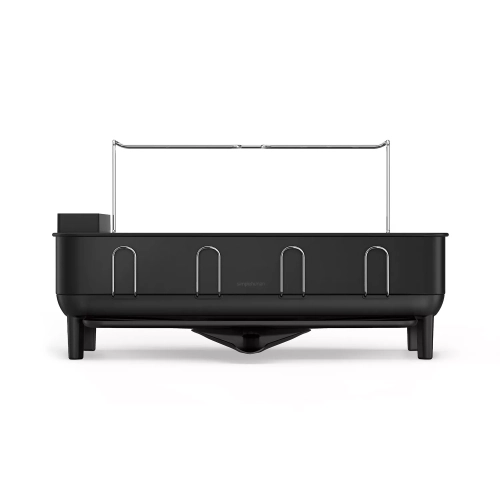 Your price for this item is $150
-
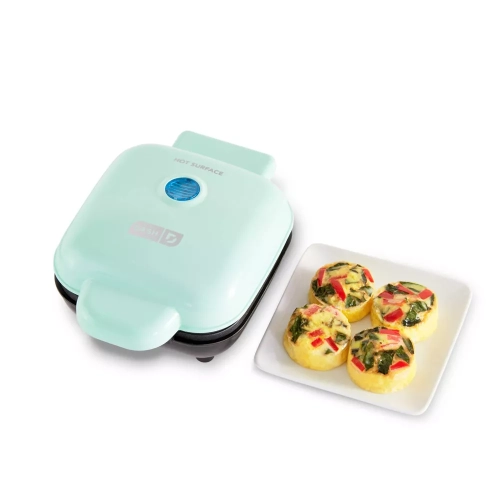 Your price for this item is $119.89
-
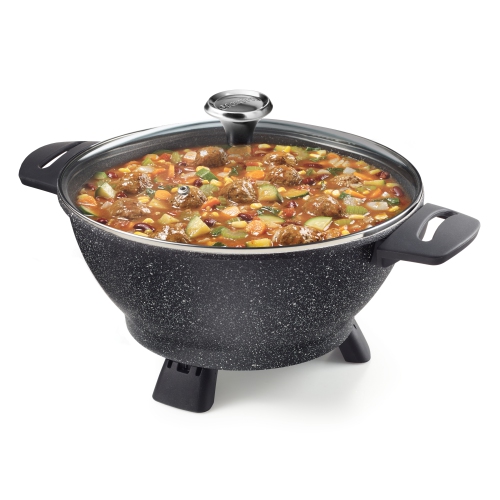 Your price for this item is $79.99
-
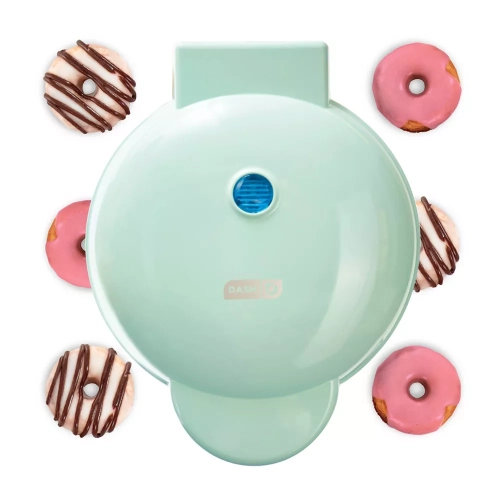 Your price for this item is $95.91
-
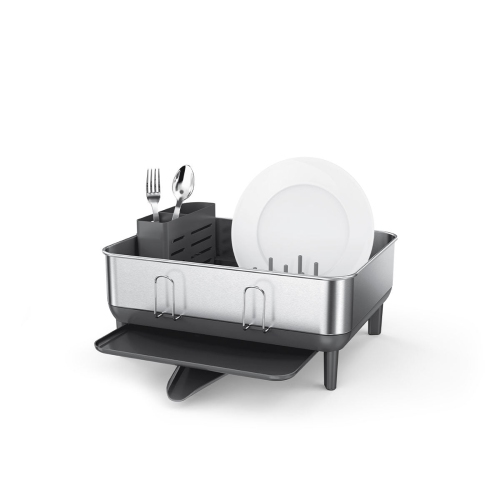 Your price for this item is $100
Discover more categories related to Kitchen Sinks With Accessories
Top Collections:
Pokemon Centers, Kindle Devices, Best Cameras for Sports Photography, Pokémon 30th Celebration Cards, Apple iPhones 16, Canon G7X Cameras, iPhone 15 Apple, Flip Phones, Samsung Galaxy Phones, Alarm Clock
Some products may be subject to Environmental Handling Fees
(EHF) depending on your province.
Learn more about EHFs.