Kitchen Storage Bins
Transform your culinary space with our selection of kitchen storage bins, designed to bring order and efficiency to your cooking haven. Whether you're organizing pantry staples or tidying up countertops, these versatile bins help streamline your kitchen routine while keeping everything within easy reach. Explore a variety of sizes and styles that cater to different storage needs, ensuring that every ingredient and utensil has its perfect place. Elevate your kitchen's functionality and aesthetics by choosing the right storage solutions that blend seamlessly with your decor.
Sort
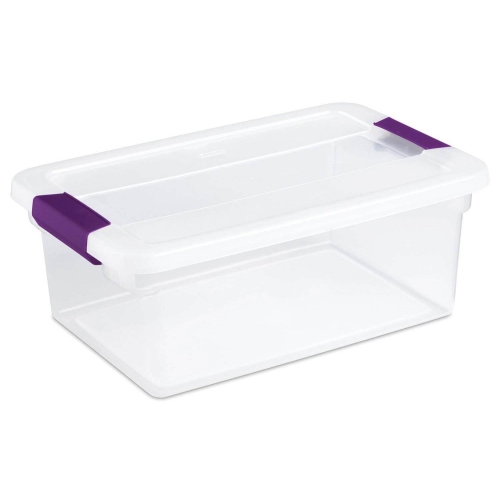
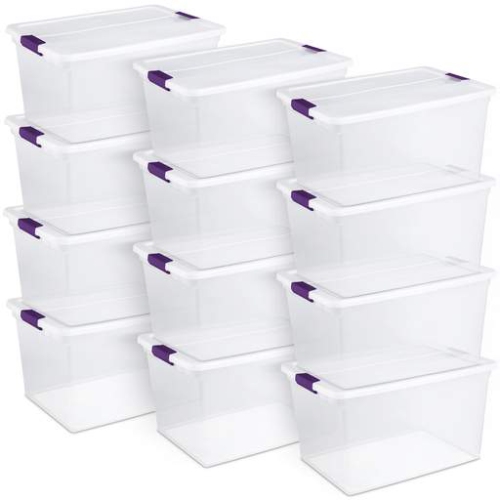
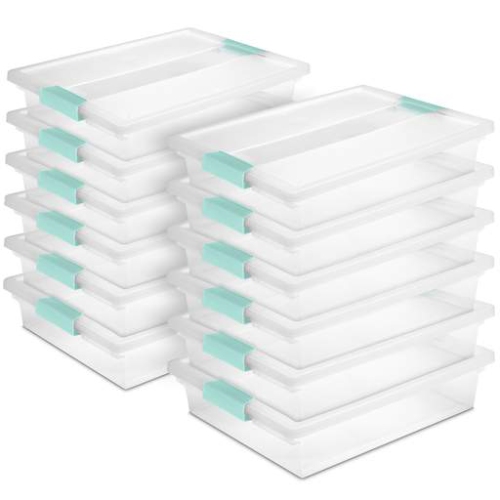
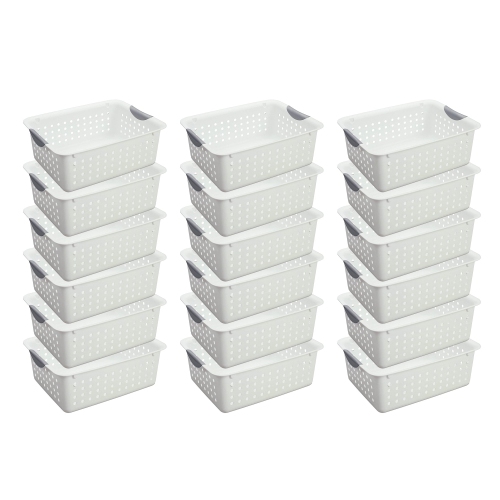
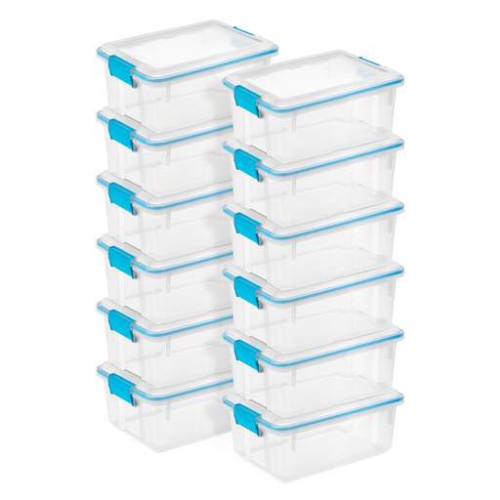
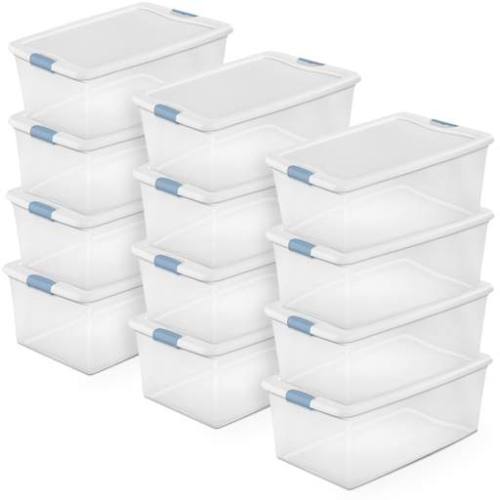
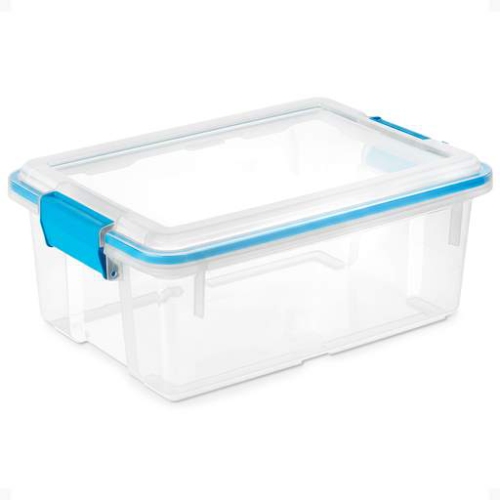
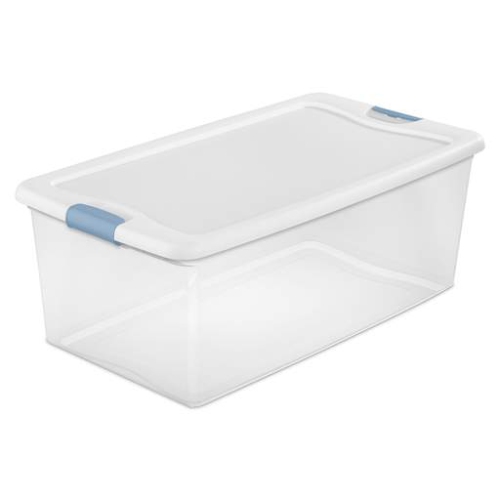
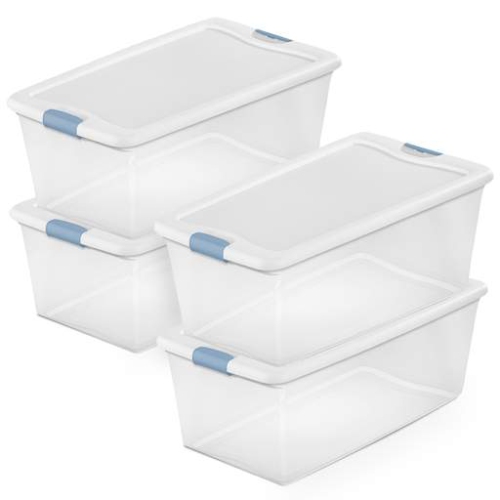
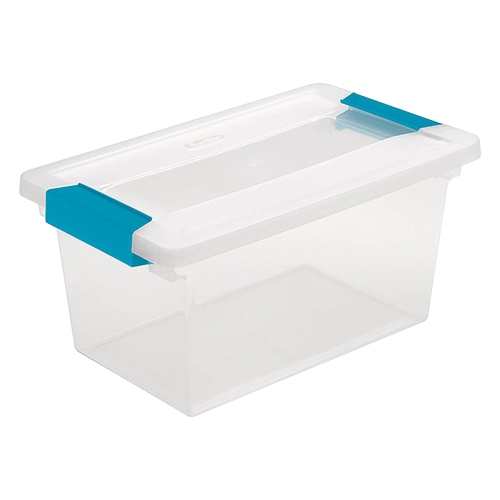
Practical ways to organize cupboards, pantries, refrigerators, and freezers
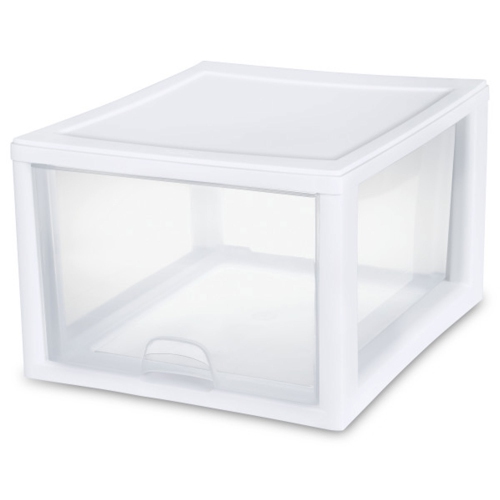
Kitchen storage bins are a practical way to bring order to the areas of the home that tend to become crowded first. In kitchen cupboards, drawers, pantry shelves, refrigerators, and freezers, they group similar items together so everyday essentials are easier to see, reach, and put away. A bin can corral packets, baking supplies, snack foods, drink mixes, condiments, or small cooking accessories that might otherwise slide to the back of a shelf or become mixed together. They are especially useful in kitchens with deep cupboards, open shelving, limited counter space, or busy shared storage areas where several people are reaching for the same items. Consider the dimensions of the space before choosing a bin, including the width, depth, and height available between shelves. A container that fits neatly with a little room to spare is usually easier to lift out and clean than one wedged tightly into place. It is also worth thinking about what will be stored inside. Lightweight bins with open tops can work well for snack packets or tea, while sturdier containers with handles may be more convenient for heavier jars, canned goods, or baking ingredients. Clear or translucent designs make it easier to identify contents at a glance, while opaque options can create a more uniform appearance when stored on open shelving. If a pantry shelf is particularly deep, a bin with a front opening, cutout handle, or smooth pull-out design can help make items at the back more accessible. For refrigerators and freezers, look for shapes that make good use of narrow shelves and corners, and consider whether the material and construction are suitable for cooler temperatures. Kitchen storage bins can also help divide a large drawer into manageable sections, keeping utensils, lunch accessories, measuring tools, or reusable food containers from becoming tangled together.
When selecting bins, pay attention to the details that affect daily use. Handles can make it simpler to move a whole group of items from a shelf to the counter, which is handy when preparing meals or restocking after a grocery trip. Low-sided bins make contents visible and easy to grab, whereas taller-sided bins can keep bottles, packets, and loose packages upright. Stackable formats may help make better use of vertical space, but they should be stable when loaded and easy to access without requiring the entire stack to be moved. Matching several bins by size can create a tidy system, although a combination of dimensions is often more practical for kitchens that store a wide variety of items. Think about cleaning as well: smooth surfaces and wide openings are helpful when crumbs, flour, or spills make their way into the container. For households with children, a lightweight bin placed on a lower shelf can create an accessible snack station, while a designated bin for lunch supplies may make busy mornings feel less hurried. In shared homes, separate bins for each category can reduce the familiar shuffle through cupboards when everyone is getting ready for work, school, or an evening meal. During the cooler months, kitchen storage bins can be particularly useful for organizing baking ingredients, hot drink supplies, soup packets, and the extra pantry items that often accumulate when more meals are prepared at home. They can also be a thoughtful housewarming gift for someone moving into a new apartment, setting up a first kitchen, or refreshing a crowded pantry. A few well-chosen containers can help a new cook establish simple routines without requiring a major change to the rest of the kitchen.
The most effective storage setup is one that reflects the way the kitchen is actually used. Place frequently reached-for items in bins near the front of a cupboard or on a shelf within comfortable reach, and reserve higher or deeper areas for occasional supplies. Grouping foods and accessories by activity can be more intuitive than arranging everything by package type; for example, a baking bin might hold decorating supplies and measuring accessories, while a breakfast bin could keep oats, spreads, tea, and other morning staples together. In a refrigerator, bins can separate ready-to-eat foods from ingredients, helping prevent small items from disappearing behind larger containers. In a freezer, compact bins can keep frozen fruit, vegetables, prepared meals, and treats in distinct sections, making it easier to find what is needed without moving every package. For a kitchen with open shelving, coordinated bins can give loose items a more finished appearance while still keeping them close at hand. Renters and homeowners alike can use bins to improve storage without permanent installation, making them suitable for compact kitchens, rental suites, dorm-style spaces, offices with shared kitchenettes, and recreational vehicles. Explore the wider range of Kitchen Storage options to find containers that suit the available space, the items being organized, and the routines of the people using them. Whether the goal is to make a narrow pantry easier to navigate, keep a family refrigerator under control, or give a loved one a useful housewarming present, the right bins can turn scattered supplies into clearly defined, easy-to-maintain storage.
When selecting bins, pay attention to the details that affect daily use. Handles can make it simpler to move a whole group of items from a shelf to the counter, which is handy when preparing meals or restocking after a grocery trip. Low-sided bins make contents visible and easy to grab, whereas taller-sided bins can keep bottles, packets, and loose packages upright. Stackable formats may help make better use of vertical space, but they should be stable when loaded and easy to access without requiring the entire stack to be moved. Matching several bins by size can create a tidy system, although a combination of dimensions is often more practical for kitchens that store a wide variety of items. Think about cleaning as well: smooth surfaces and wide openings are helpful when crumbs, flour, or spills make their way into the container. For households with children, a lightweight bin placed on a lower shelf can create an accessible snack station, while a designated bin for lunch supplies may make busy mornings feel less hurried. In shared homes, separate bins for each category can reduce the familiar shuffle through cupboards when everyone is getting ready for work, school, or an evening meal. During the cooler months, kitchen storage bins can be particularly useful for organizing baking ingredients, hot drink supplies, soup packets, and the extra pantry items that often accumulate when more meals are prepared at home. They can also be a thoughtful housewarming gift for someone moving into a new apartment, setting up a first kitchen, or refreshing a crowded pantry. A few well-chosen containers can help a new cook establish simple routines without requiring a major change to the rest of the kitchen.
The most effective storage setup is one that reflects the way the kitchen is actually used. Place frequently reached-for items in bins near the front of a cupboard or on a shelf within comfortable reach, and reserve higher or deeper areas for occasional supplies. Grouping foods and accessories by activity can be more intuitive than arranging everything by package type; for example, a baking bin might hold decorating supplies and measuring accessories, while a breakfast bin could keep oats, spreads, tea, and other morning staples together. In a refrigerator, bins can separate ready-to-eat foods from ingredients, helping prevent small items from disappearing behind larger containers. In a freezer, compact bins can keep frozen fruit, vegetables, prepared meals, and treats in distinct sections, making it easier to find what is needed without moving every package. For a kitchen with open shelving, coordinated bins can give loose items a more finished appearance while still keeping them close at hand. Renters and homeowners alike can use bins to improve storage without permanent installation, making them suitable for compact kitchens, rental suites, dorm-style spaces, offices with shared kitchenettes, and recreational vehicles. Explore the wider range of Kitchen Storage options to find containers that suit the available space, the items being organized, and the routines of the people using them. Whether the goal is to make a narrow pantry easier to navigate, keep a family refrigerator under control, or give a loved one a useful housewarming present, the right bins can turn scattered supplies into clearly defined, easy-to-maintain storage.
Top selling and popular products
-
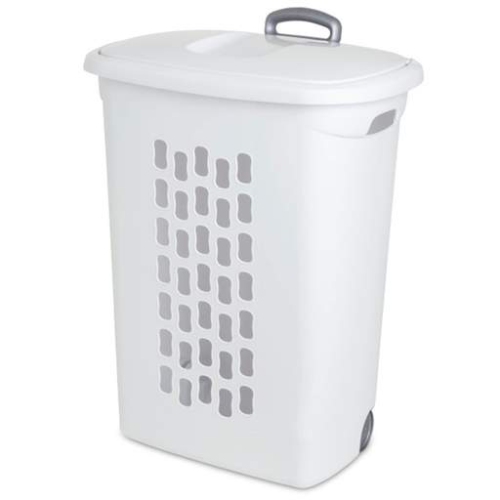 Your price for this item is $1089.99
 -
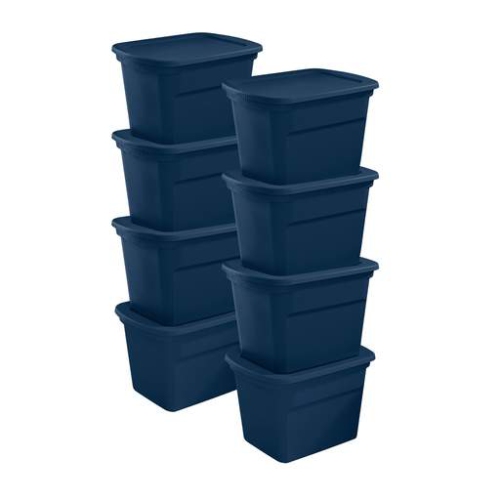 Your price for this item is $246.99
 -
 Your price for this item is $679.99
 -
 Your price for this item is $906.99
 -
 Your price for this item is $452.99
 -
 Your price for this item is $133.99
 -
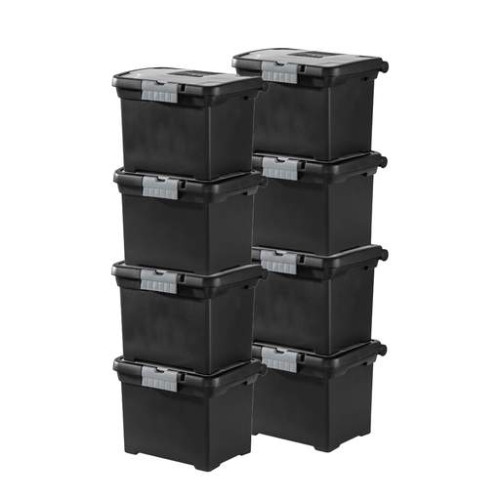 Your price for this item is $264.99
 -
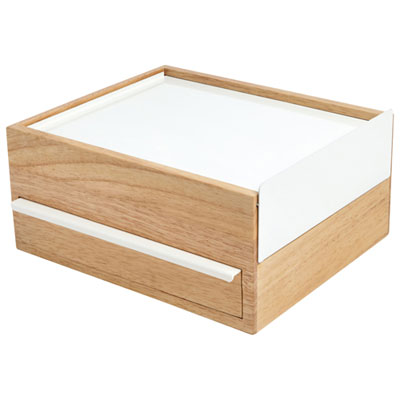 Your price for this item is $64.98
Discover more categories related to Kitchen Storage Bins
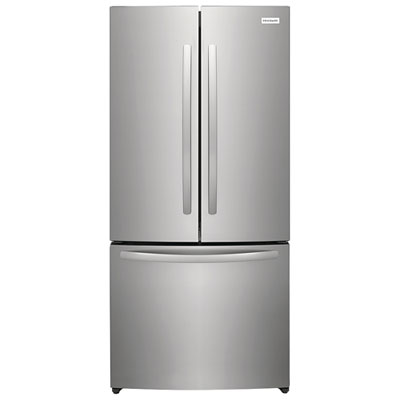
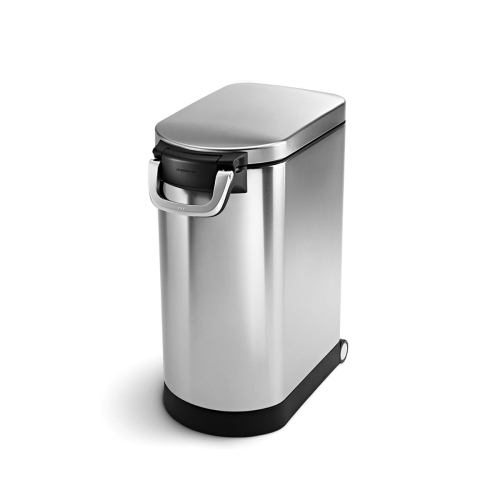
Top Collections:
Pokemon Centers, Kindle Devices, Best Budget Office Chairs, Apple iPhones 16, Best Laptops for Writers, iPhone 15 Apple, Canon G7X Cameras, Refurbished Apple Laptops, Alarm Clock, Motorola Razr Phones
Some products may be subject to Environmental Handling Fees
(EHF) depending on your province.
Learn more about EHFs.