Kitchen Storage Cabinets With Doors
Kitchen Storage Cabinets With Doors offer a practical solution for organizing your kitchen essentials while keeping everything neatly tucked away. These cabinets are designed to help maximize space and reduce clutter, making it easier to maintain a tidy and efficient cooking area. With a variety of styles and finishes available, Kitchen Storage Cabinets With Doors can complement any kitchen décor, providing both functionality and a polished look to your home. Explore options that fit your storage needs and enhance the overall organization of your kitchen space.
Sort
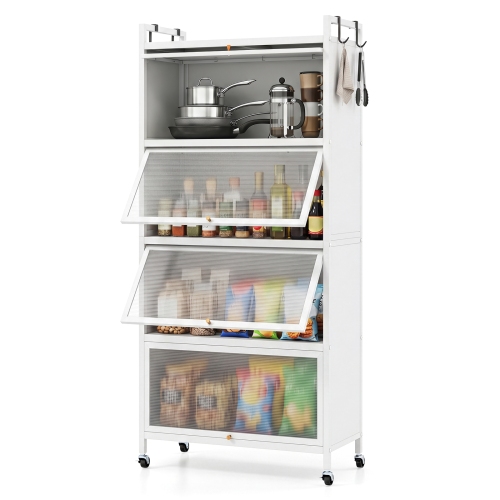
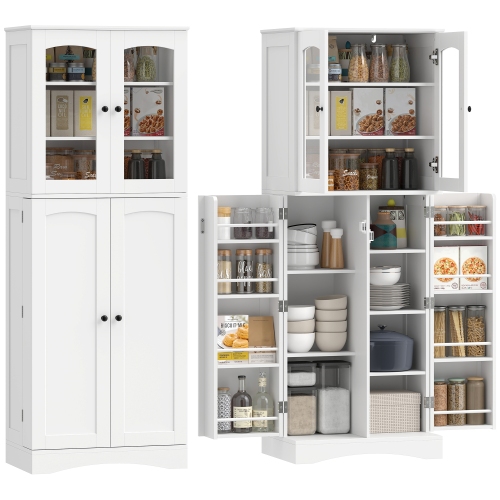
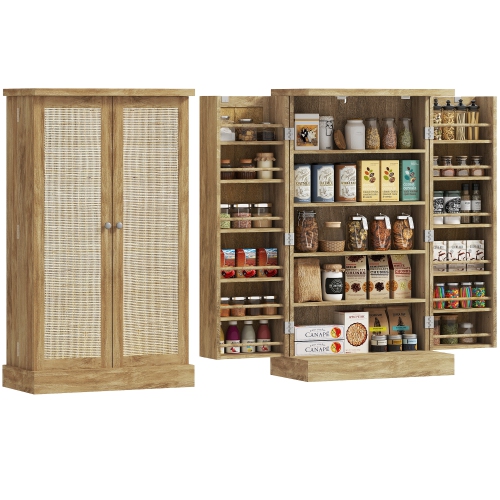
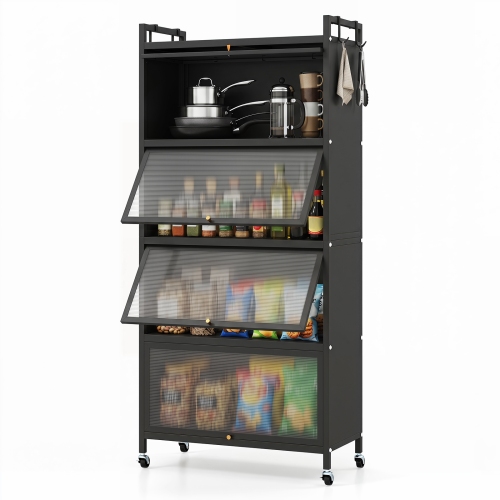
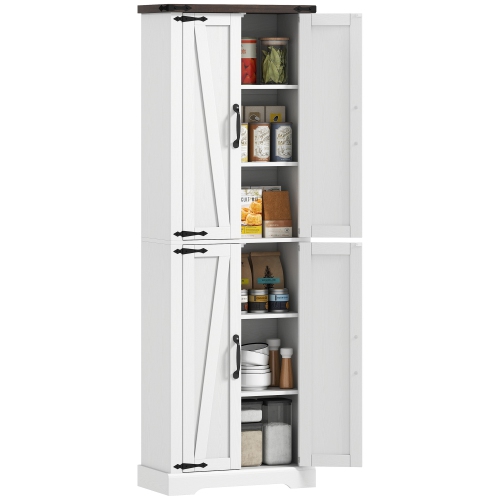
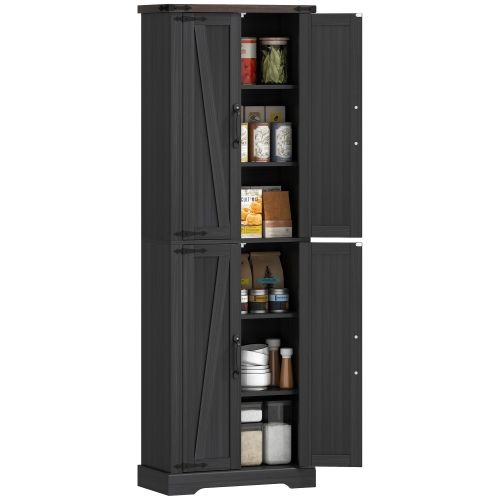
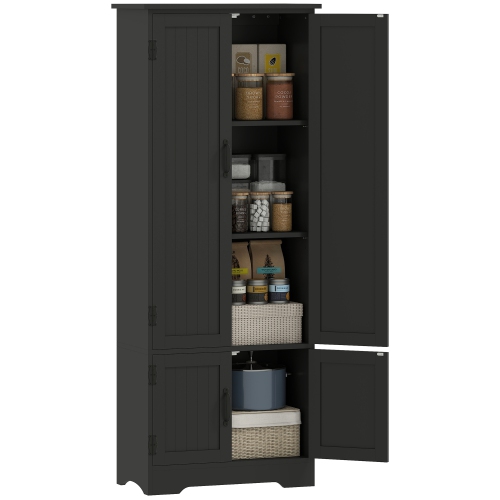
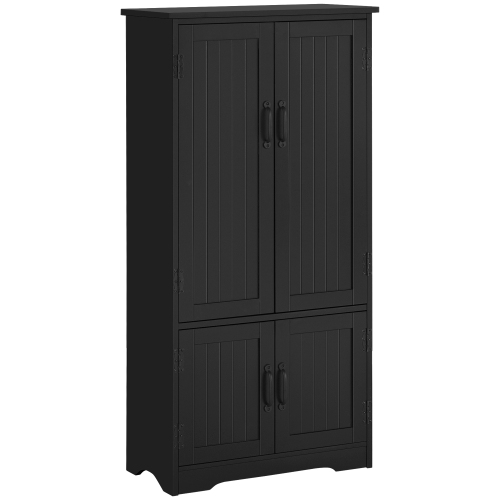
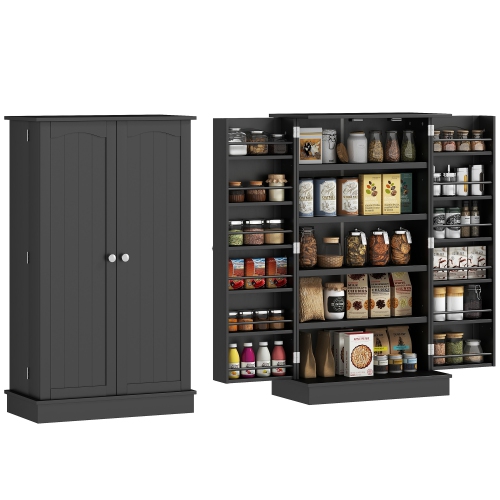
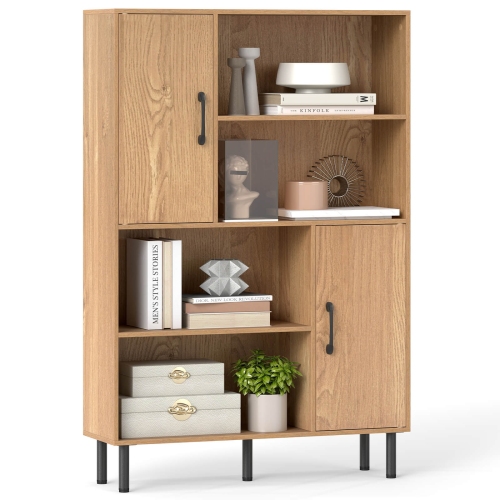
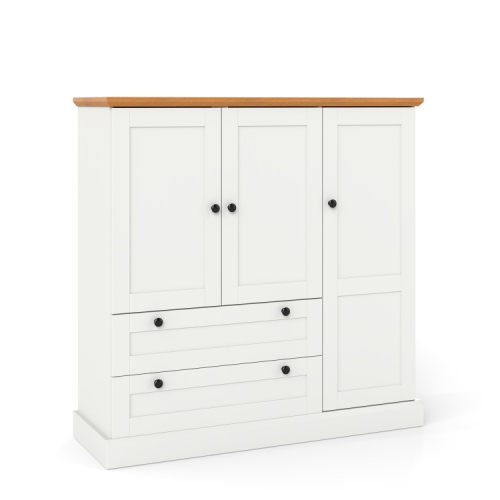
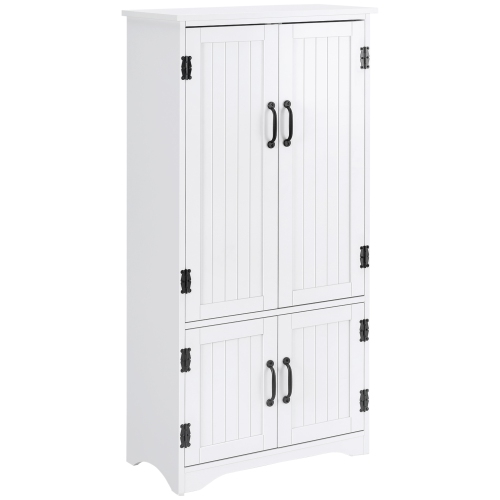
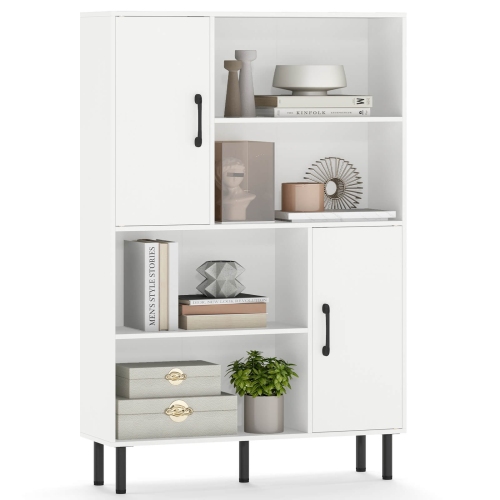
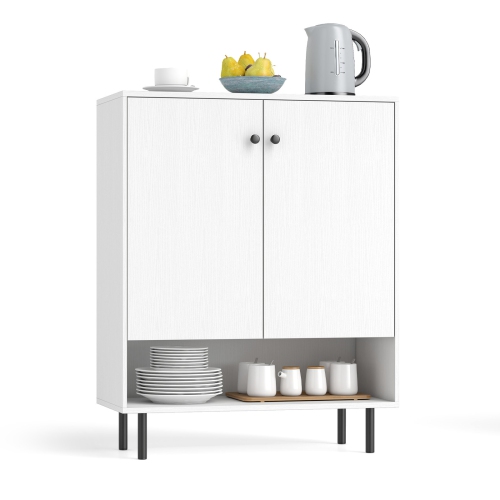
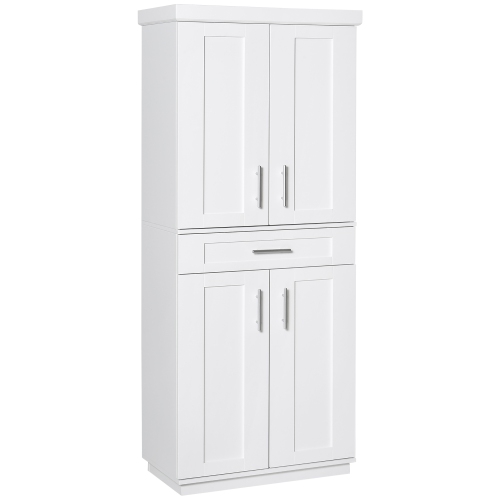
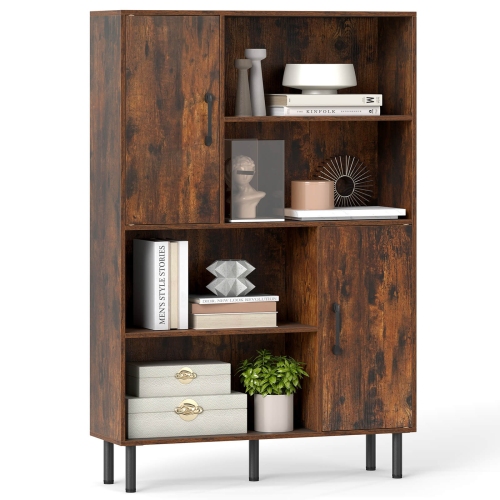
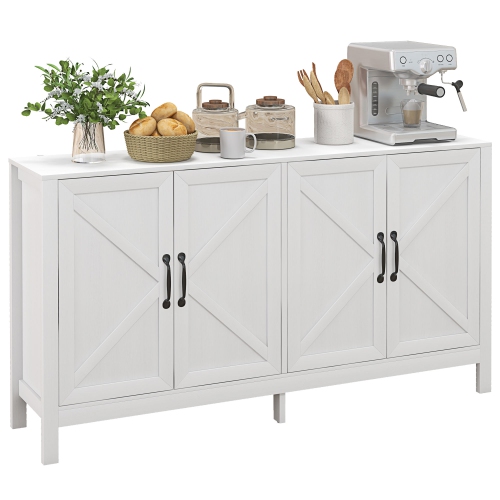
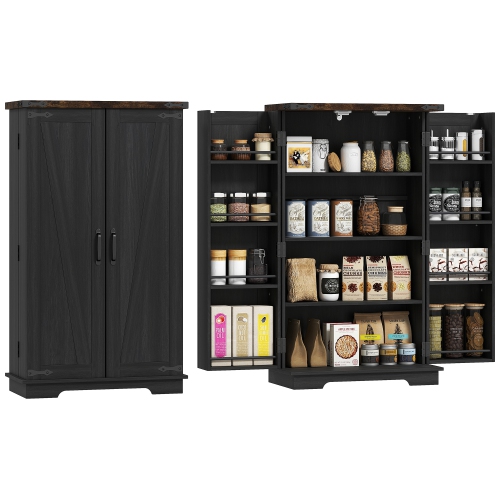
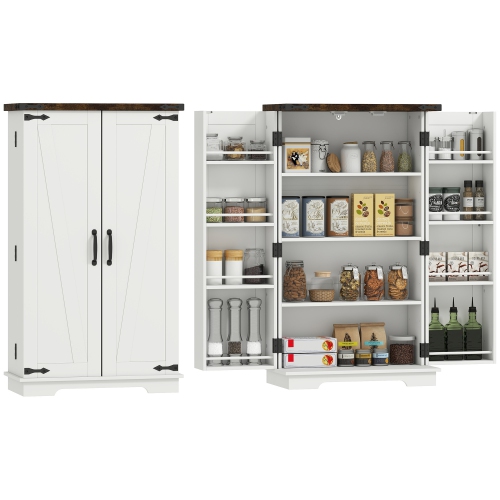
Less countertop clutter with storage behind closed doors
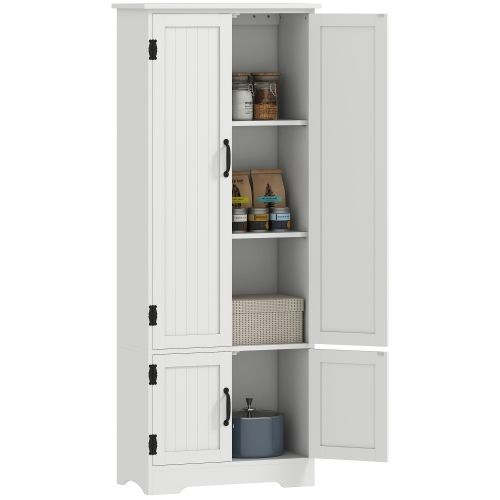
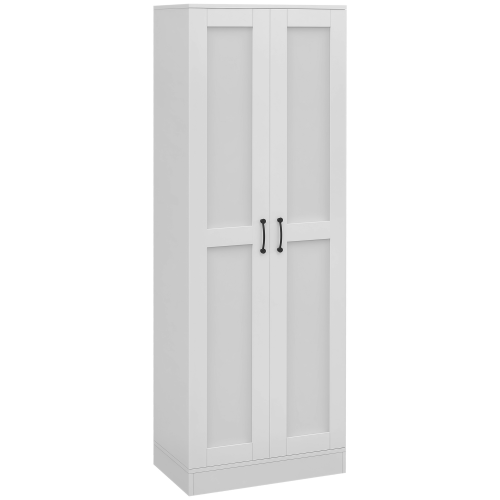
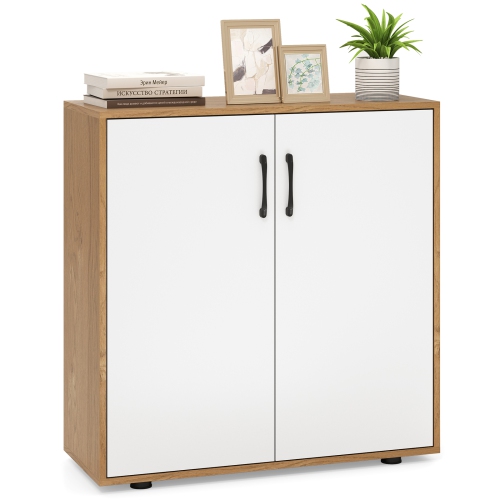
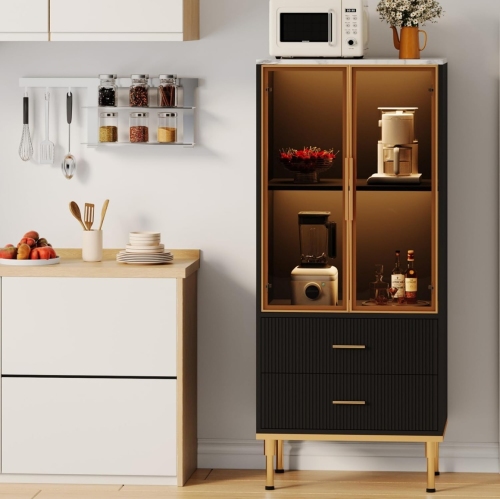
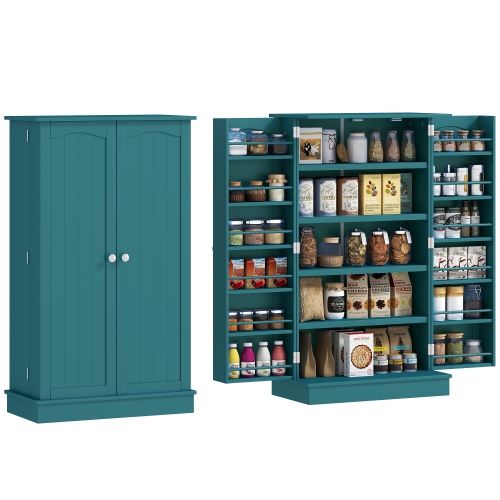
Kitchen storage cabinets with doors provide enclosed space for dishes, cookware, dry groceries, and the everyday supplies that can crowd a kitchen countertop. They complement existing cabinetry by adding storage where a built-in pantry or extra cupboards may not be practical. Freestanding designs can sit along an unused wall or beside a dining area, while wall-mounted cabinets make use of vertical space without occupying the floor beneath them. Tall pantry-style cabinets bring several levels of storage into a relatively narrow footprint, making them useful for cereal boxes, serving bowls, and small appliances stored between uses. Lower cabinets can offer easier access to frequently used dishes, with a top surface for serving or display when the design and weight rating permit it. Corner cabinets make use of an otherwise awkward junction between walls, although their interior shape affects how easily larger cookware fits. The doors themselves influence both appearance and everyday use. Solid doors conceal mismatched containers and busy shelves, creating a more uniform look across an open kitchen or dining space. Glass-panel doors keep dishes visible while providing a barrier against household dust; clear glass highlights neatly arranged pieces, while textured or frosted glass softens the view. Hinged doors generally open outward and need clearance in front of the cabinet. Sliding doors move across the cabinet face, which can suit a narrow passage, though they may leave only part of the interior accessible at once. Door-mounted racks, where included, can give smaller packages and jars a defined place without taking over the main shelves. For an apartment kitchen, a compact cabinet may hold breakfast essentials and a few place settings. In a busy family kitchen, a larger enclosed unit can separate lunch containers, baking supplies, and serving dishes into distinct zones. The most useful layout supports the way the household cooks, eats, and puts things away, rather than simply offering the greatest number of compartments.
A cabinet’s exterior measurements tell only part of the story about how it will fit. Width and depth affect the space left for walking, opening nearby drawers, and moving between the sink, refrigerator, and cooking area. Height matters beneath bulkheads, sloped ceilings, or existing wall cabinets, and baseboards can prevent the back of a freestanding unit from sitting flush against a wall. Door handles also project beyond the cabinet face, so a narrow kitchen may need more clearance than the cabinet depth alone suggests. Inside, usable shelf dimensions determine whether a dinner plate, mixing bowl, or countertop appliance can sit comfortably behind a closed door. Adjustable shelves provide flexibility for tall bottles and stacked containers, while fixed shelves establish consistent compartments and may contribute to the cabinet’s structure. Shelf spacing is especially important when a cabinet will hold a mix of bulky cookware and smaller pantry supplies. A deep shelf can accommodate larger pieces, but small jars placed at the back may be harder to see and reach. Bins and shelf risers can help divide that space, provided their dimensions and combined weight suit the cabinet. For layouts centred on flexible interior storage, kitchen storage cabinets with shelves offer another way to consider how enclosed compartments can support daily routines. Weight limits apply to individual shelves as well as the cabinet overall, and evenly distributing the load helps avoid concentrating too much weight in one area. Heavy cookware generally belongs on lower shelves, with lighter serving pieces higher up. Tall cabinets need particular attention to stability and any manufacturer-required wall anchoring. Wall-mounted designs require suitable fixings for the wall construction and intended load. Adjustable feet can help a freestanding unit sit level on a slightly uneven floor, but they do not replace required anchoring. These practical details matter in homes with children or pets and wherever doors will be opened repeatedly throughout the day.
Materials and construction shape how kitchen storage cabinets look, feel, and stand up to regular use. Solid wood offers natural grain variation and may allow refinishing, depending on the finish and construction. Engineered wood, including MDF and particleboard, is commonly paired with painted, laminated, or melamine surfaces that create a consistent appearance. These surfaces can be straightforward to wipe clean, but edges, joints, and damaged areas need protection from standing water. A wood veneer provides a thin layer of real wood over a core material, so its care needs differ from those of a solid wood panel. Metal cabinets bring a different texture and can suit a simple, utility-focused space, although the finish still needs care to prevent scratches and corrosion. Across materials, secure joints, a well-supported back, and smoothly operating hinges all contribute to a cabinet that feels steady in everyday use. Doors that align properly should close without rubbing, and handles should be comfortable to grasp with one hand. Soft-close hardware, when included, can reduce abrupt closing, but it does not replace careful handling. Routine care is usually a matter of removing crumbs, wiping spills promptly with a soft cloth, and using cleaning products appropriate to the finish. Glass panels need suitable glass care without soaking the surrounding frame, while shelf liners should be compatible with the surface beneath them. Placement away from persistent splashes, steam, and direct heat helps protect finishes and hardware. Small appliances can be stored inside when cool and dry; operating them within an enclosed cabinet requires explicit manufacturer approval and the specified ventilation and electrical access. Colour and door style help connect added storage to the rest of the room. White or pale finishes can blend with light cabinetry, darker tones add contrast, and wood finishes bring visible grain alongside painted surfaces. For renters, homeowners, and households sharing a kitchen, a cabinet with doors offers a defined place for everyday belongings while keeping the room visually orderly.
Top selling and popular products
-
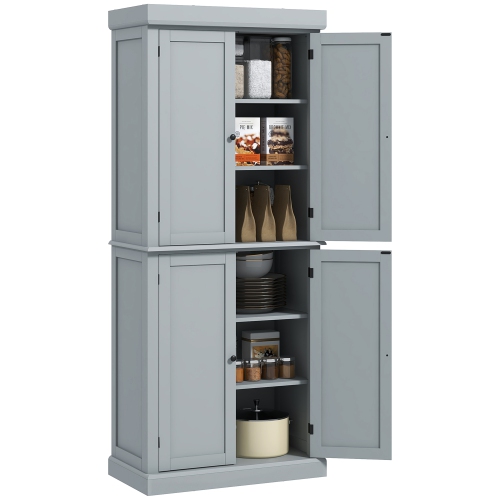 Your price for this item is $285
-
 Your price for this item is $155.99
-
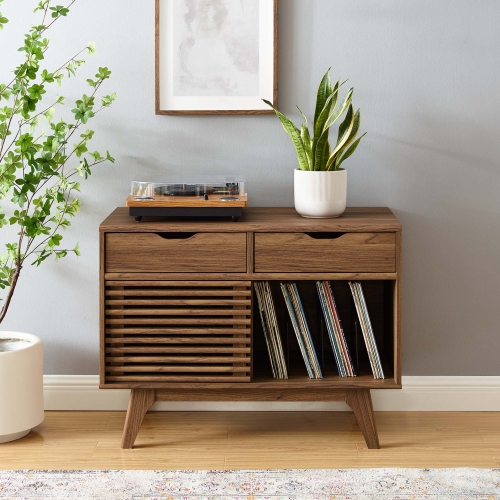 Your price for this item is $452.93
-
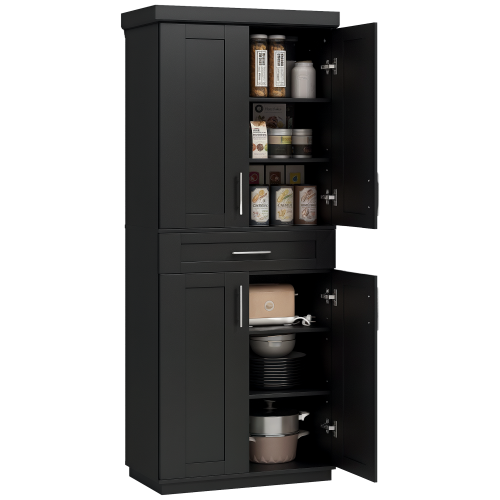 Your price for this item is $269.99
-
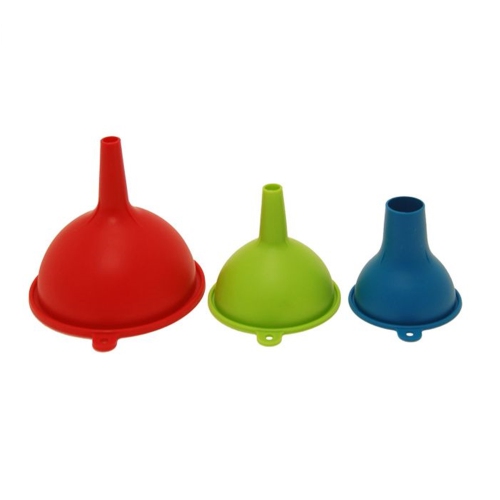 Your price for this item is $12.97
-
 Your price for this item is $155.99
-
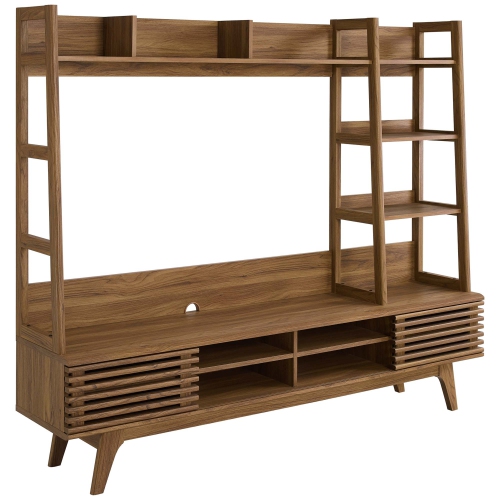 Your price for this item is $885.06
-
 Your price for this item is $134.99
Discover more categories related to Kitchen Storage Cabinets With Doors
Top Collections:
Best Black Friday Deals This Year, Best Black Friday Deals On Electronics, Kindle Devices, Pokemon Centers, Best Black Friday Deals On Apple Products, Best Cameras for Sports Photography, Dyson Airwrap, Pokémon 30th Celebration Cards, Apple iPhone 17 Pro, Canon G7X Cameras
Some products may be subject to Environmental Handling Fees
(EHF) depending on your province.
Learn more about EHFs.