Kitchen Storage Furniture
Keep your kitchen organized and clutter-free with our wide selection of kitchen storage furniture. Whether you're looking for stylish modern black kitchen cabinets, functional pantry units, or versatile kitchen carts, we have everything you need to maximize your kitchen's storage potential. From sleek and modern designs to timeless classics, our collection offers a variety of options to suit any style and budget. With our high-quality kitchen storage furniture, you can easily keep your cookware, utensils, and ingredients neatly stowed away, making meal prep a breeze. Explore our range of options and transform your kitchen into a well-organized space that is both efficient and aesthetically pleasing.

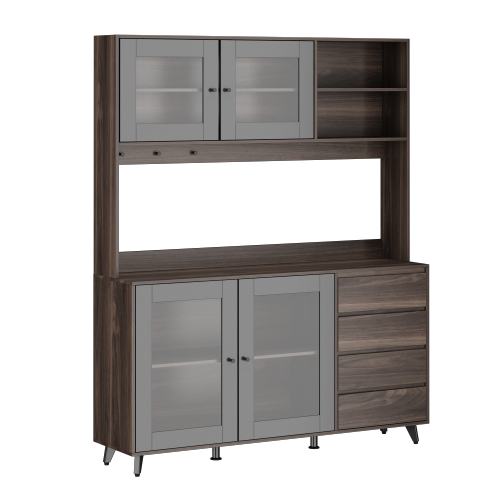

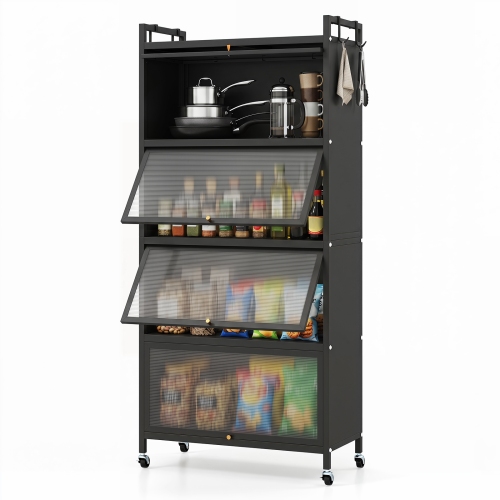
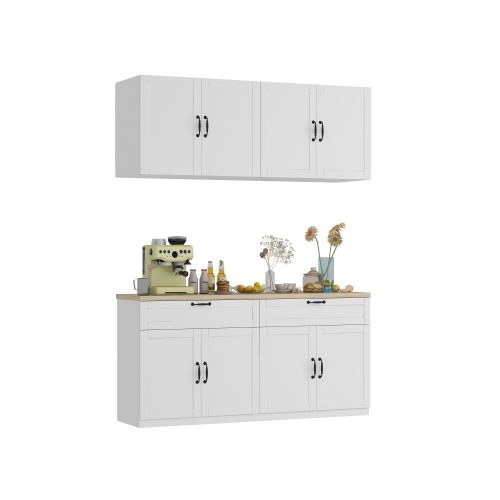

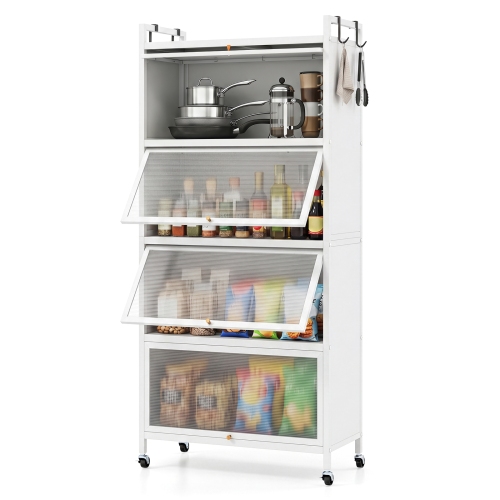
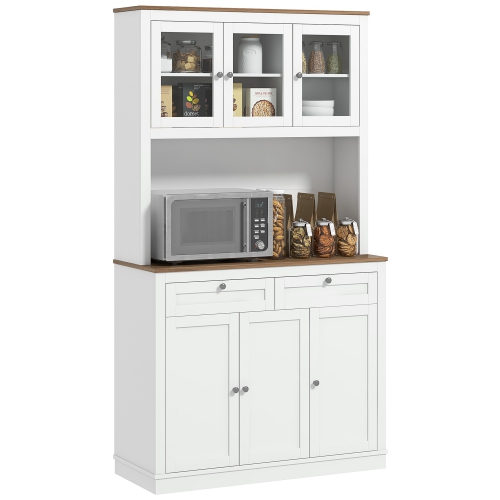
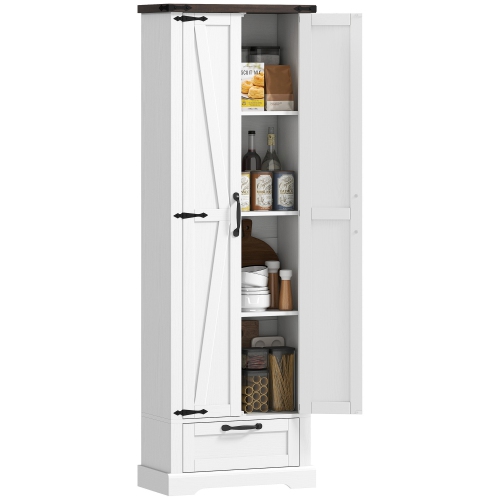

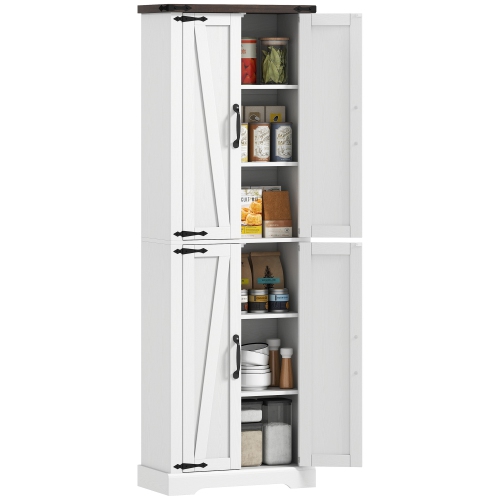
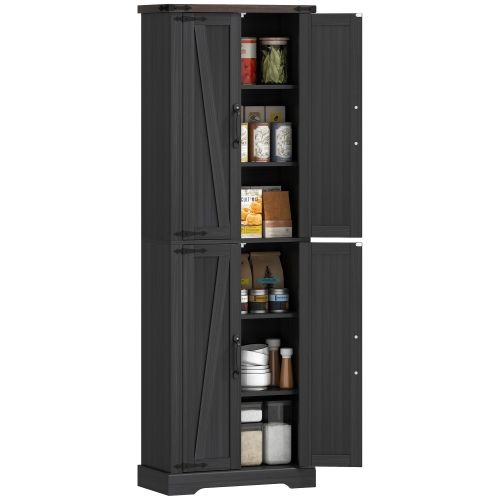
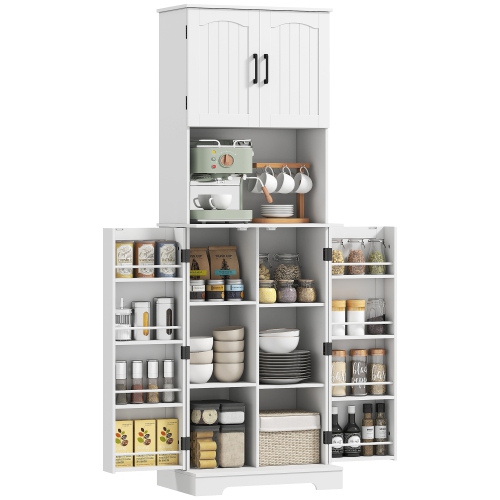

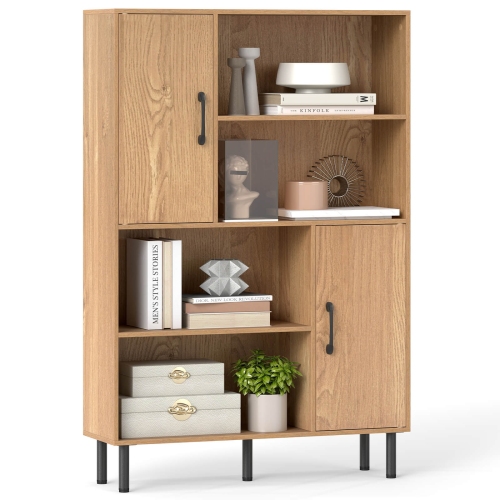

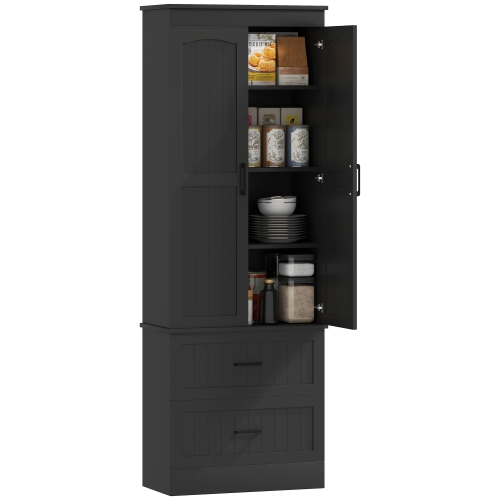
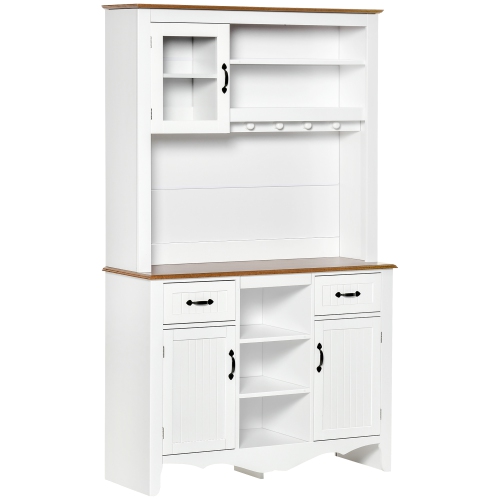
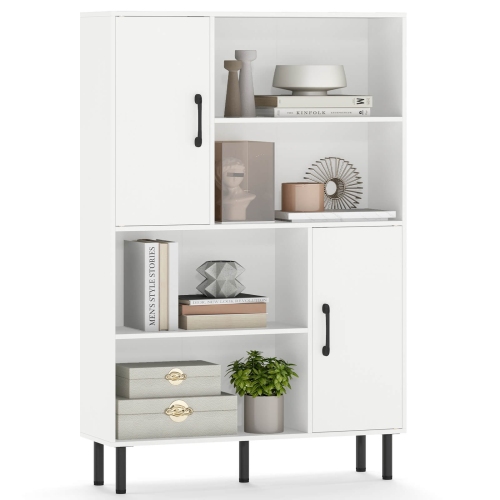
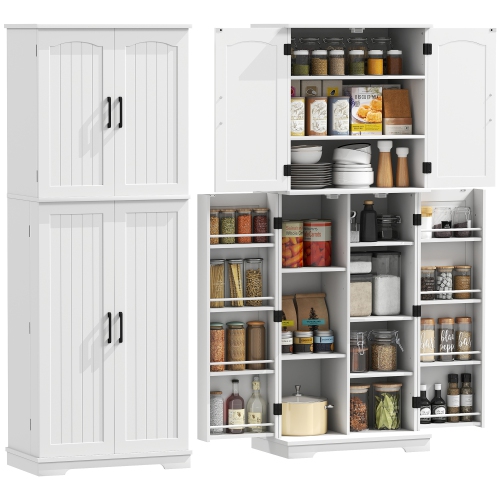
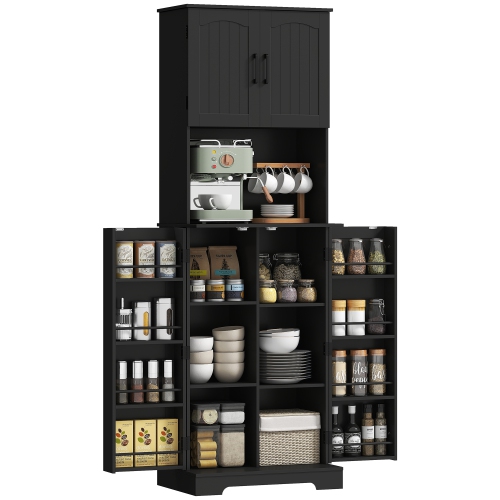
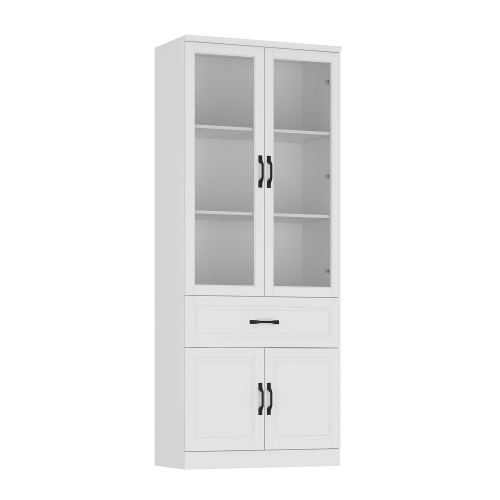

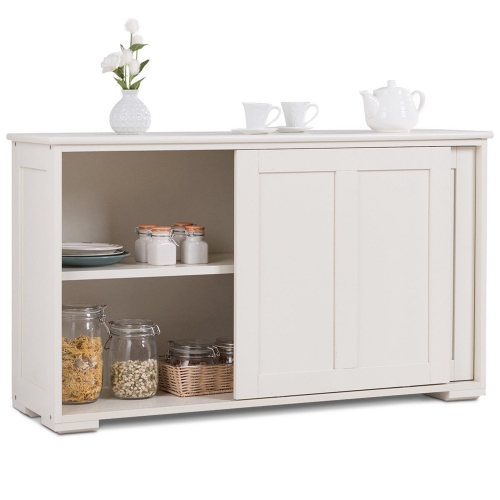
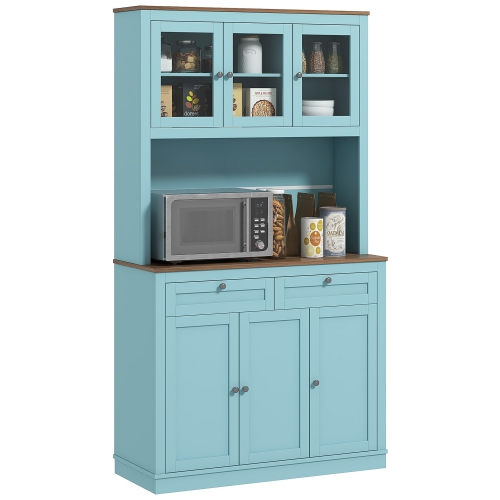

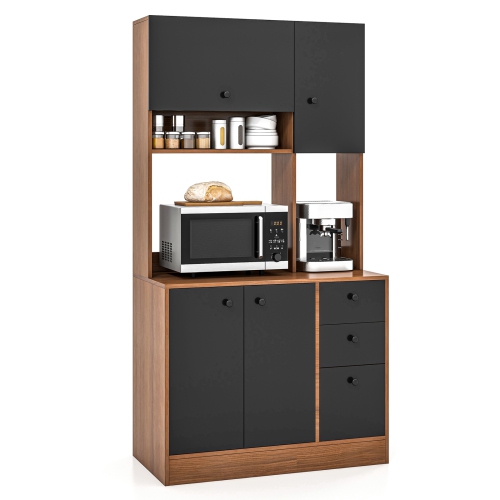


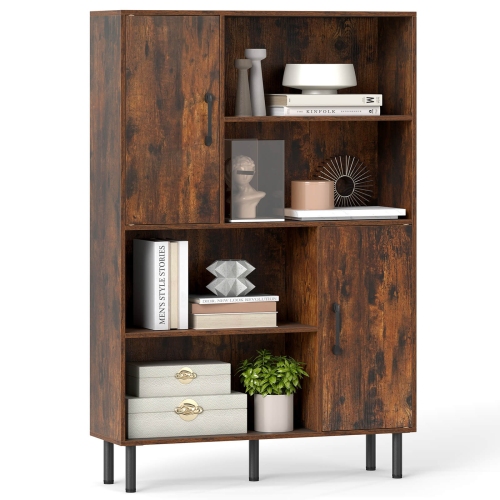


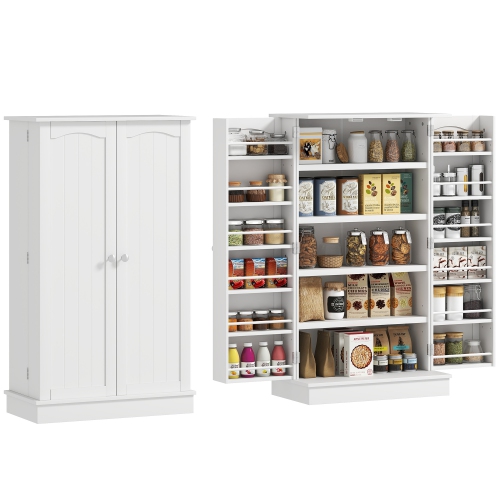
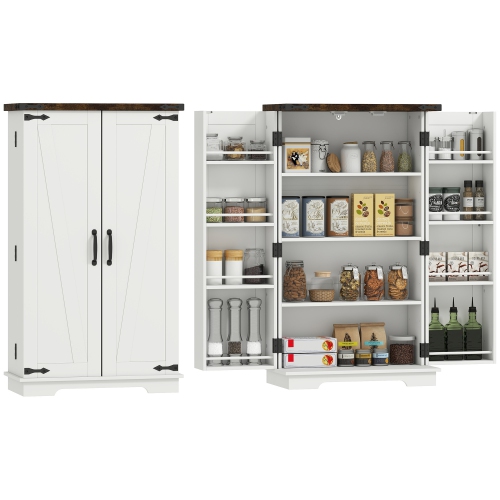

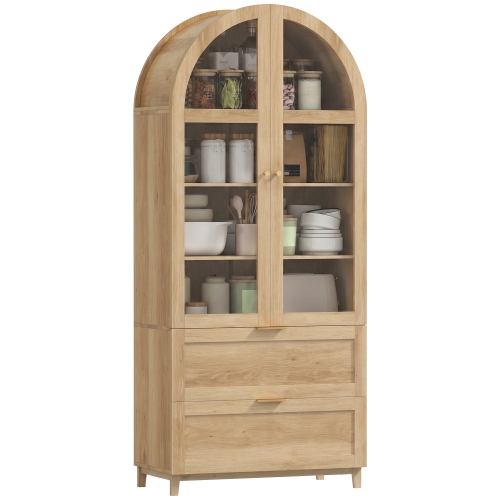
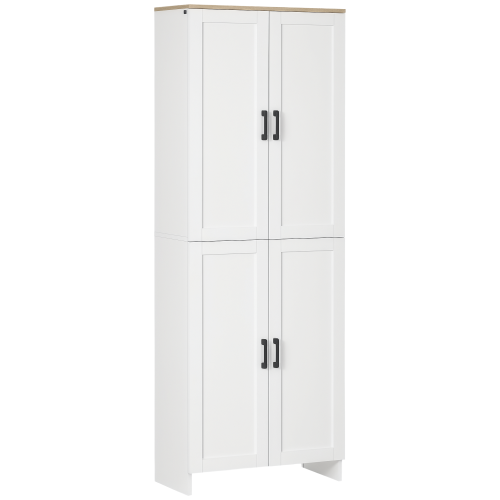
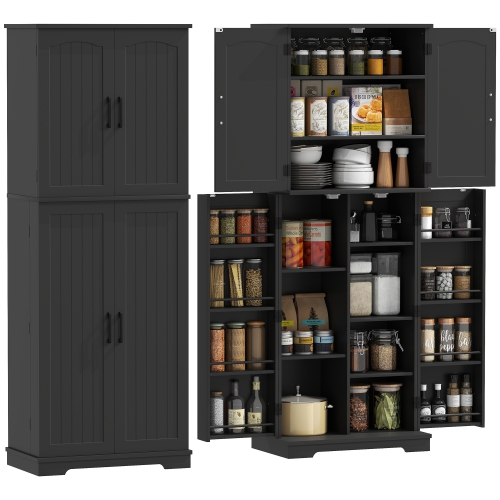
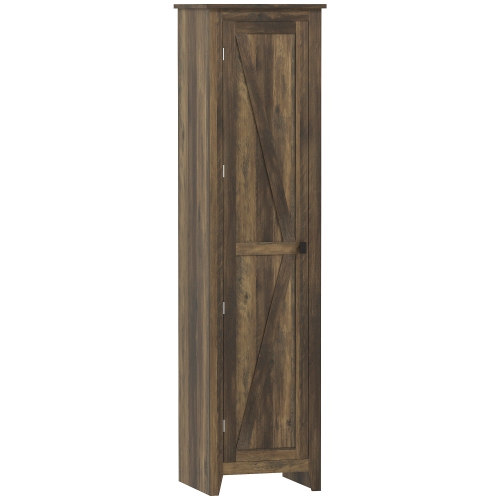
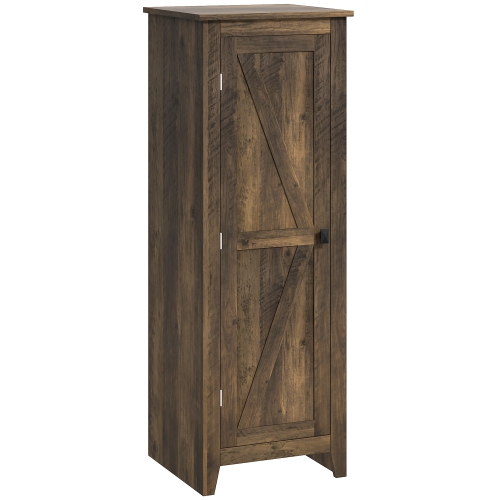
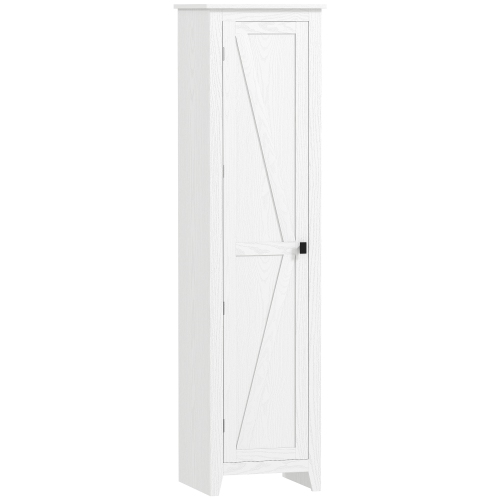
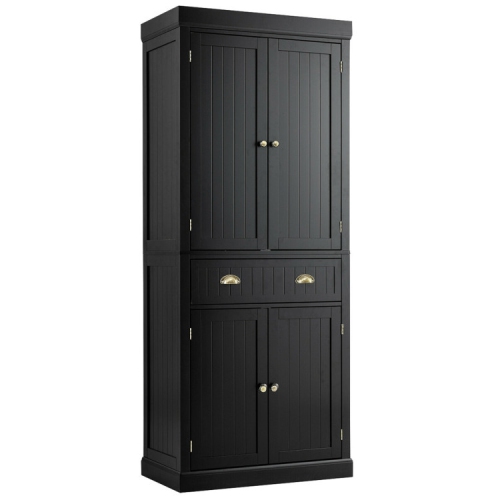
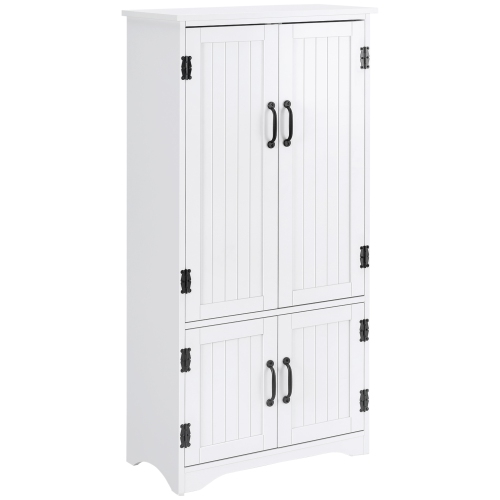
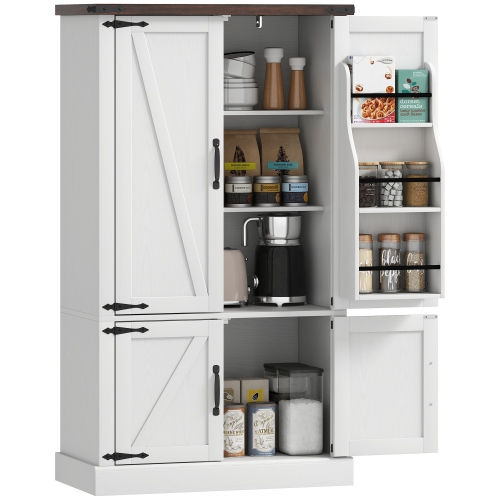
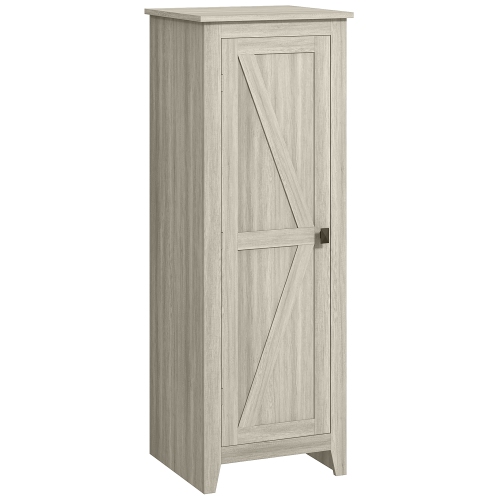
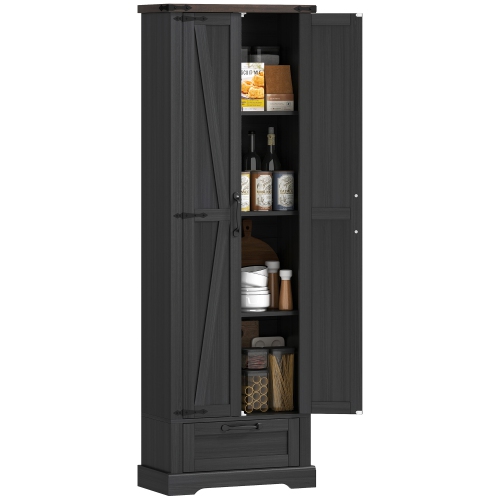
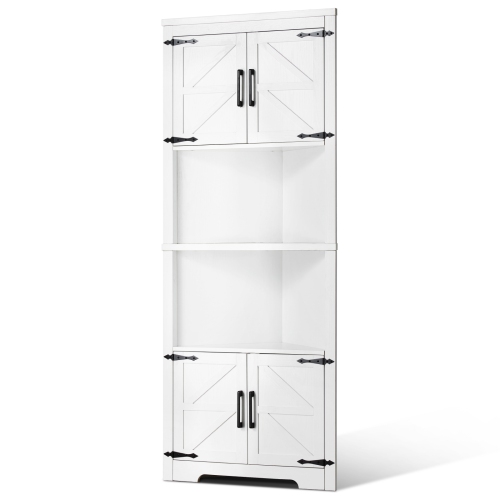
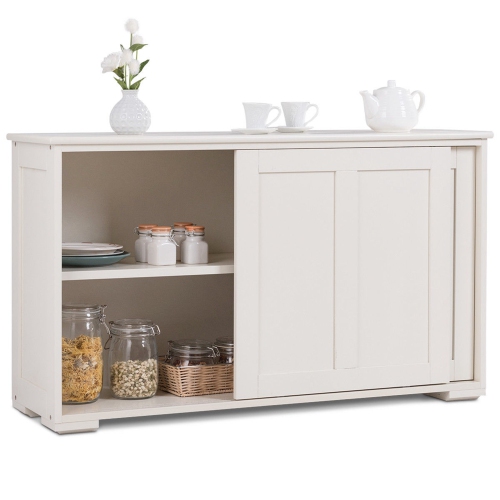


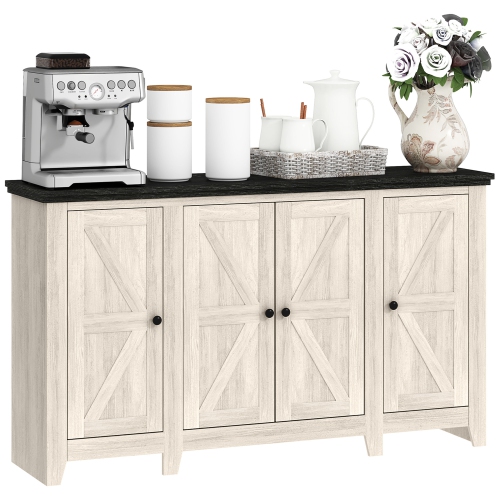
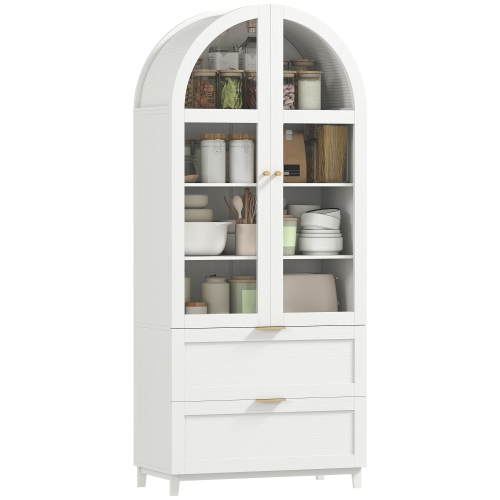
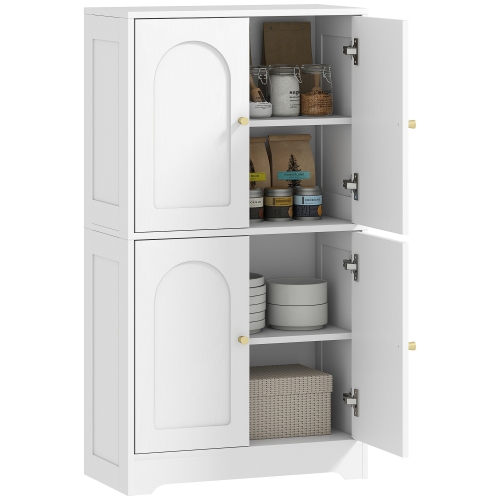


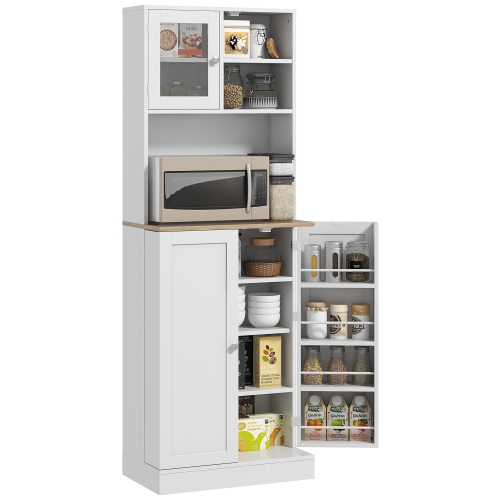
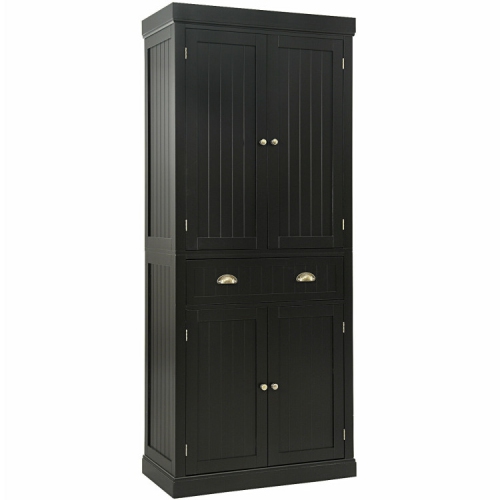
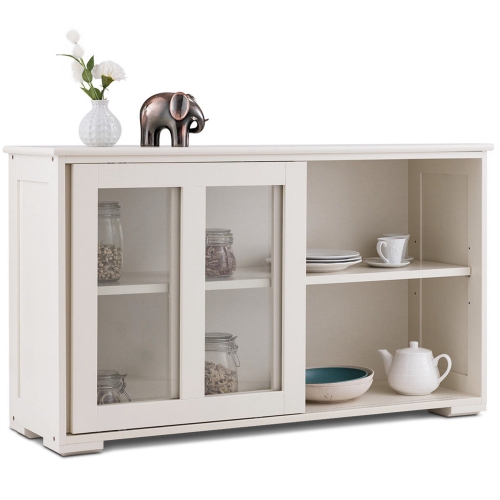

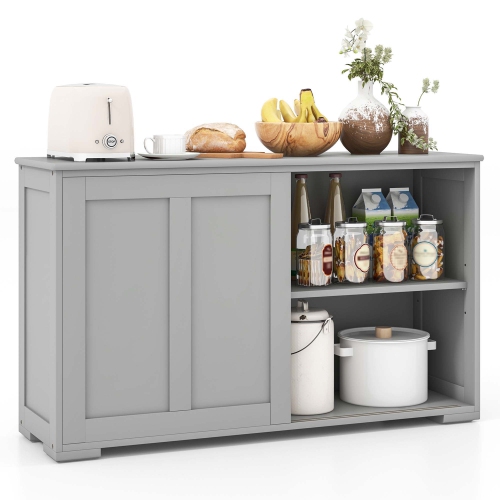
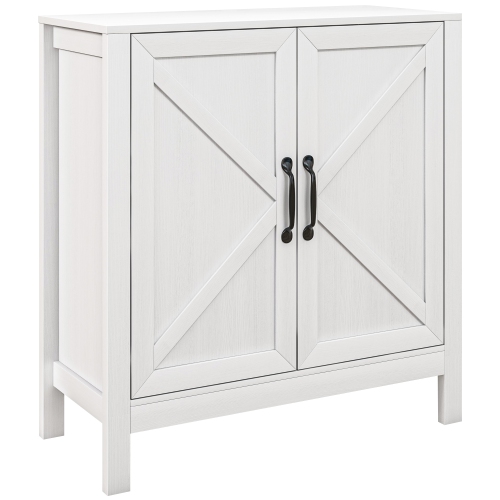
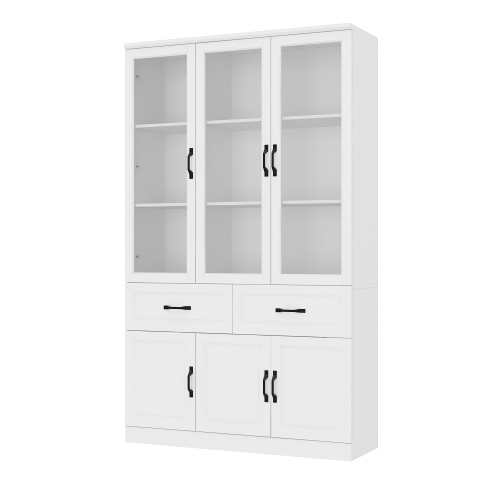


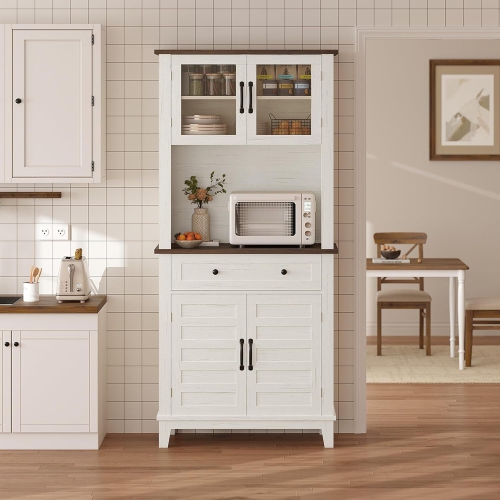

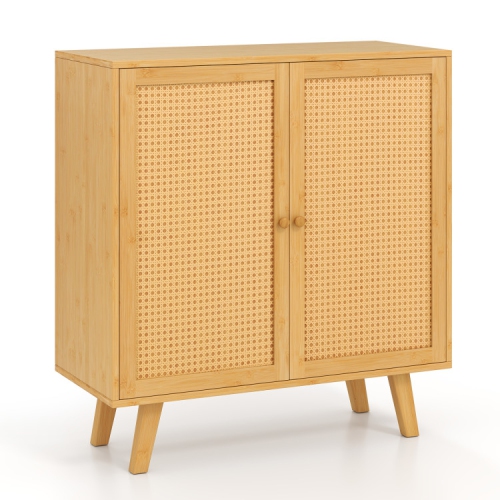
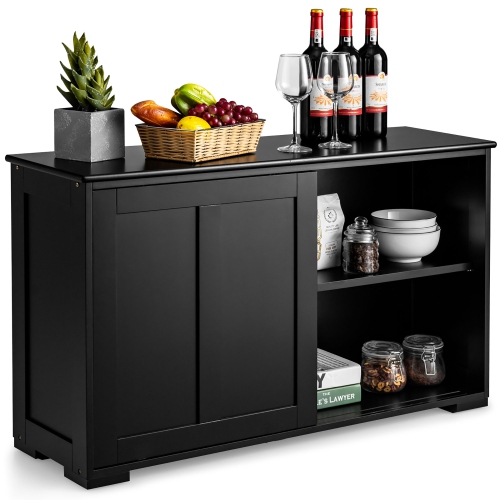

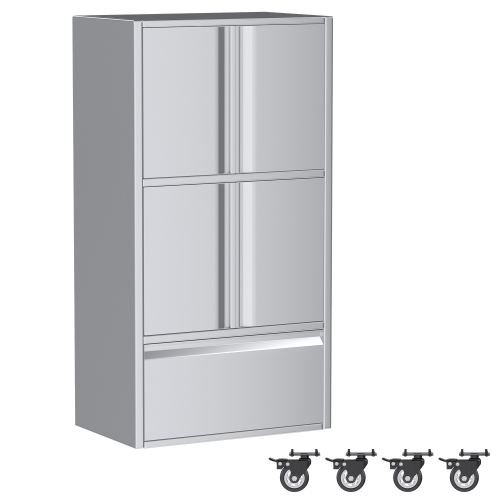
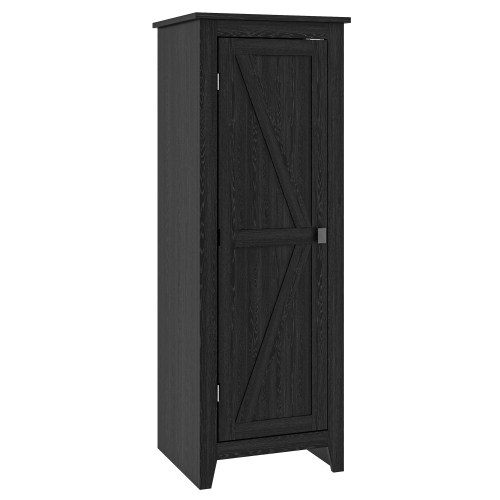
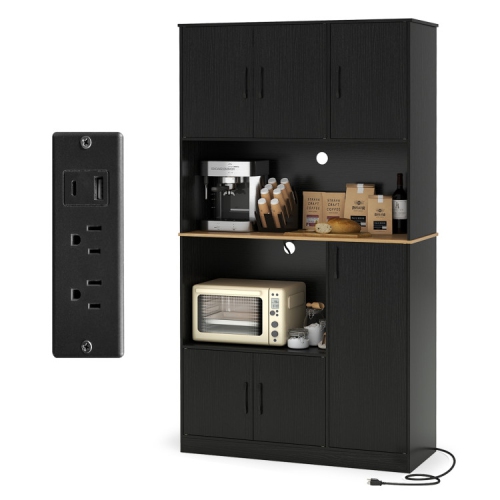
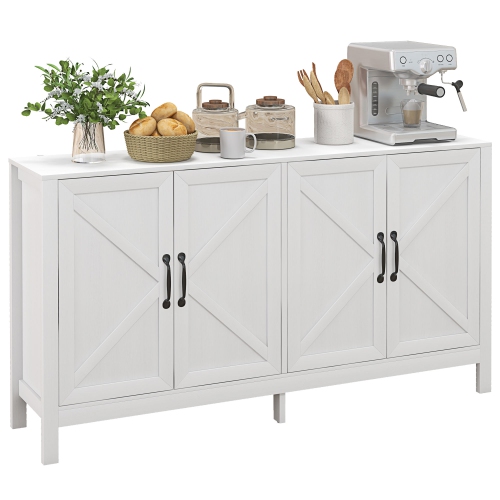

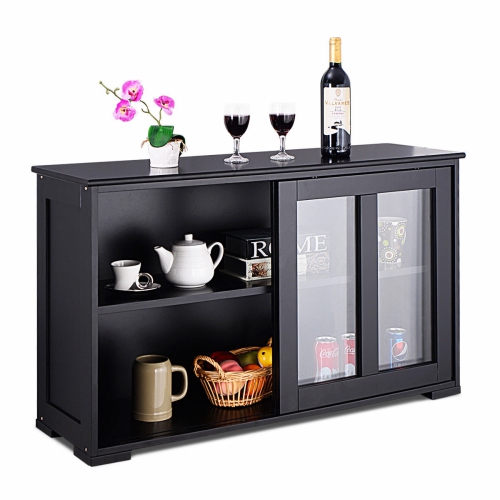
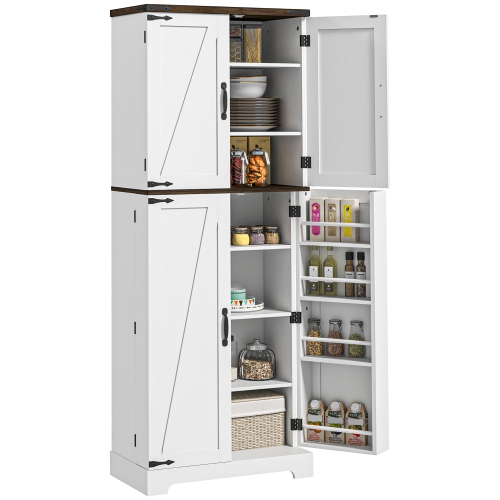

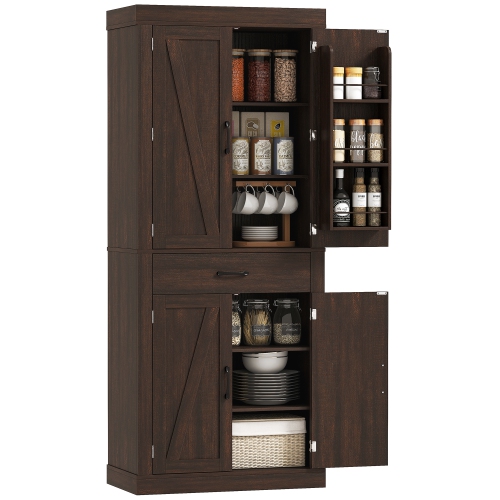


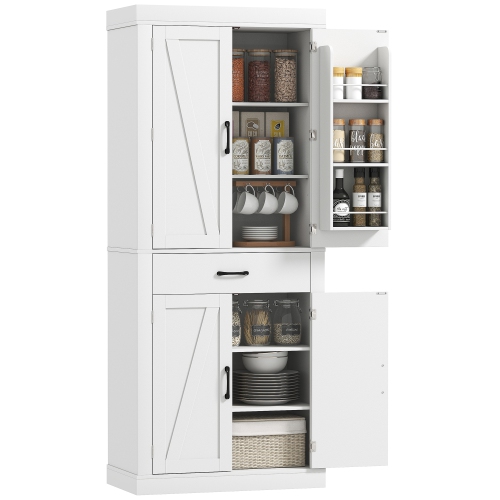
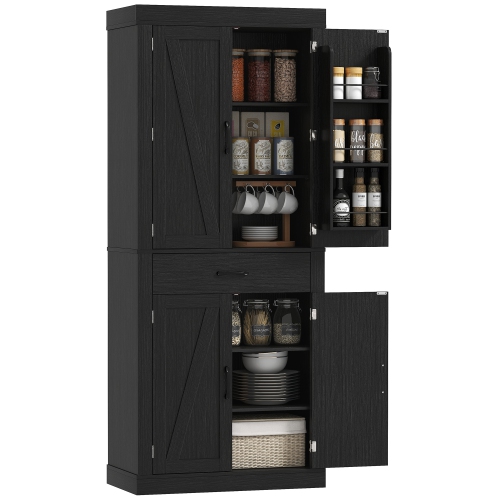
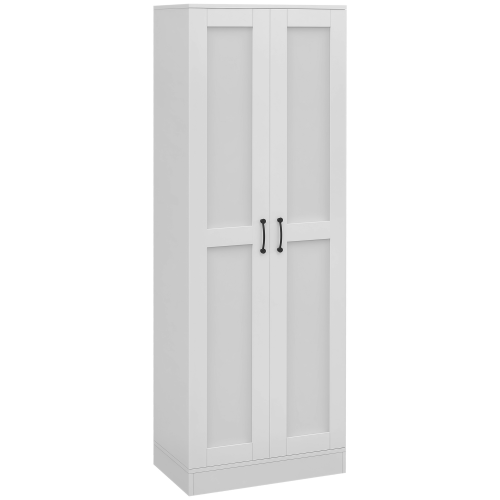

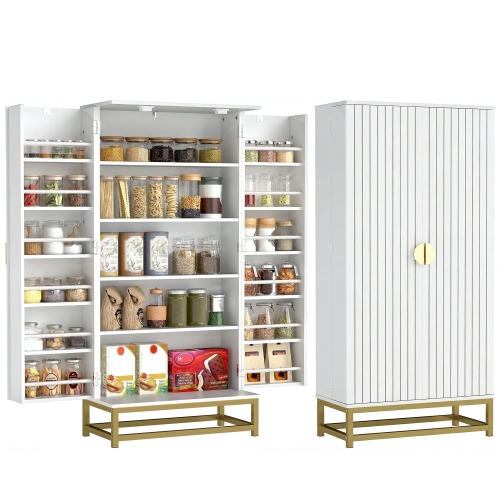
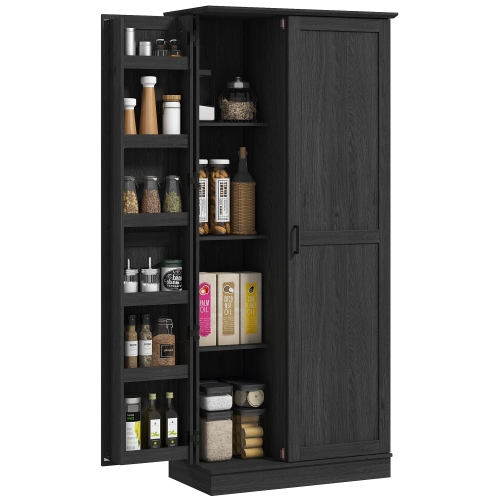


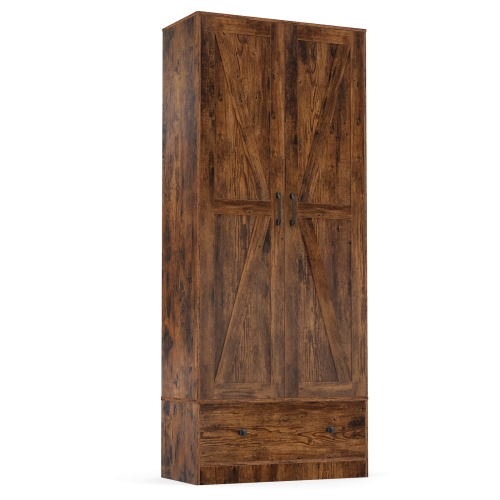
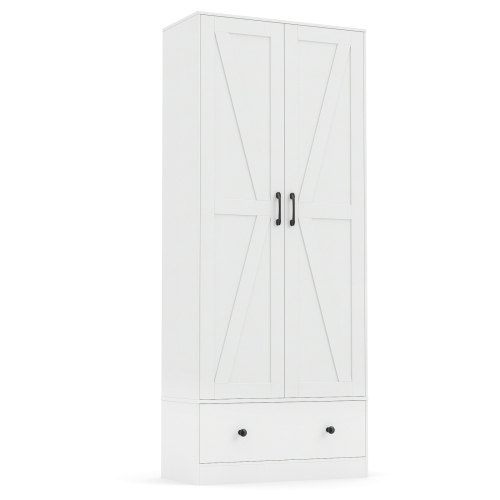

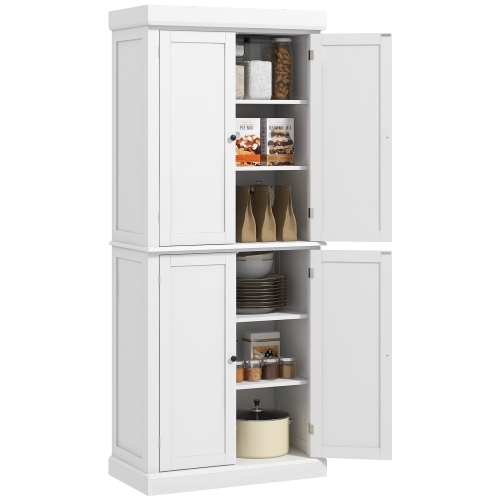
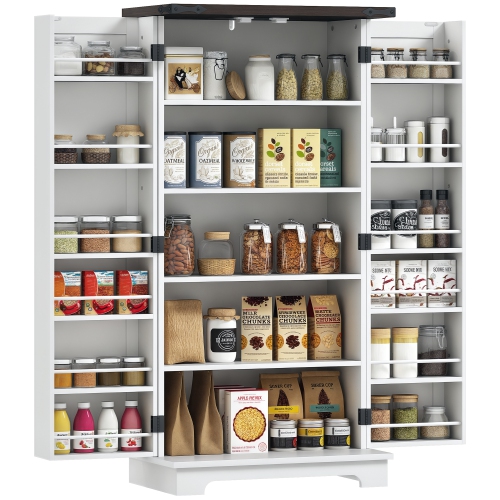
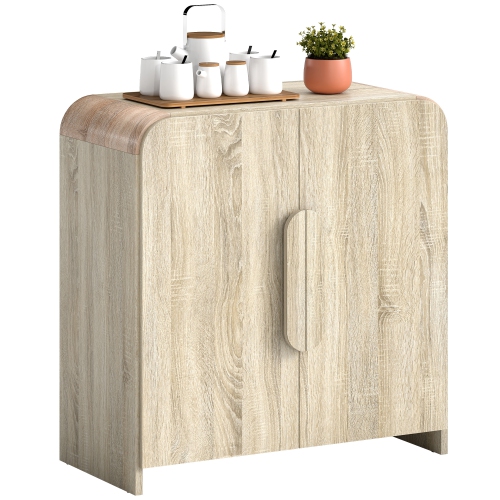
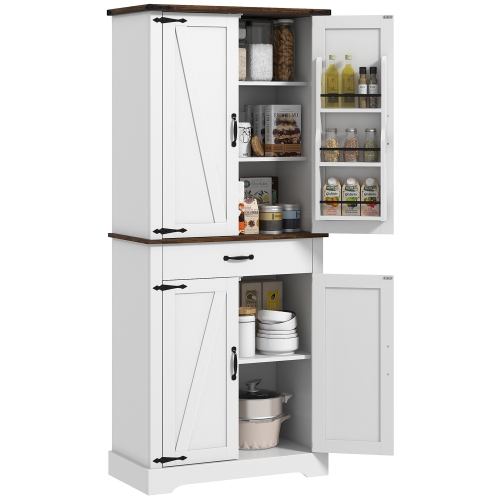

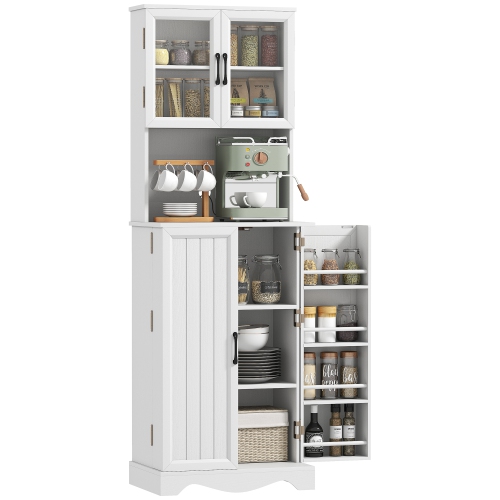
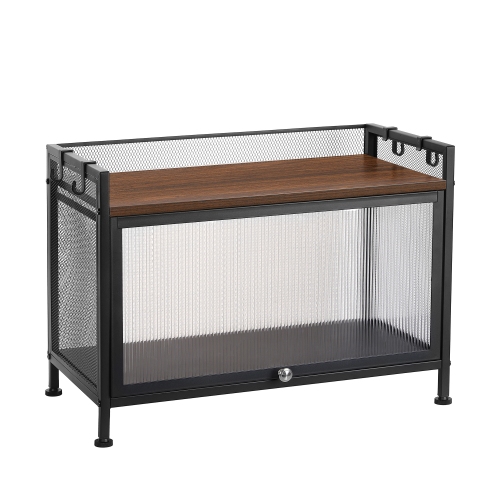


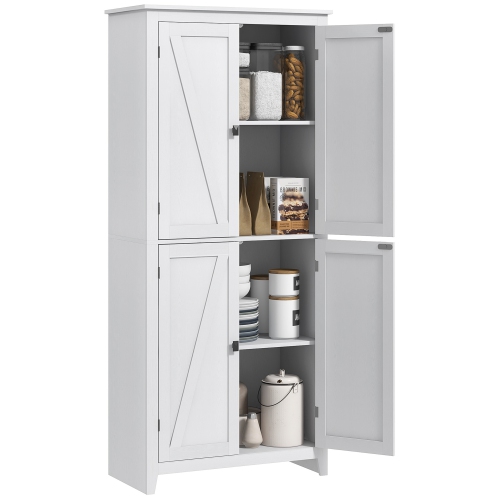
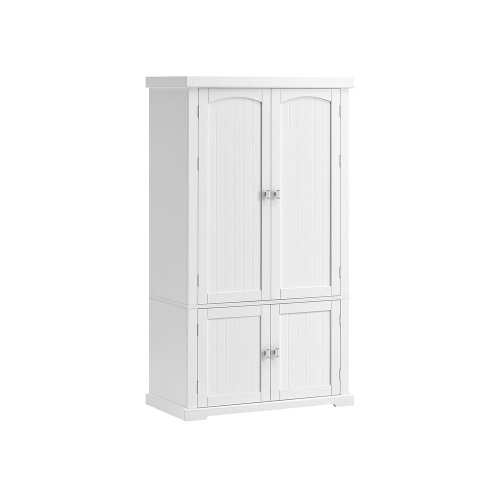
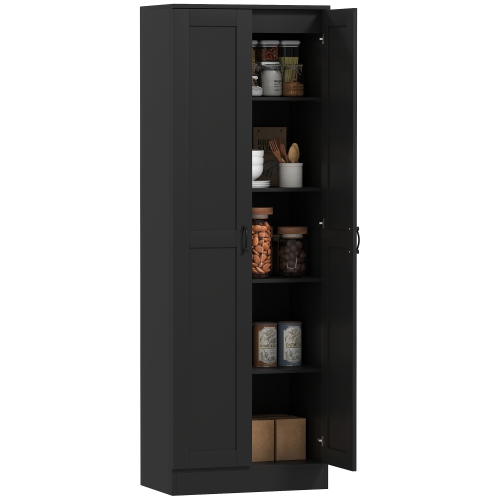

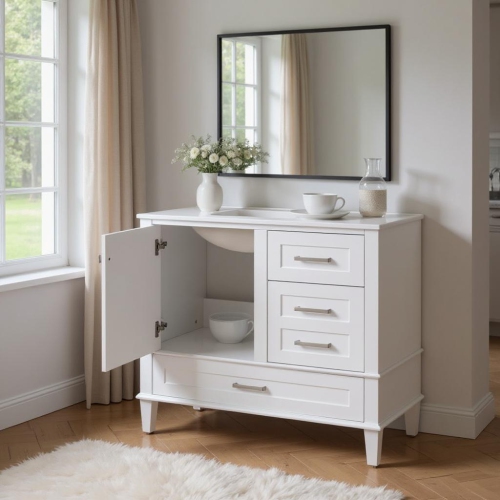
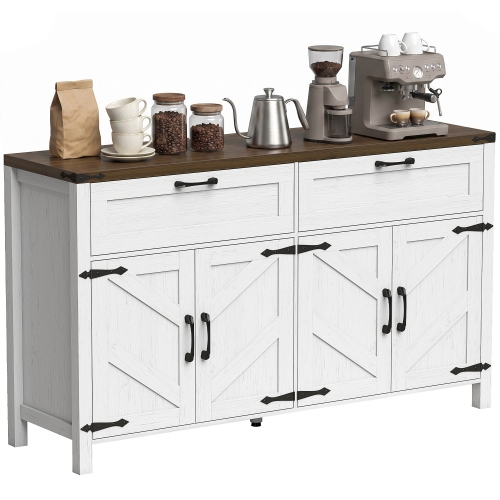

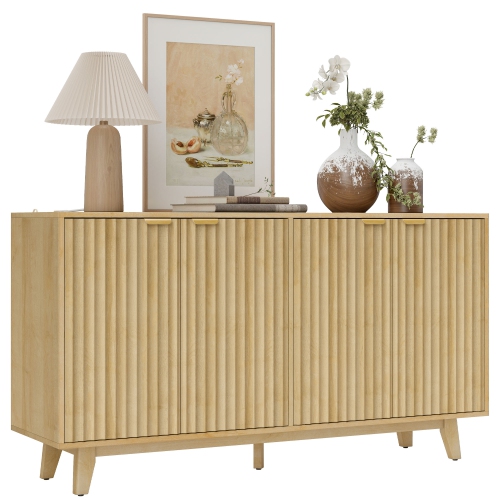
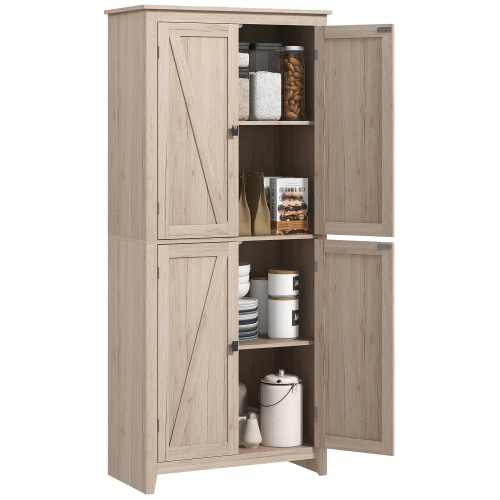
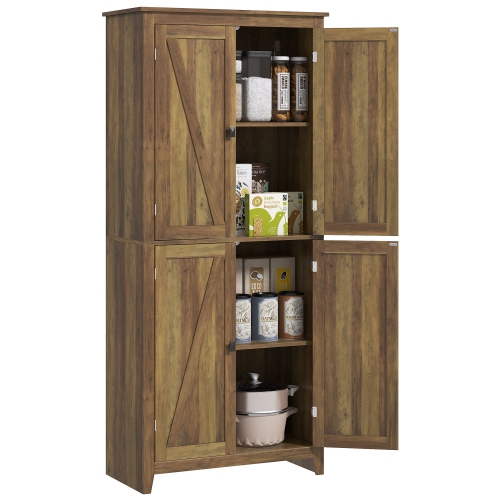
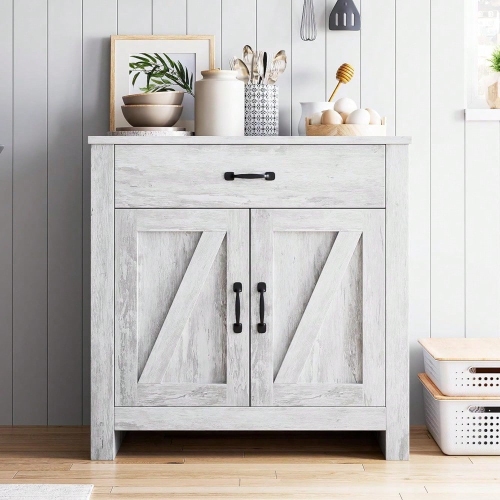
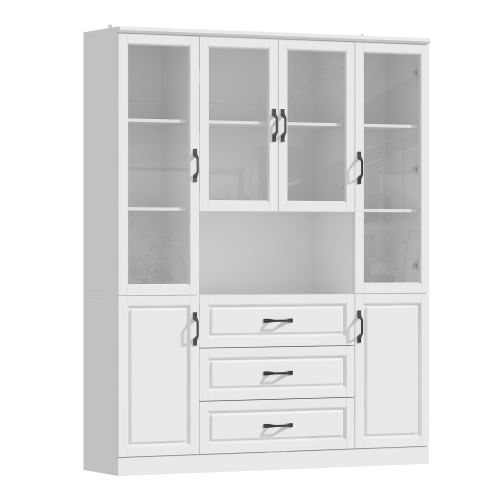
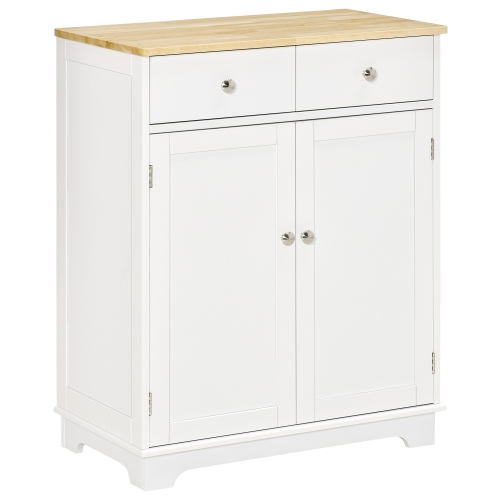
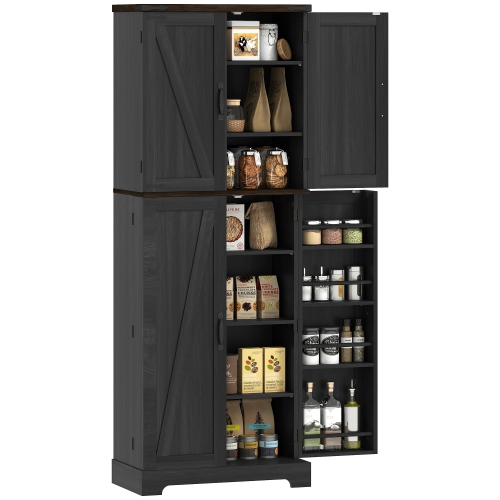
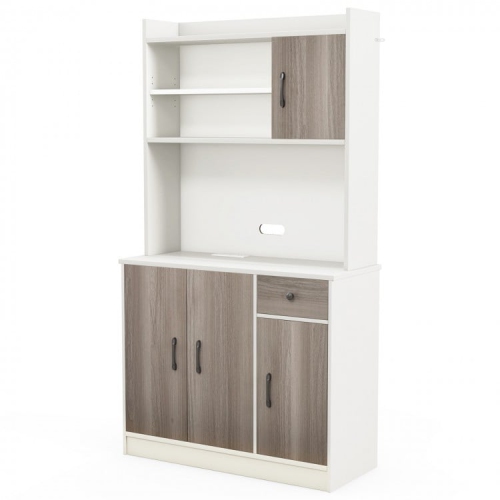
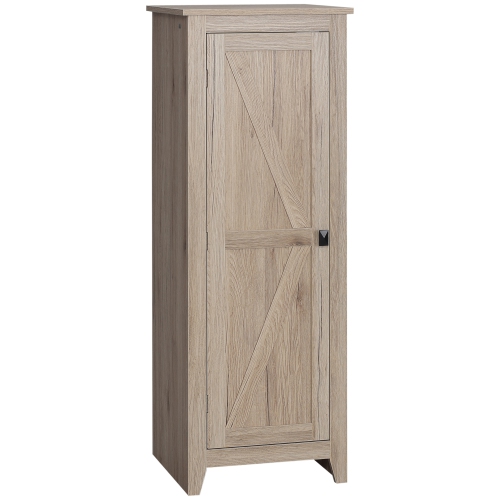

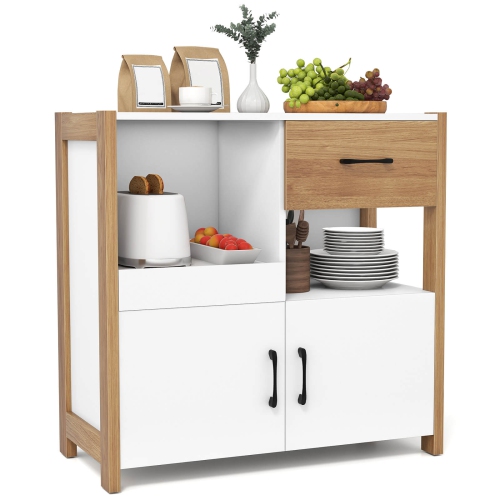
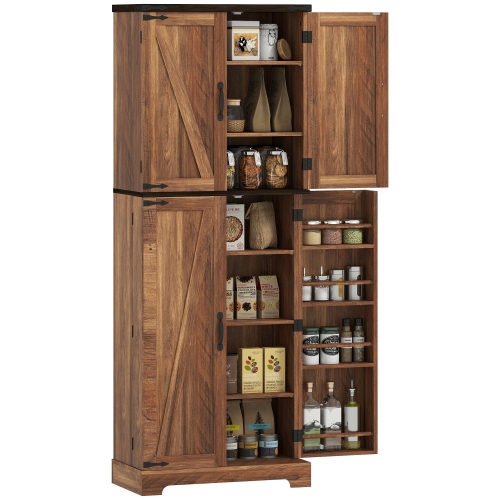
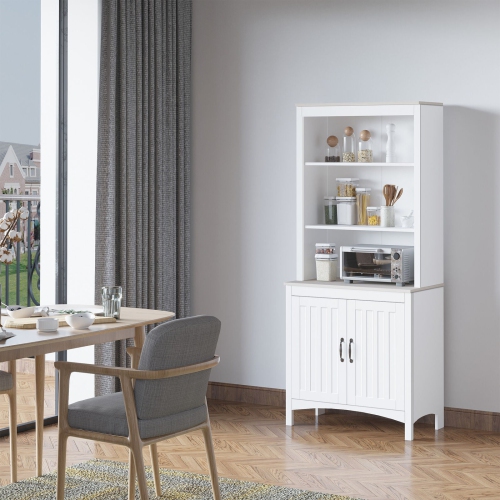
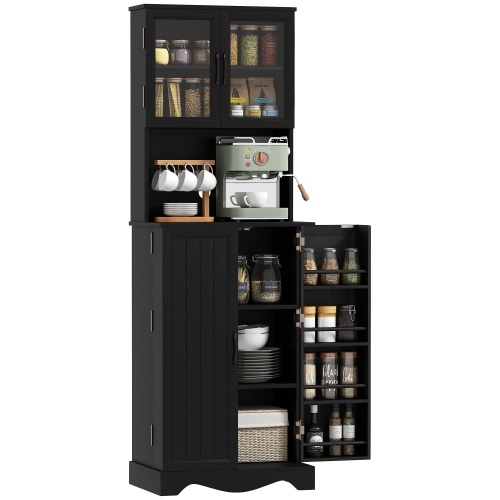
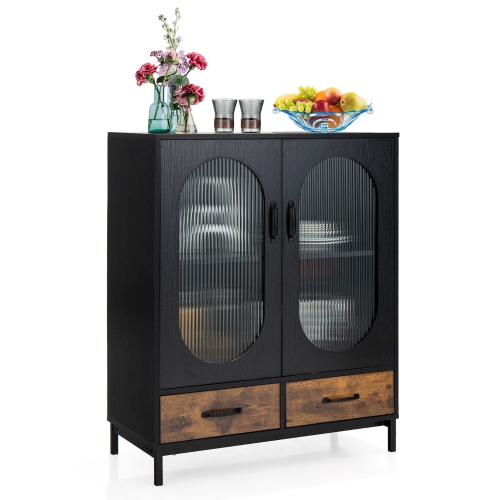

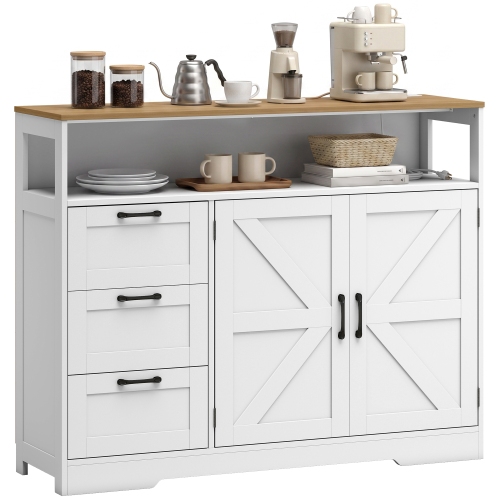
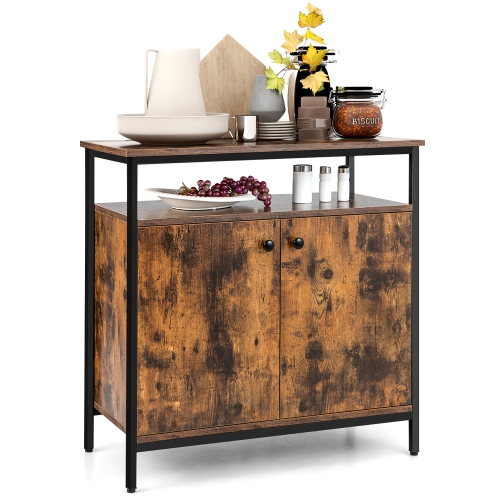
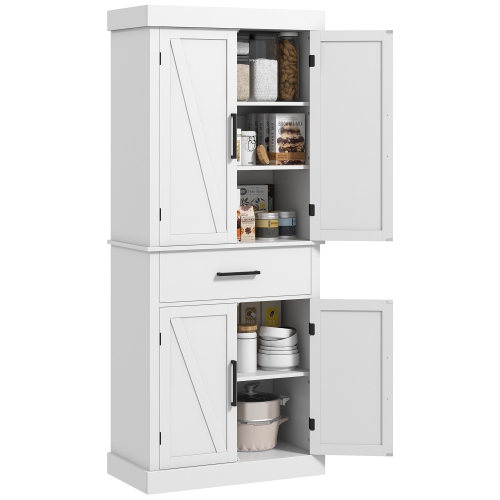

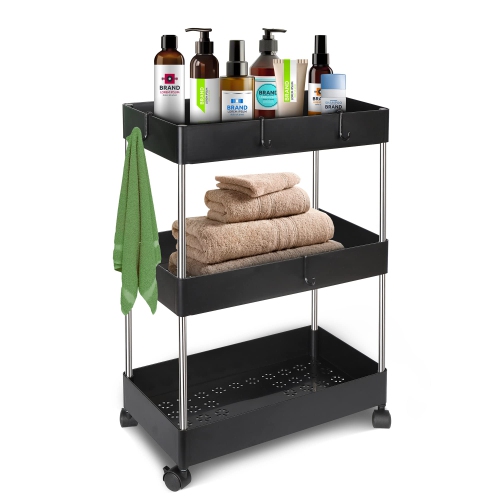
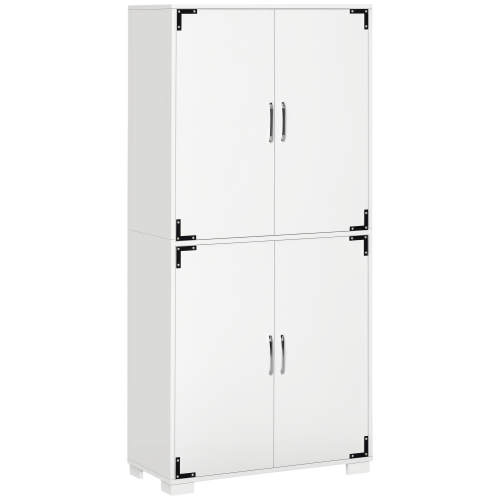

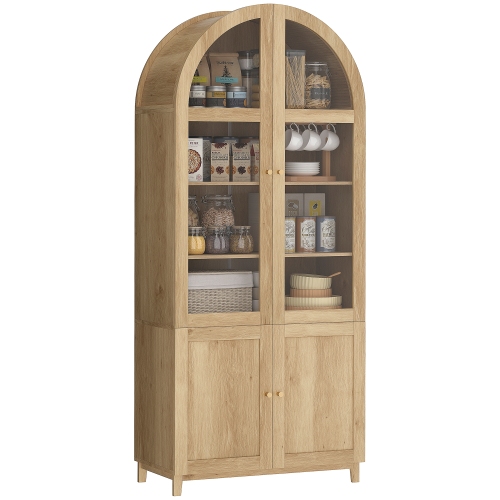
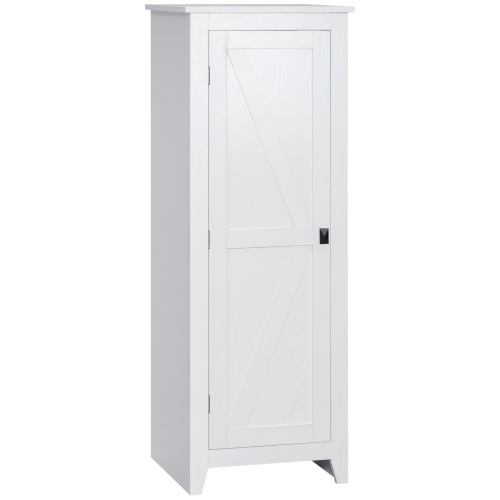
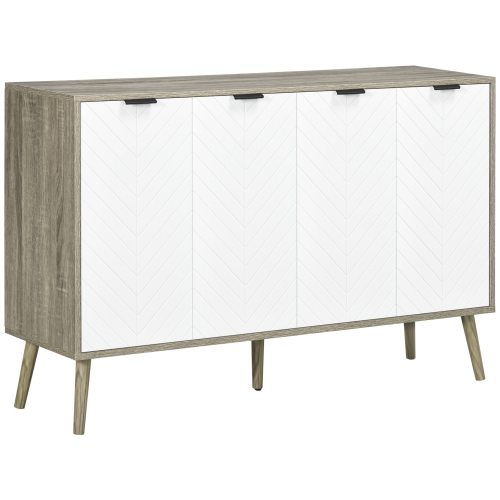
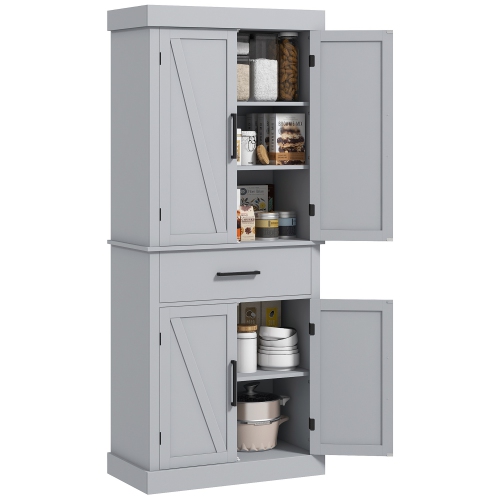
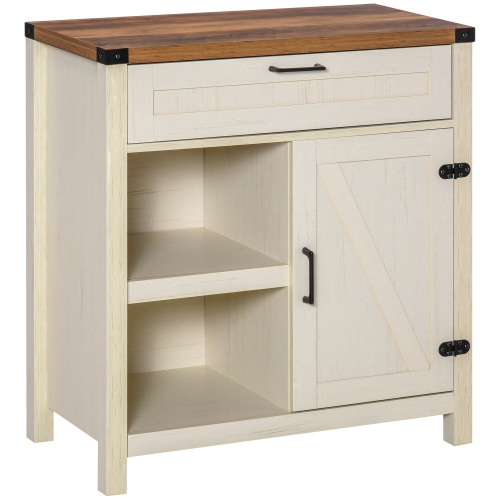
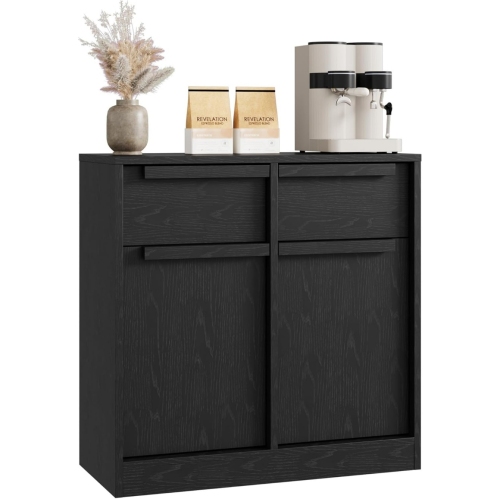
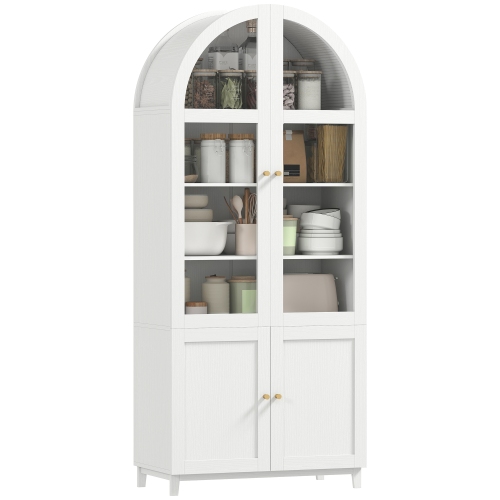
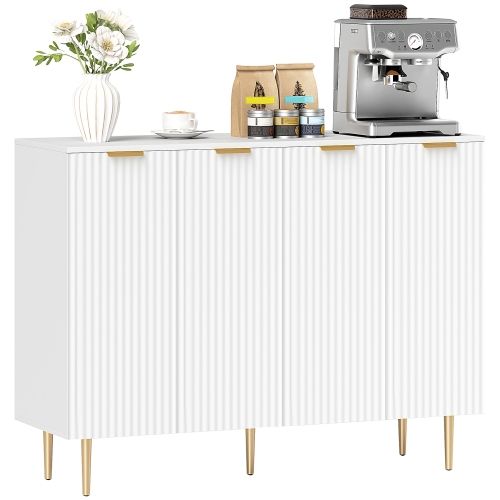
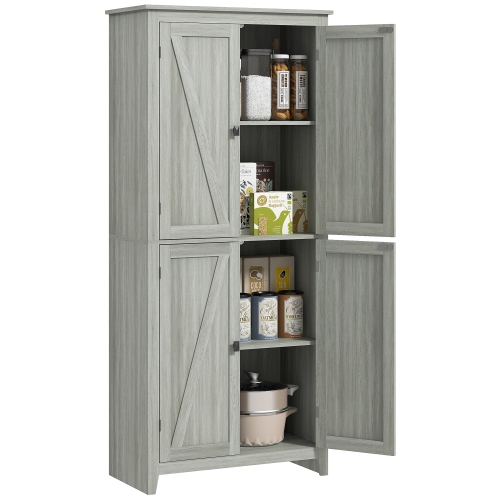
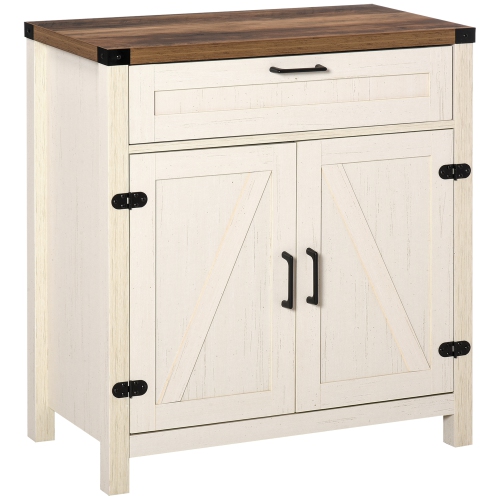
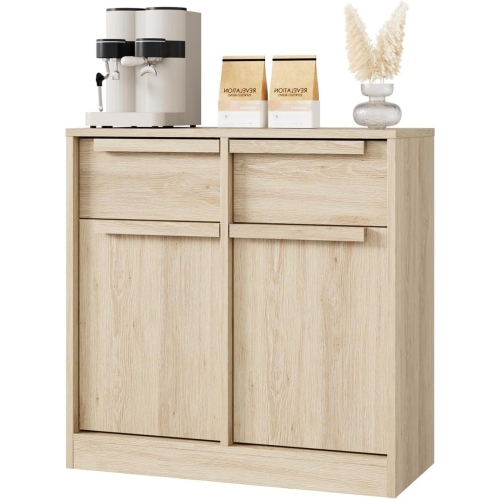
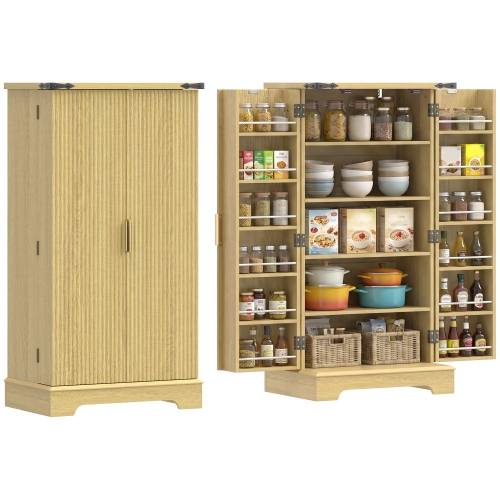

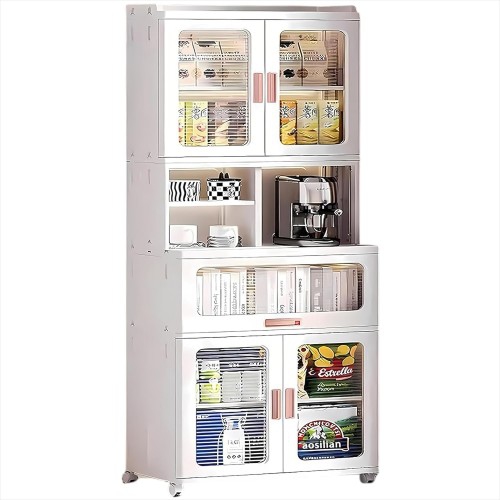
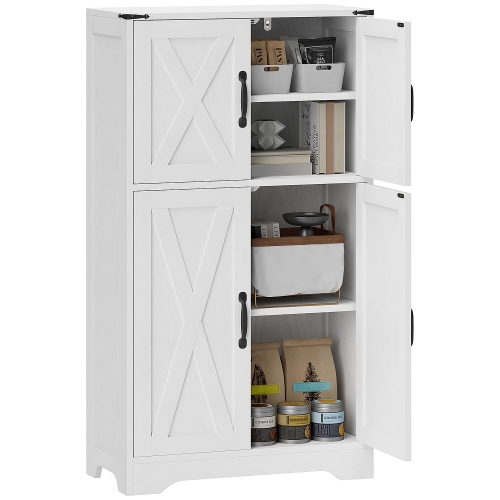


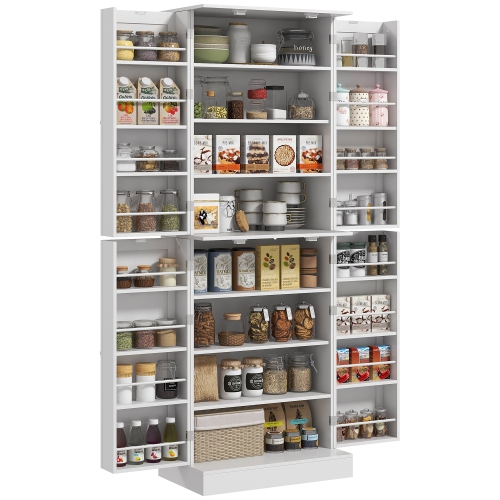
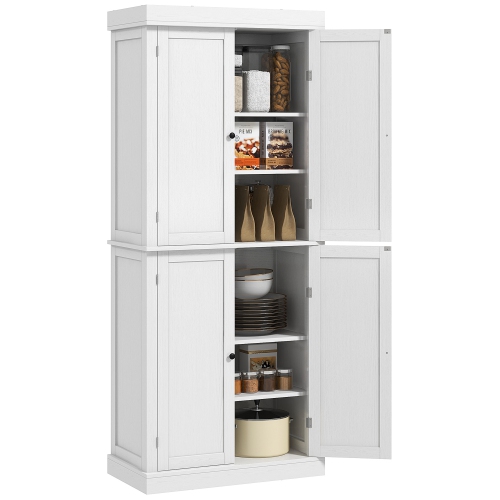
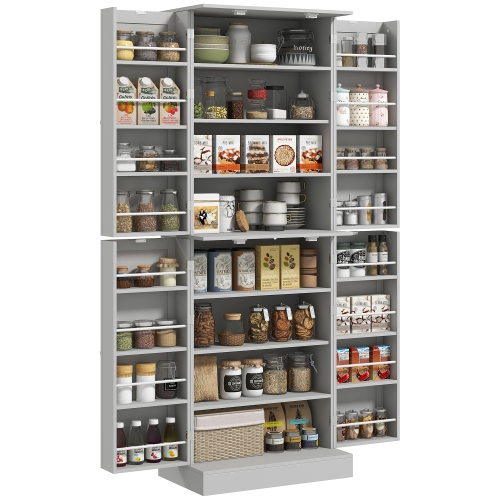
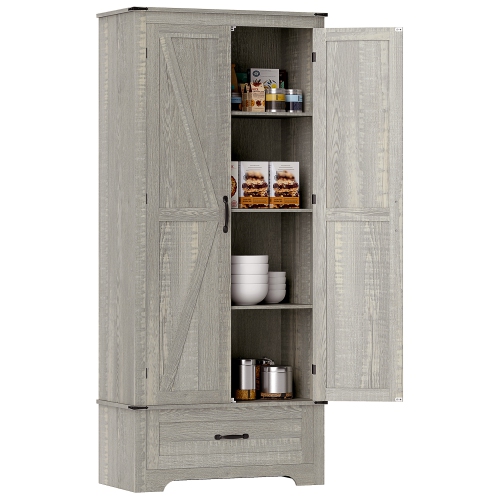

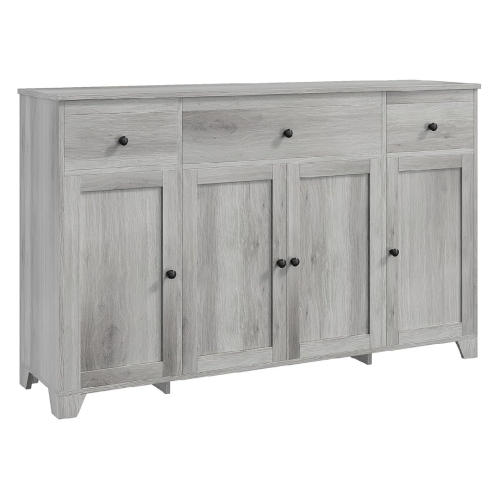
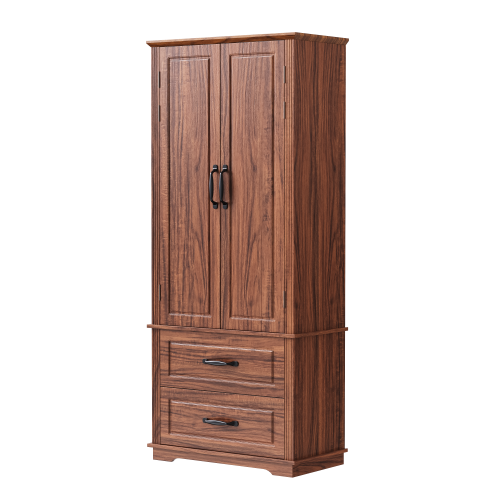
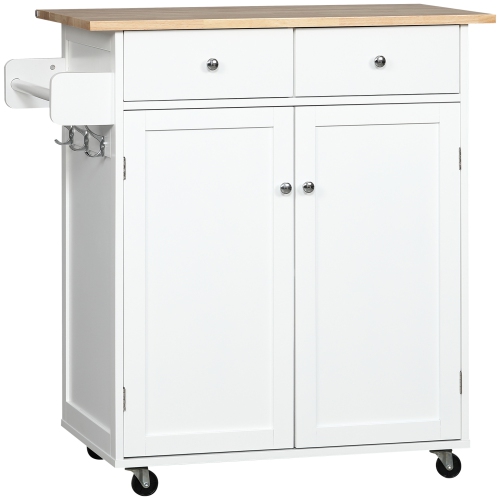
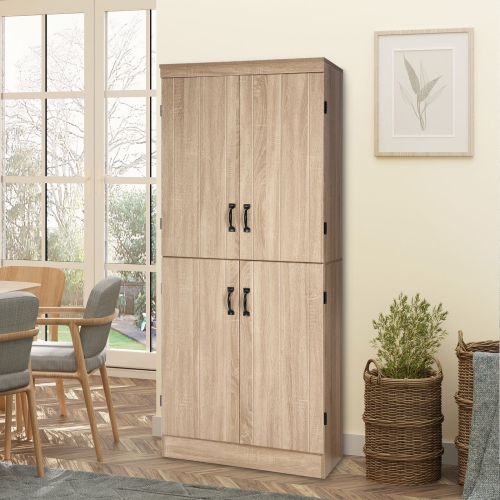
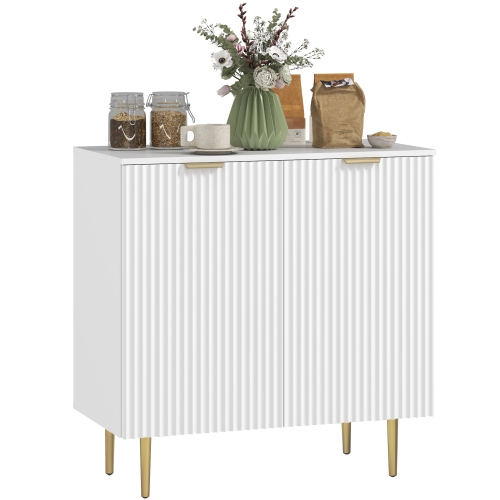
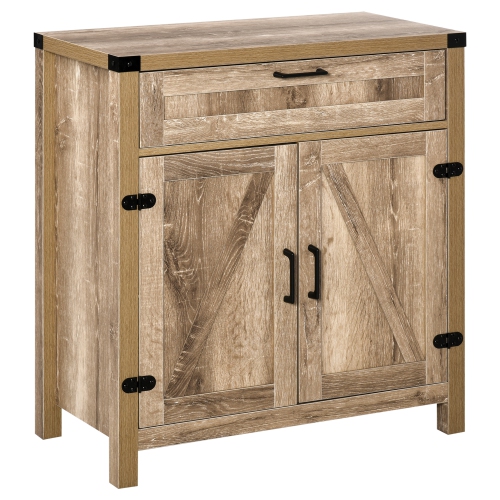


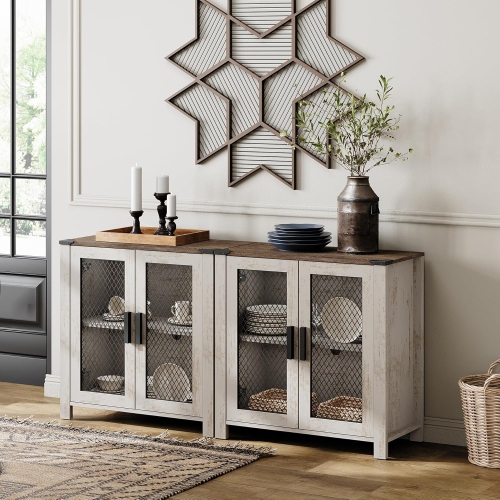
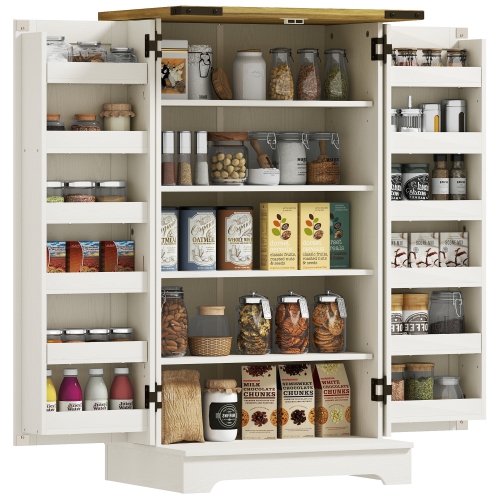
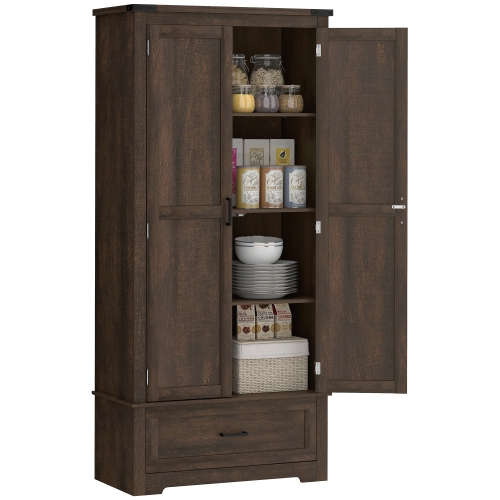
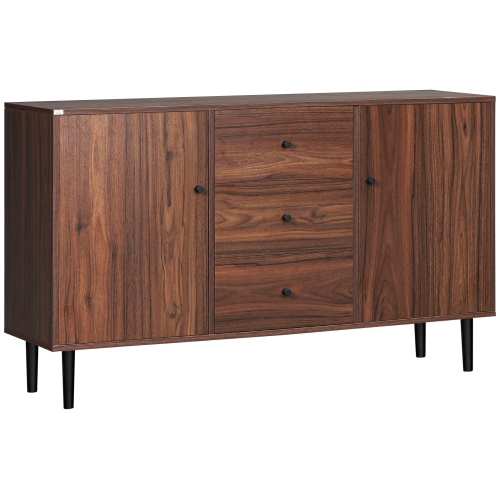
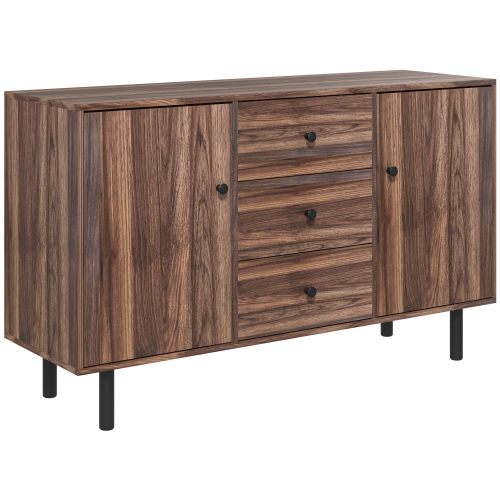
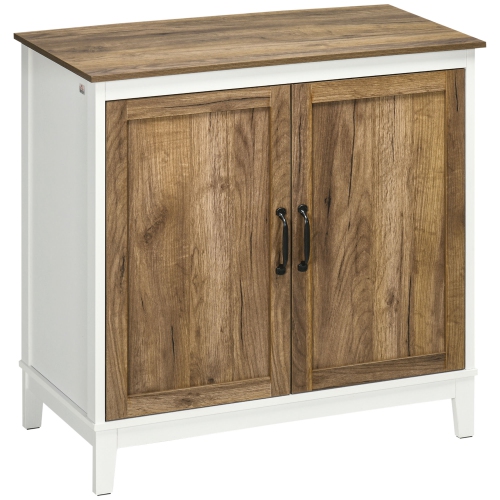
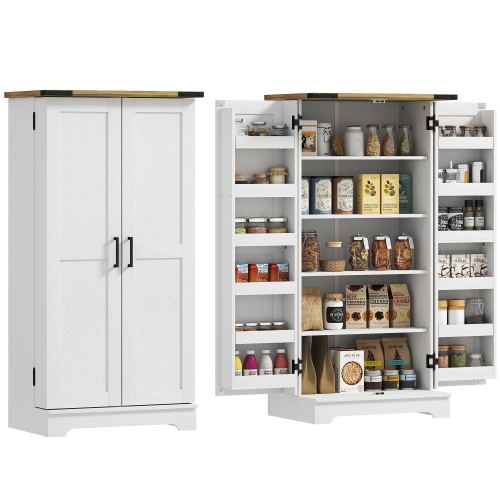
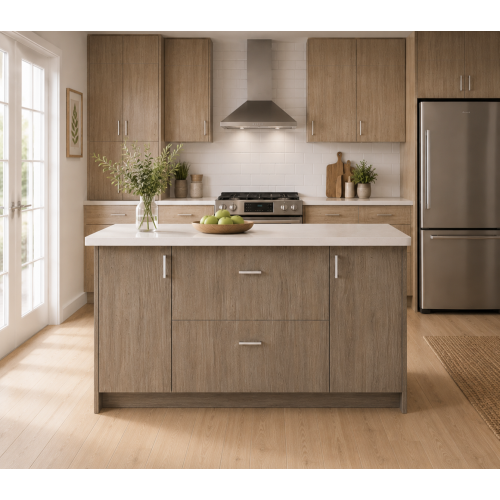
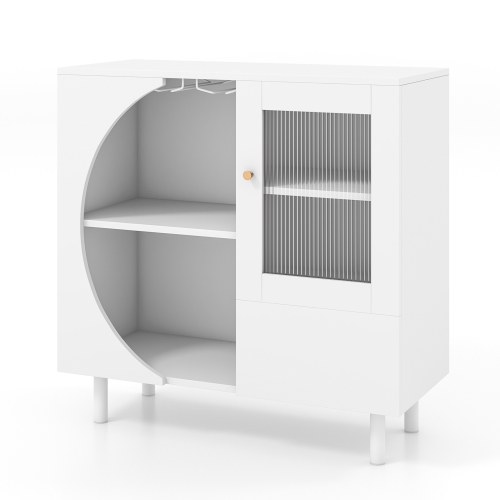

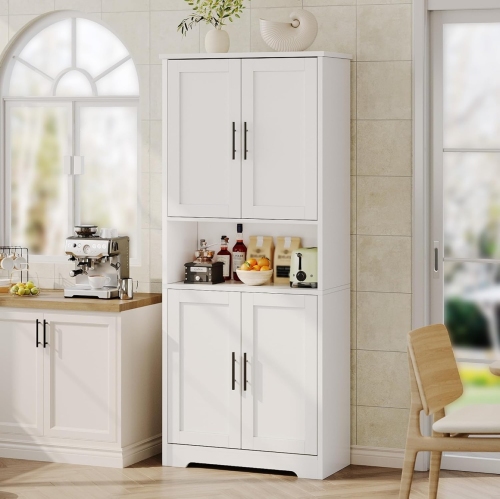
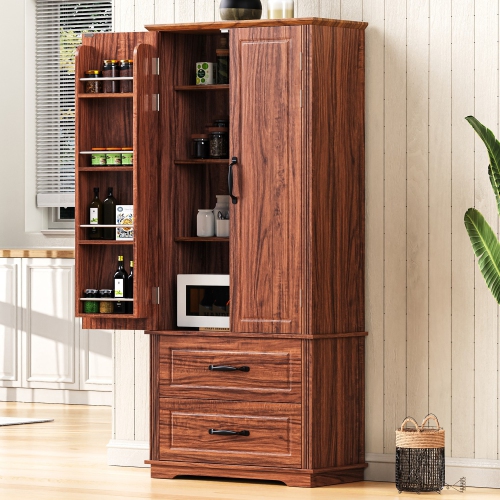
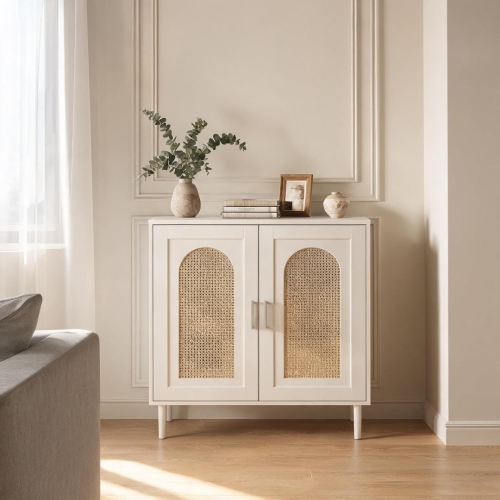
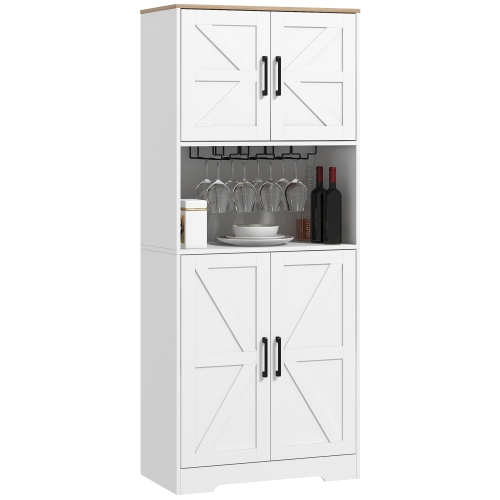
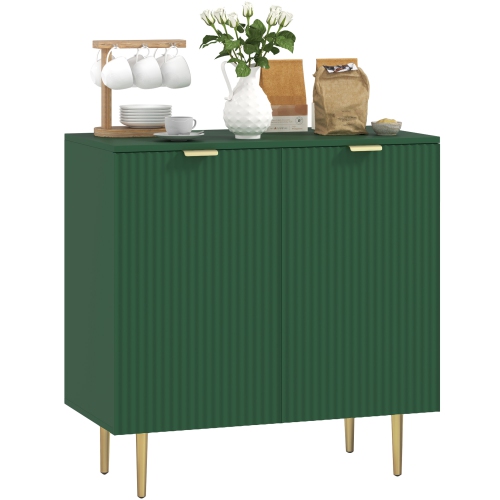
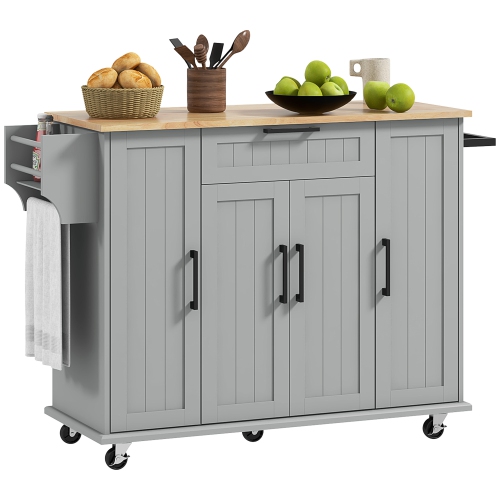
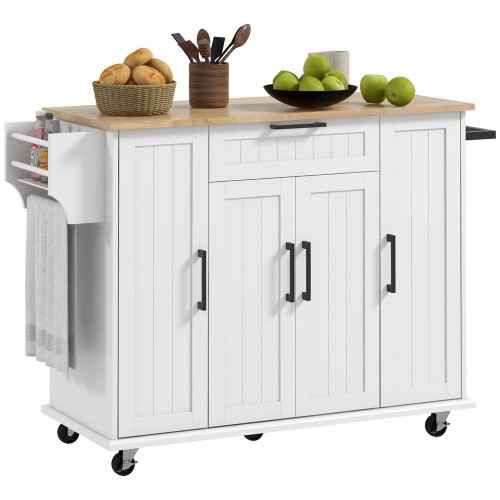
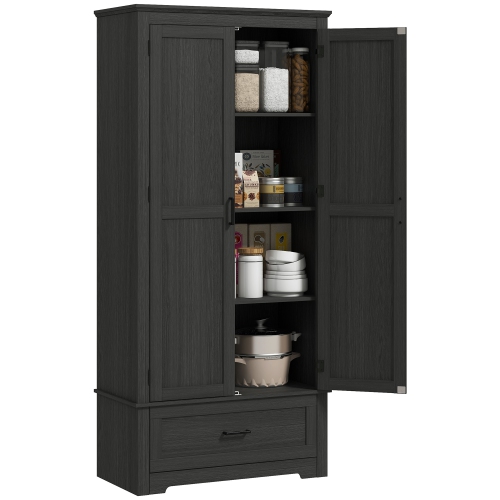
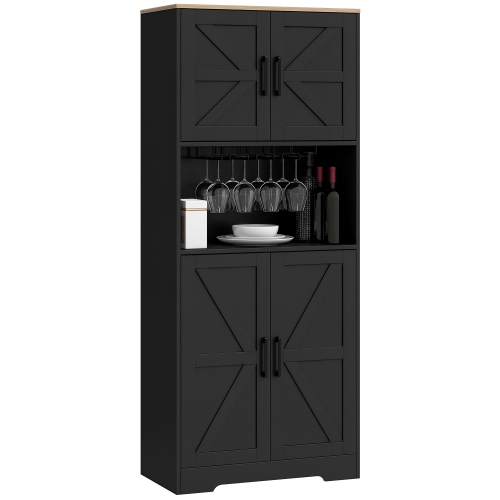
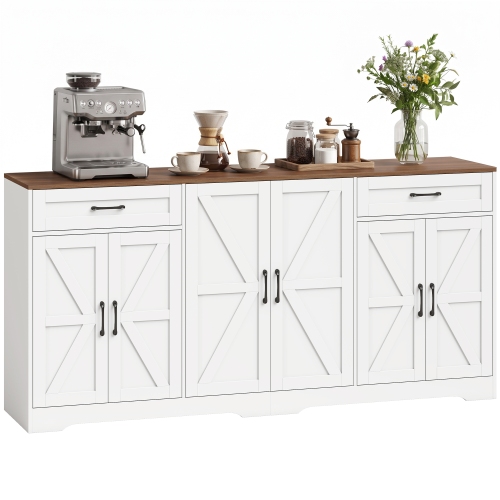
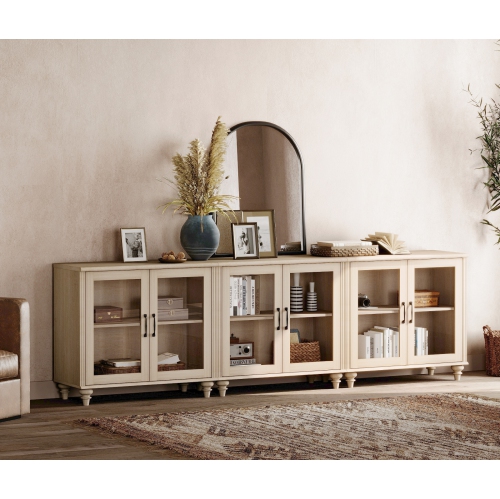


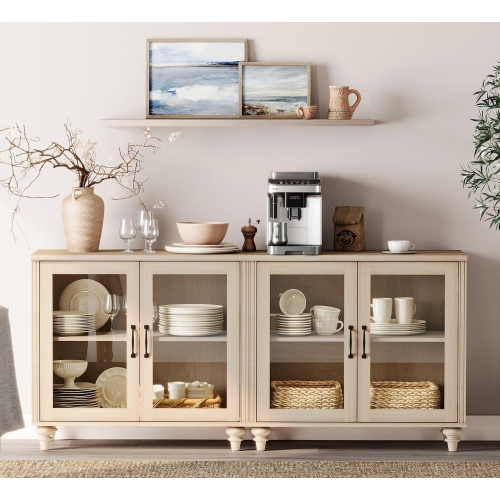
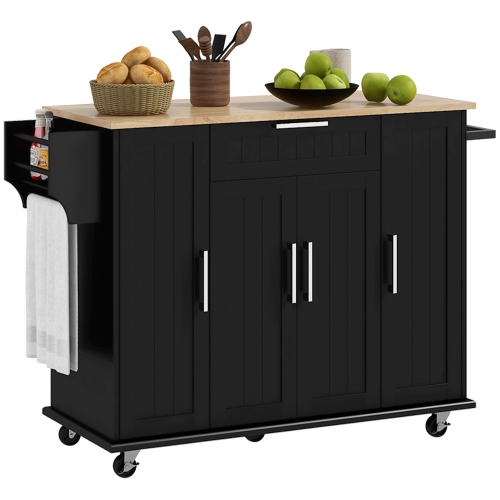


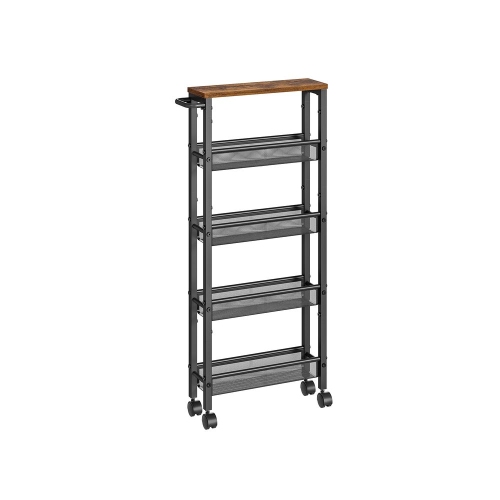
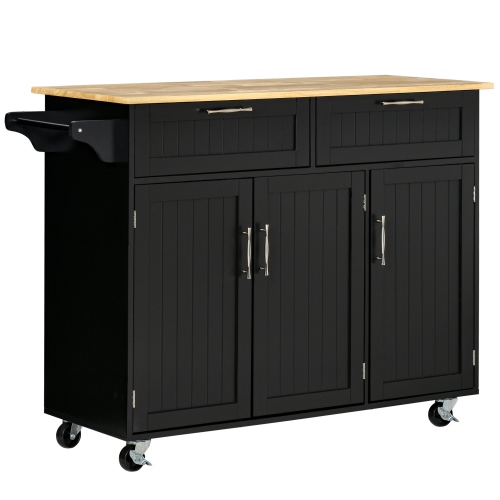

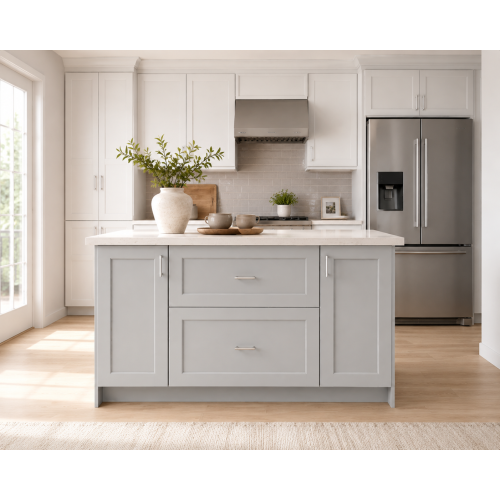

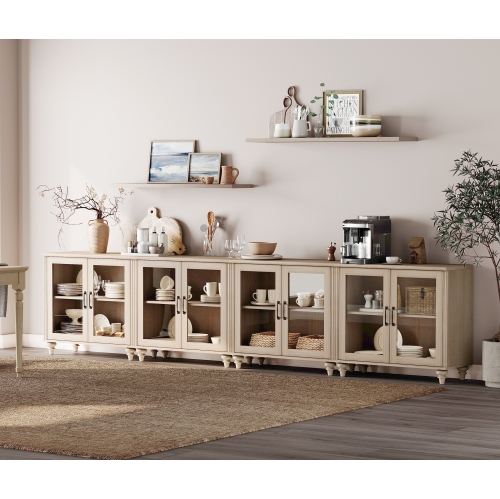
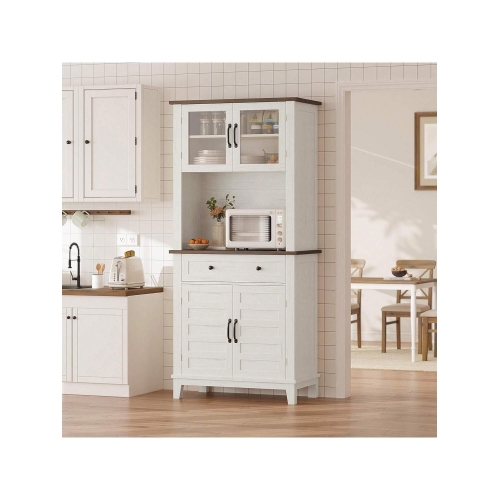
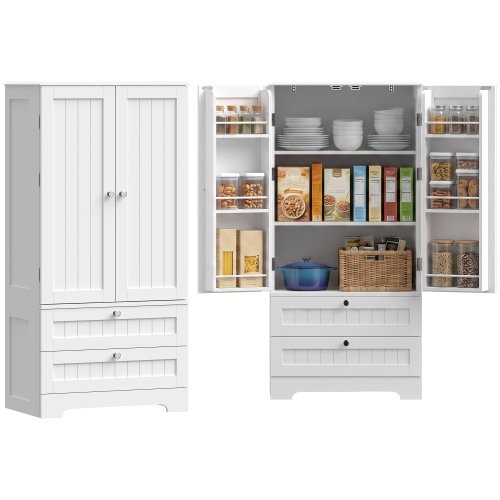
More room for cookware without crowding your kitchen
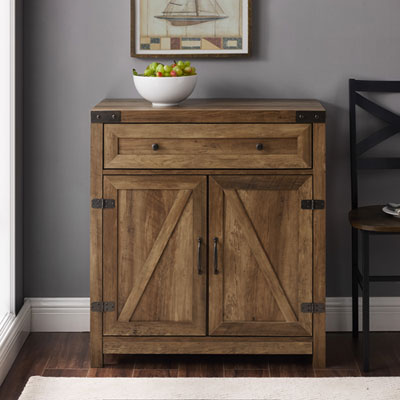
Materials and construction influence how kitchen storage furniture feels, wears, and fits into daily routines. Solid wood brings distinctive grain and can develop character with use, although its finish still needs protection from spills, heat, and scratches. Wood veneer provides a real-wood surface over a supporting core, while engineered wood with a laminate or painted finish can offer a consistent colour and a smooth surface for everyday cleaning. Durability depends on the whole construction rather than the material name alone: shelf thickness, secure joints, drawer hardware, and the quality of exposed edges all matter. Metal frames can suit open shelving and utility-style carts, but the finish and manufacturer’s care directions determine how they should be cleaned. Glass doors provide a view of dishes without leaving them fully exposed, although fingerprints may be more noticeable in a frequently used area. For surfaces beside a sink or kettle, pay particular attention to moisture resistance; water-resistant finishes should not be treated as waterproof. Wipe up splashes promptly, avoid letting water collect around seams, and use a soft cloth with a cleaning method approved for the finish. Abrasive pads and harsh cleaners can dull or damage many surfaces. A worktop also needs to match its intended use. Unless the manufacturer identifies it as suitable for direct food preparation, use a separate chopping board, and protect the surface from hot cookware with an appropriate trivet. Check the stated weight limits for individual shelves, drawers, and worktops rather than relying only on an overall capacity. A compact appliance may concentrate its weight in a small area, while a row of dishes spreads the load differently. Well-supported shelves and drawers that move smoothly help furniture remain practical under regular use. Adjustable hinges, accessible hardware, and clear assembly instructions are useful details too, especially when a door needs realignment after the furniture has settled into place.
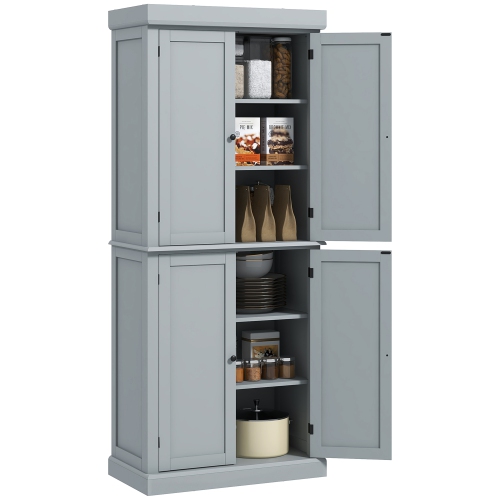
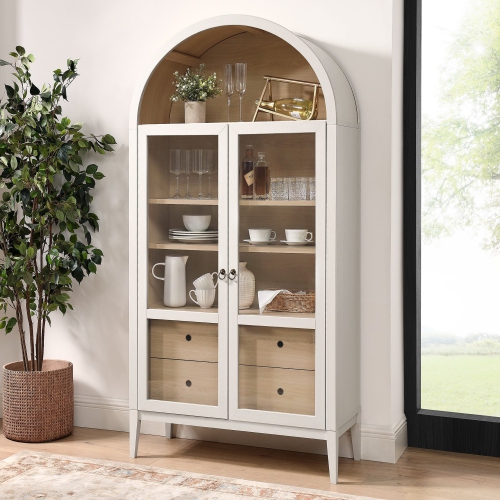
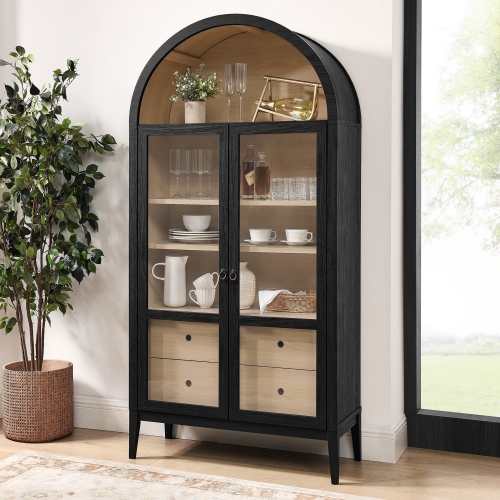
A useful kitchen storage layout follows the way meals are prepared and cleared away. Keeping breakfast bowls near cereal and mugs near tea or coffee supplies can reduce trips across the room, while a cupboard close to the dining table makes it easier to put away everyday dishes. Deep shelves work well for larger cookware, but smaller packages can disappear at the back; grouping them in removable containers makes their contents easier to see and reach. Reserve comfortable, easy-to-reach heights for frequently used essentials, and place heavier cookware on lower shelves within the furniture’s stated limits. Upper sections are better suited to lighter, less frequently used serving pieces. Households sharing a kitchen may appreciate separate shelves for different cooking supplies, while families can use accessible drawers for table linens or suitable everyday tableware. Closed cupboards can keep an open-plan room looking orderly, and a glass-fronted hutch can make familiar dishes part of the room’s appearance. Kitchen storage furniture can also coordinate with Furniture Storage Cabinets in adjoining dining and living areas through similar finishes, handle shapes, or proportions. When furniture will hold a microwave or another powered appliance, confirm that the shelf dimensions, load rating, ventilation clearance, and manufacturer’s directions permit that use. Keep cords clear of moving drawers and walking routes, and avoid enclosing appliances that require open space around them. Tall cabinets should be assembled and secured using the specified anti-tip hardware and suitable wall fixings; follow any anchoring requirements for other units as well. On mobile furniture, locking castors help keep the unit stationary during use, but a cart is not automatically suitable as a cutting surface or for moving heavy appliances. Thoughtful placement leaves handles easy to grasp, pathways clear, and regularly used contents within reach. The result is storage that supports ordinary kitchen tasks, from finding a saucepan before dinner to putting everything back after the washing-up.
Top selling and popular products
-
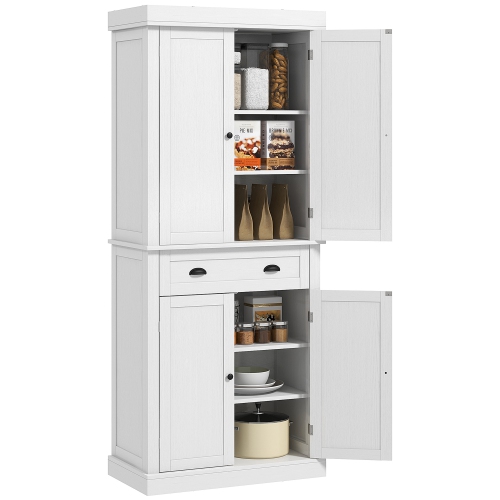 Your price for this item is $274.99
-
 Your price for this item is $299.99
-
 Your price for this item is $401.99
-
 Your price for this item is $1155.71
-
 Your price for this item is $1155.71
-
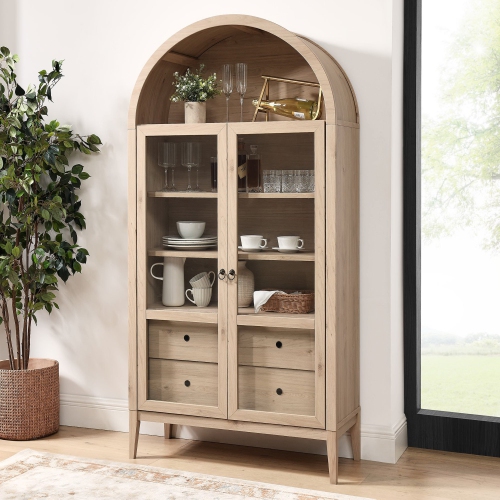 Your price for this item is $1155.71
-
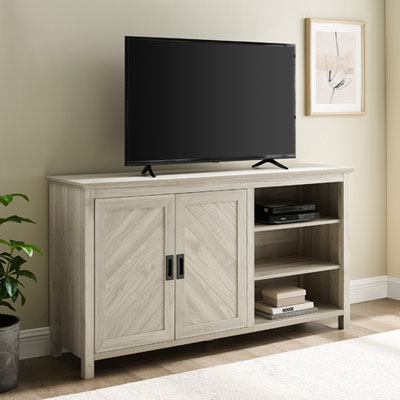 Your price for this item is $593.99
-
 Your price for this item is $144.99