Kitchen Supplies
If you're looking to upgrade your kitchen essentials, look no further than these extensive kitchen supplies. From cookware and utensils to small appliances and gadgets, we have everything you need to make your time in the kitchen a breeze. Whether you're a seasoned chef or just starting out, this wide range of high-quality products will help you create delicious meals with ease.
Sort




























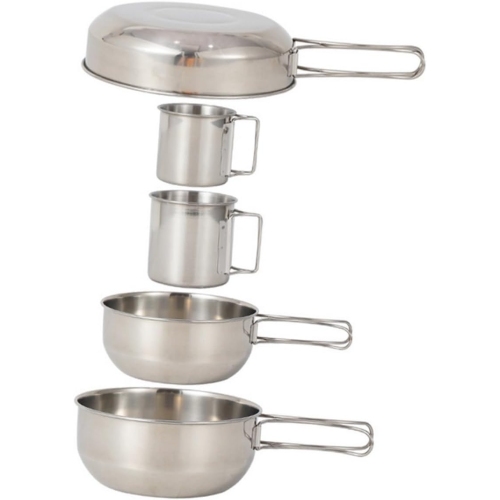

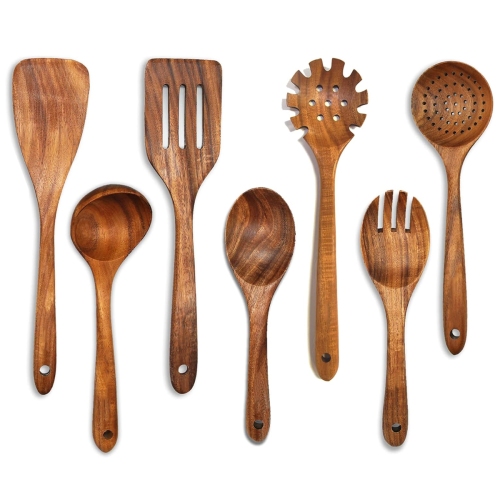
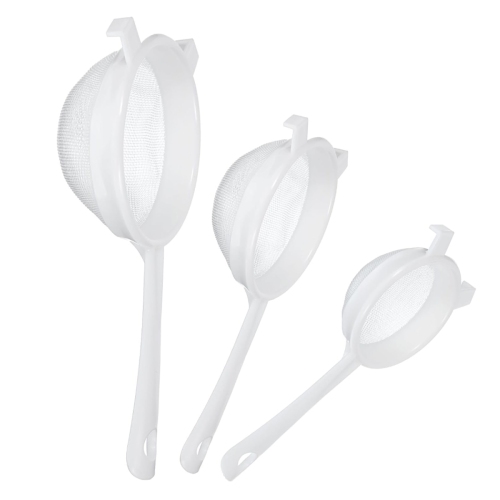
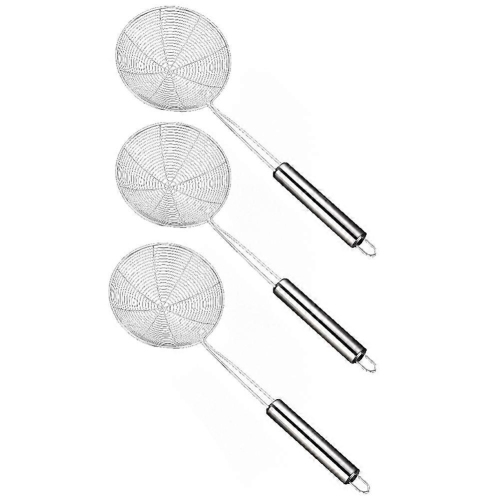




































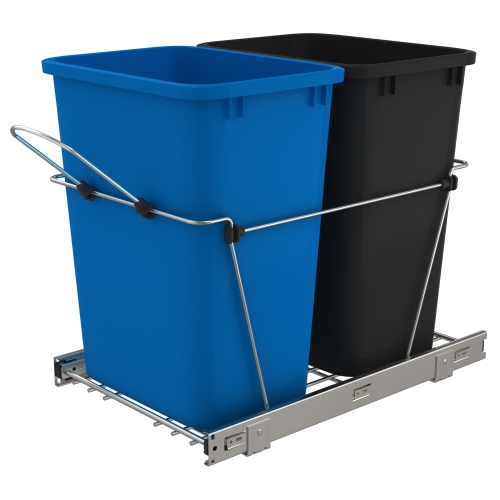
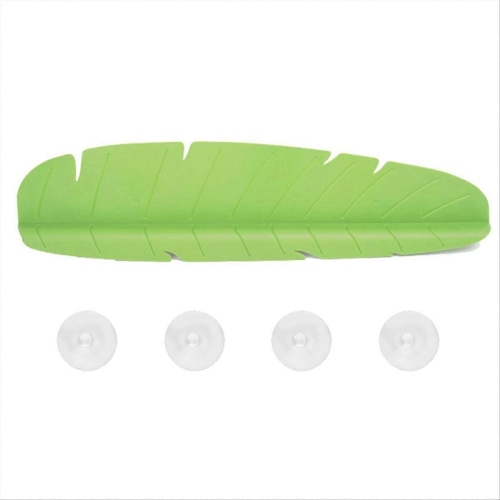



Why comfortable handles and smart storage matter every day
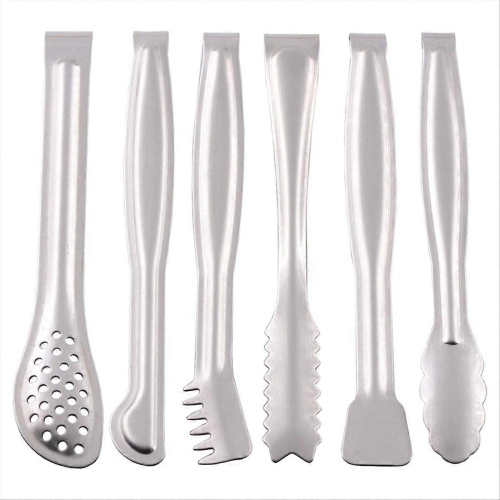
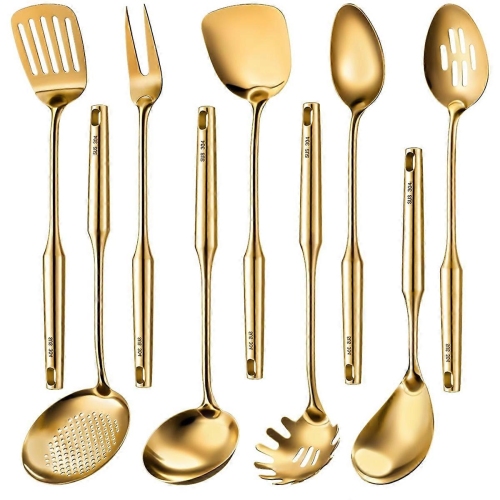
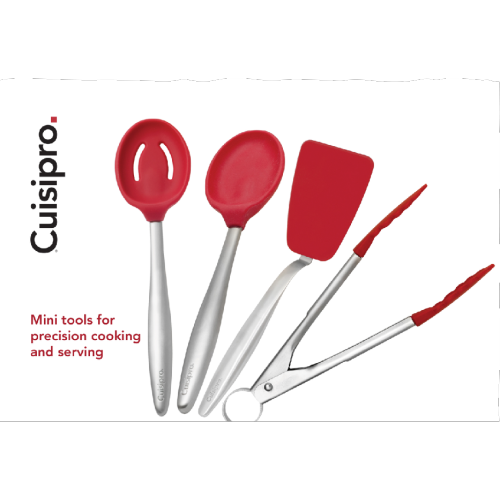
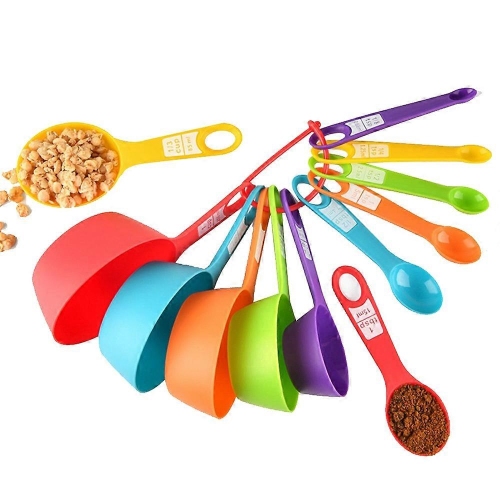
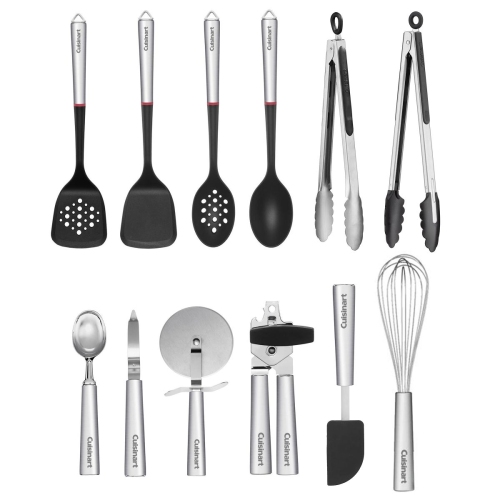
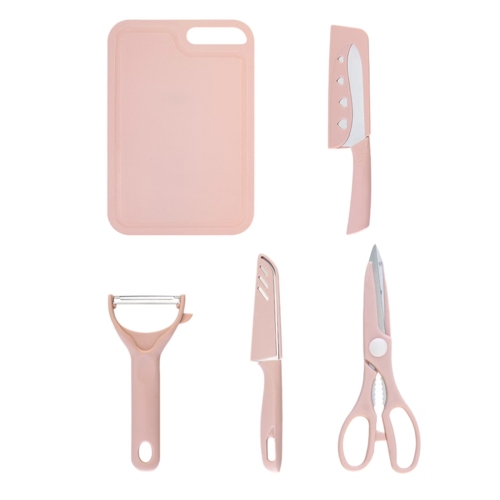
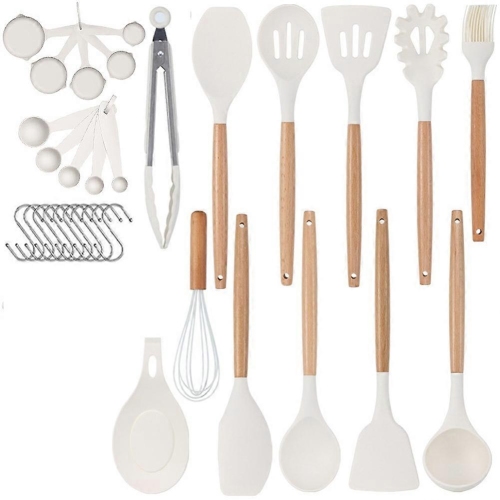
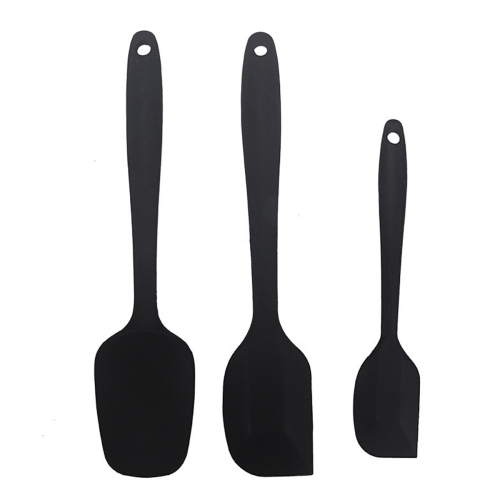
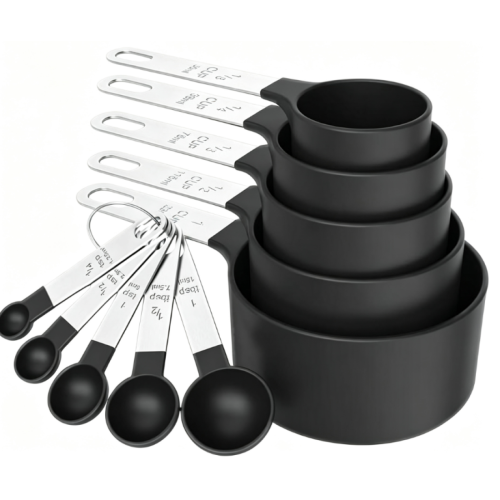
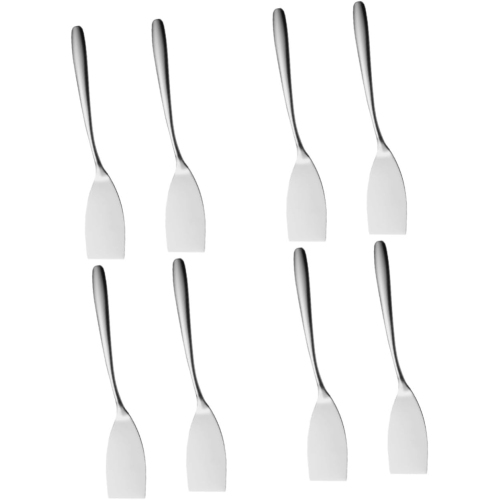
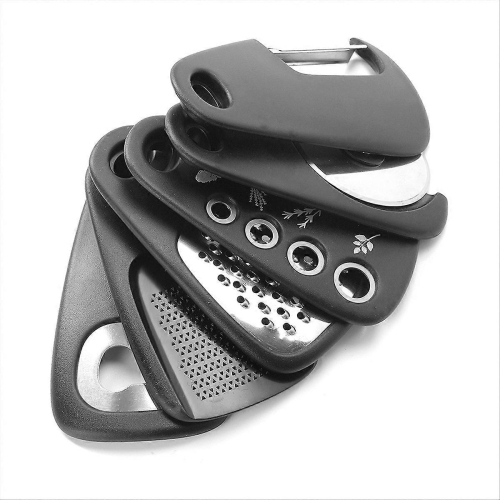
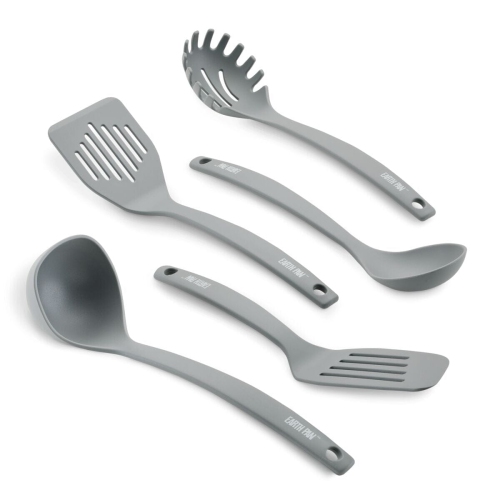
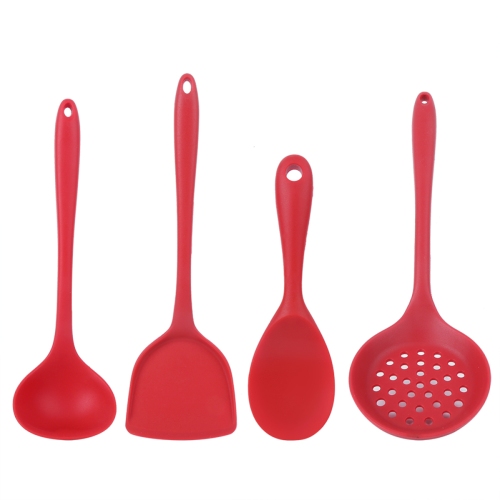
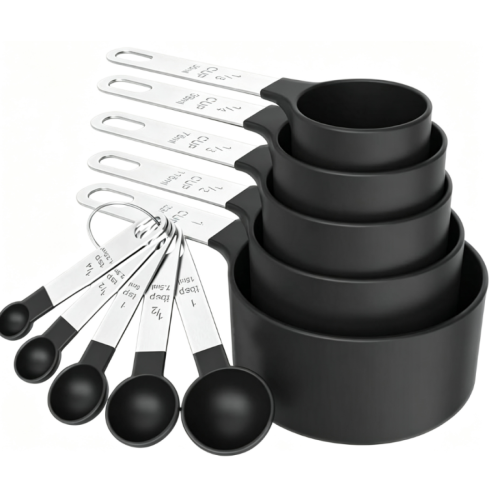
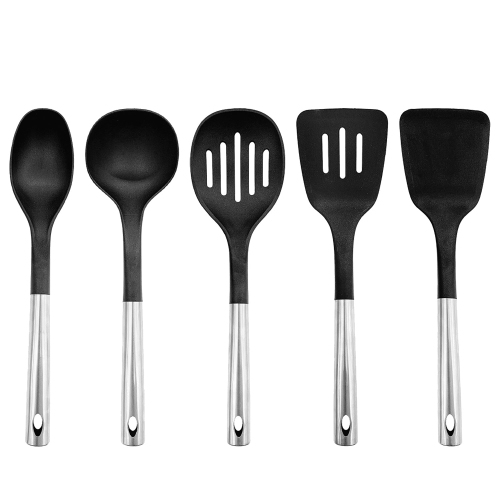
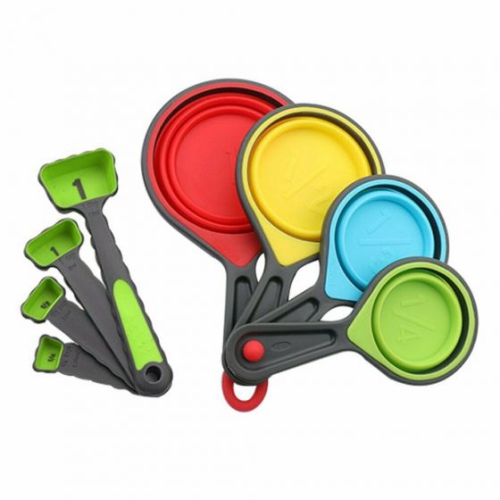
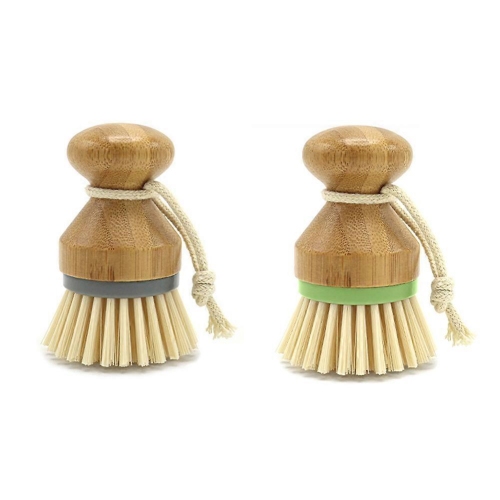
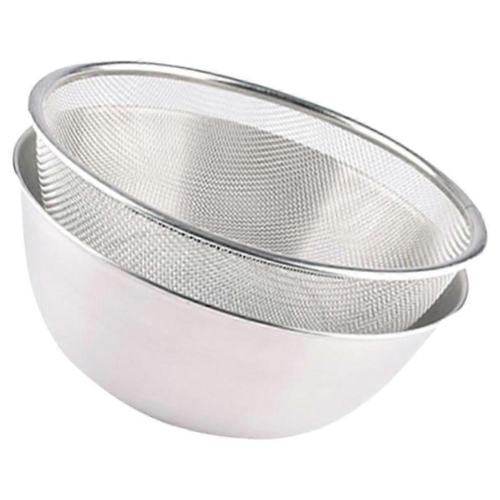
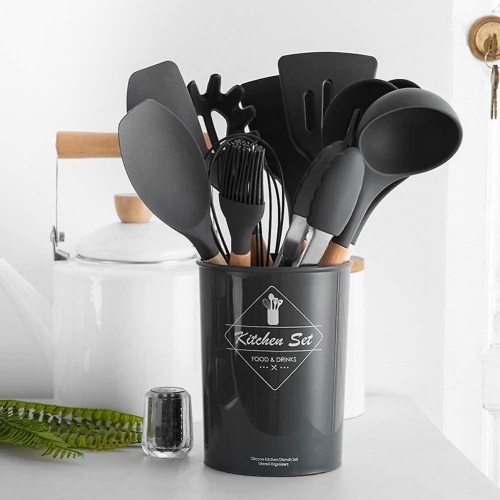
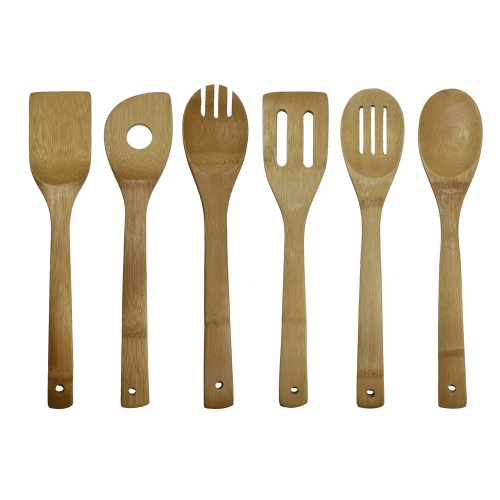
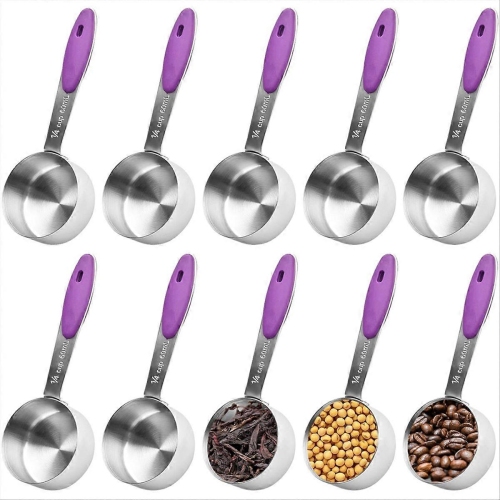
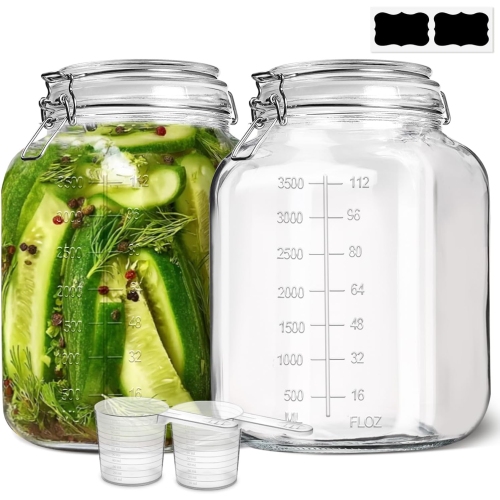
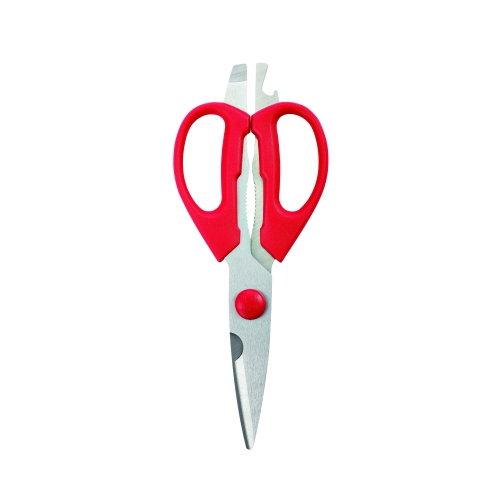
Kitchen supplies bring together the cookware, bakeware, preparation tools, utensils, and food storage essentials used to turn ingredients into everyday meals. Their usefulness comes from how well they suit the food being made, the person preparing it, and the space where everything happens. A kitchen used for quick breakfasts and packed lunches has different demands from one where bread dough rises on the counter and dinner regularly feeds a full table. Versatile kitchen essentials support both familiar routines and more involved recipes without making preparation feel crowded or complicated. For chopping and mixing, comfortable handles, stable bases, and manageable weight matter as much as appearance. A handle should feel secure with dry hands, while a mixing vessel needs enough room for ingredients to move without spilling over the edge. Clear measurement markings are helpful for repeat recipes, especially when baking depends on consistent quantities. Metric and imperial markings can also make it easier to work with recipes from different sources. Materials influence how these supplies feel and perform: stainless steel is generally durable and easy to clean, silicone offers flexibility, and wood provides a firm, comfortable grip. Each material has limits, so heat resistance and dishwasher suitability should be checked rather than assumed. Preparation surfaces benefit from enough working area to keep ingredients contained, but they also need to fit comfortably beside the sink or stove. Separate surfaces for raw meat and ready-to-eat foods help support safe food preparation, along with thorough cleaning between tasks. For smaller households, lightweight tools and compact shapes can make daily cooking more comfortable; for frequent batch cooking, greater capacity may save repeated rounds of preparation. The most practical assortment is one that fits established habits, whether that means assembling lunch before work, helping children measure ingredients, or preparing vegetables for a long, slow dinner during the cooler months.
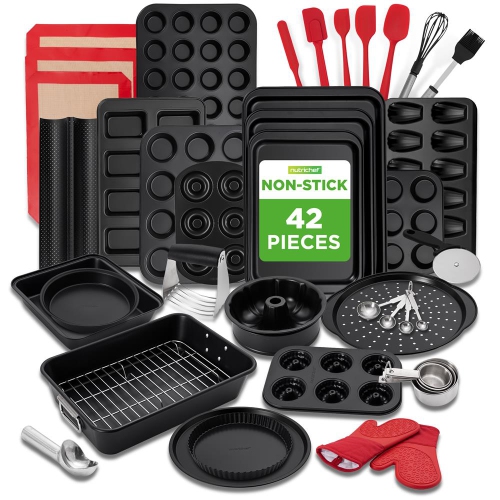
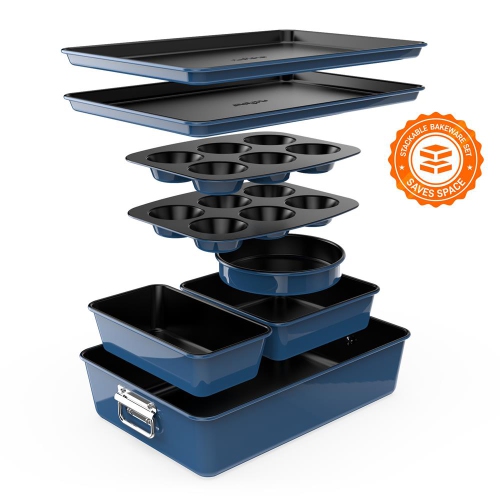
Cookware and bakeware handle the heat-intensive side of the kitchen, where material, construction, and compatibility affect cooking results. Stainless steel offers a durable cooking surface and is often paired with an aluminium core or base to distribute heat more evenly. Cast iron holds heat well but is heavier to lift and usually needs careful drying and regular seasoning when it has an exposed iron surface. Enamelled finishes have different care requirements, and their edges need protection from knocks. Non-stick surfaces can make delicate foods easier to release, although utensil choice, cleaning methods, and permitted cooking temperatures vary by coating. Induction cooking requires compatible cookware with a magnetic base; a material name alone does not always confirm suitability. A flat base and a diameter suited to the cooking zone help provide stable contact, while oven use depends on the temperature rating of every component, including handles and lids. Capacity matters beyond the number of servings. Crowded cooking surfaces can trap moisture instead of allowing browning, and a vessel filled too close to the rim leaves little room for stirring. Bakeware dimensions also affect the depth of a mixture and how quickly it cooks, so matching a recipe’s intended size helps keep results consistent. Glass and ceramic retain heat differently from metal, and sudden temperature changes may damage them unless the manufacturer explicitly permits that use. These details become noticeable in ordinary moments: lifting a full dish from the oven, pouring a sauce without drips, or clearing up after a sticky baking session. Secure handles, balanced weight, smooth edges, and accessible corners all contribute to ease of use. Durability also depends on care between meals. Letting cookware cool before washing, using suitable cleaning tools, and placing protective layers between stacked surfaces can help prevent avoidable damage. Dishwasher-safe labelling is useful, but handwashing may still be advised for certain finishes or components. For kitchen supplies used every day, straightforward cleaning and comfortable handling are often more valuable than features that rarely leave the cupboard.
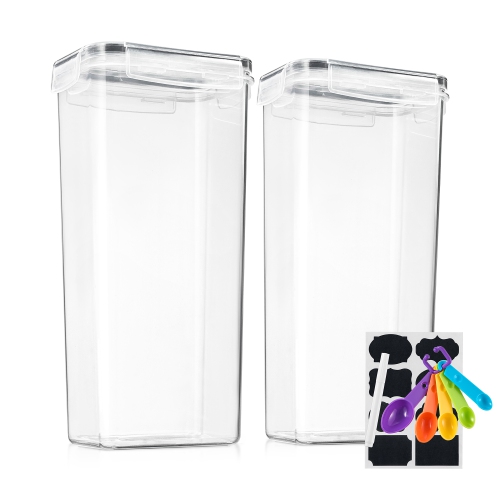
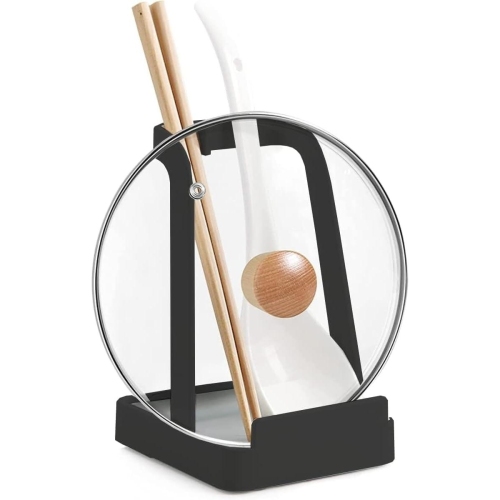
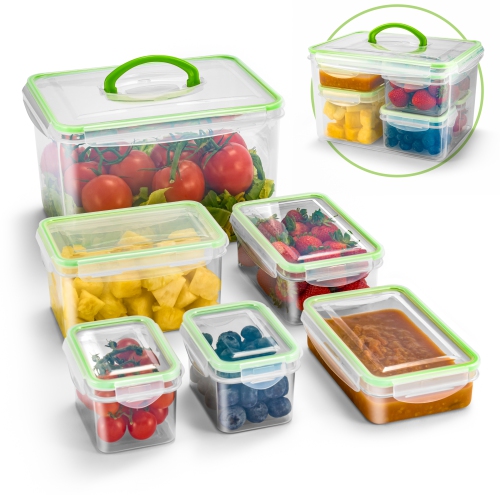
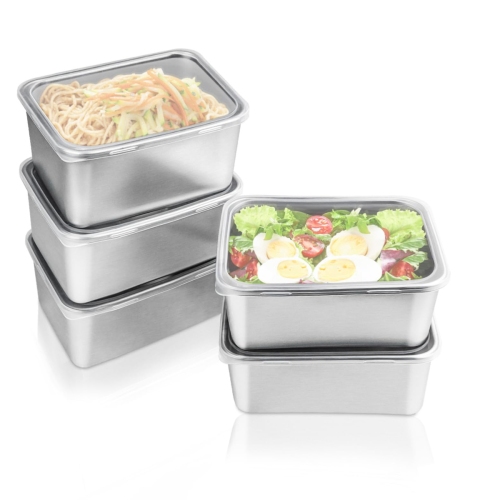
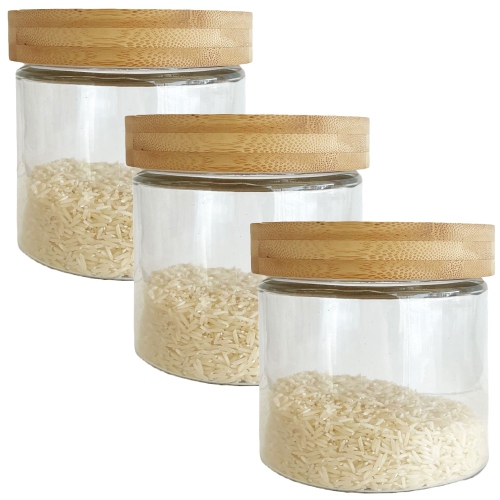
Food storage, organization, and serving supplies carry the kitchen routine from preparation through to leftovers and the next meal. Containers with well-fitting lids help keep food covered and reduce spills, while clear sides make it easier to see what needs using. Stackable shapes can make better use of refrigerator shelves and cupboards, provided their dimensions suit the actual space. The depth of a drawer, the height between shelves, and the clearance beneath upper cabinets can all affect whether kitchen accessories are convenient to reach or awkward to put away. Storage materials should suit their intended use, with freezer, microwave, and dishwasher compatibility confirmed separately. A container designed for cold storage is not automatically suitable for reheating, and lids may have different limits from their bases. Removable seals and uncomplicated shapes can make thorough washing and drying easier, especially when food collects around rims. For packed meals, secure closures and manageable portions matter; for larger households, a mix of capacities helps accommodate both small leftovers and prepared ingredients. Organization works best when frequently used supplies stay close to the task they support, leaving enough clear counter space for chopping, cooling, and serving. In a compact kitchen, nesting shapes and multipurpose tools can reduce clutter without sacrificing useful working capacity. In a shared household, easy-to-read markings and consistent storage locations help everyone take part in cooking and cleanup. Kitchen supplies can also make thoughtful gifts for someone setting up a first apartment, moving into a new home, or spending more time baking, particularly when the materials and dimensions suit their kitchen. For households where meal preparation overlaps with coffee and tea service, Cafe Supplies relates to the beverage side of breakfast, after-dinner drinks, and casual gatherings. Across these routines, well-matched kitchen supplies make the transition from preparing food to sharing it feel more comfortable, with practical details that continue to matter long after the table is cleared.
Top selling and popular products
-
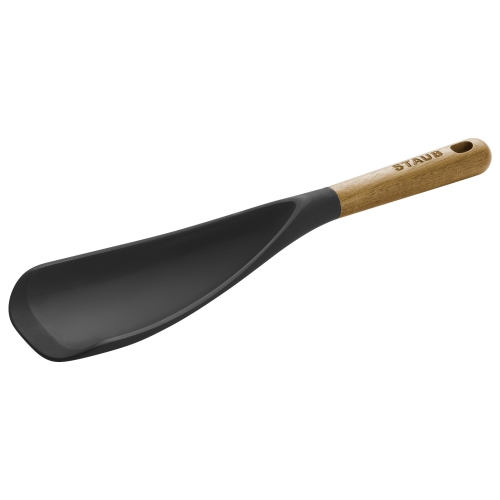 Your price for this item is $24.99
-
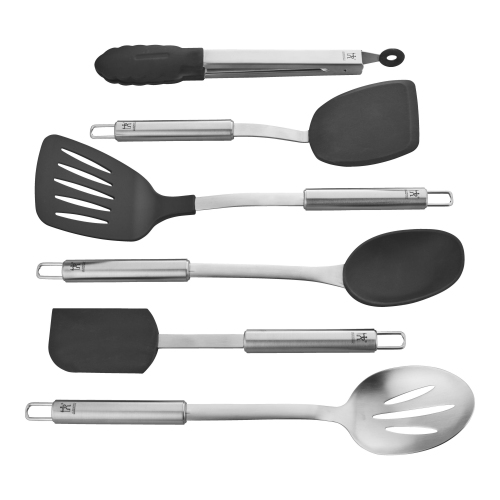 Your price for this item is $159.99
-
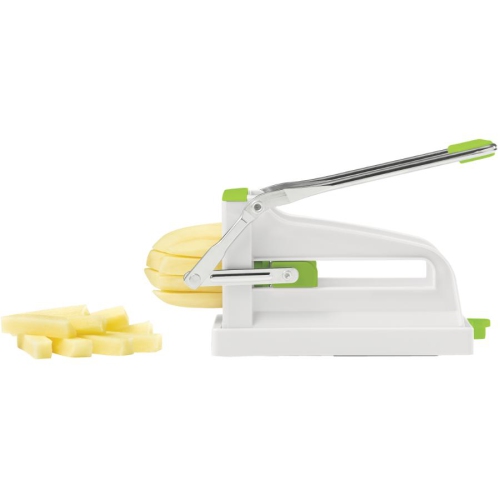 Your price for this item is $29.97
-
 Your price for this item is $14.7
-
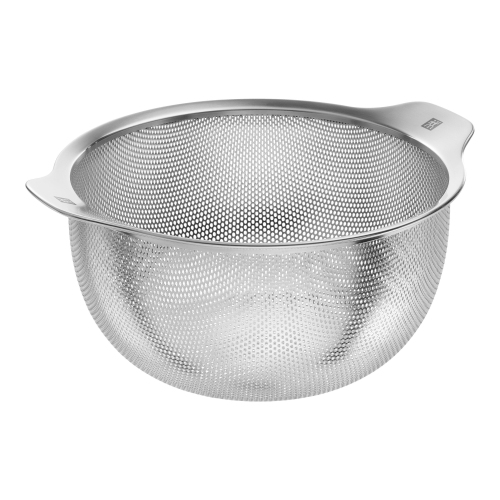 Your price for this item is $34.99
-
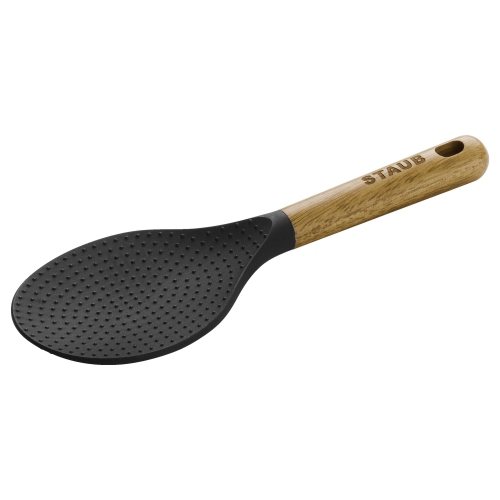 Your price for this item is $24.99
-
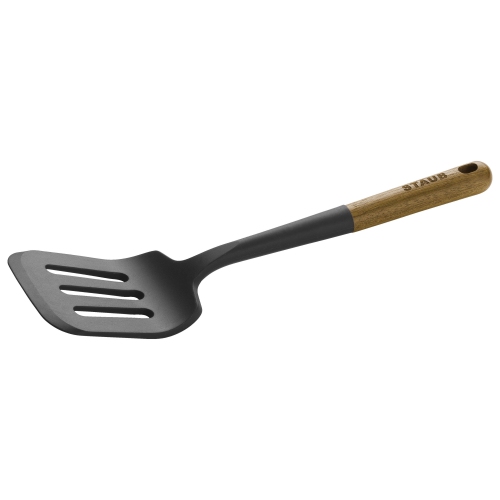 Your price for this item is $24.99
-
 Your price for this item is $24.99
Discover more categories related to Kitchen Supplies


Top Collections:
Pokemon Centers, Kindle Devices, Best Cameras for Sports Photography, Pokémon 30th Celebration Cards, Apple iPhones 16, Canon G7X Cameras, iPhone 15 Apple, Flip Phones, Samsung Galaxy Phones, Alarm Clock
Some products may be subject to Environmental Handling Fees
(EHF) depending on your province.
Learn more about EHFs.