Kitchen Table And Chairs
Upgrade your dining space with this selection of kitchen tables and chairs. Whether you're hosting a dinner party or enjoying a cozy family meal, the right dining set can elevate your space and create a welcoming atmosphere. From sleek modern designs to classic styles, find the perfect combination to suit your taste and lifestyle. Explore durable materials, stylish finishes, and versatile options that will make every meal a memorable experience.
Sort
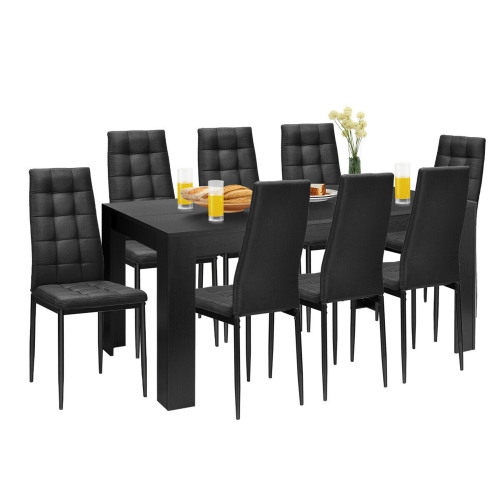
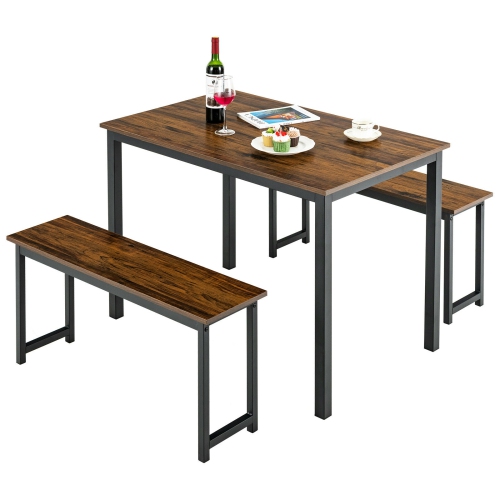
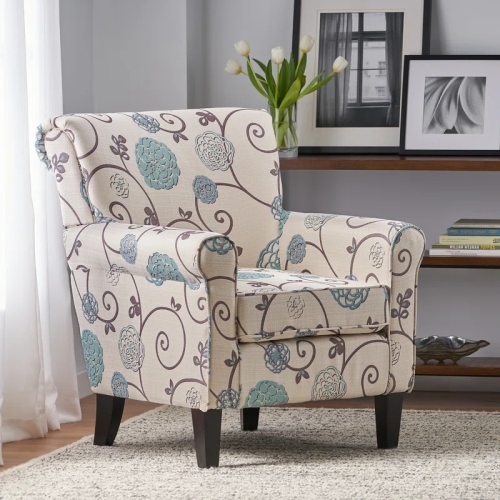
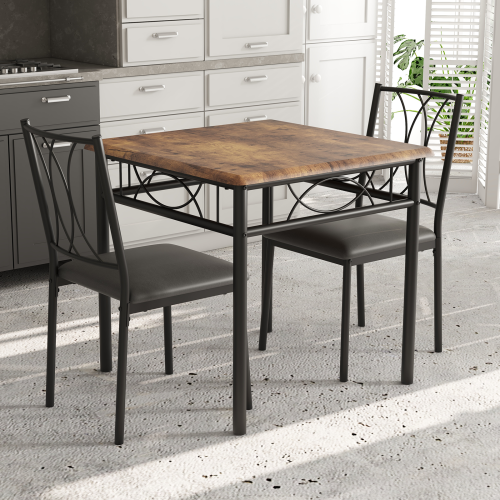
How table shape and size support everyday routines
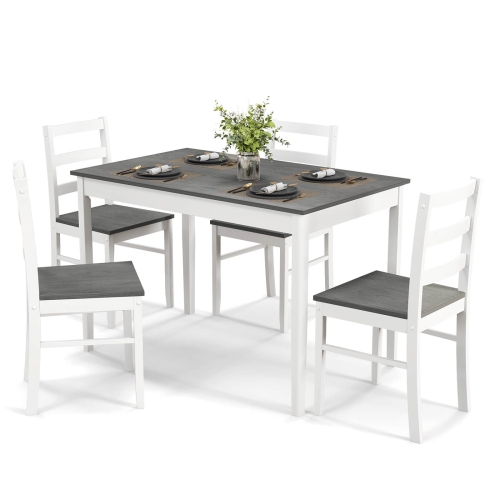
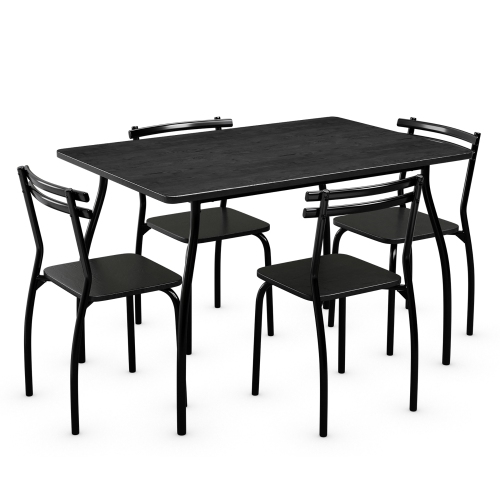
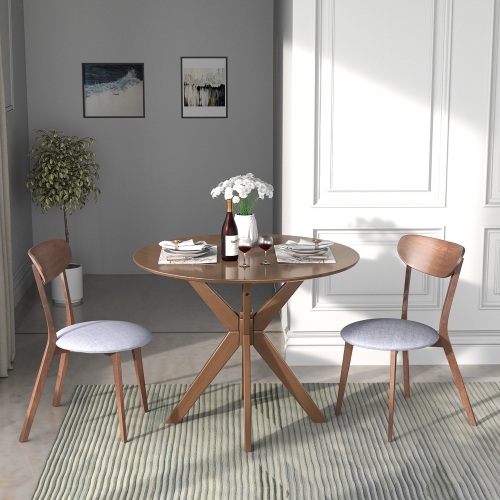
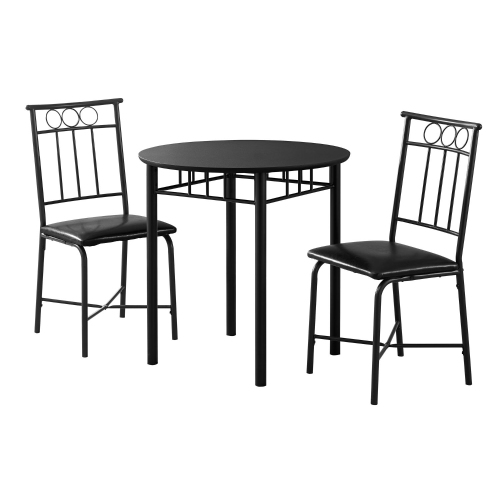
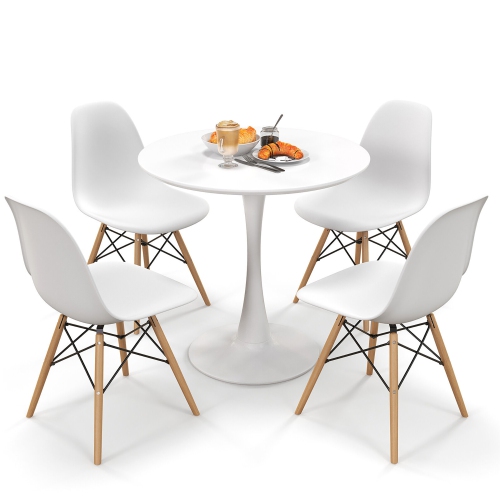
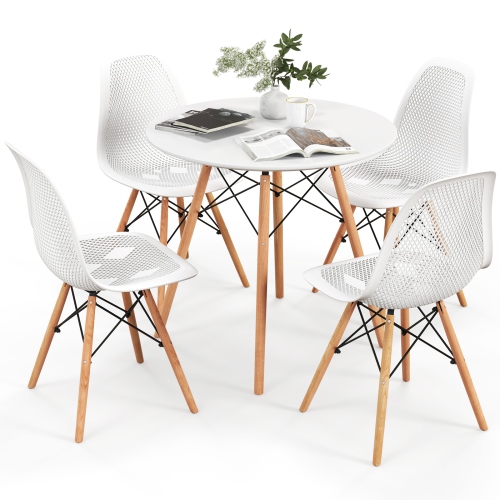
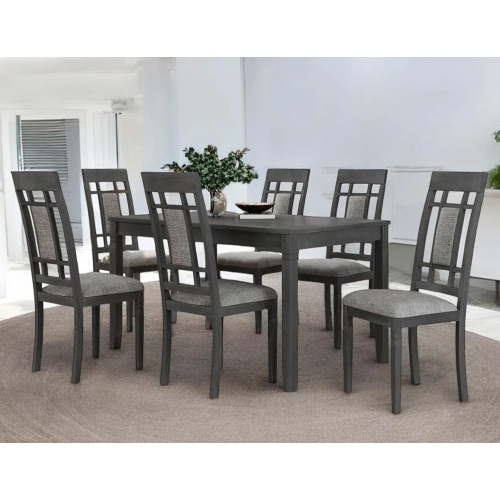
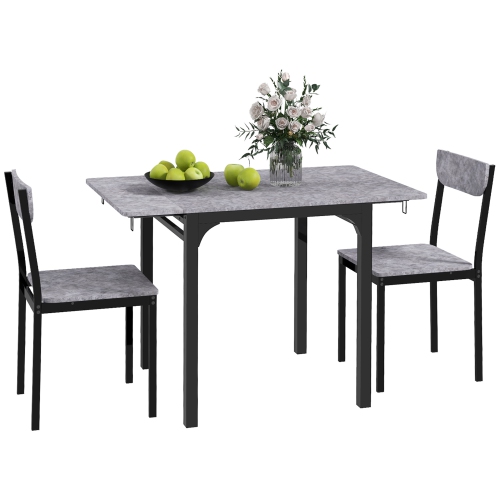
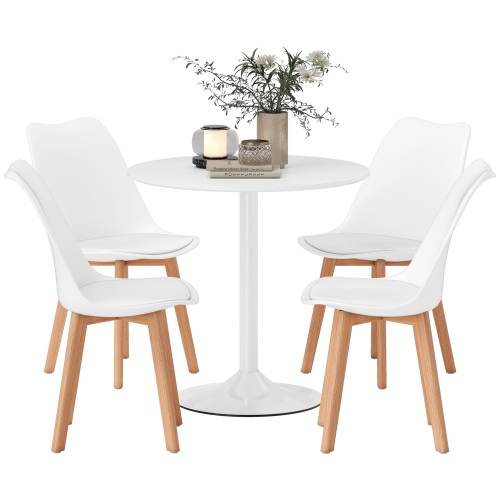
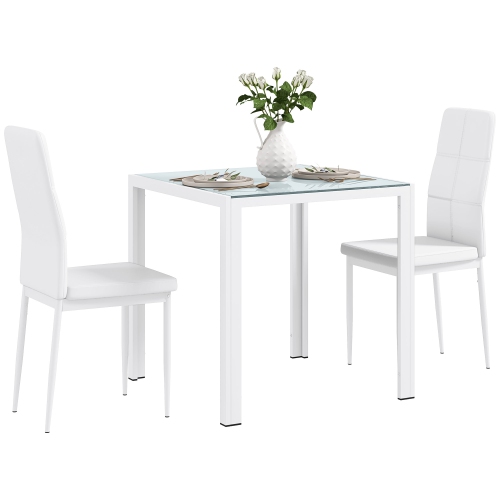
Kitchen table and chairs sets bring a practical gathering place into the part of the home where meals, conversations, and everyday routines often meet. A kitchen dining set can serve as a spot for breakfast before work, a place for children to finish homework while dinner is prepared, or a comfortable setting for a relaxed meal with friends. The right proportions depend on both the number of people using the table and the space around it. A compact two-seat arrangement suits a small apartment or breakfast nook, while a four-seat or six-seat set gives larger households more room for shared meals. Table shape makes a noticeable difference to how that space feels and functions. Round tables have no corners projecting into a walkway and make conversation easy across a small group, though their bases still need to leave enough space for everyone’s feet. Square tables fit neatly into some smaller dining areas, while rectangular tables often work well in longer kitchens or open-plan layouts. Oval tables offer an elongated surface with curved ends, making them another option where people regularly move past the dining area. Allowing about 36 to 42 inches between the table edge and a wall or nearby furniture generally helps chairs pull out comfortably; a busy passage behind seated diners may need more room. Space for opening cupboards, drawers, and appliances matters just as much as the table’s footprint. A chair that blocks the dishwasher when pulled out can make an otherwise appealing arrangement awkward during cleanup. Drop-leaf tables provide a smaller everyday footprint with extra surface space when a leaf is raised, while extension tables accommodate additional seating when needed. Their expanded dimensions are as important as their closed measurements. For households that use the kitchen table throughout the day, a shape and size that support ordinary routines are often more useful than seating capacity alone.
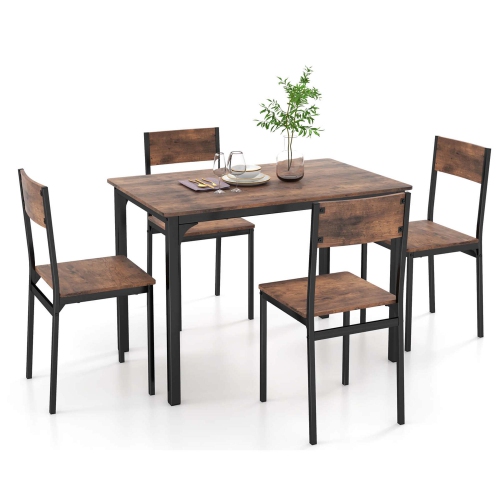
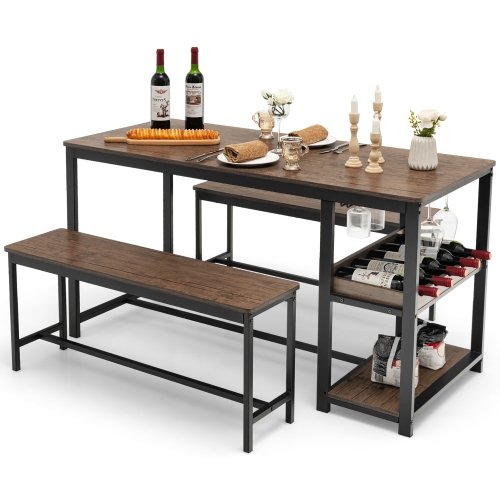
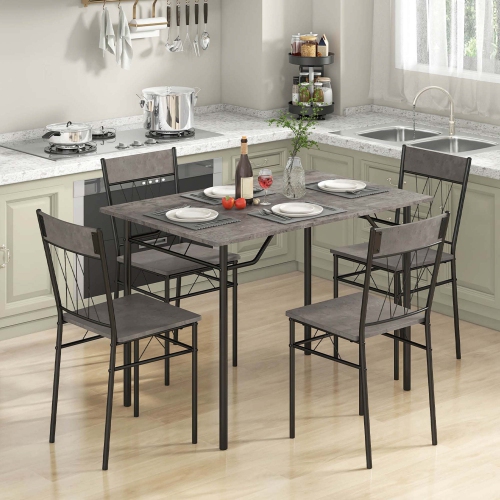
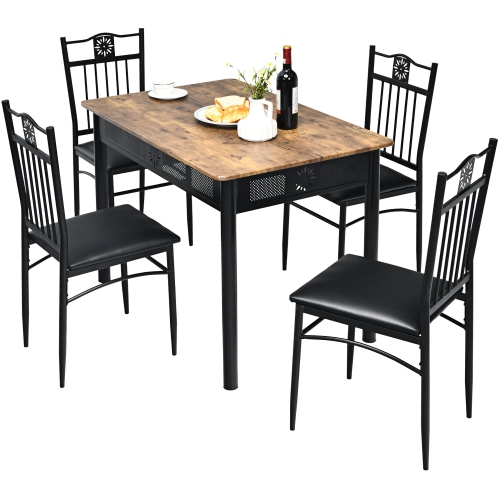
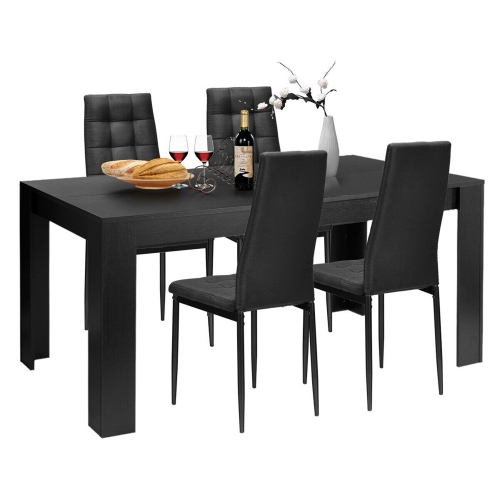
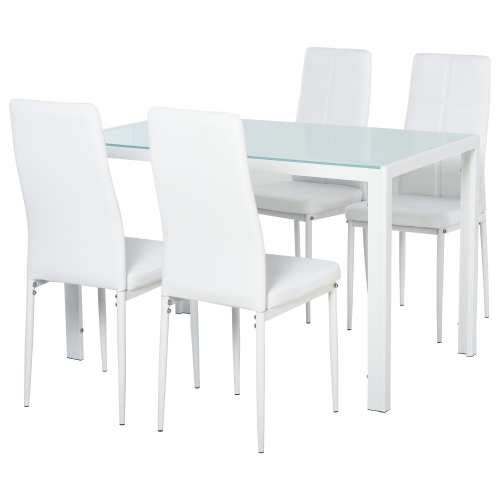
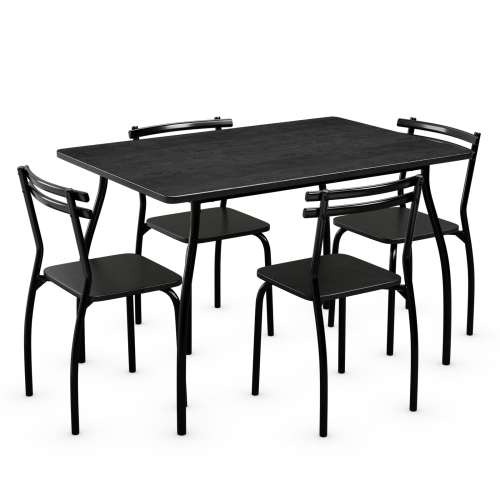
Materials influence the appearance, feel, weight, and care needs of kitchen tables and chairs. Solid wood brings visible grain and natural variation, with finishes that range from light and understated to deep and richly coloured. It can be a durable choice, although resistance to scratches, moisture, and marks depends on the wood species and protective finish. Wood veneer offers a real wood surface over a supporting core, but deep damage can be harder to repair because the top layer is thin. Laminate and other manufactured surfaces can provide an easy-care option for busy eating areas, with performance varying by construction and finish. Glass tabletops create a more open visual effect and allow the chair design or table base to remain visible. They also show fingerprints and crumbs readily, so regular wiping is part of their upkeep. Metal frames can give a dining set a slim profile or a more substantial industrial appearance; stable joints, well-finished edges, and suitable floor protectors contribute to everyday usability. A mixed-material set might pair a wood-look top with metal legs or a glass surface with upholstered seating, balancing different textures within the kitchen. Colour also helps connect the dining area with nearby cabinetry, flooring, and hardware. Light finishes can keep a small nook visually airy, while darker finishes add contrast against pale walls or floors. A coordinated set of black table and chairs can anchor a dining area without introducing several competing colours. Whatever the finish, care is usually simplest when spills are wiped promptly and cleaning methods follow the manufacturer’s directions. Coasters and trivets help protect suitable surfaces from drink rings and hot serving dishes. Abrasive cleaners, excess water, and dragging heavy objects across the tabletop can damage many finishes. For a table that regularly holds cereal bowls, craft supplies, and a laptop, a surface suited to frequent cleaning can be especially useful.
Comfort depends on how the table and chairs work together, not simply on whether their finishes match. Standard dining tables are commonly about 28 to 30 inches high, with chair seats around 17 to 19 inches high. Those measurements are a starting point rather than a guarantee of fit: a thick tabletop, a low apron beneath the edge, or a deeply cushioned seat can change the usable legroom. Counter-height tables require appropriately matched seating and may be less convenient for young children or people who find higher seats difficult to use. At any height, the chair back, seat depth, and support underfoot affect how comfortable it feels to linger over a meal. Upholstered seats add cushioning, while wood, moulded, and other unupholstered seats generally offer more straightforward wipe-down care. Fabric texture and cleaning requirements matter in homes where spills are common, and stitched seams or tufted details may need extra attention to remove crumbs. Armchairs offer another place to rest the arms but need enough clearance to slide beneath the table. Armless chairs often tuck in more closely, which helps keep narrow walkways clear. Allowing roughly 24 inches of table edge per diner is a useful starting point for everyday elbow room, with wider chairs or more generous place settings requiring additional space. Table legs and pedestal bases also affect where chairs can sit; an advertised seating capacity does not always leave equal room at every position. For families, a sturdy base and chairs that remain stable during normal use are important, while people furnishing a first apartment may value pieces that are manageable to move and versatile enough for another layout later. Assembly quality contributes to durability, so correctly fitted hardware and occasional checks for loose fasteners help keep the set secure. Felt pads or other suitable glides can reduce scuffing on compatible floors, and lifting chairs rather than dragging them helps protect both furniture and flooring. A well-proportioned kitchen table and chairs set brings these details together, creating a useful place for quick lunches, shared dinners, and the small tasks that gather around daily life.
Materials influence the appearance, feel, weight, and care needs of kitchen tables and chairs. Solid wood brings visible grain and natural variation, with finishes that range from light and understated to deep and richly coloured. It can be a durable choice, although resistance to scratches, moisture, and marks depends on the wood species and protective finish. Wood veneer offers a real wood surface over a supporting core, but deep damage can be harder to repair because the top layer is thin. Laminate and other manufactured surfaces can provide an easy-care option for busy eating areas, with performance varying by construction and finish. Glass tabletops create a more open visual effect and allow the chair design or table base to remain visible. They also show fingerprints and crumbs readily, so regular wiping is part of their upkeep. Metal frames can give a dining set a slim profile or a more substantial industrial appearance; stable joints, well-finished edges, and suitable floor protectors contribute to everyday usability. A mixed-material set might pair a wood-look top with metal legs or a glass surface with upholstered seating, balancing different textures within the kitchen. Colour also helps connect the dining area with nearby cabinetry, flooring, and hardware. Light finishes can keep a small nook visually airy, while darker finishes add contrast against pale walls or floors. A coordinated set of black table and chairs can anchor a dining area without introducing several competing colours. Whatever the finish, care is usually simplest when spills are wiped promptly and cleaning methods follow the manufacturer’s directions. Coasters and trivets help protect suitable surfaces from drink rings and hot serving dishes. Abrasive cleaners, excess water, and dragging heavy objects across the tabletop can damage many finishes. For a table that regularly holds cereal bowls, craft supplies, and a laptop, a surface suited to frequent cleaning can be especially useful.
Comfort depends on how the table and chairs work together, not simply on whether their finishes match. Standard dining tables are commonly about 28 to 30 inches high, with chair seats around 17 to 19 inches high. Those measurements are a starting point rather than a guarantee of fit: a thick tabletop, a low apron beneath the edge, or a deeply cushioned seat can change the usable legroom. Counter-height tables require appropriately matched seating and may be less convenient for young children or people who find higher seats difficult to use. At any height, the chair back, seat depth, and support underfoot affect how comfortable it feels to linger over a meal. Upholstered seats add cushioning, while wood, moulded, and other unupholstered seats generally offer more straightforward wipe-down care. Fabric texture and cleaning requirements matter in homes where spills are common, and stitched seams or tufted details may need extra attention to remove crumbs. Armchairs offer another place to rest the arms but need enough clearance to slide beneath the table. Armless chairs often tuck in more closely, which helps keep narrow walkways clear. Allowing roughly 24 inches of table edge per diner is a useful starting point for everyday elbow room, with wider chairs or more generous place settings requiring additional space. Table legs and pedestal bases also affect where chairs can sit; an advertised seating capacity does not always leave equal room at every position. For families, a sturdy base and chairs that remain stable during normal use are important, while people furnishing a first apartment may value pieces that are manageable to move and versatile enough for another layout later. Assembly quality contributes to durability, so correctly fitted hardware and occasional checks for loose fasteners help keep the set secure. Felt pads or other suitable glides can reduce scuffing on compatible floors, and lifting chairs rather than dragging them helps protect both furniture and flooring. A well-proportioned kitchen table and chairs set brings these details together, creating a useful place for quick lunches, shared dinners, and the small tasks that gather around daily life.
Top selling and popular products
-
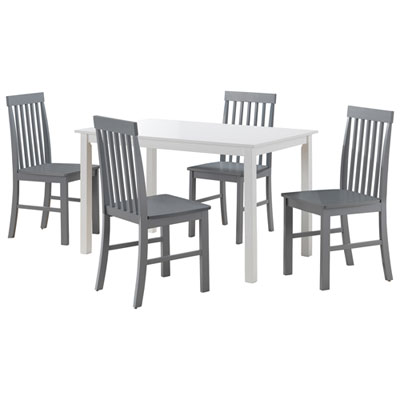 Your price for this item is $872.99
 -
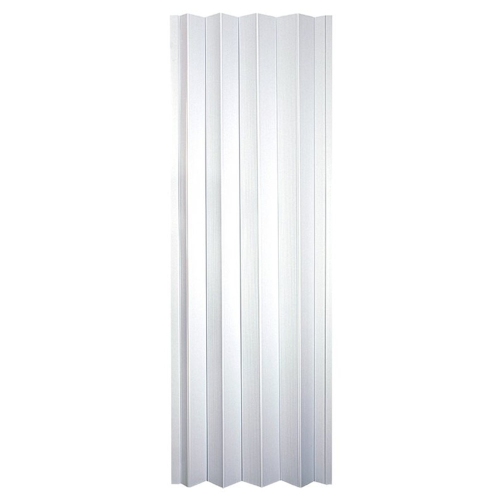 Your price for this item is $197.99
 -
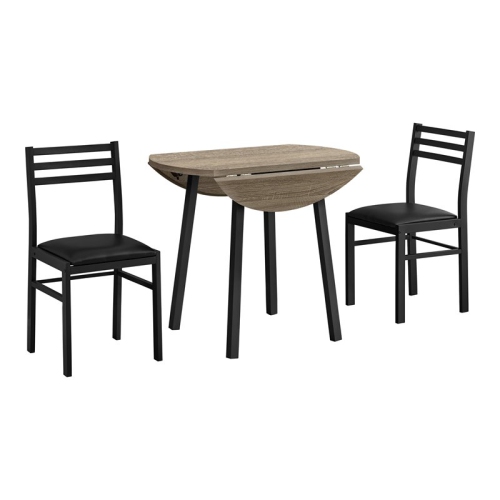 Your price for this item is $219.97
 -
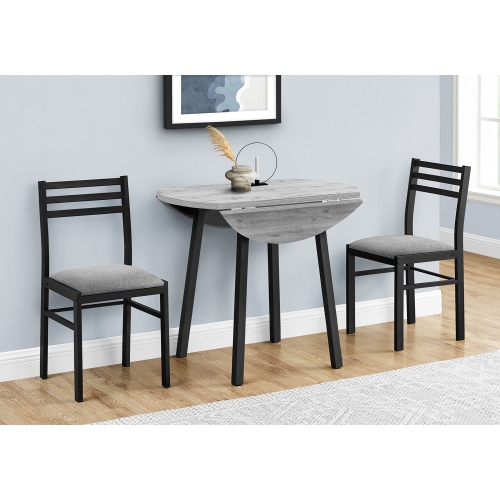 Your price for this item is $219.97
 -
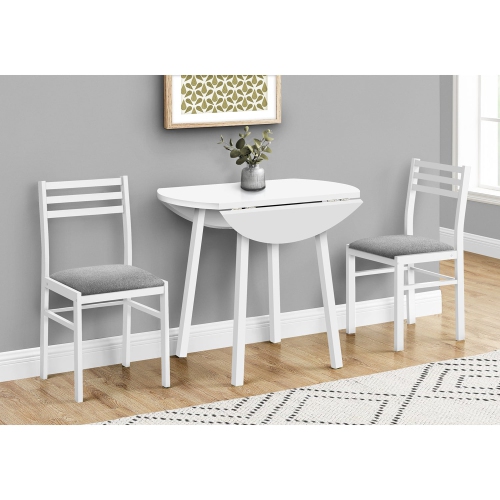 Your price for this item is $219.97
 -
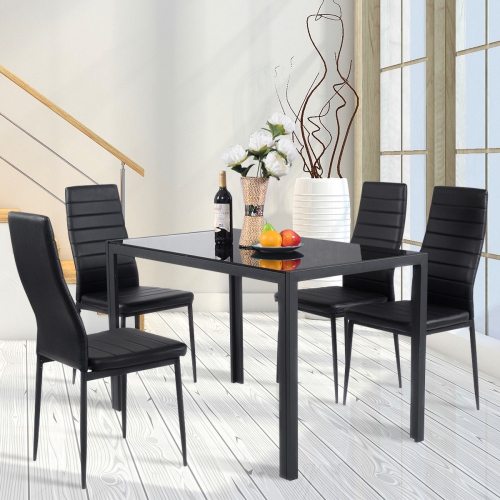 Your price for this item is $325.99
 -
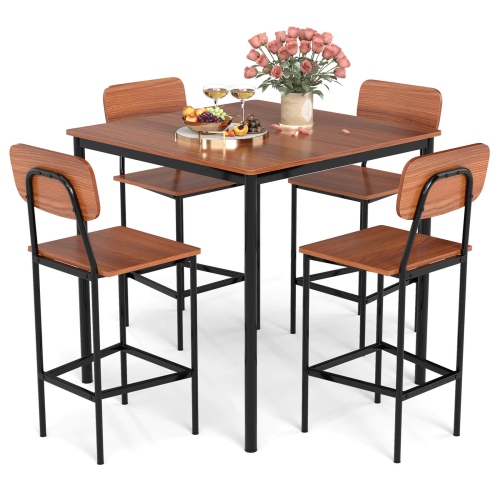 Your price for this item is $265.99
 -
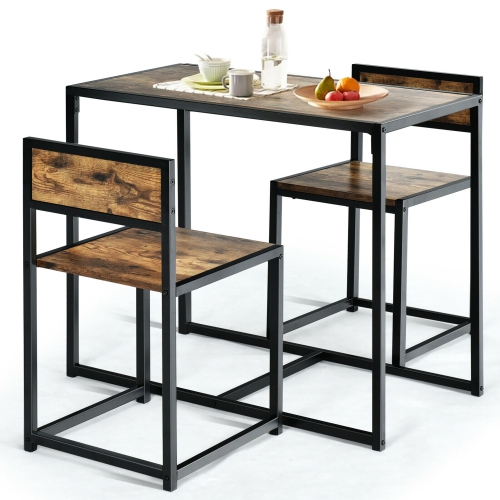 Your price for this item is $149.99
Discover more categories related to Kitchen Table And Chairs

Top Collections:
Pokemon Centers, Kindle Devices, Best Budget Office Chairs, Apple iPhones 16, Best Laptops for Writers, iPhone 15 Apple, Canon G7X Cameras, Refurbished Apple Laptops, Alarm Clock, Motorola Razr Phones
Some products may be subject to Environmental Handling Fees
(EHF) depending on your province.
Learn more about EHFs.