Knife Sets With Block
For home chefs and cooking enthusiasts looking to upgrade their kitchen essentials, a high-quality knife set with a block is a must-have addition. These versatile sets not only keep your kitchen organized but also provide you with a variety of sharp blades for all your slicing, dicing, and chopping needs. With different knife styles and sizes neatly stored in a stylish block, you can easily access the right tool for any culinary task. Explore our selection of knife sets with blocks to find the perfect combination of functionality and style for your kitchen.
Sort
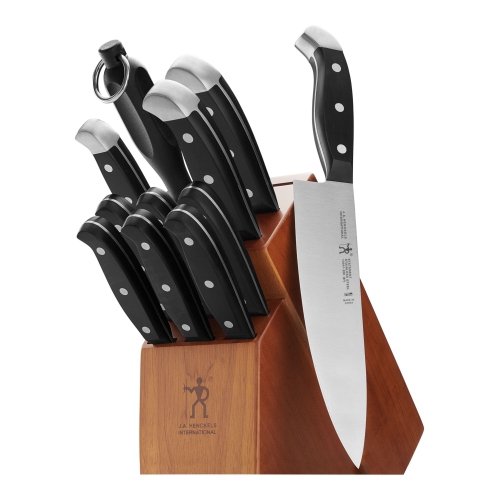
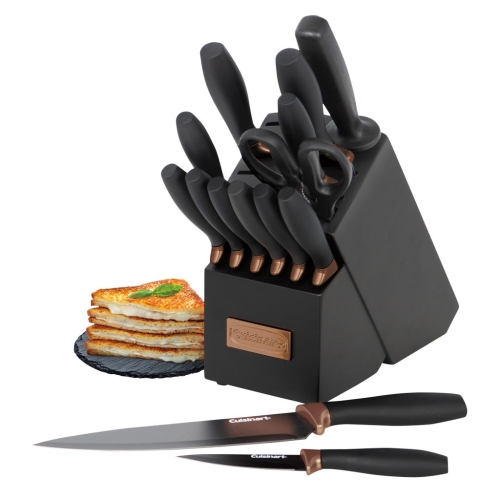
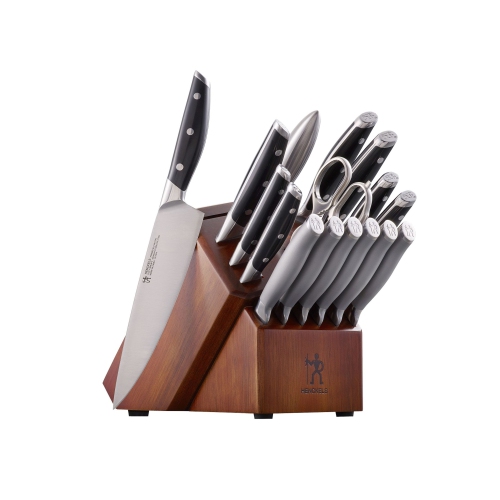
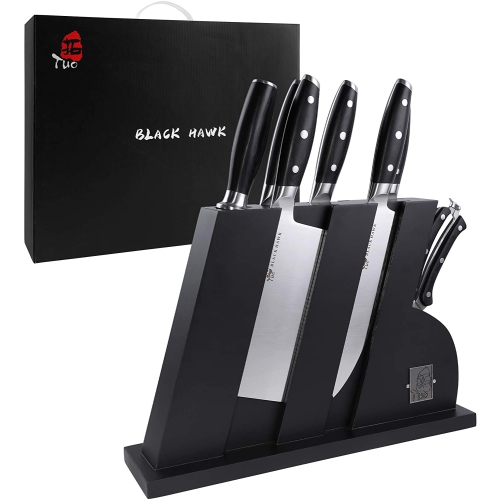
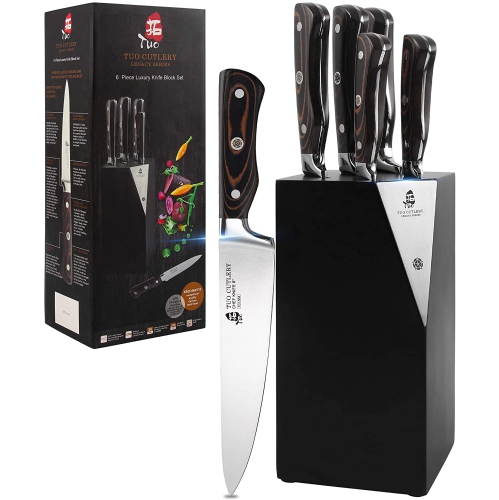
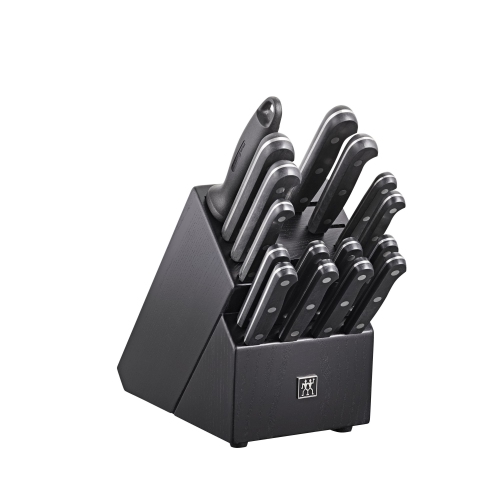
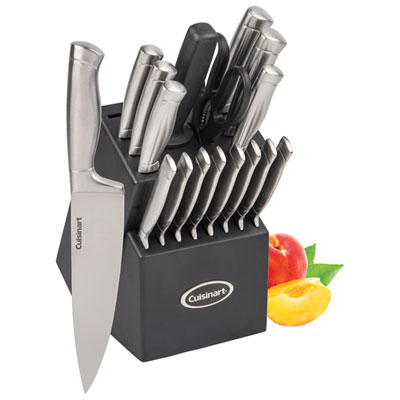
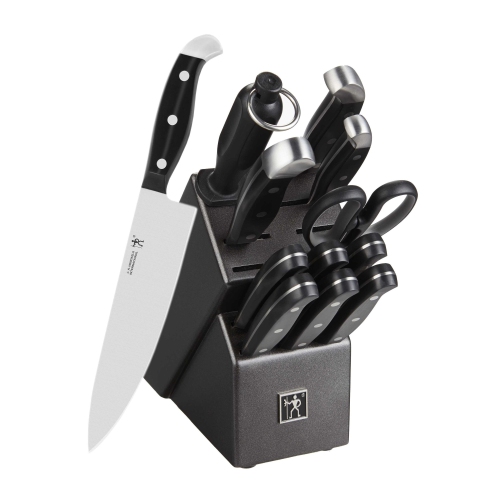

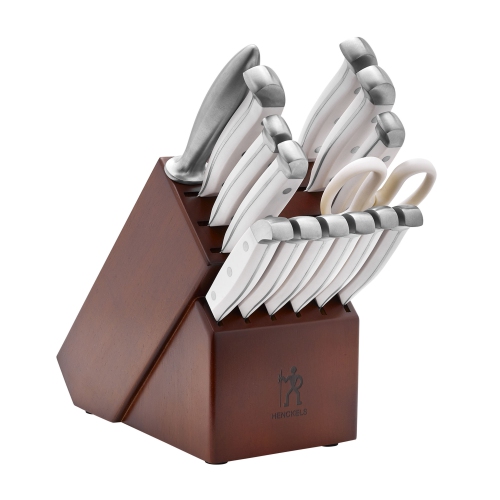
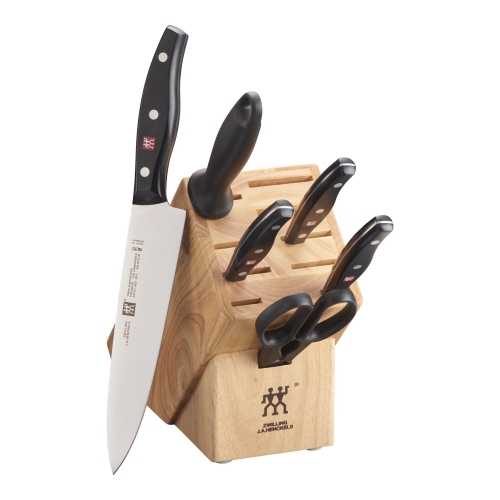
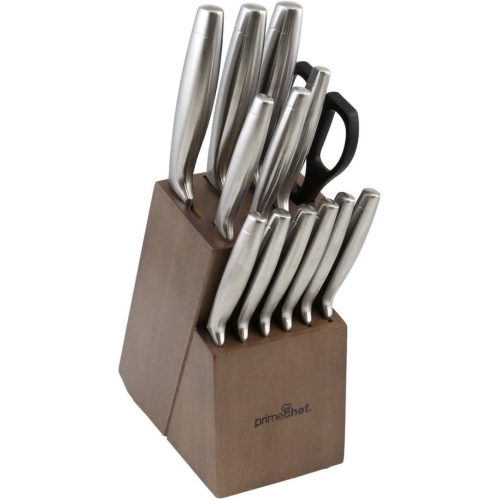
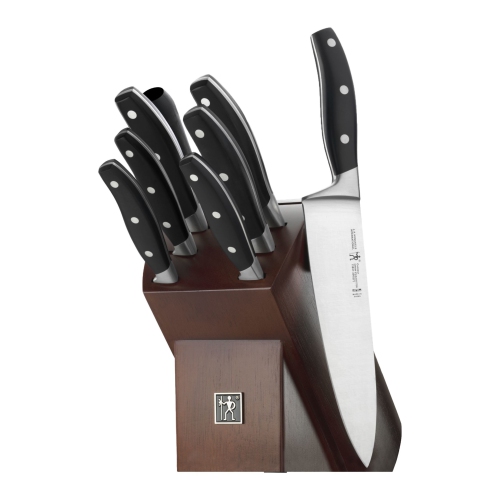
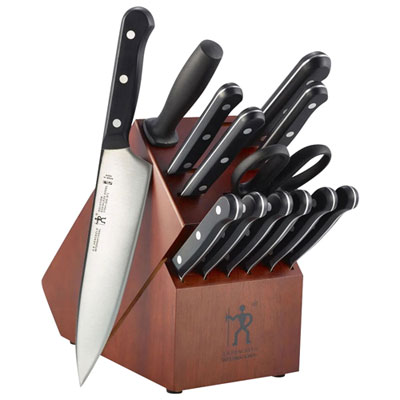
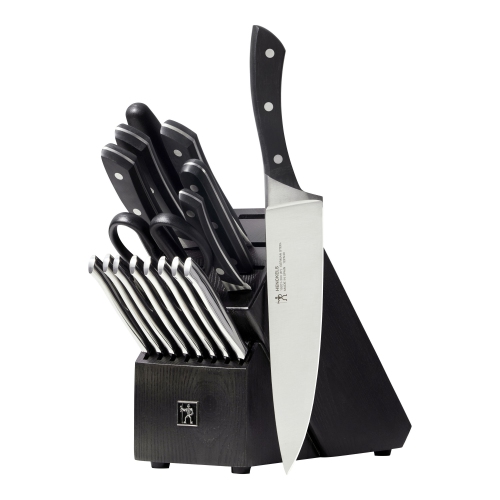
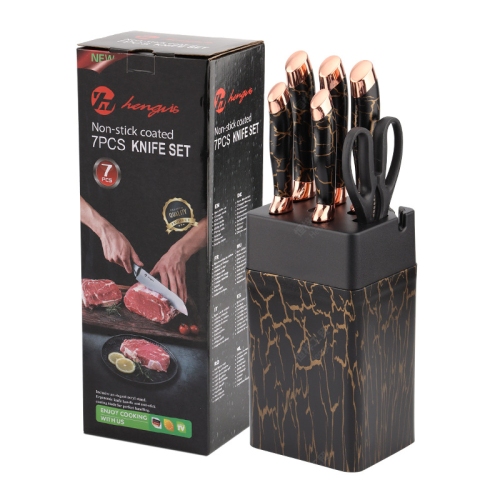
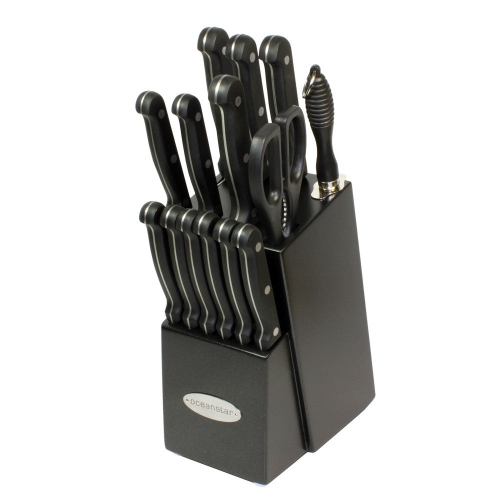
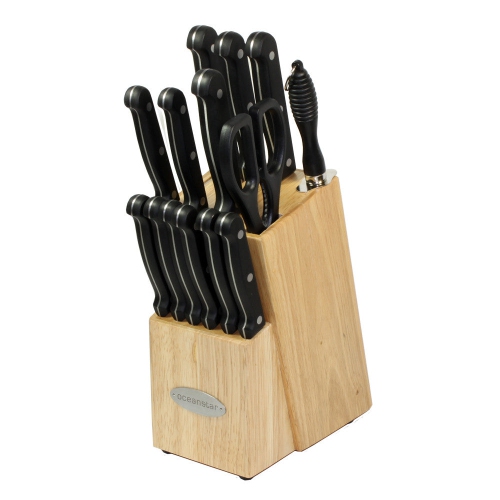
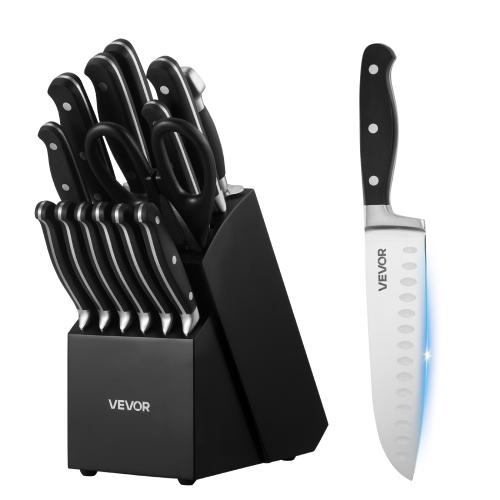
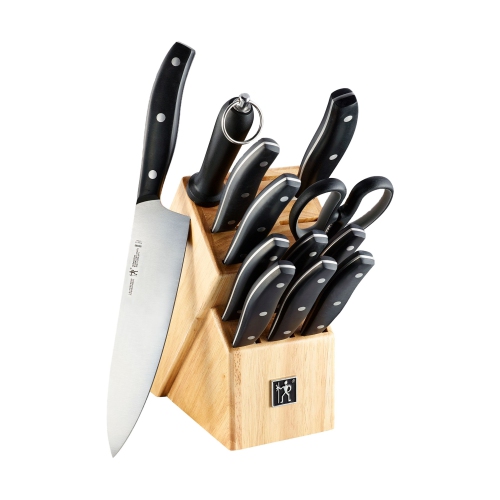
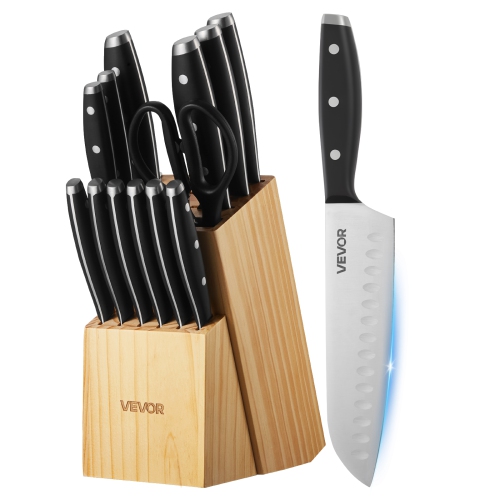
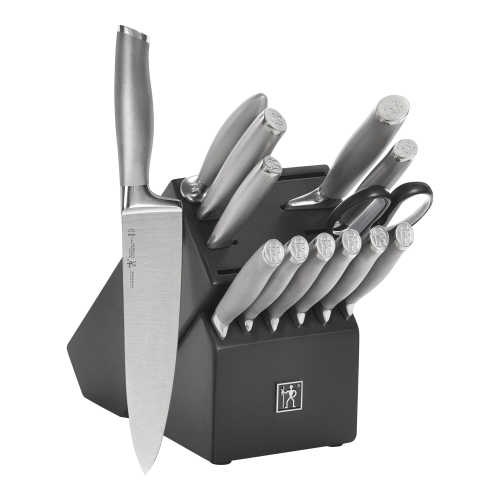
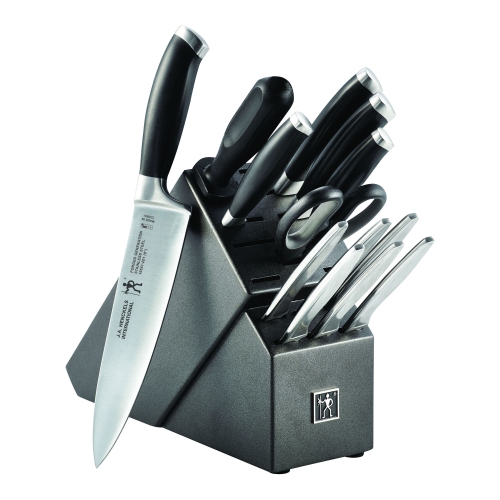
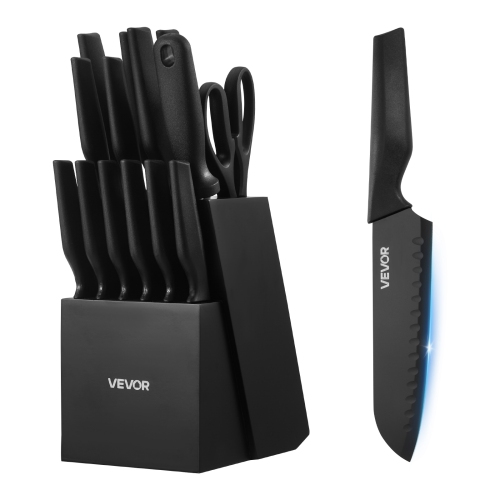
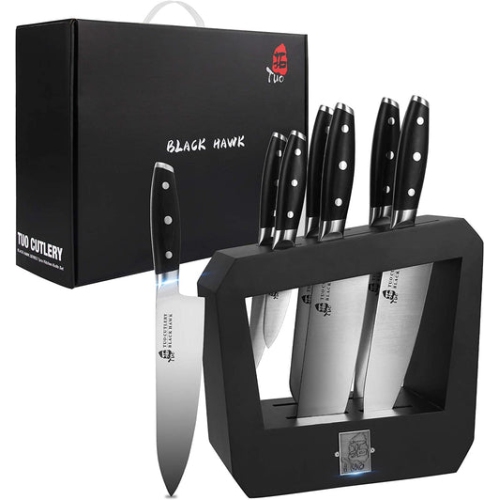
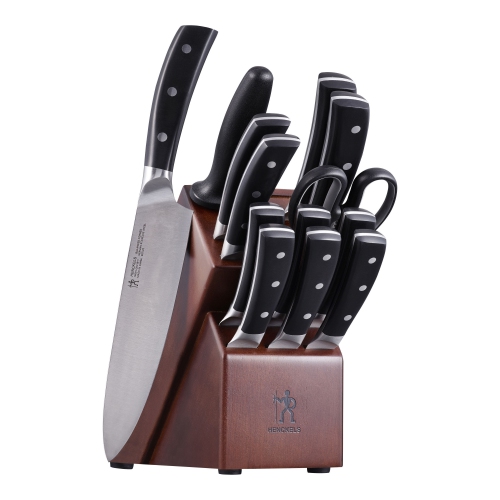
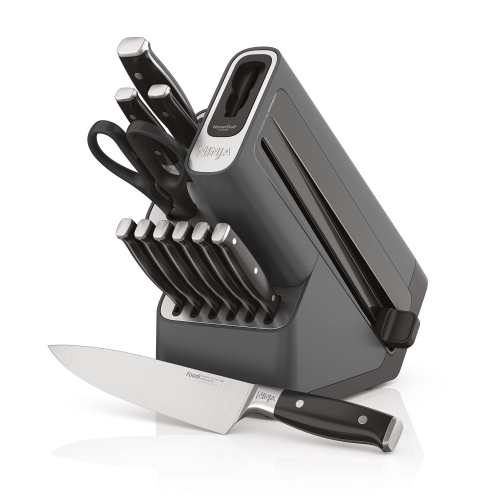
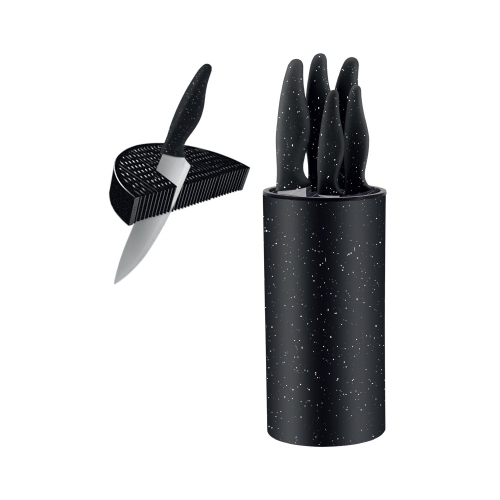
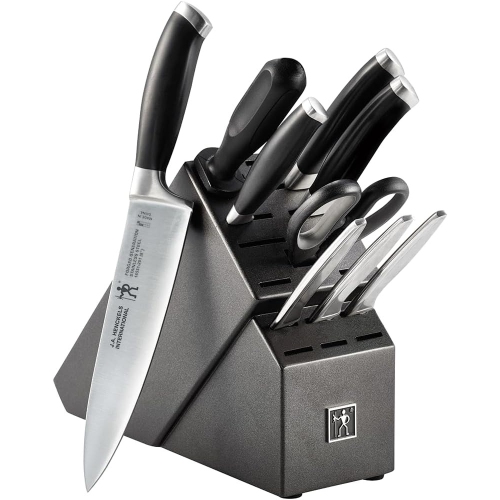
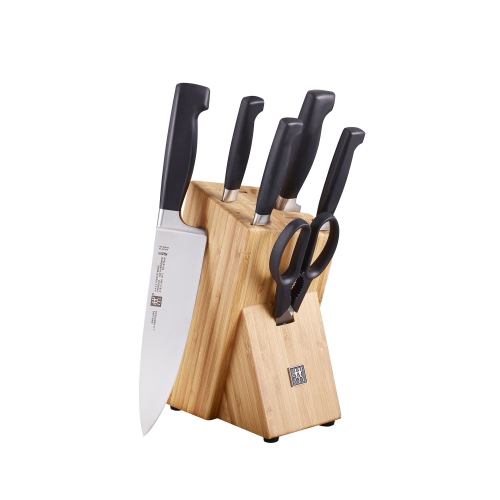
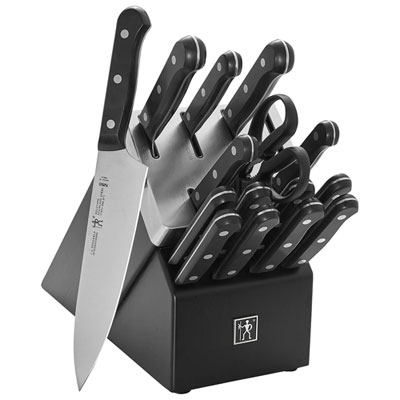
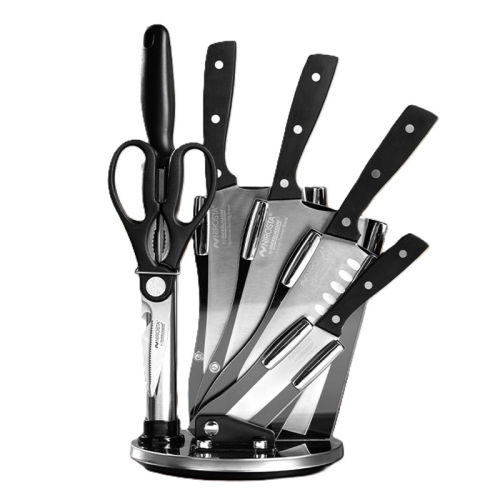
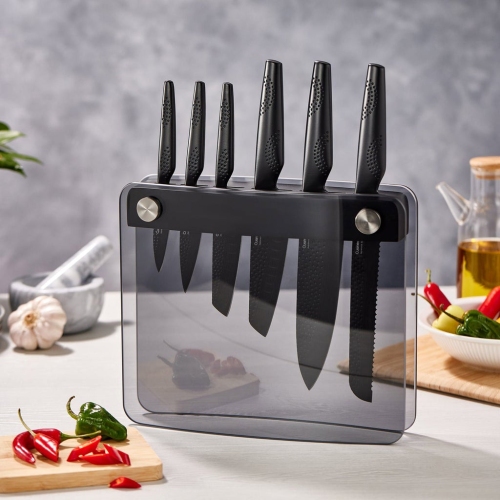

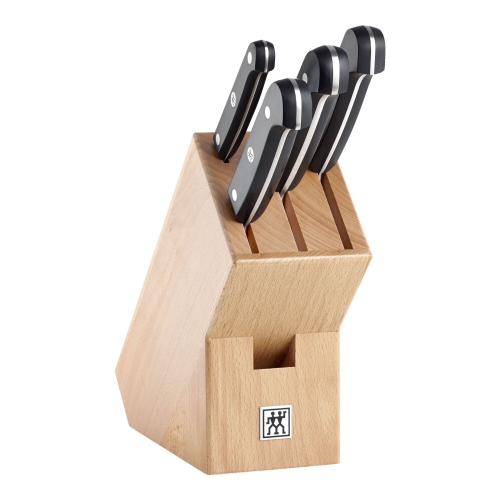
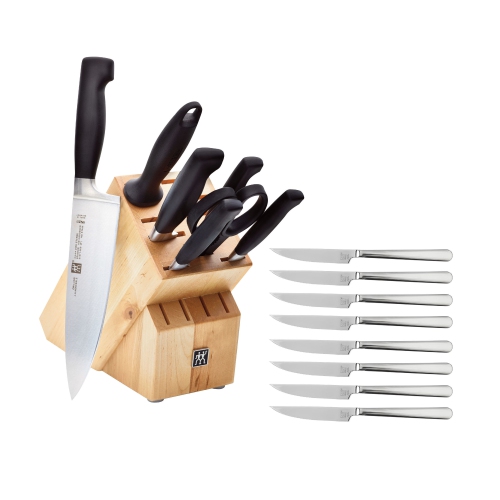
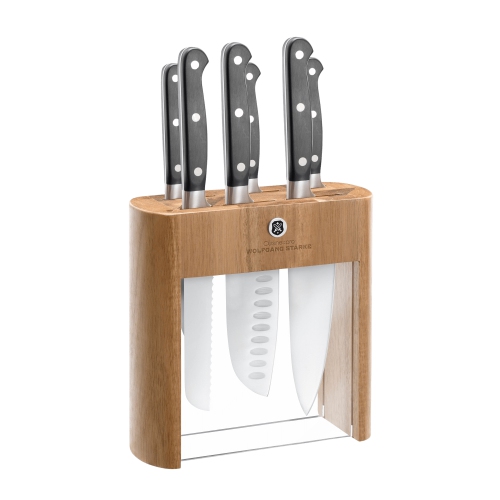

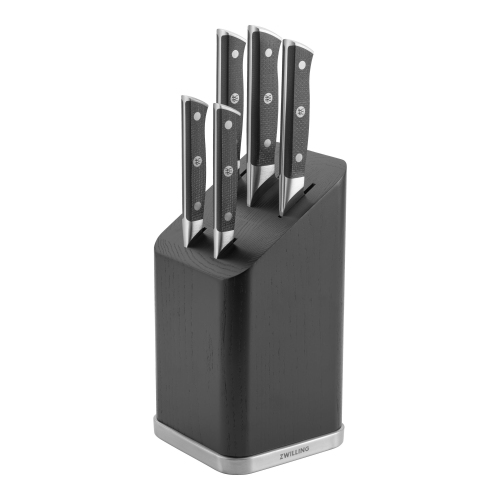
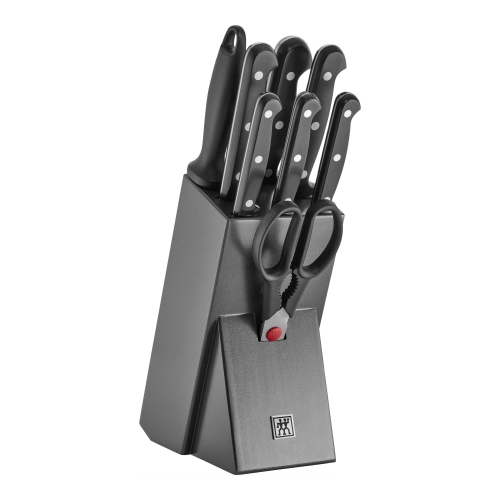
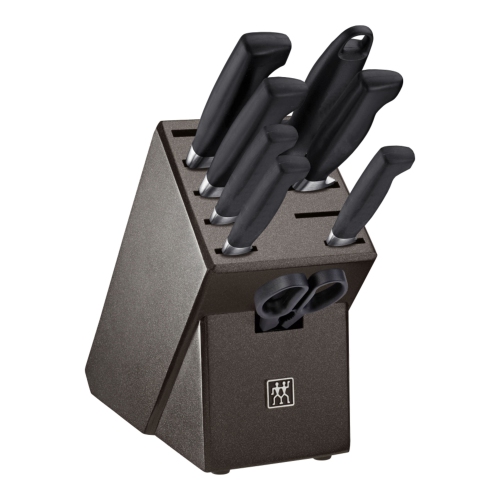
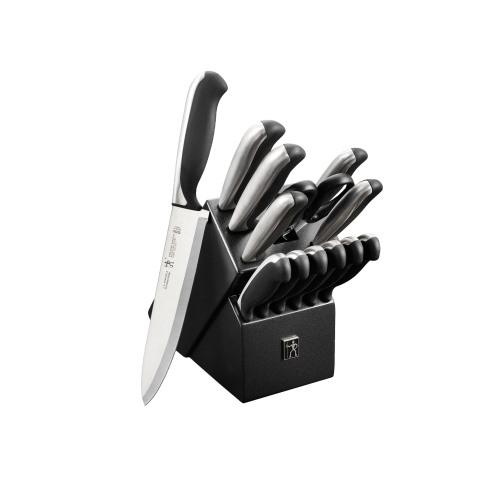
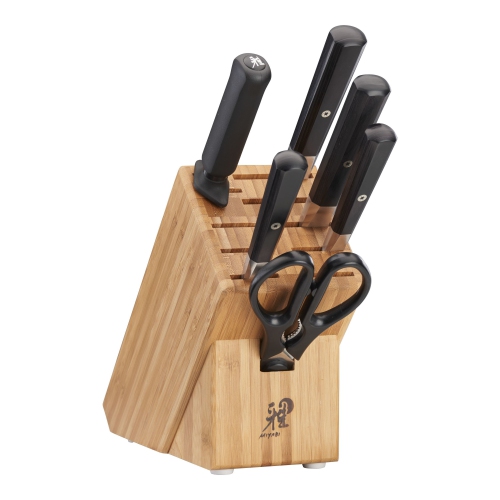
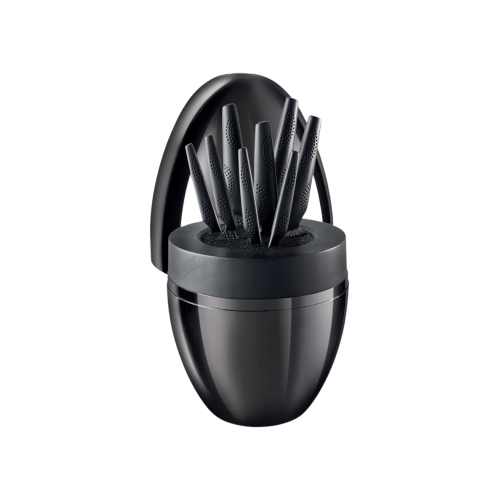
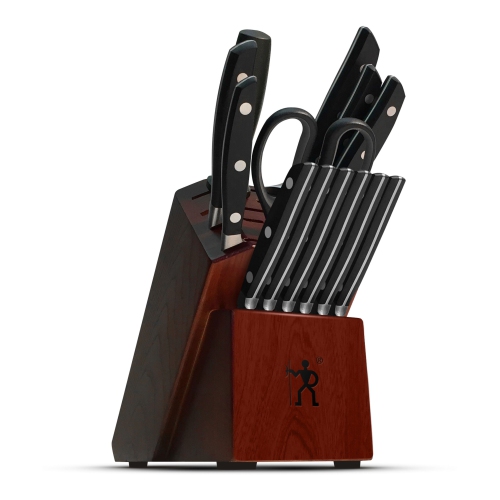
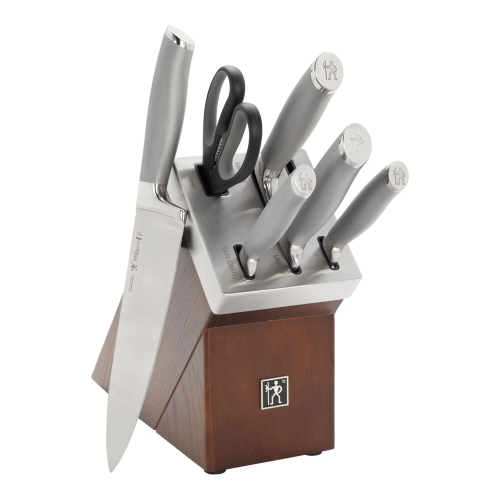
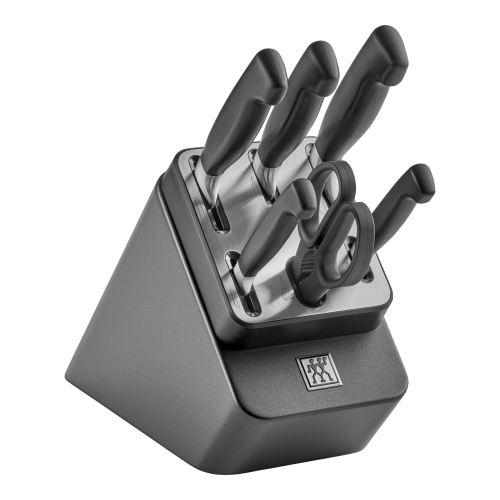


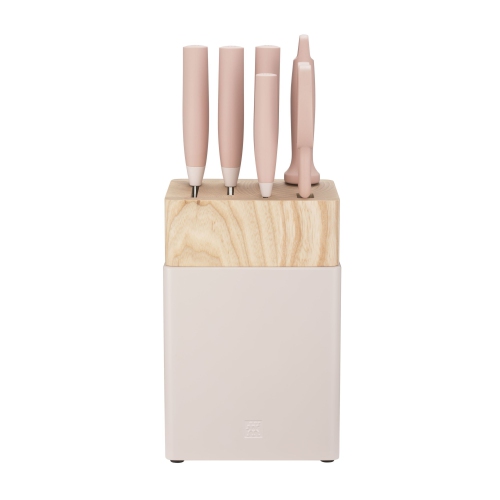
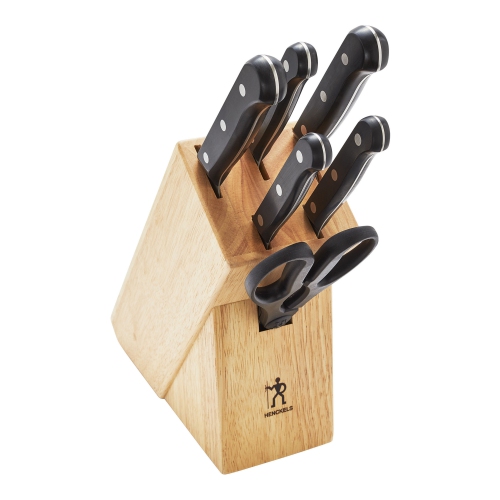
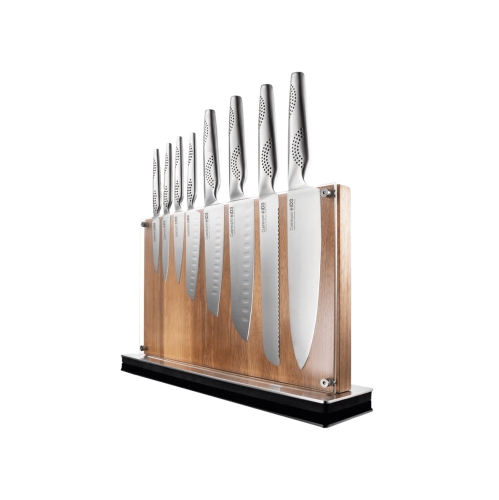
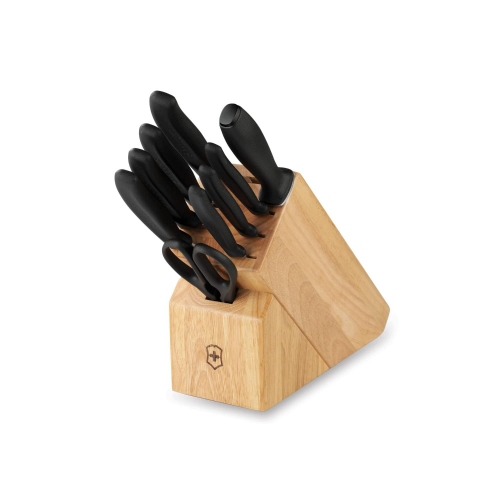

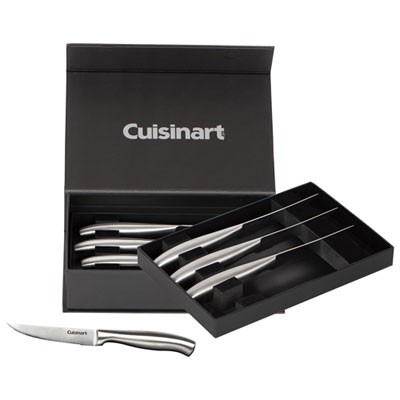
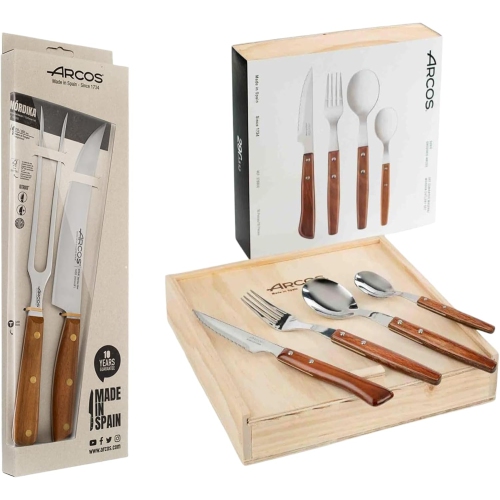
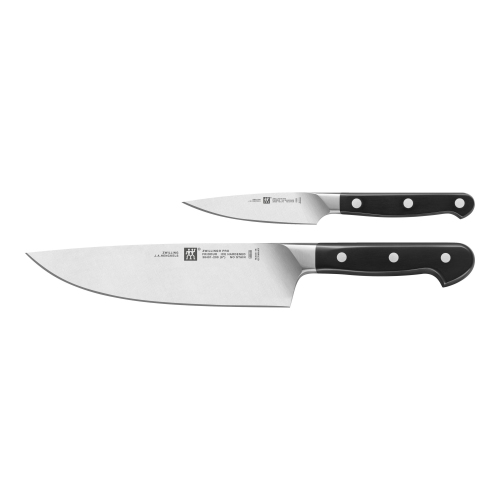
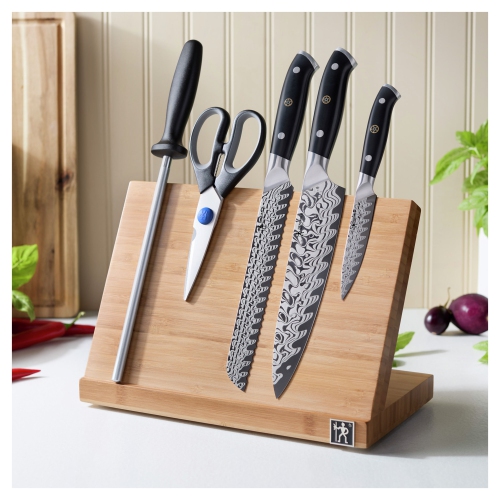
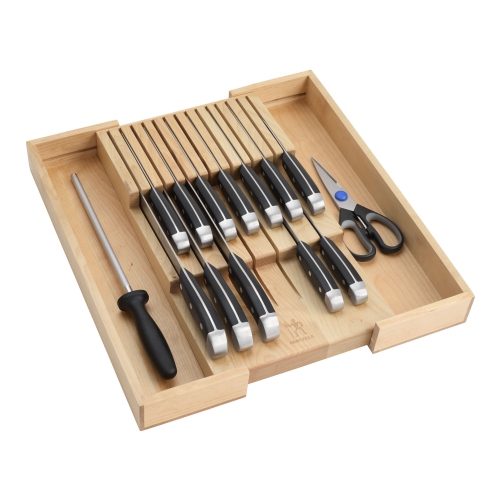
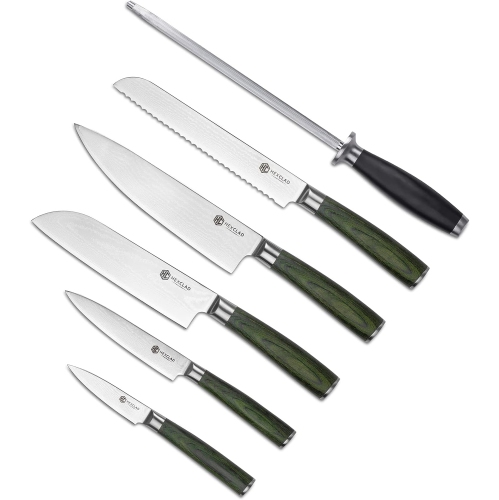
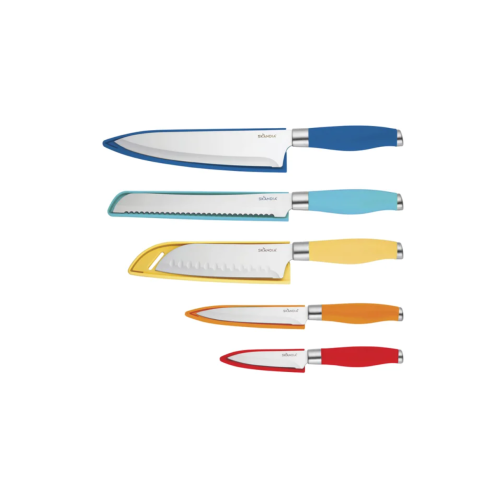
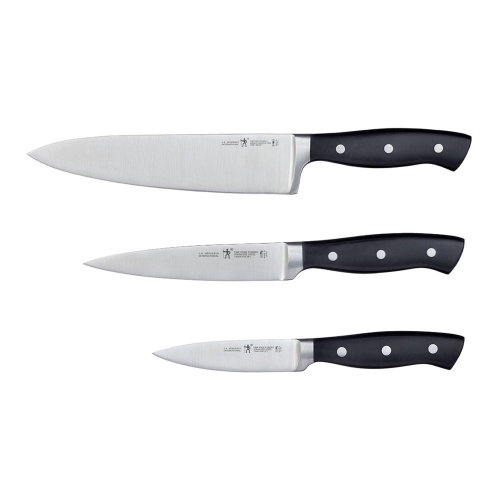
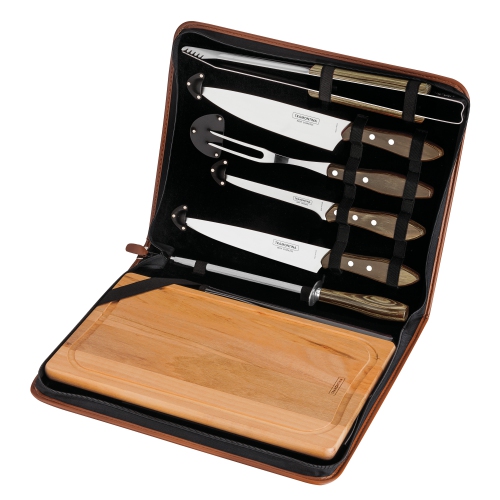
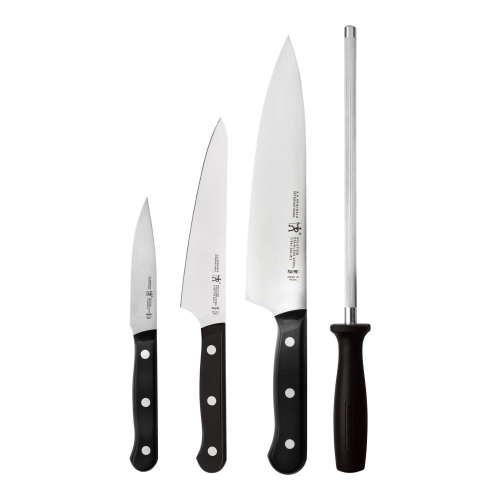
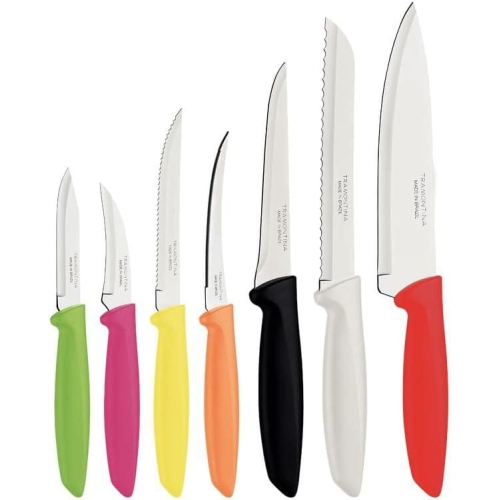
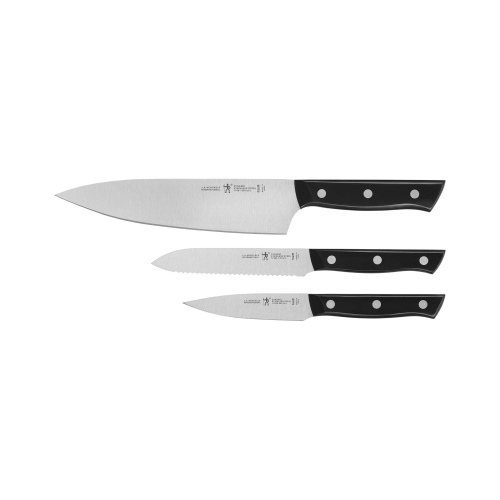
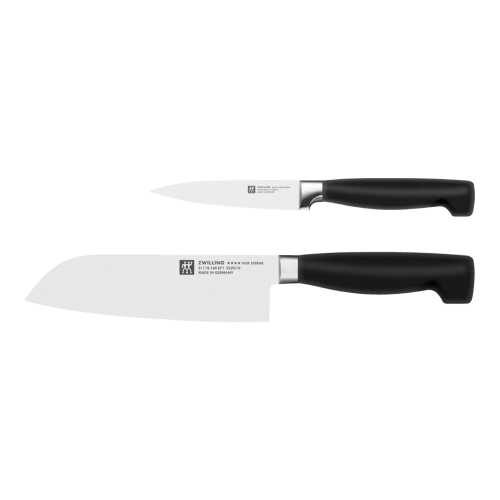
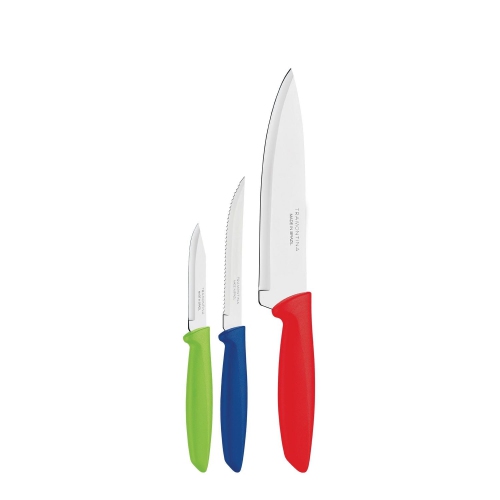
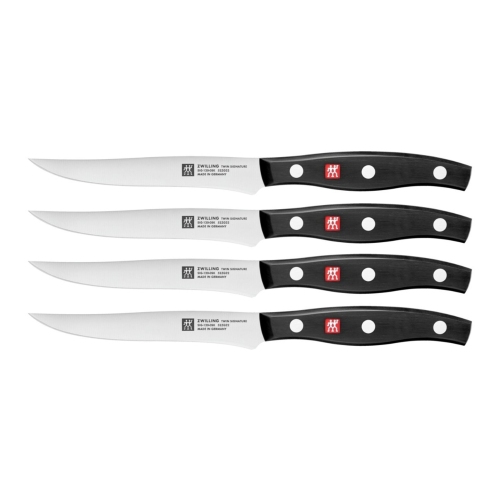
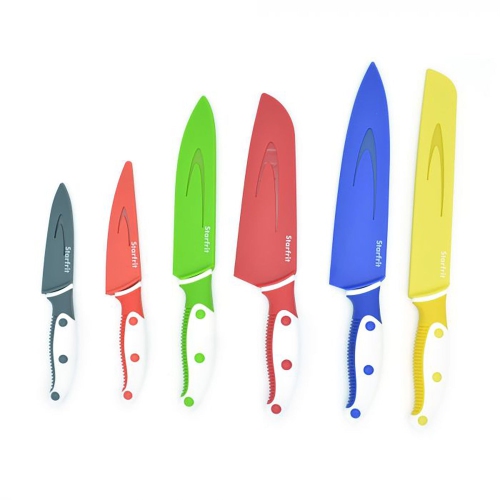
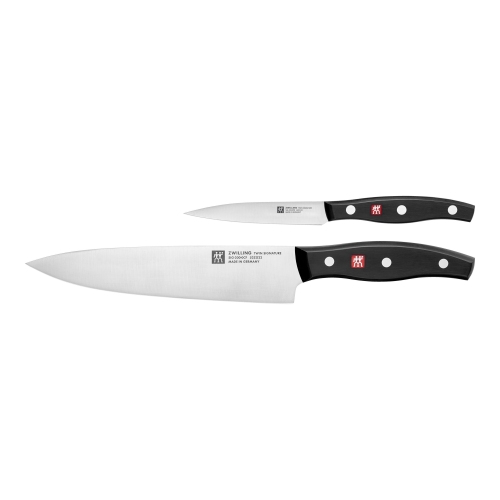
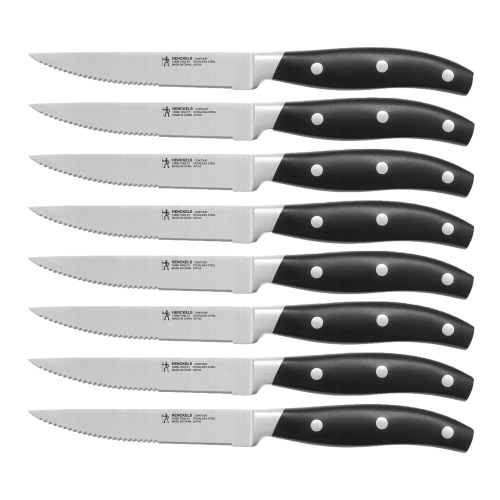
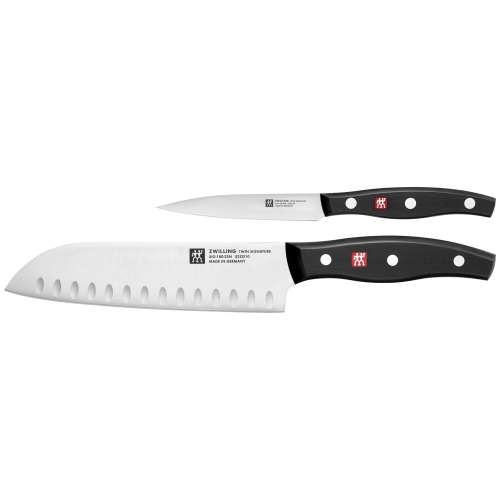
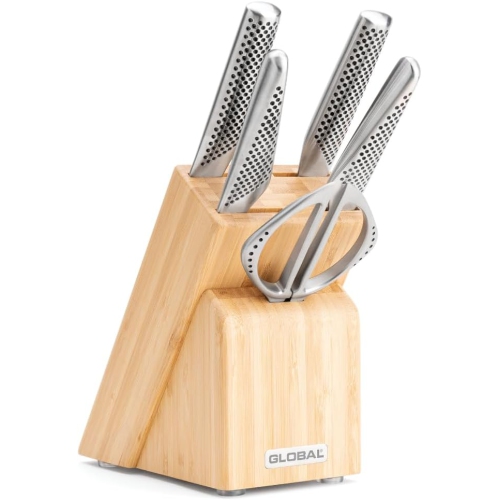
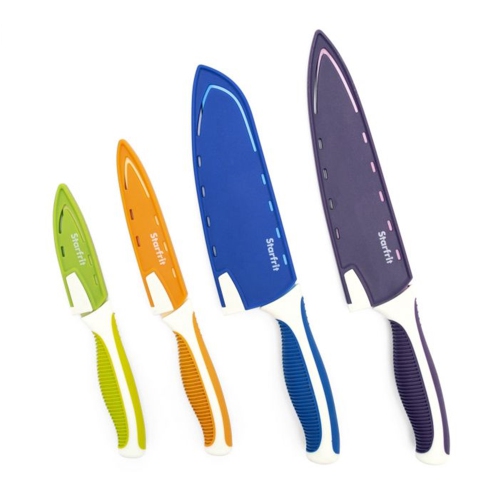
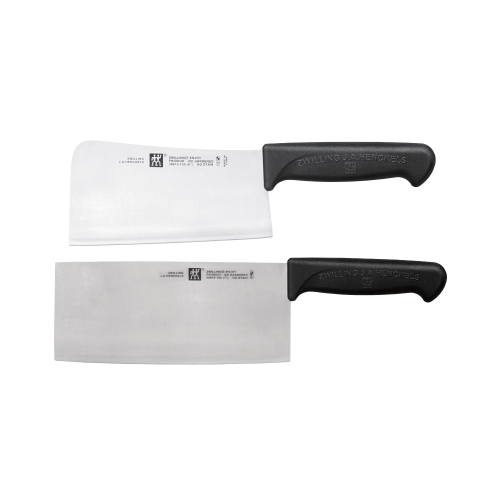
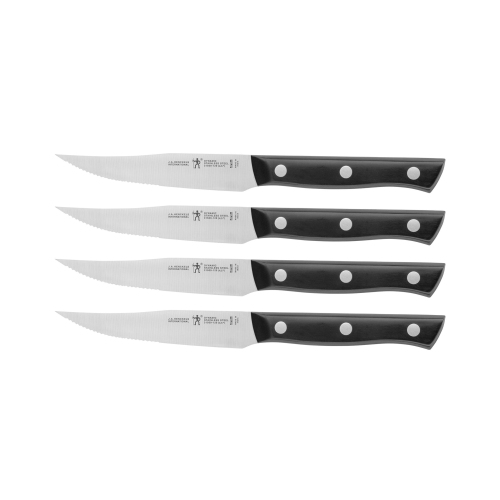
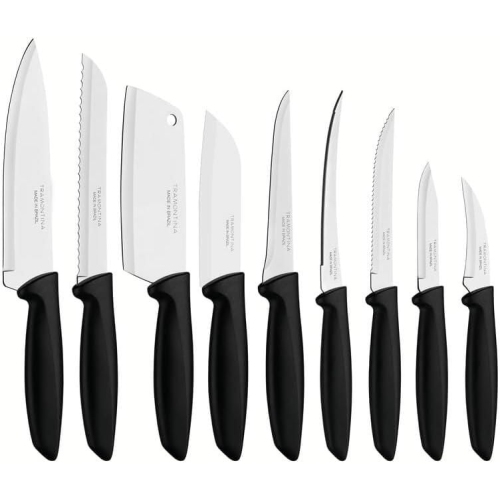
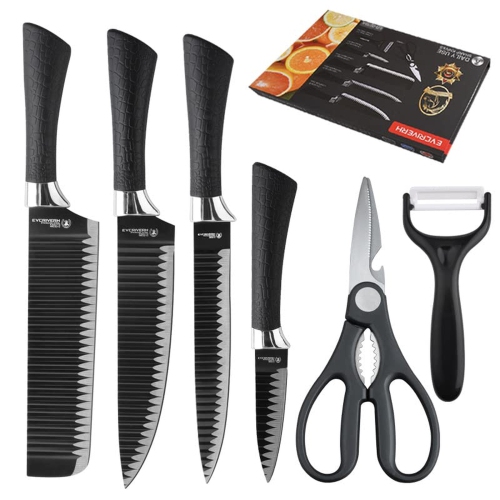
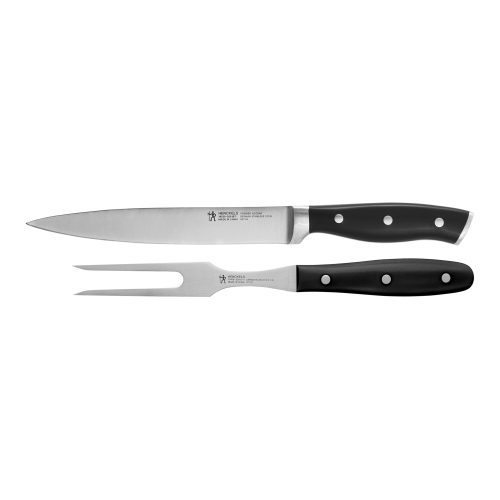
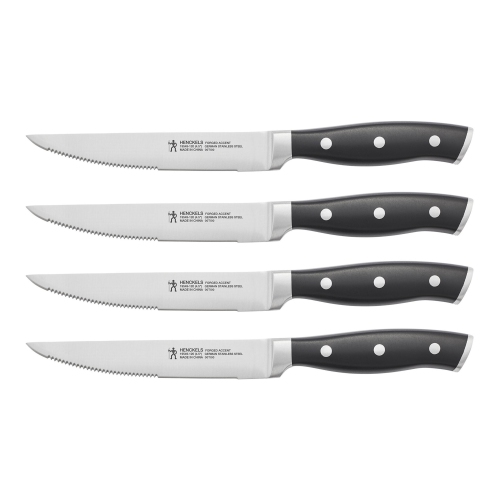

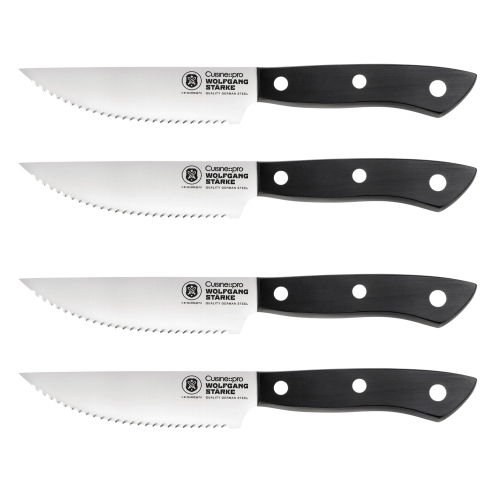
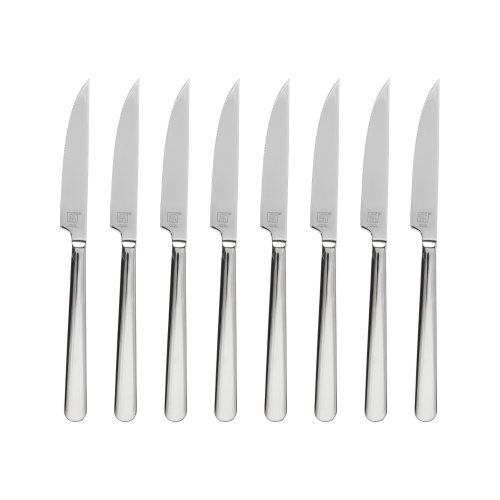
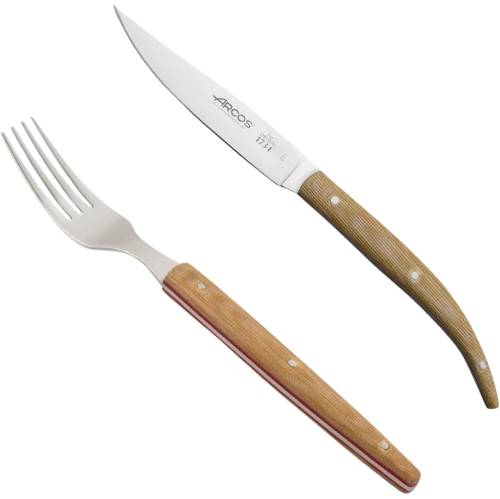
Organized storage and versatile blades for everyday prep
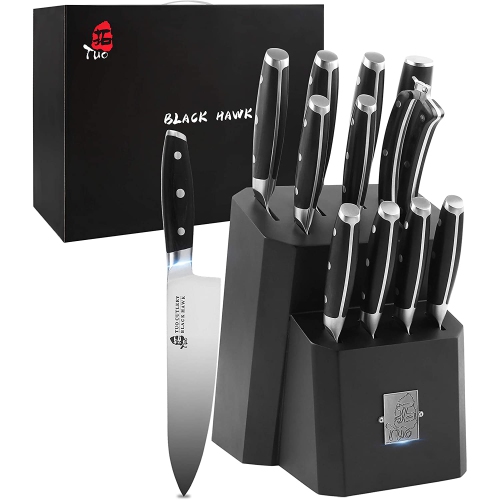
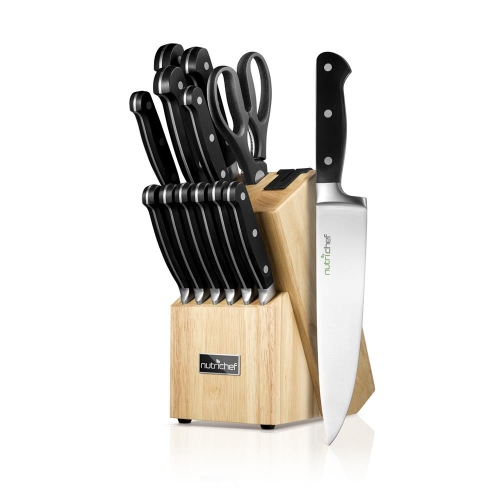
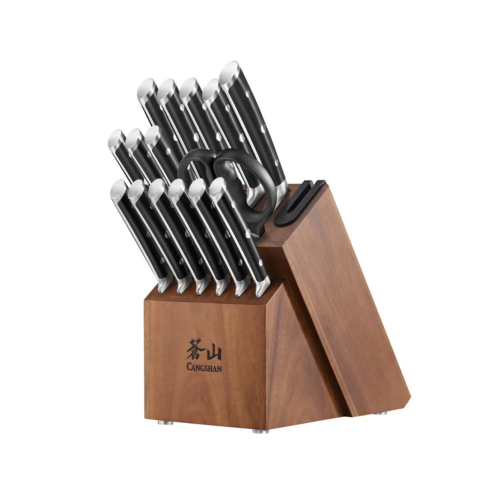
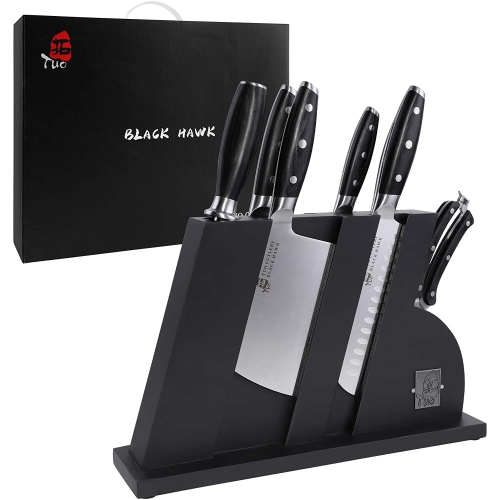
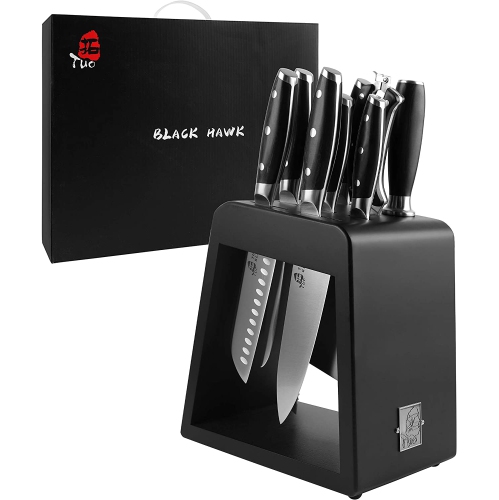
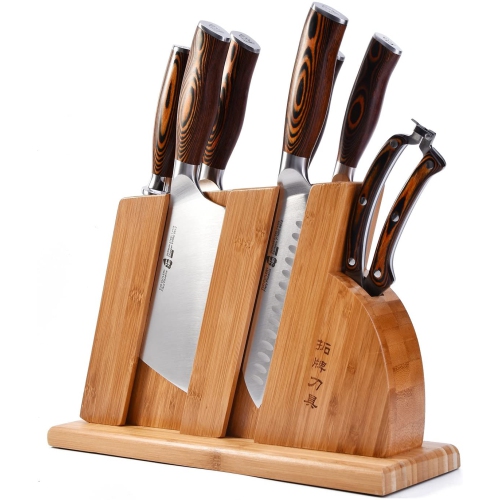
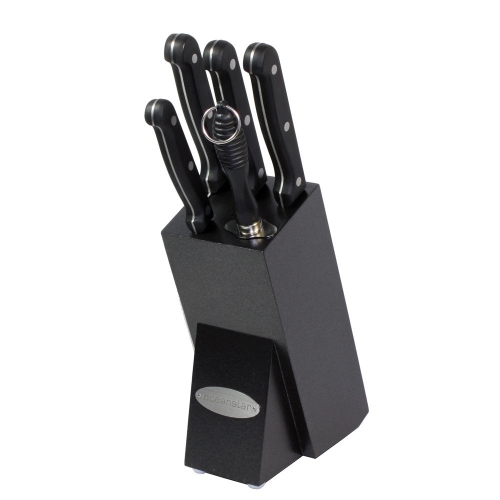
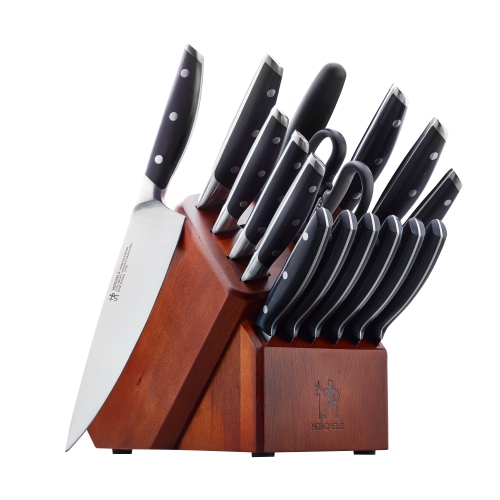
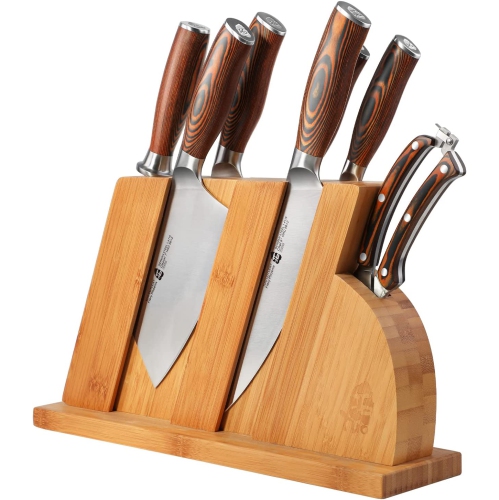
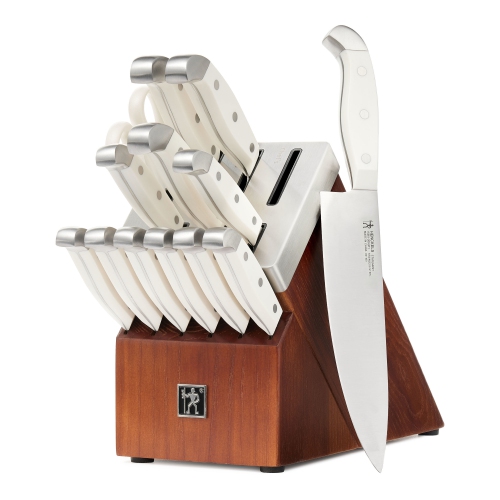
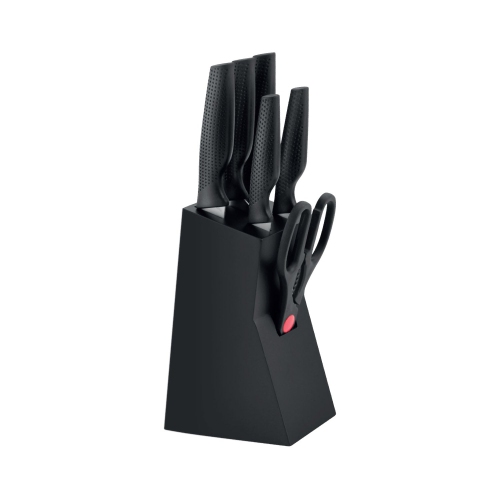
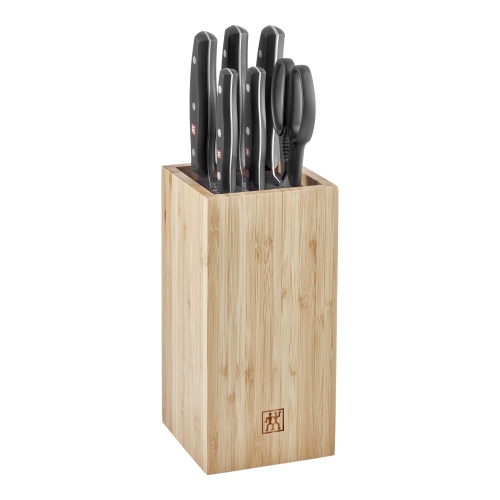
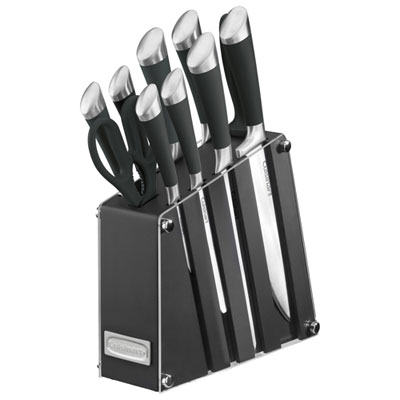
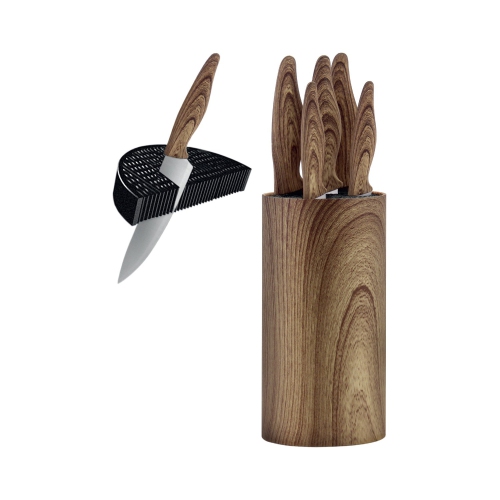
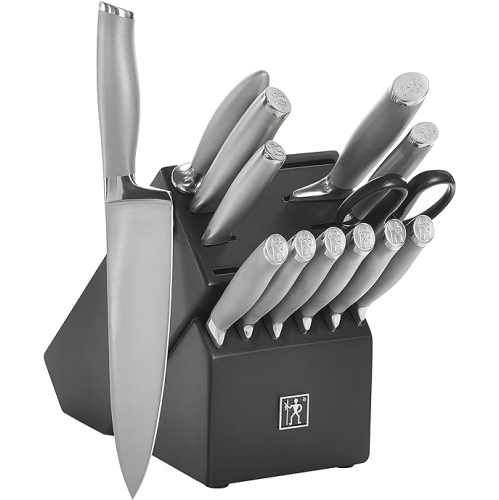
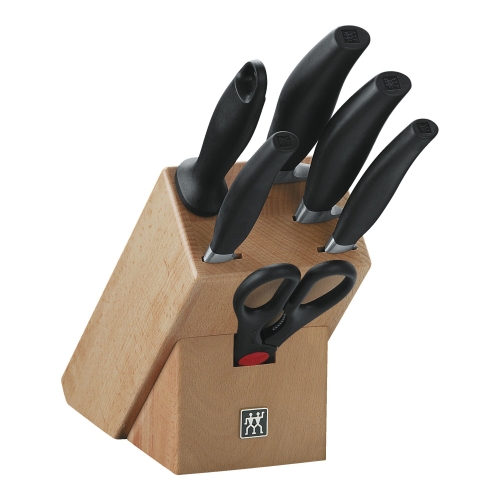
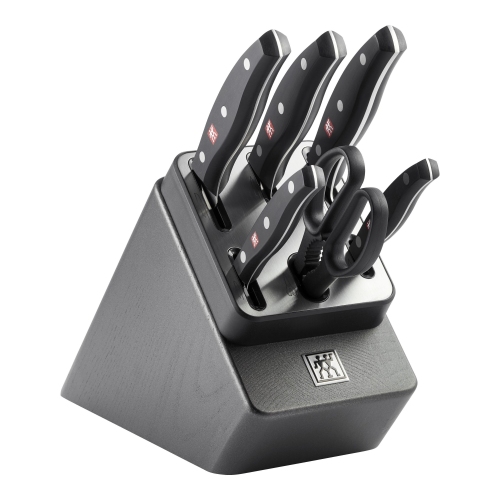
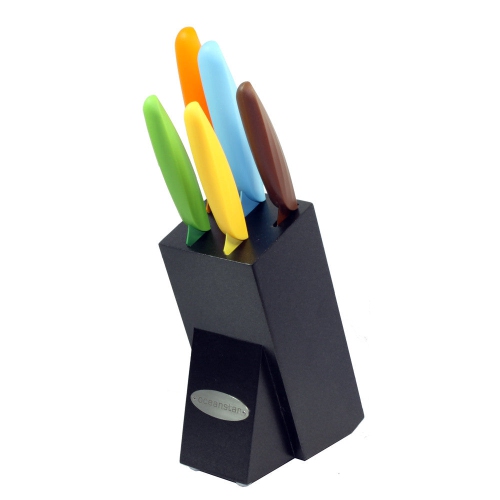
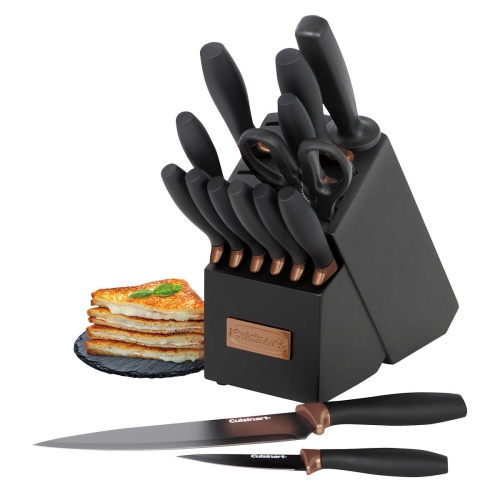
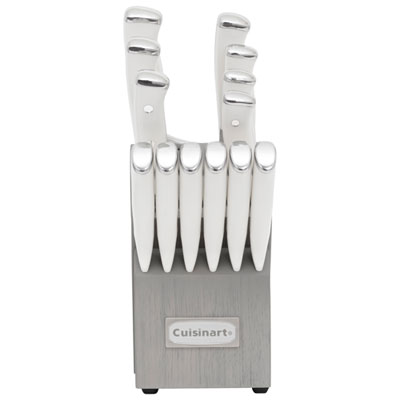
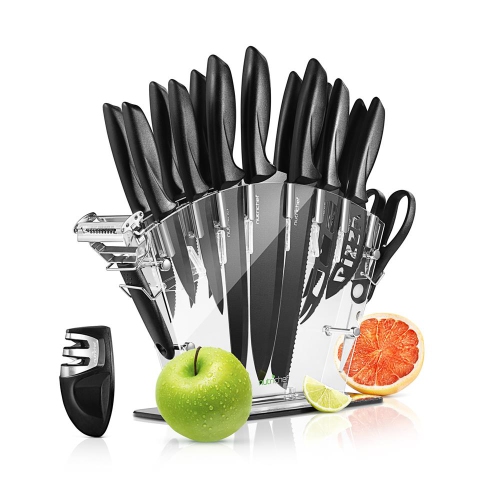
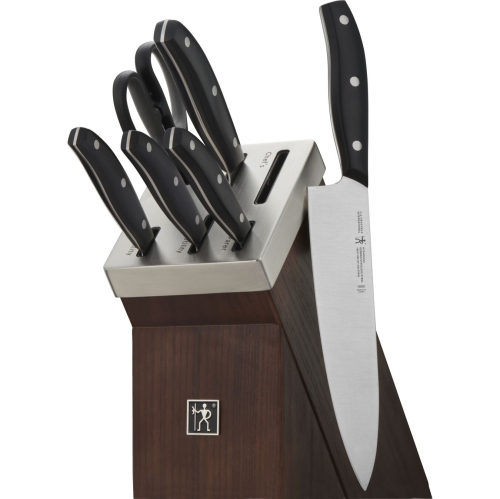
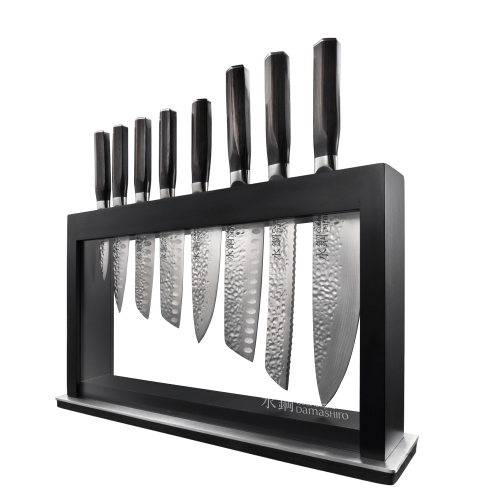
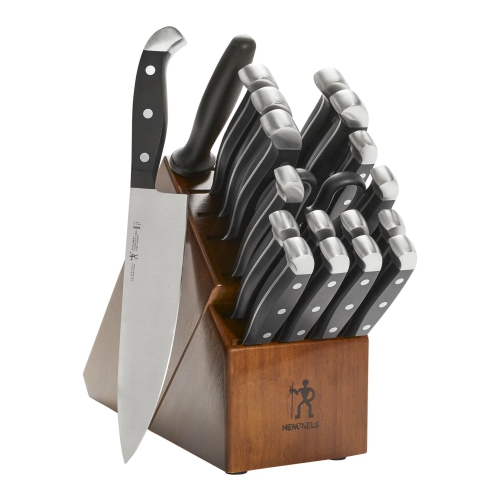
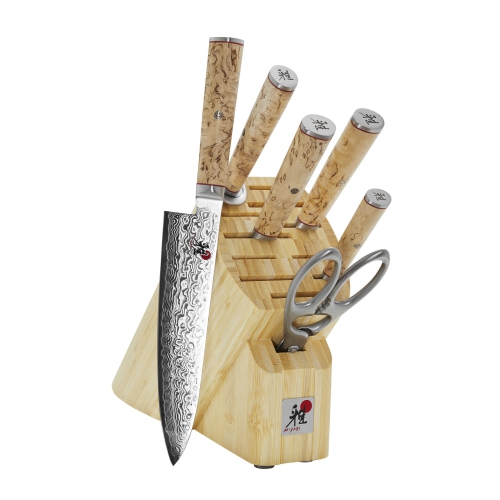
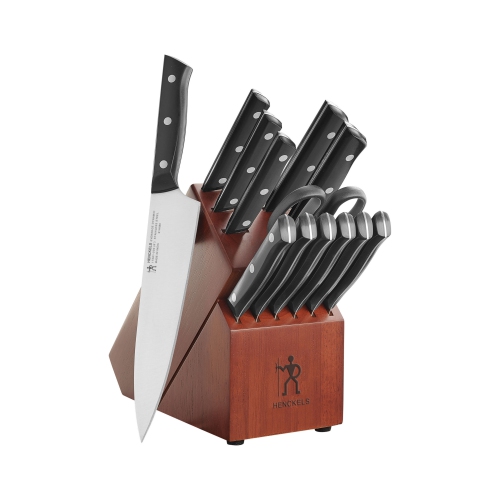
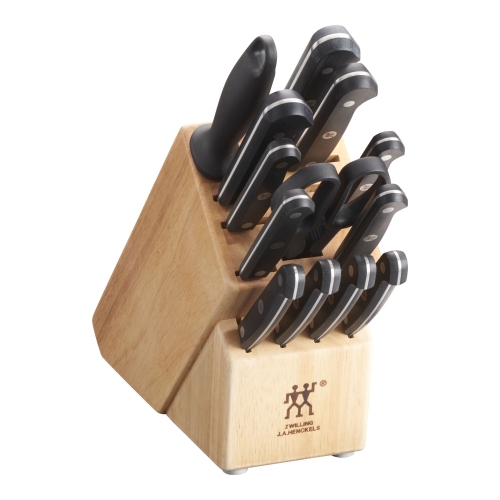
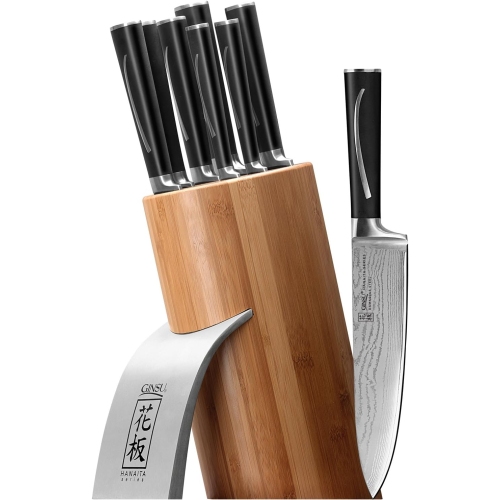
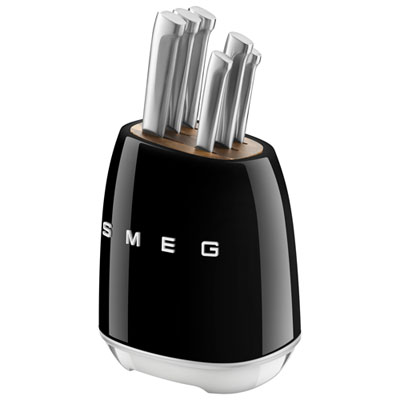
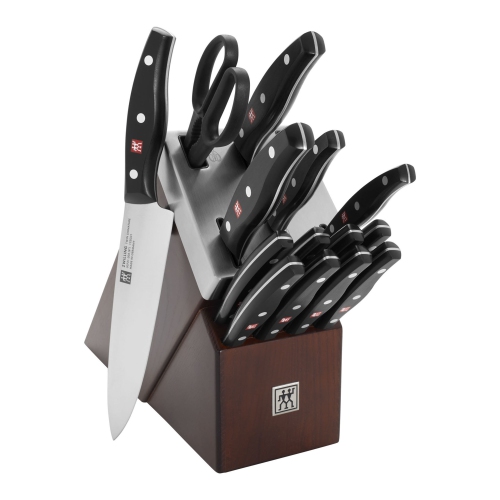
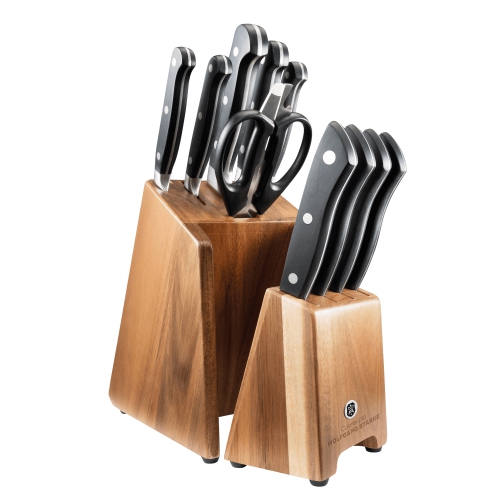
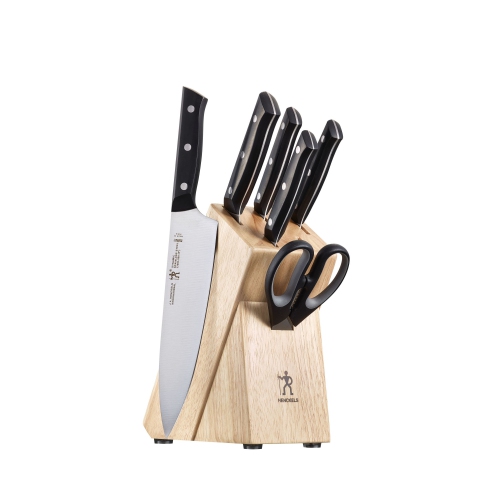
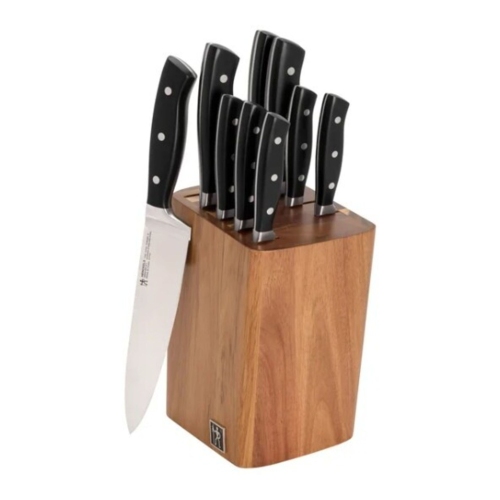
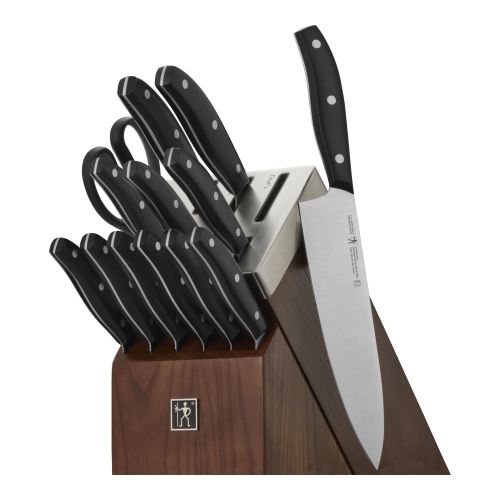
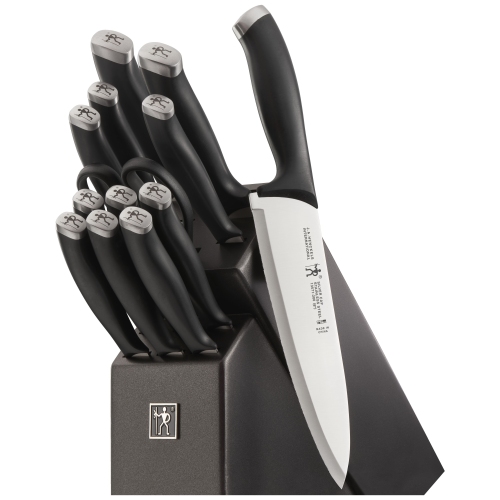
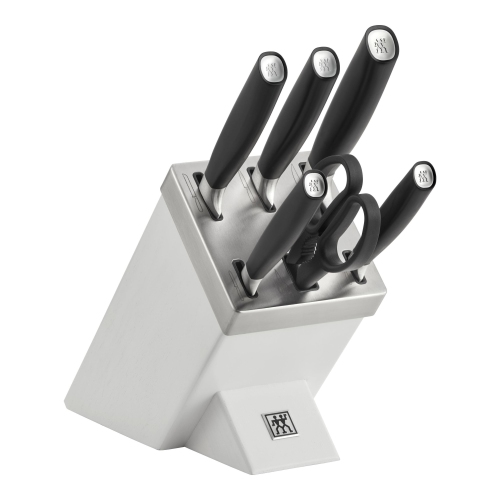
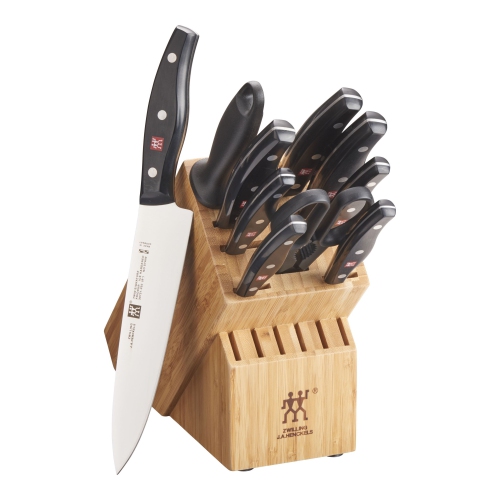
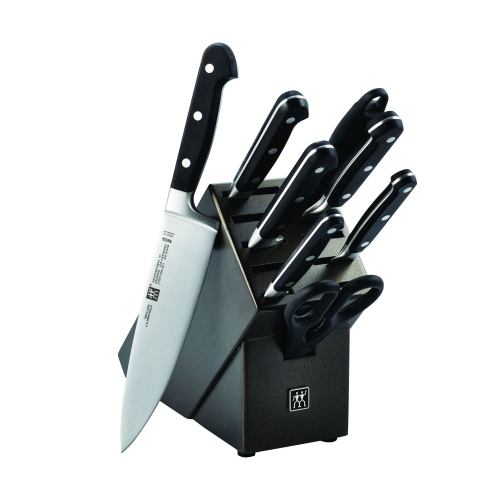
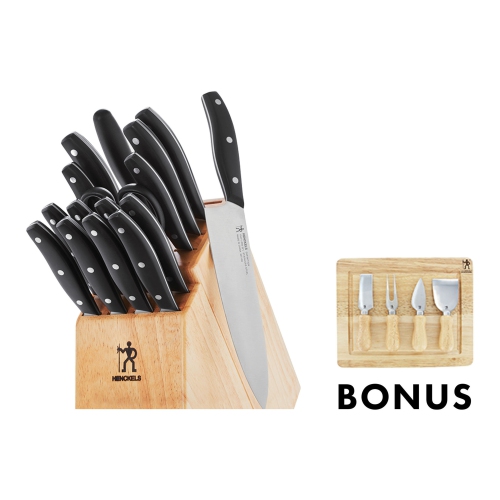
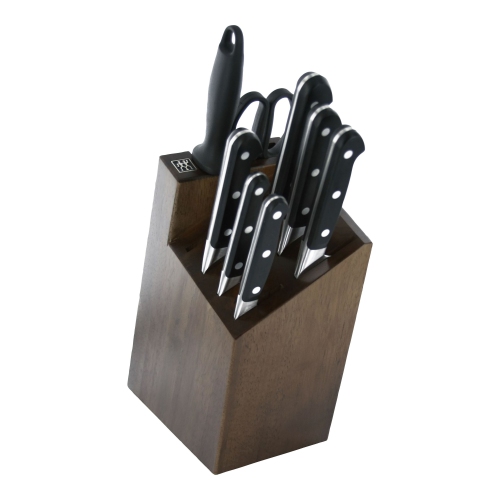
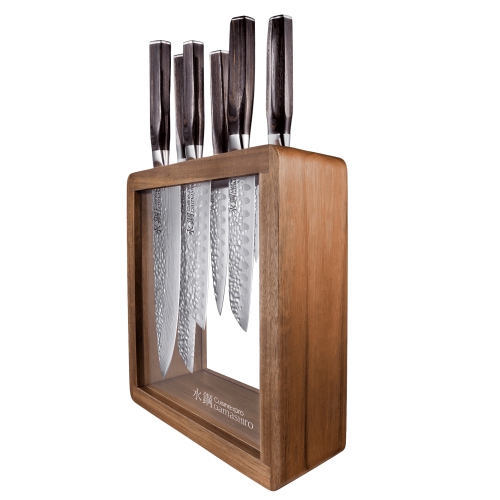
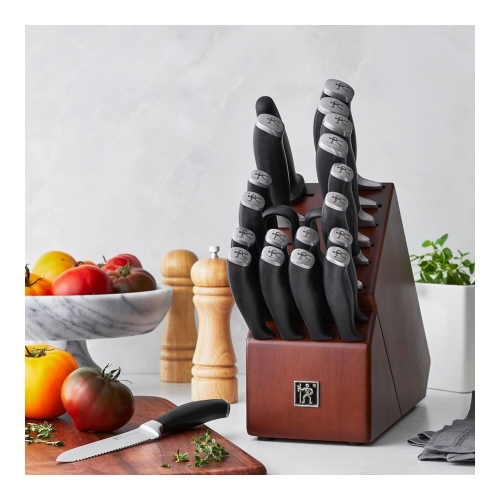
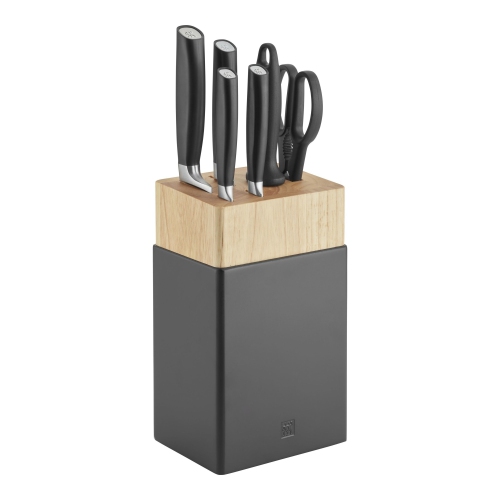
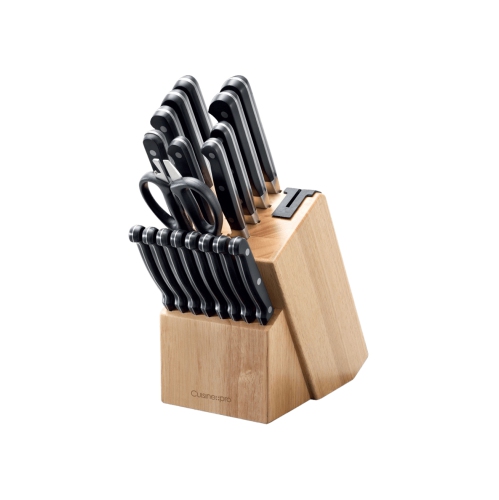
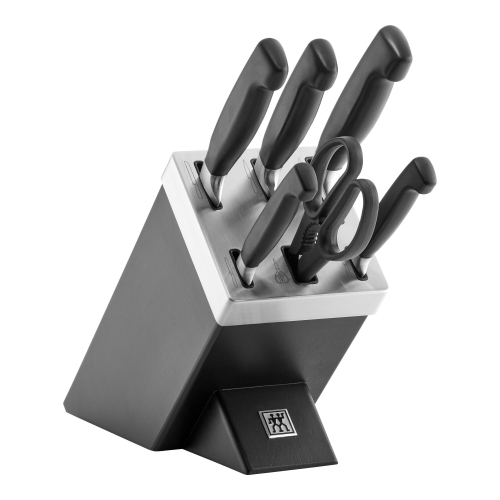
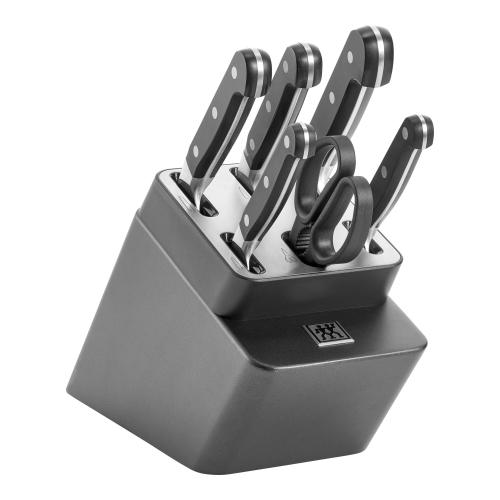
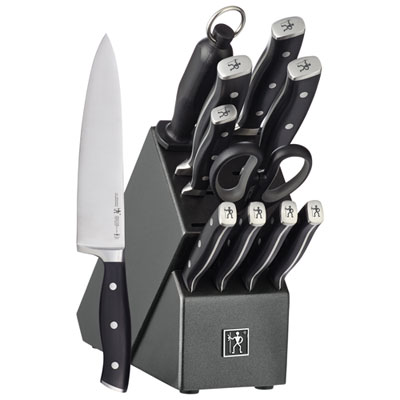
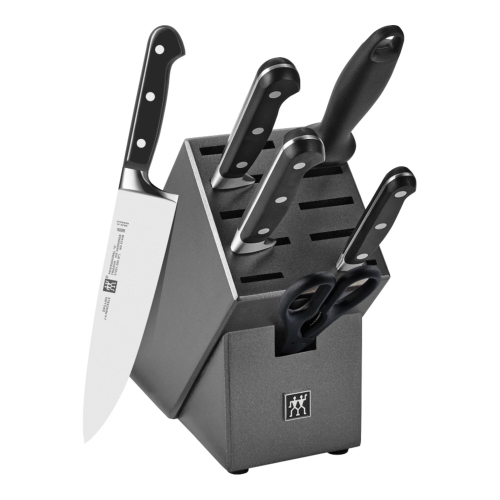
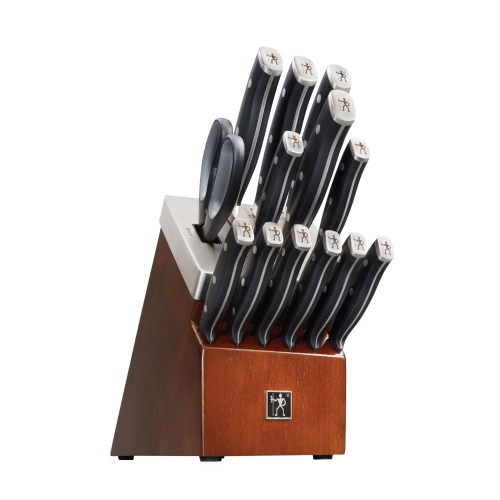
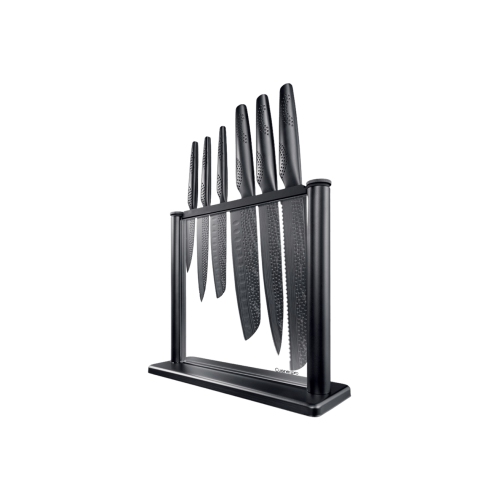
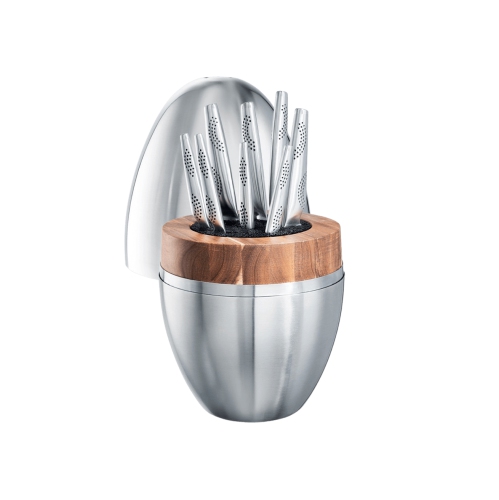
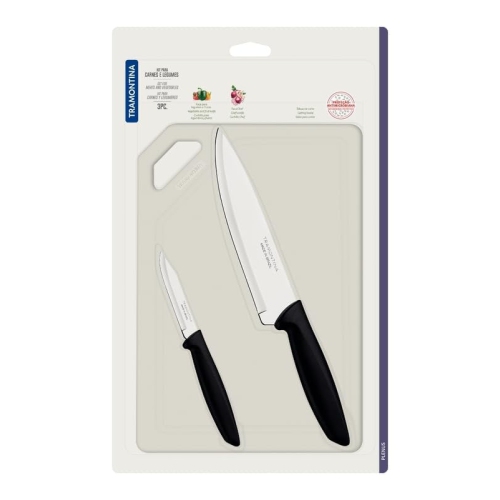
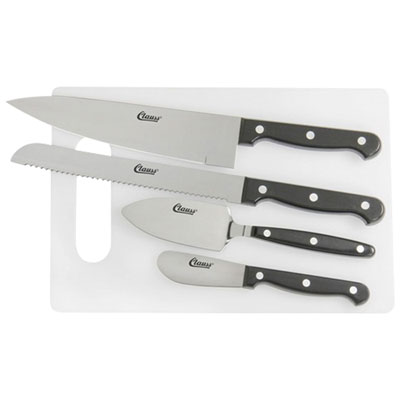
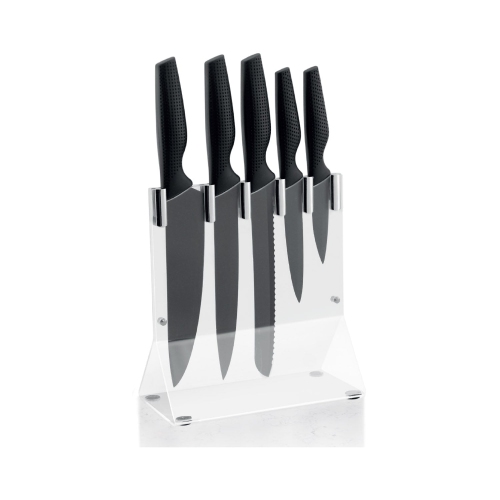
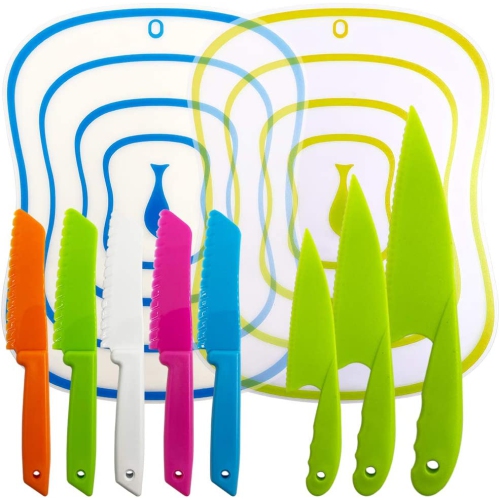
Knife sets with block bring together the essential tools for everyday food preparation and a practical way to keep them organized on the counter. Instead of searching through a drawer for a chef’s knife or leaving blades loose where they can become damaged, a countertop block keeps each piece in a designated slot and makes the right knife easy to reach. Most sets include a chef’s knife for chopping vegetables, slicing meat and preparing larger ingredients; a paring knife for small, precise tasks such as peeling apples or trimming green beans; and a utility or santoku-style knife for everyday cutting in between. Many also include a serrated bread knife, kitchen shears, a sharpening steel, and steak knives for serving at the table. Smaller five- to seven-piece sets tend to focus on the core preparation knives, making them a convenient choice for apartments, compact kitchens, first homes or cooks who prefer a streamlined collection. Larger sets can include additional specialty knives and matching steak knives, which may be useful for households that regularly host family meals or want a coordinated place setting. The block itself can be a practical part of the kitchen’s look, with traditional wood finishes, dark contemporary designs and modern patterned styles available to suit different counters and cabinetry. Consider the amount of counter space available, the number of knives that will be used regularly and whether the block has open, angled or vertical slots. A well-designed block should feel stable when a knife is removed, sit comfortably within reach, and provide enough room for the blades to be stored without rubbing against one another.
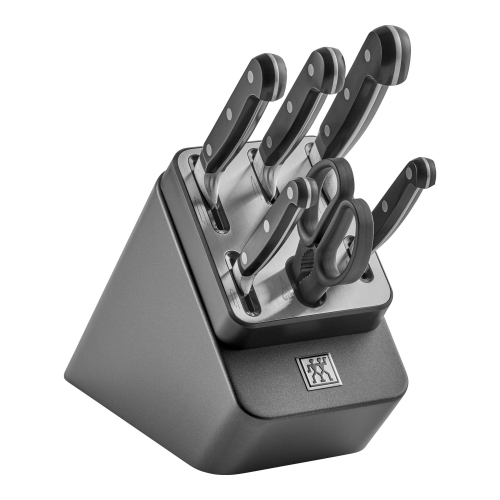
The construction and upkeep of the knives can make a noticeable difference in how they feel during food preparation. Forged knives are made from heated and shaped steel and are often valued for their weight, rigidity and balanced feel, while stamped knives are cut from a sheet of steel and are typically lighter and easy to manoeuvre. Neither style is automatically right for every cook; the best fit depends on whether a substantial blade or a lighter hand feel is more comfortable during longer prep sessions. Look at the handle shape, grip material and overall balance, since a knife that feels secure can make repetitive tasks such as slicing carrots or chopping herbs more comfortable. Smooth-edged blades benefit from regular honing to help maintain alignment, while serrated blades are intended to cut through foods such as crusty bread and ripe tomatoes without pressing them flat. Some blocks include built-in ceramic sharpening elements that hone compatible smooth-edged knives as they are removed or returned, reducing the need to use a separate sharpening tool. Other sets include a sharpening steel for manual maintenance, giving the cook more control over when and how the edge is honed. To help knives stay in good condition, check the care instructions before washing them. Hand-washing with mild dish soap, drying the blades promptly and returning them to the block once fully dry can help protect the edge and handle. Avoid leaving knives soaking in a sink, using them on glass or stone surfaces, or placing them in a drawer without blade protection. A suitable cutting board, a steady grip and a deliberate cutting motion are just as important as the knife itself. For shoppers comparing sharpening options, Knife Sets With Sharpener can help narrow the selection to sets designed with edge maintenance in mind.
A knife set with block can be a thoughtful choice for a new cook, someone moving into a first home, a frequent meal preparer or a host who wants matching tools for a well-organized kitchen. It can also make a practical wedding, housewarming or graduation gift because the recipient can use the pieces immediately, whether they are preparing a quick weekday dinner or setting out a more elaborate meal during the cooler months. When choosing a set as a gift, a balanced assortment is usually more useful than a high piece count made up of knives that may rarely leave the block. Think about the recipient’s cooking habits: a household that prepares fresh produce may appreciate a sharp paring knife and versatile chef’s knife, while someone who enjoys baking may use a serrated bread knife often. A larger collection with steak knives can suit people who frequently serve grilled foods, roasts or family-style dinners. Storage is another important consideration. A block keeps blades visible and accessible, but it should be placed away from the edge of the counter, heat from the cooktop and areas where children can reach it. Those with limited counter space may prefer a compact block, a block with a smaller footprint or a design that fits neatly beneath upper cabinets. During seasonal gatherings, an organized set can make it easier to prepare everything from fresh salads and roasted vegetables to sandwiches, bread and celebratory meals without switching between mismatched tools. Whether the priority is a simple starter collection, a broad set for entertaining, a lighter stamped construction, a sturdy forged feel or built-in sharpening support, comparing the blade selection, block design, materials and care requirements will help match the set to the way the kitchen is actually used.
The construction and upkeep of the knives can make a noticeable difference in how they feel during food preparation. Forged knives are made from heated and shaped steel and are often valued for their weight, rigidity and balanced feel, while stamped knives are cut from a sheet of steel and are typically lighter and easy to manoeuvre. Neither style is automatically right for every cook; the best fit depends on whether a substantial blade or a lighter hand feel is more comfortable during longer prep sessions. Look at the handle shape, grip material and overall balance, since a knife that feels secure can make repetitive tasks such as slicing carrots or chopping herbs more comfortable. Smooth-edged blades benefit from regular honing to help maintain alignment, while serrated blades are intended to cut through foods such as crusty bread and ripe tomatoes without pressing them flat. Some blocks include built-in ceramic sharpening elements that hone compatible smooth-edged knives as they are removed or returned, reducing the need to use a separate sharpening tool. Other sets include a sharpening steel for manual maintenance, giving the cook more control over when and how the edge is honed. To help knives stay in good condition, check the care instructions before washing them. Hand-washing with mild dish soap, drying the blades promptly and returning them to the block once fully dry can help protect the edge and handle. Avoid leaving knives soaking in a sink, using them on glass or stone surfaces, or placing them in a drawer without blade protection. A suitable cutting board, a steady grip and a deliberate cutting motion are just as important as the knife itself. For shoppers comparing sharpening options, Knife Sets With Sharpener can help narrow the selection to sets designed with edge maintenance in mind.
A knife set with block can be a thoughtful choice for a new cook, someone moving into a first home, a frequent meal preparer or a host who wants matching tools for a well-organized kitchen. It can also make a practical wedding, housewarming or graduation gift because the recipient can use the pieces immediately, whether they are preparing a quick weekday dinner or setting out a more elaborate meal during the cooler months. When choosing a set as a gift, a balanced assortment is usually more useful than a high piece count made up of knives that may rarely leave the block. Think about the recipient’s cooking habits: a household that prepares fresh produce may appreciate a sharp paring knife and versatile chef’s knife, while someone who enjoys baking may use a serrated bread knife often. A larger collection with steak knives can suit people who frequently serve grilled foods, roasts or family-style dinners. Storage is another important consideration. A block keeps blades visible and accessible, but it should be placed away from the edge of the counter, heat from the cooktop and areas where children can reach it. Those with limited counter space may prefer a compact block, a block with a smaller footprint or a design that fits neatly beneath upper cabinets. During seasonal gatherings, an organized set can make it easier to prepare everything from fresh salads and roasted vegetables to sandwiches, bread and celebratory meals without switching between mismatched tools. Whether the priority is a simple starter collection, a broad set for entertaining, a lighter stamped construction, a sturdy forged feel or built-in sharpening support, comparing the blade selection, block design, materials and care requirements will help match the set to the way the kitchen is actually used.
Top selling and popular products
-
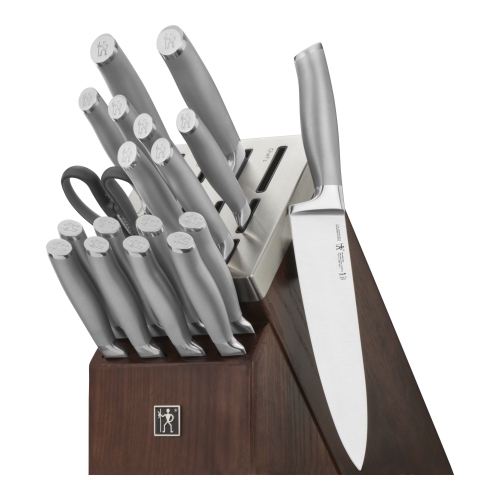 Your price for this item is $489.99
 -
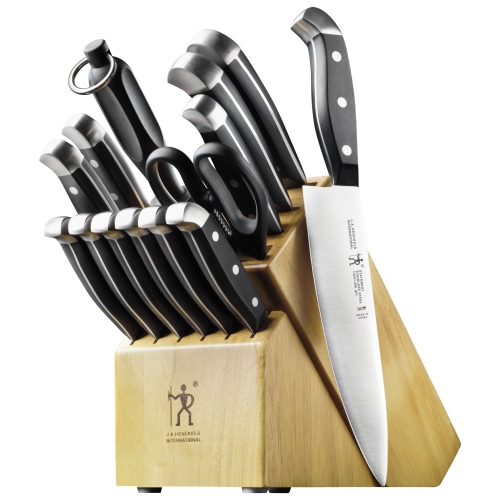 Your price for this item is $179.99
 -
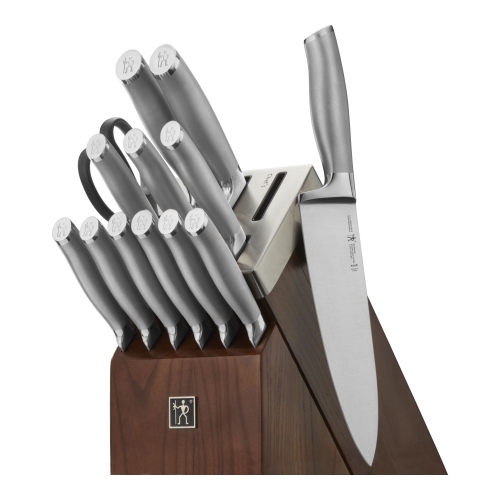 Your price for this item is $299.99
 -
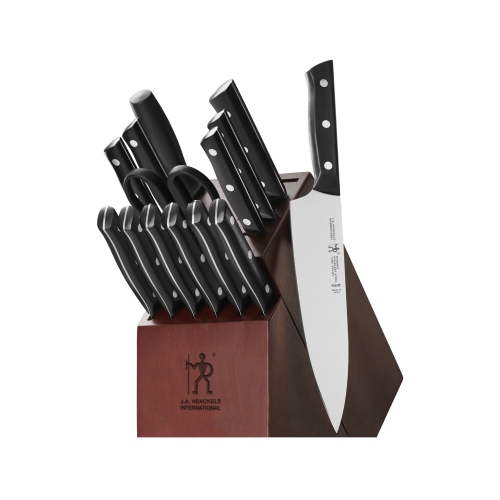 Your price for this item is $214.99
 -
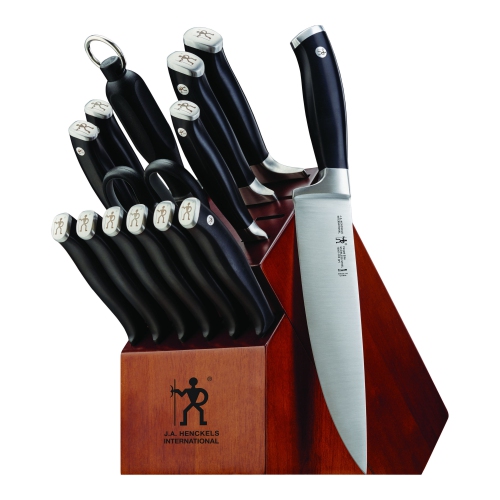 Your price for this item is $219.99
 -
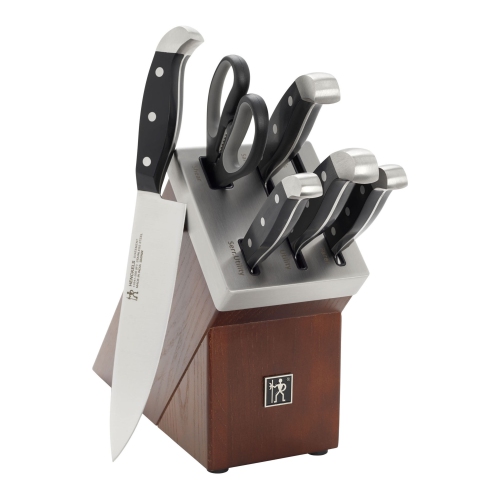 Your price for this item is $179.99
 -
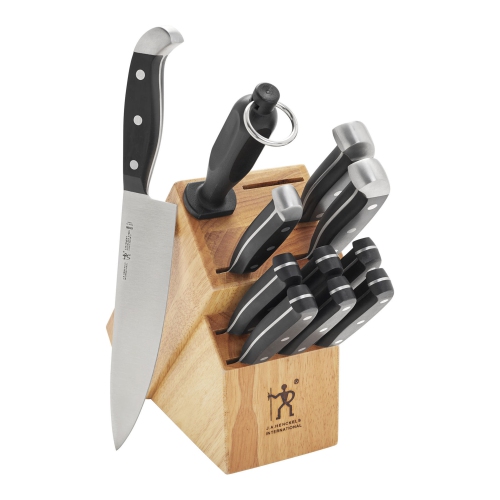 Your price for this item is $179.99
 -
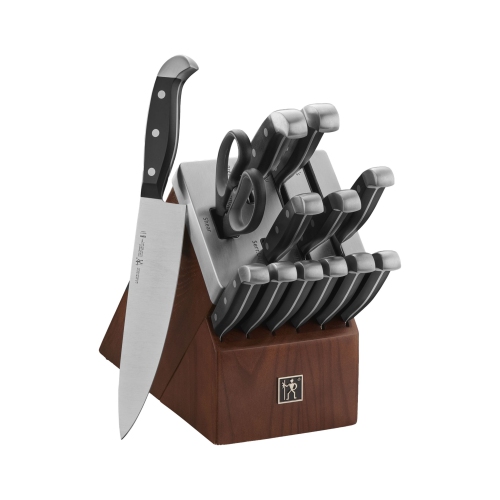 Your price for this item is $279.99
Discover more categories related to Knife Sets With Block
Top Collections:
Pokemon Centers, Kindle Devices, Best Budget Office Chairs, Canon G7X Cameras, Apple iPhones 16, Samsung Galaxy Phones, Refurbished Apple Laptops, Laptops for Students, iPhone 15 Apple, Budget Smartphones
Some products may be subject to Environmental Handling Fees
(EHF) depending on your province.
Learn more about EHFs.